đŸ’„Join UPSC 2027,2028 Mentorship (July Batch) + XFactor Notes & Microthemes PDF

Subject: Applied Ethics X Environment

  • Suppose the Government of India is thinking of constructing a dam in a mountain valley bound by forests and inhabited by ethnic communities. What rational policy should it resort to in dealing with unforeseen contingencies?

    India is one of the top 10 mega diverse countries of the world (8.1% of the world’s species). A rational policy for dam construction must adopt a dynamic risk-management framework.

    “Forests are the lungs of our land. A nation that destroys it destroys itself..” – Franklin D. Roosevelt

    Possible unforeseen contingencies

    Ecological degradation – Submergence of forests and biodiversity loss.

    Cultural erosion – Eg- loss of “Sacred Groves”

    Livelihood disruption – Loss of agriculture, fishing, forest-based economy.

    Downstream ecological impact – Eg- Altered river flow affecting agriculture and wetlands.

    Reservoir-induced seismicity – Eg- 1967 Koyna Earthquake.

    Waterlogging and salinisation causing soil degradation.

    Health risks – Stagnant water increasing vector-borne diseases. Eg- Malaria and dengue

    Social conflict – Tensions between locals, migrants, and authorities.

    Climate uncertainty – Eg- Irregular monsoon impacting reservoir levels.

    Rational Policy for Dealing with Unforeseen Contingencies – must be Adaptive, Transparent, and Restorative.

    Comprehensive impact assessments for Procedural Justice

    Integrated Environmental, Social and Cultural Impact Assessments.

    Adaptive management- mandatory periodic reassessments every 5 years.

    The “Precautionary Principle”- If a risk (like a GLOF) is scientifically plausible but uncertain, the policy must favor environmental safety over construction.

    Ensuring Free, Prior, and Informed Consent (FPIC) by Gram Sabhas under PESA Act 1996.

    The “Benefit-Sharing” Model- Making communities “partners in prosperity.”

    Just and participatory rehabilitation – Eg- Land for land

    Ecological Insurance Fund from electricity revenue for unforeseen disaster relief.

    Tribal Development Fund for Livelihood for Life

    Cultural Heritage Mapping before submergence.

    Ecological offsets – Compensatory afforestation and biodiversity corridors. (Inter-generational Equity principle)

    Grievance Redressal at the Doorstep through an independent Project Ombudsman.

    Risk governance – Eg- Flood warning systems downstream.

    Decommissioning Clause- a clear “End-of-Life” plan for the dam, ensuring the valley can eventually be restored.

    “Development without Justice is merely organized plunder.” By treating the mountain ecosystem with “Bio-centric Humility,” the state can mitigate the moral and physical risks of development.
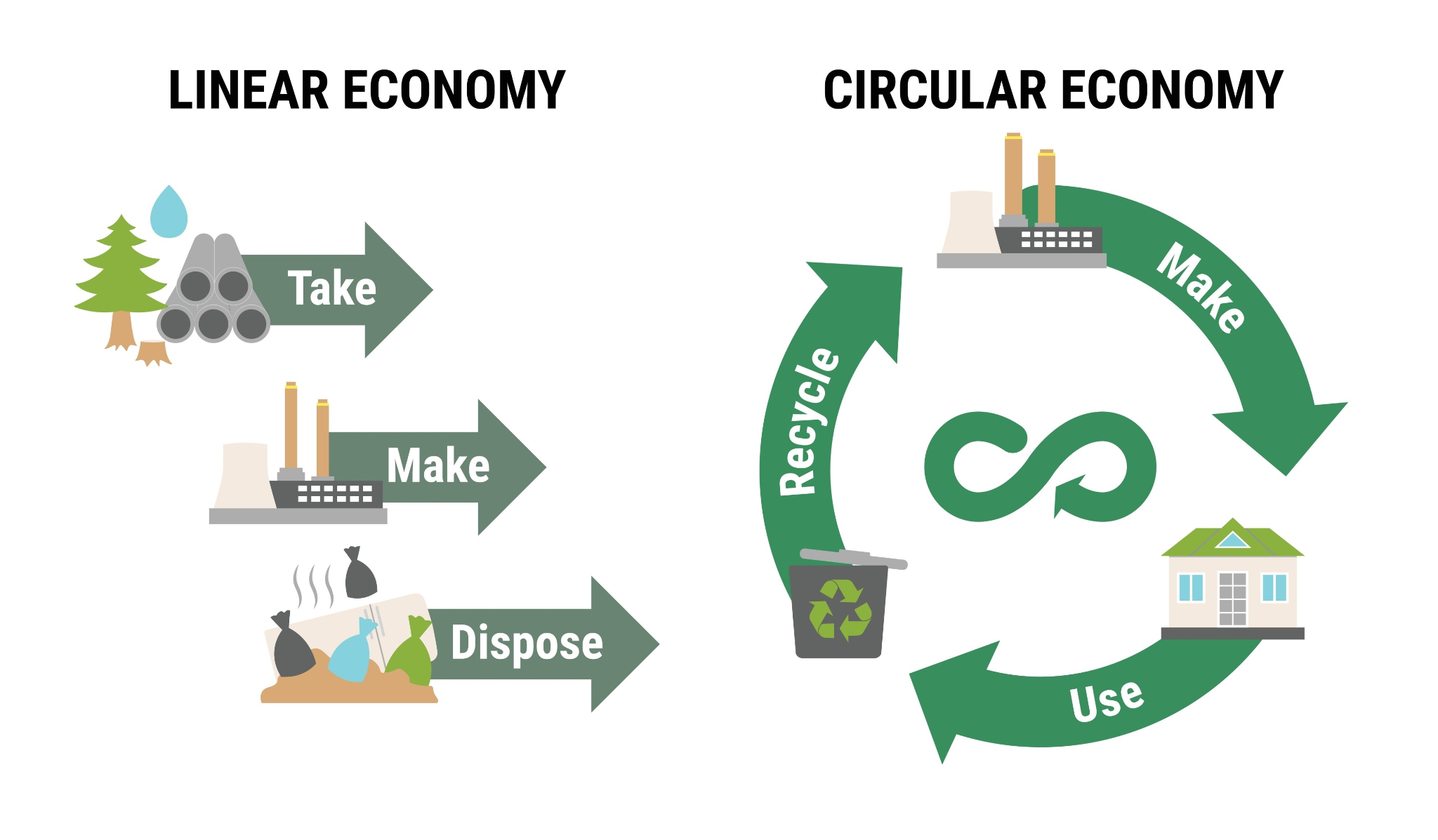
  • Gobal warming and climate change are the outcomes of human greed in the name of development, indicating the direction in which extinction of organisms including human beings is heading towards loss of life on Earth. How do you put an end to this to protect life and bring equilibrium between the society and the environment ?

    The crisis of climate change is fundamentally a crisis of values. It is the product of pursuing material progress by disregarding planetary boundaries.

    Global Level- Systemic Harmonization

    Decarbonization of Global Trade- Eg- taxing products imported from high-pollution regions

    Climate Finance Mobilization- Fulfilling the $100 billion annual commitment by developed countries

    Protection of global commons – Eg- early finalization of Global Plastic Treaty to protect oceans

    Government Level- act as the “Architect of Sustainability”

    Rights of Nature Legislation- Formally granting legal personhood to major rivers, mountains, and forests. Eg- Ganga in india

    Energy Transition under Panchamrit Targets- 500 GW from non-fossil sources by 2030.

    Green Urban Planning- Developing “Sponge Cities” with permeable pavements and urban wetlands to manage flooding and “Heat Island” effects.

    Business Level

    Adopting Net-Zero Roadmaps- Measuring and reducing Scope 1, 2, and 3 emissions

    Product Stewardship- Designing products that can be easily repaired or recycled

    ESG Integration in investment decisions, recognizing that “Sustainability is a Competitive Advantage.”

    Supply Chain Decarbonization- ensuring that raw materials are sourced ethically and without deforestation.

    Bio-Inclusive Boardrooms- Eg- “Ecological Representative” or “Voice for Future Generations” on corporate boards

    Society Level- Cultural Re-engineering

    Mainstreaming “Environmentalism of the Poor”- Eg- Chipko or Appico movements where local tribes are the primary guardians of forests.

    Moving from “Environmental Science” to “Environmental Ethics” in school and college curricula

    Community-Led Restoration- Eg- volunteer movements for cleaning coastlines or planting “Miyawaki” urban forests.

    Citizen Level- LiFE (Lifestyle for Environment) movement

    Mindful Consumption through ethical restraint

    Switching from a “throwaway culture” to one of repair and reuse

    lifestyle of “Enoughness”-voluntarily limiting consumption

    “Pro-Planet” dietary Shift to protect water and soil. Eg- millet-based diets

    Energy Citizenship- Transitioning to rooftop solar and adopting energy-efficient appliances (LEDs/BLDC fans).

    Waste Segregation at Source- helps 100% composting or recycling at the municipal level.

    Green Mobility- Preferring public transport, cycling, or Electric Vehicles (EVs)

    By applying the Precautionary Principle to our technology and Intergenerational Equity to our economy, we can move to the trajectory of “Great Restoration.”

  • Q2 (b)Keeping the national security in mind, examine the ethical dilemmas related to controversies over environmental clearance of development projects in ecologically sensitive border areas in the country.

    While national security is a non-negotiable sovereign duty, ecological health is a non-negotiable biological necessity. The ethical dilemma arises because both sides claim the “Right to Life” (Article 21).

    National security imperative

    All weather connectivity. Eg- Zojila or Sela tunnels

    Logistics and supply lines

    Surveillance and communication. Eg- Installing radar stations

    Rapid deployment capability

    Strategic deterrence. Eg- Great Nicobar Port in IOR

    Disaster response access

    Hearts and minds strategy. Eg- vibrant village program

    Ethical dilemmas related to environmental clearance

    Utilitarianism vs. Deontology/ right vs right dilemma – sacrificing a unique, irreplaceable ecosystem for the “greater good” of national security.

    Connectivity vs ecology – Highway projects degrade fragile ecosystems. Eg- Char Dham Pariyojana

    Anthropocentrism vs. Ecocentrism- Does a border road have more “value” than the extinction of an endemic species?

    National interest vs local rights – Eg- Forest Conservation (Amendment) Act 2023 exempts projects within 100km of borders from certain clearances.

    Speed vs scrutiny – Eg- Strategic exemptions from EIA.

    Secrecy vs transparency – Classified projects limit public accountability.

    Intergenerational justice dilemma – Immediate defence gains create long-term ecological vulnerability. Eg- Landslides due to hill cutting.

    Human safety vs wildlife protection – Eg- Border fencing affecting elephant movement.

    Development vs sustainability – Infrastructure improves access but undermines long-term ecological balance.

    Slippery Slope dilemma – extension of ‘national security exemptions’ to other projects in future

    Way Forward

    Strategic Environmental Assessment (SEA)

    Green Engineering. Eg- “Eco-bridges”

    Independent Oversight Body comprising both military strategists and ecologists

    Restorative Compensation

    There is need to shift from “Environmental Clearance” to “Environmental Integration” for sustainable and “Sensitive” security paradigm.

    Ethics in IR