💥Join UPSC 2027,2028 Mentorship (August Batch) + XFactor Notes & Microthemes PDF

Subject: Biotech and Medical Sciences

  • Evolutionary Journey of the Y Chromosome

    chromosome

    Central Idea

    • The Y chromosome, often known as the “master of maleness,” has fascinated scientists and historians for its role in determining sex and its unique genetic characteristics.
    • This article explores the intriguing journey of the Y chromosome, its significance, and recent discoveries that challenge previous assumptions.

    What are Chromosomes?

    • Chromosomes are fundamental components of cells that play a vital role in storing and transmitting genetic information.
    • These structures contain genes, which carry instructions for the development, functioning, and inheritance of traits.
    • Chromosomes consist of tightly coiled DNA molecules wrapped around proteins called histones, forming chromatin.
    • Before cell division, chromosomes replicate into identical sister chromatids held together at the centromere.

    Types of Chromosomes:

    1. Autosomes: Non-sex chromosomes (22 pairs in humans) determine most traits.
    2. Sex Chromosomes: Determine biological sex (XX for females, XY for males).

    Functions of Chromosomes

    • Genetic Information Storage: Genes on chromosomes encode instructions for protein production and cellular processes.
    • Inheritance: Chromosomes transmit genetic information during sexual reproduction through meiosis, ensuring genetic diversity in offspring.
    • Gene Expression Regulation: Chromosomes control gene activation or silencing, crucial for development and cell functioning.

    Significance of Chromosomes

    • Understanding Genetic Disorders: Abnormalities in chromosomes cause conditions like Down syndrome, aiding diagnosis and comprehension.
    • Evolutionary Insights: Comparative analysis of chromosomes reveals evolutionary relationships and genetic material changes over time.
    • Advancements in Genetic Research: Chromosomes are crucial for genome sequencing, mapping, and studying gene expression, leading to improved understanding of human health, diseases, and targeted therapies.

    Our focus: Y Chromosome

    1. Genetic Origins: The Y chromosome is believed to have emerged approximately 200-300 million years ago in a common ancestor of mammals. Its genetic sequence, published in 2003, revealed that it accounts for only 2% of the genetic material inside a cell, encoding around 55 genes.
    2. Quirks and Challenges: Referred to as the “juvenile delinquent” among chromosomes, the Y chromosome has repetitive sequences, a limited number of genes, and a reluctance to recombine with other chromosomes. These characteristics have led to debates about its functional utility and evolutionary trajectory.

    Significance of the Y Chromosome

    • Historical Insights: Researchers have extensively studied the Y chromosome to understand human migration and evolution. It has provided valuable insights into paternity, genetic diversity, and our shared past.
    • Beyond Sex Determination: Contrary to earlier assumptions, recent studies have revealed that the Y chromosome plays a role in biological functions beyond sex determination. It contains genes associated with aging, lifespan regulation, and other vital processes.

    Influence of the Y chromosome on Health

    • Sex Differences in Lifespan: In the animal kingdom, including mammals, females tend to live longer than males. The absence of a second Y chromosome in males exposes detrimental mutations in the X chromosome, potentially contributing to shorter lifespans.
    • Age-Related Loss of the Y Chromosome: Studies have shown that men experience a loss of the Y chromosome (LoY) with age, which has been associated with a higher risk of diseases such as cancer and Alzheimer’s. Research on mice models supports these findings, indicating a correlation between LoY and shorter lifespans and memory deficiencies.
    • Phenotypic Sex and Longevity: Recent research on fruit flies challenges the notion that the presence of a Y chromosome directly influences longevity. Instead, the phenotypic sex of an individual, determined by external genitalia, may play a more significant role.

    Future of the Y Chromosome

    • Species-Specific Evolution: Some species, like rodents, have naturally lost their Y chromosome, offering insights into sex-chromosome turnover. These species serve as models for understanding the process and the potential repurposing of other chromosomes as sex chromosomes.
    • Signs of Replacement: Genomic analysis of Neanderthal DNA indicates that the Y chromosome has undergone replacement in the lineage leading to modern humans. This suggests that the Y chromosome’s role as the “master of maleness” may eventually be overtaken by another chromosome in the future.
  • FDA approves first vaccine for Respiratory Syncytial Virus

    respiratory

    The Food and Drug Administration (FDA) has approved the first vaccine ‘Arexvy’ for respiratory syncytial virus (RSV) to lower respiratory tract disease in people older than 60 years.

    What is Respiratory Syncytial Virus?

    • Respiratory Syncytial Virus (RSV) is a common respiratory virus that can cause illness in people of all ages.
    • It is the most common cause of lower respiratory tract infections in infants and young children, and it can also affect older adults and people with weakened immune systems.
    • RSV is highly contagious and spreads through droplets when an infected person coughs or sneezes, or by touching a surface contaminated with the virus and then touching one’s face.
    • Symptoms of RSV can range from mild to severe, including runny nose, coughing, sneezing, fever, wheezing, and difficulty breathing.
    • In severe cases, it can lead to pneumonia, bronchiolitis, or death.

    Identification of Protein F

    • In 2013, Barney Graham and other scientists identified the key protein, protein F, responsible for the RSV virus to infect human cells.
    • The protein, introduced in humans, elicited neutralizing antibodies against the virus.

    Approval and Efficacy of Arexvy

    • The FDA has approved Arexvy, the first RSV vaccine to be approved anywhere in the world, manufactured by GSK.
    • The approval was based on a phase-3 trial carried out on nearly 25,000 participants.
    • It showed a single dose of the vaccine reduced the risk of developing lower respiratory tract disease caused by the RSV virus by 82.6% and severe disease by 94.1% in people older than 60 years.
    • The vaccine will be available for older adults in the U.S. before the 2023-2024 RSV season.


    Get an IAS/IPS ranker as your personal mentor for UPSC 2024 | Schedule your FREE session and get the Prelims prep Toolkit!

  • Darwin’s Theory of Evolution: Exclusion From Indian School and College Curricula

    Evolution

    Central Idea

    • The recent exclusion of Darwin’s theory of evolution from Indian school and college curricula has prompted concerns among scientists and educators, as it is one of the most firmly established theories in science that explains the origin of all forms of life and rescues the explanation from the belief in an intelligent designer.

    What is Darwin’s theory of evolution?

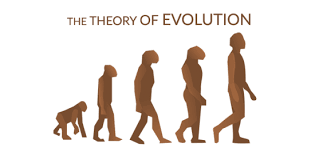
    Charles Darwin’s theory of evolution is one of the most influential scientific theories ever proposed. The main ideas behind Darwin’s theory of evolution include:

    • Variation: Within a population, there is variation in traits among individuals.
    • Inheritance: Some of these traits are passed on from parents to offspring.
    • Overproduction: Most populations produce more offspring than can survive to maturity.
    • Natural selection: Individuals with traits that are advantageous for survival and reproduction in their particular environment are more likely to survive and pass on their traits to their offspring, while those with less advantageous traits are less likely to survive and reproduce.
    • Adaptation: Over time, the frequency of advantageous traits in a population will increase, resulting in a better match between the organisms and their environment, known as adaptation.
    • Common descent: All living organisms share a common ancestor that lived in the distant past.
    Evolution

    Facts for prelims: Scientists and theories

    Scientist Theory Key Points
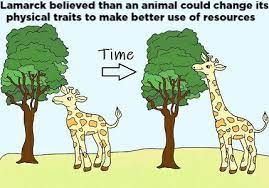
    Jean-Baptiste Lamarck Theory of Inheritance of Acquired Characteristics Organisms change and evolve during their lifetimes based on the environmental needs, and these changes can be passed on to their offspring. For example, giraffes developed longer necks by stretching their necks to reach higher branches, and these longer necks were passed on to their offspring.
    Thomas Malthus Theory of Population Populations tend to increase faster than the food supply, leading to competition for resources. Only the individuals with advantageous traits survive, while others perish. This concept of “survival of the fittest” became an important part of Darwin’s theory.
    Charles Darwin Theory of Natural Selection Organisms with advantageous traits have a greater chance of surviving and reproducing, passing on those traits to their offspring. Over time, this leads to the development of new species through the process of speciation. Darwin’s theory also emphasized the importance of variation, competition, and adaptation in the evolutionary process.
    Alfred Russel Wallace Theory of Evolution by Natural Selection Similar to Darwin’s theory, Wallace’s theory emphasized the role of natural selection in the development of new species. However, Wallace also proposed that natural selection could result in the divergence of species into separate branches, which could eventually become new genera or families.
    Hugo de Vries Mutation Theory Mutations, or sudden genetic changes, are the driving force behind evolution rather than gradual changes over time. De Vries also proposed the concept of “species-polymerism”, where multiple species could arise from a single ancestral species through mutations.
    Stephen Jay Gould Theory of Punctuated Equilibrium Evolutionary change occurs in rapid bursts (punctuations) followed by long periods of stability (equilibrium). This theory challenges the traditional view of evolution as a slow, gradual process. Gould also emphasized the role of contingency or chance events in shaping evolutionary history.

    Why must students and teachers in school concern themselves with Darwin’s theory?

    • Understanding the origin of human beings and other forms of life: Darwin’s theory of evolution is one of the most firmly established theories in science that explains the origin of human beings and all other forms of life in the world.
    • Challenging the belief in an intelligent designer: Darwin’s theory rescues the explanation of the origin of life from the belief that an ‘intelligent designer’ (read: god) built them the way they are and put them in their place.
    • Encouraging critical inquiry and embracing critique: The teaching of Darwin’s theory offers possibilities of confronting science’s own troubled history and requires caution alongside curiosity, creativity and imagination.
    • Understanding the historical and contemporary world of science: The teaching of Darwin’s theory can help students understand that science is rarely the story of a lone man, and it is shaped by the social and cultural beliefs of its times.
    • Enhancing scientific literacy: Understanding Darwin’s theory of evolution is crucial for enhancing scientific literacy, as it is an essential component of biology and a cornerstone of modern science.

    Criticisms: Darwin’s theory of evolution

    • Lack of transitional fossils: Some critics argue that there is a lack of transitional fossils, which are intermediate forms of species between ancestral and descendant forms. They claim that the absence of such fossils undermines the validity of the theory of evolution.
    • Incomplete explanation of variation: While Darwin’s theory of natural selection explains how variation arises in a population, it does not fully explain the source of the variation. Some critics argue that the theory does not account for genetic mutations or other mechanisms that can generate variation.
    • Lack of empirical evidence for macroevolution: While the theory of evolution is well-supported by empirical evidence for microevolution (small-scale changes within a species), critics argue that there is insufficient empirical evidence to support macroevolution (large-scale changes between species).
    • The origin of life: Critics argue that Darwin’s theory does not explain how life originated in the first place.
    • Complexity of living organisms: Critics argue that the complexity of living organisms cannot be explained solely by natural selection and that there must be some other explanation for the diversity and complexity of life.

    Conclusion

    • Science is a messy affair that requires caution alongside curiosity, creativity, and imagination. The teaching of Darwin’s theory must offer possibilities of confrontation without underplaying its strengths. While Darwin must remain in our textbooks, the way it is taught must change to include other influences that have shaped the theory and the consequent use of the theory by others and himself.

    Mains Question

    Q. What is Darwin’s theory of evolution? As the theory is being dropped from the school textbooks, discuss why must students and teachers in school concern themselves with Darwin’s theory?

    Get an IAS/IPS ranker as your personal mentor for UPSC 2024 | Schedule your FREE session and get Prelims prep Toolkit!

  • Novel compound to treat Kala-Azar Infection

    kala-azar

    Central idea: The Kolkata-based Indian Association for the Cultivation of Science (IACS) have established the potential of quinoline derivatives to treat drug-resistant leishmaniasis, which is also called kala-azar or black fever.

    What is Kala Azar?

    • Kala-Azar is a vector-borne (sandfly) neglected tropical disease caused by the protozoan parasites of the genus leishmania.
    • It afflicts the world’s poorest populations in over 90 countries throughout Asia, Africa, the Middle East, and Central and South America.
    • Current annual estimates of kala-azar are about 1,00,000.
    • More than 95% of cases reported to the WHO are from India and other tropical countries, most importantly co-infection with HIV, which leads to an immunocompromised state.

    How does Quinoline work over this?

    • The quinoline derivative is a potent inhibitor of an enzyme called topoisomerase 1 (LdTop1).
    • This enzyme is essential for the maintenance of DNA architecture in parasites and is distinct from the one found in humans.
    • Poisoning LdTop1 imparts significant cytotoxicity to both Leishmania parasites found in the gut of sandfly vectors (promastigotes) and those found in infected humans (amastigotes) of both the wild type and the antimony-resistant isolates.
    • This is done without inducing lethality to human and mice host cells.

    Significance of quinoline treatment

    • Overcoming drug resistance in clinical leishmaniasis is a severe challenge in rural India.
    • The current treatment regimens against kala-azar use formulations that are toxic and induce high levels of drug-resistance.

    What is the breakthrough?

    • The novel inhibitor targeting the leishmania parasites was identified by screening them against recombinant Leishmania topoisomerase 1 enzyme.
    • In all, 21 derivatives were prepared and evaluated for their antileishmanial activity, and one of them was found to be effective.


  • Rising Cancer Cases in India And Economic Burden

    Central Idea

    • Cancer cases in India are predicted to cross the 15 lakh mark by 2025, highlighting concerns about the economic burden of expensive cancer treatments and the accessibility of affordable healthcare for patients.

    Cancer

    • Cancer is a group of diseases that arise when cells in the body begin to grow and divide uncontrollably, leading to the formation of tumors.
    • Normally, cells in the body grow, divide, and die in an orderly fashion, but in cancer, this process goes awry, leading to the accumulation of abnormal cells that can form a mass or tumor.
    • There are many different types of cancer, which can affect any part of the body. Some cancers, such as leukemia, do not form tumors but still involve the uncontrolled growth of abnormal cells.
    • Symptoms of cancer can vary depending on the type and location of the cancer, but common signs include unexplained weight loss, fatigue, pain, and changes in the skin or the appearance of a lump or mass.

    Economic Burden of Cancer Treatment

    1. Inaccessible and Increasing Costs:
    • The average medical expenditure per hospitalization case for cancer treatment was ₹68,259 in urban areas, according to the NSS 2017-18 report.
    • A Parliamentary Standing Committee report expressed concern about the inaccessible and increasing cost of cancer treatment.
    1. Regulatory Challenges:
    • While anti-cancer medicine costs can be regulated, the cost of radiotherapy cannot, as it has not been declared an essential service.
    • Insurance Coverage and Out-of-Pocket Expenses.
    1. Impact on Patients:
    • Cancer often strikes around the retirement age, leading to mounting debt burdens.
    • The average hospital stay for 14.1% of cancer patients is more than 30 days, further increasing bills.

    Insurance Coverage and Out-of-Pocket Expenses

    1. Poor Insurance Penetration: More than 80% of hospital bills are paid out of pocket, as per the NSS 2017-18 report.
    2. Ayushman Bharat Limitations: The Committee observed that the Ayushman Bharat insurance scheme launched in 2018 does not cover entire prescriptions, latest cancer therapies, or many diagnostic tests.
    3. State-Specific Insurance Schemes: The Committee suggested a convergence of State and Central schemes, as some State-specific insurance schemes have been highly beneficial.

    State-wise Variation in Cancer Treatment Expenditure

    • State-wise average medical expenditure per hospitalization case for cancer treatment in government hospitals varies, with the lowest in Tamil Nadu and Telangana, and the highest in northern and north-eastern India.

    Facts for Prelims: CAR T-cell therapy

    • Unlike chemotherapy or immunotherapy, which require mass-produced injectable or oral medication, CAR T-cell therapies use a patient’s own cells.
    • The treatment involves modifying a patient’s own T-cells, which are a type of immune cell, in a laboratory to target and attack cancer cells.
    • CAR stands for chimeric antigen receptor, which refers to the genetically engineered receptor that is added to the patient’s T-cells.
    • The patient’s T-cells are collected and genetically modified in a laboratory to express the CAR.
    • The modified T-cells are then infused back into the patient’s body, where they can seek out and destroy cancer cells that express the antigen targeted by the CAR.
    • The cells are even more specific than targeted agents and directly activate the patient’s immune system against cancer, making the treatment more clinically effective.
    • This is why they’re called living drugs.
    • CAR T-cell therapy has shown promising results in treating certain types of blood cancers, including leukemia and lymphoma.

    Conclusion

    • The rising number of cancer cases in India underscores the need to address the economic burden of expensive cancer treatments and improve the accessibility of affordable healthcare for patients. Converging State and Central insurance schemes, expanding insurance coverage, and exploring ways to regulate treatment costs are essential steps to ensure that patients can access life-saving treatments without facing insurmountable financial challenges.

    Are you an IAS Worthy Aspirant? Get a reality check with the All India Smash UPSC Scholarship Test

    Get upto 100% Scholarship | 900 Registration till now | Only 100 Slots Left


  • What are ‘Bio-Computers’ and what can they tell us about the human brain?

    bio-computer

    Central idea: Johns Hopkins University scientists have proposed creation of Bio-Computers’ using a new area of research called “organoid intelligence”.

    Background

    • JHU scientists will harness the processing power of the brain and help understand the biological basis of human cognition, learning, and neurological disorders.
    • Traditional methods of studying the human brain involve using rat brains, which are structurally and functionally different from human brains.

    Building brain organoids in the lab

    • Scientists are building 3D cultures of brain tissue in the lab, called brain organoids, using human stem cells.
    • Brain organoids capture many structural and functional features of a developing human brain and are being used to study human brain development and test drugs.
    • However, brain organoids developed in the lab lack sensory inputs and blood circulation, which limits their growth and sophistication.

    Transplanting brain organoids

    • Scientists have transplanted human brain organoid cultures into rat brains, where they formed connections with the rat brain and were functionally active.
    • However, human brain organoids are still nested in the rat-brain microenvironment, which limits their relevance to humans.

    What is the new “bio-computer”?

    • The JHU researchers’ scheme combines brain organoids with modern computing methods to create “bio-computers”.
    • Brain organoids will be grown inside flexible structures affixed with multiple electrodes to record the firing patterns of neurons and deliver electrical stimuli.
    • Machine-learning techniques will be used to analyze the response patterns of neurons and their effect on human behavior or biology.

    Opportunities for “bio-computers”

    • Brain organoids can be developed using stem cells from individuals with neurodegenerative diseases or cognitive disorders to reveal the biological basis of human cognition, learning, and memory.
    • “Bio-computers” could help decode the pathology of and develop drugs for neurodevelopmental and degenerative diseases such as Parkinson’s disease and microcephaly.

    Challenges for bio-computers

    • Brain organoids have a diameter of less than 1 mm and have fewer than 100,000 cells on average, limiting their computing capacity.
    • Researchers will have to develop microfluidic systems to transport oxygen and nutrients and remove waste products.
    • The hybrid systems will generate large amounts of data that will need to be stored and analyzed using “Big Data” infrastructure and advanced analytical techniques.
    • An ethics team is proposed to identify, discuss, and analyze ethical issues as they arise in the course of this work.

    Conclusion

    • Biocomputers will harness the processing power of the brain and help understand the biological basis of human cognition, learning, and various neurological disorders.
    • Scaling up brain organoids and developing microfluidic systems and analytical techniques are the key challenges.
    • Ethical issues arising from the development of biocomputers will be analyzed by an ethics team.


    Are you an IAS Worthy Aspirant? Get a reality check with the All India Smash UPSC Scholarship Test

    Get upto 100% Scholarship | 900 Registration till now | Only 100 Slots Left

  • CCR5-delta 32 Gene Transplant: Permanent cure of HIV

    hiv

    Central idea: This article discusses recent developments in the field of HIV research that have led to the possibility of a cure for the disease.

    What is HIV/AIDS?

    • HIV (human immunodeficiency virus) is a virus that attacks cells that help the body fight infection, making a person more vulnerable to other infections and diseases.
    • First identified in 1981, HIV is the cause of one of humanity’s deadliest and most persistent epidemics.
    • It is spread by contact with certain bodily fluids of a person with HIV, most commonly during unprotected sex, or through sharing injection drug equipment.
    • If left untreated, HIV can lead to the disease AIDS (acquired immunodeficiency syndrome).
    • The human body can’t get rid of HIV and no effective HIV cure exists.

    Present treatment of HIV

    • However, by taking HIV medicine (called antiretroviral therapy or ART), people with HIV can live long and healthy lives and prevent transmitting HIV to their sexual partners.
    • In addition, there are effective methods to prevent getting HIV through sex or drug use, including pre-exposure prophylaxis (PrEP) and post-exposure prophylaxis (PEP).

    What is the new breakthrough?

    • Doctors selected a donor carrying two copies of a CCR5-delta 32 genetic mutation – a mutation that is known to make the carriers almost immune to HIV.
    • The CCR5-delta 32 genetic mutation is a rare genetic mutation that affects the CCR5 gene, which is involved in the immune system’s response to infection.
    • The mutation causes a deletion of 32 nucleotides in the gene, resulting in a truncated or shortened version of the CCR5 protein.
    • This truncated protein is not able to function normally, and people with this mutation are largely resistant to HIV infection.

    How has the CCR5-delta 32 mutation been used in HIV research?

    • Researchers have been studying the CCR5-delta 32 mutation as a potential avenue for developing an HIV cure.
    • One approach involves using gene editing technologies like CRISPR to induce the mutation in HIV-positive individuals, effectively making their immune cells resistant to HIV infection.
    • Another approach involves bone marrow transplantation from donors with the CCR5-delta 32 mutation.

    What are the risks associated?

    • Gene editing technologies like CRISPR are still in their early stages, and there are concerns about the safety and effectiveness of these methods.
    • Additionally, bone marrow transplantation is a complex and risky procedure that is not feasible for all HIV-positive individuals.
    • Finally, it is important to note that not all HIV infections are caused by the CCR5 strain of the virus, and therefore the use of the CCR5-delta 32 mutation as an HIV cure would not be effective for all cases of HIV.

    Prevalence of HIV/AIDS in India

    • As per the India HIV Estimation 2019 report, the estimated adult (15 to 49 years) HIV prevalence trend has been declining in India since the epidemic’s peak in the year 2000 and has been stabilizing in recent years.
    • In 2019, HIV prevalence among adult males (15–49 years) was estimated at 0.24% and among adult females at 0.20% of the population.
    • There were 23.48 lakh Indians living with HIV in 2019.
    • Maharashtra had the maximum at 3.96 lakh followed by Andhra Pradesh (3.14 lakh) and Karnataka.
    • ART is freely available to all those who require and there are deputed centres across the country where they can be availed from.


    Attempt UPSC 2024 Smash Scholarship Test | FLAT* 100% OFF on UPSC Foundation & Mentorship programs

    Get your Rs 10,000 worth of UPSC Strategic Package for FREE | PDFs, Zoom session, Tests, & Mentorship

  • Marburg Virus

    Central idea: Equatorial Guinea has confirmed its first-ever outbreak of Marburg virus disease.

    Where is Equatorial Guinea located?

    marburg

    • Equatorial Guinea is a country located in Central Africa.
    • It is situated on the west coast of Africa, bordered by Cameroon to the north and Gabon to the south and east. It also includes two small islands, Bioko and Annobon, which are located in the Atlantic Ocean.


    Marburg Virus

    • The Marburg virus is a highly dangerous pathogen that targets several organs and reduces the body’s ability to function on its own.
    • Depending on the strain and case management, the fatality rates for the virus range from 24% to 88%.

    Transmission and Prevention

    • The natural carrier of the Marburg virus is the African fruit bat, which carries the virus but does not fall sick from it.
    • Human-to-human transmission occurs through contact with blood or other bodily fluids.
    • Rehydration treatment to alleviate symptoms can improve the chances of survival.

    Its outbreaks

    • The virus has caused simultaneous outbreaks of disease in laboratories in Marburg, Germany and Belgrade, Serbia in 1967, resulting in seven deaths.
    • During an outbreak in Angola in 2004, the virus killed 90% of the 252 people who were infected, and in Ghana last year, two people died of Marburg.


    Crack Prelims 2023! Talk to our Rankers

    (Click) FREE 1-to-1 on-call Mentorship by IAS-IPS officers | Discuss doubts, strategy, sources, and more

    https://indianexpress.com/article/explained/explained-health/equatorial-guinea-confirms-marburg-virus-outbreak-explained-8443753/

  • CAR T-Cell Therapy for treatment of Cancer

    cancer

    The new CAR T-Cell Immunotherapy holds promise for Ovarian Cancer patients over other forms of treatment.

    What are CAR T-cells?

    • Chimeric antigen receptor (CAR) T-cell therapies represent a quantum leap in the sophistication of cancer treatment.
    • Unlike chemotherapy or immunotherapy, which require mass-produced injectable or oral medication, CAR T-cell therapies use a patient’s own cells.
    • They are modified in the laboratory to activate T-cells, a component of immune cells, to attack tumours.
    • These modified cells are then infused back into the patient’s bloodstream after conditioning them to multiply more effectively.
    • The cells are even more specific than targeted agents and directly activate the patient’s immune system against cancer, making the treatment more clinically effective.
    • This is why they’re called ‘living drugs’.

    How does the therapy work?

    • In CAR T-cell therapy, the patient’s blood is drawn to harvest T-cells which are immune cells that play a major role in destroying tumour cells.
    • Researchers modify these cells in the laboratory so that they express specific proteins on their surface, known as chimeric antigen receptors (CAR).
    • They have an affinity for proteins on the surface of tumour cells.
    • This modification in the cellular structure allows CAR T-cells to effectively bind to the tumour and destroy it.
    • The final step in the tumour’s destruction involves its clearance by the patient’s immune system.

    Where is it used?

    • As of today, CAR T-cell therapy has been approved for leukaemias (cancers arising from the cells that produce white blood cells) and lymphomas (arising from the lymphatic system).
    • These cancers occur through the unregulated reproduction of a single clone of cells, that is, following the cancerous transformation of a single type of cell, it produces millions of identical copies.
    • As a result, the target for CAR T-cells is consistent and reliable.
    • CAR T-cell therapy is also used among patients with cancers that have returned after an initial successful treatment or which haven’t responded to previous combinations of chemotherapy or immunotherapy.
    • Its response rate is variable. In certain kinds of leukaemias and lymphomas, the efficacy is as high as 90%, whereas in other types of cancers it is significantly lower.

    How widespread is its use?

    • The complexity of preparing CAR T-cells has been a major barrier to their use.
    • The first clinical trial showing they were effective was published almost a decade ago; the first indigenously developed therapy in India was successfully performed only in 2022.
    • The technical and human resources required to administer this therapy are also considerable.
    • Treatments in the US cost more than a million dollars.
    • Trials are underway in India, with companies looking to indigenously manufacture CAR T-cells at a fraction of the cost.
    • The preliminary results have been encouraging.

    What are conventional cancer therapies?

    • The three major forms of treatment for any cancer are surgery (removing the cancer), radiotherapy (delivering ionising radiation to the tumour), and systemic therapy (chemotherapy- administering medicines that act on the tumour only).
    • Surgery and radiotherapy have been refined significantly over time whereas advances in systemic therapy have been unparalleled.
    • A new development on this front, currently holding the attention of many researchers worldwide, is the CAR T-cell therapy.

    Will this therapy be expensive in India as well?

    • In India, introducing any new therapy faces the twin challenges of cost and value.
    • Critics argue that developing facilities in India may be redundant and/or inappropriate as even when it becomes cheaper, CAR T-cell therapy will be unaffordable to most Indians.
    • Those who are affluent and require the therapy currently receive it abroad anyway.
    • While this is true, it may be the right answer to the wrong question.
    • Having access to a global standard of care is every patient’s right; how it can be made more affordable can be the next step.


    Crack Prelims 2023! Talk to our Rankers

    (Click) FREE 1-to-1 on-call Mentorship by IAS-IPS officers | Discuss doubts, strategy, sources, and more

  • What is Immune Imprinting?

    A slew of recent studies has shown that a phenomenon in our bodies, called immune imprinting, might be making new boosters vaccines far less effective than expected for coronavirus infection.

    What is Immune Imprinting?

    • Immune imprinting is a tendency of the body to repeat its immune response based on the first variant it encountered.
    • Our body does this through infection or vaccination — when it comes across a newer or slightly different variant of the same pathogen.
    • The phenomenon was first observed in 1947, when scientists noted that “people who had previously had flu, and were then vaccinated against the current circulating strain, produced antibodies against the first strain.
    • At the time, it was termed the ‘original antigenic sin’ but today, it’s commonly known as imprinting.

    How imprinting works for immune system?

    • Imprinting acts as a database for the immune system, helping it put up a better response to repeat infections.
    • After our body is exposed to a virus for the first time, it produces memory B cells that circulate in the bloodstream and quickly produce antibodies whenever the same strain of the virus infects again.
    • The problem occurs when a similar, not identical, variant of the virus is encountered by the body.
    • In such cases, the immune system, rather than generating new B cells, activates memory B cells.
    • This in turn produce antibodies that bind to features found in both the old and new strains, known as cross-reactive antibodies.

    Are the booster doses completely useless?

    • These cross-reactive antibodies do offer some protection against the new strain,.
    • However they are not as effective as the ones produced by the B cells when the body first came across the original virus.

    How to circumvent immune imprinting?

    • Currently, several ongoing studies are trying to find a way to deal with imprinting.
    • Some scientists have said nasal vaccines might be better at preventing infections than injected ones.
    • They believe the mucous membranes would create stronger protection, despite carrying some imprint of past exposure.
    • Researchers are also trying to find if spacing out coronavirus vaccine shots on an annual basis, could help with the problem of imprinting.


    Crack Prelims 2023! Talk to our Rankers

    (Click) FREE 1-to-1 on-call Mentorship by IAS-IPS officers | Discuss doubts, strategy, sources, and more