💥Join UPSC 2027,2028 Mentorship (July Batch) + XFactor Notes & Microthemes PDF

Subject: Environment

  • Emerging countries need women-led climate action

    climate

    What’s the news?

    • In the current era, the fusion of gender equality and environmental sustainability presents a dynamic duo that holds the key to accelerating the achievement of the Sustainable Development Goals (SDGs).

    Central Idea

    • The Organisation for Economic Co-operation and Development (OECD) aptly points out that gender equality and environmental goals are not isolated endeavors; they forge a symbiotic relationship that can amplify progress towards a sustainable future.

    Vulnerability in a Changing Climate

    • Climate change, a pressing global concern, has repercussions that reverberate across demographics, with women bearing a disproportionate brunt of its impact.
    • The International Labour Organization (ILO, 2019) forecasts that by 2030, scorching temperatures will result in a 2.2% loss of global working hours—equivalent to 80 million full-time jobs.
    • The United Nations (2009) highlighted that across genders, women are considered to be more vulnerable and disproportionately affected by climate change than men.
    • Estimates project that by 2050, climate change risks, coupled with natural disasters and food inflation, could push 130 million people into poverty, disproportionately affecting women’s inequality.

    Climate Change and its Impact on Women, Particularly in Low-Income Countries

    • Gendered Vulnerability in Low-Income Countries:
    • Women across the globe face heightened risks to their health, safety, and quality of life. Yet, the vulnerability is notably more pronounced in developing and less developed countries, especially those grappling with low-income realities.
    • This vulnerability is rooted in their reliance on natural resources and labor-intensive work, making them more susceptible to climate change impacts.
    • A crucial aspect of this vulnerability lies in the interconnectedness of poverty and climate change.
    • Climate Crisis Intensifying Basic Needs Struggles:
    • Rural women, in particular, are burdened with the responsibility of ensuring access to essentials like clean water, cooking fuel, and nutritious food for their families.
    • This often involves arduous journeys and exposes them to health and safety risks.
    • Underpaid and Overworked:
    • Despite their pivotal role in food production systems, women engaged in agriculture face persistent challenges.
    • Data from the International Labour Organization (ILO) highlights that over 60% of working women in southern Asia and sub-Saharan Africa are in agriculture. Unfortunately, they often receive inadequate pay and work under challenging conditions.
    • Owning Land: A Gender Disparity:
    • A significant gender disparity exists in land ownership, with women owning only a small fraction of cultivated land.
    • Despite being the backbone of the food production system, women own only about 10% of the land used for farming.
    • This discrepancy further diminishes their resilience against the impacts of climate change.
    • Projected Displacement and Urgent Action:
    • As a grim outlook, studies like McAllister’s 2023 research forecast a potentially staggering 1.2 billion climate refugees by 2050.
    • This underscores the urgency of addressing these intertwined challenges.

    Gender-specific issues

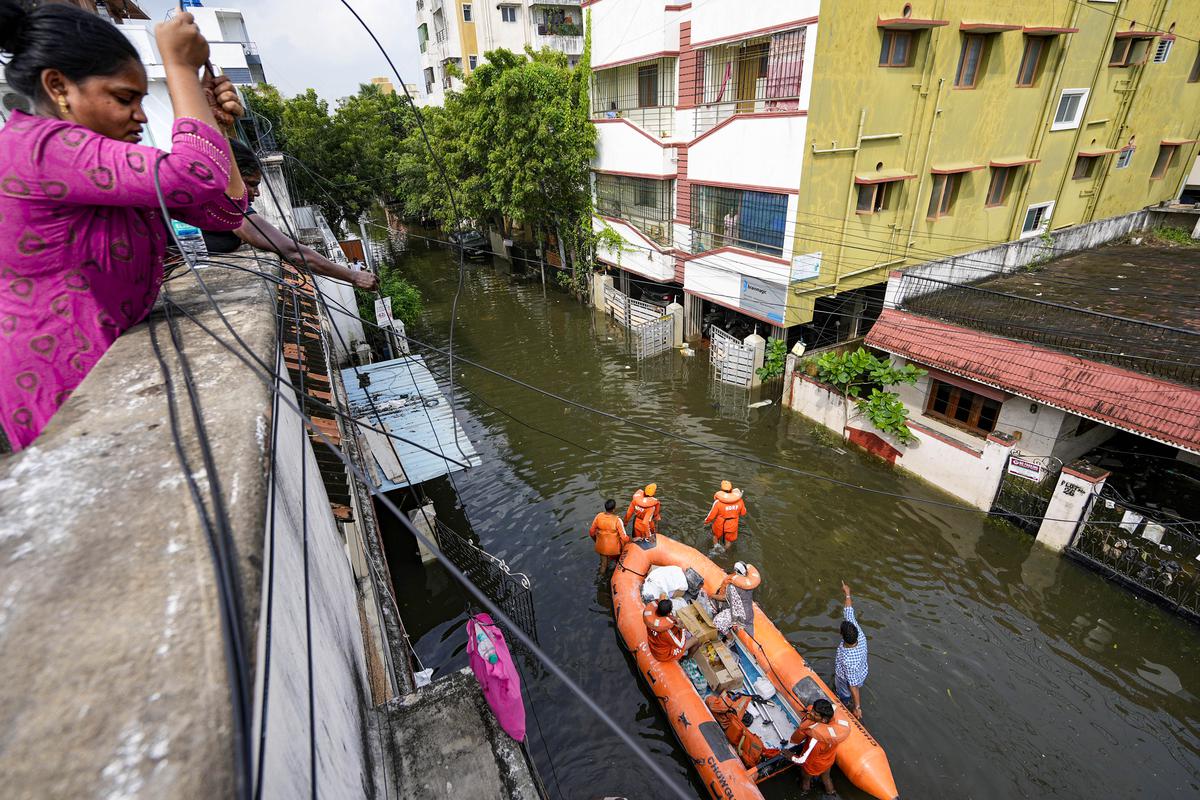
    • Displacement and Vulnerability: A UN study reveals a stark reality – a substantial 80% of those displaced by climate-related disasters are women and girls.
    • Challenges for Vulnerable Women: Women, especially from marginalized communities, grapple with distinct challenges in the aftermath of natural disasters. Their displacement increases their susceptibility to prejudice and exploitation, exacerbating the hardships they already face.
    • Exploitation Post-Disasters: The disruption caused by disasters creates an environment ripe for exploitation, with women as primary targets. Notably, the aftermath of the 2015 Nepal earthquake exposed women to trafficking and exploitation, further highlighting the risks they face.
    • Gender-Based Violence Intensifies: The upheaval following disasters leads to an alarming escalation of gender-based violence against women. Disrupted communities and increased vulnerability create an environment where women are at greater risk.
    • Limited Access to Essential Services: Essential services like employment, education, healthcare, and psychosocial support become scarcer post-disaster. For women, this translates into further limitations and challenges, exacerbating their already marginalized status.
    • Resource and Knowledge Disparities: Women in agriculture face barriers in accessing quality resources, education, and technical knowledge. As climate change compounds these challenges, their vulnerability is magnified.

    Way Forward: Empowering Women for Climate Resilience and Action

    • Women’s Role in Climate Adaptation: Acknowledging the potential women possess to contribute to climate adaptation is crucial. Women bring unique perspectives and knowledge to the table, making their engagement indispensable in finding effective solutions.
    • Empowerment Through Education and Training: Investing in women’s education and training is paramount for building resilience to the impact of climate change. Equipping women with the knowledge and skills needed for sustainable practices, such as agriculture, water management, and energy generation, fosters their capacity to adapt to changing conditions.
    • Supporting Women Farmers: Initiatives like the Self-Employed Women’s Association (SEWA) in India exemplify the importance of imparting knowledge to women farmers on how to navigate shifting climate patterns.
    • Women in Climate Policy Decision-Making: Acknowledging the disparities women face in climate change impacts, the need for their active involvement in decision-making becomes evident.
    • Programs to Amplify Women’s Voices: Initiatives like the Gender and Climate Change Development Programme in South Asia seek to elevate women’s influence in policymaking, granting them a stronger voice in shaping climate strategies that directly impact their lives.
    • Global Imperative for Women-Led Climate Action: The call for women-led climate action is not confined to specific regions; it’s a global imperative. Developing and emerging countries, where women often bear the brunt of climate impacts, necessitate collective efforts to empower women as agents of change.

    Conclusion

    • The convergence of gender equality and environmental sustainability is no longer an abstract concept; it is a tangible pathway towards a more equitable and resilient world. In a future marred by climate uncertainty, investments in women’s education, training, and participation stand as beacons of hope.
  • Progress track: National Mission for Clean Ganga (NMCG)

    Central Idea

    • The National Mission for Clean Ganga (NMCG) aims to clean the Ganga River by treating sewage generated in five major states through sewage treatment plants (STPs) and sewerage networks.
    • Over seven years, NMCG has achieved 20% sewage treatment capacity, with a target of 60% by December 2026.

    About National Mission for Clean Ganga (NMCG)

    Objective Restore and rejuvenate the Ganga River and its tributaries, ensuring their ecological and geological health
    Formation Year 2014
    Nodal Agency Ministry of Jal Shakti, Government of India
    Coverage Encompasses Ganga and its major tributaries
    Key Areas Pollution control, riverfront development, biodiversity conservation, afforestation, and public awareness
    Projects Ghat and crematoria development, sewage treatment plants, river surface cleaning, and more
    Holistic Approach Integrates various government initiatives, stakeholders, and public participation
    Collaborations Partnerships with state governments, NGOs, international agencies, and private sector
    Legal Measures National Ganga River Basin Authority (NGRBA) established for river protection
    Significance Addresses ecological, social, and cultural aspects while ensuring sustainable water quality

    Current and Future Sewage Treatment Capacity

    • As of now, NMCG treats about 20% of sewage generated in the Ganga river basin.
    • The treatment capacity is projected to reach 33% by 2024 and 60% by December 2026.
    • Sewage generation is estimated at 11,765 million litres per day (MLD) across five states: Uttarakhand, Uttar Pradesh, Bihar, Jharkhand, and West Bengal.

    Role of NMCG

    • NMCG aims to prevent untreated sewage from flowing into the Ganga River.
    • The 11,765 MLD projection includes sewage generated within the states but not necessarily flowing into the river.
    • NMCG’s plan includes setting up 7,000 MLD sewage treatment capacity by 2026.

    Projects and Progress

    • STPs and sewerage networks constitute about 80% of the NMCG project.
    • By July 2023, functional STPs treat 2,665 MLD, with 1,455 MLD added in the last financial year.
    • Delayed projects resulted from land acquisition issues and revisions in Detailed Project Reports.

    State-wise Distribution

    • Most STPs are in Uttarakhand (36), followed by Uttar Pradesh (35) and West Bengal (11).
    • Despite NMCG’s ₹20,000 crore budget, in-principle approval has been given for projects worth ₹37,396 crore, with ₹14,745 crore released for infrastructure work by June 2023.

    Conclusion

    • NMCG’s progress signifies a positive trajectory in Ganga River restoration, reflected in improved water quality and enhanced aquatic life.
    • The mission’s efforts continue to tackle sewage treatment challenges and promote cleaner water resources.
  • Illicit Red Sand Boa Trade in India

    red sand boa

    Central Idea

    • A recent report by the Wildlife Conservation Society (WCS)-India exposes 172 incidents of red sand boa (Eryx johnii) seizures spanning 2016-2021.
    • It is illicitly traded under the notion of its role in black magic practices.

    About Red Sand Boa

    • The Red Sand Boa is a rare non-poisonous snake with applications in medicine, cosmetics, and even black magic, making it highly valued in the global market.
    • Among the general public, it is referred to as the “Two-headed Snake” due to its thick tail with a rounded tip, resembling two heads.

    Conservation Status

    • Trading and possessing the red sand boa violate the Wildlife Protection Act of 1972.
    • The species is categorized in Schedule IV of the WPA.
    • Additionally, the red sand boa is listed in Appendix II of CITES.
    • It holds a ‘Near Threatened’ classification by the IUCN, with a diminishing population trend.

    Prime moving factor for trade: Social Media

    • The study underscores the pivotal role of social media, particularly platforms like YouTube, as conduits for illegal trade.
    • YouTube videos act as interfaces for buyers and sellers, occasionally facilitating transactions via WhatsApp.
    • In 2021, approximately 200 videos advertising sand boas for sale on YouTube were identified.
  • Places in news: Hollongapar Gibbon Sanctuary         

    Hollongapar

    Central Idea

    • The Hollongapar Gibbon Sanctuary in Assam, home to the endangered western hoolock gibbon, is facing habitat fragmentation due to a railway track that divides the sanctuary.

    Hoolock Gibbons

    • They are a unique primate species, inhabit various regions across India’s northeastern part, particularly in states like Assam, Arunachal Pradesh, Meghalaya, Mizoram, and Nagaland.
    • These arboreal creatures are known for their distinctive vocalizations and tree-dwelling behavior.
    • There are two recognized species of hoolock gibbons found in India: the eastern hoolock gibbon (Hoolock leuconedys) and the western hoolock gibbon (Hoolock hoolock).
    • These gibbons play an essential role in the ecosystem by aiding in seed dispersal and maintaining forest health.

    Conservation status

    • IUCN Red List:
      1. Western Hoolock Gibbon: Classified as Endangered
      2. Eastern Hoolock Gibbon: Classified as Vulnerable
    • Indian (Wildlife) Protection Act 1972: both listed on Schedule 1 of the

    About Hollongapar Gibbon Sanctuary

    • The HGS is located in the Jorhat district of Assam, India.
    • It was established in 1997 as a protected area primarily to conserve the western hoolock gibbon, an endangered primate species.
    • The sanctuary covers an area of approximately 20.98 square kilometers.
    • Set aside initially in 1881, its forests used to extend to the foothills of the Patkai mountain range.
    • It contains India’s only gibbons – the hoolock gibbons, and Northeastern India’s only nocturnal primate – the Bengal slow loris.
  • Why Zoning of Flood Plains is important?

    flood plain

    Central Idea

    • Punjab has been grappling with severe floods for over a month, predominantly affecting villages along rivers like Sutlej, Beas, Ravi, and Ghaggar.
    • These areas, known for their fertile flood plains, have been hit the hardest due to floods exacerbated by encroachments and construction.

    Flood Plains and their Significance

    • Flood plains adjacent to rivers serve as natural defences against inland flooding. Maintained without concrete encroachments, they absorb excess water, safeguarding other regions.
    • Properly managed flood plains also aid in recharging groundwater levels and maintaining the water table.

    What is Zoning of Flood Plains?

    • Zoning of flood plains refers to the practice of categorizing and regulating different areas within flood-prone regions based on their vulnerability to flooding and the intensity of flood events.
    • This aims to manage land use and construction activities in these areas to minimize the risks associated with flooding, protect communities and infrastructure, and maintain the natural functions of flood plains.
    • It involves designating specific zones within flood-prone regions and establishing regulations and guidelines for development, construction, and land use in each zone.

    Current Scenario: No Zoning in Punjab

    • National Green Tribunal (NGT): NGT guidelines state that construction should not occur within 500 meters of a river’s central lining.
    • Punjab’s Lag: Despite NGT’s directives and the need for floodplain zoning, Punjab has yet to initiate the process. Encroachments persist, putting riverside villages at perpetual risk.

    Impact of Inaction: People and Ecosystems Affected

    • Risk to People and Property: Unregulated construction leads to increased flood risks further inland, causing greater harm during floods.
    • Environmental Impact: Concretization of flood plains delays water drainage and affects soil fertility and quality.

    Flood Prone Districts and National Issue

    • Districts at Risk: Many districts including Ropar, Ludhiana, Ferozepur, Patiala, and more fall within flood plains, magnifying the need for preparedness.
    • Nationwide Challenge: While only four states have adopted flood plain zoning in principle, implementation has been insufficient. Even those that adopted zoning have not effectively delineated and demarcated flood plains.

    Activists’ Advocacy

    • Activists’ Concerns: Environmental activists and NGOs in Punjab have been advocating for flood plain zoning to mitigate risks.
    • Urgent Implementation: Immediate initiation and completion of flood plain zoning are crucial to safeguard lives, property, and ecosystems from devastating floods.

    Conclusion

    • The recent floods in Punjab underline the urgency of flood plain zoning to avert catastrophe.
    • By adopting effective zoning measures, the state can shield its citizens and environment from the damaging impacts of unchecked construction and flooding.
    • It is imperative that Punjab takes swift action to implement flood plain zoning and thereby protect its vulnerable regions from the perpetual threat of floods.
  • State of India’s Birds (SoIB) Report, 2023: Key Highlights

    bird

    Central Idea

    • The State of India’s Birds (SoIB) report based on data collected from approximately 30,000 birdwatchers has unveiled concerning trends regarding India’s bird population.
    • The study highlights a substantial decline in numerous bird species, attributing this decline to a range of factors.

    About SoIB Report

    • The SoIB report aims to evaluate the conservation status of a wide range of species regularly present in India.
    • It is published by a partnership involving 13 governmental and non-governmental organizations, including SACON, WII, and ZSI.
    • The report extensively employs data from over 30 million observations on eBird by more than 30,000 birdwatchers.
    • The report assesses distribution range size, abundance trends over the long term and since 2015, and information from the IUCN Red List to categorize Indian species into Low, Moderate, and High Conservation Priority tiers.

    Key Highlights of the Report

    • Widespread Decline: Among the species analyzed, 60% of those assessed for long-term trends show decline, while 40% exhibit a decline in current annual trends.
    • Raptors and Vultures: Birds consuming vertebrates and carrion, including raptors and vultures, have significantly declined, possibly due to pollutants or prey availability reduction.
    • Endemics and Biodiversity Hotspots: Endemic species in the Western Ghats and Sri Lanka biodiversity hotspot have experienced rapid declines over the past decades.
    • Positive Outlook: Certain generalist species, exemplified by the Indian peafowl, demonstrate remarkable increases in abundance, with a 150% rise observed over the past decades.
    • Conservation Priority: The report classifies species into High, Moderate, and Low Conservation Priority, with 178 species as High Priority, 323 as Moderate, and 441 as Low Priority. Noteworthy species include the Ruddy shelduck, Indian courser, Narcondam hornbill, and Nicobar megapode.

    Identified Threats to Bird Species

    • The report underscores threats encompassing forest degradation, urbanization, energy infrastructure.
    • Birds are highly impacted by environmental pollutants like Nimesulide affecting vulture populations, climate change’s impacts on migratory species, avian diseases, and illegal hunting and trade.

    Actions and Research Implications

    • Targeted Conservation: The report advocates for the conservation of specific groups, such as grassland specialists that have suffered a more than 50% decline, highlighting the importance of protecting and preserving grassland ecosystems.
    • Long-Term Monitoring: The significance of continuous, systematic bird population monitoring is emphasized to comprehend subtle fluctuations in bird numbers.
    • In-Depth Research: Further research is needed to understand the causes behind both declines and increases in bird populations.
    • Synergy among Policies: The report calls for the harmonization of policies related to river, water, and wasteland development, recognizing the multifaceted role of abundant, widespread bird species.
    • Citizen Participation: Citizen Engagement plays a pivotal role in biodiversity conservation, warranting an essential role in the action plan for bird population and habitat preservation.
  • Why El Nino is now India’s no. 1 Economic and Political Risk?

    el nino risk

    Central Idea

    • The emergence of El Nino as a significant climatic phenomenon in India carries dual implications – economic and political – as the country gears up for national elections in April-May 2024.
    • With its known ability to suppress rainfall and disrupt agricultural cycles, El Nino’s effects are already being felt.

    Understanding El Nino and La Nina

    • El Nino and La Nina are two opposite phases of the El Nino-Southern Oscillation (ENSO) cycle.
    • ENSO is a naturally occurring phenomenon that involves the interaction between the ocean and atmosphere in the equatorial Pacific.

    Here is a detailed comparison of El Nino and La Nina

    El Nino La Nina
    Definition Warmer-than-normal sea surface temperatures Cooler-than-normal sea surface temperatures
    Frequency Every two to seven years Every two to seven years
    Duration Several months to a year or more Several months to a year or more
    Impact on winds Weakens trade winds, leading to changes in patterns Strengthens trade winds, leading to changes in patterns
    Impact on rains Reduces rainfall and can cause droughts Increases rainfall and can cause flooding
    Impact on temp. Warmer-than-average temperatures Colder-than-average temperatures
    Global effects Droughts in Asia and Africa, floods in Americas Floods in Asia and Africa, droughts in South America

    Impact on India

    El Nino La Nina
    Associated with weak monsoons and drought-like conditions in India Associated with above-normal rainfall and floods in India
    Sea surface temperature in the equatorial Pacific Ocean rises above normal levels Sea surface temperature in the equatorial Pacific Ocean drops below normal levels
    Changes in the atmospheric circulation patterns Changes in the atmospheric circulation patterns
    Shift in the location of the jet stream, affecting the strength and direction of the monsoon winds Increase in the strength of the monsoon winds, bringing more moisture and rainfall to India
    Results in reduced rainfall, dry spells, and heatwaves, leading to crop failures and water scarcity Excessive rainfall can also lead to floods and landslides, causing damage to crops and infrastructure

    Broader Implications:

    [A] Agriculture

    • Rainfall Deficit: August’s nationwide rainfall stands at 30.7% below normal, erasing the initial 4.2% surplus from the southwest monsoon.
    • Strengthening El Nino: July saw the Oceanic Nino Index (ONI) surpass the El Nino threshold, hitting 1 degree Celsius, suggesting an intensification of El Nino.
    • Projected Persistence: Forecasts predict El Nino’s continuation and possible strengthening during the 2023-24 winter season, potentially impacting the northeast monsoon and winter seasons.

    [B] Food Supply Challenges

    • Crucial Monsoon: Beyond crop yield, the southwest monsoon replenishes reservoirs and recharges groundwater, essential for agricultural success.
    • Rabi Season Dependence: The success of rabi season crops like wheat, mustard, and chickpea hinges on water reserves, primarily sourced from aquifers and reservoirs.
    • Supply-Demand Nexus: With rice and wheat stocks at a six-year low and food inflation at 11.5%, El Nino-induced shortfalls may exacerbate food inflation concerns.

    [C] Political Implications

    • Food Inflation: Examining consumer food price inflation leading up to previous Lok Sabha elections reveals its considerable impact on political outcomes.
    • Electoral Influence: The BJP’s 2019 electoral victory and the UPA’s 2014 defeat were partially attributed to the level of food inflation during those periods.
    • Government Actions: The Modi administration has already taken steps to ensure food availability, curb hoarding, and address potential food inflation concerns.

    Conclusion

    • El Nino’s emergence as a formidable environmental and political factor underscores the intricate interplay between climate patterns, agriculture, and political dynamics.
    • India’s ability to manage the far-reaching consequences of El Nino on food production and inflation will determine its capacity to address immediate challenges while considering the longer-term goals.
  • GEF Assembly ratifies Global Biodiversity Framework Fund (GBFF)

    Central Idea

    • The Global Biodiversity Framework Fund (GBFF) has been officially ratified and inaugurated during the Seventh Assembly of the Global Environment Facility (GEF) held in Vancouver, Canada.

    Global Biodiversity Framework Fund (GBFF)

    Key Points
    Establishment Ratified and inaugurated during the Seventh Assembly of the Global Environment Facility (GEF).
    Purpose Channels financial resources to achieve goals of the Kunming-Montreal Global Biodiversity Framework established by the Convention on Biological Diversity (CBD), by the year 2030.
    Financial Contributions Canada: 200 million Canadian dollars, United Kingdom: 10 million pounds.
    Alignment with Framework Accelerates progress towards halting biodiversity decline by 2030.
    Inclusivity and Indigenous Initiatives Allocates up to 20% for projects led by Indigenous communities.
    Focus on Vulnerable Nations Over a third of resources dedicated to support Small Island Developing States.
    Fulfilling Targets Contributes to commitment of $200 billion annually by 2030.
    Funding Requirements Approximately $40 million needed for operationalization by end of 2023.
    Future Contributions Dependent on domestic fiscal processes of key donors.
    Council Meetings First meeting in January 2024, aims to approve inaugural work program in June.
    Impact and Action Timely disbursement crucial for launching projects under the fund.

     About Global Environment Facility (GEF)

    • Establishment: The GEF was established on the eve of the 1992 Rio Earth Summit, also known as the United Nations Conference on Environment and Development (UNCED).
    • Purpose: The GEF serves as an international financial institution that funds projects to address global environmental challenges, including biodiversity loss, climate change, land degradation, and pollution.
    • Funding Mechanism: It operates as a financial mechanism for several international environmental conventions, including:
    1. Convention on Biological Diversity (CBD),
    2. United Nations Framework Convention on Climate Change (UNFCCC), and
    3. United Nations Convention to Combat Desertification (UNCCD)
    • Structure: It has a governing body known as the GEF Council. The GEF is structured as a partnership between three main institutions:
    1. the United Nations Environment Programme (UNEP),
    2. United Nations Development Programme (UNDP), and
    3. World Bank.
    • Funding Sources: The GEF is funded by contributions from its member countries, known as “donors.” Donors include both developed and developing nations, as well as international organizations.
  • In news: International Atomic Energy Agency (IAEA)

    Central Idea

    • Japan has begun discharging treated radioactive wastewater from the disabled Fukushima Daiichi Nuclear Power Station into the Pacific Ocean in a plan endorsed by the International Atomic Energy Agency (IAEA).

    International Atomic Energy Agency (IAEA)

    • IAEA is an international organization that plays a pivotal role in promoting the peaceful use of nuclear energy while preventing the proliferation of nuclear weapons.
    • It was established in 1957 as an autonomous agency under the UN is headquartered in Vienna, Austria.
    • It plays a crucial role in safeguarding the principles outlined in the Nuclear Non-Proliferation Treaty (NPT) of 1970.
    • Despite its independent treaty, the IAEA remains accountable to both the UN General Assembly and the United Nations Security Council (UNSC).

    What does it do?

    • Promotion of Peaceful Nuclear Energy: Established amidst the Cold War’s geopolitical tension, the IAEA’s core mission centers on promoting the constructive application of nuclear energy.
    • Prevention of Military Use: The agency’s fundamental role is to prevent the diversion of nuclear programs for military intentions, ensuring compliance with international agreements.

    IAEA’s Tri-fold Missions

    • Peaceful Utilization: Fostering member states’ constructive adoption of nuclear energy for peaceful purposes constitutes a pivotal aspect of IAEA’s mission.
    • Safeguarding Measures: A cornerstone role of the IAEA involves implementing measures to verify the non-military use of nuclear energy, particularly through assessing declared nuclear activities and materials.
    • Nuclear Safety: The IAEA takes an active stance in advocating stringent standards of nuclear safety to prevent accidents and ensure public and environmental protection.

    Significant feature: IAEA’s Safeguards

    • Purpose of Safeguards: IAEA’s safeguards are mechanisms designed to affirm that a nation adheres to its international commitment against exploiting nuclear programs for weaponry purposes.
    • Verification Approach: Safeguards are founded on the meticulous examination of a state’s reported nuclear materials and activities, evaluating their accuracy and completeness.
    • Varied Verification Measures: The agency employs a range of verification tools, including on-site inspections, visits, and ongoing monitoring, ensuring rigorous oversight.

    Dual Dimensions of Safeguards

    • Declared Nuclear Material Verification: Through the inspection of reported nuclear materials and activities, IAEA ensures that a state remains transparent in its nuclear endeavors.
    • Non-Diversion Assurance: A significant facet is the assurance of the absence of undeclared nuclear materials or activities, thereby averting any unauthorized deviation from peaceful usage.
  • Role of Urban Form in Heat Resilience

    urban form

    Central Idea

    • A study conducted by the Centre for Science and Environment (CSE) in 2022 examines the relationship between diverse urban forms and their reactions to heat, offering insights that could guide India’s urban centers in combatting heat-related challenges.

    Distinct Urban Forms and Heat Resilience

    • Crucial Consideration: Urban form encompasses a city’s unique blend of natural and built components, shaping its activities and infrastructure.
    • Diverse Parameters: Urban form’s defining elements include urban morphology, aspect ratio, sky view factor (SVF), blue/green infrastructure (B/GI), floor space index (FSI), and street orientation.
    • Localized Study: CSE’s ongoing study focuses on 10 cities, such as Pune, Delhi, Kolkata, Bengaluru, and Jaipur, each revealing trends that could inform heat mitigation strategies.

    Unveiling Key Parameters and Findings

    • Urban Morphology: Varied urban morphologies, from open highrise to compact midrise, demonstrate lower land surface temperatures (LST) among heat pockets. Lowrise areas exhibit higher LST due to sparse vegetation and heat-trapping roofing materials, suggesting the potential for improvement.
    • Aspect Ratio: The ratio of building height to street width impacts heat retention. Higher aspect ratios correlate with lower LST, indicating the significance of narrower streets for reduced heat gain.
    • Sky View Factor: The visibility of sky between buildings influences heat dissipation. Elevated sky view factors increase LST by up to 10°C, highlighting the role of factors like road intersections and open parking lots.
    • Blue/Green Infrastructure: Vegetation significantly impacts microclimates. Effective vegetation cover (EVC), with a focus on trees, grass, and shrubs, can reduce LST by 2-4°C, demonstrating the need to prioritize tree-heavy greens.

    Policy Implications for Enhanced Heat Resilience

    • FSI and Urban Cooling: Higher floor space index (FSI) inversely correlates with LST, suggesting that denser urban configurations can alleviate heat.
    • Street Orientation: The orientation of streets affects sun exposure and wind, leading to differences in thermal comfort. North-south streets expose higher LST due to east-west sun exposure.
    • Contextual Cooling Solutions: Urban form-based codes can offer targeted cooling solutions. Diverse zones with customized regulations—shaded walkways, cool roofs, or high EVC—can cater to varied needs.

    Way Forward

    • Incorporating Learning: Urban planning must integrate findings from the study into building by-laws and master plans. Pune’s experience showcases the impact of SVF, aspect ratio, EVC, and urban morphology on heat gain.
    • Adaptation for Other Cities: Each city may face distinct drivers influencing heat resilience, necessitating customized solutions and urban planning modifications.
    • Economic Benefits: A 1°C temperature reduction corresponds to a 2% drop in the city’s power consumption, highlighting the financial advantages of heat mitigation strategies.