đŸ’„Join UPSC 2027,2028 Mentorship (July Batch) + XFactor Notes & Microthemes PDF

Subject: Governance

Important aspects of Society

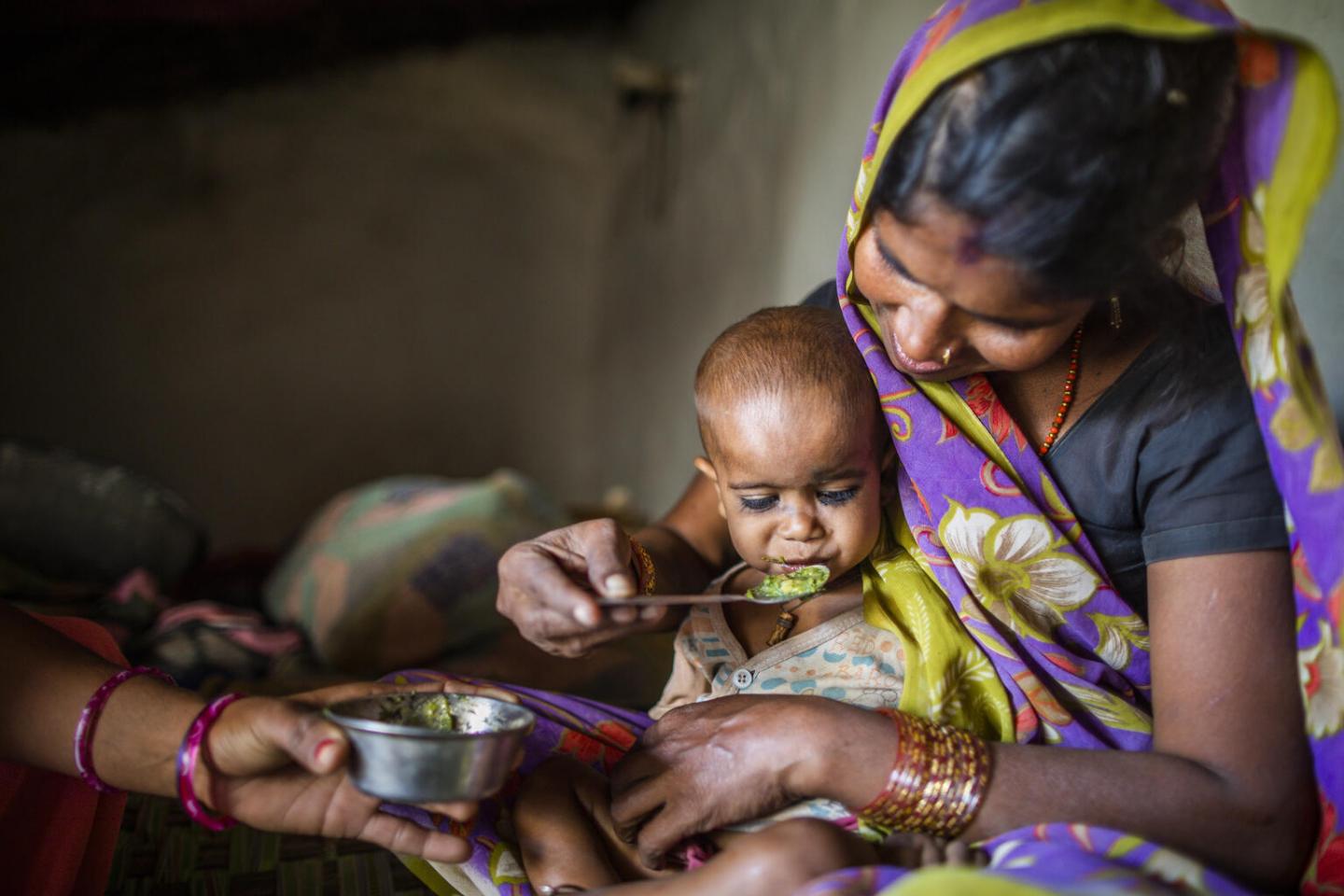
  • Combating micronutrient malnutrition through food fortification

    malnutrition

    Click and get your FREE Copy of CURRENT AFFAIRS Micro Notes

    Context

    • When it comes to nutrition, or more specifically micronutrient malnutrition, there is an urgent need to address the maladies that poor nutrition can inflict on the masses, especially given the diverse populations in India.

    What is malnutrition?

    • Malnutrition refers to deficiencies, excesses or imbalances in a person’s intake of energy and/or nutrients.
    • The term malnutrition covers 2 broad groups of conditions.
    • One is ‘undernutrition’ which includes stunting (low height for age), wasting (low weight for height), underweight (low weight for age) and micronutrient deficiencies or insufficiencies (a lack of important vitamins and minerals).
    • The other is overweight, obesity and diet-related non-communicable diseases (such as heart disease, stroke, diabetes, and cancer).

    What are micronutrients and why they are so important?

    • Micronutrients are vitamins and minerals needed by the body in very small amounts.
    • They perform a range of functions, including enabling the body to produce enzymes, hormones and other substances needed for normal growth and development.
    • However, their impact on a body’s health is critical, and deficiency in any of them can cause severe and even life-threatening conditions. This can lead to reduced educational outcomes, reduced work productivity and increased risk from other diseases
    • Deficiencies in iron, vitamin A and iodine are the most common around the world, particularly in children and pregnant women.
    • Low- and middle-income counties bear the disproportionate burden of micronutrient deficiencies.
    • Many of these deficiencies are preventable through food fortification and supplementation, where needed.

    malnutrition

    The worrying status of malnutrition in India

    • According to National family Health survey (NFHS): As in NFHS-5 data, every second Indian woman is anaemic, every third child is stunted and malnourished, and every fifth child is wasted.
    • According to an FAO Food Security Report for 2021: India ranks 101 out of 116 countries in the Global Hunger Index 2021, with a 15.3% undernourished population, the highest proportion of stunted children (30%), and wasted children (17.3%).
    • Higher rate of stunting: The picture the Global Nutrition Report 2021 paints is cause for concern, noting that stunting among children in India is significantly higher than the Asian average of 21.8%.

    How the countries are tackling malnutrition?

    • Since the 1920s, developed countries and high-income countries have successfully tackled the issue of malnutrition through food fortification.
    • Of late, the low-and middle-income countries, such as India, have pursued food fortification as one of the strategies to tackle micronutrient malnutrition.
    • The health benefits accruing from food fortification have made 80 countries to frame laws for the fortification of cereal flour, and 130 countries with iodised salt, where 13 countries have mandated rice fortification.

    malnutrition

    What is food fortification?

    • Food fortification is the process of adding nutrients to food.
    • For instance, rice and wheat are fortified with iron, folic acid and vitamin B12, and salt fortified with iron and iodine. Iodised salt has been in use for the past few decades.

    malnutrition

    How India is tackling malnutrition and anemia?

    • Fortified rice though PDS: Pilot projects on the distribution of fortified rice have been taken up in select States, including Maharashtra (Gadchiroli district) as part of a targeted Public Distribution programme for the masses.
    • Scaling up the distribution through various food security schemes: The programme has been a success in terms of preventing cases of anaemia from 58.9% to 29.5%, within a span of two years, prompting the central government to declare the scaling up of the distribution of fortified rice, the major staple diet of 65% of the population, through the existing platform of social safety nets such as the PDS, ICDS and PM-POSHAN.
    • Cost-effective strategy: Experiences from the different States on the fortified rice project, so far tally with the results of global programmes that use fortified food as a cost-effective strategy.
    • Reduction in anaemia: The study found a promising reduction (29.5%) in the prevalence of anaemia among women, adolescent girls, and children put together in Gadchiroli district.

    Case study of Noon meal scheme in Gujarat

    • In Gujarat, an eight-month long study on multiple micronutrient fortified rice intervention for schoolchildren (six-12 years) in 2018-2019, as part of the Midday Meal Scheme, found increased haemoglobin concentration, 10% reduction in anaemia prevalence, and, more importantly, improved average cognitive scores (by 11.3%).

    The probable outcome according to NITI Aayog

    • Iron deficiency anaemia is a major public health concern, because it is responsible for 3.6% of disability-adjusted life years or DALYs (years of life lost due to premature mortality and years lived with disability) according to the World Health Organization (WHO) i.e., a loss of 47 million DALYs, or years of healthy life lost due to illness, disability, or premature death (2016).
    • According to NITI Aayog (based on WHO meta-analysis on the impact of rice fortification), a rice fortification budget of around â‚č2,800 crore per year can save 35% of the total or 16.6 million DALYs per year with no known risk of toxicity.
    • In India, the cost of one DALY lost due to iron deficiency anaemia (IDA) is approximately â‚č30,000, while the cost of averting an IDA-related DALY is only â‚č1,545, resulting in a cost-benefit ratio of 1:18.
    • Rice fortification, which costs less than 1% of the food subsidy bill (2018-19), has the potential to prevent 94.1 million anemia cases, saving â‚č8,098 crore over a five-year period.

    Concerns over the excess of per capita nutrients intake?

    • Despite the programme’s proven efficacy, activists have expressed concern that excess iron overload from fortified rice has been dangerous for Jharkhand’s tribal population suffering from sickle cell anaemia and thalassaemia.
    • Iron levels in fortified rice range from 28 mg to 42.5 mg, folic acid levels from 75 mcg-125 mcg, and vitamin B12 levels from 0.75 mcg to 1.2 mcg (FSSAI standards).
    • Considering the per capita intake, in a family of three members with a rice consumption of approximately 60 grams per person, the additional intake is 2.45 mg of iron. This in fact compensates our daily losses of iron from the body, which is 1 mg-2 mg per day.

    Conclusion

    • Given its proven efficacy and cost-effectiveness, food fortification can help us in reducing micronutrient deficiencies and address overall health benefits. The intervention, carried out with precautions is the key to address the issue of the malnutrition.

    Mains question

    Q. What is micronutrient malnutrition? Food fortification programmes have made great strides in India, reducing micronutrient deficiencies in recent decades but more efforts are needed. Discuss

    (Click) FREE1-to-1 on-call Mentorship by IAS-IPS officers | Discuss doubts, strategy, sources, and more


  • Taking care of Vulnerable Homeless People

    Homeless

    Context

    • In India, the northern states face extreme weather in peak winter and summer. Hundreds of homeless people die in winter due to harsh cold conditions and, in summer, due to intolerable heat.

    Click and get your FREE Copy of CURRENT AFFAIRS Micro Notes

    Why homelessness needs attention?

    • Lack of record: There is an absence of official records enumerating deaths due to homelessness. It undermines the scale of the crisis in the era of statistics and showcases states apathy.
    • Extreme poverty: Homelessness is one of the worst forms of marginalisation as most homeless individuals suffer from malnutrition and extreme poverty.
    • Poor health condition: Access to healthcare facilities and their affordability is also a hurdle. Exorbitant conditions affect mental health in many cases.
    • Vulnerability to violence: Moreover, these conditions also give rise to drug and alcohol consumption. It creates a conducive situation for substance abuse. Such circumstances increase an individual’s vulnerability to violence, especially in the case of women and children.
    • Social castigation: Stigmatisation and social marginalisation compound their precarious situation. In a nutshell, homelessness strips a person from all human rights.

    Reasons for homelessness

    • Extreme poverty,
    • Inadequate affordable housing,
    • High levels of inequality,
    • Discrimination,
    • Low wages,
    • High rents,
    • The soaring cost of living

    Homeless

    What are the estimates of homelessness in India?

    • The 2011 census estimate: Nearly 17.7 lakhs people as houseless, however, the census fails to capture the entire homeless population.
    • Commissioners of Supreme courts: since census are conducted in every 10 years, this data is decadal old. As per the Commissioners of the Supreme Court, 1 percent of the urban population is homeless, making it a population of ~37 lakhs.
    • The Ministry of Housing and Urban Affairs: Ministry conducted a third-party survey in 2019 to identify the urban homeless. It estimates that approximately 23.93 lakh people are homeless. Population increase and the COVID-19 pandemic have fueled the rise in the homeless population.

    Homeless

    What is the “Shelter for Urban Homeless (SUH)” Scheme about?

    • The scheme seeks to provide shelter to the urban poor. SUH is a sub-scheme under Deendayal Antyodaya Yojana-National Urban Livelihoods Mission (DAY-NULM). The scheme guidelines mention the following provisions:
    • All weather permanent shelters will be open for 24 hours.
    • Permanent community centre for at least 100 people for every 1 lakh population.
    • Each one should cater to 50-100 persons depending on local conditions.

    What are the problems in shelter homes?

    • Entry level barrier: Homeless people face entry-level barriers in accessing public shelters due to local issues such as shelter location, entry fees, and identification proof for verification.
    • Non-availability of IDs: Most of the homeless are in the informal economy, lacking necessary documentation like voter ids, Aadhar card, etc. It makes them ‘invisible’ in the eyes of the city administration, and their voice remains unheard.

    Homeless

    Addressing the issue of homelessness

    • Responsibility of ULBs: The responsibility of accessing the homeless population rests with the urban local bodies. Local authorities need to conduct surveys to assess the homeless population.
    • Decentralisation of funds: State governments must implement the 74th Constitutional Amendment in its true spirit. Its implementation will empower ULBs, which can then bring all the shelter homes under the ambit of SMCs and train them to manage local issues.
    • Ensuring the benefits through ULBs: It can help them to secure benefits and guarantee the convergence of various government schemes, thus also addressing deep-rooted issues like violence and exclusion.

    Conclusion

    • The aim of providing housing for all will remain a distant dream if the homeless are not covered. Sheltering the homeless is a crucial link in the overall housing continuum. The state governments need to empower municipal bodies to ensure the decentralisation of governance.

    Mains Question

    Q. Discuss the problem of Homelessness in India? What are the challenges in addressing the homelessness problems and suggest the solution for it.

    (Click) FREE1-to-1 on-call Mentorship by IAS-IPS officers | Discuss doubts, strategy, sources, and more


  • Education as a tool of innovation for the climate change generation.

    Education

    Click and get your FREE Copy of CURRENT AFFAIRS Micro Notes

    Context

    • Instead of mirroring a broken development paradigm predicated on an extractive relationship with nature, India can lead with an approach that’s better for both people and the planet. A climate-resilient education system will be essential to realising this opportunity.

    Background

    • India’s LiFE mass movement: At COP27, India released its Long-Term Low Emissions and Development Strategies (LT-LEDS). This outlines priorities for carbon-intensive sectors like electricity and industry and transport, and emphasizes the role of a Lifestyle for Environment (LiFE) as a mass movement towards sustainable consumption and production.
    • Education is vital: From behavioral shifts of individuals to the re-shaping of markets, education has a vital role in the LiFE movement.
    • Potential of demand side actions: According to the Intergovernmental Panel on Climate Change (IPCC), this could make a significant dent in reducing planet-warming gases, demand-side actions have the potential to cut greenhouse gas emissions by 40-70 per cent in 2050.

    Education

    What are the challenges facing the education sector and children at present?

    • School closures during the Covid pandemic affect productivity: school closures during the pandemic have led to a learning deficit that’s getting reflected in reduced test scores. This will likely impact productivity and per capita income levels in the long term. One year of school closures could reduce GDP levels by anywhere from 1.1 to 4.7 per cent by mid-century, according to a paper by the Organisation for Economic Co-operation and Development.
    • Hinderance to the economic mobility: The lasting impacts of Covid-19 could hinder economic mobility for a generation of Indians and alter the arithmetic for public finance.
    • Climate change impacts children more: Climate impacts are already disrupting children’s learning and well-being globally. For instance, extreme heat reduces students’ learning levels and causes physiological harm. Schools are temporarily shut down and children’s health is affected due to persistently poor air quality in cities like Delhi.
    • Disasters and displacing families affecting children: Debilitating deluges are permanently displacing families, often leading to children (and disproportionately girls) dropping out of schools and being trafficked or subject to child labour due to distressed household incomes. As these disasters grow more frequent and intense, we must prepare the infrastructure, content, and delivery of the public education system to protect the most vulnerable citizens, many of whom will be climate refugees.
    • Anxiety about the future: The lived experiences of climate-induced disasters and anxiety about the future are causing despair and dread among young people. This is compounded by digital platforms and news cycles that don’t linger long enough to make sense of challenges or build a widespread understanding of breakthroughs like the significant reductions in the costs of renewable energy.

    Education

    How can the climate education system be used to both prevent crisis and create opportunity?

    • Creating a strong and inclusive climate-resilient education system at national level: At a national level, a strong enabling framework for a climate-resilient education system shall cover matters from curricula to nutrition to school building codes in a climate-changed world. With its scale and reach, the public school system is not only a source of learning but also shelter, clothing, food, and community for millions.
    • Programs in states shall be implemented according to the local demands: Design and implementation in states and districts should be shaped by existing local needs and anticipated climate risks. This could involve infrastructure investments so school buildings can double up as emergency shelters in cyclone-prone areas and capacity additions so government schools in mega-cities that are destinations for climate migrants can integrate and empower children
    • Emphasize should be on social and emotional learning: Students’ mental health needs should be served through an empathic expansion and an emphasis on social and emotional learning. Across the board, children should be able to access clean water and nutritious food.
    • Technical curriculum with indigenous knowledge shall be applied: Curricula can be infused with scientific and technical know-how alongside indigenous and local knowledge. In pockets, there are already innovative initiatives under-way where non-government organisations are adding tremendous value through contextualisation and close work with communities.
    • Integrating biodiversity conservation learning process: Students should be taught about the potential of integrating biodiversity conservation with regenerative agriculture. Youth must be empowered and encourages to take civic and climate actions from waste management to recycle, to lake restorations and to make their city more liveable.
    • Fostering critical thinking: The cross-cutting imperative should be to foster critical thinking instead of rote learning so that the next generation can embrace complexity and make informed choices.

    Education

    Way ahead

    • There is a need for climate education across society rather than simply at the primary and secondary levels.
    • There is need to retrain workers in industries that have a future in a green economy.
    • So is the need to priorities technical training in colleges and universities so we can rapidly accelerate our decarbonization pathway.

    Conclusion

    • We can’t afford to be narrowly focusing on technical training for the innovation, research, and development of climate technologies. Rather, we should develop strong analytical capabilities and holistic thinking about societal transformations and how new technologies will be embedded in communities. As Elizabeth Kolbert, the Pulitzer Prize-winning journalist put it, “the ‘invisible hand’ always grasps for more”.

    Mains question

    Q. Climate change is rapidly altering the environment and economy, especially affecting children. In this light, Climate resilient education systems can be used to prevent crises and create opportunities. Discuss.

    (Click) FREE1-to-1 on-call Mentorship by IAS-IPS officers | Discuss doubts, strategy, sources, and more

  • Domestic violence: Why women choose to remain silent?

    Domestic violence

    Click and get your FREE Copy of CURRENT AFFAIRS Micro Notes

    Context

    • Just ahead of the International Day for Elimination of All Forms of Violence against Women (November 25), the brutal murder and mutilation of a young woman by her partner has drawn attention to intimate partner violence, also recognized under the Protection of Women from Domestic Violence Act 2005 (PWDVA) as a kind of domestic violence.

    Background

    • Due to prevalence of patriarchy women have been discriminated not only in India but in most parts of the world.
    • According to The United Nations, one out of every three women experience domestic violence. The same UN report suggests that the most dangerous place for women is their home.
    • Gender equality and women’s empowerment are essential for the development and well-being of families, communities and nations.

    Domestic Violence

    • Domestic violence is any pattern of behavior that is used to gain or maintain power and control over an intimate partner. It encompasses all physical, sexual, emotional, economic and psychological actions or threats of actions that influence another person.

    Domestic violence can include the following

    • Physical violence: Use of Physical force or hurting or trying to hurt a partner .it also includes denying medical care.
    • Sexual violence: Forcing a partner to take part in a sex act when the partner does not consent.
    • Psychological violence: Psychological violence involves causing fear, threatening physical harm or forcing isolation from friends, family, school or work.
    • Economic violence: Making or attempting to make a person financially dependent by maintaining total control over financial resources.
    • Emotional violence: Undermining a person’s sense of self-worth through constant criticism; belittling one’s abilities; verbal abuse. 

    Domestic violence

    Analysis of Domestic violence cases and protection of women in India

    • Punishable offence: Domestic violence is a punishable offence under Indian law. It is a violation of human rights.
    • According to NFHS-5: yet, National Family Health Survey-5 (2019-21) reveals that we live in a society where violence against women persists to such an extent that 32% of ever-married women aged 18-49 years have ever experienced emotional, physical, or sexual violence committed by their husband, with more rural than urban women reporting experiences of domestic violence.
    • Protection of women from domestic violence Act 2005: Over 17 years ago the PWDVA, a progressive legislation, was passed, promising a joined-up approach, involving civil and criminal protections, to support and protect women from violence within the household, not just from husbands.
    • Unable to access the law: Despite the law existing on paper, women are still largely unable to access the law in practice. Its promise and provisions are unevenly implemented, unavailable and out of reach for most Indian women.
    • Very less percentage of women who seek help: The most disheartening reality is that despite almost a third of women being subject to domestic violence, the National Family Health Survey-5 (2019-21) reports that only 14% of women who have experienced domestic violence have ever sought help; and this number is much lower in the rural areas.
    • Despite of multiple laws, most women choose not to seek help: In a country where domestic violence is a crime, where there are multiple laws explicitly designed to protect women against violence, most women survivors of domestic violence never seek help.

    Domestic violence

    An interesting first-hand case study on “why women choose to remain silent”?

    • Subject: Research in Maharashtra, West Bengal and Tamil Nadu aims to better understand ‘help seeking’ and the everyday realities, obstacles, prejudices and fears that women experience around sharing and reporting experiences of violence.
    • Questions: Simple and well-meaning questions, “Why didn’t you leave earlier?” “Why didn’t you tell someone about the violence earlier?”
    • Thoughts and Response:
    1. Women were hopeful that things would change, that they could change their husband’s behaviour, that he would listen to them.
    2. Crucially women did not want to be a ‘burden’ on others, in particular their families. ‘My mother has a lot of worries, she has her own life so I didn’t want to add to her own worries, with mine.’
    3. By naming the violence they experienced, women believed that they would become ‘a problem’ or a source of ‘tension’ for their families, in bringing them shame and dishonor, irrespective of the survivor’s level of education, caste, or class.
    4. For migrant women, transpeople or those with several sisters, or ill, older or deceased parents, it was felt even more acutely that the perpetrator’s violence was their individual responsibility to manage.

    Domestic violence

    Findings of the case study on seeking help

    • Majority of parents asks to accommodate: The first group of women mainly turned to their parents who, in a majority of cases, insisted on their daughter preserving the family environment which they should do by ‘adjusting’ to, or accommodating their husband’s (and his family’s) needs better.
    • Minority cases where daughters’ welfare is prioritized: In a minority of cases, the daughter’s welfare was prioritized over the well-being of the ‘the family’ and steps were taken to help mediate or exit the relationship, and much more infrequently approach the police and lawyers.
    • Accepted as patriarchal norm mostly by women themselves: So ingrained are social norms about gender inequality that NFHS-5 data reports that women are more likely than men to justify a scenario in which it is acceptable for a husband to beat or hit his wife.
    • Sharing experience gives relief: For instance, one interviewee explained, ‘the way we are conditioned, it was hard to complain about any suffering’. Though survivors who did (finally) confide in relatives and friends about domestic violence described feeling a ‘sense of a relief’ and that a ‘burden had been lifted’, giving them new ‘hope’ that things might change.
    • Confession is powerful step, seek for help comes with mixed emotions: Whilst sharing experiences of violence was an incredibly powerful step for women, actually transforming their violent domestic experiences and accessing services and support provided by the state and non-state actors proved to be an arduous roller coaster of emotions, promises, uncertainty, fear and disappointment.
    • Financial dependence stops women form accessing legal justice: With few safe houses across India, the simple reality was that many women have nowhere else to go, and access to legal justice through the courts was a material possibility only for women with independent wealth and connections or those supported by specialist non-governmental organizations. So, for many survivors, transforming their situation depended on securing their economic self-sufficiency by pursuing new skills and livelihood opportunities.

    Role of the police

    • Police were the part of problem than the solution: Women who reported experiences of violence to the police were cynical about the outcome. Though a small minority had positive experiences, for the majority of those we interviewed, the police were part of the problem rather than a solution to violence.
    • Police more likely to send women back to reconcile: Across the States, that the police were more likely to send women back to violent households to reconcile with the perpetrator or use violence against perpetrators as a deterrent instead of filing an official complaint or connecting women to protection officers and other service providers, as the PWDVA outlines they should.
    • Absence and under resourced Protection officers: Several States are yet to implement Protection officers. And where they are in post, they are under resourced, under-skilled and overworked, making their remit impossible.

    Domestic violence

    Conclusion

    • Even whilst its legislature recognizes that domestic violence is a crime, and civil remedies exist through protection orders, managing the fallout of domestic violence is still being subcontracted to survivors and the family. That is the biggest crime being committed against women today. Women empowerment without social justice is a futile exercise, State must take appropriate social empowerment steps in this direction.

    Mains question

    Q. What is the status of women facing domestic violence in India? Despite many laws and a country where domestic violence is a crime, most women prefer to remain silent and do not seek help. Discuss.

    (Click) FREE1-to-1 on-call Mentorship by IAS-IPS officers | Discuss doubts, strategy, sources, and more

  • Juvenile Delinquency in India

     Juvenile

    Click and get your FREE Copy of CURRENT AFFAIRS Micro Notes

    Context

    • The Supreme Court (SC) made an observation in its judgment of November 16 in the infamous Kathua rape-murder case that the rising rate of juvenile delinquency in India is a matter of concern and requires immediate attention.

    Present approach and implications towards Juvenile delinquency

    • The goal of reformation: There is a school of thought, that firmly believes that howsoever heinous the crime may be, be it single rape, gangrape, drug peddling or murder but if the accused is a juvenile, he should be dealt with keeping in mind only one thing i.e., the goal of reformation.
    • Continuance of crime: The school of thought, we are talking about, believes that the goal of reformation is ideal. The manner in which brutal and heinous crimes have been committed over a period of time by the juveniles and still continue to be committed, makes us wonder whether the [Juvenile Justice (Care and Protection of Children)] Act, 2015 has subserved its object.
    • No reformation but more crime: We have started gathering an impression that the leniency with which the juveniles are dealt with in the name of goal of reformation is making them more and more emboldened in indulging in such heinous crimes.

    Juvenile

    Provisions of Juvenile Justice (Care and Protection of Children)] Act, 2015

    • Criminal trials are not allowed: The law, contained in successive Juvenile Justice (Care and Protection of Children) Acts (JJ Acts), places a blanket ban on the power of the criminal court to try and punish a person below the specified age for committing any offence.
    • Lack of clarity on maturity of person: Should a person, who has sufficient maturity of understanding to judge the nature and consequences of his/her action, get blanket immunity from the criminal process without the fear of being prosecuted, tried and punished, merely because that person is below the specified age?
    • Child friendly inquiry: Under the existing law, such a person, at best, could be subjected to a child-friendly enquiry by a Juvenile Justice Board (JJ Board) and reformation for a maximum period of three years in a correctional home.

    Juvenile

    The issue of maturity of Juvenile offender

    • Help of experts to assess maturity: It is well settled that the assessment of whether or not an offender has attained sufficient maturity of understanding to judge the nature and consequences of his/her conduct is to be done by the court with the help of experts, and is a judicial function as exemplified by Section 83 of the Indian Penal Code, 1860 and Code of Civil Procedure, 1908.
    • Judicial discretion was not allowed in JJ Act 2000: The JJ Act 2000 to the extent it deprived the criminal court of the power to try and to punish a person below the age of 18 years for committing an offence, when such a person could be assessed to have attained sufficient maturity to judge the nature and consequences of his/her conduct ,encroached upon the judicial domain and was, therefore, unconstitutional.
    • No changes on maturity in JJ act 2015: The current JJ Act, 2015, suffers from the same defect, except that the age of criminal responsibility for heinous offences has been reduced to 16 years.
    • Immature send to correctional homes: It has been overlooked that the fundamental premise of juvenile justice law is that a juvenile offender who lacks such maturity should not be sent to a criminal court to be tried for the commission of an offence, and instead, should be sent to a correctional home for reform and rehabilitation.
    • Mature juvenile must be punished: Conversely, therefore, should the offender have such maturity, he/she must be prosecuted before the criminal court, tried and, if found guilty, punished. The age of the juvenile offender alone cannot, therefore, justify a blanket immunity from the criminal process rather, the question of such immunity must be assessed on a case-by-case basis depending on the maturity of such offender.

    Juvenile

    Trying the mature juvenile as adult

    • Mature juvenile and adults are not same: Indeed, Section 23 of the JJ Act, 2015 mandates that notwithstanding anything contained in Section 223 of the Code of Criminal Procedure of 1973 or in any other law for the time being in force, “there shall be no joint proceedings of a child alleged to be in conflict with the law, with a person who is not a child”.
    • Separate provision for mature juveniles: Provisions already exist in the JJ Act, 2015, as to how a child who has attained the age of 16 years could be tried and punished for a heinous offence.
    • Assessing the maturity of all juvenile irrespective of age: The same provisions could be extended to all juvenile offenders, regardless of age or nature of the crime, once it is found by the competent court that any such offender had sufficient maturity of understanding to judge the nature and consequences of his/her actions.

    Conclusion

    • Government should amend JJ Act 2015. Such an amendment would go a long way in providing the requisite balance between the rationales underlying the juvenile justice system and the criminal justice system and realizing the objectives professed by both.

    Mains Question

    Q. What are the flaws with existing Juvenile Justice Act 2015 vis-e-vis maturity of juveniles? How to address the issue mature juvenile and punishment to them?

    (Click) FREE1-to-1 on-call Mentorship by IAS-IPS officers | Discuss doubts, strategy, sources, and more

  • The depopulation alert

    depopulation

    Click and get your FREE Copy of CURRENT AFFAIRS Micro Notes

    Context

    • Recently, when the world population touched eight billion, several headlines focused on how India was the largest contributor to the last billion and is set to surpass China as the world’s most populous nation by 2023. But missing in this conversation is the real threat of depopulation that parts of India too face, and the country’s complete lack of preparedness to deal with it.

    Note: “The population and Population decline are continuously in the headlines which makes the population and associated topics important for the upcoming Mains Examinations.”

    India’s Population trend

    • The total population of India currently stands at 1.37 billion which is 17.5% of the world population.
    • Between 1992 and 2015, India’s Total fertility rate (TFR) had fallen by 35% from 3.4 to 2.2.
    • Young people (15-29 age years) form 27.2% of the population in 2021. This made India enter the Demographic dividend stage.
    • The percentage of the elderly population has been increasing from 6.8% in 1991 to 9.2% in 2016.

    What is depopulation?

    • The depopulation decline (also sometimes called population decline, underpopulation, or population collapse) in humans is a reduction in a human population size.
    • Over the long term, stretching from prehistory to the present, Earth’s total human population has continued to grow; however, current projections suggest that this long-term trend of steady population growth may be coming to an end.

    depopulation

    The depopulation discussion and the missing links

    • Falling fertility rate and discussing reversal: Demographers, policy experts and politicians in countries such as Japan, South Korea and Europe, which are experiencing falling fertility and nearing the inflection point of population declines, are beginning to talk about what the future holds and whether reversal is possible.
    • The missing key elements in the conversation: Talking about equitable sharing of housework; access to subsidized childcare that allows women to have families as well as a career; and lowered barriers to immigration to enable entry to working-age people from countries which aren’t yet in population decline is missing.

    Fertility in India

    • Falling fertility rate: It is now well-established that fertility in India is falling along expected lines as a direct result of rising incomes and greater female access to health and education. India’s total fertility rate is now below the replacement rate of fertility.
    • Many states are on the verge of population decline: Parts of India have not only achieved replacement fertility, but have been below the replacement rate for so long that they are at the cusp of real declines in population. Kerala, which achieved replacement fertility in 1998, and Tamil Nadu, which achieved this in 2000, are examples.
    • Decline in working age population: In the next four years, both Tamil Nadu and Kerala will see the first absolute declines in their working-age populations in their histories. With falling mortality (barring the pandemic), the total population of these States will continue to grow for the next few decades, which means that fewer working-age people must support more elderly people than ever before.

    What is Replacement Level Fertility (RLF)?

    • Replacement level fertility is the level of fertility at which a population exactly replaces itself from one generation to the next.
    • In simpler terms, it denotes the fertility number required to maintain the same population number of a country over a given period of time.
    • In developed countries, replacement level fertility can be taken as requiring an average of 2.1 children per woman.
    • In countries with high infant and child mortality rates, however, the average number of births may need to be much higher.
    • RLF will lead to zero population growth only if mortality rates remain constant and migration has no effect.

    A depopulating future and the challenges

    • Invisible trend because infuse of migrants: Access to working-age persons notably different from the situation in other States with low fertility. For instance, Delhi and Karnataka which are both net recipients of migrants, and will not confront population decline in the near future.
    • A skewed sex ratio remains a danger: As the latest round of the NFHS showed, families with at least one son are less likely to want more children than families with just one daughter.
    • Difference in education: The stark differences between northern and southern States in terms of basic literacy as well as enrolment in higher education, including in technical fields, will mean that workers from the southern States are not automatically replaceable.

    Conclusion

    • With decades of focus on lowering fertility, the conversation in India is stuck in a rut. It is for the southern States to break away from this outmoded, data-free rhetoric and join the global conversation on depopulation. India’s cannot ignore the depopulation in the name of migration to meet its current labour needs.

    Mains question

    Q. What is depopulation, which has been a hot topic in recent times? Where do you see India in global population trends? Discuss.

    (Click) FREE1-to-1 on-call Mentorship by IAS-IPS officers | Discuss doubts, strategy, sources, and more

  • Government forms panel to look into MGNREGA’s efficacy

    mgnrega

    The Central government has constituted a panel to review the implementation and assess efficacy as a poverty alleviation tool of the Mahatma Gandhi National Rural Employment Guarantee Act (MGNREGA) scheme.

    About the review committee

    • The committee is headed by former Rural Development secretary Amarjeet Sinha.
    • It had its first meeting on November 21, 2022, and has been given three months to submit its suggestions.
    • It is tasked to study the various factors behind demand for MGNREGA work, expenditure trends and inter-State variations, and the composition of work.
    • It will suggest what changes in focus and governance structures are required to make MGNREGA more effective.

    What is MGNREGA?

    • The MGNREGA stands for Mahatma Gandhi National Rural Employment Guarantee Act of 2005.
    • This is labour law and social security measure that aims to guarantee the ‘Right to Work’.
    • The act was first proposed in 1991 by V. Narasimha Rao.

    What is so unique about it?

    • MGNREGA is unique in not only ensuring at least 100 days of employment to the willing unskilled workers, but also in ensuring an enforceable commitment on the implementing machinery i.e., the State Governments, and providing a bargaining power to the labourers.
    • The failure of provision for employment within 15 days of the receipt of job application from a prospective household will result in the payment of unemployment allowance to the job seekers.
    • Any Indian citizen above the age of 18 years who resides in rural India can apply for the NREGA scheme. The applicant should have volunteered to do unskilled work.
    • Employment is to be provided within 5 km of an applicant’s residence, and minimum wages are to be paid.
    • Thus, employment under MGNREGA is a legal entitlement.

    Why is MGNREGS under fire these days?

    • Not enough work: Bihar despite its levels of poverty, does not generate enough work to make a concrete difference, and on the other end of spectrum we have Kerala which is economically better but has been utilising it for asset creation.
    • No asset creation: There is a lack of tangible asset creation. The committee will study if the composition of work taken up presently under the scheme should be changed.

    Issues in implementation

    • Insufficient budgetary allocations: Increase in the nominal budget but actual budget (after adjusting inflation) decreased over the years.
    • Approved Labour Budget Constraints: The Centre through the arbitrary “Approved Labour Budget” has reduced the number of days of work and put a cap on funds through the National Electronic Fund Management System
    • Not so attractive wages rate: Currently, MGNREGA wage rates of 17 states are less than the corresponding state minimum wages.
    • Delay in wage payments: Under the MGNREGA, a worker is entitled to get his or her due wages within a fortnight of completion of work, failing which the worker is entitled to the compensation.
    • No-work situations are rising: None of the states was able to provide full 100 days employment as mentioned in the scheme.
    • Data manipulations by authorities: A recent study has found that data manipulation in the MGNREGA is leading to gross violations in its implementation.
    • Non-purposive spending and corruptions: Many works sanctioned under MGNREGA often seem to be non-purposive. Quite often, they are politically motivated hotspots to create rampant corruption.
    • Centralization weakening local governance: A real-time MIS-based implementation and a centralised payment system has further left the representatives of the Panchayati Raj Institutions with literally no role in implementation.

    Conclusion

    • Large scale social security programmes like MGNREA are subjected to undergo several stumbling blocks in the times of ongoing pandemic.
    • Government and NGOs must study the impact of MGNREGA in rural areas so as to ensure that this massive anti-poverty scheme is not getting diluted from its actual path.
    • We must view MGNREGA as an opportunity and explicitly include it in a broad-based strategy to tackle any socie-economic crisis.


    Answer this PYQ in the comment box:

    Q. Among the following who are eligible to benefit from the “Mahatma Gandhi national rural employment guarantee act”?

    (a) Adult members of only the scheduled caste and scheduled tribe households.

    (b) Adult members of below poverty line (BPL) households.

    (c) Adult members of households of all backward communities.

    (d) Adult members of any household.


    [wpdiscuz-feedback id=”ds7ayg108y” question=”Please leave a feedback on this” opened=”1″]Post your answers here.[/wpdiscuz-feedback]


    Click and get your FREE Copy of CURRENT AFFAIRS Micro Notes

    (Click) FREE1-to-1 on-call Mentorship by IAS-IPS officers | Discuss doubts, strategy, sources, and more

  • Prevention of Cruelty to Animals (Amendment) Bill, 2022. Why is it needed?

    cruelty

    A draft Prevention of Cruelty to Animals (Amendment) Bill, 2022, prepared by the Ministry of Fisheries, Animal Husbandry, and Dairying, has been opened for public comment.

    Why in news?

    • Recently, instances of animal cruelty in India witnessed a surge.
    • The same has ushered the debate around animal rights and the extent of legal protection that the current laws provide them.

    Prevention of Cruelty to Animals (Amendment) Bill, 2022

    • The Centre has proposed to overhaul The Prevention of Cruelty to Animals Act, 1960, introducing 61 amendments in the law.
    • It includes stringent penalties of three years’ imprisonment for committing “gruesome cruelty” including “bestiality” with animals.

    Main changes proposed in the law

    • Cruelty as a cognizable offence: Several offences have been made cognizable, which means offenders can be arrested without an arrest warrant.
    • Recognizing gruesome cruelty: The proposed law describes “gruesome cruelty” as any act involving animals which leads to “extreme pain and suffering” and is “likely to leave the animal in life-long disability”. It includes mutilation or killing of animals by the use of strychnine injection in the heart or any other cruel manner.
    • Stringent penalties: Essentially, the law is proposed to be made tighter, with more stringent punishments. The draft proposes fines from Rs 50,000 to Rs 75,000 “or the cost of the animal. For killing an animal, the draft Bill proposes a maximum punishment of five years in jail.

    What are the existing penal provisions?

    • An offence such as this — fairly common in India — would currently attract charges under Section 428 (mischief by killing or maiming animal) IPC and Section 11 (treating animals cruelly) of The PCA Act, 1960.
    • It prescribes some rubbish penal provisions.

    Need for such law

    • Barbarism: In September, a doctor in Rajasthan’s Jodhpur allegedly tied a dog to his car and dragged it across the city.
    • Non-deterrence: Present provisions are incapable of acting as any deterrent for potential offenders.
    • Ridicules penalties: First-time offenders under the PCA Act are punished with a fine of Rs 10-50. If it is found that this is not the offender’s first such crime in the past three years, the maximum punishment would be a fine between Rs 25 and Rs 100, a jail term of three months, or both.

    Key propositions for such law

    • Along with animal welfare organisations and several political leaders have in the past called for the law to be amended.
    • In 2014, the Supreme Court, in ‘Animal Welfare Board of India vs A Nagaraja & Others’, had said that “Parliament is expected to make proper amendment of the PCA Act to provide an effective deterrent.

    Government response

    • In April 2021, the Centre had proposed changes where the penalty can go up to Rs 75,000 per animal or three times the cost of the animal as determined by the jurisdictional veterinarian.
    • It proposed imprisonment of three years which may extend to five years or both.
    • The government has finally moved in this direction with proposed amendments.

    Legal remedies in India

    • The Prevention of Cruelty to Animals Act 1960 recognises that animals can suffer physically and mentally, and is applicable to ‘all living creatures’.
    • The Constitution also enshrines the principle of ahimsa and mandates to all citizens of India to ‘have compassion for living creatures’.
    • The Animal Welfare Board of India (AWBI) is the central body responsible for animal welfare in the country.
    • The National Institute for Animal Welfare created in 1999, has the broad mandate to improve animal welfare through research, education and public outreach.
    • According to Section 50(4) of the Wildlife Protection Act, 1972, a Wildlife Offence Report (WLOR) can be filed.

    Apart from increasing penalties, what else is proposed?

    (1) Freedoms to animals

    • “It shall be the duty of every person having charge of an animal to ensure that the animal in his care or under his charge has freedom from:
    1. Thirst, hunger and malnutrition;
    2. Discomfort due to environment;
    3. Pain, injury and diseases;
    4. Fear and distress, and the
    5. Freedom to express normal behaviour for the species

    (2) Protection to community animals

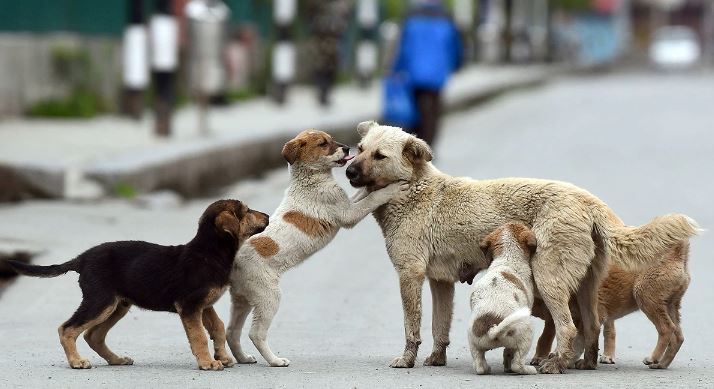
    • The draft defines “community animal” as “any animal born in a community for which no ownership has been claimed by any individual or an organization, excluding wild animals as defined under the wildlife Protection Act, 1972 (53 of 1972).”
    • The proposed law also says that in case of a community animal, the local government such as municipality or panchayats shall be responsible for taking care of the community animals in a manner developed by the State Government or by the Board.

    Latent issues with the law

    • Simply increasing the quantum of punishment may not be enough to stop cruelty against animals.
    • Some already marginalised communities like ‘madaris’ (who perform with animals) and ‘saperas’ (snake charmers) may be disproportionately affected.
    • Others have argued that focusing on the individual act of ‘cruelty’, such as farmers putting up electric fences around their fields, is an incomplete approach.

    Conclusion

    • Steps are needed to mitigate the larger issues of vanishing animal habitats and climate change exacerbating man-animal conflict.


    Click and get your FREE Copy of CURRENT AFFAIRS Micro Notes

    (Click) FREE1-to-1 on-call Mentorship by IAS-IPS officers | Discuss doubts, strategy, sources, and more

  • Measles outbreak: Need to accelerate Children Immunization program

    Measles

    Context

    • A measles outbreak in Mumbai has raised concerns amongst the country’s public health authorities. The city has reported more than 200 cases in the past two months and at least 13 children have lost their lives.

    Click and get your FREE Copy of CURRENT AFFAIRS Micro Notes

    Measles: A memory shot

    • Measles is a highly contagious viral disease.
    • Measles is caused by a virus in the paramyxovirus family and it is normally passed through direct contact and through the air.
    • The virus infects the respiratory tract, then spreads throughout the body.
    • Measles is a human disease and is not known to occur in animals.

    outbreak

    All you need to know about Measles

    • Signs and symptoms include:
    • The first sign of measles is usually a high fever, runny nose, a cough, red and watery eyes, and small white spots inside the cheeks can develop in the initial stage.
    • The most serious complications include blindness, encephalitis, severe diarrhoea and related dehydration, ear infections, or severe respiratory infections such as pneumonia.
    • Who is at risk?
    • Unvaccinated young children are at highest risk of measles and its complications, including death.
    • Unvaccinated pregnant women are also at risk.
    • Any non-immune person (who has not been vaccinated or was vaccinated but did not develop immunity) can become infected.
    • Transmission:
    • Measles is one of the world’s most contagious diseases.
    • It is spread by coughing and sneezing, close personal contact or direct contact with infected nasal or throat secretions.
    • Treatment:
    • No specific antiviral treatment exists for measles virus.
    • Severe complications from measles can be reduced through supportive care that ensures good nutrition, adequate fluid intake and treatment of dehydration with WHO-recommended oral rehydration solution.
    • All children diagnosed with measles should receive two doses of vitamin A supplements.
    • Prevention:
    • Routine measles vaccination for children, combined with mass immunization campaigns in countries with high case and death rates, are key public health strategies to reduce global measles deaths.
    • The measles vaccine is often incorporated with rubella and/or mumps vaccines.

    Reasons sought behind the sudden outbreak of Measles in India

    • A backslide in the universal immunisation programme during the pandemic:
    • By all accounts, the outbreak seems to have been precipitated by a backslide in the universal immunisation programme during the pandemic.
    • According to the state government data, only 41 per cent of the eligible children have been inoculated against measles in Mumbai.
    • Vaccine hesitancy:
    • Parents, reportedly, are showing a disinclination to continue the inoculation regime for their children after they developed fever on being administered the first jab.
    • Overworked public health professionals, including ASHA workers, have also had to combat vaccine hesitancy.

    outbreak

    Government efforts and the status of Immunization programs

    • Mission Indradhanush: In recent years, the Centre’s Mission Indradhanush project has improved vaccine coverage and reduced delays between shots.
    • Low coverage in last two years: WHO and UNICEF studies have shown that immunisation programmes especially those focusing on DPT (diphtheria, pertussis and tetanus) and measles have taken a hit in low- and mid-income countries, including India, in the past two years.
    • Missed shots during Pandemic restrictions: Early in the pandemic, the National Health Mission’s information system reported that at least 100,000 children missed their shots because of the restrictions on movement.
    • India speeding up the immunization after the pandemic: Anecdotal reports do indicate that India’s universal inoculation programme picked up during the latter part of the pandemic. But measles is a highly contagious disease. Experts had cautioned that even a 5 per cent fall in the vaccination rate can disrupt herd immunity and precipitate an outbreak. The surge of the disease in Mumbai indicates that their fears are coming true.

    Countries with lower per capita incomes are more at risk

    • Measles is still common in many developing countries particularly in parts of Africa and Asia. The overwhelming majority (more than 95%) of measles deaths occur in countries with low per capita incomes and weak health infrastructures.
    • Measles outbreaks can be particularly deadly in countries experiencing or recovering from a natural disaster or conflict. Damage to health infrastructure and health services interrupts routine immunization, and overcrowding in residential camps greatly increases the risk of infection.
    • Measles outbreaks can result in epidemics that cause many deaths, especially among young, malnourished children. In countries where measles has been largely eliminated, cases imported from other countries remain an important source of infection.

    outbreak

    Conclusion

    • Studies have shown that child vaccination had suffered during the pandemic as attention shifted towards adult vaccination. Now that the pandemic has waned, governments must carefully evaluate at the grassroots how many children fell out of the vaccine net during this period and take countermeasures.

    Mains question

    Q. Measles is a highly contagious disease with a high mortality rate in unvaccinated children. Discuss the reasons behind the recent outbreak of measles in India.

     (Click) FREE1-to-1 on-call Mentorship by IAS-IPS officers | Discuss doubts, strategy, sources, and more

  • Central Information Commission (CIC) and The RTI

    Information

    Context

    • The most vital mandate of the Central Information Commission, the apex body under India’s transparency regime, is to decide the disclosure or the non-disclosure of information. But the commission has seemingly relinquished this primary duty in cases of larger public importance.

    Click and get your FREE Copy of CURRENT AFFAIRS Micro Notes

    All you need to know about Central Information Commission (CIC)

    • Chief Information commissioner (CIC): Chief Information commissioner who heads all the central departments and ministries- with their own public information officers (PIO)s. CICs are directly under the President of India.
    • Composition: The Commission consists of a Chief Information Commissioner and not more than ten Information Commissioners. At present (2019), the Commission has six Information Commissioners apart from the Chief Information Commissioner.
    • Appointment: They are appointed by the President on the recommendation of a committee consisting of the PM as Chairperson, the Leader of Opposition in the Lok Sabha and a Union Cabinet Minister nominated by the PM.
    • Office term: The CIC/IC shall hold office for such term as prescribed by the Central Government or until they attain the age of 65 years, whichever is earlier. They are not eligible for reappointment.
    • Power and functions:
    • It is the duty of the Commission to receive and inquire into a complaint from any person regarding information request under RTI, 2005.
    • The Commission can order an inquiry into any matter if there are reasonable grounds (suo-moto power).
    • While inquiring, the Commission has the powers of a civil court in respect of summoning, requiring documents etc.

    Information

    Procedure of RTI and the role of CIC

    • Provision to File and application and seek guaranteed reply: Citizens can file applications under the Right to Information Act with any public body and are guaranteed a reply from the public information officer of that public body within 30 days.
    • Provision of appeal in case of dissatisfaction:
    • In case of a no reply or dissatisfaction with the response, the citizen can file an appeal at the departmental level and then a second and final appeal with the Information Commission.
    • Each State has its own State Information Commission to deal with second appeals concerning State bodies. At the Centre, it is the Central Information Commission (CIC).

    Information

    How RTI amendment, 2019 has changed CIC?

    • Before the amendment to the Until the 2019 amendment to the RTI Act, Information Commissioners (ICs) appointed to the CIC were equal in status to the Chief Election Commissioner, and that of a Supreme Court judge. They had a ïŹve­-year ïŹxed term and terms of service.
    • After the amendments of 2019, the Centre gave itself powers to change and decide these terms whenever it wished, thereby striking at the independence of the commission and those who man it.

    What are the concerns raised over the changed approach of CIC?

    • Decreasing accountability: Records show that not a single order for disclosure has been forthcoming in matters of public importance. The present set of Information Commissioners have together adopted a new jurisprudence that has created additional hurdles in a citizen’s quest for accountability.
    • Systematic ignorance to the mandate of non-disclosure: The Commission has adopted a new way of delegating its mandate to decide cases to the Ministry before it. In most cases, the Ministries reiterate their earlier stand of non­disclosure, most often under vague grounds of national interest.
    • Refusing to its duty: After these public authorities pass fresh orders, which are usually a reiteration of their earlier stand against disclosure, the CIC refuses to accept any further challenge to such orders, therefore, refusing to do its duty of deciding the cases.
    • Ignoring the principle of natural justice: One of the cardinal rules of natural justice is that no one should be a judge in their own cause. However, the commission now allows, or rather wants, the very Ministry that stands accused of violating the RTI Act to act as the judge in their own cause and decide whether a disclosure is necessary.
    • New instruments such as pending cases and stay orders: A case to keep pending for ïŹnal order or a stay order is unheard of and there is no provision in the RTI Act for the same.
    • Officers have no fear of any penal provisions: Bureaucrats reject RTIs with glee with no fear of facing penal provisions outlined in Section 20 of the RTI Act, knowing fully well that they have a free hand under the Information Commissioners.

    Back to basics: The Right to Information

    • RTI is an act of the parliament which sets out the rules and procedures regarding citizens’ right to information.
    • It replaced the former Freedom of Information Act, 2002.
    • Under the provisions of RTI Act, any citizen of India may request information from a “public authority” (a body of Government or “instrumentality of State”) which is required to reply expeditiously or within 30.
    • In case of the matter involving a petitioner’s life and liberty, the information has to be provided within 48 hours.
    • The Act also requires every public authority to computerize their records for wide dissemination and to proactively publish certain categories of information so that the citizens need minimum recourse to request for information formally.

    Information

    Conclusion

    • Dark clouds surround India’s transparency regime. Citizens have to mount intense pressure on authorities to act and appoint commissioners of integrity. Lawyers have to help willing citizens take matters to court and seek justice.

    Mains question

    Q. What are the role and functions of Central Information Commission? CIC’s deviance from its duty may undermine citizens’ power of right to information.

    (Click) FREE1-to-1 on-call Mentorship by IAS-IPS officers | Discuss doubts, strategy, sources, and more

    Â