According to LS speaker Om Birla, Parliamentary Committees are the “backbone of parliamentary democracy. The DRSCs, introduced in 1993, are vital to ensure continuous and informed Parliamentary control over executive.
Composition
Total 24 DRSCs- 16 under LS and 8 under RS.
31 Members – 21 from Lok Sabha and 10 from Rajya Sabha
Chairperson- Appointed by the Speaker of the Lok Sabha
Tenure- nominated annually
Role and Contribution of DRSCs
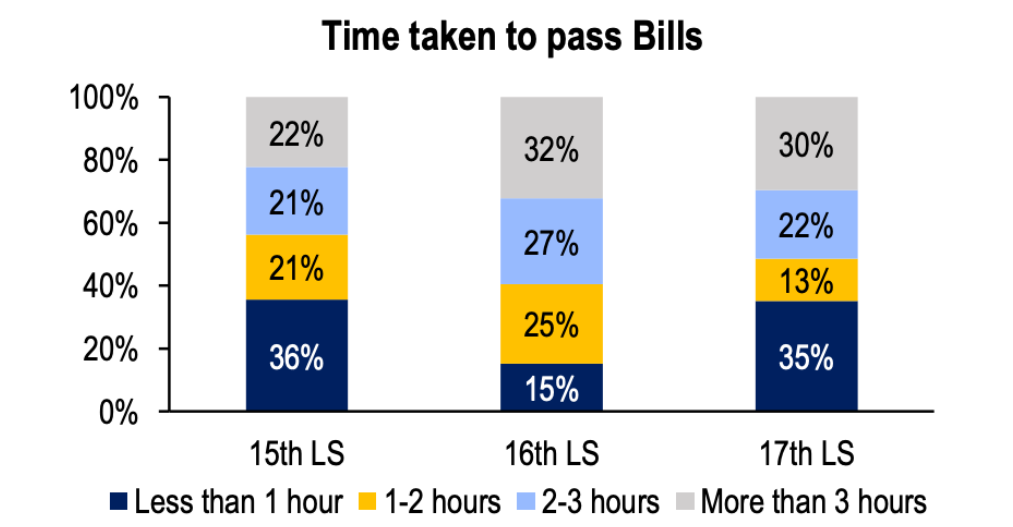
Detailed Legislative Scrutiny – examine Bills clause by clause, preventing hasty or poorly drafted laws. Eg The IT Committee (2019) proposed key revisions to the Personal Data Protection Bill.
Financial Oversight – scrutinise Demands for Grants and expenditure trends of ministries, ensuring fiscal prudence.
Policy Review and Evaluation – Assess the performance of ministries and flagship schemes, suggesting reforms for better outcomes.
Expert Consultation – Invite domain experts, civil society, and industry to facilitate evidence-based policymaking.
Non-Partisan Deliberation – Function as bipartisan forums that foster cooperation beyond party lines.
Continuous Oversight – Operate throughout the year, ensuring sustained monitoring even when Parliament is not in session.
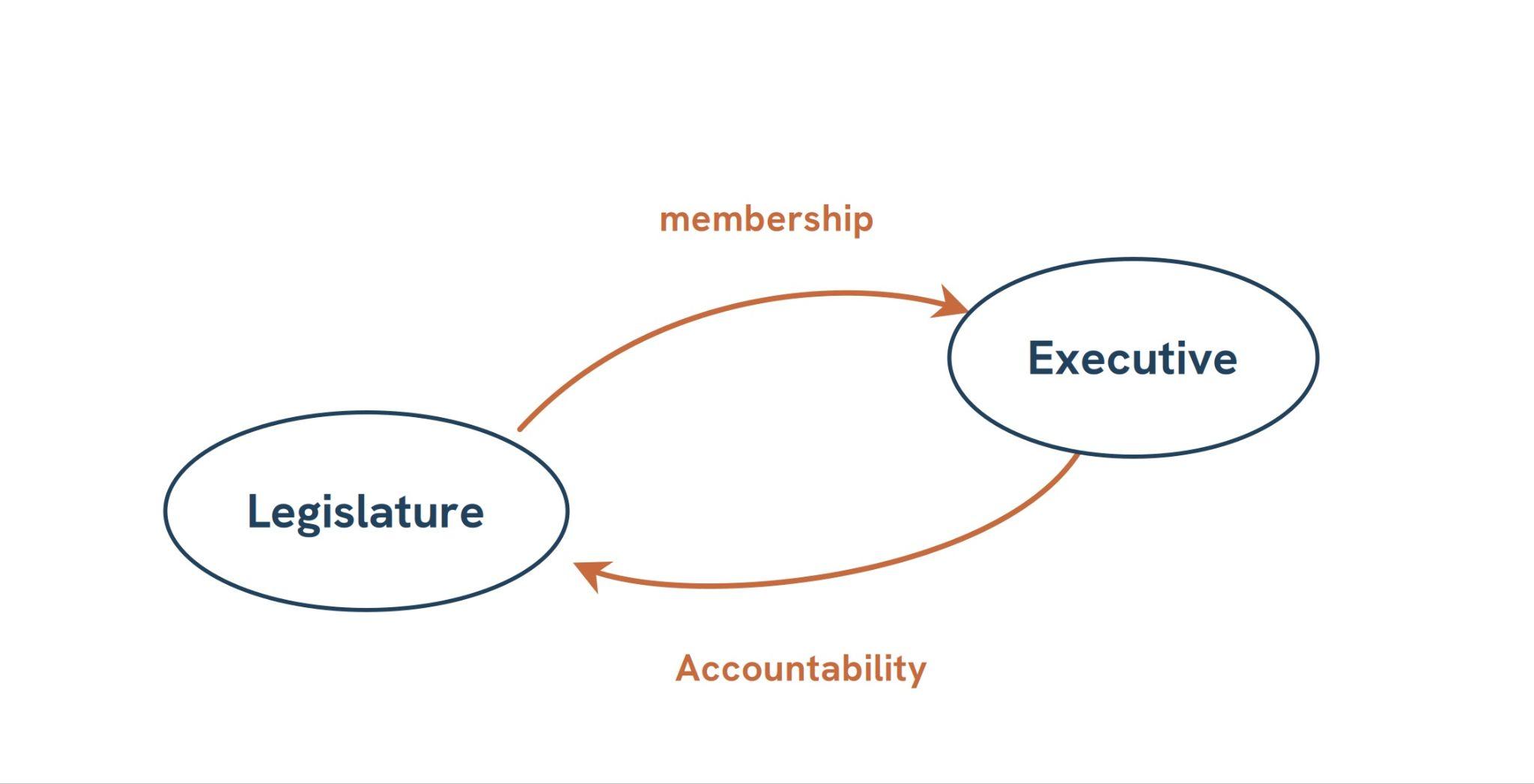
Transparency and Accountability – Their reports promote executive accountability and strengthen parliamentary control over administration.
Knowledge Enhancement – Equip MPs with technical and subject expertise, improving legislative quality and policy insight.
Issues-
Transparency Concerns- Meetings held behind closed doors, with no published minutes.
Non-binding Recommendations allow bypassing of detailed bill scrutiny.
Limited Research Support limits committee’s ability to conduct thorough analysis and research.
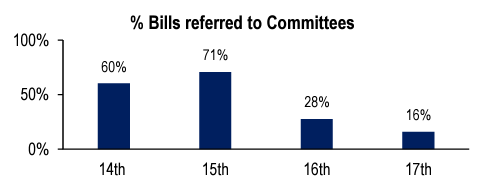
Selective Referral of Bills- During the term of 17th Lok Sabha, 19% of reports by DRSCs were on subjects other than Bills and budgets.
One-year tenure provides limited time for members to specialize in specific areas, impacting scrutiny depth.
Weak attendance of MPs and handling multiple ministries burdens the committee, hindering effective scrutiny and functioning.
Way Forward-
The National Commission to Review the Working of the Constitution (2002) recommended providing dedicated research support to committees.
Establish a dedicated research cell for each DRSC, similar to the Congressional Research Service (CRS) in the US.
Mandatory Response from Government within a fixed timeline (e.g., 3 months) to DRSC recommendations.
Ensure Transparency- A “Committee Action Report” should be tabled in Parliament detailing the status of recommendations.
The DRSCs remain crucial instruments of accountability, ensuring executive discipline and informed lawmaking.