💥Join UPSC 2027,2028 Mentorship (July Batch) + XFactor Notes & Microthemes PDF

Category: Burning Issues

  • [Burning Issue] Anti-defection Law under Spotlight

    UPSC 2023 countdown has begun! Get your personal guidance plan now! (Click here)

    Context

    We all aspirants are closely observing what has been happening in the state of Maharashtra.

    Now the rebel leader has moved the Supreme Court against the disqualification notice issued by the deputy speaker to him and some other rebel legislators, calling the action “illegal and unconstitutional” and seeking a stay on it.

    What is Anti-defection Law?

    • The Anti-Defection Law under the Tenth Schedule of the Constitution punishes MPs/ MLAs for defecting from their party by taking away their membership of the legislature.
    • It gives the Speaker of the legislature the power to decide the outcome of defection proceedings.
    • It was added to the Constitution through the Fifty-Second (Amendment) Act, 1985 when Rajiv Gandhi was PM.
    • The law applies to both Parliament and state assemblies.

    Cases consider under the anti-defection law

    The law covers three scenarios with respect to shifting of political parties by an MP or an MLA.

    (1) Voluntary give-up

    • The first is when a member elected on the ticket of a political party “voluntarily gives up” membership of such a party or votes in the House against the wishes of the party.
    • Such persons lose his seat.

    (2) Independent members

    • When a legislator who has won his or her seat as an independent candidate joins a political party after the election.
    • In both these instances, the legislator loses the seat in the legislature on changing (or joining) a party.

    (3) Nominated MPs

    • In their case, the law gives them six months to join a political party, after being nominated.
    • If they join a party after such time, they stand to lose their seat in the House.

    Covering independent members

    • In 1969, a committee chaired by Home Minister Y B Chavan examined the issue of defection.
    • It observed that after the 1967 general elections, defections changed the political scene in India: 176 of 376 independent legislators later joined a political party.
    • However, the committee did not recommend any action against independent legislators.
    • A member disagreed with the committee on the issue of independents and wanted them disqualified if they joined a political party.
    • In the absence of a recommendation on this issue by the Chavan committee, the initial attempts at creating the anti-defection law (1969, 1973) did not cover independent legislators joining political parties.
    • The next legislative attempt, in 1978, allowed independent and nominated legislators to join a political party once.
    • But when the Constitution was amended in 1985, independent legislators were prevented from joining a political party and nominated legislators were given six months’ time.

    Powers to disqualification

    • Under the anti-defection law, the power to decide the disqualification of an MP or MLA rests with the presiding officer of the legislature.
    • The law does not specify a time frame in which such a decision has to be made.
    • As a result, Speakers of legislatures have sometimes acted very quickly or have delayed the decision for years — and have been accused of political bias in both situations.

    Issues with the Anti-defection cases these days

    • Generally, when doubts are cast on the CM that he has lost the majority, the opposition and the Governor would rally for a floor test.
    • Now, this may seem like an administrative act. But loopholes around the law has brought politics into the picture. Let us understand the various ground situations involved:

    1) Defection proceeding

    • A Supreme Court Bench is scheduled to hear an appeal filed by the Rajasthan Assembly Speaker’s office challenging the State High Court order to defer anti-defection proceedings against former Deputy CM.
    • The petition said the HC has crossed its jurisdiction by asking the Speaker to put off his decision on the disqualification notices issued to dissident MLAs.
    • The High Court’s interim order granting extended time to rebel MLAs to file their replies to anti-defection notices amounted to a violation of Article 212 (courts not to inquire into the proceedings of the legislature).
    • The petition said that judicial review of ongoing anti-defection proceedings was limited.
    • The petition referred to the Constitution Bench judgment of the top court in the Kihoto Hollohan case in 1992 in this context.
    • Judicial review cannot be available at a stage prior to the making of a decision by the Speaker/Chairman and a prior action would not be permissible.
    • Nor would interference be permissible at an interlocutory stage of the proceedings, the verdict says.

    2) Summoning the house

    Rajasthan Governor returning the fresh proposal by the state Cabinet – seeking to convene a session of the Assembly has raised fresh legal questions on the powers of the Governor. But a Constitution Bench judgment of the Supreme Court has held that a Governor is bound to convene a meeting of the Assembly for a floor test on the recommendation of the Cabinet.

    • Article 174 of the Constitution gives the Governor the power to summon from time to time “the House or each House of the Legislature of the State to meet at such time and place as he thinks fit…”
    • However, the phrase “as he thinks fit” is read as per Article 163 of the Constitution which says that the Governor acts on the aid and advice of the cabinet.
    • Article 163(1) essentially limits any discretionary power of the Governor only to cases where the Constitution expressly specifies that the Governor must act on his own and apply an independent mind.
    • The Supreme Court in Nabam Rebia and Bamang Felix vs Deputy Speaker (2016) expressly said that the power to summon the House is not solely vested in the Governor.
    • The court has highlighted that Article 163 of the Constitution does not give the Governor a “general discretionary power to act against or without the advice of his Council of Ministers.
    • The discretionary powers are limited to specified areas like giving assent or withholding/referring a Bill to the President or appointment of a CM or dismissal of a government that has lost confidence but refuses to quit, etc.

    3) Floor test

    • Now, we know that the Governor cannot refuse the request of the Cabinet to call for a sitting of the House for legislative purposes or for the chief minister to prove his majority.
    • In fact, on numerous occasions, including in the 2016 Uttarakhand case, the court has clarified that when the majority of the ruling party is in question, a floor test must be conducted at the earliest available opportunity.
    • In 2016, the Supreme Court in Nabam Rebia and Bamang Felix vs Deputy Speaker expressly said that the power to summon the House is not solely vested in the Governor.

    4) Time Limit for defection plea

    • The Anti-defection law does not specify a time period for the Presiding Officer to decide on a disqualification plea.
    • Given that courts can intervene only after the Presiding Officer has decided on the matter, the petitioner seeking disqualification has no option but to wait for this decision to be made.

    5) Deciding on merger or split

    • The Tenth Schedule of the Constitution prohibits defection to protect the stability of governments but does not prohibit mergers.
    • Paragraph 4(2) of the Tenth Schedule, dealing with mergers, says that only when two-thirds of the members agree to “merge” the party would they be exempt from disqualification.
    • The “merger” referred to in Paragraph 4(2) is seen as a legal fiction, where members are deemed to have merged for the purposes of being exempt from disqualification, rather than a merger in the true sense.
    • Major political parties argue that a state unit of a national party cannot be merged without the party being merged at the national level.
    • However, the Tenth Schedule identifies this dichotomy between state units and national units.
    • As per Paragraph 4(2), “merger” of a party means merger of a legislative party of that House and not the national party.

    Yet another feature: ‘Resort’ Politics

    • The sight of legislators being packed off in luxury buses, and lodged in comfortable, even luxurious, hotels and resorts, has become a common feature of Indian politics.
    • It usually happens when a state government is in crisis, when a crucial election for a Rajya Sabha seat is underway and numbers are fluid, or when a rebellion is underway to change the regime in a state.
    • A political party — or the rebel faction — then rushes to consolidate the legislators who are in its favour.
    • The objective is to ensure that these legislators don’t succumb to temptations and inducements offered by the other side, and instead, remain under constant surveillance.
    • The method then adopted is to lock them in, till the crisis is resolved one way or the other.

    What we can learn from the ongoing situation?

    As recent events have made clear, however, the Tenth Schedule is no longer an effective check on the phenomenon of defection, and an urgent reconsideration is required. There are a few reasons why this is so.

    1)  Loopholes are present in the law itself

    • The first is that the defecting MLAs have found a way around the restrictions in the Tenth Schedule.
    • Instead of formally “crossing the floor” or voting against their party in a confidence motion, they resign from the party.
    • This brings down the party’s strength in the House, and the government is toppled.
    • A few months later, when by-elections are held, the same MLAs then stand for election on the ticket of the opposition party and are returned to the assembly.

    2) Judiciary can ‘conditionally’ intervene

    • Unfortunately, in their recent judgments, the courts have failed to stop defection practices (although, arguably, the language of the Tenth Schedule does not leave much room to the judiciary).
    • No matter how well-drafted a constitutional provision is, ultimately, its implementation depends upon constitutional functionaries acting in good faith.
    • As BR Ambedkar pointed out soon after the framing of the Constitution, every constitutional text can be subverted if those charged with running the affairs of government are inclined to do so.

    3) Political commitment is under question

    • In recent times, it has become clear that the major constitutional actors involved in times of constitutional instability — i.e., the governors and the speakers — do not act in good faith.
    • In every constitutional crisis over the last few years, governors/speakers have acted like partisan representatives of the political party that appointed them, and have flouted constitutional conventions with impunity.
    • Instances include decisions regarding which party to call first to form the government in a hung house, to order — or refusing to order — floor tests to prove majorities.

    4) Horse-trading persists in Indian politics

    • More recently, the Rajasthan High Court effectively injuncted the Speaker of the Rajasthan Assembly from acting upon disqualification notices, despite clear SC precedent to the contrary.
    • It can be pointed out that horse-trading of legislators persists.
    • It has been widely reported that huge sums of money are offered to MLAs to desert their parties and bring down the government.

    5) Role of Legislators is being compromised

    • The anti-defection law has restrained legislators from effectively carrying out their functions.
    • In a parliamentary system, legislators are expected to exercise their independent judgement while determining their position on an issue.
    • The choice of the member may be based on a combination of public interest, constituency interests, and party affiliations.
    • This fundamental freedom of choice could be undermined if the member is mandated to vote along the party line on every Bill or motion.

    6) Accountability of the government is compromised

    • The anti-defection law deters legislators from holding the government accountable for its actions.
    • One of the key features of parliamentary democracy is that the government is accountable for its decisions.
    • However, the anti-defection law deters a legislator from his duty to hold the government accountable, by requiring him to follow the instruction of the party/coalition on almost every decision.

    7) Overall decision making is hindered

    • The anti-defection law leads to major decisions in the legislature being taken by a few party leaders and not by the larger body of legislators.
    • This implies that anyone who controls the party leadership can issue directions to all legislators.
    • Thus, voting in the House will be as per the wishes of a few party leaders/ coalition leader rather than the beliefs of all legislators or the need for urgency.
    • Consensus if often dictated against which democratization within political parties is sought.

    8) Clueless voters are the ultimate losers

    • The anti-defection law breaks the chain of accountability between elected representatives and the voter.
    • The legislator would have to justify his decision if he differs from such a view.
    • If he dissented from the party line, he would lose his seat and would be unable to work for the citizens’ interests on other issues.
    • This further reduces the accountability of elected representatives to citizens.

    Article 164(1B)

    • A member of the Legislative Assembly of a State or either House of the Legislature of a State having Legislative Council belonging to any political party who is disqualified for being a member of that House under paragraph 2 of the Tenth Schedule shall also be disqualified to be appointed as a Minister under clause (1) for duration of the period commencing from the date of his disqualification till the date on which the term of his office as such member would expire or where he contests any election to the Legislative Assembly of a State or either House of the Legislature of a State having Legislative Council, as the case may be, before the expiry of such period, till the date on which he is declared elected, whichever is earlier.

    Need for urgent attention to Article 164(1B)

    • This allows for the toppling of governments by inducements of various kinds.
    • The motivation is that a fresh election allows the disqualified member to be re-elected.
    • He then becomes a member of the assembly once again, as its term is not over and can also be appointed a minister.
    • Under Article 164(1B), such a defection has no real consequences.

    Way forward

    • Ensure impartiality of Speaker: Speakers, when elected must resign from the party to which they belong.
    • At the end of their term, there should be a cooling-off period before they can become members of any political party.
    • Omit Paragraph 4 through Amendment: Paragraph 4 of the Tenth Schedule should be omitted by moving a constitutional amendment.
    • Make disqualification for 5 years: All those disqualified under paragraph 2 of the Tenth Schedule should neither be entitled to contest elections nor hold public office for five years from the date of their disqualification.
    • Article 164(1B) should be omitted by moving a constitutional amendment.
    • Set time limit to decide petition for disqualification: All petitions for disqualification of members under paragraph 2 of the Tenth Schedule should be decided, by adopting a summary procedure, within a period of three months.

  • [Burning Issue] Blasphemy and Hate Speeches

    Context

    • The debate surrounding the comments by some political spokespersons has put the spotlight on the need for anti-blasphemy law which deals with criticism of or insults to religion.
    • Presently India does not have a formal legal framework for dealing with hate speech concerning any particular religion.

    What is Blasphemy?

    • Blasphemy is one of the world’s most abused law when it comes to suppressing the voices of communities, rationalists as well as at many times scientists.
    • It is often regarded as a reasonable restriction over the freedom of speech and expression.
    • It many a times is also regarded as a hindrance in the development of a scientific temper among people.
    • It also a methodology of imposing the religious beliefs and virtues of one community over other.

    A backgrounder

    • Being a society with mostly Hindu population, India never saw a legislation against blasphemy till 1927.
    • Prior to independence, in the fog of communal tensions, a Pamphlet was published by Mahashay Rajpal.
    • It sparked controversy, with the members of Muslim community seeking punishment for Rajpal as it was a violent attack over the religious sentiments of Muslims.
    • Eventually Rajpal was acquitted because of the lack of any blasphemy law in India, only to be murdered in 1929.

    Beginning of legislation

    • The British colonial government eventually in the time of need, amended the Indian Penal Code, 1860 and added the Section 295(A) in the year 1927.
    • The Section even after the partition of India, is present in the Indian Penal Code, 1860, as well as in Pakistan and Bangladesh.

    What is Section 295A of the Indian Penal Code (IPC)?

    • Section 295A, define the contours of free speech and its limitations with respect to offences relating to religion.
    • It prescribes punishment for deliberate and malicious acts, intended to outrage religious feelings of any class by insulting its religion or religious beliefs.
    • It calls for imprisonment of either description for a term which may extend to [three years], or with fine, or with both.
    • It has been invoked on a wide range of issues from penalizing political satire and seeking bans on or withdrawal of books to even political critique on social media.

    Chapters to penalize religious offenses

    Section 295A is one of the key provisions in the IPC chapter to penalize religious offenses. The same chapter includes offenses to penalize:

    1. Damage or defilement of a place of worship with intent to insult the religion (Section 295)
    2. Trespassing in a place of sepulture (burial) (Section 297)
    3. Uttering, words, etc, with deliberate intent to wound the religious feelings of any person (Section 298) and
    4. Disturbing a religious assembly (Section 296)

    Frequency of use

    • The state often invokes Section 295A along with 153A of the IPC, which penalises promoting enmity between different groups on grounds of religion, race, place of birth, residence, language, etc.
    • It acts prejudicial to the maintenance of harmony and Section 505 of the IPC punishes statements conducing to public mischief.

    What about online hate speech?

    • In cases where such speech is online, Section 66A of the Information Technology Act was invoked.
    • However, in a landmark verdict in 2015, the Supreme Court struck down Section 66A as unconstitutional on the ground that the provision was “vague” and a “violation of free speech”.
    • However, the provision continues to be invoked.

    Issues with such laws

    • The broad, vague terms in the laws are often invoked in its misuse.
    • Lower conviction rates for these provisions indicate that the process — where a police officer can arrest without a warrant — is often the punishment.
    • Critics have pointed out that these laws are intended for the state to step in and restore “public order” rather than protect free speech.

    Voice for Anti-Blasphemy Laws

    (1) Sacrosanctity of Religions

    • Most of the religions establish in the mind of people, the sacrosanctity of God as well as the religion itself.
    • Scholars in the past have held that the God is above and beyond the scope of any question or doubt.
    • Acts such as impunity, apostasy and blasphemy have been held to be grievous offense, penalty of which at many times can be death.

    (2) Enforcement of Religious Sanctions

    • For example in Afghanistan the Constitution declares Islam to be the official “religion of the state”.
    • It goes on to stating that no law can be contrary to the beliefs and provisions of the sacred religion.
    • For issues on which the Constitution and Penal Code are silent (including conversion and blasphemy), courts rely on Shari’a.

    (3) Stable Governance

    • Sometimes religion is not a purely personal affair but is the foundation of the state, a vector of spiritual civilization affecting not only the feeling and thoughts, but also the actions of human beings.
    • Hereby it can be understood that Religion affects the actions of human beings, thus requires a protection legally as a moral & social value that drives a human, leading to a stable society and better governance.
    • The responsibility to protect religious sentiments of others later transforms into a legal duty when the state recognizes the Right to Religion.

    (4) Reasonable Restriction for Harmony

    • Most of the countries implement Blasphemy laws as a reasonable restriction for the maintenance of communal harmony.
    • Not to forget the fact that the Section 295(A) was introduced in the IPC, 1860 to put a hold on a series of communal violence provoked by the use of blasphemous statements.
    • Thus the British governments’ aim of introducing 295(A) was to put the reasonable restriction of the freedom of speech for the maintenance of order in the society.

    Issues with Anti-Blasphemy Law

    Throughout the world there have been numerous oppositions against blasphemy laws which at points have succeeded at points have not.

    (1) Lack of a definition for term Religion

    • Blasphemy has been described as irreverence towards God or Religion, however the term Religion itself lacks a proper definition for itself.
    • Belief in God which may unite Judaism, Islam and Christianity, is clearly insufficient as a definition, because some religions, such as Hinduism are arguably, Polytheistic.
    • Definition that depends upon a belief on God or Gods would similarly fail to include Buddhism, as it doesn’t include belief in a God.

    (2) Freedom of Religion

    • Many jurisdictions have tried to define the term religion through commentaries or judgments.
    • The Universal Declaration of Human Rights in its article 18 also protects Atheistic and Non- Theistic views in order to broaden the term Religion.
    • If the term Religion is broadened enough to include Atheism, then it also comes under the purview of Freedom of Religion and the practicing Atheism may fall under the category of Blasphemy at many instances.
    • Apart from Atheism, many religions also come a lot of time in conflict with other religions, at many times which may lead to blasphemy.

    (3) Curb on freedom of speech and expression

    • Freedom of Speech and expression is a fundamental right in the constitution of various countries including India and also is a Human Right.
    • The International Covenant on Civil and Political Rights in its article 19 states that everyone shall have the right to freedom of expression.
    • This right shall include freedom to seek, receive and impart information and ideas of all kinds, regardless of frontiers, either orally, in writing or in print, in the form of art, or through any other media of his choice and the right to hold

    (4) A Tool for Oppression

    • Blasphemy for a very long time has been seen as a tool for the majority to oppress the minority. One of the best example for it is in Pakistan and the Saudis.
    • Their laws puts immense restrictions on non-Muslims and slightest defiance invites sentences such as beheadings.
    • The ratio of Muslims to non-Muslims among blasphemy defendants illustrates the extent to which these laws are used to persecute religious minorities.

    (5) Promotes Violence

    • The allegations of blasphemy at multiple occasions leads to violence and extremism and have been used by vigilante groups and non-state actors to justify and instigate incidents of interreligious violence.
    • The Constitutional Court review of Blasphemy laws in Indonesia led to mass protests with hard lined groups threatening the petitioners.
    • The petitioners had asserted that the law had played an instrumental role in creating sectarian tensions and religious conflict rather than preventing them.
    • This has been the umbrella under which various militant groups attack, burn and destroy others.

    (6) Hurdle in development of scientific temper

    • A large number of incidents have taken place across the world where a rationalist has faced a threat for questioning religious doctrines and has been persecuted under the blasphemy laws.
    • It is to be noted that astrologer Galileo Galilei was put under house arrest for supporting Heliocentrism as opposed to Geocentrism in the Bible.
    • These were some of the arguments against Blasphemy laws in various countries, which may or may not applicable in other countries as well.

    India’s considerations for such laws

    (1) Nature of the State and Society

    • It is not the business of the government to supress real or imaginary attacks upon a particular religious doctrine.
    • India is a secular state by the virtue of its constitution. A secular state is neither a supporter of religion nor irreligion.
    • However the imposition of a penal provision that acts as an anti- blasphemy law is a biasness against the irreligious, as discussed earlier the practice and propagation of irreligion may amount to blasphemy for few religions.

    (2) Violation of Freedom of Speech and Expression

    • Throughout the history of Independent India, the section has been defined as a reasonable restriction over freedom of speech to secure public order.
    • In the Ramji Lal Modi case the court had held that the Constitution in Article 19(2) permits the state to restrict freedom of speech and expression in interests of public order.
    • In the light of above state case laws, Free speech gets a wider scope.
    • However, in practical approach, the idea of an imminent lawless action makes it very difficult in the case of Blasphemous acts.
    • It is quite unpredictable as to what statement containing elements of blasphemy has the capability to spark off violence.

    (3) Promotion of Violence & Victimhood

    • The IPC sections also incite the display of wounded feelings.  More than this, the law encourages or generates specifically violent displays of wounded feelings.
    • The provisions main objective was to prevent violence.
    • Say, a ban on a book under Section 295(a) requires a strategy and being violent is the first part of it as it is the clearest proof that the sentiments of a class of citizens of India has been outranged.

    (4) India’s International Responsibility

    • As stated earlier, the International Covenant for civil and political rights in its article 19 makes it a duty of every country to ensure its citizen’s right to freedom of Speech and expression.
    • It also states that any sort of blasphemy law is a clear violation of the Article 19.
    • Hence, since India has ratified the above mentioned Covenant it is its duty to abolish any such laws

    (5) Question of Malice

    • The section 295 (A) has put emphasis only on those act which are done with an element of malice in it, punishable.
    • However what is to be looked into is the fact that, when it comes to the malice, proving it is a complex and difficult issue, and in India the disposal rate of cases are very slow.
    • Most of the times, such cases take a very long time & surpass the duration of the punishment itself.
    • The element of Malice was added to make sure that any necessary or constructive criticism doesn’t get restricted.

    Way forward

    • Laws should be made with an objective to punish miscreants and curb their objective and not to protect the religion from them.
    • One and only one sustainable solution to this is to make the society tolerable, and for that education is the key.
    • This will provide for a society which will respect the right to express thoughts and right to speech and at the same time, respecting all religions, minorities and their beliefs also.
    • It has to be kept into mind that the concept of blasphemy was a concept developed and fit for a pre-modern society, led by a government that is not secular and democratic.

    Conclusion

    • To conclude, these words by Ludwig Feuerbach are appropriate, “God is not liable to offence; and even if he were offended, He would not under any circumstances wish the punishment of his offenders.”
    • Public order only can be censored. Hereby the only incitement that has to be there is an incitement of violence. This is where the laws of Blasphemy and hate speech differs.
    • However, blasphemous statements are that doesn’t contain elements of hate or violence is left at the level of tolerance for a section of society.
    • This becomes even weaker due to the presence of Blasphemy laws.

    UPSC 2023 countdown has begun! Get your personal guidance plan now! (Click here)

  • [Burning Issue] Elections to the Rajya Sabha

    UPSC 2023 countdown has begun! Get your personal guidance plan now! (Click here)

    Context

    Elections to the Rajya Sabha were recently concluded in some states.

    In this article, we will discuss and analyse the journey, significance and achievements of the Upper House of Parliament – Rajya Sabha.

    The Rajya Sabha

    • The Rajya Sabha or Council of States is the upper house of the bicameral Parliament.
    • It currently has a maximum membership of 245, of which 233 are elected by the legislatures of the states and union territories using single transferable votes through Open Ballot.
    • The President can appoint 12 members for their contributions to art, literature, science, and social services.
    • Members sit for terms lasting six years, with elections every year but almost a third of the 233 designates up for election every two years, specifically in even-numbered years.

    A Historical background

    • The Rajya Sabha came into being on April 3, 1952, and held its first session on May 13 the same year.
    • The Constituent Assembly, which was formed in 1947, after the adoption of the Constitution became the Provisional Parliament and made laws till 1952.

    Before its existence

    • The central legislature that came into being under the Government of India Act, 1919 was bicameral.
    • Under 1919 Act, Council of States had 60 members and Legislative Assembly had 145 members.
    • The membership and voting norms for the Council of States were restrictive. These restrictions meant only wealthy landowners, merchants and those with legislative experience could enter it.
    • Women could neither vote nor seek membership.
    • The Government of India Act, 1935 proposed an elaborate and improved version of the second chamber, but this never materialized.

    Elections to the Rajya Sabha

    Qualifications

    Article 84 of the Constitution lays down the qualifications for membership of Parliament. A member of the Rajya Sabha must:

    • Be a citizen of India;
    • Be at least 30 years old. (Article 84 constitution of India)
    • Be elected by the Legislative Assembly of States and UTs by means of the single transferable vote through proportional representation.
    • Not be: a proclaimed criminal, a subject of an insolvent, of unsound mind.
    • Not hold any other office of profit under the Government of India.
    • Possess such other qualifications as may be prescribed in that behalf by or under any law made by Parliament.

    In addition, twelve members are nominated by the President of India having special knowledge in various areas like arts and science. However, they are not entitled to vote in Presidential elections as per Article 55 of the Constitution.

    Election procedure

    • Candidates fielded by political parties have to be proposed by at least 10 members of the Assembly or 10% of the party’s strength in the House, whichever is less.
    • For independents, there should be 10 proposers, all of whom should be members of the Assembly.

    Voting procedure

    • Voting is by single transferable vote, as the election is held on the principle of proportional representation.
    • A single transferable vote means electors can vote for any number of candidates in order of their preference.
    • A candidate requires a specified number of first preference votes to win. Each first choice vote has a value of 100 in the first round.
    • To qualify, a candidate needs one point more than the quotient obtained by dividing the total value of the number of seats for which elections are taking place plus one.
    • The formula simply is [(Number of MLAs X 100) / (Vacancies + 1)] + 1.

    Example: If there are four seats and 180 MLAs voting, the qualifying number will be 180/5= 36 votes or value of 3,600.

    Note: The Rajya Sabha polls have a system of the open ballot, but it is a limited form of openness. There is a system of each party MLA showing his or her marked ballots to the party’s authorised agent (called Whip), before they are put into the ballot box.

    The NOTA option has been struck down by the Supreme Court in RS elections.

    The Power Equation: Lok Sabha Vs. Rajya Sabha

    The Indian Constitution provides for parity of powers between the Lok Sabha and the Rajya Sabha in law, making an exception in some cases.

    The Money Bill or Finance Bills can be introduced only in the Lok Sabha which only can approve the Demands for Grants.

    On the other hand, the Rajya Sabha has some special powers as requiring adopting a resolution allowing Parliament to legislate on subjects in the State List and creating All India Services, besides approving proclamations of Emergency and President’s Rule when the Lok Sabha is dissolved.

    Renowned British philosopher and political economist John Stuart Mill as early as in 1861 said in his great treatise Considerations on Representative Government that management of free institutions requires conciliation; a readiness to compromise; a willingness to concede something to opponents and mutual give and take. Truly, Rajya sabha plays this role in Indian legislature.

    In detail: Powers and Functions of the Rajya Sabha

    [1] Legislative Powers:

    • In the sphere of ordinary law-making, the Rajya Sabha enjoys equal powers with the Lok Sabha. An ordinary bill can be introduced in the Rajya Sabha and it cannot become a law unless passed by it.
    • In case of a deadlock between the two Houses of Parliament over an ordinary bill and if it remains unresolved for six months, the President can convene a joint sitting of the two Houses for resolving the deadlock.
    • This joint sitting is presided over by the Speaker of the Lok Sabha. But if the deadlock is not resolved, the bill is deemed to have been killed.

    [2] Financial Powers:

    • In the financial sphere, the Rajya Sabha is a weak House.
    • A money bill cannot be introduced in the Rajya Sabha. It can be initiated only in the Lok Sabha.
    • A money bill passed by the Lok Sabha comes before the Rajya Sabha for its consideration.

    [3] Executive Powers:

    • Members of the Rajya Sabha can exercise some control over the ministers by criticizing their policies, by asking questions and moving motions etc.
    • Some of the ministers are also taken from the Rajya Sabha. The PM can also be from Rajya Sabha if the majority party in the Lok Sabha may elect/adopt him as its leader.

    [4] Electoral Powers:

    • The Rajya Sabha has some electoral powers also. The elected members of the Rajya Sabha along with the elected members of the Lok Sabha and all the State Legislative Assemblies together elect the President of India.
    • The members of the Rajya Sabha Lok Sabha together elect the Vice- President of India.
    • Members of the Rajya Sabha also elect a Deputy Chairman from amongst themselves.

    [5] Judicial Powers:

    • The RS acting along with the Lok Sabha can impeach the President on charges of violation of the Constitution.
    • The RS can also pass a special address for causing the removal of a judge of the Supreme Court or of any High Court.
    • The charges against the Vice-President can be levelled only in the RS.
    • The RS can pass a resolution for the removal of some high officers like the Attorney General of India, Comptroller and Auditor General and Chief Election Commissioner.

    [6] Miscellaneous Powers:

    The Rajya Sabha and Lok Sabha jointly perform the following functions:

    • Approval of the ordinances issued by the President,
    • Ratification of an emergency proclamation,
    • Making any change in the jurisdiction of the Supreme Court and the High Courts, and
    • Making any change in the qualifications for the membership of the Lok Sabha and the Rajya Sabha.

    [7] Exclusive Powers

    The Rajya Sabha enjoys two exclusive powers:

    (i) The Power to declare a Subject of State List as a subject of National Importance:

    The Rajya Sabha can pass a resolution by 2/3rd majority of its members for declaring a State List subject as a subject of national importance. Such a resolution empowers the Union Parliament to legislate on such a state subject for a period of one year. Such resolutions can be repeatedly passed by the Rajya Sabha.

    (ii) Power in respect of Creation or Abolition of an All India Service:

    The Rajya Sabha has the power to create one or more new All India Services. It can do so by passing a resolution supported by 2/3rd majority on the plea of national interest. In a similar way, the Rajya Sabha can disband an existing All India Service.

    Limitations to its powers

    The Constitution places some restrictions on Rajya Sabha; the Lok Sabha is more powerful in certain areas as such:

    1. Money bills

    • A money bill can be introduced only in the Lok Sabha by a minister and only on recommendation of President of India.
    • When the Lok Sabha passes a money bill then the Lok Sabha sends money bill to the Rajya Sabha for 14 days during which it can make recommendations.
    • Even if Rajya Sabha fails to return the money bill in 14 days to the Lok Sabha, that bill is deemed to have passed by both the Houses.

    Also, if the Lok Sabha rejects any (or all) of the amendments proposed by the Rajya Sabha, the bill is deemed to have been passed. Hence, Rajya Sabha can only give recommendations for a money bill but Rajya Sabha cannot amend a money bill.

    There is no joint sitting of both the houses with respect to money bills, because all final decisions are taken by the Lok Sabha.

    2. Joint Sitting of the Parliament

    • Article 108 provides for a joint sitting of the two Houses of Parliament in certain cases.
    • Considering that the numerical strength of Lok Sabha is more than twice that of Rajya Sabha, Lok Sabha tends to have a greater influence in a joint sitting of Parliament.  A joint session is chaired by the Speaker of Lok Sabha.

    Joint sessions of Parliament are a rarity, and have been convened only three times in last 71 years, for the purpose of passage of a specific legislative act, the latest time being in 2002:

    • 1961: Dowry Prohibition Act, 1958
    • 1978: Banking Services Commission (Repeal) Act, 1977
    • 2002: Prevention of Terrorism Act, 2002

     3. No confidence motion:

    • The Union Council of Ministers is collectively responsible before the Lok Sabha and not the Rajya Sabha.
    • Lok Sabha alone can cause the fall of the Council of Ministers by passing a vote of no-confidence.

    Rajya Sabha: A destructionist house?

    • An analysis by the Secretariat revealed that the productivity of the Rajya Sabha till 1997 has been 100% and above and the past 23 years have thrown up a disturbing trend of rising disruptions.
    • This decline is primarily on account of disruptions forcing cancellation of Question Hour frequently.
    • Disruptions also dent the quality of law-making as seen in passing of Bills without discussion sometimes.
    • However, the Rajya Sabha is proving to be more and more a ‘deliberative’ body with increasingly more time being spent on this function.
    • According to various members of Lok Sabha, Rajya Sabha has done nothing except stalling legislative works and causing policy paralysis in the country.
    • For critics, the Upper House serves no purpose as its members are not directly elected and hence are not accountable to the people.
    • Rajya Sabha often has members from the party defeated in various elections, or are from political families, and due to political differences, they do not allow passage of important bills.
    • So many extra members are an added burden on exchequer which can be done away with.
    • Politics of boycotting and creating ruckus in the house and toeing on the party-line even on the issue that won’t attract disqualification provisions is a worrying thing.
    • At the same time, in terms of working, Rajya Sabha does not have sufficient powers in financial matters to bring any change and they are without any direct public interaction. Hence its purpose in modern democracy seems outdated.

    Importance of Rajya Sabha and Why It Should Continue

    • According to President Radhakrishnan, there are functions, which a revising chamber like Rajya Sabha can fulfil fruitfully. Parliament is not only a legislative but a deliberative body. So far as its deliberative functions are concerned, Rajya Sabha has made very valuable contributions time and again.
    • It’s true that party dynamics affects the working of Rajya Sabha. But in democracy passion often defeat the normal rationality. Thus a revising house is needed to check such adrenal rush.
    • While the argument of members not able to win in direct elections holds true, but retaining talent is essential for any democratic system. Losing valuable talent during election fervours has mostly been corrected by Rajya Sabha. It has also given entry to other experts like scientist, artist, sportsmen etc that can rarely face the electoral politics.
    • While Lok Sabha have members for each state, the Hindi belt domination is a constant theme. Hence other state interests, like those in North East, have always been taken up by the Rajya Sabha.
    • While it can’t bring no confidence motion or amend money bill, its role in checking arbitrariness of government as reflected in Land Ordinance, is necessary in democracy. Besides its special role in All India Services, legislation in State List too necessitates its existence.
    • Men and women of prodigious talent and calibre have adorned the benches of the upper house and have contributed significantly towards realising the vision of the founding fathers of the Constitution.
    • A permanent Upper House is also a check against any abrupt changes in the composition of the Lower House.
    • Rajya Sabha has continuity and is a permanent house.
    • Unlike Lok Sabha, it cannot be dissolved by anyone. Thus it has, time and often, carried out some administrative functions even when the lower house is dissolved. It has members with experienced players while there may be new entrants in the Lok Sabha.

    By virtue of this, Rajya Sabha can’t be said to be ‘obstructive’.

    Conclusion

    A study of the powers of the Rajya Sabha leads us to the conclusion that it is neither a very weak house like the British House of Lords nor a very powerful house as the American Senate. Its position is somewhat mid-way between the two. It has been less powerful than Lok Sabha but it has been not a very weak or insignificant House.

    Instead of engaging in the debate of if we need upper house or not, more constructive outlook would be improve it’s functioning. Clearly, the recommendations are present from NCRWC to 2nd ARC. The need is implementation and political support.

    UPSC 2023 countdown has begun! Get your personal guidance plan now! (Click here)

  • [Burning Issue] India’s Afghan Outreach and Taliban

    UPSC 2023 countdown has begun! Get your personal guidance plan now! (Click here)

    Context

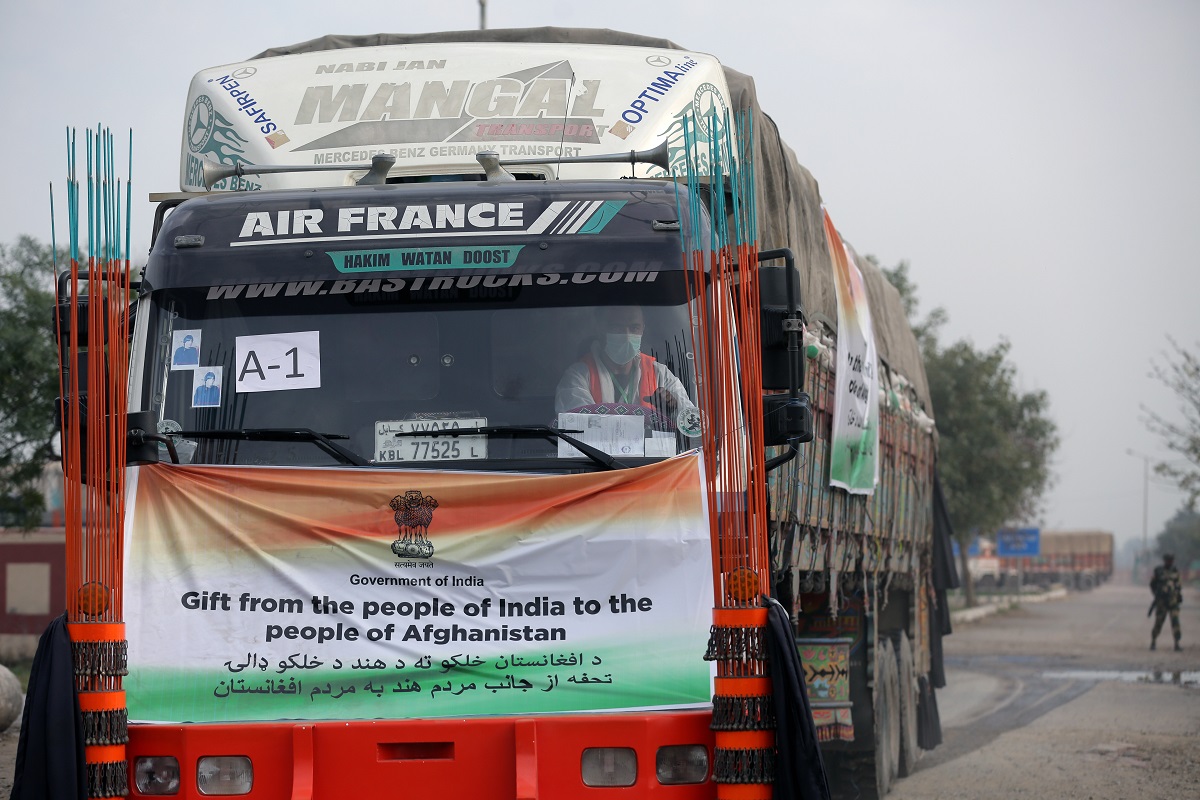
    • For the first time since the Taliban takeover on 15 August 2021, India has sent an official delegation to Afghanistan.
    • India discussed a host of issues that included resumption of stalled infrastructure projects, activation of diplomatic ties, and restarting the issue of visas for Afghan students and patients.

    Points of Discussion

    1. Has India officially recognized the Talibans?
    2. Tashkent held recently meet excluded Pakistan. Is Pakistan out of the Afghan security scenario?

    Highlights of the discussion

    • With this, it appears that the Indian is now less divided about the need to engage formally with the Taliban and prevent Afghan people getting marginalised.
    • Afghanistan is vital to India’s strategic interests in the region where the people’s (and even Taliban’s) affection for India is legendary.

    Expected outcomes of the meet

    • Recognition of the Taliban government is not on the cards yet.
    • The visit may have paved the way for the reopening of the Indian embassy, albeit a downgraded one.

    India and Taliban: A quick timeline of engagement

    • Initial reluctance: From 1996 to now, India’s journey from first opposition, then diffidence to engaging with the Taliban is in no small measure a story of India’s problematic relationship with Pakistan.
    • Beginning of Kashmir Insurgency: In 1996, when the Taliban fought their way through warring mujahideen factions into Kabul for the first time, in India, fearing a spillover on Kashmir insurgency (there was indeed some).
    • 1999 hijacking: During the hijacking of IC814, when the Pakistani hijackers took the plane to Kandahar, the then ruling Taliban acted as a support arm of the hijackers.

    Since then, any engagement was a standstill.

    When did India reach out to the Talibans?

    • 9-11 terror attacks: After 9/11, under the US umbrella, India invested money and energy into the rebuilding of Afghanistan.
    • But by 2010, with increasing doubts about the US continuance, India was again considering reaching out to the Taliban.
    • New Delhi did not want to be left out or marginalised in the Afghanistan of the future.
    • After the execution of Osama bin Laden in Pakistan in 2011, the Obama Administration was getting ready to declare an end to the war.

    Since then, the way was paved for the talks.

    How did its neighbors capitalize on the Afghan Crisis?

    • Pakistan had delivered the Taliban to the Trump Administration for talks.
    • Russia was backing the Taliban fully as the future ruler of Afghanistan, seeing in this sweet revenge for its own defeat in Afghanistan by US-financed, Pakistan-trained mujahideen.
    • Iran was also glad at America’s defeat at the hands of the Taliban.
    • China leveraged its relationship with Pakistan to get a foot into Kabul.

    India’s considerations: Counter-intuitive timing

    • Radicalism: India’s cautious opening to the Taliban has come at a time when the group has made it clear it has not changed from its previous satanical radicalism.
    • Restrictions on women: This has increased, from not being allowed to attend school to curbs on free movement in public spaces and at work.
    • Patronage to terror outfits: Taliban continues to remain close to Al-Qaeda, with a significant presence of its multinational fighting force in Afghanistan.
    • Threats in Kashmir: They also flag the JeM and LeT training camps in Nangarhar and Kumar, close to the Pakistan border.

    Why is India engaging with the Taliban now?

    https://thedailyguardian.com/wp-content/uploads/2022/02/22wheat-af.jpg
    • Reducing Pakistan’s footprint: It is time to de-hyphenate Pakistan from the Taliban, especially as the Pakistan security establishment is finding the going tough with the Kabul regime.
    • Inducing political insight: Another reason advanced for India’s change in policy is that the Taliban in power are more divided than they were as a fighting force.
    • Averting another crisis: This situation may provide room for a layered political and diplomatic engagement with different actors.
    • Eliminating terrorism: It has also helped that the Taliban have made no hostile statements on Kashmir since taking over in Kabul.
    • Afghanistan impacts India’s security: It has, in the past, provided space to al Qaeda with which the Taliban had a special relationship. Afghanistan has an ISIS presence too.
    • Humanitarian assistance: India aims at facilitating humanitarian assistance through international organizations, and paving the way for access to consular services.
    • Protecting its investment: India built vital roads, dams, electricity transmission lines and substations, schools and hospitals, etc. Total assistance is now estimated to be worth well over $3 billion.

    Way forward

    • An engagement with the Taliban would at least give an opportunity to convey Indian concerns directly.
    • The visit has encouraged those elements within the group who wish to open up its diplomatic choices.
    • All in all, the sooner India establishes a permanent presence in Kabul the better for the pursuit of national interests in the external sphere.
    • This is not an exercise in evangelism but the cold and undeterred pursuit of interests, which often requires supping with the devil — of course, with a long spoon.

    UPSC 2023 countdown has begun! Get your personal guidance plan now! (Click here)

  • [Burning Issue] Sex Work as a Profession

    Context

    • In a significant order recognising sex work as a “profession”, the Supreme Court has directed that police should neither interfere nor take criminal action against adult and consenting sex workers.
    • A recent Bollywood movie is also nowadays perceived as an ode to sex workers honouring their struggle and spirit.

    Sex Work in India

    • It is said that sex work is the oldest profession in the world.
    • In India, their presence can be dated back to ancient times with scriptures mentioning their presence.
    • In later times, such women were considered the wives of a temple deity or a Devdasi, who saw their god in all their lovers.

    So, where does India stand?

    • Prostitution is not illegal in our country, but soliciting and public prostitution are.
    • Owning a brothel is also illegal, but because places like GB Road are already in place, these laws are rarely enforced.

    Legality check

    • According to the Indian Penal Code (IPC), prostitution in its broader sense is not really illegal per se.
    • But there are certain activities which constitute a major part of prostitution that are punishable under certain provisions of the act, which are:
    1. Soliciting prostitution services in public places
    2. Carrying out prostitution activities in hotels
    3. Indulging in prostitution by arranging for a sex worker
    4. Arrangement of a sexual act with a customer

    Sex Work, not Prostitution: Making the difference

    • Sex workers are adults who receive money or goods in exchange for consensual sexual services or erotic performances, either regularly or occasionally.
    • The term “sex worker” recognizes that sex work is work.
    • Prostitution, on the other hand, has connotations of criminality and immorality.
    • Many people who sell sexual services prefer the term “sex worker” and find “prostitute” demeaning and stigmatizing, which contributes to their exclusion from health, legal, and social services.

    How did the term ‘Prostitution’ materialized in India?

    • In the 1800s, it is reported that the British military established and maintained brothels for its troops to use across India.
    • A report by the BBC states that the girls, many in their early teens from poor, rural Indian families, were recruited and paid directly by the military, which also set their prices.
    • The British have long gone, but the earned infame continues in the country at prime locations of major cities such as GB Road (New Delhi), Budhwar Peth (Pune), Kamathipura (Mumbai) etc.
    • While some estimate that there are around 8,00,000 sex workers in India, the actual number could be as high as 20 lakh across the country.

    Perspectives on Sex Work

    Perspectives on sex workers’ rights generally fall into two categories.

    (1) Feminist perspective

    • It assumes that all people involved in sex work have been coerced, bribed, blackmailed or forced into the trade.
    • No woman could “choose” to be in sex work, and making money from sex thus becomes synonymous with sexual exploitation.
    • Following this perspective, the only approach to giving sex workers their rights is to “free” them from the flesh trade.

    (2) Legal-rational (Modern) perspective

    • It perceives sex work as legitimate business and expects to be treated as such.
    • Viewing sex as business provides a basis for organizing to solve many of the problems associated with commercial sex work.
    • They constitute an integral part of India’s informal sector economy.

    Various issues faced by Sex Workers

    (1) Various violence faced

    • Physical violence: They are often subjected to physical force such as- being slapped, pushed, shoved, hit, being kicked, dragged, beaten up and mutilation of genitals.
    • Sexual violence: Rape, gang rape, sexual harassment, being physically forced or psychologically intimidated to engage in sex or subjected to sex acts against one’s will or that one finds degrading or humiliating.
    • Psychological violence: Being insulted by labelling derogatory names; being humiliated or belittled in front of other people; being confined or isolated from family or friends; being threatened with harm to oneself or someone one cares about; verbal abuse etc.

    (2) Lifetime issues

    • Stigma and Marginalization: Sex work is not treated as work, but as a dirty and immoral lifestyle threatening to taint the “innocent” public.
    • Lack of access to justice: Their uncertain status in law result in judgments that often mark sex-workers as criminals and repeat offenders.
    • Social and civil exclusion: For sex workers, the State is an instrument of violence; feared, rather than seen as protectors of rights.  
    • Identity crisis: Most sex workers hide their identity and origin. They are often raided from their premises and are unable to return to their residences.
    • Denial of basic amenities: Due to this discrimination, women in sex work have been denied safety, proper healthcare, education and, most importantly, the right to practice the business of making money from sex.
    • Risks of violence: People in sex work are not only at a higher risk for violence, but they are also less likely to get protection from the police—often the very perpetrators of this violence.
    • Marginalization: Illiteracy, ignorance and fear of the medical establishment make it difficult for women to access healthcare.

    (3) Human-rights abuses

    Human-rights violations that should be considered in conjunction with violence against sex workers are:

    1. Money extortion by Police and Goons
    2. Denied or refused food or other basic necessities
    3. Refused or cheated of salary, payment or money that is due to the person
    4. Forced to consume drugs or alcohol
    5. Arbitrarily stopped, subjected to invasive body searches or detained by police
    6. Arbitrarily detained or incarcerated in police stations, detention centres and rehabilitation centres without due process
    7. Refused or denied health-care services
    8. Subjected to coercive health procedures such as forced STI and HIV testing, sterilization, abortions
    9. Deprived of sleep by force

    Why is it a vicious trap?

    • The stigma against a woman in sex work is not limited to the woman herself; it carries down to her children, regardless of their own professions or lifestyles.
    • Children of sex workers repeatedly report discrimination, ostracization and isolation felt on account of their mothers’ work.
    • Many are embarrassed by their home lives.
    • This has had significant effects on their education, as the drop-out rate in this community is particularly high.
    • Children abandon school for myriad reasons, ranging from exam performance to harassment by teachers and classmates.
    • Undoubtedly this harassment leads to lower self-esteem and a lack of motivation in school.

    Debunking myths about Sex Work

    Popular media fuels the image of women as either overly sexual outcastes who threaten the very structure of Indian family life. Indian laws and policies regarding sex work are crafted from a moralistic standpoint and people involved in sex work are defined by—and treated as— their “immoral” profession.

    In fact, women in sex work cannot be put into a box.

    • While there are certainly victims of trafficking in sex work today, the majority of women in sex work consent to doing it.
    • They have decided that making money from sex is a lucrative option for them and their families.
    • But traditionalists cannot divorce sex from its sacred and religious implications. Tawaif and Devdasi system is a testimony to this.

    Why sex work is not recognized/promoted in India?

    • A victimless crime: Prostitution creates a setting whereby crimes against men, women, and children become a commercial enterprise. It is an assault when he/she forces a prostitute to engage in sex scenes.
    • Evils of institutionalizing: Even with the decriminalization of prostitution, women and even children can still suffer from violence and physical abuse. People who are into this profession are prone to rape.  
    • Sexually transmitted diseases: Even if a worker is being tested every week for HIV, she will test negative for at least the first 4-6 weeks and possibly the first 12 weeks after being infected. This means that she can be a silent vector of the deadly virus.
    • Encourage human trafficking: Human trafficking, especially of girl children, is rampant in our country. With poverty driving some parents to sell their kids to sexual predators is alarming and if prostitution will be legal, more children will be coerced to be sex workers.

    Various policy moves

    (1) Ujjwala Scheme

    • The Ministry of Women and Child Development implements the Ujjawala Scheme.
    • It is a comprehensive scheme for prevention of trafficking and rescue, rehabilitation and re-integration of victims of trafficking for commercial sexual exploitation.
    • The protective and rehabilitative homes provide basic amenities such as food, clothing, medical care, legal aid, education for rescued children and vocational training to provide them alternate livelihood options.

    (2) Protection against forceful sex work

    • The Immoral Traffic (Prevention) Act, 1986 is an amendment of the original act.
    • As per this act, prostitutes are to be arrested if they are found soliciting their services or seducing others.
    • Furthermore, call girls are prohibited from making their phone numbers public.
    • They can be punished for up to 6 months along with penalties if found doing so.

    (3) Constitutional safeguard

    Article 23 of the Indian Constitution, amended in 2014, includes the following provisions:

    1. Prohibition of human trafficking and forced labour.
    2. Traffic in human beings and bears and other similar forms of forced labour are prohibited and any contravention of this provision shall be an offence punishable in accordance with the law.
    3. Nothing in this article precludes the State from imposing compulsory service for public purposes, and the State shall not discriminate solely on the basis of religion, race, caste, or class, or any combination thereof, in imposing such service.

    Why they are still excluded in India?

    • No documentation of socio-economic status: Stigma related to their work and identity and the migratory nature of work prevents sex workers from accessing identification documents, essential to accessing entitlements. They are yet to have Aadhaar Cards.
    • Denial of formal education: Residence proof, father’s name and caste, and the ration card are some documents required for getting their children registered in schools.
    • Food insecurity: The Public Distribution System (PDS), meant for people below the poverty line to access food items cheaply, needs supporting proof of sex workers being below poverty line.
    • Denial of safe environment and labour protection: Sex work happens in informal settings and is an occasional form of income or a long term occupation. This includes access to benefits, legal redress for workplace grievances, adequate health and safety regulations.

    Recent Supreme Court Directive: Key Takeaways

    (1) Recognition to profession and personal dignity

    • Sex Work is a profession whose practitioners are entitled to dignity and equal protection under law.
    • Criminal law must apply equally in all cases, on the basis of ‘age’ and ‘consent’.
    • It need not be gainsaid that notwithstanding the profession, every individual in this country has a right to a dignified life under Article 21 of the Constitution, the court observed.
    • The order was passed after invoking special powers under Article 142 of Constitution.

    (2) Cautions to Police

    • It is clear that the sex worker is an adult and is participating with consent, the police must refrain from interfering or taking any criminal action.
    • The Bench ordered that sex workers should not be “arrested or penalised or harassed or victimised” whenever there is a raid on any brothel.
    • Since voluntary sex work is not illegal and only running the brothel is unlawful.
    • Basic protection of human decency and dignity extends to sex workers and their children, the court noted.
    • A child of a sex worker should not be separated from the mother merely on the ground that she is in the sex trade, the court held.
    • Further, if a minor is found living in a brothel or with sex workers, it should not be presumed that the child was trafficked.

    (3) Taking cognisance of sexual crimes against sex workers

    • The court ordered the police to not discriminate against sex workers who lodge a criminal complaint of offence committed against them is of a sexual nature.
    • Sex workers can also be victims of sexual assault should be provided every facility including immediate medico-legal care.
    • The court said media should take “utmost care not to reveal the identities of sex workers, during arrest, raid and rescue operations.

    What will change if the Policymakers endorse the Court’s direction?

    • Sex workers will be accorded equal legal protection.
    • If a sex worker reports a criminal/sexual or other type of offence, the police will take it seriously and act in accordance with the law.
    • If a brothel is raided, the sex workers involved will not be arrested, penalised, harassed, or victimised.
    • Any sex worker who is a victim of sexual assault will be given all of the same services as a survivor of sexual assault, including immediate medical attention.
    • Provisions similar to those of Transgenders will be extended to sex workers.

    Sex work in other countries

    Some countries choose to outright ban the practice, while others have attempted to regulate prostitution and provide health and social benefits to sex workers.

    Here are a few examples of countries where prostitution is legal:

    • New Zealand: Prostitution has been legal since 2003. There are even licenced brothels operating under public health and employment laws, and they get all the social benefits.
    • France: Prostitution is legal in France, though soliciting in public is still not allowed.
    • Germany: Prostitution is legalised and there are proper state-run brothels. The workers are provided with health insurance, have to pay taxes, and they even receive social benefits like pensions.
    • Greece: The sex workers get equal rights and have to go for health checkups as well.
    • Canada: Prostitution in Canada is legal with strict regulations.

    Way forward

    • Decriminalization: It is a prerequisite to ensure the physical and emotional inviolability of sex workers, their right to life, right to freedom of labour, health and reproductive and sexual rights.
    • Trafficking and should not be conflated with sex work:  Trafficking of Adult Persons and Trafficking of Children should be dealt with under two separate laws to ensure that consenting adults are not infantilised and children are given justice.
    • Rehabilitation with consent: Shut down compulsory detention or rehabilitation centres for people involved in sex work. Instead, provide sex workers with evidence-based, voluntary, community empowerment services.
    • Participation in policy making: Ensure participation of sex work organisations in drafting/ amending laws, policies and programs relevant to them and in its eventual implementation process as the govt did for Transgenders.
    • Policing reforms: Sensitivity to issues faced by sex workers should be made a part of training for police personnel, public prosecutors and the judiciary in partnership with community organisations of sex workers.
    • Human rights protection: Strengthen National Human Rights Commission (NHRC) and increase their accountability to respond to complaints or initiate suo moto action reports of violence against sex workers.
    • Access to justice: Ensure Free Legal Services are available in rural areas for sex workers and offered by lawyers who have been trained in issues faced by sex workers.

    UPSC 2023 countdown has begun! Get your personal guidance plan now! (Click here)

  • [Burning Issue] Power Crisis in India

    https://img.etimg.com/thumb/width-1200,height-900,imgsize-178130,resizemode-1,msid-87097716/industry/energy/power/how-rains-and-lack-of-foresight-of-power-producers-and-states-caused-a-power-crisis-in-india.jpg

    Context

    • India is facing one of the worst power crises in its History and the scariest point is that this power crisis is not something that rarely has been haunting almost every year for 10 years now!!
    • As a result, businesses all across the country are facing lakhs and even crores of losses due to power shortage!! and at the macro level, the economy of India itself is taking a hit!!

    A layman’s analysis

    • When we say power crisis you might think maybe India does not have enough energy source!!
    • But the fun fact is that India has the 5th largest coal reserve globally with 9.5% of the entire world’s coal reserve right here in our country itself!!
    • We have so much coal that with the existing energy demands, these reserves can power India for 111 years!!
    • Also the completion of universal household electrification has been a huge achievement.

    So the question is:

    1. Inspite being one of the largest coal reserve why is India facing a power crisis?
    2. What are the factors that cause this to happen every single year?

    Power value chain in India

    • The first thing we need to understand is the power value chain in India and how energy actually comes from the coal mines to your laptop.
    • This value chain includes four major steps:
    • Producers who mine and refine fuels
    • Power generation
    • Electricity transmission
    • Electricity distribution (Discoms)
    • The value chain starts with the energy producers who mine and refine fuels that are used in electricity production this includes all types of energy sources like coal gas oil or even nuclear based fuels.
    • The fuels are then delivered to the generation facilities where the electricity generator uses the fuel to drive a generator to produce electricity and then to dispatch it to a transmission and distribution system or Discoms.
    • This system distributes the electricity to consumer locations through a transmission and distribution grid.

    India’s dependency on Coal

    • As of September 2021, thermal power comprised 60% of India’s installed capacity in power generation.
    • Coal-based power generation, with a capacity of around 210 gigawatts (GW) of the total 396 GW, accounts for about 53% of India’s total power capacity as on March 2022.
    • India imports about 20% of its thermal coal requirements.

    Why is there a Power Shortage?

    • India was recently hit by a power crisis when the daily peak power shortage rose to 10,778 MW and the energy deficit reached 5% at the national level.
    • Some states experienced steep deficits of up to 15%.
    • Consequently, discoms resorted to load-shedding, resulting in long hours of outage for many households and rationed supply for economic activities.
    • Depleting coal supplies at thermal power plants has resulted in this crisis.

    (1) Largest share in energy basket

    • Coal is the most important and abundant fossil fuel in India. It accounts for 55% of the country’s energy needs.
    • Coal demand is driven by the rising population, expanding economy and a quest for improved quality of life.
    • Currently, India doesn’t have a feasible replacement of Coal Based Thermal Energy in near future.

    (2) Demand for power has soared

    • For instance, New Delhi’s peak power demand touched 5,460 megawatts (MW) recently, the highest ever in April’s first fortnight.
    • This was due to severe heatwaves all across the nation.
    • Several states, including Andhra Pradesh, Madhya Pradesh, Punjab, Haryana, Telangana, and Maharashtra, are facing power outages.

    (3) Lack of coal availability in stock

    • The coal stock with power generation companies (gencos) is not adequate to meet the rising demand.
    • Normally, a power plant must maintain 26 days of coal stock.
    • However, at present, several power plants are reporting critical levels of coal stock.
    • Data from the Central Electricity Authority (CEA) shows that 97 power plants out of the 173 have critical levels of coal inventory.
    • These have an average of 28% of the stock compared to the normal scenario.

    Stress on Power plants

    • There has been a moderation in coal supply towards certain gencos because of the overdues or delays in the payments.
    • As a result, discoms/state governments will either have to absorb the cost burden with increased imported coal-based generation.
    • This however has to be passed on the same through tariff hikes which never happened in India.
    • Inspite, DISCOMS constrained to offtake power, resulting in load shedding, which has been visible in a few states recently.

    Major reason: Underperformance of Coal Sector

    • The state power distribution companies (discoms) have also not been able to clear their dues to power generation companies.
    • According to the government’s PRAAPTI portal, distribution companies faced financial liability of nearly Rs 1 lakh crore.
    • The challenges facing the finances of the distribution companies have only been exacerbated by the COVID-19 crises.
    • The impact of the nation-wide lockdown in 2020, which shuttered commercial and industrial enterprises was severe for their finances.
    • Revenues from historically subsidizing consumers decreased, even as supply to subsided consumers, agricultural and residential consumers, either increased or remained the same.
    • Indian railways owing to no reception of payment from DISCOMS stopped or reduced coal supplies.

    Factors attributing to the deteriorating finances

    [1] Lack of Cost-reflective Tariffs

    • The costs of supplying high-voltage consumers is significantly less than that of supplying to lower voltage consumers
    • The complexity of tariff determination is accentuated by the existence of multiplicity of categories in the tariff structures, with numerous subcategories and slabs.
    • There is significant variation in this between states.

    [2] Distorted Cross-subsidies

    • Households and agricultural consumers paying less than the average cost of supply and to make up for this, tariffs for commercial and industrial consumers are higher.
    • In developed countries, high voltage industrial consumers have the lowest tariff reflecting lower costs.
    • This increases industrial competitiveness by lowering energy costs.
    • DISCOMs in states with poor industrialization tend to correspondingly have larger losses.
    • Increased domestic consumption due to expanded electrification and rise in per capita incomes and increased agricultural consumption due to increased demand for irrigation have not been matched by a similar growth in subsidizing consumers.
    • Consistent losses have meant that distribution companies do not have the financial capacity to invest in necessary capital expenditure, resulting in paying consumers needing to invest on their own in independent sources of power.

    [3] Misaligned Political Incentives and Mismanagement

    • The govt could have declared the extent to which tariffs would become lower as AT&C losses were brought down.
    • Consumers would pay more than necessary to the extent AT&C (Aggregate Technical & Commercial) losses were higher.
    • De-metering of agricultural consumption has been another example.
    • It is considered to have encouraged ‘a culture of unaccountability in the sector, leading to theft and line losses being hidden within the agricultural category’.
    • There are also electricity bills waivers as populist election freebies.

    [4] Lack of Regular Tariff Increase

    • Another major cause of the high financial losses has been that tariffs do not increase commensurate to increase in costs in many states.
    • Since the 1990s, revenue recovered by DISCOMs had been, on average, 30% lower than the cost incurred.
    • This resulted in approximately Rs 1.15 lakh crores of costs, which were not recovered through tariffs.
    • Due to a variety of reasons, including state government interventions or a lack of preparedness, DISCOMs do not file petitions in a timely manner.

    [5] Delays/non-payment of Subsidy Amounts and Dues by States

    • The rapid rise in subsidized consumers and increased populist announcements of greater subsidies have meant an increase in the requirement of subsidies from the state governments.
    • Delays in release of subsidies, as well as underpayment of committed subsidies impact the ability of DISCOMs in managing operating costs.
    • Moreover, since the fraction of the cost structure meant to be covered by subsidy payments has risen.
    • Also, government departments often also do not release payments for outstanding dues in a timely manner.

    Various policy measures

    [1] 2001 Scheme for Repayment of SEB Due

    • The first bailout package was intended as a one-time settlement of outstanding dues till September 2001.
    • Based on the recommendations of the Committee constituted under Montek Singh Ahluwalia, in May 2002, the government circulated a tripartite agreement between the RBI, Central and State Governments.
    • States were to implement reforms such as setting up SERC, metering distribution feeders, and improving revenue realization, in exchange for which 60% of interest/surcharge on delayed payments was waived for participating states

    [2] 2012 Financial Restructuring Plan (FRP)

    • The states were unable to turn around the fortunes of their electricity boards as required by the financial restructuring plan (FRP) finalized in September 2012.
    • This was because of reasons such as low tariff increases, slow progress in reducing losses, higher electricity purchase costs and crippling debt.
    • The scheme has been availed by Tamil Nadu, Uttar Pradesh, Rajasthan, Haryana, Jharkhand, Bihar, Andhra Pradesh and Telangana.
    • This is the second such bailout for the Indian distribution sector.
    • Some states including Uttar Pradesh and Rajasthan have also not converted outstanding state government loans into equity—another requisite.

    [3] 2015 Ujwal DISCOMs Assurance Yojana (UDAY)

    • The UDAY scheme was introduced with the objective to improve the operational and financial efficiency of state DISCOMs.
    • The scheme allowed state governments to take over 75% of outstanding DISCOM debt over two years.
    • Incentives offered to participating states included access to additional/priority funding through Central Government schemes such as DDUGJY, IPDS, Power Sector Development Fund (PSDF).
    • This however could not alter the situation on the ground.

    [4] Atmanirbhar Bharat Abhiyan Package

    • This was a part of the package announced to mitigate the impact of the COVID-19 pandemic on the economy.
    • It infused liquidity support of Rs 90,000 crore in the form of concessional loans from Power Finance Corporation and Rural Electrification Corporation.
    • It provided for rebates by Central Public Sector Gencos to DISCOMs; and relaxation of conditions of existing loans and relief from certain late payments and surcharges were announced.
    • The borrowing limits for states were also relaxed, with part of the increased borrowing linked to reforms on power distribution.

    [5] Reforms-based Result-Linked Power Distribution Sector

    • Launched in July 2021, the RDSS is the latest of many central government grant-based programmes towards electricity distribution network investments.
    • It has an outlay of Rs 3 lakh crore for five years.
    • Half of the outlay is for better feeder and transformer metering and pre-paid smart consumer metering.
    • The remaining half, 60 percent of which will be funded by central government grants, will be spent on power loss reduction and strengthening networks.
    • RDSS stipulates universal pre-paid metering but post-paid options may be suitable in many contexts.

      What are the recent reforms in Coal Sector?

    • Commercial mining of coal is allowed, with 50 blocks to be offered to the private sector.
    • Entry norms will be liberalized as it has done away with the regulation requiring power plants to use “washed” coal.
    • Coal blocks to be offered to private companies on revenue sharing basis in place of fixed cost.
    • Coal gasification/liquefaction to be incentivized through rebate in revenue share.
    • Coal bed methane (CBM) extraction rights to be auctioned from Coal India’s coal mines.

    Averting the power crisis: A way forward

    (1) Ramp-up domestic coal production

    • The efforts are being taken to fill the shortage of coal from domestic mines and to do so the government is working closely with coal producing companies to ramp up domestic production of coal.

    (2) Reduce demand-supply mismatches

    • Load shading is not new to India. Rationing of power supply in rural and semi-urban areas will be the immediate solution for the power distress in industrial areas.

    (3) Rationalize the coal imports

    • India will need to amplify its imports despite the financial cost. The gap in the coal demand after domestic production has to be filled by the imports from Indonesia and Australia.

    (4) Focus on Hydro-power generation and natural gal

    • India has the immense potential in the Hydro-power generation and is among the most important sector for generating electricity after thermal power plants. There could be a larger role for natural gas to play, even with global prices currently surging.

    (5) Increasing the share of Renewable energy

    • Experts advocate a mix of coal and clean sources of energy as a possible long-term solution. It’s not completely possible to transition and it’s never a good strategy to transition 100% to renewables without a backup.
    • Long term investment in multiple power sources aside a crisis like the current one can be averted with better planning.

    (6) Increased coordination

    • There is need for closer coordination between Coal India Limited – the largest supplier of coal in the country and other stakeholders.
    • For now, the government is working with state-run enterprises to ramp up production and mining to reduce the gap between supply and demand.

    (7) Decentralized power generation

    • The main issue is that we are dependent on large, centralized power generation.
    • The only way our power sector can absorb shocks better is if large power plants are augmented by decentralized generation sources at village level.
    • This can be a template for better resilience to future power crises.

    (8) Coal stocking norms

    • To avoid such a crisis situation in future, the Ministry of Power has worked out a strategy which includes tweaking the coal stocking norms. If the power plants do not follow them, then there will be a penal provision.
    • To overcome the storage issue in the generation of electricity from renewable sources, the government is working on a provision for creating more storage facilities in the grid.

    Conclusion

    • India can learn a lesson from Europe’s power crisis. While Europe has gas power plants to stand in, India doesn’t have similar options.
    • As we move more towards greening our power sources, we need to provision for paying for standby thermal generation to avoid a mega-crisis.
    • Adequate liquidity for backup reserve capacity needs to be planned and provisioned for.
    • Probably, the present situation is a good opportunity to rethink and fine-tune the energy policy without further delay.
    • Bits and pieces reforms will not work anymore, as the chain has to been broken and a complete overhaul is required.

    UPSC 2023 countdown has begun! Get your personal guidance plan now! (Click here)

  • [Burning Issue] Abortion Debate

    UPSC 2023 countdown has begun! Get your personal guidance plan now! (Click here)

    Context

    • Around 36 million women across the US are on the verge of losing their right to legal abortion.
    • A draft document, leaked a couple of weeks ago, suggests that the Supreme Court has decided to overturn the 1973 Roe v. Wade decision which legalized abortion across the country.

    What will be the implications if Roe v Wade is struck down? How will the decision reverberate around the world? Let us analyse.

    The Roe vs. Wade case: Upholding the Right to Abortion

    • Roe, short for Jane Roe, is the pseudonym for a Texas woman who in 1970 sought to have an abortion when she was five months pregnant.
    • Texas then had ban on abortions except to save a mother’s life. The case then went to the US Supreme Court (SCOTUS).
    • The 7-2 majority opinion of the SCOTUS written in 1973, paved the way for the recognition of abortion as a constitutional right in the US considering foetal viability.

    [Foetal viability is the point at which a foetus can survive outside the womb, at the time considered to be around 28 weeks, but today is closer to 23 or 24 weeks owing to advances in medicine and technology.]

    Right to Abortion Judgment: Key takeaways

    Based on the Roe vs Wade case, the framework of regulations that applied towards the right to abortion:

    1. Almost no limitations could be placed on that right;
    2. Only limitations to abortion rights that were aimed at protecting a woman’s health were permitted; and in the third trimester,
    3. State governments had greater leeway to limit the right to abortion except for cases in which the life and health of the mother were endangered.

    What is the debate?

    The abortion debate is the ongoing controversy surrounding the moral, legal, and religious status of induced abortion.

    The sides involved in the debate are the self-described “pro-choice” and “pro-life” movements.

    1. Pro-choice emphasizes the woman’s choice whether to terminate a pregnancy.
    2. Pro-life position stresses the humanity of both the mother and foetus, arguing that a fetus is a human person deserving of legal protection.

    Ethical questions raised

    (1) The primary questions

    The moral debate about abortion deals with two separate questions:

    1. Is abortion morally wrong?
    2. Should abortion be legal or illegal?

    (2) The secondary questions

    But those two questions don’t end the debate.

    1. If we conclude that abortion is not morally wrong, that doesn’t mean that it’s right to have an abortion;
    2. We need to ask whether having an abortion is the best thing (or least bad thing) to do in each particular case.
    3. If we conclude that abortion is morally wrong, that doesn’t mean that it’s always impermissible to have an abortion; we need to ask whether having an abortion is less wrong than the alternatives.

    Why is there a possibility of the judgment being overturned?

    • Foetuses feel the pain: If the foetus is beyond 20 weeks of gestation, gynaecs assume that there will be pain caused to the foetus.
    • Biblical gospel: The Bible does not draw a distinction between foetuses and babies. By the time a baby is conceived, he or she is recognized by God.
    • Abortions cause psychological damage: Young adult women who undergo abortion may be at increased risk for subsequent depression.
    • Abortions reduce the number of adoptable babies: Instead of having the option to abort, women should give their unwanted babies to people who cannot conceive. Single parenthood is also gaining popularity in the US.
    • Cases of selective abortion: Such cases based on physical and genetic abnormalities (eugenic termination) is overt discrimination.
    • Abortion as a form of contraception: It is immoral to kill an unborn child for convenience. Many women are using abortion as a contraceptive method.
    • Morality put to question: If women become pregnant, they should accept the responsibility that comes with producing a child. People need to take responsibility for their actions and accept the consequences.
    • Abortion promotes throwaway culture: The legalization of abortion sends a message that human life has little value and promotes the throwaway culture.
    • Racial afflictions: Abortion disproportionately affects African American babies. In the US, black women are 3.3 times as likely as white women to have an abortion.

    Arguments in favour for Abortion Rights

    • Upholding individual conscience and decision-making:  The US Supreme Court has declared abortion to be a fundamental right guaranteed by the US Constitution.
    • Reproductive choice empowers women: The choice over when and whether to have children is central to a woman’s independence and ability to determine her future.
    • Foetal viability occurs post-birth:  Personhood begins after a foetus becomes “viable” (able to survive outside the womb) or after birth, not at conception. Abortion is the termination of a pregnancy, not a baby.
    • No proof of foetal pain: Most neuroscientists believe that the cortex is necessary for pain perception. The cortex does not become functional until at least the 26th week of a foetus’ development.
    • Preventing illegal abortions: Access to legal, professionally-performed abortions reduces maternal injury and death caused by unsafe, illegal abortions.
    • Mother’s health: Modern abortion procedures are safe and do not cause lasting health issues such as cancer and infertility.
    • Child’s health: Abortion gives pregnant women the option to choose not to bring fetuses with profound abnormalities to full term.
    • Prevents women’s exclusion: Women who are denied abortions are more likely to become unemployed, to be on public welfare, to be below the poverty line, and to become victims of domestic violence.
    • Reproductive choice protects women from financial disadvantage: Many women who choose abortion don’t have the financial resources to support a child.
    • Justified means of population control: Many defends abortion as a way to curb overpopulation. Malnutrition, starvation, poverty, lack of medical and educational services, pollution, underdevelopment, and conflict over resources are all consequences of overpopulation.

    Indian Case: Medical Termination of Pregnancy (MTP) Act

    • Abortion in India has been a legal right under various circumstances for the last 50 years with the introduction of Medical Termination of Pregnancy (MTP) Act in 1971.
    • The Act was amended in 2003 to enable women’s accessibility to safe and legal abortion services.
    • Abortion is covered 100% by the government’s public national health insurance funds, Ayushman Bharat and Employees’ State Insurance with the package rate for surgical abortion.

    The idea of terminating your pregnancy cannot originate by choice and is purely circumstantial. There are four situations under which a legal abortion is performed:

    1. If continuation of the pregnancy poses any risks to the life of the mother or mental health
    2. If the foetus has any severe abnormalities
    3. If pregnancy occurred as a result of failure of contraception (but this is only applicable to married women)
    4. If pregnancy is a result of sexual assault or rape

    These are the key changes that the Medical Termination of Pregnancy (Amendment) Act, 2021, has brought in:

    1. The gestation limit for abortions has been raised from the earlier ceiling of 20 weeks to 24 weeks, but only for special categories of pregnant women such as rape or incest survivors. But this termination would need the approval of two registered doctors.
    2. All pregnancies up to 20 weeks require one doctor’s approval. The earlier law, the MTP Act 1971, required one doctor’s approval for pregnancies upto 12 weeks and two doctors’ for pregnancies between 12 and 20 weeks.
    3. Women can now terminate unwanted pregnancies caused by contraceptive failure, regardless of their marital status. Earlier the law specified that only a “married woman and her husband” could do this.
    4. There is also no upper gestation limit for abortion in case of foetal disability if so decided by a medical board of specialist doctors, which state governments and union territories’ administrations would set up.

    Way forward

    • A search for the middle path perhaps the right of a woman to choose what to do with the foetus has to be balanced with the right of the foetus to survive.
    • It is only that a foetus does not have the ability to exercise an option while the person who carries it does.
    • There could be no two opinions that a victim of rape shall be allowed the choice to abort.
    • Rather than banning abortion, lawmakers must focus on counselling, employment security, social welfare, and financial support to persuade pregnant women to give birth to their children.
    • We must achieve some degree of protection for the unborn by obtaining voluntary recognition of personal responsibility and respect for the personhood of the unborn.

    UPSC 2023 countdown has begun! Get your personal guidance plan now! (Click here)

  • [Burning Issue] Energy Transition & Challenges

    Context

    • India has set ambitious targets towards the achievement of the dual goals of climate action and sustainable development through its nationally determined contributions and energy access commitments.
    • As India starts a new decade of energy transition, it is an opportune time to assess where India stands in achieving its targets as well as to identify the key challenges being faced during this transition.

    What is Energy Transition?

    • Energy transition refers to the global energy sector’s shift from fossil-based systems of energy production and consumption — including oil, natural gas and coal — to renewable energy sources like wind and solar, as well as lithium-ion batteries.
    • The increasing penetration of renewable energy into the energy supply mix, the onset of electrification and improvements in energy storage are all key drivers of the energy transition.
    • Regulation and commitment to decarbonization has been mixed, but the energy transition will continue to increase in importance as investors prioritize environmental, social and governance (ESG) factors.

    Ongoing Energy Trends

    • Global oil production has been basically static: Some areas are in an irreversible productive decline (e.g., the North Sea) while others, mainly the continental US, are experiencing a true renaissance in the production of petroleum liquids owing to the exploitation of oil shales.
    • Worldwide mineral production is generally static: The mining industry is facing the problem of diminishing ore grades for most minerals and the consequence is the need of more energy to maintain the same levels of production.
    • Agriculture is facing an energy problem: Agriculture is heavily dependent on fossil fuels for powering agricultural machinery, for the supply of fertilizers, pesticides, and irrigation. The increasing prices of fossil fuels are being reflected in higher prices for all agricultural products.
    • Nuclear energy faces considerable difficulties: The past decade had seen a minor renaissance in the start of the construction of new plants, although still in numbers insufficient to replace the old plants being retired.  
    • Renewable energy is seeing an explosive growth worldwide:  The energy produced by the new renewables is still a minor fraction of the total of the world primary energy production, but it has been growing at exponential rates that, so far, show no sign of abating.
    • Focus on energy efficiency: We see an evident trend towards higher efficiency in both production and end uses of energy. It is a trend particularly evident in the residential sector, with buildings that reduce energy consumption by means of better insulation, high efficiency lighting, and more.  
    • Crunches for Fossil Fuels: We are facing more and more difficult times in maintaining the current system based on fossil fuels. The combined effects of depletion and of climate change are pushing humankind in undue energy anxiety.

    India’s Energy Transition: Context- Setting

    (1) Ambitious Target

    • India’s energy transition is characterized by its ambitious targets.  By the year 2022,
    • India seeks to provide all households in the country 24×7 power.
    • By 2022, India also seeks to install 175 GW of new renewable energy (RE) in the country.

    (2) NDC Commitments

    • India in its Nationally Determined Contributions (NDCs) committed to three targets, which are to be achieved by the year 2030.
    • First, by 2030, 40% of India’s cumulative electric power installed capacity will come from non-fossil fuel-based energy sources.
    • Second, India will reduce the emission intensity of its gross domestic product (GDP) by 33–35% (vis-à-vis 2005 levels).
    • Third, India will create an additional carbon sink of 2.5–3 billion tonnes of CO2 equivalent (through additional forest and tree cover).

    (3) Current RE Capacity

    • India is world’s 3rd largest consumer of electricity and world’s 3rd largest renewable energy producer with 38% of energy capacity installed in the year 2020 (136 GW of 373 GW) coming from renewable sources.
    • Many states are still at early stages of developing their renewable energy capacity.
    • This is important to consider as India seeks to add more RE capacity in the coming months and years.

    () Leadership

    • India is also showing global clean energy leadership through initiatives such as the International Solar Alliance, which has more than 70 member countries.
    • This is yet to materialize in its full capacity.

    Various challenges

    (1) Slowdown in the RE Tendering Process

    • India’s RE growth was at the slowest pace in the past 4 years.
    • There were several reasons for this, including the trends seen during the process of auctioning RE capacity.

     (2) Renewable Purchase Obligations as a Ceiling

    • One of the mechanisms for promoting the installation of RE capacity in India has been the stipulation of targets for a mandatory minimum purchase of a certain percentage of RE by utilities.
    • This is known as a Renewable Purchase Obligation (RPO).
    • Many states has been asked by its regulator to curtail further procurement of solar energy from large-scale projects.

    (3) Financial crunches  

    • When DISCOMs face cash flow issues, this results in RE producers also facing a liquidity crisis. Public sector banks are hesitant to grant loans to RE projects.
    • Not many private sector banks are forthcoming with loans.
    • Additionally, the interest rate of existing loans to RE companies has also witnessed a rise in recent months.

    (4) Policy Uncertainty

    • Experts emphasize the importance of policy certainty for the enforcement of contracts and for the rule of law.
    • The value of the certainty of contracts and the importance of consistency and stability in rules and policy cannot be overstated in the energy sector in India.
    • Similar concerns have been raised by RE companies over the uncertainty over import duties, particularly for solar cells.

    (5) Burden of demands

    • Much like China, India is finding itself in a precarious position.
    • To meet its high electricity demands, India has had to increase its reliance on fossil fuels while still developing its national grid to cope with expected surges in power demand.

    (6) Others

    • High initial cost: While the coal-based power plants require an initial investment of about Rs. 4 crores per MW, the investments for solar and wind energy is far higher.  
    • Weather-dependency: Renewable energy sources like solar, wind, tide, etc., are dependent on weather conditions. If the favourable weather conditions are not available, it becomes inefficient and unfeasible.
    • Topographic barriers: Most renewable energy plants occupy large areas of space. This brings in the issue of the cost of the vast land area and other issues related to land acquisition.  
    • Threats to ecosystem: The turbines have caused noise pollution and are also killing birds while functioning. Ex. Decline in bustard population in Rajasthan.

    Various govt. initiatives

    • Separate ministry: India is the first country in the world to have an exclusive ministry that is involved in the promotion and development of renewables – the Ministry of New and Renewable Energy (MNRE).
    • Nation Green Corridor Programme: This project aims at synchronizing energy that is produced from renewable energy sources with conventional stations.
    • National Clean Energy Fund: It is the fund created using the carbon tax for backing research and development of innovative eco-friendly technologies.
    • Draft National Wind-Solar Hybrid Policy: Through this policy, the government seeks to promote new renewable energy projects and hybridization of the existing ones.  
    • National Offshore Wind Energy Policy: This involves the utilization of India’s Exclusive Economic Zone (EEZ) for the development of offshore wind farms up to 200 Nautical Miles from the baseline.
    • Grid Connected Solar Rooftop programme: It involves the installation of solar panel at the rooftops of the residential, commercial, industrial, and institutional buildings.
    • Small Hydropower Programme:  The potential of this programme is about 20,000 MW and it is mostly in the Himalayan States where the rivers are abundant and in States which have sufficient irrigation canals.
    • National Solar Mission: It is a part of the National Action Plan on Climate Change. It is an initiative to promote solar power in India.  .
    • Pradhan Mantri- Kisan Urja Suraksha evam Utthaan Mahabhiyan: PM- KUSUM aims at providing financial and water security to farmers by means of utilizing solar energy capacities of 25,750 MW by 2022.

    Way forward

    • Ensure equity: It must be ensured that the opportunities of India’s transition are shared fairly throughout society — and workers and communities are not left to face the challenges alone.
    • Make it people-centric: To achieve the trifecta of jobs, growth and sustainability, India must strive to put people at the centre of its energy transformation.
    • Provisions for coal-dependent regions: New jobs would need to be found over time for the coal miners affected by the changes, as well as for people who work in the fossil fuel power plants that will close down.
    • Transition funds: Policymakers must earmark special“transition funds” to help coal-dependent regions, some of which are among India’s poorest.
    • Increase investment by rationalizing energy subsidies: Energy subsidies must be rationalized and directed towards those who need them most.
    • Finance mobilization: Fiscal resources freed up through subsidy reform should then be invested in clean energy solutions, especially in underdeveloped regions and marginalised communities.
    • Community participation: While India’s energy transition will create many new jobs, the limited participation of women in the growing green workforce must be addressed.
    • Engage youth: Engaging the youth is critical to ensure that the energy transition is sustainable, inclusive and enduring.

    Conclusion

    • There is no doubt that ambitious RE and climate targets have pushed India well on its way to a clean energy future.
    • However, more needs to be done to help India achieve its potential.

    UPSC 2023 countdown has begun! Get your personal guidance plan now! (Click here)

  • [Burning Issue] Wheat Exports Ban

    Context

    • India has banned exports of wheat effective immediately, citing a risk to food security.
    • This is partly due to the war in Ukraine and as a scorching heatwave curtailed output and domestic prices hit a record high.
    • The price which was already high in the wake of Russia’s invasion of major wheat exporter Ukraine — jumped to 435 euros ($453) per tonne as the European market opened.

    Do you know?

    India is the second-largest producer of wheat in the world, with China being the top producer and Russia the third-largest — Ukraine is the world’s eighth-largest producer of wheat.

    India’s Wheat Exports

    • Modi’s goal of India becoming a major wheat exporter hinged on the opportunity presented by the war.
    • While India has been the world’s second-largest producer of the commodity, most of it was used domestically.
    • Its share in the global wheat exports has been only around 1%.
    • It hoped to considerably plug the deficit created by Russia, which accounts for 30% of the global wheat exports.
    • To some extent, Indian wheat exports did rise. Countries like Egypt and Turkey, besides others in Asia, tapped India following the onset of the war.

    Top wheat exporters globally (in million metric tons):

    Top wheat exporters globally (in million metric tons):

    Why did India ban the export of wheat?

    • Harvest reduction due to heatwaves: Heatwaves in the latter part of March, especially in northwest India, impacted production of foodgrains.
    • High inflation: Record retail inflation has punctured India’s export hopes.
    • Food security: While wheat prices are up nearly 20%, prices of essential food items such as flour have risen nearly 15% last year.  

    China’s factor in the export ban

    There is also China factor behind the sudden decision to ban the export of wheat.

    • China is using this opportunity to hoard wheat. It is importing wheat on a large scale to store it to disrupt the global market soon.
    • China can store the wheat for a short time and divert it to its allies in the coming days or sell it at a higher price.
    • By hoarding it, China can effectively control the market prices of wheat globally.
    • With its huge foreign exchange reserves, China can purchase the wheat stocks at a higher price, only to control the wheat market in the coming days.
    • This will hinder smaller and vulnerable developing countries from buying the necessary wheat.

    Inherent challenges to India’s wheat exports

    • Logistics challenges: Logistical challenges such as congestion at ports and unavailability of train rakes are major infrastructural bottlenecks for wheat exports from India.
    • Cost efficiency: Unless seamless infrastructural facilities and timely and cheaper modes of transport are available in the coming days, India may find it difficult to make significant inroads into the wheat export market.
    • MSP factor: India’s export competitiveness is influenced by the Centre’s MSP.  Due to high MSP, India has remained a rather small player in the export market, even when thousands of tonnes of grains rot in the FCI warehouses.
    • High procurement costs: The inefficiency associated with open-ended procurement of wheat in quantities far in excess of our normal requirement is well known. The policymakers justify it on the ground that it ensures farmers get remunerative prices.
    • Government interventions: Wheat, being an essential commodity, is prone to frequent government interventions in terms of export bans and imposition of higher import duty. This creates market distortions.
    • Climate change: Many challenges confront Indian wheat export, not the least of which is global warming and climate change. Whether deliberate or out of ignorance, many experts overlook the well-recognised fact that Indian wheat is at the limit of heat tolerance.
    • Low acreage under wheat crop: At about 33 million hectares, the area under wheat cultivation is perhaps reaching a saturation point. There is a case for shifting a part of the wheat area in Punjab and Haryana to other crops such as oilseeds and pulses.

    What about government procurement?

    • Dip in procurement: This year the government’s wheat purchase has seen a dip owing to several reasons from lower yield to higher market prices being offered by private traders.
    • Costlier than MSP: A large quantity of wheat was being bought by traders at a higher rate than the minimum support price (MSP).
    • Stock hoarding: Farmers and traders are holding on to some quantity of wheat, expecting higher prices for their produce in the near future.

    Is India staring at a food shortage?

    • No. India’s grain stocks are well above the buffer levels and the decision to regulate wheat exports was taken largely to check prices and curb hoarding.
    • The public distribution system PDS would be run smoothly in the country.
    • However, the government has replaced wheat with rice in the Pradhan Mantri Garib Kalyan Yojana scheme for 2022-23.
    • The effort clearly is a response to the reduced availability of wheat.

    What has been the global reaction to the ban?

    • Global wheat prices rose nearly 50% since the start of this year as supplies from Russia, the number one wheat exporter, and Ukraine, number six, were hit.
    • Agriculture ministers from G7 condemned India’s decision to withhold wheat exports amid a global grain shortage.
    • India was expected to fill the gap created because of the Ukraine war.

    How will the ban affect India’s neighbors?

    • This ban has widely deemed a failure for India’s soft-power, geopolitical standpoint.
    • Even with the ban, there is a window open for neighbouring countries.
    • The export will be allowed to other countries “based on the request of their governments”.
    • This window is crucial for Sri Lanka because the country is facing an economic crisis.
    • Wheat exports will be allowed in cases where an irrevocable letter of credit has already been issued.
    • Also, Bangladesh and Nepal have traditionally relied on Indian wheat.

    What is the impact on farmers and traders?

    • Missed opportunity: The ban has deprived Indian wheat traders the opportunity to gain from the global grain shortage.
    • No profitmaking: It may have an unfavourable impact on wheat farmers too.

    Issues with the ban

    • This ban has impacted the credibility of India as a reliable supplier of anything in global markets.
    • It conveys that we don’t have any credible export policy as it can turn its back at the drop of a hat.
    • More interestingly, it also reflects a deep-rooted consumer bias in India’s trade policies.
    • It is this consumer bias that indirectly becomes anti-farmer. This ban deprives farmers from profit-making.
    • It only shows the hollowness of agri-trade policies and dreams of doubling agri-exports.
    • The export ban also reflects poorly on India’s image in playing its shared global responsibility amid the Russia-Ukraine war.

    Way forward

    • Balancing between food security and ensuring better returns to farmers through exports is a delicate act.
    • India’s wheat export ban will not help tame inflation at home.
    • The Government could have announced a bonus of Rs 200-250/quintal on top of MSP to augment its wheat procurement.
    • The govt could have calibrated exports by putting some minimum export price (MEP).

    UPSC 2023 countdown has begun! Get your personal guidance plan now! (Click here)

  • [Burning Issue] Problem of Undertrials in India

    Context

    • In India, about 75 percent of the total number of prisoners are undertrial.  More than 3.5 lakh undertrial prisoners are lodged in jails across the country and awaiting trial.
    • Recently, PM also raised the issue of undertrial prisoners in jails in a conference of Chief Ministers and Chief Justices of High Courts.

    Undertrials in India: A backgrounder

    Who are the undertrials?

    • An undertrial is a person who is being held in custody by a court of law and is awaiting trial for a crime.
    • The 78th Report of Law Commission also includes a person who is in judicial custody on remand during investigation in the definition of an ‘undertrial’.

    Constitutional protection for Prisoners/Undertrials

    • ‘Prisons/persons detained therein’ is a State subject under Entry 4 of List II of the Seventh Schedule to the Constitution of India.
    • Article 39A of the Constitution directs the State to ensure that the operation of the legal system promotes justice on a basis of equal opportunity and shall, in particular, provide free legal etc.
    • Article 21 says, “No person shall be deprived of his life or personal liberty except according to procedure established by law”.

    Vital stats

    • Over three-fourths of all those in jail, the undertrials amount for the highest proportion of 75% in at least a decade.
    • These facts emerge from data given by NCRB and analysed by India Justice Report, 2020.
    • High rate in Sensitive Areas: Delhi and Jammu & Kashmir reported the highest share of undertrial inmates of the total prison inmates, followed by Bihar, Punjab and Odisha and Maharashtra.  
    • Majority belong to marginalized groups: Two in three prisoners under trial belong to SC, ST or OBC caste groups, data show. Two in five undertrial inmates were educated below grade X and more than a quarter were illiterate.
    • Longer spend in Jails: Nearly 2% of the undertrials in 2020 had spent over 5 years in confinement, up from 1.5% in 2019. Overall, 29% of all the undertrials had spent over a year in prison.
    • Young population behind bars: Among the undertrial inmates, 49% are between 18 and 30 years of age, but among convicts, only 29% fall in this age group. Further, 50% of the convicts are aged between 30 and 50 years.

    Plight of under-trials: Various challenges faced

    (1) Abuses faced in jail

    • Prison violence: Prisons are often dangerous places for those they hold. Group violence is also endemic and riots are common.
    • Physical mishandling: Physical mishandling by jail officials is no rare phenomena in India.
    • Extra-judicial torture: No conduct of the prison authority is criminalised and it grants them immunity and presumes their good faith in acts of extreme neglect that could and do result in the death of inmates.

    (2) Criminalizing impacts

    • Impact of inmates: Circumstantial and young offenders often turn into full-fledged criminals when subjected to prison conditions.
    • Criminalization by labelling: It is an often given quote, ‘prisons are Universities of crime where people go in as under-graduates and come out with PhDs. in crime.’ Ex. Drug abuse in Jails

    (3) Health problems

    • Prevalent un-hygiene: Most of the prisons face problems of overcrowding and shortage of adequate space to lodge prisoners in safe and healthy conditions.
    • Medical history gets ignored: People are cramped in with each other in unhealthy conditions, infectious and communicable diseases spread easily. Ex. Spread of TB

    (4) Human rights violation

    • Taboo over mental illness: Though miniscule, mentally ill prisoners constitute another percentage of population, which is largely ignored and forgotten by both the outside world and those inside.
    • Delayed family planning: Undertrials also faces physical separation with their spouses resulting into delayed family planning.

    (5) Suffering of the families  

    • Livelihood crisis: In the absence of the main bread winner, the family is many a time forced into destitution with children going astray.
    • Social stigma and boycott: This combined with the social stigmatization that they face, leads to circumstances propelling family towards delinquency and exploitation by others.
    • Exploitation: The dominant class often take advantage of this situation to exploit the remaining family members to the fullest possible extent. This can take the form of rape or forced prostitution.

    Social aspects of the issue

    • Hostility from the law: Criminal Law of India is a replica of colonial times. It is hostile to the poor and the weaker sections of society.
    • Caste prejudices and over-policing: This exists for certain communities due to important social factors behind the significant presence of marginalized caste groups in jails.
    • Rich vs. poor divide: This has resulted in rich people escaping law and the jail is more often full of the unprivileged class of society.
    • Justice delayed: Undertrial prisoners often get neglected in jail for many years, in many cases it exceeded the maximum sentence for the crime which they had committed.

    Specific problems faced by under-trial prisoners:

    • No Right to Speedy Trial : It is recognised by the Supreme Court in Hussainara Khatoon vs. Home Secretary, Bihar. This is violated due to protracted delays due to:
    • Systemic delays.
    • Grossly inadequate number of judges and prosecutors.
    • Absence or belated service of summons on witnesses.
    • Presiding judges proceeding on leave.
    • Remands being extended mechanically due to lack of time and patience with the presiding judge.
    • Inadequacy of police personnel and vehicles which prevents the production of all prisoners on their due dates.
    • Right to bail is denied even in genuine cases: Even in cases where the prisoner was charged with bailable offence, they are found to rot in prisons due to exorbitantly high bail amount.  
    • Non-compliance by the officials: Undertrials become prisoners of the whims and fancies of individuals’ official’s attitude.
    • Politicization of trial:  Prisoners right to effective Legal Aid is also violated due to politicisation of as many lawyers are hired on political consideration.

    Way forward

    • Separation prisons: Undertrial prisoners should be lodged in separate institutions away from convicted prisoners.
    • Non-branding as criminals: There should be proper and scientific classification even among undertrial prisoners to ensure that contamination of first time and petty offenders into full-fledged and hard-core criminals.
    • Separate courts for certain offences: Institutions meant for lodging undertrial prisoners should be as close to the courts as possible.
    • Limited extension of remands: This has to stop which are also given merely for the sake of the convenience of the authorities.  
    • Investigation reforms: Police functions should be separated into investigation and law and order duties and sufficient strength be provided to complete investigations on time and avoid delays.
    • Decriminalization of certain offences: There should be a progressive and massive decriminalization so that many of the wrongs, which are given the status of crimes. Ex. Sedition Law
    • Going digital: Computerise the handling of criminal cases and with the help of the National Informatics Centre, develop programmes that would help in managing pendency and delay of different types of cases.
    • Associated judicial reforms: There should be an immediate increase in the number of judges and magistrates in some reasonable proportion to the general population.  

    Conclusion

    • Justice Krishna Iyer in the Constitutional Bench judgment in Sunil Batra (I) v. Delhi Administration (1978), held the humane thread of jail jurisprudence.
    • This principle now seems long due in India’s case.