The term “demographic winter” refers to a situation where birth rates fall significantly below the replacement level, leading to an aging population, a shrinking workforce, and economic challenges. By 2022, there were 771 million people aged 65 and older, making up about 10% of the global population. This figure is expected to rise to 16% by 2050, with further increases projected as life expectancy grows and fertility rates decline.
Reasons behind demographic winter
Changing Family Dynamics: Delayed marriages, fewer children, and the rise of single-person households are leading to lower birth rates.
Low Religious Observance: as per World Population Prospects 2024, Countries with low religious observance like Sweden, Denmark, Russia see lower birth rates and higher abortion rates.
Modernization Effects: Urbanization and economic changes often shift societal values away from family-oriented lifestyles, discouraging childbirth.
Economic Factors: High living costs and economic instability make raising children less feasible for many families, resulting in delayed or reduced family planning. Eg. cost of living index in Mumbai is approximately 30% higher than the national average.
Changing socio-cultural norms like prioritizing individualism, education and career over family. Eg. In USA, TFR declined to 1.8 as compared to 4.5 in 1950 because of more women are pursuing education and career over marriage.
Advancements in Health: While modern medicine has extended life expectancy, contributing to aging populations, fertility treatments and contraception allow for better control of reproductive choices, often leading to fewer children.
Countries showing signs of Demographic Winter
While not every region is experiencing demographic winter, many parts of the world—especially in developed countries—are showing signs of this phenomenon.
Europe: fertility rates in Spain, Germany, Italy, Russia, and Japan are all around 1.4, and Latvia’s and Poland’s are near 1.3 – well below 2.1.
East Asia: Japan’s population is already shrinking, with fertility rates around 1.3, and South Korea has one of the lowest fertility rates in the world at just 0.8.
North America: The U.S. birth rate is below replacement level, though it is partly offset by immigration. Without sufficient immigration, the U.S. would also face a demographic winter.
China: After decades of the one-child policy, China is now facing a declining birth rate and a rapidly aging population.
India – As per the fifth NFHS 2019-21, the TFR in India has declined to 2.0 children per woman
However in many developing countries in Africa like Nigeria, Ethiopia,etc. And in Bangladesh, Pakistan TFR is still above 4.0
Impact
Way Forward
Shortage of working age population
Increase and index the retirement age
Increased Burden on Social Welfare Systems – Eg- WHO noted that out of total social security spending by Japan 50% is on pensions for elderly.
Pro-Natalist Policies – Eg- paid parental leave for both parents,
Less ‘brain pool’ for innovation
Universal Childcare and Education as seen in Sweden and Denmark.
Potential social imbalances– Eg- Son Meta Preference
Promote Active Aging – Eg- Japan’s Silver Human Resource Centers,
Addressing ‘Depopulation threat’ requires a multifaceted approach that prioritizes sustainable population growth and economic stability.
According to the India Meteorological Department (IMD), 100 mm of rain in one hour is called a cloudburst. Usually, cloudbursts occur over a small geographical region of 20 to 30 square kilometers. Ministry of Earth Science reported(2021) that due to climate change from 1969 there is increased incidence of 5 cloudburst per decade especially on Westcoast and Himalayan region.
Mechanism of Cloudbursts
Clouds condense – When moisture-carrying air climbs a mountainous terrain, it forms vertical columns of clouds called cumulonimbus clouds. These clouds produce rain, thunder, and lightning
orographic lift – The unstable clouds generate a strong deluge over a constrained region after becoming heavy enough and locking in the valleys and ridges between the hills
The air’s upward momentum provides the cloudburst with the energy it needs to occur. Most cloudbursts take place between 1,000 and 2,500 metres above sea level, and they are followed by significant flooding and landslides.
Atmospheric disturbances: Low-pressure systems lead to the rapid development of convective clouds and heavy rain. Eg- cloud bursts and heavy rainfall during cyclonic events in Odisha
Convergence of air masses: The collision of warm, moist air with cooler, denser air lead to rapid upward movement of warm air causing Cloudbrust
High Humidity Levels: Eg- Mumbai (2005) experienced a cloudburst due to extremely high humidity levels coupled with monsoon winds. Over 944 mm of rain fell in a single day, leading to severe flooding and disruption.
Consequences of cloudbursts
Flash Floods triggered by severe thunderstorms, dam failures, or rapid snowmelt. Eg- Himachal Pradesh and Uttarakhand Flash Floods in August 2022
Landslides: involving the downward movement of rock, earth, or debris. Eg- Landslide in Pithoragarh district of Uttarakhand
Spread of communicable diseases – Waterborne diseases (cholera, typhoid fever etc.,), vector-borne diseases (dengue, malaria etc.,) spreads rapidly during floods.
Disruption of communication – It damages transportation links such as bridges, rail, and power plants thus causing communication disruption.
Coastal cities- flash floods make the conventional stormwater and flood management policies in these cities dysfunctional. Eg- Chennai floods
NDMA Guidelines for Effective Mitigation of the Impact of Cloud Bursts
Early warning systems
Disaster preparedness: emergency plans involving evacuation routes and safe locations.
Infrastructure improvement: drainage systems, embankments etc.
Deploying Multiple Doppler weather radars to monitor moving cloud droplets and to provide forecast for the next 3 hours along with Proper community sensitisation regarding the causes, effects and safety precautions of cloudbursts is the need of the hour.
Urban migration refers to the movement of people from rural areas to cities, primarily in search of better employment opportunities and improved living standards. As per Periodic Labour Force Survey, rural-to-urban migration, represents 18.9% of total internal migration in India. World migration report 2024 indicates that urban migration, especially to larger tier 1 and 2 cities becoming common skipping smaller towns with 750 million people migrating to urban areas.
Pull Factors for large cities attracting more migrants than smaller towns
Economic Opportunities: large cities offer wide range of jobs and higher wages in manufacturing and services sectors as compared to smaller towns.
Access to Better Services: superior healthcare, education facilities in large cities compared to rural and small town make way for more ease of living. Eg. JNU in Delhi
Superior Infrastructure: better transportation, utilities, and amenities in large cities that enhance quality of life, making them appealing destinations for migrants. Eg- Nairobi has advanced hospitals and public transport compared to rural Kenyan towns.
Political and institutional support: large cities like Ho Chi Minh City in Vietnam, shanghai in China or Chittagong in Bangladesh are focus of government policies, investments and FDI, making them hub of economic activities attracting migrants.
Social Reasons:
Presence of Social Networks: established migrant communities in large cities provide support and resources for newcomers, facilitating their integration and job searches.
Cultural and Social Mobility – Cities offer a modern lifestyle. In São Paulo, Brazil, migrants are attracted to the cosmopolitan environment and entertainment options that smaller towns lack.
Perceptions about growth, prosperity and modernity attract more migrants to large cities rather than smaller towns. Eg. mumbai’s image as city of dreams.
However, smaller cities are also attracting migrants in recent years
Lower Cost of Living: For example, in India, living in a smaller town like Coimbatore is far cheaper than in Mumbai.
Less Congestion and Pollution: Smaller towns offer a cleaner environment with less traffic congestion and pollution compared to big cities.
Closer Community and Social Ties: Smaller towns often have stronger community bonds, where individuals feel more connected and supported by local networks, unlike the anonymity of big cities. This appeals to migrants looking for a close-knit society.
Decreasing Urban Job Opportunities: As big cities face saturation of jobs, smaller towns have become attractive due to the rise of industries and remote working opportunities. For example, the growth of IT hubs in smaller cities like Kochi in India.
Initiatives like Smart Cities Mission should be extended to smaller towns, while rural job programs like MGNREGA need to be strengthened to make rural living more viable and ensure decentralized development.
Sea surface temperature (SST) rise refers to the increase in the temperature of the uppermost layer of the ocean, primarily caused by global warming due to greenhouse gas emissions. According to Copernicus Climate Change Service, the average global SST for February 2024 was 21.06 degrees Celsius, the highest level since 1979.
Factors leading to rise in sea surface temperature
Emissions of greenhouse gases – the average global temperature has risen at least 1.2 degree Celsius above pre-industrial times. Almost 90% of the extra heat trapped by GHGs has been absorbed by the oceans
El Niño Events: The El Niño–Southern Oscillation (ENSO) leads to periodic warming of the central and eastern Pacific Ocean.
Ice Melt: The melting of polar ice caps and glaciers reduces the reflection of sunlight (albedo effect), causing more heat to be absorbed by the ocean, raising sea surface temperatures.
Natural Variability: While human activities are the primary driver of recent ocean warming, natural factors such as volcanic eruptions, changes in solar radiation, and ocean currents also play a role in short-term variations in ocean temperature, however these effects intensified by anthropogenic emissions.
How does rising of sea surface temperature leads to formation of Tropical Cyclones
Sea surface temperature rise leading to the formation of cyclones
Cyclones are caused by atmospheric disturbances around a low-pressure area distinguished by swift and often destructive air circulation. Cyclones are usually accompanied by violent storms and bad weather.
Tropical cyclones derive their source of energy—heat and moisture—from the warm waters of the ocean.
High sea surface temperatures (SSTs) of magnitude 28–29°C and above provide favorable conditions for the genesis and evolution of cyclones, Eg. Sea surface temperatures (SSTs) leading to cyclogenesis in the Arabian Sea are 1.2–1.4°C higher in recent decades, compared to SSTs four decades ago.
Rising Warm Air: Warm, moist air near the ocean surface rises, creating a low-pressure area that draws in cooler surrounding air.
More intense storms – The difference in temperature between the ocean’s surface and the upper air energizes tropical storms. Warmer SSTs increase this difference, which can lead to larger, faster, and more powerful storms.
More category 4 and 5 storms – The IPCC predicts that as the world warms, a higher proportion of tropical cyclones will reach Category 4 and 5, the most intense categories.
Adopting a Six-Sector Solution, developed by UNEP to reduce GHG Emissions and achieve Paris Agreement commitments is the need of an hour.
Know more about the Arvind Sir’s ‘PYQ based Micro-Themes’ Masterclass
In this session, Arvind Sir will help you consolidate your UPSC 2025 preparation using ’30 PYQ based Micro-Themes’ that will cover 80% of UPSC syllabus and will restore your prep focus on most important and marks-worthy aspect of this exam.
What will this webinar cover?
1. Mapping Ethics Questions for UPSC 2024:
Questions from the 2024 Ethics paper have been categorized based on the syllabus and divided further into micro-themes.
Analysis covers all GS Paper 4 questions from the past 12 years.
2. Importance of Micro-Themes in Preparation:
Preparing according to micro-themes can lead to a 50-70% hit ratio in the actual Mains exam.
Micro-themes help in predicting potential questions.
3. Examples from 2024 Ethics Paper:
AI in Decision-Making: The question of whether AI’s application in administrative rational decision-making is debatable (Applied Ethics).
Moral Relativism: Question on whether the “Just and Unjust” concept is contextual, indicating moral relativism.
4. Trend Analysis: The paper demonstrates that a solid preparation based on micro-themes can predict questions like those on AI or moral relativism. Past trends show that questions on similar topics, such as Internet Ethics, Digital Technology Ethics, and AI Ethics, have been asked before.
5. Future Predictions:
Questions might appear on emerging themes like Bioethics and Nanotechnology Ethics, given the pattern of applied ethics questions in recent years.
6. Polity Section Analysis:
Micro-theme: Executive vs. Legislature
Example from 2024: Question on the growth of the Cabinet system and its impact on the marginalization of parliamentary supremacy. Similar questions on Executive Control over the Legislature were asked in previous years (e.g., 2021).
7. Preparation Strategy:
Focus on breaking down the syllabus into micro-themes.
Prepare notes on these micro-themes to better predict and answer questions in the exam.
Consistently follow the micro-theme pattern for higher accuracy in the Mains.
This webinar on October 6th at 7:00 PM will equip aspirants with a strategy that ensures 50-70% alignment with actual exam questions. Relevance of micro-themes. Preparation strategy based on micro-themes. How do you address different question dimensions in the exam?
Join us on 6th Oct 2024, 7 PM. Arvind Sir will be conducting a FREE webinar exclusively for UPSC 2025 aspirants giving you a sneak peak of what it takes to perform at the alpha level in your very first attempt.
It will be a 45 minute webinar, post which we will open up the floor for all kinds of queries which a beginner must have. No questions are taboo and Arvind sir is known to be patiently solving all your doubts.
Join us for a Zoom session on 6th Oct 2024, 7 PM. This session is a must-attend for you If you are attempting UPSC for the first time or have attempted earlier and now preparing for next year, then it is going to be a valuable session for you too.
We will deal with all the aspects for a comprehensive UPSC Preparation.We’ll talk about starting with the basics, and move to advanced level.
At Civilsdaily, we treat Mentorship as a specialization. Not every Mains or interview candidate can be a mentor. Most such mentors will suggest cosmetic changes and will only help you evolve slowly. It is easy to find comfort in sentences like ‘every topper is different’ and’ they have their own path’. Finding what’s different about you and then figuring out your own path is why Mentorship is essential.
We walk the talk by helping you craft your own way of preparation. A method that enhances your probability of qualifying UPSC-CSE in a single attempt. We give you that near-perfect certainty. Delivering this consistently to hundreds of aspirants (now rankers) in the past was challenging. We still stick to it and keep getting better at it with each passing year.
At CD, we understand the science and the art of everything UPSC. If you have a problem, we will sit with you and find a solution. If that doesn’t work, then we try solution 2. Eventually, we will make sure you end up making progress. What’s the point of any content, program, or mentorship without progress? This is precisely why aspirants trust they have the best shot at clearing the exam with Civilsdaily.
We invest a significant amount of time, effort, and energy into creating lectures, notes, and tests, understanding your needs as an aspirant. We take this responsibility seriously because, ultimately, your future depends on it.
The heart of the Civilsdaily platform is the Yearlong Mentorship Program. For years, aspirants have enrolled here because they couldn’t find such depth and passion towards quality content and Mentorship anywhere. Their search inevitably ends at Civilsdaily. Enrollment in these programs and Mentorship also makes us accountable to aspirants for the value they get.
In the past few years, we’ve worked quietly in the background with hundreds of aspirants; many now serve as IAS, IPS, IFS and more. We are very proud of what we’ve achieved.Overwhelmed by quick fixes, content overload and messy timetables which never work? Join us as we take you through a realistic and relatable roadmap for UPSC 2026 preparation.
(Don’t wait—the next webinar won’t be until Nov 24)
These masterclasses are packed with value. They are conducted in private with a closed community. We rarely open these webinars for everyone for free. This time we are keeping it for 300 seats only.
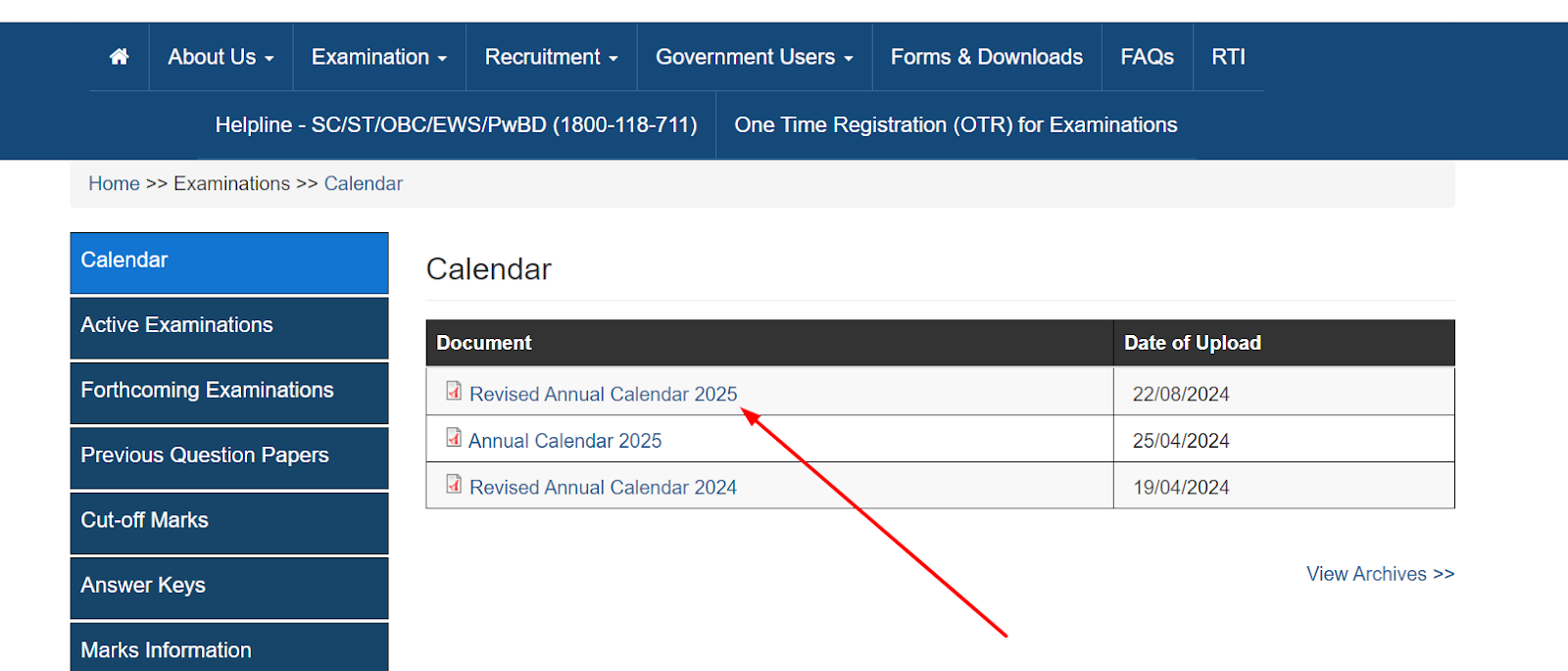
UPSC (Union Public Service Commission)India released a revised 2025 calendar on August 22, 2024. The first calendar for 2025 was released on April 25, 2024. Now it is an updated calendar. There are no major changes in the revised UPSC calendar 2025 except a proposed new date for the CBI (DSP) LDCE exam. Among all the dates, UPSC Civil Service exam dates are the most important for civil service aspirants. Note that the IAS exam dates haven’t changed.
UPSC Civils Prelims is scheduled on 25th May 2025 (Sunday) and Mains commences on 22nd August 2025 (Friday). Read the full article to know more about UPSC 2025 exam dates.
Indian Forest Service (Preliminary) Examination, 2025 through CS(P) Examination 2025
–
–
–
–
10
Reserved for UPSC RT/ Examination
14.06.2025
–
–
2 DAYS
11
I.E.S./I.S.S. Examination, 2025
12.02.2025
04.03.2025
20.06.2025
3 DAYS
12
Combined Geo-Scientist (Main) Examination, 2025
21.06.2025
–
–
2 DAYS
13
Engineering Services (Main) Examination, 2025
22.06.2025
–
–
1 DAY
14
Reserved for UPSC RT/ Examination
05.07.2025
–
–
2 DAYS
15
Combined Medical Services Examination, 2025
19.02.2025
11.03.2025
20.07.2025
1 DAY
16
Central Armed Police Forces (ACs) Examination, 2025
05.03.2025
25.03.2025
03.08.2025
1 DAY
17
Reserved for UPSC RT/ Examination
09.08.2025
–
–
2 DAYS
18
Civil Services (Main) Examination, 2025
22.08.2025
–
–
5 DAYS
19
N.D.A. & N.A. Examination (II), 2025
28.05.2025
17.06.2025
14.09.2025
1 DAY
20
C.D.S. Examination (II), 2025
–
–
–
–
21
Reserved for UPSC RT/ Examination
04.10.2025
–
–
2 DAYS
22
Reserved for UPSC RT/ Examination
01.11.2025
–
–
2 DAYS
23
Indian Forest Service (Main) Examination, 2025
16.11.2025
–
–
7 DAYS
24
S.O./Steno (GD-B/GD-I) LDCE
17.09.2025
07.10.2025
13.12.2025
2 DAYS
25
Reserved for UPSC RT/ Examination
20.12.2025
–
–
2 DAYS
Source: Official
Important Notes:
The dates for notifications, application deadlines, and exam commencement are subject to change if required by unforeseen circumstances.
Candidates are advised to regularly check the official UPSC website for any updates.
What is New
In the revised UPSC 2025 calendar, the CBI (DSP) LDCE’s notification date has been moved to January 1, 2025, and the application deadline is now January 14, 2025. Except that, there are no major changes in the revised UPSC 2025 exam dates.
UPSC 2025 Exam Date for Civil Services
Civil Services refers to the IAS (Indian Administrative Service), IPS (Indian Police Service), IFS (Indian Foreign Service), and IRS (Indian Revenue Service). Among the UPSC examinations, Civils is the most sought-after by graduate aspirants across India.
The examination for Civil Services is conducted through two stages: Preliminary and Main. The dates for the same are given below:
Civil Services (Preliminary) Examination, 2025
Notification Date: 22nd January 2025
Last Date to Apply: 11th February 2025
UPSC Prelims 2025 Date: 25th May 2025 (Sunday)
Duration: 1 Day
Civil Services (Main) Examination, 2025
Exam Date: 22nd August 2025 (Friday)
Duration: 5 Days
Download the Official UPSC Calendar 2025
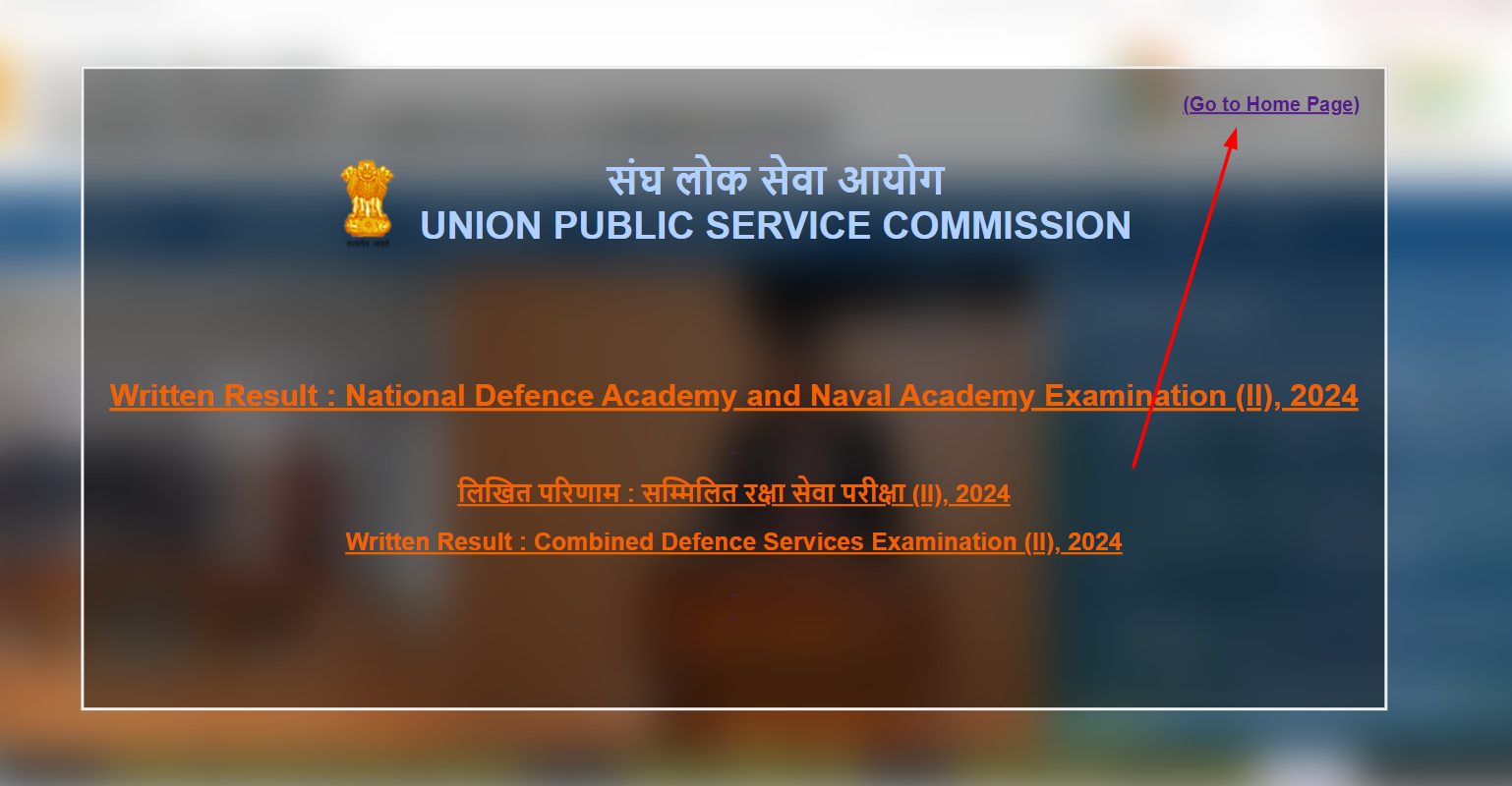
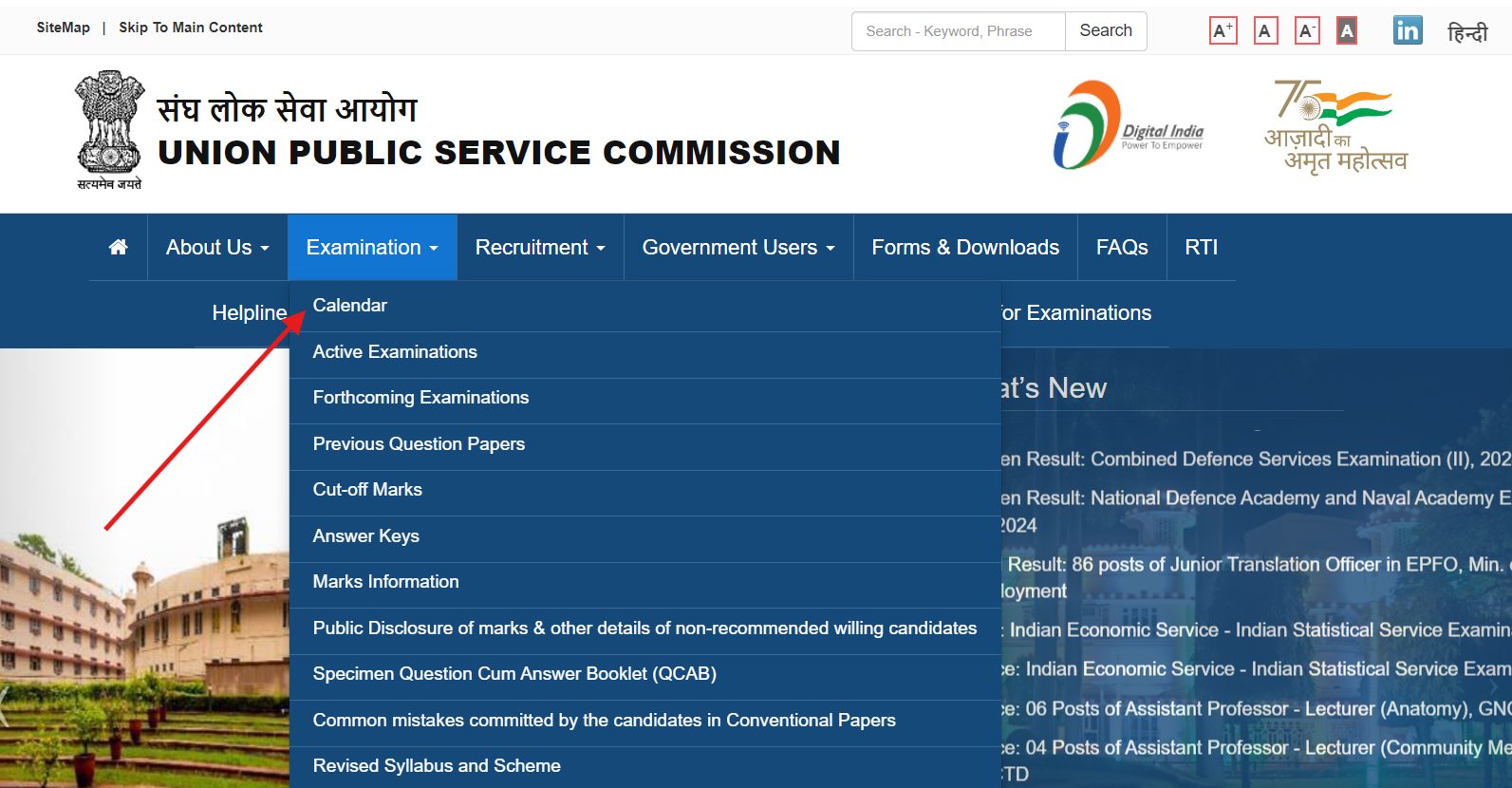
The official notification of the UPSC 2025 exam date is available at upsc.gov.in. You can download it, along with archives by following the below steps:
Visit the official UPSC website and click on the home page.
Now find the “Examination” tab in the top menu and select the “Calendar” option.
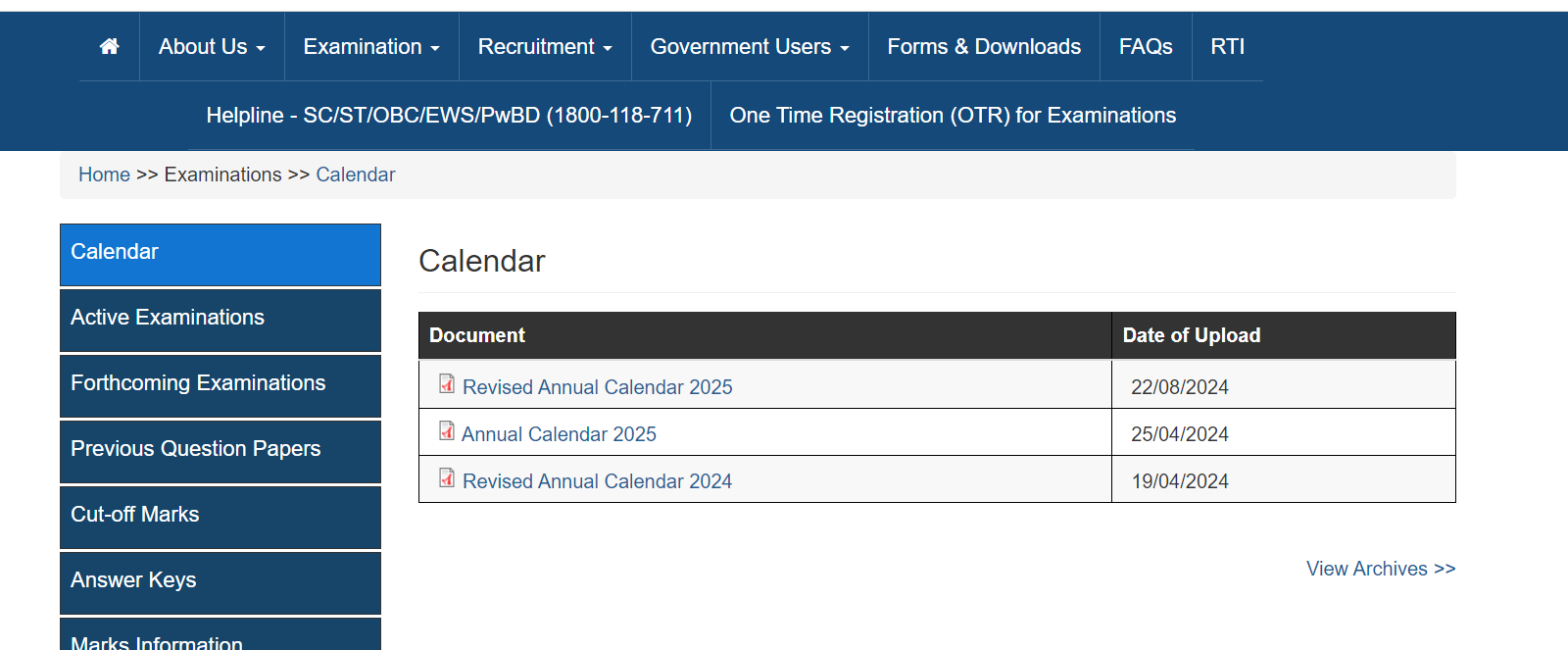
This will take you to the section with PDF links for the annual calendars from the past three years.
Click on the “UPSC Annual Calendar 2025” link to download the PDF.
Posts Recruited through UPSC
Indian Administrative Service (IAS).
Indian Foreign Service (IFS).
Indian Police Service (IPS).
Indian P & T Accounts & Finance Service– Group ‘A’.
Indian Audit and Accounts Service– Group ‘A’.
Indian Revenue Service (Customs and Central Excise)– Group ‘A’.
Indian Defence Accounts Service– Group ‘A’.
Indian Revenue Service (I.T.)– Group ‘A’.
Armed Forces Headquarters Civil Service– Group ‘B’ (Section Officer’s Grade).
Delhi, Andaman & Nicobar Islands, Lakshadweep, Daman & Diu and Dadra & Nagar Haveli Civil Service– Group ‘B’.
Delhi, Andaman & Nicobar Islands, Lakshadweep, Daman & Diu and Dadra & Nagar Haveli Police Service– Group ‘B’.
UPSC 2025 Calendar: Points to Remember
When going through the UPSC 2025 exam dates, there are a few lesser-known points that candidates often overlook:
Rolling Updates: The UPSC 2025 calendar is subject to change throughout the year. While major exam dates are usually fixed, smaller changes or additional notifications can be added.
Exam Cycles Overlap: Different exams preparation cycles often overlap. For example, while preparing for one year’s Prelims, you might also need to focus on the previous year’s Mains or Interview stages. Plan accordingly.
State PSC alignment: Some state Public Service Commissions align their exam schedules with UPSC. Be aware of potential conflicts if you’re appearing for multiple exams.
Holidays and Working Days: The UPSC 2025 calendar includes information about UPSC office working days and holidays, which should be underlined if you’re seeking document submission or query resolution. You won’t be able to access services on holidays, so submit your documents early.
Non-Exam notifications: Besides exam dates, the UPSC calendar 2025 also includes dates for recruitment to various posts that don’t follow the typical exam pattern.
Barred Services: Some exam notifications include information about services that are temporarily barred from recruitment that year. Check properly from your required information.
Age Relaxation Deadlines: The UPSC calendar sometimes includes critical dates related to age relaxation applications.
E-Admit Card Release Date: UPSC 2025 calendar dates may not coincide with E-Admit card release dates. Please check the official website for the latest updates on that and download the Admit card as early as possible.
UPSC exam schedule is subject to change every year. This might be useful for aspirants, as there is a common misconception about the UPSC exam dates being the same every year. But there are small changes as you can observe below table.
Exam Name
UPSC 2024 Date
UPSC 2025 Date
Engineering Services (Preliminary)
18 February 2024
9 February 2025
Combined Geo-Scientist (Preliminary)
18 February 2024
9 February 2025
CISF AC(EXE) LDCE
10 March 2024
9 March 2025
N.D.A. & N.A. Examination (I)
21 April 2024
13 April 2025
CBI (DSP) LDCE
16 March 2024
8 March 2025
Civil Services (Preliminary)
16 June 2024
25 May 2025
I.E.S./I.S.S. Examination
21 June 2024
20 June 2025
Combined Medical Services Examination
14 July 2024
20 July 2025
Central Armed Police Forces (ACs) Examination
4 August 2024
3 August 2025
Civil Services (Main)
20 September 2024
22 August 2025
Indian Forest Service (Main)
24 November 2024
16 November 2025
S.O./Steno (GD-B/GD-I) LDCE
7 December 2024
13 December 2025
Conclusion
In addition to learning UPSC 2025 exam dates and starting exam preparation, candidates should focus on mental well-being and time management. Engaging in regular physical activity and mindfulness practices can enhance focus and reduce stress, ultimately improving performance. Building a supportive study group can also provide motivation and accountability during this demanding preparation journey.
Yes, UPSC (Union Public Service Commission) has announced UPSC exam dates 2025 on August 22, 2024. All the proposed examinations including Civil Services are scheduled to be conducted in 2025.
What is new in the revised UPSC 2025 exam date?
In the revised UPSC 2025 calendar, the CBI (DSP) LDCE’s notification date has been moved to January 1, 2025. The application deadline for the same is now January 14, 2025. There are no other major changes noted.
Do UPSC Civil Services exam dates change every year?
Yes, UPSC civil services exam dates are subject to change every year, even within the same year depending on the circumstances. Aspirants are advised to keep visiting the UPSC official website (upsc.gov.in) for regular updates.
When should I start preparing for UPSC prelims?
Start preparing for the UPSC prelims at least six to eight months in advance. One year is even better. Focus on the syllabus and current affairs. Consistent revision is key to building a strong foundation.
In this session, Ranadheer Sir will help you understand your current level of preparation for UPSC by identifying your strengths and weaknesses in different subjects like General Studies, Optional, and Essay. He will also guide you on how to assess the remaining 8 months for the 2025 attempt and decide if this time is enough to cover the entire syllabus.
Ranadheer Sir will share self-assessment techniques to help you check your knowledge, find gaps in your preparation, and track your progress. He will explain why mock tests, practicing previous years’ questions, and regular revisions are important for building a strong foundation. The session will also cover the factors to consider when deciding whether to attempt the exam in 2025 or wait until 2026, addressing concerns about missing out (FOMO) and managing deadlines.
The session will highlight the importance of mentorship in improving your preparation strategy. Ranadheer Sir will share insights from his vast experience and offer personalized guidance to help you make the right decision. There will also be an interactive Q&A session where attendees can ask questions and clear their doubts, with tailored advice from Ranadheer Sir based on their individual preparation status.
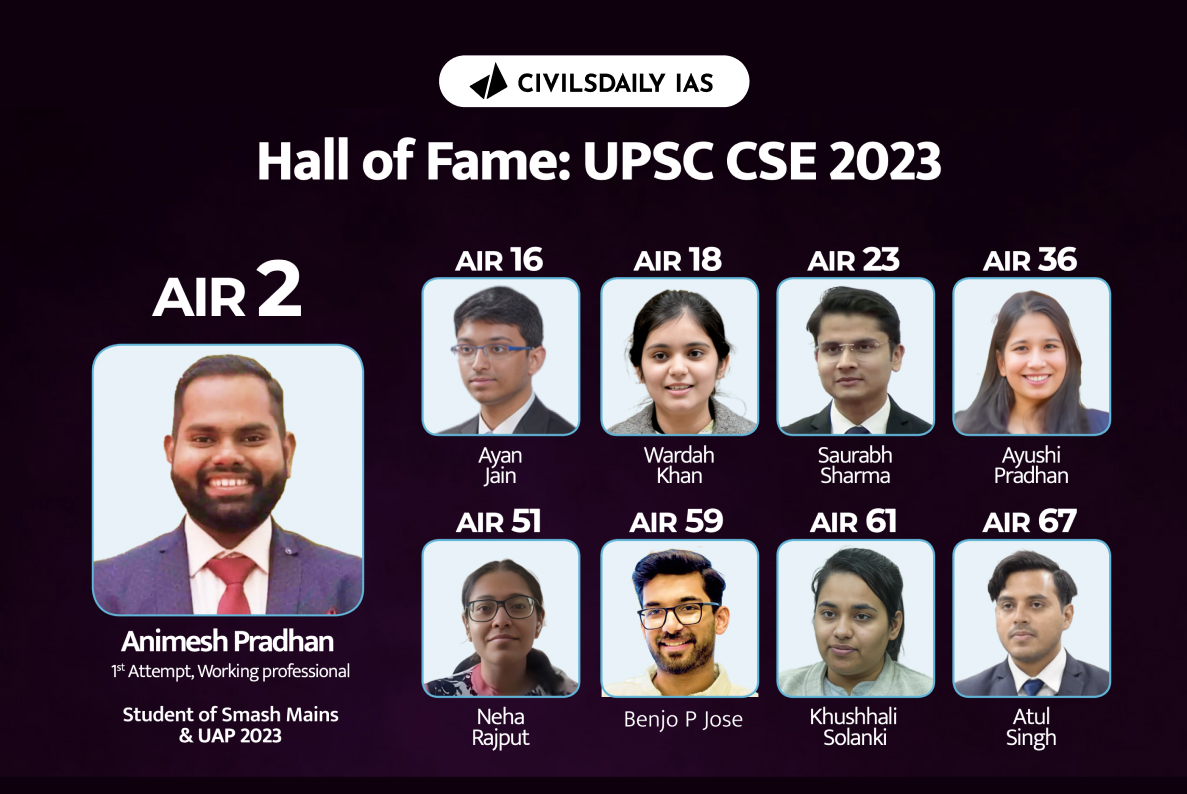
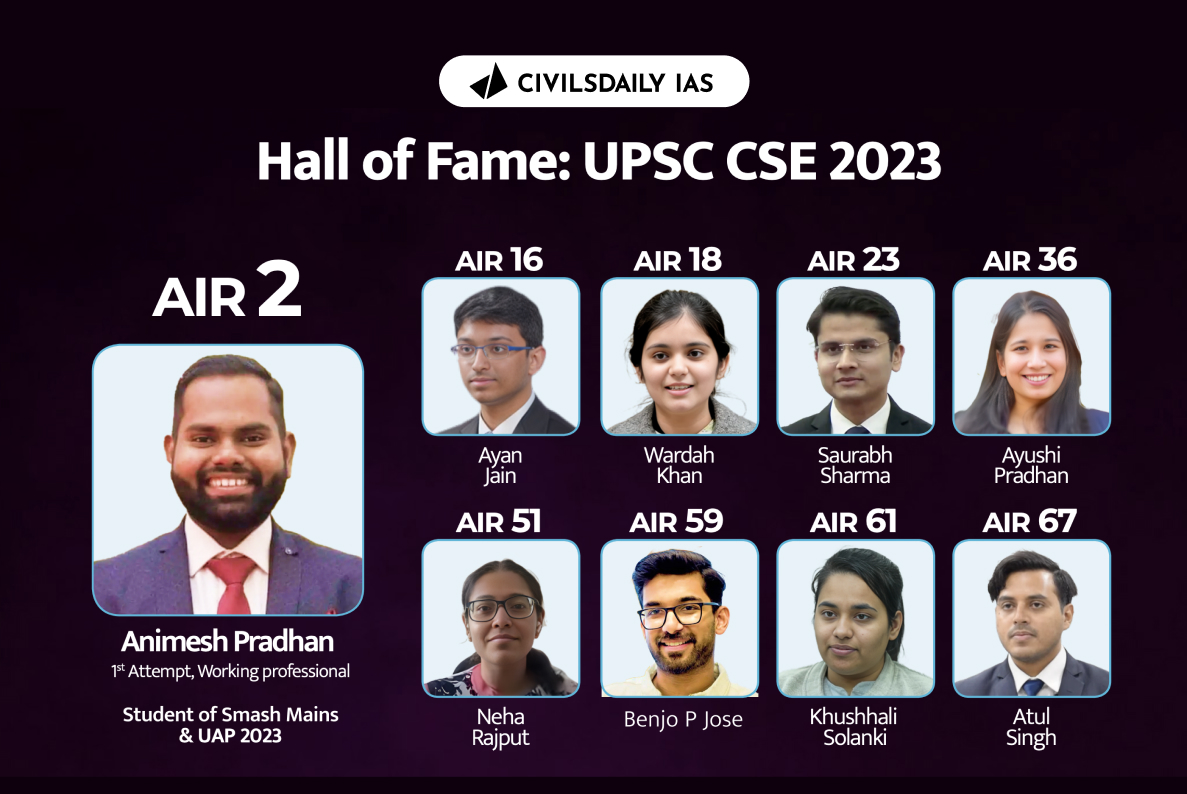
Animesh (AIR 2, UPSC 2023) was preparing with his mentor, Ranadheer Sir and a team of experts who had led AIR 22, AIR 48 to success in UPSC 2022 with UAP Mentorship Program.
While the whole world wakes up to mentorship for the first time in 2024, we have been perfecting the UAP mentorship program for the last 5+ years.
It is with that proven confidence that on 3rd Oct 2024, 7 PM, Ranadheer Sir will be conducting a FREE webinar exclusively for UPSC 2025 and 2026 aspirants giving you a sneak peak of what it takes to perform at the alpha level in your very first attempt.
It will be a practical webinar and here’s what we will be discussing:
How should an absolute beginner start his/ her UPSC 2026 prep? What are the high yielding areas that are quick to conquer and necessary to master
Absolute non-negotiables for every beginner – If you miss mastering these, forget your rank, you will risk even your mental health – so get them right
Actual scans of Animesh’ answer writing attempts with UAP 2023 to show you how an aspirant evolves to become a ranker
LIVE UPSC PYQs attempts to show the difference between a beginner vs. a ranker’s attempt to the same question.
It will be a 45 minute webinar, post which we will open up the floor for all kinds of queries which a beginner must have. No questions are taboo and Ranadheer sir is known to be patiently solving all your doubts.
Here’s what you will be getting after attending the webinar:
Scanned GS Paper PDF Notes of Animesh Pradhan which he made during his student days at Civilsdaily’s UAP 2023 batch
Flash Notes of GS Polity: Ranker approved notes for exam ready revision
Join us for a Zoom session on 3rd Oct 2024, 7 PM. This session is a must-attend for you If you are attempting UPSC for the first time or have attempted earlier and now preparing for next year, then it is going to be a valuable session for you too.
In the session, we will discuss how mentorship works. Why Mentorship is a must when you attempting for the first time.
We will deal with all the aspects for a comprehensive UPSC Preparation.We’ll talk about starting with the basics, and move to advanced level.
At Civilsdaily, we treat Mentorship as a specialization. Not every Mains or interview candidate can be a mentor. Most such mentors will suggest cosmetic changes and will only help you evolve slowly. It is easy to find comfort in sentences like ‘every topper is different’ and’ they have their own path’. Finding what’s different about you and then figuring out your own path is why Mentorship is essential.
We walk the talk by helping you craft your own way of preparation. A method that enhances your probability of qualifying UPSC-CSE in a single attempt. We give you that near-perfect certainty. Delivering this consistently to hundreds of aspirants (now rankers) in the past was challenging. We still stick to it and keep getting better at it with each passing year.
At CD, we understand the science and the art of everything UPSC. If you have a problem, we will sit with you and find a solution. If that doesn’t work, then we try solution 2. Eventually, we will make sure you end up making progress. What’s the point of any content, program, or mentorship without progress? This is precisely why aspirants trust they have the best shot at clearing the exam with Civilsdaily.
We invest a significant amount of time, effort, and energy into creating lectures, notes, and tests, understanding your needs as an aspirant. We take this responsibility seriously because, ultimately, your future depends on it.
The heart of the Civilsdaily platform is the Yearlong Mentorship Program. For years, aspirants have enrolled here because they couldn’t find such depth and passion towards quality content and Mentorship anywhere. Their search inevitably ends at Civilsdaily. Enrollment in these programs and Mentorship also makes us accountable to aspirants for the value they get.
In the past few years, we’ve worked quietly in the background with hundreds of aspirants; many now serve as IAS, IPS, IFS and more. We are very proud of what we’ve achieved.Overwhelmed by quick fixes, content overload and messy timetables which never work? Join us as we take you through a realistic and relatable roadmap for UPSC 2026 preparation.
(Don’t wait—the next webinar won’t be until Nov 24)
These masterclasses are packed with value. They are conducted in private with a closed community. We rarely open these webinars for everyone for free. This time we are keeping it for 300 seats only.
We’re excited to invite you to a masterclass that not only covers complete paper -wise analysis of UPSC Mains 2024.
The UPSC CSE GS papers were recently completed, and we at Civilsdaily came live to give you our first reactions on those days. As promised, we will be bringing you detailed discussions on all the GS papers—GS Paper 1, 2, 3, and 4—in a 4-day conclave.
The session will be held both offline and online from 25th September to 28th September 2024 at 5 PM.
This year’s papers were a mixed bag, with UPSC covering a wide range of question types— from easy to moderate and moderate to difficult. They asked everything, from changing the name of a tornado to a twister, to out-of-the-box questions like merging urban and rural local bodies. There was also an opinion-based question in the mains format: “Is the Supreme Court of India the most powerful judiciary in the world?” The Ethics paper was lengthy, while GS Paper 3 followed the expected lines of previous year questions (PYQs). Overall, UPSC CSE Mains truly stood out from all other exams.
Our detailed discussion won’t be just a list of ChatGPT-driven pointers, but rather the result of the serious efforts our mentors have put into identifying the nuances of the papers for you. From the 25th to the 28th, we will be focusing on the following:
1) Live Answer Writing for all 4 GS papers 2) Key Focus Areas, including:
Introductions and Conclusion Frameworks
Dimension Generation—Applying Key Frameworks
Application of the 10:6 and 15:8 Formula
3) Handling Applied Questions—Developing effective Reading and Notes Making Frameworks
Join us from today onwards with just the attitude to clear the exam, and leave the rest to us! After the sessions, you’ll leave with both the confidence and the aptitude to succeed. See you all there!
Join the sessions on 25th-28th Sept 2024, 5:00 pm. This session is a must-attend for you If you are attempting UPSC for the first time in 2025 or have attempted earlier and now preparing for next year, then it is going to be a valuable session for you too.
(Don’t wait—the next webinar won’t be until Oct 24)
These masterclasses are packed with value. They are conducted in private with a closed community. We rarely open these webinars for everyone for free. This time we are keeping it for 300 seats only.
We’re excited to invite you to a masterclass that not only covers the ‘what‘ but also the ‘why’ and ‘how‘ of mastering GS notes making for UPSC 2025.
For UPSC 2025, aspirants will have less time between Prelims and Mains. They will get at least 30 days fewer than in previous years. Therefore, it is crucial for aspirants to prepare their GS notes before the Prelims next year.
Note-making is a technique—a very useful one, in our opinion. No one achieves a rank without making notes. As your exam approaches, notes become crucial for revision. When we say note-making is an art, we mean it requires multiple iterations to perfect. Any successful ranker you come across will have notes fine-tuned to perfection.
Notes – Revision – Answer writing: this is the correct chronology. Note-making eventually leads to micro notes, which are all you need for timely revision, especially during the final days before your exam. Since there is less time between Prelims and Mains, these notes will be your saviour.
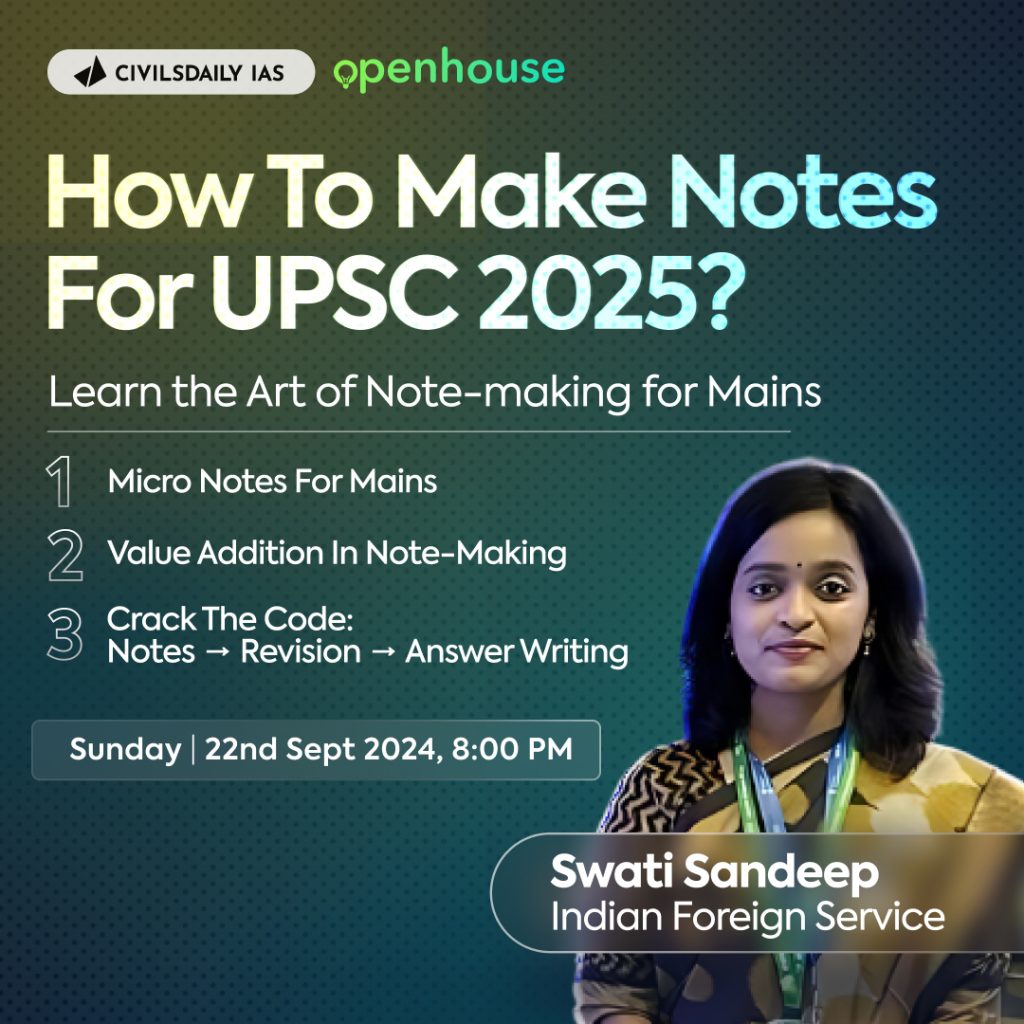
So, how do you start the process and execute the entire cycle to perfection? Swati Ma’am, IFS 2022, is here to help! She will be conducting a masterclass on 22nd September 2024 at 8 PM, focusing on three key pillars:
Multiple iterations in note-making to achieve micro notes
Value addition to those micro notes
Perfect notes leading to perfect answers
Swati Sandeep is currently serving as IFS officer. She has achieved this in one attempt itself and understands the biggest challenges aspirants face with respect to notes making and UPSC prep in general. Join her on Sunday, 22nd September, at 8 PM!
By joining this Civilsdaily webinar, you’ll be equipped with tools and strategies that can tip the balance in your favour, turning your preparation from good to great.
Don’t just prepare—excel! Join us to transform your approach to notes making and make your 2025 goals a reality.
See you in the masterclass.
Join on 22nd Sept 2024 at 8PM to get strategy for Mains note making.
Join this session on 22nd Sept 2024 at 8:00 p.m. This session is a must-attend for you If you are attempting UPSC for the first time in 2025 or have attempted earlier and now preparing for next year, then it is going to be a valuable session for you too.
A 45-minute deep dive on how to plan your 2025 UPSC note making strategy from the start to the end.
How did first-attempt IAS Rankers strategise their prep and strategically made their notes.
Insider tips that only the top IAS and IPS rankers know and apply to get rank.
By the end of this session, you’ll have razor-sharp clarity and a clear path to ‘Note-making for UPSC 2025’ with confidence and near-perfect certainty.
Join UPSC Current Affairs Masterclass on 22nd Sept 2024, 8:00 pm
(Don’t wait—the next webinar won’t be until Oct 24)
These masterclasses are packed with value. They are conducted in private with a closed community. We rarely open these webinars for everyone for free. This time we are keeping it for 300 seats only.
We’re excited to invite you to a masterclass that not only covers the ‘what‘ but also the ‘how‘ of mastering current affairs for 2025.
Current Affairs has always been a challenging aspect for UPSC aspirants. With too many sources and an abundance of material available both online and offline, along with mainstream newspapers like The Indian Express and The Hindu, aspirants often face the fear of missing out. Additionally, they struggle to balance Current Affairs preparation with GS, optional subjects, and daily answer writing.
Should you really read newspapers daily, and should you go a step further by making notes from them? We don’t recommend this, nor do some of our rankers. So, how can you effectively cover Current Affairs without reading the newspaper every day? This session will focus on that—how to cover it in around 10 hours a week and how to understand Current Affairs in a way that suits both Prelims and Mains.
Purnima Ma’am is a faculty member of the Civilsdaily Samachar Manthan program. She has been guiding and mentoring aspirants for years and understands the biggest challenges they face with respect to Current Affairs. Join her on Wednesday, 18th September, at 6 PM!
By joining this webinar, you’ll be equipped with tools and strategies that can tip the balance in your favour, turning your preparation from good to great.
Don’t just prepare—excel! Join us to transform your approach to current affairs and make your 2025 goals a reality.
See you in the masterclass.
Join on 18th Sept 2024 at 6PM to get one year strategy for current affairs.
Join this session on 18th Sept 2024 at 6:00 p.m. This session is a must-attend for you If you are attempting UPSC for the first time in 2025 or have attempted earlier and now preparing for next year, then it is going to be a valuable session for you too.
A 45-minute deep dive on how to plan your 2025 UPSC Current Affairs strategy from the start to the end.
How do first-attempt IAS Rankers strategise their Current Affairs?
Insider tips that only the top IAS and IPS rankers know and apply to get rank.
By the end of this session, you’ll have razor-sharp clarity and a clear path to prepare ‘Current Affairs for UPSC 2025’ with confidence and near-perfect certainty.
Join UPSC Current Affairs Masterclass on 18th Sept 2024, 6:00 pm
(Don’t wait—the next webinar won’t be until Oct 24)
These masterclasses are packed with value. They are conducted in private with a closed community. We rarely open these webinars for everyone for free. This time we are keeping it for 300 seats only.


![[UPSC Openhouse] By Arvind Sir | Learn ’57’ Micro Themes To Cover 80% of the UPSC Mains Syllabus? || Consolidate Your UPSC 2025 Preparation With Micro Themes || Join On 6th Oct 2024 at 7:00 PM](https://d18x2uyjeekruj.cloudfront.net/wp-content/uploads/2024/10/Arvind-Thumb_with-pointers_21MTs-1568x882.jpg)

![[UPSC Openhouse] By Ranadheer Sir, Senior Mentor of AIR 2 | Should You Drop Your UPSC 2025 Attempt? | How To Self-Evaluate and Plan for Your Next Attempt || Join on 3rd Oct 2024, 7 PM.](https://www.civilsdaily.com/wp-content/uploads/2024/09/Ranadheer__thumb-3oct-1568x882.jpg)

![[UPSC Openhouse] On Detailed Discussion and Analysis of UPSC Mains GS Papers 2024 | Solve Live Mains Paper with CD Mentors || Join on 25th-28th Sept 2024, 5 PM](https://www.civilsdaily.com/wp-content/uploads/2024/09/Analysis-and-Discussion_thumb-1568x882.jpg)


![[UPSC Openhouse] IFS Swati Sandeep || How to Make Notes for UPSC 2025? | Learn the Art of Note-making for Mains || Join on 22nd Sept 2024, 8 PM](https://www.civilsdaily.com/wp-content/uploads/2024/09/Swati-Thumbnail_8pm-1568x882.jpg)
![[UPSC Openhouse] On How to Cover Current Affairs Without Newspapers for UPSC 2025? | Get a Strategy to Cover Current Affairs in 10 Hours a Week || Join on 18th Sept 2024, 6 PM](https://www.civilsdaily.com/wp-content/uploads/2024/09/Purnima-Thumbnail-1-1568x882.jpg)