💥Join UPSC 2027,2028 Mentorship (August Batch) + XFactor Notes & Microthemes PDF

Distribution: weekly

  • LVM-3: the ISRO Rocket

    lvm

    Central Idea

    • ISRO is scheduled to launch the Chandrayaan 3 mission on July 14.
    • The mission will be carried out using the LVM-3 configuration.
    • The GSLV is used for heavier payloads and higher orbits, with the most powerful configuration known as LVM-3.
    Soon a comprehensive article about Chandrayaan 3 would be released!


    LVM3: Unlocking New Frontiers of Space Exploration

    • Expendable Space Launch Vehicle: LVM3 is an expendable space launch vehicle meticulously crafted by ISRO.
    • Purpose: Its primary objective is to deploy satellites and space objects into Geosynchronous Transfer Orbits (GTO).
    • Launch History: ISRO successfully launched the first LVM3 on April 18, 2001, and has accomplished a total of 13 launches to date.
    • Impressive Specifications: With a lift-off mass of 420 tonnes, LVM3 demonstrates its robustness in handling complex missions.

    Stages of LVM3: Powering the Journey to Orbit

    First Stage:

    • S139 Solid Booster: The initial stage of LVM3 features the S139 solid booster, armed with 138 tonnes of propellant.
    • Liquid Strap-on Motors: Additionally, it incorporates four liquid strap-on motors, each carrying 40 tonnes of propellant.

    Second Stage:

    • Liquid Engine: The second stage of LVM3 is equipped with a liquid engine, propelling the vehicle with 40 tonnes of liquid propellant.

    Third Stage:

    • Cryogenic Upper Stage (CUS): LVM3 showcases its technological prowess with the indigenously built CUS, capable of accommodating 15 tonnes of cryogenic propellants.

    Back2Basics: Sattelite Launch Vehicles

    slv

  • Turtle Rehabilitation: A Crucial Element in Ganges Conservation

    turtle

    Central Idea

    • Hundreds of turtles will be released into the river as a joint endeavour between the Namami Gange Programme, the Forest and Wildlife Department, and the Wildlife Institute of India (WII).
    • These turtles, hatched at a breeding and rehabilitation center in Varanasi, aim to contribute to the cleanliness and rejuvenation of the sacred Ganges.

    Turtle Rehabilitation Center: A Crucial Element in Ganges Conservation

    • Significance: The turtle rehabilitation center in Varanasi, established under the Ganga Action Plan (GAP) in the late 1980s, plays a pivotal role in the conservation of the Ganges River.
    • Achievements: Over 40,000 turtles have been released from the center, with approximately 28,000 turtles released during the initial phase of the GAP.
    • Renewed Focus: The center has gained renewed attention and support following the launch of the Namami Gange Programme in 2014, a flagship initiative of the Central government aimed at combating pollution and restoring the river’s ecological balance.

    Strengthening the Ganges Clean-up Efforts

    • Turtle Population: The center nurtures around a dozen turtle species, including herbivores and carnivores, which are vital in maintaining a balanced ecosystem.
    • Collection of Eggs: The Forest and Wildlife Department collects turtle eggs from the coastal areas of the Chambal region.
    • Controlled Hatching Process: The eggs are carefully monitored for 70 days in a specially designed room for hatching. They are buried in sand-filled wooden boxes placed on a water-filled ground with bricks on top.
    • Monitoring and Care: After hatching between June and July, the turtles are observed and nurtured in an artificial pond for two years to ensure their health and readiness for release into the river.

    Role of Turtles in Ganges Restoration

    • Impact on Water Quality: Turtles contribute to improving the quality of the Ganges by feeding on meat and waste products present in the river.
    • Positive Indicators: Water quality assessments conducted by the Namami Gange Programme reveal improvements in biochemical demand (BOD), faecal coliform (FC), and dissolved oxygen (DO) levels.
    • Government’s Findings: The Uttar Pradesh Government confirmed that the pH levels at various locations, including Varanasi, meet bathing water quality criteria, while DO, BOD, and FC levels have shown improvement at 16, 14, and 18 out of 20 locations, respectively.
  • Why is China limiting exports of raw materials?

    china

    Central Idea

    • China’s Ministry of Commerce recently announced export controls on gallium and germanium, citing national security interests.
    • The move has raised concerns due to the crucial role of these raw materials in semiconductor manufacturing and various other industries.

    Why read this?

    The restrictions imposed by China have prompted responses from other countries, highlighting the geopolitical backdrop of the ongoing ‘global chip war.’


    Curbs Imposed by China

    • Specific Licensing Requirement: Export operators must acquire a specific license to restrict the export of gallium and germanium.
    • Application Process: Operators need to provide details of importers, end-users, end use, and the original export contract. Exporting without permission will be deemed a violation, leading to administrative penalties and potential criminal charges.

    Significance and Concerns

    • Role of Gallium: Gallium is crucial for manufacturing semiconductor wafers, integrated circuits, mobile communications, satellite communications, LEDs, automotives, lighting, and sensor applications.
    • Role of Germanium: Germanium is used in fiber-optic cables, infrared imaging devices, optical devices, and solar cells due to its properties such as heat resistance and energy conversion efficiency.
    • Import Dependency: China dominates 80% of gallium production and 60% of germanium production, causing concerns for countries heavily reliant on imports, such as the European Commission and India.

    International Responses

    • United States: The U.S. opposes China’s export controls and plans to consult with partners and allies to address the issue. The focus is on diversifying supply chains and building resilience.
    • European Commission: Expresses concerns about the development, raising doubts regarding its security-related nature.
    • Geopolitical Backdrop: The US, Japan, and the Netherlands have implemented export control measures for national security reasons, targeting advanced computing chips and semiconductor manufacturing capabilities.

    China’s Perspective

    • Denial of Targeting Specific Countries: Chinese Foreign Ministry spokesperson emphasizes that the export measures are not aimed at any particular country and highlights China’s commitment to secure and stable global supply chains.
    • Countermeasures: Some Chinese officials have suggested that the export controls are just the beginning, and China may escalate its countermeasures if restrictions intensify in the future.

    Impact on India

    • Short-Term Disruption: India may experience short-term disruptions in its industries due to the disruption of immediate supply chains and increased prices.
    • Long-Term Consequences: The long-term impact on India’s chip-making plans and industries will depend on factors such as alternative supply sources, domestic semiconductor production capabilities, and strategic partnerships like the India-U.S. Initiative on Critical and Emerging Technology (iCET).
    • Opportunity for India: India can explore waste recovery from zinc and alumina production for gallium and germanium, consider alternative substitutes like indium and silicon, and focus on domestic semiconductor production.

    Conclusion

    • China’s export controls on gallium and germanium have raised concerns globally due to their critical role in various industries, particularly semiconductor manufacturing.
    • The responses from other countries reflect the geopolitical backdrop of the ongoing ‘chip war.’


  • India-Russia Trade Payments Crisis

    russia

    Central Idea

    • India’s increasing reliance on oil imports from Russia has presented challenges in making payments due to various factors.
    • The breach of the oil price cap imposed by the US and European nations, lower discounts offered by Russia, and geopolitical ramifications of using alternative currencies have complicated the payment process.

    Oil Imports from Russia

    • Shift in Imports: Russia has become the largest supplier of oil to India, surpassing traditional players such as Iraq, Saudi Arabia, and the UAE.
    • Increased Imports: Crude oil imports from Russia to India have surged, reaching over $31 billion in 2022-23, almost 13 times higher than the previous year.
    • Dominance in Supply: Russia accounts for a significant portion of seaborne supplies of Russian-grade oil priced under $60 per barrel.

    Currency for Payments

    • SWIFT Sanctions: Western sanctions on Russian banks have blocked transactions through the Society for Worldwide Interbank Financial Telecommunication (SWIFT) system, hindering payments.
    • Dollar Dependency: Oil transactions have traditionally been dollar-dependent, but the price cap and sanctions have prompted India to explore alternative payment mechanisms.
    • Yuan and Dirham Payments: Some non-dollar payments for Russian oil have been settled in Chinese Yuan and UAE dirham.

    Issues with Rupee-Rouble Mechanism

    • Failed Implementation: Negotiations to reactivate the rupee-rouble trade arrangement have faced obstacles due to scepticism about rouble convertibility and concerns over rupee volatility.
    • Trade Deficit Concerns: The surge in oil trade has led to a significant trade deficit, reaching $43 billion in 2022-23, creating challenges for India.

    Geopolitical Ramifications

    • Strained Ties with China: Using the Chinese yuan for payments raises geopolitical concerns amid ongoing tensions between India and China.
    • De-dollarization Efforts: The U.S. sanctions have prompted countries to explore de-dollarization, seeking alternatives to the global reserve currency.

    Potential Solutions

    • Investment Opportunities: Balancing the trade deficit with Russia could involve encouraging investments in energy projects in India or Russian investments in Indian government bonds.
    • Roadmap for Rupee Internationalization: India aims to increase the international acceptance of the Indian rupee, although challenges related to its purchasing power and global market share remain.

    Conclusion

    • India’s challenges in paying for oil imports from Russia have arisen due to breaches of the oil price cap, limited payment mechanisms, and geopolitical considerations.
    • The failed rupee-rouble mechanism and the ballooning trade deficit have further complicated the situation.


  • Performance Grading Index (PGI) released for 2021-22

    grading

    Central Idea

    • The annual Performance Grading Index (PGI) released by the Union government ranks the performance of States and Union Territories in school education for the year 2021-22.
    • While Chandigarh and Punjab emerged as the top performers, none of the states or UTs achieved the highest grade, Daksh, indicating room for improvement across the board.

    Performance Grading Index (PGI)

    • The Performance Grading Index (PGI) is a tool to provide insights on the status of school education in States and UTs including key levers that drive their performance and critical areas for improvement.
    • The Department of School Education and Literacy (DoSEL) has designed the PGI to catalyse transformational change in the field of school education.

    Key Parameters of the PGI

    • Learning Outcomes: Assessing students’ performance in subjects such as language, math, science, and social science.
    • Access to Education: Evaluating net enrolment ratio, retention rates, transitions between educational levels, and mainstreaming of out-of-school children.
    • Infrastructure: Examining availability of science labs, computer labs, book banks, vocational education subjects, mid-day meal supply, functional drinking water facilities, and provision of uniforms and free textbooks.
    • Equity: Considering the performance gap between marginalized communities and the general category, as well as the presence of inclusive infrastructure like ramps and disabled-friendly toilets.
    • Educational Governance and Management: Assessing digital attendance records, the presence of single-teacher primary schools, vacancies in educational posts, inspections, and teacher evaluations.

    PGI Grades and Rankings

    • Daksh: The highest grade in the PGI, scoring above 940 out of 1,000 points.
    • Akanshi-3: The lowest grade, with scores up to 460 points.
    • Top Performers: Chandigarh and Punjab secured the sixth-highest grade, Prachesta-2, followed closely by Gujarat, Kerala, Maharashtra, Delhi, Puducherry, and Tamil Nadu at Prachesta-3.
    • Improvement Needed: Thirteen states, including Andhra Pradesh, Chhattisgarh, Haryana, West Bengal, and Madhya Pradesh, were categorized as Akanshi-1 states, indicating substantial room for improvement.

    Action for Improvement

    • Domain-Wise Action: The report highlights that states can take specific actions in each domain to improve their overall score in the PGI.


  • Nari Adalat: Women-only Courts

    naari adalat

    Central Idea

    • The government is launching a unique initiative ‘Nari Adalat’ to establish women-only courts at the village level.

    Nari Adalat

    • Nari Adalat aims to provide an alternative dispute resolution forum for issues such as domestic violence, property rights, and countering patriarchal norms.
    • The pilot project will commence in 50 villages each in Assam and Jammu and Kashmir, with plans for nationwide implementation over the next six months.

    Structure and Functioning  

    • Composition: Each Nari Adalat will consist of 7-9 members, with half elected members of the gram panchayat and the other half being women with social standing, such as teachers, doctors, and social workers.
    • Objectives: It will address individual cases, promote awareness about social schemes, collect feedback, raise awareness about legal rights, and resolve cases falling within its jurisdiction.
    • Services Provided: The platform will offer alternate dispute resolution, grievance redressal, counseling, evidence-based decision making, pressure group tactics, negotiation, mediation, and reconciliation for accessible and affordable justice.

    Implementation and Collaboration

    • Ministry-In-Charge: The Ministry of Women and Child Development will oversee the implementation of the scheme under the Sambal sub-scheme of Mission Shakti, dedicated to women’s safety, security, and empowerment.
    • Collaborative Efforts: The Ministry of Panchayati Raj, the Ministry of Rural Development, and the Ministry of Electronics and Information Technology’s Common Service Centers will collaborate in the implementation process.
    • Standard Operating Procedures: Detailed procedures for all states have been prepared and will be released to ensure uniformity and effective functioning of Nari Adalats.

    Inception of the idea

    • Previous Initiatives: The scheme draws inspiration from the Parivarik Mahila Lok Adalats (People’s Court of Women) previously operated by the National Commission for Women (NCW).
    • Focus Areas: These courts addressed matters related to family affairs, matrimonial disputes, bigamy, succession, and motor vehicle accident disputes related to labor.
    • Discontinued Scheme: The NCW-assisted Parivarik Mahila Lok Adalats conducted a total of 298 sessions before the scheme was discontinued in 2014-15.

     Need for such scheme

    • Persisting Gender Bias: Women’s only courts counter gender bias in traditional court systems, providing a fair and non-discriminatory environment for women’s cases.
    • Cultural and Social Barriers: These courts break down cultural and social barriers that prevent women from seeking justice, offering a culturally sensitive space where they can freely participate.
    • Empowerment and Agency: Women’s only courts empower women to assert their rights, challenge patriarchal norms, and access justice independently.
    • Addressing Specific Issues: These courts focus on women’s unique issues, including domestic violence, property rights, and gender-based discrimination.
    • Enhanced Access to Justice: By being located at the village level, women’s only courts improve access to justice for women who face geographical and logistical challenges in reaching mainstream courts.
    • Alternative Dispute Resolution: These courts offer mediation and negotiation options, which are more effective and less adversarial for resolving disputes, particularly in family and community conflicts.
    • Precedents and Awareness: Women’s only courts set legal precedents and raise awareness about women’s rights, influencing social norms and promoting positive change.

    Conclusion

    • The establishment of women-only courts at the village level through the Nari Adalat initiative demonstrates the government’s commitment to empowering women and promoting gender justice.
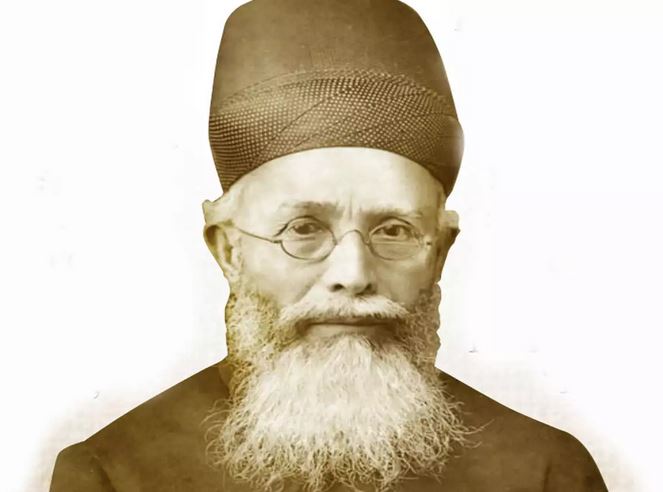
  • In news: Dadabhai Naoroji (1825-1917)

    dadabhai

    Central Idea

    • Dadabhai Naoroji, the first Indian member of the British Parliament, played a significant role in India’s anti-colonial struggle.
    • His scholarly work exposed the economic exploitation of India under British rule, emphasizing the drain theory.

    Who was Dadabhai Naoroji?

    • Early Life: Naoroji was born in Navsari, Gujarat, into a Parsi Zoroastrian family. He received his education at the Elphinstone Institute School.
    • Social Reforms: He founded the Rahnumai Mazdayasan Sabha and the Rast Goftar newspaper to promote Parsi social reforms and clarify Zoroastrian concepts.
    • Political Activism: Naoroji co-founded the London Indian Society and the East India Association, advocating for Indian political rights and countering negative stereotypes.
    • Indian National Congress: He played a crucial role in the Indian National Congress and served as its President on three occasions.
    • British Parliament: Naoroji became the first Indian MP in the British House of Commons, representing Finsbury Central from 1892 to 1895.
    • Economic Critique: His book “Poverty and Un-British Rule in India” exposed the drain of wealth from India to Britain and its impact on India’s development.

    His proposition of Drain Theory and Poverty

    • Naoroji’s Drain Theory: He identified six factors contributing to the wealth drain, including foreign governance, lack of immigration, and unequal employment opportunities.
    • Impact of Drain: Naoroji estimated a drain of 200-300 million pounds from India to Britain, which hindered India’s economic progress.
    • Railways and Tribute: Naoroji argued that India paid for services like railways, but the profits were drained out of the country, leading to economic imbalances.
    • Exploitative Trade: British workers in India were encouraged to repatriate their earnings, and Indian goods were undervalued, allowing for economic exploitation.

    Major works

    • Started the Rast Goftar Anglo-Gujarati Newspaper in 1854.
    • The manners and customs of the Parsees (Bombay, 1864)
    • The European and Asiatic races (London, 1866)
    • Admission of educated natives into the Indian Civil Service (London, 1868)
    • The wants and means of India (London, 1876)
    • Condition of India (Madras, 1882)

    Legacy and Views

    • Naoroji’s Significance: He is considered a crucial figure in India’s independence movement, advocating for responsible government and Indian autonomy.
    • Influence on Gandhi: Mahatma Gandhi was influenced by Naoroji’s writings and recognized him as a father figure for the Indian people.
    • Admirations: Bal Gangadhar Tilak praised Naoroji’s leadership and stated that Indians would unanimously elect him if given the chance.
    • Recognition: Naoroji’s contributions are honoured through various roads, streets, and awards named after him.
  • Evidence of High Rainfall during Deccan Traps Volcanism

    deccan

    Central Idea

    • A team of scientists from IIT Kharagpur has discovered evidence of exceptionally high annual rainfall during the volcanic activity that formed the Deccan Traps in India around 66 million years ago.
    • Using a new technique called Nanoscale Secondary Ion Mass Spectrometry (NanoSIMS), the researchers analyzed the isotopic composition of fossil trees from the Cretaceous period.
    • They determined the isotopic composition of the rainfall-derived lake water.

    Nanoscale Secondary Ion Mass Spectrometry (NanoSIMS)

    • NanoSIMS is an advanced analytical technique to determine the composition and distribution of elements and isotopes at a microscopic scale.
    • It allows for high-resolution imaging and quantitative analysis of samples.
    • The technique involves bombarding the sample surface with a focused beam of primary ions.
    • This causes the ejection of secondary ions from the sample surface.
    • The secondary ions are collected and analyzed using a mass spectrometer.
    • The mass spectrometer separates the ions based on their mass-to-charge ratio and measures their abundance.

    Analysis and Findings

    • New Technique: The team used Nanoscale Secondary Ion Mass Spectrometry to analyze oxygen isotopes in fossil trees and measure the isotopic composition of the lake water derived from rainfall.
    • Depleted Oxygen Isotopes: The analysis revealed depleted oxygen isotope values, indicating higher tropical rainfall in India during the terminal Cretaceous period.
    • Link to Paleoclimatic Changes: The increase in rainfall closely corresponded to changes in paleo-atmospheric carbon dioxide levels, suggesting a potential underlying link between the two.

    Implications and Comparison

    • Atmospheric Carbon Dioxide Concentration: The eruption of Deccan Trap lavas released a significant amount of carbon dioxide, raising atmospheric levels to as high as 1,000 ppm.
    • Comparison to Modern Rainfall: The data from fossil trees indicated an annual rainfall of 1,800-1,900 mm, exceeding the average modern rainfall of 1,000-1,200 mm in most parts of peninsular India.
    • Climate Change Predictions: The findings align with predictions made by the Intergovernmental Panel on Climate Change (IPCC) for extreme warming scenarios, suggesting a correlation between high carbon dioxide levels and increased rainfall.

    Climate Models and Future Projections

    • Rising Carbon Dioxide Levels: Fossil fuel emissions have raised carbon dioxide levels from 280 ppm to about 420 ppm in 2023.
    • Impact on Rainfall: Climate models indicate that doubling carbon dioxide levels will intensify atmospheric circulation and subsequently increase rainfall.
    • IPCC AR6 Report: The report warns of a significant increase in the wettest day precipitation and tropical cyclone-associated rainfall if carbon dioxide emissions continue to rise unabated.

    Conclusion

    • The study provides evidence of high rainfall during the volcanic activity that formed the Deccan Traps in India millions of years ago.
    • The findings suggest a correlation between elevated carbon dioxide levels and increased rainfall, supporting predictions made by climate models for future climate change scenarios.


  • The challenge of Antimicrobial Resistance (AMR), and how to confront it effectively

    What’s the news?

    • Antimicrobial Resistance (AMR) is today reckoned among the most ominous threats confronting Global Public Health. There is an urgent need for a collective and comprehensive approach to address the global threat of AMR and the role of various stakeholders in prevention, control, and surveillance efforts is crucial.

    Definition

    • Antimicrobial resistance, means that certain drugs that were once effective in treating infections caused by bacteria, viruses, fungi, or parasites no longer work because the pathogens have become resistant to them.
    • In simpler terms, it is when the germs that make us sick become “immune” to the medicines we use to treat them.

    Prevalence of AMR

    • According to recent estimates, in 2019, 1.27 million deaths were directly attributed to drug-resistant infections globally. By 2050, up to 10 million deaths could occur annually.
    • If unchecked, AMR could shave US$ 3.4 trillion off GDP annually and push 24 million more people into extreme poverty in the next decade.
    • A 2022 study by the Indian Council of Medical Research (ICMR) revealed that resistance to broad-spectrum antimicrobials increases by 5% to 10% every year.

    AMR: A concern for global public health

    • Rising Resistance: The infections caused by the pathogens including bacteria, viruses, fungi, and parasites, are increasingly developing resistance to antimicrobial drugs which is becoming more challenging to treat effectively.
    • Treatment Failures: AMR can lead to treatment failures, as commonly used antibiotics, antivirals, antifungals, and antiparasitic drugs may no longer be effective against resistant strains.
    • Healthcare Impact: AMR increases the complexity and cost of treatment, prolongs hospital stays, and requires the use of stronger and more expensive drugs. Healthcare-associated infections caused by drug-resistant pathogens are a particular concern.
    • Limited Drug Pipeline: The development of new antimicrobial drugs has slowed down in recent years. There is a lack of new effective treatments to replace those that are losing effectiveness due to resistance.
    • Global Spread: AMR is a global issue that knows no boundaries. Resistant pathogens can spread between countries through travel and trade, and international cooperation is crucial.

    Current Scenario of AMR prevention and National Action Plans

    • Over the last ten years, the prevention, control, and response to AMR has been a high priority for most national governments, international organisations (such as the WHO, FAO, OIE), healthcare communities, and civil society, etc.
    • The WHO’s global action plan (GAP) was adopted by member nations in 2015.
    • National action plans have been prepared by many countries.
    • India’s NAP was approved in 2017. It is understood that NAP 2.0 is now envisaged.
    • In 2015, the WHO launched the Global Action Plan (GAP) on AMR, which provides a strategic framework for countries to develop their national action plans.
    • AMR is an important priority in the G20 health agenda under India’s presidency.

    India’s national action plan to combat AMR

    • Coordinated Action: India’s NAP emphasizes coordinated action by the government and non-government sectors. It involves a whole of government approach, involving sectors like Health, Animal Husbandry, Fisheries, Agriculture, Dairy, Pharmaceuticals, and Biotechnology.
    • Advocacy and Awareness: The plan focuses on advocacy and awareness-building activities to educate healthcare professionals, policymakers, and the general public about responsible antimicrobial use and AMR prevention.
    • Community Involvement: India’s NAP It emphasizes engaging and empowering communities to promote responsible use of antimicrobials.
    • Infection Prevention and Control: The NAP emphasizes infection prevention and control measures to reduce the spread of AMR. This includes promoting appropriate hygiene practices and implementing infection control protocols in healthcare settings.
    • National AMR Surveillance Network (NARS Net): India has established the National AMR Surveillance Network to monitor and track the prevalence and patterns of AMR across the country. This surveillance system helps in generating data for evidence-based interventions.
    • Research and International Collaboration: India’s NAP emphasizes the importance of research on AMR and encourages international collaboration in this field.

    Need for a concerted, combined effort to address AMR

    • One Health Approach: AMR requires a One Health approach, recognizing the interconnectedness of human health, animal health, and the environment. Collaborative efforts among human and veterinary healthcare sectors, agriculture, environmental agencies, and other stakeholders are necessary to tackle AMR comprehensively.
    • Stakeholder Involvement: The sectors responsible for food, drinking water, and the environment should share equal ownership in addressing AMR. Regulating antibiotic access and usage in non-human consumption sectors, such as animal husbandry and poultry, is vital.
    • State and Local Engagement: Implementation of infection control measures, regulation of pharmacies, treatment of sewage and pharmaceutical effluents, and AMR surveillance are primarily implemented at the state level.
    • Environmental Considerations: Efforts should be made to prevent the contamination of the environment by untreated wastewater and effluents, including those from antibiotics manufacturing units and healthcare facilities. Effective sanitation and waste treatment infrastructure are necessary to combat AMR.
    • Surveillance and Data: Robust surveillance systems are crucial to monitor AMR patterns and trends. Collecting and analyzing data on antimicrobial use, resistance prevalence, and treatment outcomes helps inform evidence-based interventions.

    What’s more?

    • Parallel efforts on a war footing are needed for the discovery and commercialisation of new antibiotics and new antimicrobials. Such efforts must be incentivised.
    • Social media and its numerous platforms have captured the imagination of people around the world. The influence of social media on our mind and behaviour cannot be denied. We
    • Considering its influence on our mind and behaviour, social media and its numerous platforms must be leveraged to spread the message of AMR.
    • Objective should be to inculcate community realisation for rational and correct use of antimicrobials.

    Conclusion

    • Addressing the global challenge of AMR demands a collective and coordinated effort involving various stakeholders. Embracing novel solutions, such as new diagnostics, alternative treatments, and technology-driven interventions, is essential. By embracing these measures, we can protect public health, alleviate economic burdens, and secure a healthier future for all.

    Also read:

    Antimicrobial Resistance (AMR): An Invisible Pandemic

  • Why TRAI wants to regulate WhatsApp, similar services

    Central Idea

    • In a surprising move, the TRAI is reconsidering its previous stance on regulating OTT communication services such as WhatsApp, Zoom, and Google Meet. Almost three years after advising against a specific regulatory framework for these services, TRAI has released a consultation paper, inviting stakeholders to provide suggestions on regulating OTT services.

    What is Telecom Regulatory Authority of India (TRAI)?

    • TRAI is an independent regulatory body established by the Government of India to regulate and promote telecommunications and broadcasting services in the country.
    • TRAI’s primary mandate is to ensure fair competition, protect consumer interests, and facilitate the growth and development of the telecom industry in India.
    • TRAI performs various functions to fulfill its objectives, including formulating regulations and policies, issuing licenses to telecom service providers, monitoring compliance with regulations, resolving disputes, promoting fair competition, and conducting research and analysis in the telecom sector.
    • TRAI also acts as an advisory body to the government on matters related to telecommunications and broadcasting.

    What is Over-the-top (OTT)?

    • OTT refers to the delivery of audio, video, and other media content over the internet directly to users, bypassing traditional distribution channels such as cable or satellite television providers.
    • OTT communication services offer users the ability to make voice and video calls, send instant messages, and engage in group chats using internet-connected devices.
    • Examples of popular OTT services include video streaming platforms like Netflix, Amazon Prime Video, and Disney+, music streaming services like Spotify and Apple Music, communication apps like WhatsApp and Skype, and social media platforms like Facebook and Instagram.

    Growing complexity of regulating Internet services

    • Rapid Technological Advancements: The Internet landscape is constantly evolving, with new technologies, platforms, and services emerging regularly which makes it challenging for regulators to keep up with the latest developments and their potential implications.
    • Convergence of Services: Traditionally distinct services such as telecommunications, broadcasting, and information technology are converging in the digital realm. Internet services now encompass a wide range of functionalities, including communication, entertainment, e-commerce, social networking, and more.
    • Global Nature of the Internet: The Internet transcends national boundaries, making it difficult to implement uniform regulations across jurisdictions. Different countries have varying approaches to Internet governance, privacy laws, content regulation, and data protection.
    • Privacy and Data Protection: The collection, storage, and use of personal data by Internet services have raised concerns about privacy and data protection.
    • Content Moderation and Fake News: The rise of social media and user-generated content platforms has brought forth challenges related to content moderation, misinformation, and disinformation. Regulators are grappling with issues of freedom of speech, ensuring responsible content practices, and combatting the spread of fake news and harmful content online.

    Why is TRAI exploring selective banning of OTT apps?

    • Economic Ramifications: Shutting down telecommunications or the entire Internet can have significant negative consequences for a country’s economy. By exploring selective banning of OTT apps, TRAI aims to mitigate the economic ramifications while still addressing concerns related to specific apps or content.
    • Technological Challenges: Traditional methods of blocking websites or apps may face challenges when dealing with dynamic IP addresses and websites hosted on cloud servers. Advanced techniques and encryption protocols like HTTPS make it difficult for service providers to block or filter content at the individual app level. Despite these challenges, TRAI believes that it is still possible to identify and block access to specific websites or apps through network-level filtering or other innovative methods.
    • Parliament Committee Recommendation: TRAI’s exploration of selective banning of OTT apps aligns with the recommendation made by the Parliamentary Standing Committee on IT. The committee suggested that targeted blocking of specific websites or apps could be a more effective approach compared to a blanket ban on the entire Internet.

    Why it is necessary to regulate OTT communication services?

    • Consumer Protection: Regulations can help ensure consumer protection by establishing standards for privacy, data security, and user rights. OTT communication services handle vast amounts of personal data and facilitate sensitive conversations, making it crucial to have safeguards in place to protect user privacy and secure their data from unauthorized access or misuse.
    • Quality and Reliability: By establishing minimum service standards, authorities can ensure that users have consistent and reliable access to communication services, minimizing disruptions and service outages.
    • National Security: OTT communication services play a significant role in everyday communication, including personal, business, and government interactions. Ensuring national security interests may require regulatory oversight to address issues like lawful interception capabilities, preventing misuse of services for illegal activities, and maintaining the integrity of critical communications infrastructure.
    • Level Playing Field: Regulatory measures aim to create a level playing field between traditional telecom operators and OTT service providers. Regulating OTT communication services can address the perceived disparity in obligations and promote fair competition among different service providers.
    • Public Interest and Social Responsibility: OTT communication services have become integral to societal functioning, enabling education, healthcare, business communication, and more. Regulations can ensure that these services operate in the public interest and uphold social responsibilities. For example, regulations can address issues like combating misinformation, hate speech, or harmful content on these platforms.

    Conclusion

    • TRAI’s decision to revisit its stance on regulating OTT communication services reflects the evolving dynamics of the Internet industry. The consultation paper and the draft telecom Bill highlight the need for regulatory parity and financial considerations in this sector. As stakeholders provide suggestions, it remains to be seen how TRAI will strike a balance between regulating OTT services and fostering innovation in the digital landscape

    Also read:

    Fake News: Addition of The Provision In Intermediary Guidelines