💥Join UPSC 2027,2028 Mentorship (August Batch) + XFactor Notes & Microthemes PDF

GS Paper: GS1

  • World past Holocene Epoch: Anthropocene began in 1950

    anthropocene

    Central Idea

    • AWG’s Proposal: The Anthropocene Working Group (AWG) proposes a new geological epoch called the Anthropocene.
    • Reference Point: The unique reference point for the Anthropocene is Crawford Lake near Toronto in Canada’s Ontario Province.

    Understanding the Anthropocene Epoch

    • Coined Term: The Anthropocene epoch was first coined by Nobel Prize-winning chemist Paul Crutzen and biology professor Eugene Stoermer in 2000.
    • Human Impact: The Anthropocene represents the geological time interval characterized by radical changes in the Earth’s ecosystem due to human impact, particularly since the onset of the Industrial Revolution.
    • Environmental Changes: Numerous phenomena associated with the Anthropocene include global warming, sea-level rise, ocean acidification, mass-scale soil erosion, deadly heat waves, and environmental deterioration.
    • Geological Strata: The AWG’s website states that these changes are reflected in a distinctive body of geological strata, with the potential to be preserved into the far future.

    Evidence from Crawford Lake

    img

    • Selected Site: Crawford Lake in Canada’s Ontario Province was chosen by geologists for examination over 11 other potential sites.
    • Preserved Sediments: The lake’s layers of sediment have preserved the annual impact of human activities on the Earth’s soil, atmosphere, and biology.
    • Shift in Mid-20th Century: The analysis of Crawford Lake’s bottom sediments reveals a clear shift from the mid-20th century, surpassing the bounds of the previous Holocene epoch.
    • Captured Fallout: Over the years, the lake’s sediments have captured the fallouts of large-scale burning of fossil fuels, explosion of nuclear weapons, and dumping of plastic and fertilizers on land and in water bodies.

    Debate and Disagreements

    • Scientific Community Disagreements: Not all geologists agree on the reality of the Anthropocene epoch.
    • Debate Points: Disagreements revolve around the precise start of the epoch, whether it has already begun, and the sufficiency of evidence to prove its advent.

    The Geological Time Scale

    • Divisions and Categories: The Earth’s geological time scale is divided into five broad categories: eons, eras, periods, epochs, and ages.
    • Fossil-Based Boundaries: Boundaries on the geological time scale correspond to the origination or extinction of specific types of fossils.
    • Current Classification: Currently, we are in the Phanerozoic eon, Cenozoic era, Quaternary period, Holocene epoch, and Meghalayan age.

    AWG’s Findings and Next Steps

    • Selection of Crawford Lake: Crawford Lake was chosen due to its preserved sediment layers that provide an annual record of human impact.
    • Overwhelming Effects: Distinct and multiple signals in the lake’s sediments starting around 1950 demonstrate that the effects of human activity overwhelm the Earth system.
    • Unique Global ‘Fingerprint’: The presence of plutonium resulting from nuclear weapon detonations serves as a stark indicator of humanity’s dominant influence on the planet.
    • Approval Process: The AWG plans to present a proposal to the Subcommission on Quaternary Stratigraphy (SQS) and the International Commission on Stratigraphy (ICS) for approval.
    • Final Approval: The final approval is expected to be granted at the 37th International Geological Congress in Busan, South Korea, next year.

    Conclusion

    • Compelling Evidence: Geologists’ examination of Crawford Lake provides compelling evidence for the existence of the Anthropocene epoch.
    • Challenging Conventional Timeline: The proposal for the Anthropocene epoch challenges the conventional understanding of the Earth’s official geological timeline.
    • Future Determination: Further discussions and approvals by international geological bodies will determine the recognition and acceptance of the Anthropocene epoch.

    Back2Basics: Geological Time Scale

    anthropocene

    • The Geological Time Scale is a system used by geologists and palaeontologists to divide Earth’s history into distinct time intervals based on significant geological and biological events.
    • It provides a framework for organizing and understanding the vast expanse of time since the formation of the Earth, approximately 4.6 billion years ago, up to the present day.
    • The Scale is divided into several hierarchical units, including eons, eras, periods, epochs, and ages.

    Here is a simplified overview of the major divisions:

    (1) Eon: The largest division of time on the Geological Time Scale. The history of Earth is typically divided into four eons:

    • Hadean Eon: Represents the earliest stage of Earth’s history, from its formation to around 4 billion years ago.
    • Archean Eon: Covers the period from around 4 billion to 2.5 billion years ago. It includes the formation of the Earth’s crust, the emergence of life, and the development of the first continents.
    • Proterozoic Eon: Encompasses the time between 2.5 billion and 541 million years ago. It includes significant evolutionary developments, such as the emergence of complex multicellular life.
    • Phanerozoic Eon: The current eon, spanning from 541 million years ago to the present. It is further divided into eras.

    (2) Era: The second-largest division of time, encompassing longer periods of geological history within an eon. The Phanerozoic Eon is divided into three eras:

    • Paleozoic Era: Covers the time from 541 million to 252 million years ago. It is known for the diversification of life, including the appearance of complex marine organisms, fish, insects, and the first terrestrial plants.
    • Mesozoic Era: Spans from 252 million to 66 million years ago. It is often referred to as the “Age of Reptiles” and includes the dominance of dinosaurs, as well as the rise of mammals and birds.
    • Cenozoic Era: Extends from 66 million years ago to the present. It is sometimes called the “Age of Mammals” and includes the diversification and proliferation of mammals, the appearance of humans, and the development of modern ecosystems.

    (3) Period: A subdivision of an era, representing a distinct interval of time characterized by specific geological and biological events. For example:

    • The Paleozoic Era is divided into periods such as the Cambrian, Ordovician, Silurian, Devonian, Carboniferous, and Permian.
    • The Mesozoic Era is divided into periods including the Triassic, Jurassic, and Cretaceous.
    • The Cenozoic Era is divided into periods such as the Paleogene, Neogene, and Quaternary.

    (4) Epoch: A smaller subdivision of a period, representing a shorter interval of time. Epochs are defined by more localized geological and biological changes.

    (5) Age: The smallest division of time on the Geological Time Scale. Ages represent relatively brief periods, often defined by specific fossil or rock layers.

  • SC seeks Data on action taken against Lynchings

    lynching

    Central Idea

    • The Supreme Court has decided to assess the actions taken by the Union and States to address incidents of lynchings since its July 2018 judgment condemning these acts as mobocracy.
    • The court has directed State governments to provide year-wise data on complaints filed, FIRs registered, and court proceedings related to incidents of mob violence and lynchings.

    Mob Lynching: A Backgrounder

    • Concerns over Vigilantism: The 2018 Supreme Court bench, addressed the growing issues of vigilantism, mob lynching, communal violence, and hate crimes.
    • State Responsibility: The court emphasized that states have the duty to prevent individuals or core groups from taking the law into their own hands, stressing that every citizen has the right to report law infractions to the police rather than resorting to vigilantism.
    • Affront to the Rule of Law: The court declared that lynching undermines the rule of law and the constitutional values, leading to anarchy and violence in society.

    Supreme Court’s Observations

    • Prevention and Vigilance: The court stressed that authorities responsible for maintaining law and order must prevent vigilantism, including cow vigilantism, from occurring. Vigilante actions erode the legal institutions of the state and disrupt the constitutional order.
    • Rising Intolerance: The court expressed concern over rising intolerance and growing polarization, fueled by incidents of mob violence, emphasizing that such acts should not become the normal state of law and order in the country.
    • Creeping Threats: The court highlighted the dangers posed by lynching and mob violence, which could escalate into widespread incidents influenced by intolerance, misinformation, and the circulation of fake news.

    Directive for Preventive and Remedial Measures

    • Designation of Nodal Officers: State governments must appoint senior police officers as Nodal Officers in each district to prevent incidents of mob violence and lynching.
    • Identification of High-Incidence Areas: State governments should identify areas where mob violence and lynching have been reported.
    • Police Actions and FIR Registration: Police officers must disperse mobs using their authority under Section 129 of the CrPC, and FIRs must be promptly registered under Section 153A of the IPC.
    • Monitoring of Investigations: Nodal Officers have the responsibility to personally monitor the investigation of such offenses and ensure effective implementation.
    • Compensation Scheme: State governments should establish a victim compensation scheme for lynching and mob violence victims in line with Section 357A of the CrPC.
    • Designated Courts: Special designated courts or fast-track courts should handle cases related to lynching and mob violence in each district.

    Directive to State Governments

    • Information Gathering: A Bench comprising Justices Sanjeev Khanna and Bela M. Trivedi has instructed State governments to compile comprehensive data on incidents of mob violence and lynchings.
    • Year-wise Data: The data should include information on complaints filed, FIRs registered, and challans submitted to the courts, highlighting the progress made each year.
    • Coordination with State Departments: The court suggested that the Ministry of Home Affairs hold meetings with relevant department heads of the State governments to obtain updates on the measures taken in response to the court’s 2018 judgment in the Tehseen Poonawala case.
    • Compliance with Court’s Directions: The court had previously directed the formation of Special Task Forces by the States to gather intelligence on hate speeches, mob violence, and lynchings.

    Conclusion

    • The Supreme Court’s monitoring of preventive and remedial measures for mob lynching demonstrates the commitment to address this issue.
    • By directing the consolidation of data and urging compliance with the 2018 judgment, the court aims to hold the Union and State governments accountable for their actions.
    • These measures seek to curb vigilantism, protect the rule of law, and ensure justice for victims of mob violence and lynchings.
  • Nari Adalat: Women-only Courts

    naari adalat

    Central Idea

    • The government is launching a unique initiative ‘Nari Adalat’ to establish women-only courts at the village level.

    Nari Adalat

    • Nari Adalat aims to provide an alternative dispute resolution forum for issues such as domestic violence, property rights, and countering patriarchal norms.
    • The pilot project will commence in 50 villages each in Assam and Jammu and Kashmir, with plans for nationwide implementation over the next six months.

    Structure and Functioning  

    • Composition: Each Nari Adalat will consist of 7-9 members, with half elected members of the gram panchayat and the other half being women with social standing, such as teachers, doctors, and social workers.
    • Objectives: It will address individual cases, promote awareness about social schemes, collect feedback, raise awareness about legal rights, and resolve cases falling within its jurisdiction.
    • Services Provided: The platform will offer alternate dispute resolution, grievance redressal, counseling, evidence-based decision making, pressure group tactics, negotiation, mediation, and reconciliation for accessible and affordable justice.

    Implementation and Collaboration

    • Ministry-In-Charge: The Ministry of Women and Child Development will oversee the implementation of the scheme under the Sambal sub-scheme of Mission Shakti, dedicated to women’s safety, security, and empowerment.
    • Collaborative Efforts: The Ministry of Panchayati Raj, the Ministry of Rural Development, and the Ministry of Electronics and Information Technology’s Common Service Centers will collaborate in the implementation process.
    • Standard Operating Procedures: Detailed procedures for all states have been prepared and will be released to ensure uniformity and effective functioning of Nari Adalats.

    Inception of the idea

    • Previous Initiatives: The scheme draws inspiration from the Parivarik Mahila Lok Adalats (People’s Court of Women) previously operated by the National Commission for Women (NCW).
    • Focus Areas: These courts addressed matters related to family affairs, matrimonial disputes, bigamy, succession, and motor vehicle accident disputes related to labor.
    • Discontinued Scheme: The NCW-assisted Parivarik Mahila Lok Adalats conducted a total of 298 sessions before the scheme was discontinued in 2014-15.

     Need for such scheme

    • Persisting Gender Bias: Women’s only courts counter gender bias in traditional court systems, providing a fair and non-discriminatory environment for women’s cases.
    • Cultural and Social Barriers: These courts break down cultural and social barriers that prevent women from seeking justice, offering a culturally sensitive space where they can freely participate.
    • Empowerment and Agency: Women’s only courts empower women to assert their rights, challenge patriarchal norms, and access justice independently.
    • Addressing Specific Issues: These courts focus on women’s unique issues, including domestic violence, property rights, and gender-based discrimination.
    • Enhanced Access to Justice: By being located at the village level, women’s only courts improve access to justice for women who face geographical and logistical challenges in reaching mainstream courts.
    • Alternative Dispute Resolution: These courts offer mediation and negotiation options, which are more effective and less adversarial for resolving disputes, particularly in family and community conflicts.
    • Precedents and Awareness: Women’s only courts set legal precedents and raise awareness about women’s rights, influencing social norms and promoting positive change.

    Conclusion

    • The establishment of women-only courts at the village level through the Nari Adalat initiative demonstrates the government’s commitment to empowering women and promoting gender justice.
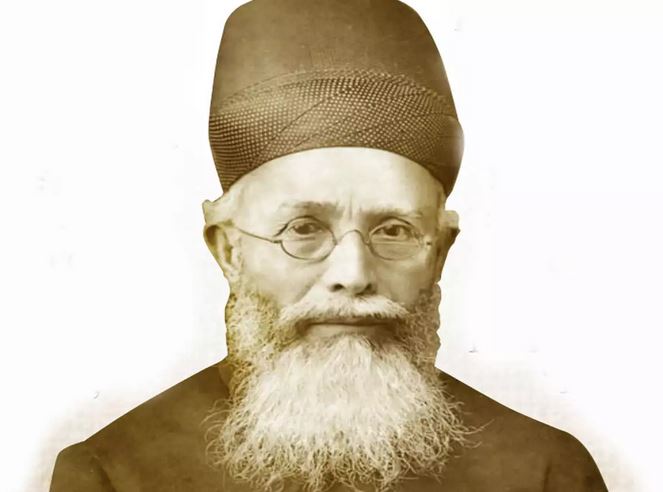
  • In news: Dadabhai Naoroji (1825-1917)

    dadabhai

    Central Idea

    • Dadabhai Naoroji, the first Indian member of the British Parliament, played a significant role in India’s anti-colonial struggle.
    • His scholarly work exposed the economic exploitation of India under British rule, emphasizing the drain theory.

    Who was Dadabhai Naoroji?

    • Early Life: Naoroji was born in Navsari, Gujarat, into a Parsi Zoroastrian family. He received his education at the Elphinstone Institute School.
    • Social Reforms: He founded the Rahnumai Mazdayasan Sabha and the Rast Goftar newspaper to promote Parsi social reforms and clarify Zoroastrian concepts.
    • Political Activism: Naoroji co-founded the London Indian Society and the East India Association, advocating for Indian political rights and countering negative stereotypes.
    • Indian National Congress: He played a crucial role in the Indian National Congress and served as its President on three occasions.
    • British Parliament: Naoroji became the first Indian MP in the British House of Commons, representing Finsbury Central from 1892 to 1895.
    • Economic Critique: His book “Poverty and Un-British Rule in India” exposed the drain of wealth from India to Britain and its impact on India’s development.

    His proposition of Drain Theory and Poverty

    • Naoroji’s Drain Theory: He identified six factors contributing to the wealth drain, including foreign governance, lack of immigration, and unequal employment opportunities.
    • Impact of Drain: Naoroji estimated a drain of 200-300 million pounds from India to Britain, which hindered India’s economic progress.
    • Railways and Tribute: Naoroji argued that India paid for services like railways, but the profits were drained out of the country, leading to economic imbalances.
    • Exploitative Trade: British workers in India were encouraged to repatriate their earnings, and Indian goods were undervalued, allowing for economic exploitation.

    Major works

    • Started the Rast Goftar Anglo-Gujarati Newspaper in 1854.
    • The manners and customs of the Parsees (Bombay, 1864)
    • The European and Asiatic races (London, 1866)
    • Admission of educated natives into the Indian Civil Service (London, 1868)
    • The wants and means of India (London, 1876)
    • Condition of India (Madras, 1882)

    Legacy and Views

    • Naoroji’s Significance: He is considered a crucial figure in India’s independence movement, advocating for responsible government and Indian autonomy.
    • Influence on Gandhi: Mahatma Gandhi was influenced by Naoroji’s writings and recognized him as a father figure for the Indian people.
    • Admirations: Bal Gangadhar Tilak praised Naoroji’s leadership and stated that Indians would unanimously elect him if given the chance.
    • Recognition: Naoroji’s contributions are honoured through various roads, streets, and awards named after him.
  • Evidence of High Rainfall during Deccan Traps Volcanism

    deccan

    Central Idea

    • A team of scientists from IIT Kharagpur has discovered evidence of exceptionally high annual rainfall during the volcanic activity that formed the Deccan Traps in India around 66 million years ago.
    • Using a new technique called Nanoscale Secondary Ion Mass Spectrometry (NanoSIMS), the researchers analyzed the isotopic composition of fossil trees from the Cretaceous period.
    • They determined the isotopic composition of the rainfall-derived lake water.

    Nanoscale Secondary Ion Mass Spectrometry (NanoSIMS)

    • NanoSIMS is an advanced analytical technique to determine the composition and distribution of elements and isotopes at a microscopic scale.
    • It allows for high-resolution imaging and quantitative analysis of samples.
    • The technique involves bombarding the sample surface with a focused beam of primary ions.
    • This causes the ejection of secondary ions from the sample surface.
    • The secondary ions are collected and analyzed using a mass spectrometer.
    • The mass spectrometer separates the ions based on their mass-to-charge ratio and measures their abundance.

    Analysis and Findings

    • New Technique: The team used Nanoscale Secondary Ion Mass Spectrometry to analyze oxygen isotopes in fossil trees and measure the isotopic composition of the lake water derived from rainfall.
    • Depleted Oxygen Isotopes: The analysis revealed depleted oxygen isotope values, indicating higher tropical rainfall in India during the terminal Cretaceous period.
    • Link to Paleoclimatic Changes: The increase in rainfall closely corresponded to changes in paleo-atmospheric carbon dioxide levels, suggesting a potential underlying link between the two.

    Implications and Comparison

    • Atmospheric Carbon Dioxide Concentration: The eruption of Deccan Trap lavas released a significant amount of carbon dioxide, raising atmospheric levels to as high as 1,000 ppm.
    • Comparison to Modern Rainfall: The data from fossil trees indicated an annual rainfall of 1,800-1,900 mm, exceeding the average modern rainfall of 1,000-1,200 mm in most parts of peninsular India.
    • Climate Change Predictions: The findings align with predictions made by the Intergovernmental Panel on Climate Change (IPCC) for extreme warming scenarios, suggesting a correlation between high carbon dioxide levels and increased rainfall.

    Climate Models and Future Projections

    • Rising Carbon Dioxide Levels: Fossil fuel emissions have raised carbon dioxide levels from 280 ppm to about 420 ppm in 2023.
    • Impact on Rainfall: Climate models indicate that doubling carbon dioxide levels will intensify atmospheric circulation and subsequently increase rainfall.
    • IPCC AR6 Report: The report warns of a significant increase in the wettest day precipitation and tropical cyclone-associated rainfall if carbon dioxide emissions continue to rise unabated.

    Conclusion

    • The study provides evidence of high rainfall during the volcanic activity that formed the Deccan Traps in India millions of years ago.
    • The findings suggest a correlation between elevated carbon dioxide levels and increased rainfall, supporting predictions made by climate models for future climate change scenarios.


  • Gravity Hole in the Indian Ocean

    gravity hole
    The true shape of our Earth

    Central Idea

    • One intriguing phenomenon recently discovered is the presence of a significant “gravity hole” in the Indian Ocean, where the gravitational pull is notably weaker.
    • Recent research sheds light on the possible causes behind this anomaly.

    What is a Gravity Hole?

    • A “gravity hole” refers to a region on Earth where the gravitational pull is significantly weaker compared to the surrounding areas or the global average.
    • It is characterized by a dip or low gravity anomaly.
    • In such areas, the sea level may be lower than average due to the weaker gravitational force acting upon the water.
    • This term is often used to describe specific locations, such as the Indian Ocean geoid low (IOGL), where the gravitational pull is notably diminished compared to nearby regions.
    • The exact causes of gravity holes can vary and may involve factors such as variations in the Earth’s mass distribution or underlying geological features.

    What is Indian Ocean Geoid Low (IOGL)?

    • It is located approximately 1,200 kilometers southwest of the southernmost tip of India.
    • IOGL is an area in the Indian Ocean where the sea level is about 106 meters below the global average.

    Unraveling the Causes of IOGL

    • Discovering the Anomaly: Geophysicist Felix Andries Vening Meinesz first identified the IOGL during a survey in 1948. Since then, it has been confirmed by subsequent ship-based experiments and satellite measurements.
    • Ancient Ocean Hypothesis: Researchers from the Indian Institute of Science conducted computer-simulated models spanning 140 million years. They discovered remnants of an ancient ocean, located approximately 965 kilometers below the Earth’s crust, just beneath Africa.
    • Molten Rock Plumes: The simulations revealed molten rock plumes below Africa, potentially caused by tectonic plates subducting into the mantle. These plumes are believed to be a contributing factor to the IOGL.
    • Possible origination: Researchers said that the IOGL comprises slabs from the Tethys Sea, a long-lost sea that plunged into the depths of the planet millions of years ago. Tethys Sea, which once separated the supercontinents of Gondwana and Laurasia is believed to have perturbed the African Large Low Shear Velocity province.

    Future Perspectives

    • Lack of Seismic Evidence: While the simulated models suggest the presence of molten rock plumes beneath the Indian Ocean, seismographic evidence has yet to confirm their actual existence.
    • Additional Factors at Play: The researchers emphasize that other factors contributing to the gravitational anomaly in the Indian Ocean need to be further explored before reaching a definitive conclusion.
    • Further Research: Continuation of studies, including seismic surveys and detailed modelling, is necessary to gain a comprehensive understanding of the IOGL and its causes.
  • Places in news: Ubinas Volcano

    Central Idea

    • Peru declared a state of emergency for sixty days in areas around the Ubinas volcano.
    • The volcano has been spewing ash and gas and is probably set to erupt.

    Ubinas Volcano

    • Ubinas is an active stratovolcano located in the Moquegua Region of southern Peru, approximately 60 kilometers east of the city of Arequipa.
    • It is part of the Central Volcanic Zone of the Andes and stands at an elevation of 5,672 meters above sea level.

    Geological Characteristics

    • Stratovolcano Formation: Ubinas is characterized by its stratovolcano structure, comprising layers of hardened lava, ash, and other volcanic materials.
    • Caldera and Crater: The volcano’s summit contains a 1.4-kilometer-wide and 150-meter-deep caldera, within which lies a smaller crater. This distinct feature adds to the volcano’s geological significance.
    • Ubinas I and Ubinas II: The volcano exhibits an upwards-steepening cone shape, with a notable notch on its southern side. The lower part is referred to as Ubinas I, while the steeper upper section is known as Ubinas II, representing different stages in the volcano’s geological history.

    Volcanic Activity

    • Active Volcanic History: Ubinas is recognized as the most active volcano in Peru, displaying a history of small to moderate explosive eruptions and persistent degassing.
    • Notable Eruptions: The volcano has experienced notable eruptions throughout history, including the 2006–2007 event that resulted in eruption columns, ash fall, health concerns, and evacuations in the region.
    • Recent Activity: From 2013 to 2017, Ubinas exhibited lava flow within the crater, accompanied by ash falls, leading to further evacuations in nearby towns.

    Eruption and Impact

    • Ash and Gas Emissions: The Ubinas volcano has been actively spewing ash and gas.
    • Smoke Cloud and Affected Areas: The smoke cloud generated by the eruption has reached towns located up to 10 kilometers away from the volcano. This has raised concerns for the well-being of approximately 2,000 people residing in the affected areas.
    • The “Ring of Fire”: The region where Ubinas is situated falls within the “Ring of Fire,” an area around the Pacific Ocean known for its high volcanic and seismic activity.


  • Kanwar Yatra: What is it?

    kanwar yatra

    Central Idea: The Kanwar Yatra, a significant annual pilgrimage, commenced on July 4 and will continue until July 15.

    What is Kanwar Yatra?

    • This pilgrimage sees millions of devotees, known as Kanwariyas or Kriyas, undertaking a journey to collect water from the Ganga River and offer it to Lord Shiva.
    • The Kanwar Yatra symbolizes the unbreakable bond between devotees and Lord Shiva and is considered an act of faith and devotion.

    Mythological Origins of Kanwar Yatra

    • Samudra Manthan: Kanwar Yatra is believed to have originated from the mythological story of Samudra Manthan, where Lord Shiva consumed poison to save the world. To alleviate the effects of the poison, all the gods poured water from the Ganga River on Lord Shiva.
    • King Rama’s Offering: Another version suggests that the ritual of Kanwar Yatra began when King Ram offered water from the Ganga to a statue of Lord Shiva (shivalinga) in an earthen pot.

    Customs and Rituals Performed

    • Collection of Ganga Water: Devotees, dressed in saffron attire, embark on foot to collect water from the Ganga River at Haridwar, Gomukh, and Gangotri. They carry two earthen pots filled with water, hung on a decorated bamboo stick, which they balance on their shoulders.
    • Significance of Purity: Devotees consider it essential to keep the pots from touching the ground or getting contaminated by dust, as it may impure the sacred water.
    • Challenging Journey: Kanwariyas undertake the yatra barefoot, covering long distances in challenging terrains and extreme weather conditions.
  • Who was Alluri Sitarama Raju?

    raju

    Central Idea

    • The President of India, Draupadi Murmu, honoured the freedom fighter Alluri Sitarama Raju during the closing ceremony of his 125th birth anniversary celebrations in Hyderabad.
    • The President highlighted the significance of Alluri Seetharama Raju’s struggle against injustice and exploitation in India’s freedom struggle.

    About Alluri Sitarama Raju

    • Raju was believed to be born in 1897 or 1898 in Andhra Pradesh.
    • He became a sanyasi (ascetic) at the age of 18 and gained a mystical aura among the hill and tribal people due to his austerity, knowledge of astrology and medicine, and his ability to tame wild animals.

    Revolutionary Activities of Alluri Sitarama Raju

    • Raju channelled the discontent of the hill people in Ganjam, Visakhapatnam, and Godavari into effective guerrilla resistance against the British.
    • The Forest Act of 1882 and other colonial policies threatened the tribals’ traditional podu cultivation and forced them into labor.
    • The tribals and muttadars (village headmen) who were affected by the curtailment of their powers by the British government joined together in armed resistance against colonial rule in August 1922.

    Contribution to the Freedom Struggle

    • Raju’s guerrilla war, known as the Rampa or Manyam Rebellion, continued until May 1924.
    • The rebellion coincided with Mahatma Gandhi’s Non-Cooperation Movement.
    • Raju admired Gandhi and promoted his ideas of wearing khadi (homespun cloth) and giving up alcohol.
    • However, Raju believed that India could only be liberated through the use of force, contrary to Gandhi’s principle of non-violence.

    Capture and Execution of Alluri Sitarama Raju

    • Raju’s resistance came to an end when he was captured by the British in May 1924.
    • He was executed for his involvement in the rebellion.
    • Raju became known as the ‘Manyam Veerudu’ or Hero of the Jungle, and his efforts are remembered as a significant contribution to India’s freedom struggle.

    Conclusion

    • Overall, Alluri Seetharama Raju played a crucial role in leading a guerrilla resistance against British colonial rule, fighting for the rights of tribal communities, and advocating for India’s independence through forceful means.
  • A Stocktake before the Global Stocktake

    Central Idea

    • The recently concluded Bonn Climate Change Conference marked a significant milestone in global climate negotiations, setting the stage for the upcoming Global Stocktake at COP28 in Dubai. The outcomes of the Global Stocktake will guide countries in updating and enhancing their climate action plans

    Relevance of the topic

    • Mobilizing climate finance is crucial to support climate mitigation and adaptation measures.
    • Developing countries, particularly those most vulnerable to climate impacts, require financial resources to implement projects that reduce greenhouse gas emissions, build resilience, and adapt to changing climatic conditions.
    • Questions on Climate change mitigation efforts, conferences and outcomes have been asked multiple times. Negotiations on Climate finance is often in the headlines.

    What is The Global Stocktake?

    • The Global Stocktake mandated under Article 14(1) of the Paris Agreement, aims to assess collective progress towards long-term global climate goals, including greenhouse gas reduction, building climate resilience, and securing adequate finance.

    key aspects of the Global Stocktake under the Paris Agreement

    • Assessment of Progress: The primary purpose of the Global Stocktake is to assess collective progress made by countries in achieving the long-term goals of the Paris Agreement. This includes evaluating the implementation of countries’ nationally determined contributions (NDCs) and assessing the overall effectiveness of global climate actions.
    • Review of Mitigation Efforts: The Stocktake examines the mitigation efforts undertaken by countries to reduce greenhouse gas emissions. It evaluates the adequacy and ambition of these efforts limiting global temperature rise to well below 2 degrees Celsius above pre-industrial levels and pursuing efforts to limit the increase to 1.5 degrees Celsius.
    • Assessment of Adaptation Measures: The Stocktake also considers the progress and effectiveness of adaptation measures implemented by countries to address the impacts of climate change. It assesses the extent to which countries are building resilience and adapting to the changing climate conditions.
    • Evaluation of Climate Finance: It examines the mobilization and allocation of financial resources to support climate actions, particularly from developed to developing countries. The Stocktake reviews progress towards the commitment of developed countries to jointly mobilize $100 billion annually by 2020 to support climate mitigation and adaptation efforts in developing nations.
    • Technology Transfer and Capacity Building: The Stocktake reviews the efforts made in technology transfer and capacity-building activities to support developing countries in their climate actions. It assesses the provision of technology, knowledge, and technical assistance to enhance the capabilities of developing nations in implementing climate solutions.
    • Transparency and Reporting: Transparency and accountability are integral components of the Stocktake process. The Stocktake ensures that countries provide accurate and reliable information to facilitate an objective assessment of global progress.
    • Informing Future Climate Action: It provides guidance for countries to set more ambitious targets in their subsequent rounds of NDCs. The Stocktake also identifies areas where additional efforts and support are required to bridge the emissions gap and accelerate progress towards the Paris Agreement goals.

    Outcomes of the Bonn Conference

    • Progress on Just Transition Pathways: Negotiators at the Bonn Conference made advancements in the development of ‘just transition pathways.’ The pathways will be further refined and finalized at COP28, with a focus on sectors such as energy and transport.
    • Emphasis on Ambitious Emission Reduction Efforts: The Bonn Conference highlighted the need for developing countries to enhance their emission reduction efforts. It emphasized that ambitious actions are crucial for achieving the goal of limiting global temperature rise.
    • Integration of Socio-economic Considerations: The conference underscored the importance of integrating socio-economic components into climate strategies. This approach recognizes the specific needs and priorities of each country, allowing for the alignment of low-carbon development pathways with broader sustainable development objectives.
    • Review of Climate Finance: The Bonn Conference brought attention to the issue of climate finance. The conference emphasized the need for improved accounting mechanisms and universal metrics to accurately track and allocate climate finance. It also highlighted the importance of involving institutions like the World Bank in climate finance discussions to enhance transparency and accountability.
    • Advancement of Mitigation Work Programme: The conference discussed the Mitigation Work Programme, which aims to scale up mitigation efforts in this decade. The work programme aligns with the goals of the Global Stocktake and aims to accelerate global mitigation actions

    Challenges in Mobilizing Climate Finance

    • Insufficient Funds: One of the main challenges is the insufficiency of funds dedicated to climate finance. The commitment made by developed countries to mobilize $100 billion annually by 2020 for climate finance has not been fully met. Many observers argue that only a fraction of this target has been realized.
    • Accounting and Transparency: There is a need for improved accounting mechanisms and transparency in climate finance. Ensuring accurate tracking, reporting, and verification of financial flows for climate action is essential.
    • Adaptation Finance Gap: Adaptation finance, which supports efforts to adapt to the impacts of climate change, lags behind mitigation finance. While there is a growing recognition of the importance of adaptation, the provision of financial resources for adaptation projects and programs remains limited
    • Complexity of International Financial Flows: The complexity of international financial flows poses a challenge in effectively channeling climate finance to where it is needed most.
    • Accountability and Conditionality: The conditionality of climate finance can also be a challenge, as the terms and conditions attached to financial assistance may not always align with the priorities and circumstances of the receiving countries.

    Way forward

    • Fulfilling Financial Commitments: Developed countries must fulfill their commitment to jointly mobilize $100 billion annually for climate finance, as agreed upon at the 2009 Copenhagen Climate Change Conference. Efforts should be made to ensure that the committed funds are effectively mobilized and channeled.
    • Improving Accounting and Transparency: There is a need for improved accounting mechanisms and transparency in climate finance. Developing universally agreed-upon metrics for tracking climate finance will enhance transparency and ensure that financial resources are allocated and utilized effectively.
    • Bridging the Finance Gap: While mitigation finance has received significant attention, adaptation finance needs to be prioritized. Developing countries, particularly those vulnerable to climate impacts, require increased financial support to build resilience and adapt to changing climate conditions.
    • Mobilizing Public and Private Finance: Mobilizing climate finance requires a combination of public and private sector involvement. Governments should create an enabling environment for private investment in climate-friendly projects by providing policy certainty, risk reduction mechanisms, and incentives.
    • Enhancing Technology Transfer: Facilitating the transfer of climate-friendly technologies from developed to developing countries is essential. Developed countries should support technology transfer through financial and technical assistance, capacity building, and knowledge sharing.
    • Strengthening International Cooperation: Strengthening international cooperation and collaboration is crucial to mobilize climate finance effectively. Collaboration between governments, international financial institutions, and stakeholders is essential for scaling up climate finance.
    • Prioritizing Climate Finance in Global Agendas: Climate finance should be prioritized in global agendas and discussions. Ensuring adequate financial resources for climate action should be a key consideration in international negotiations, such as the Global Stocktake and COP meetings.

    Conclusion

    • The Bonn Climate Change Conference served as a critical milestone in climate negotiations, setting the stage for the Global Stocktake at COP28. The integration of socio-economic components in climate strategies and the involvement of the World Bank were also highlighted as essential elements in addressing the climate crisis. Moving forward, it is imperative to prioritize equity, justice, and fairness in climate action to ensure a sustainable and resilient future for all