The National Institute of Mental Health and Neuro Sciences (NIMHANS), Bengaluru, India’s premier mental health institution, has been honoured with the “Nelson Mandela Award” for Health Promotion by the World Health Organization (WHO) for 2024.
About National Institute of Mental Health and Neuro-Sciences (NIMHANS)
Details
Location
Bangalore, India
Affiliation
Autonomous institute under the Ministry of Health and Family Welfare, Government of India
Ranking
Ranked 4th best medical institute in India by the “National Institutional Ranking Framework (NIRF)”
History
Founded in 1847 as the Bangalore Lunatic Asylum.
Renamed as the Mental Hospital in 1925.
Amalgamated with the All India Institute of Mental Health (AIIMH) in 1974 to form NIMHANS.
Conferred with deemed university status by the University Grants Commission in 1994.
Declared an Institute of National Importance by an act of parliament in 2012.
Governance
Operates with academic autonomy under the “Societies Registration Act”.
Prioritises service, manpower development, and research in mental health and neurosciences.
A multidisciplinary integrated approach was adopted for translating research results into practice.
Funding
Receives resources for academic and research activities from national and international funding organisations.
Outreach
Engages in mental health outreach initiatives including critiquing mental health reports and collaborating with government agencies for training and counseling.
Known for diagnosing and treating various mental health conditions including depression and neurobiological disorders.
Back2Basics: Nelson Mandela Award for Health Promotion
Aspect
Details
Establishment Year
1995
Presented by
World Health Organization (WHO)
Purpose
Recognizing outstanding contributions and achievements in health promotion worldwide
Namesake
Nelson Mandela, former President of South Africa
Criteria for Recognition
Innovative approaches
Sustainable Impact
Dedication to health equity and social justice
Recipients
Individuals, organisations, institutions, or communities
Selection Process
Based on significant strides in health promotion
Consideration of efforts in disease prevention and well-being improvement, especially among disadvantaged populations
Presentation
Occurs during special ceremonies or events
Often coincides with key health promotion initiatives or milestones
Significance
Symbolises recognition and encouragement for ongoing efforts in health promotion
Highlights the importance of collective action and collaboration in addressing health challenges and achieving public health and sustainable development goals
PYQ:
[2021] We can never obtain peace in the outer world until and unless we obtain peace within ourselves.
A casual remark from a member of the Prime Minister’s Economic Advisory Council has reignited the debate on judges’ working hours and vacations.
Reports on Case Pendencies:
According to the “India Justice Report”, as of June 2020, cases remain pending for an average of three years in subordinate courts and five years in high courts, highlighting the extensive backlog.
Issues of unfilled vacancies and lack of infrastructure/ Present challenges:
Overburdened Judiciary: Judges and courts are overburdened with excessive government litigation, new legislation adding to the workload, and the rising tide of litigation across various domains.
Infrastructure Deficits: Shortages in courtrooms and support staff, with national averages showing a 26% deficit in support staff. Insufficient infrastructure hampers the smooth processing of cases.
Quality Deficits: Uneven proficiency in language and legal knowledge among lawyers and judges contribute to procedural delays and suboptimal outcomes. Lengthy pleadings, paper books, and judgments further exacerbate the problem.
Vacancy Crisis: Many courts, including high courts and lower courts, face a significant shortage of judges, with vacancies averaging around 30% in high courts and 22% in subordinate courts. Some states, like Bihar and Meghalaya, have vacancies exceeding 30% for over three years.
Lack of administrative support and outdated procedures impede the efficient management of cases and court operations.
What can be done?
Address Vacancies: Expedite the appointment process for vacant judicial positions and strive to achieve full complement in courts to alleviate workload pressures.
Set higher standards for judicial appointments and legal practice to ensure competence and proficiency among legal professionals.
Establish Permanent Administrative Secretariats (PAS) led by qualified court managers to assist judges in case management and administrative tasks.
Invest in Infrastructure: Build more courtrooms, hire additional support staff, and invest in technology to streamline court processes and enhance efficiency.
Allocate adequate resources to the judiciary to improve infrastructure, enhance administrative capabilities, and ramp up efficiency in justice delivery.
Prioritize Judicial Reform: Undertake comprehensive judicial reforms to address systemic issues, streamline processes, and enhance access to justice for all citizens.
Implement specialized courts, pre-trial mediation, and other alternative dispute resolution mechanisms to expedite case resolution and reduce backlog.
Mains PYQ:
Q Critically examine the Supreme Court’s judgement on ‘National Judicial Appointments Commission Act, 2014’ with reference to appointment of judges of higher judiciary in India. (UPSC IAS/2017)
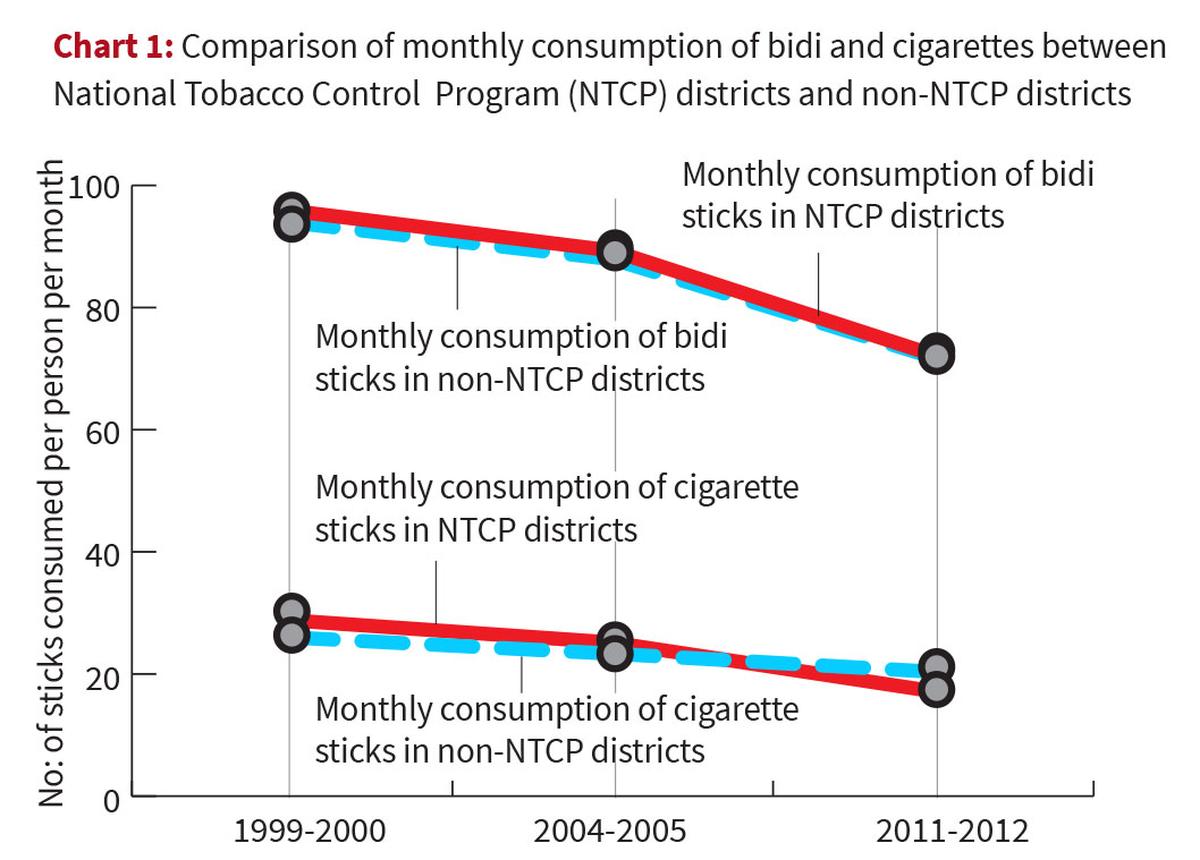
Tobacco is a leading preventable cause of disease which affects nearly 26 crore Indians and 60 lakh industry workers, posing significant health risks.
Reports on Tobacco Consumption in India
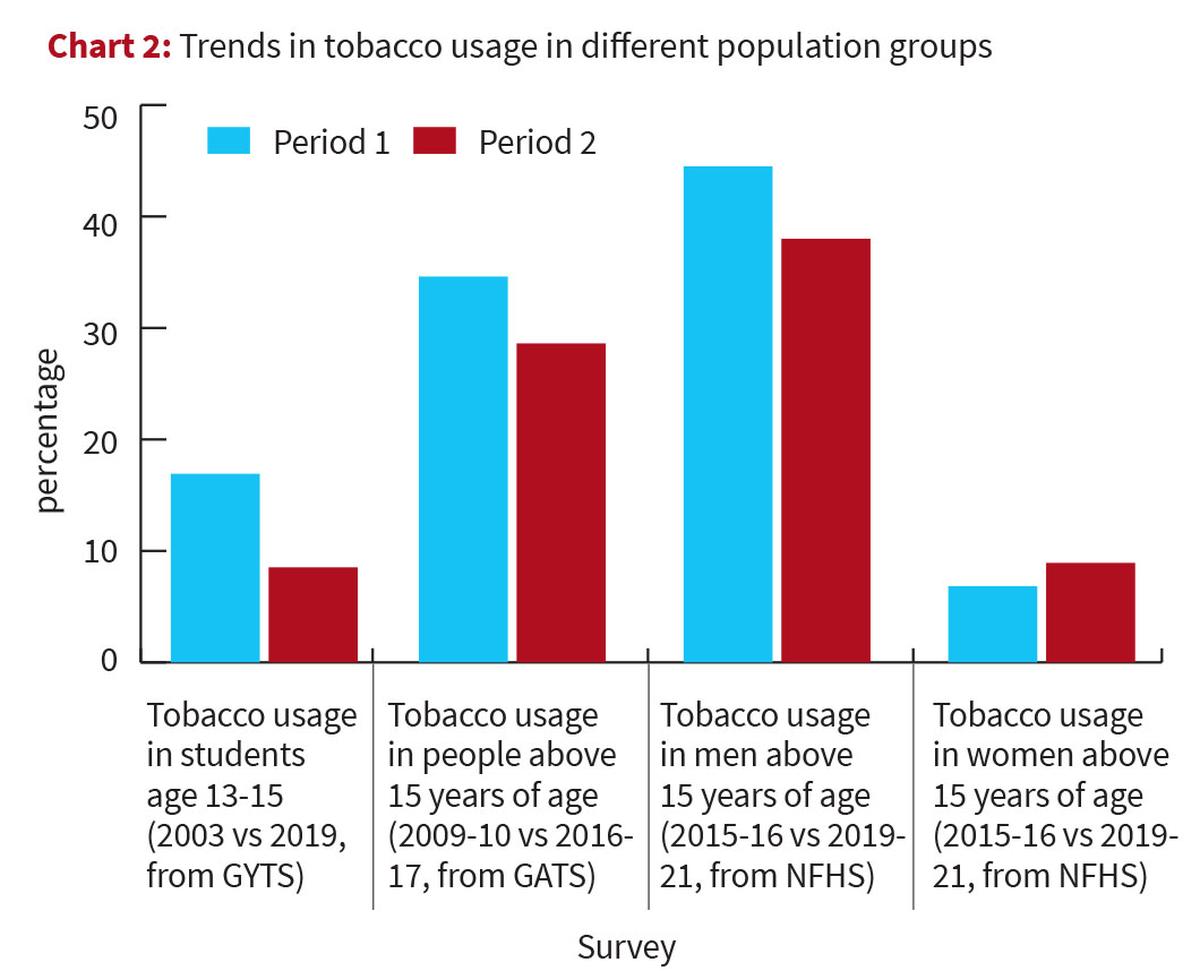
According to the Global Adult Tobacco Survey (GATS), there is a general decline in tobacco use, except for an increase in women between 2015-2016 and 2019-2021. (above 15 years)
According to the Global Youth Tobacco Survey (GYTS), tobacco use among students aged 13-15 years indicates a reduction in tobacco use in this demographic.
The National Family Health Survey (NFHS), which captures data on tobacco use in people above 15 years of age, aligns with the GATS findings, showing a decrease in tobacco use except among women.
What is the WHO Framework Convention on Tobacco Control (FCTC)?
The WHO Framework Convention on Tobacco Control (FCTC) is an international treaty adopted by the World Health Organization (WHO) in 2003. It is a legally binding treaty.
It means that countries that have ratified it are obligated to implement the measures outlined in the convention within their national jurisdictions.
It addresses the global health risks associated with tobacco use and provides a comprehensive framework for governments and organizations to implement effective tobacco control policies and strategies.
Challenges in India:Lobbying by the Tobacco Industry
The tobacco industry exerts substantial influence on policy-making to maintain low tax rates and evade stricter regulations.
Government Engagement: Both in-service and retired government officials often engage with the tobacco industry. Example: A retired Indian Administrative Services officer joined the board of Godfrey Phillips as an independent director.
Government Stake: The Central government holds a 7.8% stake in ITC Ltd., India’s largest tobacco company.
Tax Exemptions: Continuous exemptions of cess on bidis and smaller tobacco manufacturers. Persistent extensions of these exemptions despite the harmful effects of tobacco.
FCTC Recommendation: At least 75% tax on tobacco products.
Challenges at affordability level: Low taxes relative to income growth have kept tobacco products affordable, with cigarettes and SLTs becoming more affordable over the past decade due to the transition to the Goods and Services Tax (GST).
Thus, India’s score has worsened since 2021, indicating increased interference by the tobacco industry in governance.
Initiatives taken by the Government:
Cigarette and Other Tobacco Products Act (COTPA) 2003: It regulates the advertisement, promotion, and sponsorship of tobacco products, prohibits smoking in public places, mandates pictorial health warnings on tobacco product packaging, and sets rules for the sale of tobacco products to minors.
Awareness on Media: India is the first country in the world to implement the larger steps through implementing warnings on OTT platform content when actors are seen using tobacco products.
Awareness of Product: India has implemented prominent and graphic pictorial health warnings on tobacco product packaging.
Challenges in Implementation
Poor Enforcement: Existing measures are not strictly implemented, leading to widespread non-compliance, especially among smokeless tobacco products (SLTs).
Indirect Advertisements: Surrogate advertisements (e.g., using elaichi to promote tobacco brands) circumvent direct advertising bans, undermining control efforts.
Inadequate Fines: Penalties for violations of COTPA regulations have not been updated since 2003, making them ineffective deterrents.
Way forward:
Update COTPA Fines and Penalties: Revise and significantly increase fines for violations of COTPA regulations to create a stronger deterrent.
Strengthen Border and Market Surveillance: Improve customs and market surveillance to combat smuggling and illicit trade of tobacco products.
Mains question for practice:
Q Discuss the various measures undertaken by the Indian government to control tobacco consumption. Evaluate the effectiveness of these measures and suggest improvements. 15M
Tobacco Board of India
The Tobacco Board is a statutory body established under the Ministry of Commerce and Industry.
Hq: Guntur, Andhra Pradesh.
Functions:
To regulate the production and curing of Virginia tobacco by improving the yields and quality of tobacco.
To facilitate the sale of tobacco through e-auctions, undertaking various grower welfare measures and export promotion of tobacco.
India hosted a side event on Digital Health during the 77th World Health Assembly.The event saw participation from Quad countries (Australia, Japan, and the United States of America) and delegates from over 100 countries.
Key Highlights of the 7th WHA:
Transformative Role: India highlighted digital health’s role in ensuring equitable and accessible healthcare services, contributing to Universal Health Coverage and SDG 3.
India’s Advancements: WHA noted India’s success in implementing digital public infrastructure at scale, including Aadhaar for digital identities, Unified Payments Interface (UPI) for financial transactions, and Co-WIN for health service delivery during the pandemic.
Transition to UWIN: Co-WIN is being transformed into UWIN for the National Immunization Programme, facilitating immunization records for millions of newborns and mothers, as well as Anganwadi and school health records.
Ayushman Bharat Digital Mission (ABDM): India highlighted efforts under ABDM to create a robust national digital health ecosystem, with over 618 million Unique Health IDs (ABHA IDs) generated, 268,000 registered health facilities, and 350,000 healthcare professionals enlisted.
National Health Claims Exchange (NHCX): GoI is launching NHCX as part of ABDM to transform the insurance payments ecosystem, enabling real-time settlements with auto adjudication of claims through public-private partnerships leveraging digital public infrastructure.
Q. Explain how the foundations of the modern world were laid by the American and French revolutions. (UPSC IAS/2016)
Q. “Refugees should not be turned back to the country where they would face persecution or human rights violation”. Examine the statement concerning the ethical dimension being violated by the nation claiming to be democratic with an open society. (UPSC IAS/2021)
Prelims: Which one of the following objectives is not embodied in the Preamble to the Constitution of India? (UPSC IAS/2017) (a) Liberty of thought (b) Economic liberty (c) Liberty of expression (d) Liberty of belief
Note4Students:
Prelims: Liberalism; Constitutional Values;
Mains: Liberalism; Democratic System;
Mentor comment: Since all of us are the form of Nature, we all are equal in a moral sense. Thus Liberalism started as a progressive idea. It aimed at giving liberty and protecting people from coercion. Once the capitalist class could establish themselves in power, their revolutionary fervor had gone. From a progressive philosophy, it was limited to the economic doctrine. It came to be dominated by utilitarians. Liberalism came to be criticized as ‘a pig’s philosophy’ because of utilitarians. Liberalism/utilitarianism became the basis of justification for the extreme exploitation of workers. There were protests against such policies. It has led to the growth of left movements. It forced liberals to change. Liberalism has been the longest-surviving ideology because of its flexible nature. Every ideology represents the interest of a particular class. Liberalism is an ideology of the middle classes. (emerging capitalist class). Liberalism is a philosophy of modern times. Liberalism is a by-product of the Renaissance, reformation, and scientific revolution.
Let’s learn.
–
Why in the News?
Indian liberalism faces challenges from both left and right, with criticisms of elitism, individualism, and Western colonialism.
India’s tryst with liberalism began in the 1990s, but it has faced criticism and a decline in support.
The rise of populist and authoritarian leaders has led to a decline in liberal democracy, with only 34 countries maintaining it in 2022.
Attacks by the left and the right
Left Criticisms
Elitism: Liberalism is seen as prioritizing individual interests over collective needs, promoting inequality and corporate interests.
Individualism: The left views individualism as a dangerous doctrine that widens the gap between the haves and have-nots, marginalizes the disadvantaged, and prioritizes corporate interests over social justice.
Contradiction with Egalitarian Democracy: The left argues that the commitment to egalitarian democracy is incompatible with the individualistic market capitalism promoted by liberalism.
Right Criticisms
Emphasis on Individual Freedom: The right sees individual freedom as a Western colonial import that has no connection with traditional Indian values and way of living.
Disconnection from Tradition and Identity: The right argues that liberalism is disconnected from Indian traditions and identity, prioritizing individual freedom over community and social values.
Liberalism is deeply ingrained in Indian society:
Amartya Sen has pointed out, the key values of liberalism like an emphasis on individual liberty, freedom, social justice, and societal harmony, have been deeply ingrained in Indian society since ancient times.
Liberal values can be found in our civilizational traditions and cultural beliefs, with giants such as Raja Ram Mohan Roy, Swami Vivekananda, M.G. Ranade, Gopal Krishna Gokhale, Gurudev Tagore, and B.R. Ambedkar situating their critique of colonial rule within a liberal framework.
Radical liberal thinkers such as Jyotirao Phule and Ambedkar argued that progress could be achieved through better (and more representative) political instruments rooted in liberal ideals.
What are the proposed solutions for making liberalism more inclusive in India?
Indian liberalism needs to evolve to address the challenges it faces, and the time to start this process is now.
Syncretic Liberalism: Engage with tradition and identity in a more comprehensive and sustained manner to address the feelings of marginalization and overlook that have driven populist success.
This involves recognizing the importance of community and tradition in Indian society and incorporating these values into liberal thought.
Economic Reforms: Adopt a more inclusive and socially just approach to markets, balancing free enterprise with social justice through welfare.
This includes ensuring that economic growth benefits all sections of society, not just the privileged few.
Political Reforms: Revive representative institutions to restore public trust in democracy.
This involves decentralizing power, improving representation, and addressing issues of government overreach and surveillance.
Consensus: Develop a basic consensus among liberals to address criticisms and work together effectively.
This involves recognizing the vast areas of agreement among liberals and focusing on these rather than contesting each other’s political commitments
The working paper released by the Economic Advisory Council (EAC) to the Prime Minister makes an erroneous assertion regarding the growth of the Muslim population.
Composition of the Population of various communities highlighted by EAC:
Absolute Increase in Population (1950-2015): Hindu population grew by 701 million. The Muslim population increased by 146 million.
Proportional Changes: The proportion of Hindus in the population fell by 6.64 percentage points (from 84.7% in 1950 to 78.06% in 2015). The proportion of Muslims increased by 4.25 percentage points (from 9.84% in 1950 to 14.09% in 2015).
Despite these changes, the Muslim population remains significantly smaller compared to the Hindu population.
What does the 2011 census say?
The proportion of the Hindu population to the total population in 2011 declined by 0.7 percentage points (PP); the proportion of the Sikh population declined by 0.2 PP and the Buddhist population declined by 0.1 PP during the decade 2001-2011.
The proportion of the Muslim population to the total population has increased by 0.8 PP. There has been no significant change in the proportion of Christians & Jains.
Issue of Misinterpretation and Sensationalism of Data:
Misleading Media Reports: Many media reports and politicians have sensationalized the findings of the EAC-PM working paper inaccurately suggesting that the Muslim population in India is growing rapidly while posing a threat to the Hindu population.
Such interpretations contribute to a divisive political narrative and misinform the public about population issues.
Limitations of the Paper: The working paper itself states that understanding changes in religious demography is a multivariate phenomenon. However, the paper does not contain sufficient evidence to support this claim.
The true story behind this Data::
Influence of Socio-Economic Factors: Population growth is significantly influenced by socio-economic conditions such as education, healthcare, and economic opportunities. Higher fertility rates in a community often reflect lower levels of socio-economic development rather than religious factors.
Policies and Development Indicators: The Muslim community in India has a higher population growth rate primarily because it lags in some of the Population and Marriage policies that affect socio-economic development indicators as compared to the Hindu community.
Need for Exact Data:
Contextual Analysis: Detailed analysis is essential to avoid misinterpretation of demographic changes. Understanding the multi-faceted reasons behind population changes requires considering socio-economic, cultural, and political factors.
Religious Composition: According to the Pew Research Center (2021), the proportion of India’s six largest religious groups has remained relatively stable since Partition.
Fertility Rates: Recent National Family Health Survey (NFHS) rounds indicate significant declines in Muslim fertility rates.
Conclusion: Accurate and comprehensive analysis is necessary to understand population trends and avoid fueling divisive narratives.
Mains PYQ:
Q Demographic Dividend in India will remain only theoretical unless our manpower becomes more educated, aware, skilled, and creative.” What measures have been taken by the government to enhance the capacity of our population to be more productive and employable? (UPSC IAS/2016)
By 2047, over 50% of India’s population will be urban. The AMRUT scheme launched in 2015 and updated in 2021, addresses urban infrastructure needs.
About Atal Mission for Rejuvenation and Urban Transformation -AMRUT:
It is a flagship urban development scheme launched by the Government of India in June 2015.
The mission is being operated as a Central Sponsored Scheme.
Aim: To provide basic urban infrastructure to improve the quality of life in cities and towns.
Objectives:
Ensure that every household has access to a tap with an assured water supply and a sewerage connection.
Increase the green areas in the cities.
Reduce pollution by promoting public transport and constructing facilities for non-motorized transport.
Funding: It is divided among States/UTs in an equitable formula in which 50:50 weightage.
The Mission covers 500 cities including all cities and towns with a population of over one lakh with notified Municipalities.
Revenue Set Aside for the Scheme:
AMRUT 1.0: Total outlay was ₹50,000 crore for five years from FY 2015-16 to FY 2019-20.
AMRUT 2.0: Total outlay is ₹2,99,000 crore, with a central outlay of ₹76,760 crore for five years, starting from October 1, 2021.
Achievements by AMRUT Mission:
Financial Utilization: As of May 19, 2024, a total of ₹83,357 crore has been disbursed under the AMRUT scheme, combining contributions from the Central Government, States, and cities.
Infrastructure Achievements:
Tap Connections: A total of 58,66,237 households have been provided with tap connections, ensuring access to a reliable water supply.
Sewerage Connections: 37,49,467 households have been connected to the sewerage system, improving sanitation and hygiene.
Parks Development: 2,411 parks have been developed, enhancing urban green spaces and recreational areas.
LED Street Lights: 62,78,571 LED street lights have been replaced, contributing to energy efficiency and better urban lighting.
Present Challenges:
Public Health Crisis: Approximately 2,00,000 deaths annually due to inadequate water, sanitation, and hygiene. The disease burden from unsafe water and sanitation in India was 40 times higher per person than in China as of 2016.
Water and Sanitation Issues: Significant untreated wastewater increases vulnerability to diseases. Major reservoirs are at just 40% capacity, threatening water supply for drinking, irrigation, and hydro-electricity.21 major cities are projected to run out of groundwater soon.
Causes for the present shortcomings:
Non-Comprehensive Approach: The scheme adopted a project-oriented rather than a holistic approach, failing to integrate comprehensive urban planning.
For example, cities had no significant participation in the scheme’s design or implementation, reducing its effectiveness.
Secondly, the governance was led by bureaucrats and private interests with little involvement of elected city governments, violating the 74th constitutional amendment.
Inadequate Water Management: The scheme did not adequately factor in local climate, rainfall patterns, or existing infrastructure, leading to inefficient water and sewage management.
Urban planning became dominated by real estate development interests, resulting in the disappearance of water bodies, disrupted stormwater flows, and poor drainage systems.
Continued inadequate water, sanitation, and hygiene contribute to significant public health problems, including high disease burden and mortality rates.
Way Forward:
Comprehensive Approach: Shift from a project-oriented to an extensive urban planning approach that includes all aspects of infrastructure development.
Ensure active participation of city governments and local bodies in planning and implementation to reflect local needs and conditions.
Strengthen the role of local elected representatives in decision-making processes to ensure accountability and community involvement.
Nature-Based Solutions: Incorporate sustainable urban planning, including preserving and restoring water bodies and green spaces.
Integrate climate and rainfall pattern considerations into water and sewage management to enhance efficiency and resilience.
Prioritize water, sanitation, and hygiene infrastructure improvements to reduce disease burden and improve public health outcomes.
Conclusion: The need to take a balanced approach combining holistic urban planning, enhanced city participation, empowerment of local bodies, nature-based solutions, climate-responsive strategies, and a strong public health focus is essential for sustainable urban development.
Mains PYQ:
Q Major cities of India are becoming vulnerable to flood conditions. Discuss. (UPSC IAS/2016)
Q What are ‘Smart Cities’? examine their relevance for urban development in India. Will it increase rural-urban differences? Give arguments for ‘Smart Villages’ in the light of PURA and RURBAN Mission. (UPSC IAS/2016)
Q With a brief background of quality of urban life in India, introduce the objectives and strategy of the ‘Smart City Programme.” (UPSC IAS/2016)
Q. Discuss each adjective attached to the word ‘Republic’ in the preamble. Are they defendable in the present circumstances stances? (UPSC IAS/2016) Q. ‘Constitutional Morality’ is rooted in the Constitution itself and is founded on its essential facets. Explain the doctrine of ‘Constitutional Morality’ with the help of relevant judicial decisions. (UPSC IAS/2021)
Prelims: Which one of the following objectives is not embodied in the Preamble to the Constitution of India? (UPSC IAS/2017) (a) Liberty of thought (b) Economic liberty (c) Liberty of expression (d) Liberty of belief
Note4Students:
Prelims: Preamble; Constitutional Values;
Mains: Democratic Political System;
Mentor comment: Do you know what is the meaning of the word, ‘values’? You may immediately say that truth, non-violence, peace, cooperation, honesty, respect, and kindness are values, and you may continue to count many such values. In fact, in a layman’s understanding, value is that which is very essential or ‘worth having and observing’ for the existence of human society as an entity. The Indian Constitution contains all such values, the values that are universal, human, and democratic of the modern age. The constitutional values are reflected in the entire Constitution of India, but its Preamble embodies ‘the fundamental values and the philosophy on which the Constitution is based’. Political Democracy contributes to stability and continuous progress in society and it secures peaceful political change. But, during the recent General Elections, the interplay between the Constitution and political mobilization has fundamentally shaped the trajectory of democratic politics.
Let’s learn.
–
Why in the News?
The General Elections of 2024 have established larger concerns over the Constitution constraint and the democratic legitimacy of the government, regardless of the election’s outcome.
The silences around secularism and the focus on caste-based discrimination and reservations reveal critical fault lines.
The Constitution as a Battleground in the 2024 Indian Election:
Political Tussle: The BJP’s declaration of winning 400+ seats and remarks about changing the Constitution if they achieve electoral dominance.
Opposition leaders portray this election as a battle to “save the Constitution” and it resonates with voters on the ground.
Constitutional Principles vs Ordinary Laws: Ordinary laws in India are often seen as discriminating and are used coercively by the state to undermine freedoms and disempower citizens. However, the Constitutional values provide the basis for challenging discriminatory laws.
The Constitution’s commitment to secure Liberty, Equality, and Dignity:
Liberty: The Preamble prescribes liberty of thought, expression, belief, faith and worship as one of the core values. These have to be assured to every member of all the communities.
Equality: Inequality based on the concept of rulers/caste/gender is to be eliminated. All citizens of India should be treated equally.
Similarly, equal opportunities imply that regardless of the socioeconomic situation, he/she will have the same chance as everybody else to develop his/her talents and choose a means of livelihood.
Dignity: The promotion of ‘Fraternity’ is essential to realize the dignity of the individual. It is essential to secure the dignity of every individual without which democracy cannot function.
It ensures equal participation of every individual in all the processes of democratic governance.
Although the word ‘dignity’ has no textual mention in the Constitution, the Supreme Court has held dignity to be the “founding faith” of the Constitution and the “core of Fundamental Rights.”
Other core Constitutional values are expressed in the Preamble as objectives of the Constitution. Some of these are as follows:
Sovereignty: Being sovereign means having complete political freedom and being the supreme authority. It implies that India is internally all-powerful and externally free. It is free to determine for itself without any external interference (either by any country or individual) and nobody is there within to challenge its authority.
Socialism: Our Constitution directs the governments and the people to ensure the prevention of the concentration of wealth and power in a few hands. The Constitution has specific provisions that deal with inequalities in the chapters of Fundamental Rights and Directive Principles of State Policy.
Secularism: India is home to almost all major religions in the world. In the context of this plurality, secularism is seen as a great Constitutional value. The Constitution strictly prohibits any discrimination on the grounds of religion.
Democracy: The people elect the rulers of the country and the elected representatives remain accountable to the people. It allows dissent and encourages tolerance. More importantly, it is based on the principles of the rule of law, independence of the judiciary, free and fair elections, and freedom of the press.
Contradictions in Contemporary Indian Politics:
Secularism vs Equality: Dalit voters emphasize the Constitution’s principles of Right to equality, while Muslim voters primarily express concerns about Secularism.
Secularism vs Equity: Ordinary young citizens have mobilized around Constitutional principles throughout India’s history to secure their Rights and challenge Socioeconomic deprivation.
For much of this decade, the logic of caste-based mobilization seemed to have receded in the background, for example, the introduction and passage of the 103rd Amendment to the Constitution mandated 10% reservations for economically weaker sections (EWS) amongst unreserved ( upper caste) categories.
A young BJP supporter fears that a “Hindu Rashtra” would lead to discrimination, while a Yadav farmer believes the Constitution protects them and gives them reservations.
Conclusion: If the 2024 election is indeed a battle for the Constitution, the silences around secularism and the focus on caste-based discrimination and reservations reveal critical fault lines that the polity must confront. However, the heightened concerns over the Constitution also constrain the democratic legitimacy of the government, regardless of the election’s outcome.
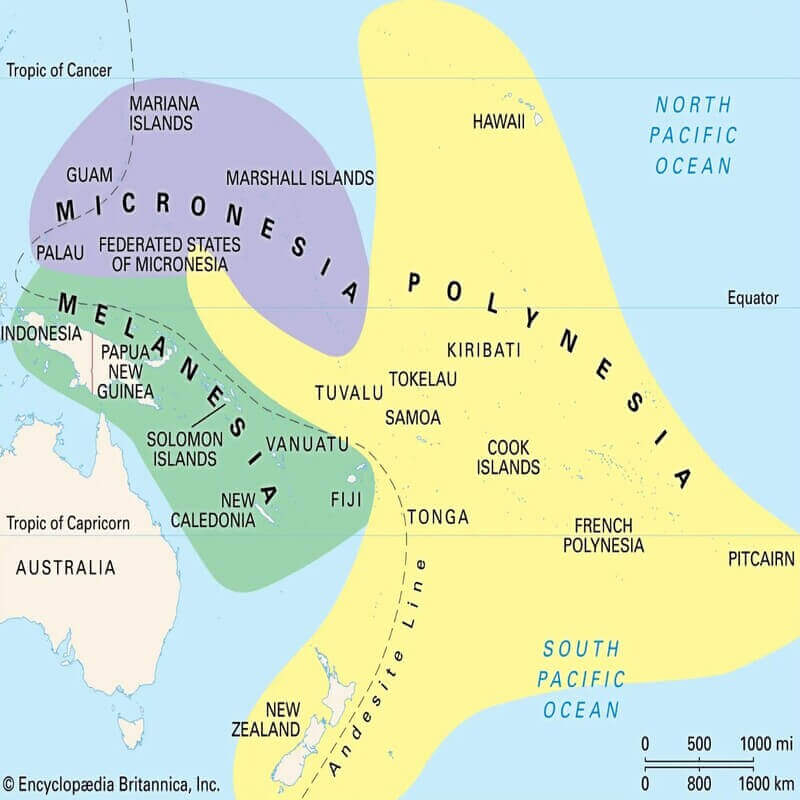
India as a member of FIPIC, has pledged $1 million for relief efforts in flood-hit “Papua New Guinea” showcasing solidarity with the affected nation.
What is the Forum for India–Pacific Islands Cooperation (FIPIC)?
The Forum for India-Pacific Islands Cooperation (FIPIC) is a multilateral platform established by India to enhance cooperation with the Pacific Island countries.
FIPIC was established by India in 2014 during the first FIPIC Summit held in Suva, Fiji.
The initiative was announced by PM Narendra Modi as part of India’s broader “Act East” policy to strengthen engagement with the Pacific Island countries.
Overview
Purpose: To enhance India’s engagement with Pacific Island nations and support their development priorities through cooperative projects and initiatives.
Members: Includes India and 14 Pacific Islands nations (Cook Islands, Fiji, Kiribati, Marshall Islands, Federated States of Micronesia, Nauru, Niue, Samoa, Solomon Islands, Palau, Papua New Guinea, Tonga, Tuvalu, and Vanuatu).
Summits
First Summit – Suva, Fiji (November 2014)
Context: Initiated by Indian Prime Minister Narendra Modi following the re-establishment of democracy in Fiji.
Significance: The summit highlighted the geopolitical interest of major powers in the Pacific, with Chinese leader Xi Jinping visiting Fiji shortly after Modi.
Second Summit – Jaipur, India (August 2015)
Follow-up: As a continuation of the first summit, Modi invited the leaders of the 14 Pacific Islands to Jaipur.
Discussions: Covered cooperation in areas such as the blue economy, oil and natural gas, IT, healthcare, fishing, and marine research. Modi also assured to address their climate change concerns at the 2015 UN Climate Change Conference (COP 21) in Paris.
Third Summit – Papua New Guinea (May 2023)
Current Status: Most recent summit, emphasizing ongoing cooperation and collaboration between India and the Pacific Island nations.
Back2Basics: India’s Act East Policy
Details
Launched in
November 2014, by PM Modi
Objective
To promote economic cooperation, cultural ties, and develop a strategic relationship with countries in the Indo-Pacific region;
Enhancing India’s influence and economic development, especially in the North Eastern Region (NER).
Scope
Extends beyond ASEAN to include East Asian countries.
Intensive and continuous engagement in connectivity, trade, culture, defense, and people-to-people contact at bilateral, regional, and multilateral levels.
Key Dimensions (4C’s)
Culture
Commerce
Connectivity
Capacity building
Security Focus
Enhanced security cooperation, particularly in the context of Chinese assertiveness in the South China Sea and Indian Ocean.
Promoting freedom of navigation and securing India’s role in the region.
Historical Context (Look East Policy)
Look East Policy initiated in 1992 by Prime Minister P.V. Narasimha Rao.
Focused on strengthening economic integration and cultural ties primarily with ASEAN countries.
Aimed to bolster India’s role as a regional power and counter China’s strategic influence.
Evolution from Look East Policy
Act East Policy is an upgrade and expansion of the Look East Policy, incorporating more comprehensive engagement strategies, including security cooperation and broader geographical focus.
Significant Engagements
India’s active participation in regional forums like the East Asia Summit (EAS), ASEAN Regional Forum (ARF), and informal groupings such as the Quad.
Strategic partnerships and dialogues at various international platforms.
Despite improvements in menstrual hygiene, female prisoners in India face neglect, highlighting systemic biases and unmet basic needs like sanitary products and proper facilities.
About NFHS Recently Conducted Survey:
The 5th round of the National Family Health Survey (NFHS 2019-2020) revealed that approximately 80% of young women aged 15-24 years are now using safe menstrual hygiene products.
This survey highlights a positive shift in menstrual hygiene management across India, particularly in urban areas and among certain demographics.
About the NCRB Data:
According to the National Crime Records Bureau (NCRB), there are 23,772 women in Indian prisons. Of these, 77% are in the reproductive age group (18-50 years) and are likely to be regular menstruators.
The availability of sanitary napkins has been inconsistent across different prisons, and the quality has often been unsatisfactory.
Many States have not implemented provisions from “the 2016 Model Prison Manual”, such as supplying adequate water and washroom facilities for female prisoners.
Overcrowding and poor socio-economic conditions further exacerbate the struggle of incarcerated women to secure basic necessities during menstruation.
BACK2BASICS: National Crime Records Bureau (NCRB)
NCRB was set up in 1986 to serve as a repository of information on crime and criminals. Its establishment was based on the recommendations of the Tandon Committee, the National Police Commission (1977-1981), and the Ministry of Home Affairs Taskforce (1985).
It is part of the Ministry of Home Affairs (MHA) and is headquartered in New Delhi.
NCRB acts as a “national warehouse” for the fingerprint records of both Indian and foreign criminals. It assists in locating interstate criminals through fingerprint searches.
About the National Menstrual Hygiene Policy:
In 2023, India formulated this policy to recognize menstruation as a natural process requiring meaningful attention. The policy aims to ensure equity in the safe and dignified management of menstrual hygiene.
It prioritises ensuring that all menstruating individuals, regardless of their socioeconomic status and geographical location, have equal opportunities to access and manage their menstruation safely and hygienically.
The Ministry of Home Affairs, which influences menstrual hygiene management in prisons, is overlooked as a critical stakeholder in the policy.
The key challenge of the policy is that it identifies prisoners as a target population with compromised access to menstrual hygiene facilities but lacks a concrete action plan to enhance menstrual hygiene management in prisons.
Other Government Initiatives to Improve Menstrual Health and Hygiene (MHH) in India
Integration of MHH into ASHA’s Role (2005-2010): The government integrated menstrual health and hygiene into the responsibilities of Accredited Social Health Activists (ASHA) as part of the National Rural Health Mission.
Menstrual Hygiene Scheme (MHS) Launched (2010): India initiated the Menstrual Hygiene Scheme (MHS) to distribute sanitary napkins to young girls.
Rashtriya Kishor Swasthya Karyakram Programme (2010): This program, under the Reproductive, Maternal, Newborn, Child and Adolescent Health scheme, increased awareness and access to sanitary pads.
Menstrual Hygiene Management Guidelines Issued (2011-2015): In 2011, the Ministry of Health and Family Welfare issued menstrual hygiene management guidelines. Additional directions were issued by the Ministry of Drinking Water and Sanitation in 2015.
Nirmal Bharat Yatra and Samagra Shiksha Abhiyan (2012): The Nirmal Bharat Yatra, a flagship sanitation program, included MHH as an integral aspect of its agenda. Simultaneously, other similar programs under the Samagra Shiksha Abhiyan began, including initiatives to promote sanitary napkin vending machines and incinerators for safe disposal.
WASH targets for prisons:
Way Forward:
Ensure Basic Standards of Menstrual Hygiene: The Indian government must guarantee that basic standards of menstrual hygiene for women in captivity are met consistently across all prisons.
Implement Model Prison Manual 2016: The government must ensure that all States adhere to the recommendations outlined in the manual, which includes provisions for adequate water and washroom facilities for female prisoners.
Mains PYQ:
Q In order to enhance the prospects of social development, sound and adequate health care policies are needed particularly in the fields of geriatric and maternal health care. Discuss. (UPSC IAS/2020)
![[29 May 2024] The Hindu Op-ed: The Constitution, a surprise entrant in poll battlefield](https://www.civilsdaily.com/wp-content/uploads/2024/05/29-may-1568x882.jpg)