💥Join UPSC 2027,2028 Mentorship (July Batch) + XFactor Notes & Microthemes PDF

GS Paper: GS1-06.Salient features of Indian Society


  • Tribes in news: Khasi

    Why in the News?

    The Meghalaya High Court heard a PIL against the Khasi Lineage Act (preserves Khasi matrilineal traditions) for allegedly denying ST certificates to those with paternal surnames.

    Tribes in news: Khasi

    About Khasi Tribe:

    • Region: Indigenous to Meghalaya, Northeast India.
    • Linguistic Family: Belong to the Austroasiatic language group.
    • Language: Speak Khasi language, written in the Roman script, with several dialects.
    • Religion: Follow Niam Khasi (traditional animist faith); many are also Christians.
    • Mythical Origin: Believe in Ki Hynniew Trep – the seven ancestral clans who descended from heaven.
    • Cultural Identity: Strong emphasis on nature worship, oral traditions, and clan-based social structure.

    Special Customs and Traditions:

    • Inheritance System: Follows matrilineal inheritance – property and surname pass from mother to daughter.
    • Post-Marital Residence: Follow matrilocality, where the husband lives in the wife’s household.
    • Heir Designation: The Ka Khadduh (youngest daughter) is the custodian of family property and ancestral duties.
    • Marriage Rules: Practice clan exogamymarriage within the same clan is prohibited to avoid incest.
    • Village Governance: Administered through Dorbar Shnong (village councils) and led by Syiem (traditional chiefs).
    • Major Festivals:
      • Shad Suk Mynsiem – A thanksgiving and harvest dance.
      • Shad Nongkrem – A royal ritual dance for communal prosperity.
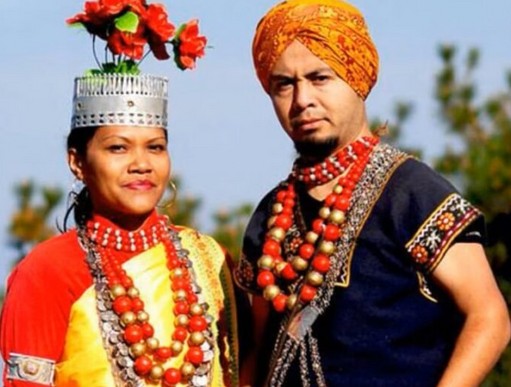
    • Traditional Attire:
      • Women wear the Jainsem (a draped dress with silver jewelry).
      • Men wear tunic-style garments and ceremonial headgear.
    • Spiritual Practices: Emphasize ancestor veneration and worship of natural elements like stones, rivers, and groves.
    [UPSC 2014] With reference to ‘Changpa’ community of India, consider the following statements:

    1. They live mainly in the State of Uttarakhand. 2. They rear the Pashmina goats that yield a fine wool. 3. They are kept in the category of Scheduled Tribes.

    Which of the statements given above is/are correct?

    Options: (a) 1 only (b) 2 and 3 only* (c) 3 only (d) 1, 2 and 3


  • Hatti Tradition of Polyandry

    Why in the news?

    The recent polyandrous marriage in Himachal Pradesh has brought the spotlight back on the customary practices of the Hatti tribe.

    About Hatti Tribe:

    • Location: Indigenous to the Trans-Giri region (Himachal Pradesh) and Jaunsar Bawar region (Uttarakhand).
    • Rivers: Settled around the Giri and Tons rivers, tributaries of the Yamuna.
    • Etymology: “Hatti” derives from “haat” (traditional village markets).
    • Population: Around 2.5 lakh in 2011; now estimated at 3 lakh.
    • Traditional Governance: Khumbli (tribal council) handles disputes and key decisions.
    • Social Structure: Divided into upper castes (Bhat, Khash) and lower castes (Badhois).
    • Livelihood: Depend mainly on agriculture; eco-tourism also provides seasonal income.
    • Backwardness: Social and educational deprivation due to geographical isolation.
    • Scheduled Tribe Status:
      • Jaunsar Bawar (Uttarakhand) recognized in 1967.
      • Trans-Giri region (Himachal Pradesh) granted status in 2023–24.

    Legal Status of Polygamy and Polyandry:

    • Prohibition: Banned under Hindu Marriage Act (1955), Special Marriage Act, and Bharatiya Nyaya Sanhita.
    • Exemption for Scheduled Tribes: These laws do not automatically apply to Scheduled Tribes unless notified by the Central Government.
    • Constitutional Provision: Article 342 gives Scheduled Tribes distinct legal recognition.
    • Legal Exemption Clause: Section 2(2) of the Hindu Marriage Act exempts Scheduled Tribes unless otherwise notified.
    • Definition of Custom: Recognised if the practice is long-standing, reasonable, and not against public policy.
    • Judicial Requirement: Courts need clear evidence to validate customary laws.
    • Uniform Civil Code (Uttarakhand, 2024): Explicitly excludes Scheduled Tribes.
    • UCC Rules (2025): Confirms UCC does not apply to groups protected under Part XXI of the Constitution.

    Related Judicial Pronouncements:

    • Customs vs Fundamental Rights: The Supreme Court strikes down customs that violate equality, dignity, or liberty.
    • Triple Talaq Case: Declared unconstitutional as it violated Articles 14 and 21.
    • Ram Charan v. Sukhram (2024): Tribal women cannot be denied inheritance based on customary male preference.
    • Judicial Outlook: Customs must adapt and cannot override fundamental rights.
    [UPSC 2019] Which Article of the Constitution of India safeguards one’s right to marry the person of one’s choice?

    Options: (a) Article 19 (b) Article 21* (c) Article 25 (d) Article 29


  • [11th July 2025] The Hindu Op-ed: Aiding India’s progress with choice, control and capital

    PYQ Relevance:

    [UPSC 2019] Empowering women is the key to control population growth”. Discuss

    Linkage: The PYQ’s focus on “Empowering women” directly reflects this crucial aspect of granting individuals, particularly young women, the choice and control over their bodies and lives. The article further elaborates that true empowerment means equipping adolescents, especially girls, with the skills, education, and opportunities.


    Mentor’s Comment:  The World Population Day 2025 has reignited global and national discussions on youth empowerment, reproductive rights, and falling fertility rates. With the theme “Empowering young people to create the families they want in a fair and hopeful world”, the UN highlights the need for informed reproductive choices and access to health, education, and economic opportunities, especially for India’s large youth population. The day also coincides with the release of the UNFPA’s State of World Population Report 2025, which warns that the real fertility crisis lies not in declining birth rates, but in the unmet reproductive goals due to financial, social, and infrastructural constraints. 

    Today’s editorial analyses the youth empowerment, reproductive rights, and falling fertility rates. This topic is important for  GS Paper I (Indian Society) in the UPSC mains exam.

    _

    Let’s learn!

    Why in the News?

    Recently, World Population Day 2025 has brought renewed attention to global and national debates on empowering youth, ensuring reproductive rights, and addressing the challenges of declining fertility rates.

    Why is youth empowerment essential for harnessing India’s demographic dividend?

    • India’s youth population is a major economic asset: With over 371 million people aged 15–29, India has the world’s largest youth population. If equipped with quality education, skills, health, and family planning services, this segment can become a powerful engine of economic growth and innovation.
    • Youth empowerment boosts national productivity and employment: Empowered youth can significantly reduce unemployment and enhance social outcomes. According to the World Bank and NITI Aayog, unlocking youth potential could increase India’s GDP by up to $1 trillion by 2030.
    • Empowerment ensures participation in nation-building: By promoting reproductive autonomy, gender equality, and economic independence, youth, especially young women, can participate in decision-making and shape their futures, contributing meaningfully to sustainable development.

    What barriers hinder reproductive autonomy and fertility choices in India?

    • Limited access to family planning services and information: A significant share of the population lacks access to modern contraceptives, comprehensive sexual and reproductive health education, and counselling. Eg: According to the UNFPA State of World Population Report 2025, 36% of Indian adults faced unintended pregnancies, while 30% had unmet reproductive goals, reflecting systemic gaps in reproductive healthcare access.
    • Socio-cultural norms and gender inequality: Patriarchal attitudes, early marriages, and taboos around women’s reproductive rights often prevent young women from making independent fertility decisions. Eg: Though child marriage rates have declined, they remain high at 23.3% (NFHS-5, 2019–21), indicating how cultural practices continue to limit women’s reproductive autonomy.
    • Economic insecurity and structural barriers: Financial constraints, lack of housing, quality childcare, and secure employment inhibit couples from achieving their desired family size. Eg: A UNFPA survey found that 38% of Indian respondents cited financial limitations and 22% housing constraintsas major reasons for not fulfilling fertility aspirations.

    How have schemes tackled child marriage and women’s empowerment?

    • Promoting girls’ education to delay early marriages: Schemes like Project Udaan in Rajasthan focused on keeping girls in secondary school using government scholarships, reducing the incidence of child marriage and teenage pregnancy.
    • Enhancing reproductive health awareness and services: Programmes such as Udaan and Advika improved access to modern contraceptives and sexual and reproductive health education, thereby strengthening reproductive agency among young women.
    • Empowering adolescents through life skills and leadership training: The Advika programme in Odisha helped prevent child marriage by providing life-skills training, leadership development, and child protection awareness across thousands of villages.
    • Fostering economic independence and employment: Project Manzil, implemented in Rajasthan, aligned skill training with young women’s aspirations and connected them to gender-sensitive workplaces, empowering over 16,000 women with employment and negotiation power.
    • Engaging communities to shift social norms: Behaviour change strategies under projects like Manzil worked to challenge harmful gender norms and involved families and communities, leading to reduced resistance against girls’ education and work.

    Why should population discourse focus on rights and gender equity over fertility panic?

    • Respecting reproductive autonomy prevents coercion: Framing falling fertility as a “crisis” can lead to target-driven pronatalist policies that pressure women to reproduce, threatening their right to bodily autonomy. Eg: In countries like Hungary and Iran, such policies have led to restrictions on abortion and contraception, undermining women’s freedom.
    • Empowering women yields long-term social gains: Promoting gender equality, economic participation, and education for women improves both fertility decisions and broader development outcomes. Eg: Nordic countries like Sweden focus on workplace equality and parental leave, ensuring women can choose when and whether to have children.
    • Inclusive policy design avoids harmful stereotyping: Fertility panic often ignores the needs of those who want children but face barriers, while blaming those who are voluntarily childfree. Eg: The UNFPA’s 2025 report shows that 40% of respondents globally had to forgo childbearing due to financial and structural obstacles, not personal choice.

    What can India learn from global responses to fertility decline?

    • Focus on enabling choices, not coercion: Countries like South Korea have spent billions on pronatalist incentives, but results remained limited until recent societal support systems (e.g., childcare, housing, and financial aid) improved. India must prioritize voluntary reproductive agency over target-driven incentives.
    • Promote gender equity in workforce and caregiving: Fertility policies that reinforce traditional gender roles have backfired. Instead of pressuring women to bear more children, countries like Sweden have boosted fertility by promoting gender-equal parenting, paternal leave, and women’s employment, which India can emulate.

    Way forward: 

    • Invest in rights-based reproductive health systems: Ensure universal access to quality contraceptives, safe abortion, maternal care, and infertility services, while safeguarding individuals’ reproductive autonomy through accurate health education and gender-sensitive policies.
    • Shift from fertility targets to gender equity: Focus on empowering women through education, economic independence, and childcare support, instead of promoting pronatalist incentives that risk reinforcing patriarchal norms and limiting personal choices.
  • The unregulated drink: rethinking alcohol control in India

    Why in the News?

    India’s rising alcohol use is not just a health issue — it is a major national problem affecting many areas. Even though experts say no amount of alcohol is safe, about one in four Indian men drink. Drinking heavily and often is now becoming more common across the country.

    What are the key risks of alcohol consumption in India?

    • Health Risks and Non-Communicable Diseases (NCDs): Alcohol significantly increases the risk of cancer, liver disease, cardiovascular issues, and mental illnesses. Eg: Chronic alcohol use is a leading cause of liver cirrhosis and is linked to mouth and throat cancers in India.
    • Injuries and Accidents: Alcohol impairs judgement and coordination, leading to road accidents, falls, and workplace injuries. Eg: A large number of road traffic fatalities in India are associated with drunk driving, particularly among youth.
    • Mental Health and Suicide: Alcohol contributes to depression, anxiety, and is a major risk factor for suicide. Eg: The National Suicide Prevention Strategy (2022) identified alcohol use as a key driver of suicides in India.
    • Violence and Crime: Alcohol consumption is linked with domestic violence, sexual assault, and violent crimes. Eg: NFHS-5 data shows higher incidence of domestic violence in households where alcohol is consumed regularly.
    • Economic and Social Burden: Alcohol use contributes to ₹6.24 trillion in societal costs (2021), including healthcare, lost productivity, and law enforcement. Eg: The burden of alcohol-related diseases adds pressure to India’s public health system, particularly in rural areas.

    Why is a national alcohol policy necessary?

    • Fragmented and Inconsistent State Regulations: Alcohol laws, legal drinking age, pricing, and prohibition vary widely across States, causing regulatory confusion and uneven implementation. Eg: Bihar enforces prohibition, while States like Kerala promote toddy as a “natural beverage” under its Akbari Policy.
    • Public Health Emergency: Rising alcohol consumption is linked to cancer, mental illness, suicides, and injuries, posing a major national health burden. Eg: In 2021, alcohol-related harm caused 2.6 million DALYs and cost India ₹6.24 trillion in societal losses.
    • Lack of Centralised Coordination and Accountability: Regulatory responsibility is scattered across multiple ministries with no unified approach, weakening policy impact. Eg: Demand reduction is handled by the Ministry of Social Justice, while supply and harm reduction are spread across Health, Finance, and Home Affairs ministries.

    Who regulates alcohol demand and supply in India?

    • State governments: Regulate production, distribution, pricing, sale, and consumption.
    • Ministry of Social Justice: Leads demand reduction (e.g., Nasha Mukta Bharat Abhiyan).
    • Ministries of Home Affairs, Finance, and Health: Handle supply and harm reduction.
    • No single authority: Regulatory efforts are scattered and lack coordination.

    How do marketing and digital platforms influence alcohol use?

    • Surrogate Advertising and Brand Promotion: Despite legal restrictions, alcohol brands use surrogate advertising, brand sponsorships, and strategic product placements to maintain visibility. Eg: Alcohol brands often sponsor music festivals and sports events, indirectly promoting their products to younger audiences.
    • Social Media and Algorithmic Amplification: Social media algorithms boost alcohol-related content (ARC), while “alcohol influencers” glamorize drinking and normalize it among youth. Eg: Platforms like Instagram and YouTube promote posts showing alcohol as part of a luxury lifestyle, increasing its social appeal.
    • Attractive Packaging and Retail Tactics: Use of sleek bottles, premium branding, and Happy Hour deals enhance the aspirational value of alcohol and make it more appealing. Eg: Pre-mixed cocktails and flavoured spirits are marketed to attract young and first-time users.

    Way forward: 

    • Formulate a Unified National Alcohol Control Policy: Develop a comprehensive, evidence-based policy that aligns efforts across States and Central ministries, focusing on public health, harm reduction, and regulation of digital content.
    • Invest in Public Awareness and Education: Launch large-scale awareness campaigns highlighting the health risks of alcohol, similar to tobacco control programs, to shift social norms and perceptions. Eg: Educating youth on links between alcohol and mental illness, cancer, and poverty can reduce its aspirational appeal.

    Mains PYQ:

    [UPSC 2024] In a crucial domain like the public healthcare system, the Indian State should play a vital role to contain the adverse impact of marketisation of the system. Suggest some measures through which the State can enhance the reach of public health care at the grassroots level.

    Linkage: This article explicitly highlights alcohol consumption as a significant public health issue in India, leading to injuries, mental illness, non-communicable diseases like cancer, and contributing to approximately 2.6 million Disability-Adjusted Life Years (DALYs) in 2021.

  • Govt. approves ‘Caste Census’

    Why in the News?

    In a landmark move, the Cabinet Committee on Political Affairs (CCPA) has approved the inclusion of caste enumeration in the 2025 population census for the first time since India’s independence.

    What is Caste Census?

    • A caste census is the process of recording individuals’ caste identities during a national census.
    • It aims to gather data on the distribution and socio-economic status of different caste groups, helping inform policies related to affirmative action, social justice, and welfare programs in India.
    • Caste plays a significant role in the country’s social, economic, and political life.
    • History of Caste Census:
      • British India (1881–1931): Caste enumeration was part of the decennial census under British rule, used for administrative purposes.
      • Post-Independence (1951): After independence, the Indian government, led by Jawaharlal Nehru, discontinued caste enumeration to promote national unity and avoid social divisions.
      • 1961 Directive: States were allowed to collect their own data on Other Backward Classes (OBCs), leading to fragmented caste data collection at the state level.
      • 1980 Mandal Commission: The commission recommended 27% reservation for OBCs in government jobs, fuelling the demand for caste-based data. The lack of national caste data made the implementation of such policies contentious.
      • 2011 Socio-Economic Caste Census (SECC): The SECC collected caste data, but it was not officially integrated into the census, and its findings were not fully released, drawing criticism for lack of transparency and application.

    Implications of Caste Census:

    • Political: It can help improve representation for marginalized groups and ensure better-targeted welfare programs.
    • Social: Unveils intersectional disparities, helping identify gaps in services like education, healthcare, and social protection.
    • Policy: Aids in shaping reservation policies and resource allocation for poverty alleviation.
    • Opposition and Concerns: Some worry it may reinforce caste-based divisions, particularly among upper-caste groups and certain political factions.
    • Electoral and Governance: Accurate data influences electoral strategies, helping parties address community-specific needs.
    • Legal and Administrative Impact: The 2025 caste enumeration raises issues regarding data collection, classification, and use, ensuring it is applied effectively without reinforcing caste-based disparities.
    [UPSC 2008] Amongst the following States, which one has the highest percentage of rural population (on the basis of the Census, 2001)?

    Options: (a) Himachal Pradesh* (b) Bihar (c) Odisha (d) Uttar Pradesh


  • [29th April 2025] The Hindu Op-ed: Role in a risk society: how women bear a disproportionate burden

    PYQ Relevance:

    [UPSC 2019] What are the continued challenges for women in India against time and space?

    Linkage: The article details talk about the various challenges that contribute to women bearing a disproportionate burden, including socio-economic inequalities, health risks, and the burden of caregiving roles.


    Mentor’s Comment: In a risk society — where modernisation creates new, man-made dangers like pandemics or climate crises — women face deeper vulnerabilities due to caregiving burdens, poor health, insecure work, and limited access to aid or resources. This gendered risk is not incidental but structural.

    This is relevant for GS Paper 1 (Indian Society) and themes like “Challenges for women across time and space”.

    _

    Let’s learn!

    Why in the News?

    The term ‘risk society’, coined by Ulrich Beck in his book Risk Society: Towards a New Modernity, refers to a shift from an industrial society to a society where uncertainty and dangers, caused by technology and environmental changes, play a larger role in shaping our lives.

    Why are women more vulnerable to the consequences of risks in a risk society, especially in developing countries?

    • Unequal Access to Resources: Women often have less access to land, credit, education, and technology compared to men. Eg: In rural areas of Africa and South Asia, women farmers typically control smaller plots and have less access to irrigation or improved seeds, making them more vulnerable to climate shocks like droughts.
    • Caregiving Responsibilities Increase Exposure: Women are usually responsible for caregiving roles (childcare, eldercare, healthcare), exposing them more to environmental and health risks. Eg: During the COVID-19 pandemic, women healthcare workers (70% of health workforce globally) faced higher exposure to the virus.
    • Greater Health Vulnerabilities: Due to physiological factors and social inequalities (like poor nutrition), women face higher health risks during environmental crises. Eg: In India, 57% of women suffer from anaemia (NFHS-5), making them more vulnerable during food shortages or health crises.
    • Social and Cultural Norms Deepen Disadvantages: Gender norms often prioritize men’s needs over women’s during disasters, leading to unequal relief, recovery, and aid access. Eg: After natural disasters like the 2004 Indian Ocean tsunami, women had lower survival rates partly because cultural norms restricted their ability to swim or climb trees.
    • Economic Insecurity Limits Resilience: Women are overrepresented in informal, low-wage, and insecure jobs, making it harder for them to recover from economic disruptions. Eg: During lockdowns in 2020, women in informal sectors (like domestic work or street vending) lost incomes faster and found it harder to regain employment.

    How do manufactured risks differ from natural risks?

    Aspect Natural Risks Manufactured Risks
    Origin of the Risks Arise from natural events or phenomena without human intervention. Result from human activities, often related to technological, industrial, or environmental actions
    Eg. Earthquakes, floods, storms Chernobyl nuclear disaster, pollution from industrial activities
    Predictability and Control Typically unpredictable, though some can be forecasted with scientific tools. Often foreseeable and manageable through technologies or regulations.
    Eg. Earthquakes (hard to predict), hurricanes (can be forecasted) Air pollution (can be reduced through cleaner technologies)
    Scope and Impact Often localized, though some (e.g., pandemics) can have widespread effects. Tend to have global implications, affecting large populations and interconnected systems.
    Eg. Flood in a specific region Climate change causing global consequences (e.g., rising sea levels, extreme weather)

    How did significant disasters like the Chernobyl nuclear accident and the COVID-19 pandemic reveal the vulnerabilities of an interconnected world?

    • Global Spread of Consequences: Both disasters showed how localized events can have widespread, global implications due to the interconnectedness of modern society. Eg: The Chernobyl disaster in 1986 released radioactive material into the atmosphere, which was carried by wind and affected countries across Europe, highlighting how environmental risks can transcend national borders. Similarly, the COVID-19 pandemic, originating in China, spread rapidly across the globe, disrupting economies and health systems worldwide.
    • Overwhelming Existing Systems: Both events overwhelmed existing infrastructures, revealing vulnerabilities in global systems that were ill-equipped to handle large-scale crises. Eg: In Chernobyl, the failure to control the nuclear fallout showed the inadequacies of disaster management and safety protocols, especially with complex technologies. The COVID-19 pandemic exposed weaknesses in healthcare systems, even in developed countries, as hospitals were overwhelmed with patients and unable to cope with the rapid spread of the virus.
    • Amplification of Inequalities: Both disasters deepened existing inequalities, demonstrating how interconnected risks can exacerbate vulnerabilities for marginalized groups. Eg: Chernobyl disproportionately affected nearby populations, including poorer communities, who were more vulnerable to health impacts due to limited access to resources and healthcare. The COVID-19 pandemic similarly highlighted how marginalized groups, such as low-income workers and people in developing countries, suffered more from economic disruption and limited access to healthcare.

    Who primarily bears the burden of managing risks in households, especially related to environmental and health hazards?

    • Women as Primary Caregivers: In many societies, especially in developing countries, women are the primary caregivers and household managers, placing them at the forefront of managing health and environmental risks. Eg: Women often handle household chores such as cooking, cleaning, and caring for children or elderly family members, putting them at increased exposure to risks like air pollution from solid fuel use or water contamination.
    • Gendered Roles in Resource Management: Women are frequently responsible for collecting water, gathering fuel, and managing food resources, making them more vulnerable to environmental hazards like water scarcity, pollution, and food insecurity. Eg: In rural areas, women often walk long distances to collect water, and if these water sources are contaminated, they face health risks directly, such as waterborne diseases.
    • Economic and Social Vulnerabilities: Women’s economic position and access to resources are often limited, making it harder for them to recover from environmental or health-related disasters. Their roles as caregivers are frequently undervalued, and they often lack the financial independence or support to manage risks effectively. Eg: In the aftermath of climate-related disasters like floods or droughts, women, especially in rural or low-income households, may face greater difficulties in accessing relief or rebuilding their livelihoods, further exacerbating their vulnerability.

    What are the steps taken by the Indian government? 

    • National Action Plan on Climate Change (NAPCC): Launched in 2008 to tackle climate change by promoting renewable energy and enhancing climate resilience (e.g., National Solar Mission).
    • Swachh Bharat Abhiyan (Clean India Mission): Initiated in 2014 to improve sanitation and reduce health hazards through waste management and toilet construction.
    • Pradhan Mantri Fasal Bima Yojana (PMFBY): Launched in 2016 to provide crop insurance, protecting farmers from losses due to natural calamities.

    Way forward: 

    • Strengthening Gender-Responsive Policies: Develop and implement policies that address the specific needs of women in disaster management, healthcare, and environmental sustainability to reduce vulnerabilities.
    • Enhancing Access to Resources and Technology: Improve access to education, technology, and financial resources for women, particularly in rural areas, to enable them to better manage and mitigate risks.
  • [12th April 2025] The Hindu Op-ed: The Beijing India Report as milestone and opportunity

    PYQ Relevance:

    [UPSC 2019] What are the continued challenges for women in India against time and space?

    Linkage: The challenges that women still face are a major concern under the Beijing Platform for Action and are likely to be reviewed in the Beijing India Report. Pointing out these ongoing issues shows how much more needs to be done to reach the goals of the Beijing Declaration.


    Mentor’s Comment:  It’s been 30 years since the Beijing Declaration set a global plan for gender equality across areas like education, health, and politics. In India, it led to key laws like the Domestic Violence Act and the POSH Act, and encouraged women’s economic empowerment. However, poor implementation still creates a gap between legal rights and the real experiences of women.

    Today’s editorial discusses how gender inequality and climate change are interconnected. This topic is relevant for GS Paper 1 (Women’s Issues), GS Paper 2 (Policy Making), and GS Paper 3 (Impact of Climate Change). It highlights the challenges women face due to climate change and the need for better policies to address these issues.

    _

    Let’s learn!

    Why in the News?

    The report lacks a strong link between climate and gender, and this needs to be fixed through policy improvements and changes at the grassroots level.

    Why does this report lack a strong link between climate and gender?

    • Limited Focus on Gender-Specific Impacts: The report fails to adequately highlight how climate change specifically affects women, especially in rural areas. Eg: It doesn’t emphasize the extra burden women face in collecting water or gathering fuel during droughts, which worsens due to climate change.
    • Insufficient Data on Gendered Vulnerabilities: The report lacks comprehensive data on the gendered impacts of climate change, leaving out how women are disproportionately affected by disasters and resource scarcity. Eg: It overlooks how climate-induced migration increases women’s vulnerability to gender-based violence.
    • Absence of Gender-Responsive Climate Policies: The report doesn’t propose clear actions for integrating gender into climate policies, limiting women’s participation in climate adaptation and decision-making. Eg: There are no specific recommendations for promoting women’s leadership in local climate action plans or agricultural adaptation strategies.

    What challenges do rural women face due to gender inequality and climate change?

    Challenge Impact on Rural Women Example/Evidence
    Education Disruption Climate-induced migration and household burdens force girls to drop out of school. In Dhanelikanhar village, Chhattisgarh, girls are leaving school due to displacement caused by climate stress and migration.
    Unpaid Care Work Resource scarcity increases women’s burden of water, fuel collection, and caregiving, limiting their economic opportunities. Arsht-Rock report: Rural Indian women work over 8 hours daily, with 71% of their labor unpaid, deepening gender inequality.
    Health Vulnerability Malnutrition, anaemia, and reproductive health issues rise due to food insecurity and lack of healthcare access. Over 50% of pregnant women in India are anaemic; food-insecure women are 1.6x more likely to suffer from anaemia.
    Livelihood Loss Extreme weather reduces agricultural output and affects non-farm livelihoods where women are largely employed. Climate change causes up to 33% income loss in rural areas, with women in non-farm sectors most affected.
    Exposure to Violence and Safety Risks Climate stress and resource conflicts heighten risks of intimate partner violence and general insecurity. A study shows every 1°C rise in temperature leads to 8% more physical violence and 7.3% more sexual violence against women in India.

    Why is a gender-climate lens vital for India’s sustainable future, as per the Beijing India Report 2024?

    • Inclusive Policy Design: A gender-climate lens ensures that women’s specific vulnerabilities are addressed in climate policies. Eg: Only 6% of climate policies globally mention women, leading to gender-blind strategies in India’s rural development.
    • Strengthening Resilience: Recognizing women’s roles in natural resource management and agriculture strengthens community resilience to climate shocks. Eg: Rural and tribal women preserve climate-resilient seeds, essential for adaptive farming during droughts and floods.
    • Reducing Inequality: Targeted climate budgeting and gender audits help close gaps in access to resources, services, and decision-making power. Eg: Women’s unpaid work, like water and fuel collection, could rise to 8.3 hours/day by 2050 without gender-responsive policies.
    • Boosting Food Security: Closing the gender gap in agricultural resources increases productivity and national food security. Eg: Empowering women farmers can raise farm yields by 20%-30%, feeding up to 150 million more people.
    • Empowering Local Leadership: Women-led climate initiatives promote local innovation, disaster preparedness, and sustainability. Eg: Women’s self-help groups in climate-vulnerable areas act as first responders during disasters and promote eco-friendly practices.

    What are the steps taken by the Indian government?

    • Inclusion in National Climate Frameworks: The government has integrated gender concerns into major climate policies like the National Action Plan on Climate Change (NAPCC) and State Action Plans (SAPCCs). Eg: Some SAPCCs include women’s role in sustainable agriculture and water management initiatives.
    • Legislative and Policy Support for Women’s Empowerment: Laws like the Protection of Women from Domestic Violence Act and POSH Act strengthen the overall gender rights framework, which intersects with climate resilience. Eg: These laws provide safety nets that support women’s participation in community and environmental activities.
    • Promotion of Women-Led Livelihoods in Rural Missions: Schemes like the National Rural Livelihoods Mission (NRLM) support women’s Self-Help Groups (SHGs) to engage in sustainable practices. Eg: Women SHGs in Odisha and Chhattisgarh are trained in climate-resilient farming and forest produce collection.

    Where should policies and budgets focus to support gender-responsive climate action? (Way forward)

    • Gender-Responsive Climate Budgeting: Policies must ensure budgets address the specific climate vulnerabilities of women and prevent greenwashing. Eg: Creating separate budget lines for women’s disaster relief and climate-resilient livelihood schemes in rural areas.
    • Climate Education and Skill Building: Invest in capacity building for women to participate in climate action and green jobs. Eg: Training rural women in solar panel installation or eco-friendly farming techniques.
    • Support Hubs and Safety Services: Establish community hubs that offer healthcare, disaster relief, and protection from gender-based violence. Eg: Setting up women-centric climate support centers in flood-prone regions of Assam.
    • Non-Farm Livelihood Diversification: Promote alternative income sources for women affected by climate-related agricultural losses. Eg: Funding mushroom farming or tailoring units for women in drought-hit Bundelkhand.
    • Inclusion in Local Governance and Decision-Making: Ensure women’s representation in local climate planning and governance bodies. Eg: Mandating women’s participation in State and District Climate Action Committees in Madhya Pradesh.
  • India ranked 118th on the World Happiness Index

    Why in the News?

    India has improved its position in the World Happiness Report 2025, climbing to 118th place among 147 countries, up from 126th last year.

    About the World Happiness Index (WHI)

    • The WHI is part of the World Happiness Report, a global survey conducted by the Sustainable Development Solutions Network (SDSN), an initiative of the United Nations.
    • The report ranks countries based on citizens’ self-reported happiness, focusing on life satisfaction and overall well-being.
    • The rankings are primarily based on data gathered from the Gallup World Poll, where individuals rate their own lives on a 0-10 scale using the Cantril Ladder method.
    • 6 key factors influence these evaluations:
    1. GDP per capita
    2. Healthy life expectancy
    3. Social support
    4. Freedom
    5. Generosity
    6. Perception of corruption

    Key Highlights of the World Happiness Report 2025:

    • Top Countries: Finland remains the happiest country for the eighth consecutive year. Denmark, Iceland, and Sweden are also in the top ranks. Costa Rica (6th) and Mexico (10th) entered the top 10 for the first time. Israel ranked 8th despite conflicts.
    • Declining Happiness in Western Nations: The United States dropped to 24th, and the United Kingdom fell to 23rd, with both countries experiencing increased social isolation.
    • Least Happy Countries: Afghanistan remains the least happy, with Sierra Leone and Lebanon also in the bottom three.
    • India’s Improvement:
    • India improved its ranking from 126th to 118th, with its happiness score rising from 4.054 to 4.389.
      • Despite its economic growth, technological advancements, and improvements in healthcare and education, it continues to rank lower than its neighboring countries like Pakistan (109th).

    PYQ:

    [UPSC 2004] Human Development Index comprises literacy rates, life expectancy at birth and-

    (a) Gross Domestic Product per head in US dollars

    (b) Gross National Product per head in US dollars

    (c) Purchasing Power Parity in US dollars

    (d) National Income per head in US dollars


  • [8th March 2025] The Hindu Op-ed: What ails Pre-Clinical PG Courses?

    PYQ Relevance:

    Q) Appropriate local community level healthcare intervention is a prerequisite to achieve ‘Health for All’ in India. Explain. (UPSC CSE 2018)


    Mentor’s Comment: UPSC mains have always focused on the ‘Health for All’ (2018) and primary health structure is a necessary precondition (2021).

    No students enrolled in postgraduate (PG) medical pre-clinical courses like anatomy, biochemistry, physiology, forensic medicine, microbiology, and pharmacology at Vydehi Institute of Medical Sciences and Research Centre (VIMS), Bengaluru, until the second round of PG-NEET counselling.

    Today’s editorial discusses the issues related to postgraduate medical seats. This content would help in GS Paper 2 and 3 in the mains paper.

    _

    Let’s learn!

    Why in the News?

    Many postgraduate medical seats are vacant this year because students are choosing pre-clinical courses.

    Why are postgraduate medical students reluctant to choose pre-clinical courses in Karnataka?

    • Lack of Job Opportunities: Pre-clinical graduates cannot practice as doctors and are limited to working in laboratories, diagnostic centers, or as faculty. Example: Despite reducing tuition fees and offering job guarantees, private institutions like the Vydehi Institute of Medical Sciences struggle to fill pre-clinical seats due to limited employment avenues.
    • Lower Salary Compared to Clinical Courses: Pre-clinical roles offer significantly lower remuneration than clinical practice, making them financially unattractive. Example: A clinical doctor can earn a higher salary working in hospitals or private practice, while pre-clinical graduates face salary stagnation in academic or lab-based roles.
    • Limited Career Progression and Mobility: Clinical course graduates have the flexibility to work globally and in various healthcare sectors, while pre-clinical graduates are restricted to teaching or research roles. Example: An MD in General Medicine can practice as a physician anywhere, whereas an MD in Anatomy primarily qualifies for academic positions.
    • High Capital Requirement for Self-Employment: Establishing independent diagnostic centers requires significant investment, which deters pre-clinical graduates from entrepreneurial ventures. Example: Diagnostic centers with advanced technology demand substantial startup costs, making it challenging for pre-clinical graduates to become self-employed.
    • Persistent Seat Vacancies Reflect Low Demand: Consistent under-enrollment over the years signals a long-term disinterest in these courses. Example: In 2024-25, only 6 out of 104 MD Anatomy seats were filled in Karnataka, despite five rounds of counselling and reduced cut-off percentages.

    What is the trend of student enrollment in PG medical courses at the all-India level?

    • Substantial Increase in PG Medical Seats: The number of PG medical seats has risen from 31,185 before 2014 to 70,645 by the 2023-24 academic year, marking a 127% increase.
    • Growth in Medical Colleges: The total number of medical colleges has expanded by 82%, from 387 before 2014 to 704 in 2023. This expansion has contributed to the increased availability of both undergraduate (UG) and PG medical seats.
    • Rising Demand for Medical Education: The number of candidates aspiring to study MBBS grew from 16 lakh in 2019 to 24 lakh in 2024, reflecting a heightened interest in medical education.
    • Improved UG to PG Seat Ratio: The ratio of UG to PG medical seats improved from 2.1:1 in 2018-19 to 1.9:1 in 2022-23, indicating better alignment between the number of medical graduates and available PG training opportunities.
    • Emerging Challenges: Despite the increase in seats, challenges such as geographic disparities in seat distribution and concerns about the quality of education persist.
      • For example,  Karnataka has the highest number of PG medical seats, totaling 5,984, with a significant contribution from private institutions, but States like Arunachal Pradesh, Dadra and Nagar Haveli, Mizoram, and Nagaland currently do not offer PG medical seats.

    What is the significance of pre-clinical courses? 

    • Foundation for Advanced Medical Practice: Pre-clinical courses (Anatomy, Physiology, Biochemistry) provide the scientific basis for understanding human biology and disease mechanisms. Example: The COVID-19 pandemic highlighted the importance of biochemistry in vaccine development and understanding viral behavior.
    • Essential for Medical Education and Training: These courses are crucial for training future doctors, ensuring they understand the human body before clinical practice. Example: Medical schools worldwide adopted virtual anatomy labs during the pandemic, enhancing remote learning and maintaining education continuity.
    • Innovation in Diagnostic and Therapeutic Techniques: Pre-clinical research drives advancements in diagnostic tools and medical treatments. Example: Advances in physiology have contributed to wearable health devices like continuous glucose monitors for diabetic patients.

    How has the National Medical Commission (NMC) addressed the issue of unfilled PG medical seats in Karnataka?

    • Reduction of NEET-PG Cut-off Scores: In an unprecedented move, the NEET-PG 2023 cut-off was reduced to zero, making all candidates who appeared for the exam eligible for PG medical programs. This decision aimed to expand the pool of eligible candidates and fill vacant seats across various specialties.
    • Guidelines for Interstate Posting Under District Residency Programme: The NMC issued directives emphasizing strict adherence to the Post-Graduate Medical Education Regulations, 2023.
      • These guidelines facilitate the interstate posting of PG medical students under the District Residency Programme, ensuring a more even distribution of medical professionals and addressing regional disparities in seat occupancy.
    • Monitoring and Rectifying Seat Allocation Discrepancies: The NMC has been proactive in addressing discrepancies between its records and those of state authorities. For instance, admissions to 23 PG medical seats in Bengaluru were put on hold due to mismatches between NMC and Directorate of Medical Education (DME) lists. Such actions ensure that seat allocations are transparent and accurate.
    • Annual Increase of PG Seats: The NMC has facilitated the process for medical institutions to apply for an increase in PG seats for the academic year 2025-26. By inviting applications and setting clear guidelines, the commission aims to enhance the availability of PG medical seats, thereby reducing the likelihood of vacancies.

    Way forward: 

    • Enhance Pre-Clinical Career Prospects: Introduce incentives like research grants, industry collaborations, and fellowship programs to improve career progression and salary prospects for pre-clinical graduates.
    • Targeted Seat Distribution and Quality Monitoring: Implement region-specific seat allocation policies and strengthen regulatory oversight to ensure quality education and equitable access across underserved states.
  • India to be part of UN’s 63rd session of Commission for Social Development 2025

    Why in the News?

    India participated in the 63rd session of the Commission for Social Development (CSoCD) from February 10 to 14, 2025, in New York, USA. The Indian delegation was led by Smt. Savitri Thakur, Minister of State for Women and Child Development.

    What is Social cohesion?

    • Social cohesion refers to the strength of relationships, trust, and sense of belonging among individuals and groups within a society.
    • It ensures that people work together harmoniously, respect diversity, and actively contribute to the well-being of the community.

    What are the Dimensions of the Social Cohesion?

    • Social Inclusion & Equity: Ensures equal access to opportunities, resources, and rights for all individuals, reducing discrimination and marginalization. Example: India’s JAM Trinity (Jan Dhan, Aadhaar, Mobile) has enabled financial inclusion for disadvantaged communities, particularly women and rural populations.
    • Trust in Institutions & Social Capital: Building confidence in governance, law enforcement, and civic institutions to enhance cooperation and stability. Example: Sweden’s transparent governance and welfare policies result in high public trust in government institutions.
    • Participation & Civic Engagement: Encouraging individuals and communities to actively engage in decision-making and democratic processes. Example: Rwanda’s high female political representation (over 60% in Parliament) fosters inclusive and equitable policymaking.
    • Solidarity & Shared Identity: Promoting unity while respecting cultural diversity and fostering a common sense of belonging. Example: Canada’s multicultural policies encourage immigrant integration while maintaining cultural heritage.
    • Economic Inclusion & Opportunity: Providing equal access to economic resources, employment, and skill development to ensure upward mobility. Example: Germany’s dual vocational education system equips young people with job-ready skills, reducing unemployment and income inequality.

    What is the virtuous cycle? 

    • A virtuous cycle is a positive, self-reinforcing loop where one beneficial action leads to another, creating a continuous cycle of improvement and progress.
    • It is the opposite of a vicious cycle, which perpetuates negative outcomes.

    What are the roles of Social Cohesion in the Virtuous cycle?

    • Promotes Inclusive Economic Growth: Social cohesion ensures equal access to economic opportunities, reducing disparities and fostering shared prosperity. Example: In Germany, strong social policies and labor rights have contributed to stable economic growth and low unemployment rates.
    • Enhances Trust in Institutions and Governance: When citizens feel included and represented, they trust public institutions, leading to political stability and effective governance. Example: Scandinavian countries like Sweden and Norway have high levels of trust in governance due to inclusive decision-making and welfare policies.
    • Encourages Social Mobility and Equal Opportunities: A cohesive society provides fair access to education, healthcare, and social protection, enabling upward mobility for all. Example: Singapore’s education system focuses on meritocracy, ensuring students from all backgrounds have access to quality education and career opportunities.
    • Strengthens Community Participation and Civic Engagement: Social cohesion encourages people to engage in local governance, volunteerism, and community development initiatives. Example: Japan’s neighborhood associations play a crucial role in disaster response, fostering collective responsibility and mutual support.
    • Reduces Social Conflicts and Crime: By addressing inequalities and fostering a sense of belonging, social cohesion minimizes tensions and crime rates. Example: New Zealand’s restorative justice programs emphasize reconciliation and community involvement, reducing recidivism rates.

    What are the Key Recommendations to promote Social Cohesion? (Way forward)

    • Inclusive Policies and Equal Opportunities: Ensure access to quality education, healthcare, and employment for all, reducing social and economic disparities. Example: Finland’s education system provides free, high-quality education, ensuring equal opportunities for all children, regardless of socioeconomic background.
    • Community Engagement and Trust Building: Promote civic participation, intergroup dialogue, and local governance to strengthen social bonds and mutual respect. Example: South Africa’s Truth and Reconciliation Commission (TRC) helped heal racial divides by addressing historical injustices through public dialogue.
    • Economic and Social Safety Nets: Implement strong social protection systems like universal healthcare, unemployment benefits, and targeted welfare programs. Example: Brazil’s Bolsa Família program reduced poverty and inequality by providing conditional cash transfers to low-income families, improving education and health outcomes.

    Mains PYQ:

    Q An independent and empowered social audit mechanism is an absolute must in every sphere of public service, including judiciary, to ensure performance, accountability and ethical conduct. Elaborate. (UPSC IAS/2021)