India has introduced Akshvi, a unique e-digital wallet aimed at assisting in disaster relief and improving the accuracy of loss reporting.
About Akshvi: The E-Digital Wallet for Disasters
Akshvi (Aapda Kshati Vivaran) is a unique e-digital wallet developed by SEEDS India to assist disaster-stricken communities in India.
The platform allows people to self-report economic and non-economic losses during climate-induced events.
It bridges the data gap in disaster reporting and enhancing relief distribution and climate resilience.
Key Features of Akshvi:
Self-Reporting Mechanism: It enables affected communities to log their losses during disasters such as floods, droughts, heatwaves, and landslides, ensuring accurate and timely assessments.
Localized Data Collection: The platform collects hyperlocal data, which is vital for tailoring disaster management strategies and relief efforts to the specific needs of affected communities.
User-Friendly Interface:
IVRS: Allows voice recording of losses.
WhatsApp Chatbot: For tech-savvy users to log data.
Assisted Data Entry: Available for those needing help with information entry.
Traceability: The platform tracks the progress of relief, ensuring that aid reaches the affected households transparently.
Integration with Government Schemes: Akshvi’s data links to social welfare schemes and index-based insurance programs, improving disaster response efforts.
[UPSC 2004] In which one of the following countries did hundreds of people die in 2004 due to Tropical Storm Jeanne?
Options: (a) Colombia (b) Haiti (c) Sudan (d) Ghana
A recent report by the Central Zoo Authority (CZA), highlights the absence of any breeding programme for musk deer.
About Musk Deer:
The Himalayan Musk Deer (Moschus leucogaster) is an endangered species native to the Himalayas, found in India, Nepal, Bhutan, Pakistan, and China.
It inhabits altitudes of 2,200 to 4,300 meters, primarily in alpine forests and scrublands.
Behaviour: Solitary, nocturnal, and territorial. Males have long, curved canine teeth and a musk gland, which is highly valued and targeted by poachers.
It plays a key role in seed dispersal, helping maintain the balance of the alpine ecosystem.
Threats: Poaching for their musk glands, habitat loss from deforestation, and genetic issues due to fragmented populations.
Conservation Initiatives:
Protection Status:
It is listed as Endangered on the IUCN Red List.
It is listed under Schedule I of the Wildlife (Protection) Act, 1972, offering the highest protection under Indian law.
Protected Areas:
Kedarnath Wildlife Sanctuary: Established in 1972, covering 975 km² in the western Himalayas, crucial for musk deer conservation.
Askot Musk Deer Sanctuary: Located in Uttarakhand, dedicated specifically to musk deer conservation.
Himalayan Musk Project (1982): Aimed at captive breeding within Kedarnath Sanctuary but faced setbacks due to disease, snake bites, and poor survival rates. The project was shut down in 2006.
[UPSC 2020] Which of the following are the most likely places to find the musk deer in its natural habitat?
1. Askot Wildlife Sanctuary
2. Gangotri National Park
3. Kishanpur Wildlife Sanctuary
4. Manas National Park
Select the correct answer using the code given below:
Options: (a) 1 and 2 only (b) 2 and 3 only (c) 3 and 4 only (d) 1 and 4 only
New research by CSIR-Centre for Cellular and Molecular Biology, Hyderabad suggest that lipids (along with DNA), particularly in mitochondrial membranes, are not just structural elements but play an integral role in the function and evolution of proteins.
About Lipids and RC1 in Cells:
Lipids:
Lipids, including fats, phospholipids, and sterols, make up to 30%of the dry weight of cells.
They are crucial for membrane integrity and various biological processes.
They vary in fatty acid composition and length, influenced by genetics, diet, and environmental factors.
They form a bilayer in membranes, with hydrophilic heads facing outward and hydrophobic tails inward, providing stability and enabling protein function.
Role of Lipids in Cells:
Lipids form the bilayer, providing flexibility and stability for membrane proteins that perform functions like receptor binding and ion channelling.
They like cardiolipin stabilize RC1 and other respiratory complexes, aiding energy production.
RC1 (Respiratory Complex 1):
RC1 is a protein complex in the mitochondrial membrane, crucial for cellular respiration and energy production.
It is composed of 44 proteins, some synthesized in the cytoplasm and others in mitochondria.
Mutations in RC1 lead to diseases due to its vital role in respiration.
Lipid-Protein Co-evolution as per new Research:
New research highlights the co-evolution of proteins and lipids, especially in mitochondrial membranes, where proteins interact with specific lipids from their own kingdom (plant or animal).
Plant lipids, richer in polyunsaturated fatty acids, are more flexible, aiding stress resistance, while animal lipids evolve differently to meet their needs.
Lipid-protein co-evolution adds complexity to cellular evolution, with implications for human health and disease treatment.
[UPSC 2001] Which of the following cell organelles play the most significant role in protein synthesis?
Options: (a) Lysosome and Centrosome (b) Endoplasmic reticulum and Ribosome* (c) Golgi apparatus and Mitochondria (d) Lysosome and Mitochondria
Every aspirant dreams of cracking UPSC in their very first attempt. But between planning and execution, most end up overwhelmed, distracted, or burnt out. What if you could hear directly from someone who not only cleared the exam but secured AIR 13, all while pursuing a PhD and managing responsibilities on the ground?
Meet Hemant Mishra, a geography postgraduate from JNU, currently pursuing his PhD from Jamia Millia Islamia. He’s also a NET JRF qualifier, and before making it to the top ranks in UPSC 2024, he served as a DYSP in UP. Today, at just 27 years old, he is posted as SDM in Mirzapur, bringing together academic excellence and real-world administrative experience.
In this session, Hemant Sir will talk about the things most webinars don’t—
how to build a focused, fail proof strategy even when you’re juggling multiple responsibilities.
He’ll share how he chose his optional, balanced current affairs with static subjects
Staying consistent through self-doubt and setbacks.
Most importantly, he’ll share what made the real difference: mindset, planning, and micro adjustments.
Whether you’re just beginning your UPSC journey or already on your way, this session will help you reframe how you look at the exam not as a burden, but as a process you can take control of.
It will be a 45 minute webinar, post which we will open up the floor for all kinds of queries which a beginner must have. No questions are taboo and Hemant Sir is known to be patiently solving all your doubts.
Join us for a Zoom session on 24th April 2025 at 7:00 p.m. This session is a must-attend for you If you are attempting UPSC for the first time or have attempted earlier and now preparing for next year, then it is going to be a valuable session for you too.
See you in the session”
Register for the session for a focussed UPSC 2026 Prep
(Don’t wait—the next webinar won’t be until May 25)
These masterclasses are packed with value. They are conducted in private with a closed community. We rarely open these webinars for everyone for free. This time we are keeping it for 300 seats only.
[UPSC 2018] Why is India taking keen interest in resources of Arctic Region?
Linakge: India’s interest in the Arctic’s resources, which is a central theme in the Article. This article highlights the Arctic as a “critical energy source for the Global South” and mentions India’s potential stake in the “massive resources” of the region.
Mentor’s Comment: Global trade is shifting due to U.S. pressures and climate change, prompting countries to explore new supply chains and routes. The Arctic, while warning of a climate crisis, offers major geopolitical and economic potential. As new trade paths open, India must ensure it has a role in future Arctic opportunities without harming the fragile environment.
Today’s editorial highlights why the Arctic region matters for the world and India. This topic is useful for GS Paper 2 (international relations) and GS Paper 3 (environment and economy) in the mains exam.
_
Let’s learn!
Why in the News?
India should have a voice in the future economic opportunities of the Arctic, without rushing to exploit its resources recklessly.
What is the Northern Sea Route (NSR)?
The Northern Sea Route (NSR) is a new Arctic sea route connecting the Atlantic Ocean to the Pacific Ocean, running along the northern coast of Russia.
It provides the shortest maritime route between Europe and Asia, significantly reducing shipping distances. Eg: Shipping from Rotterdam to Shanghai via the NSR cuts the journey by around 30%, reducing travel time by approximately 10 days.
How could it transform global trade?
Reduced Freight Costs: By providing a more direct and shorter route, the NSR can substantially lower shipping costs, as vessels spend less time on the water and consume less fuel. Eg: The cost savings from the reduced travel time and fuel consumption can incentivize global shipping companies to shift their operations to the NSR, especially for bulk goods and high-value cargo.
Expedited Global Trade: The NSR could drastically speed up the flow of goods, particularly for time-sensitive cargo like electronics, automotive parts, and perishable goods, thus improving global trade efficiency. Eg: In 2018, a Chinese cargo ship made a successful voyage through the NSR, delivering goods from China to Europe in a record time of 18 days, compared to the traditional 40+ days via the Suez Canal.
Opening New Markets: The NSR could lead to the development of new ports and shipping routes in the Arctic, creating economic opportunities for the countries surrounding the region. It can also open up access to new markets that were previously difficult to reach. Eg: As traffic on the NSR increases, ports like Murmansk in Russia and Pevek in the Arctic will see growth, transforming them into significant maritime hubs.
Why is the Arctic region becoming geopolitically and economically important for India?
New Trade Routes: The Northern Sea Route (NSR) opens shorter, more efficient shipping lanes between Europe and Asia, benefiting India’s trade by reducing shipping times and costs. Eg: The NSR offers India quicker access to European markets, enhancing trade competitiveness.
Energy Resources: The Arctic region holds vast untapped oil and natural gas reserves, offering India potential access to energy resources vital for its growing needs. Eg: Arctic exploration could help diversify India’s energy sources, ensuring a more secure supply.
Climate Research: The Arctic’s rapid changes influence global climate patterns, impacting India’s monsoon and agricultural productivity. Eg: Research on the Arctic’s climate helps India prepare for shifts in its monsoon patterns and protect food security.
Geopolitical Influence: India’s involvement in Arctic governance could strengthen its global position and foster partnerships with key nations like Russia and the U.S. Eg: By engaging in Arctic policy, India enhances its diplomatic and strategic ties with major global players.
Maritime Security: India’s access to the Arctic region can improve its maritime security and help protect vital trade routes. Eg: Strengthening Arctic partnerships can ensure India’s strategic interests in the region are safeguarded.
When did India formalise its Arctic policy, and what are its key goals?
Focus Area
Key Objectives
Scientific Research and Climate Understanding
Enhance scientific knowledge about the Arctic’s effect on global climate, especially the Indian monsoon and agriculture. Strengthen research stations like Himadri and use space technology for Arctic studies.
Environmental Protection and Sustainable Development
Promote protection of the Arctic environment and support sustainable development. Encourage responsible use of resources and partner with Arctic nations on green energy.
Enhanced International Cooperation and Capacity Building
Actively participate in Arctic governance (e.g., Arctic Council), improve India’s expertise in Arctic studies, and collaborate on digital connectivity and indigenous knowledge exchange.
Who are India’s potential strategic partners in the Arctic region?
Russia: India sees Russia as a key partner in the Arctic due to its extensive Arctic coastline and expertise in Arctic navigation. The two countries have established a working group under the bilateral intergovernmental commission to explore opportunities in Arctic trade routes like the Northern Sea Route (NSR) and potential joint ventures. Eg, the Chennai-Vladivostok Maritime Corridor is seen as a bridge to the NSR.
Japan and South Korea: Japan and South Korea are also critical partners due to shared concerns over China’s increasing influence in the Arctic. These nations and India aim to promote a more inclusive Arctic Council and ensure equitable access to Arctic resources, countering Chinese dominance in the region.
What are the challenges involved?
Harsh Environmental Conditions: The Arctic’s extreme weather and icy waters present significant challenges for navigation and shipping. India will need to invest heavily in specialised ice-breaking fleets and infrastructure to ensure safe and efficient passage along the Northern Sea Route (NSR). Eg, the need for shipbuilding suited to Arctic conditions was highlighted in India’s 2025-26 Budget.
Geopolitical Tensions: The Arctic region is becoming a battleground for global powers, with competing interests between the U.S., Russia, and China. India faces the dilemma of balancing relations with both Russia and the Western bloc while ensuring its interests in Arctic trade routes and resources. Eg, supporting Russia’s Arctic ambitions could align India with China’s Polar Silk Road, creating a potential conflict with U.S. interests.
Environmental Impact and Climate Change: Exploiting Arctic resources poses risks to the fragile ecosystem, and climate change further exacerbates these concerns. India must balance its commercial interests with environmental responsibility, ensuring that Arctic exploration does not contribute to further ecological degradation. Eg, global temperatures breaching 1.5°C in 2024 highlight the urgency of sustainable development in the Arctic.
How should India balance environmental concerns with commercial interests in the Arctic? (Way forward)
Sustainable Resource Management: India should advocate for responsible exploration and use of Arctic resources, ensuring that commercial activities do not harm the fragile environment. This includes supporting international regulations on sustainable practices and climate-resilient policies. Eg, India’s engagement in the Arctic Council can help influence global guidelines for Arctic resource extraction, focusing on minimal environmental disruption.
Collaborative Efforts with Like-minded Nations: India should collaborate with countries that share its concerns about environmental protection, such as Japan and South Korea, to promote sustainable Arctic governance. By forging partnerships focused on environmental preservation and responsible trade, India can secure both economic opportunities and environmental integrity. Eg, India, Japan, and South Korea have common interests in mitigating Chinese influence in Arctic policies, emphasising eco-friendly development.
The Election Commission of India (ECI) is again trying to link Aadhaar with voter ID, claiming it will help remove fake voters, clean up the voter list, and make elections more fair. However, this move could put people’s right to vote at risk.
Why is Aadhaar-Voter ID linkage seen as a threat to voting rights?
Risk of Mass Disenfranchisement: Linking Aadhaar with voter ID can lead to the wrongful deletion of genuine voters from electoral rolls due to data mismatches or errors in the Aadhaar database. Eg: In 2015, during the National Electoral Roll Purification and Authentication Programme, over 55 lakh voters were arbitrarily removed in Telangana and Andhra Pradesh, causing many to discover their names missing only on election day.
Violation of the Right to Privacy and Autonomy: The linkage forces citizens to part with their Aadhaar information, effectively making a voluntary scheme coercive. It exposes citizens to data misuse and profiling by political actors. Eg: Form 6B requires Aadhaar submission or a declaration of non-possession, with no real opt-out, pressuring citizens to comply.
Disproportionate Impact on Vulnerable Groups: Groups like the elderly, disabled, migrant workers, and rural residents face practical challenges in appearing before Electoral Officers to justify not having Aadhaar, putting their right to vote at risk. Eg: The proposed requirement for in-person appearance imposes an unreasonable burden, especially for people in remote or underserved areas.
How does the linkage affect vulnerable groups?
Imposes Unreasonable Physical Burden: The requirement for in-person appearances before Electoral Registration Officers disproportionately affects individuals who may not be able to travel easily. Eg: Elderly citizens or persons with disabilities may find it extremely difficult to justify their non-submission of Aadhaar physically, leading to potential exclusion from the voter list.
Excludes Migrants and Remote Populations: Migrant workers and people living in remote or underdeveloped regions may not have updated documents or easy access to Aadhaar centers, making compliance difficult. Eg: Migrant laborers, often on the move, may not have consistent records, leading to their disenfranchisement due to Aadhaar mismatches or absence.
Leads to Arbitrary Deletions from Electoral Rolls: Errors in Aadhaar data or failure to link properly can result in the deletion of legitimate voters, especially those lacking digital literacy or assistance. Eg: During the 2015 Aadhaar-linking exercise, many daily wage workers and marginalized citizens in Andhra Pradesh and Telangana found their names deleted without prior notice.
Which past events highlight the risks of this linkage?
2015 Deletions under National Electoral Roll Purification and Authentication Programme (NERPAP): The Election Commission attempted Aadhaar-voter ID linkage in 2015, leading to large-scale deletion of genuine voters due to data mismatches. Eg: In Telangana and Andhra Pradesh, over 55 lakh voters were removed from rolls. Many citizens discovered this only on polling day, causing mass disenfranchisement.
Supreme Court Stay in August 2015: Following the backlash from the 2015 deletions, the Supreme Court stayed the Aadhaar-voter ID linkage to prevent further voter exclusion. Eg: The Court’s order halted the programme, citing privacy concerns and lack of legal backing, highlighting the constitutional risks involved.
CAG Report on Aadhaar Database Flaws (2021): The Comptroller and Auditor General found serious flaws in the Aadhaar system, including duplications and unverifiable residency, raising concerns about its suitability for electoral verification. Eg: The CAG audit revealed that 4.75 lakh Aadhaar numbers were cancelled due to errors and duplication, showing how flawed data could wrongly affect voter rolls.
Way forward:
Traditional Voter Verification Methods: Instead of relying on Aadhaar, the ECI should strengthen manual verification systems. Eg: Door-to-door verification by Booth Level Officers (BLOs) and in-person checks help maintain accuracy and uphold voter rights without risking exclusions.
Independent Audits and Social Oversight: Introducing social audits and independent reviews of electoral rolls can enhance transparency and trust in the system. Eg: Public grievance redressal mechanisms and independent monitoring can prevent politically motivated manipulation and ensure fairness.
Mains PYQ:
[UPSC 2024] Examine the need for electoral reforms as suggested by various committees with particular reference to “one nation-one election” principle.
Linakege: “one nation-one election,” it falls under the broader theme of electoral reforms. The article discusses a specific electoral reform, the Aadhaar-voter ID linkage, and argues that it has negative consequences for the right to vote. Therefore, this PYQ, concerning the need for and nature of electoral reforms, is relevant as the Aadhaar linking initiative can be seen as a debated electoral reform with potential risks to the franchise.
According to the India Meteorological Department’s first forecast for 2025, the country may receive around 105% of the average rainfall, with a possible variation of 5% more or less.
What is the India Meteorological Department’s (IMD) forecast for the 2025 monsoon?
Above Normal Rainfall Predicted: IMD forecasts 105% of the Long Period Average (LPA) rainfall for 2025, with a margin of ±5%. Eg: In 2024, India received 108% of LPA, which was categorized as ‘above normal’ rainfall.
LPA Reference and Classification: The LPA for the period 1971–2020 is 87 cm. Based on this, rainfall is classified as: Above Normal: 105–110% of LPA. Eg: If the rainfall is 105% of LPA, it falls within the ‘above normal’ range.
Improved Forecasting Methodology: Since 2021, IMD uses a multi-model ensemble system, combining global climate models with IMD’s own models, improving forecasting accuracy. Eg: Forecasts since the adoption of this system have shown improved accuracy, reducing error margins from previous years.
Why is rainfall distribution crucial for agriculture?
Impact on Crop Growth: Uneven or poor rainfall distribution can lead to crop stress or failure. Plants depend on consistent water supply during different growth stages. Eg: In 2024, excess rainfall in Maharashtra led to the destruction of onion crops, while deficient rainfall in Punjab delayed paddy sowing, driving up food costs.
Effect on Water Availability: Proper rainfall distribution ensures water availability throughout the growing season, which is essential for irrigation systems and groundwater recharge. Eg: If regions like Tamil Nadu receive excess rainfall while other areas like Uttar Pradesh experience drought, it can disrupt the balance, making water management challenging.
Geographical Variability and Crop Suitability: Different crops require specific rainfall amounts at different times, so spatial distribution of rainfall is essential for crop selection and yield maximization. Eg: In 2023, Telangana and Puducherry received excess rainfall, benefiting crops like rice, but Bihar faced a below-normal monsoon, impacting food grain production.
When did IMD improve its forecasting model, and what changed?
Improvement Began in 2021: IMD improved its forecasting model by adopting a multi-model ensemble dynamical system in 2021. Eg: Prior to 2021, IMD primarily relied on statistical models, but the new system incorporates global climate models along with IMD’s own models for better accuracy.
Enhanced Accuracy with New Models: The introduction of the multi-model ensemble system improved forecast reliability, reducing errors in predictions. Eg: Forecasts post-2021 showed a significant improvement, with accurate predictions of rainfall in regions like Maharashtra and Tamil Nadu during the 2024 monsoon.
Reduction in Error Margins: The new approach resulted in reduced error margins, making the first forecasts closer to actual rainfall patterns. Eg: IMD’s first forecast for the 2024 monsoon had a relatively smaller error margin, improving the predictability of rainfall distribution across India compared to previous years.
How do El Niño, La Niña, and IOD affect the monsoon?
Weather Phenomenon
Effect on Monsoon
Example
El Niño
Weakens the monsoon due to warmer sea surface temperatures in the Pacific Ocean. This leads to reduced rainfall.
Eg: 2014, El Niño conditions led to below-normal rainfall, causing droughts and poor crop production in India.
La Niña
Strengthens the monsoon due to cooler sea surface temperatures in the Pacific Ocean, which can lead to excessive rainfall in some areas.
Eg: 2017, La Niña conditions contributed to above-normal rainfall, causing floods in some regions like Assam.
Indian Ocean Dipole (IOD)
Positive IOD can enhance rainfall, while a negative IOD can lead to drought conditions, especially if combined with El Niño.
Eg: 2019, a positive IOD helped in normal rainfall despite El Niño, while 2020 had a negative IOD, exacerbating the impact of weak monsoon rainfall.
Which regions saw abnormal rainfall in 2023, and what was the impact?
North and Northwest India: Excessive Rainfall: Heavy rainfall led to flash floods, landslides, and infrastructure damage. Eg: In Himachal Pradesh, intense rainfall triggered landslides and flash floods, resulting in at least 72 deaths and significant infrastructure damage.
Northeast India: Glacial Lake Outburst Floods (GLOFs): Sudden release of water from glacial lakes caused severe flooding, destruction of infrastructure, and loss of life. Eg: In Sikkim, a GLOF resulted in the deaths of at least 31 people, destruction of over 270 houses, and damage to 11 bridges.
Southern Peninsula: Deficient Rainfall: Reduced water availability affected agriculture, leading to crop stress and delayed sowing. Eg: In Tamil Nadu, deficient rainfall impacted the sowing of paddy, leading to concerns over food production.
Way forward:
Enhance Climate Resilience: Promote water management, drought-resistant crops, and crop diversification to mitigate impacts of uneven rainfall.
Improve Early Warning Systems: Strengthen forecasting and disaster preparedness to ensure timely responses to extreme weather events.
Mains PYQ:
[UPSC 2024] What are the causes of persistent high food inflation in India? Comment on the effectiveness of the monetary policy of the RBI to control this type of inflation.
Linakge: If the IMD’s prediction is accurate, a good monsoon could mitigate one of the key drivers of food inflation – erratic rainfall and lower agricultural output. This question asks about the causes of high food inflation; a good monsoon would work against these causes.
N4S: This article explores how religious gatherings like the Maha Kumbh impact river pollution and why cleanup efforts often fall short. UPSC frequently asks questions on environmental pollution and mitigation (PYQ 2024, 2015), requiring aspirants to analyze causes, government measures, and long-term solutions. Many aspirants falter by giving generic answers or missing real-world case studies. This article helps bridge that gap with specific incidents (e.g., 2017 Ganga pollution, 2024 Yamuna coliform crisis), policy failures (e.g., underperforming STPs despite Namami Gange), and a forward-thinking approach (AI-based water monitoring, zero-liquid discharge for industries). One special feature of this article is its direct use of government data and judicial rulings (e.g., NGT’s 2024 order for real-time water monitoring). It equips aspirants to move beyond rote memorization and develop structured, analytical answers—exactly what UPSC demands.
PYQ Anchoring
Industrial pollution of river water is a significant environmental issue in India. Discuss the various mitigation measures to deal with this problem and also the government’s initiatives in this regard. [GS 3, 2024]
The Namami Gange and National mission for clean Ganga (NMCG) programmes and causes of mixed results from the previous schemes. What quantum leaps can help preserve the river Ganga better than incremental inputs? [GS 3,2015]
Microthemes: Environmental Pollution and Mitigation
“Take a dip in the Ganga, and your sins will be washed away.”– That’s the belief that brings millions of devotees to the Maha Kumbh Mela, the world’s largest religious gathering. But while the faithful seek spiritual purification, the river itself ends up more polluted than ever.
In the last Maha Kumbh, a report by the Central Pollution Control Board (CPCB) found that the water at several locations in Prayagraj failed to meet even basic bathing standards. The culprit? Sky-high levels of fecal coliform bacteria, a clear sign of untreated sewage mixing into the river. And this isn’t a one-time problem—it happens every single time.
So, why does this keep happening? Have we learned anything from past disasters in India ? And more importantly, what can we do to fix it before the next Maha Kumbh?
About Faecal coliform contamination
Fecal coliform contamination basically means that traces of human or animal poop have mixed with the water. This happens when untreated sewage, waste from livestock, or even runoff from open defecation ends up in rivers or lakes.
Now, why is this a big deal? Because fecal coliform bacteria (like E. coli) are a warning sign that the water is carrying germs that can make people sick. If you bathe or drink this water, you could get diarrhea, stomach infections, skin rashes, or even more serious diseases like typhoid or hepatitis.
During events like the Maha Kumbh, where millions of people gather and take holy dips in the Ganga, the situation gets worse. More people means more waste, and if the sewage system can’t handle it, the river gets contaminated quickly.
Past incidents in India
ndia has been struggling with severe coliform contamination in its rivers, especially in major ones like the Ganga and Yamuna. Despite big cleanup drives and government programs, the problem refuses to go away. The main culprits? Untreated sewage, industrial waste, and weak enforcement of pollution laws.
Here’s a look at some of the worst-affected rivers, what’s been done to fix them, and why these efforts haven’t made a lasting impact.
Incident & Year
Steps Taken
Effectiveness & Challenges
Ganga River (2017) – High coliform levels at Sangam & Kanpur
Namami Gange Program: Strengthened sewage treatment infrastructure, set up STPs, and developed riverfronts.
Partial success – Some STPs improved local water quality, but untreated sewage discharge continued due to poor enforcement and inadequate sewage networks.
Yamuna River (2023) – Record fecal coliform levels at Asgarpur, Delhi exit point
Yamuna Action Plan (YAP-III): Treated 318 MLD of sewage and improved wastewater management.
Limited impact – Industrial discharge and stormwater drains continued polluting the river. Many STPs operated below capacity or failed due to maintenance issues.
Ganga River (2023) – Bihar stations reported 92,000 MPN/100ml fecal coliform levels
Ganga Jal Aapurti Yojana: Increased clean water supply and diverted contaminated water for treatment.
Little impact – Contamination persisted due to inadequate sewage disposal and poor monitoring of industrial waste dumping.
Yamuna River (2024) – 4.9 million MPN/100ml coliform in Delhi
Delhi Govt. Sewerage Revamp: Increased sewage treatment funding, sealed illegal drains, and introduced real-time water monitoring.
Marginal improvement – Illegal dumping and untreated sewage remained a major issue, keeping coliform levels high.
Post-Kumbh Events (Multiple years) – Large-scale contamination during mass gatherings
Temporary measures: Set up temporary STPs, released extra water from dams, and deployed pollution control teams.
Short-lived success – Water quality improved temporarily but deteriorated once the events ended due to continuous sewage inflow.
India’s Regulatory Framework to handle such mass gatherings// prelims
When millions of devotees gather at the banks of the Ganga for an event like the Maha Kumbh, ensuring clean and safe water becomes a massive challenge. To tackle this, different policies and measures come into play—from judicial rulings and government regulations to on-ground administrative actions. The following efforts work together to maintain water quality during such large-scale events :
Category
Steps taken
Judicial Directives
1. In December 2024, NGT ordered the UP government and CPCB to prevent untreated sewage and solid waste discharge into the Ganga and Yamuna during the 2025 Maha Kumbh. 2. NGT mandated real-time water quality monitoring, with results displayed publicly. 3. Tribunal emphasized maintaining bathing and drinking water quality during the event.
Regulatory Frameworks
1. CPCB establishes water quality guidelines, setting limits for pollutants like BOD and fecal coliform. 2. CPCB works with state pollution control boards to monitor adherence to these guidelines. 3. Special monitoring mechanisms are activated during mass gatherings like Maha Kumbh to prevent health risks.
Administrative Measures
Infrastructure Development: 1. 4,000-hectare tent city built for pilgrims. 2. 150,000 tents installed. 3. Equal number of portable toilets set up.
Waste Management: 1. £720 million allocated for Maha Kumbh, a part of which was for waste disposal. 2. Dedicated solid waste management systems deployed. 3. Temporary treatment plants installed for sewage management.
Monitoring & Enforcement: 1. UPPCB and CPCB tasked with monitoring water quality during the festival. 2. Water samples collected and analyzed at least twice a week. 3. Reports on water pollution publicly released to ensure transparency.
Reasons for failure of policies
Despite stringent policies, water pollution during the Maha Kumbh continues to be a major issue. The 6 major reasons for such a situation is :
Why River Clean-Up Efforts Fail?
Reason for Failure
What Happens?
Examples & Sources
Overwhelming Crowd Size
Too many people (sometimes over 100 million) overload toilets and sewage plants, leading to waste spilling into the river.
– In 2019, 122,500 portable toilets were set up, but poor maintenance led to open defecation. – STPs couldn’t handle the load, so untreated sewage flowed into the Ganga.
Weak Law Enforcement
Industries and households keep dumping waste into the river because penalties are weak and monitoring is poor.
– In 2019, UPPCB found 50+ illegal drains still polluting the Ganga. – Tanneries in Kanpur kept releasing waste despite NGT’s orders.
Lack of Coordination Among Agencies
Too many government bodies (CPCB, NGT, UPPCB, municipalities) work separately instead of together, delaying action.
– In 2013, mismanagement delayed cleanup efforts before Maha Kumbh. – In 2019, Prayagraj’s civic body blamed funding delays for waste mismanagement.
Failure of Sewage Treatment Infrastructure
Many sewage plants don’t work properly or aren’t used enough, allowing untreated waste to flow into the river.
– In 2019, some STPs in Prayagraj ran at only 60% efficiency. – NMCG reported that untreated sewage was still entering the river.
Religious and Cultural Practices
People throw offerings, ashes, and flowers into the river, thinking it’s self-purifying, but this worsens pollution.
– Large amounts of floral waste and ashes were found in the river after Maha Kumbh 2019. – Studies show rituals increase organic pollution.
Political and Administrative Apathy
Leaders focus on temporary fixes during big events instead of long-term river restoration.
– In 2019, ₹4,200 crore was spent on Maha Kumbh, but long-term Ganga clean-up got little funding. – Post-event clean-ups helped briefly, but pollution levels bounced back within weeks.
These failures indicate that while policies exist, their execution remains weak. Without long-term planning, stricter enforcement, and better infrastructure, water quality issues will persist in future Maha Kumbh gatherings.
Way Forward
Stronger Wastewater Treatment Infrastructure
Invest in permanent, high-capacity sewage treatment plants (STPs) in cities hosting the Maha Kumbh.
Upgrade old STPs to handle peak loads during mass gatherings.
Strict Industrial Regulation and Waste Management
Implement zero-liquid discharge policies for industries near rivers.
Enforce real-time effluent monitoring with strict penalties for violations.
Eco-Friendly Event Planning
Mandate biodegradable materials for all event-related activities.
Increase green zones and buffer areas along the riverbanks to prevent direct pollution.
Technology-Driven Monitoring
Use AI-based sensors and satellite tracking for real-time water quality assessment.
Set up a public dashboard displaying water pollution levels for transparency.
Year-Round River Conservation Plans
Ensure consistent river cleaning projects before, during, and after the event.
Integrate the Kumbh Mela planning with long-term river rejuvenation programs like Namami Gange.
Community Involvement & Behavioral Change
Implement eco-volunteer programs to educate pilgrims on pollution control.
Offer rewards/incentives for pilgrims who follow sustainable waste disposal practices.
By addressing these issues with a mix of policy, technology, and public participation, future Maha Kumbh events can be spiritually enriching without harming the environment.
#BACK2BASICS: MEASURING RIVER POLLUTION
River pollution is measured using a set of scientific parameters, primarily governed by the Central Pollution Control Board (CPCB) under the Ministry of Environment, Forest and Climate Change (MoEFCC). These parameters help determine whether the water is safe for drinking, bathing, or aquatic life.
Key Parameters to Measure River Pollution
Biochemical Oxygen Demand (BOD)
BOD measures the amount of oxygen required by microorganisms to break down organic matter in water.
Safe Level: Below 3 mg/L is considered good; anything above 6 mg/L is highly polluted.
Dissolved Oxygen (DO)
DO indicates the oxygen available for aquatic life. Low DO means the river is struggling with pollution.
Safe Level: Above 5 mg/L is required for aquatic life. Below 3 mg/L is critical.
Fecal Coliform Bacteria
These bacteria indicate contamination by human or animal waste.
Safe Level: Below 500 MPN (Most Probable Number) per 100 mL for bathing; above 2500 MPN means severe pollution.
pH Levels
pH measures the acidity or alkalinity of water.
Safe Level: Between 6.5 and 8.5 for healthy water quality.
Total Suspended Solids (TSS)
Indicates sediment and particulate matter that make water turbid and impact aquatic life.
Safe Level: Less than 100 mg/L for general river health.
Who Monitors and Manages River Pollution?
Central Pollution Control Board (CPCB): Sets national guidelines and monitors river water quality through its Real-Time Water Quality Monitoring Stations (RTWQMS).
State Pollution Control Boards (SPCBs): Responsible for enforcing water pollution norms at the state level.
National Mission for Clean Ganga (NMCG): Focuses on rejuvenating the Ganga under the Namami Gange Programme.
How is Data Collected?
Water samples are taken from monitoring stations set up across major rivers.
Laboratory analysis is done for parameters like BOD, DO, and fecal coliform.
Some locations have real-time sensors that continuously update pollution levels.
Despite these regulations, pollution spikes—especially during events like the Maha Kumbh—show that monitoring alone isn’t enough. Strict enforcement and better waste management systems are the real need of the hour.
PRACTICE QUESTION
The Maha Kumbh Mela is one of the largest religious gatherings in the world, but its environmental impact, particularly on river pollution, remains a concern. Assess whether India is learning from past mistakes in managing the environmental aspects of this event.
DEMAND OF THE QUESTION
The question demands an assessment of the environmental impact of the Maha Kumbh Mela, specifically focusing on river pollution, and evaluates whether lessons from past mistakes are being learned and applied in its management.
A recent petition in the Supreme Court has sought the invocation ofArticle 355in West Bengal by deploying central armed forces, citing violence in Murshidabad.
Recent Case:
Following violent protests in Murshidabad district against the Waqf (Amendment) Act, a petition was filed to invoke Article 355 in West Bengal.
The petitioner argued that the state was experiencing internal disturbances warranting Union intervention.
The Court declined to pass immediate directions but allowed the petitioner to file a detailed application for further consideration.
What is Article 355?
Article 355 mandates that the Union Government has the duty to protect every state against external aggression and internal disturbances and ensure that the state governments function in accordance with the Constitution.
It places responsibilities on the Union Government to maintain constitutional governance in all states.
It is often used alongside Article 356 to declare President’s Rule in a state.
It does NOT grant separate powers; instead, it operates in conjunction with Article 356 and Article 357.
Initially introduced as Article 277A in the Draft Constitution (1949), it clarified the Union’s role in intervening in state matters during exceptional circumstances.
Dr. B.R. Ambedkar emphasised that such intervention should not be arbitrary but based on constitutional obligations.
Judicial Interpretations:
H.S. Jain v. Union of India (1996): The Supreme Court held that the Union is obligated under Article 355 to ensure state governments operate in line with the Constitution, quashing a state emergency declared under Article 356.
S.R. Bommai v. Union of India (1994): The Court ruled that President’s Rule under Article 356 should be used sparingly and only when Union intervention is justified.
Sarbananda Sonowal v. Union of India (2005): The Court upheld Union intervention under Article 355 due to illegal migration but cautioned against its use without substantial evidence.
Note: Article 355 does NOT grant separate powers; instead, it operates in conjunction with Articles 356 and 357.
Article 356 allows the President to impose President’s Rule in a state if the governance in that state is not in accordance with the provisions of the Constitution.
Article 357 authorizes the President to extend the powers of the Union government to a state under President’s Rule and allows the Union government to exercise executive authority in the state.
[UPSC 2003] Which one of the following Articles of the Indian Constitution provides that ‘It shall be the duty of the Union to protect every State against external aggression and internal disturbance’?
NASA’s Hubble Space Telescope recently discovered the Bullseye Galaxy (LEDA 1313424), which contains 9 rings, an unprecedented number.
This finding offers new insights into galaxy evolution and the possibility of the galaxy evolving into a Giant Low Surface Brightness (GLSB) galaxy.
About the Bullseye Galaxy (LEDA 1313424):
The Bullseye Galaxy is unique for containing 9 rings, an unprecedented number in the study of ringed galaxies.
Most ringed galaxies typically have 2 or 3 rings, making this discovery significant.
The rings are believed to have formed after acollision with a blue dwarf galaxy about 50 million years ago, causing ripples in the gas and creating star-forming regions that became the rings.
While individual stars’ orbits stayed the same, groups of stars gathered, forming distinct rings over time.
This discovery offers valuable insights into galaxy interactions and the rare formation of multiple rings.
What are Giant Low Surface Brightness (GLSB) Galaxies?
GLSB Galaxies are large, diffuse galaxies with low surface brightness and fewer stars than typical galaxies, making them appear dimmer.
These galaxies contain vast hydrogen disks, the fuel for star formation, but their low hydrogen density prevents many stars from forming.
GLSB galaxies are believed to contain significant amounts of dark matter, affecting their mass distribution.
They have less dense inner regions and challenge current cosmological models due to their hydrogen content and low surface brightness.
Bullseye Galaxy and Its Possible Evolution into a GLSB Galaxy:
It shares traits with GLSB galaxies, such as its extended diskand hydrogen content.
Researchers suggest that the Bullseye Galaxy might evolve into aGLSB galaxy, providing insights into the formation of such galaxies and the distribution of dark matter in the universe.
[UPSC 2018] Consider the following phenomena:
1. Light is affected by gravity. 2. The Universe is constantly expanding. 3. Matter warps its surrounding space-time.
Which of the above is/are the prediction/predictions of Albert Einstein’s General Theory of Relativity, often discussed in the media?
Options: (a) 1 and 2 only (b) 3 only (c) 1 and 3 only (d) 1, 2 and 3
NASA scientists have proposed using quantum technology to study gravitational changes on Earth by deploying a quantum gravity gradiometer (QGG) on a satellite in low-Earth orbit.
About Gravity Gradiometer & Quantum Gravity Gradiometer (QGG):
A gravity gradiometer measures small variations in gravitational force over short distances.
How It Works: It detects differences in the acceleration of falling objects, indicating the density of materials below the surface, such as hydrocarbon deposits or geological structures.
Applications:
Oil Exploration: Detects underground hydrocarbon deposits by measuring gravitational differences.
Geological Studies: Used to explore subterranean features like minerals and fault lines.
A Quantum Gravity Gradiometer (QGG) uses quantum technology to achieve much higher precision than traditional gravity gradiometers.
How It Works: Atoms are cooled to near absolute zero and manipulated with lasers. The phase shifts of these atoms, proportional to gravitational force, detect tiny changes in gravitational acceleration.
It can detect changes as small as 10^-15 m/s² over just 1 meter, offering much finer measurements than traditional instruments.
Specifications: Weighs 125 kg, has a volume like a 250-liter oil drum, and consumes 350 watts of power (comparable to an older Intel CPU).
Applications of QGG in Space:
Studying Gravitational Variations: Measures small changes in Earth’s gravitational field, aiding climate change studies, such as melting ice caps and shifting water reserves.
Earth’s Gravitational Field Mapping: Improves understanding of Earth’s internal structure and seismic activities.
Dark Matter Research: Provides insights into dark matter by detecting gravitational anomalies.
Satellite Navigation: Enhances space navigation and satellite positioning.
Mapping Underground Features: Used to map structures like mineral deposits and fault lines.
Security: Detects underground structures like military bunkers and natural disasters, offering valuable security information.
[UPSC 2003] If the radius of the Earth were to shrink by one per cent, its mass remaining the same, the value of ‘g’ on the Earth’s surface would:
Options: (a) Increase by 0.5% (b) Increase by 2% (c) Decrease by 0.5% (d) Decrease by 2%
India has marked a significant achievement in its railway infrastructure development with the “tunnel breakthrough” of Tunnel No. 8 on the Rishikesh-Karnaprayag Railway Line.
About Rishikesh-Karnaprayag Railway Tunnel:
Tunnel No. 8 is a major part of the Rishikesh-Karnaprayag railway project, spanning 14.58 km, making it the longest transport tunnel under construction in India.
The tunnel is the first railway tunnel in the Himalayan region to use a Tunnel Boring Machine (TBM) (combining with the New Austrian Tunneling Method (NATM)) which reduces environmental disruption and increases efficiency compared to traditional blasting methods.
It is located on the Devprayag to Janasu stretch, which is part of the larger Rishikesh-Karnaprayag railway line project in Uttarakhand.
It is part of a larger plan to build a 125.20 km rail link, with 83% of the line to be tunnelled.
It will feature 12 new stations, 16 tunnels, and 19 bridges across five districts of Uttarakhand.
Safety measures include 12 escape tunnels and 7.05 km of cross passages to ensure passenger safety in case of emergencies.
This link will significantly improve connectivity to Uttarakhand’s hilly areas, reduce travel time, and boost economic activity in the region.
[UPSC 2005] Consider the following statements concerning the Indian Railways:
1. The Head Quarters of the North Western Railway are located at Jodhpur.
2. ‘Indrail pass’ – a travel-as-you-please ticket has been created especially for freedom fighters and sportspersons who have represented India in any game/sport.
3. Fairy Queen is a train using the world’s oldest working engine and the Indian Railways conduct a journey of wildlife and heritage sites on it.
Which of the statements given above is/are correct?
Options: (a) 2 only (b) 3 only (c) 1 and 2 (d) None*
[UPSC 2024] The West is fostering India as an alternative to reduce dependence on China’s supply chain and as a strategic ally to counter China’s political and economic dominance.’ Explain this statement with examples.
Linkage: The strategic dimension of India’s position in relation to China and the West. This article also touches upon this aspect, noting the potential pressure on India to align more closely with the U.S. to counter China.
Mentor’s Comment: China is now the biggest external influence on India’s foreign policy. From border issues to trade and defence, every move is shaped by the “China lens.” Tensions remain high at the LAC since the 2020 Galwan clash. While India stays alert militarily, trade ties continue, showing a paradox—India deters China at the border but relies on it economically.
Today’s editorial explains how China affects India’s foreign policy, especially in areas like trade and border tensions. It highlights how India is trying to manage both security concerns and economic ties with China. This topic is useful for GS Paper 2 (Mains) under International Relations.
_
Let’s learn!
Why in the News?
As India and China mark 75 years of ties, their relationship faces border tensions and rivalry, yet offers chances for cooperation, economic links, and shared responsibility in ensuring regional peace.
What are the key challenges in India-China relations, especially regarding borders and strategic rivalry?
Contested Borders and Military Tensions: The Line of Actual Control (LAC) remains heavily militarized, with both countries having stationed thousands of troops in sensitive regions like Eastern Ladakh. Eg: The 2020 Galwan Valley clash resulted in casualties on both sides and highlighted the vulnerability of the LAC to conflict and miscalculation.
Historical Border Disputes: The unresolved boundary dispute, particularly over regions like Aksai Chin (claimed by India) and Arunachal Pradesh (claimed by China), continues to strain relations. Eg: The 1962 Sino-Indian War remains a traumatic event in India-China relations, and its legacy still influences border security strategies.
Strategic Rivalry in South Asia: China’s growing presence in South Asia through infrastructure projects and loans has directly challenged India’s regional influence. Eg: China’s involvement in Sri Lanka’s Hambantota Port and infrastructure projects in Nepal and the Maldives are seen as part of China’s strategic push into India’s traditional sphere of influence.
Economic Interdependence vs. National Security: Despite military tensions, India remains economically tied to China, particularly in trade, electronics, and pharmaceuticals, creating a paradox between economic cooperation and security concerns. Eg: China is India’s largest trading partner, but India faces a trade imbalance of around $100 billion in favor of China, raising concerns over economic over-dependence.
China’s Regional Ambitions and Belt and Road Initiative (BRI): China’s Belt and Road Initiative (BRI) and growing influence in neighboring countries challenge India’s leadership role in the region.Eg: China’s infrastructure investments in Pakistan through the China-Pakistan Economic Corridor (CPEC) pass through contested regions like Gilgit-Baltistan, which India claims as part of Jammu and Kashmir.
Why does the “China lens shape India’s foreign policy”?
Security and Border Infrastructure Concerns: China poses the most significant military threat to India, especially along the Line of Actual Control (LAC), necessitating constant vigilance and preparedness. Eg: The permanent deployment of over 60,000 Indian troops in Eastern Ladakh after the 2020 Galwan clash reflects how China shapes India’s defense planning.
Economic Dependencies and Trade Imbalance: India relies heavily on Chinese imports for critical sectors such as electronics, pharmaceuticals, and machinery, creating a dilemma between strategic autonomy and economic needs. Eg: In 2024-25, India’s trade deficit with China approached $100 billion, despite efforts to diversify supply chains and ban certain Chinese apps.
Geopolitical and Strategic Competition in the Region: China’s growing influence in South Asia and its partnerships with India’s neighbors challenge India’s regional leadership and influence. Eg: China’s funding of Pokhara Airport in Nepal and strategic ties with countries like Bangladesh and Maldives push India to recalibrate its diplomacy and regional engagement strategies.
How has India’s approach to China evolved since the 1962 war and the 2020 Galwan clash?
From Idealism to Realism in Diplomacy: The early vision of Asian solidarity post-1947 has given way to a more cautious and pragmatic approach, shaped by hard security realities. Eg: After the 1962 war, India abandoned Nehruvian idealism and began strengthening its military and forging new alliances.
Shift from Engagement to Strategic Deterrence: Post-Galwan, India has moved away from soft engagement to a policy of firm deterrence and military preparedness. Eg: Permanent deployment of troops and infrastructure upgrades in Eastern Ladakh reflect a proactive defense posture.
Emergence of “Competitive Coexistence”: India now balances economic engagement with strategic competition, avoiding full decoupling while safeguarding national interests. Eg: Despite border tensions, India continues trade with China, participates in platforms like SCO and BRICS, and simultaneously deepens ties with the Quad.
What does “competitive coexistence” mean?
“Competitive coexistence” refers to India’s strategy of managing its complex relationship with China by simultaneously competing in strategic and regional influence while maintaining economic and diplomatic engagement. It balances military vigilance with dialogue, allowing India to protect its interests without complete decoupling, fostering stability amid rivalry and interdependence.
How does it balance India’s strategy with economic ties to China?
Selective Economic Engagement: India continues trade in non-strategic sectors (like consumer goods, raw materials) while restricting Chinese influence in critical infrastructure and tech. Eg: India imports electronics and machinery from China, but bans Chinese apps like TikTok and restricts Huawei from 5G rollout.
Investment Scrutiny with Trade Continuity:India tightens FDI rules from neighboring countries (especially China) post-Galwan (2020), while not blocking trade outright. Eg: Chinese firms need government approval to invest in Indian startups, but bilateral trade crossed $135 billion in 2023.
Self-Reliance Push (Atmanirbhar Bharat): India reduces dependence on Chinese imports by incentivizing local manufacturing and diversifying suppliers. Eg: Through the PLI Scheme, India promotes domestic production of electronics, APIs (for pharma), and solar panels.
Strategic Dialogue + Border Vigilance: India engages diplomatically with China (e.g., 19th Corps Commander-level talks) while reinforcing military presence at LAC. Eg: Border patrol protocols resumed in Jan 2025 in Eastern Ladakh, showing balance between dialogue and deterrence.
Multilateral Cooperation Without Alignment: India cooperates with China in BRICS and SCO, while counterbalancing through Quad and Indo-Pacific strategies. Eg: India joins China-led New Development Bank, yet also conducts Malabar naval exercises with the U.S., Japan, and Australia.
Way forward:
Enhanced Diplomatic Engagement with Strategic Boundaries: India should continue to strengthen diplomatic channels while ensuring border security through regular high-level talks, establishing confidence-building measures to reduce tensions along the LAC.
Diversification of Economic Partnerships and Technological Independence: India should further reduce economic dependency on China by promoting indigenous industries and exploring alternative trade routes and partnerships with other countries to balance economic growth with national security concerns.
After over three years and 13 rounds of meetings, countries that are part of the World Health Organization (WHO) have agreed on steps to help stop, get ready for, and deal with future pandemics.
What are the key provisions of the WHO Pandemic Agreement, and how do they aim to prevent future pandemics?
Protection of Healthcare Workers: Countries have committed to better protection and support for healthcare workers during pandemics. Eg: Ensuring adequate PPE, mental health support, and fair compensation during crisis response.
Pathogen Access and Benefit-Sharing System (PABS): A system is established to ensure that countries sharing pathogen samples or genome sequences are guaranteed access to diagnostics, treatments, and vaccines developed from them. Eg: If an African country shares a new virus strain, it will receive vaccines developed using that strain.
Equitable Distribution Commitments by Pharma Companies: Pharmaceutical companies have agreed to donate 10% of pandemic-related products to WHO and provide another 10% at affordable prices. Eg: During a future pandemic, WHO can allocate donated vaccine doses to low-income countries.
Technology Transfer Under Mutually Agreed Terms: Countries must promote and facilitate vaccine technology and know-how transfer under fair conditions (not just voluntary). Eg: mRNA vaccine technology being transferred to a developing country to scale up local production.
Promotion of Local Manufacturing Capacity: The treaty encourages countries to build domestic capabilities to manufacture diagnostics, vaccines, and treatments. Eg: WHO supporting the setup of vaccine production hubs in South America and Africa.
Why did developed and developing countries have differing priorities during the negotiations?
Key Issue
Developing Countries’ Perspective
Developed Countries’ Perspective
Example
Access vs. Control Over Resources
Sought equitable access to vaccines, diagnostics, and treatments developed from shared pathogen data.
Focused on retaining control over innovations and resources.
India sought vaccine access in return for sharing virus data; EU hesitated on binding terms.
Technology Transfer vs. IP Rights
Demanded mandatory tech transfer to build local manufacturing capacity.
Preferred voluntary sharing; feared loss of profit and intellectual property rights.
African nations pushed for mRNA tech; pharma firms resisted to protect patents.
Historical Inequities & Trust Deficit
Skeptical due to past incidents like vaccine hoarding; demanded enforceable commitments.
Reluctant to agree to binding mechanisms fearing risks to their own supply chains.
U.S. and EU pre-booked vaccines during COVID-19, delaying access for African countries.
How does the pathogen access and benefit-sharing system ensure equitable access to vaccines and treatments for developing countries?
Guaranteed Access to Medical Countermeasures: Countries that share pathogen samples and genome data are guaranteed access to the diagnostics, vaccines, or treatments developed from them. Eg: If Nigeria shares Ebola virus samples, it will receive vaccines or treatments developed from those samples.
Donation and Affordable Pricing Commitments: Pharmaceutical companies have agreed to donate 10% of their production to WHO and offer another 10% at affordable prices to low- and middle-income countries. Eg: During a future pandemic, India or Kenya would receive a share of vaccines even if they can’t pay market rates.
Legally Binding Mechanism for Fair Distribution: The system is designed to move beyond goodwill by creating structured and fair distribution frameworks, preventing vaccine hoarding. Eg: Unlike COVID-19, where Africa was left behind, the new system mandates early and fair distribution.
What commitments have pharma companies made on vaccine sharing, and how does it address COVID-19 inequities?
Production-Based Donation Quota: Pharma companies have committed to donate 10% of their total vaccine production to WHO. Eg: If a company like Pfizer produces 1 billion doses during a future pandemic, 100 million doses must be donated for global distribution.
Affordable Pricing for Developing Countries: Companies will offer an additional 10% of vaccines at affordable prices to ensure access for low- and middle-income countries. Eg: Countries like Bangladesh or Ethiopia could buy vaccines at reduced prices instead of being priced out like during early COVID-19 waves.
Prevents Vaccine Hoarding by Rich Nations: By ensuring early and guaranteed supply to WHO, this system prevents stockpiling by high-income countries as seen in COVID-19. Eg: Unlike the situation where Europe secured vaccines ahead of Africa, all regions will get equitable shares based on need.
Who facilitates the technology transfer for vaccine production, and under what terms will it occur?
Facilitated by Countries Under WHO Framework: Technology transfer will be facilitated by countries through the WHO, promoting collaboration and capacity building in developing nations. Eg: India can partner with African nations to help build local vaccine production units using WHO-coordinated support.
Occurs on Mutually Agreed Terms (Not Voluntary): Technology sharing will happen on “mutually agreed terms”, not just voluntary basis, ensuring fair negotiations between parties. Eg: A pharma firm like Moderna will negotiate terms with countries like Indonesia to share mRNA vaccine tech under WHO oversight.
Way forward:
Strengthen Global Compliance and Monitoring: Establish an independent WHO-led mechanism to ensure countries and pharma companies adhere to commitments on access, donations, and tech transfer.
Invest in Regional Manufacturing Hubs: Support the creation of regional facilities for vaccine and diagnostic production in developing countries to reduce dependency and enhance preparedness.
Mains PYQ:
[UPSC 2020] Critically examine the role of WHO in providing global health security during the Covid-19 pandemic.
Linkage: The role of the World Health Organization in global health security, which is the very organization that finalized the Pandemic Agreement encompassing the pathogen access and benefit-sharing system. The experiences and lessons learned during the COVID-19 pandemic, particularly regarding equitable access to vaccines, heavily influenced the negotiations for this agreement.
India has a rich history of creativity across fields like art, science, and medicine. To achieve its $5 trillion goal, it must refresh its innovation approach by encouraging creativity everywhere.
What is the creative economy?
The creative economy includes industries driven by creativity, culture, knowledge, and innovation, like art, design, media, software, and research, generating income, jobs, and exports through intellectual and cultural capital.
What is the situation of the Global creative Economy?
Global Creative Economy (2022): Creative services exports reached $1.4 trillion (29% rise since 2017), goods at $713 billion, together generating over $2 trillion annually and supporting 50 million jobs.
Key Sectors (UNCTAD 2024): Software services (41.3%), research and development (30.7%), and advertising, market research, and architecture (15.5%) are major contributors to the global creative economy.
India’s Contribution: In 2019, India’s creative exports totaled $121 billion, with services making up $100 billion. As of 2024, the sector is valued at $30 billion, employs 8% of the workforce, and saw a 20% growth in exports.
What factors drive India’s growing creative economy and its $5 trillion ambition?
Diverse Creative Sectors: India has a rich tradition of creativity across various fields such as arts, design, science, medicine, and technology. This diverse pool of creativity serves as a foundation for innovation. Eg: The design sector, accounting for 87.5% of India’s creative goods exports, showcases India’s global leadership in design innovation.
Increasing Global Demand for Creative Goods and Services: The global market for creative services has surged, and India’s growing export of creative goods and services is capitalizing on this demand. Eg: In 2022, India’s creative exports grew by 20%, reaching over $11 billion, indicating the sector’s expanding international reach.
Technological Advancements: Investment in technology and software services is one of the primary contributors to India’s creative economy. As technology integrates into creative fields, it opens up new possibilities for innovation. Eg: Software services make up 41.3% of the global creative economy, positioning India as a leader in IT and creative technological services.
Grassroots Innovations: India’s grassroots innovations, often solving local challenges, are a significant driver of the creative economy. These innovations have the potential to scale up and contribute to economic growth. Eg: Innovations like the “mitti cool clay refrigerator” and pedal-operated washing machines showcase India’s strength in developing frugal, sustainable innovations that can be scaled.
Government Initiatives and Investments: The Indian government’s support for creative industries, such as through initiatives like “One District One Innovation,” helps nurture local creativity and turn it into large-scale economic impact. Eg: The government’s focus on intellectual property protection and encouraging local creative ideas through programs like GIAN (Grassroots Innovations Augmentation Network) enables broader commercialization of grassroots innovations.
Why is bridging the gap between creativity and innovation essential in India?
Ideas to Scalable Products: Creativity generates ideas, but innovation turns them into products. Bridging the gap ensures ideas are transformed into commercially viable solutions. Eg: The “mitti cool clay refrigerator” needs innovation for mass production.
Maximizing Economic Impact: Bridging the gap helps scale innovations, creating jobs and boosting economic growth. Eg: The pedal-operated washing machine requires innovation to reach larger markets.
Enhancing Global Competitiveness: Converting creative ideas into innovative products boosts India’s global market presence. Eg: India’s design sector can thrive by innovating creative concepts into market-ready products.
What are the steps taken by the Indian government?
One District One Product (ODOP) & One District One Innovation (ODOI): Promotes unique local products and innovations from each district to boost local economies and generate employment. Eg: ODOP has helped districts like Bhadohi in Uttar Pradesh gain recognition for carpet weaving, integrating traditional creativity with global markets.
Startup India and Atal Innovation Mission (AIM): These initiatives foster innovation by supporting startups with funding, mentorship, and infrastructure. Eg: AIM’s Atal Tinkering Labs in schools promote problem-solving and innovation from a young age, nurturing future innovators.
Support for Intellectual Property Rights (IPR): Government has simplified patent filing, reduced fees for startups, and launched awareness programs to protect grassroots innovations. Eg: The National IPR Policy 2016 encourages creators, especially in rural India, to safeguard and monetise their innovations.
How can grassroots innovations be scaled up for commercial success? (Way forward)
Improved Manufacturing Processes: To scale grassroots innovations, cost-effective and efficient manufacturing processes must be developed to meet larger market demands. Eg: The “mitti cool clay refrigerator” needs affordable mass production techniques to reduce costs and increase accessibility.
Protection of Intellectual Property: Innovators need intellectual property (IP) protection to prevent replication and ensure fair returns from their ideas. Eg: IP protection for local innovations like the “amphibious bicycle” ensures exclusive market rights and encourages investment.
Market Research and Consumer Feedback: Conducting market research and incorporating consumer feedback helps tailor grassroots innovations to meet the needs of a broader audience. Eg: The “mitti cool” refrigerator could be adapted to different regional needs based on customer feedback.
Government Support and Policy Frameworks: Government policies and initiatives can help create an ecosystem for scaling grassroots innovations by providing infrastructure, legal support, and incentives for innovation. Eg: Programs like “One District One Innovation” could support scaling local innovations like sustainable farming tools across regions.
Mains PYQ:
[UPSC 2018] What is the significance of Industrial Corridors in India? Identify industrial corridors, explain their main characteristics.
Linkage: The concept of industrial corridors emphasizes infrastructure development and sector-specific growth. Similarly, developing robust ecosystems and infrastructure for creative industries is a crucial pathway for the growth of India’s creative economy, aligning with the need for support and formalization discussed in the article.
N4S: India’s obesity crisis is rising fast, fueled by junk food, weak regulations, and lifestyle changes. UPSC often asks about public health crises through a mix of policy, causes, and impact-based questions (PYQ: “Can overuse and availability of antibiotics contribute to drug resistance?” [GS 3, 2014]). Aspirants usually falter in linking different aspects—policy failures, economic impact, and cultural factors—into a coherent answer. This article helps by breaking down obesity’s rise (“The Scale of India’s Obesity Crisis”), weak regulations (“The Role of Flawed Food Regulations”), and its wide-ranging effects (“The Impacts of Obesity”). For example, it highlights how India’s food laws allow misleading health star ratings, keeping consumers unaware of unhealthy choices. A special feature of this article is its real-world connect—linking global best practices like Chile’s warning labels to India’s regulatory gaps. Understanding obesity isn’t just about health; it’s about governance, economy, and policy failures—just the way UPSC asks.
PYQ ANCHORING
Can overuse and the availability of antibiotics without doctor’s prescription, the contributors to the emergence of drug-resistant diseases in India? What are the available mechanisms for monitoring and control? Critically discuss the various issues involved. [GS 3, 2014]
‘To ensure effective implementation of policies addressing water, sanitation and hygiene needs, the identification of beneficiary segments is to be synchronized with the anticipated outcomes’ Examine the statement in the context of the WASH scheme. [GS 2,2017]
MICROTHEMES: Medical and Health Technologies; Health
Back in the late 1800s, John Harvey Kellogg came up with cornflakes as a ‘health food’ to improve digestion and stop people from eating unhealthy meals. Fast forward to today, and breakfast cereals, along with ultra-processed foods, have become a major part of the obesity problem. India, once known for struggling with malnutrition, is now facing a new challenge—rising obesity across all sections of society.
Recently, the Prime Minister pointed out a shocking global trend: in 2022, one in eight people worldwide was living with obesity, and cases among children and teenagers (ages 5 to 19) had skyrocketed four times over. India is no exception.
This article breaks down three big questions. First, how has obesity in India changed over the years, and why is it spreading so fast? Second, how have weak food regulations allowed junk food and unhealthy diets to take over? And third, what are the consequences beyond just health—how is obesity impacting work, the economy, and even social life?
About Obesity
Defined as an abnormal or excessive fat accumulation that presents a risk to health (World Health Organization).
Body Mass Index (BMI) is used to classify obesity. It is calculated by dividing a person’s weight in kilograms by their height in meters squared (kg/m²).BMI of 25 or above is considered overweight and 30 or above is classified as obese.
The Scale of India’s Obesity Crisis
“We are what we eat”—and India’s eating habits are fueling a crisis. Nearly 1 in 4 Indians is now overweight or obese, according to NFHS-5. Cities are worst affected, but villages aren’t far behind. Even kids aren’t spared—14 million Indian children are obese, making India the second-worst hit after China. Once a country battling hunger, India now faces a new challenge: an obesity epidemic growing faster than ever.
Trends Over the Years//pre
India has experienced a significant rise in obesity rates over the past few decades, transitioning from concerns of undernutrition to facing a growing obesity epidemic.
Indicator
NFHS-3 (2005-06)
NFHS-4 (2015-16)
NFHS-5 (2019-21)
Trend
Overweight/Obese Women (15-49 yrs)
12.6%
20.6%
24%
Increasing
Overweight/Obese Men (15-49 yrs)
10.9%
18.9%
22.9%
Increasing
Urban-Rural Gap (Women)
Higher in urban areas
Higher in urban areas
Urban: 33.3%, Rural: 19.7%
Widening gap
Urban-Rural Gap (Men)
Higher in urban areas
Higher in urban areas
Urban: 31.7%, Rural: 19%
Widening gap
Childhood Obesity (Under-5 years, overweight)
1.5%
2.1%
3.4%
Rising childhood obesity
Key Takeaways:
Obesity rates have nearly doubled for both men and women over 15 years.
The urban-rural divide has widened, with urban populations experiencing significantly higher obesity rates.
Childhood obesity is rising, indicating a shift in nutrition and lifestyle patterns.
By 2050, projections estimate that approximately 218 million men and 231 million women in India will be obese by mid-century, accounting for nearly one-third of the country’s population.
Contributory Factors of Obesity // mains
It’s not just about eating too much or moving too little—obesity is shaped by everyday choices. Cheap, processed foods packed with sugar and fat have taken over our diets, while long work hours and city life leave little room for exercise.
On top of that, junk food ads flood our screens, food laws remain weak, and in many places, weight gain is still seen as a sign of prosperity. Put it all together, and you get a health crisis growing by the day. Understanding these triggers is the first step to stopping it before it spirals out of control.
Cause/Factor
Explanation
Data/Examples
Changing Diets & Processed Foods
Ultra-processed foods, refined sugars, and unhealthy fats increase calorie intake and weight gain.
Packaged food consumption in India grew by 15% annually; 10%+ of daily calories in urban areas come from ultra-processed foods.
Sedentary Lifestyle
Urbanization reduces physical activity due to desk jobs, vehicle reliance, and fewer exercise opportunities.
43% of urban men and 56% of urban women report insufficient activity vs. 26% of rural men and 35% of rural women.
Income and Profession
Higher-income groups consume more calorie-dense foods, while sedentary jobs contribute to weight gain.
Obesity is 4x more common in the highest wealth group; IT and banking professionals show higher prevalence.
Cultural Perceptions
In some communities, a larger body size is seen as a sign of prosperity, and post-marriage weight gain is normalized.
In parts of North India and tribal communities, a “healthy” body weight is linked to social status, discouraging weight loss.
Genetics & Metabolic Factors
Genetic predisposition, hormonal imbalances, and slow metabolism increase obesity risk.
20-30% of obesity cases in India have a genetic link, worsened by lifestyle choices.
Advertising & Food Marketing
Junk food ads, especially targeting children, drive high-calorie food consumption.
60% of food ads in India promote unhealthy snacks and sugary drinks, fueling childhood obesity.
The Role of Flawed Food Regulations in Perpetuating Obesity
India’s fight against obesity is being undermined by weak and ineffective food regulations. It is primarily due to the following reasons:
Lack of Enforcement – FSSAI and ministries have failed to implement clear labeling and advertising rules since 2017, leaving consumers unaware of health risks in processed foods.
Weak & Vague Regulations – No strict definition of High Fat, Salt, and Sugar (HFSS) foods, allowing brands to market unhealthy products freely.
Absence of Front-of-Pack Warnings – India lacks mandatory front-of-pack warning labels, preventing consumers from getting clear visual cues about excessive sugar, salt, or fat content.
Misleading ‘Health Star’ Ratings – The Indian Nutrition Rating (INR) allows unhealthy products like biscuits and sugary cereals to receive 2–3 stars, creating a false perception of healthiness.
Industry Influence Over Policy – Strong lobbying from food companies has diluted regulatory measures, including the scrapping of the 2021 ‘traffic light’ warning label proposal.
Ineffective Advertising Laws – Despite existing laws to curb misleading ads, junk food continues to be aggressively marketed, especially targeting children.
Consumer Protection Gaps – The Consumer Protection Act (2019) defines misleading ads but lacks enforcement for nutritional transparency, while FSSAI regulations fail to define HFSS and Ultra-Processed Foods (UPF).
As a result of these regulatory failures, junk food consumption remains high, contributing to rising obesity and diabetes rates in India. Studies have shown that banning junk food advertisements can significantly reduce childhood obesity, yet no concrete steps have been taken to implement such measures. Without urgent regulatory reforms, India’s obesity crisis will only worsen.
THE IMPACTS OF OBESITY
In 1998, when India was still grappling with malnutrition, few would have predicted that obesity would become a major public health crisis. Yet, here we are—facing a reality where one in four Indians is either overweight or obese. The rise in obesity isn’t just about expanding waistlines; it’s driving an epidemic of diabetes, heart disease, and other chronic illnesses, pushing healthcare costs through the roof. Its major impacts are two-fold- Health-related and economical.
The Health Toll of Obesity in India
Health Impact
Description
Example / Data
Higher Risk of Diabetes
Obesity significantly increases the likelihood of developing Type 2 diabetes, leading to severe complications.
77 million Indians have diabetes, making India the diabetes capital of the world.
Increased Heart Disease & Hypertension
Excess body fat strains the heart, leading to high blood pressure, cholesterol issues, and cardiovascular diseases.
Heart disease is responsible for 28% of total deaths in India.
Rise in Non-Alcoholic Fatty Liver Disease (NAFLD)
Obesity is a major cause of liver diseases, even in people who don’t consume alcohol.
1 in 3 Indians suffers from some form of fatty liver disease.
Joint & Mobility Issues
Excess weight puts pressure on bones and joints, increasing the risk of arthritis and mobility problems.
Osteoarthritis cases are surging, especially among obese individuals over 40.
Increased Cancer Risk
Obesity is linked to higher rates of breast, colorectal, and pancreatic cancers.
WHO estimates obesity is associated with 13 types of cancers.
Mental Health Issues
Obesity can lead to depression, anxiety, and poor self-esteem, especially in adolescents.
Obese individuals are 55% more likely to develop depression.
With these severe health risks, obesity is more than just a lifestyle issue—it’s a public health crisis. And when these health issues pile up, they create a massive economic burden.
Impact Area
Description
Example / Data
Rising Healthcare Costs
Obesity-related diseases like diabetes, hypertension, and heart disease increase medical expenses.
By 2035, direct healthcare costs for obesity-related illnesses in India could reach $8.43 billion.
Increased Burden on Public Healthcare System
More obesity-related cases strain government hospitals and the Ayushman Bharat scheme.
WHO highlights obesity-related non-communicable diseases (NCDs) as a major financial burden on India’s healthcare system.
Loss of Productivity in Workplaces
Obesity leads to higher absenteeism and lower efficiency at work.
A Harvard Public Health study found obese individuals are 5 times more likely to take sick leaves.
Higher Premature Death Rates & Economic Losses
Obesity-linked diseases like stroke and heart disease contribute to early deaths, reducing workforce participation.
Premature mortality due to obesity could cost India $109.38 billion by 2035.
Impact on Insurance Industry
Higher obesity rates lead insurers to increase premiums or exclude obesity-related treatments.
Some health insurance policies in India now exclude bariatric surgery, a treatment for extreme obesity.
Rising Costs for Families
Households spend more on obesity-related treatments, including medicines, diagnostics, and hospital visits.
Treating Type 2 Diabetes (linked to obesity) costs Indian families ₹30,000–₹50,000 per year.
Long-term Economic Drain on the Country
Obesity’s economic burden includes healthcare costs and lost workforce productivity.
By 2030, obesity could cost India $81.53 billion (₹6.7 lakh crore), impacting 1.57% of GDP.
WAY FORWARD
Chile figured out something simple but powerful—put a big, bold “high in sugar” or “high in fat” label on unhealthy food, and people start making better choices. Their move led to a 24% drop in ultra-processed food (UPF) consumption. Many countries have adopted similar clear warning labels, while India still relies on a confusing health star rating that often misleads consumers.
So, what can India do?
Adopt Global Best Practices – Follow WHO or National Institute of Nutrition (NIN) guidelines to ensure transparency in food classification.
Stricter Labeling Rules – The Economic Survey 2025 already suggests making front-of-pack labels more informative and regulating misleading marketing.
Ditch Misleading Health Stars – Instead of vague star ratings, India needs direct warning labels for high sugar, salt, and fat content, just like Chile.
Set Clear Nutritional Limits – Define and enforce strict sugar, salt, and fat thresholds for packaged foods.
Tighten Advertising Laws – Ban junk food ads targeting children and close existing loopholes that allow misleading promotions.
Launch Awareness Campaigns – Educate people about the health risks of UPFs, making sure information reaches all communities in their local languages.
Better regulations could mean fewer health issues down the road—but for that, India needs to move beyond industry-friendly loopholes and start putting public health first.
#BACK2BASICS: MEASURES TAKEN BY INDIA TO COMBAT OBESITY
1. Ministry of Health and Family Welfare (MoHFW)
1.1 National Programme for Prevention and Control of Non-Communicable Diseases (NP-NCD)
Focuses on screening, prevention, and management of obesity as a key risk factor for non-communicable diseases (NCDs).
Encourages lifestyle modifications and awareness campaigns through behavior change communication (BCC).
1.2 Fit India Movement
Launched in 2019 to promote physical fitness and active lifestyles among all age groups.
Organizes fitness assessments, yoga sessions, and awareness programs in schools, workplaces, and communities.
1.3 National Digital Health Mission (NDHM)
Provides digital health records to monitor obesity-related health parameters.
Encourages preventive care through telemedicine and AI-based health analysis.
1.4 School Health Programme (under Ayushman Bharat)
Addresses childhood obesity through nutrition education, physical activity, and health monitoring in schools.
1.5 Eat Right India Movement
Led by the Food Safety and Standards Authority of India (FSSAI), this initiative promotes healthy eating habits and food labeling norms to reduce obesity risks.
2. Ministry of Youth Affairs and Sports
2.1 Khelo India Programme
Aims to promote sports and physical activities among children and youth.
Encourages community fitness initiatives to prevent obesity and sedentary lifestyles.
2.2 National Physical Fitness Programme
Introduces fitness tests and tracking mechanisms in schools and colleges to encourage physical activity.
3. Ministry of Women and Child Development
3.1 POSHAN Abhiyaan (National Nutrition Mission)
Focuses on reducing malnutrition and obesity by promoting balanced diets and proper nutrition.
Encourages breastfeeding, healthy complementary feeding, and reduction of processed foods in children’s diets.
3.2 Supplementary Nutrition Programme (SNP)
Implemented under Integrated Child Development Services (ICDS) to promote healthy eating among children, adolescents, and pregnant women.
4. Ministry of Education
4.1 School Nutrition Gardens
Encourages students to grow and consume fresh vegetables, reducing dependence on processed foods.
Part of the Mid-Day Meal Scheme to ensure nutritious school meals.
4.2 CBSE Guidelines on Physical Activity
Makes sports and fitness activities mandatory in school curriculums to combat childhood obesity.
5. Ministry of Food Processing Industries
5.1 Healthy Food Regulations by FSSAI
Regulates the fat, sugar, and salt content in packaged foods.
Implements front-of-pack labeling to inform consumers about unhealthy food choices.
Encourages walkable neighborhoods, cycling tracks, and open gymnasiums to increase physical activity in urban areas.
6.2 Open Gym Initiative in Public Parks
Develops free outdoor gyms in urban parks to encourage fitness activities.
7. Ministry of AYUSH
7.1 Yoga and Naturopathy for Obesity Control
Promotes Yoga-based interventions through International Yoga Day, AYUSH wellness centers, and yoga camps.
Integrates Ayurvedic, Homeopathic, and Unani treatments for obesity management.
The Government of India adopts a multi-sectoral approach to tackle obesity, focusing on awareness, lifestyle modification, nutrition, physical activity, and regulations. These initiatives involve healthcare, education, sports, urban planning, and nutrition policies, ensuring a holistic fight against obesity.
PRACTICE QUESTION
India is grappling with an increasing obesity epidemic. Discuss the key factors contributing to this crisis, identify the responsible stakeholders, and suggest actionable measures to address the issueS.
DEMAND: The question demands an analysis of the causes behind India’s obesity epidemic, identification of responsible stakeholders, and suggestions for practical measures to address the issue effectively.
The ISRO through its CROP remote sensing framework, has estimated that the total wheat production from eight major wheat-growing states will reach 122.724 million tonnes by March 31, 2025.
About CROP:
CROP is a semi-automated and scalable framework developed by ISRO’s National Remote Sensing Centre (NRSC).
The primary goal of CROP is to provide a real-time view of the sowing, growth, and harvest progress of crops, especially wheat during the Rabi season.
CROP utilizes data from multi-source remote sensing satellites to monitor agricultural areas across India.
Technological Components of CROP:
EOS-04 (RISAT-1A): Provides Synthetic Aperture Radar (SAR) data for crop monitoring, especially under varied weather conditions.
EOS-06 (Oceansat-3): Offers optical remote sensing data for agricultural monitoring.
Resourcesat-2A: Used for high-resolution optical imaging, focusing on agricultural areas for precise crop monitoring.
Key Features of the Study:
The study used a combination of SAR and optical data to accurately assess crop progress during the 2024-25 Rabi season.
The wheat sown area, as of March 31, 2025, stands at 330.8 lakh hectares, which is in line with the figures reported by the Ministry of Agriculture and Farmers Welfare (324.38 lakh hectares as of February 4, 2025).
Wheat production in the eight major wheat-growing states is estimated to be 122.724 million tonnes by March 31, 2025, based on the data gathered through the remote sensing method.
[UPSC 2019] For the measurement/estimation of which of the following are satellite images/remote sensing data used?
1. Chlorophyll content in the vegetation of a specific location
2. Greenhouse gas emissions from rice paddies of a specific location
3. Land surface temperatures of a specific location
Select the correct answer using the code given below.
Options: (a) 1 only (b) 2 and 3 only (c) 3 only (d) 1, 2 and 3*
Uterine transplant surgery offers a groundbreaking solution for women with absolute uterine infertility, as seen in the recent birth of the first child in the U.K. born to a mother who received a donated uterus.
About Uterine Transplants:
Uterine transplantation is a surgical procedure where a woman who lacks a functional uterus receives a donor uterus, enabling her to carry and give birth to a child.
The transplant is typically temporary, allowing for one or two pregnancies, after which the uterus is usually removed to avoid complications.
Donor Criteria:
Age: Between 30 to 50 years.
Health: Must be in good overall health, with a BMI under 30, and no history of diabetes, cancer (within 5 years), or STIs.
Exclusions: Women with HIV, Hepatitis B, Hepatitis C, or other complications.
The procedure requires gynecological transplant surgeons with specific training. A 6-month recovery period is needed before attempting pregnancy.
Indian Scenario:
India’s first transplant was performed on May 18, 2017, at Galaxy Care Hospital in Pune. The recipient was a 26-year-old woman who received her mother’s uterus.
In October 2018, India’s first baby was born via Caesarean section, weighing 1.45 kg and healthy.
This success story reflects India’s growing capabilities in reproductive medicine, providing hope to women with uterine infertility, offering them an opportunity for biological motherhood.
[UPSC 2020] In the context of recent advances in human reproductive technology, “Pronuclear Transfer” is used for:
Options: (a) fertilization of egg in vitro by the donor sperm (b) genetic modification of sperm producing cells (c) development of stem cells into functional embryos (d) prevention of mitochondrial diseases in offspring
Indian Air Force (IAF) contingent has recently departed for the Desert Flag-10 exercise, being held at the Al Dhafra air base in the UAE.
About Exercise Desert Flag:
Exercise Desert Flag is a multi-nation air combat exercise held at Al Dhafra Air Base in the UAE.
It offers participating air forces the opportunity to engage in complex fighter operations and enhance combat capabilities in a collaborative environment.
Focus Areas: Fighter engagements, interoperability, and the exchange of operational knowledge.
Participants: Air forces from United States, United Kingdom, Australia, Germany, France, Bahrain, Qatar, Saudi Arabia, South Korea, Turkey, and India.
Significance of the Exercise:
Improving Interoperability: Enhances the ability of air forces from different nations to work together seamlessly, sharing information and responding to regional security challenges.
Learning from Global Air Forces: Provides the IAF with exposure to advanced combat tactics and air defence technologies from the world’s top air forces.
Diplomatic and Strategic Influence: India’s participation underscores its role in global security and enhances its defence diplomacy.
[UPSC 2008] Hand-in-Hand 2007’, a joint anti-terrorism military training was held by the officers of the Indian Army and officers of the Army of which one of the following countries?
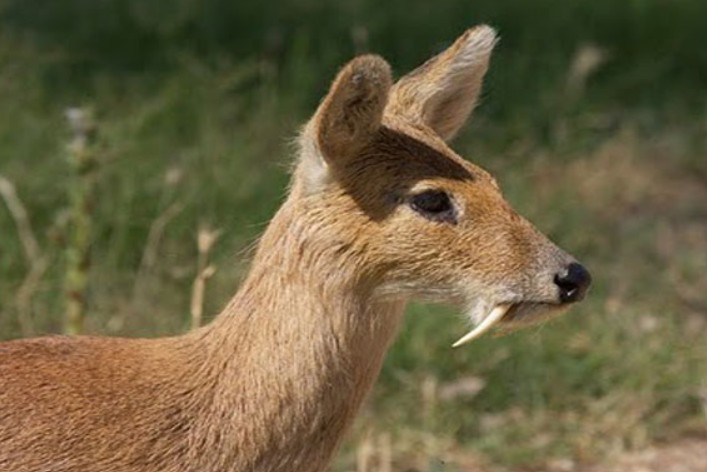

![🔴[UPSC Webinar] By AIR 13,Hemant (UPSC 2024) | 12 Months Strategy for UPSC 2026 | Join on 24th April 2025 At 7 PM](https://d18x2uyjeekruj.cloudfront.net/wp-content/uploads/2025/04/Thumb-1568x882.jpg)


![[ 23rd April 2025] The Hindu Op-ed: Exploring India’s potential in the Arctic region](https://d18x2uyjeekruj.cloudfront.net/wp-content/uploads/2025/04/arctic.jpg)


![🔴[UPSC 2024 RESULT OUT] Join Now! We are live with AIR 57 Lavanya Gaur](https://d18x2uyjeekruj.cloudfront.net/wp-content/uploads/2025/04/Frame-4097-1568x882.jpg)
