[WpProQuiz 1614]
[WpProQuiz_toplist 1614]
UPSC 2024 countdown has begun! Get your personal guidance plan now! (Click here)
[WpProQuiz 1614]
[WpProQuiz_toplist 1614]
UPSC 2024 countdown has begun! Get your personal guidance plan now! (Click here)

| Details | |
| Definition | Special rights, immunities, and exemptions enjoyed by Parliament, its committees, and members.
Defined in Article 105 of the Indian Constitution. |
| Scope | Applies to Parliament, committees, and members. |
| Freedom of Speech | Guaranteed under Article 105(1).
Subject to rules and procedures of Parliament (Article 118). |
| Limitations to Free Speech | Speech must comply with constitutional provisions.
Cannot discuss judges’ conduct (Article 121), except for motions for their removal. |
| Freedom from Arrest | Immunity from arrest in civil cases 40 days before and after sessions.
House permission needed for arrest within Parliament limits. |
| Notification of Arrest | Chairman/Speaker must be informed of any member’s arrest. |
| Right to Prohibit Publication | No liability for publishing reports, discussions under member’s authority (Article 105(2)). |
| Right to Exclude Strangers | Members have power to exclude non-members from proceedings. |


PM Modi marked a historic moment in India’s nuclear power journey by overseeing the commencement of core-loading at the indigenous Prototype Fast Breeder Reactor (PFBR) situated in Kalpakkam, Tamil Nadu. This event signifies a significant stride forward in India’s ambitious nuclear power program, heralding the onset of stage II.
History of India’s Nuclear Power ProgramIndia’s journey in nuclear technology dates back to its independence in 1947. Here is a brief history of India’s Nuclear Power Program:
|
| Description | Timeline | |
| Stage 1 | Relies on pressurized heavy water reactors (PHWRs) using natural uranium as fuel. | Initiated in the 1950s;
Operational since the 1960s |
| Stage 2 | Focuses on developing fast breeder reactors (FBRs) using plutonium-239 produced in Stage 1. | Initiated in the 1970s;
Development phase |
| Stage 3 | Involves the development of thorium-based reactors utilizing India’s significant thorium reserves. | Initiated in the late 1980s/early 1990s;
Research & Development phase |
Do you know?
|
Q. With growing energy needs should India keep on expanding its nuclear energy programme? Discuss the facts and fears associated with nuclear energy. (250 Words, 15 Marks)

| Description | |
| What is Bail? | The conditional release of a defendant with the promise to appear in court when required. It also refers to the security deposit to secure the release of the accused. |
| Types of Bail in India |
|
| Case in Bailable Offences | Section 436 states that accused of a bailable offence under IPC can be granted bail if:
|
| Bail for Non-Bailable Offences | Section 437 states that accused doesn’t have the right to apply for bail. Bail may be granted if:
|
With reference to India, consider the following statements:
Which of the statements given above is/are correct?
(a) 1 only
(b) 2 only
(c) Both 1 and 2
(d) Neither 1 nor 2
[wpdiscuz-feedback id=”wwodi0ynqz” question=”Please leave a feedback on this” opened=”1″]Post your responses here.[/wpdiscuz-feedback]

| Details | |
| Technique | Handcrafted crochet lace-making using fine threads |
| Design | Intricate patterns and motifs inspired by nature and traditional motifs |
| Uniqueness | Known for delicate and intricate designs, used in sarees, dress materials, and home decor |
| Economic Impact | Provides livelihood to local artisans, enhances market value, protects against imitation |
| Recognition | GI tag promotes cultural heritage, supports economic empowerment of artisans |
| Details | |
| Origin | Majuli, Assam, the world’s largest river island |
| Artform | Traditional mask-making, also known as Mukha Shilpa |
| Material | Made from eco-friendly materials like bamboo, clay, and cloth |
| Uniqueness | Masks depict mythological characters, deities, and animals, preserving Assamese culture |
| Cultural Significance | Used in traditional Sattriya dance forms, rituals, and festivals |
| Economic Impact | GI tag promotes tourism, empowers local artisans, supports conservation efforts |
| Conservation Efforts | Recognition boosts efforts to preserve and promote this ancient art form |
| Details | |
| Origin | Tripura, northeastern state known for rich tribal culture |
| Attire | Traditional attire worn by Tripuri tribal women |
| Fabric | Handwoven cotton fabric with vibrant colors and intricate designs |
| Uniqueness | Unique weaving techniques and motifs representing tribal identity |
| Cultural Heritage | Integral part of Tripuri culture, worn during festivals and ceremonies |
| Economic Impact | GI tag enhances market visibility, supports livelihoods of weavers |
| Preservation Efforts | Recognition promotes preservation and revival of traditional weaving techniques |
| Details | |
| Origin | Riyawan village in Ratlam district, Madhya Pradesh |
| Variety | Special type of garlic known for unique taste, aroma, and medicinal properties |
| Cultivation | Grown organically in fertile soil and favorable climate |
| Uniqueness | Distinct flavor and pungency, popular in culinary uses and Ayurvedic medicine |
| Health Benefits | Rich in antioxidants, believed to have medicinal properties for various ailments |
| Economic Impact | GI tag boosts local agriculture, provides economic opportunities to farmers |
| Quality Assurance | Recognition ensures authenticity and quality, protects against imitation |
| Details | |
| Origin | Cuttack, Odisha, renowned for centuries-old silver filigree craftsmanship |
| Craftsmanship | Intricate art of twisting and curling thin silver wires to create delicate patterns and designs |
| Utility | Used in jewelry, utensils, decorative items, and souvenirs |
| Uniqueness | Unique designs reflecting Odia culture and heritage, passed down through generations |
| Artistic Value | Prized for craftsmanship and artistic appeal |
| Economic Impact | GI tag enhances market value, supports local artisans, promotes preservation of cultural heritage |
| Cultural Heritage | Recognition promotes preservation and continuation of traditional art form |
Q.India enacted The Geographical Indications of Goods (Registration and Protection) Act, 1999 in order to comply with the obligations to-
(a) ILO
(b) IMF
(c) UNCTAD
(d) WTO
[wpdiscuz-feedback id=”2u8zuekcwj” question=”Please leave a feedback on this” opened=”1″]Post your responses here.[/wpdiscuz-feedback]


| Details | |
| Discovery | Platanista gangetica also known as the “Tiger of the Ganges,” was officially discovered in 1801. |
| Habitat | Historically distributed in major river systems of India, Nepal, and Bangladesh, including the Ganges-Brahmaputra-Meghna and Karnaphuli-Sangu. |
| Features |
|
| Importance |
|
| Major Threats |
|
| Protection Status |
|
| Government Initiatives |
|
Which one of the following is the national aquatic animal of India?
(a) Saltwater crocodile
(b) Olive ridley turtle
(c) Gangetic dolphin
(d) Gharial
[wpdiscuz-feedback id=”981av4h59u” question=”Please leave a feedback on this” opened=”1″]Post your answers here.[/wpdiscuz-feedback]

What is the Venice Biennale?
Pyq mains
UPSC IAS/2017
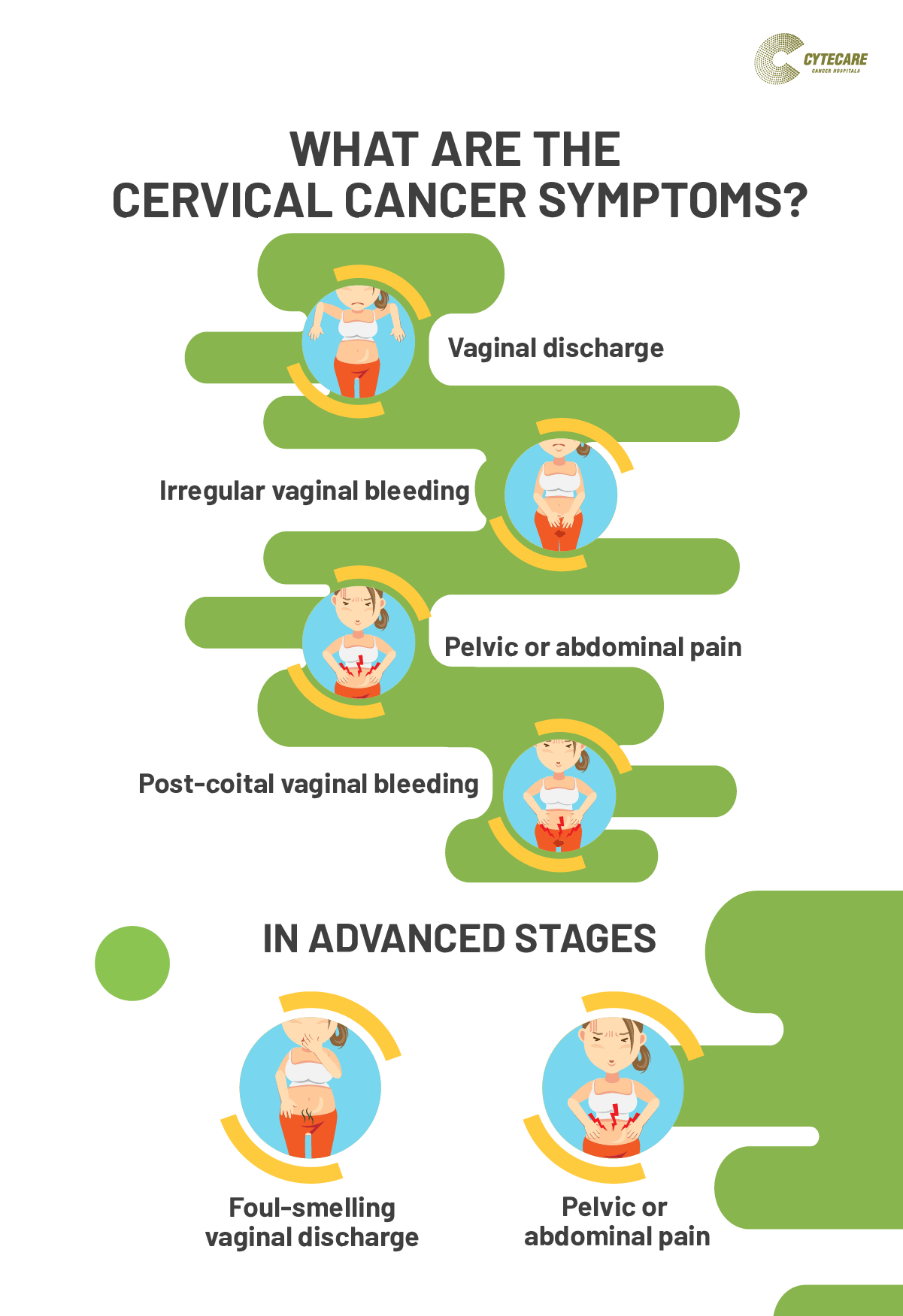
Why is it in the News?
What is Cervical Cancer?
What is Human Papillomavirus (HPV)?
What Facts are explained in the article?
Strategies for Prevention of Cervical cancer
What are the Challenges?
| Pap Smears |
|---|
| Description: A screening procedure for cervical cancer involving collecting cells from the cervix to examine for abnormalities. |
| Purpose: To detect precancerous or cancerous changes in cervical cells early for timely intervention and prevention. |
| Procedure: Use of a speculum to visualize the cervix and collection of cells with a brush or spatula. |
| Timing: Typically performed during routine gynecological exams, starting at age 21 or within 3 years of becoming sexually active. |
Facts about HPV Vaccination:
Best Practices for HPV Vaccination and Cervical Cancer Prevention:
In conclusion, the article emphasizes the importance of proactive measures to prevent cervical cancer, particularly through HPV vaccination and screening. It underscores the role of healthcare professionals, policymakers, and community stakeholders in addressing the challenges and ensuring equitable access to preventive interventions.