An invasive weed, Cuscuta dodder, is gradually strangling the Chengalpet forests and Vedanthangal Bird Sanctuary, posing a severe threat to local vegetation, ecology, and the habitat of migratory birds.
About Cuscuta Dodder
Parasitic Nature: It is a parasitic vine devoid of roots, already infesting acres of trees in reserve forests and beginning to spread within India’s oldest bird sanctuary.
Origin: Native to North America.
Modus Operandi: As a holoparasitic plant, it forms a canopy on the host plant and extends thousands of tendrils, eventually forming a dense spectacle before strangling and killing the host.
Persistence and Germination
Seed Characteristics: Cuscuta seeds are spheroid with a hard coat, enabling them to survive up to 50 years in dry storage and at least 10 years in the field.
Germination: Unlike root parasites, Cuscuta seeds do not require a specific stimulant to induce germination, enhancing their ability to spread rapidly.
Impact and Spread
India: According to a technical paper by the National Research Centre for Weed Science, Cuscuta poses a significant problem in oilseeds, pulses, and fodder crops across various states, including Andhra Pradesh, Chhattisgarh, Gujarat, Orissa, West Bengal, and parts of Madhya Pradesh under both rain-fed and irrigated conditions.
Global Legislation: It is listed as a ‘declared noxious weed’ in 25 countries, with seeds and plant material restricted from entry. In the United States, it is the only weed seed whose movement is prohibited in every state.
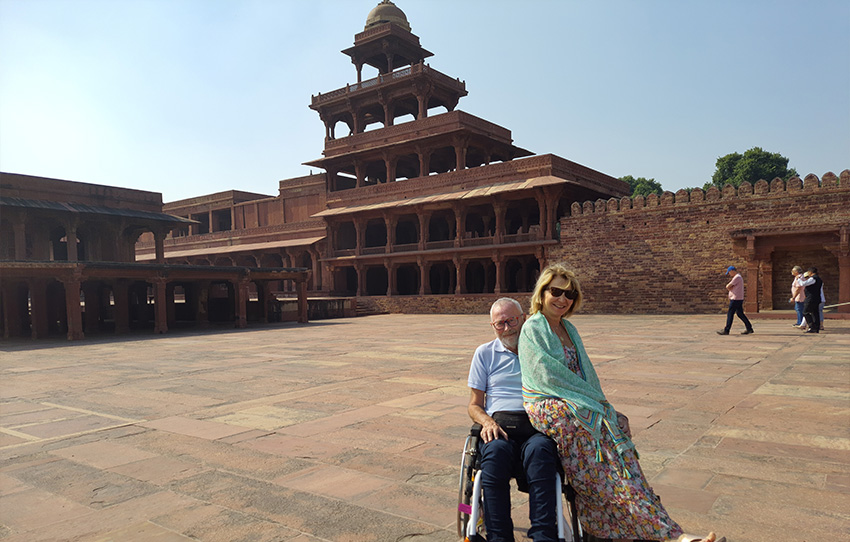
The article highlights the importance of accessibility and inclusion for individuals with disabilities in public spaces, using personal experiences and examples from Fatehpur Sikri, a 16th-century monument, to underscore the need for adherence to international standards and the implementation of inclusive practices across India. It emphasizes the urgent need for prioritizing accessibility in the built environment, including ramps and other accommodations, to enable full participation and empowerment of all citizens, regardless of their physical limitations.
Key Highlights:
Personal experiences at Fatehpur Sikri illustrate the significance of proper accessibility measures.
Lack of adherence to international standards poses challenges for individuals with disabilities in navigating public spaces.
The Rights of Persons with Disabilities Act (RPWD) is mentioned as a framework for promoting accessibility, but implementation lags.
Inclusive design is essential for ensuring equal access to public buildings, transport, and information technology.
The absence of accurate disability data in India raises questions about the extent of inclusivity and the need for targeted policies.
Key Challenges:
Inconsistent adherence to international accessibility standards in public spaces.
Limited implementation of the Rights of Persons with Disabilities Act (RPWD) despite its enactment.
Lack of accurate disability data hampers effective policy formulation and planning.
Heterogeneity of disabilities poses challenges in designing inclusive solutions.
Socioeconomic disparities contribute to unequal access to accessible infrastructure and support services.
Main Terms:
Accessibility
Inclusion
Rights of Persons with Disabilities Act (RPWD)
Universal design
Public accommodations
Built environment
International standards
Heterogeneity of disabilities
Socioeconomic disparities
Inclusive practice
Important Phrases:
“International standard for a ramp slope”
“Rights of Persons with Disabilities Act (RPWD)”
“Universal design”
“Built environment”
“Socio-economic background”
“Accurate disability data”
“Inclusive environment”
“Heterogeneity of disability”
“Accessibility of public accommodations and roads”
“Participation in civic and socio-economic life”
Quotes:
“If a city built in 1569 AD can be made nearly 95 per cent wheelchair accessible, so can all public accommodations and roads.”
“Only by accomplishing this can we realise the full potential of our citizenry, empowering them to actively contribute their professional expertise and diverse skills for the optimal development of the country.”
“It is evident that our country has miles to go before genuine inclusivity can be celebrated.”
“The absence of ramps is just one example of why the disabled citizenry often finds it challenging to fully participate in civic and socio-economic life, potentially resulting in diminished self-esteem.”
“Every Indian deserves the freedom to experience our country’s rich history and heritage along with the rights accorded to all citizens.”
Anecdotes:
The personal experience of the author’s brother tipping over in a wheelchair due to a steep ramp highlights the dangers posed by inadequate accessibility measures.
The contrast between the accessible ramps at Fatehpur Sikri and the inaccessible environments encountered in daily life underscores the importance of universal design in public spaces.
Useful Statements:
“Implementing proper accessibility measures is a cost-effective investment in enhancing accessibility for individuals with physical limitations.”
“Inclusive design is essential for ensuring equal access to public buildings, transport, and information technology.”
“In pursuing true accessibility, involving multiple end-users in the design process is crucial for determining its success.”
Examples and References:
Fatehpur Sikri as an example of successful accessibility implementation.
Comparison between international standards and the actual accessibility of public spaces in India.
Mention of UN-Habitat’s definition of an inclusive environment.
Reference to the Rights of Persons with Disabilities Act (RPWD) as a framework for promoting accessibility.
World Health Organization’s data on global disability prevalence versus India’s reported disability rates.
Facts and Data:
Fatehpur Sikri is mentioned as being nearly 95% wheelchair accessible.
The World Health Organization estimates that 16% of the global population experiences significant disabilities.
India’s last Census in 2011 reported only 2.2% of the population as having disabilities.
Critical Analysis: The article effectively combines personal anecdotes with broader observations to highlight the challenges and importance of accessibility and inclusion in India. It critiques the lack of adherence to international standards and the limited implementation of legislative frameworks, emphasizing the need for concrete action to address these issues. However, it also acknowledges the complexities involved, such as the heterogeneity of disabilities and socioeconomic disparities, which require nuanced approaches to ensure meaningful inclusivity.
Way Forward:
Prioritize accessibility and inclusion as national priorities, possibly under a dedicated “mission.”
Ensure consistent adherence to international standards in the design and construction of public spaces.
Improve implementation of the Rights of Persons with Disabilities Act (RPWD) and enhance data collection on disability prevalence.
Promote inclusive design practices and involve end-users in the planning and development of accessible infrastructure.
Raise awareness and advocate for the rights of individuals with disabilities to foster a more inclusive society.
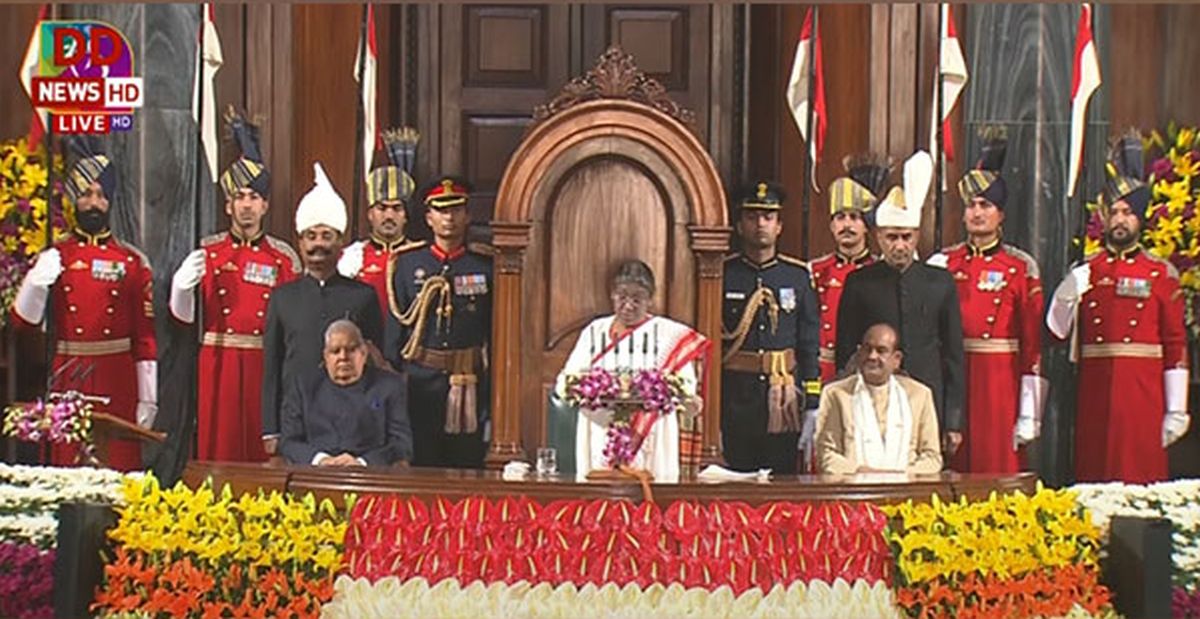
The article discusses the tradition of presidential and gubernatorial addresses to Parliament and Legislative Assemblies in India, highlighting the ceremonial and ritualistic nature of these events. It emphasizes the need for reform to streamline these addresses, suggesting a shift towards shorter, more concise speeches akin to the British practice, to save time and enhance efficiency in legislative proceedings.
Key Highlights:
Presidential and gubernatorial addresses in India are steeped in tradition, characterized by elaborate ceremonies and rituals.
The speeches are drafted by the government of the day, with little involvement from the heads of state, leading to lengthy and sometimes tiresome readings.
Past presidents like R. Venkataraman and K.R. Narayanan exhibited meticulousness in reviewing draft speeches, suggesting improvements that were generally accepted.
Similar experiences were observed at the state level, with governors making suggestions for changes to their addresses, sometimes leading to unexpected challenges.
The article reflects on instances of political civility, where suggested changes were acknowledged and accommodated, despite time constraints.
Despite the ceremonial nature of these addresses, controversy and turbulence in legislative assemblies have been on the rise, fueled by accusations and counter-accusations.
The root cause of the problem lies in the disconnect between the writers and readers of these speeches, raising questions about ownership and relevance.
The author proposes adopting a more concise format for these addresses, similar to the British model, to refocus attention on legislative business and mitigate political polarization.
Key Challenges:
Resistance from governments accustomed to using these addresses as platforms to showcase their achievements and plans.
Convincing stakeholders about the efficacy of shifting towards shorter, more focused speeches.
Overcoming entrenched traditions and resistance to change within the political system.
Balancing the ceremonial aspects of these addresses with the need for efficiency and relevance in legislative proceedings.
Addressing political polarization between central and state governments, which may hinder collaborative efforts towards reform.
Main terms for answer quality enhancement:
Presidential address
Gubernatorial address
Ceremonial
Ritualistic
Legislative proceedings
Political polarization
Tradition
Efficiency
Reform
Important Phrases:
“Land of largely unquestioned custom, ceremonials, and rituals”
“Suggesting changes by them difficult”
“Saving of time and the avoiding of tedium”
“Political civility”
“Root of the problem”
“Ornament of convention”
“Collective body of legislators”
“Innovative and self-denying Chief Minister”
Quotes:
“When I am asked to read these Addresses, I feel like saying ‘Rashtrapati Bhavan’ and sitting down!” – R. Venkataraman
“The speech was not mine, it was yours.” – Unnamed speaker to Nitish Kumar
“Who Owns that Speech?” – Professor A.R. Venkatachalapathy
Anecdotes:
R. Venkataraman’s meticulous review of draft speeches, despite tight timeframes.
Chief Minister Buddhadeb Bhattacharjee’s prompt action to rectify an oversight in a gubernatorial address.
The Governor of Bihar officiating a seamless legislative ceremony, earning appreciation from the Chief Minister.
Useful Statements for critical approach in answer writing:
“The root of the problem lies in the foundational dichotomy of one agency writing the speech and another reading it.”
“Presidents and Governors will, I think, be relieved with such a rearrangement.”
“It will take an innovative and self-denying Chief Minister to start the reform to rescue a custom, ceremony, and ritual of grace from disgrace.”
Examples and References:
Instances of past presidents and governors suggesting changes to draft speeches, with varying degrees of acceptance and acknowledgment.
Comparison with the British practice of brief, outline-focused speeches by the head of state.
Facts and Data:
Terms of past presidents and governors mentioned in the article (e.g., R. Venkataraman, K.R. Narayanan).
References to specific events, such as the oversight in printing a gubernatorial address.
Critical Analysis:
The article presents a nuanced critique of the ceremonial nature of presidential and gubernatorial addresses, highlighting inefficiencies and challenges.
It underscores the importance of streamlining these addresses to enhance legislative efficiency and mitigate political polarization.
The proposed reform aligns with the need for modernization and adaptation within the Indian political system.
Way Forward:
Advocate for collaborative efforts among stakeholders to initiate reform and streamline the process of presidential and gubernatorial addresses.
Emphasize the benefits of shorter, more focused speeches in enhancing legislative efficiency and relevance.
Encourage political leaders to prioritize the collective interests of legislators and citizens over traditional ceremonies and rituals.
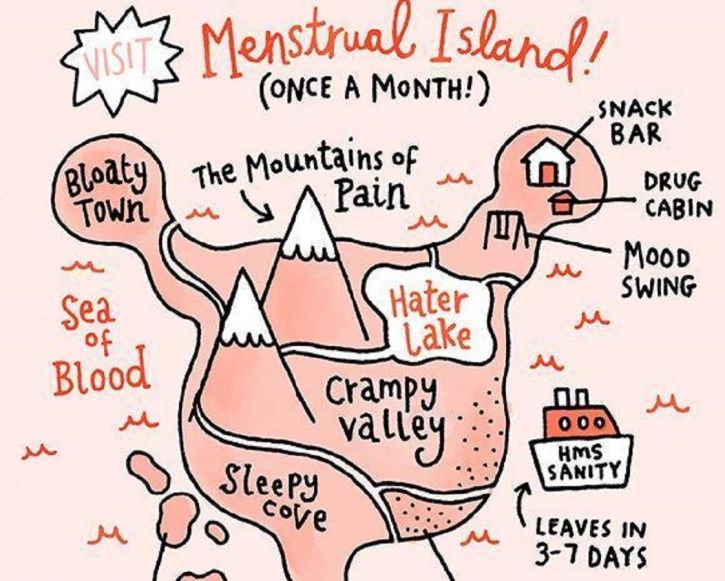
The article discusses the complex issue of providing paid leave for menstruation, highlighting its potential impact on gender equality and societal perceptions of menstruation. It argues against the implementation of blanket policies, advocating instead for tailored support and inclusivity on a case-by-case basis.
Key Highlights:
Sabrimala Temple Issue: Highlights the struggle against discriminatory practices related to menstruation, emphasizing the need for gender equality.
Global Gender Gap: Discusses the widening gender gap globally and its implications on workforce participation and leadership roles for women.
Challenges in Implementing Paid Menstrual Leave: Raises concerns about exacerbating gender inequality, social stigma, and potential misuse of leave policies.
Case of Japan: Explores the experience of Japan with unpaid menstrual leave and its limited uptake, alongside persisting gender disparities in the workforce.
Enforcement Challenges: Cites instances of intrusive enforcement methods and underscores the need for sensitive implementation strategies.
Ongoing Struggles for Gender Equality: Highlights various arenas where women continue to fight for equal treatment, including combat roles and pay parity.
Key Challenges:
Social Stigma: Addressing societal taboos and perceptions surrounding menstruation.
Gender Equality: Balancing the need for menstrual support with potential impacts on women’s workforce participation and leadership opportunities.
Implementation Issues: Ensuring fair and non-intrusive enforcement of leave policies without perpetuating discrimination or abuse.
Cultural Sensitivity: Acknowledging diverse experiences and cultural contexts surrounding menstruation.
Policy Effectiveness: Assessing the efficacy of paid menstrual leave in addressing menstrual health needs while advancing gender equality.
The menstrual cycle can be affected by external factors such as stress, changes in temperature and altitude, and even exposure to certain chemicals and toxins.
This can cause changes in the length of the cycle, the intensity of bleeding, and the severity of symptoms.
There is also a small percentage of women who experience menorrhagia, which is an excessive bleeding during menstruation. This can be caused by hormonal imbalances, fibroids, endometriosis, and other underlying medical conditions.
Quotes:
“Menstruation is not a disease, but a natural phenomenon.”
“Granting special status to menstruation would validate social stigma.”
“Recognizing the diverse nature of menstrual experiences is essential.”
“Women in Japan are less likely to be employed and often paid lesser.”
“Women continue to fight for equal treatment in various arenas.”
Anecdotes:
Sabrimala Temple issue highlighting the struggle against discriminatory practices.
Instances of intrusive enforcement methods in Bhuj and Muzzaffarnagar schools.
Limited uptake of unpaid menstrual leave in Japan despite its availability for decades.
Useful Statements:
“Paid leave for menstruation could unintentionally widen the gender gap.”
“Tailoring support on a case-by-case basis promotes inclusivity and addresses individual needs.”
“Sensitive implementation strategies are crucial to prevent discrimination and abuse.”
Examples and References:
Sabrimala Temple issue
Global Gender Gap Report 2021
Case of Japan and its gender disparities in the workforce
Incidents in Bhuj and Muzzaffarnagar schools
Ongoing struggles for gender equality in combat roles and pay parity
Facts and Data:
The World Economic Forum’s Global Gender Gap Report 2021.
National Family Health Survey (NFHS) report highlighting menstrual health challenges in India.
Low uptake of menstrual leave in Japan, with only 0.9% of women availing it.
Gender disparities in Japan’s workforce despite higher education levels among women.
Critical Analysis:
The article offers a nuanced perspective on the debate surrounding paid menstrual leave, highlighting both its potential benefits and challenges. It critically examines the implications of such policies on gender equality, social stigma, and workforce dynamics, emphasizing the importance of context-sensitive approaches.
Way Forward:
Awareness and Education: Promote awareness and education to combat social stigma and misconceptions surrounding menstruation.
Tailored Support: Advocate for tailored support and accommodations for individuals experiencing menstrual challenges, rather than blanket policies.
Sensitive Implementation: Develop sensitive implementation strategies to ensure fair and non-discriminatory enforcement of leave policies.
Continued Advocacy: Continue advocating for gender equality in all spheres, including combat roles and pay parity, to address systemic inequalities.
Triggering Concerns: Recently, the notification about the Thanthai Periyar Sanctuary in Tamil Nadu’s Erode district worried nearby forest communities.
Potential Rights Denial: Residents fear losing their rights under the Scheduled Tribes and Other Traditional Forest Dwellers (Recognition of Forest Rights) Act 2006 (FRA) due to the sanctuary’s establishment.
About Forest Rights Act, 2006
Description
Purpose
Recognizes and vests forest rights and occupation in Forest Dwelling Scheduled Tribes (FDST) and Other Traditional Forest Dwellers (OTFD).
Recognition Criteria
Forest rights can be claimed by FDST and OTFD who have been residing in forest land for generations.
Members or communities must have resided in forest land for at least three generations (75 years) prior to December 13, 2005.
Types of Forest Rights Recognized
Title rights: Ownership rights to land farmed by them, subject to a maximum of 4 hectares.
Use rights: Rights to extract Minor Forest Produce, grazing areas, etc.
Relief and development rights: Provides for rehabilitation in case of illegal eviction or forced displacement and access to basic amenities.
Forest management rights: Includes the right to protect, regenerate, conserve, or manage any community forest resource traditionally protected and conserved for sustainable use.
Authority
Gram Sabha
It is responsible for initiating the process for determining Individual Forest Rights (IFR) or Community Forest Rights (CFR).
Empowerment
Aims to strengthen the conservation regime of forests while ensuring livelihood and food security of FDST and OTFD.
Historical Injustices Addressed
Recognition of historical injustices faced by forest-dwelling communities
Empowerment of forest-dwellers for sustainable resource use and livelihood security
Issues
Predominant focus on individual rights, neglecting community rights
Poor recognition of Individual Forest Rights (IFRs) and Community Forest Rights (CFRs)
What are Forest Villages?
Definition: Forest villages are settlements located within forest areas, inhabited predominantly by tribal and indigenous communities.
Historical Context: These villages have often existed for generations, with residents relying on forest resources for their livelihoods.
Conversion Mandate: In 1990, the government ordered all forest villages to become revenue villages, aiming to formalize their status and grant them legal recognition.
Incomplete Conversion: Despite these orders, the conversion process remains unfinished in many areas, leaving forest dwellers without essential rights and facilities.
Rights Admitted in the Sanctuary
Continuation of Rights: The notification recognizes rights granted under previous laws and the FRA, ensuring some rights for individuals.
Implementation Challenges: Tamil Nadu has struggled to enforce the FRA effectively, casting doubt on its implementation within the sanctuary.
Impact on Forest Communities
Grazing Restrictions: The ban on cattle grazing within the sanctuary could affect the traditional grazing practices of forest-dwelling communities.
Legal Discrepancies: Prohibiting grazing conflicts with the FRA’s recognition of grazing rights, highlighting inconsistencies in policy.
Legal Framework and Challenges
WLPA Provisions: Sanctuaries and national parks are governed by the Wildlife (Protection) Act (WLPA) 1972, which mandates protecting rights within them.
FRA Supremacy: The FRA overrides conflicting provisions of the WLPA, emphasizing the need to balance conservation with community rights.
Implementation Gaps: Despite legal frameworks, inadequate enforcement of the FRA persists, undermining the rights of forest communities.
Tamil Nadu’s FRA Implementation
Low Recognition Rate: Tamil Nadu has a poor record in recognizing forest rights, with only a fraction of entitled areas acknowledged under the FRA.
National Context: Similar challenges exist nationwide, indicating systemic failures in upholding forest rights and conservation mandates.
Conclusion
Urgent Action Needed: Addressing the concerns of forest-dwelling communities and ensuring compliance with legal provisions are crucial for sustainable forest management.
Harmonizing Conservation and Rights: Balancing conservation goals with the rights of forest communities is essential for fair and effective forest governance.
Call for Accountability: Authorities must prioritize implementing laws and policies that protect both forests and the rights of those dependent on them, promoting environmental justice and social equity.
Try this PYQ from CSP 2019:
Consider the following statements:
As per the recent amendment to the Indian Forest Act, 1927, forest dwellers have the right to fell the bamboos grown on forest areas
As per the Scheduled Tribes and Other Traditional Forest Dwellers (Recognition of Forest Rights) Act, 2006, bamboo is a minor forest produce
The Scheduled Tribes and Other Traditional Forest Dwellers (Recognition Forest Rights) Act, 2006 allows ownership of minor forest produce to forest dwellers
Which of the statements given above is/are correct?
(a) 1 and 2 only
(b) 2 and 3 only
(c) 3 only
(d) 1, 2 and 3
[wpdiscuz-feedback id=”hjmzv064hb” question=”Please leave a feedback on this” opened=”1″]Post your answers here.[/wpdiscuz-feedback]
The recent episode in the Tamil Nadu Assembly, where Governor R.N. Ravi declined to deliver the customary address, has reignited debates surrounding the significance of the Governor’s Address.
He actually walked out in response to an insult of National Anthem in TN Assembly.
President’s/Governor’s Address
Constitutional mandate: Articles 87 and 176 of the Constitution confer authority upon the President and Governor, respectively, to address the legislature.
Occasions for Address: The addresses are reserved for two specific occasions: the commencement of a new legislative session post-election and the inauguration of the annual legislative session.
Significance: Termed the President’s or Governor’s Address, these speeches are pivotal for initiating legislative proceedings.
Governor’s Address to the State Legislature: A Constitutional Obligation
Prescribed Duties: Article 176 delineates the Governor’s obligation to address the Legislative Assembly at the onset of each legislative year and post-general elections, with both Houses convened if a Legislative Council exists.
Procedural Norms: Established rules govern the time allocated for deliberating the address’s contents, ensuring parliamentary discourse.
Global Parallels: Similar Practices across Democracies
Cross-National Comparison: Analogous provisions are observed in democratic nations worldwide.
State of the Union: In the United States, it manifests as the “State of the Union” address (1790), while in the United Kingdom, it is the Queen’s Speech (1536), heralding the parliamentary year’s commencement.
Indian Context: India’s Presidential Address mirrors the British model, reflecting the ceremonial role of the President, a sentiment echoed during the Constitution’s framing by Dr. B R Ambedkar.
Features of theAddress Content
[A] Address Content: Proposals and Achievements
Legislative Agenda: The President’s or Governor’s speech encapsulates legislative proposals and government policy initiatives, coupled with a retrospective glance at previous accomplishments.
Government Input: Inputs for this address are curated from various government ministries, embodying the administration’s agenda.
[B] Authorship and Agency: Government Responsibility
Constitutional Mandate: Governed by constitutional mandate, both the President and Governor are obligated to adhere to the Cabinet’s advice (1950) in their functions, including address preparation.
Policy Reflection: Hence, the address is meticulously crafted by the government, serving as a reflection of its policy stance.
[C] Flexibility vs. Normative Adherence: Presidential/Governor Discretion
Adherence to Protocol: While refusal to deliver the address is impermissible, deviations from the prepared script are permissible.
Instances of Departure: Instances of Governors veering off the scripted path have transpired, although such actions remain rare for Presidents.
Legal Precedent: The Supreme Court, in Shamsher Singh v. State of Punjab (1975), underscored the President’s (or Governor’s) adherence to Cabinet advice across functions.
Contested Discretion: While discretion to modify the speech is contested, any departure from parliamentary norms may invoke debate.
R. Venkataraman’s Perspective
Venkataraman’s Critique: R. Venkataraman, who served as President from 1987 to 1992, vehemently opposed the practice of Presidential and Governor’s addresses, deeming it a “British anachronism” and a “meaningless formality.”
Calls for Constitutional Amendment: Venkataraman repeatedly urged PM Rajiv Gandhi and Chandra Shekher to abolish this tradition through a Constitutional amendment, emphasizing its lack of relevance and inherent biases.
Perceptions of the Address
Government’s Voice: Venkataraman viewed the address as a mere reflection of the ruling regime’s perspectives, rendering Presidents and Governors mere “mouthpieces” devoid of independent expression.
Controversies and Criticism: He expressed dismay over controversies surrounding Governors’ addresses in states like Maharashtra and West Bengal, condemning the opposition’s heckling of figures like Governor Nurul Hasan.
Symbolic Adjustments: Venkataraman, in presenting his maiden Presidential address in 1988, advocated for subtle changes like replacing “My government” with “The government,” aligning with India’s constitutional ethos framed by the people.
Legacy of British Colonialism: He underscored the incongruity of retaining British-era conventions in India’s democratic framework, emphasizing the need for symbolic adjustments to reflect the nation’s sovereignty.
Conclusion
Symbol of Governance: The tradition of Presidential and Governor’s addresses, rooted in constitutional mandate, and symbolizes the fusion of ceremonial protocol with legislative functionality.
Executive-Legislative Nexus: As integral components of democratic governance, these addresses underscore the synergy between executive authority and parliamentary accountability, while navigating the delicate balance between tradition and evolving norms.
The Union Public Service Commission (UPSC) has released the Civil Services Examination (UPSC CSE and IFoS Prelims 2024) notification today, February 14, 2024.
With this the registration has begun and you can apply online on the official website at upsc.gov.in and upsconline.nic.in.
Candidates are advised to fill up the form carefully as your mistakes can cost you UPSC attempt (most famously like AIR 1 Shruti Sharma’s)
With only 100 something days till the UPSC preliminary exam, having a structured, organized study plan is crucial and necessary. We advise you to rely on reliable sources, adhere to them, and revise as frequently as you can.
A digital twin of the Mohammed Quli Qutb Shah’s tomb was unveiled by a reality technology company, Hexagon in Hyderabad.
Who wasMohammed Quli Qutb Shah?
Parentage: Muhammad Quli Qutb Shah was born on April 4, 1565, as the third son of Ibrahim Quli Qutb Shah Wali and his Hindu mother Bhagirathi.
Literary Talent: He was not only an able administrator but also a skilled poet who composed verses in Persian, Telugu, and Urdu.
Contemporaries of Quli Qutb Shah
Akbar (1556–1605): Mughal Emperor known for his religious tolerance and administrative reforms.
Rani Durgavati (1550–1564): Queen of the Gondwana Kingdom in central India, renowned for her bravery in resisting Mughal expansion.
Maharana Pratap (1572–1597): Rajput ruler of Mewar, famous for his defiance against Mughal Emperor Akbar and his valor in battles.
Chand Bibi (1550–1599): Regent of the Ahmednagar Sultanate in Deccan, known for her role in defending Ahmadnagar against Mughal forces.
Guru Ram Das (1574–1581): Fourth Sikh Guru who established the city of Amritsar and contributed significantly to Sikhism’s growth.
Sher Shah Suri (1540–1545): Founder of the Sur Empire in North India, celebrated for his administrative reforms and construction of the Grand Trunk Road.
Key Accomplishments
[A] Reign and Accomplishments
Ascension to the Throne: Muhammad Quli succeeded his father in 1580 at the age of 15 and ruled for 31 years.
Military Campaigns: Despite facing rebellions, he effectively led troops and quelled disturbances, ensuring stability in his realm.
[B] Foundation of Hyderabad
Urban Planning: Concerned about overcrowding in Golkonda, Muhammad Quli initiated the construction of Hyderabad in 1591.
Land Selection: While folklore suggests a romanticized version of land selection, Muhammad Quli’s vision for Hyderabad’s development aimed at relieving congestion and promoting growth.
[C] Architectural Marvels and City Planning
Charminar: As the architectural centrepiece, Charminar was built under Muhammad Quli’s patronage, symbolizing the city’s grandeur.
City Layout: Hyderabad was meticulously planned with a gridiron layout, featuring significant landmarks like Darulshafa, Mecca Masjid, and Badshahi Ashurkhana.
[D] Support for Arts and Literature
Calligraphic Art: Under Muhammad Quli’s rule, calligraphy flourished, with various scripts adorning buildings such as the Mecca Masjid.
Literary Contributions: Muhammad Quli’s poetic works in Urdu and Dakhni languages reflected his diverse interests and cultural appreciation.
Taraqqi: He was a poet himself and composed poetry in Persian and Telugu under the pen name “Taraqqi”.
[E] Medical and Literary Contributions
Intellectual Hub: Hyderabad became a centre for medical and literary pursuits, with scholars producing notable works during Muhammad Quli’s reign.
Preservation of Culture: Muhammad Quli’s literary legacy, including his Diwan, is preserved in institutions like the Salar Jung Museum, showcasing his contribution to cultural heritage.
Legacy and Influence
Cultural Integration: Muhammad Quli’s reign represents a period of cultural fusion, blending Hindu and Islamic traditions in the Deccan region.
Symbol of Unity: His efforts to promote harmony and coexistence endure as a testament to the inclusive ethos of his administration.