The Reserve Bank of India has released the draft Master Directions on Cyber Resilience and Digital Payment Security Controls for Payment System Operators (PSOs).
What are Payment System Operators (PSOs)?
A payment system operator means a legal entity responsible for operating a payment system.
The PSO provides services by operating on certain models.
They largely outsource their payment and settlement-related activities to various other entities.
Examples of PSOs include: Google Pay (and other apps), Clearing Corporation of India, National Payments Corporation of India, Cards Payment Networks, Cross border Money Transfer, ATM networks, Prepaid Payment Instruments, White Label ATM Operators, Instant Money Transfer, and Trade Receivables Discounting System, Bharat Bill Payment System etc.
Key points from the draft
(1) Governance Mechanisms:
The draft emphasizes the need for robust governance mechanisms to manage cybersecurity risks effectively.
It covers information security risks and vulnerabilities that PSOs should address.
PSOs are expected to establish and maintain a comprehensive cybersecurity framework.
(2) Baseline Security Measures:
The draft specifies baseline security measures to be implemented by PSOs.
These measures are designed to protect digital payment systems from cybersecurity threats.
PSOs must implement controls related to data security, access controls, incident response, and business continuity planning.
(3) Resilience to Cybersecurity Risks:
The directions aim to ensure that PSOs are resilient to both traditional and emerging information systems and cybersecurity risks.
PSOs are required to conduct periodic risk assessments and implement appropriate controls to mitigate identified risks.
The draft emphasizes the importance of continuous monitoring and review of cybersecurity measures.
(4) Safeguarding Digital Payment Transactions:
The focus of the directions is to enhance the security of digital payment transactions.
PSOs must implement strong authentication mechanisms, encryption standards, and secure communication protocols.
The draft highlights the need for robust fraud monitoring and reporting mechanisms.
Act Fast! Only 12 FREE Slots Available Now. Day 1 Session Begins at 5pm Today!
This isn’t your ordinary Topper’s Talk. No over glorification, no generic gyaan. Only rank-proven strategies with proof.
Only the most practical, time-tested, UPSC trend-proof preparation methods will be discussed with Sajal Sir & our core team in this 4-Day UPSC IAS Conclave. Available for you to attend online or offline, make the best out of it by registering on the form above.
PavanDutta (AIR 22), Aaditya Pandey (AIR 48), Soham Mandhare (AIR 218), and Mukund Chahar (AIR 273), all had different learning styles but were united in their no-nonsense, practical approach towards cracking the UPSC exam.
They will share their last attempt notes, marks improvement strategies, and previous-attempt errors, so that you start your IAS Preparation on a solid footing.
Who should attend this Workshop?
Aspirants who might not be clearing UPSC 2023 and want to understand and fill critical gaps in their preparation.
UPSC 2024 aspirants who will be starting from scratch
UPSC 2023 Mains aspirants who want to start mains prep at full throttle.
Aspirants who are struggling with time management
Aspirants who are not able to decipher the pattern and ‘new ways of UPSC’
UPSC 2024 aspirants who want effectiveness, efficiency, and consistency in their preparation
Details of the session
Day 1: 20 mains answer writing commandments implemented by 250+ Rankers in UPSC 2022
By Sajal sir (GS topper and mentor of 250+ Rankers in UPSC 2022) Live demonstration from UPSC 2022 toppers copies (Offline-Online)
3rd June 2023 (Saturday), 5 P.M
Sajal sir will give a LIVE demonstration from ’22 Toppers Copies on how your approaches should be if you’re writing your first Mains in 2023 or just started to answer writing for 2024.
He will also share a list of 20 commandments to help you score 440+ marks in Mains with a LIVE example.
What you should expect on Day 1?
How to be Mains’23 ready in 75 days after Prelims?
What should be your maiden approach if you have just started to answer writing for UPSC’24?
What are the very critical aspects you must include in your answer writing practice?
What are the 20 most important commandments that UPSC 2022 toppers implemented?
How to satisfy the demand of the questions?
When and where to insert diagrams, Maps, Etc.?
How to start and how to end every question?
Time management: How to manage & allot time to every single question?
Don’t miss such an important LIVE session when UPSC Mains 2023 is knocking at the door. Register FREE for 1-1 LIVE with Sajal Sir
Day 2: Mastering GS-4 Ethics: UPSC 2022 Toppers’ Approach
4th June 2023 (Sunday), 2:00 P.M
By Sukanya Rana Ma’am, Civilsdaily Mains Program Head
What you should expect on Day 2 with Sukanya Ma’am?
How did our UPSC’22 Rankers prepare for the GS-4 Ethics?
How to Complete the paper on time even if all questions are not known?
How to start case studies with core keywords inserted Introduction?
How to enrich your answers to case studies with the “My Vision”/” Thinkers” approach?
How to write ethics-oriented answers even though questions could have been asked in other GS papers?
Writing course of action of case studies in the most ethical ways along with a practical approach.
In the case of studies, you must provide practical solutions. How to frame your answers based on peripheral problems in a case study will be discussed.
How to use examples and can make our examples.
How to have a grip on recent trends in Ethics papers!
Day 2: How to cope with Prelims 2023 failure & adapt yourself to the changing trends of UPSC Prelims
ByZeeshan Hashmi sir and AIR-273, Mukund UPSC’22
4th June 2023 (Sunday), 5:00 P.M
What you should expect on Day 2?
What are the lessons to understand the patterns and trends in UPSC Prelims’23?
How to reboot/restrategize your Prelims’24 Prep?
How to fill critical gaps in your Prelims’24 preparation?
What’re the best ways to cope with the Prelims’23 failure and stay motivated for Prelims 2024 attempt?
Most Authenticate and important UPSC Prelims Hack when UPSC throws typical questions in Prelims Ques. Paper.
Day 3: How to fill critical gaps to score a top 50 Ranks in UPSC Prep 2024?
By AIR-218, Soham Mandhare & Sukanya Rana, Mains Program Head, Civilsdaily
5th June 2023 (Monday), 5:00 P.M
What you should expect on Day 3?
Which 10 things you must be doing to secure prelims 2024?
How to find & fill critical gaps in your preparation?
Avoiding pitfalls in your preparation, especially 3 months before prelims.
How to do integrated prep for the current affairs-based static Topics
Most important themes for UPSC Prelims and Mains 2024
Sticking to the bare minimum sources, how to do the most optimum UPSC pre-2024 preparation?
Fill10 Critical Gaps in our preparation that we couldn’t overcome. Book Your Slot
Day 4: How to grasp Current Affairs Prep studying only 5Hrs/Week(45 min/Day)
By AIR-48 Aaditya UPSC’22 & Senior IAS Mentor at Civilsdaily& UPSC Ranker 2022, Dimple Ma’am
6th June 2023 (Tuesday), 7:30 P.M
What you should expect on Day 4?
How to cover current affairs in 45 minutes/Day in Effective, Holistic, Minimalistic ways
How to read current affairs and revise faster.
What are the proven strategies to build current affairs analytical skills?
What are the right ways to utilize Newspapers and Fact heavy short Notes?
How to Master the Art of Current Affairs charged answer writing?
How to comprehend the solid Framework to retain and interlink GS topics
How to find the most relevant Current Affairs topics and pick points to make notes.
How to recall and recognize current affairs in Prelims, Mains, and Interview questions?
Make your UPSC’24 Current Affairs Prep a cakewalk. Book Your Slot with 1-1n with Dimple Chouhan Ma’am
The workshop will place a special emphasis on the significance of strategy, encompassing various essential areas including time management, efficient study methodologies, and approaches to formulate a successful strategy for clearing the UPSC exam.
CivilsDaily’s FREE Webinar package
Post-webinar we will share important PDFs, timetable framework, and notes.
UPSC 2022 Toppers’ Timetable
Prelims 2024 Toolkit
Mains 2023-2024 Toolkit
Samachar Manthan FREE Module
Other than this a strategy package will be emailed to you.
What The Hindu opined about Civilsdaily Mentorship
Aspirants who are sure to clear UPSC Prelims 2023 and want to fill 20 critical gaps in their Mains’23 Answer Writing prep.
UPSC 2024 aspirants who’ve already started Answer writing from scratchbut can’t understand what should be the best maiden approaches.
Aspirants who are struggling with time management for Mains Answer Writing
Aspirants who are not able to decipher the pattern and changing trends of UPSC Mains.
Aspirants who are enthusiastic to Score 440+ in IAS Mains 2023
UPSC 2023-2024 aspirants who want to be Mains ready with minimum study sources.
We are thrilled to kick off Day 1 of our 4-Day Conclave. Today, we have a special treat for all the UPSC aspirants – a strategic workshop with none other than our esteemed mentor, Sajal Singh Sir. As the guiding light for over 250 UPSC 2022 rankers, Sajal Sir brings a wealth of experience and unparalleled insights to the table.
AIR 16, Shishir thanking for UPSC guidance
This session is about mastering the art of UPSC Mains Answer Writing. Sir will be sharing his acclaimed ’20 Commandments for UPSC Mains Answer Writing’ – a carefully curated set of guidelines that he has perfected over years with his successful students. These commandments have empowered many aspirants to score 430+ marks in UPSC Mains, dramatically boosting their overall ranking.
This workshop comes at a crucial time. The dust of the Prelims has just settled, and in a couple of months, many of you will be sitting for the Mains 2023. It’s the perfect time to refine your answer writing skills and align your preparation with the expectations of the UPSC.
AIR 48, 49 attribute their success to Sajal sir’s guidance
But it’s not just for the 2023 aspirants. Those of you aiming for UPSC 2024 will find this workshop an invaluable resource. The skills and strategies you’ll learn today will lay a strong foundation for your Mains preparation and give you a significant headstart.
We encourage you to actively participate in the workshop, ask questions, and engage with the learning community. So let’s buckle up and delve into the world of effective answer writing with Sajal Sir. Here’s to charting your path to a top IAS rank!
Sajal sir will give a LIVE demonstration from ’22 Toppers Copies on how your approaches should be if you’re writing your first Mains in 2023 or just started to answer writing for 2024. He will also share a list of 20 commandments to help you sureshot score 440+ marks in Mains with a LIVE example.
Seminar/Webinar Details:
Topic: 20 mains answer writing commandments implemented by 250+ Rankers in UPSC 2022
Date: 3rd June 2023 (Saturday),
Time: 5 P.M onwards
Venue: This Workshop will be held in both offline and online mode. You can attend in CivilsDaily’s Delhi center in offline mode, and for Online mode, we will share a Zoom link in your email. Please register.
Address: Civilsdaily IAS, 1 LGF, Apsara Arcade, (near Karol Bagh metro station gate number 7) New Delhi, Rajinder Nagar, New Delhi, 110060
How to be Mains’23 ready in 75 days after Prelims?
What should be your maiden approach if you have just started to answer writing for UPSC’24?
What are the very critical aspects you must include in your answer writing practice?
What are the 20 most important commandments that UPSC 2022 toppers implemented?
How to satisfy the demand of the questions?
When and where to insert diagrams, Maps, Etc.?
How to start and how to end every question?
Time management: How to manage & allot time to every single question?
Never ever miss such an important LIVE session while UPSC Mains 2023 is knocking at the door.Register FREE for 1-1 LIVE with Sajal Sirand UPSC’22 Topper AIR-22, Pavanadatta
The workshop presents a unique chance for UPSC candidates aiming to clear the UPSC Mains 2023 exam as well as the UPSC 2024 exam in a single attempt. It offers a valuable opportunity to learn from the finest experts in the field and enhance their preparedness for the exam with a competitive advantage.
The workshop will place a special emphasis on the significance of strategy, encompassing various essential areas including time management, efficient study methodologies, and approaches to formulate a successful strategy for clearing the UPSC exam.
CivilsDaily’s FREE Webinar package
Post-webinar we will share important PDFs, timetable framework, and notes.
UPSC 2022 Toppers’ Timetable
Prelims 2024 Toolkit
Mains 2023-2024 Toolkit
Samachar Manthan FREE Module
Other than this a strategy package will be emailed to you.
Civilsdaily Hall Of Fame 2022
What The Hindu opined about Civilsdaily Mentorship
Register FREE for Day-1 UPSC Workshop by UPSC 2022 Rankers and Sajal Sir
The events of May 9, 2023, which saw violent protests and attacks on military installations in Pakistan, are expected to have far-reaching consequences for the country. The repercussions of these developments raise questions about the implications for India’s national security, given the limited influence India has over the situation in Pakistan.
Factors attributed to the Pakistan’s Internal Unrest
Political Turmoil: Pakistan has witnessed political instability over the years, with frequent changes in government and power struggles among political parties. The arrest of former Prime Minister Imran Khan and the subsequent protests by PTI activists have added fuel to the political turmoil, leading to further unrest.
Dissatisfaction with Governance: Widespread dissatisfaction with governance, corruption, and economic challenges have fuelled public discontent. High levels of poverty, unemployment, inflation, and inadequate public services have contributed to frustrations among the population, especially the youth.
Military Interference: The history of military intervention and its influence on civilian affairs in Pakistan has created a complex power dynamic. The perception of the military’s meddling in political matters has raised concerns about democratic processes and civilian control over governance.
Radicalization and Extremism: Pakistan has been grappling with the rise of radicalization and extremist ideologies within certain segments of society. Militant groups, such as Tehrik-e-Taliban Pakistan (TTP) and sectarian organizations, pose a significant threat to stability. Their ability to exploit social unrest and ideological divisions further exacerbates internal tensions.
Socio-economic Disparities: Pakistan faces significant socio-economic disparities, with a large portion of the population living in poverty and lacking access to basic necessities. Economic inequalities, coupled with ethnic and regional grievances, contribute to social unrest and political instability.
Ethnic and Sectarian Divisions: Pakistan is a diverse country with various ethnic and sectarian groups. Historical grievances, competition for resources, and political marginalization of certain groups have led to tensions and sporadic violence.
Internal Dynamics within the Pakistani Army
Leadership Disputes: In recent years, there have been instances of discord between political leaders and successive army chiefs, including the prolonged discord between former Prime Minister Imran Khan and two successive chiefs. These leadership disputes have highlighted potential fissures within the army’s leadership and raised questions about unity and loyalty within its ranks
Perceptions of Political Support: There have been perceptions that support for political actors, such as Imran Khan, exists at various levels within the army. While initial perceptions suggested that support for Khan was mainly concentrated in the middle and lower ranks and among retired service personnel. These perceptions add complexity to the army’s internal dynamics and raise concerns about its role in political affairs.
Influence on Civilian Affairs: The Pakistani army has a long history of interfering in civilian affairs and exerting influence over the country’s political processes. This interference has often been seen as undermining democratic institutions and civilian control over governance.
Institutional Cohesion: The recent events, such as the attacks on military installations and the subsequent arrests have tested the army’s unity and revealed potential fault lines within the Pakistan Army set up.
Implications for National Security of India
Regional Stability: The events of internal unrest in Pakistan can have spillover effects on regional stability. A political and economic meltdown leading to widespread chaos and social unrest in Pakistan can create a volatile environment in the region. India shares a long and sensitive border with Pakistan, and any instability in its neighbor directly affects India’s security interests.
Security of Pakistan’s Nuclear Arsenal: The internal unrest and potential vulnerabilities within the Pakistani army raise questions about the safety and security of Pakistan’s nuclear weapons. The risk of extremist elements or terrorist organizations gaining access to nuclear components or fissile material could have severe implications for the entire region, including India.
Potential for Terrorist Exploitation: The presence of numerous terrorist organizations within Pakistan, such as Tehrik-e-Taliban Pakistan (TTP), creates a fertile ground for extremist elements to exploit situations of chaos and instability.
Escalation of Cross-Border Tensions: In the past, during periods of internal instability, Pakistan has attempted to divert attention and rally support by escalating tensions with India. Any provocative actions or attempts to divert attention from internal issues could lead to increased border tensions, posing risks to regional stability.
Impact on Counterterrorism Efforts: If internal unrest in Pakistan leads to a weakening of the country’s institutions and security apparatus, it could hamper the effectiveness of counterterrorism efforts.
Humanitarian and Refugee Concerns: A political and economic meltdown in Pakistan could result in a significant humanitarian crisis, including a large influx of refugees across the border into India. This could strain resources and infrastructure in border areas, creating additional security challenges for India.
Way ahead
Strengthening Governance and Institutions: Efforts should be made to strengthen democratic institutions, enhance transparency, and promote good governance. This includes addressing issues of corruption, improving public service delivery, and ensuring the rule of law.
Counterterrorism Measures: Pakistan needs to accelerate its efforts to counter terrorism effectively. This includes robust intelligence gathering, coordination among security agencies, and targeted operations against terrorist networks. Enhancing border security and cooperation with neighboring countries, including intelligence sharing, can help in curbing cross-border terrorism.
Addressing Socio-Economic Disparities: Addressing socio-economic disparities and promoting inclusive development are essential to undermine the appeal of radical ideologies. This involves investing in education, healthcare, infrastructure, and job creation to uplift marginalized communities.
Balancing National Security and Civil Liberties: While ensuring national security is crucial, it should be done in a manner that respects civil liberties, human rights, and the rule of law. Striking a balance between security measures and preserving individual freedoms is essential for maintaining societal harmony and preventing further radicalization.
Conclusion
The internal unrest in Pakistan following the violent events implications for both Pakistan’s national security and India’s interests. The security of Pakistan’s nuclear arsenal, the potential influence of terrorist organizations, and the internal dynamics within the Pakistani army are critical considerations. In light of these developments, India must exercise caution and adopt a prudent approach, focusing on regional stability and maintaining a cautious stance rather than embracing triumphalism.
The ongoing debate regarding India’s preferred path for economic growth, whether it should prioritize manufacturing or services, has resurfaced in public discussions. While India’s software exports previously flourished, questioning why the services sector couldn’t spearhead the nation’s progress. In light of the disappointing manufacturing growth post the 1991 economic reforms, it becomes evident that a structural obstacle inhibits the sector’s progress
Unfulfilled Promises of Manufacturing Reforms
Limited Increase in Manufacturing Share: Despite the economic reforms of 1991, which were primarily focused on manufacturing, there was not a significant increase in the share of manufacturing in the economy. The expected growth and expansion in the sector did not materialize as anticipated.
Rising Income Inequality: Although there have been qualitative improvements in the range and quality of products manufactured in India since 1991, the limited expansion of manufacturing in proportion to the overall economy has resulted in a rising income inequality. The benefits of these improvements have not been distributed equitably across the population.
Persistence of Structural Challenges: Despite policy initiatives and reforms focused on manufacturing, the sector continues to face deep-rooted structural challenges. These challenges have impeded the sector’s growth and hindered its ability to reach its full potential. There is a need for a comprehensive approach to address these underlying issues.
Limited Demand Constraints: Manufacturing growth is constrained by demand considerations, which are largely independent of supply-side reforms. Household demand for manufactured goods is closely linked to the satisfaction of basic necessities such as food, housing, health, and education. The dominance of food expenditure in a significant portion of Indian households limits the growth of demand for other manufactured products.
Educational Gap and Skill Development: India lags behind successful manufacturing nations in terms of educational outcomes. Poor performance in international assessments and low literacy and numeracy levels among Indian children highlight the need for significant improvements in the education system.
Insufficient Focus on Ecosystem Development: The economic reforms of 1991 primarily focused on policy changes but overlooked the need for a comprehensive ecosystem to support manufacturing growth. This ecosystem should encompass aspects such as schooling, training, infrastructure, and supportive policies. A more holistic approach is required to build a conducive environment for the manufacturing sector to flourish.
Recent Initiatives and Underwhelming Performance
Make in India: Launched in 2014, this initiative aimed to promote manufacturing in India and attract foreign direct investment (FDI). Despite its ambitious goals, the initiative has not yielded the expected results in terms of substantial manufacturing growth and contribution to the economy.
Production-Linked Incentive (PLI) Scheme: This scheme, introduced more recently, provides production subsidies to incentivize the manufacturing of specific products. While announced with fanfare, the article highlights that the record of these schemes has been unimpressive.
Low Manufacturing Growth: The first advance estimates for 2022-23, as mentioned in the article, indicate a manufacturing growth rate of only 1.3% for the year. This growth rate lags behind agriculture and major segments of the services sector, suggesting a lack of substantial progress in manufacturing.
The Need for a Manufacturing Push in India’s economy
Job Creation: Manufacturing sectors have the potential to generate a significant number of jobs, particularly for the growing workforce in India. The government and policymakers recognize the importance of manufacturing in addressing the unemployment challenge and providing livelihoods for the population.
Economic Growth: A vibrant manufacturing sector can contribute to overall economic growth. By expanding manufacturing, India can increase its GDP and strengthen its position as a global economic player. A robust manufacturing base can enhance productivity, attract investments, and drive economic development.
Private Sector Readiness: The finance minister, in addressing corporate leaders, emphasizes that the private sector needs to be ready to contribute to the manufacturing push. The private sector’s active involvement is seen as crucial for driving manufacturing growth.
Public Investment: The government’s increased capital expenditure in the last Union Budget is expected to support the private sector by raising aggregate demand. This investment in infrastructure and other sectors can provide a stimulus to manufacturing and create an enabling environment for its expansion.
Demand Constraints and the Role of Food
Household Expenditure: Demand for manufactured goods is influenced by household expenditure patterns, which are largely determined by the satisfaction of basic necessities such as food, housing, health, and education. These necessities take up a significant share of household expenditure and are considered non-discretionary expenses that cannot be postponed.
Food Expenditure: Food occupies a large share of expenditure for a substantial section of Indian households. The high share of food expenditure leaves a smaller portion of disposable income available for spending on other goods and services, which can constrain the growth of demand for manufactured products.
Negative Relationship with Per Capita Income: Globally, there is a strong negative relationship between per capita income and the share of food in household expenditure. Wealthier countries, such as the United States and Singapore, tend to have lower shares of expenditure allocated to food. In contrast, India, with its lower GDP per capita, experiences a larger share of food expenditure, which can limit the growth of demand for manufactured products.
Manufacturing Demand Implications: The dominance of food expenditure in household budgets suggests that the demand for manufactured goods is closely linked to the satisfaction of basic needs. As households prioritize spending on food, housing, health, and education, the demand for other manufactured products may be constricted, affecting the growth potential of the manufacturing sector.
Export Potential: Smaller countries in East Asia have achieved significant manufacturing growth by relying on global markets rather than relying solely on their domestic markets. By diversifying into exports, manufacturers can tap into broader consumer markets and mitigate the constraints imposed by domestic demand limitations.
Exports as a potential solution for the manufacturing sector
Overcoming Limited Domestic Market: Exporting provides a significant opportunity for the manufacturing sector to overcome the constraints of a limited domestic market. By tapping into global markets, manufacturers can reach a larger customer base and increase their sales potential beyond domestic demand alone.
Diversification of Markets: Exporting allows manufacturers to diversify their markets and reduce dependency on a single market. This helps mitigate risks associated with fluctuations in domestic demand or economic conditions in the home country.
Global Competitiveness: To succeed in the export market, manufacturers need to focus on enhancing their global competitiveness. This includes factors such as product quality, innovation, pricing, branding, and customer service. Manufacturers must strive to offer products that meet international standards and are competitive in terms of cost and quality.
Infrastructure and Logistics: Manufacturers need reliable transportation networks, including roads, railways, and ports, to move their goods to international markets. Access to efficient seaports, airports, and customs facilities helps streamline export processes and reduce turnaround times.
Cost of Production: Manufacturers need to ensure that their cost structure, including labor, raw materials, energy, and overheads, is competitive compared to other exporting countries. Cost-efficient production methods and economies of scale can contribute to enhancing export competitiveness.
Trade Agreements and Market Access: Engaging in trade agreements and securing preferential market access can provide manufacturers with a competitive advantage. By accessing markets with reduced tariffs or trade barriers, manufacturers can improve their competitiveness and expand their export opportunities.
Export Promotion and Support: Governments can play a crucial role in supporting exports through export promotion initiatives, financial incentives, export credit facilities, and market intelligence services. These measures help manufacturers navigate export procedures, access information on international markets, and avail financial assistance to expand their export capabilities.
Conclusion
India’s economic growth requires careful consideration of the manufacturing versus services debate. While the services sector has played a significant role, a comprehensive ecosystem supporting manufacturing is crucial. Only through concerted efforts and holistic reforms can India truly unlock its manufacturing potential and secure long-term economic prosperity.
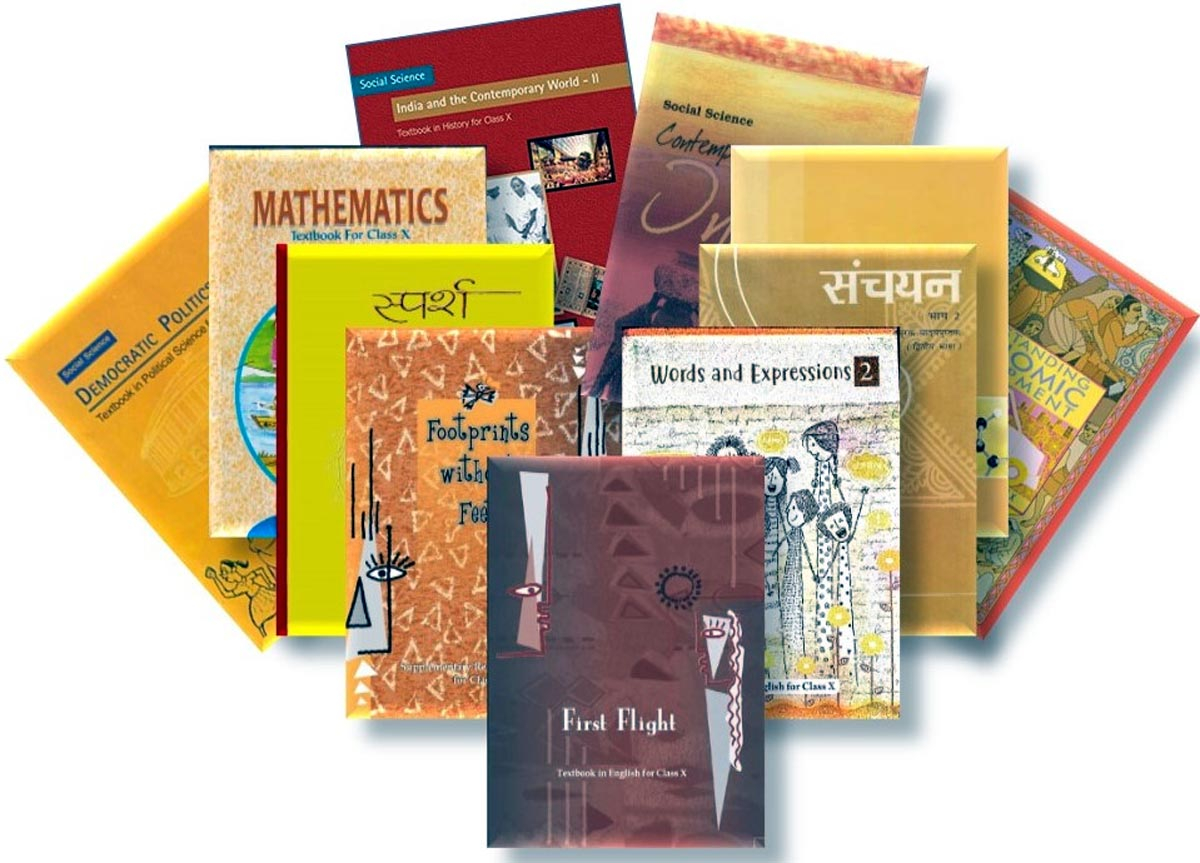
Changes notified by NCERT: The NCERT notified changes in its June 2022 circular, omitted the Periodic Table from 10th class books. This has been widely debated in academic circles.
New textbooks hit the market: The textbooks with the deletions and changes have now been released in the market.
What is Periodic Table?
Description
History
Developed by Dmitri Mendeleev in 1869. He arranged elements based on their atomic masses and predicted the existence of undiscovered elements.
Organization
Elements are arranged based on their atomic numbers, electron configurations, and properties.
Periods
There are seven periods (rows) in the table, representing different principal energy levels.
Groups
The table has 18 groups (columns), with elements in the same group sharing similar properties.
Main Groups
Elements in groups 1, 2, and 13 to 18 are referred to as main group elements.
Transition Metals
Groups 3 to 12 consist of transition metals, known for their variable oxidation states.
Lanthanides
The first row of the f-block contains the 15 lanthanide elements.
Actinides
The second row of the f-block contains the 15 actinide elements.
Periodic Trends
Various trends exist across the table, such as atomic radius, ionization energy, and electronegativity.
Periodic Law
The chemical and physical properties of elements repeat in a periodic manner based on their atomic numbers.
Modern Versions
Modern versions incorporate atomic numbers and reflect our understanding of atomic structure.
International Union of Pure and Applied Chemistry (IUPAC)
IUPAC is the international organization responsible for the standardization of chemical nomenclature, symbols, and the Periodic Table.
Database Management
Several organizations and databases manage and maintain comprehensive information about the elements, their properties, and the Periodic Table. Examples include the IUPAC, the National Institute of Standards and Technology (NIST), and the Royal Society of Chemistry (RSC).
Why this matters?
NCERT textbooks as a cornerstone: NCERT textbooks are considered a cornerstone for guiding the publication of State board textbooks, affecting nearly 60 State boards.
Concerns for non-science stream students: With a significant number of students opting for Arts and Commerce streams, they may lose the opportunity to learn crucial basic Chemistry concepts now only accessible in Class XI.
Controversial Deletions and Omissions by NCERT
Fundamental knowledge of chemistry: Experts argue that leaving out the periodic table and logical organization of elements from the textbooks hinders students’ understanding of fundamental chemistry concepts.
Rationalization of contents due to the pandemic: The NCERT claims that the exercise of reducing the content load on students is carried out across all classes in response to the COVID-19 pandemic.
Previous controversial deletions: Earlier, NCERT dropped Darwin’s theory of evolution from Class X textbooks and deleted chapters from Political Science textbooks, including Democracy and Diversity, Popular Struggles and Movements, Political Parties, and Challenges to Democracy.
Additional controversial omissions
Exclusion of Maulana Abul Kalam Azad: Any mention of Maulana Abul Kalam Azad, a freedom fighter and India’s first Education Minister, has been deleted from the textbooks.
Omission of J&K’s accession to India: The fact that Jammu and Kashmir acceded to India on the basis of autonomy has been removed from the revised Class XI textbook.
Further omissions in the CBSE syllabus: The history of Mughal courts, references to the 2002 communal riots in Gujarat, the Naxalite movement, and mention of Dalit writers were also omitted from the CBSE syllabus.
Reasons cited for curriculum revamp
Multiple sets of authors: Textbooks have undergone changes over the years, written by different sets of historians. There have been no controversies regarding these changes.
Celebration of diversity and assimilation: Exclusively holding on to one set of textbooks is contrary to the spirit of a civilization that celebrates diversity and assimilation.
NCF’s efforts for inclusive representations: The National Curriculum Framework (NCF) aims to bring a plurality of voices and more inclusive representations of marginalized and previously excluded history.
Allegations of Distortions in history textbooks
Deliberate distortions: Some sections of the media allege that the corrections and improvements made in the NCERT history textbooks are deliberate distortions or rewriting of history.
Sense of entitlement: The charge of rewriting history under a specific ideology betrays a sense of entitlement, suggesting that only one set of historians had the knowledge to determine what should be taught.
Autonomy breach: While autonomy in academic and intellectual activities is crucial, the notion that institutional autonomy has been undermined and academic freedom is under stress is a one-sided and pointless exercise.
Way forward
Logical revision: There is an urgent need for a comprehensive revision of NCERT textbooks, not only in history but in all subjects, to incorporate new knowledge and discoveries.
Prudent use of existing textbooks: Until a detailed plan and advice for a comprehensive revision of books and syllabi is formulated, NCERT has chosen to use the existing textbooks.
Presenting facts lucidly: Textbooks should present facts lucidly, allowing students to acquire the knowledge they seek.
Avoid politicizing: Academics and politicians should refrain from politicizing school textbooks and instead focus on telling students the stories of the past without weaving in half-truths or erasing vast chunks of history.
Addressing gaps and inclusivity: Continuous revision of the curriculum is necessary to address gaps, make textbooks relevant, and ensure inclusivity.
External Affairs Minister S Jaishankar is in Cape Town, South Africa, to participate in a meeting of foreign ministers from the BRICS countries.
The foreign ministers’ meeting aims to finalize the agenda for the upcoming BRICS summit, scheduled to be held in South Africa in August.
What is BRICS?
Explanation
About
BRICS is a grouping of the world’s leading emerging economies: Brazil, Russia, India, China, and South Africa.
History
The term BRIC was coined in 2001 by British Economist Jim O’Neill to describe the four emerging economies of Brazil, Russia, India, and China. The grouping was formalized in 2006, and South Africa joined in 2010.
Composition
BRICS comprises the four emerging economies of Brazil, Russia, India, and China, with South Africa joining later.
Footprints
BRICS represents 41% of the global population, 24% of global GDP, and 16% of global trade.
Chairmanship
Rotates annually among the members, with India holding the chair in 2021.
Initiatives
New Development Bank: NDB funds infrastructure and sustainable development projects.
Contingent Reserve Arrangement: CRA provides mutual support and strengthens financial stability among BRICS nations.
BRICS Payment System: Aims to create an alternative payment system to SWIFT.
Customs agreements: BRICS signed agreements to coordinate and ease trade transport.
Satellite: A constellation of remote sensing satellites has been launched in collaboration with BRICS nations.
Key agenda of this meet
Geopolitical consolidation and potential expansion: Two key items on the agenda attracting attention are the plan to expand the membership of BRICS and the discussion of a common currency.
Friends of BRICS meet: South Africa, as the chair this year, is hosting a Friends of BRICS meeting with foreign ministers from Africa and the Global South.
Potential Expansion of BRICS
Countries in queue for BRICS membership: Around 19 countries are reportedly seeking to join BRICS, including Argentina, Nicaragua, Mexico, Uruguay, Venezuela, Nigeria, Algeria, Egypt, Senegal, Morocco, Saudi Arabia, the UAE, Turkey, Syria, Iran, Kazakhstan, Bangladesh, Afghanistan, Indonesia, and Thailand.
Inclusion of big oil producers: The list of potential new members includes major oil-producing countries like Saudi Arabia, Iran, the UAE, Nigeria, and Venezuela.
China’s Role in BRICS
China driving expansion: China is leading the effort to expand its membership of BRICS and is promoting the idea of creating a bigger space for the Global South.
Focus on multilateralism: China emphasizes multilateralism as it criticizes US hegemony, using the theme of “multilateralism” rather than “multipolarity” in discussions about BRICS.
Challenging the Western geopolitical view: The conflict in Ukraine has strengthened the China-Russia partnership and transformed BRICS into an aspiring bloc that challenges the western geopolitical narrative.
India’s Position in BRICS
India’s participation in BRICS and the G7: India’s involvement in both BRICS and the G7 demonstrates its engagement with multiple groupings and does not indicate alignment with an anti-Western coalition.
Non-Western group: India views BRICS as a non-western group and believes it should remain so, focusing on its role as a platform for Global South countries to express solidarity.
New challenges for India: Some analysts argue that as BRICS expands and more members join, it could sidelines India’s influence within the group.
What about BRICS Common Currency?
Proposal for a common currency: Russia proposed the idea of a common currency at the BRICS summit in Beijing last year. Leaders established a committee to study its feasibility.
Cautious reception and challenges: The proposal for a common currency received cautious feedback, with concerns about its viability and complexities such as different economic and political systems among member countries.
Insulation from the dollar: The idea of a common currency presents an opportunity to reduce reliance on the US dollar, but not all members are convinced it is the right time.
Difficulties in currency trade: Negotiations between India and Russia for trading in their respective currencies have encountered difficulties, with Moscow preferring dollar payments due to limited imports from India.
China’s stance on the US dollar
Retreating US dollar hegemony: China has expressed discontent with the “hegemony of the US dollar” and aims to promote the use of the Yuan as a trading currency in Central Asia.
No open voices abandoning the dollar: Despite its criticisms, there is no evidence to suggest that China is ready to completely abandon the US dollar at present.
Announcement of dam and reservoir: The Deputy CM of Karnataka announced plans for the construction of a dam and reservoir called Mekedatu near the state’s border with Tamil Nadu.
Objections raised by Tamil Nadu: Tamil Nadu expressed strong objections to the project, arguing that it goes against the rulings of both the Cauvery Water Disputes Tribunal and the Supreme Court.
Warning of protests: Political parties in Tamil Nadu have warned of potential protests and opposition if the construction of the Mekedatu dam proceeds.
What is Mekedatu Project?
Location and purpose: The Mekedatu dam project is planned to be constructed in Ramanagaram district, approximately 100 km south of Bengaluru. Its primary purpose is to address the drinking water needs of Bengaluru and replenish the regional groundwater table.
Proposed capacity and estimated cost of the dam: The dam is proposed to have a capacity of 48 TMC (thousand million cubic) feet and is estimated to cost Rs 6,000 crore.
Background and previous developments of the project: The idea of the Mekedatu dam has been under consideration for several years. In 2014, the Karnataka government invited expressions of interest for the project and allocated funds for a detailed project report in the following year.
Opposition to the Project
Widespread protests and state-wide bandh in TN: When the project was initially proposed, Tamil Nadu witnessed widespread protests against it. These protests culminated in a statewide bandh, supported by various stakeholders.
Resolutions passed by TN Assembly against the project: The Tamil Nadu Assembly, representing the voice of the people, passed unanimous resolutions expressing strong opposition to the Mekedatu project in December 2018 and January 2022.
Political actions and legal involvement in the dispute: Various political leaders and parties in Tamil Nadu have taken actions, including raising the issue with the central government and approaching the Supreme Court to challenge the project’s legality.
Arguments against the Project
Concerns over modification of river flow: Critics of the Mekedatu project argue that constructing reservoirs on the Cauvery River would modify its natural flow, potentially leading to adverse effects downstream.
Violation of the final award of the water disputes tribunal: Tamil Nadu contends that the proposed dam violates the final award of the Cauvery Water Disputes Tribunal, which determined the water-sharing arrangements between the two states.
Impact on water flow in catchment areas: Tamil Nadu raises concerns that the project’s implementation would impound the flow in catchment areas, affecting the availability of water downstream and potentially leading to water scarcity in the state.
Justifications and proposals
Ensuring adequate flow to TN: Karnataka argues that the construction of the Mekedatu dam will not hinder the stipulated quantum of water release to Tamil Nadu nor be utilized for irrigation purposes.
Allocation of funds and willingness to negotiate: The Karnataka government has earmarked Rs 1,000 crore for the project, indicating its commitment. It also expresses willingness to engage in discussions and negotiations with Tamil Nadu to address concerns and find a resolution.
Clearance of feasibility study: The Central Water Commission cleared a feasibility study for the Mekedatu project in 2018, providing additional support for Karnataka’s justifications and indicating the project’s viability.
Historical context of the dispute
Past opposition and protests against the dam: The Mekedatu dam has been a subject of contention and opposition for several years. Tamil Nadu has witnessed widespread protests, reflecting public sentiment against the project.
Political actions and involvement of state delegations: Political leaders from Tamil Nadu and Karnataka have been actively involved in addressing the issue. Delegations from both states have approached the central government seeking support or intervention.
Legal challenges and the role of the Supreme Court: Tamil Nadu’s approach to the Supreme Court against the Mekedatu project highlights the legal dimension of the dispute. The involvement of the court plays a crucial role in considering the arguments and reaching a resolution.
Environmental and Economic considerations
Potential benefits of the dam for water supply: Proponents of the Mekedatu project argue that it will address the pressing drinking water needs of Bengaluru, ensuring a stable water supply for the growing city.
Concerns about environmental impact and ecosystem disruption: Critics raise concerns about the potential environmental impact of constructing the dam and reservoir. They highlight potential disruptions to local ecosystems and the natural flow of the river.
Evaluating the economic viability of the project: Given the significant estimated cost of the Mekedatu project, there is a need to evaluate its cost-effectiveness and long-term economic viability, considering factors such as funding sources, returns on investment, and sustainable utilization of resources.
Way forward
Importance of negotiation and finding common ground: The conflict surrounding the Mekedatu project emphasizes the importance of dialogue, negotiations, and finding mutually acceptable solutions that address the concerns of both Karnataka and Tamil Nadu.
Role of the Supreme Court and other mediators in resolving conflicts: The involvement of the Supreme Court and other mediators can play a crucial role in facilitating discussions, mediating conflicts, and reaching a resolution that adheres to legal frameworks and considers the interests of both states.
Promoting inter-state cooperation for sustainable water management: The dispute underscores the need for robust inter-state cooperation and collaboration on water management issues. It is crucial to ensure sustainable and equitable utilization of shared water resources, respect legal frameworks, and address the concerns of all stakeholders involved.
In the realm of technological advancements, certain breakthroughs possess the power to revolutionize entire industries. Artificial Intelligence (AI) for software, quantum computing for computers, and graphene for materials are such game-changers. While India has made commendable progress in AI and shows promise in quantum computing, it is crucial for the country to catch up in the domain of graphene.
What is Graphene?
Graphene is a single layer of carbon atoms arranged in a hexagonal lattice pattern. It is a two-dimensional material that is incredibly thin, strong, and lightweight. In fact, it is the thinnest material known to date, with a thickness of just one atom.
Despite its thinness, graphene is remarkably strong, around 200 times stronger than steel, yet incredibly flexible.
Why Graphene is known as The Wonder Material?
Exceptional Strength: Despite being only one atom thick, graphene is incredibly strong. It is approximately 200 times stronger than steel, yet it is incredibly flexible. This combination of strength and flexibility makes it highly desirable for applications where strength and durability are crucial.
Superb Electrical Conductivity: Graphene is an excellent conductor of electricity, even surpassing traditional conductors like copper. It allows the flow of electrons with minimal resistance, making it ideal for developing high-performance electronics and electrical devices.
High Thermal Conductivity: Along with its electrical conductivity, graphene also exhibits excellent thermal conductivity. It can efficiently transfer heat, making it valuable for applications requiring efficient heat management, such as in electronics, thermal management systems, and energy storage devices.
Transparency: Graphene is nearly transparent and can absorb only 2% of light passing through it. This property makes it an intriguing material for optoelectronic devices, transparent conductive films, and touchscreens, as it enables the transmission of light while maintaining conductivity.
Impermeability to Gases: Graphene is impermeable to gases, even those as small as hydrogen and helium. This property opens up possibilities for applications in gas separation, filtration, and storage, as well as creating barriers against moisture or gas permeation in various industries.
Versatility and Composite Formation: Graphene can be combined with other materials to create composite materials with enhanced properties. Even in small quantities, graphene can significantly improve the strength, conductivity, and other characteristics of composite materials. This versatility expands its potential applications in fields such as aerospace, automotive, construction, and sports equipment.
Wide Range of Applications: Graphene has the potential to revolutionize numerous industries and sectors. It can be used in energy storage devices like batteries and supercapacitors, for developing sensors, inks, membranes for water purification, and in healthcare for drug delivery systems and biosensors. Its applications also extend to areas such as defense and aerospace, where its exceptional strength, conductivity, and sensitivity to environmental changes offer unique advantages.
Global Graphene Landscape
China: China declared graphene a priority in its 13th Plan. China has emerged as a global leader in the production and commercialization of graphene. China’s emphasis on graphene is evident from its graphene-related patent filings, which have surpassed those of other leading nations in recent years.
United States: The United States has a strong presence in the graphene landscape, with active research and development initiatives. Several universities, research institutions, and companies in the U.S. are at the forefront of graphene research, exploring its potential applications and commercialization prospects. The country has a considerable number of graphene-related patents and is home to leading graphene companies and startups.
United Kingdom: The UK has been a pioneer in graphene research since its discovery. The University of Manchester, where graphene was first isolated, remains a hub for graphene research and innovation. The UK government has invested in the National Graphene Institute and the Graphene Engineering Innovation Centre to support research and development in graphene applications.
South Korea: South Korea has active research programs, industry collaborations, and graphene-related patent filings. South Korean companies are involved in graphene production, commercialization, and application development across various sectors.
Japan: Japan has a significant presence in graphene research and commercialization. Japanese universities and research institutions have made notable contributions to the field. The country has a strong focus on developing graphene-based technologies in areas such as electronics, energy storage, and composite materials. Japanese companies are actively involved in graphene production and application development.
Russia: Russia has a growing presence in the graphene landscape, with notable research activities and patents in the field. Russian universities and research institutes are engaged in graphene research, and the country has witnessed the establishment of graphene-focused companies.
Singapore: Singapore has invested in graphene research and development, aiming to position itself as a regional hub for graphene-related technologies. The country has established research institutes and centers focused on graphene and has attracted collaborations with international partners.
India’s progress in the graphene sector
Research and Academic Contributions: The Centre for Nano Science and Engineering at the Indian Institute of Science (IISc) Bangalore, in collaboration with KAS Tech, has been actively involved in graphene research and development.
Start-ups and Industry Initiatives: Several start-ups and foreign subsidiaries have emerged in India, focusing on graphene or graphene derivatives. Notably, Tata Steel has achieved success in growing graphene using annealing and extracting atomic carbon from steel surfaces. They have also explored the use of graphene in recycling plastic products. Other start-ups, such as Log 9 and RF Nanocomposites, have patented graphene-based technologies for ultracapacitors, EMI shielding, and stealth applications, respectively.
Graphene Innovation Centre in Kerala: In a laudable step, the India Innovation Centre for Graphene was established in Kerala. This center, implemented by the Digital University Kerala in partnership with Tata Steel and C-MET, Thrissur, aims to foster large-scale innovation activity around graphene. It serves as a collaborative platform for research, development, and commercialization of graphene-based technologies.
Patents and Intellectual Property: While India’s graphene-related patent filings are relatively modest compared to other leading countries, there have been efforts to secure intellectual property. Indian researchers and institutions have filed patents for graphene-based technologies and applications, demonstrating innovation and progress in the field.
Facts for prelims: Semiconductors
Semiconductors are materials that have properties that are in between those of conductors (such as copper) and insulators (such as rubber).
They have the ability to conduct electricity under certain conditions, but not under others.
The conductivity of semiconductors can be manipulated through the introduction of impurities or doping with other materials.
This process alters the electronic properties of the material and creates regions of excess or deficit of electrons, called p-type and n-type regions respectively.
The interface between these regions is known as a p-n junction, which is a fundamental building block of many semiconductor devices.
Way Ahead: India’s graphene sector
National Graphene Mission: Establish a dedicated National Graphene Mission, similar to initiatives undertaken by other countries. This mission should focus on fostering research, development, and commercialization of graphene-based technologies, with clear objectives, timelines, and allocated resources.
Increased Research and Development: Encourage and fund research and development activities in graphene across academic institutions, research organizations, and industry. Foster collaborations between academia, industry, and government to drive innovation and accelerate the discovery of new applications for graphene.
Infrastructure and Facilities: Invest in infrastructure and facilities for large-scale production, characterization, and testing of graphene. Develop advanced laboratories equipped with state-of-the-art instruments to support graphene research and development.
Skill Development and Training: Promote skill development programs and training initiatives to build a skilled workforce with expertise in graphene technology. Develop specialized courses and training modules at educational institutions to produce a talent pool proficient in graphene research, fabrication, characterization, and application development.
Industry-Academia Collaboration: Foster stronger collaboration between industry and academia to bridge the gap between research and commercialization. Encourage joint research projects, technology transfer, and the establishment of industry-academia consortia focused on graphene.
Funding and Financial Support: Increase funding for graphene research and development through government grants, industry investments, and venture capital. Provide financial support and incentives for start-ups and companies working on graphene technologies to encourage entrepreneurship and product development.
Intellectual Property Protection: Strengthen intellectual property protection mechanisms and encourage researchers and companies to file patents for graphene-based technologies and applications. Support the development of patent pools and licensing frameworks to facilitate technology transfer and commercialization.
Conclusion
The potential of graphene to transform industries cannot be understated. As the world advances towards the graphene age, India must secure its position as a leader rather than a bystander. The time to prioritize graphene is now, as the production of high-grade graphene may become concentrated in select global locations, similar to semiconductors. India has witnessed the consequences of missing out on the semiconductor wave, and it cannot afford to repeat history.