💥UPSC 2026, 2027, 2028 UAP Mentorship (March Batch) + Access XFactor Notes & Microthemes PDF

Search results for: “”

  • Urban Floods

    Urban Floods

    Urban Floods: It is caused by the combination of meteorological, hydrological and human factors. Flood peaks from 1.8 to 8 times and flood volumes by up to 6 times.

    • The global Urban Exposure to flooding increased more than four-fold from 16,443 km2 in 1985 to 92,233 km2 in 2018.
    • The most notable growth occurred in Asia (74.1%), followed by Europe (11.6%), Northern America (8.7%), Africa (2.9%), Southern America (2.2%), and Australia (0.5%).
    • Floodplains only accounted for 5.5% of the global land areas, 12.6% of the urban expansion occurred in the floodplains from 1985 to 2018.

    Nodal Ministry: Min. of Housing and Urban Affairs (MHUA)

    States Prone:

    • Maharashtra: Cities like Mumbai and Pune are known to experience urban floods.
    • West Bengal: Kolkata and other low-lying regions.
    • Tamil Nadu: Chennai has faced significant urban flooding incidents in recent years.
    • Kerala: Cities like Kochi and Thiruvananthapuram are prone to flooding, due to their topography and heavy rains.
    • Gujarat: Urban areas in Gujarat, such as Ahmedabad, can experience flooding during heavy rainfall events, as the state is susceptible to both coastal and riverine flooding.
    • Assam: Guwahati and other cities in Assam face urban floods due to their location in the flood-prone Brahmaputra River basin.
    • Uttar Pradesh: Cities like Lucknow and Kanpur are at risk of urban flooding, often exacerbated by rapid urbanization and poor drainage infrastructure.
    • Bihar: Cities along the Ganges River, like Patna, are susceptible to urban flooding during monsoons and heavy rain events.
    • Delhi: The national capital region, including Delhi, is at risk due to urban development, inadequate drainage, and the seasonal overflow of the Yamuna River.
    • Andhra Pradesh and Telangana: Cities like Hyderabad are prone to urban flooding, with incidents occurring due to heavy rainfall and rapid urban expansion.

    Types of Urban Floods:

    1. Sewer Backup Flooding: Happens when sewage systems fail, leading to inundation. Example: Bengaluru’s sewer backup flooding in low-lying areas.
    2. Infrastructure Failure Flooding: Caused by failures in urban infrastructure, such as dam breaches or canal breaches. Example: The 1979 Machu Dam failure in Gujarat led to urban flooding.

    Criteria to Declare:

    In India, the criteria to declare an urban flood can vary by state and local authorities, but some common factors considered include:

    1. Rainfall Intensity: The amount and intensity of rainfall over a specified period, often exceeding the local drainage capacity.
    2. Waterlogging: Extensive waterlogging in urban areas, leading to disruptions in daily life and traffic flow.
    3. River Water Levels: Rising river levels that breach their banks and inundate urban areas can trigger a flood declaration.
    4. Drainage System Capacity: Overflow or failure of drainage systems, including stormwater drains and sewers.
    5. Impact on Infrastructure: Damage to critical infrastructure like roads, bridges, and public utilities due to water accumulation is also assessed.
    6. Evacuation Needs: The necessity of evacuating residents from affected areas due to flooding is a significant factor in declaring an urban flood.

    Causes:

    • Encroachments on the natural drains and the river floodplains.
    • Improper disposal of solid waste.
    • Dumping of construction debris.
    • Sudden release or failure to release water from dams.
    • The urban heat island effect has resulted in an increase in rainfall.
    • Global climate change results in increased episodes of high-intensity rainfall events. 

    Mitigation:

    1. Estimation and identification of emergency needs and resources.
    2. Preparation of well-designed plans for the entire post-flooding response.
    3. Take all necessary measures for planning, capacity building, and other preparedness.
    4. It includes the development of identification of Teams for maintaining the drains and roads,
    5. Mobilization of resources and taking measures in terms of equipping, providing training, conducting exercises for prevention of water logging/inundation etc.

    NDMA Guidelines:

    • Battery operated torch
    • Extra batteries
    • Battery operated radio
    • First aid kit and essential medicines
    • Emergency food (dry items) and water (packed and sealed)
    • Candles and matches in a waterproof container
    • Knife
    • Chlorine tablets or powdered water
    • Thick ropes and cords
    • Shoes

    Way Forward:

    1. Need For Holistic Engagement: Urban floods of this scale cannot be contained by the municipal authorities alone. Floods cannot be managed without concerted and focused investments of energy and resources.
    2. The Metropolitan Development Authorities, National Disaster Management Authority, State Revenue and irrigation departments along municipal corporations should be involved in such work together.
    3. Developing Sponge Cities: Sponge cities absorb the rainwater, which is then naturally filtered by the soil and allowed to reach urban aquifers.
    4. Wetland Policy: There is a need to start paying attention to the management of wetlands by involving local communities.
    5. To improve the city’s capacity to absorb water, new porous materials and technologies must be encouraged or mandated across scales. Examples of these technologies are bioswales and retention systems, permeable materials for roads and pavement, drainage systems that allow stormwater to trickle into the ground, green roofs, and harvesting systems in buildings.
  • [pib] National Wildlife Health Policy

    Why in the News?

    The Central Zoo Authority has initiated the development of the National Wildlife Health Policy (NWHP) through a consultative workshop held in New Delhi.

    About the National Wildlife Health Policy (NWHP):

    Details
    • An initiative launched by the Central Zoo Authority (CZA) to improve wildlife health and control zoonotic diseases.
      • CZA, established in 1992 under the Wildlife Protection Act, 1972, is a statutory autonomous body under the MoEFCCC.
    • Part of the National Wildlife Action Plan (2017-31) and follows the One Health approach, which integrates human, animal, and environmental health.
    Aims and Objectives
    • Prevent and Control Zoonotic Diseases: Strengthen monitoring and control of diseases.
    • Improve Disease Surveillance: Develop systems for early epidemic detection.
    • Promote One Health Principles: Integrate human, animal, and environmental health.
    • Community Advocacy: Increase awareness on wildlife health and conservation.
    Programs/Initiatives Under the Policy
    • Wildlife Health Management Unit (WHMU): A dedicated unit to implement wildlife health programs.
    • Disease Surveillance and Early Detection: Early detection of diseases, especially in protected areas.
    • Biosecurity Protocols: Strengthen measures to minimize disease risks.
    • Epidemic Preparedness and Response: Response strategies for wildlife disease outbreaks.
    • One Health Approach Integration: Coordination between health sectors for better management.
    Structural Mandate and Implementation
    • Wildlife Health Management Unit (WHMU) (proposed) to oversee wildlife health programs.
    • Collaboration Across Agencies: Coordination with MoEF&CC, Wildlife Institutes, and state wildlife authorities.
    • Surveillance and Monitoring: Monitor and track wildlife diseases, with research support from Indian Veterinary Research Institute (IVRI).
    • Capacity Building: Training programs for wildlife health professionals.
    • Funding and Resources: Significant resources for surveillance, research, and capacity building.
  • IPBES Report, 2024

    Why in the News?

    The 11th plenary of the Intergovernmental Science-Policy Platform on Biodiversity and Ecosystem Services (IPBES) took place in Namibia to discuss key scientific findings and evidence addressing the global biodiversity crisis.

    About IPBES

    • IPBES aims to improve the interface between science and policy on biodiversity and ecosystem services.
    • Membership: Comprises over 130 member governments.
    • Purpose: Provides scientific assessments to guide governments, the private sector, and civil society in decision-making on biodiversity and ecosystems.
    • Establishment:
      • Formally established in April 2012 when 90 countries signed its founding statement.
      • Originated from a 2010 UN General Assembly resolution urging the UN Environment Programme to convene a meeting for its formation.
    • Structural Mandate:
      • Led by a Plenary (main decision-making body) with representatives from member states.
      • Operates on a consensus principle, meeting annually to decide on work programs, budgets, and reports.
    • Key Functions:
      • Assessments: Develop global and regional assessments on biodiversity themes.
      • Policy Support: Provide tools and methodologies for policymakers.
      • Capacity Building: Enhance knowledge and capabilities among members.
      • Outreach: Ensure effective communication and impact.
    • Notable Achievements:
      • 2019: Released the Global Assessment Report on biodiversity and ecosystem services.
      • 2020: Preliminary report on international cooperation to reduce pandemic risks.
      • 2021: Co-sponsored a biodiversity and climate change workshop report with IPCC.
      • 2022: Awarded the Gulbenkian Prize for Humanity, shared with IPCC.
    • Unique Contributions:
      • Introduced the term “Nature’s Contributions to People” (NCPs) as an alternative to ecosystem services.
      • Compiles knowledge from diverse sources, including scientific literature, indigenous knowledge, and local expertise.

    Key Highlights on the Global Environment:

    • Biodiversity Loss: 1 million species face extinction due to habitat destruction, climate change, and pollution.
    • Climate Change Impact: Global warming is significantly threatening ecosystems and species.
    • Deforestation: Large-scale deforestation disrupts ecosystems and contributes to carbon emissions.
    • Water Scarcity: Freshwater ecosystems are under threat from pollution and over-extraction.
    • Ecosystem Services: Decline in vital services like clean air, water, and food.
    • Global Cooperation: Urgent need for global action to address climate change, biodiversity loss, and sustainable development.
    • Biodiversity and Health: Emphasis on the One Health approach to link human, animal, and environmental health.

    Key Highlights on the Asian Region:

    • Biodiversity: Asia hosts half the world’s biodiversity but faces major threats from habitat loss and climate change.
    • Pollution and Urbanization: Rapid urbanization is increasing pollution, affecting health and the environment.
    • Climate Change: Vulnerable to floods, droughts, and rising sea levels impacting agriculture and settlements.
    • Forest Loss: Deforestation, especially in Indonesia, India, and Malaysia, threatens ecosystems.
    • Marine Biodiversity: Marine life is under pressure from overfishing and pollution.
    • Sustainable Agriculture: Promoting sustainable farming to reduce environmental impact.
    • Protected Areas: Despite progress, conservation management remains a challenge.

    PYQ:

    [2012] The Millennium Ecosystem Assessment describes the following major categories of ecosystem services-provisioning, supporting, regulating, preserving and cultural. Which one of the following is supporting service?

    (a) Production of food and water

    (b) Control of climate and disease

    (c) Nutrient cycling and crop pollination

    (d) Maintenance of diversity

  • US Bitcoin Strategic Reserve

    Why in the News?

    Bitcoin surged to a record high of over $107,000 after President-elect Donald Trump reaffirmed plans to create a US bitcoin reserve, boosting investor excitement.

    Do you know?

    • The legal status of cryptocurrency in India is uncertain.
      • RBI has warned against cryptocurrencies, citing risks to investors and confirming they are not legal tender. 
    • In 2018, the Supreme Court overturned an RBI ban on financial institutions dealing with cryptocurrencies.
    • In the 2022-23 Union Budget, the Government of India announced a 30% tax on cryptocurrency transfers.
    • Additionally, a panel has been formed to explore blockchain technology and the potential for a Central Bank Digital Currency (CBDC).

    What is a Strategic Reserve?

    Details
    • A strategic reserve is a stockpile of critical resources, used in times of crisis or disruptions in supply.
    • Examples:
      • US Strategic Petroleum Reserve: Largest global emergency oil stockpile, created in 1975 after the 1973-74 oil embargo.
      • Canada’s Maple Syrup Reserve: The only global strategic reserve for maple syrup.
      • China’s Reserves: Includes resources like metals, grains, and pork.
    How Would a U.S. Strategic Bitcoin Reserve Work?
    • Establishing the Reserve: Unclear if it would require executive powers or Congress approval. Some suggest an executive order to manage bitcoin through the U.S. Treasury’s Exchange Stabilization Fund.
    • Content of the Reserve: Includes seized bitcoin (200,000 tokens, worth approx. $21 billion).
    • Additional Purchases: Possible purchase of more bitcoin from the open market.
    Benefits and Risks of a Bitcoin Reserve Benefits:

    • Global Market Dominance: Could enhance U.S. control over the global bitcoin market, especially against competitors like China.
    • Economic Advantages: Could reduce U.S. fiscal deficit and strengthen the U.S. dollar.

    Risks:

    • Volatility: Bitcoin’s value is uncertain due to volatility and lack of intrinsic use.
    • Security: Vulnerability to cyber-attacks and market fluctuations.
  • Arctic Tundra is emitting more Carbon than it absorbs: NOAA

    Why in the News?

    • The Arctic Tundra, a frozen treeless biome, has traditionally served as a carbon sink, storing vast amounts of carbon for thousands of years.
      • However, recent changes in this ecosystem are turning it into a source of greenhouse gases (GHGs), primarily carbon dioxide (CO2) and methane (CH4) according to National Oceanic and Atmospheric Administration (NOAA).

    What is Arctic Tundra?

    • Arctic Tundra is cold, treeless biome located in the northernmost regions of Earth, primarily within the Arctic Circle.
    • Climate:
      • Experiences long, harsh winters and short, cool summers.
      • Temperatures range from -28°C in winter to 3°C in summer.
      • Ground is permanently frozen, restricting plant root growth and shaping the ecosystem.
      • Experiences 24-hour daylight in summer and long polar nights in winter.
    • Biodiversity and Vegetation:
      • Limited to low-growing vegetation like mosses, lichens, grasses, and small shrubs, adapted to short growing seasons.
      • Hosts animals like Arctic foxes, polar bears, caribou, and migratory birds, though overall biodiversity is low.
    • Adaptations:
      • Animals: Thick fur and fat layers in species like polar bears to survive extreme cold.
      • Plants: Shallow roots for quick nutrient absorption during short summers.

    How does the Arctic Tundra store Carbon?

    • The Arctic tundra stores carbon primarily through a process where plants absorb carbon dioxide (CO2) from the atmosphere via photosynthesis.
      • This carbon gets trapped in the soil and organic matter (plants and animals) that accumulate over time.
    • The cold Arctic climate slows the decomposition of plant and animal remains, meaning that organic materials, including carbon, remain locked in the permafrost.
      • This permafrost acts as a natural storage system, preventing CO2 from being released back into the atmosphere.
    • Scientists estimate that the Arctic tundra holds about 1.6 trillion metric tonnes of carbon, which is roughly double the amount of carbon in the Earth’s atmosphere.

    Why is the Arctic Tundra emitting more carbon than absorbing it?

    • Rising temperatures in the Arctic are causing the permafrost to thaw at an accelerated rate.
      • When permafrost thaws, microbes in the soil become active, breaking down the organic material trapped in the frozen ground, which results in the release of carbon dioxide (CO2) and methane (CH4), two potent greenhouse gases.
      • The Arctic has been warming at a rate four times faster than the global average.
      • 2024 was the second-warmest year on record for the region, contributing significantly to the thawing of the permafrost.
    • Wildfires in the Arctic have become more frequent and intense, further accelerating the thawing of permafrost. Wildfire smoke also contributes to the release of greenhouse gases.
    • Between 2001 and 2020, the combination of rising temperatures and increased wildfires led to the Arctic tundra releasing more carbon than it absorbed, marking a significant shift in its role from a carbon sink to a carbon emitter.

    PYQ:

    [2012] Climate is extreme, rainfall is scanty and the people used to be nomadic herders. The above statement best describes which of the following regions?

    (a) African Savanna

    (b) Central Asian Steppe

    (c) North American Prairie

    (d) Siberian Tundra

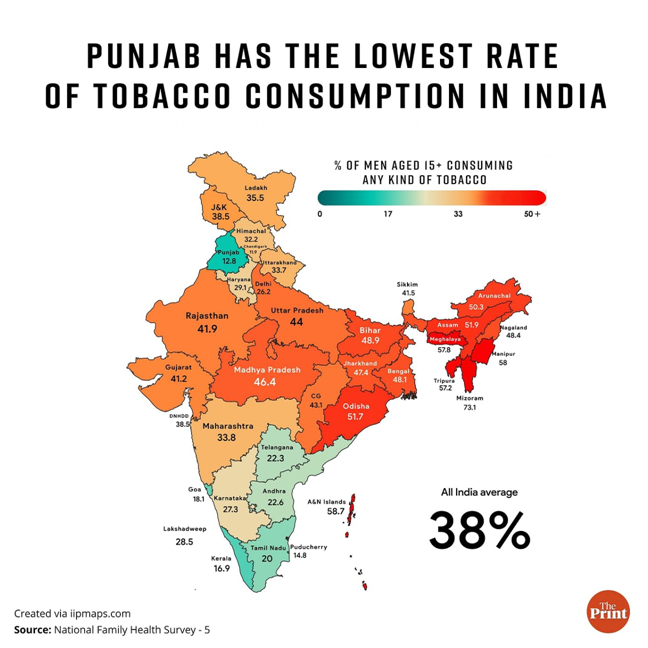
  • [17th December 2024] The Hindu Op-ed: Levy a higher GST rate on tobacco, sugared beverages

    PYQ Relevance:

    Q) “Besides being a moral imperative of a Welfare State, primary health structure is a necessary precondition for sustainable development.” Analyse. (UPSC CSE 2021)

    Mentor’s Comment: UPSC mains have always focused on major issues like the Conflict of interest in the public sector (2017) and Life Expectancy (2022).

    Tobacco is responsible for approximately 1 million deaths annually in India, accounting for about 17.8% of total deaths in the country. This includes deaths from both direct tobacco use and secondhand smoke exposure.

    The proposal to levy a higher Goods and Services Tax (GST) rate on tobacco products and sugared beverages has sparked significant discussion in India. This editorial explores the implications of such a move, the current tax structure, and the anticipated outcomes of the proposed changes.

    _

    Let’s learn!

    Why in the News?

    The proposal to levy a higher Goods and Services Tax (GST) rate on tobacco products and sugared beverages has sparked significant discussion in India.

    What is National Calamity Contingent Duty (NCCD)?

    • It is a type of excise duty imposed by the Indian government on specific manufactured goods, particularly those considered harmful to public health, such as tobacco products and certain beverages.
    • Established under Section 136 of the Finance Act, 2001, NCCD is intended to generate revenue that can be utilized for disaster relief and other national calamity responses.
    • In the Union Budget for 2023-24, the government proposed increasing NCCD rates by approximately 16% for specified cigarettes, reflecting ongoing efforts to regulate tobacco consumption through higher taxation.

    Background of the news:

    • Over the past seven years since the Goods and Services Tax (GST) was introduced in India, there have been a few significant increases in GST rates for harmful products like tobacco and sugar-sweetened beverages.
    • Apart from two small hikes in the National Calamity Contingent Duties (NCCD) on tobacco, the tax rates have largely remained unchanged. This lack of increase has made these products more affordable, which undermines efforts to reduce their consumption.
    • In this context, the recent proposal by the Group of Ministers (GoM) to raise the highest GST rate on tobacco and sugar-sweetened beverages from 28% to 35% is a positive development. This increase could help discourage the consumption of these harmful products.
    • However, it is important to note that additional tax reforms are necessary to effectively address the public health issues and fiscal challenges associated with tobacco and sugary drinks.

    What is the current GST structure?

    • Under the existing GST framework, tobacco products and aerated beverages are taxed at a base rate of 28%, with additional cess rates that can range significantly.
    • For tobacco, these cesses can be as high as 290%, making it one of the most heavily taxed sectors in India.
    • Aerated beverages also face a 12% compensation cess on top of the standard GST rate, leading to a total tax burden that is among the highest globally.

    What is the Rationale behind the recent Proposal?

    • Public Health Concerns: Higher taxes on tobacco and sugary drinks are often justified by their negative health impacts. Increasing GST rates could deter consumption and promote healthier choices among consumers.
    • Revenue Generation: The Indian government is looking for ways to bolster its revenue streams, especially in light of potential shortfalls from other sectors. By raising taxes on these “sin products,” it aims to offset losses from reductions in taxes on essential goods and services, such as health insurance premiums.
    • Alignment with Global Practices: Many countries impose high taxes on tobacco and sugary beverages as part of public health strategies. By following suit, India could align itself with global best practices aimed at reducing the consumption of harmful products.

    What were the Market reactions to the potential GST Increase? 

    • Stock Price Impact: Following the news, ITC’s shares fell by about 3%, while Varun Beverages dropped by 5%. This decline reflects investor concerns over how higher taxes might affect profitability.
    • Historical Performance: Both companies had previously enjoyed strong stock performance, with ITC’s stock rising 110% and Varun Beverages increasing by 424% in recent years.
      • However, the prospect of increased taxation has caused a correction, with both stocks down around 12% from their recent highs.
    • Analyst Insights: Analysts believe that while higher taxes could reduce sales volumes, they might also boost government revenues if managed well. 

    Way Forward:

    • Engage with Stakeholders: Regular consultations with industry stakeholders, including manufacturers and health experts, can provide valuable insights into the potential impacts of tax changes and help create balanced policies that consider both public health and economic factors.
    • Consider Broader Tax Reforms: The government could explore broader tax reforms that align with health objectives, such as revising tax structures for other products or services that impact public health, ensuring a comprehensive approach to taxation.
    • Implement the Proposed GST Increase: The government should proceed with the Group of Ministers (GoM) recommendation to raise the GST on tobacco and aerated beverages from 28% to 35%. This move aims to discourage the consumption of these harmful products while increasing government revenue.
    • Enhance Public Awareness Campaigns: Alongside tax increases, the government can launch public health campaigns to educate citizens about the dangers of tobacco and excessive sugar consumption. This could further support efforts to reduce demand for these products.
    https://www.thehindu.com/opinion/op-ed/levy-a-higher-gst-rate-on-tobacco-sugared-beverages/article68992871.ece
  • India’s wage challenge has shifted from chronic to immediate

    Why in the news? 

    India’s Rural low wages pose a significant challenge, but adopting a ground-level perspective on employers’ daily realities highlights policy measures to increase the number of high-productivity employers.

    What are the root causes of the current wage stagnation in India?

    • Economic Structure: The shift from agriculture to non-farm jobs has not been accompanied by a corresponding increase in productivity. Despite significant government spending, the flow of jobs since 1991 has not reduced farm employment, leading to wage stagnation in rural areas.
    • Skill Mismatch: There is a disparity between the skills available in the labour market and those demanded by employers. Many workers remain under-skilled for the higher-paying jobs that are available, perpetuating low wages.
    • Economic growth vs wage stagnation: Despite India’s GDP growing at a strong rate, averaging 7.8% in recent years, this growth has not led to substantial wage increases for rural workers. In fact, real wages, when adjusted for inflation, have either remained stagnant or decreased. This disparity underscores a crucial issue: the underlying nature of economic growth.
    • Shift to Capital-Intensive Growth: India’s recent economic growth is driven by capital-intensive sectors, which create fewer jobs, limiting the demand for rural labour and keeping wages low.
    • Inflation vs. Wage Growth: While nominal wages have risen, inflation has outpaced wage growth, reducing the real purchasing power of rural workers. For example, rural wages grew by 5.2% nominally, but real wage growth was negative at -0.4%.
    • Increased Labour Supply: Government schemes like Ujjwala and Har Ghar Jal have increased rural women’s workforce participation, intensifying competition for jobs and putting downward pressure on wages.
    • Agricultural Wage Stagnation: Despite steady agricultural growth (4.2% and 3.6% in recent years), wages in agriculture have not increased proportionally, limiting overall wage growth in rural areas.

    How can India effectively implement a living wage system?

    A living wage system ensures workers earn enough to meet basic needs like food, housing, healthcare, and education, enabling a decent standard of living beyond mere subsistence wages.

    • Policy Framework: Establishing a clear definition of what constitutes a living wage based on local cost of living metrics is essential. This framework should be adaptable to different regions and sectors.
    • Incentives for Employers: Providing tax breaks or subsidies for businesses that pay living wages can encourage compliance and support workers’ livelihoods.
    • Strengthening Labor Rights: Ensuring robust enforcement of labor laws that protect workers’ rights to fair wages and safe working conditions is crucial for implementing a living wage system effectively.
    • Public Awareness Campaigns: Educating both employers and employees about the benefits of a living wage can help shift perceptions and practices within the workforce.

    What are the wage disparities in India?

    • Gender Wage Gap: According to the Global Gender Gap Index 2024, Indian women earn only ₹40 for every ₹100 earned by men, highlighting a significant gender pay disparity.
      • The economic gender parity level in India is recorded at 39.8%, indicating that while some progress has been made, substantial gaps remain in economic participation and remuneration between genders.
    • Regional Wage Disparities: The average daily wage for casual workers in rural areas is approximately ₹104, significantly lower than the national average of ₹247 per day for all workers.
    • Wage Inequality Metrics: The Gini coefficient for wages in India stands at 0.49, indicating a high level of wage inequality. The D9/D1 wage ratio, which compares the earnings of the top 10% to the bottom 10%, is 6.7, underscoring the stark contrast in earnings across different segments of the workforce.

    Note: The D9/D1 wage ratio is a measure of income inequality that compares the earnings of the top 10% of wage earners (D9) to the earnings of the bottom 10% (D1) within a given population

    What policy measures can be taken to address wage disparities and ensure fair compensation? (Way forward)

    • Rationalisation of Regulations: Streamlining regulatory frameworks to reduce bureaucratic hurdles can encourage entrepreneurship and job creation. This includes removing unnecessary jail provisions that deter business operations.
    • Investing in Human Capital: Prioritizing skill development programs aligned with market demands can boost employability and empower workers to secure higher-paying jobs.
    • Encouraging Non-Farm Employment: Policies should focus on fostering private, productive non-farm jobs through digitisation and formalization, paving the way for better wages.
    • Strengthening Redistribution Mechanisms: Adopting progressive taxation on higher profits can fund social programs designed to uplift wage levels across different sectors.
    • Fostering Long-Term Economic Planning: Crafting a comprehensive economic strategy aligned with labour market needs is essential for ensuring sustainable wage growth and effectively addressing disparities.

    Mains PYQ: 

    Q Can the strategy of regional-resource-based manufacturing help in promoting employment in India? (UPSC IAS/2019)

  • The hidden cost of greenwashing the Indian Railways

    Why in the news?

    The ‘Mission 100% Electrification’ project is like chasing an unrealistic dream of becoming a green railway, leading to many usable diesel locomotives becoming unnecessary.

    What are the key points of the report? 

    • Export of Repurposed Locomotives: RITES Ltd. is exporting six refurbished broad-gauge diesel locomotives to African railways after complex gauge conversion, marking a first in such re-engineering.
    • Idle Diesel Locomotives: Around 760 diesel locomotives, with over 60% still serviceable, are redundant due to the rapid electrification of the railway network.
    • Limited Environmental and Economic Gains: Electrification reduces only 2% of diesel consumption, while coal-powered electricity (50% of the total) negates environmental benefits, maintaining reliance on polluting sources.
    • Strategic Contradictions: Despite targeting 100% electrification, Indian Railways plans to retain 3,500 diesel locomotives for disaster management and traffic needs, undercutting “green” claims.
    • Policy and Financial Wastage: The rushed electrification drive has led to premature asset redundancy, wasting public funds without ensuring environmental or financial sustainability.

    What constitutes greenwashing in the context of Indian Railways?

    • Misleading Claims of Environmental Benefits: The Indian Railways’ push for 100% electrification is framed as a move towards a “green railway.” However, this initiative overlooks the fact that a significant portion of the electricity generated in India comes from coal-fired power plants, which are environmentally harmful.
      • Thus, the transition from diesel to electric locomotives may merely shift pollution from one source to another without achieving genuine environmental benefits.
    • Redundancy of Serviceable Assets: The decision to electrify the railway network has led to the premature stabling of functional diesel locomotives, many of which have considerable residual life left.
      • This not only represents a waste of resources but also raises questions about the actual motivations behind electrification efforts.
    • Focus on Slogans Over Substance: The Mission 100% Electrification initiative appears to prioritize headline-grabbing goals over comprehensive and well-thought-out policies.
      • This approach can be seen as greenwashing, as it promotes an image of environmental responsibility while failing to address the underlying issues related to energy sourcing and pollution.

    How do greenwashing practices impact public perception and trust?

    • Erosion of Credibility: When organizations like Indian Railways promote initiatives that are not genuinely sustainable, it can lead to public scepticism regarding their commitment to environmental issues.
    • Misallocation of Resources: Public perception may shift towards viewing government initiatives as wasteful or misguided, leading to decreased support for future projects that could have real environmental benefits.
    • Increased Public Scrutiny: Greenwashing practices often lead to increased scrutiny from activists, media, and the public.
      • As stakeholders demand transparency and accountability, organizations may face backlash for failing to deliver on their environmental promises.

    What regulatory measures can be implemented to combat greenwashing in the transportation sector? (Way forward)

    • Clear Guidelines for Environmental Claims: Establishing stringent regulations that define what constitutes legitimate environmental benefits can help prevent misleading claims.
      • Organizations should be required to substantiate their claims with verifiable data and transparent reporting.
    • Mandatory Sustainability Reporting: Implementing requirements for regular sustainability audits and reporting can ensure that transportation entities disclose their actual environmental impact, including emissions data and energy sources used.
    • Public Accountability Mechanisms: Creating independent bodies to assess and review claims made by transportation sectors regarding sustainability initiatives can enhance accountability.
      • These bodies could provide certifications or ratings based on genuine environmental performance rather than promotional claims.
    • Incentives for Genuine Sustainability Efforts: Providing financial incentives or recognition for organizations that implement effective sustainability measures can encourage genuine efforts rather than superficial compliance with green initiatives.

    Mains PYQ: 

    Q Why is Public Private Partnership (PPP) required in infrastructural projects? Examine the role of PPP model in the redevelopment of Railway Stations in India. (2022)

  • Green hydrogen and the financing challenge

    Why in the news?

    India aims to produce 5 million metric tonnes of green hydrogen annually by 2030 to lead in the sector and reduce emissions, but the high costs of financing may hinder this goal.

    Hydrogen fuel comes in three types:

    • Grey hydrogen (produced from natural gas), Blue hydrogen (Grey hydrogen with carbon capture), and Green hydrogen (produced using renewable energy through electrolysis, with no emissions).

    What are the key financial barriers to scaling green hydrogen production?

    • High Production Costs: The cost of producing green hydrogen is significantly higher ($5.30-$6.70 per kg) compared to traditional grey/blue hydrogen ($1.9-$2.4 per kg). This price disparity makes green hydrogen economically uncompetitive and deters investment and offtake.
    • High Weighted Average Cost of Capital (WACC): In emerging markets like India, higher perceived risks increase borrowing costs. This results in a high WACC, which heavily influences the Levelised Cost of Electricity (LCOE) and the overall cost of green hydrogen production.
    • High Electrolyzer Costs: The current costs of electrolyzers, ranging from $500-1,400/kW for alkaline and $1,100-1,800/kW for proton exchange membrane systems, further strain the financial viability of green hydrogen projects.
    • Scaling Challenge: Green hydrogen production costs can only decrease with scaled production, but scaling up requires financial viability. The market faces a catch-22 situation: without economies of scale, production remains expensive, and without lowering costs, scaling is unfeasible.

    How can innovative financing mechanisms be developed?

    • Blended Finance Models: Combining public and private capital can help lower risks and make investments in green hydrogen more attractive. Government-backed financial instruments or concessional loans can reduce borrowing costs, lowering WACC.
    • Green Bonds and Climate Financing: The issuance of green bonds to raise capital for renewable energy projects can provide long-term funding at lower costs. These bonds can appeal to investors with an interest in sustainable investments.
    • Private-Public Partnerships (PPP): Collaborations between government and private sectors can help mitigate risks and ensure the financing of green hydrogen projects. To attract private investors, governments can provide financial support through incentives, subsidies, or tax breaks.
    • Carbon Credits and Offtake Agreements: Green hydrogen projects could leverage carbon credits or long-term offtake agreements to secure steady revenue streams, which would increase investor confidence and help finance production scale-up.

    What role do policy frameworks play in facilitating investment in green hydrogen?

    • Incentives and Subsidies: Government policies offering subsidies, tax incentives, or feed-in tariffs can help offset the high initial costs of green hydrogen production and encourage private investment.
    • Long-Term Policy Clarity: Clear, stable, and long-term policy frameworks provide certainty to investors, reducing perceived risks and lowering the cost of capital. Such policies could include long-term targets for green hydrogen production, financing support, and infrastructure development.
    • Regulatory Support for Innovation: Governments can encourage innovation by providing regulatory frameworks that support new technologies, such as electrolyzers and advanced hydrogen storage solutions, ensuring the rapid scaling of green hydrogen.
    • Market Creation and Demand-Driven Initiatives: Policies that create demand for green hydrogen, such as mandatory usage targets for industries like steel, transportation, or chemicals, can drive off-take agreements and ensure market stability.

    Mains PYQ: 

    Q Describe the major outcomes of the 26th session of the Conference of the Parties (COP) to the United Nations Framework Convention on Climate Change (UNFCCC). What are the commitments made by India in this conference? (2021)

  • Olive Ridley Turtles

    Why in the News?

    Carcasses of Olive Ridley turtles have been found along the Visakhapatnam coast during their breeding season, raising concerns about their conservation.

    About Olive Ridley Turtles:

    Details
    • Olive Ridley turtles are sea turtles known for their olive-colored carapace.
    • They are carnivorous, primarily feeding on jellyfish, crustaceans, and mollusks.
    • Unique mass nesting behavior (Arribada), where thousands of females lay eggs in synchronized waves on the same beach.
    Their Habitat and Protection Status
    • Found in the warm waters of the Pacific, Atlantic, and Indian Oceans.
    • Largest rookery (breeding colony) is at Gahirmatha Marine Sanctuary, Odisha, India.
    • Other major nesting sites include Devi River mouth (discovered in 1981) and Rushikulya river mouth (discovered in 1994).
    • Protection Status:
    1. IUCN Status: Vulnerable
    2. CITES: Appendix I (No international trade)
    3. Wildlife Protection Act, 1972: Schedule I (Highest level of protection)
    Conservation Efforts
    • Project Olivia by Indian Coastguard to protect the Olive Ridley turtles, especially after the Gahirmatha rookery recognition.
    • Legal protections and environmental regulations safeguard nesting sites and prevent poaching.
    • Olive Ridley Protection Program ensures the safety of nests and hatchlings.


    PYQ:

    [2015] Which one of the following is the national aquatic animal of India?

    (a) Saltwater crocodile

    (b) Olive ridley turtle

    (c) Gangetic dolphin

    (d) Gharial

  • [pib] Telecom Technology Development Fund (TTDF) Program

    Why in the News?

    The Telecom Technology Development Fund (TTDF) has facilitated a collaboration between the Centre for Development of Telematics (C-DOT) and Trois Infotech on the development of “Face Recognition Using Drone” technology.

    About Telecom Technology Development Fund (TTDF):

    Details
    • Launched on October 1, 2022 under the Universal Service Obligation Fund (USOF), Ministry of Telecommunications.
    • Supports indigenous telecom technologies, especially for rural communication needs.

    About USOF (Universal Service Obligation Fund) 

    • USOF was established in April 2002 under the Indian Telegraph (Amendment) Act 2003.
    • Objective: To provide financial support for telecom services in rural and remote areas that are commercially unviable.
    • A non-lapsable fund, with the levy amount credited for continuous use.
    • Operates as an attached office of the Department of Telecom, headed by an administrator appointed by the Central Government.
    • Initially focused on providing basic telecom services in rural areas at affordable prices.
    • Expanded scope to include mobile services, broadband connectivity, and infrastructure development in rural and remote areas.
    Aims and Objectives
    • Encourage Innovation: Create synergies across stakeholders (startups, R&D, academia) and focus on rural-specific telecom solutions.
    • Bridge the Digital Divide: Provide affordable telecom solutions for rural areas and enhance connectivity.
    • Intellectual Property Creation: Support R&D projects contributing to patentable technologies.
    Key Features and Structural Mandate Funding Mechanism:

    • Grants for Indian startups, research institutes, academia, and telecom companies for R&D on rural telecom solutions.
    • Managed by Department of Telecommunications (DoT) with USOF as the administering body.

    Features:

    • Incentives for Startups: Provides financial incentives for telecom R&D projects from prototype to commercialization.
    • Collaborative Framework: Promotes collaboration between stakeholders such as startups, telecom companies, universities, and R&D centers.
    • PoC and Pilot Support: Encourages proof of concept testing and pilots to validate technological solutions.


    PYQ:

    [2019] In India, which of the following review the independent regulators in sectors like telecommunications, insurance, electricity, etc.?

    1. Ad Hoc Committees set up by the Parliament
    2. Parliamentary Department Related Standing Committees
    3. Finance Commission
    4. Financial Sector Legislative Reforms Commission
    5. NITI Aayog

    Select the correct answer using the code given below:

    (a) 1 and 2
    (b) 1, 3 and 4
    (c) 3, 4 and 5
    (d) 2 and 5

  • [pib] Import of Hazardous Waste

    Why in the News?

    The Ministry of Environment, Forest and Climate Change (MoEF&CC) has provided details of the Hazardous and Other Wastes (Management and Transboundary Movement) Rules, 2016 to the Lok Sabha.

    About Hazardous and Other Wastes (Management and Transboundary Movement) Rules, 2016:

    Details Notified by the Ministry of Environment, Forest and Climate Change (MoEF&CC) under the Environment (Protection) Act, 1986.

    Objective: Ensure safe storage, treatment, and disposal of hazardous wastes, minimizing harm to the environment and human health.

    Features of the Rules Import Regulations:

    1. Import of hazardous waste listed in Part A of Schedule III is permitted for recycling, recovery, reuse, and co-processing.
    2. Import for disposal is strictly prohibited in India.
    3. Import is allowed only for actual users (industries) with permission from MoEF&CC and a license from DGFT.

    Illegal Imports:

    1. Any import of hazardous waste without prior permission from MoEF&CC is illegal.
    2. Legal action can be taken under the Indian Ports Act, 1908 or the Customs Act, 1962.
    3. Ports and Customs Authorities are responsible for monitoring and taking action against illegal imports.

    Import/Export of Waste:

    1. No hazardous waste can be imported for final disposal into India.
    2. The rules specify procedures for importing and exporting hazardous waste.
    3. Exemptions are made for the export of silk waste and defective electrical/electronic components.

    Wastes Prohibited for Import:

    1. Waste edible fats and oils (animal/vegetable origin)
    2. Household waste
    3. Critical care medical equipment
    4. Tyres for direct re-use
    5. Plastic waste, including PET bottles
    6. Electrical and electronic scrap
    7. Other chemical wastes, especially in solvent form

    Treatment, Storage, and Disposal Facilities:

    1. The rules provide clear directions on how treatment, storage, and disposal facilities should be established.
    2. SPCBs must approve layout of these facilities.

    Powers and Functions of State Pollution Control Boards (SPCBs)
    • Duties Assigned to State Governments: Allocate space for recycling and pre-processing of hazardous waste, and implement skill development activities for worker safety.
    • Annual Reports: State governments must submit reports on hazardous waste management to MoEFCC. SPCBs must submit an annual inventory of hazardous waste management activities to ensure compliance
    • Monitoring and Compliance: SPCBs monitor adherence to rules and take action against violations.
    • Treatment, Storage, and Disposal Facilities: SPCBs approve and monitor facilities for hazardous waste treatment, storage, and disposal.


    PYQ:

    [2019] As per the Solid Waste Management Rules, 2016 in India, which one of the following statements is correct? 

    (a) Waste generator has to segregate waste into five categories.

    (b) The Rules are applicable to notified urban local bodies, notified towns and all industrial townships only.

    (c) The Rules provide for exact and elaborate criteria for the identification of sites for landfills and waste processing facilities.

    (d) It is mandatory on the part of the waste generator that the waste generated in one district cannot be moved to another district.

  • [pib] Green Cover around Coalfields

    Why in the News?

    Coal & Lignite Public Sector Undertakings (PSUs) such as Coal India Limited (CIL), NLC India Limited (NLCIL), and Singareni Collieries Company Limited (SCCL) have implemented various innovative plantation techniques in addition to traditional methods to increase green cover in and around coalfields.

    Achievements in Green Cover Creation:

    • Coal & Lignite PSUs have successfully created green cover on 10,942 hectares of land as part of their plantation and bio-reclamation efforts over the last 5 years.
    • The efforts are primarily focused on coal and lignite mining areas and surrounding regions.

    Guidelines and EC Conditions

    • The MoEF&CC sets out specific and general conditions for plantation in the Environmental Clearance (EC) of coal mining projects.
    • Plantations are carried out on:
      • Reclaimed degraded forest areas
      • Non-forest lands and overburden dumps to ensure proper reclamation and regeneration of green cover.
    • Under the guidance of the Ministry of Coal, 16 Eco-parks/Mine Tourism sites have been established over the last 5 years.
    • These sites aim to:
      • Promote environmental regeneration
      • Encourage tourism and recreational activities in coal mining areas, boosting local economies and raising environmental awareness.

    Innovative techniques for enhancing Green Cover around Coalfields

    • Three-tier plantation: A method involving planting different species at varying heights to create a layered canopy for enhanced biodiversity.
    • Seed ball plantation: Seeds are encased in soil and compost balls and thrown in barren or degraded areas to promote natural growth.
    • Miyawaki plantation: A high-density plantation technique aimed at creating a dense, self-sustaining forest in a shorter period.
    • High-tech cultivation: Utilizing modern agricultural techniques for efficient plantation and maintenance.
    • Bamboo plantation: Focusing on bamboo as a fast-growing and environmentally beneficial plant for reclamation.
    • Drip irrigation on overburden dumps: Use of efficient water management systems to promote plantation on areas like overburden dumps.

    PYQ:

    [2019] Consider the following statements:

    1. As per law, the Compensatory Afforestation Fund Management and Planning Authority exists at both National and State levels.
    2. People’s participation is mandatory in the compensatory afforestation programmes carried out under the Compensatory Afforestation Fund Act, 2016.

    Which of the statements given above is/are correct?

    (a) 1 only
    (b) 2 only
    (c) Both 1 and 2
    (d) Neither 1 nor 2

  • Employees’ Pension Scheme (EPS)

    Why in the News?

    The Parliamentary Standing Committee on Labour has recommended increasing the minimum pension of ₹1,000 paid by the Employees’ Provident Fund Organisation (EPFO) under the Employees’ Pension Scheme (EPS).

    About the Employees’ Pension Scheme (EPS):

    Details
    • Introduced in 1995 by the Employees Provident Fund Organisation (EPFO) under the Ministry of Labour and Employment.
    • Provides pension benefits to employees in the organized sector.
    Aims and Objectives
    • To provide pension benefits to employees in the organized sector.
    • Ensures financial security for employees post-retirement or in case of disability or death.
    Features and Significance
    • Employee and Employer Contribution: Both contribute 12% of the salary towards the EPF.
    • Employer’s Contribution: 8.33% of the employer’s contribution goes towards the pension fund.
    • Union Government Contribution: 1.16% of the employee’s basic salary is contributed to the pension fund.
    • Pension Fund Setup: The fund is created by allocating 8.33% of the employer’s contribution from the EPF corpus.
    Structural Mandate and Implementation Supreme Court in November 2022, the court upheld the Employees’ Pension (Amendment) Scheme, 2014, extending the deadline for opting for the new scheme by 4 months.

    • Pre-Amendment Scheme: Pensionable salary was based on the average salary of the last 12 months prior to exiting the pension fund.
    • Post-Amendment Scheme (2014): Pensionable salary based on average salary of the last 60 months (5 years).
    Eligibility Criteria
    • Applies to employees whose basic salary exceeds ₹15,000 per month.
    • Employees who are members of the Employees’ Provident Fund (EPF) and meet the contribution requirements are eligible for the scheme.


    PYQ:

    [2021] With reference to casual workers employed in India, consider the following statements:

    1. All casual workers are entitled for Employees Provident Fund coverage.

    2. All casual workers are entitled for regular working hours and overtime payment.

    3. The government can by a notification specify that an establishment or industry shall pay wages only through its bank account.

    Which of the above statements are correct?

    (a) 1 and 2 only

    (b) 2 and 3 only

    (c) 1 and 3 only

    (d) 1, 2 and 3

  • [16th December 2024] The Hindu Op-ed: Let’s talk about ‘one candidate, multiple constituencies’

    PYQ Relevance:
    Q) Discuss the procedures to decide the disputes arising out of the election of a Member of the Parliament or State Legislature under The Representation of the People Act, 1951. What are the grounds on which the election of any returned candidate may be declared void? What remedy is available to the aggrieved party against the decision? Refer to the case laws. (UPSC CSE 2022)

    Mentor’s Comment: UPSC mains have always focused on major issues like the Election Commission of India (2022) and the Representation of Peoples Act, of 1951 (2022).

    In 1999, Sonia Gandhi contested from Bellari (Karnataka) and Amethi (Uttar Pradesh), winning both but retaining Amethi. During the 2014 elections, PM Modi contested from Vadodara (Gujarat) and Varanasi (Uttar Pradesh), winning both but choosing to keep Varanasi.

    Today’s Editorial discusses the implications and challenges of allowing a single candidate to contest elections from multiple constituencies in India. This content is significant for answering the questions around electoral integrity, representation, and the overall democratic process.

    _

    Let’s learn!

    Why in the News?

    In India, candidates are permitted to contest elections from more than one constituency. This has become a common strategy for political parties to maximize their chances of winning seats in the legislature.

    Key Features of the Representation of the People Act, 1951

    Conduct of Elections: The Act provides detailed procedures for conducting elections to the Lok Sabha (House of the People) and state legislative assemblies, ensuring free and fair electoral processes.This law permits candidates to contest elections from two constituencies simultaneously. However, if a candidate wins from both, they must vacate one seat within 14 days, triggering a by-election in the relinquished constituency.
    Eligibility Criteria: It outlines qualifications for candidates contesting elections, including age, citizenship, and other criteria necessary for membership in the Parliament and state legislatures.
    Disqualifications: The Act specifies grounds for disqualification of candidates, such as criminal convictions (Section 8), mental incapacity, and other factors that may affect a candidate’s ability to serve effectively.The Act provides mechanisms for resolving disputes arising from elections, including procedures for challenging election results in court.
    Corrupt Practices: The Act defines corrupt practices related to elections (Section 123), including bribery, undue influence, and other electoral malpractices. This provision aims to uphold the integrity of the electoral process.
    Election Commission Powers: It grants significant powers to the Election Commission of India (ECI) for overseeing elections, managing electoral rolls, and ensuring adherence to election laws. Section 29A allows political parties to register with the Election Commission, establishing a framework for party participation in elections.
    By-elections: Provisions are included for conducting by-elections when a seat becomes vacant due to various reasons such as resignation or disqualification.
    Administrative Machinery: The Act lays down the administrative structure required for conducting elections efficiently, detailing roles and responsibilities of various officials involved in the electoral process.
    The Act has been amended multiple times since its enactment to address emerging challenges in the electoral landscape and improve the electoral process.

    What are the legal implications of a candidate contesting from multiple constituencies?

    • Increased Financial Burden: The practice of contesting from multiple constituencies leads to additional taxpayer costs due to frequent by-elections.
      • For example, the administrative cost of the 2014 general elections was ₹3,870 crore, projected to rise to ₹6,931 crore in 2024. If multiple candidates win from two constituencies, the extra cost for holding by-elections can amount to around ₹130 crore.
      • This financial burden ultimately falls on the public and is compounded by significant expenditures from political parties.
    • Favoring the Ruling Party: By-elections often tend to favor the ruling party because they can mobilize resources and provide patronage more effectively than opposition parties. This creates an uneven playing field.
    • Repetition of Costs for Defeated Candidates: Candidates who lose in their primary constituencies but still contest from multiple seats face a disproportionate financial burden when by-elections are necessitated by winning candidates vacating their seats.
      • This forces them to expend additional resources on campaigning for a second time.
    • Undermining Democratic Principles: This practice prioritizes political leaders’ interests over those of the electorate. It acts as a hedging mechanism against uncertainties rather than focusing on serving constituents’ needs.
    • Voter Confusion and Discontent: Contesting from multiple constituencies can lead to voter confusion regarding representation and accountability. When elected representatives vacate seats shortly after winning them, it can cause disillusionment among voters. Such actions can diminish voter turnout and engagement in subsequent elections.

    How does contesting from multiple constituencies affect electoral fairness and representation?

    • Undermines Equal Representation: Each voter is entitled to one vote, yet candidates can leverage their influence across multiple areas, potentially sidelining local issues and needs in favor of broader political ambitions.
    • Increased Costs and Resource Waste: The practice leads to frequent by-elections when candidates vacate seats after winning multiple constituencies. This not only incurs significant costs for taxpayers but also wastes resources that could be better utilized elsewhere.
    • Voter Disenfranchisement and Confusion: When candidates win from multiple constituencies and subsequently vacate one seat, it can lead to voter confusion about representation. This practice may cause disillusionment among constituents who feel their needs are not being prioritized.
    • Perception of Manipulation and Corruption: Contesting from multiple constituencies can foster perceptions of manipulation within the electoral system, where candidates appear more focused on personal political gain rather than serving their constituents. This perception can erode public trust in the democratic process.

    What are the political motivations behind this practice?

    • Strategic Advantage: Contesting from multiple constituencies allows candidates to maximize their chances of electoral success by hedging against uncertainties in voter preferences. This strategy is particularly useful in competitive political environments.
    • Resource Mobilization: Candidates who are part of ruling parties can leverage their party’s resources and influence across multiple constituencies, giving them an advantage over opposition candidates who may lack similar support.
    • Demonstrating Party Strength: By contesting from various constituencies, candidates can project their party’s strength and reach, potentially swaying voter sentiment in their favor across broader regions.
    • Perception of Legitimacy: Winning from multiple constituencies can enhance a candidate’s perceived legitimacy and popularity, reinforcing their position within their party and among voters.

    How does this issue need to be addressed in the Indian context?

    • Amendment of the Representation of the People Act, 1951: Amend Section 33(7) to prohibit candidates from contesting elections from more than one constituency at a time. This would eliminate the practice of winning multiple seats and subsequently vacating one, thus reducing the frequency of by-elections.
    • Imposing Financial Accountability: Introduce a provision requiring candidates who contest from multiple constituencies and subsequently cause by-elections to deposit a specified amount (e.g., ₹5 lakh for assembly elections) to cover the costs incurred by conducting those by-elections.
    • Strengthening Election Commission Authority: Enhance the powers of the ECI to monitor and regulate electoral practices more effectively. This includes ensuring compliance with electoral laws and addressing grievances related to candidate conduct.
    • Encouraging Political Party Reforms: Encourage political parties to adopt internal democratic processes that ensure candidates are selected based on merit and local support rather than merely party loyalty. This can help foster genuine representation in constituencies.

    https://www.thehindu.com/opinion/lead/lets-talk-about-one-candidate-multiple-constituencies/article68989069.ece

  • Could the POSH Act apply to political parties?

    Why in the News?

    Recently, the SC considered a Public Interest Litigation (PIL) advocating for the applicability of the Sexual Harassment of Women at Workplace (Prevention, Prohibition, and Redressal) Act, 2013 to political parties.

    What is the legal status of political parties concerning the POSH Act?

    • Current Legal Interpretation: The Kerala HC previously ruled that political parties do not fall under the scope of the POSH Act due to a lack of an employer-employee relationship with their members. This interpretation suggests that political parties are not obligated to establish ICCs as required by the Act.
    • Definition of Workplace: The POSH Act defines “workplace” broadly, including various public and private entities. However, applying this definition to political parties is complex, as many party workers operate without a defined workplace and often have temporary roles that do not align with traditional employment structures.
    • Potential for Inclusion: Advocates argue that since the POSH Act includes locations visited by employees during their course of employment, it could extend protections to party workers in field operations. The definition of “employee” also encompasses temporary and contract workers, which could potentially include political party members.

    How can Internal Complaints Committees (ICCs) be effectively established?

    What are Internal Complaints Committees (ICCs)?

    ICCs are mandated bodies established under the Sexual Harassment of Women at Workplace (Prevention, Prohibition and Redressal) Act, 2013 in India. These committees play a crucial role in addressing complaints of sexual harassment in the workplace, ensuring a safe and supportive environment for all employees.

    • Need for ICCs: The recent PIL presented in the court emphasizes that political parties should have mechanisms to address sexual harassment complaints in line with the POSH Act.
      • Currently, internal discipline mechanisms within parties may not adequately address issues of sexual harassment or comply with ICC requirements under the Act.
    • Challenges in Implementation: Creating ICCs within political parties poses challenges due to their non-traditional structures. The determination of who qualifies as an “employer” in this context is crucial for establishing accountability and compliance with the POSH Act.
    • Existing Party Structures: Political party constitutions outline hierarchical structures that could potentially facilitate the establishment of ICCs. However, these existing frameworks may not meet the requirements set forth by the POSH Act regarding membership and external oversight.

    What role should the ECI play in enforcing compliance with the POSH Act?

    • Competent Authority: The Supreme Court directed that any grievances regarding the application of the POSH Act to political parties should first be addressed to the ECI, which is seen as the competent authority for enforcing compliance among registered political entities.
    • Historical Context: The ECI has previously been involved in ensuring compliance with other laws applicable to political parties, such as the Right to Information Act. However, its role concerning workplace harassment laws remains less defined.
    • Future Implications: If political parties are compelled to comply with the POSH Act through ECI directives, it could set a precedent for accountability and gender equality in politics, potentially influencing broader societal norms regarding workplace harassment.

    Way forward: 

    • Strengthening Compliance Framework: The Election Commission of India (ECI) should issue clear guidelines requiring political parties to establish Internal Complaints Committees (ICCs) in alignment with the POSH Act, ensuring accountability and gender-sensitive grievance redressal mechanisms.
    • Legislative Clarification: Amend the POSH Act to explicitly include political parties within its scope, defining “employer” and “workplace” in the context of party structures to address the unique challenges of non-traditional workplaces.

    Mains PYQ:

    Q What are the continued challenges for Women in India against time and space? (UPSC IAS/2019)

  • India’s firmer attempts at mineral diplomacy

    Why in the News?

    Reliance on critical mineral imports, especially from China, poses strategic concerns. To address this, the Indian government is advancing its Mineral Diplomacy to enhance security and reduce strategic vulnerabilities.

    What is Mineral diplomacy? 

    Mineral diplomacy refers to a nation’s strategic efforts to secure critical mineral supplies through international partnerships, trade agreements, and resource-sharing initiatives, ensuring economic stability and reducing geopolitical vulnerabilities.

    India’s Mineral Diplomacy of 2024

    Aim: To coordinate efforts in securing access to critical minerals both domestically and internationally. It focuses on enhancing resource mapping, accelerating exploration activities, and developing resilient supply chains for minerals vital to India’s industrial and green energy targets.

    Key Features:

    • International Partnerships: India is actively engaging with resource-rich countries, particularly in Africa, to secure essential minerals. This includes participation in the Mineral Security Partnership (MSP) and bilateral agreements like the India-Australia Critical Minerals Investment Partnership, which are designed to fortify supply chains and position India as a key player in global mineral diplomacy.
    • Domestic Reforms: The Mines and Minerals (Development and Regulation) Amendment Bill, 2023 allows private sector participation in exploring critical minerals. This reform is expected to boost domestic supply and reduce reliance on imports, aligning with India’s goal of achieving self-sufficiency.
    • Geopolitical Context: As global competition for critical minerals intensifies, India’s mineral diplomacy is not just about securing resources but also about establishing itself as a significant player in the clean energy economy.
      • India is emphasizing responsible mining practices to differentiate itself from competitors like China.
    • Focus on Recycling: The mission prioritizes recycling critical minerals from electronic waste and used batteries, ensuring resource efficiency and sustainability amidst limited reserves.
    • Investment in Technology: India plans to leverage advanced technologies such as AI and machine learning for geological mapping to enhance exploration efforts.

    What are the strategic objectives of India’s Critical Mineral Mission 2024?

    India’s Critical Mineral Mission aims to secure a stable supply of essential minerals for its economic and technological growth. The strategic objectives include:

    • Reducing Import Dependency: By decreasing reliance on imports, particularly from China, India seeks to enhance its mineral security and mitigate economic risks associated with geopolitical tensions.
    • Enhancing Domestic Production: The mission focuses on boosting domestic exploration and production capabilities for critical minerals, thereby fostering self-sufficiency.
    • Facilitating Recycling and Sustainable Practices: Emphasis is placed on recycling critical minerals to ensure a sustainable supply chain while addressing environmental concerns.

    How is India leveraging international partnerships to enhance its mineral supply chains?

    India is actively engaging in international partnerships to enhance its mineral supply chains through several strategic initiatives:

    • Bilateral Agreements: India has established partnerships with resource-rich countries like Australia, Argentina, and Kazakhstan to secure supplies of lithium and cobalt. For instance, KABIL signed a memorandum of understanding with Australia for lithium and cobalt projects.
    • Joint Ventures: The formation of joint ventures, such as IREUK Titanium Limited with Kazakhstan, aims to develop production capabilities within India, thus integrating into the global supply chain.
    • Multilateral Engagements: India is participating in multilateral initiatives like the Quad and the G-7 to align with global best practices in mineral security and facilitate knowledge sharing.

    What challenges does India face in its mineral diplomacy efforts?

    Despite the positive outcomes of India’s mineral diplomacy, several challenges hinder its effectiveness:

    • Lack of Private Sector Participation: The absence of a clear roadmap for private sector involvement in the critical minerals supply chain limits India’s ability to leverage domestic capabilities fully.
    • Weak Diplomatic Capacity: Insufficient diplomatic resources and expertise in mineral diplomacy pose challenges in forming sustainable international partnerships.
    • Need for Comprehensive Strategy: A cohesive strategy that integrates private sector roles and addresses supply chain vulnerabilities is essential for enhancing India’s mineral security efforts. The current lack of such a strategy hampers effective engagement with international partners.

    Way forward: 

    • Develop a Comprehensive Critical Minerals Policy: Formulate a cohesive strategy integrating private sector participation, incentivizing domestic exploration, and addressing supply chain vulnerabilities.
    • Strengthen Mineral Diplomacy Capacity: Expand diplomatic resources and expertise in mineral partnerships, focusing on resource-rich nations and multilateral platforms. Establish specialized teams to negotiate sustainable agreements, ensuring secure and diversified supply chains.

    Mains PYQ:

    Q A number of outside powers have entrenched themselves in Central Asia, which is a zone of interest to India. Discuss the implications, in this context, of India’s joining the Ashgabat Agreement, 2018. (UPSC IAS/2018)

  • The digital frontier of inequality

    Why in the News?

    India’s digital revolution, with 1.18 billion mobile connections and 700 million Internet users, faces challenges from rising tech-facilitated gender-based violence. In response, the Ministry of Women and Child Development launched the ‘Ab Koi Bahana Nahi‘ campaign.


    The “Ab Koi Bahana Nahi” campaign, launched on November 25, 2024, aims to combat gender-based violence in India. It promotes public accountability and action, coinciding with the global 16 Days of Activism.

    How does the digital divide exacerbate existing socioeconomic inequalities?

    • Urban-Rural Disparities: There is a stark contrast in digital access between urban and rural areas. Urban regions enjoy better connectivity and higher internet speeds, while rural areas lag, limiting their ability to participate in the digital economy and access essential services.
    • Gender Inequality: The digital gender divide remains pronounced, with fewer women than men having access to digital technologies. This disparity restricts women’s economic and educational opportunities, reinforcing existing societal inequalities.
    • Economic Inequality: The lack of access to technology disproportionately affects lower-income groups, preventing them from improving their quality of life. Those without digital access are unable to compete in an increasingly online job market, leading to widening economic disparities.

    What are the implications of digital inequality for education and unemployment opportunities?

    • Educational Access: Students in areas with limited digital infrastructure struggle to access educational resources and online learning platforms. This gap has been particularly highlighted during the COVID-19 pandemic when remote learning became essential.
    • Skill Development: The inability to access technology hampers the development of essential digital skills among students and job seekers. As many jobs now require digital literacy, those lacking these skills face higher unemployment rates.
    • Impact on Employment: Many job opportunities today require proficiency in technology. The lack of digital skills among a significant portion of the population, especially in rural areas, limits their employability and economic advancement.

    Why is ensuring women’s safety online not just a moral obligation, but also a crucial pillar for India’s progress?

    • Protection of Rights and Dignity: Women’s safety online upholds their fundamental rights, enabling them to participate fully in society without fear of harassment, fostering freedom of expression and access to information.
    • Economic Growth: Ensuring online safety for women can boost global GDP by $18 billion, encouraging their participation in the digital economy, and leading to greater innovation and economic growth.
    • Addressing Gender-Based Violence (GBV): Increased cyber-crimes against women, including harassment and image abuse, necessitate stronger legal protections and effective enforcement to combat online gender-based violence (OGBV).
    • Social Stability and Cohesion: A culture of safety online for women promotes social stability and cohesion by breaking cycles of violence, with men and boys playing a critical role as allies in fostering respectful societies.

    What are the steps taken by the Indian government to bridge the digital divide? 

    • BharatNet Project: Launched in 2011, this initiative aims to connect 250,000 panchayats (village councils) through high-speed optical fibre networks, enhancing internet access in rural areas.
    • National Digital Literacy Mission: Established in 2014, this program aims to make at least one person in every household digitally literate, focusing on basic computer skills and internet usage.
    • PM Gramin Digital Saksharta Abhiyan: Launched in 2017, this initiative seeks to promote digital literacy among rural households, targeting around 60 million households.
    • Digital India Programme: Initiated in 2015, this comprehensive program aims to transform India into a digitally empowered society and knowledge economy. It includes objectives such as universal digital literacy and providing broadband connectivity to all gram panchayats.
    • Internet Saathi Program: A collaboration between Google India and Tata Trusts launched in 2015, this program focuses on empowering rural women with digital skills and knowledge.
    • DIKSHA Platform: Launched in 2017, this national platform for school education provides digital resources for teachers and students from grades 1 to 12, promoting equitable access to educational content

    What strategies can be implemented to bridge the digital divide? (Way forward)

    • Infrastructure Investment: Expanding broadband infrastructure in rural areas is crucial for ensuring equitable internet access. Government initiatives should focus on enhancing connectivity and making devices affordable.
    • Digital Literacy Programs: Implementing widespread digital literacy initiatives can empower individuals with the skills needed to navigate online spaces safely and effectively. Targeted programs for women and marginalized groups are essential for inclusivity.
    • Integrating Technology into Education: Schools should incorporate technology training into their curriculums to equip students with the necessary skills for future employment. Community workshops can also help educate adults about using digital tools effectively.
    • Public-Private Partnerships: Collaborating with tech companies can enhance resource allocation and implementation efficiencies in bridging the digital divide. This partnership can also lead to the development of user-friendly platforms that promote safe online practices.
    • Nationwide Awareness Campaigns: Campaigns aimed at changing societal attitudes towards technology use can encourage broader acceptance and participation among all demographics, particularly among women and marginalized communities.

    Mains PYQ:

    Q Has digital illiteracy, particularly in rural areas, coupled with lack of Information and Communication Technology (ICT) accessibility hindered socio-economic development? Examine with justification. (UPSC IAS/2021)

  • Floods

    Floods

    The inundation of land and human settlements by the rise of water in the channels and its spill-over presents the condition of flooding.

    • Out of the total geographical area of 329 million hectares (MHA), more than 40 MHA are flood-prone.
    • Floods affect an average area of around 7.5 million hectares per year.
    • On average, 75 lakh hectares of land are affected every year, 1600 lives are lost, and the damage caused to crops, houses, and public utilities is Rs.1805 crores.

    Regions Prone to Flooding in India:

    1. The Brahmaputra River Region: This region consists of the rivers Brahmaputra and Barak and their tributaries, and covers the states of Assam, Arunachal Pradesh, Meghalaya, Mizoram, Manipur, Tripura, Nagaland, Sikkim and the northern parts of West Bengal.
    2. The Ganga River Region: It covers the states of Uttarakhand, Uttar Pradesh, Jharkhand, Bihar, south and central parts of West Bengal, Punjab, parts of Haryana, Himachal Pradesh, Rajasthan, Madhya Pradesh and Delhi.
    3. The North-West River Region: The main rivers in this region are the Indus, Sutlej, Beas, Ravi, Chenab and Jhelum. This region covers the states of Jammu and Kashmir, Punjab and parts of Himachal Pradesh, Haryana and Rajasthan.
    4. The Central and Deccan India: Important rivers in this region are the Narmada, Tapi, Mahanadi, Godavari, Krishna and Cauvery.

    Nodal Ministry: Min. of Jal Shakti (MOJS)

    Types of Floods:

    1. Riverine Floods: Result from overflowing rivers or streams. Example: Ganga-Brahmaputra Delta in East India experiences annual riverine flooding during the monsoon.
    2. Flash Floods: Rapid-onset floods often caused by heavy rainfall or dam breaks. Example: Uttarakhand Flash Floods in 2013, triggered by heavy rains and glacial lake outburst.
    3. Coastal Floods: Occur along coastlines due to storms, cyclones, or high tides. Example: Coastal areas of West Bengal and Bangladesh faced flooding during Cyclone Amphan in 2020.
    4. Pluvial Floods: Caused by excessive rainfall, leading to localized flooding. Example: Urban areas like Chennai and Bangalore face pluvial flooding during heavy rains.
    5. Dam or Levee Break Floods: Result from the failure of dams or levees. Example: The Machu Dam failure in Gujarat in 1979 led to significant flooding.

    Criteria to Declare:

    The Indian government typically declares a flood based on specific criteria that may vary slightly from state to state. However, some common criteria for declaring a flood in India include:

    1. Rainfall Thresholds: When heavy and sustained rainfall exceeds certain predefined thresholds for a particular region or river basin.
    2. River Water Levels: water levels in rivers or reservoirs rise significantly and pose a threat to communities downstream,
    3. Dam Releases: The release of water to maintain their structural integrity can lead to downstream flooding.
    4. Weather Warnings: Based on weather warnings from meteorological agencies, such as the India Meteorological Department (IMD), which predict heavy rainfall.
    5. Impact Assessment: Assessment of rising water levels on communities, infrastructure, and agriculture done by authorities.

    Causes: Floods can also be caused due to a storm surge (in the coastal areas), high intensity rainfall for a considerably longer time period, melting of ice and snow, reduction in the infiltration rate and presence of eroded material in the water due to higher rate of soil erosion.

    Mitigation:

    1. Early Warning Systems: India has an extensive network of meteorological and hydrological stations to monitor rainfall and river levels.
    2. River Basin Planning: Regulate water flow, reduce siltation, and control flooding which includes the construction of dams, reservoirs, and embankments.
    3. Floodplain Zoning: Identify and demarcate flood-prone areas, and restrict or regulate construction and development in these zones.
    4. Flood Forecasting and Modeling: Utilize advanced technologies and modeling techniques to predict and analyze floods, enabling more effective response planning.
    5. Embankments and Flood Control Structures: Construct and maintain flood control structures such as embankments, levees, and flood walls to protect vulnerable areas.
    6. Climate Change Adaptation: Consider the potential impacts of climate change on flooding patterns and incorporate adaptive strategies into flood mitigation plans.
    7. International Collaboration: Collaborate with neighboring countries, especially in the case of transboundary rivers, to share data and coordinate flood management efforts.
    8. River Training and Dredging: Undertake River training and dredging projects to improve the flow of rivers and reduce the risk of flooding.

    NDMA Guideline:

    • Battery operated torch
    • Extra batteries
    • Battery operated radio
    • First aid kit and essential medicines
    • Emergency food (dry items) and water (packed and sealed)
    • Candles and matches in a waterproof container
    • Knife
    • Chlorine tablets or powdered water
    • Thick ropes and cords

    Way Forward:

    • The entire suite of measures structural and non-structural, an appropriate mix of grey, blue, and green infrastructure needs to be considered for flood management.
    • Mindsets needing changing flood flows should be seen as a resource to be conserved for subsequent use and water security.
    • A river basin approach should be adopted for flood management while taking care of the environment.
    • It is prudent we upgrade the hydro infrastructure in the country now so that the tools to manage increased variabilities are available in time.
  • What Ambedkar, KM Munshi said on Uniform Civil Code (UCC)?

    Why in the News?

    Prime Minister renewed his call for a nationwide Uniform Civil Code (UCC), citing the views of Dr. B.R. Ambedkar and KM Munshi from the Constituent Assembly discussions.

    What is Uniform Civil Code (UCC)?

    • UCC is envisioned under Article 44 of the Constitution, which calls for securing a UCC for all citizens throughout India.
      • Personal law subjects, including marriage, divorce, and inheritance, fall under the Concurrent List.
    • Hindu personal laws: Also applicable to Sikhs, Jains, and Buddhists as well, were codified by Parliament in 1956, encompassing: The Hindu Marriage Act, 1955 The Hindu Succession Act, 1956 The Hindu Minority and Guardianship Act, 1956 The Hindu Adoption and Maintenance Act, 1956.
    • Muslim personal matters are governed by the Shariat law of 1937.
    • The state refrains from interfering, and religious authorities decide based on Quran and Hadith.
    • UCC measures in India:
    1. Special Marriage Act, 1954: Permits civil marriage for any citizen, regardless of religion, allowing marriage outside religious customs.
    2. Shah Bano Case 1985: Supreme Court ruled in favour of Shah Bano for maintenance under Section 125 of CrPC, advocating for a UCC.
    3. Sarla Mudgal Judgement 1995 and Paulo Coutinho vs Maria Luiza Valentina Pereira case 2019: Supreme Court reiterated the need for implementing the UCC, urging the government to enact it.

    What KM Munshi Said on UCC

    • Support for UCC: During the Constituent Assembly debate on November 23, 1948, KM Munshi advocated for the UCC. He rejected the argument that it would be tyrannical towards minorities.
    • Counterarguments: Munshi pointed out that advanced Muslim countries did not regard personal law as untouchable and had implemented civil codes.
    • Equality for Women: He emphasized that without a UCC, women’s rights in personal matters (like inheritance and succession) would remain unequal, particularly in Hindu law, which discriminated against women.
    • National Unity: Munshi linked UCC with national unity, stating that religion should be restricted to spiritual spheres and that social and civil matters should be regulated uniformly for the progress of the nation.

    What Ambedkar Said on UCC

    • Support for UCC: Dr. B.R. Ambedkar, in the debate, did not delve into the merits or demerits of a UCC but strongly supported Article 35 (which was later renumbered as Article 44 of the Constitution of India), which called for securing a uniform civil code for citizens.
    • Challenging Religious Personal Laws: He criticized the view that Muslim personal law was immutable and noted that regions like the North-West Frontier Province (pre-independence) followed Hindu law for issues like succession.
    • State Power and Personal Law: He argued that religion should not govern personal laws and that the State had the right to legislate and reform social systems to address inequities and discriminations in personal laws.

    What happened at the end of the Debate?

    • Passage of Article 35: After discussions, Article 35 was passed by the Constituent Assembly. This article laid down the directive principle that the State shall endeavor to secure a UCC for the citizens of India.
    • Renumbering to Article 44: Later, this article was renumbered as Article 44 in the Indian Constitution. It continues to remain a Directive Principle of State Policy (DPSP), guiding future policies on personal laws and advocating for uniformity in civil matters across religious communities.

More posts