💥UPSC 2026, 2027, 2028 UAP Mentorship (March Batch) + Access XFactor Notes & Microthemes PDF

Search results for: “”

  • Under Trump 2.0, the world and the India outlook

    Why in the News?

    After the recent Elections, U.S. President-elect Donald Trump will likely hold a more favourable view of India compared to other nations.

    What are the potential impacts of Trump’s protectionist trade policies on India?

    • Increased Tariffs: Trump’s administration is likely to impose higher tariffs on Chinese imports, which could lead to a shift in trade dynamics.
      • India might benefit from this situation as companies look to relocate their manufacturing bases away from China, potentially increasing Indian exports.
    • Supply Chain Diversification: As U.S. firms seek to diversify their supply chains to reduce dependency on China, India could emerge as an attractive alternative for manufacturing and technology services, boosting economic ties between the two nations.
    • Pressure on Indian Goods: Conversely, if Trump’s policies lead to retaliatory measures from China or other countries, Indian goods may face increased scrutiny or tariffs in those markets, affecting India’s export competitiveness.

    How will Trump’s immigration policies affect the Indian workforce in the US?

    • H-1B Visa Restrictions: Trump’s administration may implement stricter immigration policies, particularly affecting H-1B visas commonly used by Indian IT professionals. This could limit the ability of Indian workers to enter or remain in the U.S. job market.
    • Talent Drain: Stricter immigration laws might lead to a talent drain, where highly skilled Indian professionals seek opportunities in other countries with more favorable immigration policies, impacting India’s tech sector.
    • Focus on Skilled Workers: On the flip side, if Trump prioritizes skilled labor that aligns with U.S. economic needs, there could be opportunities for Indian professionals who meet those criteria to gain entry into the U.S. market.

    What strategic opportunities and challenges will arise for India in the Indo-Pacific region?

    • Strengthened Alliances: Under Trump’s leadership, India is likely to see strengthened ties with the U.S. and other allies like Japan and Australia through frameworks such as the Quad, which aims to counterbalance China’s influence in the region.
    • Defence Cooperation: Enhanced defence cooperation could lead to increased military sales and joint exercises between India and the U.S., bolstering India’s defence capabilities against regional threats.
    • Balancing Relations with China: While India may benefit from a closer relationship with the U.S., it will need to navigate its complex relationship with China carefully. Increased tensions between the U.S. and China could put India in a difficult position regarding its economic and security interests.
    • Regional Stability Challenges: Trump’s assertive foreign policy might lead to greater instability in the Indo-Pacific region. India will need to manage its responses carefully to maintain peace while pursuing its strategic interests.

    Way forward: 

    • Leverage Strategic Partnerships: India should capitalize on strengthened ties with the U.S. and allies like Japan and Australia to enhance its defence, trade, and technology capabilities while maintaining a robust independent foreign policy to balance regional dynamics.
    • Promote Domestic Resilience: By advancing initiatives like “Make in India” and diversifying export markets, India can reduce reliance on vulnerable sectors impacted by U.S. protectionism and prepare to attract global supply chains shifting away from China.

    Mains PYQ:

    Q Quadrilateral Security Dialogue (Quad) is transforming itself into a trade bloc from a military alliance, in present times Discuss. (UPSC IAS/2020)
  • On reforms in merchant shipping

    Why in the News?

    The government is set to introduce the Merchant Shipping Bill, 2024, and the Coastal Shipping Bill, of 2024, aiming to drive critical reforms and deliver transformative changes to strengthen and revitalize the shipping industry.

    Have the Merchant Shipping Act, of 1958, and the Coasting Vessels Act, of 1838 failed? 

    The Merchant Shipping Act, 1958, and the Coasting Vessels Act, 1838, do not meet contemporary maritime needs and regulatory requirements as follows:

    • Regulatory Gaps: Significant gaps exist for offshore vessels, which account for nearly 50% of Indian-flagged vessels. The current framework fails to regulate these vessels adequately.
    • Seafarer Welfare Limitations: Welfare provisions are restricted to Indian-flagged ships, neglecting the majority of Indian seafarers (85%) who work on foreign-flagged vessels.
    • Lack of Legal Framework: There is no effective legal framework to regulate private sector participation in maritime training, leading to unauthorized institutions operating without oversight.
    • Inadequate Implementation of International Conventions: The existing laws lack provisions to implement various international conventions that India has signed or plans to ratify.


    What are the key features of the New Merchant Shipping Bill 2024?

    • Ease of Registration: The Bill allows for reduced ownership thresholds (from 100% to 51%) for Indian entities and permits foreign entities to hold shares in Indian vessels while ensuring majority ownership remains with Indians.
    • Expanded Scope of Vessels: It broadens the definition of ‘vessels’ to include a variety of crafts (e.g., submersibles, barges), ensuring comprehensive regulatory oversight.
    • Temporary Registration for Ship Recycling: Introduces provisions for temporary registration of vessels destined for demolition, facilitating operations in ship recycling hubs like Alang.
    • Strengthened Coastal Security: Empowers authorities to issue instructions across all vessel categories to enhance coastal security.
    • Integration with International Standards: Aligns with global best practices from leading maritime jurisdictions like the U.K., Norway, and Singapore.

    What are some of the international maritime conventions that India has ratified? 

    • International Convention for the Safety of Life at Sea (SOLAS): Establishes minimum safety standards in the construction and operation of ships.
    • International Convention on Standards of Training, Certification and Watchkeeping for Seafarers (STCW): Sets standards for training and certification of seafarers.
    • Maritime Labour Convention (MLC): Focuses on the rights and welfare of seafarers, ensuring decent working conditions.
    • International Convention on Civil Liability for Oil Pollution Damage (CLC): Addresses liability for oil pollution damage from ships.
    • International Convention for the Prevention of Pollution from Ships (MARPOL): Aims to minimize pollution from ships, covering various aspects of marine pollution.
    • Convention on Limitation of Liability for Maritime Claims (LLMC): Limits the liability of shipowners in case of maritime claims.
    • Wreck Removal Convention: Provides a legal framework for the removal of wrecks to prevent marine pollution.

    Will the new Bills address maritime training and education as well? 

    Yes, the new Merchant Shipping Bill, of 2024, specifically addresses maritime training and education, aiming to fill regulatory gaps and ensure standardization.

    • Establishment of a Legal Framework: The new Merchant Shipping Bill introduces clear legal provisions to regulate maritime training institutes, addressing the absence of such a framework in the existing law.
    • Elimination of Unauthorised Institutes: It empowers the government to act against unauthorised maritime training institutes, ensuring only approved institutions operate and deliver high-quality, standardised education.
    • Alignment with Global Standards: The Bill ensures maritime training aligns with international best practices, enhancing the employability and skills of Indian seafarers in the global maritime sector.

    Way forward: 

    • Robust Implementation and Monitoring: Ensure effective enforcement of the new Bills by establishing transparent regulatory mechanisms, leveraging technology for compliance, and regular monitoring to address gaps swiftly.
    • Stakeholder Engagement and Capacity Building: Foster collaboration between the government, private sector, and international maritime bodies to enhance infrastructure, promote innovation, and build capacity for sustainable growth in the maritime sector.

    Mains PYQ:

    Q What are the maritime security challenges in India? Discuss the organisational, technical and procedural initiatives taken to improve maritime security. (UPSC IAS/2022)

  • Indians need the right to disconnect

    Why in the News?

    After an EY employee’s death allegedly linked to work pressure, a report highlights Indian women in professions like IT and auditing exceeding 55-hour workweeks, with marginalized unorganized sector workers facing varied hours.

    What are the present issues arising at Workplaces in India?

    • Long Working Hours: Many Indian professionals, especially women in sectors like auditing and IT, work over 55 hours per week, contributing to high levels of stress and burnout.
    • Mental Health Impact: A significant percentage (49%) of Indian workers report that workplace stress negatively affects their mental health, highlighting the urgent need for better work-life balance.
    • Lack of Legal Protections: Unlike several countries that have implemented laws to protect employees’ right to disconnect from work outside official hours, India lacks specific legislation addressing this issue.
    • Cultural Attitudes: There is a pervasive workaholic culture where employees feel compelled to remain available outside working hours, often leading to a blurring of boundaries between personal and professional life.

    What benefits and challenges would India face in enforcing a ‘right to disconnect’ law?

    Benefits:

    • Improved Employee Well-Being: Enforcing a right to disconnect could help mitigate stress and improve mental health among employees, leading to a healthier workforce.
    • Enhanced Productivity: Research indicates that allowing employees to disconnect can lead to increased productivity during working hours as they can focus better without after-hours distractions.
    • Work-Life Balance: Such legislation would promote a more balanced approach to work, allowing employees to prioritize personal time and family life.

    Challenges:

    • Economic Concerns: Implementing a right to disconnect may b e seen as detrimental to economic growth in a competitive landscape like India, where companies often push for extended working hours.
    • Resistance from Employers: Many employers may resist such regulations, fearing it could hinder their operational flexibility and responsiveness.
    • Cultural Shift Required: There would need to be a significant cultural shift within organizations to embrace the right to disconnect, moving away from the expectation of constant availability.

    How does the concept align with India’s economic growth and competitive landscape?

    • Boosting Productivity: Recognizing the right to disconnect could enhance overall productivity by fostering a healthier work environment. This aligns with India’s goal of becoming the third-largest economy by 2030.
    • Attracting Talent: A commitment to employee well-being through such legislation could make Indian companies more attractive to skilled professionals, particularly in competitive sectors like technology.
    • Global Competitiveness: As global standards for employee rights evolve, India risks falling behind if it does not adapt its labor laws. Implementing a right to disconnect could position India favorably in the global market.

    Way forward: 

    • Legislative Framework: Introduce comprehensive laws recognizing the right to disconnect, ensuring strict enforcement mechanisms and sector-specific guidelines to accommodate diverse workplace needs while safeguarding employee well-being.
    • Cultural Transformation: Promote awareness campaigns and organizational policies to shift workplace culture towards respecting personal time, emphasizing the long-term benefits of work-life balance for productivity and economic growth.

    Mains PYQ:

    Q What are the continued challenges for Women in India against time and space? (UPSC IAS/2019)

  • [pib] New National Manuscripts Mission

    Why in the News?

    The Union Ministry of Culture is planning to revive and relaunch the National Mission for Manuscripts (NMM) and is considering the formation of an autonomous body to help preserve India’s ancient texts.

    Why Center is re-evolving this scheme?

    • Currently, the NMM operates as part of the Indira Gandhi National Centre for the Arts.
    • The new entity, expected to be named the National Manuscripts Authority, will likely function as an autonomous body under the Ministry of Tourism and Culture.

    About the National Mission for Manuscripts (NMM):

    Aims and Objectives
    • To document, conserve, digitize, and disseminate India’s manuscript heritage.
    • Set up over 100 Manuscripts Resource Centres and Manuscripts Conservation Centres across India.
    • Manuscripts are often on materials like paper, bark, cloth, metal, or palm leaf, and are at least 75 years old, with significant scientific, historical, or aesthetic value.
    • India has an estimated 10 million manuscripts covering various themes, languages, scripts, and illustrations.
    • Manuscripts primarily contain knowledge content, unlike historical records.
    • 80% of manuscripts are privately owned, limiting public availability.
    Structural Mandate
    • Formed in 2003 by the Ministry of Tourism and Culture.
    • Managed by the National Archives of India.
    • Currently operates as part of the Indira Gandhi National Centre for the Arts.
    Features and Programs under the Mission
    • Documented metadata for 5.2 million manuscripts and digitized 300,000 titles, though only a third of them have been uploaded.
    • Only 70,000 of the 130,000 manuscripts uploaded are accessible for viewing due to the absence of an access policy.
    • Preventive and curative conservation of 9 crore folios has been conducted over 21 years.


    PYQ:

    [2008] Recently, the manuscripts of which one of the following have been included in the UNESCO’s Memory of World Register?

    (a) Abhidhamma Pitaka

    (b) Mahabharata

    (c) Ramayana

    (d) Rig-Veda

  • National Food Security Act, 2013

    Why in the News?

    The Supreme Court remarked that a long-term solution to food security issues is generating employment, while advocate Prashant Bhushan pointed out that the National Food Security Act (NFSA) still relies on 2011 census data.

    About National Food Security Act, 2013:

    Details
    Launch 
    • NFSA was signed into law on 12th September 2013, with retroactive effect from 5th July 2013.
    • It aims to provide subsidized food grains to approximately 2/3rd of India’s population.
    Aims and Objectives
    • Provide subsidized food grains to 2/3rd of India’s population, covering about 75% of rural and 50% of urban areas.
    • Converts food security programs into legal entitlements.
    • Recognizes maternity entitlements for pregnant women, lactating mothers, and children.
    Structural Mandate
    • Central Government directs states to implement the provisions of the Act (Section 38).
    • Mandates that the subsidized prices remain fixed for 3 years (with no revision yet).
    • Ensures that eligible households have a legal right to food grains at subsidized rates under the Targeted Public Distribution System (TPDS).
    Features and Programs
    • PDS provides 5 kg/person/month: Rice (₹3/kg), Wheat (₹2/kg), Coarse grains (₹1/kg).
    • Eldest woman (18 years or above) in the household is considered the head of the family for issuing ration cards.
    • Provides free meals to pregnant women, lactating mothers, and children aged 6 months to 14 years under ICDS and mid-day meal schemes.
      • Ensures pregnant and lactating women receive a ₹6,000 cash benefit, payable in installments.
    • Midday Meal and ICDS are universal, and PDS reaches 75% of rural and 50% of urban populations.
    • Priority Households get 5 kg of food grains per person per month, and Antyodaya Anna Yojana (AAY) households get 35 kg per month.

    Why figures from 2011 Census still drive it?

    • Data Discrepancy: The 2021 census is getting extensions indiscriminately. It would have identified additional beneficiaries, possibly up to 10 crore more people.
    • Ration Card Issue: Many migrant workers had still not received ration cards, despite several court orders.
    • Logistical and Administrative Constraints: Updating census-based allocations requires substantial administrative coordination and a shift in policy across the Centre and States.

    PYQ:

    [2018] With reference to the provisions made under the National Food Security Act, 2013, consider the following statements:

    1. The families coming under the category of ‘below poverty line (BPL)’ only are eligible to receive subsidised food grains.
    2. The eldest woman in a household, of age 18 years or above, shall be the head of the household for the purpose of issuance of a ration card.
    3. Pregnant women and lactating mothers are entitled to a ‘take-home ration’ of 1600 calories per day during pregnancy and for six months thereafter.

    Which of the statements given above is/are correct?

    (a) 1 and 2 only
    (b) 2 only
    (c) 1 and 3 only
    (d) 3 only

  • Egyptian Cotton Leafworm (A Moth Species)

    Why in the News?

    A moth species called Egyptian cotton leafworm can hear sounds emitted by stressed plants, a study confirmed.

    About the Egyptian Cotton Leafworm

    Details
    • Scientific name: Spodoptera littoralis.
    • Polyphagous pest affecting crops like cotton, tomatoes, maize, tobacco, and peppers.
    • Found across tropical and subtropical regions in Africa, Middle East, and South Asia.
    • The moth has been spreading to new areas due to climate change.
    • Larvae damage crops by feeding on leaves, stems, and flowers, reducing crop yield and quality.
    Findings of the Study
    • Female moths use plant acoustic emissions (sound clicks) to decide where to lay eggs.
    • These sounds, undetectable to humans, help the moths identify healthier, hydrated plants for egg-laying.
    • Moths avoid stressed, dehydrated plants that produce stress-related sounds.
    Impact on Agriculture
    • Harmful in cotton-growing regions.
    • Larvae cause significant damage to a variety of crops, particularly cotton, tomatoes, and tobacco, impacting the quality and quantity of the produce.

    PYQ:

    [2014] Which of the following statements is / are correct regarding vegetative propagation of plants?

    1. Vegetative propagation produces clonal population.

    2. Vegetative propagation helps in eliminating the virus.

    3. Vegetative propagation can be practiced most of the year.

    Select the correct answer using the code given below:

    (a) 1 only

    (b) 2 and 3 only

    (c) 1 and 3 only

    (d) 1, 2 and 3

  • [pib] India-Australia CCEA Stocktake

    Why in the News?

    A stocktake visit for the India-Australia Comprehensive Economic Cooperation Agreement (CECA) recently concluded in New Delhi.

    Key Takeaways from the Meet

    • The discussions covered a wide range of critical aspects of the CECA, including:
      • Trade in goods and services
      • Mobility and agri-tech cooperation
      • Market access modalities that align with India’s food security objectives.
    • Both sides emphasized their shared commitment to ensuring that the CECA produces meaningful benefits and delivers a balanced outcome for both nations.
    • The discussions have opened up pathways for enhanced collaboration in areas such as agricultural innovation, market access, and supply chain resilience.

    About India-Australia CCEA Negotiations:

    • CECA is a comprehensive trade agreement between India and Australia.
      • More comprehensive than the earlier India-Australia Economic Cooperation and Trade Agreement (ECTA) , which is a limited trade agreement in force since December 2022.
    • Negotiations for CECA began in May 2011, suspended in 2016, and re-launched in 2021 after concluding the ECTA.
    • So far 10 rounds of negotiations have taken place.

    Key Features of CECA:

    • Covers goods, services, digital trade, government procurement, and Rules of Origin/Product-Specific Rules Schedule.
    • New areas: competition policy, MSMEs, innovation, agri-tech, critical minerals, sports.

    India-AU Trade Statistics:

    • 2023-24:
      • India’s imports from Australia fell by 15% to USD 16.15 billion.
      • India’s exports to Australia rose by 14.23% to USD 7.94 billion.

    Australia is India’s 13th largest export destination and 14th largest import source.


    PYQ:

    [2017] ‘Broad-based Trade and Investment Agreement (BTIA)’ is sometimes seen in the news in the context of negotiations held between India and:

    (a) European Union
    (b) Gulf Cooperation Council
    (c) Organization for Economic Cooperation and Development
    (d) Shanghai Cooperation Organization

  • [9th December 2024] The Hindu Op-ed: A good beginning but China negotiations must continue

    PYQ Relevance:
    Q) The West is fostering India as an alternative to reduce dependence on China’s supply chain and as a strategically to counter China’s political and economic dominance.” Explain this statement with examples. (UPSC CSE 2024)

    Mentor’s Comment: UPSC Mains is recently focusing on growing Chinese dominance in West and Central Asia (2024) and the power play struggle between the USA and China (2022).

    China has been using its ‘slicing strategy’ of debt trap to evolve as a global power by countering the USA and its ‘String of Pearls’ theory to circle out Indian activities.

    Today’s editorial explores the implications of the China-Nepal-India trio, the ongoing negotiations, and the need for a sustained dialogue. This content can be used to represent Chinese dominance in regional geopolitics and the challenges arising due to it.

    _

    Let’s learn!

    Why in the News?

    The recent agreements between Nepal and China mark a significant step in the regional geopolitics of South Asia, particularly under the framework of China’s Belt and Road Initiative (BRI).

    • While the signing of these agreements is a positive development, India must continue negotiations to ensure effective implementation and address potential challenges due to Chinese dominance in the region.
    Recent Developments in Nepal-China Relations: 
    In December 2024, Nepal’s Prime Minister KP Sharma Oli concluded a four-day official visit to China, during which several key agreements were signed, including a framework cooperation agreement related to the BRI.


    Key Points of the Nepal-China Agreements:
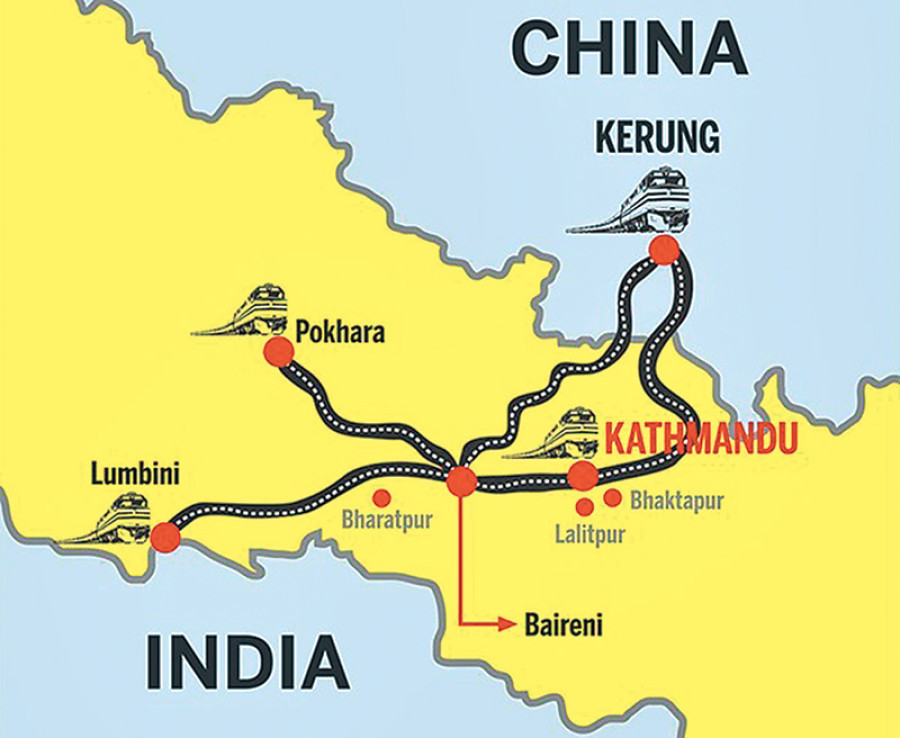
    • Framework Cooperation Agreement: This agreement lays the groundwork for various infrastructure projects, including:
    – Tokha-Chhahare Tunnel;
    – Hilsa Simkot Road Project;
    – Kathmandu-Khandbari Road;
    – Kimathanka Bridge;
    – Cross-border railway project from Rasuwagadhi to Kathmandu;
    – Amargadhi City Hall.

    • Focus on Implementation: The Nepali government emphasized the importance of not just signing agreements but also effectively implementing them. Past experiences have shown that while many agreements were signed, tangible progress on the ground has been limited.
    Investment Modalities: The negotiations included discussions on financing modalities, with a shift from strictly “grants” to more flexible terms such as “aid.”This change aims to facilitate broader investment opportunities from various sources, including private sectors and international financial institutions. 

    Challenges Ahead for Nepal-China Relationship:

    • Implementation Gaps: Historical precedents indicate that many signed agreements have not translated into actionable projects. There is a pressing need for both governments to focus on practical steps that will lead to real-world outcomes.
    • Project-Specific Negotiations: Future negotiations are expected to be project-specific, which may complicate the overarching framework if not managed effectively. Clear communication and defined objectives will be essential in these discussions.
    • Geopolitical Considerations: As Nepal navigates its relationships with neighboring countries like India and global powers such as the United States, balancing these interests while engaging with China will require careful diplomacy.

    What were the substantive statements in Parliament on India-China relations?

    • Troop Disengagement and Temporary Measures: The External Affairs Minister highlighted the successful disengagement of troops following China’s military buildup and India’s counter-deployment, mentioning that temporary and limited measures were implemented at certain friction points to prevent further clashes.
      • However, he noted that these measures could be revisited as needed, indicating that while disengagement is a priority, the situation remains fluid.
    • Ongoing De-escalation Efforts: The Minister reiterated India’s stance that maintaining peace in border areas is essential for developing bilateral relations, suggesting that current troop deployments indicate that normalcy has not yet been restored.
    • Cautious Optimism in Bilateral Relations: The Minister indicated that while there has been some improvement in India-China relations following recent developments between Nepal-China, significantly remains a challenge.
      • He cautioned against expecting a major reset in relations until the border situation stabilizes and structural issues are addressed, particularly regarding economic security concerns with China.

    What are the several key questions that remain unanswered?

    • Unclear Disengagement Terms: While disengagement is declared complete, India lacks clarity on its specifics.
      • Questions remain about access to traditional patrolling points in Depsang and Demchok, the concept of “coordinated patrolling,” and the implications of “temporary steps” that limit patrols and grazing rights for Indian troops.
    • Status Quo Concerns: The Minister stated that India will not accept unilateral changes to the status quo, yet China has altered it since April 2020.
    • Discussions with military officials suggest restricted access to traditional patrol points, highlighting a shift in how both countries view the Line of Actual Control (LAC).
    • India should prioritize restoring the previous status quo in patrolling and grazing activities.
    • Chinese Patrols in Arunachal Pradesh: Reports indicate that Chinese troops are attempting to patrol areas like the Yangtse, despite previous assertions that such demands were unreasonable. If no quid pro quo exists in this sector, it should be firmly denied.
    • Call for Restoration of Status Quo: The Army Chief emphasized returning to the status quo of April 2020, while the Ministry of External Affairs has shifted its language away from this goal. Accepting changed ground realities would play into China’s strategy of gradual territorial gains without provoking outright conflict.

    What strategies can both countries employ to bridge this political divide?

    • Diplomatic Engagement: Regular high-level meetings and dialogues, such as those initiated between Prime Minister Modi and President Xi Jinping, can help rebuild trust.
      • Both nations should prioritize discussions on strategic issues beyond border conflicts, including economic cooperation, climate change, and technology.
    • Cultural and Economic Exchanges: Resuming direct flights, easing visa restrictions for citizens and diplomats, and promoting cultural exchanges (like film screenings) can enhance people-to-people connections.
      • This approach can foster goodwill and mutual understanding, essential for improving bilateral relations.
    • Institutional Frameworks: Establishing mechanisms for coordinated patrolling and joint military exercises can help manage tensions along the Line of Actual Control (LAC).
      • Additionally, creating platforms for multilateral discussions involving other regional players can facilitate broader cooperation and address shared security concerns.
  • Gamify India’s skilling initiatives

    Why in the News?

    Gamified and simulation-based learning can enhance workforce training by integrating game elements and virtual environments, enabling learners to practice and apply skills safely, improving both training quality and outcomes.

    What are the present skilling challenges in India?

    • Limited Access to Vocational Training: According to the Periodic Labour Force Survey 2022-23, only 21% of Indian youth aged 15-29 years received vocational or technical training, with a mere 4.4% having received formal training. This highlights a significant gap in the reach and effectiveness of existing skilling programs, raising concerns about the preparedness of the workforce for available job opportunities.
    • Low Employability Among Graduates: The Chief Economic Advisor, V. Anantha Nageswaran, reported that only 51% of India’s graduates are considered employable. This statistic underscores the mismatch between the skills imparted through education and the actual requirements of the job market, contributing to high unemployment rates among educated youth.
    • Skills Gap for Industry 4.0: A substantial portion of the workforce lacks the necessary skills for new-age jobs associated with Industry 4.0, which integrates advanced technologies such as artificial intelligence and big data. Estimates suggest that only 1.5% of Indian engineers possess these skills, and 60% of the MSME workforce lacks essential digital competencies.

    What is gamified and simulation-based learning? 

    • Gamified learning integrates game elements like rewards, challenges, and leaderboards into education to boost engagement and motivation.
    • Simulation-based learning uses virtual environments to replicate real-world scenarios, allowing learners to practice skills in a safe, controlled space. Both methods enhance interaction, retention, and practical skill development.

    How the gamified and simulation-based learning can enhance the training modules?

    • Increased Engagement and Retention: Gamified learning incorporates game elements into skill training, making it interactive and enjoyable. This approach can lead to higher participant engagement and better knowledge retention compared to traditional methods. Features like points, badges, and leaderboards can motivate learners to complete training tasks and strive for excellence.
    • Practical Experience Through Simulations: Simulation-based learning allows trainees to practice skills in a controlled environment that mimics real-world scenarios. This hands-on experience helps learners understand complex systems, develop critical thinking, and improve problem-solving skills without the risk of real-world consequences.
    • Customization and Progress Tracking: The gamified training modules can be tailored to address specific skill gaps identified in the workforce. Trainees can be presented with challenges that adapt based on their progress, ensuring a personalized learning experience that meets their individual needs.
    • Real-World Application: By simulating actual professional circumstances, trainees can apply their knowledge practically, enhancing their readiness for employment. This approach also allows for assessment of decision-making abilities and understanding the outcomes of those decisions.
    • Integration with Existing Platforms: Initiatives like SWAYAM and Skill India Digital Hub (SIDH) can host these gamified and simulation-based training modules, leveraging their existing infrastructure and user base to enhance skill development across various sectors.

    Way forward: 

    • Strengthen Vocational Training Infrastructure: Expand access to formal and informal vocational training programs, ensuring alignment with Industry 4.0 requirements. Encourage partnerships between educational institutions and industries to offer skill-based certifications.
    • Leverage Technology for Skilling: Integrate gamified and simulation-based learning into existing platforms like SWAYAM and SIDH to create interactive, hands-on training modules that address skill gaps and improve employability across sectors.

    Mains PYQ:

    Q Demographic Dividend in India will remain only theoretical unless our manpower becomes more educated, aware, skilled and creative.” What measures have been taken by the government to enhance the capacity of our population to be more productive and employable?  (UPSC IAS/2016)

  • The issue of India’s economic growth versus emissions

    Why in the News?

    The Economic Survey (2023-24) claims that India has managed to grow its economy without significantly increasing its greenhouse gas emissions. This claim has sparked the debate about actual sustainable growth in India.

    What does the Economic Survey (2023-24) say about GHG emissions?

    • Relative Decoupling Achieved: Between 2005 and 2019, India’s GDP grew at a 7% CAGR, while GHG emissions increased by 4%.
    • Emission Intensity Reduction: India reduced emission intensity by 33% from 2005 levels, achieving its 2030 NDC target 11 years early.
    • Carbon Sink Expansion: India aims to add a 2.5–3 billion tonne carbon sink by 2030, building on the 1.97 billion tonnes achieved (2005–2019).
    • Investment Needs: Achieving NDC targets requires $2.5 trillion by 2030, with a focus on domestic resources, affordable finance, and technology access.

    Has India decoupled its economic growth from GHG emissions? 

    • Arguments against decoupling:
        • The Economic Survey does not clarify whether the observed decoupling is absolute (declining emissions with GDP growth) or relative (emissions rising slower than GDP).
        • India has achieved economy-wide relative decoupling since 1990, with GDP growing six-fold while GHG emissions have only tripled. However, absolute decoupling has not been achieved, as emissions continue to rise.
        • Agriculture and manufacturing, major contributors to India’s GHG emissions, require detailed sectoral analysis.
    • Argument in favour of decoupling:
      • The Economic Survey indicates that between 2005 and 2019, India’s GDP grew at a compound annual growth rate (CAGR) of approximately 7%, while GHG emissions grew at a CAGR of only 4%.
      • India has successfully reduced its emission intensity by 33% from 2005 levels, achieving its initial Nationally Determined Contribution (NDC) target for 2030 eleven years ahead of schedule. This reduction indicates that India is managing to grow economically while lowering the emissions per unit of GDP.
      • India is on track to create an additional carbon sink of 2.5 to 3.0 billion tonnes (installed electricity generation capacity reaching 45.4% by May 2024) through tree and forest cover by 2030, building on a carbon sink of 1.97 billion tonnes established from 2005 to 2019.

    What are the steps taken by the Government?

    The Economic Survey 2023-24 outlines several key steps taken by the Indian government to address greenhouse gas (GHG) emissions and promote sustainable development:

    • Reduction of Emission Intensity: India has successfully reduced its emission intensity by 33% from 2005 levels, achieving its initial Nationally Determined Contribution (NDC) target for 2030 eleven years ahead of schedule.
      • This significant reduction demonstrates the effectiveness of various climate action strategies implemented by the government.
    • Investment in Renewable Energy: The government has made substantial progress in expanding renewable energy capacity.
      • As of May 31, 2024, non-fossil sources accounted for 45.4% of the total installed electricity generation capacity in India, up from 32% in 2014.
      • Additionally, India added 15.03 GW of solar power capacity in 2023-24, bringing the cumulative total to 82.64 GW.
    • Creation of Carbon Sinks: The survey highlights that India is on track to create an additional carbon sink of 2.5 to 3.0 billion tonnes through tree and forest cover by 2030, building upon the 1.97 billion tonnes of CO2 equivalent already achieved from 2005 to 2019.
    • Sovereign Green Bonds: The government has raised funds through sovereign green bonds, amounting to ₹36,000 crore in 2023, to finance public sector projects aimed at reducing emissions and promoting sustainable practices.
    • Framework for Green Finance: The Reserve Bank of India (RBI) has implemented a framework for accepting green deposits and promoting renewable energy through its Priority Sector Lending (PSL) rules, fostering a green finance ecosystem in the country.
    • Adaptation Expenditure: India’s climate adaptation expenditure has increased from 3.7% of GDP in 2015-16 to 5.6% in 2021-22, indicating a greater integration of climate resilience into development plans.

    What efforts must be continued by India? (Way forward)

    • Pursuit of Absolute Decoupling: To achieve long-term climate commitments and sustainability goals, India must strive toward absolute decoupling, where economic growth continues alongside a reduction in emissions.
      • This requires comprehensive policies focused on renewable energy adoption, emission mitigation strategies, and sustainable development initiatives.
    • Investment in Renewable Energy and Climate Resilience: Continued efforts are necessary to enhance investments in renewable energy sources and technologies, alongside measures to improve energy efficiency and reduce reliance on fossil fuels.

    Mains PYQ:

    Q Describe the major outcomes of the 26th session of the Conference of the Parties (COP) to the United Nations Framework Convention on Climate Change (UNFCCC). What are the commitments made by India in this conference? (UPSC IAS/2021)

  • The row over tungsten mining near Madurai

    Why in the News?

    Environmental activists protested outside the Madurai District Collector’s office (Tamil Nadu), voicing their opposition to Vedanta’s auction win for Tungsten Mining Rights in Melur, following the Ministry of Mines‘ announcement

    Why have there been protests over mining Rights?

    • Environmental Concerns: Activists and residents are vehemently opposing the tungsten mining project due to its potential impact on biodiversity. Because of the fears that mining activities could irreparably damage these sites and disrupt local ecosystems, including vital water sources like the Periyar canal.
    • Community Impact: Locals fear that mining will threaten their livelihoods, as many depend on agriculture and local resources. The protests have seen significant participation from various villages in the region, highlighting widespread community opposition to the project.
    • Political Response: The Chief Minister of Tamil Nadu has called for the cancellation of the mining rights and plans to introduce a resolution in the Tamil Nadu Assembly to formally reject the mining project. He emphasizes that any mining activity in these areas would be unacceptable without state consent.

    What does the Ministry of Mines say about Mining?

    • Auction of Mineral Blocks: The Nayakkarpatti Tungsten Block covering an area of over 20.16 sq. km. was proposed for auction in February 2024. Inputs were taken from the state government of Tamil Nadu before the block was put up for auction.
      • The Ministry cited the Mines and Minerals (Development and Regulation) Act of 1957 as the legal framework enabling this auction process.
    • Mineral Richness: The Ministry also noted that the area designated for tungsten mining was found to be rich in scheelite (a crucial ore for tungsten extraction), thus justifying its selection for mining activities.

    About the  Mines and Minerals (Development and Regulation) Act of 1957:

    • The Mines and Minerals (Development and Regulation) Act, 1957, provides a framework for the regulation of mining activities in India, governing the exploration, licensing, and development of minerals except for petroleum and natural gas.
    • It empowers the central government to specify major minerals and the state governments to regulate minor minerals, ensuring a structured division of responsibilities in mineral resource management.
    • Major minerals are high-value minerals that include coal, lignite, iron ore, bauxite, gold, silver, zinc, copper, manganese, and other ores critical for industrial and strategic purposes.
    • Minor minerals are low-value, non-metallic minerals primarily used in construction and local industries, such as sand, gravel, clay, building stones, marble, and slate.

    Is there a Centre-State rift?

    Yes, a notable rift exists between the Tamil Nadu government and the Union government regarding this issue.

    • Lack of State Consent: The Tamil Nadu government claims it did not provide consent for the auction and had previously communicated concerns regarding environmental implications. In contrast, the Union government contends that there was no formal opposition from Tamil Nadu during the auction process.
    • Political Tensions: This situation has led to heightened tensions between the state and central governments, with accusations from Tamil Nadu officials that their concerns were ignored by the Union government when granting mining rights to Hindustan Zinc Limited.

    Can the state government supersede the authority of the central government in this matter?

    In the context of mining rights and environmental matters, the state government cannot directly override the power of the central government. However, there are several ways available to the state government to influence or challenge the decision made by the Union government.

    • Constitutional Framework: The Indian Constitution divides powers between the Union and states; mining regulation is under the Union List, while environmental protection is in the Concurrent List, granting states authority over local environmental issues.
    • Biodiversity & Environmental Protection: States can challenge mining projects through laws like the Environmental Protection Act (1986) and Biological Diversity Act (2002), or by passing laws to protect ecologically sensitive areas.
    • State Assembly’s Role: The state legislature can pass resolutions expressing opposition to federal actions, and applying political pressure on the Union government, especially with public protests.
    • Judicial Review & Coordination: States can seek judicial review if Union actions violate constitutional or environmental laws. While states cannot override central mining rights, cooperative federalism emphasizes consultation between the Union and states.

    Way forward: 

    • Enhanced State-Central Coordination: Establish a more transparent and binding consultation process between the state and central governments before granting mining rights, ensuring that local concerns and state consent are prioritized, especially for ecologically sensitive areas.
    • Thorough Environmental Review: Implement a mandatory, independent Environmental and Social Impact Assessment (ESIA) for mining projects in biodiversity hotspots, incorporating input from local communities, environmental experts, and authorities to address potential ecological and socio-economic impacts.

    Mains PYQ:

    Q Coastal sand mining, whether legal or illegal, poses one of the biggest threats to our environment. Analyse the impact of sand mining along the Indian coasts, citing specific examples. (UPSC IAS/2019)

  • Emissions Gap Report 2024

    Why in the News?

    According to the recently released ‘Emission Gap Report 2024’ presented by UNEP, Global Greenhouse Gas (GHG) emissions have reached a new high of 57.1 billion tonnes of CO2 equivalent in 2023, a 1.3% rise compared to 2022.

    What are the key points of Emissions Gap Report 2024?

    • Urgent Emission Reduction Targets: To align with the 1.5°C goal of the Paris Agreement, global greenhouse gas emissions must decrease by 42% by 2030 and 57% by 2035 compared to 2019 levels.
      • For a 2°C target, reductions of 28% by 2030 and 37% by 2035 are necessary. Current commitments and policies are insufficient, putting the world on track for a temperature rise of 2.6-3.1°C, which would lead to severe climate impacts.
    • Potential for Significant Reductions: The report highlights that it is still technically feasible to achieve the 1.5°C pathway through aggressive action, including increased deployment of renewable energy sources like solar and wind, which could contribute 27% of the necessary reductions by 2030 and 38% by 2035.
      • Additionally, actions related to forests could provide around 20% of the potential reductions in both years. A comprehensive approach involving government action, investment in mitigation strategies, and international cooperation is essential to realize these opportunities.

    What are the Global Emission trends?

    • Global greenhouse gas (GHG) emissions have continued to rise, reaching a record high of 57.1 gigatons of carbon dioxide equivalent in 2023. This marks an increase from previous years, with fossil fuel CO₂ emissions projected at 37.4 billion tonnes, up 0.8% from 2023, and total CO₂ emissions—including land-use changes—projected to be 41.6 billion tonnes in 2024.
    • The increase is attributed primarily to rising emissions from major economies such as China and India, with India experiencing the largest relative increase at 6.1% and China contributing the most in absolute terms.
    • The overall trend indicates that despite some positive developments in renewable energy adoption, there is no sign that global fossil fuel emissions have peaked, necessitating immediate and substantial reductions to meet climate targets.


    What is the progress of G20 countries towards NDCs?

    • Mixed Progress on NDCs: Among G20 countries, six members (China, India, Indonesia, Japan, Russia, and Turkey) are projected to meet their unconditional Nationally Determined Contribution (NDC) targets with current policies.
      • However, eight members (Argentina, Australia, Canada, the EU, South Korea, South Africa, and the United States) require further action to achieve their targets.
      • This indicates a significant disparity in progress across different G20 nations, with many needing to be on track to meet their commitments under the Paris Agreement.
    • Need for Enhanced Ambition: The G20 must significantly ramp up its climate ambitions in the next round of NDCs to align with the goals of limiting global warming to 1.5°C. This includes committing to substantial emissions reductions—42% by 2030 and 57% by 2035.

    What is the NCD target? 

    • Collective Emission Reduction Goals: G20 countries have pledged to reduce greenhouse gas emissions through Nationally Determined Contributions (NDCs), targeting a 42% reduction by 2030 and 57% by 2035, aligned with the Paris Agreement to limit warming below 2°C.
    • Diverse Member Targets and Progress: G20 members have varied NDC targets, such as China aiming to peak CO2 emissions by 2030 with a 60-65% reduction in carbon intensity, while Argentina caps net emissions at 483 million tons of CO2 equivalent.

    What is needed to bridge the gap between 2030 and 2035 goals? (Way forward)

    • Significant Annual Emission Reductions: A reduction of 7.5% per year until 2035 is necessary to align with the 1.5°C pathway, while a 4% annual reduction is needed for the 2°C target.
    • Investment in Renewable Energy: The increased deployment of solar and wind technologies could deliver approximately 27% of the total emission reduction potential by 2030 and 38% by 2035.
    • Action on Forests: Protecting and restoring forests could provide around 20% of the required reductions in both years.
    • Comprehensive Policy Measures: A whole-of-government approach is essential, maximizing socioeconomic and environmental co-benefits while minimizing trade-offs.
    • Increased Mitigation Investment: A minimum six-fold increase in investments for climate mitigation is critical, necessitating reforms in global financial systems and strong private sector involvement.

    Mains PYQ:

    Q Discuss global warming and mention its effects on the global climate. Explain the control measures to bring down the level of greenhouse gases that cause global warming, in the light of the Kyoto Protocol, 1997. (UPSC IAS/2022)

  • [pib] 4th Good Governance Week, 2024

    Why in the News?

    Prashasan Gaon Ki Ore” a nationwide campaign is launched by the Government of India, from December 19–24, 2024, as part of the 4th Good Governance Week.

    About the Nationwide Campaign ‘Prashasan Gaon Ki Ore’

    • It is a nationwide campaign to address public grievances and improve service delivery across rural and urban areas.
    • It aims to strengthen governance at the grassroots level and bring effective solutions to the common people.
    • It will be conducted in all districts, states, and union territories of India, with a focus on delivering timely solutions and improving the quality of services provided to citizens.
    • Key objectives of the campaign include:
      • Redressing Public Grievances: Ensuring that citizens’ complaints related to government services are resolved swiftly.
      • Improving Service Delivery: Enhancing the efficiency of government services at the local level.
      • Creating Awareness: Spreading knowledge about good governance practices and encouraging citizens to be proactive in using available services.

    Key Observations from the Good Governance Index (GGI) 2022

    • The GGI, 2022 evaluates 58 indicators across 10 governance sectors, such as agriculture and allied sectors, human resource development, public health, and law and order, among others. The key observations are as follows:
      1. Top Performers: Kerala, Tamil Nadu, and Maharashtra ranked highest for good governance, excelling in public health, human resources, and economic governance.
      2. Service Delivery: States like Tamil Nadu and Kerala were praised for transparency, accountability, and citizen-focused policies, leading in service delivery.
      3. Agriculture & Rural Development: Uttar Pradesh and Bihar showed improvements in agriculture and rural development, aligning with the goals of Prashasan Gaon Ki Ore.
      4. Health & Education: Kerala and Tamil Nadu excelled in healthcare and education, with significant investments in infrastructure and public schemes.
      5. Sustainable Development: States like Sikkim emphasized environmental governance and sustainable development practices.

    PYQ:

    [2016] What do you understand by the terms ‘governance’, ‘good governance’ and ‘ethical governance’? (150 words)

  • Eurasian Little Gull spotted in Delhi for first time

    Why in the News?

    For the first time, the Eurasian Little Gull was spotted in the National Capital Region (NCR) near Sultanpur National Park at Chandu.

    About the Eurasian Little Gull:

    Details
    Overview and Physical Characteristics
    • Scientific Name: Larus minutus
    • Common Name: Eurasian Little Gull
    • Size: 30-33 cm in length, wingspan 75-85 cm; Weight: 70–150 grams
    Habitat and Features
    • Breeding Habitat: Marshy wetlands, shallow freshwater lakes, and estuaries in Northern Eurasia (Russia, Eastern Europe).
    • Winter Migration: Offshore waters, coastal areas, and estuaries around the Mediterranean Sea, Black Sea, and Caspian Sea.
    • Migratory Pattern: Migrations from northern breeding grounds to warmer regions in winter.
    Conservation Status
    • Conservation Status: Classified as Least Concern by the IUCN Red List.
    • Rare sightings of the species in India, particularly inland regions like NCR.


    PYQ:

    [2020] With reference to India’s biodiversity Ceylon frogmouth, Coppersmith barbet, Gray-chinned minivet and White-throated redstart are-

    (a) Birds

    (b) Primates

    (c) Reptiles

    (d) Amphibians

  • UNGA declares December 21 as World Meditation Day

    Why in the News?

    India has played a leading role in co-sponsoring and guiding the unanimous adoption of a UN General Assembly draft resolution to declare December 21 as World Meditation Day.

    • The theme for 2024 is- “Inner Peace, Global Harmony”.

    About the World Meditation Day

    • It is a global observance that was officially recognized following the adoption of a UN General Assembly resolution on December 6, 2024. However, the 21st of December has been designated as the date for this annual observance.
    • It is also symbolic, of falling on the Winter Solstice (December 21), which is associated with new beginnings, reflection, and spiritual growth in Indian tradition.
      • The date is also exactly six months after the International Day of Yoga on June 21, which marks the Summer Solstice.

    The objective behind this Decision

    • Promote Well-Being: To globally encourage meditation for enhancing mental health and overall wellness.
    • Encourage Inner Reflection: Recognizing December 21 as a time for self-reflection and meditation, especially during Uttarayana in Indian tradition.
    • India’s Global Leadership: Reinforces India’s commitment to global wellness, following its leadership in declaring International Day of Yoga.

    PYQ:

    [2012] With reference to the religious history of medieval India, the Sufi mystics were known to pursue which of the following practices?

    1. Meditation and control of breath

    2. Severe ascetic exercises in a lonely place

    3. Recitation of holy songs to arouse a state of ecstasy in their audience

    Which of the statements given above is/are correct?

    (a) 1 and 2 only

    (b) 2 and 3 only

    (c) 3 only

    (d) 1, 2 and 3

  • What is the Turner Prize?

    Why in the News?

    • Jasleen Kaur, an Indian-origin artist, was awarded the Turner Prize for her exhibit that pays tribute to her family’s history of migration to Scotland.

    What is the Turner Prize?

    About
    • Named after JMW Turner (1775-1851), known for his dramatic seascapes and innovative use of color and light, it was first awarded in 1984 by Patrons of New Art.
    • It aims to promote interest in contemporary art and assist the Tate Gallery in acquiring new works.
    What makes it special?
    • One of the most prestigious awards in contemporary art, awarded annually by the Tate Gallery to an outstanding British artist.
    • Spotlights new talent and helps lesser-known artists gain international recognition.
    • The winner receives £25,000, and shortlisted artists receive £10,000 each.
    Significance in British Culture
    • A major cultural event in the UK, attracting wide media coverage and public attention.
    • Its controversial nature fuels discussions about the definition of art and the role of contemporary artists.
    • Winning the Prize often defines an artist’s place in British culture, establishing them as a significant figure in the art world.
  • Civil Services

    Civil Services

    Civil Services: “While governments may come and go, ministers may rise and fall, the administration of a country goes on forever. Needless to say, civil services form the backbone of administration”.   – Ramsay Muir

    “…you will not have a united India, if you have not a good all-India service which has the independence of mind, to speak out its mind, which has the sense of security…this Constitution is meant to be worked by a ring of service which will keep the country intact.” – Sardar Patel, in the Constituent Assembly in 1949.

    “Above all, I would advise you to maintain to the utmost the impartiality and incorruptibility of administration. A civil servant cannot afford to and must not take part in politics. Nor must he involve himself in communal wrangles” – Sardar Patel

    “We need government servants with commitments to the development of the country and personal involvement in the tasks”. – Indira Gandhi 

    Evolution of Civil Services in India

    1. Origins and Arthashastra: India’s civil service roots can be traced back to the Mauryan period with the guidance of Kautilya’s Arthashastra, which outlines civil servant recruitment, loyalty, evaluation, and ethical conduct principles.
    2. British Influence and Reforms:
      1. Warren Hastings (1772): Established the role of district collector focused primarily on revenue collection and management.
      2. Lord Cornwallis: Known as the father of civil services in India, separated revenue and judicial administrations and enhanced the role of district collector.
      3. Macaulay’s Report & Charter Act of 1853: Initiated open competitive examinations for civil services, still heavily biased towards European studies and held only in London.
    3. Civil Services Commission (1854): Established post-Macaulay’s recommendations, conducting exams in London with age restrictions of 18 to 23 years. Satyendra nath Tagore became the first Indian to join the civil services in 1864.
    4. Aitchinson Commission (1886): Recommended a structured reorganization into Imperial, Provincial, and Subordinate services, managed by the Secretary of State and respective states.
    5. Indian Civil Service (1911): Aimed to consolidate British administrative control.
    6. Post-World War I Reforms:
      1. Following the Montagu-Chelmsford reforms, examination centers were established in India, initially in Allahabad and later Delhi.
      2. The Federal Public Service Commission was established by 1922.
    7. Government of India Act 1919: Distinguished between All India Services and Central Services, the latter directly under Central Government control.
    8. Government of India Act 1935: Established a Public Service Commission for the Federation and individual commissions for provinces or groups of provinces.
    9. Post-Independence Transition:
      1. The Federal Public Service Commission was renamed to the Union Public Service Commission in 1950, as mandated by Article 378 of the Constitution.
      2. The civil service shifted focus from enforcing British rule to welfare-oriented tasks in independent India, gradually moving towards development and facilitation roles through the late 20th century.
    10. Current Structure:
      1. Classification: Civil services are classified into Central Civil Services, All India Services, and State Civil Services based on their scope and function.
    11. Recruitment: UPSC conducts exams for All India Services and higher central services, while Group B, C, and D services are filled by the Staff Selection Commission and State Public Service Commissions.

    Constitutional Provisions

    Part XIV: Services under the Union and the States

    ArticleDescriptionDetails
    Article 309Regulation of Recruitment and Service ConditionsEmpowers both Parliament and state legislatures to regulate recruitment and service conditions in public services.
    Article 310Doctrine of PleasureCivil servants hold their posts at the pleasure of the President or the state governors, implying they can be removed at will.
    Article 311Safeguards against Dismissal
    Protects civil servants from being dismissed or demoted by a lower authority than the one that appointed them, and ensures a fair inquiry process before any disciplinary action.
    Article 312Creation of New All India ServicesEnables the Rajya Sabha, with a two-thirds majority, to initiate the creation of new All India services, including recruitment and service rules.
    Articles 315 to 322Public Service CommissionsEstablish and detail the functions of the Union and State Public Service Commissions, which oversee recruitment and conduct examinations.
    Article 323AAdministrative TribunalsAllows for the establishment of administrative tribunals to resolve disputes related to recruitment and service conditions in public services.

    Role of Civil Services in a Democracy

    RoleDescriptionExamples and Details
    Implementation of PoliciesCivil servants are responsible for implementing laws and policies formulated by the elected government.Ensuring the execution of schemes like MGNREGA and Pradhan Mantri Awas Yojana.
    Continuity and Stabilityensure administrative continuity through political transitions and changes in political leadership.Maintaining stability and consistency in administration during political transitions.
    Advisory Roleprovide technical expertise and advisory support to political leaders, helping craft policies that are both practical and effective.Advising on economic policies, health regulations, and administrative reforms.
    Service DeliveryDirectly responsible for delivering essential public services to citizens.Managing public health, education, infrastructure, and welfare programs.
    Crisis ManagementPlay a critical role in disaster management and emergency response.Coordinating relief efforts during natural disasters like floods, earthquakes, and pandemics.
    Promotion of Democratic ValuesUphold the principles of democracy by ensuring fair and impartial administration.Armstrong Pame directly engaged with local communities to build the “People’s Road” in Manipur,
    Administration and GovernanceOversee the day-to-day administration and ensure the smooth functioning of government machinery.Managing public services, maintaining law and order, and ensuring efficient public service delivery.
    Public AccountabilityCivil services ensure accountability in governance by maintaining transparency and adherence to the rule of law.Implementing the Right to Information Act (RTI) to promote transparency and accountability in public offices.
    Regulation and ControlEnforce laws and regulations to maintain public order and safety.Roles in regulatory bodies like the Securities and Exchange Board of India (SEBI) and the Reserve Bank of India (RBI).
    Social Welfare and DevelopmentCivil servants manage resources, implement infrastructure projects, and execute social welfare programs aimed at improving living standards.M.S. Swaminathan‘s implementation of high-yielding variety seeds and improved irrigation practices under the Green Revolution.

    Evolution role of bureaucracy

    DecadeKey Developments
    1947-1960sNation Building – Led by Prime Minister Jawaharlal Nehru, focusing on democratic socialism, with initiatives in industrialization, agrarian reforms and infrastructure.
    1967Democratization of Bureaucracy – Post-1967 assembly elections, increased inclusion of backward castes in civil services was initiated, marking the beginning of a more inclusive bureaucracy.
    1970s-1980sCommitted Bureaucracy – During Indira Gandhi’s tenure, especially the Emergency (1975-1977), bureaucrats were expected to align closely with ruling party ideologies.
    1990sEconomic Liberalization – Introduction of economic reforms under P.V. Narasimha Rao and then Finance Minister Manmohan Singh in 1991, leading to the dismantling of the License Raj and a shift towards a market-driven economy with reduced bureaucratic control.
    2000s onwardsGlobalization and IT Revolution – Focus on e-governance and transparency, the Right to Information Act (2005) was introduced, enhancing bureaucratic accountability.

    Theories on Bureaucracy

    TheoryDescriptionKey PointsExamples
    Weber’s Bureaucratic TheoryMax Weber’s theory emphasizes a structured, hierarchical organization governed by clear rules and roles.Emphasizes formal rules and procedures

    Hierarchical structure

    Merit-based recruitment
    Indian Civil Services
    New Public Manage ent (NPM)Advocates for the use of private sector management techniques in the public sector to improve efficiency and service delivery.Decentralization

    Performance measurement

    Market-oriented reforms
    UK Government: Performance-based evaluations and outsourcing in public services​
    Public Value TheoryEmphasizes the creation of value for the public through public sector initiatives and services.Focus on outcomes

    Stakeholder engagement

    Value creation
    Scientific Management TheoryFrederick Taylor’s theory focuses on improving economic efficiency through systematic management.Work specialization

    Standardized tasks

    Efficiency and productivity focus
    Production lines in manufacturing, such as those pioneered by Henry Ford .
    Human Relations TheoryElton Mayo’s theory stresses the importance of social factors and employee well-being in productivity.Focus on employee morale

    Importance of group dynamics

    Impact of social relationships
    Modern HR practices emphasizing team building and employee satisfaction .
    Systems TheoryViews organizations as complex systems with interrelated parts working towards a common goal.Interdependence of subsystems

    Emphasis on feedback loops

    Adaptability and flexibility
    Healthcare System: Departments (radiology, surgery, pharmacy) collaborate for patient care​
    Contingency TheoryArgues that there is no one best way to organize; instead, the optimal course depends on the internal and external situation.Adaptability to the environment

    Fit between organization and context 

    Emphasis on situational variables
    Organizations adapting their structures to changing market conditions .
    Public Choice TheoryApplies economic principles to political science, focusing on self-interest and incentives in public sector decision-making.Rational behavior of individuals

    Self-interest in public decisions

    Market-like efficiency in public sector
    Policy-making influenced by voter behavior and lobbying .
    New Public Management (NPM)Focuses on the relationship between principals (e.g., citizens) and agents (e.g., bureaucrats), emphasizing accountability and control mechanisms.Information asymmetry

    Monitoring and incentives

    Aligning interests of principals and agents
    Use of performance evaluations and audits in public administration .

    Bureaucracy and Democracy

    Bureaucracy and democracy are two crucial elements of governance. Democracy allows the public to elect their leaders, whereas bureaucracy involves competent officials appointed through merit to implement government policies.

    Positive Co-relation between Civil Services and Democracy

    AspectDemocracyBureaucracy
    Foundation of GovernanceGovernance system elected by and accountable to the people.Essential administrative machinery needed to implement policies.
    Implementation of PoliciesEnacts laws and policies through elected representatives based on public opinion and needs.Executes laws and policies, ensuring efficient delivery of services; corrects errors and avoids waste.
    Continuity and Change in GovernanceFacilitates change and adaptation through elections and public opinion.Provides stability and continuity across different government terms, functioning irrespective of election outcomes.
    Socio-Economic DevelopmentDriven by public needs and demands, focusing on inclusive socio-economic growth.Manages essential resources and infrastructure development; sets developmental goals for key sectors.
    Protection of RightsProvides a framework for the protection of fundamental rights through legislation and judiciary.In turbulent times, services like the police maintain order and protect citizens’ rights as per the law.
    Adaptability vs. ConsistencyEncourages adaptability and responsiveness to current needs and circumstances.Prioritizes consistency and regularity, which may resist rapid changes needed in governance.
    Governance StylePromotes participation, consensus-making, and accommodates diverse viewpoints.May exhibit a traditional, sometimes authoritarian approach to enforcing rules and regulations.
    Post-Liberalization RoleSupports entrepreneurship, private sector growth, and economic reforms like ‘Ease of Doing Business’.Acts as a facilitator and regulator, focusing on core public sectors and supporting global economic integration.
    Citizen-Centric GovernanceFocuses on inclusivity, transparency, and accountability, empowering citizens through rights awareness.Adapting to more decentralized and citizen-focused approaches, treating civil society and private sectors as partners.
    Demanding GovernanceCitizens actively participate and demand higher standards of governance and service delivery.Faces increasing demands for accountability and transparency as citizens become more rights-aware.

    How bureaucracy undermines democracy

    AspectDescriptionIndia-Specific Examples
    Lack of AccountabilityBureaucrats are often not directly accountable to the public, leading to a disconnect between public interests and bureaucratic actions.Reports of bureaucrats delaying responses or providing incomplete information under the Right to Information Act​
    Opaque Decision-MakingBureaucratic processes can be complex and non-transparent, making it difficult for the public to understand and scrutinize decisions.Rafale Deal: Lack of transparency in defense procurement processes.
    Resistance to ChangeBureaucracies can be resistant to change, adhering strictly to established rules and procedures, even when they are outdated or inefficient.E-Governance Initiatives: Resistance to adopting e-governance in rural administration due to adherence to traditional methods​
    Centralization of PowerBureaucracies often centralize power, reducing the influence of local and regional authorities and limiting grassroots participation.bureaucracies often centralize power, reducing the influence of local and regional authorities and limiting grassroots participation.
    Inefficiency and Red TapeBureaucratic inefficiency and excessive red tape can delay the implementation of policies, frustrating public expectations and trust in government.Environmental Clearances: Delays in project approvals due to bureaucratic red tape​
    Self-Interest and CorruptionBureaucrats may pursue personal or institutional self-interests, leading to corruption and misuse of power, which undermines public trust.2G Spectrum Scandal: Corruption in telecom license allocation undermined public trust​
    Overlapping JurisdictionConflicts and overlaps between different bureaucratic agencies can lead to inefficiency and lack of coordination, hindering effective governance.MoEFCC and State Agencies: Delays in project approvals due to overlapping responsibilities​​.
    Lack of Public EngagementBureaucracies often operate with limited input from the public, reducing citizen engagement and participation in governance processes.Limited public consultation in land acquisition processes leading to protests and legal challenges​

    All India Services

    The All-India Services (AIS), comprising the Indian Administrative Service (IAS), Indian Police Service (IPS), and Indian Forest Service (IFS), are crucial to maintaining India’s federal structure as outlined in Article 312 of the Constitution. 

    These prestigious services operate under the dual control of the state governments, to which the officers are assigned, and the central government,which oversees their recruitment, appointment, and training.

    Significance of All-India Services:

    SignificanceDescriptionExamples
    National IntegrationPromotes a unified administrative framework across states, fostering national unity and coherence.IAS and IPS officers serve in various states, helping to integrate regional governance with national policies​.
    Central-State CoordinationFacilitates seamless cooperation between the central and state governments, ensuring aligned policy implementation.IPS officers ensure coordinated law enforcement efforts between state police forces and central agencies, maintaining internal security​​.
    Uniformity inAdministrationEnsures standardized administrative practices and policies across the country, reducing regional disparities.IFS officers apply uniform forestry policies, ensuring consistent forest management practices nationwide​
    Merit-based AdministrationMaintains high standards of governance through rigorous, merit-based selection and promotion processes.UPSC’s strict selection criteria for IAS, IPS, and IFS ensure that only the most capable individuals are recruited for top administrative roles​​.
    Professional ExpertiseOffers diverse administrative experience to officers, enhancing their ability to manage complex governance issues.IAS officers gain experience by serving in various roles such as district magistrates, state secretaries, and central government officials​.
    Effective Policy ImplementationProvides continuity and consistency in the execution of national and state policies, enhancing governance efficiency.IAS officers implement central schemes like MGNREGA and PDS uniformly across states, ensuring broad reach and effectiveness​​.

    Challenges Facing All-India Services

    ChallengeDescription
    Hangover of the PastAuthoritarian Structure: The AIS was created during British rule and has retained a hierarchical, authoritarian structure​
    Against FederalismAIS officers are seen as agents of the central government, often clashing with state autonomy.
    Although AIS responsibilities are shared between the center and states, they are listed under the Union List (Entry 70), which emphasizes central control and sparks debate over the formation of new AIS and its implications for state autonomy and finances.
    Assigning about 50% of AIS positions to officers from outside the state can create tensions with state services and local political leaders.
    The requirement for state consent for central deputation has been removed, leading to increased tensions over the deployment of AIS officers between the center and states.
    No FamiliarityCultural Disconnect: AIS officers from different states may struggle to understand local problems and contexts, leading to ineffective governance.
    Lack of SpecializationJack of All Trades: IAS officers being generalists are often unable to provide specialized expertise required for certain administrative roles​
    Unequal RepresentationOver-representation: States like Punjab, UP, Bihar, Tamil Nadu, and Andhra Pradesh have more representation, while others have less​
    Financial BurdenHigh salary and maintenance costs of AIS officers put a financial strain on state governments.
    Procedure Over OrientationFocus on procedural compliance rather than outcome-oriented governance leads to inefficiency.
    Lack of Separation of FunctionsThe mixing of policy-making, implementation, and regulatory functions leads to inefficiencies.
    Departmental FragmentationMinistry Proliferation: Overlapping and fragmented functions across numerous ministries lead to inefficiencies and confusion
    Hierarchy and DelaysHierarchical nature of AIS leads to delays, corruption, and lack of accountability.
    Coordination IssuesPoor coordination among different departments and ministries leads to policy implementation failures.

    Way Forward

    Sarkaria Commission Recommendations:

    1. Continued Relevance: AIS are as essential today as when the Constitution was framed.
    2. Strengthening AIS: Enhance AIS through improvements in selection, training, deployment, development, and promotion policies.
    3. Shift to Specialization: Move from generalist to specialist roles in public administration.
    4. Mandatory Union Service: All AIS officers, both direct recruits and promoted, should serve a minimum period with the Union Government, with specific deputation requirements.
    5. Regular Consultations: Establish regular consultations on AIS management between Union and State Governments.
    6. Advisory Council: Create an Advisory Council for Personnel Administration of AIS, composed of senior officers, to regularly address issues and suggest solutions.
    7. New AIS Branches: Encourage the formation of Indian Service of Engineers, Indian Medical and Health Service, and an AIS for Education.

    Cadre-based Civil Service

    Cadre refers to a small, trained group forming the basic unit of an organization. In All India Services (AIS), candidates are assigned to cadres based on their preferences, merit, and availability.

    Each Indian state constitutes a separate cadre, with exceptions like Assam-Meghalaya, Manipur-Tripura, and Arunachal Pradesh-Goa-Mizoram-Union Territories (AGMUT), which are joint cadres. Cadres determine where officers will serve throughout their careers.

    Recent Changes in Cadre Policy

    1. The Centre will determine the exact number of officers to be assigned to the Central government, in consultation with the states.
    2. In the event of a disagreement between the Centre and the state, the Centre’s decision will prevail, and the state will be required to implement the Centre’s decision within a specified timeframe.

    Significance of Cadre-Based Services

    1. Impartiality and Integrity: Key administrative and police positions in state governments, called ‘cadre posts,’ are reserved for IAS/IPS officers to ensure quality, impartiality, integrity, and an all-India outlook.
    2. Greater Accountability: State-based cadres are more accountable as officers are responsible to their respective state governments.
    3. Stable Service Period: Civil servants serving in a state have a stable period to implement programs and improve service delivery.
    4. Greater Understanding of the Region: Civil servants working in their home state gain a better understanding of regional issues and needs.

    Issues

    1. Recent Issues
    2. Historically, 25-30 percent of state cadre officers were on central deputation, but currently, less than 10 percent serve in central ministries. 
    3. Officers often prefer state postings due to better service conditions. 
    4. This shortage of officers affects the central government’s ability to effectively make and implement policies.
    5. Structural Issues
      1. Permanency of Cadres: Permanent cadres result in inefficiency and a narrow focus on local issues, diminishing the all-India character of civil services.
      2. Large Variation in Cadre Size: Significant variations exist in IAS cadre sizes relative to state populations, causing imbalances in officer distribution.
      3. Reluctance to ‘De-Cadre’ Positions: Some positions have lost their relevance due to changing conditions but are rarely removed from the cadre, leading to inefficiencies.
    6. Regional and Political Concerns
      1. Regionalism: Officers staying in one state tend to prioritize regional goals, which can undermine national interests.
      2. Political Self-Interest: Long tenures in one state can lead to bias and unethical activities due to close relationships with local political parties.
      3. Collusion with Local Politicians: Officers may collaborate with local politicians for preferred postings, leading to corruption.
    7. Functional Limitations
      1. Provincialization: IAS officers often do not move between state and central governments, reducing their all-India role. It hinders the adoption and spread of effective practices across different cadres.
      2. Specialized Positions: Cadre-based services limit the recruitment of specialists through lateral entry, affecting efficiency.

    Way Forward:

    1. National Integration: The New Cadre Policy (2017) aims to enhance national integration, rationalize IAS cadre vacancies, and improve administrative efficiency by reallocating officers from states with surplus personnel to those with deficits.
    2. Varied Experience: All India Services (AIS) officers should work in different states to gain diverse experiences and learn best practices.
    3. Specialized Recruitment: Continue the government’s lateral entry initiative to recruit experts for specialized positions, as recommended by the 2nd ARC.
    4. Optimizing Cadre Size: Conduct periodic reviews to reduce unnecessary posts, preventing demoralization and misuse of transfers, and optimizing cadre size.
    5. Enhancing Collaboration: Foster cooperation between central and state governments through the Inter-State Council to address AIS officer requirements and serve the public interest effectively.

    Lateral Entry

    Lateral entry into Civil Services allows qualified candidates to join the bureaucracy directly at senior positions, skipping the usual entry process.

    Benefits of Lateral Entry

    1. Addressing Officer Shortage: Large states like UP, MP, Rajasthan, and Bihar face a shortage of officers, hindering social and economic growth.
    2. Bringing in Specialists: Frequent transfers keep career bureaucrats as generalists. Lateral entry allows experts with advanced knowledge to fill specialized roles, essential in a changing geopolitical and economic environment.
    3. Reducing Economic Burden: Traditional recruitment involves long-term costs of salaries, pensions, and perks. Lateral entry can reduce these costs and address issues with non-performing officers due to constitutional safeguards.
    4. Encouraging Innovation: Professionals from the private sector can introduce fresh ideas and innovative problem-solving methods, revitalizing a traditionally rigid system.
    5. Promoting Healthy Competition: Lateral entry fosters competition among career bureaucrats, encouraging better performance and serving as a “perform or perish” warning.
    6. Merit-Based Promotions: Meritocratic promotions bring in professional experts, challenging the IAS to step out of their comfort zones.
    7. Existing Practice: The Finance Ministry, RBI, and NITI Aayog have successfully hired professionals like Raghuram Rajan and Arvind Subramanian, demonstrating the benefits of lateral entry.
    8. Adapting to New Needs: The IAS was designed for an all-powerful state, but post-1991 liberalization has shifted policy decision space to the private sector and non-profits. New India needs a new bureaucracy to match this shift.
    9. Utilizing Experienced Professionals: Recruiting IAS officers at a young age makes it hard to assess their administrative judgment. Lateral entry allows seasoned professionals and experts to fill this gap.

    Issues

    1. Bypassing UPSC: UPSC, a constitutional body, ensures a credible selection process. Some experts argue that lateral entry bypasses this, raising constitutional concerns.
    2. Not a Comprehensive Solution: Lateral entry is seen as a short-term fix for a systemic problem. Major overhauls in the bureaucracy are needed instead.
    3. Unattractive Offers: Recruitment terms often aren’t lucrative enough to attract top talent. Recent initiatives offer only 3-year terms with lower pay compared to the private sector.
    4. Risk of Privatization: There are fears that lateral entry could lead to privatization, diluting the government’s socialist and welfare roles.
    5. Transparency in Recruitment: Ensuring recruits remain independent and maintaining a transparent selection process is crucial to avoid politicization.
    6. Threat to IAS Morale: Many IAS officers see lateral entry as a threat to their authority and morale, potentially disrupting the current hierarchy.
    7. End of Neutral Civil Service: lateral entry could end the neutral and impartial nature of the civil service, leading to the induction of political loyalists ans ‘spoils system’
    8. Risk of Influence from Private Sector: Concerns exist that private businesses might plant individuals to influence government policies.
    9. Lack of Familiarity with Bureaucratic Processes – Lateral entrants often lack experience with the administrative procedures and protocols essential for effective governance.
    10. Induction of Politically Indoctrinated Persons: There’s a risk that politically motivated individuals might be recruited under the guise of merit.
    11. Failed Experiment: An RTI revealed that only seven out of ten joint secretaries recruited through lateral entry are currently working, questioning the effectiveness of the initiative.

    Way Forward

    1. Institutionalize Transparent Process: The 2nd ARC recommended a clear and transparent process for lateral entry at both Central and state levels. However, resistance from bureaucrats and institutional inertia has hindered progress.
    2. Facilitate NRI Entry into Foreign Service: A parliamentary committee, led by Dr. Shashi Tharoor, urged the government to allow Non-Resident Indians (NRIs) to join the foreign service to strengthen the diplomatic corps.
    3. Revamp Civil Service Training: In addition to lateral entry, the method of training civil servants needs significant improvement.
    4. Involve UPSC in Recruitment: To address concerns, UPSC should handle the recruitment process with clearly defined job requirements.
    5. Mandatory District Immersion: Lateral entrants should serve at least five of their first ten years in field postings, ensuring only committed and apt individuals apply.
    6. Easing Out Poor Performers: Implement transparent and accountable criteria to remove the worst-performing civil servants after 15 years, creating space for lateral entrants.

     Civil Service Board

    The Supreme Court in T.S.R. Subramanian & Ors. Vs UoI & Ors, directed the Centre, State Governments and the Union Territories to constitute Civil Services Boards with high ranking serving officers, who are specialists in their respective fields, to guide and advise the State Government on all service matters, which would ensure good governance, transparency and accountability in Governmental functions. 

    Civil Services Board is already in existence at the Centre for making appointments to posts covered under Central Staffing Scheme.

    Authority Limits: Recommendations by CSB can be overridden by the political executive, provided reasons are documented.

    Recruitment and Promotions: Responsible for entry-level recruitment and managing promotions up to the Joint Secretary level.

    Transfer Regulations: Members of the CSB cannot be transferred before completing a two-year tenure unless the board reviews and approves such recommendations.

    Final Authority: Despite the CSB’s advisory role, the Chief Minister holds the ultimate decision-making power.

    Functions of Civil Services Board:

    1. Appointments and Transfers: The CSB makes recommendations for the appointment, transfer, and posting of civil servants, particularly at senior levels. This ensures that these decisions are made transparently and based on merit.
    2. Career Progression: It oversees the career progression of officers, including promotions and other career development initiatives.
    3. Disciplinary Matters: The board addresses disciplinary issues and ensures that civil servants adhere to ethical and professional standards.
    4. Policy Formulation: It plays a role in formulating policies related to the management of civil services, ensuring that these policies are aligned with the broader goals of governance.
    5. Performance Evaluation: The CSB is involved in evaluating the performance of civil servants, which is crucial for promotions and other career advancements.

    Potential Impact of a Functional CSB:

    1. On Governance:
      1. Stability and Protection: CSB ensures stable tenure for civil servants, shielding them from political pressures and boosting public trust in administration.
      2. Effective Policy Implementation: It enables civil servants to meet professional goals and act as efficient agents of public policy.
      3. Good Governance: Promotes good governance, transparency, and accountability, leading to better service delivery.
      4. Reduces Malpractices: Minimizes corruption, nepotism, and favoritism in civil servant transfers, which are often influenced by political interests rather than public good.
      5. Supports Social Initiatives: Facilitates the prioritization and implementation of social and economic policies for the benefit of the poor and marginalized communities.
    2. On Civil Services:
      1. Professionalism and Efficiency: CSBs comprising experts from various fields can enhance the professionalism and efficiency of governmental operations.
      2. Preservation of Civil Service Principles: Ensures neutrality, impartiality, and anonymity.
      3. Improved Relationships: Facilitates better cooperation among ministers, legislators, and civil servants, vital for effective governance.

    Negative Impact

    1. Fixed Tenure:
      1. Reduced Accountability: Fixed tenures can make bureaucrats less accountable to elected officials, potentially leading to overstepping of authority.
      2. Political Influence: Political executives may feel their influence is diminished, as CSB controls transfer recommendations, affecting the ability to address urgent public matters and development planning.
    2. Lack of Autonomy – Hota Committee has criticized state CSBs for acting more as a rubber stamp for Chief Minister’s decisions rather than as an independent body.
    3. Limited Scope and Authority – The CSB can only recommend transfers and postings, but the final decision rests with the political executive, limiting the board’s impact​
    4. Inconsistent Implementation – There is variability in how different states implement CSB guidelines, leading to inconsistencies in administration.
    5. Lack of Accountability Mechanisms –  Absence of a formal review process for CSB decisions allows for potential biases and lack of transparency​

    Steps taken by government

    Reform MeasureElaboration
    Lateral EntryTo bring in fresh talent and expertise from the private sector, the government has appointed domain experts as Joint Secretaries in various ministries. 

    This initiative aims to infuse professional management practices and new ideas into the civil services.
    Mission KarmayogiThis comprehensive reform initiative focuses on building the capacities of civil servants through continuous learning and training. 

    The iGOT (Integrated Government Online Training) platform offers customized learning paths based on the roles and responsibilities of officers. 

    This initiative aims to create a more competent and future-ready civil service​.
    Performance-Based Appraisal SystemThe Department of Personnel and Training (DoPT) has revamped the appraisal system to include 360-degree feedback.

    This holistic approach involves feedback from peers, subordinates, and superiors to ensure a more accurate assessment of officers’ performance, thereby promoting accountability and meritocracy​​.
    E-Governance InitiativesThe implementation of e-Office and other digital tools aims to streamline administrative processes, reduce paperwork, and enhance transparency and efficiency. 

    These initiatives facilitate real-time monitoring and faster decision-making across government departments​​.
    Strengthening Accountability MechanismsThe establishment of independent bodies like the Lokpal and Lokayuktas to investigate and address corruption and misconduct in public offices has enhanced accountability.

    Way Forward

    Recommendations of 2nd ARC

    1. Enhancing Accountability in Civil Services
      1. Implement two key reviews at 14 and 20 years to assess and inform civil servants about their performance and future in service. Discontinue those unfit at the 20-year review.
      2. Suggest a fixed initial employment term of 20 years, with continued service contingent on performance evaluations.
    2. Refining Performance Management
      1. Reform performance appraisals to be more consultative and transparent, akin to the PAR system for All India Services.
      2. Include continuous performance evaluations, complete with semi-annual reviews and specific performance targets.
      3. Create a structured Performance Management System (PMS) that aligns with the strategic goals of respective departments.
    3. Specialization and Competition in Senior Appointments
      1. After 13 years of service, assign civil servants to specialize in fields like urban development or security to enhance job suitability.
      2. Open senior roles to competitive selection from all services and incorporate open-market hires for top positions.
      3. Establish a Central Civil Services Authority to oversee postings and manage high-level recruitments.
    4. Streamlining Disciplinary Processes
      1. Clearly define disciplinary procedures in the Civil Services Law to ensure natural justice while avoiding cumbersome legal processes.
      2. Optimize the inquiry process into a concise interview format, and streamline consultations with the Central Vigilance Commission and UPSC to expedite disciplinary actions.
    5. Strengthening Political-Civil Service Relations
      1. Enforce a code of ethics to maintain the impartiality and neutrality of civil servants.
      2. Revise the Prevention of Corruption Act to explicitly penalize abuse of authority and obstruction of justice.
      3. Regularize recruitment practices to enhance fairness and reduce potential for corruption, emphasizing competitive exams over interviews.
    6. Other Vital Recommendations
      1. Promote specialized public administration education through National Institutes and select universities to prepare candidates specifically for civil services.
      2. Adjust age and attempt limits for Civil Services Exams based on categories to ensure equitable opportunities.
      3. Mandate regular and career-stage specific training for civil servants, linking training completion to promotions and confirmations.
      4. Recognize exemplary service through national and local awards, and ensure merit-based selection for international assignments by the Central Civil Services Authority.

    Recommendations of the Hota Committee

    1. Fixed Tenure for Officers: Officers in higher civil services should have a guaranteed tenure of at least three years with set annual performance goals.
    2. Enactment of a Civil Services Act: A Civil Services Act is recommended to give statutory status to the Civil Services Board/Establishment Board at both state and central government levels.
    3. Oversight on Chief Minister’s Decisions: If a Chief Minister overrides the recommendations of the Civil Services Board/Establishment Board, they must provide written reasons for their decision.
    4. Grievance Redressal Mechanism: Officers transferred before completing their tenure, even by order of the Chief Minister, can appeal to a three-member Ombudsman.
    5. Accountability for Premature Transfers: The Ombudsman must report any premature transfers to the state Governor, who will then present this report to the State Legislature as part of an Annual Report.

    Supreme Court Directives

    In 2013, the Supreme Court issued directives to shield civil servants from political interference and prevent their frequent reassignment by political leaders. These guidelines were outlined in T.S.R. Subramanian vs. Union of India case.

    1. Actions Based on Written Directives: Civil servants, especially those in the IAS and other All India Services, must base decisions solely on written communications to ensure accountability.
    2. Formation of Civil Services Board (CSB): Establish a Civil Services Board, led by the Cabinet Secretary nationally and chief secretaries at the state level, to manage IAS, IFS, and IPS officer transfers and postings. Overrides by political executives require written justification.
    3. Civil Services Act Legislation: Advocate for the passage of a Civil Services Act under Article 309 to officially set up and delineate the functions of the CSB.
    4. Fixed Minimum Tenures: Implement guaranteed fixed tenures for civil servants to promote job stability and minimize arbitrary reassignments.
    5. Authority for Group ‘B’ Officer Transfers: Transfer responsibilities for Group ‘B’ officers are to be assigned to heads of departments, aiming to reduce extensive political interference.
    6. Reduction of Political Interference: Restrict ministerial involvement in civil servant transfers and postings strictly to the chief minister, aiming to lessen undue political influence.
  • [UPSC Webinar] By Sreelakshmi KV, IRMS | Qualify UPSC 2026 in Your First Attempt | Complete UPSC 2026 Preparation Strategy | Join on 10th December 2024 at 7:00 PM

    [UPSC Webinar] By Sreelakshmi KV, IRMS | Qualify UPSC 2026 in Your First Attempt | Complete UPSC 2026 Preparation Strategy | Join on 10th December 2024 at 7:00 PM

    Register for the session on UPSC 2026 preparation plan and strategy


    UPSC

    Read about Sreelakshmi’s UPSC 2026 Masterclass

    This is the only webinar you need to qualify UPSC in your first attempt. If you’re giving UPSC in 2026, this session by Sreelakshmi Ma’am can’t be missed.

    Aspirants now need to adapt to micro themes in their preparation. Preparing without micro themes is non-negotiable. Identify important micro themes, make detailed notes on them, refine them into one-pagers, revise them multiple times, and write tests—that’s the grind now. Anything less is no longer acceptable to UPSC.

    For current affairs as well, aspirants need to cover a topic comprehensively from the perspective of all GS papers. This approach benefits both Prelims and Mains. If aspirants fail to do this, they will end up compiling bulky magazines without much clarity. The approach to preparing for this exam, with respect to both static and current affairs, has evolved significantly.

    Sreelakshmi Ma’am has beautifully understood the essence of this exam and is well aware of the issues beginners face at this stage.

    Join her for a Zoom masterclass on 10th December, Tuesday, at 7 PM, where she will decode UPSC for 2026 aspirants.

    This is the only webinar you need to qualify UPSC in your first attempt. If you’re giving UPSC in 2026, this session by Sreelakshmi Ma’am can’t be missed.

    Join the session on 10th December 2024 at 7:00 PM for a free masterclass. We will guide you step by step on complete preparation and developing a strategy for UPSC 2026.

    Do join on 10th December, at 7 PM

    See you in masterclass”


    It will be a 45 minute webinar, post which we will open up the floor for all kinds of queries which a beginner must have. No questions are taboo and we’ll be patiently solving all your doubts.

    Join us for a Zoom session on 10th Dec 2024 at 7:00 p.m. This session is a must-attend for you If you are attempting UPSC for the first time or have attempted earlier and now preparing for next year, then it is going to be a valuable session for you too.

    See you in the session”

    Register for the session for a focussed UPSC Prep


    In this Civilsdaily masterclass, you will get:

    1. A 45-minute deep dive on how to plan your UPSC strategy from the start to the end.
    2. How do first-attempt IAS Rankers get the most out of their one year prep?
    3. Insider tips that only the top IAS and IPS rankers know and apply to get rank.

    By the end, you’ll have razor-sharp clarity and a clear path to crack UPSC with confidence and near-perfect certainty. 

    Join UPSC session on 10th Dec 2024, 7:00 pm

    (Don’t wait—the next webinar won’t be until Jan 25)


    These masterclasses are packed with value. They are conducted in private with a closed community. We rarely open these webinars for everyone for free. This time we are keeping it for 300 seats only.

    Ready to attend the UPSC Webinar?


    Not sure yet?

    We recommend you register here. It takes less than 10 seconds to register.

    • No spam! Once in a while, we’ll only send you high-quality exam-related content. 
    • We will inform you about the upcoming Masterclasses that might benefit you.
    • You can demand one free mentorship call from verified Civilsdaily mentors. 
    • You can always choose to unsubscribe. 
  • Polavaram Project Controversy

    Why in the News?

    The Biju Janata Dal (BJD) has restarted its protest against the Polavaram multipurpose project in Andhra Pradesh, claiming it will flood large areas in Malkangiri, Odisha, displacing many tribal communities.

    What were the recommendations by the Godavari Water Disputes Tribunal (GWDT) 1969?

    The Godavari Water Disputes Tribunal (GWDT), was established to resolve water-sharing disputes concerning Godavari River water among the states of Andhra Pradesh, Maharashtra, and Madhya Pradesh (now Chhattisgarh). It made several key recommendations regarding the utilization of Godavari River water. Notable points include:

    • Water Allocation: The Tribunal allowed Andhra Pradesh to divert 80 TMC (thousand million cubic feet) of Godavari water at 75% dependability for irrigation and other uses, which could also substitute releases from the Nagarjunasagar project for the Krishna delta.
    • Inter-State Agreements: The Tribunal recognized various inter-state agreements that specified how water from the Godavari and its tributaries could be utilised, ensuring equitable distribution among the states involved.
    • Project Approvals: The GWDT endorsed the construction of projects like Polavaram, provided they adhered to specified Full Reservoir Levels (FRL) and operational guidelines.

    What are the social and environmental impacts of the Polavaram Project?

    • Social Impact: The project is expected to displace over 150,000 people across approximately 276 villages, with many of these being tribal communities. For every five acres irrigated, one tribal family is projected to lose their land.
      • Infrastructure Strain: The project has faced funding challenges for rehabilitation efforts, leading to halted work on necessary infrastructure like canals, which could exacerbate social tensions among displaced populations.
    • Environmental Impact: The dam’s backwaters will submerge an estimated 3,731 hectares of forest land. The environmental impact assessments have raised concerns about ecosystem disruption, including increased vulnerability to erosion and regional landslides.

    How is the project being managed politically and administratively?

    • National Project Status: Declared a national project under the Andhra Pradesh Reorganisation Act of 2014, the Central Government is responsible for executing the project while ensuring compliance with environmental and rehabilitation norms.
    • Polavaram Project Authority: A governing body has been established to oversee project execution, comprising representatives from both state and central governments. This authority is tasked with ensuring timely execution and adherence to regulatory requirements.
    • Political Dynamics: The project has become a focal point for regional politics, particularly as parties like the BJD leverage opposition against it to bolster their regional identity amidst changing political landscapes in states like Odisha.

    What are the legal and regulatory challenges faced by the Polavaram Project?

    • Ongoing Litigation: Multiple states have challenged the project in court on grounds of inadequate environmental assessments and potential adverse impacts on their territories. Legal disputes have persisted since at least 2011, complicating project timelines.
    • Regulatory Compliance Issues: Environmental clearances for the project have been contentious, particularly following changes in flood situation estimates that were not incorporated into updated designs. This has raised questions about compliance with earlier environmental impact assessments conducted in 2005.
    • Funding Challenges: Financial constraints have hindered progress on rehabilitation efforts for displaced populations, leading to further legal scrutiny regarding compliance with social justice norms and commitments made during project approval processes.

    Way forward: 

    • Comprehensive Impact Assessment and Mitigation: Conduct updated environmental and social impact assessments, including backwater studies, and implement robust mitigation measures for displaced populations, ensuring compliance with legal and regulatory frameworks.
    • Strengthen Inter-State Collaboration: Establish a transparent and inclusive mechanism involving all affected states to address concerns, promote equitable resource sharing, and expedite the resolution of legal and administrative challenges.

    Mains PYQ:

    Q Constitutional mechanisms to resolve the inter-state water disputes have failed to address and solve the problems. Is the failure due to structural or process inadequacy or both? Discuss. (UPSC IAS/2013)

  • Building on the revival of the manufacturing sector

    Why in the News?

    Manufacturing output grew by 21.5% in 2022-23, but the GVA (Gross value addition) only grew by 7.3%. This is because input costs increased sharply by 24.4%, making production more expensive. As a result, even though industries produced more, their profits and value-added were reduced.

    Note: GVA represents the value added by industries, while manufacturing output refers to total production. GVA reflects the economic contribution, factoring in costs like inputs.

    What is the present scenario of India’s manufacturing sector?

    • Growth Momentum: India’s manufacturing sector is experiencing significant growth, with a reported output increase of 21.5% in 2022-23, as indicated by the Annual Survey of Industries (ASI).
      • This growth is attributed largely to the Production Linked Incentive (PLI) scheme, which has played a crucial role in boosting production across various sectors, including electronics, pharmaceuticals, and automobiles.
    • Sectoral Contributions: Key sectors benefiting from the PLI scheme, such as basic metals and motor vehicles, collectively contributed 58% to total manufacturing output, showcasing robust performance driven by these incentives.
    • Positive Economic Indicators: The gross value added (GVA) from manufacturing grew by 7.3%, highlighting an overall recovery in the sector post-COVID-19 disruptions.

    What are the current challenges facing the manufacturing sector?

    • Input Cost Surge: A significant challenge is the rising input prices, which increased by 24.4% in 2022-23. This surge has created a gap between manufacturing output growth and GVA growth, indicating that while production volumes are increasing, profitability is being squeezed due to higher costs.
    • Regional Imbalance: Manufacturing activity is heavily concentrated in a few states—Maharashtra, Gujarat, Tamil Nadu, Karnataka, and Uttar Pradesh—accounting for over 54% of total manufacturing GVA. This concentration limits equitable development across the country.
    • Skill Development Needs: There is a pressing need for skill enhancement to meet the demands of evolving manufacturing technologies and processes.

    How can digital transformation contribute to the future of manufacturing?

    • Adoption of Advanced Technologies: Digital transformation can enhance manufacturing efficiency through automation, data analytics, and IoT (Internet of Things) integration. This can lead to improved productivity and reduced operational costs.
    • Supply Chain Optimization: Digital tools can streamline supply chain management, making it more resilient to disruptions and better able to respond to global demand fluctuations.
    • Enhanced R&D Capabilities: Investing in digital technologies can foster innovation in product development and advanced manufacturing techniques, positioning India as a leader in high-tech manufacturing sectors.

    What strategies can be implemented to stimulate growth in manufacturing? (Way forward)

    • Expand PLI Scheme Scope: To further stimulate growth, the PLI scheme should be extended to include labour-intensive sectors such as apparel and furniture, as well as emerging industries like aerospace and space technology. This could unlock new growth opportunities and reduce import dependency.
    • Streamline Import Regime: Implementing a simplified three-tier tariff system for imports—0–2.5% for raw materials, 2.5%–5% for intermediates, and 5%–7.5% for finished goods—could help lower input costs and enhance competitiveness.
    • Focus on MSMEs: Tailoring PLI incentives for micro, small, and medium enterprises (MSMEs) by lowering capital investment thresholds could empower these businesses to scale up and innovate.

    Mains PYQ:

    Q  Can the strategy of regional-resource-based manufacturing help in promoting employment in India? (UPSC IAS/2019)

More posts