💥UPSC 2026, 2027, 2028 UAP Mentorship (March Batch) + Access XFactor Notes & Microthemes PDF

Search results for: “”

  • Social media and encrypting messaging services pose a serious security challenge. What measures have been adopted at various levels to address the security implications of social media? Also suggest any other remedies to address the problem

    While social media platforms and encrypted messaging services have become integral to communication, enabling users to connect across the globe, the Verizon Data Breach Investigations Report (DBIR) highlighted that more than 30% of data breaches involved social media and online services in 2020.

    Security challenges posed by Social media and encrypting messaging services:

    1. Cybercrime and Financial Fraud: Encrypted services allow cybercriminals to carry out phishing, financial fraud, and money laundering without detection. Eg- 2020 Twitter hack, where prominent accounts were compromised to promote a Bitcoin scam
    2. Misinformation and Disinformation: A study published in the journal Health Affairs found that 30% of tweets containing misinformation about COVID-19 were retweeted, amplifying false narratives.
    3. Radicalization and Extremism: Global Terrorism Index (2020) highlighted that 30% of all extremist recruitment happens via social media platforms.
    4. Organized Crime Networks: Criminal groups use encrypted messaging to coordinate activities such as drug trafficking, human trafficking, and weapons smuggling. Eg- use of Signal and WhatsApp to coordinate drug trafficking operations
    5. Cross-border Jurisdiction Issues: Social media platforms operate globally, but law enforcement is limited by jurisdictional boundaries, making it hard to tackle crimes that involve actors in multiple countries.
    6. Privacy vs. Security Conflict: End-to-end encryption ensures user privacy, but it also hampers authorities’ ability to monitor and prevent criminal activities.

    Measures adopted at various levels:

    1. Global Initiatives
    1. OECD guidelines on internet policy-making emphasizing freedom of expression, protection of privacy, and security while holding platforms accountable for illegal content.
    2. EU Digital Services Act: Imposes stricter regulations on platforms to curb illegal content, misinformation, and increase accountability.
    3. National-Level Efforts
    4. India’s Information Technology (Intermediary Guidelines and Digital Media Ethics Code) Rules, 2021:
    • Requires platforms to trace the origin of unlawful content.
    • Mandates prompt removal of objectionable content.
    • Appoints grievance officers for user complaints.
    1. The Digital Personal Data Protection Act, 2023: Focuses on user data protection and holding platforms accountable for data breaches.
    2. The Indian Cyber Crime Coordination Centre (I4C): Coordinates law enforcement responses to cybercrimes and social media threats.
    3. Platform-Specific Measures
    1. Content Moderation Algorithms: Social media platforms like Facebook, Twitter, and Instagram use AI to detect and remove harmful content, including terrorism, hate speech, and misinformation.
    2. Regulation of Encrypted Messaging: Governments globally are pressuring companies like WhatsApp to provide backdoor access to encrypted communications in cases involving terrorism, child exploitation, or criminal activities.

    Other remedies that can be adopted:

    1. Strengthening Cyber Forensics: Investment in AI-based monitoring systems to trace patterns of suspicious behavior.
    2. Global Cybersecurity Cooperation on data-sharing and cyber threat intelligence. Eg. Five Eyes Alliance
    3. Improved Cybersecurity Frameworks to include early detection mechanisms for cyber threats. Eg- Cyber Swachhta Kendra
    4. Technological Innovation: Develop privacy-preserving tools that ensure encryption while enabling limited lawful access through protocols like “homomorphic encryption”.
    5. Mandatory Identity Verification to prevent the anonymous spread of misinformation, fake news and online harassment, while safeguarding individual privacy.
    6. Independent Oversight Bodies: Eg- The UK’s Ofcom is mandated under Online Safety Bill to ensure that online platforms meet safety standards and protect users from harmful content. 

    A well-defined National Social Media Policy, alongside the SOCMINT model can help in fostering a safer online environment, promoting user trust, and enhancing the capacity to combat threats thereby significantly contributing to national security and societal well-being.
  • India has a long and troubled border with China and Pakistan fraught with contentious issues. Examine the conflicting issues and security challenges along the border. Also give out the development being undertaken in these areas under the Border Area Development Programme (BADP) and Border Infrastructure and Management (BIM) Scheme

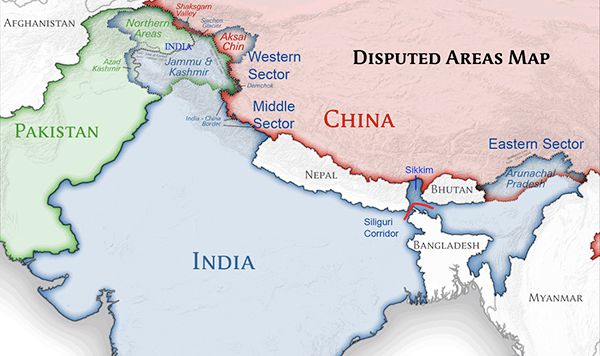
    The India-China border extends over 3,400 km and includes contentious zones like the Line of Actual Control (LAC) and McMahon Line. The India-Pakistan border, spanning over 3,300 km, includes the Radcliffe Line and the Line of Control (LoC) in Jammu and Kashmir.

    Conflicting Issues and Security Challenges Along the Border:

    India-China Border

    1. Territorial Disputes:
    • Aksai Chin, a region in eastern Ladakh, was seized by China during the 1962 Sino-Indian War.
    • Arunachal Pradesh: China claims Arunachal Pradesh, particularly the Tawang region, as part of its territory, referring to it as “South Tibet.” 
    • Doklam Plateau: China’s road construction in this area whichnis close to Siliguri Corridor (India’s “Chicken’s Neck”).
    • Security Challenges:
    1. Frequent Standoffs: Galwan Valley clash in June 2020, marking the first fatalities on the LAC in over four decades.
    2. Military Build-up including the deployment of advanced weapons systems, airbases, and enhanced surveillance infrastructure.
    3. Infrastructure Race: China has developed G219 Highway and airbase facilities in Ngari-Gunsa, Hotan, and Kashgar to support rapid military mobilization. In response, India has also developed 73 strategic roads including Darbuk-Shyok-DBO Road and Atal Tunnel.

    India-Pakistan Border

    1. Territorial Disputes:
    1. Kashmir Issue: Following the partition in 1947, Pakistan controls part of Kashmir (referred to as Pakistan-Occupied Kashmir or PoK).
    2. Siachen Glacier: India controls most of the glacier, but Pakistan claims it, leading to regular military clashes in the harsh terrain.
    3. Security Challenges:
      • Cross-Border Terrorism: Pakistan-based militant groups frequently infiltrate the Indian side of the LoC like Jaish-e-Mohammed (JeM) and Lashkar-e-Taiba (LeT).
      • Ceasefire Violations: Despite the 2003 ceasefire agreement, numerous instances of ceasefire violations along the LoC, resulted in casualties on both sides.
      • Infiltration and Smuggling: The border areas are also prone to cross-border drug smuggling via drones.

    Developments under the Border Area Development Programme ( initiated in 1986-87): 

    1. BADP now covers 111 border districts in 17 States to meet special development needs of border population with focus on people living within 50 kilometers of the International Border.
    2. Infrastructure Development: Zojila Tunnel and Sela Tunnel have been initiated to ensure all-year connectivity. Projects such as the Bairabi-Sairang Railway Line in Mizoram have been funded to enhance connectivity to remote border areas.
    3. Security Enhancements:  Fencing along the Indo-Pakistan border in Punjab and Rajasthan, coupled with the construction of border outposts (BOPs), has improved border security and reduced cross-border infiltration.
    4. Special Focus on North-East and Jammu & Kashmir: Development of healthcare, educational institutions, and sanitation in districts like Poonch, Rajouri, and Kupwara, where local populations face regular cross-border skirmishes.

    Developments under Border Infrastructure and Management (BIM) scheme: 

    It is a Central Sector Scheme comprising of projects aimed at infrastructure development of India’s international borders, which is being implemented by BM-I Division.

    1. Logistics and Mobility Enhancements: Helipads and airstrips in sensitive border regions like Ladakh have been upgraded to ensure quick evacuation and rapid deployment of forces.
    2. Communication Infrastructure: Mobile towers have been erected in border areas of Uttarakhand and Himachal Pradesh, Investments have been made in satellite communication systems.
    3. Community Engagement and Development: Water supply schemes in remote villages of Uttarakhand and Himachal Pradesh funded under BIM have provided access to clean drinking water.

    Measures that can further strengthen the effectiveness:

    1. Recommendations of the Shekatkar Committee: Creation of Joint Services Command, to improve inter-services coordination and enhance operational effectiveness.
    2. Kargil Review Committee recommended enhancing surveillance mechanisms along the borders, and establishing robust communication networks to ensure seamless connectivity.
    3. The Standing Committee on Home Affairs: prioritizing the construction of border roads under the Bharatmala Project, ensuring connectivity to remote and strategic areas.

    The dual focus on security and development is essential to transform vulnerable border regions into areas of strategic resilience and inclusive growth, ensuring long-term stability and national strength.

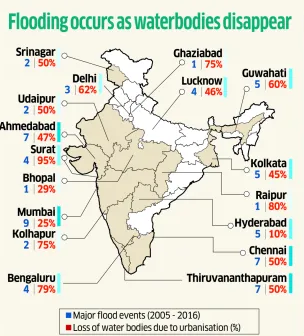
  • Flooding in urban areas is an emerging climate-induced disaster. Discuss the causes of this disaster. Mention the features of two such major floods in the last two decades in India. Describe the policies and frameworks in India that aim at tackling such floods

    Urban flooding refers to the inundation of land or property in densely populated areas due to heavy rainfall, overflowing rivers, poor drainage systems, or other water-related incidents.The climate change is causing over 64% of Indian sub-districts witnessing more heavy rainfall days in the last decade.


    Causes of Urban Flooding:

    Natural Causes include:

    1. Natural meteorological phenomenon like cyclones, cloud bursts, etc. is a primal factor. E.g., Cyclone Tauktae in Mumbai.
    2. Monsoon bursts lead to heavy rainfall in a short period. E.g., In 2005 Mumbai witnessed 37 inches of rainfall only in 24 hours.
    3. Climate change-induced sea level rise: In February 2021, McKinsey India said in a report that by 2050, Mumbai will witness a 25% increase in the intensity of flash floods accompanied by a half-meter rise in the sea level.

    Anthropogenic causes include:

    1. Concretization of Indian cities leading to a reduction in water absorption capacity. E.g., Mumbai saw a 99.9% increase in built-up area in the last 27 years.
    2. Outdated and overwhelmed drainage systems: E.g. The last drainage master plan for Delhi was created in 1976, leading to frequent flooding.
    3. Encroachment and destruction of natural water bodies: E.g., Bengaluru has lost 79% of its water bodies, reducing its flood resilience.
    4. Deforestation and Loss of Green Spaces: The removal of forests and wetlands reduces the land’s ability to absorb water, causing rapid runoff into urban areas.Eg: Bengaluru’s urban flooding
    5. Solid Waste and Debris: Improper waste disposal clogs drainage systems, blocking water flow and leading to waterlogging. Eg: In Mumbai, plastic waste clogging drains exacerbated the 2005 floods.
    6. Unplanned Development in Ecologically Sensitive Areas: 2013 Kedarnath floods, exacerbated by unplanned development, resulted in massive destruction, highlighting the dangers of such encroachment.

    Two major floods in the last two decades in India:

    1. Mumbai Floods (July 2005):  
    1. Mumbai experienced a record-breaking 944 mm of rainfall in 24 hours. 
    2. Other Reasons – poorly maintained and antiquated stormwater drainage system, extensive encroachment on natural watercourses like the Mithi River, and blocked drainage due to improper waste management.
    3. Over 1,000 people lost their lives due to flooding, landslides, and other related incidents.
    4. Chennai Floods (December 2015): 
    1. The city received around 494 mm of rainfall in a single day.
    2. Other factors – unplanned urbanization on wetlands and floodplains, including large-scale construction on areas like Pallikaranai marshlands. Poor urban planning and blocked stormwater drains worsened the impact.
    3. The release of excess water from the Chembarambakkam Reservoir further aggravated the flooding. 

    Policies and frameworks in India that aim at Tackling Floods:

    1. National Disaster Management Authority (NDMA) Guidelines on Urban Flooding (2010):
    1. Creation of an Urban Flooding Management Plan for each city.
    2. Preparation of a Rainwater Harvesting Policy to improve water absorption and reduce surface runoff.
    3. Creation of capacity-building programs for urban local bodies (ULBs) to implement better flood management practices.
    4. Atal Mission for Rejuvenation and Urban Transformation (AMRUT):
    1. Promotion of green infrastructure, such as parks and wetlands, which act as natural buffers to absorb excess rainwater.
    2. Encouragement of urban planning that integrates flood risks, ensuring that new urban developments are resilient to floods.
    3. Smart Cities Mission(2015):
    1. Promotion of sustainable urban development, such as the restoration of water bodies
    2. Use of geospatial technologies for flood risk mapping and planning.
    3. National Building Code (NBC):
    1. Restricts construction in floodplains.
    2. Mandates the inclusion of stormwater management systems in new developments.
    3. Encourages the use of permeable materials for roads and pavements to reduce surface runoff.

    Effective measures include adopting “Sponge City” concept used in China along with other non-structural measures can help realise goal of SDG-11.

  • What is disaster resilience? How is it determined? Describe various elements of a resilience framework. Also mention the global targets of the Sendai Framework for Disaster Risk Reduction (2015-2030)

    According to the Hyogo Framework for Action (UNISDR, 2005), disaster resilience is ‘the capacity of a system, community or society potentially exposed to hazards to adapt, by resisting or changing in order to reach and maintain an acceptable level of functioning and structure’.

    Determination of Disaster Resilience:

    1. Quantitative assessments: Using indicators like the Disaster Resilience Index (DRI) or the Baseline Resilience Indicators for Communities (BRIC).
    2. Qualitative evaluations: Resilience also depends on the continuous sharing of knowledge, experiences, and innovations between communities, governments, and international organizations.
    3. Risk mapping: A key element in determining disaster resilience is the ability to identify potential hazards (e.g., earthquakes, floods, cyclones) and assess the vulnerability of communities, infrastructure, and ecosystems to those hazards.
    4. Capacity analysis: The effectiveness of response mechanisms, including the availability of emergency services (e.g., ambulances, rescue teams), evacuation plans, and medical facilities, determines how well a community can react during a disaster.

    Various Elements of Resilience Framework

    • Risk Assessment: Identifying and evaluating potential hazards (natural or man-made), vulnerabilities, and exposure to risks. Eg: Seismic risk assessments in earthquake-prone areas.
    • Prevention and Mitigation: Implementing strategies to reduce the severity and likelihood of disasters, such as building codes, land-use planning, and environmental protection. Eg: Flood barriers, earthquake-resistant construction.
    • Preparedness: Ensuring that communities and organizations have disaster plans, emergency response training, and early warning systems in place to respond effectively. Eg: National disaster drills, community awareness programs.
    • Response: Immediate actions taken during or after a disaster to minimize harm, including emergency services, evacuation plans, and resource mobilization. Eg: Deployment of disaster response teams, distribution of relief supplies.
    • Recovery: Post-disaster efforts to restore normal functioning through rebuilding infrastructure, restoring livelihoods, and improving resilience for future disasters.
    • Adaptation and Learning: Evaluating the effectiveness of response and recovery efforts, learning from past disasters, and adapting policies and systems to better handle future events.
    • Risk Governance and Policy Implementation Strong institutional frameworks and Integration of disaster risk reduction (DRR) into development planning. Eg: NDMA guidelines.
    • Community Engagement in planning and decision-making and strengthening social networks and mutual aid systems. Eg- Self-help groups during floods in Kerala (2018).

    Global Targets of the Sendai Framework for Disaster Risk Reduction:

    1. Substantially reduce global disaster mortality by 2030, aiming to lower the average per 100,000 global mortality rates in the decade 2020–2030 compared to the period 2005– 2015.
    2. Substantially reduce the number of affected people globally by 2030, aiming to lower the average global figure per 100,000 in the decade 2020–2030 compared to the period 2005–2015
    3. Reduce direct disaster economic loss in relation to the global gross domestic product (GDP) by 2030
    4. Substantially reduce disaster damage to critical infrastructure and disruption of basic services, among them health and educational facilities, including through developing their resilience
    5. Substantially increase the number of countries with national and local disaster risk reduction strategies
    6. International cooperation with developing countries through adequate and sustainable support to complement their national actions for implementation of the present framework by 2030
    7. Substantially increase the availability of and access to multi-hazard early warning systems and disaster risk information and assessments to people. 

    Initiatives like Coalition for Disaster Resilient Infrastructure (CDRI) complement the Sendai Framework’s vision by emphasizing the need to design and maintain infrastructure systems that can withstand extreme events like floods, earthquakes, and cyclones.

  • What are asteroids? How real is the threat of them causing extinction of life? What strategies have been developed to prevent such a catastrophe?

    Asteroids are rocky, airless remnants from the early solar system, primarily orbiting between Mars and Jupiter in the Asteroid Belt. There are around 1.3 million known asteroids, and in recent years, tracking efforts have intensified due to the potential threats they pose to Earth.

    Threat of Asteroids Causing Extinction

    1. In NASA’s fifth biennial Planetary Defense Interagency Tabletop Exercise, it has found that a potentially hazardous asteroid has a 72% chance of hitting Earth, highlighting potential gaps in Earth’s preparedness to prevent such an event.
    2. Historical Evidence: asteroid impact caused the extinction of dinosaurs 66 million years ago, as seen in Chicxulub crater in Mexico.
    3. Near-Earth Objects (NEOs): According to NASA (2023), over 30,000 NEOs have been discovered with about 2,300 classified as “potentially hazardous.”
    4. Impact Consequences: Even small asteroids (e.g., 20 meters wide) can cause significant damage. Eg- If Bennu impacted Earth, it would release the energy equivalent to the detonation of 1.4 billion tons of TNT.
    5. Extinction-Level Threat: Asteroids over 1 km in size can cause global climatic effects. However, NASA estimates such impacts occur every 500,000 years, making the risk relatively low but not negligible.
    6. Disasters: The kinetic energy from an asteroid impact can cause earthquakes, tsunamis, and hurricanes, which can be global in impact. 

    Counter Argument

    1. Atmospheric Protection: Earth’s atmosphere provides a natural shield, burning up most smaller asteroids before they reach the surface. 
    2. Astronomical and Statistical Odds: The chances of a civilization-ending asteroid (larger than 10 km) hitting Earth are one in several million per year.

    Strategies developed to prevent such a catastrophe:

    1. Early Detection Systems:
    1. NASA’s Near-Earth Object Observations (NEOO) program and ESA’s Space Situational Awareness Program continuously monitor potential threats.
    2. ISRO has launched the Network for Space Object Tracking and Analysis (NETRA), which tracks space debris and NEOs. 
    3. Deflection Techniques:
    1. DART Mission (2022): NASA’s Double Asteroid Redirection Test successfully altered the orbit of an asteroid, demonstrating the feasibility of deflection.
    2. Gravity Tractor where a spacecraft can use gravitational attraction over time to gradually change an asteroid’s trajectory.
    3. Planetary Defense Coordination: International collaboration under the United Nations fosters information-sharing and readiness through bodies like the International Asteroid Warning Network (IAWN).

    The findings from the OSIRIS-REx mission will provide valuable insights not only into the nature of asteroids but also into the broader context of planetary defense and the importance of continued vigilance in monitoring the skies.

  • The world is facing an acute shortage of clean and safe freshwater. What are the alternative technologies which can solve this crisis? Briefly discuss any three such technologies citing their key merits and demerits

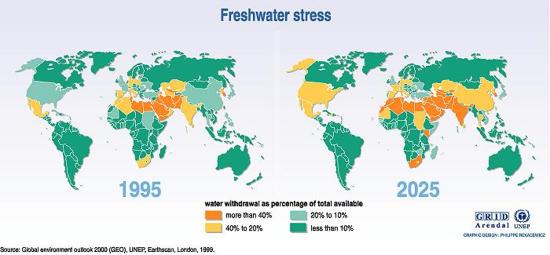
    The world population is projected to reach approximately 9.7 billion by 2050, significantly increasing demand for freshwater resources. UNESCO notes that, 30% of the world’s aquifers are being over-exploited, particularly in regions like the Middle East, North Africa, and South Asia.

    Reasons for Shortage of Clean and Safe Fresh Water:

    1. Climate Change Impacts:
    1. Droughts: The United Nations reported that the number of severe droughts globally has increased by over 29% since the 1970s.
    2. Glacial Retreat: glaciers in the Himalayas have lost more than 40% of their mass over the past 40 year
    3. Groundwater Depletion
    1. Over-extraction: In Ogallala Aquifer(US) water levels dropped by as much as 30 meters.
    2. Agricultural Use: Agriculture accounts for 80% of global freshwater withdrawals, with some regions, like South Asia, relying heavily on groundwater for irrigation.
    1. Inadequate Water Supply: in India according to NITI Aayog, 40% of urban households lack access to piped water.
    2. Water Quality Issues:
    1. Contaminated Water Sources: CPCB reported in 2021 that 70% of India’s surface water is contaminated due to industrial discharge, agricultural runoff, and untreated sewage.
    2. Health Risks: According to WHO, waterborne diseases like diarrhea, cholera, and dysentery affect 2.3 billion people annually.

    Alternative Technologies which can solve this issue:

    1. Solar Desalination – uses solar energy to evaporate and condense seawater, producing freshwater. This process mimics the natural water cycle, where the sun’s energy evaporates water, which is then condensed into clean water.
    1. Merits: Environmentally friendly, using renewable energy and Suitable for remote, off-grid locations.
    2. Demerits: Limited water output compared to conventional desalination plants and  Initial investment costs for solar infrastructure are high.
    1. Atmospheric Water Generation (AWG) – extracts water from the moisture in the air through condensation. Devices can be designed to capture water by cooling the air or by using desiccants that absorb moisture.  
    1. Merits: Produces clean drinking water from the atmosphere, reducing dependence on surface or groundwater and Can be used in off-grid locations with solar-powered AWG units.
    2. Demerits: Limited output in areas with low humidity and High energy demand for cooling and dehumidification processes.
    3. Fog Harvesting – capturing water droplets from fog using large mesh nets. The droplets condense on the mesh and are collected in containers for use.
    1. Merits: Provides water in arid, foggy regions where other sources are limited and Low-tech and low-energy solution, relatively inexpensive to set up.
    2. Demerits: Only viable in regions with frequent fog and Limited water output, making it impractical for large-scale use.

    A combination of these solutions, along with improved water management and policy frameworks, is essential for ensuring water security and achieving SDG 6.

  • Elucidate the importance of buffer stocks for stabilizing agricultural prices in India. What are the challenges associated with the storage of buffer stock? Discuss

    Buffer stocks are reserves of essential commodities, aimed at stabilizing agricultural prices and ensuring food security. India currently maintains over 80 million tonnes of buffer stock, well above the norm set by the Buffer Stocking Policy (around 30-40 million tonnes), managed primarily by the Food Corporation of India (FCI). 


    Importance of buffer stocks for stabilizing agricultural prices:

    1. Mitigating Price Volatility: According to the RBI Report, despite adverse climatic conditions and international disruptions, buffer stocks helped contain food inflation at average of 5.9%.
    2. Mitigating Global Supply Disruption (2022-23): Even during the Russia-Ukraine war, buffer stocks helped stabilize the market by releasing 18 lakh tonnes of wheat in early 2023.
    3. Stabilizing Farmers’ Incomes: In 2021-22, FCI procured 43 million tonnes of wheat and 58 million tonnes of rice, stabilizing farmer incomes during surplus production.
    4. Public Distribution System (PDS): Buffer stocks support the National Food Security Act (NFSA), ensuring food supply to 67% of India’s population at subsidized rates, and controlling inflation for essential goods.
    5. Export Management: In times of surplus, the government can release surplus grains for export. Conversely, during shortages, restricting exports ensures price stabilization.
    6. Meeting Emergency Needs – Buffer stocks help meet food requirements during natural calamities or crises. Eg- Garib Kalyan Yojana during COVID

    Challenges Associated with Storage of Buffer Stocks:

    1. Wastage and Quality Degradation: As per Ministry of Consumer Affairs, more than 25000 Metric Tonnes (MT) of food grains were wasted in the last five years in FCI godowns.
    2. Excess Procurement:  In 2020-2021, India held about 90 million metric tons of food grains particularly due to the open procurement policy, far exceeding the buffer norms.
    3. Management and Leakages:  Shanta Kumar Committee highlighted that 46% of PDS grains do not reach the intended beneficiaries due to inefficiencies and corruption.
    4. Mismatch Between Procurement and Regional Needs:  Procurement is concentrated in states like Punjab, Haryana, and UP, whereas Bihar and West Bengal often face shortages.
    5. Inadequate Storage Infrastructure and obsolete technology: Using temporary facilities like Covered and Plinth (CAP), lacking modern technology for temperature control, pest management, and moisture regulation.    
    6. Financial burden on the government due to high costs of procurement, storage, and management, especially during years of large-scale purchases, straining the budget.

    Recommendations to revamp storage of buffer stocks:

    1. Ashok Gulati Committee (2011): revision of buffer stock norms based on actual requirements for the PDS and emergency situations.
    2. Comptroller and Auditor General (CAG) Report on FCI (2013): use of Technology to digitize inventory management systems, allowing real-time tracking of food stocks at FCI warehouses.
    3. Shanta Kumar Committee (2015): It suggested decentralizing the procurement process by encouraging states to take up procurement based on their regional capabilities. 

    India’s “World’s Largest Grain Storage Plan” aims to create 70 million tons of modern storage through cooperatives, enhancing rural capacity, improving grain handling, and reducing post-harvest losses by building silos and warehouses in underserved areas.

  • A re-balancing of India’s great power relations

    Why in the News?

    India’s participation in the sixth Quad Leaders’ Summit in Wilmington, Delaware, U.S., on September 21, 2024, has heightened expectations for strengthening security cooperation among the “four key maritime democracies in the Indo-Pacific.”

    How can India navigate its relationships with major powers?

    • Strategic Autonomy: India maintains a policy of non-alignment, balancing relations with both the U.S. and Russia. It is careful not to be drawn into formal alliances but seeks to leverage its partnerships for national interests.
    • Quad vs. Russia: India’s engagement with the U.S.-led Quad strengthens its Indo-Pacific strategy, while its ties with Russia (a Quad opponent) focus on maintaining historical military and strategic benefits.
    • Russia-China Dynamics: As Russia moves closer to China, India seeks to rebalance, ensuring its interests are not sidelined, particularly in the context of China’s growing influence in Asia and unresolved border disputes.
    • U.S. Partnership: While deepening ties with the U.S., India is cautious about fully aligning with Washington’s agenda (for exports), especially regarding tensions with Russia.

    What role does India play in Global Conflict Resolution?

    • As a Peace facilitator: India is increasingly positioning itself as a peace facilitator, evidenced by the NSA (Ajit Dowal) of India’s outreach to Russia and France regarding the Ukraine conflict and peace plan.
    • As a ‘Vishwa Bandhu’: India’s engagement with both Ukraine and Russia shows its willingness to serve as an interlocutor, navigating complex diplomatic terrains while pushing for dialogue in global conflicts.
      • India’s attempts to mediate in conflicts like Ukraine emphasize its independent foreign policy, aiming to project itself as a “Vishwa Bandhu” (friend to the world).

    What implications do Domestic Issues have on India’s Foreign Policy?

    • Economic Dependencies: India’s reliance on Russian military equipment and discounted oil affects its stance on the Ukraine war, pushing for a more nuanced approach in balancing U.S. and Russian relations.
    • Border Tensions with China: Domestic security concerns, such as the standoff at the LAC, influence India’s foreign policy decisions, especially in its cautious relationship with China despite economic interdependence.
    • Public Opinion and Strategic Decisions: India’s foreign policy must account for domestic perceptions of global powers, balancing national security with economic growth and political stability in a complex international environment.

    Way forward: 

    • Strengthen Strategic Autonomy: India should continue balancing its relationships with major powers by deepening economic and security ties with both the U.S. and Russia, while maintaining flexibility to protect its national interests, particularly in the Indo-Pacific and vis-à-vis China.
    • Expand Peace Diplomacy: India can further leverage its role as a mediator in global conflicts, enhancing its international standing by promoting dialogue and peace initiatives.
  • What are the major challenges faced by Indian irrigation system in recent times? State the measures taken by the government for efficient irrigation management

    Irrigation is critical to Indian agriculture, which accounts for 80% of the country’s freshwater consumption. According to the Ministry of Agriculture, about 52% of India’s net sown area is irrigated, but inefficiencies in the system have hampered agricultural productivity. 

    Major challenges faced by Indian irrigation system in recent times:

    • Groundwater exploitation: According to CGWA, India extracts nearly 25% of global groundwater annually. Punjab and Haryana groundwater tables deplete by 33% in the last two decades.
    • Inefficient Water Use: Due to electricity subsidies and Traditional methods like flood irrigation, still used in 85% of irrigated areas.
    • Poor Infrastructure: Canal systems, which cover around 40% of irrigated land, suffer from leakages and evaporation losses, leading to about 30-40% wastage (Central Water Commission).
    • Unequal Distribution: Punjab, with 98% irrigation coverage, contrasts with underdeveloped infrastructure in eastern and southern states. (NITI Aayog).
    • Low Adoption of Modern Techniques: As per ICAR, only 6% of India’s irrigated land uses drip or sprinkler systems, mainly due to high initial costs and lack of awareness.

    Measures taken by the government for efficient irrigation management:

    1. National Mission for Sustainable Agriculture (NMSA): to promote sustainable agriculture practices, enhance water use efficiency, and encourage adoption of new irrigation technologies.
    2. Pradhan Mantri Krishi Sinchai Yojana (PMKSY): aims to improve irrigation coverage, enhance water efficiency, and promote modern irrigation techniques such as drip and sprinkler systems.
    3. Command Area Development & Water Management (CADWM): Improves irrigation efficiency by repairing and upgrading canal systems  across 17 million hectares (CWC).
    4. Atal Bhujal Yojana: With a budget of ₹6,000 crores, this scheme focuses on sustainable groundwater management in stressed regions, aiming to reduce over-extraction in 78 districts.
    5. Jal Shakti Abhiyan: A water conservation campaign targeting 256 water-stressed districts, focusing on rainwater harvesting and recharging groundwater (NITI Aayog).

    State Led initiatives:

    1. Mission Kakatiya(Telangana)-for rejuvenation of tanks and micro-irrigation sources.
    2. Jalyukt Shivar Abhiyan(Maharashtra)-promotes water conservation and management by constructing farm ponds, percolation tanks, and check dams.
    3. Krishi Bhagya(Karnataka)-promotes the adoption of micro-irrigation systems, rainwater harvesting, etc.

    Therefore, as recommended by the Ashok Dalwai Panel, a substantial investment in modern irrigation infrastructure, including drip and sprinkler systems, and the need to revisit water pricing policies to increase water-use efficiency and agricultural productivity.

  • What is the need for expanding the regional air connectivity in India? In this context, discuss the government’s UDAN Scheme and its achievements

    India’s vast geography and diverse regions make efficient air connectivity a critical element in driving economic growth, enhancing national integration, and ensuring equitable development across the country. The UDAN Scheme was launched with the objective of connecting small and medium cities with big cities through air service.

    Need for expanding the regional air connectivity in India:

    1. Decongesting Overloaded Metros: Major urban airports like those in Delhi, Mumbai, and Bengaluru are experiencing severe congestion due to increased passenger traffic.
    2. Economic and Trade Development: Improved air connectivity can further boost initiatives like “Making Districts as export hubs” thereby facilitating local economies.
    3. Promoting Tourism: Unlocking Tourism Potential, especially in states like Northeast India, Himachal Pradesh, Uttarakhand, and Rajasthan.
    4. Enhancing National Security: Improved connectivity, particularly in border and strategic areas such as Ladakh, Arunachal Pradesh, and the Andaman & Nicobar Islands, is critical for national security.
    5. Disaster Management and Relief: Regions prone to natural disasters, such as floods, earthquakes, and landslides, benefit from rapid response and evacuation efforts when accessible by air.

    The Government’s UDAN Scheme

    Key features:

    1. Subsidized Airfare: airfares for a 500 km flight are capped at ₹2,500 for a one-hour journey.
    2. Viability Gap Funding (VGF): To incentivize non-commercially viable regional routes.
    3. Development of Airports: Particularly in unserved and underserved areas by improving infrastructure, including runways, terminals, and navigational aids.
    4. Public-Private Partnership (PPP): Encourages private sector participation in developing regional airport infrastructure.

    Achievements of UDAN Scheme:

    1. As per Ministry of Civil Aviation, UDAN scheme is operating over 2.8 lakh flights and serving 1.43 crore passengers as of August 31, 2024. 
    2. Increased Regional Connectivity: The scheme has launched operations on 583 routes, linking 86 airports, including 13 heliports and 2 water aerodromes. 
    3. Affordable Air Travel: India has emerged as the third-largest domestic aviation market, with the total number of air passengers handled at Indian airports reaching 37.6 crore in FY24—a year-on-year increase of 15%. 
    4. Growth in Regional Aviation: Airlines such as Star Air, Trujet, and Air India Regional have expanded their operations under the scheme. Eg- Akasa Air ordering 200 aircraft within 17 months
    5. Development of Infrastructure: Airports, such as those in Jharsuguda (Odisha), Kishangarh (Rajasthan), and Pakyong (Sikkim), have been operationalized.
    6. Boost to Regional Economies and Tourism: To promote tourism, 46 important tourist spots have been selected under UDAN Scheme.
    IssuesWay Forward
    Out of the 479 airport routes that were revived by the Union Government, 225 have ceased operations.Enhancing Financial Viability: Implementing revenue-sharing models to incentivize the operationalization of less profitable routes.
    As per CAG Report, there is excessive collection of Regional Air Connectivity Fund (RCF) and delay on the part of RACFT in raising RCF levy claims on the airline operators.Streamlining Regulatory Processes: Expediting the process of obtaining regulatory clearances from agencies like the DGCA , state governments, and airport authorities.
    AAI’s Viability Gap Fund’s claims approved through self-certification led to non-compliance to several scheme provisions. (CAG Report)Focus on Sustainable Practices and leveraging technology: Adopting fuel-efficient technologies to reduce carbon footprints and Data Analytics for Route Optimization

    India can draw inspiration from the “Regional Connectivity Scheme” (RCS) in the United Kingdom whose emphasis on PPP and operational efficiency, can help realising the vision of ‘New India’.

  • How high-performance buildings are the next step towards a sustainable future?

    Why in the News?

    Due to rapid urbanization, India is facing the challenge of exceeding global energy efficiency and carbon benchmarks. High-performance buildings (HPBs) offer resilient, adaptive, and self-sufficient designs, promoting healthier indoor environments and better air quality.

    What are High-Performance Buildings (HPBs)?

    • These are structures designed to achieve peak levels of energy efficiency, sustainability, and occupant comfort.
    • They go beyond standard building practices by integrating advanced technologies and smart design strategies to minimize environmental impact, optimize resource use, and improve overall performance.
      • For example, Unnati (Greater Noida) and Indira Paryavaran Bhawan (New Delhi) showcase smart designs like sun-optimized facades and advanced HVAC systems, reducing energy use.

    Key features of HPBs include:

    • Energy Efficiency: HPBs use cutting-edge technologies like energy-efficient HVAC systems, smart lighting controls, and advanced insulation to reduce energy consumption.
    • Water Conservation: Techniques like greywater recycling and rainwater harvesting help HPBs minimize water usage.
    • Sustainable Materials: HPBs use eco-friendly, durable materials to reduce their carbon footprint and increase building longevity.
    • Site-Specific Design: HPBs leverage natural lighting, ventilation, and terrain-specific water management to enhance thermal efficiency and reduce energy demand.
    • Building Management Systems (BMS): HPBs employ BMS to monitor real-time performance metrics such as energy usage, water consumption, and indoor air quality, ensuring continuous optimization of resources.

    How can HPBs help Indian cities?

    • Resource Efficiency: HPBs help reduce energy consumption and promote water conservation, addressing India’s resource scarcity and fluctuating energy markets.
    • Urban Resilience: By being energy-efficient and self-sufficient, HPBs can help cities adapt to rising temperatures and urbanization pressures.
    • Healthier Environments: HPBs enhance indoor air quality, thermal comfort, and occupant well-being through intelligent systems like air filtration, natural lighting, and smart temperature control.
    • The strain on Infrastructure: HPBs can relieve pressure on public infrastructure by minimizing resource usage, making them crucial for fast-growing cities.
    • Sustainable Growth: HPBs are key to driving India’s transition to a low-carbon economy, supporting sustainable urbanization, and enhancing property value through long-term cost savings.

    Way Forward: 

    • Scaling Adoption of HPBs: Promote widespread implementation of HPBs through government incentives, regulations, and public-private partnerships, aligning with SDG Goal 11 (Sustainable Cities and Communities) to foster inclusive, safe, and resilient urban spaces.
    • Innovation and Capacity Building: Encourage innovation in building technologies and workforce training to develop HPBs, contributing to SDG Goal 7 (Affordable and Clean Energy) by ensuring energy efficiency and reducing carbon emissions in cities.
  • Discuss the merits and demerits of the four ‘Labour Codes’ in the context of labour market reforms in India. What has been the progress so far in this regard?

    As per recommendations of 2nd National Commission on Labour, 29 labor laws in India have been consolidated into Four comprehensive labor codes which aim at boosting the ease of doing business, while also extending social security to millions of workers, particularly in the informal and gig economy.

    1. Code on Wages: Standardized wage and bonus payments.
    2. Industrial Relations Code: Streamlines dispute resolution and labour relations.
    3. Occupational Safety, Health, and Working Conditions Code: Ensures safe and healthy working conditions.
    4. Code on Social Security: Expands social security benefits.

    Merits of Labour Codes:

    1. Simplification and Rationalization of Laws: The consolidation of 29 laws into 4 codes reduces the complexity of compliance Uniform definitions E.g. simplifying payroll calculations.
    2. Promoting Formalization and Social Security: Code on Social Security brings gig and platform workers (e.g., delivery workers, app-based drivers) under the social security net 
    3. Minimum floor wage: to be determined by the Central government based on the minimum living standards and level of skills of workers based on which state governments shall identify a minimum wage rate, to be revised every 5 years or earlier. 
    4. Minimise exploitative practices – Provisions for overtime wages twice the normal wages on an hourly or part-of-hour basis as well as coverage of Employees’ State Insurance (ESI). 
    5. Flexibility in Hiring and Firing: The Industrial Relations Code allows firms with up to 300 workers (previously 100) to hire and fire employees without requiring government permission.
    6. Improved Worker Safety and Health Standards: The Occupational Safety, Health, and Working Conditions Code mandates stricter safety norms, such as proper ventilation, cleanliness, and adequate lighting at workplaces.
    7. Easier Resolution of Industrial Disputes: The Industrial Relations Code mandates the formation of Grievance Redressal Committees for companies with 20 or more workers and allows faster resolution through tribunals.
    8. Changes in EPF & gratuity: the Employee Provident Fund (EPF) and gratuity contributions are now applicable to both organised and unorganised sectors. Further, the codes permit a 1-year service for employees to collect gratuities from earlier 5 years.
    9. Gender Equality – The Code of Wages prohibits discrimination in remuneration and recruitment of employees for work of similar nature.
    10. Maternity benefits: the SS Code continues to ensure 26 weeks of paid maternity leave along with creche facilities funded by the employer.

    Demerits of Labour Codes:

    1. Lack of Uniformity Across States: Labour is a concurrent subject in India, this could lead to lack of uniformity in implementation across different regions.
    2. Delegated Legislation – Standing Committee on Labour has noted that the Acts delegates various aspects for rule-making by the government. Eg-  defining the entitlements 
    3. Concerns about Gig and Informal Workers’ Security: the Code on Social Security does not provide clear mechanisms for ensuring comprehensive coverage and enforcement.
    4. Impact on Trade Unions and Collective Bargaining: A requirement that 75% of workers in a company must vote for a strike before it is legally recognized can dilute the role of trade unions        
    5. Weakening of Workers’ Rights and Protections: The increased threshold for government permission for layoffs is criticized for potentially weakening job security.
    6. Power to government to modify or reject tribunal awards – it raises the question of conflict of interest, as government may modify an award made by the Tribunal in a disputes it is a party.  
    7. Provisions on fixed term employment – unequal bargaining powers between the worker and employer could affect the rights of workers as the power to renew contracts lies with employer.

    Progress so far in this regard:

    1. Publication of draft rules: over 20 states have published draft rules, but final notifications are still awaited in most cases.
    2. Implementation: Implementation has been delayed due to state-level preparations and ongoing consultations with stakeholders. 
    3. Centre has already enforced few provisions like Central Advisory Board and establishment of an employee’s and his family members’ identities through respective Aadhaar numbers.

    Reasons For Delay 

    1. Some states are yet to publish rules to set the codes in motion 
    2. Talks between the Union labour ministry and unions have stalled  
    3. Centre is inclined to take all stakeholders on board for which there needs agreement on key provisions.

    Way Forward

    1. Labour Market Information System (LMIS): to pinpoint skill shortages, training needs, and disseminate new job opportunities.
    2. Comprehensive Economic Reforms: upgrading infrastructure, skilling the workforce, and maintaining a consistent export-import policy to bolster investment and job creation.

    India can draw on Denmark’s “flexicurity” system which combines labor market flexibility with comprehensive social security, to ensure ensure ‘Ease of Doing Business’ and realise target of VIKSIT BHARAT 2047.

  • On the need for a different framework for passive Mutual Funds

    Why in the News?

    On September 30, the Securities and Exchange Board of India (SEBI) launched the liberalized Mutual Funds Lite (MF Lite) framework specifically for passively managed schemes.

    What is a Passive Mutual Fund? 

    • A Passive Mutual Fund is a type of investment fund that follows a market index, like Nifty50, trying to match its performance.
    • They can be easily tracked, whereas, Active Mutual Funds need expert fund managers to actively monitor them and make investments in securities of their choice accordingly.
    • Since there’s no need for constant research, analysis, or active trading the costs are lower.

    Key highlights of the liberalized Mutual Funds Lite (MF Lite) framework:

    • Separate Framework for Passive Funds: It is tailored for passively managed schemes, which are less risky and require minimal active management.
    • Relaxed Entry Requirements: Lowered net worth requirement (₹35 crore), simplified criteria for sponsor eligibility (profitability, track record).
    • Encouraging New Players: It provides easier entry for new AMCs (Asset management companies) and market players in the passive fund segment.
    • Governance Flexibility: It has reduced oversight for trustees; operational responsibilities shifted to AMC boards, focusing on fees, expenses, and tracking error.
    • Cost Efficiency Focus: It emphasizes on lowering Total Expense Ratio (TER) and minimizing tracking error for better returns.
    • Simplified Disclosures: The Scheme Information Documents (SID) are simplified to focus on key metrics like benchmark index, TER, and tracking error.
    • Risk Management: Audit committees of AMCs can handle risk management duties due to the lower risk profile of passive funds.

    Why a Separate Framework for MF Lite is Needed?

    • Lower Risk Profile: Passively managed funds are generally less risky because they track established benchmarks like BSE Sensex or Nifty50, reducing the need for active decision-making.
    • Minimal Asset Manager Discretion: Unlike actively managed funds, asset managers of passive funds have limited discretion in asset allocation and investment objectives. They simply mirror the performance of the benchmark index.
    • Inapplicability of Existing Regulations: The current framework is designed primarily for actively managed funds, which involve more risks and require more oversight. It is less suitable for passive funds, which operate with predefined, transparent rules.
    • Cost-Effective Market Entry: To encourage new players and make the passive fund industry more competitive, SEBI introduced relaxed regulations regarding eligibility, net worth, and profitability.

    What about risks and disclosures? 

    • Success depends on Total Expense Ratio (TER) and tracking error. Lower costs and minimal deviation from the benchmark are crucial for performance.
    • Scheme Information Documents (SID) focus on key metrics like the benchmark name, TER, and tracking error, leaving out complex strategies.
    • Risk management responsibilities are streamlined, allowing the audit committee of the AMC to handle oversight, reflecting the lower risks of passive funds.

    Way forward: 

    • Enhance Investor Education: Develop targeted educational initiatives to inform retail investors about the benefits, risks, and operational aspects of passive mutual funds, fostering informed investment decisions.
    • Ongoing Regulatory Evaluation: Establish a framework for periodic assessment and adaptation of the MF Lite regulations to ensure they remain effective and relevant, promoting competition while safeguarding investor interests.
  • Farmers to receive aid under Rythu Bharosa

    Why in the News?

    After the completion of the loan waiver, the Telangana government will provide Rythu Bharosa assistance to support farmers further.

    About the Rythu Bharosa Scheme:

    Details
    Scheme Name Rythu Bharosa Scheme (Farmer’s Investment Support Scheme – FISS)
    Launch Year 2018-19 Kharif season (Telangana Govt’s Navratna Scheme)
    Objective To support the initial investment needs of farmers by providing financial aid for agriculture and horticulture crops.
    Benefits ₹5,000 per acre per season as a grant for input purchases, with no cap on the number of acres owned by farmers.
    Eligibility
    • Farmers must be residents of Telangana.
    • Must own agricultural land.
    • Small and marginal farmers are eligible.
    • Farmers cultivating land with Record of Forest Rights (ROFR) document (mainly from Scheduled Tribe communities).
    Ineligible Farmers
    • Commercial farmers.
    • Farmers working on a rental contract or tenant farmers.

    Significance of the move

    • Financial Relief for Farmers: By waiving loans of up to ₹2 lakh per farmer, the scheme provides significant financial relief, helping farmers manage their debt and invest in future agricultural activities.
    • Boost to Agricultural Sector: The waiver will enable farmers to focus on improving productivity and crop yields without the burden of debt, potentially boosting the state’s agricultural output.
    • Reduction in Farmer Distress: This move will alleviate distress among farmers, especially those affected by unpredictable weather and fluctuating crop prices, reducing the risk of farm-related suicides and financial instability.

    PYQ:

    [2020] Under the Kisan Credit Card scheme, short-term credit support is given to farmers for which of the following purposes?

    1. Working capital for maintenance of farm assets
    2. Purchase of combine harvesters, tractors and mini trucks
    3. Consumption requirements of farm households
    4. Post-harvest expenses
    5. Construction of family house and setting up of village cold storage facility

    Select the correct answer using the code given below:

    (a) 1, 2 and 5 only
    (b) 1, 3 and 4 only
    (c) 2, 3, 4 and 5 only
    (d) 1, 2, 3, 4 and 5

  • CERC steps in to tackle sudden Surges in Power Demand

    Why in the News?

    India’s power regulator, the Central Electricity Regulatory Commission (CERC), has appointed a Single Member Bench to assess the challenges of a sudden surge in power demand.

    Projected Power Demand for October 2024

    • India’s projected peak power demand for October 2024 is 230 Gigawatts (GW).
    • After factoring in Inter-State Transmission System (ISTS) losses, the demand is expected to rise to 232.2 GW.
    • To meet this demand, an additional 12.60 GW of generation resources is required.

    Concerns over Power System Operation:

    • The steep rise in electricity demand, without enough generation sources, could pose a risk to power system operations.
    • The Regional Load Despatch Centres (RLDCs) and State Load Despatch Centres (SLDCs) are responsible for conducting operational planning to manage this surge, especially due to seasonal variations.


    About Central Electricity Regulatory Commission (CERC):

    Details
    Establishment It was constituted on July 24, 1998, under the Electricity Regulatory Commissions Act, 1998, and later brought under the Electricity Act, 2003.
    Type Statutory body with quasi-judicial status under Section 76 of the Electricity Act, 2003.
    Ministry Functions under the Ministry of Power, Government of India.
    Primary Functions – Regulates tariffs of power generation companies (owned/controlled by the Government of India).
    – Regulates interstate transmission tariffs.
    – Issues licenses for interstate transmission and trading.
    Key Role in Tariff Evolution – Introduced a Two-Part Tariff in 1992.
    – Introduced Availability Based Tariff (ABT) in 2000 to improve grid stability.
    Advisory Role – Contributes to National Electricity Policy and Tariff Policy.
    – Promotes competition, efficiency, and investment in the electricity sector.
    Licensing – Issues licenses for electricity transmission and interstate trading.
    Grid Operation Standards Enforces standards under the Indian Electricity Grid Code (IEGC) to improve grid stability and power quality.
    Dispute Resolution Adjudicates disputes involving power generation companies and transmission licensees.
    Collaboration Signed a MoU with the U.S. Federal Energy Regulatory Commission (FERC) in 2009 for enhancing power market regulation and grid reliability.
    First Chairman Mr. S.L. Rao (1998–2001).


    PYQ:

    [2016] Which one of the following is the purpose of ‘UDAY’, a scheme of the Government?

    (a) Providing technical and financial assistance to start-up entrepreneurs in the field of renewable sources of energy

    (b) Providing electricity to every household in the country by 2018

    (c) Replacing the coal-based power plants with natural gas, nuclear, solar, wind and tidal power plants over a period of time

    (d) Providing for financial turnaround and revival of power distribution companies

  • India slipped on the Academic Freedom Index (AFI)

    Why in the News?

    India has seen a sharp decline in Academic Freedom Index rankings over the past 10 years.

    About the Academic Freedom Index (AFI):

    Details
    Released by Global Public Policy Institute (GPPi) in collaboration with Scholars at Risk (SAR) and V-Dem Institute (Varieties of Democracy)

    Published as a part of a global time-series dataset (1900-2019)

    Purpose To assess and quantify academic freedom across different countries
    Score Range
    • 0 (complete repression) to 1 (full academic freedom)
    • Scores based on expert surveys and institutional data
    Main Parameters
    • Freedom to Research and Teach
    • Institutional Autonomy
    • Freedom of Academic Exchange and Dissemination
    • Campus Integrity
    • Freedom of Expression for Academics
    • Constitutional Protection of Academic Freedom
    Usage
    • Tracking academic freedom trends
    • Influencing policy
    • Advocating for academic liberty in different countries
    Annual Report Published as part of the “Free to Think” report series by Scholars at Risk

    India’s Performance:

    • India’s academic freedom score dropped from 0.6 points in 2013 to just 0.2 points in 2023, marking a significant deterioration.
    • The report categorizes India as “completely restricted”, the country’s lowest rank since the mid-1940s.
    • This decline is attributed to many factors, including:
    1. Political Influence on Universities
    2. Limitations on Student Protests

    Significance

    • Impact on Democracy: The decline threatens democratic values, as universities, traditionally spaces for free thought and dissent, and are increasingly under political control, limiting student protests and academic expression.
    • International Reputation: India’s shrinking academic freedom could harm its global standing, making it less attractive to international students, scholars, and research collaborations.
    • Long-Term Effects on Education: The politicization of higher education may weaken innovation and critical thinking, hindering economic growth and the development of future leaders and policymakers.
  • Describe the context and salient features of the Digital Personal Data Protection Act, 2023

    Data has emerged as ‘New Oil.’ As  technology has become the defining paradigm of the 21st century, the DPDP Act, India’s first data protection act, establishes a framework for the processing of personal data in India.

    Context of the DPDP Act, 2023:

    1. Rise in Digital Data Usage: as per Nokia’s Mobile Broadband Index (MBiT), Indian users on average consumed 24.1 gigabytes (GB) of data per capita per month in 2023 
    2. Judicial Interpretation: Recognition of the Right to Privacy as a fundamental right under Article 21 of the Indian Constitution emphasizes the need for a data protection law to protect personal information in the digital age.
    3. Global Trends: India’s DPDP Act mirrors global efforts to regulate data processing, such as the European Union’s General Data Protection Regulation (GDPR). 
    4. Previous Data Protection Drafts:  The DPDP Act, 2023, builds on earlier drafts of data protection bills (such as the Personal Data Protection Bill, 2019), which faced multiple revisions due to concerns over government exemptions, data localization, and compliance costs for businesses.
    5. Rise in cyber crime – As per NCRB, in May 2024, the Indian Cyber Crime Coordination Centre (I4C) recorded an average of 7,000 cybercrime complaints per day. This is a 60.9% increase from 2022 to 2023 and an 113.7% increase from 2021 to 2023.
    6. Use of Data in government schemes like Aadhar, DBT etc. 

    Salient Features of the Digital Personal Data Protection Act, 2023:

    1. Applicability: The DPDP Act applies to the processing of digital personal data in India, whether collected online or offline and later digitized. It also applies to data processing outside India if the data pertains to providing goods or services to data principals (individuals) within India.
    2. Key Stakeholders: Data Principal (DP), Data Fiduciary, Data Processor
    3. Penalty for Infringement: The Act imposes financial penalties for non-compliance, ranging from Rs. 10,000 to Rs. 250 crores, but does not impose criminal penalties.
    4. Conflict with Existing Laws: The DPDP Act’s provisions are additional to existing laws. In case of conflict, the DPDP Act will take precedence to the extent of the conflict.
    5. Data Protection Board of India (DPBI):
    1. An independent body responsible for resolving disputes related to privacy and data protection.
    2. It has the authority to impose penalties for non-compliance and breaches of the Act.
    3. Appeals against DPBI orders can be made to the High Court, which can also take up breaches suo moto
    4. Citizen’s Rights:
    1. Right to Information: The DP has the right to know how their data is being used.
    2. Right to Correction and Erasure: The DP can request corrections or erasure of their personal data.
    3. Grievance Redressal: The DP has the right to approach authorities for grievances related to data breaches or misuse.
    4. Right to Nominate: In case of death or incapacity, the DP can nominate someone to exercise their rights
    IssuesWay Forward
    Lack of Standardization: Inconsistent data formats and standards across different departments.Establishing a clear implementation framework to ensure effective coordination.
    Fragmented Systems results in data silos, making it difficult to share and access data across departments.Developing decentralized, reliable databases to ensure that governance decisions are rooted in accurate and comprehensive data.
    Inaccurate or outdated data Eg- Issues with the accuracy of data in land records Opening of data “silos” to capture the potential wealth of data sharing between governmental offices, corporations and citizens.

    By carefully choreographing a dance between data localization, infrastructure development, and technological innovation, India can pave the way for a data-driven future that is both innovative and accountable.

  • Explain how narco-terrorism has emerged as a serious threat across the country. Suggest suitable measures to counter narco-terrorism

    ‘Narcoterrorism’ refers to the use of drug trafficking networks—routes, funding mechanisms, and

    incomes—by terrorist organizations. According to the Narcotics Control Bureau (NCB), more than 100 instances of drone incursions reported in the India-Pakistan border alone in 2023, with most carrying heroin and weapons meant for terrorists operating in India.


    Narco-terrorism has emerged as a serious threat:

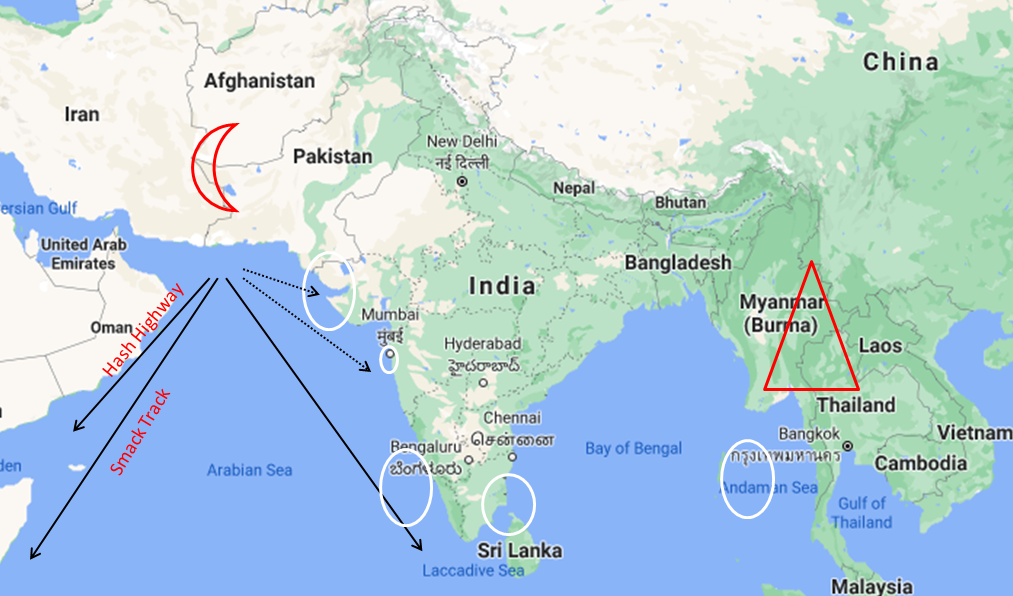
    1. Strategic location:  Proximity to the Golden Crescent to the west and the Golden Triangle to the east 
    2. As per International Narcotics Control Board (INCB) Annual Report 2023, nearly 40% of the world’s opiate users reside in South Asia. 
    3. Use of Technology – Cyber-enabled drug markets, operating on the dark web and crypto-markets, are making illicit drugs more accessible than ever before.
    4. Linkage with terrorist groups: 20-30% of drug smuggling operations in Jammu and Kashmir are estimated to be linked to groups like Lashkar-e-Taiba (LeT) and Jaish-e-Mohammed (JeM) (IB Report).
    5. Increased Smuggling through Coastal Routes: Eg-  seizure of 2,826 kg of drugs, comprising mostly heroin and cocaine, across India’s ports and coastal waters in 2023, the highest in 5 years.
    6. Narcotics and Maoist Insurgency:  Maoist-linked drug operations are used to generate revenue for purchasing arms.
    7. Use of Northeast India as a Transit Point: The porous borders of Northeast India, are used by insurgent groups like the National Socialist Council of Nagaland (NSCN) for drug smuggling. 
    8. Use of Advanced Smuggling Methods: use of drones and maritime routes to smuggle drugs into India, especially across the Punjab and Gujarat borders.
    9. Collaboration with State Actors: Pakistani state agencies are reportedly involved in facilitating narcoterrorism by supporting cross-border drug trafficking that funds terrorism in India.

    Measures to counter narco-terrorism:

    1. Strengthening Border Security:Enhance surveillance and monitoring along borders using advanced technologies such as drones, sensors, and AI to detect and prevent narcoterrorism activities, particularly along the India-Pakistan and India-Myanmar borders.
    2. Strengthening Law Enforcement and Intelligence: 
    1. Ensure the strict enforcement of laws like the Narcotic Drugs and Psychotropic Substances (NDPS) Act, 1985
    2. Ensure seamless sharing of real-time intelligence between agencies like the Intelligence Bureau (IB), Research and Analysis Wing (RAW), and NCB
    1. International Cooperation: Collaborate with Bangladesh, Myanmar, and Afghanistan through bilateral and multilateral platforms like SAARC and BIMSTEC.
    2. Community-Level Interventions: Establish comprehensive drug rehabilitation and de-addiction centers, particularly in regions with high drug abuse rates like Punjab.
    3. Targeting the Nexus between Crime and Terrorism: Strengthening UAPA and financial regulations such as PMLA to target financial linkages between drug traffickers and terrorist groups.

    A failed state in the neighbourhood combined with narco-terrorism can have serious consequences for India’s security. A comprehensive risk-mitigation approach is imperative to safeguard India’s national security and secure a better and healthier future for its citizens.

  • What role do environmental NGOs and activists play in influencing Environmental Impact Assessment (EIA) outcomes for major projects in India? Cite four examples with all important details

    “World today is economically richer & environmentally poorer the ever” 

    The UN Department of Public Information (DPI) defines the NGO as “a not-for-profit, voluntary citizen’s group that is organized on a local, national or international level to address issues in support of the public good.” 

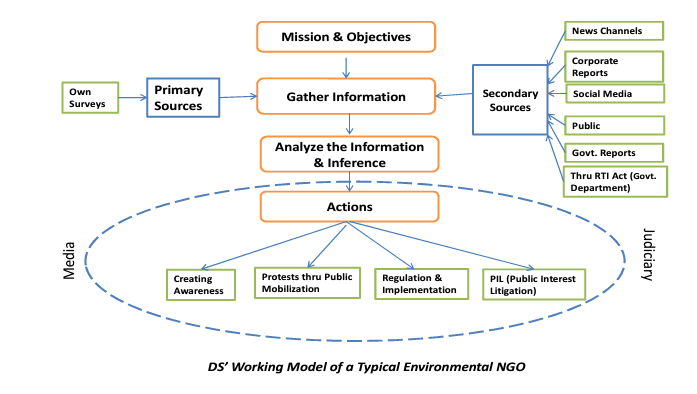
    Role of environmental NGO’s:

    • Raising Public Awareness and Participation- Eg- In projects like the Vedanta bauxite mining project in Odisha, activists and NGOs mobilized local tribal communities to participate in public consultations, eventually leading to the project being halted.
    • Advocacy and Legal Interventions – Eg- Activist groups like Kalpavriksh and Vanashakti have filed PILs against infrastructure developments in ecologically sensitive areas like the Western Ghats.
    • .
    • Independent Review and Monitoring of EIAs – Eg- Greenpeace India highlighted deficiencies in the EIA process in Mundra Port and SEZ project.
    • Pressure for Policy Reforms- Their efforts have led to amendments in EIA regulations, such as improvements in the public hearing process and better safeguards for sensitive ecosystems.
    • Exposing Environmental Violations – Eg-  In the Sterlite copper plant case in Tamil Nadu, NGO activism exposed how the plant was operating without proper environmental clearances, leading to closure of the plant.
    • Engaging with International Advocacy Networks including development finance institutions to ensure stricter compliance with international environmental standards.

    Examples

    1. Narmada Bachao Andolan (NBA), led by social activist Medha Patkar. It raised concerns about the incomplete and flawed EIA, which did not fully assess the displacement of people or the ecological damage to the Narmada River ecosystem. While the dam was eventually built, NBA’s efforts ensured a greater focus on rehabilitation and resettlement policies.
    2. Goa Foundation and Mining in Goa NGO/Activist Involved: filed petitions in the Supreme Court challenging the approval of mining leases based on inadequate and outdated EIAs. The NGO provided scientific data showing how large-scale illegal mining was leading to deforestation, loss of biodiversity, water pollution, and siltation of rivers, which affected agriculture and fisheries. In 2012, the Supreme Court imposed a ban on mining activities in Goa. 
    3. Kalpavriksh and the POSCO Steel Plant Project in Odisha –  worked closely with local communities to highlight that the EIA did not address the full extent of forest clearance, water consumption, and pollution. The NGO submitted expert critiques to the Ministry of Environment and Forests (MoEF), pointing out deficiencies in the EIA process, including the lack of public consultations and ignoring of critical environmental impacts.  The MoEF revoked the forest clearance for the project in 2010. 
    4. Himdhara and Hydropower Projects in Himachal PradeshNGO/Activist Involved: Himdhara conducted independent environmental impact assessments and highlighted issues such as improper evaluation of seismic risks, water flow changes, and the cumulative impacts of multiple hydropower projects on the river systems. As a result of their sustained efforts, the original design of the Luhri Hydroelectric Project was altered, reducing its capacity and minimizing environmental damage. 

    Issues:

    1. Organizational Issues – A survey by Indian Institute of Corporate Affairs (IICA) found that around 67% of small and medium-sized NGOs.
    2. As per report by the Harvard Kennedy School the majority of NGOs in India don’t have Board for governance.
    3. Regulatory Issues – Out of 3 million NGOs in the country, only about 175,000 of are registered on Niti Aayog’s Darpan portal.
    4. Funding Constraints: Over dependence on government funding curtails their ability to hold government and administration accountable.
    5. Security:  As per the Intelligence Bureau report, foreign-funded NGOs are acting as instruments for the foreign policy goals of Western governments. Their activism has led to reducing GDP growth by 2-3%.

    Way Forward

    1. 2nd ARC: set up an independent National Accreditation Council- to provide for the system of accreditation of voluntary organizations that seek funding from government agencies.
    2. Vijay Kumar Committee Recommendations:  ‘Light regulation’ of NGO and  a separate law for voluntary agencies
    3. Establishing a governing board enhances NGO governance.

    NGOs are “integral cogs in the wheel of good governance”. A balanced partnership between genuine NGOs and the government is crucial for India’s progress.

  • India signs $750-mn currency swap deal with forex-starved Maldives

    Why in the News?

    The RBI has announced a Currency Swap Agreement with the Maldives Monetary Authority (MMA) under the SAARC Currency Swap Framework 2024-27.

    India’s Financial Support to Maldives

    • India will extend financial support to the Maldives, providing $400 million under the US Dollar/Euro Swap Window.
    • Additionally, ₹30 billion (approximately $357 million) will be made available under the INR Swap Window.
    • The Currency Swap Agreement will remain valid until June 18, 2027.

    About SAARC Currency Swap Framework:

    Details
    Objective To provide short-term liquidity support to SAARC member countries during financial crises or instability.
    Administered by Reserve Bank of India (RBI)
    Launch Year 2012
    Countries Involved All SAARC members: Afghanistan, Bangladesh, Bhutan, India, Maldives, Nepal, Pakistan, and Sri Lanka.
    Facility Swap arrangement in US Dollar, Euro, or Indian Rupee.
    Interest Rate Based on the currency borrowed, includes a margin over international benchmark rates.
    Purpose To address the balance of payment crises and provide financial stability.
    Recent Users Sri Lanka, Maldives


    Maldives’ Debt Situation

    • The Maldives’ debt is now estimated at 110% of its gross domestic product (GDP), with increasing risks of defaulting on its sukuk (Islamic bond).
    • A failure to make payments would mark the world’s first default of an Islamic bond.
      • Fitch Ratings estimates that the Maldives’ external debt obligations will reach $557 million by 2025 and exceed $1 billion by 2026.
      • The country’s foreign reserves stood at just $437 million at the end of August, only enough to cover one-and-a-half months of imports.
      • India provided a $50 million lifeline to the Maldives to help avoid this outcome.
    • The Export-Import Bank of India is owed nearly $400 million, while the Export-Import Bank of China is owed about $530 million as of last year.

    Significance of India’s Assistance

    • Debt Relief: India’s financial aid, including a $50 million lifeline, would help the Maldives avoid debt default and stabilize its economy.
    • Geopolitical Influence: With this, India can counter China’s influence in the Maldives, strengthening its strategic position in the Indian Ocean.
    • Diplomatic Reset: India’s support strengthens diplomatic relations, aiding the Maldives in debt restructuring and global partnerships.

    PYQ:

    [2019] In the context of India, which of the following factors is/are contributor/contributors to reducing the risk of a currency crisis?

    1. The foreign currency earnings of India’s IT sector
    2. Increasing the government expenditure
    3. Remittances from Indians abroad

    Select the correct answer using the code given below:

    (a) 1 only

    (b) 1 and 3 only

    (c) 2 only

    (d) 1, 2 and 3

More posts