The 8th edition of Exercise KAZIND-2024 has commenced in Uttarakhand.
About Exercise KAZIND-2024
Exercise KAZIND is an annual joint military exercise between India and Kazakhstan.
It was first initiated as Exercise PRABAL DOSTYK in 2016 and later renamed Exercise KAZIND after the second edition.
The exercise involves Army contingents from both countries and, since 2023, also includes Air Force personnel, making it a Bi-service Exercise.
Focus Areas:
It focuses on Counter Terrorism operations in sub-conventional environments under the United Nations mandate.
Tactical drills practiced include Raid, Search and Destroy Operations, Small Team Insertion and Extraction, and Counter Unmanned Aerial System Operations.
Significance:
The exercise aims to develop skills, resilience, and coordination for joint military operations in semi-urban and urban environments.
It allows both countries to share best practices, enhance mutual cooperation, and strengthen military ties.
PYQ:
[2024] Which of the following statements about the Exercise Mitra Shakti-2023 is/ are correct?
This was a joint military exercise between India and Bangladesh.
It commenced in Aundh (Pune).
Joint response during counter-terrorism operations was a goal of this operation.
Following complaints from Overseas Citizen of India (OCI) card holders about being reclassified as “foreigners,” the Ministry of External Affairs clarified, that no changes have been made to the rules governing OCI status.
AboutOverseas Citizen of India (OCI)
Details
About
OCI scheme, introduced in August 2005, allows Persons of Indian Origin (PIOs) who were citizens of India after January 26, 1950 or were eligible for Indian citizenship on that date, to register for OCI status.
Serves as a form of dual citizenship for the Indian diaspora.
The Ministry of Home Affairs defines an OCI.
OCI Card Benefits
OCI cardholders receive a multiple-entry, life-long visa to visit India and are exempt from registering with local authorities for extended stays.
OCI card holders need permission to visit protected, restricted, or prohibited areas.
Special permits are also required for activities such as conducting research, undertaking missionary or journalistic work, and visiting areas like Jammu & Kashmir.
OCI vs NRI Rights
Under the Foreign Exchange Management Act (FEMA) 2003, OCI card holders are now on par with foreign nationals regarding economic, financial, and educational rights, reversing earlier parity with NRIs.
Significant Changes to OCI Rules
2005: Lifelong visas and exemption from FRRO registration
2007: Parity with NRIs for inter-country adoption and domestic airfare
2009: Parity with NRIs for entry fees to monuments and professions like doctors and architects
Eligibility Restrictions
Individuals with parents or grandparents from Pakistan or Bangladesh cannot apply for an OCI card.
Foreign military personnel (retired or active) are also not eligible.
Spouse Eligibility
Spouses of Indian citizens or OCI card holders, whose marriage has been registered for at least two years, can apply for an OCI card.
OCI Card Restrictions
OCI card holders cannot vote, hold constitutional positions, or be elected as a members of Parliament or Legislative Assembly.
They are also restricted from holding government employment in India.
PYQ:
[2021] With reference to India, consider the following statements: (2021)
There is only one citizenship and one domicile.
A citizen by birth only can become the Head of State.
A foreigner once granted citizenship cannot be deprived of it under any circumstances.
Which of the statements given above is/are correct?
The ghee samples used by ‘Tirumala Tirupati Devasthanams’ for ritual offerings and ‘Laddu Prasadam’ were found to contain foreign fats, including fish oil, beef tallow, and lard, as per the NDDB’s analysis report.
What did the ALF of the National Dairy Development Board find in the Tirupati laddus?
The Centre for Analysis and Learning in Livestock and Food (CALF) of the National Dairy Development Board found that ghee samples supplied to the Tirumala Tirupati Devasthanams (TTD) for preparing laddus were adulterated with various fats.
Animal-based fats: fish oil, beef tallow, and lard (pig fat).
Existing Laws:
The Indian Penal Code (1860) penalizes food adulteration under Section 272, but penalties are often minimal, leading to insufficient deterrence.
The Food Safety and Standards Act, of 2006 aims to consolidate food safety regulations, but implementation remains weak due to inadequate resources and oversight.
Implementation Gaps:
Despite robust standards set by the FSSAI, the actual enforcement is lacking. For instance, many tests that could detect sophisticated forms of adulteration are only sometimes conducted due to a lack of testing facilities and trained personnel.
A study by the Centre for Science and Environment (CSE) highlighted that major brands of honey were found to be adulterated with undetectable syrups, raising concerns about the effectiveness of current testing protocols.
Why maintaining a good baseline data (specific to Indian conditions) is necessary?
Biological Variation in Indian Cows: Baseline data specific to Indian cows is needed for accurate results. Indian cows may have different genetic and biochemical profiles compared to European cows, meaning the existing international standards for detecting adulteration (like the ‘s-values’) may not accurately reflect the composition of Indian cow ghee.
Adulterants Unique to Local Conditions: The types of adulterants commonly used in India, such as certain vegetable oils or animal fats, may differ from those in other regions. Establishing baseline data for Indian adulterants would improve the precision of detecting the specific types of foreign fats used in India.
Accurate Interpretation of Results: Without specific data on the composition of Indian cow ghee, it becomes difficult to interpret the results from methods like gas chromatography. Customized baseline data ensures that the detection methods yield accurate and meaningful conclusions in the Indian context.
Way forward:
Strengthen Enforcement Mechanisms: Increase resources for testing facilities and train personnel to implement FSSAI standards more effectively, ensuring regular checks for sophisticated adulteration.
Develop India-Specific Testing Protocols: Create testing standards based on baseline data specific to Indian cows and local adulterants to improve accuracy in detecting food adulteration.
In the third year of the five-year Swachh Bharat Mission (SBM) Urban 2.0, larger cities have yet to clear land at half of their landfill sites. According to government sources, only 38% of the total waste has been remediated so far..
Present State of Cities in India (related to legacy landfills):
Inadequate Progress in Waste Remediation: Three years into Swachh Bharat Mission (SBM) Urban 2.0, only 38% of the waste in legacy landfill sites across major cities has been remediated. About 62% of garbage still remains unprocessed, and 65% of the land has not been cleared.
Slow Progress in Large Cities:
In major cities with populations over 1 million, 35 out of 69 landfill sites have not had any land cleared.
Deonar landfill in Mumbai, the largest in India, has not seen any remediation or land clearance.
In Ahmedabad’s Pirana landfill, 48% of the total area has been cleared, while in Delhi’s Ghazipur and Bhalaswa landfills, waste remediation has begun, but no land has been reclaimed yet.
Challenges with Legacy and Fresh Waste: Legacy landfills remain a persistent issue as fresh waste is still being deposited at the same sites undergoing remediation. This cycle hampers progress, as more fresh waste offsets the clearance of older waste, making remediation efforts inefficient.
Note: The Swachh Bharat Mission – Urban 2.0 (SBM-U 2.0), launched on October 1, 2021, aims to achieve a “Garbage Free” India by 2026. It focuses on sustainable sanitation, effective waste management, and enhancing urban cleanliness through initiatives like door-to-door waste collection and remediation of legacy dumpsites.
What are the cities expected to do with reclaimed land?
Reuse Plans for Cleared Land: According to SBM Urban 2.0 guidelines, cities are expected to reuse cleared land after bioremediation for productive purposes such as:
Refuse Derived Fuel (RDF): Waste is processed into RDF for use in waste-to-energy plants.
Construction and Demolition Waste Recycling: Cleared waste is recycled for infrastructure projects.
Bio-soil: Reclaimed bio-soil is used for road construction or other land development projects.
Limited Action on Reuse: Despite these plans, the amount of land reclaimed from garbage dumps remains minimal in many cities, and detailed data on how reclaimed land is being utilized is lacking. As of now, the focus remains on remediation rather than immediate land reuse.
Way forward:
Develop Alternative Waste Processing Sites: Cities must create dedicated facilities to manage fresh waste separately from legacy landfills to avoid offsetting progress and ensure efficient remediation.
Accelerate Land Reuse Plans: Prioritize the swift repurposing of reclaimed land for productive uses, such as waste-to-energy plants, construction material recycling, and bio-soil applications, ensuring sustainable urban development.
Mains PYQ:
Q How could social influence and persuasion contribute to the success of Swachh Bharat Abhiyan? (UPSC IAS/2016)
Government data from over 3,000 urban local bodies across 29 States and Union Territories shows that 91.9% of the 38,000 sewer and septic tank cleaners profiles belong to SC, ST, or OBC communities.
What are the socio-economic conditions of workers engaged in sewer and septic tank cleaning?
Demographics: A significant majority (91.9%) of the 38,000 profiled workers belong to marginalized communities: 68.9% Scheduled Castes (SC), 14.7% Other Backward Classes (OBC), 8.3% Scheduled Tribes (ST), and 8% from the general category.
Employment Status: The workforce largely comprises low-income individuals engaged in hazardous, low-status jobs, reflecting persistent caste-based disparities.
Capital Subsidies support: Since the launch of the NAMASTE program, ₹2.26 crore in capital subsidies have been distributed to 191 beneficiaries, indicating some financial support for transitioning into self-employment.
How effective are current policies and rehabilitation schemes for sanitation workers?
NAMASTE Programme: Aimed at mechanizing sewer cleaning and providing safety training and equipment, the program is a replacement for the Self-Employment Scheme for Rehabilitation of Manual Scavengers (SRMS).
Enumeration Process: Over 3,326 urban local bodies (ULBs) are involved, with 38,000 workers profiled so far. However, 283 ULBs reported zero workers, suggesting that the profiling might not be comprehensive or that many workers are unrecognized.
Rehabilitation Success: Out of 58,098 identified manual scavengers under the previous SRMS scheme, 97.2% were from SC communities. While cash transfers of ₹40,000 were provided, only a fraction pursued skills training or loans for alternative livelihoods.
What are the challenges?
Social Stigma: Predominantly from marginalized communities (SC, ST, OBC), these workers face discrimination, limiting their access to better job opportunities and social mobility.
Health Risks: Exposure to hazardous working conditions leads to significant health risks, with a high mortality rate (377 deaths from 2019 to 2023) due to unsafe practices.
Ineffective Rehabilitation: Current policies and support programs lack comprehensive coverage, leaving many workers unrecognized and limiting the effectiveness of financial assistance and training initiatives.
What are the health risks and safety measures for workers in hazardous cleaning roles?
Hazardous Working Conditions: Between 2019 and 2023, 377 workers died from hazardous cleaning activities, highlighting the extreme risks associated with sewer and septic tank cleaning.
Safety Training: The NAMASTE program aims to provide safety training for workers to minimize health risks, but the effectiveness of such training needs further evaluation.
Equipment and Mechanization: The goal is to transition workers from manual cleaning to mechanized processes, reducing their exposure to dangerous conditions and improving overall safety.
Way forward:
Comprehensive Training and Support Programs: Enhance the effectiveness of the NAMASTE program by providing robust safety training and resources for workers, coupled with extensive outreach to ensure all workers are identified and supported, including those currently unrecognized.
Promotion of Mechanization and Safety Standards: Accelerate the mechanization of sewer cleaning operations to reduce health risks, and establish strict safety standards and regulations to protect workers, ensuring regular monitoring and enforcement of these standards.
The LUX-ZEPLIN (LZ) experiment revealed that as we continue to push the boundaries of dark matter detection, the issue of neutrino fog becomes increasingly significant.
What is theLUX-ZEPLIN (LZ) Experiment?
The LUX-ZEPLIN (LZ) experiment is a cutting-edge dark matterdetection project located deep underground at the Sanford Underground Research Facility in South Dakota, USA.
It is one of the most sensitive experiments in the world designed to detect dark matter particles, which are believed to make up about 85% of the matter in the universe but have not yet been directly observed.
The heart of the LZ experiment is a tank filled with 10 tonnes of liquid xenon, a very dense and pure material.
The idea is that if a dark matter particle collides with a xenon atom, it will produce a tiny burst of light and free electrons.
These interactions are then detected by sensitive equipment surrounding the xenon.
The experiment is located 1.5 km below the Earth’s surface.
What is Neutrino Fog?
Neutrinos, often referred to as “ghost particles,” are subatomic particles with nearly zero mass and no electric charge.
“Neutrino Fog” refers to the interference caused by neutrinos—subatomic particles that rarely interact with matter—in dark matter detection experiments.
Neutrinos are produced naturally in the Sun’s core, supernovae, and even Earth’s atmosphere.
Though they pass through most matter undetected, their weak interactions can cause small disturbances in highly sensitive detectors.
As dark matter detectors become larger and more sensitive, they are more likely to detect neutrinos, leading to a “fog” of signals that can obscure or mimic potential dark matter interactions.
PYQ:
[2015] In the context of modern scientific research, consider the following statements about ‘IceCube’, a particle detector located at South Pole, which was recently in the news:
1. It is the world’s largest neutrino detector, encompassing a cubic kilometre of ice.
2. It is a powerful telescope to search for dark matter
3. It is buried deep in the ice.
Which of the statements given above is/are correct?
Recent research indicates that pigs may act as a transmission vehicle for a strain of the hepatitis E virus (HEV) commonly found in rats, known as Rocahepevirus ratti, or rat HEV.
Role of Pigs in Transmission
HEV Reservoir: Pigs naturally carry hepatitis E virus (HEV), particularly strains that can infect humans.
Transmission via Pork: Humans can contract HEV by consuming raw or undercooked pork from infected pigs.
Environmental Contamination: Infected pigs shed HEV in faeces, contaminating the environment and water sources, potentially spreading the virus to humans.
Poor sanitation in pig farms facilitates HEV transmission between pigs and increases the risk of human infection through the food chain.
Cross-Species Transmission: Pigs may also act as intermediaries for rat HEV, transmitting the virus from rats to humans in farm environments.
AboutHepatitis E Virus (HEV):
Hepatitis E is caused by the Hepatitis E Virus (HEV), which is a positive-sense, single-stranded, non-enveloped RNA virus.
HEV is classified under the family Hepeviridae, genus Orthohepevirus.
It was first identified during an outbreak among Soviet soldiers in Afghanistan in 1983.
The earliest well-documented HEV epidemic occurred in New Delhi, India, in 1955, retrospectively identified as HEV.
Transmission:
The primary route of transmission is fecal-oral, especially through contaminated water and food.
Zoonotic transmission is possible with genotypes 3 and 4, commonly spread through undercooked meat or direct animal contact.
Symptoms:
Jaundice, nausea, fatigue, and elevated liver enzymes.
Severe cases can lead to liver failure, especially in pregnant women and immunocompromised individuals.
Prevention and Cure:
A vaccine, HEV 239, is approved for use in China, but no vaccine is widely available or approved in most countries, including the United States.
There is no specific antiviral treatment for acute HEV.
Prevention relies on improved sanitation, safe drinking water, and proper food handling.
PYQ:
[2019] Which one of the following statements is not correct?
(a) Hepatitis B virus is transmitted much like HIV.
(b) Hepatitis B, unlike Hepatitis C, does not have a vaccine.
(c) Globally, the number of people infected with Hepatitis B and C viruses are several times more than those infected with HIV.
(d) Some of those infected with Hepatitis B and C viruses do not show the symptoms for many years.
A study conducted at Moorea, French Polynesia, has revealed that the network of dead coral skeletons left behind by bleaching events prevents reefs from regenerating.
About Corals
Corals are marine invertebrates made up of genetically identical organisms called polyps.
Polyps have a mutualistic relationship with microscopic algae called zooxanthellae that live within their tissues.
Zooxanthellae perform photosynthesis, providing the corals with carbohydrates, while the corals offer compounds needed for photosynthesis.
Corals have calcium carbonate skeletons, which help in building the reef structure.
Thousands of polyps combine to form coral colonies, which multiply and grow over time.
Coral reefs are underwater ecosystems formed by the accumulation of calcium carbonate skeletons from corals.
Known as the “rainforests of the seas”, they provide habitat and protection for a wide variety of marine life.
Coral reefs are built by both hard and soft corals and grow over time as more corals attach to the reef structure.
They are the largest living structures on the planet, vital for marine biodiversity.
Challenges due to Dead Corals
Shelter for Seaweed: Dead coral skeletons create a complex structure that offers protection to macroalgae (seaweed) from herbivores. This allows seaweed to colonize the reef quickly, outcompeting young coral.
Impeded Herbivory: The complex landscape of dead corals prevents herbivores, which normally graze on algae, from accessing the macroalgae effectively. This leads to unchecked algae growth.
Increased Competition: Macroalgae grow faster and reproduce more frequently than coral, leading to increased competition for space, light, and nutrients, which further inhibits young coral from settling and growing.
Annual Coral Reproduction: Coral typically spawns only once a year, while algae reproduce continuously. This gives algae a competitive advantage in newly available spaces left by dead coral skeletons.
Altered Ecosystem Balance: The presence of dead coral shifts the balance between herbivores, algae, and coral, making it difficult for the reef to regenerate naturally.
Conditions for Reef Regeneration
Flat Substrate: After events like cyclones, which remove coral but leave behind a flat surface, reefs tend to recover more easily, as young coral can settle and regrow without much competition from macroalgae.
Herbivore Activity: Active herbivory is crucial for reef recovery, as herbivores control the growth of macroalgae, allowing space for coral recruits to settle and thrive.
Clear Space for Coral Recruits: To regenerate effectively, coral needs open space free from excessive algae. Removing dead coral skeletons might help create these conditions.
Frequent Disturbances: Coral reefs are better adapted to recover from frequent but non-lethal disturbances like storms, which scrape off coral and allow for fresh regrowth, compared to bleaching events, which leave the dead coral structure intact.
Water Quality and Temperature: Coral recovery depends on optimal water conditions, including the absence of pollutants and suitable temperatures.
PYQ:
[2018] Consider the following statements
Most of the world’s coral reefs are in tropical waters.
More than one-third of the world’s coral reefs are located in the territories of Australia, Indonesia and Philippines.
Coral reefs host far more number of animal phyla than those hosted by tropical rainforests.
Which of the statements given above is/are correct?
The “Arogya Sanjeevani Policy” serves as a reference point for choosing health insurance for hospitalisation.
AboutArogya Sanjeevani Policy:
Details
Launch Date
April 2020
Issued by
Insurance Regulatory and Development Authority of India (IRDAI)
Objective
To provide basic and affordable health insurance coverage to all citizens
Sum Insured
₹1 lakh to ₹5 lakh per policy year
Coverage
Hospitalization, pre and post-hospitalization expenses, daycare procedures, AYUSH treatments, COVID-19 coverage
Pre-Existing Conditions
Coverage after 4 years of continuous policy renewal
Co-Payment
5% co-payment on all claims
Premium
Varies based on age, sum insured, and insurer
Waiting Period
30 days for new policies; 48 months for pre-existing diseases
Daycare Procedures
Covers over 50+ daycare treatments
Room Rent Limit
Up to 2% of the sum insured per day (maximum ₹5,000 per day)
ICU Room Rent
Up to 5% of the sum insured per day (maximum ₹10,000 per day)
AYUSH Treatments
Covers Ayurveda, Yoga, Naturopathy, Unani, Siddha, and Homeopathy treatments
Maternity Coverage
Not covered
Network Hospitals
Cashless facility in network hospitals
Eligibility
Individuals aged 18 to 65 years
PYQ:
[2019] Performance of welfare schemes that are implemented for vulnerable sections is not so effective due to the absence of their awareness and active involvement at all stages of the policy process – Discuss.
Q). Should the pursuit of carbon credits and clean development mechanisms set up under UNFCCC be maintained even though there has been a massive slide in the value of a carbon credit? Discuss with respect to India’s energy needs for economic growth. (UPSC CSE 2014) Q). In the view of the declining average size of land holdings in India which has made agriculture non – viable for a majority of farmers should contract farming and land leasing be promoted in agriculture? critically evaluate the pros and cons. (UPSC CSE 2015) Q). Sikkim is the first ‘Organic State’ in India. What are the ecological and economical benefits of Organic State? (UPSC CSE 2018)
Prelims:
In the context of India, which of the following is/are considered to be practice(s) of eco-friendly agriculture? (UPSC CSE 2020) 1. Crop diversification 2. Legume intensification 3. Tensiometer use 4. Vertical farmingSelect the correct answer using the code given below: (a) 1, 2 and 3 only (b) 3 only (c) 4 only (d) 1, 2, 3, and 4
Mentor’s Comment: Agroforestry plays a crucial role in enhancing the resilience of Indian agriculture through various mechanisms. By integrating trees with crops and livestock, agroforestry provides farmers with multiple income streams, reducing dependence on single crops and mitigating the impact of market fluctuations. The integration of trees provides shade and wind protection, making agricultural systems more resilient to extreme weather events such as droughts and floods. This adaptability is vital for farmers facing unpredictable climate patterns. In today’s editorial, we will focus on Indian-centric issues.
_
Let’s learn!
Why in the News?
Recent studies indicate that with the right policies and financial support, India could sequester an additional 2.5 billion tons of CO2 equivalent by 2030 in the agroforestry sector.
Currently, agro-forestry represents 8.65% of India’s land and contributes 19.3% of its carbon stocks, playing a vital role in both environmental sustainability and economic growth.
India is poised to increase agroforestry area from 28.4 million hectares to 53 million hectares by 2050.
CASE STUDY of UP:
• In Uttar Pradesh, a new agroforestry project aims to connect local farming with the global carbon credit market, potentially generating 4.5 million carbon credits valued at around Rs 230 crore. • This initiative is part of a broader strategy to enhance rural incomes while increasing the state’s green cover from 9.23% to 15% by 2027. • The success of these projects hinges on adapting carbon finance standards to better suit India’s unique agricultural landscape, which could unlock further opportunities for smallholder farmers.
How does the ‘Polluter Pays Principle’apply to carbon credits in agro-forestry?
The Polluter Pays Principle (PPP) is a fundamental concept in environmental economics that holds polluters responsible for the costs associated with their environmental impact.
Responsibility for Emissions: Industries that emit greenhouse gases are required to compensate for their emissions by purchasing carbon credits.
Each credit represents one ton of CO2 or its equivalent that has been sequestered or reduced, which creates a financial incentive for these industries to invest in carbon offset projects like agroforestry.
Market Dynamics: The carbon credit market operates on the principle that companies must buy credits to offset their emissions, thus internalizing the external costs of pollution.
What are the present issues for the Indian Market?
In carbon finance, “common practice” assesses the projects that have additional regional activities (larger areas), meaning they are disqualified from earning carbon credits if they don’t provide additional environmental benefits.
For example, standards like Verra’s VCS and Gold’s current definitions reflect large-scale agricultural practices in regions like Latin America and the U.S., overlooking India’s context of small, fragmented landholdings.
However, in India, approximately 86.1% of farmers have less than two hectares, often practicing agroforestry in a non-systematic manner, which may not meet the additionality criteria. Many Indian farmers are excluded from ARR carbon finance projects due to this.
Why is there a need for an India-centric approach?
Revising standards to fit India’s fragmented small-holder model could allow more farmers to participate in carbon finance projects.
Enhanced Income Streams: Integrating agroforestry with Afforestation, Reforestation, and Revegetation (ARR) initiatives provides farmers with additional income through carbon credits, diversifying their revenue sources.
This integration helps tackle issues such as low productivity, small land holdings, dependence on monsoons, and environmental degradation by promoting sustainable land management practices.
Soil and Ecosystem Health: Agro-forestry practices improve soil quality, enhance water retention, and mitigate erosion, contributing to overall ecosystem health and agricultural productivity.
Biodiversity Conservation: The integration encourages greater biodiversity by incorporating various tree species alongside crops, promoting ecological balance within agricultural landscapes.
Alignment with National Goals: The integration supports India’s climate goals and commitments under international agreements by increasing carbon sequestration potential and enhancing green cover.
Long-Term Sustainability: By establishing a systematic approach to agroforestry through ARR initiatives, farmers can achieve sustainable agricultural practices that ensure long-term productivity and environmental health.
Way Forward:
TheEnergy and Resources Institute (TERI)has launched 19 ARR projects across seven states in India, benefiting over 56,600 farmers.
To scale these initiatives, international carbon finance platforms must revise their standards to align with the realities of Indian agriculture.
A systematic approach to agro-forestry supported by carbon finance can help farmers diversify their income, making them more resilient to climate variability.
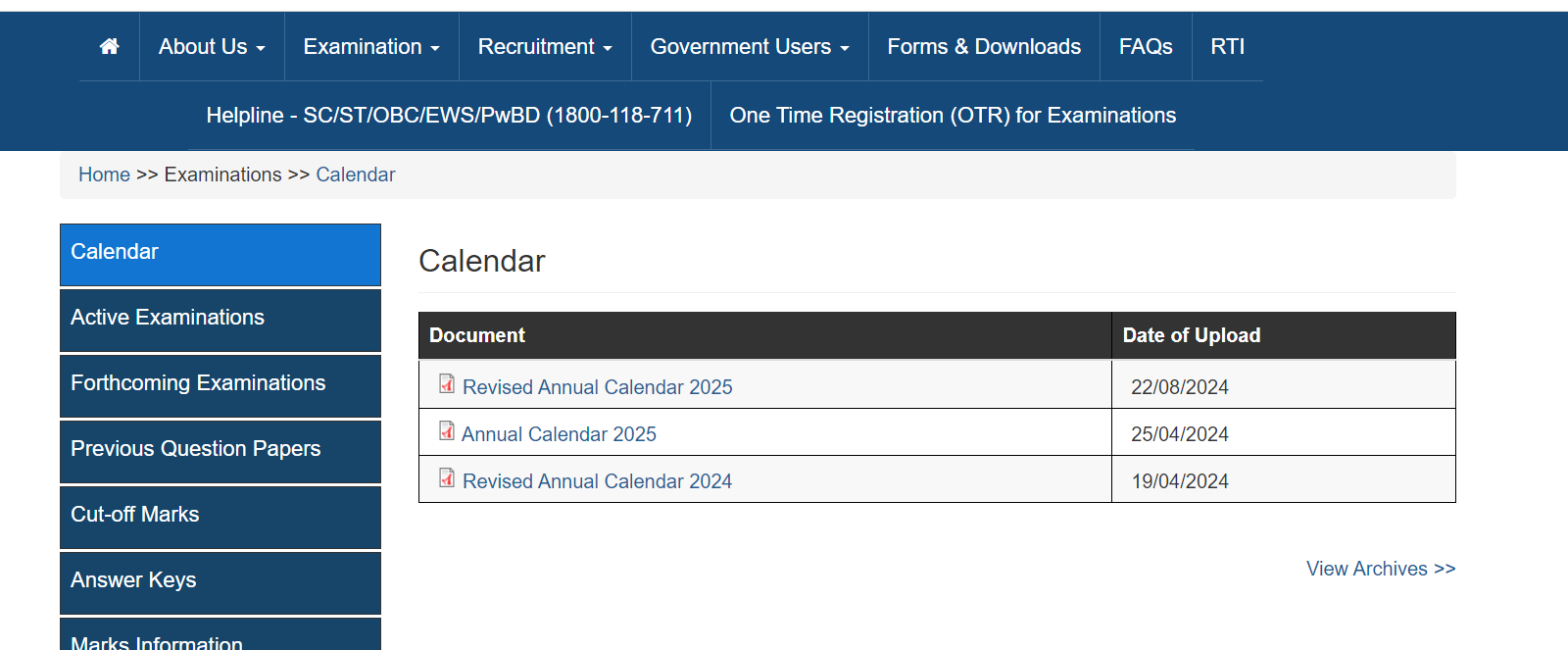
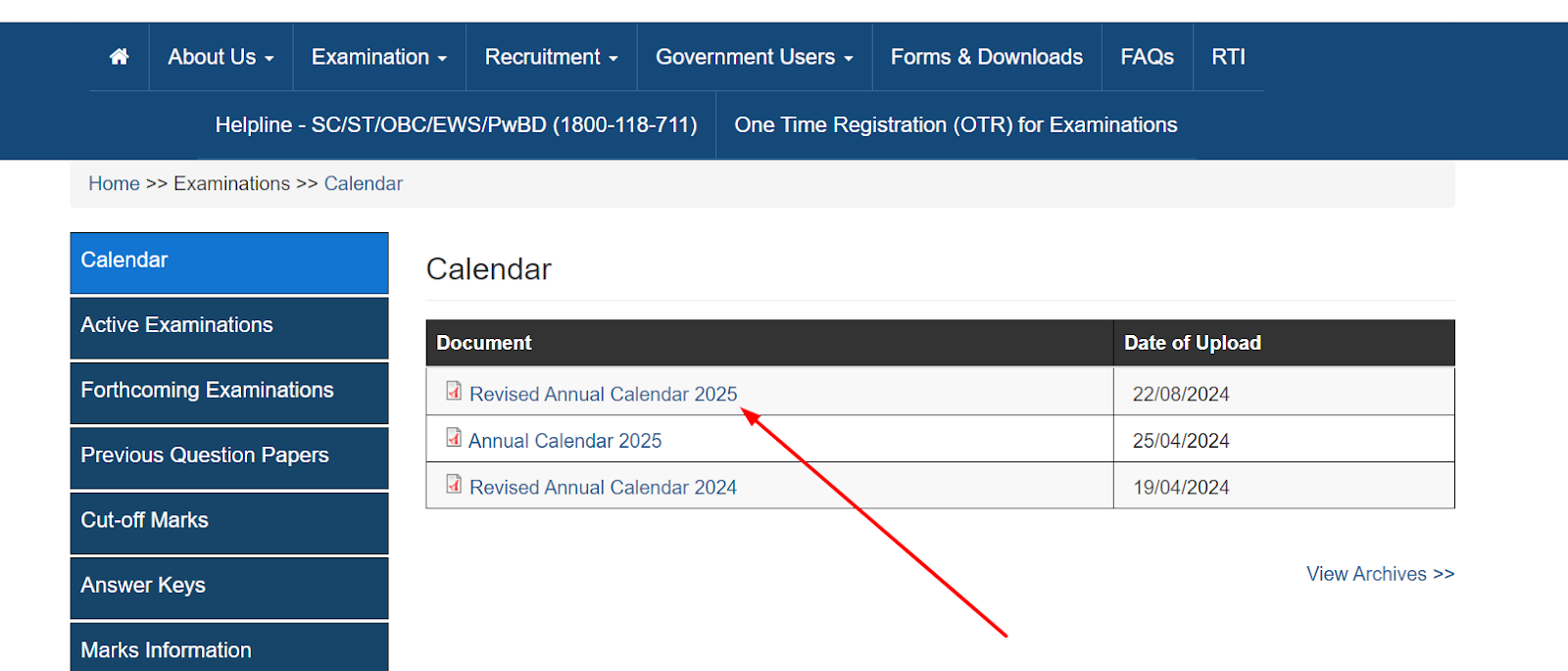
UPSC (Union Public Service Commission)India released a revised 2025 calendar on August 22, 2024. The first calendar for 2025 was released on April 25, 2024. Now it is an updated calendar. There are no major changes in the revised UPSC calendar 2025 except a proposed new date for the CBI (DSP) LDCE exam. Among all the dates, UPSC Civil Service exam dates are the most important for civil service aspirants. Note that the IAS exam dates haven’t changed.
UPSC Civils Prelims is scheduled on 25th May 2025 (Sunday) and Mains commences on 22nd August 2025 (Friday). Read the full article to know more about UPSC 2025 exam dates.
Indian Forest Service (Preliminary) Examination, 2025 through CS(P) Examination 2025
–
–
–
–
10
Reserved for UPSC RT/ Examination
14.06.2025
–
–
2 DAYS
11
I.E.S./I.S.S. Examination, 2025
12.02.2025
04.03.2025
20.06.2025
3 DAYS
12
Combined Geo-Scientist (Main) Examination, 2025
21.06.2025
–
–
2 DAYS
13
Engineering Services (Main) Examination, 2025
22.06.2025
–
–
1 DAY
14
Reserved for UPSC RT/ Examination
05.07.2025
–
–
2 DAYS
15
Combined Medical Services Examination, 2025
19.02.2025
11.03.2025
20.07.2025
1 DAY
16
Central Armed Police Forces (ACs) Examination, 2025
05.03.2025
25.03.2025
03.08.2025
1 DAY
17
Reserved for UPSC RT/ Examination
09.08.2025
–
–
2 DAYS
18
Civil Services (Main) Examination, 2025
22.08.2025
–
–
5 DAYS
19
N.D.A. & N.A. Examination (II), 2025
28.05.2025
17.06.2025
14.09.2025
1 DAY
20
C.D.S. Examination (II), 2025
–
–
–
–
21
Reserved for UPSC RT/ Examination
04.10.2025
–
–
2 DAYS
22
Reserved for UPSC RT/ Examination
01.11.2025
–
–
2 DAYS
23
Indian Forest Service (Main) Examination, 2025
16.11.2025
–
–
7 DAYS
24
S.O./Steno (GD-B/GD-I) LDCE
17.09.2025
07.10.2025
13.12.2025
2 DAYS
25
Reserved for UPSC RT/ Examination
20.12.2025
–
–
2 DAYS
Source: Official
Important Notes:
The dates for notifications, application deadlines, and exam commencement are subject to change if required by unforeseen circumstances.
Candidates are advised to regularly check the official UPSC website for any updates.
What is New
In the revised UPSC 2025 calendar, the CBI (DSP) LDCE’s notification date has been moved to January 1, 2025, and the application deadline is now January 14, 2025. Except that, there are no major changes in the revised UPSC 2025 exam dates.
UPSC 2025 Exam Date for Civil Services
Civil Services refers to the IAS (Indian Administrative Service), IPS (Indian Police Service), IFS (Indian Foreign Service), and IRS (Indian Revenue Service). Among the UPSC examinations, Civils is the most sought-after by graduate aspirants across India.
The examination for Civil Services is conducted through two stages: Preliminary and Main. The dates for the same are given below:
Civil Services (Preliminary) Examination, 2025
Notification Date: 22nd January 2025
Last Date to Apply: 11th February 2025
UPSC Prelims 2025 Date: 25th May 2025 (Sunday)
Duration: 1 Day
Civil Services (Main) Examination, 2025
Exam Date: 22nd August 2025 (Friday)
Duration: 5 Days
Download the Official UPSC Calendar 2025
The official notification of the UPSC 2025 exam date is available at upsc.gov.in. You can download it, along with archives by following the below steps:
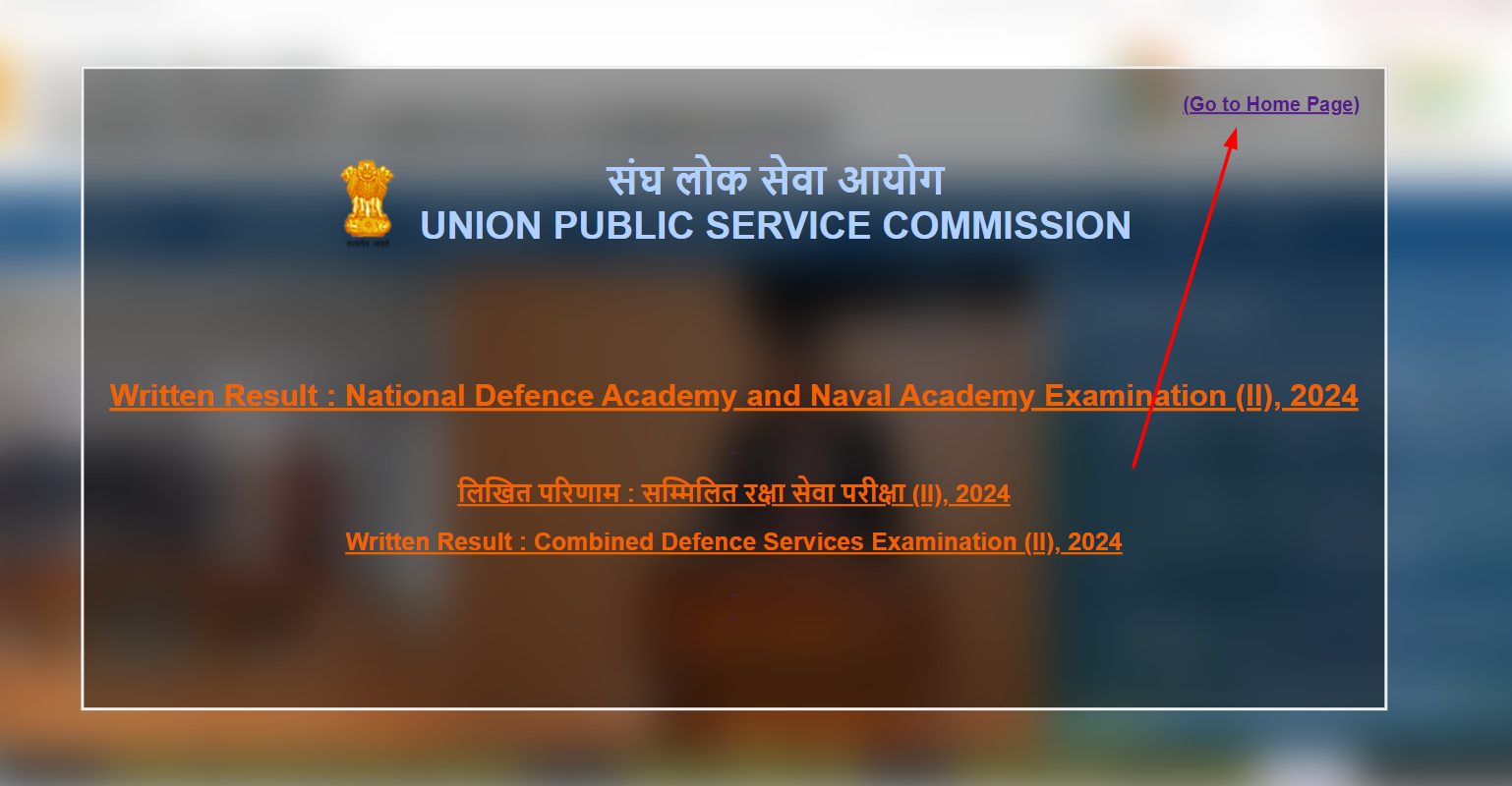
Visit the official UPSC website and click on the home page.
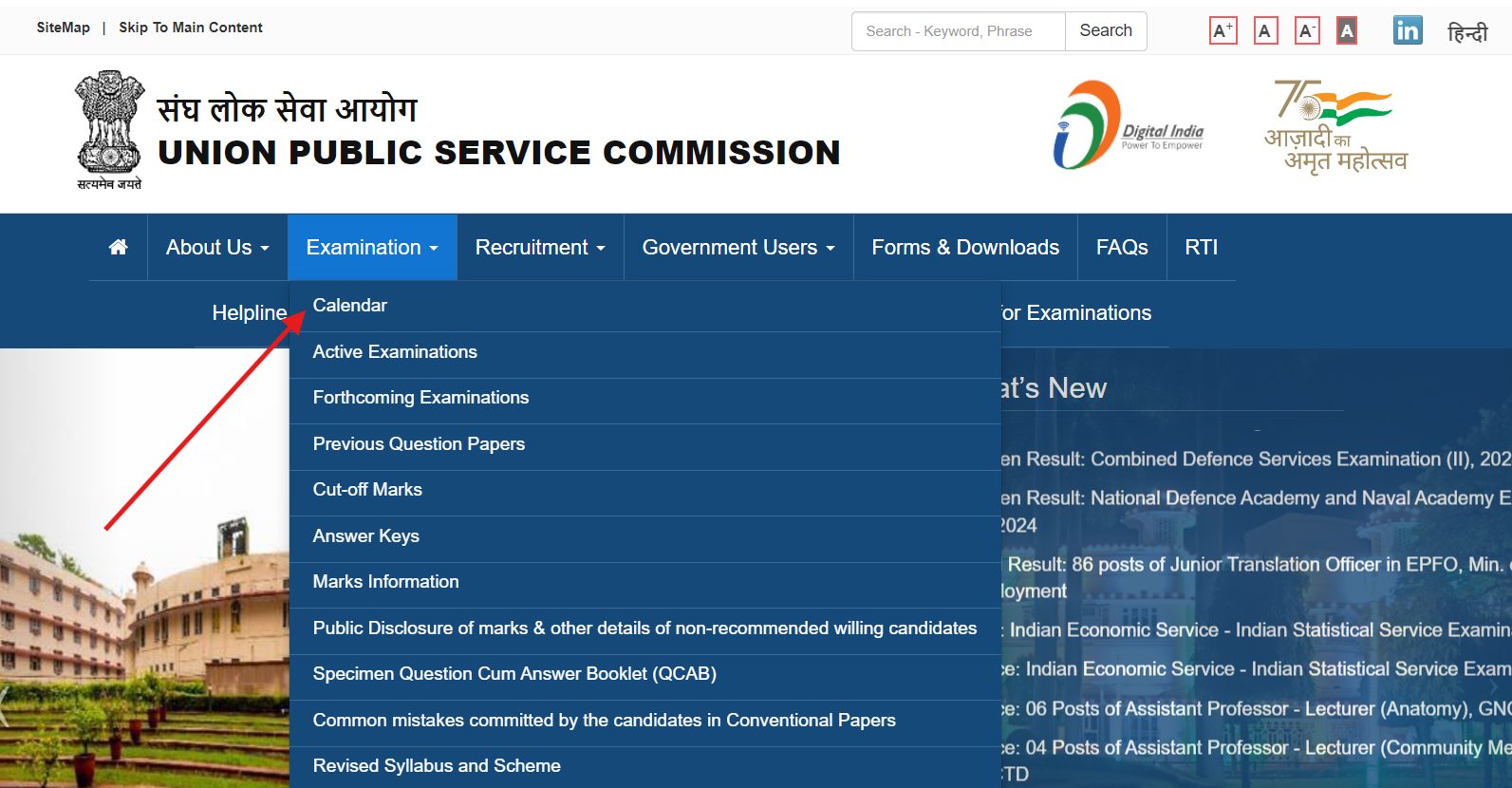
Now find the “Examination” tab in the top menu and select the “Calendar” option.
This will take you to the section with PDF links for the annual calendars from the past three years.
Click on the “UPSC Annual Calendar 2025” link to download the PDF.
Posts Recruited through UPSC
Indian Administrative Service (IAS).
Indian Foreign Service (IFS).
Indian Police Service (IPS).
Indian P & T Accounts & Finance Service– Group ‘A’.
Indian Audit and Accounts Service– Group ‘A’.
Indian Revenue Service (Customs and Central Excise)– Group ‘A’.
Indian Defence Accounts Service– Group ‘A’.
Indian Revenue Service (I.T.)– Group ‘A’.
Armed Forces Headquarters Civil Service– Group ‘B’ (Section Officer’s Grade).
Delhi, Andaman & Nicobar Islands, Lakshadweep, Daman & Diu and Dadra & Nagar Haveli Civil Service– Group ‘B’.
Delhi, Andaman & Nicobar Islands, Lakshadweep, Daman & Diu and Dadra & Nagar Haveli Police Service– Group ‘B’.
UPSC 2025 Calendar: Points to Remember
When going through the UPSC 2025 exam dates, there are a few lesser-known points that candidates often overlook:
Rolling Updates: The UPSC 2025 calendar is subject to change throughout the year. While major exam dates are usually fixed, smaller changes or additional notifications can be added.
Exam Cycles Overlap: Different exams preparation cycles often overlap. For example, while preparing for one year’s Prelims, you might also need to focus on the previous year’s Mains or Interview stages. Plan accordingly.
State PSC alignment: Some state Public Service Commissions align their exam schedules with UPSC. Be aware of potential conflicts if you’re appearing for multiple exams.
Holidays and Working Days: The UPSC 2025 calendar includes information about UPSC office working days and holidays, which should be underlined if you’re seeking document submission or query resolution. You won’t be able to access services on holidays, so submit your documents early.
Non-Exam notifications: Besides exam dates, the UPSC calendar 2025 also includes dates for recruitment to various posts that don’t follow the typical exam pattern.
Barred Services: Some exam notifications include information about services that are temporarily barred from recruitment that year. Check properly from your required information.
Age Relaxation Deadlines: The UPSC calendar sometimes includes critical dates related to age relaxation applications.
E-Admit Card Release Date: UPSC 2025 calendar dates may not coincide with E-Admit card release dates. Please check the official website for the latest updates on that and download the Admit card as early as possible.
UPSC exam schedule is subject to change every year. This might be useful for aspirants, as there is a common misconception about the UPSC exam dates being the same every year. But there are small changes as you can observe below table.
Exam Name
UPSC 2024 Date
UPSC 2025 Date
Engineering Services (Preliminary)
18 February 2024
9 February 2025
Combined Geo-Scientist (Preliminary)
18 February 2024
9 February 2025
CISF AC(EXE) LDCE
10 March 2024
9 March 2025
N.D.A. & N.A. Examination (I)
21 April 2024
13 April 2025
CBI (DSP) LDCE
16 March 2024
8 March 2025
Civil Services (Preliminary)
16 June 2024
25 May 2025
I.E.S./I.S.S. Examination
21 June 2024
20 June 2025
Combined Medical Services Examination
14 July 2024
20 July 2025
Central Armed Police Forces (ACs) Examination
4 August 2024
3 August 2025
Civil Services (Main)
20 September 2024
22 August 2025
Indian Forest Service (Main)
24 November 2024
16 November 2025
S.O./Steno (GD-B/GD-I) LDCE
7 December 2024
13 December 2025
Conclusion
In addition to learning UPSC 2025 exam dates and starting exam preparation, candidates should focus on mental well-being and time management. Engaging in regular physical activity and mindfulness practices can enhance focus and reduce stress, ultimately improving performance. Building a supportive study group can also provide motivation and accountability during this demanding preparation journey.
Yes, UPSC (Union Public Service Commission) has announced UPSC exam dates 2025 on August 22, 2024. All the proposed examinations including Civil Services are scheduled to be conducted in 2025.
What is new in the revised UPSC 2025 exam date?
In the revised UPSC 2025 calendar, the CBI (DSP) LDCE’s notification date has been moved to January 1, 2025. The application deadline for the same is now January 14, 2025. There are no other major changes noted.
Do UPSC Civil Services exam dates change every year?
Yes, UPSC civil services exam dates are subject to change every year, even within the same year depending on the circumstances. Aspirants are advised to keep visiting the UPSC official website (upsc.gov.in) for regular updates.
When should I start preparing for UPSC prelims?
Start preparing for the UPSC prelims at least six to eight months in advance. One year is even better. Focus on the syllabus and current affairs. Consistent revision is key to building a strong foundation.
In this session, Ranadheer Sir will help you understand your current level of preparation for UPSC by identifying your strengths and weaknesses in different subjects like General Studies, Optional, and Essay. He will also guide you on how to assess the remaining 8 months for the 2025 attempt and decide if this time is enough to cover the entire syllabus.
Ranadheer Sir will share self-assessment techniques to help you check your knowledge, find gaps in your preparation, and track your progress. He will explain why mock tests, practicing previous years’ questions, and regular revisions are important for building a strong foundation. The session will also cover the factors to consider when deciding whether to attempt the exam in 2025 or wait until 2026, addressing concerns about missing out (FOMO) and managing deadlines.
The session will highlight the importance of mentorship in improving your preparation strategy. Ranadheer Sir will share insights from his vast experience and offer personalized guidance to help you make the right decision. There will also be an interactive Q&A session where attendees can ask questions and clear their doubts, with tailored advice from Ranadheer Sir based on their individual preparation status.
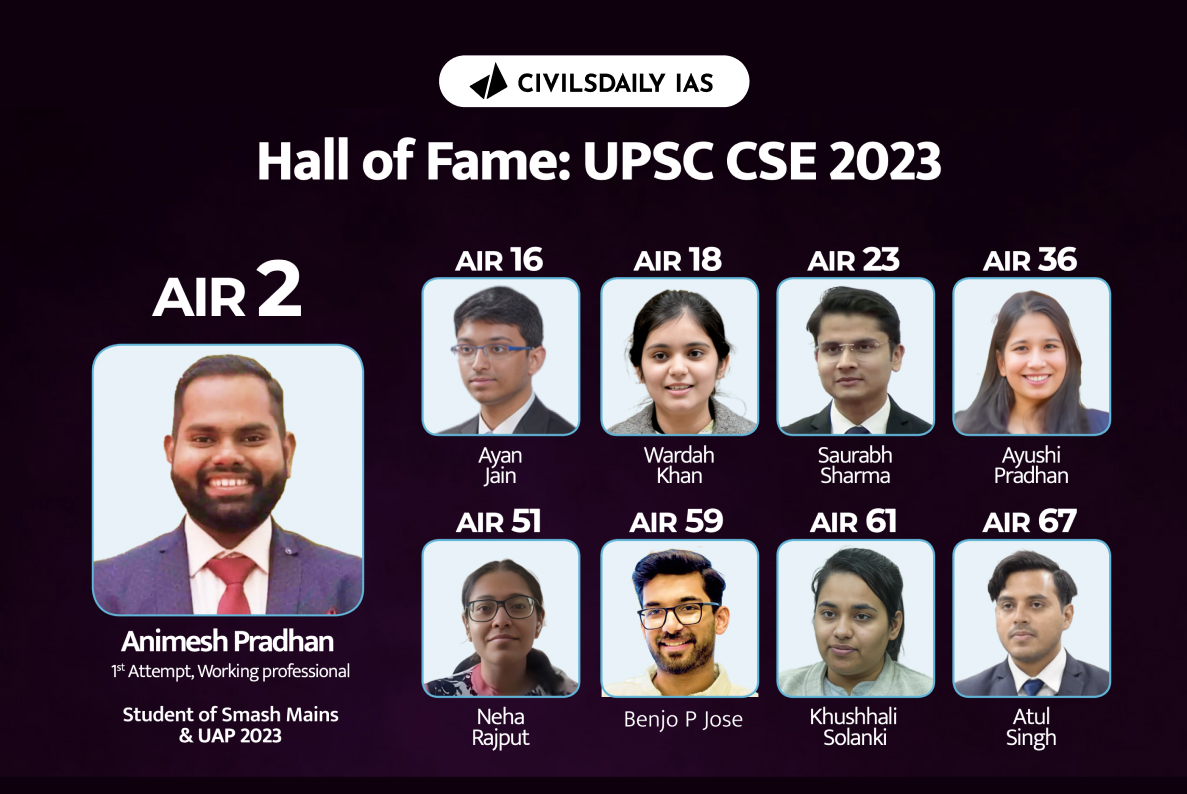
Animesh (AIR 2, UPSC 2023) was preparing with his mentor, Ranadheer Sir and a team of experts who had led AIR 22, AIR 48 to success in UPSC 2022 with UAP Mentorship Program.
While the whole world wakes up to mentorship for the first time in 2024, we have been perfecting the UAP mentorship program for the last 5+ years.
It is with that proven confidence that on 3rd Oct 2024, 7 PM, Ranadheer Sir will be conducting a FREE webinar exclusively for UPSC 2025 and 2026 aspirants giving you a sneak peak of what it takes to perform at the alpha level in your very first attempt.
It will be a practical webinar and here’s what we will be discussing:
How should an absolute beginner start his/ her UPSC 2026 prep? What are the high yielding areas that are quick to conquer and necessary to master
Absolute non-negotiables for every beginner – If you miss mastering these, forget your rank, you will risk even your mental health – so get them right
Actual scans of Animesh’ answer writing attempts with UAP 2023 to show you how an aspirant evolves to become a ranker
LIVE UPSC PYQs attempts to show the difference between a beginner vs. a ranker’s attempt to the same question.
It will be a 45 minute webinar, post which we will open up the floor for all kinds of queries which a beginner must have. No questions are taboo and Ranadheer sir is known to be patiently solving all your doubts.
Here’s what you will be getting after attending the webinar:
Scanned GS Paper PDF Notes of Animesh Pradhan which he made during his student days at Civilsdaily’s UAP 2023 batch
Flash Notes of GS Polity: Ranker approved notes for exam ready revision
Join us for a Zoom session on 3rd Oct 2024, 7 PM. This session is a must-attend for you If you are attempting UPSC for the first time or have attempted earlier and now preparing for next year, then it is going to be a valuable session for you too.
In the session, we will discuss how mentorship works. Why Mentorship is a must when you attempting for the first time.
We will deal with all the aspects for a comprehensive UPSC Preparation.We’ll talk about starting with the basics, and move to advanced level.
At Civilsdaily, we treat Mentorship as a specialization. Not every Mains or interview candidate can be a mentor. Most such mentors will suggest cosmetic changes and will only help you evolve slowly. It is easy to find comfort in sentences like ‘every topper is different’ and’ they have their own path’. Finding what’s different about you and then figuring out your own path is why Mentorship is essential.
We walk the talk by helping you craft your own way of preparation. A method that enhances your probability of qualifying UPSC-CSE in a single attempt. We give you that near-perfect certainty. Delivering this consistently to hundreds of aspirants (now rankers) in the past was challenging. We still stick to it and keep getting better at it with each passing year.
At CD, we understand the science and the art of everything UPSC. If you have a problem, we will sit with you and find a solution. If that doesn’t work, then we try solution 2. Eventually, we will make sure you end up making progress. What’s the point of any content, program, or mentorship without progress? This is precisely why aspirants trust they have the best shot at clearing the exam with Civilsdaily.
We invest a significant amount of time, effort, and energy into creating lectures, notes, and tests, understanding your needs as an aspirant. We take this responsibility seriously because, ultimately, your future depends on it.
The heart of the Civilsdaily platform is the Yearlong Mentorship Program. For years, aspirants have enrolled here because they couldn’t find such depth and passion towards quality content and Mentorship anywhere. Their search inevitably ends at Civilsdaily. Enrollment in these programs and Mentorship also makes us accountable to aspirants for the value they get.
In the past few years, we’ve worked quietly in the background with hundreds of aspirants; many now serve as IAS, IPS, IFS and more. We are very proud of what we’ve achieved.Overwhelmed by quick fixes, content overload and messy timetables which never work? Join us as we take you through a realistic and relatable roadmap for UPSC 2026 preparation.
(Don’t wait—the next webinar won’t be until Nov 24)
These masterclasses are packed with value. They are conducted in private with a closed community. We rarely open these webinars for everyone for free. This time we are keeping it for 300 seats only.
This year marks the beginning of the centenary of the “Self-Respect Movement”, a transformative movement with a unique mission to empower individuals and communities to challenge and dismantle the oppressive hierarchical structures that had subjugated them.
What is the significance of the Self-Respect Movement?
Empowerment Against Hierarchical Structures: The Self-Respect Movement, founded by Periyar in 1925, aimed to dismantle the caste-based hierarchy that oppressed lower castes, especially in the Madras Presidency.
Social Reform Beyond Political Representation: The movement went beyond advocating for communal representation, focusing on equal rights for women, caste abolition, and the upliftment of the depressed classes.
It introduced radical reforms like self-respecting marriages and supported women’s rights such as property ownership, divorce, and widow remarriage.
Kudi Arasu’s Role: The Tamil weekly, Kudi Arasu (The Republic), served as a platform to spread Periyar’s critiques of Brahminism and the caste hierarchy, expanding the reach of the Self-Respect Movement.
Federalism and Political Autonomy: Periyar and the movement contributed to the evolution of federalism in India by advocating for regional autonomy and opposing the dominance of elite caste groups in politics.
How can the principles of the self-respect movement be sustained and promoted?
Adaptation to Contemporary Issues: The movement must address modern complexities like the intersectionality of caste with class, religion, gender, and sexuality. Expanding the movement’s scope to include LGBTQIA+ rights and evolving gender norms will keep it relevant.
Counter-fack news on social media: Active communication with younger generations, particularly in countering right-wing narratives and caste biases on social media, is vital for promoting the movement’s ideals of equality and rationalism.
Reframing Social Justice in a Global Context: Sustaining the Self-Respect Movement’s legacy requires integrating its principles with global discussions on social justice, identity politics, and human rights.
Advocacy for Policy Reforms: Continuous advocacy for policies that address caste and gender inequalities, such as reservations and legal protection for self-respect marriages, can strengthen the movement’s impact.
What challenges does the self-respect movement face in the current socio-political climate?
Cultural Homogenisation: The rise of Hindutva and right-wing ideologies seeks to homogenise India’s diverse cultures, underminingregional, linguistic, caste, and gender identities that the movement has historically sought to protect.
Evolving Caste Dynamics: While traditional caste practices may have declined in some areas, caste-based discrimination persists subtly in other forms, which the movement must continue to confront.
Digital Misinformation: The rise of social media has led to the spread of falsehoods that reinforce caste and group prejudices. The movement must actively engage in digital spaces to counter these narratives.
Caste-based politics: In states like Bihar and Uttar Pradesh, many regional political parties engage in caste-based politics, which indirectly obstructs the principles and application of the Self-Respect Movement.
Way forward:
Promote Inclusive Policy Reforms: The Indian government should enhance policies that target caste and gender inequalities, such as expanding legal protections for self-respect marriages and enforcing anti-discrimination laws, while ensuring marginalized communities have equitable access to resources and opportunities.
Strengthen Digital Literacy and Anti-Misinformation Efforts: The government should initiate programs to combat digital misinformation, particularly caste-based narratives, by promoting digital literacy, fact-checking, and inclusive content on social media platforms to foster equality and social harmony.
India’s land governance system is a tangled web of laws that have significantly impeded the nation’s economic and social progress for many years.
What are the limitations of digitisation in land law reform?
Failure to Address Legal Complexities: Digitisation alone does not resolve the underlying conflicts in land laws, such as unclear titles, insecure tenure, and legal ambiguities around land ownership and transfers.
Outdated Records: Even digitised land records may remain outdated or inaccurate, undermining the reliability of property titles and failing to improve access to formal credit.
Ineffectiveness in Fragmented Land Markets: Digitisation does not solve the issue of land fragmentation, which reduces agricultural productivity and hampers investment.
Limited Impact on Tenancy and Leasing Laws: Digitisation does not address restrictions on land leasing or tenancy, leaving land markets inefficient and informal.
Overreliance on Administrative Procedures: The complexities of legal and administrative frameworks still hinder land ownership, transfers, and use, despite digitisation efforts.
Political Exemptions from Judicial Review: The exclusion of land laws from judicial scrutiny through the Ninth Schedule limits accountability and the ability to challenge unjust political or administrative actions.
How do socio-political factors influence the effectiveness of digitisation efforts?
Political Resistance: Local and state-level political interests may resist changes to land laws that could undermine entrenched power structures or vested interests, impeding the effectiveness of digitisation efforts.
Rent-Seeking Behavior: Complex land laws and administrative procedures encourage rent-seeking, making digitisation ineffective without legal reforms that simplify regulations.
Cultural Norms and Gender Disparities: Socio-political dynamics, especially regarding gender and caste, influence land ownership patterns, limiting the impact of digitisation in addressing social inequalities.
State Variability: Differences in state capacity, resources, and political will lead to uneven adoption and success of digitisation efforts across India.
Lack of Integration in Subsidy Targeting: Social and political factors, such as inefficient targeting of subsidies (e.g., fertiliser subsidies not linked to land records), limit the impact of digitisation on equitable resource distribution.
Exclusion from Judicial Review: The Ninth Schedule’s protection of land laws from judicial review allows political decisions to go unchallenged, reducing the long-term effectiveness of digitisation reforms.
What additional measures are necessary for effective land law reform? (Way forward)
Comprehensive Legal Reforms: Overhaul conflicting land laws to ensure clarity, secure property titles, and strengthen property rights.
Tenancy and Leasing Reforms: Modernise and liberalise tenancy laws to formalise leasing arrangements and reduce the risk of expropriation.
Land Use Flexibility: Reforms allowing easier conversion of land use between agricultural, industrial, and residential sectors to ensure optimal land utilisation.
Land Consolidation Policies: Facilitate land consolidation to improve agricultural productivity and attract investment by reducing fragmentation.
Gender Equality in Land Ownership: Strengthen laws ensuring equal land and property rights for women, addressing gender-based inequalities in land ownership.
Judicial Oversight: Allow land laws to be subject to judicial review, ensuring fairness and protecting against arbitrary political and administrative decisions.
UK PM Keir Starmer has expressed strong support for India’s bid for a permanent seat at the United Nations Security Council (UNSC).
About United Nations Security Council (UNSC)
Details
Establishment
By the UN Charter in 1945 as one of the six principal organs of the United Nations.
Other UN Organs
General Assembly, Trusteeship Council, Economic and Social Council, International Court of Justice, Secretariat
Primary Responsibility
Maintaining international peace and security
Headquarters
New York City, USA
Members
15 members: 5 permanent members (US, UK, Russia, China, France) and 10 non-permanent members (elected for two-year terms)
Permanent Members
US, UK, Russia, China, France
Non-permanent Members
10 elected members; require two-thirds majority in the General Assembly to be elected
Presidency Rotation
Every month among the 15 members
Voting and Veto Power
Permanent members have veto power; non-permanent members have no veto but resolutions require at least 7 non-permanent members’ votes for approval, even with unanimous permanent support
India’s Participation
India has been elected as a non-permanent member of the UNSC eight times: 1950-51, 1967-68, 1972-73, 1977-78, 1984-85, 1991-92, 2011-12, 2021-22
Responsibilities & Powers
Mediation, dispatching UN missions, appointing envoys, issuing ceasefire directives, peacekeeping, sanctions, arms embargo, and issuing binding resolutions
UNSC Reforms Process
Stage 1: Requires a two-thirds majority (128 votes) in the General Assembly (193 member states) for approval. Stage 2: Amended Charter must be ratified by at least two-thirds of member states, including all five permanent members, who may exercise veto power. Their national parliaments also influence the ratification process.
PYQ:
[2009] The Security Council of UN consists of 5 permanent members, and the remaining 10 members are elected by the General Assembly for a term of:
(a) 1 year
(b) 2 years
(c) 3 years
(d) 5 years
[2015] Discuss the impediments India is facing in its pursuit of a permanent seat in the UN Security Council.
PM has dedicated three “PARAM Rudra” Supercomputers along with High-Performance Computing (HPC) systems, ‘Arka’ and ‘Arunika’, to the nation.
What areHigh-Performance Computing (HPC) Systems?
HPC systems are powerful computational systems that perform large-scale and complex computations at incredibly high speeds.
HPC Arka system at IITM has 11.77 Peta Flop capacity and will, for the first time, help improve the country’s horizontal resolution of its global weather prediction models to 6 km from the existing 12 km.
HPC Arunika comes with 8.24 Peta Flop capacity. This HPC will prove beneficial in upgrading weather forecast resolution at block levels.
What is PARAM Rudra?
PARAM Rudra is a high-performance computing (HPC) system and part of India’s PARAM series of supercomputers.
It is developed indigenously by the Centre for Development of Advanced Computing (C-DAC) under the National Supercomputing Mission (NSM).
Applications of PARAM Rudra
Astronomy: Used by the Giant Metre Radio Telescope (GMRT) in Pune to study Fast Radio Bursts (FRBs) and other astronomical phenomena.
Atomic Physics and Material Science: The Inter-University Accelerator Centre (IUAC) in Delhi uses PARAM Rudra for research in these areas.
Physics, Cosmology, and Earth Sciences: The supercomputer at the SN Bose National Centre for Basic Sciences in Kolkata supports advanced studies in these domains.
Weather Forecasting and Agriculture: The supercomputers enhance weather forecasting, benefiting industries like agriculture, where improved predictions help farmers make informed decisions.
To enhance India’s research capacities by creating a Supercomputing grid supported by the National Knowledge Network (NKN)
To position India as a global leader in supercomputing technology by boosting research, development, and innovation
Nodal Agency
Department of Science and Technology (DST);
Ministry of Electronics and Information Technology (MeitY)
Implementation Agencies
C-DAC, Pune and IISc, Bengaluru
Phases
1. Phase I: Assembling supercomputers
2. Phase II: Manufacturing components in India
3. Phase III: Designing an indigenous supercomputer
Historical Context
India’s supercomputer program began after the USA’s technology embargo in the late 1980s, leading to the creation of C-DAC and the unveiling of PARAM 800 in 1991 (second-fastest globally at the time)
Notable Supercomputers
AI Supercomputer’ AIRAWAT’ and PARAM Siddhi – AI are currently the fastest supercomputers in India.
AIRAWAT has been ranked 75th in the world as of June 2023.
Global Context
Frontier (USA) is the world’s fastest supercomputer since December 2023.
The “Nanjangud Rasabale banana” has been revived after a drastic decline in cultivation, despite receiving Geographical Indication (GI) certification in 2006 for its unique taste and aroma.
About Nanjangud Rasabale Banana
Details
Origin
Devarasanahalli village near Nanjangud, Mysore district, Karnataka
Unique Features
Unique taste, aroma, small size, buttery soft texture
5-8 cm in length, 2-3 cm in diameter
Cultivation
In 2006-07, 180 farmers cultivated on 100 hectares; dropped to 15 farmers on 10 hectares by 2019-20.
By the end of 2023-24, 200 farmers cultivating on 75 hectares.
Soil
Black saline alluvial soil along the banks of the Kapila River
Significance
Popular in traditional festivals, religious ceremonies, and Kannada literature
Cultural Reference
Mentioned in Kayyar Kinhanna Rai’s poem, a notable Kannada literary work
Challenges
Decline in quality due to heavy use of chemical fertilizers
Economic Impact
Significant for local farmers, high demand due to limited availability
PYQ:
[2016] Recently, our scientists have discovered a new and distinct species of banana plant which attains a height of about 11 metres and has orange coloured fruit pulp. In which part of India has it been discovered?
The Supreme Court has criticized the Commission for Air Quality Management (CAQM) for its lack of concrete action to curb stubble burning in states neighboring Delhi.
Key issues as per SC:
Non-Compliance and Ineffectiveness: The Supreme Court criticized the CAQM for failing to enforce the CAQM Act, highlighting a lack of concrete measures against stubble burning in Punjab and Haryana.
Lack of Accountability: The Court questioned the CAQM’s accountability, emphasizing the need for concrete actions and consequences for officials who fail to enforce anti-pollution laws.
Staffing and Representation Issues: The Court expressed concerns over staffing shortages in pollution control boards and inadequate representation in CAQM sub-committees, hindering effective operation.
Scepticism on Pollution Reduction Claims: Despite claims of improved air quality and reduced stubble burning, the Court remained doubtful, citing ongoing instances of stubble burning and demanding detailed explanations from the CAQM.
AbouttheCommission for Air Quality Management (CAQM):
Details
Formation
Established in 2021;
Statutory body under the Commission for Air Quality Management in NCR and Adjoining Areas Act, 2021
Objective
To manage air quality in the NCR and adjoining areas comprehensively
Composition
Headed by a full-time chairperson, with members from various states, ministries, and sectors like agriculture, industry, transport, and construction
Powers
Authority to issue directions, inspect industries, entertain complaints, restrict industries, and shut down non-compliant units
Jurisdiction
National Capital Region (NCR) and adjoining areas in Punjab, Haryana, Uttar Pradesh, and Rajasthan
Functions
Coordinates and monitors air quality, sets pollution control parameters, identifies violators, monitors industries, and can overrule state directives
PYQ:
[2018] How is the National Green Tribunal (NGT) different from the Central Pollution Control Board (CPCB)?
1. The NGT has been established by an Act whereas the CPCB has been created by an executive order of the Government.
2. The NGT provides environmental justice and helps reduce the burden of litigation in the higher courts whereas the CPCB promotes cleanliness of streams and wells and aims to improve the quality of air in the country.
Which of the statements given above is/are correct?
(a) 1 only
(b) 2 only
(c) Both 1 and 2
(d) Neither 1 nor 2
[2022]The most significant achievement of modern law in India is the constitutionalization of environmental problems by the Supreme Court.” Discuss this statement with the help of relevant case laws.
[2015] Mumbai, Delhi and Kolkata are the three Mega cities of the country but the air pollution is much more serious problem in Delhi as compared to the other two. Why is this so?
With the Union Cabinet’s approval of the report by the High-Level Committee recommending simultaneous elections for the Lok Sabha and state assemblies, the debate over “One Nation, One Election” (ONOE) has once again come to the forefront.
How can Simultaneous Elections enhance governance and stability?
Reduction of Policy Paralysis: Simultaneous elections prevent the frequent imposition of the Model Code of Conduct (MCC), which temporarily halts new policy initiatives and decision-making. This ensures that governance continues uninterrupted.
Efficient Resource Allocation: Election authorities, security forces, and government resources would be deployed more efficiently since elections are held once in a fixed cycle, allowing for long-term planning and execution of policies.
Cost-Effective: Holding simultaneous elections reduces the cost of organizing elections multiple times, allowing the government to focus funds on development projects rather than repeated electoral processes.
Political Stability: It minimizes the risks of constant political instability caused by staggered elections, ensuring a stable policy environment for long-term economic and social development.
About the Voter Engagement and Participation:
Voters may be more inclined to participate in elections if they only need to vote once to elect both state and national representatives, which can lead to improved engagement and turnout.
Simultaneous elections make the process more convenient for voters, as they need to participate only once, avoiding voter fatigue caused by frequent electoral exercises.
Voting for both state and national representatives at the same time can allow voters to make more informed decisions by seeing a clearer alignment of their political choices at both levels.
Impact on Political Dynamics:
Level Playing Field: Simultaneous elections reduce the advantage for ruling parties that often leverage state elections for national influence and vice versa. Opposition parties will benefit from this, as their campaign resources and strategies can be focused at one time.
Less Populism: With fixed election dates, political parties may be less inclined to resort to short-term populist measures, allowing for more substantive debates on long-term issues.
Reduced Election Fatigue: Frequent elections can create voter fatigue and disengagement from political processes. Simultaneous elections reduce this fatigue, which can also lower campaign costs for parties.
Strategic Alliances: Parties may form more concrete alliances across states and national elections, leading to more coherent national and state-level strategies instead of fragmented political campaigning.
Way forward:
Constitutional and Legislative Reforms: Amendments to the Constitution and electoral laws should be carefully designed to align election cycles of the Lok Sabha and state assemblies, ensuring a smooth transition without undermining democratic processes.
Building Consensus Across Political Spectrum: A broad political consensus must be achieved through dialogue, involving all stakeholders to address concerns and mitigate opposition, ensuring that simultaneous elections are seen as a step toward democratic efficiency rather than partisanship.
Mains PYQ:
Q Simultaneous election to the Lok Sabha and the State Assemblies will limit the amount of time and money spent in electioneering but it will reduce the government’s accountability to the people’ Discuss. (UPSC IAS/2017)
![[UPSC Openhouse] By Ranadheer Sir, Senior Mentor of AIR 2 | Should You Drop Your UPSC 2025 Attempt? | How To Self-Evaluate and Plan for Your Next Attempt || Join on 3rd Oct 2024, 7 PM.](https://www.civilsdaily.com/wp-content/uploads/2024/09/Ranadheer__thumb-3oct-1568x882.jpg)