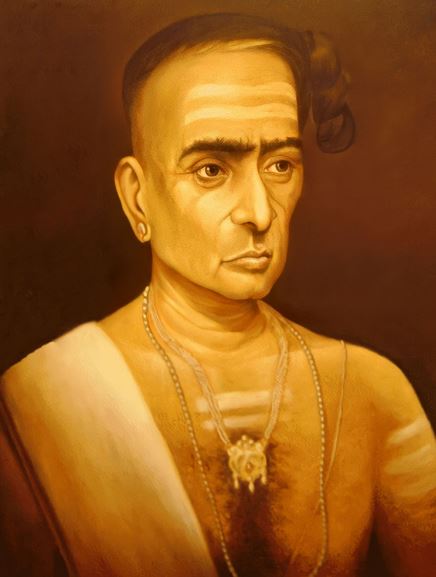
Ministry of Tourism has pledged to replace the Sakthan Thampuran statue that was knocked over by a state transport bus in Thrissur.
Who was Sakthan Thampuran?
Sakthan Thampuran, born Raja Rama Varma IX in 1751, was a powerful ruler of the Cochin kingdom from 1790 to 1805.
He was raised by anaunt who nicknamed him Sakthan, meaning powerful, reflecting his strong personality and leadership.
The title Thampuran is derived from the Sanskrit word samrat, meaning emperor.
The Cochin kingdom, a part of the Late Chera Empire, spanned regions from Ponnani (Malappuram) to Thottappally (Alappuzha) in modern-day Kerala.
At age 18, in 1769, he became heir apparent, advising the king to maintain friendly relations with both the Dutch and the English, who were competing for control of trade in the region.
He orchestrated the Mysore invasion of Travancore, which eventually led to the Powney treaty.
This treaty freed the Cochin kingdom from its allegiance to Mysore and formalized its relations with the British East India Company.
He ended the institution of the Yogiatirippads, spiritual heads of key temples. He shifted temple management to the government, earning a reputation as a fearsome leader who rid his kingdom of crime.
Sakthanand the Thrissur Pooram Festival
Sakthan relocated the capital of his kingdom from Thrippunithura toThrissur.
He developed Thekkinkadu Maidanam and the surrounding Swaraj Round, which became the foundation for Thrissur’s infrastructure.
He invited merchants from all religions and British officials to settle in Thrissur, and personally managed the kingdom’s finances.
In 1797, he started the Thrissur Pooram as an alternative to Arattupuzha Pooram, uniting major temples in Thrissur to pay respects to Lord Shiva, the deity at Vadakkumnathan Temple.
It is held every year on the Pooram day – the day when the moon rises with the Pooram star in the Malayalam Calendar month of Medam.
PYQ:
[2021] With reference to Indian history, which of the following statements is/are correct?
1. The Nizamat of Arcot emerged out of Hyderabad State.
2. The Mysore Kingdom emerged out of Vijayanangara Empire.
3. Rohilkhand Kingdom was formed out of the territories occupied by Ahmad Shah Durrani.
Select the correct answer using the code given below:
The Union Cabinet has approved health coverage of ₹5 lakh for all senior citizens aged 70 years and above, regardless of their income, under the Ayushman Bharat Pradhan Mantri Jan Arogya Yojana (AB PM-JAY).
About Ayushman Bharat Pradhan Mantri Jan Arogya Yojana (AB PM-JAY)
AB PM-JAY is the world’s largest publicly funded health assurance scheme, offering ₹5 lakh of coverage per family annually for secondary and tertiary care hospitalizations.
It was launched in February 2018.
It is a Centrally Sponsored Scheme having central sector component under the Ayushman Bharat Mission.
It covers surgery, medical and day care treatments, cost of medicines and diagnostics.
It covers up to 3 days of pre-hospitalization and 15 days post-hospitalization expenses.
It currently covers 55 crore people from 12.34 crore families, providing comprehensive health benefits regardless of the family members’ age.
7.37 crore hospital admissions have been covered under the scheme, with 49% of the beneficiaries being women.
Eligibility Criteria:
All senior citizens aged 70 and above are eligible for the scheme, receiving a ₹5 lakh health cover on a family basis.
Additional Benefits:
Senior citizens belonging to families already under AB PM-JAY will get an extra top-up of ₹5 lakh, exclusively for their personal healthcare.
Those with private health insurance can also avail of the scheme.
Senior citizens covered under other public health insurance schemes, like CGHS, ECHS, or CAPF, must choose between their current plan and AB PM-JAY.
All eligible beneficiaries will be issued a distinct healthcard for easy access to the scheme’s benefits.
PYQ:
[2012] With reference to National Rural Health Mission, which of the following are the jobs of Asha, a trained community health worker?
1. Accompanying women to the health facility for antenatal care checkups
2. Using pregnancy test kits for early detection of pregnancy
3. Providing information on nutrition and immunization
4. Conducting the delivery of baby
Select the correct answer using the codes given below:
The Union Cabinet has approved Phase IV of the Pradhan Mantri Gram Sadak Yojana (PMGSY-IV) to build 62,500 km of all-weather roads, connecting villages across India.
AboutPradhan Mantri Gram Sadak Yojana (PMGSY)
Details
Launch
In 2000 by former PM Late Atal Bihari Vajpayee.
To provide connectivity to unconnected habitations.
Nodal Agency
Ministry of Rural Development
Type
Centrally Sponsored Scheme
Phases
Phase I: Focus on connecting unconnected habitations.
Phase II: Upgrading roads built in Phase I to enhance rural infrastructure.
Phase III: Consolidation of 1.25 lakh km of rural roads connecting habitations to Gramin Agricultural Markets, Higher Secondary Schools, and Hospitals. Cost: ₹80,250 crore (2019-2025). Funding: 60:40 (Centre), 90:10 for North-East and Himalayan States.
Phase IV: Aims at constructing 62,500 km of all-weather roads to provide connectivity to 25,000 unconnected habitations with focus on Left-Wing Extremism (LWE) areas, tribal areas, and remote regions.
Road Length and Coverage
62,500 km of all-weather roads covering 25,000 unconnected habitations.
Benefits of PMGSY-IV
Road Connectivity for 25,000 Villages:All-weather roads will provide reliable access to previously unconnected rural habitations, improving transportation and accessibility.
Socio-Economic Transformation: These roads will act as catalysts for socio-economic development in rural areas, enabling access to government educational institutions, health services, markets, and growth centers.
Enhanced Infrastructure: The construction will adopt international benchmarks and best practices, such as using Cold Mix Technology, Waste Plastic, Full Depth Reclamation, and materials like Fly Ash and Steel Slag, contributing to eco-friendly construction.
PYQ:
[2020] In rural road construction, the use of which of the following is preferred for ensuring environmental sustainability or to reduce carbon footprint?
Copper slag
Cold mix asphalt technology
Geotextiles
Hot mix asphalt technology
Portland cement
Select the correct answer using the code given below:
Q Increasing interest of India in Africa has its pro and cons. Critically Examine. (UPSC IAS/2015)
Q “If the last few decades were of Asia’s growth story, the next few are expected to be of Africa’s.” In the light of this statement, examine India’s influence in Africa in recent years. (UPSC IAS/2021)
Prelims: Consider the following statements: (UPSC IAS/2016) The India-Africa Summit held in 2015: 1. was the third such Summit 2. was actually initiated by Jawaharlal Nehru in 1951 Which of the statements given above is/are correct? (a) 1 only (b) 2 only (c) Both 1 and 2 (d) Neither 1 nor 2
Mentor comment: Africa is a vital source of raw materials and energy that China needs to sustain its industrial growth. The continent’s potential for economic development aligns with China’s goals for resource acquisition and market expansion. Many African countries are part of China’s BRI, which aims to enhance infrastructure and connectivity, facilitating trade and investment opportunities that benefit both sides.
During the past 24 years, the Forum on China-Africa Cooperation (FOCAC) has emerged as an all-encompassing and effective platform for dialogue, interaction and planning between the two sides. African countries, despite their reservations and grievances, have found it useful to enhance their proximity to China.
_
Let’s learn!
Why in the News?
Due to the ongoing regulatory challenges, the Health Ministry has established a National Task Force to address healthcare challenges.
The stagnation in reforms and public policy efforts could hinder the government’s ability to manage current and future public health challenges effectively.
What are the main outcomes of the 9th Ministerial Conference of FOCAC?
Strengthening China-Africa Partnership: Both sides reaffirmed their commitment to the China-Africa community with a shared future and elevating their comprehensive strategic and cooperative partnership to new heights.
Adopted the Beijing Action Plan (2025-2027): The Beijing Declaration on Jointly Building an All-Weather China-Africa Community with a Shared Future for the New Era was adopted, outlining the vision and blueprint for future China-Africa relations.
Enhancing Cooperation Mechanisms: It further provided the improving mechanisms like Bi-national Commissions, intergovernmental commissions, strategic dialogues, and foreign ministers’ political consultations to substantiate and institutionalize FOCAC.
It was decided to hold the 10th FOCAC Ministerial Conference in the Republic of the Congo in 2027.
Expanding Cooperation Areas: Both of them expanded their plans in Africa’s industrialization, agricultural modernization, and talent development for common development and prosperity.
How will the 9th Ministerial Conference impact China-Africa trade relations?
Increased Trade Commitments: China has committed to importing $300 billion worth of goods from Africa, along with financial support to improve the quality of African exports and facilitate small- and medium-sized enterprises’ access to Chinese markets.
Focus on Industrialization and Resource Access: The conference will likely lead to better access to Africa’s lithium and cobalt, while providing African nations with investment opportunities and technological support.
Strengthening Bilateral Agreements: African nations are expected to negotiate more favorable terms, which could enhance local job creation and economic benefits for African countries.
What are the key takeaways for India from FOCAC Summit?
Consistent Engagement: India must prioritize high-level political engagement with Africa, resuming its conference diplomacy after a nearly decade-long pause since the last India-Africa Forum Summit in 2015.
Financial Commitment: Historical ties and rhetoric need to be supported by substantial financial resources to enhance India-Africa cooperation effectively.
Reassessing Diplomatic Priorities: Africa’s significance in India’s foreign policy should be elevated, necessitating a proactive approach from Indian policymakers to align with this priority.
Need for Political Will: Stronger political will is essential to implement the practical policy choices proposed by Indian Africans for deeper engagement with the continent.
Conclusion: The Ninth FOCAC Ministerial Conference consolidated China’s strategic partnership with Africa, while highlighting the need for India to reengage the continent with consistent high-level engagement, financial commitment, and stronger political will.
During Sheikh Khaled’s recent visit, new cooperation agreements were signed, including those related to civil nuclear technology and renewable energy, showcasing the commitment to collaborative advancements in critical sectors.
Evolving Bilateral Relations:
In 1972: India and the UAE bilateral relationship has been formalized since the establishment of diplomatic relations in 1972, gaining momentum with high-level visits and agreements over the years.
In 2015: The greater push was achieved when the visit of India’s PM to the UAE in August 2015 marked the beginning of a new Strategic partnership.
In 2017: The relationship was elevated to a Comprehensive Strategic Partnership in 2017, during the visit of the Crown Prince of Abu Dhabi to India in January 2017 as the chief guest at India’s Republic Day.
The UAE is India’s third-largest trading partner and a significant source of investment.
Today, the UAE hosts over 3.5 million Indian expatriates, which strengthens cultural ties and economic collaboration.
Present Scenario of Strategic Development
Trade and Investment Growth: Bilateral trade reached approximately USD 85 billion in 2022-23, with goals to increase it to USD 100 billion by 2030.
The UAE has become a significant investor in India, with FDI from the UAE surging to USD 3.35 billion in FY23.
Comprehensive Economic Partnership Agreement (CEPA): India and the UAE signed a CEPA in February 2022, with India being the first country to secure such a deal with the UAE. This agreement led to a 15% rise in bilateral trade within its first year of operation.
Regional Ties: India and the UAE are actively engaged in various regional groupings and initiatives such as the I2U2 and the India-Middle East-Europe Economic Corridor (IMEC), reflecting shared interests and strategic alignment.
Energy Ties: The UAE plays a crucial role in India’s energy security, with strategic oil reserves stored in India.
Fintech Ties: Since August 2019, the RuPay card, India’s domestic card payment network, has been accepted at 21 businesses and 5,000 ATMs across the UAE. This makes the UAE the first Gulf nation to adopt the Indian payment system.
Cultural Ties: India participated as the Guest of Honour Country in Abu Dhabi International Book Fair 2019. Indian cinema/TV/radio channels are easily available and have good viewership.
The inauguration of the Indian Institute of Technology (IIT) Delhi’s Abu Dhabi campus marks a significant milestone, representing India’s growing educational influence in the UAE.
Challenges in India-UAE Relations
Labor Rights and Kafala System: Concerns regarding the treatment of Indian expatriates under the Kafala labor system necessitate diplomatic engagement to improve labor rights and welfare.
Geopolitical Balancing: As India strengthens its ties with the UAE, it must navigate its relationships with other Gulf nations and maintain a balanced approach to regional conflicts, such as the Chinese market dominance and the Israel-Palestine issue.
Economic Diversification: While trade is growing, there is a need to diversify economic cooperation beyond traditional sectors like energy and real estate to include technology and innovation.
Way forward:
Strengthen Labor Rights Cooperation: India and the UAE should engage in continuous diplomatic dialogues to reform labor practices, improving the welfare and rights of Indian expatriates under the Kafala system, and ensuring a more humane and fair working environment.
Diversify Economic and Strategic Cooperation: Both countries should focus on expanding collaboration into emerging sectors such as technology, innovation, and renewable energy while maintaining geopolitical neutrality and balancing relations with other Gulf nations.
Mains PYQ:
Q How will I2U2 (India, Israel, UAE and USA) grouping transform India’s position in global politics? (UPSC IAS/2016)
Ahead of the UN General Assembly High-Level Meeting on antimicrobial resistance, WHO published its first-ever guidance on Antibiotic pollution from manufacturing.
Common Pathogens Found in India
The three most common pathogens associated with antimicrobial resistance (AMR) in India, as reported by the Indian Council of Medical Research (ICMR), are:
Escherichia coli (E. coli): Known for causing gut infections, E. coli has shown a significant decrease in susceptibility to antibiotics, particularly carbapenems, from 81.4% in 2017 to 62.7% in 2023.
Klebsiella pneumoniae: This pathogen can lead to pneumonia and urinary tract infections. Its susceptibility to carbapenem-class antibiotics has also declined, with rates dropping from 58.5% to 35.6% and from 48% to 37.6% between 2017 and 2023.
Acinetobacter baumannii: Primarily associated with hospital-acquired infections, this pathogen has a high resistance rate to carbapenems, standing at 88% in 2023.
What is Antimicrobial Resistance (AMR) and Why is it a Cause for Concern?
Antimicrobial resistance (AMR) occurs when pathogens evolve to survive despite the presence of antimicrobial drugs, rendering standard treatments ineffective. This situation arises mainly due to the misuse and overuse of antibiotics, leading to the development of resistant strains or “superbugs.”
According to the WHO, emergence and spread of AMR could significantly undermine the effectiveness of antibiotics globally, impacting healthcare outcomes, especially for patients with multiple diseases.
Why is AMR Increasing?
Several factors contribute to the increasing rates of AMR in India:
Self-medication: Many individuals self-prescribe antibiotics for conditions like fever without proper medical consultation, often for viral infections where antibiotics are ineffective.
Prescribing habits: A significant percentage of antibiotics are prescribed not for treating infections but for prevention. Doctors often resort to broad-spectrum antibiotics without conducting necessary diagnostic tests, leading to inappropriate usage.
Lack of regulation: The management of pharmaceutical waste from antibiotic manufacturing is largely unregulated, contributing to environmental pollution and the spread of resistant bacteria.
What needs to be done?
Prevention of Infections: Implementing better hygiene practices, improving sanitation, and promoting vaccinations can help reduce the incidence of infections, thereby decreasing the reliance on antibiotics.
Education for Healthcare Providers: Train doctors to prescribe antibiotics judiciously, reserve stronger antibiotics for hospital patients, and emphasise the importance of diagnostic testing, which can help ensure appropriate antibiotic use.
Regulatory Improvements: Strengthening regulations around antibiotic manufacturing and waste management is crucial for controlling antibiotic pollution and preventing the emergence of resistant strains.
Mains PYQ:
Q Can overuse and free availability of antibiotics without Doctor’s prescription, be contributors to the emergence of drug-resistant diseases in India? What are the available mechanisms for monitoring and control? Critically discuss the various issues involved. (UPSC IAS/2016)
The news agency ANI filed a defamation lawsuit against the Wikimedia Foundation, over a description on the site that portrayed the agency as a promoter of government propaganda.
Why has the news agency ANI filed a lawsuit against the Wikimedia Foundation?
ANI has filed a defamation lawsuit against the Wikimedia Foundation over the description of the agency on Wikipedia. The page accused ANI of being a “propaganda tool” for the Indian government, citing sources like The Diplomat, EU DisinfoLab, and The Caravan magazine.
ANI claims that these descriptions are defamatory and is seeking ₹2 crore in damages from the Wikimedia Foundation.
Wikipedia’s policies emphasize neutrality and reliable sourcing, though it’s often accused of liberal bias.OpIndia claims the site propagates liberal “propaganda” and has criticised the site’s description of the riots for allegedly downplaying attacks by Muslim rioters.
Wikipedia has faced government criticism for vandalism, such as on Arshdeep Singh’s page. It lacks a blocking procedure under Indian law, unlike social media platforms.
What has the Delhi High Court asked the Foundation to reveal?
The Delhi High Court ordered the Wikimedia Foundation to provide details about the users who edited ANI’s Wikipedia page. Specifically, the court asks for information about three users involved in the contentious edits.
The suit invokes provisions of the Information Technology Act, particularly Section 79, which outlines the responsibilities of intermediaries like Wikipedia.
Section 79 provides a framework for the exemption from liability for intermediaries in India regarding third-party content.
Justice Navin Chawla has issued a notice to Wikipedia and scheduled the next hearing for August 20, 2024. The court has acknowledged the right of Wikipedia to express opinions but will examine whether the claims made about ANI are backed by facts.
Will Wikipedia be blocked in India?
During the case hearing, the Delhi High Court judge verbally threatened to order the Indian government to block Wikipedia if the Wikimedia Foundation did not comply with its request for user information.
Although Wikipedia has faced censorship in countries like China and partial censorship in Russia, it has not yet been blocked in India. However, the current legal proceedings could lead to a similar action if compliance is not met.
Conclusion: The Indian government should ensure that any legal actions respect user privacy rights while compelling platforms like Wikimedia to cooperate with legitimate legal requests for information, balancing transparency with data protection laws.
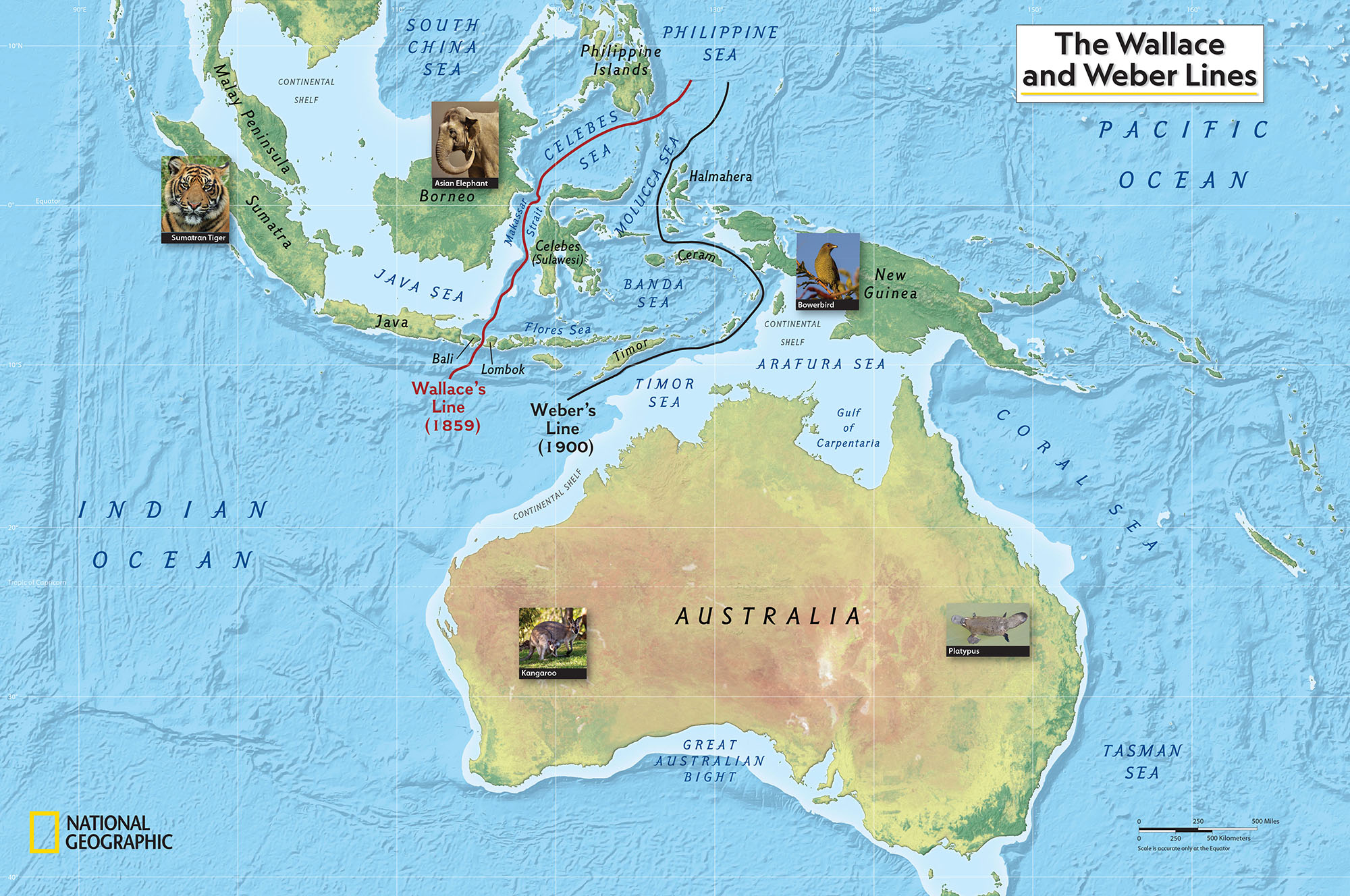
The Wallace Line, a distinct transition zone between Asia and Australia, has long fascinated researchers due to its unique characteristics.
What is Wallace Line?
Details
What is it?
A bio-geographical boundary separating the eco-zones of Asia and Australia.
It was identified by British explorer Alfred Russel Wallace in 1863 during his explorations.
It is an imaginary line that intersects the Lombok Strait between the Indonesian islands of Bali and Lombok to the south, and extends north through the Makassar Strait between Kalimantan (Borneo) and Sulawesi.
Unique Features
Divides species with distinct evolutionary histories.
Asiatic species (tigers, elephants) are found to the west; Australian fauna (kangaroos, marsupials) dominate the east.
Despite their geographical proximity, these species evolved separately.
Impact on Wildlife
Birds and mammals are particularly influenced, with few species crossing the line.
Flora is less affected, though species like Eucalyptus stay on the Australian side.
Impact on Marine Species
While the Wallace Line is a barrier for terrestrial species, it doesn’t stop marine life.
The area between the Wallace Line and the Sahul Shelf (near Australia) is known as the Coral Triangle, the most biodiverse marine environment on Earth.
Formation
Result of Australia’s drift from Antarctica and subsequent collision with Asia around 35 million years ago.
Climate shifts led to cooler, drier Australia and tropical Asia.
This collision created a deep-water channel that still acts as a natural barrier for species migration.
Pleistocene Epoch Influence
During the Pleistocene epoch, lower sea levels exposed land bridges.
Deep waters between Asia and Australia prevented species migration, maintaining the boundary.
Note:
Weber Line more accurately defines the balance point where the influence of Asian and Australian species is nearly equal, whereas the Wallace Line marks a sharper divide.
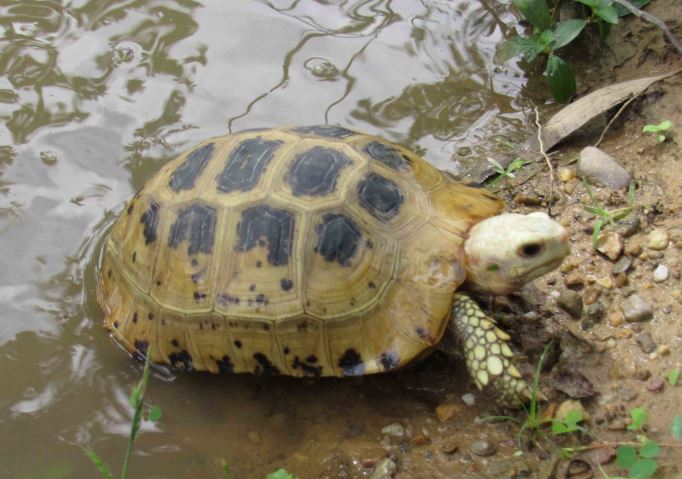
The elongated tortoise (Indotestudo elongata), a critically endangered species, was recently spotted in Haryana’s Damdama area during a research survey in the Aravalli hills.
About Elongated Tortoise:
Details
Physical Features
Medium-sized body with a yellowish-brown or olive-colored shell
Black blotches at the center of each scute
Pink ring around nostrils during breeding season
Habitat
Found in Sal deciduous and hilly evergreen forests
Distribution includes Southeast Asia, northern India, Nepal, Bhutan, Bangladesh, and other regions
Indian Range
Present in the Chhota Nagpur plateau and Himalayan foothills at elevations up to 1,000 meters
Threats
Human exploitation for food and traditional medicine
Hunting, often with the help of dogs
Habitat degradation and illegal wildlife trade
Ecological Role
Significant species in its ecosystems but highly vulnerable to environmental changes and anthropogenic pressures
Population Decline
Significant population decline due to hunting, habitat degradation, and illegal wildlife trade, despite its wide distribution
The Commission for Scientific and Technical Terminology (CSTT), under the Union Education Ministry, has launched a unique website, shabd.education.gov.in, providing technical terms in all 22 official Indian languages.
About Commission for Scientific and Technical Terminology (CSTT)
The Union Education Ministry established the CSTT in December1960 to develop scientific and technical terminology in Hindi and other Indian languages.
It works to evolve, define, and standardizescientific and technical terms in Hindi and other Indian languages.
It publishes textbooks, monographs, and glossaries, and releases quarterly journals like Vigyan Garima Sindhu and Gyan Garima Sindhu.
It has developed over 450 glossaries, creating more than 3 million standardized words in Indian languages.
It prepares administrative glossaries for government departments and institutions to ensure consistent terminology in official documents.
About the Shabd Portal
The portal aims to serve as a central repository for technical terminologies across Indian languages, hosting glossaries from CSTT as well as other institutions and agencies.
The portal currently hosts 450 dictionaries comprising 3 million words, making it a vast resource for users seeking scientific and technical terms in Indian languages.
Search Features:
Users can search for equivalent terms by language, subject, dictionary type, or language pairs.
Specific searches can also be made within a particular glossary or across the entire collection.
The platform also allows users to provide feedback on the terms prepared by the CSTT.
Significance of the Portal
The launch comes amid efforts to promote technical education in Indian languages, including fields like medicine and engineering.
The portal is an essential step in ensuring accessibility of scientific and technical education in regional languages, supporting the vision of multilingual education.
PYQ:
[2014] Consider the following languages:
1. Gujarati
2. Kannada
3. Telugu
Which of the above has/have been declared as ‘Classical Language / Languages’ by the Government?
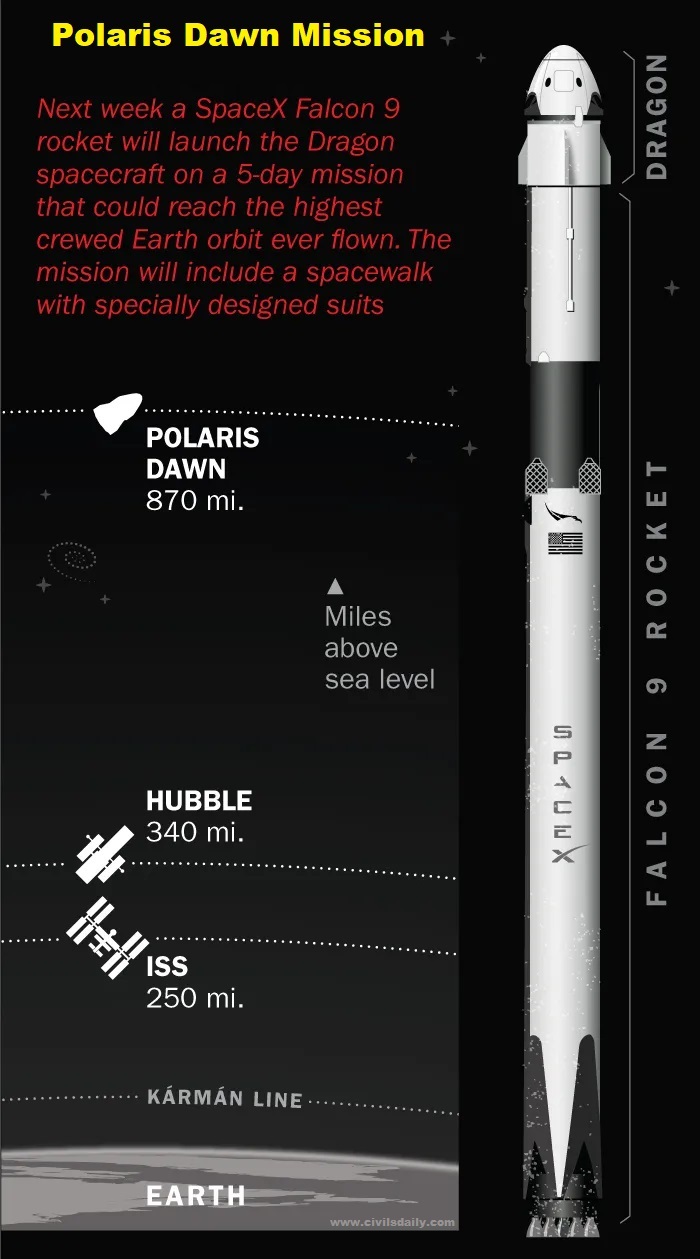
SpaceX launched its Polaris Dawn Mission sending a four-person crew of civilians on a first-ever commercial spacewalk into Earth’s Van Allen radiation belts.
What is Polaris Dawn Mission?
It is a privately-funded space mission led by billionaire entrepreneur Jared Isaacman, in collaboration with SpaceX.
It is set to be the first non-government mission to conduct a spacewalk.
This 700km altitude will surpass the current record held by NASA’s Gemini 11 mission in 1966.
The mission will test new spacesuits designed by SpaceX to protect astronauts from high radiation levels encountered in the Van Allen Belts.
What are the Van Allen Belts?
The Van Allen Belts are two zonesof charged particles that surround Earth, held in the magnetosphere.
These belts were discovered in 1958 by American physicist James Van Allen.
Why are the Van Allen Belts dangerous for Humans?
The Van Allen Belts are dangerous for humans because they contain high levels of radiation that can pose significant health risks to astronauts.
The belts are filled with charged particles that can cause radiation sickness, damage human tissues, and increase the risk of cancer.
PYQ:
[2011] What is the difference between asteroids and comets?
Asteroids are small rocky planetoids, while comets are formed of frozen gases held together by rocky and metallic material.
Asteroids are found mostly between the orbits of Jupiter and Mars, while comets are found mostly between Venus and Mercury.
Comets show a perceptible glowing tail, while asteroids do not.
Which of the statements given above is/are correct?
(a) 1 and 2 only
(b) 1 and 3 only
(c) 3 only
(d) 1, 2 and 3
In India, Ovarian Cancer ranks among top three cancers affecting women, accounting for 6.6% of all female cancer cases.
In 2022, India alone reported 47,333 new ovarian cancer cases and 32,978 deaths, emphasizing the critical need for awareness, early detection, and effective treatment.
What is Ovarian Cancer?
Details
About
Referred to as the “silent killer” due to its subtle symptoms like bloating, pelvic pain, loss of appetite, and frequent urination. Late diagnosis is common.
Common Symptoms
• Bloating
• Pelvic/abdominal pain
• Loss of appetite
• Frequent urination
• Indigestion, back pain, fatigue, and weight loss
Cancer Subtypes
• Type I tumours: Less common, early diagnosis, better prognosis
• Type II tumours: More common, aggressive, diagnosed at advanced stages
Screening
• No effective screening tests available
• CA125 blood test used post-diagnosis but not recommended for routine screening due to limited specificity
Genetic Risk Factors
• Linked to mutations in BRCA1/BRCA2 genes, increasing risk by up to 50%
• Genetic testing aids in personalized risk management
Endometriosis
• Associated with a higher risk of certain ovarian cancers, though overall risk remains low
Lifestyle Factors
• Mixed evidence regarding talcum powder usage and its potential link to ovarian cancer
• Hair products (dyes, straighteners) may increase risk, though further research is required
HRT & Genetic Counselling
• Hormone replacement therapy (HRT) is linked to a higher risk of ovarian cancer
• Genetic counselling helps at-risk individuals with preventive measures
Animesh Pradhan, Age 24, Attempt: 1st, UPSC-CSEAIR 2. A graduate of NIT Rourkela, working as a full-time employee in Indian Oil Corp., he cleared UPSC CSE on his first attempt at the age of 24. He lost his father at an early age and was left with his Mother and elder sister. Unfortunately, his Mother passed away 40 days ago and couldn’t see her Son’s success and cherish it. His sister got married in January last year. He is a very committed, humble, and diligent student with high professional skills in managing work and studies.
AIR 2, Animesh Pradhan at Civilsdaily Delhi Centre Today
Schedule a 1-1 call with Civilsdaily’s Mentorfor focused UPSC Prep. Scroll down the form to fill complete details.
With all the lows in life, he came with the hope that one day, his mother would see him becoming an IAS officer. Even though one wish in these two remained unachieved, wherever his mother is, her wishes will be with him, and if there is heaven at all, she might be celebrating this in that heaven.
AIR 2, Animesh Pradhan On Call With Civilsdaily Mentor Showing His Gratitude
We hope he achieves much more success and wish him enough grit to achieve whatever he wants in life. We expect him not to stop here and make this a mere small achievement in his list of aspirations.
Why Civilsdaily Mentorship and Programs Are Unique?
Element No. 1: The System
The first element of the powerful mentorship program at CD is – The System.
The system is the method that is used during the program. One of the first surprising elements of a Civilsdaily program is that we do an early assessment of the current stage of aspirants. This is done in 10+ dimensions. Along with that, you get a lot of study material in advance. Unlike other courses that give you average content when the course begins, you get high-quality content for UPSC Prep well in advance. The reason for this is simple: The Mentor is not around to create “shock and awe”. Instead, the element that really helps learning is the “safe zone”. When aspirants get the material in advance, it gives them time to learn and absorb it. And then, when the initial assessments happen in the form of mock tests, the aspirant is able to apply the learning.
One big reason we fail to learn and progress in UPSC Prep is that we do not have time to practice and attempt mocks.
No one is around to correct our mistakes. All we get is an endless stream of information, and mastery over exam is further away than ever. The notes themselves need design: lots of examples, relevance to PYQs, and easy-to-read language. The syllabus content needs to be broken up into consumable chunks. It’s design, design and more design. Check our atomic and flash notes, and you will understand what we mean. A well-constructed system is the first element of the program at CD but by no means the most important.
Trying to cope with breathless content all at once is extremely intimidating for the aspirants. When you’re in a Civilsdaily Mentorship program, you get the content well in advance. There’s no need to create “shock and awe” while mentoring. You learn better when you know and own the content, using the course to practice and get better at it instead.
Element No. 2: The Group
A journey of a thousand miles can be really intimidating without a group because UPSC -CSE requires MCQ and answer writing aptitude, which requires constant practice. When you work alone, it’s easy to give up or get distracted. A group is what gets you ahead. But how do you get a group that’s focused, smart, and helpful? Do such groups even exist?
There’s a saying in Africa: If you want to go quickly, go alone. If you want to go far, go with a group. And yet, not any group will do, will it? You’ve been in Telegram groups before, and the terms “kind, helpful and smart” don’t come to mind, do they?
The one thing that will amaze you at Civilsdaily is how much you come to rely on your group. At first, many aspirants assume that their progress is a lonely journey. They learn what’s required, do their mocks, and when the course is done, they get to the finish line.
And yet habit-creation reveals something entirely different.
Snagging a bad habit is relatively easy. The moment you have to build a “good habit,” it’s a lot harder to stay motivated—unless, of course, you have a group.
The aspirant groups at the Civilsdaily course are brilliant, focused and helpful.
It almost seems hard to find such an active, helpful bunch of people. And the reason why you’ll find this level of camaraderie here, is because of several reasons. But the biggest reason of all is because we’re selective.
We only let people in if they pass our filters.
We also will not have overloading of any kind. Our program accepts limited aspirants. You simply will not see the ocean full of aspirants you see on other courses. Finally, we break up the groups into even smaller groups of six or seven aspirants. We keep it small and focused. This gets you closer to the finish line. In short, you go far.
Without practice, mastery of this exam is difficult. Without daily and weekly practice, you have a “decay problem.” Other courses will give you content and mocks once a month and won’t provide any kind of mentor feedback. This is a recipe for disaster. You won’t know if you are making any progress at all.
That’s not how we run our programs.
When you’re a part of the Civilsdaily Mentorship program, whether you’re a beginner or veteran, you have a schedule that is unique to you and your requirements for the duration of the program. As you’d expect, all this is designed with “tiny increments” in mind, but it is the daily and weekly practice that keeps away the decay.
And everything is enriched with a 1:1 mentor call.
Your Mentor checks your preparation and works with you to ensure progress—there is no exception. This enables you to learn bit by bit instead of being dumped with endless content that you might never use in an exam. When you consider all three elements: the system, the group, and the daily and weekly practice, you are able to create a habit. This habit leads to success in exam.
Any new subject or mock can be a little unnerving when you don’t get regular practice. Our program is designed to help you learn layer by layer, and it involves small steps done daily. That way, if you press the “wrong button,” we can learn from the mistake, fix it, and move ahead at an even pace.
This attention to detail is what makes the Civilsdaily Mentorship Program among the best. But you’ll find that out for yourself.
To explore our Mentorship and schedule a pre-enrollment call, Fill this Mentorship Form (Free for the next 24 hours) to connect with our mentors.
The heart of the Civilsdaily platform is the Foundation Program and Ultimate Assessment Program (UAP). For years, aspirants have enrolled here because they couldn’t find such depth and passion towards quality content and Mentorship anywhere. Their search inevitably ends at Civilsdaily. Enrollment in these programs and Mentorship also makes us accountable to aspirants for the value they get.
In the past few years, we’ve worked quietly in the background with hundreds of aspirants; many now serve as IAS, IPS, IFS, and more. We are very proud of what we’ve achieved. Here are some of the recent rankers who show us gratitude.
Fill up This Mentorship Form (Free for the next 24 hours) to connect with our mentors.
Q Bringing out the circumstances in 2005 which forced amendment to the section 3(d) in Indian Patent Law, 1970, discuss how it has been utilized by the Supreme Court in its judgement in rejecting Novartis’ patent application for ‘Glivec’. Discuss briefly the pros and cons of the decision. (UPSC IAS/2013)
Q What do you understand by Fixed Dose drug Combinations (FDCs)? Discuss their merits and demerits. (UPSC IAS/2013)
Mentor comment:Today’s editorial highlights ongoing challenges within India’s Health Ministry regarding the implementation of necessary regulatory reforms. This topic is significant due to the critical need for effective healthcare governance, especially in light of recent public health emergencies, such as the emergence of Mpox (monkeypox) cases in India.
Following the Mpox case, the Union Health Ministry issued advisories urging states to enhance screening and contact tracing efforts. This reflects the urgent need for a robust regulatory framework to manage public health threats effectively.
The article discusses how regulatory reforms are essential for improving the responsiveness and efficiency of the health sector, particularly in crises.
_
Let’s learn!
Why in the News?
Due to the ongoing regulatory challenges, the Health Ministry has established a National Task Force to address healthcare challenges.
The stagnation in reforms and public policy efforts could hinder the government’s ability to manage current and future public health challenges effectively.
The Drugs Controller General of India (DCGI) introduced new policy initiatives in April 2024, which aimed at enhancing public health through recall guidelines, good distribution practices, and regulations against similar brand names. However, these measures are criticized for lacking legal enforcement and being poorly conceived, perpetuating a cycle of ineffective reforms.
Key highlights by the 59th Report Parliamentary Standing Committee (PSC):
Storage Standards: The issue of lack of proper standards for storage of drugs, especially during transportation was raised by the Supreme Court in Swantraj & Ors vs State Of Maharashtra (1974).
Confusing Brand Names: The issue of similar brand names for different drugs leading to prescription errors was flagged by the Court in Cadila Healthcare Limited vs Cadila Pharmaceuticals Limited (2001).
Stagnation in Reforms: Despite over a decade of discussion, these issues remain unresolved due to bureaucratic inertia.
Lack of Guidelines: Drugs ordered to be withdrawn in one State due to quality concerns were being sold in a neighboring state.
What are the challenges around Procedural implementation?
Lack of Consensus: After the PSC report, a proposal to adopt good distribution practices guidelines formulated by the WHO came up for discussion in 2013.
The distribution practices and guidelines were to be made legally binding but it faced opposition from DCC because it was difficult to implement across the estimated six lakh retail outlets in the country.
Ineffective Laws and Procedures: After receiving a rap on its knuckles from the Delhi High Court in 2019, the ministry created a rule requiring pharmaceutical companies to provide a self-declaration that their proposed brand name was not similar to any of the existing brand names in the market.
In most other countries, it is the duty of the regulator to vet the brand name, to ensure that it is not confusing or misleading from a public health perspective.
When trademark applications are filed, the Registrar of Trade Marks conducts a perfunctory “confusion analysis” that does not include a public health perspective.
Enforcement issues: In practical, the DCGI lacks the legal power to make rules that are binding and have the force of law. Only the Ministry of Health has that power under the Constitution.
Need to break the procedural loop:
With every newly appointed joint secretary, files go through with repeated consultations with stakeholders in the pharmaceutical industry.
In each of these consultations, the trade associations of pharmacies and pharmaceutical companies use every trick to stall the concrete action.
Hence, regulatory governance needs to be consistent and avoid the higher political interference.
Last week, PTI reported that the India Meteorological Department (IMD) plans to reintroduce District Agro-Meteorology Units (DAMUs) as part of the Gramin Krishi Mausam Sewa (GKMS) scheme.
Background: In 2018, the IMD set up 199 District Agro-Meteorology Units (DAMUs) in collaboration with the Indian Council of Agricultural Research to provide sub-district level agricultural advisories based on weather data. However, these DAMUs were shut down in March following an order from the IMD.
What are Agro-Meteorological Advisories?
Agro-meteorological advisories provide farmers with critical information about weather conditions that affect agricultural practices. This includes forecasts related to rainfall, temperature, and wind speeds, which are crucial for planning sowing, harvesting, irrigation, and the use of fertilizers and pesticides.
These advisories are particularly important for small and marginal farmers, who make up about 80% of India’s farming community and primarily rely on rain-fed agriculture.
The advisories are disseminated in local languages, ensuring accessibility. They are shared through various channels, including text messages, WhatsApp groups, newspapers, and direct communication from DAMU staff.
By providing timely weather information, these advisories help farmers plan their agricultural activities effectively and ultimately contribute to enhancing crop yields and farmers’ incomes.
Why Did the Government shut down the District Agro-Met Units (DAMUs)?
Agro-meteorological data was automated: The closure of DAMUs was influenced by claims from the NITI Aayog that agro-meteorological data was automated, which undermined the role of DAMU staff in preparing and disseminating agricultural advisories. This misrepresentation led to recommendations for privatization and monetization of the services previously offered for free.
Financial and Administrative Issues: The decision to shut down DAMUs was attributed to ongoing financial challenges, including delayed salary disbursements for DAMU staff, and administrative issues that hampered the program’s effectiveness.
Shift Towards Centralization: The government suggested transitioning to a centralized model for weather data collection and advisory services, which could potentially reduce the localized support that DAMUs provided to farmers.
Way forward:
Re-establish Local Support: Reinstate District Agro-Meteorology Units (DAMUs) to provide localized, targeted weather advisories and support, ensuring that small and marginal farmers receive timely, relevant information.
Improve Data Integration and Communication: Enhance the integration of automated weather data with localized advisory services, and streamline communication channels to reach farmers through various platforms effectively.
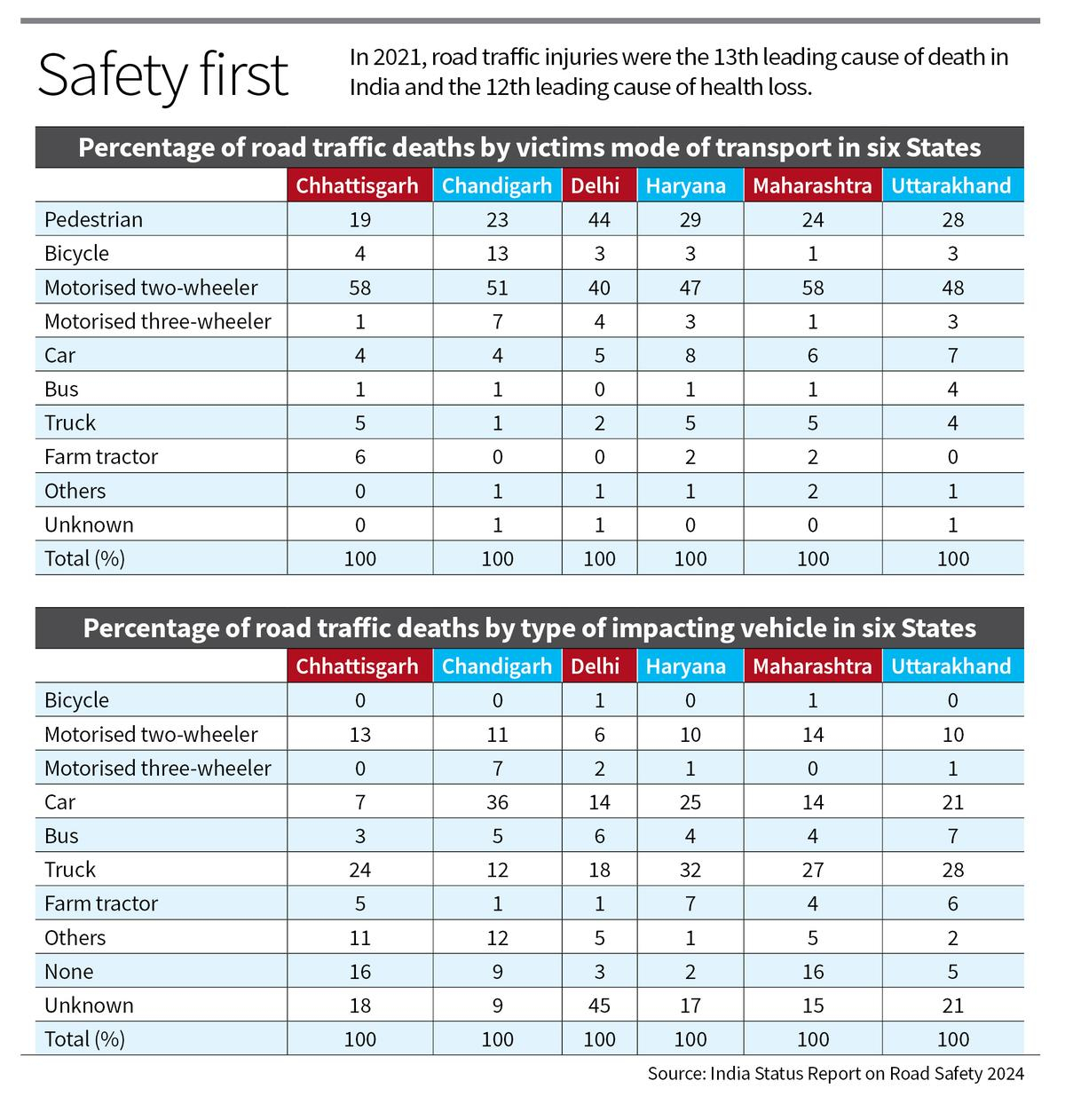
The India Status Report on Road Safety 2024 highlights India’s slow progress in reducing road fatalities and stresses the need for tailored approaches to improve road safety.
What does the ‘India Status Report on Road Safety 2024’ state?
The report highlights India’s limited success in reducing road accident fatalities, despite the country’s efforts in other sectors. The report stresses that most Indian States are not on track to meet the UN Decade of Action for Road Safety goal to halve traffic deaths by 2030.
It emphasizes the connection between road construction, mobility, and safety,
Road traffic injuries remain a significant public health challenge. In 2021, these injuries were the 13th leading cause of death and the 12th leading cause of health loss (measured in Disability-Adjusted Life Years or DALYs).
The report reveals significant disparities in road traffic death rates across Indian States, with vulnerable groups such as motorcyclists and truck-involved crashes being particularly high.
Note: The report used FIR data from six States and audits of State compliance with Supreme Court directives on road safety.
Which States have the lowest rates of road accident deaths?
West Bengal and Bihar have the lowest rates of road accident deaths, with 5.9 per 1,00,000 people in 2021
What is a crash surveillance system?
A crash surveillance system is a national-level database that records detailed data on road accidents, including specific variables like the mode of transport of victims.
India lacks such a system, with current data being aggregated from police station records, limiting the depth of analysis and effectiveness of interventions.
Implementing this system would enhance road safety management and allow for better evaluation of policy interventions.
Way forward:
Establish a National Crash Surveillance System: Implement a comprehensive database for road accidents to enable detailed analysis and improve targeted interventions for road safety. This would enhance data accuracy and guide more effective policies.
Prioritize State-Specific Road Safety Strategies: Tailor interventions to the unique challenges of each State, focusing on vulnerable road users like motorcyclists and improving safety infrastructure, such as helmet usage, traffic calming, and trauma care facilities.
A study published last week in the journal Nature revealed that India is responsible for contributing one-fifth of the world’s plastic pollution.
What did the Paris Agreement (2015) and the UN Environmental Assembly (2022) say on plastic pollution?
Paris Agreement (2015): Primarily on climate change, the Paris Agreement doesn’t directly address plastic pollution. However, the agreement encourages countries to reduce emissions and promote sustainable practices.
UN Environmental Assembly (2022): The UNEA agreed in 2022 to develop the first legally binding international treaty on plastic pollution by the end of 2024. Objectives: The treaty aims to curb plastic pollution through measures like phasing out single-use plastics.
Challenges in Implementation
Lack of Cohesive Policies: There is often a disconnect between global agreements and national policies, leading to fragmented approaches that fail to address the scale of plastic pollution effectively.
Infrastructure Deficiencies: Many countries, particularly in the Global South, lack the necessary infrastructure for waste management, leading to high levels of unmanaged plastic waste. Inadequate public servicesand resources exacerbate this situation.
Economic Dependencies: Countries reliant on plastic production for economic growth may resist regulations aimed at reducing plastic use, complicating the implementation of international agreements.
Why do we need more research on this issue?
Understanding Environmental Impact: Comprehensive studies are needed to elucidate the sources and impacts of plastic pollution, including its relationship with climate change and public health.
Informing Policy Development: Research can guide policymakers in creating effective strategies for reducing plastic waste and improving waste management systems, ensuring that solutions are tailored to specific regional challenges.
Health Implications: As microplastics increasingly infiltrate ecosystems and human bodies, understanding their health impacts is critical for public health initiatives and regulatory frameworks.
Way forward:
Strengthen Global Plastic Reduction Targets: Implement binding international commitments to reduce plastic production, particularly single-use plastics, and promote sustainable alternatives, aligning with climate goals.
Improve Waste Management Infrastructure: Prioritize investment in waste management systems, especially in the Global South, to ensure proper collection, recycling, and disposal, reducing unmanaged plastic pollution.
The 2024 edition of the India-U.S. Army bilateral exercise Yudh Abhyas has begun at the Mahajan field firing ranges in Rajasthan.
Concurrently, Phase-II of the Indian Air Force’s (IAF) largest multilateral exercise, Tarang Shakti, is underway in Jodhpur, with eight countries participating, including India.
About Exercise Yudh Abhyas
Details
Type
Bilateral joint military exercise between India and the United States
Inception Year
2004
Frequency
Annual
Primary Objective
Enhance military cooperation and joint operational capabilities, particularly focusing on counter-terrorism and counter-insurgency operations.
Location
Held alternately in India and the USA
Earlier Edition (2023)
Held at Fort Wainwright, Alaska, focusing on cold-weather operations and high-altitude warfare
Focus
Counter-terrorism operations in semi-desert and desert terrains
Urban warfare (FIBUA – Fighting in Built-Up Areas)
Participating Forces in 2024
Indian Army: 600 troops from the RAJPUT Regiment
US Army: 1-24 Battalion of the 11th Airborne Division, Alaska
Tactical Drills in 2024
Joint planning sessions
Joint responses to terrorist actions
Combined field training exercises
Significance
Reflects the growing military partnership between India and the US
Enhances interoperability and strengthens strategic defence ties
PYQ:
[2024] Which of the following statements about the Exercise Mitra Shakti-2023 is/ are correct?
This was a joint military exercise between India and Bangladesh.
It commenced in Aundh (Pune).
Joint response during counter-terrorism operations was a goal of this operation.
![[11th September 2024] The Hindu Op-ed: A panoramic view of the 2024 China-Africa summit](https://www.civilsdaily.com/wp-content/uploads/2024/09/11-SEP-1568x882.jpg)
![[UPSC 2025 & 2026] Our UAP Mentorship Student Got AIR 2, Animesh Pradhan, First Attempt, Working Professional. Join Ultimate Assessment Program For UPSC 2025 & 2026](https://www.civilsdaily.com/wp-content/uploads/2024/09/V1_UAP-September-Batch-For-UPSC-2025-2027-1568x882.jpg)

![[10th September 2024] The Hindu Op-ed: Regulatory reform stuck in a loop in Health Ministry](https://www.civilsdaily.com/wp-content/uploads/2024/09/10-SEP1-1568x882.jpg)