The Finance Ministry has announced new rules under the General Finance Rules (GFR) to give scientific Ministries more flexibility in importing and buying research equipment.
These changes address scientists’ concerns about strict rules have slowed down research.
Changes introduced in GFR
The limit for buying goods without needing a tender has been raised from ₹25,000 to ₹1,00,000.
For goods priced between ₹25,000 and ₹250,000, a committee of three members must check the market for the best value and quality.
This limit has been raised from ₹1,00,000 to ₹10,00,000.
Note: These changes only apply if the goods are NOT available on the Government e-Marketplace (GeM).
What are General Finance Rules (GFR)?
The General Finance Rules (GFR) are a set of rules issued by the Government of India to regulate financial matters in public administration.
They provide a framework for financial management, ensuring accountability, transparency, and efficiency in the use of public funds.
The GFR were first issued in 1947, post-independence.
The rules have been revised multiple times, with significant updates in 1963, 2005, and the latest in 2017.
The GFR applies to all central government departments, ministries, and organizations funded by the government.
Key Provisions:
General System of Financial Management: Guidelines on budgeting, accounting, and auditing.
Procurement of Goods and Services: Rules for procurement, emphasizing transparency and competition.
Contract Management: Procedures for awarding, managing, and terminating contracts.
Inventory Management: Guidelines for managing government inventories and assets.
Grants-in-Aid: Procedures for providing grants to institutions and individuals.
Major Highlights:
Emphasis on e-procurement to enhance transparency and efficiency.
Use of the Government e-Marketplace (GeM) for procurement of common use goods and services.
Requirement for performance security in government contracts to ensure compliance and reduce risk.
Strengthening of internal controls and audit mechanisms to ensure compliance with rules and regulations.
Back2Basics:Government e-Marketplace (GeM)
The GeM is a one-stop National Public Procurement Portal to facilitate online procurement of common use Goods & Services required by various Government Departments / Organizations / PSUs.
It was launched in 2016 by the Ministry of Commerce and Industry.
It was developedby the Directorate General of Supplies and Disposals (under MCI) with technical support from the National E-Governance Division (MEITy).
Mains: Q.1) How have the recommendations of the 14th Finance Commission of India enabled the States to improve their fiscal position? (UPSC IAS/2021) Q.2) How is the Finance Commission of India constituted? What do you know about the terms of reference of the recently constituted Finance Commission? Discuss. (UPSC IAS/2018)
Prelims: With reference to the Finance Commission of India, which of the following statements is correct? (UPSC IAS/2011) (a) It encourages the inflow of foreign capital for infrastructure development (b) It facilitates the proper distribution of finances among the Public Sector Undertakings (c) It ensures transparency in financial administration (d) None of the statements (a), (b). and (c). given above is correct in this context.
Note4Students:
Prelims: Powers and Functions of Finance Commission;
Mains:Challenges to Fiscal Federalism;
Mentor comments: Fiscal devolution (Horizontal and Vertical), the transfer of fiscal powers and resources from the central government to state/local governments, is a crucial aspect of fiscal federalism. Fiscal devolution increases the financial resources and decision-making powers of state governments, allowing them to better address local needs and priorities. This strengthens fiscal federalism by empowering states to be more fiscally responsible and accountable to their citizens. It also helps in fostering competition among states to attract investments and provide better public services, driving overall economic development. This eventually contributes to macroeconomic stability. Further, the Fiscal devolution to local bodies (Municipalities and Panchayats) by State FC empowers them to undertake development activities and provide public services more efficiently. Hence it is a key pillar of cooperative and competitive fiscal federalism, promoting fiscal autonomy, equitable development, and overall macroeconomic stability in a federal polity like India.
Let’s learn!
Why in the News?
The fiscal devolution between the Union and States, as well as the distribution formula among states, is an ongoing debate with concerns about maintaining the balance of fiscal federalism and equitable development across generations within states.
The Finance Commission (FC) is responsible for recommending the distribution of net tax proceeds between the Union and the States every five years: • The 15th FC recommended a 41% share of central taxes for the states, which is lower than the 42% share recommended by the 14th FC. • The actual share of states in central taxes has been lower than the FC recommendations due to the increasing share of cess and surcharges levied by the Union government, which are not part of the divisible pool. • The horizontal distribution formula among states prioritizes equity (income gap, population, area, forest cover) over efficiency (demographic performance, tax effort). This has led to concerns about accentuating intergenerational inequity within states.
Intergenerational fiscal equity
It refers to a situation where every generation pays for the public services it receives and does not burden the future generation through borrowings. It is also the principle of providing equal opportunities and outcomes to every generation.
There are only two ways for any government to raise its revenue:
Tax: If, in a period, the tax revenue equals the current expenditure of the government, then the current taxpayers pay for the public services they receive.
Borrowing: If the government finances the current expenditure through borrowing, it means the future generation is going to pay higher taxes to repay this borrowing and interest. In other words, borrowing to meet the current expenditure of the government amounts to intergenerational inequity.
According to the Ricardian Equivalence Theory, whenever the government depends on borrowing to finance its current expenditure, households react through higher savings and thus enable the future generation to pay higher taxes as well as keep aggregate demand in the economy constant over different periods.
Presently, the current generations worldwide pay taxes less than the value of the current public services they receive, and thus it saves too. Whereas in our Indian present federal situation, this is not the case.
Condition of Developed States: The households in developed States pay taxes that are not entirely used within the specific States, thus compelling such States to borrow more or curtail current expenditures.
Condition of Developing States: The households in developing States pay taxes much less than the value of current expenditure and fill the gap by receiving higher financial transfers from the Union government.
Issues with Intragenerational Equity:
Low-income States (Bihar, Uttar Pradesh, Madhya Pradesh, Rajasthan, Odisha, and Jharkhand) finance a smaller portion of their revenue expenditure with their own tax revenue and also receive larger amounts of Union financial transfers.
The own tax revenue (collection from GST, VAT Excise, Stamp Duty, and Motor Vehicle Tax) financed up to 59.3% of revenue expenditure in high-income States, while in low-income States, their own tax revenue was financed only 35.9%.
High-income States (Tamil Nadu, Kerala, Karnataka, Maharashtra, Gujarat, Haryana) finance a substantial portion of their revenue expenditure with their own tax revenue but receive too few Union financial transfers.
The Revenue Expenditure to GSDP(Gross State Domestic Product) ratio for high-income States was 10.9%, which is lower than the similar ratio of 18.3% for low-income States.
Nearly 57.7% of revenue expenditure in low-income States was financed by Union financial transfers, and only 27.6% of revenue expenditure was financed by Union financial transfers in high-income States.
Government can also deduce that the high-income States had to incur a deficit of 13.1%, and the low-income States ended up with a deficit of only 6.4% of revenue expenditure.
Thus, the high-income States raise higher amounts of their tax revenue and curtail their revenue expenditure, yet incur higher deficits because of lower Union financial transfers compared to low-income States.
Address the Impacts and Conflicting Equities
Issue with Indicators Used by FC: The indicators presently used by the FC are per capita income, population, and area to reflect differences in demand for public services and revenue availability among states which carries a larger weight to assure equitable distribution of Union transfers.
Efficiency indicators like tax effort and fiscal discipline have smaller weightage to reward the fiscal efficiency of states.
Impact of Lower Transfers: States have Fiscal Responsibility Acts restricting deficit and debt but the reduced Union transfers compel some states to breach these legal limits.
Larger weight to fiscal indicators and incentivizing tax effort and expenditure efficiency through higher transfers can ensure intergenerational fiscal equity and sustainable debt management by states
Way Forward:
Balancing intragenerational and intergenerational equity is crucial to balancing equity and efficiency in the tax devolution formula.
Incentivize tax effort and expenditure efficiency through higher Union transfers
The Finance Commission (FC) should assign larger weight to fiscal indicators.
Q1 National Education Policy 2020 conforms with the Sustainable Development Goal-4 (2030). It intends to restructure and reorient the education system in India. Critically examine the statement. (UPSC IAS/2020)
Q2 The quality of higher education in India requires major improvement to make it internationally competitive. Do you think that the entry of foreign educational institutions would help improve the quality of technical and higher education in the country? Discuss. (UPSC IAS/2015)
Note4Students:
Prelims: About NTA and its function
Mains: Challenges and issues related to NTA
Mentor comments:The National Testing Agency (NTA) has faced widespread protests from students across India over alleged irregularities in exams like NEET-UG, CSIR-UGC NET, and UGC-NET, including suspected question paper leaks and technical glitches. Students have demanded a re-examination of affected tests, a thorough investigation into the irregularities, and the scrapping of the NTA due to its lack of transparency and accountability. Prominent student organizations like ABVP, NSUI, AISA, and SFI have organized nationwide strikes, demonstrations, and protests outside the Ministry of Education headquarters, with some calling for the Education Minister’s resignation.
Let’s learn!
Why in the news?
The NTA faced severe criticism after awarding grace marks to 1,563 candidates in the NEET-UG exam due to delays at seven examination centres. This led to a record 67 candidates sharing the top rank, prompting allegations of inflated marks
About the National Testing Agency (NTA):
The National Testing Agency (NTA) was established by the Government of India in 2017 to conduct entrance examinations for professional courses.
It aimed to conduct Multiple Choice Question (MCQ)-type examinations electronically, utilizing specialists in the science of testing to set up question banks and evaluator frameworks.
NTA conducts over 15 entrance exams, including the Common University Entrance Test (CUET), NEET-UG, and various UGC courses.
It operates as a lean organization with most work outsourced and is headed by a chairman and a chief executive officer (typically an IAS officer).
Challenges and issues related to NTA:
Lack of Transparency and Accountability:
The NTA has been embroiled in allegations of irregularities in the conduct of exams like NEET-UG, including suspected question paper leaks, distribution of wrong question papers, and technical glitches.
This has significantly dented the credibility and trust in the NTA among students, parents, and educators.
Operational and Administrative Challenges: The centralized nature of the NTA has created operational and administrative challenges, with many of the empanelled test centers lacking proper infrastructure like CCTV monitoring.
The award of grace marks to candidates and the unusual spike in the number of students securing full marks in exams like NEET have raised questions about the procedures adopted by the NTA.
The continued use of traditionalpen-and-paper mode exams creates multiple opportunities for malpractice, from the setting and printing of the paper to its distribution and delivery.
Steps taken by the Government:
Institutional Initiatives:
The government has appointed a reform Dr. K. Radhakrishnan committee, to recommend reforms to enhance the exam processes of the NTA.
Govt. also appointed Pradeep Singh Kharola as the new chief of NTA.
The education ministry has sought a detailed report from the Bihar Police’s Economic Offences Unit regarding the purported irregularities in the NEET (UG) 2024 exam held in Patna.
Strengthening Security and Processes:
The Govt. has recognized the need to strengthen the NTA’s security infrastructure, adopt advanced technologies, and enhance the overall efficiency and transparency of its examination processes.
In response to the controversy over the award of grace marks, the NTA decided to retract the grace marks given to 1,563 students and offered them the option to take a re-test.
Impact on the School System due to entrance exam:
Rise of Coaching Centers:
The prominence of national-level entrance exams has shifted the focus from regular school education to specialized coaching centers designed to prepare students specifically for these exams.
The proliferation of coaching centres has led to the emergence of ‘dummy’ schools where students are enrolled only to meet regulatory requirements but primarily attend coaching classes.
Neglect of Holistic Education: The emphasis on entrance exams has led to the neglect of holistic education that schools traditionally provide, focusing instead on rote learning and exam-specific strategies.
Declining Standards: The school system’s academic standards are declining as students and educators prioritize entrance exam preparation over comprehensive education.
Students are missing out on foundational knowledge and skills that are critical for their overall development and future academic success.
Way forward:
Holistic Evaluation:
Reinstate the practice of incorporating school-leaving marks into the final entrance exam scores to ensure a more holistic evaluation of students.
Emphasize the importance of school education by making it a significant component of the entrance examination process.
Comprehensive Curriculum:
Enhance the school curriculum to ensure it provides a strong foundation in various subjects, critical thinking, and problem-solving skills.
Encourage a balanced approach to education that values both school learning and entrance exam preparation.
The ECI released a technical Standard Operating Procedure (SOP) on July 16 for verifying burnt memory in EVMs and VVPATs, following an April Supreme Court verdict.
What is the Burnt Memory of EVM?
“Burnt memory” in Electronic Voting Machines (EVMs) refers to the firmware or software program permanently written onto the microcontroller’s memory during the manufacturing process.
This memory controls the EVM’s operations, and “burnt” implies it is fixed and cannot be altered or reprogrammed easily.
What was the case before the Supreme Court, and what did it order?
Case Before the Supreme Court:
The Supreme Court was hearing a challenge to the reliability of Electronic Voting Machines (EVMs). The judgment was delivered on April 26, 2024, during the Lok Sabha election.
The Supreme Court upheld the EVM-VVPAT system and rejected the plea for a return to paper ballots and for 100% counting of VVPAT slips.
The court directed the Election Commission of India (ECI) to allow second and third-placed candidates to seek verification of burnt memories of EVMs and VVPATs of up to 5% of machines in an Assembly constituency or an Assembly segment of a Lok Sabha constituency.
Court’s Orders:
The burnt memory/microcontroller in 5% of the EVMs (control unit, ballot unit, and VVPAT) per assembly constituency/assembly segment of a parliamentary constituency shall be checked and verified for tampering or modification.
Candidates who are at Sl. No. 2 or Sl. No. 3 behind the highest polled candidate can request verification in writing.
Candidates or their representatives have the option to be present during the verification process. Requests for verification must be made within seven days of the declaration of the result.
The actual cost or expenses for the verification will be notified by the ECI, and the candidate requesting the verification will bear the expenses. These expenses will be refunded if tampering is found.
What is the process to be followed for the verification of EVMs and VVPATs?
Technical SOP by ECI:
Mock Poll: A mock poll of up to 1,400 votes per machine will be conducted in the presence of candidates or their representatives.
Result Comparison: If the results of the machines and VVPAT slips match, it will be concluded that the burnt memory or microcontrollers have not been tampered with.
Selection of Machines: Candidates can select the polling stations, EVMs, BUs, CUs, and VVPATs they want checked.
Verification Team: Trained engineers from the EVM manufacturers, Bharat Electronics Ltd (BEL) and Electronics Corporation of India Ltd (ECIL) will perform the checks.
Technical Methods: Various technical methods will be used to verify the fidelity of firmware burnt into a microcontroller through a public process.
When will this process of checking start?
Preliminary Step: Verification will commence after it is confirmed by the High Courts of the respective states that no Election Petitions have been filed regarding the constituencies in question.
Election Petitions: Petitions challenging the election outcome can be filed within 45 days of the results being declared. Since the results were announced on June 4, petitions can be filed until July 19.
Applications Received: Eleven applications cover 118 polling stations or sets of EVMs and VVPATs. Applications have been received from candidates from BJP, Congress, DMDK, and YSRCP.
Way forward:
Enhanced Transparency and Confidence: Conduct regular and public verification processes of EVMs and VVPATs with involvement from political parties and independent observers to build public trust and confidence in the electoral system.
Technological Upgradation and Training: Invest in upgrading EVM technology and provide comprehensive training for election officials and engineers to ensure efficient and accurate verification and operation of voting machines.
The telecom industry has proposed several policy recommendations to the Ministry of Communications that are essential to realize the Government’s vision of promoting digital empowerment and inclusivity.
Present global status of the Indian market:
Digital Connectivity Advancements: India has made significant strides in digital connectivity, positioning itself as the third-largest digitized country globally, following the USA and China.
Telecommunications Infrastructure: The telecommunications infrastructure in India serves as a cornerstone for digital transformation, facilitating connectivity across various devices and applications, thereby contributing to higher standards of living and economic growth.
Policy Reforms: Ambitious policy reforms have been implemented to elevate India’s status as a leading digital economy. These reforms aim at fostering digital empowerment and inclusivity, crucial for sustaining growth and competitiveness in the global market.
Recommendations submitted by the telecom industry
Reduction in Levy and Tax Burden:
Abolishment of the USOF (Universal Service Obligation Fund) levy because of imposes a burden on telecom service providers (TSPs), diverting resources that could be invested in newer technologies such as 5G and network upgrades
USOF is the pool of funds generated by 5% Universal Service Levy that is charged upon all the telecom fund operators on their Adjusted Gross Revenue (AGR).
Reduction of the license fee from 3% to 1%.
Clarity in the definition of Gross Revenue (GR) to exclude non-telecom activities from tax calculations.
Exemption and Duty Reductions:
Exemption of Service Tax on additional Adjusted Gross Revenue (AGR) liabilities is demanded because it is crucial for the recovery of the industry’s financial health and ensuring efficient 5G rollout.
AGR has resulted in massive dues of over ₹1.5 lakh crore that telecom companies like Bharti Airtel, Vodafone Idea, and others have to pay.
Reduction of Customs Duty to zero for telecom manufacturing, with gradual increases for 4G and 5G products.
Urgency in renewing Customs Duty exemptions for submarine cable vessels to prevent future cost increases.
Spectrum Allocation:
Prioritization of 6 GHz spectrum for 5G deployment in India.
Strategic planning of 6 GHz spectrum for future 6G technologies, aiming at enhancing network quality, coverage, and supporting a range of advanced applications like telemedicine and smart cities.
Telecommunications Act 2023:
Introduction of the Telecommunications Act 2023, addressing critical issues such as Right of Way (RoW) for telecom infrastructure.
Standardization of RoW rules across states, simplification of licensing processes, and delinking telecom infrastructure from property taxes to facilitate faster deployment of 5G services.
Implementation of Reforms:
Emphasis on the swift implementation of regulatory reforms to minimize bureaucratic delays and operational hurdles.
Creation of a conducive environment for telecom investments by ensuring clarity and uniformity in RoW regulations, thereby improving the Ease of Doing Business (EoDB) in the sector.
Conclusion: The Government should prioritize the swift implementation of proposed policy reforms, including the reduction of levies and taxes, clarity in revenue definitions, and spectrum allocation for 5G and future 6G technologies. Timely execution will bolster investor confidence, accelerate infrastructure development, and enhance digital connectivity nationwide.
Mains PYQ:
Q Cyber warfare is considered by some defence analysts to be a larger threat than even Al Qaeda or terrorism. What do you understand by Cyberwarfare? Outline the cyber threats which India is vulnerable to and bring out the state of the country’s preparedness to deal with the same. (2013)
Many researchers anticipate the imminent development of wearable EEGs capable of enhancing human cognitive functions directly.
Elon Musk’s Neuralink has also sparked optimism by exploring brain-computer interfaces to potentially restore lost functions in physically impaired individuals.
Neuralink is a company founded by Elon Musk in 2016 that’s developing a brain-computer interface called “the Link,” which is a surgically embedded neural-chip implant designed to decode and stimulate brain activity.
Neuralink implanted its first device in a patient’s brain in January 2024.
What is EEG?
EEGs refer to electroencephalograms, which are devices used to record electrical activity in the brain. These devices are valuable in neuroscience for monitoring brain functions and diagnosing various neurological conditions.
What is Neuroscience?
Neuroscience is the scientific study of the nervous system, which includes the brain, spinal cord, and peripheral nerves. It is a multidisciplinary field that combines various approaches to understand the structure, function, and disorders of the nervous system.
What is Neuro data?
Neuro-data refers to data related to the nervous system, particularly the brain. It encompasses various types of data collected through neuroscience research and clinical studies.
Significance of Neurodata:
Medical Advancements: It has the potential to provide precise diagnosis and personalized treatment of neurological disorders. It facilitates the continuous monitoring of brain health and early detection of abnormalities.
Technological Innovation: It supports the development of brain-computer interfaces (BCIs) and wearable neurodevices. It would enhance rehabilitation options for individuals with neurological impairments.
Research and Insights: It can provide data for studying brain functions, cognition, and behaviour. It fuels advancements in neuroscience, leading to new therapies and interventions.
What are your neurorights?
Right to Mental Privacy: Individuals have the right to privacy concerning their neural activities and cognitive processes. This includes protection against unauthorized access to neural data and ensuring confidentiality in the use of neurotechnologies.
Right to Neurological Integrity: Individuals possess the right to autonomy over their neurological functions and activities. This entails the freedom from undue manipulation or coercion through neurotechnological interventions, ensuring that such technologies respect and preserve individuals’ neurological integrity.
What is Neuroethics?
Neuroethics is a field that addresses the ethical, legal, and social implications of advancements in neuroscience and neurotechnologies. It aims to ensure that the development and application of these technologies benefit humanity while minimising harm.
The digitisation of neuro-data raises great opportunities as well as concerns
Opportunities:
Enhanced Cognitive Assistance: Wearable EEGs and other neurotech devices can directly aid cognitive functions. For example, Brain-computer interfaces (BCIs) like Neuralink could help physically impaired individuals restore lost functions.
Medical Advancements: It provides Real-time health monitoring and personalized healthcare options. For example, Improved diagnosis and treatment of brain disorders through detailed neuro-data.
Commercial and Research Value: It provides Valuable insights for neuromarketing to understand and influence consumer behaviour.
Integration with Daily Life: It can be used in daily life by using Smartwatches and apps that can track physiological activities and emotions, integrating neurotech into everyday activities.
Concerns:
Surveillance Risks: It has a potential misuse of neuro data for monitoring by employers, governments, and private companies.
Privacy and Security: It may threaten mental privacy and autonomy with the collection and analysis of sensitive neuro data.
Ethical and Legal Challenges: It has the potential for ethical dilemmas in mental privacy, consent, and the use of neurotech in various societal contexts.
Impact on Individual Rights: The right to think freely and safeguard one’s mental state from monitoring could be compromised. For example, Digitized health data’s commercial value could lead to exploitation and loss of personal control.
Initiatives related to neuroethics:
Institutional Efforts:
U.S. Presidential Commission on Bioethics: In 2015, it published the ‘Gray Matters’ report, addressing cognitive enhancement, consent capacity, and the legal implications of neuroscience.
Global Initiatives:
OECD Recommendations: In 2019, the OECD recommended principles such as safeguarding personal brain data and monitoring potential misuse of neurotechnologies.
UNESCO’s Concerns: In 2022, UNESCO highlighted issues related to human identity, freedom of thought, and privacy, emphasizing the risks of unauthorized access to neural data.
Research and Training:
Institute of Neuroethics: In 2023, researchers emphasized the need for proactive consideration of the implications of scientific advances and incorporating ethics into research training.
Conclusion: Governments and international bodies should collaborate to create robust regulations that govern the collection, use, and sharing of neuro data. These regulations should ensure that neurotechnologies are used ethically, protecting mental privacy, consent, and individual rights.
Mains PYQ:
Q Discuss the advantages and security implications of cloud hosting of servers vis-a-vis in-house machine-based hosting for government business. (2015)
In May, a speeding car, allegedly driven by a teenager, resulted in the deaths of two young techies in Pune.
The Juvenile Justice Board (JJB) initially granted the minor bail on conditions like writing a 300-word essay on road safety. This decision sparked public outrage and criticism from the Maharashtra Deputy CM.
Later, the JJB canceled the minor’s bail and sent him to an observation home, which was again challenged in the Bombay High Court.
The Bombay High Court eventually ordered the release of the minor, stating that the JJB’s remand order was illegal and that the minor should be in the care of his paternal aunt as per the Juvenile Justice Act.
What were the provisions led under the previous Juvenile Justice (Care and Protection of Children) Act of 2015?
Definitions:
Section 2 defines a “child” as a person below the age of 18 years.
Section 2(13) defines “children in conflict with law” as those who are alleged or found to have committed an offence.
Section 2(14) defines “children in need of care and protection” as those meeting certain criteria, such as being homeless, engaged in illegal labour, victims of abuse, etc.
Juvenile Justice Boards (JJBs):
Section 4 mandates the establishment of Juvenile Justice Boards in each district.
Section 4(2) states that the JJBs shall comprise a Metropolitan Magistrate or a Judicial Magistrate of the First Class and two social workers.
Section 8 outlines the powers and functions of the JJBs in handling cases related to children in conflict with the law.
Child Welfare Committees (CWCs):
Section 27 requires the establishment of Child Welfare Committees in each district.
Section 28 defines the composition and functions of the CWCs in the care, protection, treatment, development, and rehabilitation of children in need of care and protection.
Adoption Procedures:
Chapter VIII (Sections 56-65) provides a comprehensive adoption regime, including the establishment of the Central Adoption Resource Authority (CARA).
Sections 56-65 outline the adoption procedures and ensure transparency and accountability.
Rehabilitation and Social Reintegration:
Section 39 emphasizes the rehabilitation and social reintegration of children in conflict with the law through various measures, including counseling, education, skill development, and community-based programs.
Preliminary Assessment for Heinous Offences:
Section 15 mandates a preliminary assessment by the JJB to determine if a child in the age group of 16-18 years accused of committing a heinous offence should be tried as an adult.
Children’s Court:
Section 19 provides for the establishment of a Children’s Court to try children in the age group of 16-18 years accused of committing heinous offences.
Mandatory Reporting:
Section 19(1) makes it mandatory to report the presence of a child in need of care and protection to the authorities, and failure to do so is a punishable offence.
Registration of Child Care Institutions:
Section 41 requires all childcare institutions, whether run by the government or NGOs, to be registered within six months of the commencement of the Act.
Penalties:
Chapter XI (Sections 75-85) prescribes penalties for various offences, including the non-registration of childcare institutions and the sale and procurement of children.
Amendment in 2021
Empowering District Magistrates: The amendment authorized District Magistrates, including Additional District Magistrates, to issue adoption orders under Section 61 to ensure speedy disposal of cases and enhance accountability.
Strengthening Child Welfare Committees (CWCs): The eligibility parameters for the appointment of CWC members were redefined, and criteria for disqualification were introduced under Section 28 to ensure that only competent and capable individuals were appointed.
Categorization of Offences: The amendment categorized offences where the maximum sentence is more than 7 years imprisonment but no minimum sentence is prescribed or the minimum sentence is less than 7 years as “serious offences” under Section 2(54).
Addressing Implementation Challenges: The amendment introduced changes to remove difficulties arising in the interpretation of various provisions of the Act and to clarify the scope of certain provisions.
Need for Accountability:
Promoting Justice and Fairness: Accountability ensures that juvenile offenders are held responsible for their actions in a manner that aligns with principles of justice and fairness.
Preventing Recidivism and Ensuring Rehabilitation: Holding juvenile offenders accountable helps in addressing underlying issues that contribute to their offending behaviour.
Maintaining Public Confidence and Trust: Accountability in the juvenile justice system enhances public confidence in the legal process and ensures transparency in decision-making.
Conclusion: Implement comprehensive rehabilitation programs that are tailored to the individual needs of juvenile offenders, focusing on mental health support, educational opportunities, vocational training, and family reintegration.
Mains PYQ:
Q Examine the main provisions of the National Child Policy and throw light on the status of its implementation. (2016)
The origin of life on Earth remains one of the world’s most enduring mysteries.
Numerous competing theories exist, but none have conclusive proof.
A significant concept in understanding the origin of life is the Last Universal Common Ancestor (LUCA).
What is the Last Universal Common Ancestor (LUCA)?
Researchers believe that all life forms— the Bacteria, the Archaea, and the Eukarya —originated from a single cell known as the last universal common ancestor (LUCA).
It is suggested to have been a “cellular organism that had alipid bilayer and used DNA, RNA, and protein“.
There is a lack of clarity about direct fossil evidence of LUCA.
However, the shared features of modern genomes provide significant insights into this ancient ancestor.
LUCA and the Molecular Clock:
The molecular clock theory was proposed by molecular biologist Emile Zuckerkandl and biochemist Linus Pauling in the 1960s and later refined by biologist Motoo Kimura.
The theory allows scientists to reconstruct the evolutionary timeline.
According to the theory, the rate at which mutations are addedor removed from a population’s genome is proportional to the rate of acquiring new mutations, which is constant.
By calibrating the molecular clock with known events, such as the emergence of the first mammals or the age of certain fossils, researchers can estimate the time between evolutionary events.
Recent Research Findings on LUCA’s Age and Genome
Researchers at the University of Bristol and Exeter estimate that LUCA originated around 4.2 billion years ago, nearly 1 billion years earlier than previously thought.
They obtained evidence from the 3.3 km deepCandelabra’ hydrothermal vent on the Mid-Atlantic Ridge.
LUCA had a small genome of about 2.5 million bases encoding 2,600 proteins, sufficient for survival in a unique niche.
Its metabolites may have created a secondary ecosystem for other microbes.
The presence of immunity genes in LUCA suggests it had to defend against viruses.
Evidence Verification using Miller-Urey Experiment
In 1952, Stanley Miller and Harold Urey conducted an experiment at the University of Chicago, simulating lightning strikes on a mixture of methane, ammonia, and water, which resulted in the formation of amino acids.
This demonstrated that complex organic compounds could arise from inorganic compounds under the right conditions.
Which is older: LUCA or fossils?
LUCA’s estimated origin at 4.2 billion yearspredates the earliest fossil records by almost 1billion years.
Fossil records from the Pilbara Craton in Australia suggest life emerged around 3.4 billion years ago, but the study pushes this date back.
Alternative Theories:
(1) Extraterrestrial Origin
Another prominent theory suggests that meteorites from space could have brought the building blocks of life to Earth.
This theory is supported by various discoveries.
In August 2019, French and Italian scientists reported finding 3.3 billion-year-old extraterrestrial organic material.
Japan’s Hayabusa 2 mission to the asteroid Ryugu detected more than 20 amino acids, further supporting the possibility of an extraterrestrial origin for the building blocks of life.
(2) Oparin-Haldane Hypothesis
In the 1920s, Alexander Oparin and J.B.S. Haldane independently proposed theories regarding the origin of life.
They suggested that life originated from a “primordial soup” in a prebiotic environment on the young Earth.
This concept is now known as the Oparin-Haldane hypothesis.
PYQ:
[2012] Which one of the following sets of elements was primarily responsible for the origin of life on the Earth?
India is hosting the UNESCO’s World Heritage Committee meeting for the first time in New Delhi.
Theme: “World Heritage in the 21st Century: Building Capacities and Exploring Opportunities for Youth.”
About the World Heritage Young Professional Forum
The World Heritage Young Professionals Forum is an initiative by UNESCO to engage young professionals in the field of heritage conservation.
The first World Heritage Young Professionals Forum was organized in 1995.
The primary aim is to engage young professionals in heritage conservation and management through capacity building, networking, and awareness-raising.
Back2Basics: UNESCO World Heritage Sites
Description
UNESCO World Heritage Sites
Landmarks or areas selected by UNESCO for their cultural, historical, scientific, or other significant value, legally protected by international treaties.
Importance
World Heritage Sites represent collective and preservative interests of humanity, signifying remarkable accomplishments and intellectual history.
Selection Criteria
Sites must be already-classified landmarks, unique and significant culturally or physically, such as ancient ruins, historical structures, cities, monuments, etc.
Conservation
World Heritage Sites require practical conservation to protect them from risks like trespassing, uncontrolled access, or administrative negligence.
World Heritage Committee
Selects and monitors World Heritage Sites, manages the World Heritage Fund, and provides financial assistance. Composed of 21 states parties elected for a four-year term.
Membership
India is not a member of the World Heritage Committee.
PYQ:
[2014] Consider the following international agreements:
The International Treaty on Plant Genetic Resources for Food and Agriculture
The United Nations Convention to Combat Desertification
The World Heritage Convention
Which of the above has / have a bearing on the biodiversity?
The Karnataka Cabinet has approved a bill mandating that industries, factories, and other establishments appoint local candidates in 50% of management positions and 75% in non-management positions.
The bill was cleared in a Cabinet meeting chaired by the Chief Minister.
Key features of the Bill:
Definition of a Local Candidate:
Born in Karnataka
Domiciled in Karnataka for 15 years
Proficient in speaking, reading, and writing Kannada
Passed a required test by the nodal agency
Educational Requirements:
Must have a secondary school certificate with Kannada as a language, or
Pass a Kannada proficiency test specified by the nodal agency
Training and Relaxation Provisions:
Industries and establishments must train local candidates within three years if qualified locals are unavailable
Establishments can apply for relaxation if local candidates are insufficient
The government’s decision on relaxation applications is final
Local candidates must constitute at least 25% in management and 50% in non-management positions
Non-compliance penalties range from ₹10,000 to ₹25,000
Do you know?
The Punjab and Haryana High Court earlier quashed the Haryana State Employment of Local Candidates Act, 2020, which mandated 75% reservation for state domiciles in the private sector jobs.
This decision was made because the State had overstepped its legislative authority and imposed undue restrictions on private employers.
Background and Rationale:
Long-pending Demand:
The bill has been passed in response to longstanding demands for 100% job reservation for Kannadigas.
Earlier in July, Kannada organizations organized rallies in parts of the State, demanding immediate implementation of the Sarojini Mahishi Report.
Sarojini Mahishi Report:
The Sarojini Mahishi report, submitted in 1984 by Mahishi, former Union Minister and the first woman MP from Karnataka, included 58 recommendations.
The report recommended 100% reservation for locals in group C and D jobs in Central government departments and public sector undertakings (PSUs) in Karnataka.
Reservation for Locals in Jobs: Constitutionality Check
Provision
Potential Violation
Article 14
Guarantees equality before the law and equal protection of the laws.
Reservation for locals could create unequal opportunities for non-locals, violating the principle of equality.
Article 15
Prohibits discrimination on grounds of religion, race, caste, sex, or place of birth.
Reserving jobs for locals based on place of birth or domicile status may constitute discrimination against non-locals.
Article 16
Ensures equality of opportunity for all citizens in matters relating to employment or appointment to any office under the State.
Though it allows reservation for backward classes, it does not explicitly extend this provision to private employment, making mandatory quotas for locals potentially unconstitutional.
Article 19
Guarantees the freedom to move freely throughout the territory of India.
Imposing local reservations could restrict the free movement of people seeking employment opportunities across states, infringing upon their freedom of movement and residence.
PYQ:
[2017] One of the implications of equality in society is the absence of:
Next Generation Aviation Professionals (NGAP): Addresses anticipated aviation professionals shortage
No Country Left Behind (NCLB): Assists states in implementing ICAO standards and policies
Publications and Resources
Annexes to the Chicago Convention: SARPs across civil aviation domains
ICAO Journal: Quarterly publication
Global Aviation Safety Plan (GASP) and Global Air Navigation Plan (GANP): Strategic documents for aviation safety and navigation improvements.
Regional Offices
Seven offices in Bangkok, Cairo, Dakar, Lima, Mexico City, Nairobi, and Paris
Standards
Annex 1: Personnel Licensing
Annex 6: Operation of Aircraft
Annex 8: Airworthiness of Aircraft
Annex 17: Security
Annex 19: Safety Management
Global Impact
Harmonizes international aviation policies and procedures
Contributes to safe, secure, and sustainable growth of global air transport
About Asia Pacific Ministerial Conference on Civil Aviation
The conference aims to strengthen regional collaboration and develop a future-focused vision for the region, emphasizing innovation and safety.
The inaugural conference took place in February 2018 in Beijing.
39 member states of the UN aviation safety body, the International Civil Aviation Organisation (ICAO), from the Asia Pacific region are expected to attend.
The conference focuses on making aviation travel sustainable, resilient, and adaptive to the changing needs of a globally interconnected community.
This region accounts for 33.41% of global flight departures, the highest of any region worldwide.
Passenger numbers are expected to increase from 4.5 billion this year to 11.5 billion by 2050.
PYQ:
[2014] International civil aviation laws provide all countries with complete and exclusive sovereignty over the airspace above their territory. What do you understand by ‘airspace’ What are the implications of these laws on the space above this airspace? Discuss the challenges which this poses and suggest ways to contain the threat.
Read what AIR 23, Saurabh Sharma Sir says about his UPSC Mains preparation and approach.
“Scoring well in the UPSC Essay is crucial for achieving your IAS goals. The exam has evolved, with an increase in abstract and philosophical essays making it more challenging.”
A common myth is that you need a flair for writing to score high marks. However, building a strong context is more important than writing beautifully.
Your essay should have a clear tempo and structure. Focusing on presenting your ideas logically and coherently to maximize your score is important.
IAS Saurabh Sharma, AIR 23, has mastered the art of essay writing and will share his own essay copies to help you understand the Dos and Don’ts.
From the importance of topic selection to the usage of examples and crafting a strong conclusion, he will guide you through each step.
Your essay should engage the examiner like a novel, building anticipation and delivering a satisfying conclusion.
Insights around essays have been a game-changer for me. In hindsight, I know what worked for me and it will work for every aspirant. Getting 400+ in GS Mains is non-negotiable now. The competition now doesn’t allow any serious aspirant to leave things to chance.
With so much information and content around us, we lose track of ourselves and our preparation. We are constantly looking for the next shiny things that can help us. This inevitably results in FOMO, anxiety and distraction. Whether you are someone who can immerse yourself in preparation for 7-8 hours daily or a UPSC warrior balancing work or college with 4-5 hours of study, remember, it’s about quality, not just quantity.
Join me for a Zoom session on 18th July 2024 at 7:00 p.m. This session is a must-attend for you to move your essays in the top 1% bracket. If you are attempting Mains for the first time in 2024 or preparing for UPSC-CSE 2025, then it is going to be a valuable session for you too.
In the session, we will discuss how to start and strategize your Mains Prep and improve answer writing. I will share with you a precise step-wise plan and approach.
We will deal with all the aspects for a comprehensive UPSC Mains Preparation.We’ll talk about starting with the basics, and move to advanced level answer writing.
Focus on mastering answer writing should be from early on. Your notes should be concise, clear, and, most importantly, practical. You have to learn to weave current affairs with static portions seamlessly. This isn’t just preparation; it’s about building a habit, a discipline.
I know what you’re up against because I’ve been there. In this masterclass, I’ll also discuss my own mains answer copies with you.
See you in my Masterclass”
Register for AIR 23, Saurabh Sharma Sir’s Masterclasson GS Mains answer writing to score 400+marks
(Don’t wait—the next webinar won’t be until Aug 24)
These masterclasses are packed with value. They are conducted in private with a closed community. We rarely open these webinars for everyone for free. This time we are keeping it for 300 seats only.
Q) ‘The long-sustained image of India as a leader of the oppressed and marginalised nations has disappeared on account of its new found role in the emerging global order.’ Elaborate. (UPSC IAS/2019)
Prelims: Consider the following statements: (UPSC IAS/2020) 1) The value of Indo-Sri Lanka trade has consistently increased in the last decade. 2) “Textile and textile articles” constitute an important item of trade between India and Bangladesh. 3) In the last five years, Nepal has been the largest trading partner of India in South Asia.Which of the statements given above is/are correct? (a) 1 and 2 only (b) 2 only (c) 2 only (d) 3 only
Note4Students:
Prelims: India-Nepal Bilateral Ties;
Mains: Neighbourhood First Policy; Panchasheel Principles;
Mentor comment: India and Nepal share deep geographical, civilizational, historical, economic and cultural ties. They have an open border and close people-to-people connections. The 1950 India-Nepal Treaty of Peace and Friendship forms the bedrock of their special relationship, granting citizens of both countries equal economic and educational opportunities. India is Nepal’s largest trade partner and source of foreign investment. The two countries have extensive cooperation in areas like defense, disaster management, infrastructure development, water resources, and education. During recent years, the Indian government has been observing some strains and gaps in this relationship, which needs urgent attention seeing the regional geopolitical situations.
Let’s learn!
__
Why in the news?
India-Nepal relations have involved a significant decline in bilateral ties since 2015, which has now presented an opportunity for improvement.
Key events and issues that contributed to the strain include:
•New Constitution in Nepal: In 2015, Nepal’s Constituent Assembly adopted a new constitution, which India had wanted to be reworked. Despite promises made during visits to New Delhi, the draft was promulgated unamended, leading to tensions. •Economic Blockade: India imposed an economic blockade on Nepal, which lasted nearly six months. This blockade was seen as a response to the new constitution and was widely criticized for its impact on Nepal’s economy and relations with India. •Increased Chinese Influence: Nepal’s PM Khadga Prasad Oli reacted to the blockade by signing 10 agreements with China, covering areas such as trade, transit, power, and transport. This move further strained the India-Nepal relationship. •Political and Diplomatic Tensions: The Indian government became more involved in Nepali governance and politics, leading to accusations of interference. The RSS and the BJP were also accused of attempting to influence Nepal’s politics and culture to align with India’s image. •Border Disputes: The publication of an updated political map by India in October 2019, which included the disputed Limpiyadhura-Kalapani triangle, led Nepal to amend its constitution to include the same region on its map. This further exacerbated the border disputes between the two countries.
The present context of Power and Prowess between both countries:
Conjecture in Nepal: There is speculation in Nepal about what Narendra Modi’s third term as Prime Minister means, given the legacy of the blockade, Hindutva activism, economic stifling, and geopolitical coercion.
Indian Exceptionalism: India’s long history of interfering in Nepal’s politics and governance goes against the principle of non-interference, as seen in the Panchsheel doctrine.
India’s overbearing attitude towards Nepal seems to be based on power rather than prowess (skill or expertise), which could lead to a more stable and economically energized Nepal, benefiting India’s National Security and Economy.
Legacy of India’s existing Policies: Modi’s foreign policy and national security teams remain unchanged, leading to questions about whether he will become more moderate or aggressive to compensate for the BJP’s domestic slowdown.
Modi’s“Neighbourhood First“ initiative has been unsuccessful, and he may need to correct his policies on Nepal as the closest neighbor.
Nepal is not just a basket-case neighbor but the seventh largest remittance-sending country to India, helping support livelihoods in India’s poorest regions.
Nepalian Viewpoint:
Eroded Ability to Engage Equally
Nepal’s political, civil society, bureaucratic, and security institutions have lost the ability to engage with their Indian counterparts as equals. This is due to the ongoing political turmoil in Nepal.
Nepal’s political leadership has included both weak and subservient figures. The worst example was during the prime ministership of Pushpa Kamal Dahal (‘Prachanda’), the Maoist leader.
Dahal’s Subservience to India
During his 2023 visit to India, Nepali PM Pushpa Kamal Dahal avoided raising issues that could have upset Modi. He failed to discuss pending bilateral matters like air routes, the Limpiyadhura-Kalapani dispute, and the Eminent Persons’ Group (EPG) report.
To please the RSS, Dahal and his team wore saffron robes at a temple in Madhya Pradesh.
Dahal signed a power trade deal that let India refuse imports from Nepal’s Chinese-backed hydropower plants and allowed the Indian embassy to distribute grants in Nepal.
Considering the South Asian Region and India’s Peaceful Existence:
Nepal’s Cordiality towards India: Presently, New Delhi is far from considering Nepal as the future connectivity gateway to the Chinese mainland via railways and roadways breaching the Himalayan rampart.
A continuing ‘Himalayan paranoia’, with its origins in the 1962 debacle with China, fuels geo-strategic insecurity in New Delhi think-tanks.
India’s Missed Opportunities: Indian economists fail to note the enormous savings in Military expenditure represented by Nepal’s presence as a ‘benign buffer’along the central stretch of the Himalaya, especially after the concerns over the Indian exchequer’s inability to bear military costs and pensions (Agniveer Scheme).
The open Nepal-India border is the prototype for a future South Asia at peace, but New Delhi analysts constantly harp on the insecurity it represents for India.
Nepal’s Suffering and India’s Misconceptions
The Maoists used shelters across the unregulated border during their decade-long insurgency against the Nepali state.
Every summer, the Indian media claims Nepal “releases” monsoon waters into the Ganga plain, but Nepal has no significant storage dams, and the Gandaki and Kosi barrages are controlled by India.
‘Nepal studies’ is not an academic discipline in India, which contributes to Indian citizens viewing Nepal as poor, ungrateful, and even malevolent.
Conclusion: Frustrated Nepalis want India to treat them as an equal partner, not a “big brother”. India’s policymakers should accept that Nepal is a separate country from India. Nepal should try to clear up misconceptions about itself and suggest ways to improve relations.
After the ambitious Next Generation Launch Vehicle (NGLV) was finalized in June 2024, ISRO Chairman S. Somanath stated its launch capability exceeded demand threefold, highlighting a need for robust domestic market demand for launch vehicles.
What is the present scenario of Satellites in India?
India operates a diverse fleet of satellites with applications in Communications, Remote Sensing, Positioning, Navigation and Timing (PNT), Meteorology, Disaster Management, Space-based internet, Scientific missions, and Experimental missions.
India currently has four main launch vehicles: the Small Satellite Launch Vehicle (SSLV), the Polar Satellite Launch Vehicle (PSLV), the Geosynchronous Satellite Launch Vehicle (GSLV), and the Launch Vehicle Mark-III (LVM-3), capable of launching satellites up to four tonnes to geosynchronous orbit.
For satellites weighing more than four tonnes, India relies on foreign launch vehicles, such as Europe’s Ariane V and SpaceX’s Falcon 9, to meet its heavy payload requirements.
India has been actively involved in significant space missions like Chandrayaan 3 (a lunar mission) and Aditya L1 (a mission to study the Sun), showcasing its growing capabilities in space exploration.
Existing Demand-Driven Model in India – Before and After
Before (Supply-Driven Model)
The Indian Space Research Organisation (ISRO) primarily built and launched satellites based on its assessments and planned missions without waiting for specific customer demands.
After launching satellites, ISRO would then look for customers who needed the services provided by the satellites, which sometimes led to underutilization or delayed utilization of satellite capabilities.
The space sector was heavily government-controlled, with limited involvement and investment from private players
There was less emphasis on educating potential customers about the benefits and applications of space-based services, leading to lower demand from various sectors.
After 2020 (Demand-Driven Model)
The Space sector reforms 2019-2020 encouraged greater private sector participation, fostering innovation, competition, and commercialization in the Indian space industry.
Satellites are now built and launched based on confirmed customer demands, ensuring that each satellite has a predefined purpose and user base before it is sent into space.
The market demand for satellite services is validated and secured before the construction and launch phases, leading to better alignment of resources and higher utilization rates.
Major Three Limitations Associated at Present Time:
Limited Launch Vehicle Capability: Currently, the Indian launch vehicles have restricted payload capacities, necessitating multiple launches for larger missions, increasing costs and complexity.
Demand-Supply Mismatch: Transitioning from a supply-driven to a demand-driven model faces challenges, including the need to educate potential customers and create a robust private sector ecosystem.
Economic and Technological Constraints: High costs of developing and maintaining launch vehicles and satellites, coupled with the early stages of implementing cost-effective reusable technologies, and insufficient infrastructure and investment.
Way forward:
Enhance Launch Vehicle Capacity: Invest in research and development to upgrade existing launch vehicles like GSLV and LVM-3 to increase payload capacity, reducing dependence on foreign launch providers.
Strengthen Market Engagement and Education: Expand outreach programs to educate potential customers across sectors about the benefits and applications of satellite-based services.
Promote Private Sector Participation: Facilitate a conducive regulatory environment to attract private investments and foster innovation in satellite manufacturing and launch services.
Mains PYQ:
Q India has achieved remarkable successes in unmanned space missions including the Chandrayaan and Mars Orbiter Mission, but has not ventured into manned space missions. What are the main obstacles to launching a manned space mission, both in terms of technology and logistics? Examine critically. (UPSC IAS/2017)
China’s Communist Party commenced and formulated a strategy for achieving self-reliant economic growth amidst heightened National security concerns and restrictions on American technology access.
What are the plenums of the Chinese Communist Party?
The Chinese Communist Party holds a major congress twice a decade, where members of the Central Committee are elected. In between the party congresses, the Central Committee holds seven plenums attended by all its current members.
The plenums are numbered from 1st to 7th, with each focusing on different aspects:
1st, 2nd, and 7th plenums typically focus on power transitions between Central Committees.
4th and 6th plenums generally center on party ideology.
3rd plenums have historically focused on long-term economic reforms.
5th plenums are associated with deliberations for the country’s five-year development plans.
What are the major decisions taken at these meetings?
Chinese govt is planning to take measures to restore and expand domestic consumption, focusing on sectors like automobiles, real estate, and services.
Reforms are also planned to transform the mechanisms of economic development by making the domestic market and technological innovation the main drivers of growth and emphasis on advancing the “New Development Pattern“ adopted in the 14th Five-Year Plan (2021-2025)
Provisions that provided relaxation of restrictions on home purchases and funding curbs on property developers in some cities are incorporated to boost the struggling real estate market.
Focus on advancing science and technology sectors like Artificial Intelligence, Green Energy and Electric Vehicles under the “New Quality productive Forces” initiative
What are the expected implications shortly for regional trade and politics?
Trade and Economic Relations: Policies discussed at plenums can impact China’s trade strategies on economic reforms, market regulations, and industrial policies could influence trade volumes, tariffs, and investment flows.
Changes in China’s economic policies could include shifts in investment patterns, and infrastructure projects linked to China’s Belt and Road Initiative.
Security Dynamics: Discussions on National security policies and Military strategies can impact regional security dynamics, especially India’s Arunachal Pradesh region influencing alliances, defense postures, and regional stability.
Conclusion: The Indian Government needs to watch its ‘Neighbourhood First’ Policy very effectively keeping its stance assertive rather than passive this time.
Mains PYQ:
Q China is using its economic relations and positive trade surplus as tools to develop potential military power status in Asia’, In the light of this statement, discuss its impact on India as her neighbor. (UPSC IAS/2017)
CJI D.Y. Chandrachud has accepted the plea to list petitions challenging the passage of contentious legislation in Parliament as Money Bills.
This has given rise to the expectation that the matter could be heard and decided before Chandrachud demits office in November this year.
Presently, the three key issues are referred to the 7-judge bench in the Supreme Court:
Amendments made post-2015, like the Prevention of Money Laundering Act (PMLA) through Money Bills, giving the Enforcement Directorate wide powers, were valid or not.
Whether the passage of the Finance Act of 2017 as a Money Bill to alter appointments to 19 key judicial tribunals was valid or not
In the Aadhaar case, the Supreme Court had in 2018 upheld the Aadhaar Act as a valid Money Bill.
However, in 2021, Justice D.Y. Chandrachud (who was then a part of the bench) had dissented, saying the larger questions on Money Bills should be decided first before reviewing the Aadhaar judgment.
Now, the current Chief Justice D.Y. Chandrachud has agreed to list the petitions challenging the use of the Money Bill route by the Centre to pass contentious amendments, indicating he will constitute a 7-judge Constitution Bench to hear this matter.
What is a Money Bill?
A Money Bill is a specific type of financial legislation that exclusively deals with matters related to taxes, government revenues, or expenditures.
It is defined under Article 110 of the Indian Constitution.
Every Money Bill is a Finance Bill but every Financial Bill is not a Money Bill: A Financial Bill can cover a broader range of financial issues, whereas a Money Bill is specifically limited to the matters mentioned in Article 110 of the Constitution. Therefore, while every Money Bill is a Financial Bill, not every Financial Bill is a Money Bill.
Key provisions of the Money Bill:
Article 110(1)(a): Imposition, abolition, remission, alteration, or regulation of any tax
Article 110(1)(b): The regulation of borrowing by the government or giving of any guarantee by the government or the amendment of the law for any financial obligations undertaken by the government
Article 110(1)(c): Custody of the Consolidated Fund or the Contingency Fund of India, the payment of money into or the withdrawal of money from any such Fund.
Article 110(1)(d): Appropriation of money out of the Consolidated Fund of India
Article 110(1)(e): Declaration of any expenditure to be expenditure charged on the Consolidated Fund of India or the increase of the amount of any such expenditure
Article 110(1)(f): Receipt of money on account of the Consolidated Fund of India or the public account of India or the custody or issue of such money or the audit of the accounts of the Union or of a State
Article 110(1)(g): Any matter incidental to any of the matters specified in sub-clauses (a) to (f).
What are the present challenges associated with the Parliament?
Circumvention of the Rajya Sabha: The government is accused of misusing the Money Bill provision to evade scrutiny of the Bill by the Rajya Sabha where it was numerically weaker as compared to the Lok Sabha where it enjoyed pre-eminence.
Contentious Amendments passed as the Money Bill: Aadhaar Act, 2016; amendments to the Prevention of Money Laundering Act, 2002; amendments to the Foreign Contributions Regulations Act, 2010; Finance Act, 2017 which brought about changes in the mode of appointment of judicial tribunals; electoral bonds scheme brought through Finance Act, 2017.
For example, the Finance Act of 2017, passed as a Money Bill, altered the appointment processes for judicial tribunals, which was seen as an attempt to extend executive control over these institutions.
The Supreme Court has been involved in multiple such cases questioning the classification of certain bills as Money Bills. For instance, the Rojer Mathew case and the Aadhaar case (K. Puttaswamy case)
Finality of the Speaker’s Decision: The Lok Sabha Speaker’s decision to certify a bill as a Money Bill has been contested. The judiciary has debated whether this decision is final or subject to judicial review.
Way forward:
Need for strengthening Judicial Oversight: Establish clear guidelines and criteria for the classification of bills as Money Bills, ensuring they strictly adhere to the provisions outlined in Article 110 of the Constitution.
Requires the Reinforcement of Legislative Procedures: Enhance the role of the Rajya Sabha in the legislative process by ensuring that all significant amendments, especially those affecting governance structures or individual rights, undergo thorough scrutiny in both houses of Parliament.
Mains PYQ:
Q The Indian Constitution has provisions for holding joint session of the two houses of the Parliament. Enumerate the occasions when this would normally happen and also the occasions when it cannot, with reasons thereof. (UPSC IAS/2017)
The Maharashtra state government has introduced a comprehensive new legislation – Maharashtra Special Public Security (MSPC) Bill, 2024, to address the growing incidence of Naxalism in urban areas.
The Maharashtra government claims that Naxalism is no longer limited to remote rural areas, but has now spread its influence to urban centers through “frontal organizations”.
The government argues that existing laws like the Unlawful Activities Prevention Act (UAPA) and Maharashtra Control of Organised Crime Act are not sufficient to effectively control these urban Naxal organizations.
Key provisions drafted under the MPSC Bill, 2024:
Declaration of Unlawful Organizations
The bill empowers the state government to declare any organization as “unlawful” under Section 3.
An advisory board of three qualified individuals (current/former/qualified High Court judges) will review such decisions as per Section 4.
Definition of Unlawful Activities
The bill defines “unlawful activities” in broad terms, including “activities threatening public order, peace, and tranquility” (Section 2(f)(i)), “interference with law administration and public servants” (Section 2(f)(ii)), and “encouraging disobedience to law and institutions” (Section 2(f)(iv)).
Cognizable and Non-Bailable Offences
All offences under this law will be cognizable and non-bailable, and will be investigated by a police officer not below the rank of a Sub-Inspector as per Section 9.
Punishments
Members of Unlawful Organizations: Imprisonment up to 3 years and fines up to Rs 3 lakh (Section 10)
Non-members Contributing or Aiding Unlawful Organizations: Imprisonment up to 2 years and fines up to Rs 2 lakh (Section 11)
Management or Promotion of Unlawful Organizations: Imprisonment up to 3 years and fines up to Rs 3 lakh (Section 12)
Committing, Abetting, or Planning Unlawful Activities: Imprisonment up to 7 years and fines up to Rs 5 lakh (Section 13)
Seizure and Forfeiture
The District Magistrate or Commissioner of Police can notify and take possession of any place used for unlawful organization activities (Section 14). The government can also forfeit money and assets intended for unlawful organizations (Section 15).
Legal Review
An advisory board must review the declaration of unlawful organizations within six weeks and submit a report within three months (Section 4). The High Court can review government actions through revision petitions (Section 7).
Why it is being seen as a threat to civil liberty:
Vague Definitions of Unlawful Activities: The bill defines “unlawful activities” in broad and vague terms, including “activities threatening public order, peace, and tranquility” and “encouraging disobedience to law and institutions” in Section 2(f)(i) and (iv).
Excessive Powers Granted to the State: The bill allows the state government to unilaterally declare an organization as “unlawful” without adequate judicial oversight in Section 3. It also empowers District Magistrates and Police Commissioners to grant permission for prosecution, bypassing the courts in Section 9.
Threat to Civil Liberties and Press Freedom: The bill’s broad provisions in Sections 2(f) and 8 could be used to criminalize activities such as reporting on administrative failures or the plight of citizens, as seen in other states with similar laws. This poses a threat to press freedom and the right to freedom of expression.
Lack of Transparency and Public Consultation: The bill was tabled hastily, with the draft not made available for public scrutiny and objections, as noted by civil society members.
Potential for Misuse and Abuse: Given the vague definitions in Section 2(f) and excessive powers granted to the state in Sections 3, 8 and 9, the bill has a high potential for misuse and abuse against political opponents, activists, and journalists, turning Maharashtra into a “police state”.
Way forward:
Consultative Process: The Maharashtra government should engage in a consultative process with legal experts, civil society organizations, and stakeholders to refine the bill’s provisions, ensuring they align with constitutional principles and international human rights standards.
Safeguarding Rights: Introduce safeguards such as judicial oversight in the process of declaring organizations unlawful, ensuring that fundamental rights like freedom of expression and assembly are protected while addressing legitimate security concerns effectively.
Mains PYQ:
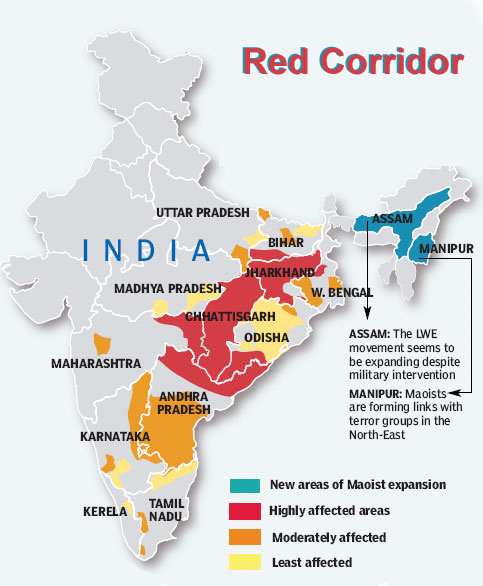
Q Naxalism is a social, economic and developmental issue manifesting as a violent internal security threat. In this context, discuss the emerging issues and suggest a multilayered strategy to tackle the menace of Naxalism. (2022)
India’s apex drug regulator Central Drug Standard Control Organisation (CDSCO) gave preliminary approval to the drug Tirzepatide.
Tirzepatide is known to have assisted in weight control treatment among diabetic patients.
About Central Drugs Standard Control Organisation (CDSCO):
CDSCO is India’s national regulatory body for cosmetics, pharmaceuticals and medical devices.
It serves a similar function to the Food and Drug Administration (FDA) of the US or the European Medicines Agency of the European Union.
The Indian government has announced its plan to bring allmedical devices, including implants and contraceptives under a review of the CDSCO.
Within the CDSCO, the Drug Controller General of India (DCGI) regulates pharmaceutical and medical devices and is positioned within the Ministry of Health and Family Welfare.
The DCGI is advised by the Drug Technical Advisory Board (DTAB) and the Drug Consultative Committee (DCC).
Mandate and Responsibilities:
Drug Approval: CDSCO is responsible for the approval of new drugs and clinical trials.
Standards Enforcement: Ensures standards of drugs and medical devices through various acts such as the Drugs and Cosmetics Act, 1940.
Import and Export: Regulates the import and export of drugs and medical devices in India.
Licensing Authority: Issues licenses for the manufacture, sale, and distribution of drugs in India.
Surveillance: Conducts drug quality surveillance and monitors adverse drug reactions.
Diabetes Drug for Weight Loss
In 2017, the US Food and Drug Administration (FDA) approved a drug called Ozempic for managing type 2 diabetes.
The active ingredient, semaglutide, was later noted for causing weight loss, which led to its off-label use for treating obesity.
This usage became popular on social media, influencing further developments.
What is Tirzepatide?
Tirzepatide is the main component of Eli Lilly’s drugs, Mounjaro and Zepbound.
It’s important to note here that Mounjaro is the brand name for diabetes, while Zepbound is for weight loss.
How does it work?
There is a dual action involving two hormones:
(1) Regulation of glucagon-like peptide-1 (GLP-1):
GLP-1 is a hormone that regulates appetite and calorie intake through effects on the brain and digestive tract.
Both semaglutide and tirzepatide function as polypeptides that enhance the body’s levels of GLP-1.
The higher levels of GLP-1 trigger satiety, the feeling of fullness, reducing the desire to eat.
Unlike semaglutide, tripeptide also increases levels of GIP, the other hormone involved.
Promising Global Trials
Global clinical trials for tirzepatide(Zepbound) have shown significant results, with the highest dosage leading to an average weight loss of 20.9% over 72 weeks.
The approval in India is due on further post-marketing surveillance (Phase IV trials) to monitor the drug’s side effects and its effectiveness across India’s diverse population.
Long-term side effects:
Cardiovascular risks like increased heart rate and potential blood pressure elevation.
Gastrointestinal effects include nausea, vomiting, diarrhoea, and constipation. Endocrine concerns involve thyroid C-cell tumours in MEN syndrome patients.
Other issues include kidney problems, eye complications, mental health impacts, and long-term risks like pancreatic enzyme elevation and gallbladder problems.
Why under-consideration in India?
India has the world’s second-highest number of people with type 2 diabetesand high obesity rates.
A study in Lancet in 2023 estimated that 101 million people in India — 11.4 per cent of the country’s population — are living with diabetes.
As per the World Obesity Federation Atlas, around 11 per cent of Indian adults will be obese by 2034.
The government has implemented a uniform Integrated Goods and Services Tax (IGST) rate of 5% on all aircraft and aircraft engine parts.
Background:
Prior to the implementation of GST in 2017, the taxation of aircraft and aircraft parts was complex, with different central and state taxes being levied.
Under the pre-GST regime, aircraft parts attracted a range of taxes, including excise duty, VAT, and additional customs duties, leading to a cascading effect and higher costs for the aviation industry.
IGST Harmonization for MRO Boost:
This move is aimed at boosting Maintenance, Repair, and Overhaul (MRO) activities in India.
Previously, GST rates on aircraft components varied between 5%, 12%, 18%, and 28%, causing several issues.
MRO Industry in India
The Indian MRO industry is projected to become a $4 billion industry by 2030.
Currently, India represents only 1% of the global MRO market, which is worth US$45 billion.
The industry is divided into airframe maintenance, engine maintenance (50-55% of work value), components maintenance, and line maintenance (weekly checks).
Commercial airlines spend 13-15% of their revenues on maintenance, primarily outsourcing heavy maintenance.
What is Integrated Goods and Services Tax (IGST)?
The IGST is a component of the GST system in India.
It is levied by the central government on:
Inter-state /UT supply of goods and services;
Imports of goods and services;
Supply of goods and services to/by SEZ units;
Deemed exports (certain transactions where goods supplied do not leave the country but are treated as exports under GST law).
IGST is calculated by adding the applicable Central GST (CGST) and State GST (SGST) rates.
One thing to remember in IGST is that the importing state gets the accrued benefit of taxes.
Rationale for the Uniform 5% IGST Rate
Simplification of Tax Structure: A uniform 5% IGST rate on aircraft and engine parts simplifies tax compliance and eliminates classification complexities.
Cost Efficiency: A lower IGST rate reduces overall tax burden on aviation industry, enhancing affordability of aircraft acquisition and maintenance.
Global Alignment: Aligns India’s tax policy with global standards, fostering competitiveness and attractiveness for international aviation investments.
Promotion of Aviation Services: Encourages aircraft leasing and MRO activities, supporting India’s aspiration to become a hub for these services.
PYQ:
[2017] What is/are the most likely advantages of implementing ‘Goods and Services Tax (GST)’?
It will replace multiple taxes collected by multiple authorities and will thus create a single market in India.
It will drastically reduce the ‘Current Account Deficit’ of India and will enable it to increase its foreign exchange reserves.
It will enormously increase the growth and size of economy of India and will enable it to overtake China in the near future.
Select the correct answer using the code given below:
(a) 1 only
(b) 2 and 3 only
(c) 1 and 3 only
(d) 1, 2 and 3
The Indian Council of Agricultural Research (ICAR) is set to launch its ‘One Scientist-One Product’ program. This initiative aims to enhance research in agriculture and animal husbandry.
About the Indian Council of Agricultural Research (ICAR)
ICAR is an autonomous organisation under the Department of Agricultural Research and Education (DARE), Ministry of Agriculture and Farmers Welfare.
It is headquartered in New Delhi.
ICAR was formerly known as the Imperial Council of Agricultural Research.
It was established in 1929 as a registered society under the Societies Registration Act, 1860 on the basis of the report of the Royal Commission on Agriculture.
Functions of ICAR:
Its primary mandate is to coordinate agricultural education and research in India and provide leadership in agriculture and allied sectors.
It is the apex body for coordinating, guiding and managing research and education in agriculture including horticulture, fisheries and animal sciences in the entire country.
Structure and Organization:
ICAR operates under the Department of Agricultural Research and Education (DARE), Ministry of Agriculture and Farmers Welfare, Government of India.
It consists of a network of research institutes, national bureaus, project directorates, and agricultural universities across the country.
The council is governed by a Governing Body and an Executive Committee, which oversee its functioning and activities.
ICAR confers prestigious awards, such as: the Rafi Ahmed Kidwai Award, the Borlaug Award, and the Hari Om Ashram Trust Award, to recognize excellence in agricultural research and education.
Significant feats achieved by ICAR:
Bio-fortified Coverage: In 2023-24, approximately 16 million hectares are cultivated with bio-fortified crop varieties.
Crops Mentioned: This includes wheat, rice, pearl millet, lentil, and mustard.
Climate Resilience: The deployment of climate-resilient technologies has boosted production, even in abnormal years.
Variety Release: From 2014-15 to 2023-24, ICAR has released 2,593 high-yielding varieties, including 2,177 climate-resilient and 150 bio-fortified varieties.
What is the “One Scientist One Product” Scheme?
The “One Scientist One Product” initiative is a strategic research plan launched by the Indian Council of Agricultural Research (ICAR).
It aims to enhance agricultural productivity by assigning specific research targets to individual scientists within the organization in the next 5 years.
Key Objectives of the Scheme:
Target-Oriented Research: Each scientist is given a specific target to develop a product. For example- seed variety, technology, research paper, or a conceptual model.
Avoiding Duplication: The initiative ensures that efforts are not duplicated by carefully mapping and assigning unique research targets to each scientist.
Regular Monitoring: Progress will be monitored every three months at the official level and twice a year by the researchers themselves.
Implementation Details:
All 5,521 scientists of ICAR have been registered under this scheme.
At the beginning of each year, scientists must identify and inform about the product they aim to develop.
While the focus is on individual contributions, there will be instances where a product will be developed by a group of scientists.
Long-Term Goals:
Product Development: The initiative is part of a broader plan to release 100 new seed varieties across various crops within the government’s 100-day plan.
Climate-Resilient Crops: A significant target is to increase the area under climate-resilient paddy seeds to 25% of the total kharif acreage, up from the current 15%.
Announcement of New Crop Varieties
Event Details: ICAR will announce the release of 323 new crop varieties during a function in Delhi. The new releases include cereals, oilseeds, forage crops, and sugarcane.
Variety Breakdown: Among these, there are 289 climate-resilient varieties and 27 bio-fortified varieties.
Upcoming Initiatives: ICAR aims to develop 100 new seed varieties and 100 farm technologies within 100 days as part of a national 100-day action plan.
Progress in Bio-fortification and Climate Resilience
ICAR reports significant progress in the adoption of bio-fortified crop varieties, with a total area of 16 million hectares under these varieties.
The organization emphasizes the success of its climate-resilient technologies, noting enhanced production even during years with abnormal weather conditions.
PYQ:
[2018] With reference to the Genetically Modified mustard (GM mustard) developed in India, consider the following statements:
GM mustard has the genes of a soil bacterium that give the plant the property of pest-resistance to a wide variety of pests.
GM mustard has the genes that allow the plant cross-pollination and hybridization.
GM mustard has been developed jointly by the IARI and Punjab Agricultural University.
Which of the statements given above is/are correct?
![[18th July 2024] The Hindu Op-ed: Intergenerational equity as tax devolution criterion](https://www.civilsdaily.com/wp-content/uploads/2024/07/18-july-1568x882.jpg)
![[17th July 2024] The Hindu Op-ed: Centralised examinations have not aced the test](https://www.civilsdaily.com/wp-content/uploads/2024/07/17-july-1568x882.jpg)
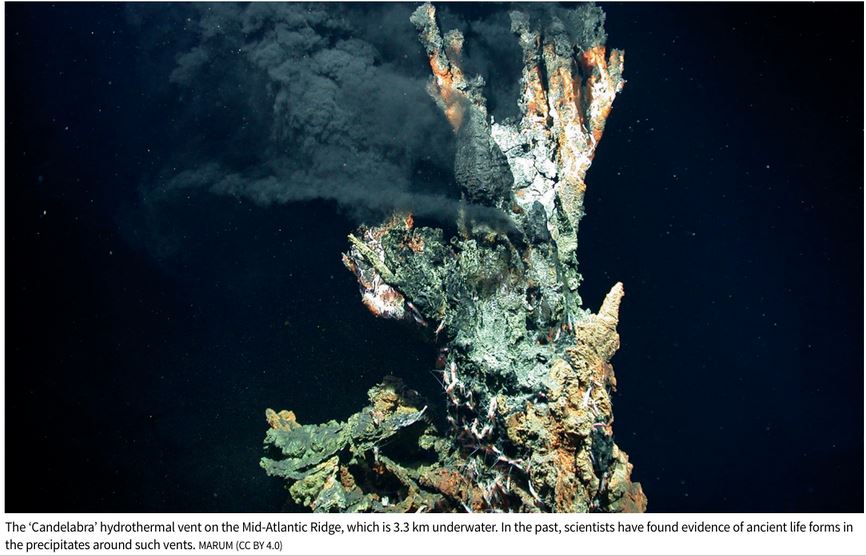
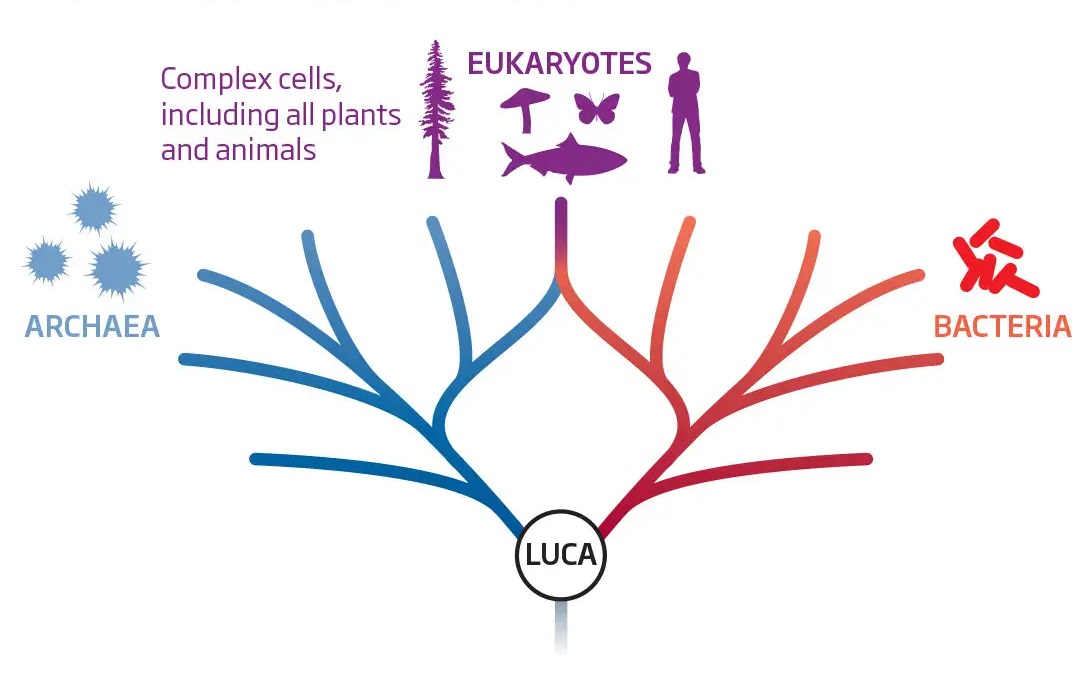
![[UPSC Openhouse] AIR 23, Saurabh Sharma | Decoding UPSC Essay paper brick by brick, How I scored 136 in Essay Paper| Join the session to score 130+ in Essay](https://www.civilsdaily.com/wp-content/uploads/2024/07/Siddharth_FINAL-1-1568x882.jpg)
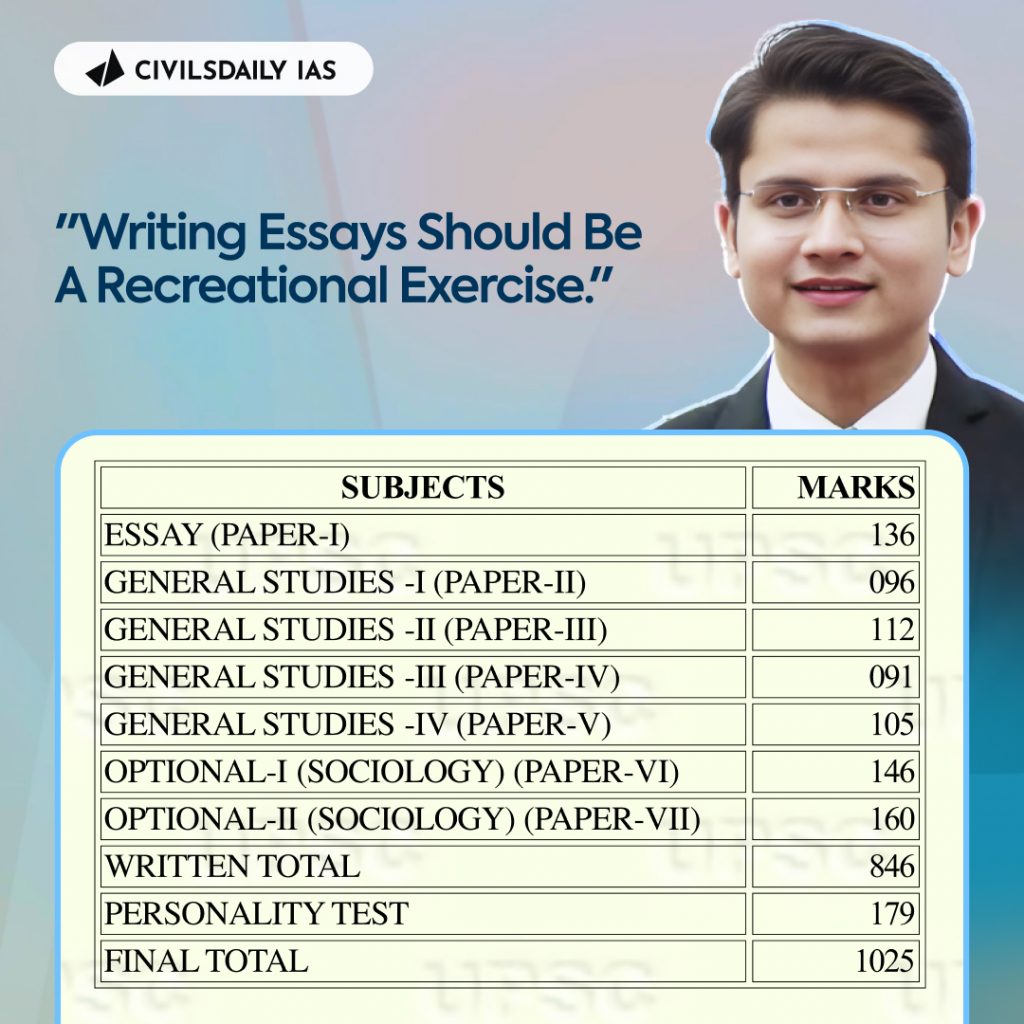

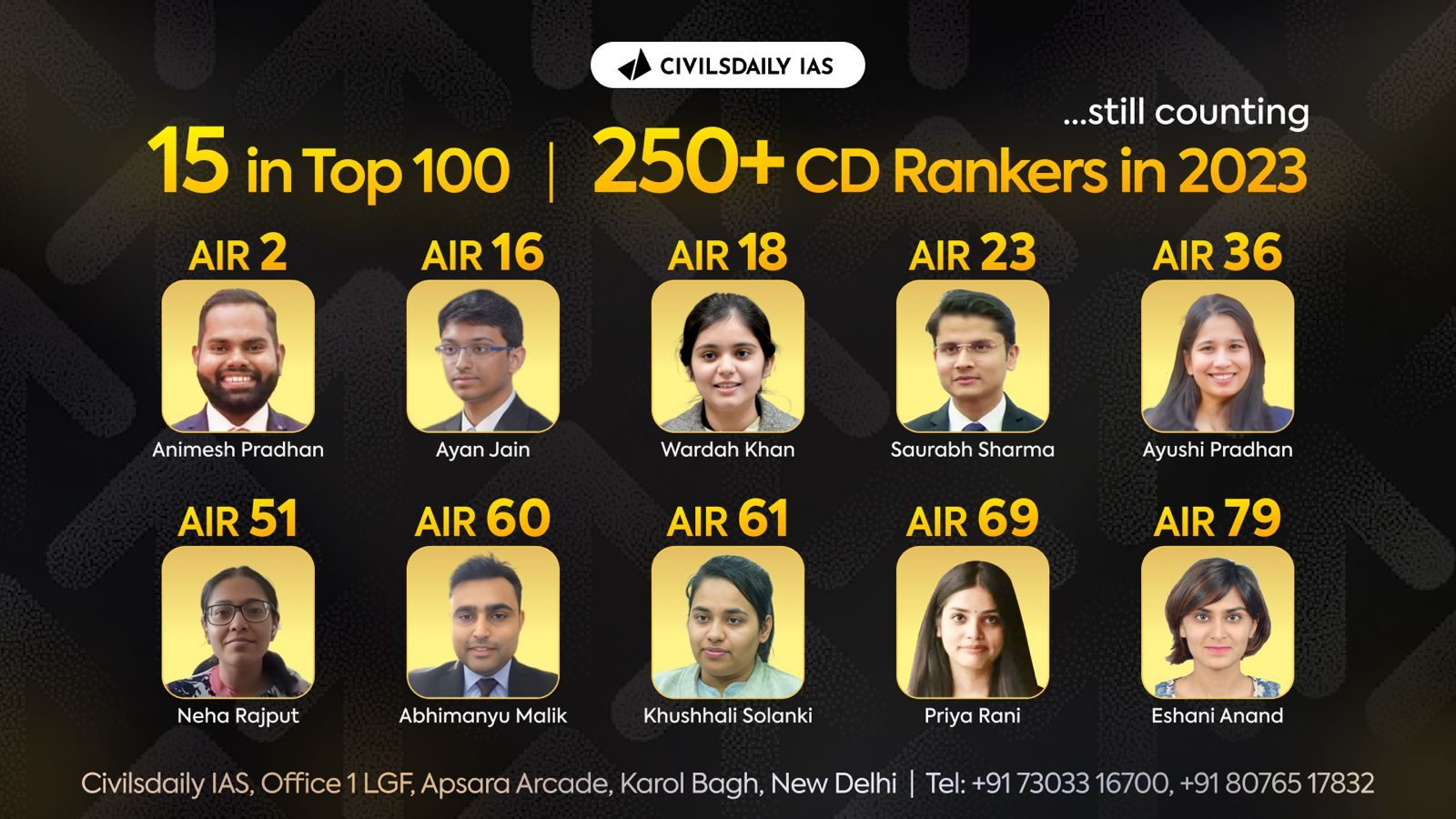
![[16th July 2024] The Hindu Op-ed: ‘Big brother’ to ‘Brother’, a Nepal-India reset](https://www.civilsdaily.com/wp-content/uploads/2024/07/16-july-1568x882.jpg)