💥UPSC 2026, 2027, 2028 UAP Mentorship (March Batch) + Access XFactor Notes & Microthemes PDF

Search results for: “”

  • Species in news: Doubled-humped Camels

    camel

    Central Idea

    • Indian Army has inducted double-humped camels for patrolling and logistical support along the Line of Actual Control (LAC) in Eastern Ladakh.

    About Double-Humped Camels

    • The Bactrian camel (Camelus bactrianus), is also known as the Mongolian camel, domestic Bactrian camel or two-humped camel.
    • Their name comes from the ancient historical region of Bactria.
    • It is a large even-toed ungulate native to the steppes of Central Asia.
    • It has two humps on its back, in contrast to the single-humped dromedary.
    • The humps are plump and pliable. They store fat, which can be converted into water and energy when food and water resources are scarce during harsh winters.
    • A small population of Bactrian camel exists in the Nubra valley of Ladakh.

    Significance of deployment

    • These camels serve to patrol the LAC and provide logistical aid to troops in the difficult, barren landscape of Eastern Ladakh.
    • They can carry 170 kg and patrol up to 15 km without rest, surpassing the load capacity of mules previously used by the army.
    • The Army’s 14 corps is deploying these camels in strategic areas like Depsang and Daulat Beg Oldie (DBO) along the LAC.

    Try this PYQ from the 2019 CS Prelims:

    Q. Consider the following statements:

    1. Asiatic lion is naturally found in India only.
    2. Double-humped camel is naturally found in India only.
    3. One-horned rhinoceros is naturally found in India only.

    Which of the statements given above is/are correct?

    (a) 1 only

    (b) 2 only

    (c) 1 and 3 only

    (d) 1, 2 and 3

    Post your answers here.

  • INC-3: Global Efforts to Combat Plastic Pollution

    Central Idea

    • The Intergovernmental Negotiating Committee (INC) met in Nairobi for its third round of negotiations under the UN Environment Programme.

    About Intergovernmental Negotiating Committee (INC)

    • INC is a committee that aims to develop a legally binding international instrument to end plastic pollution by 2025, as mandated by UNEA Resolution 5/14.
    • It began working in November 2022 at Punta del Este, Uruguay (INC-1).
    • The second meeting (INC-2) took place in May-June, 2023 at Paris, France.
    • INC is scheduled to complete its work by the end of 2024.

    Overview of INC-3

    • Event: The Intergovernmental Negotiating Committee (INC) met in Nairobi for its third round of negotiations under the United Nations Environment Programme.
    • Objective: To develop an international legally binding instrument to end plastic pollution worldwide, as mandated by UNEA Resolution 5/14.
    • Deadline: The INC is tasked with delivering a global plastics treaty by 2025.

    Significance of INC-3

    • Critical Stage: INC-3 was pivotal in negotiating the ‘zero draft’ text, which offered various options for core obligations and control measures.
    • Progress: Compared to INC-2 in Paris, INC-3 made substantive discussions on the treaty’s content.

    Key Aspects of the ‘Zero Draft’

    • Initial Strength: The zero draft proposed strong options for a legally binding treaty.
    • Dilution of Obligations: During negotiations, member states weakened core obligations, especially on primary polymer production, chemicals of concern, and trade.
    • Controversial Elements: The draft faced controversy over its scope and objectives, particularly regarding the production of primary polymers and lifecycle definitions.

    Financial Mechanism Discussions

    • Proposals: The draft included options like a plastic-pollution fee and reducing financial flow into high carbon footprint projects.
    • Opposition: Some countries, particularly those with vested economic interests, opposed these financial provisions.

    Trade in Plastics

    • Trade Restrictions: The treaty aims to address gaps left by the Basel Convention, but faced opposition regarding trade restrictions.
    • Misinterpretation of WTO Rules: Some countries misconstrued WTO rules to oppose trade restrictions, despite legal allowances for health and environmental protection.

    Challenges in Negotiations

    • Advocacy for Strong Provisions: African countries and Small-Island Developing States advocated for binding provisions, representing marginalized voices and emphasizing human rights and public health.
    • Rules of Procedure: INC-2’s unresolved debate on rules of procedure continued, affecting decision-making at INC-3.
    • Industry Influence: The presence of industry lobbyists indicated significant industry influence on the negotiations.
    • Stalling Tactics: Some countries used stalling and blocking tactics, delaying progress and expanding the draft text with national interest-driven changes.

    Outcomes and Takeaways from INC-3

    • Lack of Consensus: The meeting ended without consensus on intersessional work, hindering progress towards INC-4.
    • Exposure of Opposition: INC-3 highlighted the countries and industries opposed to a strong binding treaty.
    • Future Challenges: The lack of mandate adoption for the first draft development indicates significant challenges ahead in achieving a robust and effective global treaty on plastic pollution.

    Conclusion

    • INC-3’s outcomes underscore the complexities and challenges in formulating a global treaty on plastic pollution.
    • The divergent interests of member states, influenced by economic and industry considerations, pose significant hurdles.
    • The upcoming negotiations will be crucial in balancing these interests with the urgent need for effective global action to tackle the plastic pollution crisis.
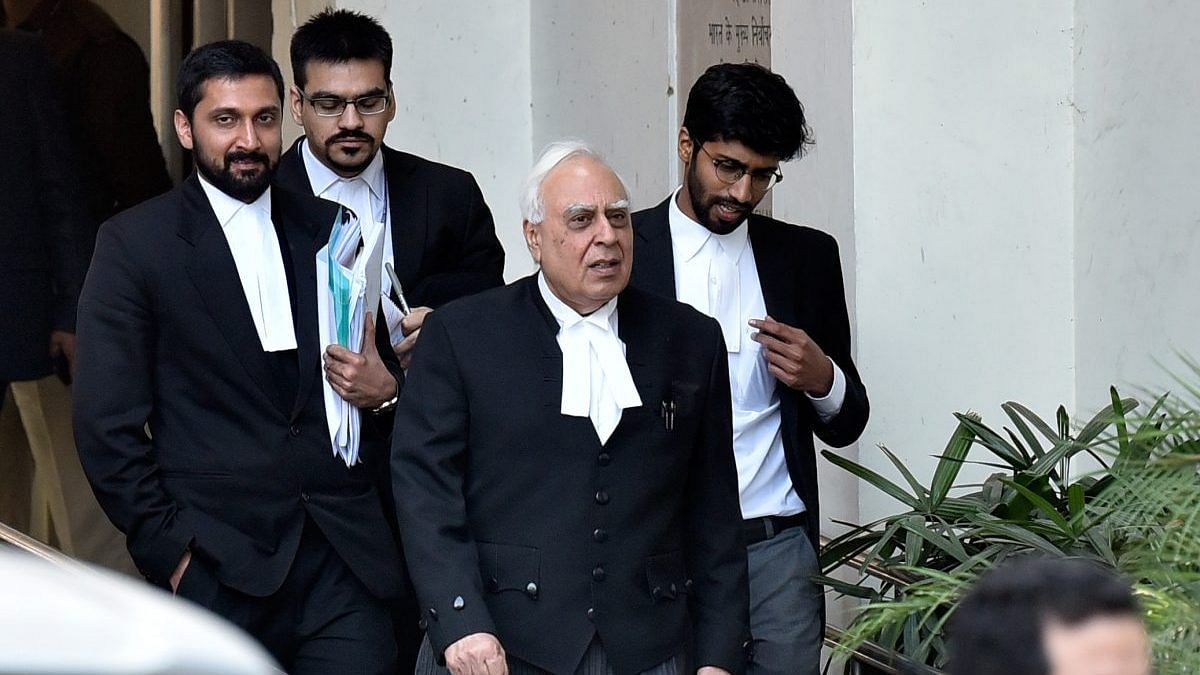
  • Kapil Sibal is wrong — judiciary’s independence is not under threat

    Kapil Sibal's three strikes bring political embarrassment for Congress

    Central idea 

    The article discusses the challenge of legislators practicing law, particularly the dual role of legislator-lawyers, raising concerns about potential conflicts and the normalization of political intervention in the judiciary. It criticizes Kapil Sibal’s confrontational approach, citing its impact on judicial independence, and emphasizes the delicate balance needed for an independent judiciary amid intertwining political and legal roles.

    Key Highlights:

    • Dual Roles of Legislator-Lawyers: Legislators practicing law face a dilemma, mixing politics with the legal profession, raising concerns about potential conflicts of interest.
    • Normalization of Political Intervention: Allegations by Kapil Sibal suggest a trend of normalizing political intervention in the judiciary, using claims like “courts being on trial” to influence decisions.
    • False Equivalence with Emergency Era: Critique based on a false equivalence between the 1975 Emergency and present times, disregarding the unique historical context and the active role of the judiciary.

    Key Challenges:

    • Political-legal Nexus: The intertwining of political and legal roles, especially in the case of legislator-lawyers, poses challenges to the independence and integrity of the judiciary.
    • Confrontational Criticism: Sibal’s confrontational criticism, accusing the judiciary of undergoing a radical shift under external pressures, raises concerns about the impact on public trust and institutional respect.
    • Undermining Judicial Independence: Multi-layered actions that undermine judicial independence can erode public faith in legal institutions and potentially influence future verdicts.

    Key Terms and Phrases:

    • Constitutional Amendments: Reference to the numerous constitutional amendments during the 1975 Emergency.
    • Judicial Review: The Supreme Court’s expanded role in reviewing legislation on grounds like constitutional morality, manifest arbitrariness, and transformative constitutionalism.
    • Impeachment Proceedings: Mention of the threat of impeachment proceedings against Chief Justice Dipak Misra, perceived as an attempt to pressure the judiciary.

    Key Quotes:

    • “Courts being on trial” – Described as a sophisticated tool to easily deride any unfavorable decision and question the judiciary’s independence.
    • “Institutional sabotage” – Sibal’s comments on institutional sabotage are deemed wildly inaccurate and speculative.

    Key Statements:

    • False Equivalence Critique: The critique based on a false equivalence between the 1975 Emergency and present times, emphasizing the active role of the judiciary in the current era.
    • Confrontational Criticism Impact: Sibal’s confrontational criticism may have a chilling effect on the judiciary’s functioning, potentially influencing future verdicts and legal processes.
    • Delicate Balance: Emphasizing the need to respect the delicate balance between political advocacy and judicial independence, especially for legislator-lawyers.

    Key Examples and References:

    • Defections Cases: Reference to recent Supreme Court decisions concerning defections impacting public trust in the democratic process.
    • Impeachment Proceedings Threat: Mention of the perceived attempt to pressure the judiciary through the threat of impeachment proceedings against Chief Justice Dipak Misra.
    • Sibal’s Role in Criticism: Highlighting Sibal’s consistent and atypical criticism of Supreme Court verdicts, raising questions about his dual roles.

    Key Facts and Data:

    • Supreme Court’s Intrusive Role: Acknowledgment of the Supreme Court’s more intrusive role in the past decade, impacting the role of the democratically elected legislature.
    • Sibal’s Political Transition: Recognition of Kapil Sibal’s transition from a Congress leader to seeking political space, influencing his views and legal perspectives.

    Critical Analysis:

    • Intertwining Roles Challenge: The intertwining of political and legal roles challenges the delicate balance needed for an independent judiciary and erodes public trust.
    • Ethical Standards for Politician-Lawyers: The need for politicians, especially legislator-lawyers, to adhere to ethical standards and maintain the delicate balance between political advocacy and judicial independence.
    • Impact on Democracy: Actions perceived as undermining judicial independence can have a profound impact on democracy, influencing public perception and institutional respect.

    Way Forward:

    • Respect for Judicial Independence: Emphasizing the crucial need to respect the delicate balance between political advocacy and judicial independence to safeguard the credibility of legal institutions.
    • Ethical Considerations: Encouraging politicians, especially those with legal acumen, to consider ethical standards in their dual roles to avoid eroding public faith in the judiciary.
    • Public Perception Management: Considering how opinions are presented to manage public perception and maintain institutional respect, ensuring a constructive dialogue between the legal and political spheres.
  • The Ambedkar touch in rethinking social justice policies

    Insights into Editorial: Dr BR Ambedkar: “Architect of the Indian  Constitution” - INSIGHTSIAS

    Central idea 

    The article highlights the contrast between Babasaheb Ambedkar’s vision for inclusive post-colonial India and the current erosion of state support for Dalits and Adivasis under neo-liberalism. It calls for a redefined social justice framework aligned with Ambedkar’s principles, emphasizing inclusive integration into the economic order for marginalized groups.

    Key Highlights:

    • Democracy’s Vision: Modern democracy aspires to social harmony and reforms, especially for historically marginalized groups like Dalits and Adivasis.
    • Ambedkar’s Vision: Babasaheb Ambedkar envisioned post-colonial India as distinct, ensuring equal opportunities for all communities in economic and political development.
    • Neo-liberal Impact: Neo-liberal economic development has disrupted traditional support for Dalits and Adivasis from state institutions.

    Key Challenges:

    • Elite Dominance: Various sectors witness the dominance of social elites, perpetuating the control of the conventional ruling class.
    • Tokenistic Representation: Socially marginalized groups experience tokenistic representation in power and privileges.
    • Neglect in Neo-liberalism: Concerns of Dalits and Adivasis are neglected in the neo-liberal economic model.

    Key Terms and Phrases:

    • Neo-liberal Economic Development
    • Social Justice Policies
    • Tokenistic Presence
    • Exploitative Brahmanical Past
    • Market Economy
    • Crony Capitalist Mode
    • Economic Order
    • Pluralist and Cooperative Mode

    Key Quotes:

    • “With the ascent of neo-liberal economic development, the conventional support that Dalits and Adivasis have received from state institutions has derailed.”
    • “It is an appropriate time to imagine how the worst-off social groups can become an integral and substantive part of the new economic order.”

    Key Statements:

    • Neo-liberal Market Critique: The neo-liberal market is alien to ethical values, celebrating the exclusive control of a few corporate bodies and businessmen.
    • State’s Role: The state, in the neo-liberal realm, has become a passive associate of big business, deviating from its social responsibilities.

    Key Examples and References:

    • Ambedkar’s Principles: Reference to Babasaheb Ambedkar’s principles of social justice.
    • Neo-liberal Impact: Mention of the neglect of Dalit and Adivasi concerns in the neo-liberal economic model.

    Key Facts and Data:

    • Impact on Support: Decline in traditional support for Dalits and Adivasis with the rise of neo-liberal economic development.
    • Tokenistic Representation: Socially marginalized groups experience tokenistic representation in positions of power.

    Critical Analysis:

    • Neo-liberal Evaluation: Assessing the impact of the neo-liberal economic model on social justice policies and the neglect of marginalized groups.
    • Ambedkar’s Vision: Evaluating Ambedkar’s vision as a corrective measure for making institutions more democratic and representative.

    Way Forward:

    • Policy Expansion: Expansion of social justice policies to the private economy for democratizing working classes and reducing poverty.
    • Inclusive Integration: Integration of Dalits and Adivasis as influential contributors to the market economy.
    • Affirmative Action: Adoption of affirmative action policies to empower Dalit and Adivasi groups as industrialists, market leaders, and influencers.
    • Redefining Capitalism: Redefinition of capitalism as a pluralist and cooperative mode ensuring substantive participation of marginalized groups.
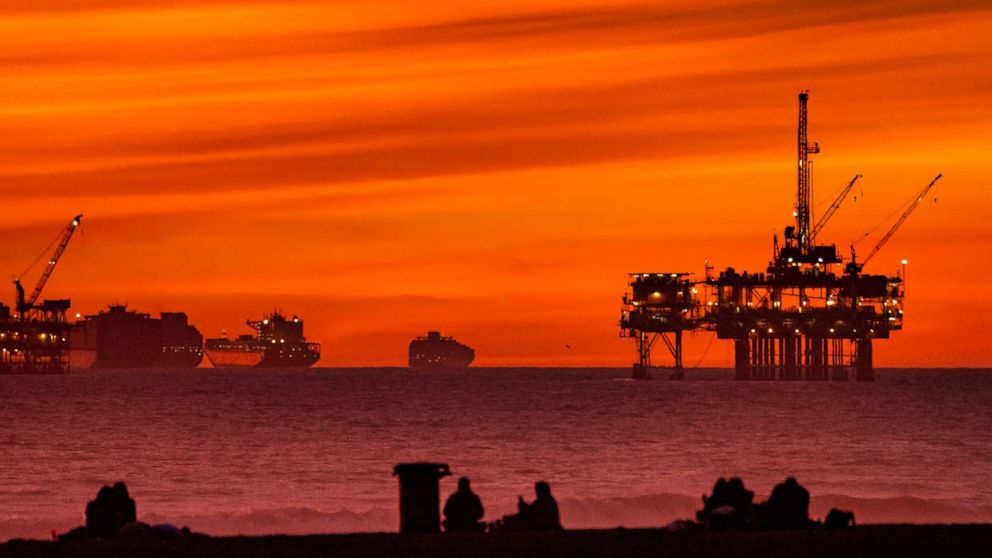
  • How the psychology of Benjamin Netanyahu, Joe Biden and MBS is driving oil prices

    Gas prices climb as crude oil briefly hits highest prices in 6 years - ABC  News

    Central idea 

    The article highlights the unpredictability of the international oil market, challenging conventional predictions due to a complex interplay of geopolitical, economic, and psychological factors. It underscores the significance of leaders’ personal challenges and decisions, particularly those of Netanyahu, Biden, and MBS, in shaping current market dynamics.

    Key Highlights:

    • Unpredictability of Oil Market: Predicting the international oil market is challenging due to factors beyond supply, demand, and geopolitics, including exchange rates, financial speculation, and human psychology.
    • Recent Market Trends: Despite Middle East tensions, the oil price (Brent) did not sharply increase as expected, standing at $81 on December 1, influenced by factors like stable supply, new discoveries, and a slowdown in Chinese demand.
    • Non-fundamental Drivers: The article argues that the current market conditions are shaped more by the psychology of key leaders, including Benjamin Netanyahu, Joe Biden, and Mohammed bin Salman, than the traditional fundamentals of demand and supply.

    Key Challenges:

    • Psychological Drivers: The dominant market drivers are identified as the personal challenges and state of mind of key leaders, potentially impacting their decisions in response to Middle East turmoil.
    • Systemic Position vs. Personal Factors: While leaders hold a systemic position at the cross-section of geopolitics and geoeconomics, their current state of mind is considered more crucial in influencing the petroleum market.

    Key Terms and Phrases:

    • Brent Oil Price: Mention of the Brent oil price standing at $81 on December 1.
    • Systemic Position: Leaders’ roles at the intersection of geopolitics and geoeconomics in the international oil market.
    • Psychology of Leaders: The impact of the personal challenges and mental states of leaders like Netanyahu, Biden, and MBS on market dynamics.

    Key Quotes:

    • “Dominant drivers of market conditions today are not the fundamentals of demand and supply, but the non-fundamentals, the psychology of leaders.”
    • “Might we not be experiencing the deceptive calm that precedes a volatile storm?”

    Key Statements:

    • Fundamentals vs. Non-fundamentals: The article questions whether the current market conditions are sustainable, highlighting the potential influence of leaders’ psychology over traditional supply and demand fundamentals.
    • Deceptive Calm: Raises the possibility that the calm in the oil market may be deceiving, suggesting an impending volatile shift.

    Key Examples and References:

    • Recent Middle East Tensions: Refers to the attack by the Al Qassam brigade and the potential impact on oil prices, contrasting with the unexpected stable market conditions.
    • US Troops Casualties: Hypothetical scenario of US troops being killed in Syria and Iraq, prompting debates on military responses with implications for oil prices.

    Key Facts and Data:

    • Oil Discoveries: Mentions recent oil discoveries in Brazil and Guyana, along with increasing US shale oil production.
    • Chinese Economic Slowdown: Highlights the slowing demand for oil due to the slackening Chinese economy.

    Critical Analysis:

    • Leaders’ Influence: Emphasizes the potential impact of leaders’ personal challenges and decisions on the trajectory of the petroleum market, suggesting a shift from traditional market dynamics.
    • Unpredictability of Oil Market: Acknowledges the difficulty in predicting the oil market, attributing it to a combination of fundamental and non-fundamental factors.

    Way Forward:

    • Contingency Actions: Encourages decision-makers to contemplate contingency actions based on two alternative scenarios: rising oil prices or a significant drop, suggesting strategic petroleum reserve buildup and streamlined trading norms for arbitrage opportunities in anticipation.
    • Strategic Petroleum Reserves: Given the uncertainty in the oil market, India should accelerate efforts to build and expand its strategic petroleum reserves, providing a buffer against potential supply disruptions or price volatility.
    • Strategic Collaboration: Explore collaborative efforts with key oil-producing nations to strengthen energy security, fostering partnerships that ensure stable and reliable oil supplies.
    • Investment in Renewable Energy: Accelerate investments in renewable energy sources to reduce dependence on volatile oil markets, promoting sustainability and environmental conservation.
    • Energy Efficiency Measures: Implement stringent energy efficiency measures across industries and sectors to mitigate the impact of oil price fluctuations and contribute to a more resilient energy landscape.
  • My Strategy To Score High In UPSC Philosophical Essays | AIR 404, Archisha Bhattacharjee (scored 140 marks) Masterclass at 6 PM on Thursday, 7th Dec

    My Strategy To Score High In UPSC Philosophical Essays | AIR 404, Archisha Bhattacharjee (scored 140 marks) Masterclass at 6 PM on Thursday, 7th Dec

    Join AIR 404, Archisha’s Masterclass at 6 PM on Wednesday, 22nd Nov 2023

    First 100 will get scanned PDF UPSC Essay Copies and Material from AIR 404, Archisha


    In the last 3 years, there has been an upsurge in Philosophical essays in UPSC Main

    Generally, aspirants are comfortable with static (GS-based) essays

    But, static essays don’t create much space to stand out and convince the examiner

    You don’t have much edge there. 

    AIR 404, Archisha has crafted a process for writing and scoring high in Philosophical essays

    That’s what she is bringing in his Masterclass

    Read what Archisha, AIR 404 has to say about Essay writing skills

    “I believe as an aspirant you must ask yourself constantly – ‘What is my edge in this exam?’. Where can I get those extra marks?

    I asked the same.

    I realized essay writing is where the biggest scope lies. There are many doubts about choosing between – a ‘Static vs Philosophical’ essay. I say an essay is not about knowledge but an expression of your arguments. You don’t need to depend only on UPSC-related subject knowledge. I used ‘Panchatantra stories’ in my essays and scored the highest marks of all my attempts.  

    Second, aspirants think, the general rule is to write various dimensions like social, political, economic, etc but they end up writing the same arguments in different dimensions.

    You need to learn to find and write relevant anecdotes. You need to craft a thesis and antithesis around the central theme of the essay. You need to enrich your essay by using different combinations of ideas. You need to learn the art of using the right ‘Quotes’ and ending the essay on a high note to charm the examiner.

    This is where the majority of aspirants fail.

    This is what I am going to talk about in my masterclass and also share my personal, handwritten PDF essay copies over our private Zoom meeting.”

    Attend Masterclass by AIR 404, Archisha for FREE

    In this masterclass, you will get:

    1. 45 minutes of topic-by-topic deep dive on how I improved my Essay score
    2. PDF scans of my essay copies which helped me master philosophical essay topics
    3. Insider tips that only the top IAS and IPS rankers know and apply in every attempt

    Attend Masterclass by AIR 404, Archisha for FREE

    First 100 will get scanned PDF UPSC Essay Copies and Material from AIR 404, Archisha

    By the end, you’ll have razor-sharp clarity and a clear roadmap for approaching and qualifying your Essay exam with ease.

    Archisha, AIR 404, UPSC CSE 2022
    • No cringy templates or short-term hacks. Only the real thing that actually helps you. 
    • A hand-curated-invite-only community of aspirants who will add value to your preparation. 

    Registration open! Join now to attend the masterclass for FREE

    Go from the ‘hit and trial method’ to a proven process to score in Essay Paper

    It’s 2023. Essay paper demands more than just covering standard books and mocks.

    (Don’t wait—the next masterclass won’t be until Dec 23)

    We live in an infinite content and attention-deficit world. If you can’t craft a result-oriented process, and become consistent with exam preparation… you’ll never qualify for it. 


    This Masterclass is crafted to ensure the following

    You don’t just consume books and lectures but apply and test consistently what you have learned. 

    To equip you with a ranker-verified process to score high in the Essay Exam

    You develop a daily habit of studying to cover the syllabus or attempt and analyse mocks, note-making, revision or improve marks with a consistent approach. 

    We won’t just tell you WHAT you should study. We’ll teach you WHY you should study it based on timeless UPSC-CSE principles. And you’ll apply everything you learn with support from us and other smart aspirants and toppers.

    Register Now!

    Attend Masterclass by AIR 404, Archisha for FREE

    First 100 will get scanned PDF UPSC Essay Copies and Material from AIR 404, Archisha


    Why should you attend this masterclass?

    There are countless UPSC-CSE webinars out there. Most are conducted by teachers, ex-aspirants, or toppers who built a large following and explain WHAT they did.

    This Masterclass focuses on the WHY and the HOW. You’ll learn the timeless UPSC-CSE principles to become a top 1% rank-worthy aspirant.

    Deeply understand yourself and your constraints

    The best aspirants and toppers aren’t the ones who know the most about the syllabus & topics. They know the most about… themselves and their constraints. 

    It’s time to get clear about your way of preparing for the exam, finally. And you’ll build a much-needed process to understand what makes you score high marks in Philosophical essays. No more guessing. Lots more results.

    Attend Masterclass by AIR 404, Archisha for FREE

    First 100 will get scanned PDF UPSC Essay Copies and Material from AIR 404, Archisha


    Masterclass was created by Civilsdaily. We know first-hand how valuable these insights are – They are the bedrock for a successful attempt…

    Collectively, we helped over 5,000+ aspirants qualify for prelims since the private launch of these masterclasses (last 2 years).

    We are making it open for everyone for the first time this year for the 2024 Prelims. 

    These masterclasses are packed with value. They are conducted in private with a closed community. We rarely open these masterclasses for everyone for free. This time we are keeping it for 300 seats only.

    Fee:

    • Special Access (extra 15 min with Ranker) – Free (only for first 100 registrations, register before 6th Dec, 5 PM)
    • Early Access – Rs. 299 (for the next 100 registrations, register before 7th dec, 5 PM )
    • Late Access – Rs. 499 (for last 100 registrations, register 7th Dec post 5 PM)

    Ready to attend the Masterclass?

    Let’s make 2024-25 your best attempt yet. You deserve this.


    Not sure yet?

    We recommend you register here. It takes less than 10 seconds to register.

    • No spam! Once in a while, we’ll only send you high-quality exam-related content. 
    • We will inform you about the upcoming Masterclasses that might benefit you.
    • You can demand one free mentorship call from verified Civilsdaily mentors. 
    • You can always choose to unsubscribe. 
  • Places in news: Mount Merapi

    volcano

    Central Idea

    • Mount Merapi in Indonesia has erupted yet again this year, spewing an ash tower 3,000 metres into the sky.


    Merapi Volcano: A Brief Overview

    • Location: Situated in Central Java, Indonesia, Merapi is aptly named “Mountain of Fire” in Javanese.
    • Activity: It ranks among the world’s most active and perilous volcanoes, known for frequent and often violent eruptions.
    • 2010 Eruption: The last significant eruption in 2010 led to over 350 fatalities and extensive damage to surrounding areas.
    • Tourist Attraction: Despite its dangers, Merapi attracts hikers and tourists drawn to its beauty and geological significance.

    Other active volcanoes in Indonesia

    volcano

    Indonesia is home to many active volcanoes, with over 120 active volcanoes located across the country. Some of the other major volcanoes in Indonesia include:

    • Mount Krakatoa: Located in the Sunda Strait, it’s notorious for the catastrophic 1883 eruption.
    • Mount Rinjani: On Lombok Island, it’s Indonesia’s second-highest volcano and a trekking hotspot.
    • Mount Tambora: Famous for the 1815 eruption, it caused the “year without summer” and is situated on Sumbawa Island.
    • Mount Batur: In Bali, known for scenic vistas and hot springs.
    • Mount Merbabu: The highest in Central Java, it’s a favored destination for climbers.

    Why so many volcanoes in Indonesia?

    • Pacific Ring of Fire: Indonesia’s location on this seismic hotspot explains its high volcanic activity.
    • Volcanic Density: With over 120 active volcanoes, Indonesia faces frequent eruptions, posing risks to its population and infrastructure.

    Back2Basics: Pacific Ring of Fire

    • Geographical Span: This 40,000 km horseshoe-shaped belt around the Pacific Ocean is a seismic hub.
    • Volcanic and Seismic Activity: Home to 75% of the world’s active volcanoes and 90% of earthquakes.
    • Tectonic Movements: The Pacific Plate’s collision with smaller plates leads to subduction, causing friction and pressure.
    • Resulting Phenomena: This tectonic activity results in frequent volcanic eruptions and earthquakes.
    • Countries Included: The Ring of Fire affects several regions, including Japan, Indonesia, the Philippines, Papua New Guinea, New Zealand, and the Americas’ west coasts.
    • Natural Resources: The region is rich in geothermal energy and minerals.
  • New species: Abelmoschus Odishae

    odisha

    Central Idea

    • A scientist from the Indian Council of Agricultural Research (ICAR) recently discovered a new plant species of ‘wild okra’ named ‘Abelmoschus Odishae’.

    Wild Okra (Abelmoschus Odishae)

    • Its discovery occurred in a humid deciduous forest within the Banspal block of Keonjhar district, in Odisha.
    • This plant holds potential for use in hybridization to develop improved varieties with enhanced disease resistance.
    • It could significantly contribute to broadening the genetic diversity of okra.
    • Characteristics:
      1. This perennial shrub reaches up to 5 meters in height and features a densely hispid, spiny stem with backward-facing hairs.
      2. The plant is adorned with large, vibrant yellow flowers.
      3. Its seeds are nearly kidney-shaped, with short, robust, non-spiral trichomes.
      4. The seeds exhibit a high viability rate of 95 percent.

    About Okra

    • Commonly referred to as gumbo or ladies’ fingers, okra is a vegetable favored in warm climates.
    • Originating from the Eastern Hemisphere’s tropics, it is now extensively grown or found naturally in the tropical and subtropical regions of the Western Hemisphere.
    • Rich in minerals, vitamins, antioxidants, and fiber, okra is a nutritious choice.
    • The vegetable is known for its mild flavor and distinctive texture, featuring a peach-like fuzz on its exterior and small, consumable seeds inside.
  • Rajya Sabha passes Post Office Bill  

    Central Idea

    • Rajya Sabha passed the Post Office Bill, which repeals and replaces the Post Office Act of 1898.
    • The 1898 Act has seen significant amendment proposals over the years, including the 1986 Bill for aligning interception grounds with constitutional restrictions, which was not assented to by the President.

    Post Office Bill, 2023: Key Features

    • Removal of Exclusive Privileges: The Bill removes the central government’s exclusive privilege over conveying letters, a significant shift from the 1898 Act.
    • Director General’s Role: The Director General of Postal Services, appointed to head India Post, will have regulatory powers, including setting tariffs and regulating postage stamps.
    • Interception Powers: The government may intercept postal articles for reasons like state security, public order, and emergency, among others.
    • Liability Exemptions: India Post is exempted from liability regarding its services, with specific liabilities to be prescribed through Rules.
    • No Specified Offences and Penalties: The Bill does not define specific offences and penalties related to postal services, following the removal of all offences under the 1898 Act by the Jan Vishwas (Amendment of Provisions) Act, 2023.

    Key Issues and Analysis

    • Procedural Safeguards for Interception: The Bill lacks procedural safeguards for intercepting postal articles, potentially infringing on freedom of speech and privacy rights.
    • ‘Emergency’ as a Ground for Interception: The inclusion of ’emergency’ as a ground for interception may exceed reasonable constitutional restrictions.
    • Conflict of Interest in Liability: The central government’s role in prescribing liabilities for India Post could lead to a conflict of interest, as it also administers India Post.
    • Absence of Offences and Penalties: The lack of defined consequences for unauthorized actions by postal officers, such as opening postal articles, raises concerns for consumer privacy.

    Comparative Analysis with Other Services

    • Differences with Private Courier Services: The Bill maintains distinct regulatory frameworks for public and private postal services, notably in interception provisions and consumer protection applicability.
    • Railway Claims Tribunal as a Contrast: Unlike the postal services, the Railway Claims Tribunal Act provides a clear mechanism for addressing grievances against the Indian Railways.

    Concerns and Recommendations

    • Need for Clarity and Safeguards: The Bill should ideally include clear procedural safeguards for interception and specify consequences for violations by postal officers to protect individual rights.
    • Balancing Consumer Protection: Ensuring adequate consumer protection rights for India Post’s services is crucial, potentially through an independent mechanism similar to the Railway Claims Tribunal.
    • Addressing Privacy and Security: The Bill should balance the need for security with the protection of individual privacy, particularly in the context of postal article interception and officer conduct.

    Conclusion

    • The Post Office Bill, 2023, represents a significant overhaul of India’s postal service regulation, aiming to modernize and adapt to contemporary needs.
    • However, it raises several critical issues, particularly concerning individual rights and the need for clear regulatory frameworks.
    • Addressing these concerns is essential to ensure that the Bill effectively serves its purpose while safeguarding fundamental rights and consumer interests.
  • How to read the NCRB 2022 Report on Crime in India?

    Central Idea

    Background of NCRB Reports

    • Origin: The National Crime Records Bureau (NCRB) was established in January 1986 under the Union Ministry of Home Affairs.
    • Purpose: NCRB’s primary role is to compile and maintain national crime statistics, acting as a central repository for criminal data.
    • Scope: The reports encompass a wide range of criminal activities, including crimes against women, cybercrimes, economic offenses, and more.

    Data Compilation Process

    • Sources: Data is sourced from police forces of 36 states and Union Territories, and 53 cities with populations over 10 lakh as per the 2011 Census.
    • Validation: Information recorded at local police stations undergoes validation at district and state levels before final verification by the NCRB.

    Highlights from the 2022 NCRB Report

    • Overall Crimes: The report registered a total of 58,24,946 cognizable crimes, including 35,61,379 IPC crimes and 22,63,567 Special and Local Laws (SLL) crimes.
    • Crime Rate: A decline in crime rate from 445.9 in 2021 to 422.2 in 2022 per lakh population.
    • Crimes Against Women: There were 4,45,256 cases, marking a 4% increase from 2021.
    • Cyber Crimes: A significant increase of 24.4% from 2021, totaling 65,893 cases.
    • Suicides: An increase of 4.2% in suicides, totaling 1,70,924 cases in 2022.

    State-wise Data and Interpretation

    • Chargesheeting Rate: Highest in Kerala (96.0%), Puducherry (91.3%), and West Bengal (90.6%).
    • Interpretation: High chargesheet rates do not necessarily indicate higher crime rates but could reflect more efficient law enforcement.

    Challenges and Limitations of NCRB Data

    • Principal Offence Rule: This rule might lead to underreporting of certain types of crimes.
    • Data Accuracy: Local-level inefficiencies or gaps can affect the overall accuracy of the report.
    • Socio-Economic Factors: The report does not capture the deeper socio-economic reasons behind crimes.
    • Underreporting Issues: Fear of police response or societal stigma may lead to underreporting of crimes.

    Conclusion

    • Understanding the NCRB report requires recognizing its scope, methodology, and limitations.
    • While it provides crucial insights into crime trends in India, interpreting the data with an awareness of these factors is essential for a comprehensive understanding of the country’s crime dynamics.
  • Hidden Costs of Agri-Food Systems  

    Central Idea

    • A recent United Nations Food and Agriculture Organization (FAO) report highlights the enormous hidden costs of global agri-food systems, totalling over $10 trillion.
    • In countries like India, these costs, amounting to nearly 11% of GDP, manifest in various forms such as increased poverty, environmental damage, and health issues.
    • The report suggests a transformation of agri-food systems, advocating for multi-cropping systems as a solution to enhance farmer well-being, community nutrition, and ecological health.

    About Agri-Food Systems 

    • “Agri-food systems” refer to the complex network of activities, processes, and actors involved in the production, processing, distribution, and consumption of food.
    • This system encompasses everything from agricultural production (farming) to the final food products consumed by individuals.

    Intensive Agriculture: Impacts and Trends

    • Green Revolution Legacy: India’s agricultural productivity boost over the past five decades has largely been due to mono-cropping and chemical-intensive farming, particularly in paddy and wheat cultivation.
    • Nutritional and Ecological Consequences: This shift has led to a decline in crop diversity, impacting household nutrition and causing ecological issues like groundwater depletion.
    • Economic Viability: The privatization of agricultural inputs has increased farmer indebtedness, making agriculture increasingly unviable in India.

    Crop Favoritism and Food Security Concerns

    • Public Distribution System (PDS): The National Food Security Act 2013 ensures food security for a significant portion of the Indian population, but the procurement policy heavily favours rice and wheat.
    • Decline in Coarse Grains: The focus on rice and wheat has led to a reduction in the cultivation of nutritionally rich coarse grains.
    • Water-Intensive Crops: Policies have also encouraged the cultivation of water-intensive cash crops like sugarcane, impacting biodiversity and water resources.
    • Impact of Global Trade: International market fluctuations and trade relations have historically influenced food production systems in countries like India, affecting local agricultural practices and crop choices.

    Promise of Crop Diversification

    • Agroecology Principles: Multi-cropping systems, rooted in agroecology, can revitalize land and soil health while providing diverse crop yields.
    • Ecosystem Services: These systems offer multiple benefits, including cash provision, food production, and ecosystem services like nitrogen fixation and biodiversity support.
    • Nutritional and Environmental Benefits: Diversified farming can improve soil health and provide a more nutritious food basket, addressing the hidden costs of current agricultural practices.

    Challenges and Transition Strategies

    • Gradual Transition: A systematic shift from mono-cultivation to diversified farming is necessary, involving stages like non-pesticide management and natural farming practices.
    • Economic Modelling: Preliminary economic models suggest that diversified farming can sustain farm incomes and improve ecological outcomes in both the short and long term.
    • Addressing Transition Challenges: Overcoming hurdles related to local seeds, market access, labor requirements, and institutional support is crucial for a successful transition.

    Conclusion

    • The FAO report underscores the urgent need to transform agri-food systems to address their hidden costs.
    • Multi-cropping systems offer a viable path forward, promising to enhance ecological health, farmer well-being, and community nutrition.
    • However, this transition requires concerted efforts from various stakeholders, including institutions, policymakers, and farmers, to create economic incentives and support mechanisms for adopting sustainable agricultural practices.
  • Cyclone Michaung makes landfall

    Central Idea

    • Cyclone Michaung (name suggested by Myanmar) makes landfall in Tamil Nadu and Andhra Pradesh.
    • Michaung is the fourth tropical cyclone over the Bay of Bengal this year.

    About Cyclone Michaung

    • Uncommon Intensity: December cyclones in the North Indian Ocean typically do not reach high intensities. Michaung, with its severe storm classification, is an exception.
    • Upgraded Intensity: Initially predicted as a tropical cyclone, IMD upgraded Michaung to a ‘severe’ storm due to its unexpected intensification.
    • Heat Index Contribution: The intensification is attributed to the above-normal heat index values off the southern Andhra Pradesh coast.

    Indian Tropical Storms: An Overview

    • Annual Cyclones: The North Indian Ocean basin averages about five cyclones per year, predominantly in the Bay of Bengal.
    • Arabian Sea Cyclones: Though less frequent, Arabian Sea cyclones often reach higher intensities and can cause extensive damage.
    • Peak Cyclone Seasons: Cyclones are most common during pre-monsoon (April-June) and post-monsoon (October-December) months, with May and November seeing more intense storms.

    Factors Influencing Storm Intensification

    • Ocean Heat: Cyclones draw energy from warm ocean temperatures, typically around 26 degrees Celsius or higher.
    • Tropical Cyclone Heat Potential (TCHP): This oceanographic parameter is crucial in cyclone genesis and intensification.
    • Complex Atmospheric Conditions: Various atmospheric factors like wind shear, convection, and air-sea interactions also play a role in cyclone development.
    • Coriolis Effect: This effect influences cyclone formation in the northern hemisphere, causing air to move anticlockwise in low-pressure areas.

    Back2Basics: Extratropical and Tropical Cyclones

    • General Definition: Cyclones are large-scale air systems rotating around a low-pressure center, often accompanied by violent storms.
    • Extratropical Cyclones: Found outside the tropics, these cyclones have a cold core and gain energy from interactions between cold and warm air masses. They can form over both land and sea.
    • Tropical Cyclones: These form in tropical regions and are powered by the condensation of water vapor. They lack associated warm or cold fronts and are known as hurricanes or typhoons in different regions.

    Cyclone Naming Process

    • Rotational Basis for Naming: The naming of cyclones is done by countries on a rotational basis, following certain existing guidelines.
    • Responsibilities of RSMCs and TCWCs: Worldwide, there are six regional specialized meteorological centers (RSMCs) and five regional Tropical Cyclone Warning Centers (TCWCs) mandated for issuing advisories and naming of tropical cyclones.
    • IMD’s Role: IMD is one of the six RSMCs providing tropical cyclone and storm surge advisories to 13 member countries under the WMO/Economic and Social Commission for Asia-Pacific (ESCAP) Panel.
    • Naming Authority of IMD: RSMC, New Delhi, is also mandated to name the tropical cyclones developing over the north Indian Ocean, including the Bay of Bengal and the Arabian Sea.
    • Guidelines for Naming: Some rules are to be followed while naming cyclones, such as being neutral to politics, religious beliefs, cultures, and gender, avoiding offensive or cruel names, and keeping the name short and easy to pronounce.
    • Future Naming: After ‘Michaung’, the next cyclone as per India’s suggestion will be named ‘Tej’.
  • Chhatrapati Shivaji Maharaj’s Naval Legacy

    navy

    Central Idea

    • On Navy Day, December 4, PM Modi highlighted Chhatrapati Shivaji’s understanding of naval power and announced the incorporation of his emblem on naval officers’ epaulettes.

    Indian Navy’s Acknowledgment of Maratha Heritage

    • Training Establishment: The Indian Navy’s training facility in Lonavla is named INS Shivaji.
    • Administrative Hub: The Western Naval Command’s logistics and administrative center in Mumbai is named INS Angre, after Kanhoji Angre, a prominent Maratha naval commander.
    • New Naval Ensign: The Indian Navy’s new Ensign, unveiled in 2022, features the octagonal design of Shivaji’s seal, symbolizing his maritime vision.

    About Maratha Navy

    Details
    Foundation and Expansion Founder: Chhatrapati Shivaji Maharaj

    First Vessel: Built around 1654 near Kalyan

    Strategic Naval Bases: Vijaydurg, Sindhudurg, Khanderi, Colaba

    – Philosophy: Principle of ‘Jalameva yasya, balameva tasya’ (‘He who rules the seas is all powerful’).

    Composition and Command Personnel: Native Konkani sailors and mercenaries

    Notable Commanders: Shivaji Maharaj, Admiral Kanhoji Angre

    Naval Fleet and Technology Ship Types: ‘Gurab’ (large, three-masted) and ‘Galbat’ (smaller, faster),  Tarande , Shibad, Pal, Taru, Tirkiti and Machchava.

    Artillery and Arms: Equipped with various cannons, known for innovative naval tactics

    Tactics and Strategies Coastal Dominance: Excelling in coastal defense

    Guerrilla Tactics: Using hit-and-run tactics, exploiting shallow creeks and bays

    Major Conflicts and Battles Against European Powers: Engagements with the British and Portuguese

    Conflict with the Siddis: Ongoing conflicts with the Siddis of Janjira

    Decline and Legacy Reasons for Decline: Internal strife, technological advancements by Europeans, rise of British naval power

    Legacy: Remembered for resisting colonial powers, protecting the western coast of India

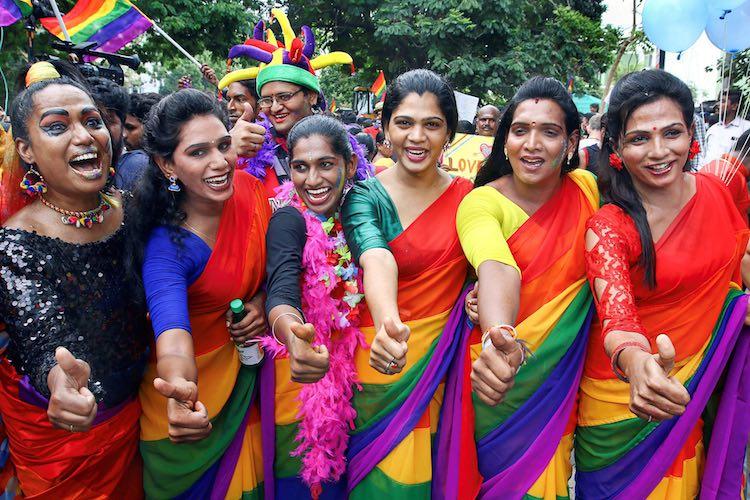
  • No, one Centre of Excellence in Transgender Care is not enough

    Transgenders in India- History of community, Types and laws applicable to them - TheLawmatics

    Central idea 

    The article discusses AIIMS’ initiative to establish a Centre of Excellence for transgender healthcare, addressing historical discrimination and legal recognition challenges. It explores legislative milestones, emphasizing comprehensive healthcare for the transgender community.

    Key Highlights:

    • AIIMS’ Vision for Transgender Healthcare: AIIMS, New Delhi, plans a Centre of Excellence for transgender healthcare in 2024, aiming to address historical discrimination and marginalization.
    • Legal Recognition Milestone: Legal recognition for transgender people initiated with the NALSA v Union of India (2014) judgment, endorsing their fundamental rights.
    • Legislative Emphasis on Healthcare: The Transgender Persons (Protection of Rights) Act (2019) and Transgender Persons Rules, 2020 emphasize holistic healthcare, sensitivity training, and equal opportunities for the community.

    Key Challenges:

    • Structural Barriers: Transgender community faces obstacles like exclusionary infrastructure, lack of trained healthcare workers, and limited availability of gender-affirming services.
    • Coercive Surgery Mandate: The Transgender Act mandates surgery for legal recognition, contradicting the NALSA judgment against insisting on sex reassignment surgery.
    • Government Healthcare Limitations: Primary and secondary healthcare lack transgender-inclusive services, relying on tertiary institutes and private providers for gender-affirming procedures.

    Key Terms/Phrases:

    • Conversion therapy, transgender rights, sex reassignment surgery, gender-affirming services.
    • Fundamental rights, mental, sexual, and reproductive health, legal recognition.
    • Transgender-inclusive wards, equal opportunity policy, Centres of Excellence, Centres of Inclusion.

    Key Quotes/Statements:

    • “Transgender people have been historically discriminated against and marginalised — pathologised and labelled mentally diseased.”
    • “Transgender people are legally guaranteed equal access to healthcare. Yet, it is denied.”
    • “The plan to open a Centre of Excellence at AIIMS-Delhi is a welcome step but should not be considered a panacea for all ills.”

    Key Examples/References:

    • NALSA v Union of India (2014): Legal recognition and endorsement of fundamental rights for transgender people.
    • Transgender Persons (Protection of Rights) Act (2019) and Transgender Persons Rules, 2020: Legislation emphasizing comprehensive healthcare and inclusivity.
    • AIIMS-Delhi’s Centre of Excellence: An initiative to address healthcare needs of the transgender community.

    Key Facts/Data:

    • Legal recognition for transgender people in India began with the NALSA judgment in 2014.
    • The Transgender Persons (Protection of Rights) Act enacted in 2019.
    • Transgender Persons Rules, 2020 outlined guidelines for transgender-inclusive healthcare.

    Critical Analysis:

    • Misplaced Focus on Coercive Surgery: Contradiction with the NALSA judgment raises concerns about legal recognition.
    • Limited Government Initiatives: Transgender individuals often rely on private providers and tertiary institutes due to inadequate government support.
    • AIIMS-Delhi Initiative’s Positive Impact: While a positive step, challenges persist in ensuring comprehensive transgender healthcare across India.

    Way Forward:

    • Curriculum Revision: Revise the medical curriculum to cater to the needs of gender-diverse people.
    • Inclusive Services: Ensure transgender-inclusive services in all government medical colleges and hospitals.
    • Prioritize Centers of Inclusion: Advocate for Centers of Inclusion providing essential healthcare at grassroots levels over Centers of Excellence at premier institutes.
    • Legal Recognition Advocacy: Advocate for legal recognition without coercive surgery, aligning with the NALSA judgment.
  • UNLF Peace Accord: Why one pact is not peace

    Central idea 

    In a volatile state like Manipur, peace agreements can be challenging to implement because of the multiplicity of stakeholders and their divergent interests and grievances

    Key Highlights:

    • Welcoming a Milestone Accord: Recent peace accord between UNLF in Manipur and the government of India viewed positively for its potential impact on regional normalcy.
    • Regional Peace Trends: Successful peace deals in Northeastern states like Mizoram, Tripura, and Shillong, along with significant progress in Assam through accords with separatist groups.

    Key Challenges:

    • Lurking Threat of Looted Arms: The presence of approximately 4,500 looted arms in various hands poses a substantial threat to the journey towards lasting peace.
    • Complexities in UNLF Accord: Lack of clarity on the terms of the UNLF peace accord and potential complications arising from the involvement of militants in ethnic conflicts.
    • Diverse Demands and Historical Grievances: Reconciling diverse demands and historical grievances from various ethnic and tribal communities in Manipur emerges as a complex challenge.

    Key Terms/Phrases:

    • Peace Dynamics: Peace accord, insurgency, Suspension of Operations (SoO) agreement.
    • Challenges in Reconciliation: Multiplicity of stakeholders, ethnic conflicts, geopolitical factors.
    • Key Players: Separatist groups, militant factions, political negotiations.

    Key Quotes/Statements:

    • “Any peace initiative is welcome — more so if it deals with a militant group abjuring arms to join the mainstream.”
    • “The biggest hurdle in the road to peace remains the floating looted arms numbering around 4,500 in various hands.”
    • “Diverse demands from various ethnic and/or tribal communities… making it hard to arrive at a resolution that satisfies all parties.”

    Key Examples/References:

    • Positive Precedents: Peace accords in Mizoram, Tripura, Shillong, and Assam leading to regional normalization.
    • NSCN-IM Accord: The signing of an accord by the National Socialist Council of Nagaland — Isak-Muivah (NSCN-IM) in 2015.
    • Militant Factions in UNLF: Presence of factions like the Pambei faction advocating for dialogue.

    Key Facts/Data:

    • Ban Extension: The ban extension on nine Meiti extremist groups, including UNLF and Manipur People’s Army (MPA).
    • Surrender Statistics: Tripartite accords initiated by the Centre since 2014 leading to 6,112 insurgents surrendering.
    • Arms Challenge: Presence of 4,500 looted arms posing a significant challenge to peace efforts.

    Critical Analysis:

    • Distrust and External Influences: Challenges in implementing peace agreements due to historical distrust, external influences, and divergent interests.
    • Fragility of Agreements: The fragility of peace agreements highlighted by disruptions caused by extremist factions or splinter groups.
    • State’s Volatility: Manipur’s volatile state demands comprehensive efforts for lasting peace.

    Way Forward:

    • Addressing Arm Threat: Focus on resolving the issue of looted arms to ensure a major cause of concern is adequately addressed.
    • Transparent Communication: Clearly communicate the terms of the UNLF peace accord to manage expectations and foster understanding.
    • Holistic Approach: Focus on political negotiations, rehabilitation of displaced individuals, and dismantling militant-controlled zones.
    • Inclusive Engagement: Engage all political parties, appoint a political negotiator, and seek a comprehensive agreement that satisfies various stakeholders.
  • A dark shadow on New Delhi’s credibility

    RAW had recruited three warlords in Afghanistan, says book

    Central idea 

    The article explores the credibility crisis faced by India in the realm of covert operations, focusing on recent legal challenges and a lack of trust with the U.S. The key themes include the impact on international relations, the dynamics of intelligence sharing, and the need for a balanced diplomatic approach to maintain India’s global image.

    Key Highlights:

    • Espionage and Covert Operations: Recent U.S. indictment against Nikhil Gupta for targeting Khalistani separatists in North America.
    • Credibility Challenges: Multiple legal challenges to Indian intelligence operations abroad, raising questions about New Delhi’s credibility.
    • Global Reach of Indian Security: Operations against Khalistani and Pakistani operatives in various countries, showcasing India’s security establishment’s capabilities.

    Key Challenges:

    • Credibility Crisis: Impact on New Delhi’s credibility in covert capacities and public messaging.
    • Trust Deficit: Lack of trust and information sharing between India and the U.S.
    • Diplomatic Balancing Act: Juggling international engagements and addressing concerns from western allies.

    Key Terms/Phrases:

    • Covert Operations Dynamics: Espionage, intelligence, and covert operations.
    • Targeted Groups: Khalistani separatists, extradition, extra-judicial actions.
    • International Relations: Trust deficit, bilateral ties, Five Eyes intelligence partnership.

    Key Quotes/Statements:

    • “In the shadowy world of espionage, intelligence and covert operations, the only rule is to never get caught carrying out a mission.”
    • “Trust is still an issue.”
    • “India’s double standard in its international engagements.”

    Key Examples/References:

    • Legal Battles: Forcible return of UAE princess, Latifah, and the “attempted kidnap” of Mehul Choksi.
    • Convictions and Challenges: Conviction of Indian naval officers in Qatar for espionage.

    Key Facts/Data:

    • Alleged Operations: Involvement of Indian agencies in operations against Khalistani and Pakistani operatives globally.
    • Information Gaps: Lack of full information sharing between the U.S. and India regarding the alleged conspiracy.

    Critical Analysis:

    • Credibility Concerns: Questions raised about India’s credibility in covert operations and international engagements.
    • Trust Dynamics: Ongoing trust deficit between India and the U.S. impacting information sharing.
    • Image Management: Balancing India’s image globally, considering hard and soft power approaches.

    Way Forward:

    • Transparent Investigations: Address credibility concerns through thorough and transparent investigations.
    • Enhanced Information Sharing: Strengthen trust and information-sharing mechanisms with international partners.
    • Adaptive Diplomacy: Evaluate and adjust India’s approach to covert operations to align with international norms.
    • Diplomatic Outreach: Enhance diplomatic efforts to manage relationships with western allies and neighbors.
  • Venus mam’s FREE Masterclass – Smart UPSC Strategy: Focus on Themes and bypass Daily Current Affairs for Top Rank! 

    Venus mam’s FREE Masterclass – Smart UPSC Strategy: Focus on Themes and bypass Daily Current Affairs for Top Rank! 

    UPSC Current Affairs Masterclass at 7 PM on Sunday, 5th Dec 2023

    First 100 will get Samachar Manthan‘s week’s module for FREE


    In the last 3 years, a lot of things have changed about UPSC-CSE

    Including the UPSC Current Affairs Preparation

    The traditional approach to current affairs can’t make you feel prepared anymore

    Now, every ranker who qualifies UPSC-CSE has a process for their current affairs prep either devised on their own or revealed to them by mentors like Venus ma’am

    Civilsdaily Masterclasses allow you to access the real work from those who have done it before

    All rankers have their preparation system. What’s stopping you?

    Never start from scratch on your UPSC preparation

    Start like a Topper

    Attend Current Affairs Masterclass by Venus ma’am for FREE

    In this masterclass, you will get:

    1. 45 minutes of topic-by-topic deep dive into the approch to identify UPSC Current Affair Themes.
    2. Samachar Manthan’s FREE module of the current week
    3. Current Affairs strategy for UPSC 2024-25

    Attend Current Affairs Masterclass by Venus ma’am for FREE

    First 100 will get Samachar Manthan‘s week’s module for FREE

    By the end, you’ll have razor-sharp clarity and a clear roadmap for identifying themes for current affairs, approaching and qualifying UPSC CSE with ease

    Venus Awtani
    • No cringy templates or short-term hacks. Only the real thing that actually helps you. 
    • A hand-curated-invite-only community of aspirants who will add value to your preparation. 

    Registration open! Join now to attend the masterclass for FREE

    Go from the ‘hit and trial method’ to a proven process to score in UPSC CSE

    It’s almost 2024. UPSC current affairs demands more than just covering standard current affairs magazines, following newspapers, or mugging down 365 compilations.

    (Don’t wait—the next masterclass won’t be until Jan 24)

    We live in an infinite content and attention-deficit world. If you can’t craft a result-oriented process, and become consistent with exam preparation… you’ll never qualify for it. 


    This Masterclass is crafted to ensure the following

    You don’t just consume books and lectures but apply and test consistently what you have learned. 

    To equip you with a ranker-verified process to score high in the UPSC CSE

    You develop a daily habit of studying to cover the syllabus or attempt and analyze mocks, note-making, revision or improve marks with a consistent approach. 

    We won’t just tell you WHAT you should study. We’ll teach you WHY you should study it based on timeless UPSC-CSE principles. And you’ll apply everything you learn with support from us and other smart aspirants and toppers.

    Register Now!

    Attend Current Affairs Masterclass by Venus ma’am for FREE

    First 100 will get Samachar Manthan‘s week’s module for FREE


    Why should you attend this masterclass?

    There are countless UPSC-CSE webinars out there. Most are conducted by teachers, ex-aspirants, or toppers who built a large following and explain WHAT they did.

    This Masterclass focuses on the WHY and the HOW. You’ll learn the timeless UPSC-CSE principles to become a top 1% rank-worthy aspirant.

    Deeply understand yourself and your constraints

    The best aspirants and toppers aren’t the ones who know the most about the syllabus & topics. They know the most about… themselves and their constraints. 

    It’s time to get clear about your way of preparing for the exam, finally. And you’ll build a much-needed process to understand what makes you score high marks in the UPSC Exam. No more guessing. Lots more results.

    Attend Current Affairs Masterclass by Venus ma’am for FREE

    First 100 will get Samachar Manthan‘s week’s module for FREE


    Masterclass was created by Civilsdaily. We know first-hand how valuable these insights are – They are the bedrock for a successful attempt.

    These masterclasses are packed with value. They are conducted in private with a closed community. We rarely open these masterclasses for everyone for free. This time we are keeping it for 300 seats only.

    Fee:

    • Special Access (extra 15 min with Venus ma’am) – Free (only for first 100 registrations, register before 5th Dec, 1 PM)
    • Early Access – Rs. 299 (for the next 100 registrations, register before 5th Dec, 7 PM )
    • Late Access – Rs. 499 (for last 100 registrations, register 5th Dec, post 7 PM)

    Ready to attend the Masterclass?

    Let’s make 2024-25 your best attempt yet. You deserve this.


    Not sure yet?

    We recommend you register here. It takes less than 10 seconds to register.

    • No spam! Once in a while, we’ll only send you high-quality exam-related content. 
    • We will inform you about the upcoming Masterclasses that might benefit you.
    • You can demand one free mentorship call from verified Civilsdaily mentors. 
    • You can always choose to unsubscribe. 

More posts