In August 2025, Parliament passed the Income Tax Bill, 2025, a shorter and simplified legislation with 23 chapters (down from 47) and 536 sections (down from 819). The Bill aims to reduce discretion with clearer provisions, introduce taxpayer-friendly reforms like longer timelines for return updation, and curb harassment. However, it has also expanded the powers of tax officials, especially over digital information and personal data, raising concerns about privacy and misuse.
Need for Overhauling the 1961 Income Tax Framework
Obsolete framework: The Income Tax Act, 1961 had become outdated, riddled with amendments, and difficult for laypersons to interpret.
Harassment potential: Excessive discretion allowed officials to harass taxpayers.
Structural reform: New law cuts down chapters from 47 to 23 and sections from 819 to 536, simplifying compliance.
Greater clarity: More tables (57, up from 18) and formulae (46, up from 6), along with examples to aid understanding.
From Draft Bill to Final Law: The Legislative Journey
Initial draft (Feb 2025): Introduced in Parliament but referred to a Select Committee given the Bill’s significance.
Committee review: Headed by Baijayant Panda, with MPs across parties; submitted a detailed report in July 2025.
Withdrawal & replacement: Government withdrew the earlier version on August 8, 2025, to incorporate committee recommendations.
Final Bill (Aug 11, 2025): Introduced and passed the same day, avoiding confusion through multiple versions.
Key Reforms and Structural Simplifications:
No slab changes: Finance Minister clarified tax rates and slabs remain unchanged.
Technical refinements: Clearer provisions for Minimum Alternate Tax (MAT) and Alternate Minimum Tax (AMT), separated into sub-sections.
Taxpayer-friendly features: Returns can be updated up to 4 years from the end of the relevant assessment year without penalty; Assessment reopening period reduced to 5 years.
Simplification Gains and Emerging Concerns
Expanded search powers: Tax officers can now demand passwords of electronic devices, emails, and social media accounts.
Override access: Officials may bypass access codes to computer systems if passwords are not shared.
Privacy concerns: Unlike earlier provisions (limited to inspection and lock-breaking), the new law extends to personal digital data, raising red flags.
Government’s Rationale for Expanding Digital Powers
Rationale: Much of financial data today is exchanged via messaging apps, emails, or stored digitally.
Committee stance: Though some dissent was recorded, the Select Committee accepted the government’s view that these provisions are essential for effective investigation.
Conclusion
The Income Tax Bill, 2025 is a watershed reform, simplifying one of India’s most complex laws. While the codification of taxpayer-friendly provisions marks a progressive step, the enhanced surveillance powers granted to tax authorities highlight the thin line between efficiency and overreach. The challenge ahead lies in ensuring that simplification does not come at the cost of citizens’ trust and constitutional rights.
Value Addition for UPSC
Governance angle (GS-II): Balancing simplification of laws with citizen rights and privacy.
Economic reforms (GS-III): Tax rationalisation improves compliance and ease of doing business.
Ethics (GS-IV): Dilemma of state surveillance vs. individual liberty; Kantian duty-based ethics vs. utilitarian approach.
Comparative context: Similar debates exist globallye.g., U.S. IRS’s digital access powers vs. EU’s stricter GDPR protections.
PYQ Relevance
[UPSC 2020] Explain the rationale behind the Goods and Services Tax (Compensation to States) Act of 2017.How has COVID-19 impacted the GST compensation fund and created new federal tensions?
Linkage: The GST Compensation Act, 2017 aimed to build Centre–State trust during the GST transition but COVID-19 strained revenues, sparking federal tensions. Similarly, the Income Tax Bill, 2025 seeks to simplify direct taxes to build citizen trust but raises concerns over state overreach in digital surveillance. Both show that taxation is ultimately about trust and legitimacy in governance.
Practice Mains Question
The Income Tax Bill, 2025 seeks to simplify India’s tax regime but also introduces stronger surveillance powers for officials. Discuss the balance between efficiency, transparency, and taxpayer rights. (250 words)
Mapping Microthemes for GS Papers
GS-I: Evolution of economic policies post-Independence.
GS-II: Governance, legislative reforms, fundamental rights (privacy).
GS-III: Fiscal reforms, tax policy, ease of doing business.
GS-IV: Ethics of surveillance, transparency, accountability.
The Supreme Court for the very first time has recounted EVM votes on its premises and overturned a Haryana sarpanch election result.
Legal Framework for Challenging Election Results:
Parliamentary, Assembly, State Council elections: Validity can be challenged by filing an election petition in the High Court of the state where the election was held.
Local government elections: Petitions must be filed at district-level civil courts.
Eligibility to file: Only a candidate or elector related to the election can file.
Timeframe: Petition must be filed within 45 days of result declaration.
Petition requirements:
Must contain concise statement of material facts.
Allegations of “corrupt practices” must include names of individuals, dates, and locations.
Judicial Approach:
SC considers corrupt practices as quasi-criminal, requiring high standard of proof.
Vague or ambiguous petitions are dismissed.
Legal Basis:
Representation of the People Act, 1951.
State Panchayat Raj Acts.
Grounds for Invalidating an Election:
Courts can void an election on:
Bribery or undue influence, e.g., hiding criminal antecedents or promoting enmity.
Candidate disqualified/unqualified on the election date.
Improper rejection of nomination paper.
Improper acceptance of nomination or improper reception/rejection of votes, if shown to materially affect results.
Non-compliance with Constitution or election laws/rules, if it materially impacted the outcome.
When can Courts order Recount of Votes?
A recount is a possible judicial remedy but not granted lightly.
Seen as affecting vote secrecy, which is vital to free and fair elections.
Courts order recounts only if:
Petitioner presents specific material facts.
Evidence shows a prima facie case of probable counting error.
Recount is deemed necessary for justice.
Normally conducted at election location.
Exception: Panipat case, where SC recounted votes in its own premises.
Can Courts declare a new Winner?
Rare, but courts can declare a new winner if:
Evidence shows petitioner (or another candidate) actually had majority of valid votes.
Or petitioner proves they would have won but for votes gained through corrupt practices.
Requires concrete, quantifiable evidence of tainted votes.
Example: In Feb 2024 Chandigarh mayoral election, SC declared a new winner after:
Presiding officer wrongly invalidated 8 paper ballots.
All votes had been cast for the losing candidate.
SC restored them as valid, making the losing candidate the winner.
[UPSC 2004] Consider the following tasks:
1. Superintendence, direction and conduct of free and fair elections.
2. Preparation of electoral rolls for all elections to the Parliament, State Legislatures and the Office of the President and the Vice-President.
3. Giving recognition to political parties and allotting election symbols to political parties and individuals contesting the election.
4. Proclamation of final verdict in the case of election disputes.
Which of the above are the functions of the Election Commission of India?
Options: (a) 1, 2 and 3* (b) 2, 3 and 4 (c) 1 and 3 (d) 1, 2 and 4
This newscard is an excerpt from the original article published in ‘The Hindu’.
About Soap:
Composition: Soap is sodium (Na) or potassium (K) salt of fatty acids derived from vegetable oils or animal fats.
Formula: Solid soaps are RCOONa, liquid soaps are RCOOK.
Function: Cleansing agent due to dual hydrophilic (water-attracting) and hydrophobic (oil-attracting) nature.
History: Used since 2800 BC in Mesopotamia and ancient India (soap nuts, bark, flowers). Became mass-produced during the Industrial Revolution, initially a luxury.
Soap-Making Process
Raw Materials: Oils such as coconut, olive, palm, sunflower provide triglycerides.
Hydrolysis: Oils hydrolysed with hot water under pressure → fatty acids + glycerin.
Kerala’s health department has issued an alert in Kozhikode district after three consecutive cases of the rare and highly fatal disease Primary Amoebic Meningoencephalitis (PAM) were reported.
About Primary Amoebic Meningoencephalitis (PAM):
Cause: Rare and usually fatal infection caused by Naegleria fowleri, known as the “brain-eating amoeba.”
Habitat: Thrives in warm freshwater up to 46°C (115°F).
Entry: Enters through the nose during swimming or water activities, travels via olfactory nerve to the brain.
Impact: Destroysbrain tissue and causes severe swelling.
Transmission: Not communicable from person to person.
Frequently misdiagnosed as bacterial or viral meningitis.
Treatment:
No single therapy effectively established.
Managed per CDC guidelines using drug combinations such as: Medical interventions typically involve a combination of drugs, including amphotericin B, azithromycin, fluconazole, rifampin, miltefosine, and dexamethasone.
[UPSC 2008] Consider the following statements:
1. Femur is the longest bone in the human body.
2. Cholera is a disease caused by bacteria.
3. ‘Athlete’s foot’ is a disease caused by virus. Which of the statements given above are correct?
Options: (a) 1 and 2 * (b) 2 and 3 (c) 1 and 3 (d) 1, 2 and 3
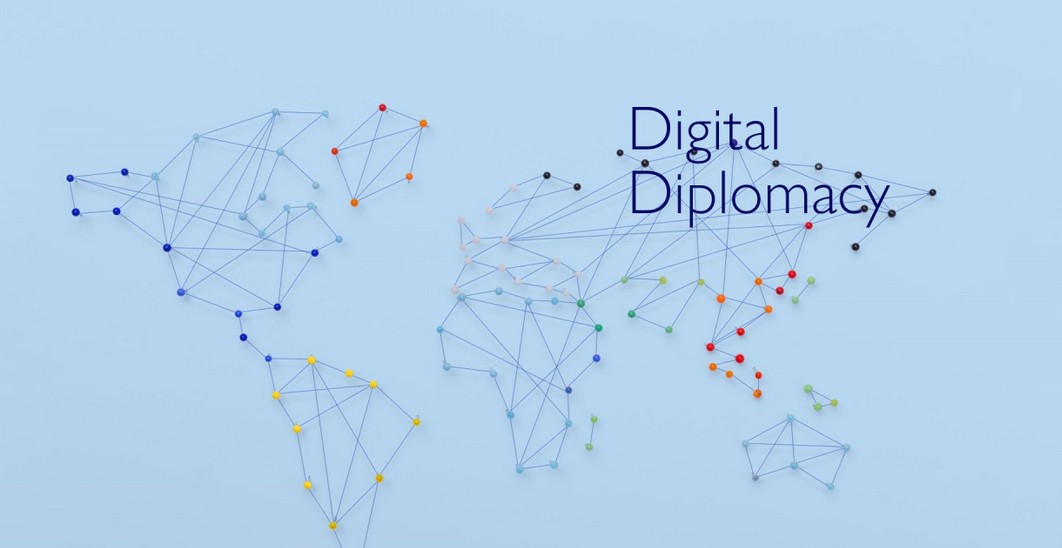
This article uses subsea cables as the entry point to discuss India’s evolving digital diplomacy and tech collaboration with the U.S. UPSC rarely names niche themes like “subsea cables” directly. Instead, it wraps them under bigger umbrellas like: Climate change in geopolitics (2022 PYQ), Emerging tech and India’s global standing or Digital infrastructure as a tool of diplomacy or national security. This is precisely where aspirants often falter. Many either skip topics like subsea cables thinking they are too technical or fail to link them with core GS themes like international relations. Additionally, students tend to write in silos, missing the broader frameworks like the TRUST initiative, iCET, or India Stack diplomacy. This article breaks down the microtheme clearly and connects subsea cable diplomacy with broader strategic and policy frameworks. It not only introduces the key concepts but also structures them using clear subheads such as “Autonomy vs Dependency,” “Cybersecurity & Trust Deficits,” and “Digital Diplomacy & Soft Power.” It further supports learning with timelines, data points, and bilateral initiatives like INDUS-X and iCET.
PYQ ANCHORING
GS 2: Clean energy is the order of the day. Describe briefly India’s changing policy towards climate change in various international fora in the context of geopolitics. [2022]
Microtheme : Miscellaneous
What connects continents, powers economies, and carries the lifeblood of the digital world – yet lies silent beneath the oceans? Subsea cables. In 2024, when Houthi rebels sabotaged one in the Red Sea, the world felt the shock – not from a missile, but from a buffering screen. As India and the U.S. deepen ties around these invisible arteries of the internet, a new form of diplomacy is rising – not over borders, but through bandwidth. This makes securing cables as critical as securing frontiers.
But in this new geopolitical theatre, a few critical questions emerge – Will digital alliances redefine traditional notions of sovereignty and non-alignment? And how prepared is India to guard its digital borders in a world where cyber threats travel faster than missiles?
Bilateral U.S.-India Trade and Technology Collaboration
The commercial engagement between India and the United States is intensifying, focusing on strategic sectors and technology supply chain diversification. This effort includes refining the Technology for Resilient, Open and Unified Security and Trust (TRUST) framework, a successor to the U.S.-India Initiative on Critical and Emerging Technology (iCET).
Subsea Cables and Strategic Importance
Subsea cables are crucial, carrying over 95% of international data traffic.
China’s expansion in subsea infrastructure highlights the need for trusted alternatives.
The TRUST framework emphasizes India’s role in subsea cable development in the Indo-Pacific.
India currently hosts around 17 subsea cables, with ongoing construction to increase this number.
India’s Strategic Advantages
India’s geographical position makes it a natural hub for global cable networks.
Critical maritime chokepoints like the Strait of Hormuz and Malacca enhance its strategic position.
India’s bandwidth requirement is expected to grow by 38% from 2021 to 2028.
Challenges and Recommendations
The licensing process for undersea cables in India involves over 50 clearances.
India relies on foreign-flagged cable repair ships, causing delays in outage responses.
Reforming the licensing regime and developing a domestic repair ecosystem are essential steps.
Role of the United States
The U.S. is encouraged to invest in digital infrastructure in the Indo-Pacific.
Meta’s investment in a 50,000-kilometre undersea cable project aims to boost connectivity in the Indian Ocean.
Enhanced subsea cable collaboration is crucial for the broader U.S.-India trade deal.
Are digital alliances redefining traditional notions of sovereignty and non-alignment?
In the 20th century, sovereignty was defined by territorial control, and non-alignment meant remaining equidistant from Cold War power blocs. In the 21st century, with data, digital infrastructure, and cyber norms becoming strategic assets, digital alliances are reshaping both these ideas – blurring lines between autonomy and interdependence.
Aspect
Transformation
Explanation with Example
1. Digital Sovereignty
From control over territory to control over data, infrastructure, and cyber norms.
USA and India’s TRUST framework and restrictions on foreign 5G vendors reflect efforts to assert digital sovereignty.
2. Strategic Alignments
Non-alignment shifting to issue-based alignments in tech and cyber domains.
India’s partnerships with the U.S. (iCET) and QUAD digital initiatives show selective alignment with like-minded democracies.
3. Normative Power Politics
Nations choose digital value systems (open vs authoritarian).
India’s preference for G7 digital norms over China’s Digital Silk Road shows ideological choices in cyberspace.
4. Autonomy vs Dependency
Balancing access to global tech with domestic control and self-reliance.
India’s semiconductor mission and Digital Public Infrastructure (DPI) aim to reduce reliance on foreign tech giants.
5. Collective Cybersecurity
Sovereignty threatened by transnational cyber threats, requiring joint responses.
The 2024 Red Sea cable sabotage by Houthi rebels led to Indo-U.S. efforts to secure subsea digital infrastructure.
6. Digital Diplomacy & Soft Power
Technology becomes a tool of influence and international legitimacy.
India exporting UPI, Aadhaar stack to Global South countries boosts its soft power and diplomatic outreach.
India-USA Tech Collaboration
Period
Landmark Initiatives / Steps
Nature of Engagement
Analysis
1950s – 1970s(Foundation Phase)
IIT Kanpur (1959) with U.S. university consortiumU.S. support during GreenRevolution – USAID & Ford Foundation projects
Aid-driven, capacity building
U.S. acted as a mentor, transferring knowledge and supporting foundational sectors like agriculture and education.
Collaboration diversified into clean energy, smart cities, cybersecurity, and defense co-production.
2020 : Watershed Year
COVID-19 tech & health collaborationGrowing trust amid China-U.S. tensionsIndia bans Chinese apps, shifts supply chainsU.S. pushes “trusted partners” in tech
Geopolitics meets tech strategy
Pandemic + geopolitical churn pushed India and U.S. closer in digital health, cybersecurity, semiconductors, and supply chain security. Tech cooperation became a tool of strategic alignment.
2020s: Present(High-Tech Strategic Collaboration)
iCET (2023): AI, quantum, 6G, semiconductors- INDUS-X (2023): Defense innovation bridge- Collaboration in critical minerals, space & biotechTRUST Framework
Peer-to-peer, co-development model
Tech is now central to the bilateral strategic agenda. The relationship has matured into a global democratic tech alliance.
Challenges in India-USA tech collaboration
India–USA tech collaboration has made significant strides, but it faces several challenges that stem from differences in regulatory systems, strategic priorities, and capacity gaps. The key challenges:
1. Regulatory and Policy Mismatches
Data Protection and Privacy: India’s evolving data protection regime (like the Digital Personal Data Protection Act, 2023) may conflict with U.S. norms on cross-border data flows.
Export Controls: U.S. laws like the International Traffic in Arms Regulations (ITAR) restrict certain technology transfers, especially in defense and dual-use tech.
Intellectual Property Rights (IPR): Differences in IPR enforcement and patent laws create friction in innovation and joint research ventures.
2. Strategic Trust and Bureaucratic Caution
Legacy of Technology Denial Regimes: Past restrictions still influence bureaucratic inertia and mutual suspicion in sensitive sectors like defense and space.
Slow Implementation: Agreements like DTTI (Defense Technology and Trade Initiative) often face delays due to differing procurement policies and bureaucratic red tape.
3. Asymmetry in Technological Capabilities
R&D Gap: The U.S. leads in cutting-edge tech (AI, quantum, semiconductors), while India still lags in basic research funding and innovation infrastructure.
Dependence on Imports: India relies on U.S. hardware and platforms, which may reinforce dependence rather than true co-development unless capacity-building is prioritized.
4. Commercial and Investment Barriers
Market Access Issues: U.S. firms often cite policy unpredictability, localization requirements, and tax concerns in India.
Visa and Talent Mobility: Restrictions on H1-B and STEM talent movement from India to the U.S. hurt long-term research and tech sector integration.
5. Strategic Autonomy vs. Alignment
Non-alignment Tradition: India prefers tech collaboration without compromising its strategic autonomy. The U.S., on the other hand, sees tech alignment as part of broader geopolitical coalitions (e.g., Quad, IPEF).
China Factor: India’s strategic caution in being perceived as part of a U.S.-led anti-China bloc may limit full convergence on tech supply chains and standards.
6. Cybersecurity and Trust Deficits
Cyber Espionage Concerns: Both sides have concerns about surveillance, IP theft, and supply chain vulnerabilities.
Lack of Unified Standards: Absence of harmonized cybersecurity frameworks and trusted telecom/equipment protocols can hinder integration.
Way Forward
Establish a Joint Tech Standards Task Force to align regulations on data, AI, cybersecurity, and cross-border data flows.
Negotiate sector-specific MoUs to ease U.S. export controls in key areas like defense tech, semiconductors, and space.
Create a U.S.–India Innovation Fund to jointly finance R&D in emerging technologies through public-private partnerships.
Set up bilateral tech incubators in universities to support startup collaboration and cross-border innovation.
Fast-track working groups under DTTI and iCET, with quarterly reviews and time-bound targets for project delivery.
Appoint dedicated Tech Liaison Officers to coordinate across ministries and remove bureaucratic hurdles.
Liberalize STEM visa pathways and expand H1-B reforms to enable smoother mobility of tech talent
#BACK2BASICS : India’s digital diplomacy
Components
Component
What it Means
Example
Digital Communication
Using social media, websites, and online platforms to talk directly with people and governments.
Embassies tweeting updates, live virtual meetings between diplomats.
Cybersecurity Cooperation
Working together to protect digital networks, prevent cyberattacks, and share info on threats.
India-US sharing info on cyber threats, setting security standards.
Technology Partnerships
Collaborating on digital infrastructure, tech development, and innovation.
Joint projects on subsea cables, 5G networks, or AI research.
Public Diplomacy Online
Engaging global audiences by sharing culture, policies, and values through digital channels.
Virtual cultural festivals, online educational campaigns by governments.
Data and Digital Policy Dialogue
Discussing rules and standards for data privacy, internet governance, and digital trade.
Negotiating digital trade agreements or data sharing rules.
Crisis Management & Response
Using digital tools to coordinate during emergencies like pandemics or cyberattacks.
India and other countries sharing COVID-19 data online.
Building Digital Trust
Establishing norms, agreements, and frameworks to ensure reliable, secure digital interaction.
TRUST framework for secure tech cooperation between India and US.
Steps taken by India to promote Digital Diplomacy
India has actively promoted Digital Diplomacy as part of its foreign policy and global leadership strategy, using digital tools, platforms, and policy initiatives to influence global tech governance and enhance South-South cooperation. The key steps taken by India to advance digital diplomacy globally:
1. Digital Public Infrastructure (DPI) Diplomacy
India Stack Export: India has offered its digital platforms like Aadhaar (digital ID), UPI (unified payments interface), and DigiLocker to other countries as models for inclusive digital governance.
India Stack Global Partnerships: Countries like Sri Lanka, Mauritius, Philippines, and Namibia are adopting or piloting elements of India Stack.
India–UNDP Digital Public Infrastructure Partnership (2023): Promotes DPI adoption in Global South through technical assistance and policy frameworks.
2. G20 Leadership on Digital Issues (2023)
Presidency Agenda: India prioritized digital public infrastructure, digital skilling, cyber security, and global digital commons.
G20 Digital Economy Ministers’ Meeting: Led to the endorsement of DPI as a framework for inclusive digital transformation globally.
3. Development Partnerships in Digital Capacity Building
Indian Technical and Economic Cooperation (ITEC): Offers training in e-governance, cybersecurity, and digital technologies to officials from over 160 countries.
Bilateral Tech Cooperation: Digital cooperation agreements with countries like France, Australia, UAE, and Japan focusing on AI, 5G, and fintech.
4. Role in Multilateral Digital Governance
Active Participation in Global Forums: India engages in UN bodies (like ITU, IGF), BRICS, G20, and Quad to shape digital norms.
Global Digital Health Partnership (GDHP): India has contributed digital tools and expertise for telemedicine and digital health records post-COVID.
5. Digital Economy Agreements and Platforms
Indo-Pacific Economic Framework (IPEF): India is part of negotiations shaping digital trade, cross-border data flows, and tech standards.
BIMSTEC and SCO Engagement: Promotes digital connectivity and cyber cooperation within regional blocks.
6. Cybersecurity and Capacity Sharing
Global Cybersecurity Capacity Building: India offers CERT-In (Computer Emergency Response Team) support and training to Global South nations.
Bilateral cybersecurity MoUs: Signed with countries like the U.S., Japan, Australia, and Singapore to share cyber threat intelligence and best practices.
7. Digital Diplomacy through Soft Power
MyGov, PMO Twitter Diplomacy: India uses digital platforms for direct global outreach.
COVID Diplomacy via CoWIN: India offered CoWIN platform to WHO as a global digital public good and shared it with several developing countries.
SMASH MAINS MOCK DROP
In the age of digital diplomacy, subsea cable infrastructure is emerging as a key element of geopolitical strategy. Discuss India’s strategic positioning and policy readiness in this context, with reference to its collaboration with the United States.
[UPSC 2017] To enhance the quality of democracy in India the Election Commission of India has proposed electoral reforms in 2016. What are the suggested reforms and how far are they significant to make democracy successful?
Linkage: The 2016 ECI reforms sought to strengthen electoral transparency and fairness, while the current debate on the 2023 Act vs. Baranwal judgment highlights how the independence of ECI itself is under threat. Together, they show that both institutional autonomy and procedural reforms are essential for improving the quality of democracy.
Mentor’s Comment:
The credibility of elections is the lifeline of any democracy. Recent controversies around the appointment of Election Commissioners and the weakening of institutional safeguards have put India’s electoral integrity under the spotlight. This article unpacks the constitutional debates, judicial interventions, legislative countermeasures, and comparative global experiences to help aspirants understand the stakes involved in preserving the Election Commission of India (ECI) as an independent constitutional body.
Introduction
The Election Commission of India (ECI) ensures that elections are free, fair, and impartial. In 2023, the Supreme Court’s Anoop Baranwal case gave more independence to the ECI by including the Chief Justice of India (CJI) in the appointment process. But Parliament quickly passed a law removing the CJI and putting a Cabinet Minister in his place. The Court did not stop this change, and elections in 2024 were conducted under this new system. This has raised doubts about whether the ECI can act independently from the government.
Current debate over who controls ECI appointments
Nullification of Baranwal judgment: The Chief Election Commissioner and Other Election Commissioners (Appointment, Conditions of Service and Term of Office) Act, 2023. replaced the CJI with a Cabinet Minister (nominated by the PM) in the selection panel, reversing judicial attempts to ensure independence.
Supreme Court’s refusal to stay the law: In Dr. Jaya Thakur v. Union of India (2024), the SC upheld the Act’s validity for the time being, allowing the government’s version to prevail in the 2024 Lok Sabha elections.
Failure of judicial vigilance: A potentially independent ECI could have overseen elections more impartially, but judicial reluctance meant the executive retained control.
Global parallels: Scholars like Landau and Dixon (2020) warn how courts sometimes legitimize authoritarian regimes by siding with executive dominance in electoral matters.
Anoop Baranwal v. Union of India (2023): The Supreme Court’s big step for ECI independence
Article 324 interpretation: The Court held that appointments to the ECI must be insulated from the executive’s exclusive control.
Role of CJI: Inclusion of the Chief Justice in the selection committee was seen as a safeguard against partisanship.
Warning against pliability: The judgment noted that a “pliable ECI” could become a tool for perpetuating power, undermining free and fair elections.
The Chief Election Commissioner and Other Election Commissioners (Appointment, Conditions of Service and Term of Office) Act, 2023: Parliament’s counter to the Court
Executive dominance: By excluding the CJI and including a Cabinet Minister, the law tilted the balance back towards government control.
Presumption of validity: The SC’s refusal to strike down or stay the Act demonstrated a conservative approach, prioritizing legislative supremacy over constitutional safeguards.
Practical implications: The 2024 Lok Sabha and Assembly elections were conducted under an ECI shaped by this executive-heavy framework.
Global lessons on electoral manipulation
Authoritarian strategies: According to Landau & Dixon, regimes in Venezuela, Ecuador, Bolivia used courts and electoral commissions to legitimize manipulated outcomes.
Pre-election manipulation: Autocrats often consolidate institutions (courts, ECs) well before elections, creating a tilted playing field.
Positive global model: South Africa’s Chapter Nine institutions, including its Electoral Commission, provide a framework for independent, fourth-branch institutions to safeguard democracy.
Fourth pillar of democracy: Autonomous Institutions
Beyond traditional separation: Modern democracies recognize institutions beyond Legislature, Executive, and Judiciary such as independent ECs, CAGs, Information Commissions.
Imaginative interpretation: In the Baranwal case, the Court attempted to evolve the ECI into such a fourth branch institution, enhancing checks on executive power.
Legislative reversal: The 2023 Act effectively nullified this innovation, raising questions about India’s commitment to electoral impartiality.
The road ahead for electoral reforms: Restoring faith in Democracy
Reinstating CJI in the selection panel: This would revive the spirit of the Baranwal verdict.
Fresh appointments through a reformed process: Ensuring a genuinely independent ECI could require re-selection of commissioners.
Truth Commission role: A reformed ECI could investigate alleged instances of electoral fraud, restoring voter confidence.
Conclusion
The ECI is not just another administrative body, it is the custodian of the democratic process. The dilution of judicial safeguards in its appointment mechanism risks eroding the integrity of elections, thereby weakening the very foundation of democracy. Restoring the spirit of Baranwal by reinstating the CJI’s role in appointments and insulating the ECI from executive control remains the most urgent democratic reform.
Mapping Microthemes (GS relevance)
GS-II (Polity & Governance): Electoral reforms, Independence of constitutional bodies, Separation of powers.
GS-I: Role of institutions in shaping democratic practices.
GS-III: Impact of political manipulation on governance outcomes.
In August 2025, Parliament passed the Income Tax Bill, 2025, a shorter and simplified legislation with 23 chapters (down from 47) and 536 sections (down from 819). The Bill aims to reduce discretion with clearer provisions, introduce taxpayer-friendly reforms like longer timelines for return updation, and curb harassment. However, it has also expanded the powers of tax officials, especially over digital information and personal data, raising concerns about privacy and misuse.
Need for Overhauling the 1961 Income Tax Framework
Obsolete framework: The Income Tax Act, 1961 had become outdated, riddled with amendments, and difficult for laypersons to interpret.
Harassment potential: Excessive discretion allowed officials to harass taxpayers.
Structural reform: New law cuts down chapters from 47 to 23 and sections from 819 to 536, simplifying compliance.
Greater clarity: More tables (57, up from 18) and formulae (46, up from 6), along with examples to aid understanding.
From Draft Bill to Final Law: The Legislative Journey
Initial draft (Feb 2025): Introduced in Parliament but referred to a Select Committee given the Bill’s significance.
Committee review: Headed by Baijayant Panda, with MPs across parties; submitted a detailed report in July 2025.
Withdrawal & replacement: Government withdrew the earlier version on August 8, 2025, to incorporate committee recommendations.
Final Bill (Aug 11, 2025): Introduced and passed the same day, avoiding confusion through multiple versions.
Key Reforms and Structural Simplifications:
No slab changes: Finance Minister clarified tax rates and slabs remain unchanged.
Technical refinements: Clearer provisions for Minimum Alternate Tax (MAT) and Alternate Minimum Tax (AMT), separated into sub-sections.
Taxpayer-friendly features: Returns can be updated up to 4 years from the end of the relevant assessment year without penalty; Assessment reopening period reduced to 5 years.
Simplification Gains and Emerging Concerns
Expanded search powers: Tax officers can now demand passwords of electronic devices, emails, and social media accounts.
Override access: Officials may bypass access codes to computer systems if passwords are not shared.
Privacy concerns: Unlike earlier provisions (limited to inspection and lock-breaking), the new law extends to personal digital data, raising red flags.
Government’s Rationale for Expanding Digital Powers
Rationale: Much of financial data today is exchanged via messaging apps, emails, or stored digitally.
Committee stance: Though some dissent was recorded, the Select Committee accepted the government’s view that these provisions are essential for effective investigation.
Conclusion
The Income Tax Bill, 2025 is a watershed reform, simplifying one of India’s most complex laws. While the codification of taxpayer-friendly provisions marks a progressive step, the enhanced surveillance powers granted to tax authorities highlight the thin line between efficiency and overreach. The challenge ahead lies in ensuring that simplification does not come at the cost of citizens’ trust and constitutional rights.
Value Addition for UPSC
Governance angle (GS-II): Balancing simplification of laws with citizen rights and privacy.
Economic reforms (GS-III): Tax rationalisation improves compliance and ease of doing business.
Ethics (GS-IV): Dilemma of state surveillance vs. individual liberty; Kantian duty-based ethics vs. utilitarian approach.
Comparative context: Similar debates exist globallye.g., U.S. IRS’s digital access powers vs. EU’s stricter GDPR protections.
PYQ Relevance
[UPSC 2020] Explain the rationale behind the Goods and Services Tax (Compensation to States) Act of 2017.How has COVID-19 impacted the GST compensation fund and created new federal tensions?
Linkage: The GST Compensation Act, 2017 aimed to build Centre–State trust during the GST transition but COVID-19 strained revenues, sparking federal tensions. Similarly, the Income Tax Bill, 2025 seeks to simplify direct taxes to build citizen trust but raises concerns over state overreach in digital surveillance. Both show that taxation is ultimately about trust and legitimacy in governance.
Practice Mains Question
The Income Tax Bill, 2025 seeks to simplify India’s tax regime but also introduces stronger surveillance powers for officials. Discuss the balance between efficiency, transparency, and taxpayer rights. (250 words)
Mapping Microthemes for GS Papers
GS-I: Evolution of economic policies post-Independence.
GS-II: Governance, legislative reforms, fundamental rights (privacy).
GS-III: Fiscal reforms, tax policy, ease of doing business.
GS-IV: Ethics of surveillance, transparency, accountability.
Plastic pollution represents one of the gravest environmental crises of our times. Despite decades of regulation and bans, plastics remain ubiquitous, cheap, and nearly indestructible. Talks in Geneva involving 180 countries failed to secure an internationally binding legal agreement to limit plastic pollution, reflecting deep divisions over whether the treaty should target waste alone or include production.
Global Plastic Treaty Deadlock: Why It Matters
Global deadlock: 180 countries failed to agree on a binding treaty on plastic pollution in Geneva, despite a UNEP-backed resolution already in place.
First-time sharp focus on health: Unlike earlier discussions centred only on waste management, the health impact of plastics is now central.
Scale of problem: Plastics contain more than 16,000 chemicals, with little knowledge on 10,000+ of them. A Nature study showed 4,000 chemicals of concern are present across major plastic types.
Striking evidence: Microplastics detected in blood, breast milk, placenta, bone marrow, bringing urgency to the debate.
The Persistence and Ubiquity of Plastics
Symbol of consumption economy: Cheap and versatile, plastics reflect today’s global consumption.
Persistence and flexibility: Synthetic, fossil-fuel-derived polymers are non-biodegradable and endure for decades.
Waste mismanagement: Cheap production, ubiquity, and limited recycling capacity turn plastics into the prime source of litter.
Plastics and Human Health: Emerging Evidence
Chemicals of concern: Plastics use ethylene, propylene, styrene derivatives, along with bisphenols, phthalates, PCBs, PBDEs, and PFAS.
Products of exposure: Found in food containers, bottles, teething toys, polyester, IV bags, cosmetics, paints, electronics, adhesives.
Health links: Studies link plastic chemicals to thyroid dysfunction, hypertension, kidney/testicular cancer, gestational diabetes.
Evidence base: Around 1,100 studies, involving 1.1 million individuals, compiled by Boston College & Minderoo Foundation dashboard.
Nature of studies: Mostly associative; longitudinal studies (gold standard) are still underway.
The Microplastic Menace
Definition: Plastics smaller than 5 mm, found in additives or broken-down products.
Recent discoveries: Detected in human blood, breast milk, placenta, bone marrow.
Health uncertainty: Exact impacts still under study, but linked to multiple disorders.
Policy Responses: Global and Indian Perspectives
Global scene: Negotiations divided on waste vs production; developing countries demand funding support.
India’s stance:
Ban on single-use plastics in ~20 States
Administrative push for Extended Producer Responsibility (EPR)
Views plastics as a waste management issue, not a health issue.
Prefers health dimension to be dealt with at WHO, not in the plastics treaty.
Conclusion
The Geneva deadlock reflects not just a failure of diplomacy but the widening gap between scientific evidence and policy action. Plastics are no longer an invisible convenience; they are a pervasive health hazard. While India treats plastics as a waste issue, ignoring health risks leaves a blind spot in policy. A robust, binding treaty addressing both production and health impact is indispensable if the world is to prevent plastics from becoming the new tobacco of the 21st century.
PYQ Relavance
[UPSC 2023] What is oil pollution? What are its impacts on the marine ecosystem? In what way is oil pollution particularly harmful for a country like India?
Linkage: Since UPSC has already asked about oil pollution (2023), it shows the exam’s focus on pollution and ecosystem impacts. Plastic pollution, like oil, originates from fossil fuels and has severe effects on marine life and human health. Hence, a direct question on plastic pollution and its health–environment nexus is highly probable.
Practice Mains Question
Plastics are no longer merely a waste management problem but a serious health hazard. Critically examine the health risks associated with plastic use and evaluate India’s stance in global plastic treaty negotiations.
Mapping Microthemes
GS-1: Impact of industrialisation and consumerism on environment.
GS-2: International negotiations, India’s foreign policy stance in environmental treaties.
A palm specie ‘Phoenix roxburghii’ first described in the 17th-century botanical treatise Hortus Malabaricus has been recently confirmed.
About Phoenix roxburghii:
Origin: Named after William Roxburgh, regarded as the father of Indian Botany.
Distribution: Found along India’s eastern coast, Bangladesh, Gujarat, Rajasthan, and Pakistan.
Height: Grows up to 12–16 metres, taller than Phoenix sylvestris.
Distinct Features:
Solitary trunk
Larger leaves and leaflets
Musty-scented staminate flowers
Large, obovoid orange-yellow fruits
Back2Basics: India’s Oil Palm Scenario
National Mission on Edible Oils – Oil Palm (NMEO-OP) (2021): Centrally sponsored, aims to boost domestic crude palm oil (CPO) production and reduce import dependence.
Targets:
Expand area to 10 lakh ha by 2025–26.
Raise production from 0.27 lakh tonnes (2019–20) to 11.2 lakh tonnes (2025–26), further to 28 lakh tonnes (2029–30).
Support Mechanisms: Viability Price (VP), Direct Benefit Transfer (DBT), planting subsidy (₹29,000/ha), and special aid for NE & Andaman regions.
Cultivation States: Andhra Pradesh, Telangana, and Kerala (98% of output); others include Karnataka, Tamil Nadu, Odisha, Gujarat, and NE states.
Potential vs Current: 28 lakh ha potential; only 3.7 lakh ha cultivated.
Imports: India is the world’s largest palm oil importer (9.2 million tonnes in 2023–24). Palm oil forms 60% of edible oil imports, sourced mainly from Indonesia, Malaysia, and Thailand.
Unique Advantage: Palm oil yields are 5× higher than traditional oilseeds.
[UPSC 2021] With reference to ‘palm oil,’ consider the following statements:
1. The palm oil tree is native to Southeast Asia.
2. Palm oil is a raw material for some industries producing lipstick and perfumes.
3. Palm oil can be used to produce biodiesel.
Which of the statements given above are correct?
Options: (a) 1 and 2 only (b) 2 and 3 only* (c) 1 and 3 only (d) 1, 2, and 3