Scientists at Fermilab in the USA have made an ultra-precise measurement of the muon’s magnetic behaviour, a finding that could hint at new physics beyond current laws.
Understanding Muon and G-2:
Overview: A muon is a subatomic particle like an electron but about 200 times heavier.
Behaviour: It has spin, making it act like a tiny magnet.
g-Factor: The magnet’s strength is measured by the g-factor. In simple theory, g = 2, but quantum effects make it slightly different — this difference is called g-2 (g minus 2).
Physics Relevance: Measuring g-2 can reveal unknown forces or particles beyond the Standard Model.
The Fermilab Breakthrough:
Precision Record: Fermilab (USA) measured muon’s g-2 to an accuracy of 0.127 parts per million — comparable to detecting a 4-gram change on a 4-tonne elephant.
Method: Muons were sent into a large magnetic ring, measuring the gap between spin rate and orbital rate.
Results: Matches earlier experiments; disagreement with theory depends on calculation method used.
Next Steps: Japan’s upcoming experiment will independently test results.
Significance:
Potential New Physics: If the gap is real, it may signal undiscovered forces or particles.
Refining Theory: If not, calculations will improve, sharpening known physics.
Broader Impact: Advances precision science and deepens global understanding of fundamental physics.
Lesson: Ultra-precise measurements can uncover hidden truths about nature.
[UPSC 2013] The efforts to detect the existence of Higgs boson particle have become frequent news in the recent past. What is/are the importance/importances of discovering this particle?
1. It will enable us to under-stand as to why elementary particles have mass.
2. It will enable us in the near future to develop the technology of transferring matter from one point to another without traversing the physical space between them.
3. It will enable us to create better fuels for nuclear fission.
Select the correct answer using the codes given below.
Options: (a) 1 only* (b) 2 and 3 only (c) 1 and 3 only (d) 1, 2 and 3
[UPSC 2018] Appropriate local community level healthcare intervention is a prerequisite to achieve ‘Health for All’ in India. Explain.
Linkage: Define “Health for All,” stress the role of community-level interventions, give examples, analyse challenges, and suggest improvements. The article illustrates this through doorstep schemes and participatory platforms like VHSNCs, showing both their potential and the need for empowered local engagement to achieve universal health coverage.
Mentor’s Note: As states roll out doorstep healthcare schemes like Makkalai Thedi Maruthuvam in Tamil Nadu and Gruha Arogya in Karnataka, the delivery of medical services has never been closer to people’s homes. But are citizens equally close to influencing the policies that shape their health systems? This article examines the role, challenges, and future of civic engagement in India’s health governance, critical for UPSC aspirants studying governance, social justice, and public health policy.
Introduction:
The health sector in India has witnessed significant decentralisation and outreach in recent years, with state-level doorstep healthcare schemes targeting non-communicable diseases (NCDs) and improving last-mile service delivery. While these programmes mark a leap in proactive care, the real test of a healthy democracy lies in the citizens’ ability to meaningfully engage with health governance. Public participation affirms democratic values, improves accountability, and ensures policies reflect community realities. However, despite institutional mechanisms like Village Health Sanitation and Nutrition Committees (VHSNCs) and Mahila Arogya Samitis, citizen participation remains sporadic and often symbolic.
The Subject of Citizen Engagement in Health Governance
Historically, health governance was a government-led function. However, it has evolved to include a diverse range of stakeholders, including civil society organizations, professional medical bodies, hospital associations, and trade unions. This multi-actor landscape underscores the need for robust civic participation.
The Rationale for Civic Engagement in Health Governance
Democratic Empowerment: Affirms citizens’ rights and dignity in decision-making.
Affirms self-respect and counters epistemic injustice: Ensures that the knowledge and lived experiences of communities are incorporated into policy-making.
Design Intent: Inclusion of women and marginalised groups, local problem-solving.
Committees that are involved in local health services:
Village Health Sanitation and Nutrition Committees (VHSNCs) – Rural-level platforms under the National Rural Health Mission (NRHM), meant to involve communities in planning and monitoring local health services.
Rogi Kalyan Samitis (RKS) – Hospital/health facility–level bodies to manage resources and improve service delivery.
Mahila Arogya Samitis (MAS) – Women-led urban community groups under the National Urban Health Mission for health awareness and monitoring.
Ward Committees – Urban local body forums for community participation in service delivery, including health.
NGO-led Committees – Non-government platforms facilitating civic participation in health planning and monitoring.
Challenges to Effective Engagement
Structural Issues
Committees not formed in some areas; where present, plagued by: Ambiguous roles, Irregular meetings, Poor intersectoral coordination and Social hierarchies limiting participation
Mindset Barriers
Policymakers view communities as beneficiaries rather than rights-holders.
Target-based evaluation such as the number of individuals reached overshadows participatory processes. It results in a system that prioritizes numerical targets over qualitative engagement.
Dominance of medical professionals with little public health training. This leads to hierarchical and medicalized systems that are disconnected from community realities.
Promotions based on seniority, not expertise.
Resistance Factors
Fear of accountability pressure.
Regulatory capture by dominant interests.
Unequal playing field in decision-making.
Consequences of Weak Engagement
Communities resort to protests, legal actions, and media campaigns.
Health inequities persist due to unaddressed structural barriers.
Policy alienation reduces trust in public health systems.
The Way Forward: Two-Pronged Strategy
Empowering Communities
Information dissemination: Disseminate information on health rights & governance platforms.
Fostering civic awareness: Civic awareness programmes and health literacy from school level.
Intentional outreach: Targeted outreach to marginalised groups.
Capacity building: Provide tools, training, and resources for effective participation.
Sensitising Governance Actors
Moving beyond blame: Shift perception from “poor awareness” to recognising structural determinants of health.
Collaborative partnership: View communities as partners, not passive recipients.
Activating platforms: Ensure platforms are functional, inclusive, and outcome-linked.
Conclusion:
Doorstep delivery of healthcare addresses physical accessibility, but without robust civic engagement, it risks becoming a one-way service delivery mechanism devoid of democratic accountability. True transformation requires communities to be seen and to see themselves, as co-creators of health systems, with institutional structures that are inclusive, functional, and empowered.
Value Addition- Extra Mile
Beneficiary model and a rights-holder model in health governance:
The beneficiary model perceives citizens as passive recipients of welfare schemes, where success is judged by coverage and numbers rather than the quality or inclusivity of service delivery.
In contrast, the rights-holder model positions people as active stakeholders with enforceable rights, capable of influencing health policies, demanding accountability, and shaping programmes to suit community needs.
In the Indian context, the predominance of the beneficiary mindset often results in top-down schemes, token participation, and limited empowerment, as seen in the functioning gaps of platforms like VHSNCs.
The rights-holder approach, by empowering communities with knowledge, tools, and representation, can foster participatory governance, address structural inequities, and improve health outcomes.
Way forward: Moving from a beneficiary to a rights-holder model requires mindset change among governance actors, strengthening community platforms, and embedding accountability mechanisms to ensure people are partners, not passive recipients, in health governance.
Key Concepts:
Participatory Governance: A governance model where citizens actively shape decisions and policies; here, it means communities influencing health planning through platforms like VHSNCs rather than being passive recipients.
Epistemic Injustice – When certain voices or local knowledge are undervalued; in health governance, marginalised communities’ lived experiences are often ignored in policy decisions.
Elite Capture – When influential groups dominate participatory spaces; in health committees, medical professionals or local elites may overshadow ordinary citizens’ concerns.
Regulatory Capture – When regulatory bodies act in favour of dominant interests; in healthcare, policy and oversight may get skewed toward medical-industrial interests instead of community needs.
International Parallel: WHO’s Alma-Ata Declaration (1978) on “Health for All” emphasised community participation.
Quote for Enrichment: “Nothing about us without us” – slogan for participatory policy-making.
Moving from beneficiary model to rights-holder model
GS-II and GS-III
Health inequalities
Marginalised groups lacking access
GS-II and
GS -IV
Accountability in public health
Preventing elite capture
GS-III
Science and Technology (Health Tech)
Health Information Systems and Data and Governance
GS-IV
Ethics in governance
Respecting agency and dignity
GS-IV
Probity in governance
Citizen engagement in reducing corruption and ensuring integrity in the health sector
GS-IV
Empathy and Compassion
Need for health administrators and to develop empathy for community realities and structural challenges
Practice Mains Question:
“Proactive healthcare delivery without participatory governance risks creating service dependency rather than empowerment.” Discuss with reference to recent state-level health initiatives in India. (250 words)
The Google–Competition Commission of India (CCI), anti-trust case is a pivotal moment for India’s digital market regulation. It revolves around allegations that Google abused its dominant position in the Android ecosystem to indulge in anti-competitive practices, especially through mandatory Google Play Billing System (GPBS) usage and bundling of proprietary apps. The matter now rests with the Supreme Court, which will hear appeals from Google, the Competition Commission of India (CCI), and the Alliance Digital India Foundation (ADIF) in November 2025.
Background: The Core Dispute in Brief
CCI’s Key Findings (2022)
Abuse of Dominance under Section 4 of the Competition Act, 2002.
Mandatory use of Google Play Billing System (GPBS) for in-app purchases (15–30% commission).
Self-preferencing — exempting YouTube from GPBS, giving it a cost advantage.
Bundling of Google apps (Search, Chrome, YouTube) with Android licensing.
Imposed a ₹936.44 crore fine and behavioural remedies (decoupling payment system, transparency in billing data, no use of developer data for competitive advantage).
Google’s Defence
Open-Source Nature: Open-source Android with no obligation to install Google apps if the Play Store is not licensed.
Pre-installation improves user experience and security.
Security and User Experience: GPBS ensures fraud protection and global distribution reach.
Exemptions for in-house services reflect different business models.
Market Competition: Success of major Indian apps (like PhonePe and Paytm) on the Android platform as proof of competitive market
National Company Law Appellate Tribunal (NCLAT) Ruling (March 2025)
Upheld parts of CCI’s findings (bundling & GPBS abuse).
Reduced penalty to ₹216.69 crore (proportionality principle).
Struck down some remedies, reinstated two key transparency-related directions in review.
Broader Implications and Stakeholders
Consumers: More choice and possibly lower in-app prices via alternative payment gateways; risk of Android ecosystem fragmentation.
Indian Startups & Developers: Level playing field, competitive payment options, and stronger bargaining power against Big Tech.
Smartphone Manufacturers (OEMs): Greater flexibility to pre-install own services or use alternative Android versions without losing Play Store access.
Google & Global Tech: May need to re-evaluate global Android business model; could trigger similar regulations in other countries.
Regulatory Bodies: Will define CCI’s role in digital market regulation and set precedent for balancing innovation, competition, and consumer rights.
Conclusion
The Google antitrust case is not just about app payments — it is about defining the rules of engagement in India’s platform economy. The Supreme Court’s verdict will influence how innovation, competition, and consumer rights are balanced in the digital age. It could either mark a new era of platform accountability or reinforce the status quo, shaping the way over a billion Indians interact with their smartphones
Value Addition:
Antitrust:
It refers to a set of laws and regulations designed to prevent monopolies, stop abuse of market dominance, and ensure fair competition in the market.
Purpose: Protect consumers, encourage innovation, and maintain a level playing field for businesses.
Example in India: The Competition Act, 2002, enforced by the Competition Commission of India (CCI), is India’s primary antitrust law
Example globally: The Sherman Antitrust Act (1890) in the U.S.
In simple words: Antitrust laws stop big companies from becoming so powerful that no one else can compete with them fairly.
Mapping Micro Themes
Subject
Topic Name
Micro Theme
Example
GS Paper -II
Regulatory Institutions
Role, functions, and challenges of statutory bodies like CCI & quasi-judicial bodies like NCLAT
CCI’s penalty on Google for abuse of dominance; NCLAT’s partial reversal
Government Policies
Policy needs for digital governance & fair digital ecosystem
Draft Digital Competition Bill; TRAI’s consultation on platform regulation
Judicial Intervention
Role of judiciary in interpreting digital economy laws
Supreme Court hearing Google–CCI appeal
GS Paper-III
Competition Law
Abuse of dominance, anti-competitive practices, cartelisation in the digital economy
Google Play Billing System commission model
Digital Economy
Impact of Big Tech on market structure, innovation, startups
App developers’ reduced bargaining power due to Google’s policies
Innovation vs Regulation
Balancing tech growth and preventing monopolistic behaviour
CCI’s remedies vs Google’s claim of user experience efficiency
Digital Public Goods
Need for open, fair ecosystems for inclusive growth
UPI as an open-access payment system in contrast to GPBS
Platform Neutrality
Equal treatment for all apps/services on digital platforms
Ban on self-preferencing in EU’s Digital Markets Act
PYQ Linkage
[UPSC 2020] How is the Government of India protecting traditional knowledge of medicine from patenting by pharmaceutical companies?
Linkage: This question demands explaining legal, institutional, and international mechanisms (like TKDL, Patents Act provisions, WIPO engagement) that protect India’s traditional medicinal knowledge from unfair patenting. Similarly, in the Google–CCI case, India is using competition law and regulatory bodies to protect local digital market interests against global corporate dominance, ensuring fair competition and safeguarding the domestic innovation ecosystem.
Practice Mains Question:
“In the context of India’s Competition Act, 2002, discuss how the Google–CCI case reflects the challenges of regulating digital platform dominance. Suggest measures to balance innovation and market fairness.”
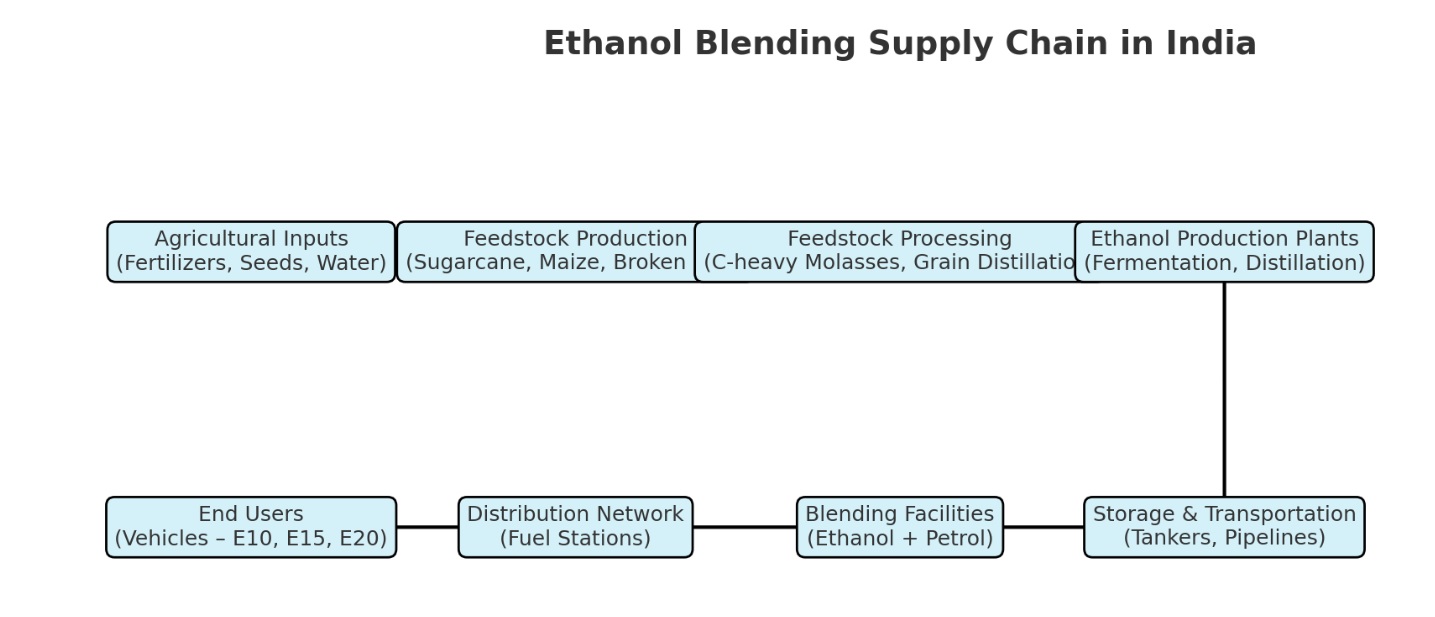
Ethanol blending with petrol, mixing ethyl alcohol derived from biomass with conventional fuel, began globally in response to the oil shocks of the 1970s, with countries like the U.S. and Brazil leading the way. In India, the push is driven by three key factors:
Import substitution to save foreign exchange
Price advantage compared to petrol
Lower carbon footprint
The Government of India has set a target of 20% ethanol blending (E20) by 2025, aiming to save $10 billion annually in import costs. Yet, technical limitations, uneven economic benefits, and food security concerns demand a careful, transparent approach.
Rationale Behind Ethanol Blending in India
Import Substitution: Reducing dependency on crude oil imports.
Economic Benefit: Estimated savings of $10 billion annually.
Environmental Considerations: Ethanol is considered carbon-neutral as the CO₂ emitted during combustion is offset by plant absorption during growth.
Waste Utilisation: Use of C-heavy molasses, broken rice, and maize to avoid wastage and enhance rural income.
Economic and Agricultural Concerns
Uneven Benefits:
Farmers, traders, and distillers benefit differently: sugarcane-growing regions may profit disproportionately.
Maize, being less water-intensive, is promoted for ethanol feedstock, but scaling up acreage and productivity has its limits.
Food Security Risks: Initial use of non-edible or surplus produce avoids conflict, but once ethanol supply chains are entrenched, prioritising food over fuel during shortages may become politically difficult.
Hidden Imports: Fertilizers and other agricultural inputs required for ethanol crops may lead to forex outflow, negating some import savings.
Technical and Engineering Challenges
Efficiency Penalty:
Ethanol has lower energy density than petrol, leading to reduced fuel efficiency.
Material durability issues: corrosion of fuel systems and engine parts.
Vehicle Compatibility:
BS-II (since 2001) norms allow safe use up to E15.
Vehicles sold since 2023 can handle E20, but older vehicles may face damage.
Lack of consumer choice in fuel type is a concern.
International Experience:
U.S. and Brazil’s long history shows ethanol blending is feasible with proper engineering, norms, and market flexibility.
Policy Framework and Transparency Issues
India has two ethanol-specific fuel norms and is moving towards E27 (Brazil model).
Price benefits not visible at fuel stations despite earlier claims.
Absence of clear consumer disclosures on vehicle compatibility.
Need for automakers to publish past model ethanol limits and mitigation measures.
Insurance policies must cover ethanol-related damages.
Conclusion
Ethanol blending offers India a chance to reduce oil imports, utilise agricultural surplus, and move towards greener energy. However, policy success depends on technical readiness, transparency, equitable benefits, and food security safeguards. A balanced roadmap, combining engineering upgrades, farmer diversification, consumer choice, and global best practices, is essential for a sustainable ethanol economy.
Value Addition
Ethanol: Definition & Types
Ethanol: Ethyl alcohol (C₂H₅OH), a renewable biofuel produced by fermenting sugar/starch-based crops or cellulosic biomass.
Blended Fuel: Petrol mixed with ethanol in specific proportions (e.g., E10, E20, E27)
Key Facts for UPSC
National Policy on Biofuels 2018 (amended 2022): Advanced target for 20% blending (E20) by 2025–26 from 2030.
Economic Impact: $10 billion/year projected forex savings with E20 blending (MoPNG & NITI Aayog’s joint report “Roadmap for Ethanol Blending in India 2020–25”)
Environmental Impact: Estimated reduction of 27 million tonnes CO₂/year at E20 (NITI Aayog’s 2021 roadmap document, calculated based on life-cycle emissions studies).
Global Comparisons
Country
Current Blending Standard
Notable Feature
Brazil
E27
Long-standing flex-fuel vehicle ecosystem
USA
E10–E15
Voluntary blending with incentives
India
Target E20 by 2025–26
Mandatory programme via OMCs
Vehicle Compatibility Norms
BS-II (since 2001): Safe up to E15.
Since 2023: Vehicles designed for E20 compatibility.
Flex-Fuel Vehicles (FFVs): Can run on any ethanol-petrol mix (0–100%).
Related Schemes & Initiatives
Ethanol Blended Petrol (EBP) Programme: Launched 2003, scaled up post-2014.
PM–JIVAN Yojana: Supports 2G ethanol projects using lignocellulosic biomass.
SATAT Scheme: Promotes compressed bio-gas (CBG) as transport fuel.
Micro Theme Mapping
Paper
Topic
Micro Theme
Example
GS Paper III
Sustainable Development/Pollution
Biofuel production from agricultural residues
Ethanol from C-heavy molasses, broken rice under EBP Programme
GS Paper III
Food–Fuel Debate
Balancing ethanol feedstock with food security
Maize promotion for ethanol with lower water footprint
GS Paper I
Urbanisation- Urban Challenges
Waste generation pressure in cities
Indore’s waste segregation success
GS Paper IV
Transparency
Public disclosure in environmental compliance
Automakers’ ethanol compatibility disclosures
PYQ Linkage
“[UPSC 2018] What are the impediments in disposing the huge quantities of discarded solid wastes which are continuously being generated? How do we remove safely the toxic wastes that have been accumulating in our habitable environment?
Linkage: India’s solid waste disposal is hampered by poor segregation, inadequate processing plants, and weak enforcement of rules. Toxic waste removal suffers from limited treatment capacity and high costs. Solutions include scientific landfills, incineration, bioremediation, and EPR. Waste-to-energy projects like ethanol from crop residues show sustainable disposal in action.
Practice Mains Question
Critically analyse the potential of ethanol blending as a sustainable fuel solution for India. Discuss the associated challenges in terms of technology, agriculture, and policy transparency.
The CSIR–Central Road Research Institute, New Delhi, has developed MSS+ (Modified Mix Seal Surfacing Plus) technology for eco-friendly, durable, and low-cost road surfacing.
About MSS+ Technology:
Developer: Council of Scientific & Industrial Research – Central Road Research Institute (CSIR–CRRI), New Delhi.
Year of Development: 2021 (in collaboration with J.M.V.D. Industries).
Composition: Crushed natural aggregate, customised modified bitumen emulsion, mineral admixture.
Preparation: Mix made at ambient temperature, eliminating heating of aggregate or bitumen.
Laying: 25–30 mm thickness using conventional asphalt pavers.
Benefits Offered:
Eco-Friendly: No thermal process → significantly reduces carbon emissions.
Durable: Provides strong wearing course, enhanced skid resistance, and prevents water infiltration.
Cost-Effective: Reduced energy requirement lowers construction costs.
All-Weather Use: Can be laid in varied weather conditions due to ambient temperature application.
[UPSC 2020] In rural road construction, the use of which of the following is preferred for ensuring environmental sustainability or to reduce carbon footprint?
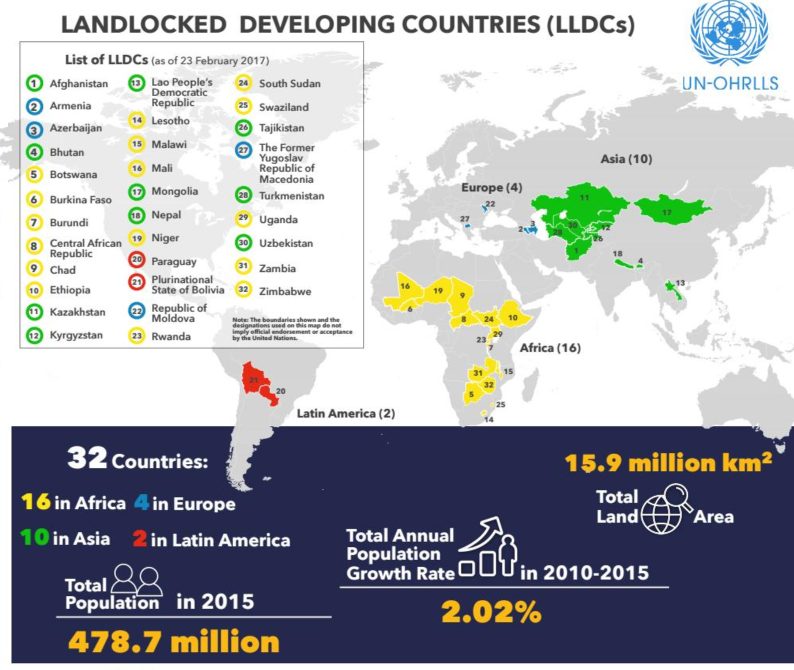
The 3rd UN Conference on Landlocked Developing Countries (LLDC3) in Awaza, Turkmenistan, adopted the Awaza Declaration to boost investment, address challenges, and promote sustainable growth in 32 landlocked nations.
About Landlocked Developing Countries (LLDCs):
Overview: 32 UN-recognized countries with no direct access to the sea, collectively home to over 600 million people.
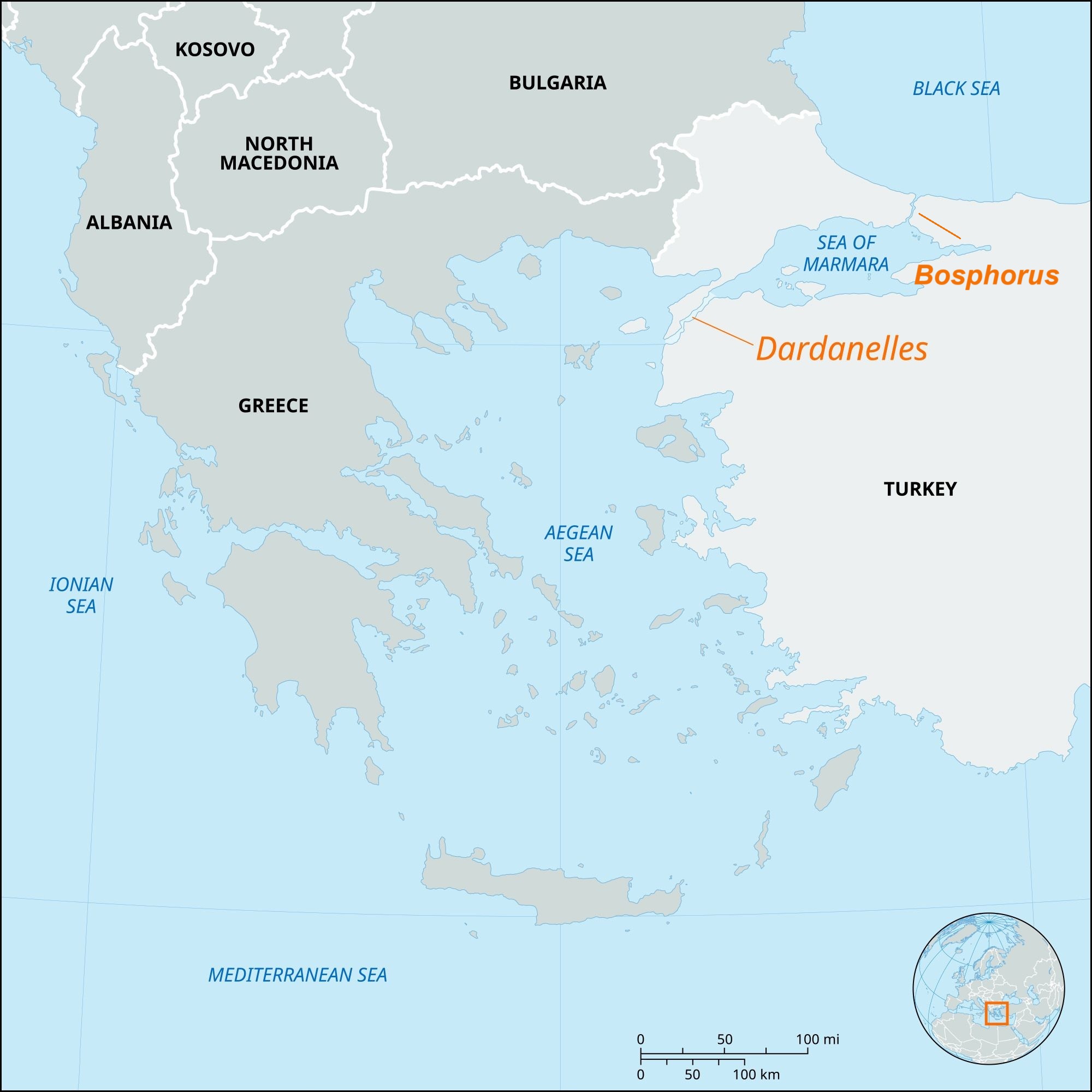
The Dardanelles Strait in northwestern Turkey has been temporarily closed to maritime traffic due to forest fires near Canakkale, prompting evacuations and firefighting operations.
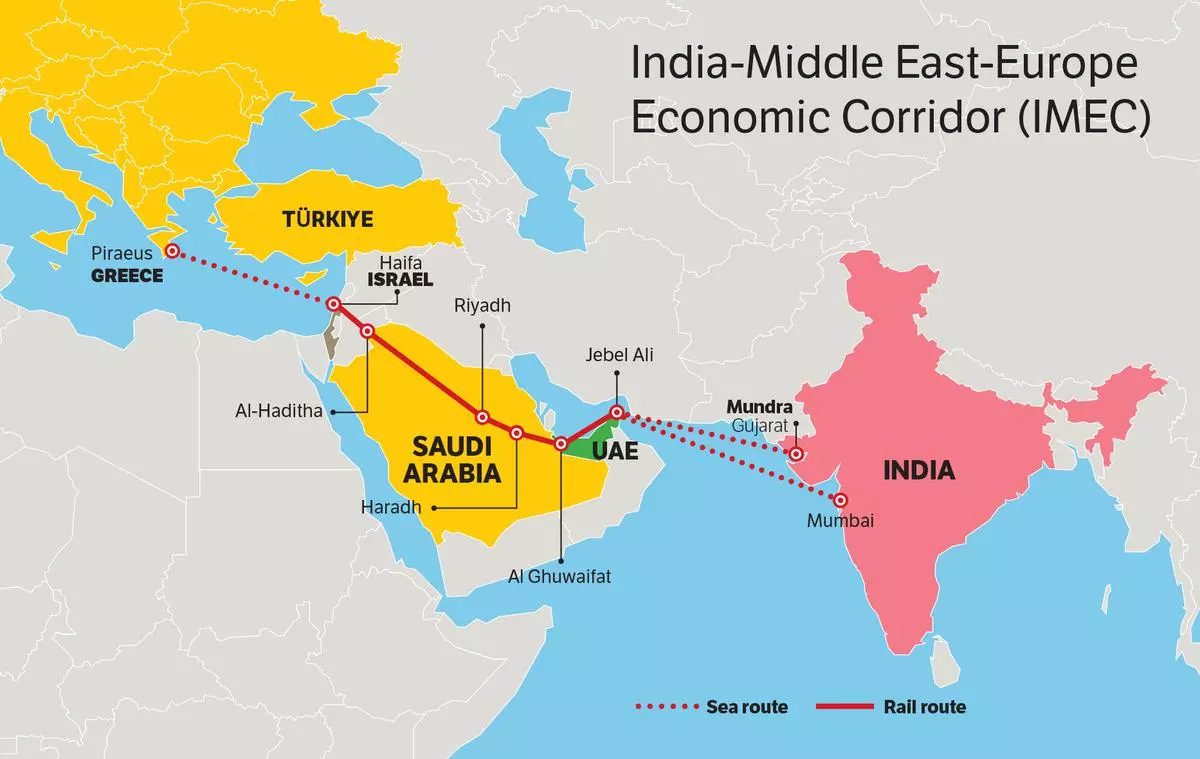
India’s National Security Council Secretariat recently hosted envoys from the US, UAE, Saudi Arabia, France, Italy, Germany, Israel, Jordan, and the EU to review progress on the India–Middle East–Europe Economic Corridor (IMEC).
About IMEC Project:
Part of the Partnership for Global Infrastructure and Investment (PGII) for developing connectivity in emerging regions.
MoU signed on 10 September 2023 at the G20 New Delhi Summit.
Members: India, US, UAE, Saudi Arabia, France, Germany, Italy, European Union.
Aim: Integrate Asia, Middle East, and Europe to boost transport efficiency, reduce costs, create jobs, cut greenhouse gas emissions, and strengthen economic unity.
Structure:
East Corridor: India to Arabian Gulf.
Northern Corridor: Gulf region to Europe.
Key Ports:
India – Mundra, Kandla, Jawaharlal Nehru Port (Mumbai).
Middle East – Fujairah, Jebel Ali, Abu Dhabi, Dammam, Ras Al Khair.
Israel – Haifa.
Europe – Piraeus, Messina, Marseille.
Infrastructure includes: Railway links, ship-to-rail hubs, roads, electricity cables, hydrogen pipelines, and high-speed data cables.
Impact of Gaza War:
Derailed work: Conflict from late 2023 halted stakeholder meetings and derailed western leg (Middle East–Europe) progress.
Economic: EU is India’s largest trading partner; corridor promises faster, cheaper trade with reduced emissions.
Strategic: Strengthens India’s role in West Asia and positions it as a connector between Europe and the Middle East.
Energy & Technology: Potential for clean hydrogen pipelines, electricity and data cable links.
Resilience: Provides alternative to Red Sea shipping routes vulnerable to disruptions.
[UPSC 2025] India is one of the founding members of the International North-South Transport Corridor (INSTC), a multimodal transportation corridor, which will connect:
Options: (a) India to Central Asia to Europe via Iran* (b) India to Central Asia via China (c) India to South-East Asia through Bangladesh and Myanmar (d) India to Europe through Azerbaijan
Festivals: Thai Pongal is main religious & harvest festival.
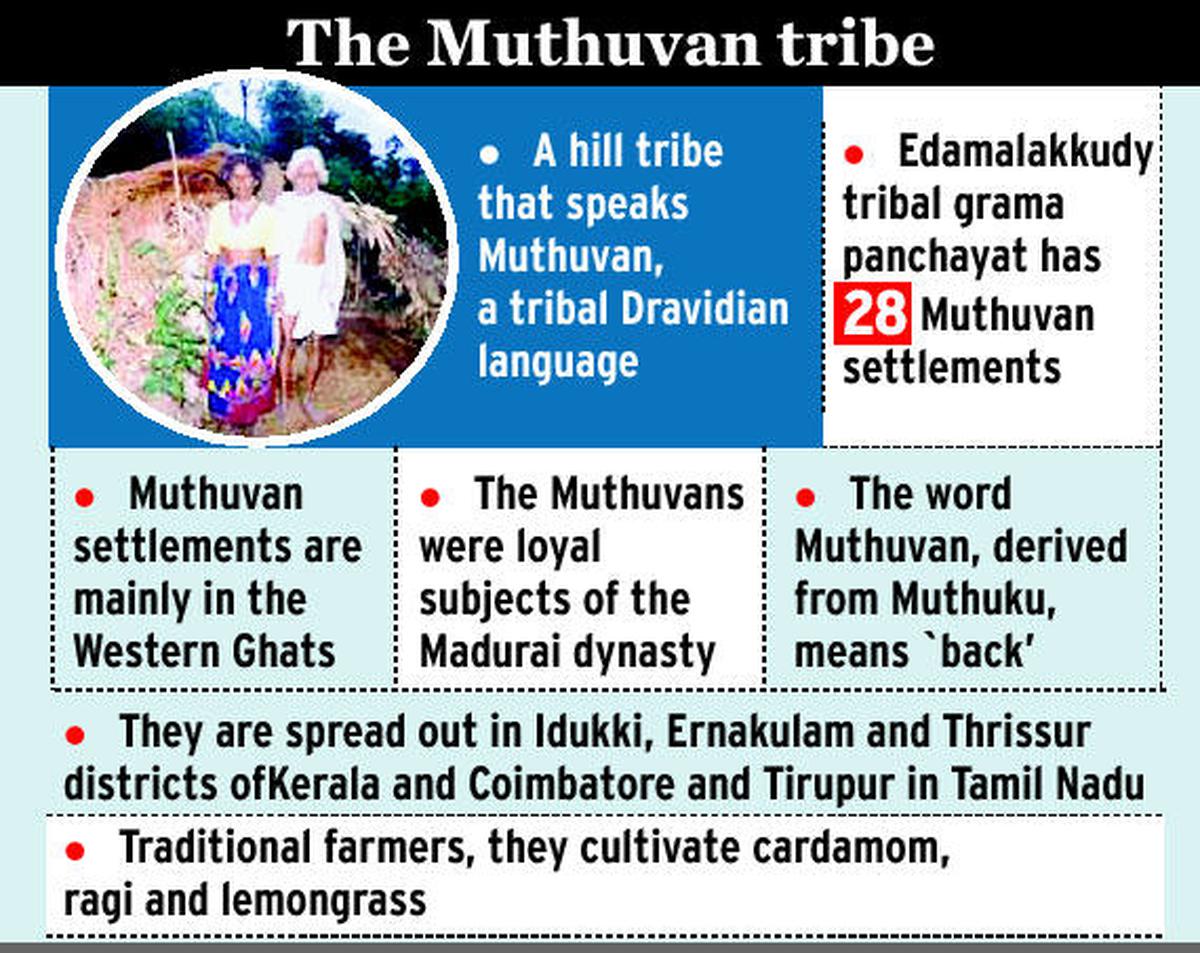
[UPSC 2014] Which one of the following statements is not correct about Scheduled Tribes in India?
(a) There is no definition of the Scheduled Tribe in the Constitution of India. (b) North-East India accounts for a little over half of the country’s tribal population. (c) The people known as Todas live in the Nilgiri area. (d) Lotha is a language spoken in Nagaland
N4S: India is inviting top foreign universities to set up campuses here—to improve access, bring in global quality, and help Indian students get world-class education without going abroad. UPSC often asks such topics in the form of big-picture questions—like in 2015, when it asked if foreign universities will actually improve Indian higher education. Many students struggle with these because they either stay too generic (just talking about GER numbers) or miss out on real-world details that make an answer stand out. This article helps bridge that gap. It walks you through key facts—from the new UGC 2023 rules (like how Deakin University is setting up in GIFT City, or how foreign campuses can set their own fees and hire freely) to the deeper concerns (like no reservation for marginalized students or risk of only elite courses being offered). One thing that makes this article truly special is how it doesn’t just list pros and cons—it shows you both the promise and the problems in one go. For example, yes, it can stop brain drain (India loses $15–20 billion a year), but it can also make education more commercial if not done right. With clear subheadings like “Challenge of Commercialisation” and “Way Forward,” this article makes your UPSC prep more grounded, specific, and confident.
PYQ ANCHORING
GS 2: The quality of higher education in India requires major improvements to make it internationally competitive. Do you think that the entry of foreign educational institutions would help improve the quality of higher and technical education in the country? Discuss. [2015]
MICROTHEMES: Education
From the ancient universities of Takshashila and Nalanda, where students and scholars from across Asia gathered to study medicine, astronomy, and philosophy, India once stood as a beacon of global learning. Centuries later, as the world reinvents education for the 21st century, India is once again at a crossroads. With over 500 million youth aged 5–24, the country holds immense human capital potential—but with a Gross Enrollment Ratio of just 27.3%, it risks falling short of global benchmarks (USA: 88.2%, China: 51.7%).
To unlock this demographic dividend, NEP 2020 sets a bold target of 50% GER by 2035. Achieving it will require not just more seats and campuses, but a fundamental reimagining of how Indian universities engage with the world. The internationalization of higher education—from foreign universities setting up campuses in India to Indian institutions integrating global best practices—is not a luxury. It is a strategic necessity.
UGC 2023 Regulatory Framework for Foreign Higher Educational Institutions (FHEIs)
In a landmark move to globalize India’s higher education ecosystem, the University Grants Commission (UGC) in 2023 notified a dedicated regulatory framework allowing Foreign Higher Educational Institutions (FHEIs) to set up independent campuses in India.
This framework marks a decisive shift in India’s education policy—from regulating entry to actively facilitating global collaboration, in line with the National Education Policy (NEP) 2020.
Key Features of the UGC 2023 FHEI Framework:
Eligibility Criteria
Only top 500 globally ranked universities or reputed foreign institutions in their home country are eligible.
Institutions must demonstrate academic excellence, financial stability, and commitment to Indian law.
Autonomy in Operations
FHEIs can:
Set their own admission criteria and fee structure.
Recruit foreign or Indian faculty without salary caps.
Offer degrees identical to their home campuses, with no equivalence requirement from UGC.
Location Flexibility
FHEIs can set up campuses anywhere in India, including Special Economic Zones (SEZs) and GIFT City.
Notable examples:
Deakin University and University of Wollongong in GIFT City
University of Southampton in Gurugram
Illinois Institute of Technology, USA in Mumbai (first U.S. university approved by UGC)
Safeguards and Compliance
Campuses must adhere to Indian laws, including provisions related to national security and student protection.
UGC retains the power to inspect, review, and de-register FHEIs found in violation.
Prohibited Programs
Programs that may compromise India’s national interest, sovereignty, or religious harmony will not be permitted.
Quality Assurance
Foreign institutions are required to maintain academic standards equal to their home campuses.
No franchise or third-party collaborations allowed—only direct investment is permitted.
Evolution of Internationalization of Education in India
Period
Milestone / Phase
Key Highlights
Ancient India (Before 12th Century)
Global Learning Centres
Universities like Takshashila, Nalanda, and Vikramashila attracted scholars from China, Korea, Tibet, Sri Lanka, and Southeast Asia. India was a global education hub.
Colonial Period (1857–1947)
Introduction of Western Education
British-established universities (e.g., Calcutta, Bombay, Madras) shifted focus toward colonial administrative needs. Knowledge exchange was one-way: India imported Western models.
Post-Independence (1950s–80s)
Self-reliance and Institution Building
Focus on building Indian institutions (e.g., IITs, IIMs) with limited foreign collaboration. Internationalization was minimal and state-controlled.
1991–2000
Liberalization and Global Exposure
Economic reforms led to openness in higher education. Indian students began going abroad in larger numbers; collaborations with foreign institutions increased modestly.
2000–2010
Growing Mobility and MoUs
Indian institutions signed MoUs for faculty exchange, joint research, and dual degrees. Regulatory bodies like UGC and AICTE began recognizing foreign qualifications.
2010–2020
Global Rankings and Policy Attention
Indian HEIs began engaging more with global rankings (e.g., QS, THE). Internationalization became a policy goal. Study in India campaign launched (2018).
2020 (NEP 2020)
Policy Breakthrough
The National Education Policy 2020 called for the entry of top 100 foreign universities, student/faculty exchange, joint campuses, and credit transfer systems.
2023–Present
Regulatory Framework for FHEIs
UGC’s 2023 guidelines officially allow foreign universities to set up campuses in India. Deakin, Wollongong, and IIT Chicago began operational plans. This marks the first institutional-level internationalization from within.
Recommendations on Internationalisation of Higher Education
Year
Committee / Policy
Recommendation
Rationale / Logic
2005–09
National Knowledge Commission (NKC)
Advocated entry of reputed foreign universities and promotion of academic collaboration.
To expand capacity, improve quality, and align Indian education with global standards.
2009
Yash Pal Committee on Higher Education
Supported allowing foreign universities with regulation; emphasised interdisciplinary learning.
To break silos, encourage innovation, and make Indian institutions globally competitive.
2011
Narayan Murthy Committee on IITs
Recommended international faculty recruitment, global research tie-ups, and foreign student intake.
To boost research output and improve global ranking of IITs.
Supported international partnerships, mobility programs, and entry of foreign universities.
To enhance quality, encourage competition, and reduce outflow of Indian students.
2018
Draft Higher Education Commission of India (HECI) Bill
Proposed a regulatory framework encouraging international tie-ups and foreign entry.
To simplify governance and enable international-level academic freedom and diversity.
2020
National Education Policy (NEP) 2020
Called for top 100 global universities to operate in India; promoted internationalisation of curricula, faculty, and students.
To raise Gross Enrollment Ratio, reverse brain drain, and position India as a global knowledge hub.
2023
UGC Regulatory Framework for Foreign Higher Educational Institutions (FHEIs)
Allowed foreign universities to set up independent campuses with autonomy.
To institutionalise NEP goals, diversify higher education, and attract global investment in academia.
Challenge of Commercialisation of Higher Education
As India opens its doors to foreign universities under the UGC 2023 framework, the promise is clear: global standards, research collaboration, and expanded access. But beneath the surface lies a critical concern — is internationalisation driving a shift from education as a public good to a market commodity? With rising costs, profit-driven models, and elite-focused institutions entering the scene, internationalisation may unintentionally deepen inequity and fuel the commercialisation of learning.
Trend / Mechanism
How It Fuels Commercialisation
Example
Premium Pricing Models
Foreign campuses may charge high tuition fees, excluding lower-income students and reinforcing education as a privilege.
Deakin University (GIFT City) and University of Wollongong reportedly plan fee structures on par with international campuses.
Market-Driven Course Offerings
Programs are often designed based on employability or market demand, not social need or foundational knowledge.
Foreign universities focusing on STEM, business, and finance, with limited emphasis on humanities or regional studies.
Brand over Substance
Student choices may lean more on global brand perception than academic quality, creating a two-tier system.
IIT Chicago’s Mumbai campus gaining traction largely due to name recognition, not proven Indian-market relevance yet.
Faculty as Market Assets
Recruitment and salaries become aligned with market value rather than teaching quality or public service.
Foreign institutions are allowed to recruit without salary caps, potentially poaching top faculty from Indian public universities.
Exclusion of Affirmative Action
Foreign universities are not obligated to follow reservation policies, which may exclude historically marginalised groups.
No reservation norms for foreign campuses under UGC 2023 — undermines social justice goals of Indian higher education.
Franchise Model Risks in Disguise
Though formally disallowed, informal tie-ups may still function as for-profit franchise centres under other legal names.
Past concerns about foreign “study centres” operating without oversight resurface in newer forms under international collaboration banners.
Way Forward
Focus on Quality, Not Quantity: Only top-tier institutions with academic depth should be allowed. Australia’s Tertiary Education Quality and Standards Agency (TEQSA) model can offer guidance.
Tailor to Indian Needs: Programs must align with India’s skill gaps, regional priorities (e.g., Agri-tech in Punjab, AI in Bengaluru), and local language and culture.
Balanced Curriculum: Move beyond just STEM. Encourage liberal arts, humanities, and interdisciplinary courses, critical for holistic education.
Regulatory Autonomy with Accountability: Like Singapore’s EduTrust Scheme, India can offer autonomy with regular audits to ensure quality.
Collaboration with Indian Institutions: Encourage joint degrees, research hubs (e.g., IIT Madras-Zurich ETH) to combine global and local strengths.
Incentives for Tier-II Cities: To decongest metros and ensure equitable growth, promote campuses in underserved regions with sops (e.g., land grants, PPPs).
Feedback Loop Mechanisms: Empower NAAC/NIRF to evaluate foreign campuses regularly and create a public dashboard for transparency.
#BACK2BASICS: Foreign University Campuses in India: Global Promise or Market Gamble?
Why It Matters
Area
Significance
Examples / Data
Capacity Expansion
Helps bridge India’s huge demand–supply gap in higher education.
India needs 800–900 universities by 2035 (Economic Survey 2022–23).
Global Exposure at Home
Offers international learning without the cost of going abroad.
73% of Indian students value global exposure (QS Student Survey).
Curbing Brain Drain
Retains talent and saves foreign exchange.
7.5 lakh Indians went abroad in 2022 (MEA); FHEIs could save $15–20 bn annually (NITI Aayog).
Boosting Research Ecosystems
Enables institutionalised partnerships and innovation networks.
IITB–Monash and IITD–Queensland models.
Strategic Diplomacy
Aligns with India’s global partnerships and regional strategy.
India–UK Roadmap 2030, India–Australia CSP.
Local Job Creation
Spurs regional growth and skilling ecosystems.
NYU Abu Dhabi created 5,000+ jobs — GIFT City campuses could follow suit.
Legal Backing
SC has upheld institutional autonomy for private and foreign actors.
TMA Pai Foundation v. State of Karnataka (2002).
Initiatives
Initiative
Purpose / Mechanism
Example
NEP 2020
Framework for internationalisation at home.
Encourages FHEIs, student mobility, global tie-ups.
No libraries, green zones, sports—hurts brand perception.
Regulatory Maze
FCRA, FEMA, and land laws still complex.
Delays and compliance costs discourage foreign entry.
Style Over Substance
Heavy marketing without strong faculty or curriculum.
Short-term enrolments but poor long-term trust.
Low Research Investment
Most focus only on teaching; little research capacity.
No PhDs or global labs; weak academic impact.
ROI Concerns
High fees, unclear job value deter value-conscious students.
Domestic students ask: is the premium worth it?
Global Financial Headwinds
Geopolitical shifts and post-COVID cutbacks affect foreign expansion.
Foreign universities reassessing Indian plans amid cost pressures.
Bottom Line: Foreign university campuses offer India a chance to scale, diversify, and globalize its higher education system — but only if backed by equity, rigour, and ecosystem support. Without guardrails, they risk becoming expensive outposts rather than engines of academic excellence.
SMASH MAINS MOCK DROP
While the entry of Foreign Higher Educational Institutions (FHEIs) in India promises global exposure and capacity expansion, it also raises serious concerns about equity, autonomy, and the commodification of education.” Critically examine in the context of UGC’s 2023 regulatory framework.