The Karnataka Forest Department captured a female sloth bear near Shivamogga airport after it entered nearby villages and airport premises, raising concerns about human wildlife conflict.
What Is Sloth Bear?
• Scientific Name Melursus ursinus • Found in Indian Subcontinent • Habitat: Dry forests, Grasslands, Scrub forests • Known for Insect feeding, Strong claws, and Human conflict incidents
Conservation Status
• IUCN Status Vulnerable • Wildlife Protection Act 1972 • Listed under Schedule I protection
[2022] With reference to Indian laws about wildlife protection, consider the following statements: 1 Wild animals are the sole property of the government. 2 When a wild animal is declared protected, such animal is entitled for equal protection whether it is found in protected areas or outside. 3 Apprehension of a protected wild animal becoming a danger to human life is sufficient ground for its capture or killing. Which of the statements given above is/are correct? (a) 1 and 2 (b) 2 only (c) 1 and 3 (d) 3 only
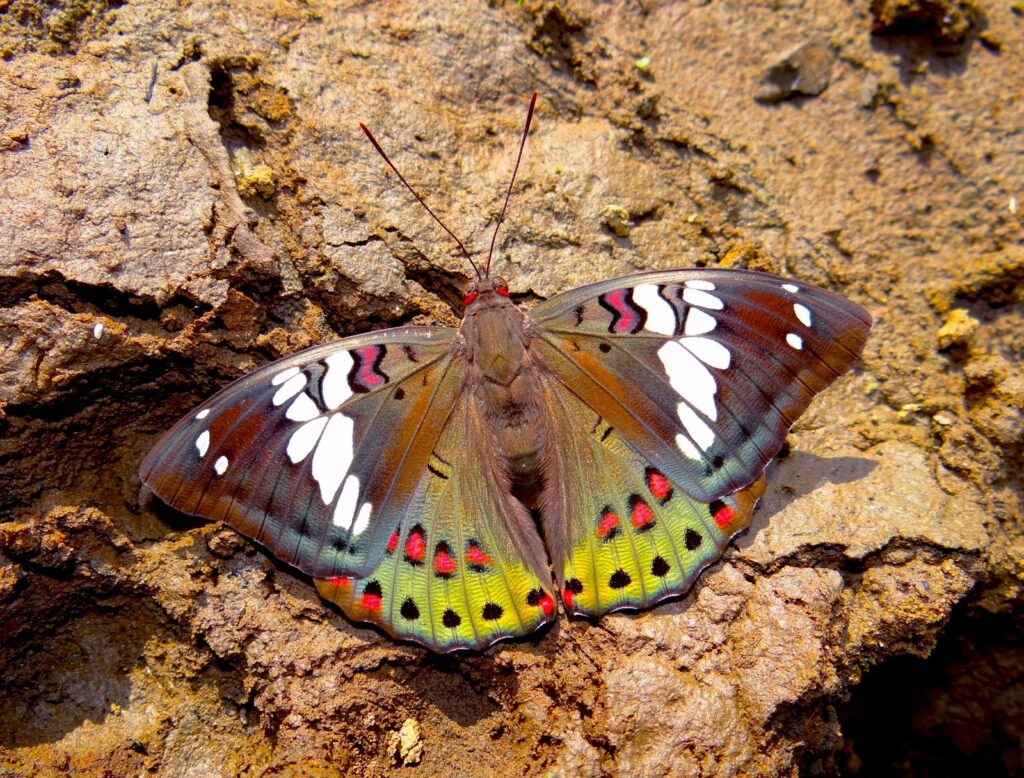
A new butterfly species discovered in Arunachal Pradesh’s Leparada district has been named Euthalia zubeengargi in honour of Zubeen Garg, a cultural icon of Assam, whose death on September 19, 2025 triggered widespread public reaction.
What Is the Newly Discovered Butterfly Species?
• Scientific Name: Euthalia zubeengargi • Common Name Proposed: Basar Duke • Genus: Euthalia • Habitat: Semi evergreen forests • Elevation Range: 600 to 750 metres • Location: Leparada district, Arunachal Pradesh
Why Is the Discovery Important?
• Only Two Male Individuals recorded • One Collected Specimen • One Photographed in Wild • Indicates Rare or Highly Localised Species • Found in Forest Ecosystem of Eastern Himalayas
[2016] Recently, for the first time in our country, which of the following States has declared a particular butterfly as ‘State Butterfly’? (a) Arunachal Pradesh (b) Himachal Pradesh (c) Karnataka (d) Maharashtra
On World Frog Day (March 20), attention is drawn to India’s amphibians, where citizen science and conservation initiatives are helping address rising threats like climate change and habitat loss.
Ecological Importance of Frogs
Act as link between aquatic and terrestrial ecosystems
Control insect populations (pests)
Serve as food for higher vertebrates
Help convert: → Insect biomass → Vertebrate biomass
Global & Indian Status
As per International Union for Conservation of Nature:
Amphibians = most threatened vertebrates
37 species extinct globally
India:
450+ amphibian species
~25% threatened
~20% data deficient
Major Threats to Frogs
1. Disease (Historical Driver)
Chytridiomycosis caused by:
Batrachochytrium dendrobatidis
Batrachochytrium salamandrivorans
Affects frog skin (critical for respiration & ion balance)
Impact: → Affected >60% amphibians globally
2. Climate Change (Current Major Driver)
Impacts 39% species
Causes:
Mismatch in monsoon timing
Breeding failures due to: Early rains + prolonged dry spells
3. Habitat Loss
Impacts 37% species
Includes: Wetland loss, Deforestation, and Urbanisation.
[2024] Consider the following: 1. Butterflies 2. Fish 3. Frogs How many of the above have poisonous species among them? (a) Only one (b) Only two (c) All three (d) None
A study published in Ecology Letters (March 2026) by University of British Columbia and collaborators shows ringed seals risk predation to access diverse food in the Arctic.
Key Species Involved
Ringed seal: Primary prey species in Arctic marine ecosystems
Polar bear: Main predator dependent on sea ice for hunting
Study Area & Method
Location: Eastern Hudson Bay (Arctic region)
Tracked: 26 seals and 39 polar bears
Tools: GPS tracking, Dive data analysis and Sea-ice mapping + fish diversity models
Core Findings
1. Food vs Fear Trade-off
Seals avoid high-risk zones (areas with many polar bears)
BUT:
Enter these zones if food diversity is high
Stay longer underwater (long dives) even in danger zones
2. “Landscape of Fear” Concept
Animals modify behavior based on predator presence
Seals:
Move quickly through risky areas
Adjust diving patterns depending on threat level
3. Portfolio Effect (Very Important)
Seals prefer diverse prey instead of a single food source
Similar to financial diversification:
Reduces risk of food scarcity in changing environments
4. Behavioral Adaptations
Possible ability to: Detect predators (e.g., listening for polar bears on ice)
Limitation: Hard to scientifically capture such micro-behaviors
5. Climate Change Impact
Melting sea ice leads to:
Altered predator-prey interactions
Increased bear density in smaller ice areas
Entry of new predators like killer whales
Key Ecological Insight
Wildlife survival depends on dual factors:
Food availability
Predation risk
[2015] The term ‘IndARC’, sometimes seen in the news, is the name of: (a) an indigenously developed radar system inducted into Indian Defence (b) India’s satellite to provide services to the countries of Indian Ocean Rim (c) a scientific establishment set up by India in Antartic region (d) India’s underwater observatory to scientifically study the Arctic region
Authorities have planned to translocate ~50 Asiatic wild water buffaloes from Kaziranga National Park to Kanha Tiger Reserve in a phased manner, starting with a smaller group.
About the Species
Asiatic Wild Water Buffalo
Scientific name: Bubalus arnee
Status: Endangered (IUCN)
India holds major global population
Key Details of the Plan
Total planned: ~50 buffaloes
Initial phase: 5–15 individuals
Method:
Tranquilization and capture
Gradual relocation after feasibility checks
Why Translocation is Being Done?
Species Conservation: Avoids over-concentration in one area
Reduces risk from: Disease outbreaks and Natural disasters.
Kanha Tiger Reserve historically had wild buffaloes
Aim: restore lost populations
Genetic Diversity: Helps maintain: Healthy breeding populations and Reduced inbreeding.
Why Kaziranga?
Hosts 1000+ wild buffaloes
One of the strongest populations globally
Suitable as a source population
Why Kanha?
Suitable: Habitat (grasslands + water sources)
Part of central Indian landscape restoration
[2017] According to the Wildlife (Protection) Act, 1972, which of the following animals cannot be hunted by any person except under some provisions provided by law? 1. Gharial Indian 2. Wild ass 3. Wild buffalo Select the correct answer using the code given below: (a) 1 only (b) 2 and 3 only (c) 1 and 3 only (d) 1, 2 and 3
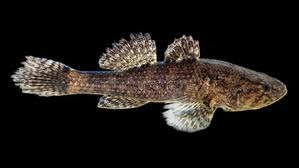
Scientists have discovered a new estuarine fish species, named Butis bargabhimae, in the Rupnarayan River near Tamluk.
About the Species
1. Classification
Family: Butidae (gudgeon gobies)
Habitat: Brackish water (estuaries)
Found where rivers meet the sea
2. Discovery Process
Time: 2022–2024
Institutions: Tamralipta Mahavidyalaya and Vidyasagar University.
Method:
Field collection by local fishermen
Morphological + DNA analysis
Unique Features
Presence of interorbital scales (between eyes)
Additional auxiliary body scales
Distinct light and dark bands on pectoral fins
DNA similarity only ~86% with closest relatives
Confirms it as a new species
Naming Significance
Named after Bargabhima, a local deity of Tamluk
Reflects link between biodiversity and cultural heritage
Scientific Importance
Taxonomic Clarity: Helped correct misidentification of similar species in:
India
Bangladesh
Role of DNA Barcoding: Shows importance of genetic tools in species identification
Hidden Biodiversity: Suggests many undiscovered species in Indian rivers and estuaries
[2022] DNA Barcoding can be a tool to: 1. Assess the age of a plant or animal. 2. Distinguish among species that look alike. 3. Identify undesirable animal or plant materials in processed foods. Select the correct answer using the code given below: (a) 1 only (b) 3 only (c) 1 and 2 (d) 2 and 3
PYQ Relevance[UPSC 2021] Describe the major outcomes of the 26th session of the Conference of the Parties (COP) to the UNFCCC. What are the commitments made by India in this conference?Linkage: TFFF emerges from COP30 processes, reflecting evolving climate finance architecture under UNFCCC, especially beyond traditional commitments like REDD+ and Glasgow pledges.
Mentor’s Comment
The Tropical Forest Forever Facility (TFFF) represents a paradigm shift in climate finance architecture by institutionalizing payments for forest conservation. However, it raises fundamental questions about governance, equity, and the role of indigenous communities. The Belém model provides critical insights into future global climate financing frameworks.
What is Tropical Forest Forever Facility (TFFF)?
The Tropical Forest Forever Facility (TFFF) is a Brazil-led global initiative designed to reward countries for maintaining standing tropical forests. Set to launch at COP30, this multi-billion-dollar fund seeks to raise $125 billion (25% public, 75% private) to generate annual returns that provide continuous financial incentives for forest conservation, aiming to make standing forests more valuable than felled ones.
Key Aspects of the TFFF:
Funding Goal: $125 billion, with early contributions exceeding $5.5 billion from countries like Brazil, Indonesia, Norway, and Colombia.
Mechanism: The initiative combines public and private investment, investing in a portfolio of bonds. The annual profits are then paid out to countries that effectively protect their forests, verified by satellite data.
Indigenous Support: The facility mandates that at least 20% of the funds must go to Indigenous Peoples and Local Communities (IPLCs).
Focus: It focuses on rewarding nations with existing low deforestation rates to keep forests standing, rather than only rewarding reduction.
Objectives:
Permanent Conservation: Creating a self-sustaining financial model for long-term conservation rather than temporary projects.
Economic Value: Assigning value to the standing forest ecosystem.
Climate Action: Contributing to a 1.5°C goal by halting tropical deforestation.
What distinguishes TFFF from earlier forest finance models?
Shift in Approach: Rewards standing forests, not just avoided deforestation.
Financial Structure: Ensures returns on investments, unlike donation-based REDD+ mechanisms.
Scale of Funding: Mobilizes $5.5 billion initial commitments, including $3 billion from Norway.
Performance Incentives: Mandates 20% of payments for indigenous and local communities.
Participatory Design: Incorporates inputs from 400+ community leaders globally.
Does the TFFF ensure inclusive and equitable governance?
Governance Gap: Indigenous groups lack voting rights in core decision-making bodies.
Power Asymmetry: Central governments retain control over fund allocation.
Equity Concerns: Raises questions on true decentralization of financial authority.
Institutional Risk: Weak local accountability may lead to elite capture of funds.
Structural Inclusion Limits: Participation remains consultative, not decision-binding.
Why is the TFFF being criticized as “colonial” in design?
Intermediary Dominance: Benefits financial intermediaries over forest-dependent communities.
Return-Oriented Model: Prioritizes financial returns over ecological outcomes.
Superficial Conservation: Risks rewarding preservation without reducing exploitation pressures.
Narrative Control: Reinforces global North-South financial dependency patterns.
Can financial mechanisms alone address forest degradation?
Systemic Pressures: Infrastructure, extractive industries, and agriculture drive deforestation.
Insufficient Funding:$4 per hectare (earlier proposals) inadequate for ecosystem services.
Policy Disconnect: Financial flows do not align with land-use regulation reforms.
Local Impact Risk: Funds may bypass communities without strong governance structures.
Economic Trade-offs: Conservation competes with high-revenue extractive activities.
How central are indigenous land rights to forest conservation?
Land Rights Assertion: Indigenous communities demand recognition of territorial sovereignty.
Exclusion Concerns: Many feel excluded from decision-making affecting their lands.
Survival Linkage: Forest protection is tied to livelihoods and cultural identity.
Global Advocacy: Calls for long-term funding supporting community governance models.
Risk of Displacement: Weak safeguards may lead to land alienation and displacement.
What institutional innovations accompany the TFFF?
Digital Platform: Facilitates TFFF eligibility assessment and transparency mechanisms.
Global Partnerships: Collaborates with UNDP, FAO, WWF, and GATC.
Capacity Building: Supports technical assistance and peer collaboration.
Conflict Safeguards: Ensures independence from governing structures to avoid conflicts of interest.
Inclusion Framework: Promotes knowledge-sharing and participatory governance models.
What determines the success of the Belém model?
Delivery Mechanisms: Strong institutions ensure efficient and transparent fund utilization.
Local Accountability: Strengthens community-level governance structures.
Rights Integration: Secures indigenous land rights alongside financial flows.
Structural Reform: Aligns conservation with broader economic and land-use policies.
Outcome Orientation: Ensures funds translate into measurable ecological protection.
Conclusion
The TFFF represents a transition toward investment-based conservation finance, but its credibility depends on equity, governance, and structural reforms. Without integrating indigenous rights and accountability mechanisms, financial innovation alone cannot ensure sustainable forest conservation.
A rare freshwater crab species, Vela carli, found in Silent Valley National Park, has been discovered showing both male and female biological traits.
What was discovered?
Scientists found three crabs exhibiting dual sexual characteristics
The condition is called Gynandromorphy
Example in this case:
Some body parts had male reproductive organs
Others had female features (gonopores)
What is Gynandromorphy?
A rare biological condition where: An organism shows both male and female characteristics.
Usually caused by: Errors during cell division (chromosomal distribution).
Important distinction:
Not hermaphroditism (where both reproductive organs function normally)
Instead, it is a mosaic of male and female tissues
About Vela Carli
Vela carli is a freshwater crab species endemic to India, specifically found in the Central Western Ghats, one of the world’s richest biodiversity hotspots.
[2013] Consider the following pairs: National Park : River flowing through the Park Corbett National Park : Ganga Kaziranga National Park : Manas Silent Valley National Park : Kaveri Which of the above pairs is/are correctly matched? (a) 1 and 2 (b) 3 only (c) 1 and 3 (d) None
The Forest Survey of India (FSI) has stopped issuing fortnightly deforestation alerts through its AI-based Anavaran Deforestation Alert System. The portal has not been updated since November 2025.
What was the Anavaran System?
An AI and satellite-based monitoring system launched in January 2024.
Provided deforestation alerts every 15 days to states.
Alerts included precise geographic coordinates where forest cover loss was detected.
Purpose:
Enable quick field inspections by forest officials.
Improve near-real-time monitoring of deforestation.
Technology Used
The system used remote sensing and machine learning:
Google Earth Engine
Sentinel-2
Sentinel-1
Features:
Optical satellite imagery (Sentinel-2).
Synthetic Aperture Radar (SAR) data from Sentinel-1 for cloudy or monsoon conditions.
Machine learning algorithms compared before-and-after images to detect forest loss.
Performance of the System
12,351 alerts issued between Jan 2024 and Oct 2025.
Average alerts per month: 561
Alerts increased to 1,028 per month during Nov–March, when deforestation peaks.
Why Alerts Were Stopped
According to FSI officials:
The system was only a pilot project.
The government is currently reviewing feedback from states on its usefulness.
Active monitoring reportedly stopped in January 2026.
Comparison with Global Systems
The system was considered similar to Terra‑I, used in countries like Peru. However, Anavaran had higher spatial resolution:
10–20 metre resolution (Sentinel satellites)
Terra-I: 250 metre resolution
Other Forest Monitoring Systems in India
Van Agni Portal
Fire alerts using satellite data have been operational since 2004.
[2015] In which of the following activities are Indian Remote Sensing (IRS) satellites used? 1. Assessment of crop productivity 2. Locating ground water resources 3. Mineral exploration 4. Telecommunications 5. Traffic studies Select the correct answer using the code given below. (a) 1, 2 and 3 only (b) 4 and 5 only (c) 1 and 2 only (d) 1, 2, 3, 4 and 5
A Namibian cheetah Jwala gave birth to five cubs at Kuno National Park, taking India’s total cheetah population to 53. The development is a major milestone under Project Cheetah.
Key Highlights
Five cubs born to Namibian cheetah Jwala.
Recently, another cheetah Gamini delivered four cubs at the same park.
Total cheetah population in India: 53.
Indian-born cubs: 33.
Successful litters in India: 10.
About Project Cheetah
Launched on 17 September 2022 by Narendra Modi.
Eight cheetahs were translocated from Namibia to Kuno National Park.
Aim: Reintroduce cheetahs in India after extinction.
Background
Cheetahs became extinct in India in 1952 due to hunting and habitat loss.
The species is the fastest land animal.
Objectives of the Programme
Restore the cheetah population in India.
Re-establish a functional grassland ecosystem.
Promote wildlife tourism and conservation awareness.
Improve genetic diversity and species recovery.
[2024] Consider the following statements: Lions do not have a particular breeding season. Unlike most other big cats, cheetahs do not roar. Unlike male lions, male leopards do not proclaim their territory by scent marking.Which of the statements given above are correct? (a) 1 and 2 only (b) 2 and 3 only (c) 1 and 3 only (d) 1, 2 and 3