India faces a significant burden of diabetes, with an estimated 10.13 crore people affected and an additional 13.6 crore individuals classified as pre-diabetic.
One of the most commonly-used tests to diagnose pre-diabetes and diabetes (both type 1 and type 2) and to help manage diabetes, is the haemoglobin A1C (HbA1C) test.
What is the HbA1C Test?
The HbA1C test, or glycated haemoglobin test, serves as a vital tool for diagnosing pre-diabetes and diabetes, offering insights into long-term blood glucose control.
It measures the percentage of red blood cells coated with sugar.
It provides a comprehensive view of average blood glucose levels over the preceding two to three months.
It is recommended for individuals over 30 years and those with specific risk factors, with retests scheduled based on initial findings and individual health profiles.
Evolution and Acceptance
Initially inconsistent, the test gained recognition for its correlation with blood glucose values and its role in monitoring glycemia, leading to improved standardization and accuracy.
It is endorsed by medical bodies like World Health Organization (WHO) and the American Diabetes Association and.
This underscores the test’s diagnostic utility, subject to stringent quality assurance measures.
Interpretation of Results
Results are typically presented as percentages.
Normal: Values below 5.7% are considered
Pre-diabetes: 5.7% to 6.4%
Diabetes: 6.5% or higher
Alternatively, results may be expressed in mmol/mol, providing a comparable metric for assessment.
Limitations of the Test
While informative, the HbA1C test may be supplemented by other tests, particularly in populations with conditions affecting assay accuracy.
In India, factors like thalassemia prevalence and iron-deficiency anemia may impact test reliability, necessitating caution and additional indices for glycemic assessment.
PYQ:
‘Aerial metagenomics’ best refers to which one of the following situations?
Collecting DNA samples from air in a habitat at one go
Understanding the genetic makeup of avian species of a habitat
Using air-borne devices to collect blood samples from moving animals
Sending drones to inaccessible areas to collect plant and animal samples from land surfaces and water bodies
Practice MCQ:
Consider the following statements about the HbA1C test:
It is used in the diagnosis of Sickle Cell Disease.
It measures the percentage of red blood cells coated with sugar.
Based in Delhi, Akmus Drugs and Pharmaceutical Limited unveiled a groundbreaking drug for sickle cell disease on March 16.
This drug marks India’s first indigenous, room-temperature stable solution for sickle cell disease, available at a mere 1% of the global price.
What is Sickle Cell Disease (SCD)?
Sickle Cell Disease (SCD) is a genetically inherited red blood cell disorder.
It causes red blood cells to become hard, sticky, and sickle-shaped due to abnormal hemoglobin.
This abnormality leads to complications such as pain, infections, acute chest syndrome, and stroke.
Different types of SCD include HbSS, HbSC, and HbS beta thalassemia, each varying in severity.
SCD is diagnosed through a simple blood test, often identified at birth through new-born screening.
Treatment focuses on managing complications with options like bone marrow or stem cell transplantation, gene therapies, and medications like hydroxyurea to reduce symptoms and prevent complications.
The recent approval of Casgevy, a groundbreaking gene therapy utilizing Crispr-Cas9 technology, represents a monumental achievement SCD Treatment.
About Akmus Sickle Cell Drug
The oral suspension of Hydroxyurea is the basic component of the drug.
Priced at less than ₹600, the drug is poised to revolutionize access to treatment for sickle cell disease patients nationwide.
It is tailored for patients across all age groups.
It offers convenience and precision in dosage administration through provided oral syringes.
What makes it a revolutionary drug?
Room Temperature Stability: Unlike imported hydroxyurea solutions requiring storage at 2-8 degrees Celsius, Akmus Pharmaceuticals’ formulation ensures accessibility without stringent storage conditions.
Cost-Efficiency: With the global brand priced at approximately ₹77,000, Akmus’ solution underscores a paradigm shift towards affordable medication.
Sickle Cell Disease Menace in India
Prevalence among STs: Sickle cell disease is a genetic disorder mostly prevalent in districts with high tribal populations. About one in 86 births among STs have sickle cell disease that affects haemoglobin in red blood cells, resulting in morbidity and mortality (as per WHO).
Health Priority: Recognizing sickle cell disease as a significant health challenge, India has identified it among the top 10 issues disproportionately affecting tribal communities.
National Mission: The National Sickle Cell Anemia Elimination Mission launched in 2023, aims to eliminate sickle cell anemia from India by 2047.
PYQ:
Q. Consider the following statements in the context interventions being undertaken under Anaemia Mukt Bharat Strategy: (2023)
It provides prophylactic calcium supplementation for pre-school children, adolescents and pregnant women.
It runs a campaign for delayed cord clamping at the time of child-birth.
It provides for periodic deworming to children and adolescents.
It addresses non-nutritional causes of anaemia in endemic pockets with special focus on malaria, hemoglobinopathies and fluorosis.
How many of the statements given above are correct?
Only one
Only two
Only three
All four
Practice MCQ:
Q. Regarding the prevalence of Sickle Cell Disease (SCD) in India, consider the following statements:
Sickle cell disease is a hereditary disorder affecting affects haemoglobin in red blood cells.
About one in 86 births among STs have sickle cell disease.
India has identified it among the top 10 issues disproportionately affecting tribal communities.
The National Sickle Cell Anemia Elimination Mission, aims to eliminate sickle cell anemia from India by 2030.
A suspected case of Lyme disease caused by the bite of a tick carrying borrelia bacteria has been reported from Koovapady in Ernakulam district.
What is Lyme Disease?
According to the Centers for Disease Control and Prevention (CDC), Lyme is transmitted to humans through the bite of infected blacklegged ticks.
Typical symptoms include fever, headache, fatigue, and a characteristic skin rash called erythema migrans.
If left untreated, infection can spread to joints, the heart, and the nervous system.
Symptoms of Lyme Disease
Symptoms of Lyme disease depend on the stage of the condition.
(1) Stage 1
The early symptoms of Lyme disease begin to appear within 3 to 30 days after a tick bite.
In this stage, the disease has a limited set of symptoms that includes rash, fever, headache, muscle aches etc. and hence is called early localised disease.
(2) Stage 2
Stage 2 is often more serious and widespread. It is called early disseminated disease.
Symptoms include more rashes on other parts of the body, neck pain or stiffness, muscle weakness on one or both sides of the face etc.
(3) Stage 3
In the United States, the most common condition of this stage is arthritis in large joints, particularly the knees.
Pain, swelling or stiffness may last for a long time. Or the symptoms may come and go.
Stage 3 symptoms usually begin 2 to 12 months after a tick bite.
Try this PYQ from CSE Prelims 2016:
Which of the following statements is/are correct?
Viruses can infect
bacteria
fungi
plants
Select the correct answer using the code given below.
(a) 1 and 2 only
(b) 3 only
(c) 1 and 3 only
(d) 1, 2 and 3
[wpdiscuz-feedback id=”p1no71giat” question=”Please leave a feedback on this” opened=”1″]Post your answers here.[/wpdiscuz-feedback]
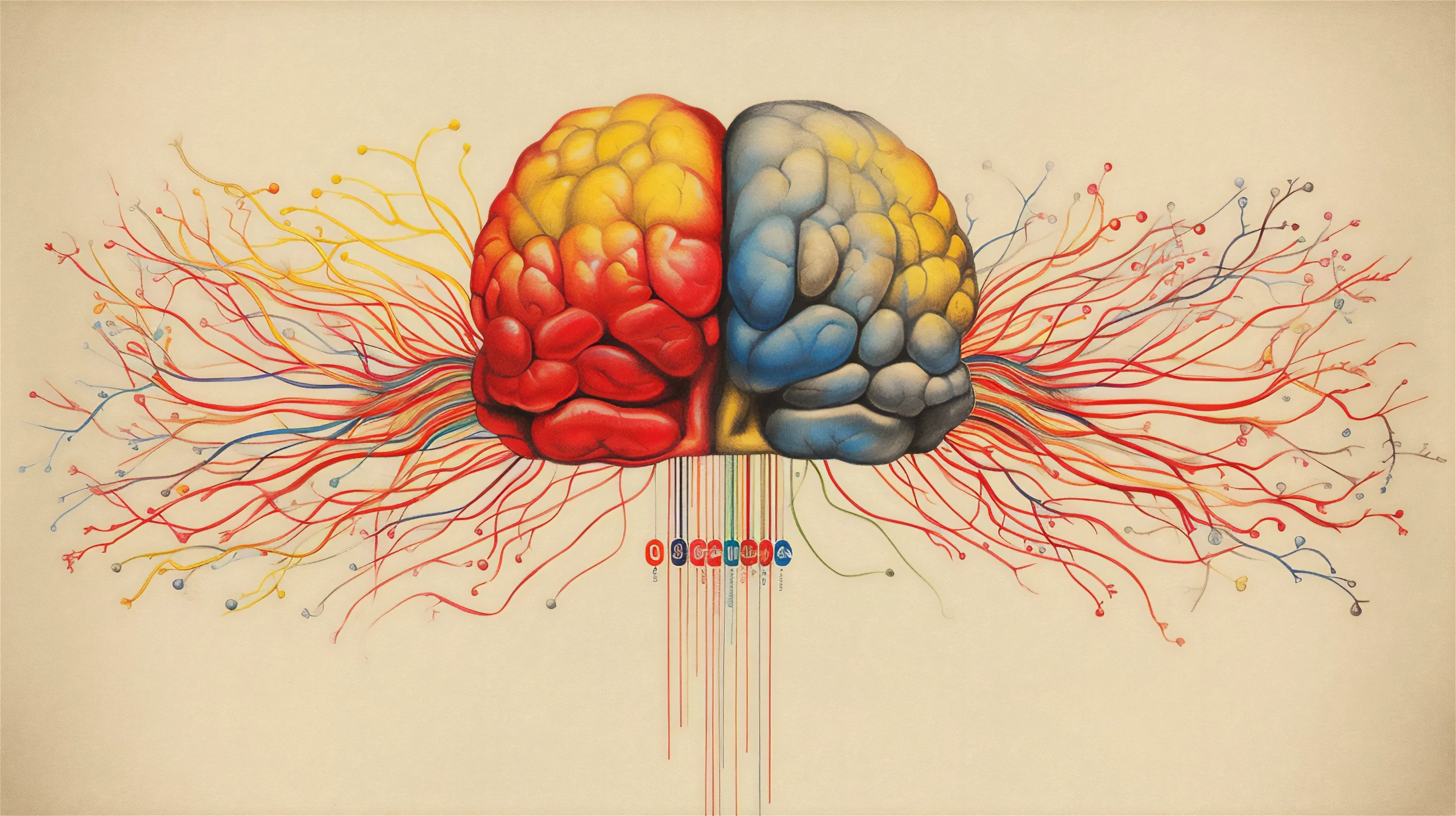
The human brain, composed of billions of neurons, orchestrates intricate processes that sustain life and enable complex cognitive functions.
Understanding these neural interactions is paramount, and scientists have achieved this through the concept of the connectome.
What is Connectome?
Definition: The Connectome serves as a comprehensive map of neuronal connections, akin to a cartogram illustrating the intricate network of synapses transmitting electrical and chemical signals within the brain.
Neural Communication: Neurons communicate through synapses, where dendrites receive chemical signals converted into electrical impulses transmitted along the axon. Subsequently, the cell releases chemicals into synapses based on electrical inputs, facilitating communication with neighbouring neurons.
Applications in Neuroscience
Functional Insights: Mapping the connectome provides invaluable insights into brain function, shedding light on processes underlying cognitive functions and elucidating the impact of neurological disorders such as attention deficit hyperactivity disorder (ADHD) and Alzheimer’s disease.
Drug Development: By unravelling cellular connections, researchers gain crucial knowledge about cognitive processes and associated disorders, informing the development of novel therapeutic interventions for conditions affecting neurological health.
Challenges and Progress
Complexity of the Brain: The intricate nature of the brain and the vast amount of data it processes present significant challenges in mapping the connectome.
Simplified Understanding: Despite these challenges, the connectome has revolutionized scientists’ comprehension of the brain, offering a clearer understanding of neurological health and paving the way for advancements in neuroscience research.
Prelims: Recently, there was a growing awareness in our country about the importance of Himalayan nettle (Girardinia diversifolia) because it is found to be a sustainable source of [UPSC CSE 2019] a) Anti-malarial drug b) Biodiesel c) Pulp for paper industry d) Textile Fibre
Mains: 1. Can overuse and free availability of antibiotics without Doctor’s prescription, be contributors to the emergence of drug-resistant diseases in India? What are the available mechanisms for monitoring and control? Critically discuss the various issues involved. (UPSC CSE 2014)
2. What do you understand about Fixed Dose Drug Combinations (FDCs)? Discuss their merits and demerits. (UPSC CSE 2013)
Note4Students:
Mains: Drug Regulation and Disease control in India;
Prelims: Drugs in News;
Mentor comments: The Semaglutide which works as ‘magic injections for weight loss’, is a drug not approved for sale in India. Doctors are administering these drugs to affluent patients without proper approval or clinical trials in India. The lack of clinical trials in India poses risks on Indian patients and potential interactions with other medications too. We need to study the challenges and mechanisms for monitoring and control of these unapproved drugs in India.
Let’s learn.
—
Why in the News?
Concerns are raised around the use of unapproved drugs like Semaglutide in India.
The recent scandal involved spurious imported drugs like Adcetris which highlights the need for stricter controls and verification of imported medications to ensure patient safety.
Statistics and Reports on unapproved drugs in India:
The research revealed that around 64% of the 118 different formulations of fixed dose combination (FDC) drugs sold in the country between 2007 and 2012 were not approved by the national drugs regulator, the Central Drugs Standard Control Organization (CDSCO), even though the sale of unapproved new medicines is illegal in India.
The current Major two Regulatory Challenges in India:
1) No Clinical Trials in India:
Approval Process: Drugs are normally approved for sale in India after conducting clinical trials in the country. Once approved, the regulator mandates monitoring and reporting of adverse events for two years
Unapproved Drugs: Unapproved drugs have not undergone clinical trials in India, posing health risks and potential adverse reactions. Global pharma companies sometimes choose to stay out of the Indian market and not launch drugs in India.
Exceptional cases: Patients and hospitals can also apply for import licenses for unapproved drugs, but these are narrow exceptions to the rule.
2) Professional issues with Doctors:
Ethical Dilemma with Medical Professionals: Doctors face ethical questions about prescribing unapproved drugs when patients demand these drugs based on miracle reports. In such situations, it usually influences their decisions regarding unapproved medications.
For example, recent scandals such as Adcetris (a drug used to treat a type of blood cancer) and imported drugs highlight the importance of doctors ensuring the authenticity and safety of medications before administration.
Lack of Knowledge and Training: Many doctors have still not studied the full effects of these drugs and are trained to identify and treat adverse events. Doctors need to be cautious as patients may be using illegally imported drugs, raising concerns about safety and authenticity.
Case study:
Many decades ago, in the US, other types of weight loss drugs like ‘Rimonabant and Fen–Phen’ were marketed as a miracle weight loss cure. Soon, the miracle was demystified and pharma companies paid out approximately $4 billion in damages in mass tort litigation.
What are the potential challenges of Unapproved Drugs on Patients in India?
Health Risks: Patients face potential health risks due to the unknown effects and interactions of unapproved medications, leading to adverse reactions and complications.
Antimicrobial Resistance: The use of unapproved antibiotics contributes to antimicrobial resistance, undermining efforts to combat infectious diseases and posing a global health threat.
Legal Implications: Patients may unknowingly receive medications that are not approved for safety and efficacy, raising legal concerns for healthcare providers and regulatory authorities.
Lack of Oversight: Patients receiving unapproved drugs may lack proper monitoring and oversight, increasing the risk of adverse events and inadequate treatment outcomes.
What measures can be taken to prevent potential harm in India? (Way Forward)
To address the importation of unapproved drugs in India several measures can be taken:
Implement Clear Guidelines: Establish clear guidelines and regulations regarding the importation and use of unapproved drugs, ensuring that healthcare providers adhere to approved medications and treatments.
Strengthen Regulatory Oversight: Enhance regulatory oversight by conducting thorough inspections of drug manufacturing facilities in India and abroad to prevent the importation of unapproved or counterfeit drugs.
Enforce Accountability: Hold accountable those involved in administering unapproved drugs, including healthcare providers who prescribe them, by enforcing strict penalties for violating regulations.
Increase Awareness: Raise awareness among healthcare providers, patients, and the public about the risks associated with unapproved drugs and the importance of using only authorized medications.
Promote Compassionate Use Programs: Encourage the development of compassionate use programs that allow access to potentially life-saving drugs under specific circumstances while ensuring proper oversight and monitoring.
Practice Question: The prescription of unauthorized “miracle drugs” by doctors highlights gaps in the regulatory framework. Examine the potential harm to patients and suggest regulatory measures to prevent that harm.
Approach for the Answer:
Introduction: Theme: Unapproved Miracle Drugs and their use by affluent people by doctors’ prescription
Body: Demand 1: Highlight regulatory gaps in approval of Miracle drugs Demand 2: Enlist potential harms to patients Demand 3: Suggest regulatory measures to prevent harm
Cannabis (Cannabis sativa) has long intrigued psychiatrists due to its impact on mood and cognition, prompting research into its potential therapeutic applications for conditions like schizophrenia and mood disorders.
Do you know?
The Narcotic Drugs and Psychotropic Substances Act, 1985 regulates cannabis by defining it under Section 2(iii) of the act.
Cannabis, also known as hemp, includes various forms such as charas (resin), ganja (flowering or fruiting tops), and any mixture or drink prepared from these forms.
However, interestingly, bhang, a preparation of cannabis, is NOT covered under this act and remains beyond its purview.
Bhang is permitted for production and sale by many States as it falls outside the definition of cannabis under the NDPS Act.
What is Cannabis?
Cannabis, also known as marijuana, weed, pot, or ganja, is a genus of flowering plants that belongs to the Cannabaceae family.
It is primarily known for its psychoactive properties due to the presence of compounds such as tetrahydrocannabinol (THC).
This THC interacts with the brain’s cannabinoid receptors, resulting in various effects including relaxation, euphoria, altered perception of time, and increased appetite.
The plant contains over 100 different cannabinoids, with THC and cannabidiol (CBD) being the most well-known and studied.
Why discuss this?
Researchers at the University of British Columbia initiated a clinical trial to explore the efficacy of cannabidiol (CBD) in treating bipolar depression, offering promise for addressing depressive episodes in bipolar disorder.
While delta-9-tetrahydrocannabinol (THC) is the primary psychoactive compound in cannabis, CBD has garnered attention for its potential antipsychotic and neuroprotective effects.
Understanding the Cannabinoid System
Receptor Mechanisms: The human cannabinoid system, comprising CB1 and CB2 receptors, plays a crucial role in modulating various bodily functions, including pain, memory, and appetite, with THC exerting acute effects on motor control and memory.
Endo-cannabinoid System (ECS): The ECS, governed by endogenous molecules, regulates neurotransmitter activity, influencing mood and cognitive processes.
Therapeutic Applications
Medical Uses: THC and synthetic cannabinoids are utilized to stimulate appetite, alleviate nausea, and manage pain associated with conditions like HIV-AIDS and cancer.
Addiction and Withdrawal: Debate surrounds the addictive potential of THC, with animal studies suggesting addictive responses and withdrawal symptoms upon cessation of heavy use.
Psychiatric Implications
Mood Effects: Cannabis’ impact on mood is multifaceted, with reports suggesting associations with depression and bipolar disorder, although rigorous scientific scrutiny is lacking.
Psychotic Risks: Individuals with psychotic illnesses, including schizophrenia, exhibit heightened susceptibility to cannabis-induced psychotic symptoms, with youth cannabis use potentially advancing the onset of schizophrenia in genetically vulnerable individuals.
Policy Considerations
Global Trends: The global trend toward legalizing medical and recreational cannabis underscores the need for informed policymaking to mitigate risks, particularly for vulnerable populations such as children and individuals with mental illnesses.
Decriminalization Debate: Broader debates on decriminalization necessitate measures to prevent commercialization and ensure safeguards against misuse, emphasizing protection for vulnerable segments of society.
Conclusion
Navigating the complexities of cannabis necessitates a balanced approach, leveraging its therapeutic potential while addressing associated risks through evidence-based policymaking and clinical interventions.
Back2Basics: Narcotic Drugs and Psychotropic Substances Act, 1985
The NDPS Act is a comprehensive law that consolidates and amends the existing laws relating to narcotic drugs and psychotropic substances in India.
The Act prohibits the manufacture, cultivation, possession, sale, purchase, transport, storage, or consumption of drugs without permission from appropriate authorities.
Violations are punishable with rigorous imprisonment for a minimum of 10 years and a fine.
Lesser punishments are mandated for illegal possession in small quantities for personal consumption.
The Act also provides for the forfeiture of property derived from, or used in, illicit traffic in narcotic drugs and psychotropic substances.
Drugs covered include:
Narcotic Drugs: Coca leaf, cannabis (hemp), opium, poppy straw, and their manufactured goods.
Psychotropic Substances: Any substance that modifies the mind, including amphetamine, methaqualone, diazepam, alprazolam, ketamine, etc.
Other substances: Cocaine, morphine, diacetylmorphine, or any other narcotic drug or any psychotropic substance as may be specified on this behalf by the Central Government.
The completion of the ‘10,000 genome’ mapping under the Genome India Project marks a significant milestone in India’s quest to establish a comprehensive reference database of whole-genome sequences, representing the diverse genetic makeup of its population.
About the Genome India Project
Details
Initiative
Launched in 2020 by Department of Biotechnology (DBT) and ISRO
Aim
To sequence 10,000 Indian genomes for a reference genome.
Objective
Understand Indian genetic variations for predictive diagnostics.
Scope
Involves 20+ institutions to collect samples and create a reference grid.
Significance
Addresses India’s genetic diversity for personalized healthcare.
Applications
Advances biotech, agriculture, and healthcare for diseases like diabetes and cancer.
What is Genome Sequencing?
Genome sequencing involves deciphering the complete set of genetic instructions contained within an organism’s DNA (Deoxyribonucleic acid).
It entails determining the sequence of the four nucleotide bases: adenine (A), cytosine (C), guanine (G), and thymine (T).
The human genome comprises over 3 billion of these genetic letters, but current DNA sequencing methods can only handle short stretches at a time.
While human genomes consist of DNA, viruses can have genomes composed of either DNA or RNA (Ribonucleic acid).
Notably, viruses like the coronavirus possess RNA genomes.
Each organism possesses a unique genome sequence, making genome sequencing a vital technique for understanding genetic information encoded in DNA or RNA.
Outcomes of the Genome India Project
Population Complexity: India’s vast population, comprising over 4,600 distinct groups, exhibits significant genetic diversity, owing to factors such as endogamy.
Unique Variations: Various disease-causing mutations are amplified within specific population groups, highlighting the importance of understanding India’s genetic landscape.
Future Implications
Insight into Population Diversity: The project aims to provide deeper insights into India’s genetic diversity, facilitating improved diagnostic methods and medical counselling.
Personalized Medicine: Identifying genetic predispositions to diseases and developing personalized drugs are envisioned outcomes, enhancing healthcare interventions.
Biobank Establishment: A biobank housing 20,000 blood samples, located at the Centre for Brain Research, IISc, supports genome sequencing efforts.
Data Archiving: Data archiving at the Indian Biological Data Centre (IBDC), set up by the DBT at the Regional Centre for Biotechnology (RCB), Faridabad, underscores the project’s commitment to transparency and collaboration.
Try this PYQ from CSP 2017:
d) 1, 2 and 3
[wpdiscuz-feedback id=”ayp7kewc7z” question=”Please leave a feedback on this” opened=”1″]Post your answers here.[/wpdiscuz-feedback]
Recently identified by scientists at Stanford University, obelisks represent a distinct class of virus-like entities residing within the human body.
What are Obelisks?
Novel Discoveries: Recently identified, obelisks represent a distinct class of virus-like entities residing within the human body.
Genetic Diversity: Comprising diverse RNA molecules, obelisks have pervaded both human and global microbiomes, yet remained unnoticed until now.
Distinctive Characteristics:
Structural Symmetry: Named after the rod-like, highly symmetrical structures formed by their twisted RNA strands.
Genetic Makeup: Obelisks boast compact genetic sequences of approximately 1,000 nucleotides, devoid of known similarities to other biological agents.
Size Disparity: Significantly larger than conventional genetic molecules like plasmids, which are primarily composed of DNA.
Taxonomic Position: Positioned between viruses and viroids, obelisks constitute a unique class of organisms with intriguing properties.
Host Interaction: While the hosts of certain obelisks remain unidentified, bacterial associations are speculated, hinting at a broader ecological significance.
Spatial Distribution: Various types of obelisks inhabit diverse regions within the human body, highlighting their pervasive presence and potential physiological roles.
Understanding Viroids: Nature’s Tiny RNA Loops
Genetic Cousins: Viroids are compact loops of RNA, closely related to DNA, primarily infecting plant organisms.
Discovery: In 1971, Theodor Diener identified viroids during research on potato spindle tuber disease, revealing naked RNA entities devoid of protein coats or lipid layers.
Unique Features:
Lack of Encapsulation: Unlike larger RNA viruses, viroids lack protective shells, relying solely on their RNA structure for stability.
Genetic Composition: Viroid RNA does not encode protein-building instructions, contrasting with viruses that carry genetic blueprints for their replication machinery.
Host Interactions: Viroids exploit host enzymes for replication, highlighting their parasitic nature within plant cells.
“Effectiveness of the government system at various levels and people’s participation in the governance system are interdependent.” Discuss their relationship with each other in the context of India. (2016)
Scientific research in Indian universities is declining, because a career in science is not as attractive as business professions, engineering, or administration, and the universities are becoming consumer-oriented. Critically comment. (2014)
Why in the News?
The persistence of outdated frameworks in the conduct of scientific meetings in India is affecting its scientific practice.
Context:
There is a need to revamp the traditional mode of scientific conferences in India to align with contemporary values of egalitarianism, diversity, inclusivity, accessibility, and sustainability.
By modernizing these conferences, India can enhance its position in the global science and technology research ecosystem.
The article emphasizes ‘‘No Garland Neuroscience’ that science in India should reflect and promote these values in its practice and dissemination to support broader societal conversations.
How are the present scientific meetings held in India?
The Core groups of organizers are responsible for planning, inviting experts, disseminating info, and fundraising. It includes invited speakers and paid attendees sharing the latest research discoveries.
Scientific meetings, or conferences, are where researchers with similar or aligned areas of interest gather and serve as important avenues for the discussion and dissemination of science.
These meetings often include presentations or talks on contemporary research findings, along with expert interactions on topics of science and professional development.
Challenges associated with the Traditional ‘bouquet giving’ model:
Persistent outdated practices:
Persistent outdated practices perpetuate long-standing academic challenges and career-stage inequities.
For example, continued reliance on bureaucratic, hierarchical frameworks, prolonged opening speeches by science administrators, delayed commencement due to dignitary arrivals, and hierarchical seating arrangements.
Ignoring gender and diversity issues:
Inclusivity: Lack of gender and diversity awareness evidence lines up for the limited acknowledgment of wider diversity issues.
For example, all-male speakers or panelists and sessions such as ‘Women in Science’ completely fail to account for larger diversity issues in science, such as historically marginalized groups and LGBTQIA+ scientists.
Scientific ecosystem: In light of demands for secular scientific practice, gender, and social inclusivity, it is essential to reassess the practices like – religiously symbolic conference materials (like lamp lightening) or devotional songs during inaugurations, and gifting rituals in the Indian context.
What is the ‘No Garland Neuroscience’ (NGN) model?
The annual meeting series of NGN, uses a simple, sustainable, and low-in-cost approach, while keeping the focus on the scientific content and discussions.
Initiated in 2009, the Young Investigators’ Meeting (YIM) series from India Bioscience has focused on scientific networking and mentorship among life scientists in India.
They have continued with ‘no-garland’ features’, for example, speaker lists in alphabetical order, round table seating, equal gender representation, open interactions among scientists who are in every stage of their careers.
Hence there is absence of religious symbolism, formal inaugural ceremonies, and salutations for speakers, and souvenir and bouquet distributions.
How ‘No Garland Neuroscience’ (NGN) model can be significant for Indian scientists?
Can counter the Traditional Framework: The contemporary implementation of NGN can counterbalance the long-standing issue of outdated frameworks in the conduct of the majority of scientific meetings in India.
The conduct of scientific meetings can make planning and budgetary room for improved practices such as hybrid and multi-hub conference formats.
Can Revamp the Ecosystem: Outdated practices fuel inequities and overlook diversity challenges. Hybrid conference formats, code of ethics, diversity inclusion, care caregiver support can propose towards new scientific ecosystem in India.
To enhance India’s position in the global science ecosystem a more equitable and progressive scientific community can be built using the capability of NGN model.
Conclusion: Revamping scientific conferences in India to align with modern values of inclusivity, diversity, and sustainability is crucial for fostering a more equitable and progressive scientific community. Embracing these changes can not only address current challenges but also position India as a leading player in the international science and technology research landscape.
The imminent eradication of Guinea worm disease marks a major win for public health, showcasing the effectiveness of simple strategies in fighting diseases.
About Guinea Worm Disease
Causes: Guinea worm disease, known since ancient times as the “fiery serpent,” is caused by the Guinea worm (Dracunculus medinensis), bringing painful blisters and severe symptoms to those affected.
How It Spreads: People develop painful blisters, and when they come into contact with water, adult worms emerge, contaminating water sources and continuing the cycle of infection.
Symptoms and Impact
Pain and Suffering: The disease causes intense pain, swelling, and ulcers, making it hard for people to go about their daily lives.
Effects: Mostly affecting the legs and feet, Guinea worm disease worsens poverty and illness in areas where clean water and healthcare are scarce.
Success Story in India
Beating the Disease: India successfully got rid of Guinea worm disease in the late 1990s by focusing on simple things like clean water and educating communities about health.
Team Effort: India’s government, local health workers, and international partners worked together to achieve this victory.
Global Progress and Challenges
Making Strides: Progress has been made globally, but challenges remain in places like Chad and the Central African Republic, where the disease is still a problem.
New Hurdles: Finding Guinea worms in animals like dogs shows that the disease is tough and needs continued attention.