đŸ’„Join UPSC 2027,2028 Mentorship (July Batch) + XFactor Notes & Microthemes PDF

Subject: Environment

  • Bonn Climate Conference 2024: 3rd Glasgow dialogue flags need for loss & damage cooperation

    Why in the News?

    This week, the Third Glasgow Dialogue on Loss and Damage occurred during the 60th Session of the Subsidiary Bodies (SB60) to the United Nations Framework Convention on Climate Change (UNFCCC) in Bonn, Germany.

    Key highlights of the Conference:

    • Dialogue on Loss and Damage (L&D): The conference focused on discussions around the mechanisms under the UNFCCC, including the Santiago Network on Loss and Damage (SNLD), the Warsaw International Mechanism (WIM), and the recently operationalized Loss and Damage Fund (LDF).
    The SNLD was established at COP25 in 2019 to catalyze technical assistance for developing countries in implementing approaches for averting, minimizing, and addressing loss and damage

    The WIM was established at COP19 in 2013 to promote approaches for averting, minimizing, and addressing loss and damage associated with climate change impacts

    The LDF was operationalized at COP27 in 2022 to provide financial support to developing countries for averting, minimizing, and addressing loss and damage

    • Progress in Mechanisms: The co-chairs of each mechanism highlighted the progress made in addressing L&D in the UNFCCC negotiations. This includes positive steps taken in forming the Board of the LDF and formalizing its institutional arrangements and additional rules.
    • Global South Concerns: Countries from the Global South, including the African Group of Negotiators (AGN), the Alliance of Small Island States (AOSIS), and the Arab Group, emphasized the growing cases of L&D in developing nations. There were calls for better cooperation and coordination between countries and mechanisms to address L&D more effectively.
    African Group of Negotiators (AGN): It is a coalition of African countries that work together to coordinate their positions and negotiate on various international issues, such as climate change, sustainable development, and human rights.

    Alliance of Small Island States (AOSIS): It is a coalition of small island developing states that work together to address common challenges and promote their interests in international forums.

    Arab Group: It is a coalition of Arab states that work together to promote their collective interests and coordinate their positions on various international issues.

    • Need for Clarity and Coordination: There were calls for a clear relationship between the SNLD, WIM, and LDF, as they each continue to have separate discussions despite having the same goal of addressing L&D. Coordination between these mechanisms would address gaps and improve resource mobilization for developing nations.

    About Article 6 and its structural mandate:

    • Article 6 of the UNFCCC deals with cooperative approaches for the implementation of climate action. It provides a framework for international cooperation in areas such as emissions trading, sustainable development, and the transfer of mitigation outcomes. 
    • The structural mandate of Article 6 aims to facilitate cooperation between countries to enhance climate action and achieve the goals of the Paris Agreement.
    • Article 6.2: Authorisation is the formal approval process where emission reductions (Internationally Transferred Mitigation Outcomes or ITMOs) are sanctioned by the host country for transfer to another country.
    • Article 6.4 of the Paris Agreement focuses on operationalising market mechanisms for emission reduction units (6.4ERs), addressing issues like authorisation, carbon removal activities, and the role of the supervisory body in developing market procedures.

    Key Goals and Objectives:

    • Raised Ambition: International cooperation under Article 6 aims to raise ambition by enabling countries to achieve more ambitious emission reduction targets.
    • Supporting Sustainable Development: The cooperation mechanisms must support sustainable development, addressing not only climate change but also other sustainability issues.
    • Ensuring Environmental Integrity: The mechanisms must ensure environmental integrity by preventing emission reductions from being counted more than once and ensuring that countries do not circumvent their climate action efforts

    Way Forward:

    • Clarity and Coordination: There is a need for clarity on the framework of L&D as a whole, with a defined relationship between its key mechanisms. This would ensure better coordination and cooperation in addressing L&D effectively.
    • Enhanced Technical Interventions: Countries emphasized the importance of technical interventions such as Early Warning Systems and timely provision of finance to improve responses to L&D. Implementing these interventions could minimize the impacts of extreme weather events and facilitate faster recovery.
    • Tailored Responses: Responses to L&D must be tailored to the unique contexts of each country, with individual vulnerability and needs assessments being a priority. This would ensure that assistance and support are provided where they are most needed.
    • Trigger-based Funding Mechanisms: Suggestions were made for trigger-based funding mechanisms or timeline-based provision of funds for countries facing devastating impacts and remaining most vulnerable. Such mechanisms would ensure timely and adequate support for those in need.

    Mains PYQ:

    Q Explain the purpose of the Green Grid Initiative launched at the World Leaders Summit of the COP26 UN Climate Change Conference in Glasgow in November 2021. When was this idea first floated in the International Solar Alliance (ISA)? (UPSC IAS/2021)

  • Remoulding the Global Plastics Treaty

    Why in the news?

    As discussions for an international legally binding treaty on plastic pollution continue, it is essential to consider how it can support a fair transition for informal waste collectors and recyclers.

    Observations by the OECD Global Plastic Outlook

    • In 2019, global plastic waste production was 353 million tonnes, more than double the amount in 2000. This number is expected to triple by 2060. Only 9% of plastic waste was recycled in 2019.
    • 50% of plastic waste was sent to landfills, 19% incinerated, and 22% disposed of in uncontrolled sites or dumps.

    Challenges due to Plastic Pollution:

    • Soil Pollution: Plastic waste can contaminate soil, reducing its fertility and affecting plant growth.
    • Marine Pollution: Plastic waste in oceans can harm marine life, alter habitats, and disrupt natural processes, making ecosystems less resilient to climate change.
    • Water Pollution: Plastic waste can contaminate groundwater and waterways, affecting human consumption and aquatic life.
    • Health Risks: 
      • Microplastics: Plastic waste can break down into microplastics, which can be ingested by humans and animals, potentially causing health problems.
      • Toxic Chemicals: Plastic products can leach toxic chemicals, such as phthalates and BPA, into food and water, posing health risks

    Significance of Recognizing the Issue

    • Crucial role of recycling workers: Informal recycling workers recycled 85% of the 9% recycled plastic, playing a crucial role in global waste management.
    • Economic and Environmental Contribution: These workers alleviate municipal budgets, promote circular waste management solutions, and help mitigate greenhouse gas emissions. Their efforts significantly reduce plastic in landfills and prevent plastic leakage into the environment.
      • Despite their contributions, informal recycling workers are often overlooked and remain vulnerable. They face risks such as privatization of waste management, waste-to-energy projects, and exclusion from public policy interventions in plastic waste management.

    Global Plastic Treaty Needs Just Transition

    • Need for Intergovernmental Negotiating Committee (INC): Established in 2021, the INC aims to create a legally binding agreement to reduce plastic pollution. The INC has held several meetings, with the final one scheduled in South Korea.
    • Promoting Informal Workers Participation: The International Alliance of Waste Pickers (IAWP) emphasizes the need to support and integrate informal waste pickers into the treaty discussions. Their historical contributions should be acknowledged, their rights protected, and their perspectives included in policy implementation.
    • Building Clarity: There is no universally agreed-upon terminology for a just transition or a formal definition of the informal waste sector. Clarifying these definitions is essential.

    India’s Voice is Important

    • India promotes repair, reuse, refill, and recycling without eliminating the use of plastics. This approach emphasizes country-specific circumstances and capacities.
    • India’s informal waste pickers are indispensable and remain central to the discussion on plastic waste management.
    • Rethinking EPR norms is crucial to integrating the informal worker cohort into the new legal framework.
    • As a key representative from the Global South, India’s perspectives and approaches are vital in shaping the Global Plastics Treaty.

    Conclusion: By incorporating the perspectives of informal waste workers and ensuring their livelihoods are protected, the Global Plastics Treaty can embody social justice and equity principles, contributing to a sustainable future while leaving no one behind.

    Mains PYQ:

    Q What are the impediments in disposing of the huge quantities of discarded solid wastes which are continuously being generated? How do we remove safely the toxic wastes that have been accumulating in our habitable environment?  (UPSC IAS/2018)

  • In news: Volkhov River

    Why in the News?

    Four medical students from India studying in a university in Russia drowned in Volkhov River near St. Petersburg.

    About Volkhov River

    • The Volkhov River is a significant waterway in northwestern Russia.
    • It is located in the Leningrad Oblast and Novgorod Oblast of Russia, in the northwestern part of the country.
    • It stretches approximately 224 kilometers (139 miles) from Lake Ilmen to Lake Ladoga.
    • Origin: It flows out of Lake Ilmen north into Lake Ladoga, the largest lake in Europe.
    • Tributaries: The Msta River is the largest tributary of the Volkhov.
    • Major Cities: Several cities and settlements are situated along the banks of the Volkhov River, including Novgorod, Veliky Novgorod, and Volkhov.

    PYQ:

    [2020] Consider the following pairs:

    River – Flows into

    1. Mekong – Andaman sea
    2. Thames – Irish Sea
    3. Volga – Caspian Sea
    4. Zambezi – Indian Ocean

    Which of the pairs above is/are correctly matched?

    (a) Only 1

    (b) Only 2

    (c) 3 Only

    (d) None of the above/More than one of the above.

  • Two bird sanctuaries of Bihar added to Ramsar List

    Why in the News?

    Two wetlands in Bihar, Nagi and Nakti bird sanctuaries, have been added to the global list of wetlands of international importance under the “Ramsar Convention”, bringing India’s total Ramsar sites to 82.

    Do you know?

    • Currently, the highest number of such sites is in the UK (175) followed by Mexico (144).
    • The number of Indian sites on the list has increased from 26 to 82 in the last ten years, of which 40 have been added in the last three years.

    About Nagi-Nakti Wetland

    • These wetlands, situated in Bihar’s Jamui district within the Jhajha forest range, are man-made reservoirs nestled amid dry deciduous forests and hills.
    • Both sanctuaries were developed as man-made reservoirs, primarily for irrigation purposes, through the construction of dams.
    • These wetlands host a diverse range of flora and fauna, including over 150 species of birds, mammals, fish, aquatic plants, reptiles, and amphibians.

    Nakti Bird Sanctuary:

    • It was developed primarily for irrigation through the construction of the Nakti dam.
    • In 1984, the wetland was designated as a bird sanctuary, highlighting its importance as a wintering habitat for several migratory species, with over 20,000 birds congregating during winter months.
    • This includes one of the largest congregations of red-crested pochard in the Indo-Gangetic plain.

    Nagi Bird Sanctuary:

    • It was, on the other hand, created by the damming of the Nagi River, which enabled the gradual formation of water bodies with clear water and aquatic vegetation.
    • Overall, the wetland and its fringes provide habitat for over 75 bird species, 33 fish, and 12 aquatic plants.
    • Notably, the site hosts one of the largest congregations of bar-headed geese in the Indo-Gangetic plain.

    Ecological Significance

    • Migratory Bird Haven: The sanctuaries serve as critical wintering habitats for numerous migratory bird species, attracting over 20,000 birds during the winter months.
    • Species Diversity: Nagi and Nakti sanctuaries support a rich biodiversity, including over 75 bird species, 33 fish species, and 12 aquatic plant species.
    • Bar-headed Geese Congregation: Notably, the wetlands host one of the largest gatherings of bar-headed geese on the Indo-Gangetic plain, highlighting their importance as migratory bird habitats.

    Back2Basics: Ramsar Convention

    Explanation
    Purpose International treaty aimed at conserving and promoting the sustainable use of wetlands.
    Establishment Established on February 2, 1971, in Ramsar, Iran.
    Key Components
    • Identifying and designating wetlands of international importance.
    • Ensuring their effective management.
    • Promoting international cooperation for wetland conservation and sustainable use.
    9 Criteria for Sites Declaration
    1. A site should contain representative, rare, or unique wetland types.
    2. It should support vulnerable, endangered, or endemic species.
    3. It should be a habitat for waterfowl.
    4. It should have significant ecological, botanical, zoological, limnological, or hydrological features.
    5. It should support scientific research and biodiversity conservation.
    6. It should provide essential services such as flood control, water purification, and groundwater recharge.
    7. It should have cultural, recreational, or spiritual value for local communities.
    8. It should support sustainable livelihoods for human communities.
    9. It should be at risk or face human-induced threats that require international cooperation for conservation.
    Participating Countries 171 contracting parties (countries) as of September 2021.
    India and Ramsar Convention  The first Ramsar Site in India, the Chilika Lake in Odisha, was designated in 1981.
    Ramsar Secretariat The convention is administered by the Ramsar Secretariat, based in Gland, Switzerland.
    World Wetlands Day
    • February 2nd of each year.
    • To raise awareness about the importance of wetlands and commemorate the adoption of the Ramsar Convention.
    Montreux Record Register of wetland sites on the List of Wetlands of International Importance under the Ramsar Convention that require special attention.


    PYQ:

    [2014] If a wetland of international importance is brought under the ‘Montreux Record’, what does it imply?

    (a) Changes in ecological character have occurred, are occurring or are likely to occur in the wetland as a result of human interference.

    (b) The country in which the wetland is located should enact a law to prohibit any human activity within five kilometres of the edge of the wetland

    (c) The survival of the wetland depends on the cultural practices and traditions of certain communities living in its vicinity and therefore the cultural diversity therein should not be destroyed

    (d) It is given the status of ‘World Heritage Site’

    [2019] Consider the following statements:

    1. Under Ramsar Convention, it is mandatory on the part of the Government of India to protect and conserve all the wetlands in the territory of India.
    2. The Wetlands (Conservation and Management) Rules, 2010 were framed by the Government of India based on the recommendations of the Ramsar Convention.
    3. The Wetlands (Conservation and Management) Rules, 2010 also encompass the drainage area or catchment regions of the wetlands as determined by the authority.

    Which of the statements given above is/are correct?

    (a) 1 and 2 only

    (b) 2 and 3 only

    (c) 3 only

    (d) 1, 3 and 3

  • A call to action for a sustainable future  

    Why in the news?

    World Environment Day (WED) on June 5th is a global event where people come together to celebrate the importance of environmental conservation and sustainability, emphasizing the urgent need to tackle environmental challenges.

    World Environment Day 2024 Theme

    Theme: “Land Restoration, Desertification, and Drought Resilience”

    • Highlighting Critical Issues: Focuses on the significant threats posed by land degradation and desertification, which impact food security, biodiversity, and climate change. For example, the United Nations estimate that about 30% of land is degraded worldwide
    • The urgency for Action: Emphasizes the need for immediate actions in the face of the triple planetary crisis: Climate Change, Nature and Biodiversity Loss, and Pollution and Waste.
    • Shared Responsibility: Stresses collective action and individual responsibility in restoring ecosystems, urging everyone to contribute to solutions.
    • Empowering Youth: Encourages young people to lead the change towards a sustainable future with the #GenerationRestoration slogan.
    • Alignment with Global Goals: Supports the UN Decade on Ecosystem Restoration (2021-2030) and the Sustainable Development Goals, promoting a comprehensive approach to environmental protection.

    India’s Ambitious Renewable Targets

    • Renewable Energy Goals: India aims to achieve 450 GW of renewable energy capacity by 2030, emphasizing solar and wind energy.
    • Solar Energy Initiatives: Major solar projects, including the world’s largest solar park in Karnataka and the International Solar Alliance (ISA), aim to promote solar energy adoption.
    • Wind Energy: India is one of the world’s largest producers of wind energy, with significant wind farms in Tamil Nadu and Gujarat.
    • Policy Support: The government has introduced various policies and incentives to encourage investment in renewable energy, including subsidies, tax benefits, and easier land acquisition processes.
    • Sustainable Development: These initiatives align with India’s commitments under the Paris Agreement to reduce carbon emissions and promote sustainable development.

    How COVID-19 Shows Us the Way Forward

    • Environmental Awareness: The pandemic has heightened awareness of the interconnectedness between human health and the environment, highlighting the importance of preserving natural habitats to prevent zoonotic diseases.
    • Reduction in Pollution: Lockdowns and reduced industrial activities during the pandemic led to significant decreases in air and water pollution, demonstrating the impact of human activities on the environment.
    • Green Recovery: The concept of building back better suggests incorporating green recovery strategies into post-pandemic economic plans, focusing on sustainable practices and renewable energy investments.
    • Resilient Systems: Emphasizes the need for resilient and adaptive systems that can withstand future shocks, including those caused by climate change and environmental degradation.
    • Global Cooperation: COVID-19 underscored the importance of international cooperation and collective action to tackle global challenges, a principle that is equally applicable to environmental issues.

    Conclusion: By embracing the lessons from the pandemic, setting ambitious renewable energy targets, and focusing on land restoration and resilience, the global community can work towards a sustainable and resilient future. World Environment Day 2024 serves as a pivotal moment to reflect on these goals and renew our commitment to environmental stewardship.

    Mains PYQ:

    Q Access to affordable, reliable, sustainable and modern energy is the sine qua non to achieve Sustainable Development Goals (SDGs)”.Comment on the progress made in India in this regard. (150 Words, 10 Marks) (UPSC IAS/2018)

  • RobiNOweed: ICAR’s Herbicide-Tolerant Basmati Variety

    Why in the News? 

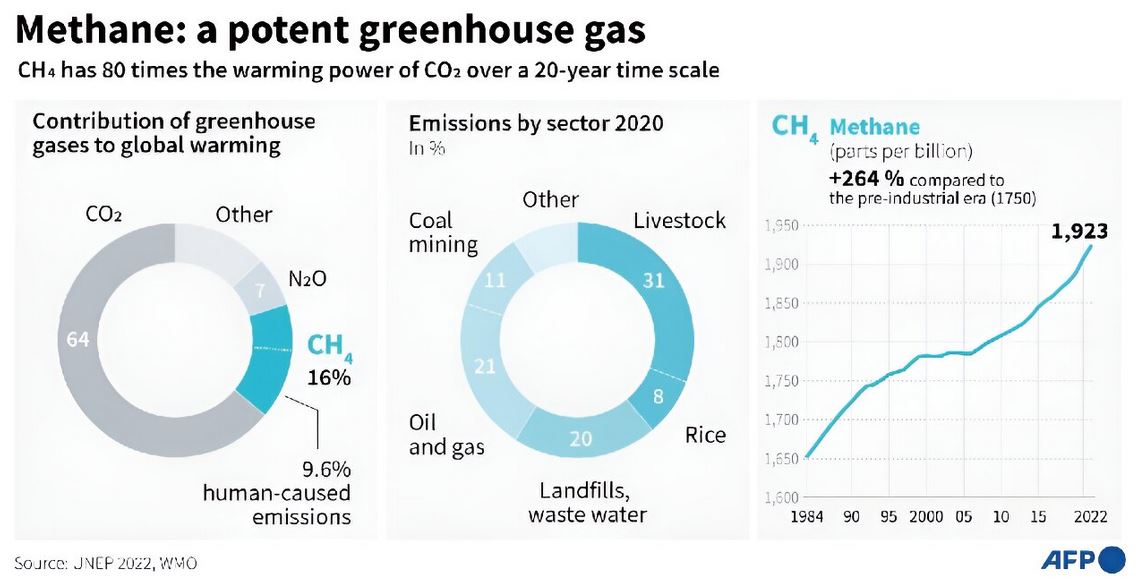
    • Indian Agricultural Research Institute (IARI) launched India’s inaugural non-GM herbicide-tolerant Basmati rice varieties for commercial farming, ensuring improved weed control, cost-effectiveness, and addressing water scarcity and methane emissions in cultivation.

    About the Indian Council of Agricultural Research (ICAR)

    • ICAR is an autonomous organisation under the Department of Agricultural Research and Education (DARE), Ministry of Agriculture and Farmers Welfare.
    • It is headquartered in New Delhi.
    • ICAR was formerly known as the Imperial Council of Agricultural Research.
    • It was established in 1929 as a registered society under the Societies Registration Act, 1860 on the basis of the report of the Royal Commission on Agriculture.

    Functions of ICAR:

    • Its primary mandate is to coordinate agricultural education and research in India and provide leadership in agriculture and allied sectors.
    • It is the apex body for coordinating, guiding and managing research and education in agriculture including horticulture, fisheries and animal sciences in the entire country.

    Structure and Organization:

    • ICAR operates under the Department of Agricultural Research and Education (DARE), Ministry of Agriculture and Farmers Welfare, Government of India.
    • It consists of a network of research institutes, national bureaus, project directorates, and agricultural universities across the country.
    • The council is governed by a Governing Body and an Executive Committee, which oversee its functioning and activities.

    Recognition and Awards:

    • ICAR confers prestigious awards, such as: the Rafi Ahmed Kidwai Award, the Borlaug Award, and the Hari Om Ashram Trust Award, to recognize excellence in agricultural research and education.

    About RobiNOweed

    • Dubbed as ‘RobiNOweed,’ these varieties are developed by ICAR-IARI and named as:
    1. Pusa Basmati 1979 and
    2. Pusa Basmati 1985
    • They are tailor-made for farmers employing the direct seeded rice (DSR) method, where weed management is crucial.

    Benefits Offered

    • Effective Weed Management: These new varieties offer an effective solution to weed issues and promote the success of the DSR method, potentially saving up to 33% of the total water requirement.
    • Water Conservation: DSR significantly reduces water usage compared to traditional flooding methods, addressing concerns of water depletion, especially in northwest India.
    • Market Impact: With IARI already holding a dominant 95% share in Basmati exports, these new varieties are expected to further boost production and export.

    Critical Assessment of Herbicide-Tolerant Varieties

    • Weed Management Alternatives: Some scientists argue against the necessity of Ht rice, advocating for eco-friendly weed management methods based on climatic factors.
    • Potential Risks: Concerns arise regarding the limited efficacy of the herbicide, its impact on genetic diversity, and the evolution of herbicide-resistant weeds.
    • Lessons from Past: Lessons from the Bt Cotton experience highlight the risks associated with overreliance on specific agricultural technologies.

    What is the Direct Seeding of Rice (DSR) technique?

    • Transplantation Method: In the conventional transplantation method, seeds are sown in nurseries, grown into seedlings, and then transplanted into puddled fields.
    • Direct Seeding: DSR involves directly drilling pre-germinated seeds into the field using tractor-powered machinery.
    • Simplicity and Efficiency: DSR eliminates the need for nursery preparation and transplantation, simplifying the cultivation process.
    • Resource Management: DSR offers benefits such as water savings and reduced labor requirements compared to conventional methods.
    • Higher Requirements: However, DSR requires higher seed quantities and levelled land, posing challenges for adoption.


    PYQ:

    [2018] With reference to the Genetically Modified mustard (GM mustard) developed in India, consider the following statements:

    1. GM mustard has the genes of a soil bacterium that give the plant the property of pest-resistance to a wide variety of pests.
    2. GM mustard has the genes that allow the plant cross-pollination and hybridization.
    3. GM mustard has been developed jointly by the IARI and Punjab Agricultural University.

    Which of the statements given above is/are correct?

    (a) 1 and 3 only

    (b) 2 only

    (c) 2 and 3 only

    (d) 1, 2 and 3

  • What’s missing in the disaster database?

    Why in the news?

    The Food and Agriculture Organization (FAO) of the United Nations noted a rise in global disasters from roughly 100 yearly in the 1970s to about 400 in recent years, influenced partly by reporting biases.

    Recent Observations

    • Increase in Disaster Events: The number of disaster events reported worldwide has risen from 100 events per year in the 1970s to around 400 per year in the last 20 years. Patterns in disaster data reveal factors such as increased resilience, climate change, and improved humanitarian response.
    • Improved Reporting: Reporting of small events, particularly those with fewer than 200 deaths, has increased significantly since the 1980s and 1990s. Historical data mainly included major events due to limited interest and capacity for data collection in earlier periods.

    Missing Data and Limitations of Disaster Databases

    • Biases and Gaps in Historical Records: Earlier records predominantly captured major disasters, with smaller events often missing. Data coverage is particularly poor in low-income regions such as Sub-Saharan Africa and South Asia, where economic losses from disasters are frequently underreported.
    • Missing Economic Damage and Insured Losses: More than 40% of disasters between 1990 and 2020 lacked estimates of monetary damages. Insured damages were missing in 88% of disaster reports, and 96% needed records of reconstruction costs.
    • No coverage of Heat Events and Health Impacts: Reporting of heat events is concentrated in a few countries, suggesting underreporting in other regions. Indirect health effects of extreme temperatures, such as increased cardiovascular disease risk, are challenging to quantify and often underestimated.

    Need for Data (Way Forward) 

    • Improving Data Coverage: Enhanced data collection in low-income regions and better integration of smaller events into disaster databases are crucial.
    • Accurate Health Impact Quantification: Improved methods for estimating indirect health effects of extreme temperatures and other disaster-related conditions are needed. Utilising statistical methods to capture the broader health impacts of disasters can aid in better policy formulation.
    • Policy and Resilience Planning: Reliable and comprehensive disaster data are essential for effective policy-making and resilience planning. Data-driven insights and predictive analytics can help foresee the long-term impacts of disasters and guide regulatory measures to enhance disaster preparedness and response.

    Mains PYQ:

    Q Discuss the recent measures initiated in disaster management by the Government of India departing from the earlier reactive approach. (UPSC IAS/2020)

  • Hunga Tonga Volcanic Eruption

    Why in the News?

    Hunga Tonga-Hunga Ha’apai (Hunga Tonga) erupted in Tonga, triggering a tsunami and global seismic waves.

    About Hunga Tonga Volcano

    • The Hunga Tonga-Hunga Ha’apai volcano is situated in the western South Pacific Ocean, west of the main inhabited islands in the Kingdom of Tonga. It lies on the Pacific Ring of Fire.
    • It forms part of the Tofua Arc, within the larger Tonga-Kermadec volcanic arc, resulting from the subduction of the Pacific Plate beneath the Indo-Australian Plate.
    • It comprises two small uninhabited islands, Hunga-Ha’apai and Hunga-Tonga.
    • Hunga Tonga is one of 12 confirmed submarine volcanoes along the Tofua Arc.

    Key Findings on Hunga Tonga Eruption

    • The Hunga Tonga eruption primarily emitted water vapour, which reached the stratosphere, affecting ozone depletion and acting as a potent greenhouse gas. Minimal smoke was produced.

    Impact on Weather

    • Ozone Hole: The study reveals that Hunga Tonga contributed to the exceptionally large ozone hole in the preceding year and the unexpectedly wet summer of 2024.
    • Global Mean Temperatures: While the eruption had a negligible effect on global temperatures, it induced lasting regional disruptions in atmospheric wave patterns.
      • Traditionally, massive volcanic eruptions reduce temperatures by emitting sulfur dioxide, which forms sulphate aerosols reflecting sunlight.
    • Regional Effects: Anticipated changes include colder and wet winters in northern Australia, warmer winters in North America, and colder winters in Scandinavia until approximately 2029.

    Do you know?

    Previous volcanic eruptions, such as Tambora in 1815 and Samalas in 1257, have significantly impacted global climate, leading to phenomena like the “year without a summer” and the onset of the Little Ice Age.


    PYQ:

    [2021] Discuss about the vulnerability of India to earthquake-related hazards. Give examples including the salient features of major disasters caused by earthquakes in different parts of India during the last three decades.

  • Protecting Mangroves in Tamil Nadu 

    Why in the News?

    The International Union for Nature Conservation (IUCN) has listed mangroves in coastal regions spanning Tamil Nadu, Sri Lanka and Maldives as ‘critically endangered’ in its first global assessment of mangrove ecosystems.

    Red List of Mangrove Ecosystems: Study by IUCN

    • Global assessment reveals a 50% risk of mangrove ecosystem collapse. Without further conservation, by 2050, 7,065 sq km more mangroves will be lost, and 23,672 sq km submerged.

    If we let this happen, the world is at risk of losing:  

    • 1.8B tonnes of carbon stored, costing society $336B (based on the social cost of carbon). Protects 2.1M lives and $36B worth of property from coastal flooding..

    Sea-level rise is the main threat affecting mangrove ecosystems. 

    • 25% of the global mangrove area is predicted to be submerged in the next 50 Years.
    • 1/3 of the world’s mangrove ecosystem provinces will be severely affected by sea-level rise.

    Tamil Nadu’s Efforts for Mangroves Conservation

    • The Tamil Nadu Forest Department has doubled mangrove cover from 23 sq km in 2001 to 45 sq km in 2021, as per the Indian State of Forest Report.
    • Mangrove restoration projects have been undertaken across Nagapattinam, Thiruvarur, Cuddalore, Pudukottai, Ramanathapuram, Thiruvallur, and Villupuram districts, with plans for an additional 15 sq km restoration under the Tamil Nadu Coastal Restoration Mission funded by the World Bank.

    TN-SHORE: World Bank-funded Coastal Restoration Mission

    • Tamil Nadu’s TN-SHORE initiative, launched in January 2024, aims to address environmental challenges along the coastline. With Rs 1,675 crore funding, including 70% from the World Bank, it focuses on blue carbon sequestration.

    Back2Basics: Mangroves

    • Mangroves constitute a group of trees and shrubs inhabiting the coastal intertidal zone.
    • They are found globally in tropical and subtropical regions, typically between latitudes 25° N and 25° S.
    • Mangroves are predominantly located in tropical regions due to their intolerance to the extreme cold conditions prevalent in temperate zones.

    Features of Mangroves:

    • Adaptation to waterlogged and anoxic soil: Mangroves possess unique characteristics allowing them to survive in waterlogged and oxygen-deficient environments.
    • Halophytes: Mangrove species have the ability to filter out up to 90% of the salt from seawater as it enters their roots, with some species also excreting salt through glands in their leaves.
    • Water retention capacity: Thick succulent leaves store fresh water, while a waxy coating on some species’ leaves minimizes evaporation.
    • Pneumatophores: Certain mangroves develop pencil-like roots that emerge from the ground to absorb oxygen from the air, aiding in coping with tidal flooding.
    • Prop roots: Many mangrove trees possess dense aerial roots descending from their trunks and branches, which stabilize and support them against waves and tides.
    • Lenticellated bark: Oxygen enters mangroves through lenticels, small breathing pores in the bark and roots, enabling them to adapt to low oxygen conditions.
    • Viviparity: Seed pods germinate while still on the tree, facilitating immediate root growth upon dropping.

    Mangroves in India:

    • According to the India State of Forest Report 2021, mangrove cover in India comprises 0.15% of the country’s total geographical area.
    • West Bengal has the highest percentage of area under total mangrove cover among states and union territories, followed by Gujarat and the Andaman and Nicobar Islands.
    • The Sundarbans, characterized by the dominant mangrove species sundari (Heritiera fomes), is the largest continuous mangrove forest globally.
    • Various mangrove areas in India are protected within reserves and sanctuaries such as the Sundarbans Tiger Reserve, Bhitarkanika, Coringa, Nelapattu, Point Calimere Wildlife Sanctuaries, Pirotan National Park, among others.


    PYQ:

    [2011] The 2004 Tsunami made people realize that mangroves can serve as a reliable safety hedge against coastal calamities. How do mangroves function as a safety hedge?

    (a) The mangrove swamps separate the human settlements from the sea by a wide zone in which people neither live nor venture out

    (b) The mangroves provide both food and medicines which people are in need of after any natural disaster

    (c) The mangrove trees are tall with dense canopies and serve as an excellent shelter during a cyclone or tsunami

    (d) The mangrove trees do not get uprooted by storms and tides because of their extensive roots.

  • Sundhnuksgigar Volcano erupts in Iceland

    Why in the News?

    Southwest Iceland witnessed the eruption of the Sundhnuksgigar volcano, triggering evacuations in the nearby areas.

    About Sundhnuksgigar Volcano 

    • Sundhnuksgigar is a row of craters just outside the town of Grindavik on the Reykjanes peninsula
    • It is situated on the Mid-Atlantic Ridge, a divergent boundary where the Eurasian and North American tectonic plates are moving apart.

    What is a Volcano?

    • A volcano is a fissure or vent in the Earth’s crust through which gases, molten rock materials (lava), ash, steam, sulphur dioxide etc., are expelled during an eruption.
    • These openings occur where the rock layers in the Earth’s crust are relatively weak.
    • Volcanic activity is categorized as an endogenic process, originating from within the Earth.
    • Depending on the explosivity of the volcano, various extrusive and intrusive landforms can be formed.

    Different types of volcanoes can be classified based on the frequency of eruption and the nature of the eruption:

    1.   Frequency of eruption:

    • Active volcanoes: Frequent eruptions in Pacific Ring of Fire: New Zealand, Southeast Asia, Japan, western Americas. Linked to plate tectonics, like Kilauea and Santa Maria. High seismicity, volcanic activity.
    • Dormant Volcanoes: These are not currently erupting but have the potential to erupt again in the future. An example is Mount Kilimanjaro in Tanzania, the highest mountain in Africa.
    • Extinct or inactive volcanoes: These have not erupted in the distant geological past. Dhinodhar Hill in Gujarat is an example.

    2.   Nature of Eruption:

    • Shield Volcanoes: Largest and least explosive volcanoes, formed from basalt lava. Often low in explosivity, except when water interacts. Hawaiian volcanoes exemplify this..
    • Composite Volcanoes: Volcanoes with cooler, thicker lava, built up through explosive eruptions. Layer ash, pyroclastic material, and lava flow. Examples: Mayon, Fuji, Rainier.
    • Calderas: The most explosive volcanoes, prone to collapsing inward during eruptions rather than building upwards. The resulting depressions are called calderas.
    • Flood Basalt Provinces: These volcanoes erupt highly fluid lava that travels long distances, covering vast areas with thick basalt flows.

    Reasons for Iceland’s Volcanism

    • Tectonic Activity: Iceland is situated on the Mid-Atlantic Ridge, where the Eurasian and North American plates diverge. This creates volcanic rift zones where magma rises to the surface, leading to eruptions.
    • Hotspots: Additionally, Iceland is positioned over a hotspot, contributing to heightened volcanic activity. Hotspots are areas where magma from the mantle rises towards the surface, fueling eruptions.
    • Subglacial Volcanism: Iceland’s volcanic activity is not limited to the surface; some eruptions occur beneath glaciers, leading to explosive interactions between lava and ice. These subglacial eruptions can produce powerful steam explosions, ash clouds, and catastrophic floods known as jokulhlaup.

    PYQ:

    [2021] Mention the global occurrence of volcanic eruptions in 2021 and their impact on the regional environment.

    [2013] Consider the following:

    1. Electromagnetic radiation
    2. Geothermal energy
    3. Gravitational force
    4. Plate movements
    5. Rotation of the earth
    6. Revolution of the earth

    Which of the above are responsible for bringing dynamic changes on the surface of the earth?

    (a) 1, 2, 3 and 4 only

    (b) 1, 3, 5 and 6 only

    (c) 2, 4, 5 and 6 only

    (d) 1, 2, 3, 4, 5 and 6