The Union Cabinet approved the proposal for Uttar Poorva Transformative Industrialization (UNNATI) Scheme, 2024.
What isthe UNNATI Scheme?
The UNNATI is a significant initiative aimed at fostering industrial development and generating employment opportunities in the North East Region of India.
With a focus on promoting manufacturing and services sectors, the scheme aims to stimulate economic growth and uplift the socio-economic landscape of the region.
Objectives
Employment Generation: UNNATI aims to create productive economic activities that generate gainful employment opportunities, thereby contributing to the overall socio-economic development of the North East Region.
Industrial Development: The scheme seeks to encourage the establishment of industries and the expansion of existing ones, fostering growth and development across various sectors.
Expenditure Allocation
UNNATI will operate as a Central Sector Scheme, with funds allocated for both incentives to eligible units (Part A) and implementation and institutional arrangements (Part B).
Part A of the scheme will receive Rs. 9,737 crores, while Rs. 300 crores will be allocated for Part B.
Salient Features
Scheme Period: Effective from the date of Notification until March 31, 2034, along with 8 years of committed liabilities.
Commencement of Production: Eligible industrial units must commence production or operation within 4 years from the grant of registration.
Categorization of Districts: Districts are categorized into Zone A (Industrially Advanced Districts) and Zone B (Industrially Backward Districts) to ensure targeted development.
Funds Allocation: 60% of Part A outlay is earmarked for the 8 North Eastern states, while the remaining 40% follows a First-In-First-Out (FIFO) basis.
Eligibility: New and expanding industrial units are eligible for incentives under the scheme.
Implementation and Oversight
The Department for Promotion of Industry and Internal Trade (DPIIT), Ministry of Commerce and Industry, will oversee the implementation of UNNATI.
National and state-level committees, including the Steering Committee and State Level Committee, will monitor implementation, ensure transparency, and facilitate the registration and claims process for incentives.
Prelims: ‘Mission Indradhanush’ launched by the Government of India pertains to (UPSC CSE 2016) a) Immunization of children and pregnant women b) Construction of smart cities across the country c) India’s own search for the Earth-like planets in outer space d) New Educational Policy
Mains: 1. What are the research and developmental achievements in applied biotechnology? How will these achievements help to uplift the poorer sections of the society? (UPSC CSE 2021)
2. Women empowerment in India needs gender budgeting. What are requirements and status of gender budgeting in the Indian context? (UPSC CSE 2016)
3. In order toenhance the prospects of social development, sound and adequate health care policies are needed particularly in the fields of geriatric and maternal health care. Discuss. (UPSC CSE 2020)
Note4Students:
Mains: Social Issues and Justice; Health issues;Women empowerment;
Prelims: InterimUnion Budget 2024-25;
Mentor comments: Cervical cancer is a major cause of cancer mortality in women and more than a quarter of its global burden is contributed by developing countries. In India, in spite of alarmingly high figures, there is no nationwide government-sponsored screening program. Wide-scale implementation and awareness is necessary in India. Hence, on an account of International Women’s Day we need to rethink our Primary Health Policies at grass root levels.
Let’s learn.
—
Why in the News?
On account of International Women’s Day (8th March), India’s interim Union Budget 2024-25 is reviewed as a beacon of hope, particularly in the realm of women’s health.
The encouragement and support for the vaccination of girls (from 9 to 14 years) against cervical cancer stands out as a pivotal move towards safeguarding women’s well-being.
What does the Data say?
According to the NCBI report, cervical cancer in India contributes to approximately 6–29% of all cancers in women. The age-adjusted incidence rate of cervical cancer varies widely among registries; highest is 23.07/100,000 in Mizoram state and the lowest is 4.91/100,000 in Dibrugarh district.
Context:
Firstly, India’s Interim Union Budget 2024-25 has taken a significant step towards a cervical cancer-free future by prioritizing women’s health, particularly through the encouragement of HPV vaccination for girls aged 9 to 14 years.
Secondly, the World Health Organization is also aiming for high vaccination coverage, increased screening rates, and improved treatment for cervical cancer.
What are major Challenges in India w.r.t Cervical Cancer?
High Mortality: Despite advances in health care, cervical cancer remains the second most common cancer among women in India, with 1.27 lakh cases and around 80,000 deaths being reported annually.
Human papillomavirus (HPV) is a primary reason in the development of cervical cancer.
Supply Side Challenges: Access to vaccination services in underserved populations is imperative. Awareness campaigns are essential to improve demand.
Vaccine hesitancy and equitable access: Addressing vaccine hesitancy remains a challenge. Ensuring equitable access to HPV vaccination is crucial. Efforts needed to engage communities and dispel misinformation.
Initiatives like U-WIN aim to enhance vaccination tracking and responsiveness nationwide.
Initiatives taken for a comprehensive strategy of disease prevention and health promotion:
At Global level
World Health Organization: The WHO has outlined the ‘90-70-90’ targets by 2030 for 90% of girls to be fully vaccinated with the HPV vaccine by age 15, for 70% of women to undergo cervical cancer screening tests by the age of 35 and 45, and for 90% of women with cervical cancer to be treated.
These targets represent milestones in the global effort to eradicate cervical cancer and highlight the pivotal role of India’s call for HPV vaccination in achieving this goal.
Other countries: The success stories from countries like Scotland, Australia, and Rwanda highlight the effectiveness of HPV vaccination in reducing cervical cancer incidence. Bhutan is also one of the only low-middle income countries (LMIC) to have begun vaccinating boys as well (in 2021).
At National level:
Sikkim Model: Sikkim’s successful HPV vaccination campaign in 2018, with a 97% vaccination coverage, exemplifies an effective public health strategy. By educating teachers, parents, girls, healthcare workers, and the media about the benefits of the HPV vaccine, Sikkim demonstrated a targeted and impactful approach.
Indigenous vaccine: Developed by the Serum Institute of India – ‘Cervavac’, marks a significant stride towards ensuring accessibility and affordability.
Interim Union Budget 2024-25: India’s inclusion of HPV vaccination in the interim Budget 2024-25 marks a significant step towards safeguarding women’s health against cervical cancer.
Way Forward:
Enhancing Vaccine Acceptance: Improving awareness and tailoring messages to diverse communities are essential for successful HPV vaccination programs.
Networking on Vaccine Acceptance: Leveraging various communication channels and integrating HPV education in schools are key strategies. Collaborations between stakeholders are crucial for program success.
Promoting of Public-Private Partnerships: Public-private partnerships are vital for ensuring equitable access to vaccination services and safeguarding women’s health against cervical cancer.
Conclusion
Due to the lack of necessary infrastructure and quality control, high-quality cytology screening may not be feasible for wide-scale implementation. Hence, cervical cancer screening programs such as VIA/VILI should be adopted as an integral part of primary health-care.
Practice Question: According to the recent survey, India contributes to a significant rate of cervical cancer in women. In this light, critically analyze the need for appropriate interventions in Primary Health Policies.
Approach for the Answer:
Introduction: Theme: Try to give some recent Reports/Statistics on Cervical Cancer.
Body: Demand 1: Major Challenges; Demand 2: Initiatives taken by the Government; Demand 3: Suggest some Way Forward;
Way Forward: Summarize along with value addition. Give overall summarization and provide some innovative solutions.
The intersection of gender norms, economic instability, and homelessness presents unique challenges in accessing tuberculosis (TB) care for women like Reshma.
Amidst systemic inequities and societal biases, their journey through diagnosis, treatment, and recovery is often fraught with obstacles.
A recent study sheds light on the nuanced experiences of homeless women grappling with TB, urging a reevaluation of existing healthcare frameworks.
Gendered Lens on TB Care
Reshma’s Story: Reshma, a homeless woman from Jaipur, embodies the complex narratives surrounding TB care. Her journey, marked by societal abandonment and inadequate healthcare, epitomizes the challenges faced by homeless women battling TB.
Gender Norms and Diagnosis: Patriarchal norms influence the accuracy and timeliness of TB diagnosis for women, impacting their access to healthcare facilities and adherence to treatment regimens.
Impact of Economic Precarity: Economic instability exacerbates the vulnerability of homeless women, hindering their ability to navigate TB care pathways effectively.
Data Insights and Inequities
Study Findings: A recent survey in Jaipur highlighted the prevalence of TB among the homeless population, underscoring the dire conditions that facilitate TB transmission.
Gender Disparities: Homeless women, like Reshma, bear a disproportionate burden of TB infections, revealing systemic gender inequities within TB care systems.
Barriers to Access and Treatment
Documentation Challenges: Lack of identity proof and access to banking services impedes homeless women’s eligibility for government-sponsoredTB care Initiatives, such as the Nikshay Poshan Yojana and Nikshay Mitra.
Stigma and Social Dynamics: Societal stigma surrounding TB, coupled with patriarchal control over finances, further marginalizes homeless women, hindering their access to nutritional support and treatment adherence.
Navigating Diagnosis and Care
Diagnostic Delays: Vague symptoms and logistical barriers contribute to delayed TB diagnosis among homeless women, prolonging their suffering and increasing the risk of disease progression.
Treatment Adherence: Mobility constraints and medication shortages undermine treatment adherence among homeless women, necessitating tailored interventions to address their unique needs.
Way Forward
Inclusive Healthcare Policies: Recognizing the intersectionality of homelessness and gender within TB care, policymakers must prioritize the rights and well-being of homeless women in national TB eradication initiatives.
Investment in Care Ecosystems: A comprehensive approach to TB care for homeless women requires increased investment in counselling, tracking, and support services, acknowledging the heightened challenges they face in accessing and adhering to treatment protocols.
Conclusion
Addressing the multifaceted challenges faced by homeless women in accessing TB care demands a concerted effort to dismantle gender biases, mitigate economic disparities, and foster inclusive healthcare ecosystems.
By prioritizing equity and empowerment, policymakers can pave the way for a more just and effective TB care paradigm for all individuals, regardless of their socioeconomic status or gender identity.
With the increasing trend of children’s interest in skincare products, concerns have been raised regarding their safety and long-term impact on children’s health.
Influenced by social media and marketing, parents are seeking skincare routines for their children, often overlooking potential risks.
In this article, we explore the implications of early skincare practices on children and the necessity for regulatory measures to ensure their well-being.
Risks Associated with Children’s Skincare Products
Vulnerability to Harm: Children’s skin is thinner, more delicate, and less developed than adults, making them more susceptible to adverse reactions from skincare products.
Exposure to Toxicants: Behavioral patterns like hand-to-mouth activity increase the risk of ingesting harmful chemicals present in skincare products, posing health hazards.
Biological Susceptibility: Rapid growth rate, developing tissues, and immature immune systems make children biologically more vulnerable to the toxicants present in skincare products.
Insights from Research
Usage Patterns: Research indicates that up to 70% of children in the U.S. have used children’s makeup and body products, highlighting the widespread exposure to skincare products among children.
Health Risks: Studies suggest that children’s prolonged exposure to makeup and body products may lead to adverse health effects due to their developing physiology and behavioural tendencies.
Toxins in skincare products can pose risks to health due to their potential adverse effects. Some common toxic ingredients found in cosmetics include:
Polyacrylamide: Possible acrylamide contamination.
PTFE: Possible PFOA contamination.
Petrolatum: Possible PAH contamination.
Formaldehyde: A known carcinogen.
Paraformaldehyde: A type of formaldehyde.
Methylene glycol: A form of formaldehyde
Regulatory Imperatives
Medical Concerns: Dermatologists express concern over the unsupervised use of cosmeceuticals by children, emphasizing the potential harm caused by substances like steroids and hydroquinone present in skincare products.
Need for Regulation: Regulatory measures are deemed essential to restrict the sale of skincare products containing harmful ingredients and protect children from inappropriate products.
Psychological Impact
Unrealistic Standards: The promotion of flawless complexion as an ideal standard perpetuates unrealistic beauty standards among children, impacting their self-esteem and body image.
Ethical Considerations: The ethical implications of targeting young consumers with skincare products, without adequate consideration of their long-term effects, warrant scrutiny and regulation.
Way Forward
Prioritizing Safety: Parents are advised to prioritize safety, simplicity, and skin health when selecting skincare products for their children.
Return to Basics: Dermatologists advocate for a return to basic skincare practices, including a healthy diet, proper cleansing, and moisturizing, to maintain children’s skin health.
Functional Necessity: For child performers and those exposed to heavy makeup, gentle cleansing and hydration are recommended to counteract the effects of makeup and protect the skin’s integrity.
Conclusion
As the children’s cosmetics market continues to grow, it is imperative to address the risks associated with early skincare practices and implement regulatory measures to safeguard children’s health and well-being.
By prioritizing safety, simplicity, and skin health, parents can navigate the skincare maze for their children and foster a healthy relationship with skincare that values function over appearance.
In pretext of the upcoming Lok Sabha elections, the Union Cabinet approved the extension of the subsidy under the Pradhan Mantri Ujjwala Yojana (PMUY) for LPG cylinders, offering a subsidy of ₹300 (earlier ₹200) per cylinder for up to 12 refills per year.
About Ujjwala Scheme
Details
Launch
1 May 2016
Introduced By
Ministry of Petroleum and Natural Gas
Aim
Provide clean cooking fuel (LPG) to rural and disadvantaged households, reducing reliance on traditional fuels like firewood, coal, and cow dung cakes.
Phases
Phase I: Launched on May 1, 2016, aimed to release 8 Crore LPG connections by March 2020.
Ujjwala 2.0: Aimed to release an additional 1 crore LPG connections, achieved in January 2022, subsequently expanded to release an additional 60 lakh LPG connections.
Financial Support
₹1600 financial assistance provided for each LPG connection to Below Poverty Line (BPL) households.
Deposit-Free Connections
Beneficiaries receive deposit-free LPG connections, including the first refill and a free hotplate.
Benefits
Eligible beneficiaries receive a free LPG connection.
Subsidy on the first six refills of 14.2 kg cylinders or eight refills of 5 kg cylinders.
Option to use EMI facility for stove and first refill costs.
Opportunity to join the PAHAL (Pratyaksh Hanstantrit Labh) scheme for direct subsidy transfers to bank accounts.
Try a similar PYQ from CSE Prelims 2018:
With reference to Pradhan Mantri Kaushal Vikas Yojana, consider the following statements:
It is the flagship scheme of the Ministry of Labour and Employment.
It, among other things, will also impart training in soft skills, entrepreneurship, financial and digital literacy.
It aims to align the competencies of the unregulated workforce of the country to the National Skill Qualification Framework.
Which of the statements given above is/are correct?
The Kerala government’s decision to introduce ‘Sabari K-Rice’ is seen as a response to the Union government’s distribution of ‘Bharat Rice.’
Bharat Rice and Other Commodities
‘Bharat’ Rice refers to the retail sale of rice by the Food Corporation of India (FCI) to the general public at a subsidized price.
Its primary objective is to stabilize markets and ensure affordability for consumers.
This rice is available in 5kg and 10kg packs priced at ₹29/kg.
It is distributed through cooperatives such as Kendriya Bhandar, National Agricultural Cooperative Marketing Federation of India (NAFED), and National Cooperative Consumers’ Federation of India (NCCF).
Additionally, it can be purchased from mobile vans and physical outlets of these cooperative agencies.
Moreover, these agencies also offer ‘Bharat Atta’ (wheat flour) at Rs. 27.50 per kg in 5kg and 10kg packs.
Similarly, ‘Bharat Dal’ (chana dal / Chickpea) is available at Rs. 60 per kg for a 1kg pack and Rs. 55 per kg for a 30kg pack, along with onions priced at Rs. 25 per kg.
Sabari K-Rice
Objective: It aims to provide good quality rice at affordable rates, presenting an alternative to the existing subsidized rice scheme.
Distribution: K-Rice will be made available through Supplyco outlets, alongside the existing subsidized rice supply of 10 kg per card.
Quality and Pricing: K-Rice offers high-quality varieties at subsidized rates, contrasting with Bharat Rice sold by NAFED and NCCF at different prices.
Price Discrepancy: While Bharat Rice sells at ₹29 per kg, K-Rice aims to provide affordable rates, with the state government incurring additional costs to distribute it.
Prelims: Which of the following gives ‘Global Gender Gap Index’ ranking to the countries of the world? (UPSC CSE 2017) a) World Economic Forum b) UN Human Rights Council c) UN Women d) World Health Organization only
Mains: 1. Women empowerment in India needs gender budgeting. What are requirements and status of gender budgeting in the Indian context? (UPSC CSE 2016)
2. Explain intragenerational and intergenerational issues of equity from the perspective of inclusive growth and sustainable development.(UPSC CSE 2020)
Note4Students:
Mains: Social Justice; Women empowerment; Sustainable/Inclusive development
Prelims: Global Gender Gap Index;
Mentor comments: Increasing women’s representation in green jobs can lead to benefits such as boosting a low-carbon and environmentally sustainable economy. Only a third of leadership positions in climate-change negotiations are held by women, despite women being the most vulnerable to climate impacts. To overcome these challenges faced by women, several strategies can be studied and analyzed based on dimensions considering the Social Justice or Sustainable development aspect.
Let’s learn.
Why in the News?
The transition to low-carbon development has the potential to add about 35 million green jobs in India by 2047.
What is the Present Scenario of Indian women’s participation in Green jobs?
As India increased its renewable energy capacity by 250% (2015-21), women comprised merely 11% of workers in the solar rooftop sector. Women workers are mostly concentrated in industries such as apparel, textile, leather, food, and tobacco.
Confederation of Indian Industry (CII) 2019 report shows that men comprise 85% of the workforce in sectors such as infrastructure, transport, construction, and manufacturing.
What are the challenges faced by Indian women?
Rigid Social Norms: According to the Skill Council (2023) for Green Jobs, 85% of the training for green skills was imparted to men while over 90% of women believed that social norms limited their participation in training for green jobs.
Underrepresentation: Women are often underrepresented in climate-related decision-making processes, leading to a lack of consideration for their specific needs and contributions.
Lack of Opportunities: Women are unsuitable for certain technical roles, safety concerns, lower representation in science, technology, engineering, and mathematics (STEM) subjects, and familial constraints.
Significance of Green Jobs for Indian Women:
As India transitions towards a low-carbon economy, increasing women’s representation in green jobs can lead to several benefits:
Addressing Gender Biases: Green jobs can help address gender biases in the Indian labor market and improve women’s labor force participation rates.
Long-term Empowerment: Over time, this can contribute to improving women’s agency and empowerment by creating economic, technical, and social opportunities
What are some strategies to overcome the challenges faced by women? (Way Forward)
Addressing the gaps in data:
Create a Supportive Ecosystem: To address this disparity and empower women in green jobs, it is essential to challenge social norms that limit women’s participation in technical roles, and provide training opportunities tailored to women’s needs for their advancement.
Mapping Emerging Areas: Initiatives such as collecting sex-disaggregated data on green jobs, conducting gender analysis, and mobilizing resources to encourage women’s role in the green transition are crucial steps towards achieving gender equity in the workforce.
Supporting women entrepreneurs:
Incorporating Gender-focused Policies: Supporting women entrepreneurs through gender-focused financial policies, mentorship programs, financial literacy training, and access to credit can enhance their participation in the green economy.
Promoting women’s leadership: Encouraging women to take on leadership roles in decision-making processes concerning low-carbon development strategies is crucial for integrating gender-specific requirements and guaranteeing fair job opportunities.
Conclusion
An inclusive approach focusing on employment, social protection, skill development, and reducing care work burden is vital for a gender-equitable transition. Secondly, collaborating government, private sector, and stakeholders is crucial to utilize innovation, technology, and finance for the advancement of women entrepreneurs and workers.
Practice Question: Green jobs can enhance women’s labor force prospects thereby reducing gender disparity. Identify the obstacles to their representation and the significance of green jobs for Indian women. Suggest measures to boost their presence in green jobs and support women entrepreneurs.
Approach for the Answer:
1. Introduction: Theme: Define green jobs and provide data related to women’s participation in it.
2. Body: Demand 1: Factors that form the obstacles to women’s representation in green jobs Demand 2: Significance of green jobs for Indian women Demand 3: Measures to support women in increasing their representation
3. Conclusion: Summarize your answer along with highlighting the benefit of equitable job opportunities for everyone.
Public health centres in India have long been shrouded in infamy, perceived as symbols of systemic failure.
The effectiveness of primary healthcare in India has always been a topic of discussion, with calls for strengthening these services through government commitment to accessibility, affordability, and quality care.
PYQ from CSE Mains 2021:
Q. “Besides being a moral imperative of a Welfare State, primary health structure is a necessary precondition for sustainable development.” Analyse.
Health Centres in India
Primary Health Centres (PHCs) also known as Public HCs play a crucial role in providing comprehensive healthcare services to the population.
The first PHC in India was established following the proposal of the PHC concept in a paper submitted to the Executive Board of the World Health Organization (WHO) in January 1975.
The establishment of PHCs gained further momentum with the International Conference on PHC held in Alma Ata, Kazakhstan in 1978.
They are a fundamental component of the healthcare system, with Medical Officers at these centers required to hold an MBBS degree.
India boasts a vast public health infrastructure with 23,391 PHCs and 145,894 sub-centers, serving a substantial percentage of the population.
PHCs cover a significant portion of outpatient care, including services for non-communicable diseases, maternal health, and child health.
Importance of Health Centres
Foundational Role: Health centres form the backbone of India’s public health system, providing primary care to millions.
Access and Affordability: With nearly two lakh centres across the country, they aim to offer accessible and affordable healthcare, particularly in rural areas.
Impact on Equity: Effective health centres can mitigate social and health inequities, reducing reliance on costly private healthcare and preventing households from falling into poverty due to healthcare expenses.
Unveiling the Reality
Evidence of Progress: Surveys conducted across five states reveal a pattern of improving quality and utilization of health services over time, albeit at a slow pace.
In Himachal Pradesh, functional health centres serve 83% of the population.
Chhattisgarh has shown a radical expansion in the public provision of healthcare, with increased facilities, medicines, and staff presence.
Bihar lags behind, with dismal quality of health centres and some sub-centres being dormant or non-existent.
Policy Interventions: Increased health expenditure, initiatives like the National Rural Health Mission, and state-specific schemes have contributed to incremental improvements.
The share of health expenditure in the Union Budget increased drastically.
The National Health Mission’s share shrank from 69% to 44%, while allocations for the Ayushmann Bharat program and new AIIMS hospitals surged.
COVID-19 led to a sustained increase in patient utilization of public health facilities, indicating growing trust in the system.
Challenges and Gaps
Underutilization: Despite improvements, health centres still face challenges such as high staff absenteeism, limited services, and poor infrastructure.
Lacunas: Health workers report irregular flow of funds, lack of facilities like toilets and transport, and inadequate supply of drugs and testing equipment.
Social Discrimination: Caste and gender dynamics influence access to and quality of healthcare, perpetuating inequalities. Upper-caste doctors display disparaging attitudes towards marginalized communities, while upper-caste families disrespect Dalit ANMs.
Gender Disparities: Women, particularly frontline health workers, play a crucial role in rural health settings but often face neglect and discrimination.
Way forward
Holistic Investment: While progress has been made, it remains patchy, with allocations often prioritizing tertiary healthcare over primary care.
Designated allocations: The composition of the healthcare budget has remained stagnant, with minimal increases in the share allocated to primary healthcare.
Policy Reform: The paper advocates for substantial support from the central government to enable poorer states to replicate successful initiatives and enhance the role of health centres in public healthcare delivery.
Conclusion
India’s health centres, though fraught with challenges, embody resilience and potential.
By addressing systemic gaps and prioritizing primary healthcare, the nation can harness the transformative power of these centres to achieve equitable and accessible healthcare for all.
The traditional report cards of students are undergoing a transformation with the introduction of the Holistic Progress Card (HPC) by the National Council for Educational and Research Training (NCERT).
This innovative approach aims to evaluate not just academic performance but also various aspects of a child’s holistic development.
What is the Holistic Progress Card (HPC)?
360-Degree Evaluation: Departing from the conventional marks or grades-based assessment, the HPC adopts a comprehensive evaluation approach.
Student-Centric Assessment: Students are actively engaged in the assessment process through class activities, allowing them to demonstrate diverse skills and competencies.
Peer and Self-Assessment: Students participate in evaluating their own and their classmates’ performance, fostering self-awareness and peer collaboration.
Key Features of the HPC
Classes Involved: The HPC was created for the foundational stage (Classes 1 and 2), preparatory stage (Classes 3 to 5), and middle stage (Classes 6 to 8). Efforts are currently underway to develop a similar framework for the secondary stage.
Parameters of Evaluation: Besides academics, students are evaluated on self-awareness, relationships, problem-solving, emotional intelligence, and creativity. Students reflect on their progress after each activity by circling statements like “I learned something new,” “I expressed creativity,” or “I helped others.”
Method of Evaluation:
Self-Assessment: Included in the HPC for all students from Class 1 to Class 8. In middle school (Classes 6 to 8), students set academic and personal goals with specific timelines at the start of the year. The middle stage HPC also involves an “ambition card” where students list their goals for the year and areas for improvement, along with the skills and habits needed to achieve them.
Parental Involvement: Parents provide feedback on homework completion, classroom engagement, and the child’s ability to balance screen time with extracurricular activities at home, thus connecting home and school.
Peer Evaluation: Students evaluate their classmates’ participation in learning and engagement after each classroom activity.
Implementation and Adoption
Rollout across States: The HPC has been sent to all states and Union Territories, with several already adopting it for Classes 1 to 8.
Regional Customization: States have the flexibility to modify the HPC to suit their regional requirements while adhering to the overarching principles.
Rationale behind the Change
Focus on Higher-Order Skills: The shift from rote memorization to higher-order skills evaluation aligns with the objectives of NEP 2020 and NCF SE.
Promotion of Holistic Development: The HPC aims to communicate students’ strengths and areas of improvement, fostering self-esteem and self-awareness.
Benefits and Implications
Comprehensive Evaluation: The HPC promotes a holistic assessment approach, encompassing academic achievements and critical skill development.
Shift to Formative Assessment: By emphasizing formative assessment, the HPC encourages competency-based evaluation and continuous improvement.
Insights for Teachers and Parents: Teachers and parents gain valuable insights into each student’s learning journey, enabling personalized support and guidance.
Conclusion
The introduction of the Holistic Progress Card marks a significant step towards redefining student assessment in India.
By prioritizing holistic development and competency-based evaluation, the HPC aims to nurture well-rounded individuals capable of thriving in a rapidly evolving world.
Stem cell therapy is gaining popularity in India to treat a wide variety of medical conditions including leukaemia, Thalassemia, damaged cornea and several burns. Describe briefly what stem cell therapy is and what advantages it has over other treatments? (10)
Pyq pre
Why is it in the News?
Cervical cancer prevention, particularly through HPV vaccination, has gained attention recently due to several factors. January was observed as Cervical Cancer Awareness Month, drawing focus to the importance of combating this disease. Additionally, March 4 marked International HPV Awareness Day, further highlighting the significance of addressing HPV-related health issues.
What is Cervical Cancer?
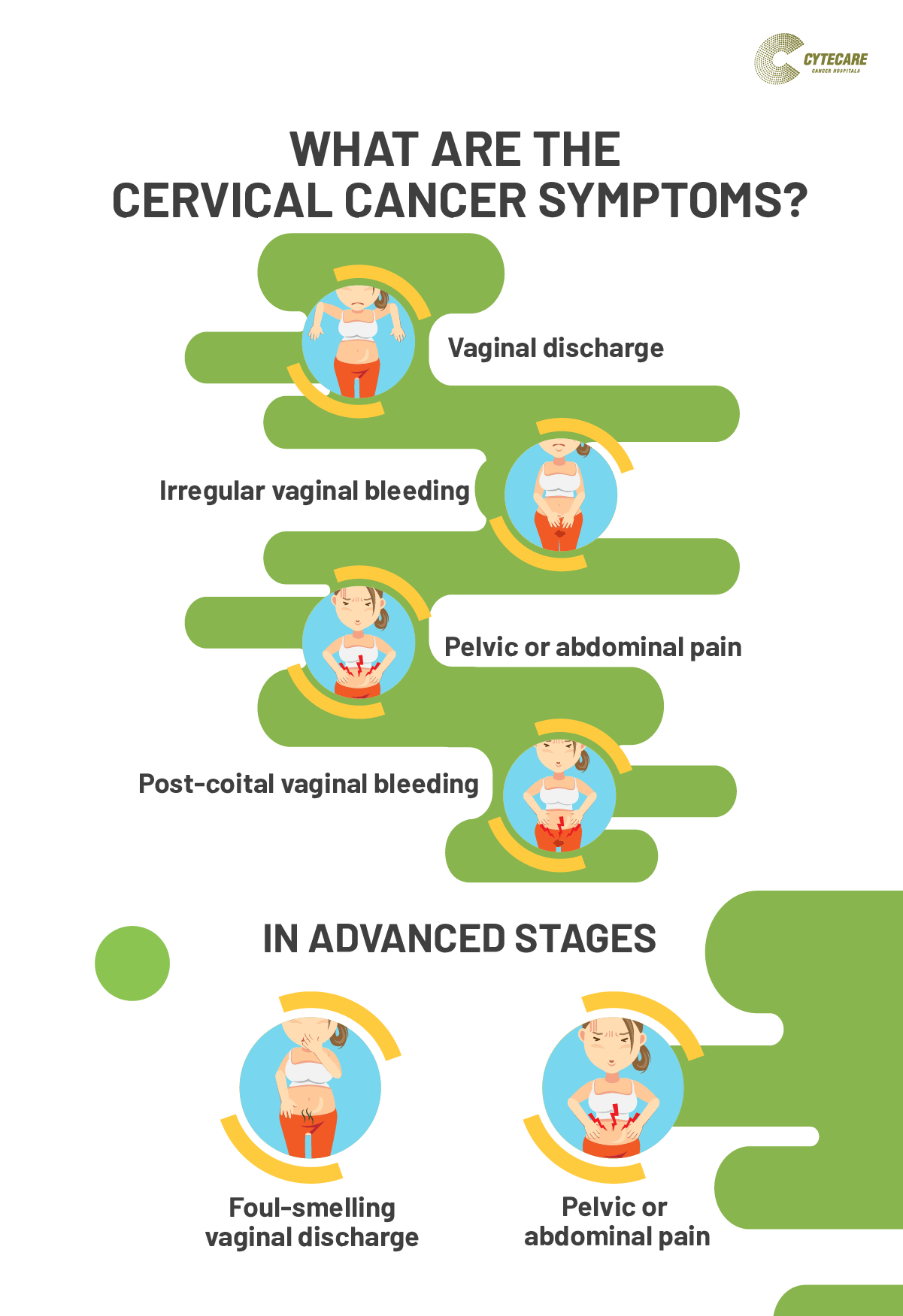
Cervical cancer is a type of cancer that affects the cervix, the lower part of the uterus. It is primarily caused by certain types of the Human Papillomavirus (HPV), which is transmitted through intimate contact.
If left untreated, cervical cancer can be life-threatening. It is a significant health concern worldwide, with a particularly high burden in lower- and middle-income countries. In India, cervical cancer is the second most common cancer among women, posing a substantial threat to public health.
What is Human Papillomavirus (HPV)?
Human Papillomavirus (HPV) is a group of viruses that infect the skin and mucous membranes. It’s the most common sexually transmitted infection (STI) worldwide. HPV can cause various health issues, including genital warts and certain types of cancers.
What Facts are explained in the article?
Prevalence and Impact: Cervical cancer claims the lives of over 300,000 women annually worldwide, with a disproportionate burden in lower-income countries.
Risk in India: With over 500 million women at risk, cervical cancer is a significant public health concern in India, second only to breast cancer.
Role of HPV Vaccination: HPV vaccination is identified as a crucial strategy for preventing cervical cancer. It targets the underlying cause of the disease by protecting against HPV infection.
Strategies for Prevention of Cervical cancer
HPV Vaccination: Implementing widespread HPV vaccination programs, particularly targeting adolescent girls, can significantly reduce the incidence of cervical cancer. Vaccination should ideally occur before the onset of sexual activity to maximize effectiveness.
Screening for Precancerous Lesions: Regular screening for precancerous lesions, such as Pap smears or HPV DNA tests, can detect abnormalities early and allow for timely intervention. This is crucial for reducing the incidence of advanced-stage cervical cancer.
Education and Awareness: Increasing education and awareness about cervical cancer, HPV infection, and the importance of vaccination and screening are essential. This includes targeting healthcare professionals, policymakers, parents, and adolescents to dispel myths and misconceptions and encourage uptake of preventive measures.
What are the Challenges?
Limited Access: HPV vaccination may not be widely accessible, particularly in lower-resourced communities, and is often available at a significant out-of-pocket cost.
Misconceptions Among Physicians: Some physicians underestimate the incidence and risk of cervical cancer, as well as the safety and effectiveness of HPV vaccines. This can lead to hesitancy in recommending vaccination to eligible individuals.
Parental Hesitancy: Misinformation and concerns about vaccine safety and efficacy among parents can contribute to hesitancy in vaccinating adolescents against HPV.
Pap Smears
Description: A screening procedure for cervical cancer involving collecting cells from the cervix to examine for abnormalities.
Purpose: To detect precancerous or cancerous changes in cervical cells early for timely intervention and prevention.
Procedure: Use of a speculum to visualize the cervix and collection of cells with a brush or spatula.
Timing: Typically performed during routine gynecological exams, starting at age 21 or within 3 years of becoming sexually active.
Facts about HPV Vaccination:
The HPV vaccine is safe and effective in preventing six HPV-related cancers, including cervical, vulvar, anal, vaginal, throat, and cervical cancers.
Vaccination is recommended for adolescents starting at age 9 years to maximize its effectiveness.
HPV vaccination is an essential component of the immunization schedule recommended by the Indian Academy of Pediatrics (IAP).
Best Practices for HPV Vaccination and Cervical Cancer Prevention:
Effective Communication:
Provide clear and accurate information to parents about HPV vaccination.
Address concerns and misconceptions to ensure informed decision-making.
Timely Vaccination:
Recommend HPV vaccination for adolescents starting at age 9.
Encourage vaccination before sexual activity begins for maximum effectiveness.
Integration into Immunization Programs:
Advocate for inclusion in national immunization programs for widespread access.
Collaborate with policymakers to ensure equitable vaccine coverage.
Promotion of Regular Screening:
Emphasize the importance of cervical cancer screening for women over 30.
Encourage routine Pap smears or HPV DNA tests for early detection.
Physician Education:
Provide comprehensive training on HPV vaccination and cervical cancer prevention.
Equip healthcare professionals with updated guidelines and communication skills.
In conclusion, the article emphasizes the importance of proactive measures to prevent cervical cancer, particularly through HPV vaccination and screening. It underscores the role of healthcare professionals, policymakers, and community stakeholders in addressing the challenges and ensuring equitable access to preventive interventions.