đŸ’„Join UPSC 2027,2028 Mentorship (July Batch) + XFactor Notes & Microthemes PDF

Subject: Indian Society

  • Can rural education stop youth migration?

    Why in the News

    India stands at a demographic crossroads. According to the Periodic Labour Force Survey (PLFS) 2020–21, nearly 29% of India’s population are migrants, with 89% hailing from rural areas. Over half of these migrants are aged 15–25, indicating that the nation’s most productive youth are leaving villages in search of livelihood. This is a turning point in India’s development trajectory, education, once seen as a ladder out of poverty, has lost its power to insulate youth from migration pressures. The mismatch between education and employment, coupled with the pandemic-driven reverse migration, has sparked urgent questions: Can India reimagine rural education and economies to retain its young talent?

    Introduction

    Migration has long shaped India’s economic and social fabric. But what was once seen as a path to progress is now exposing deep cracks in India’s development model. The migration of rural youth to urban centres reflects unmet aspirations, inadequate rural opportunities, and disillusionment with the promise of education.

    The Covid-19 pandemic acted as a brutal reminder, as nearly 40 million workers were forced to return home during the first lockdown. It exposed the vulnerability of India’s informal urban workforce and, simultaneously, revealed the untapped potential of rural revitalization.

    Rethinking the Roots of Migration

    1. Structural Imbalance: Migration is not purely about aspiration; it arises from rural distress and uneven regional development.
    2. Labour Force Data: PLFS data shows rural India continues to be the main supplier of labour, not a site of dignified livelihood.
    3. Educational Mismatch: Graduates are increasingly unemployed, revealing a disconnect between degrees and employable skills.

    Why is Education Failing to Prevent Migration?

    1. Broken Linkage: Education no longer guarantees employment. Youth with degrees often find no dignified jobs in their hometowns.
    2. Graduate Unemployment: India’s expansion of higher education hasn’t translated into job creation, instead, it has produced educated unemployment.
    3. Informal Urban Absorption: About 49% of youth migrants work as daily wage labourers and 39% as industrial workers, mostly on temporary contracts.
    4. Gender Disparity: While 86.8% of women migrate for marriage, most men migrate for work, reflecting limited female labour participation despite mobility.

    Pandemic: A Mirror to Rural Vulnerabilities

    1. Mass Exodus: Nearly 40 million workers returned home in 2020 (RBI, 2020), exposing the fragility of India’s urban informal economy.
    2. Urban Fragility: Cities like Delhi, Mumbai, and Bengaluru struggle with slums, pollution, waste, and overcrowding.
    3. Gendered Impact: Young women were more likely to lose jobs and slower to regain them (ILO, 2021), deepening gender inequality.

    Reverse Migration: Stories of Hope and Resilience

    1. Agricultural Revival: Agriculture showed unexpected resilience, with a 39% increase in sown area in 2020 as returning workers revived farmlands.
    2. Success Stories:
      • Balaram Mahadev Bandagale (Raigad, Maharashtra) diversified into mango orchards using irrigation schemes, now earning higher income.
      • Chandrakant Pawar, once a migrant worker, returned to dairy farming and became Sarpanch, a symbol of empowered reverse migration.
    3. These examples highlight the potential of self-reliant rural ecosystems driven by local enterprise and education.

    How Can Rural India Retain Its Youth?

    1. Diversified Rural Employment: Beyond agriculture, India needs to expand into dairy, poultry, food processing, handicrafts, rural logistics, renewable energy, and tourism.
    2. Rural Entrepreneurship: Government schemes like Pradhan Mantri Mudra Yojana, Start-Up India, and FPO expansion can empower youth — but need integration and youth-focused redesign.
    3. Digital & Renewable Energy Jobs:
      • Solar panel maintenance, microgrid operations, and biofuel units can create decentralized jobs.
      • Digital infrastructure is essential to bridge divides and enable e-commerce, telemedicine, and remote work.
    4. Agri & Eco-Tourism: Leveraging local ecology and culture can create sustainable livelihoods rooted in community pride.

    Changing the Narrative: Migration as a Choice, Not Compulsion

    1. Breaking Stigma: Returning to villages must not be equated with failure. Reverse migrants should be portrayed as innovators, not dropouts.
    2. Portable Social Protection: Schemes for health, education, and pensions should be location-independent, following the worker wherever they go.
    3. Balanced Urban–Rural Growth: Development must prioritize equitable access to education, digital infrastructure, and markets in rural India.

    Conclusion

    India’s youth migration crisis is not merely about movement, it’s about meaning. It questions what development truly offers and whether education still promises empowerment. The path forward lies in integrating rural education with employable skills, expanding decentralized job ecosystems, and redefining success beyond cities. If India invests in its rural potential, migration will no longer be a story of escape, it will become a story of choice, dignity, and empowerment.

    PYQ Relevance

    [UPSC 2024] Why do large cities tend to attract more migrants than smaller towns? Discuss in the light of conditions in developing countries.

    Linkage: This PYQ directly links with the article’s theme by highlighting how rural distress, weak educational–employment linkages, and uneven regional development push youth towards cities. It reflects the same structural imbalance where urban centres appear as opportunity hubs while villages remain economically stagnant.

  • Tribes in news: Siddi 

    Why in the News?

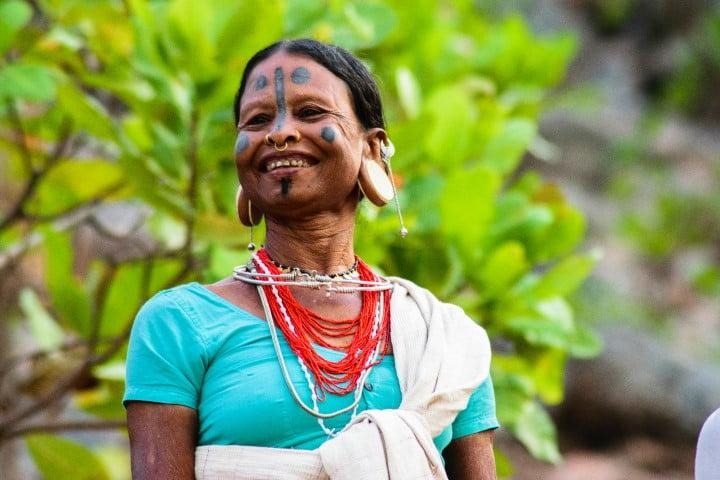
    President Droupadi Murmu met members of Gujarat’s Siddi Particularly Vulnerable Tribal Groups (PVTGs) community and praised their 72% literacy rate as a sign of social progress.

    President Droupadi Murmu met members of Gujarat’s Siddi Particularly Vulnerable Tribal Groups (PVTGs) community and praised their 72% literacy rate as a sign of social progress.

    About the Siddi Community:

    • Overview: An Afro-Indian tribal group descended from Bantu-speaking peoples of Southeast Africa, brought to India via the Indian Ocean slave trade (7th–19th centuries).
    • Arrival in India: First arrived at Bharuch port (628 CE) with Arab traders; major influxes during Muhammad bin Qasim’s conquest (712 CE) and later under Portuguese and British.
    • Migration & Settlement: Brought as soldiers, sailors, slaves, and servants; some escaped bondage to form independent forest settlements.
    • Genealogy: Studies show 60–75 % African admixture mixed with Indian and Portuguese ancestry accumulated over two centuries.
    • Geographic Distribution: Concentrated in Karnataka (Uttara Kannada, Belgaum, Dharwad) and Gujarat (Junagadh, Gir-Somnath, Saurashtra); smaller groups in Maharashtra, Goa, Telangana, Andhra Pradesh; total population 40 k–2.5 lakh.
    • Historical Role: Served in Deccan Sultanate and Nizam armies; most famous figure, Malik Ambar (1600–1626), Ethiopian-origin prime minister of Ahmadnagar (now Ahilyanagar).

    Cultural and Demographic Features:

    • Social Status: Recognised as Scheduled Tribe (ST) in five regions and as a Particularly Vulnerable Tribal Group (PVTG).
    • Language & Culture: Speak regional languages, Gujarati, Konkani, Marathi, Kannada, but retain African musical and spiritual traditions, notably the Goma/Dhamaal dance rooted in Ngoma drumming and ancestral worship.
    • Religion: Predominantly Muslim (≈ 99 % in Gujarat) with Hindu and Christian minorities; practices blend Sufi, African, and Indian folk elements.
    • Livelihoods & Economy: Depend on agriculture, forest labour, crafts, and daily wage work; socio-economic deprivation and limited access to education, health, housing persist.
    • Cultural Continuity: Maintain African-Indian fusion in music, attire, and cuisine; Marfa music in Hyderabad and Dhamaal dance near Sasan Gir remain iconic.
    • Sports & Identity: Active in boxing and football, using sport for youth empowerment and social mobility.
  • [11th October 2025] The Hindu Op-ed: The real need is a holistic demographic mission

    PYQ Relevance:

    [UPSC 2024] What is the concept of a ‘demographic winter’? Is the world moving towards such a situation? Elaborate.

    Linkage: Demographic shifts in border regions can exacerbate tensions, linking the topic to communalism and regionalism.  Illegal migration links directly to organized crime, such as human trafficking, drug trafficking (India’s proximity to illicit opium-growing states is a major concern mentioned in 2018 PYQ), and the potential penetration by external state and non-state actors.

    Introduction:

    On August 15, 2025, the Prime Minister had announced the launch of India’s Demographic Mission, a comprehensive national initiative aimed at monitoring, managing, and interpreting India’s demographic transitions.

    Initially projected as a mechanism to monitor undocumented immigration from Bangladesh and its demographic implications in India’s border regions, the mission’s vision extends to a broader national strategy for demographic management.

    The initiative comes at a time when India, now the world’s most populous nation, stands at a demographic crossroads, balancing its youth potential with emerging challenges of migration, ageing, inequality, and social security.

    What is the Demographic Mission?

    1. Launch: Unveiled by PM on 15 August 2025, it is a national initiative to monitor, manage, and interpret India’s demographic transitions in a holistic and strategic manner.
    2. Focus: Initially targeted at undocumented immigration from Bangladesh, addressing demographic and border-security implications through biometric systems, AI-based surveillance, and smart fencing.
    3. Expanded Mandate: Evolved into a comprehensive population governance framework, integrating security, social, and developmental objectives across ministries.
    4. Institutional Measures: Includes formulation of a National Refugee Law, implementation of the National Register of Indian Citizens (NRC), and demographic data integration across sectors.
    5. Policy Shift: Moves from population control to capability development, treating demographic potential as a source of economic strength and human capital formation.

    Socio-Political Dimensions of Demography:

    1. Reframing the Debate: Shifts the focus from population control to issues of equity, inclusion, and sustainability.
    2. Migration and Identity Politics: Highlights that migration and fertility transitions shape social hierarchies and electoral narratives, influencing policy priorities and identity construction.
    3. Institutional Sensitivity: Calls for embedding demographic awareness in governance, particularly in urbanisation, labour mobility, and welfare systems.
    4. Demographic Diversity as Strength: Treats India’s multi-ethnic and multi-lingual population as an asset for national integration rather than division.
    5. National Integration Framework: Positions demography as a foundation for inclusive federal policy and cohesive nation-building.

    Various Issues:

    1. Illegal Immigration: Ongoing influx from Bangladesh strains border security and regional demographics, complicating citizenship and resource distribution.
    2. Migration & Identity Exclusion: Internal migrants lack voting rights and welfare access due to “usual residence” definitions, leading to political marginalisation.
    3. Ageing and Longevity: Rising life expectancy necessitates rethinking retirement age, social security, and elder-care policies.
    4. Regional Inequality: Unequal spread of education, health, and skilling infrastructure widens developmental divides among states.
    5. Policy Insensitivity: Centralised, per capita-based planning ignores population composition, gender ratio, and dependency structures.
    6. Governance Centralisation: Demographic planning remains highly centralised, with limited state participation in design and monitoring.

    Various Solutions for Demographic Balance:

    1. Migration Reform: Provide legal recognition of migrant rights, ensure voting portability and welfare mobility, and promote balanced internal migration.
    2. Education and Skill Equity: Build uniform educational and vocational infrastructure and establish regional skill hubs to reduce capability gaps.
    3. Active Ageing Policies: Redefine retirement norms, expand financial security, and create avenues for productive ageing.
    4. Technological Integration: Deploy AI, GIS, and big-data platforms for real-time demographic mapping, analysis, and predictive planning.
    5. Decentralised Demographic Planning: Create federal demographic councils linked with NITI Aayog for region-specific strategies.
    6. Demographic Sensitisation: Mainstream population literacy and demographic research in policymaking, academia, and public discourse.

    Global Context and Strategic Positioning:

    1. Youth Advantage: With a median age of 29 years, India stands out amid ageing societies like Japan, Europe, and China.
    2. Human Capital Vision: The mission aligns with India’s aspiration to become the “Skill Capital of the World,” enhancing global labour competitiveness.
    3. Geopolitical Relevance: Integrates population policy into national security and global strategy, positioning demography as a tool of soft power and developmental diplomacy.
    4. Long-Term Significance: By combining population management, human development, and digital governance, the mission redefines India’s demographic policy for the 21st century — linking security, sustainability, and sovereignty.

    Way Forward:

    1. Institutionalise Demographic Policy: Establish a National Demographic Council for cross-ministerial coordination.
    2. Focus on Human Capital: Prioritise investments in education, health, and skill ecosystems over mere population management.
    3. Protect Migrant Rights: Legislate a Migrant Workers’ Charter to ensure political and social inclusion.
    4. Reform Social Security: Develop portable pension and healthcare systems adaptable to mobility and longevity trends.
    5. Adopt Data Ethics: Balance demographic surveillance with privacy protection and civil liberties.
    6. Mainstream Demographic Literacy: Integrate population studies into governance, academia, and public administration.
  • Are Women deciding Assembly Elections?

    Introduction

    Ahead of the 2025 Bihar elections, parties are intensifying women-focused welfare schemes involving cash transfers. Similar strategies in Madhya Pradesh, Tamil Nadu, Maharashtra, and West Bengal mark a national trend of targeting women voters through direct benefits.

    Also the gender gap in voter turnout has narrowed significantly, with female participation matching or surpassing male turnout in several states, prompting political recognition of women as a distinct electoral constituency.

    Women as a Political Category:

    1. Shift in Political Focus: Women have emerged as a distinct political category, prompting parties to design targeted welfare schemes like Ladli Behna Yojana, Urimai Thogai, and Lakshmir Bhandar aimed exclusively at female voters.
    2. Economic Empowerment through Welfare: Direct cash transfers have provided limited but visible economic agency, allowing women some control over finances within households traditionally dominated by men.
    3. Beneficiary Framing: The portrayal of women primarily as labharthis (beneficiaries) reinforces dependency on state-led welfare rather than promoting them as independent political actors.
    4. Symbolic Inclusion vs. Structural Change: Women’s growing electoral visibility has not necessarily translated into greater representation or leadership, keeping them largely outside decision-making hierarchies.

    How have Political Parties harnessed the Gender Gap in Voter Turnout?

    1. Rise in Female Turnout: Over the last two decades, the gender gap in voter participation has steadily narrowed, with female turnout surpassing male turnout in several states, notably in Bihar and Odisha.
    2. Targeted Welfare Mobilisation: Political parties have strategically used welfare schemes and direct benefit transfers to consolidate women as a reliable voter base, focusing on cash assistance, LPG subsidies, and maternal benefits.
    3. Micro-Targeting: Manifestos and election campaigns increasingly feature women-focused promises, indicating recognition of their collective electoral strength.
    4. Narrative of Care Politics: Political rhetoric frames women as symbols of social welfare and household well-being, enabling parties to blend economic populism with gender outreach.

    Significance of Women’s Voting Behaviour:

    1. Indicator of Political Maturity: The steady rise in women’s participation marks a structural shift in India’s democratic engagement, highlighting growing awareness of rights and entitlements.
    2. Independent Electoral Agency: Increasing evidence shows that women are voting independently of male family influence, prioritising welfare delivery, safety, education, and dignity.
    3. Policy Feedback Mechanism: Women’s responses to welfare schemes serve as a direct feedback loop influencing governance priorities and re-election strategies.
    4. Catalyst for Inclusive Politics: The evolving behaviour of women voters has encouraged parties to incorporate gender equity into mainstream political discourse, beyond token representation.

    Issues of Gendered Voter Turnout:

    1. Documentation Barriers: Women face systemic exclusion from electoral rolls due to inadequate documentation, name changes after marriage, and migration-related bureaucratic lapses.
    2. Procedural Exclusion: Administrative exercises like Special Intensive Revision (SIR) have disproportionately omitted women, reflecting institutional insensitivity to gendered realities.
    3. Intersectional Marginalisation: Women’s political inclusion remains fragmented by caste, class, and religion, preventing the emergence of a cohesive gender-based voting bloc.
    4. Symbolic Empowerment: While parties celebrate women as voters and beneficiaries, practical empowerment remains limited, with persistent underrepresentation in legislatures and party leaderships.

    Way Forward:

    1. Institutional Strengthening: Ensure gender-sensitive voter registration and simplify documentation norms to eliminate procedural exclusions.
    2. Beyond Welfare Politics: Transition from cash-based welfare populism to policies promoting education, employment, and political representation.
    3. Data-Driven Governance: Use disaggregated gender data to assess welfare effectiveness and refine electoral outreach grounded in socio-economic realities.
    4. Leadership and Representation: Expand women’s participation in party structures, local governance, and Parliament, ensuring parity in decision-making roles.
    5. Civic and Political Literacy: Invest in sustained grassroots voter education, enabling women to act as autonomous political citizens rather than electoral dependents.
  • [pib] PM-SETU Scheme

    Why in the News?

    PM has launched the Pradhan Mantri Skilling and Employability Transformation through Upgraded ITIs (PM-SETU) Scheme to modernize India’s Industrial Training Institutes (ITIs) into industry-aligned centers of excellence.

    About the PM-SETU Scheme:

    • Overview: Centrally Sponsored Scheme under the Ministry of Skill Development & Entrepreneurship (MSDE).
    • Objective: Upgrade 1,000 Government ITIs into modern, industry-linked institutions that address evolving global skill demands.
    • Financing: Supported by the World Bank and Asian Development Bank (ADB); co-funded by Centre, States, and Industry.
    • Implementation Model: Operates on a Hub-and-Spoke structure —
      • 200 Hub ITIs act as Centres of Excellence.
      • 800 Spoke ITIs extend outreach and training access across districts.
    • Target: Skill 20 lakh youth over five years through new and revamped programs.

    Key Features:

    • Industry Partnership: Each cluster managed by a Special Purpose Vehicle (SPV) with an Anchor Industry Partner, ensuring outcome-based, employment-linked training.
    • Curriculum Reform: New demand-driven, industry-aligned courses and flexible pathways — diplomas, short-term modules, and executive programs.
    • Infrastructure Modernization:
      • Advanced machinery, incubation and innovation centres, and production units in hub ITIs.
      • Integration of placement services and trainer-training facilities.
    • Centres of Excellence (NCOEs): Upgradation of 5 National Skill Training Institutes (NSTIs) at Bhubaneswar, Chennai, Hyderabad, Kanpur, and Ludhiana into global-standard NCOEs with international collaboration.
    • Pilot Phase: Begins with Patna and Darbhanga ITIs (Bihar) as the first upgraded hubs.
    • Youth Empowerment Focus: Links skilling with innovation, startups, and MSMEs to create self-employment opportunities and strengthen India’s human-capital base.

    Also in News: National Scheme for ITI Upgradation & NCOEs

    • Cabinet-approved (May 2025) companion initiative with an outlay of â‚č60,000 crore:
      • Central Share: â‚č30,000 cr;  State: â‚č20,000 cr;  Industry: â‚č10,000 cr.
      • 50 % of the Central share co-financed by World Bank and ADB.
    • Purpose: Upgrade 1,000 ITIs and establish 5 NCOEs as Government-owned, Industry-managed skill institutions.
    • Features:
      • Need-based investment flexibility for each ITI.
      • Training-of-Trainers (ToT) infrastructure upgrade and training for 50,000 trainers.
      • Enhanced alignment of local workforce supply with MSME and industrial demand.
      • Introduction of an industry-led SPV model for better accountability and course relevance.


    [UPSC 2018] With reference to Pradhan Mantri Kaushal Vikas Yojana, consider the following statements:

    1. It is the flagship scheme of the Ministry of Labour and Employment.

    2. It, among other things, will also impart training in soft skills, entrepreneurship, financial and digital literacy.

    3. It aims to align the competencies of the unregulated workforce of the country to the National Skill Qualification Framework.

    Which of the statements given above is/are correct?

    Options: (a) 1 and 3 only (b) 2 only (c) 2 and 3 only* (d) 1, 2 and 3


  • Citizens, domicile, migrants: Why should we worry about Provincial Citizenship?

    Introduction

    Indian citizenship was envisioned as singular and uniform, rising above provincial or ethnic divides. Yet, as Ranjan’s recent research (2025) and Sarkar’s reflections suggest, the rise of provincial citizenship has complicated this narrative. Rooted in nativist politics and tied to emotional belonging to one’s State, this phenomenon is altering the politics of domicile, migration, and rights. While the COVID-19 migrant crisis exposed vulnerabilities of inter-state labour, subsequent domicile policies and debates around NRC, SIR, and regional protectionism have re-opened constitutional fault lines. The issue compels us to revisit constitutional provisions, historical warnings, and contemporary challenges to Indian federalism.

    Why in the News

    The discussion on provincial citizenship has gained traction because it reflects a sharp break from the constitutional promise of uniform Indian citizenship. Jharkhand’s domicile politics, post-2000, demonstrates how regional grievances can weaponize ‘sons of the soil’ sentiment. J&K’s domicile rules post-2019 abrogation illustrate how domicile is used as a tool of inclusion and protection. Assam’s migration-linked exclusions add another layer of contestation. For the first time, an “unofficial citizenship” has become powerful enough to rival the official national framework, forcing judicial interventions and challenging the foundational principle of equality under Article 16(2). This is no longer a marginal issue but a structural problem, shaping electoral politics and democratic legitimacy.

    What is meant by Provincial Citizenship?

    1. Concept: Rooted in nativist politics, it emphasizes belonging to a State rather than to India as a whole.
    2. Political use: Gains leverage in regional elections by mobilising ‘locals’ against ‘outsiders’.
    3. Entanglement: Blurs lines between spatial identity, freedom of movement, and constitutional citizenship.

    Issues with Provincial Citizenship

    1. Exclusion & Discrimination: Creates second-class citizens among internal migrants, violating the spirit of Articles 15, 16(2), 19.
    2. Fragmentation of National Unity: Undermines the principle of one nation, one citizenship, fostering parochialism and regionalism.
    3. Economic Inefficiency: Restricts labour mobility, hurting industries and services in cities dependent on migrant workers.
    4. Judicial Burden: Conflicts between migrants’ rights and domicile rules often end up in Supreme Court adjudication, showing gaps in political resolution.

    Benefits of Provincial Citizenship

    1. Local Identity & Belonging: Strengthens emotional connection of “sons of the soil” to their State.
    2. Protection of Vulnerable Groups: In J&K, domicile rules safeguarded historically excluded groups like Valmikis, Gorkhas, and West Pakistan refugees.
    3. Equitable Resource Allocation: Ensures locals are not overshadowed by migrants in jobs, education, and land rights.
    4. Democratic Mobilisation: Acts as a rallying point in regional politics, giving voice to sub-national concerns.

    How has Jharkhand become a case study?

    1. Statehood in 2000: Did not end sub-nationalist demands but transformed them into domicile-based politics.
    2. Domicile politics: Used to articulate majoritarian grievances against minority elites.
    3. Departure: Unlike Sixth Schedule areas, it encompassed the entire State, challenging federal norms and Article 16(2).

    What role does Jammu & Kashmir and Assam play?

    1. J&K (Post-2019): Domicile introduced to safeguard minorities like Valmikis, Gorkhas, West Pakistan refugees after abrogation of Article 370.
    2. Assam: NRC and SIR processes highlight anxieties around migration and exclusion.

    How does this challenge the idea of One Citizenship?

    1. Undermines Article 15, 16, 19: Domicile restrictions contradict equality and mobility rights.
    2. Supreme Court interventions: Conflicts between migrants and provincial citizenship often need judicial resolution.
    3. Multiple vocabularies: Terms like citizen-outsiders (Roy), differentiated citizenship (Jayal), paused citizens (Sharma), hyphenated nationality (Sarkar) capture fragmented realities.

    Is this a new phenomenon or an old concern?

    1. Historical context: Myron Weiner’s Sons of the Soil (1978) already flagged migration-linked conflicts.
    2. SRC Report 1955: Explicitly warned that domicile rules undermine the concept of common Indian citizenship.
    3. Newness: The idea has now moved from reports and theory to an active political reality.

    Way Forward

    1. Constitutional Balance: Uphold national citizenship guarantees while allowing limited affirmative safeguards for locals.
    2. Labour Protections: Create a national migrant workers framework to ensure portability of rights and benefits.
    3. Dialogue & Federal Coordination: Encourage Centre–State mechanisms to harmonise domicile policies with constitutional provisions.
    4. Judicial & Policy Oversight: Courts to curb excesses, and Parliament may revisit domicile laws as warned by the States Reorganisation Commission (1955).
    5. Promote Inclusion: Foster constitutional morality and fraternity so regional protections don’t become exclusionary.

    Conclusion

    The rise of provincial citizenship shows that the unity of Indian citizenship is being tested not by foreign threats but by internal contestations of belonging. Jharkhand’s domicile struggles, Assam’s NRC anxieties, and J&K’s experiments demonstrate that citizenship is increasingly layered, contested, and politicised. Unless reconciled, such provincial claims may fracture the inclusive national vision of Akhanda Bharat and weaken democratic federalism.

    PYQ Relevance

    [UPSC 2024] Why do large cities tend to attract more migrants than smaller towns? Discuss in the light of conditions in developing countries.

    Linkage: This article is best linked with the GS1 PYQ “Why do large cities tend to attract more migrants than smaller towns?” as it directly discusses internal migration, mobility vs sedentarism, and the allure of metropolises for rural workers despite precarity, highlighted starkly during COVID-19. It also adds depth by showing how migrants face exclusion through provincial citizenship and domicile politics, raising constitutional questions under Articles 15, 16(2), and 19 and reflecting federal tensions. For UPSC, it is relevant across GS1 (urbanisation, migration, regionalism), GS2 (citizenship, federalism, rights), GS3 (labour and economic vulnerabilities), and GS4 (constitutional morality vs exclusion), making it a rich theme that connects social realities with polity and governance debates.

  • Property rights, tribals, and the gender parity gap

    Introduction

    Property ownership is not merely an economic question; it is fundamentally about power, dignity, and equality. For tribal women in India, exclusion from statutory inheritance rights has been one of the deepest forms of gender injustice. The Supreme Court’s July 2025 judgment striking down customary exclusions in tribal property rights represents both a historic corrective and a challenge: how to reconcile tribal customs with constitutional equality. The debate is timely, following International Day of the World’s Indigenous Peoples (August 9) and growing recognition of indigenous rights worldwide.

    Why in the News

    In Ram Charan and Ors. vs Sukhram and Ors. (July 17, 2025), the Supreme Court equated the exclusion of daughters from ancestral property in tribal communities with a violation of their fundamental right to equality. This is a landmark first, since earlier judgments such as Madhu Kishwar vs State of Bihar (1996) had refrained from striking down such customs. The judgment underscores the scale of injustice: as per the Agriculture Census 2015–16, only 16.7% of ST women own land compared to 83.3% of men. This ruling, therefore, marks a dramatic departure from precedent and could fundamentally reshape tribal women’s access to property, inheritance, and dignity.

    Why are tribal women excluded from property rights?

    1. Customary laws: Tribals in Scheduled Areas follow customary laws on marriage, succession, and adoption, which largely exclude women from land inheritance.
    2. Economic contributions ignored: Despite tribal women contributing more to farms than men, they are legally excluded.
    3. Fear of land alienation: Communities argue that women marrying outside the tribe may lead to loss of tribal land to outsiders.
    4. Communitarian land ownership myth: Though land is termed “communitarian,” in practice, compensation from land sales rarely goes to gram sabhas; male members retain control.

    How did the courts address this case?

    1. Trial and appellate courts: Initially dismissed the claim, holding that no Gond custom granted daughters property rights.
    2. High Court intervention: Rejected Hindu Succession Act application but granted equality, noting that denying women rights under “custom” entrenched discrimination.
    3. Supreme Court ruling: Declared exclusion of daughters unconstitutional, setting a precedent for gender justice in tribal inheritance.

    What does the historical judicial background reveal?

    1. Madhu Kishwar (1996): SC upheld customary exclusions, citing possible chaos in existing law.
    2. Prabha Minz vs Martha Ekka (2022, Jharkhand HC): Recognized Oraon women’s inheritance rights, since defendants could not prove a valid exclusionary custom.
    3. Kamala Neti (2022, SC): Affirmed tribal women’s property rights in land acquisition compensation.

    Why is codification or a new law necessary?

    1. Exclusion from Hindu Succession Act: Section 2(2) leaves tribal women outside its ambit.
    2. Proposal for Tribal Succession Act: A separate codified framework could balance equality with respect for indigenous identity.
    3. Precedent in Hindu & Christian laws: Their codification addressed similar issues of gender parity and succession, showing a workable model.

    What makes this issue urgent and significant?

    1. Data on landholding: Only 16.7% ST women own land, highlighting systemic exclusion.
    2. Link to empowerment: Property rights directly determine women’s bargaining power, social security, and protection against violence.
    3. Constitutional mandate: Article 14 (equality), Article 15 (non-discrimination), and Article 21 (dignity) demand urgent correction.
    4. Global context: International Day of Indigenous Peoples (August 9) reaffirms focus on indigenous rights.

    Conclusion

    The Supreme Court’s July 2025 judgment marks a historic turning point in advancing gender justice for tribal women. Yet, lasting reform requires more than judicial intervention, it needs legislative codification, social sensitization, and integration of constitutional values into tribal governance frameworks. Recognizing tribal women as equal stakeholders in ancestral property is not just a matter of law, but of justice, dignity, and true nation-building.

    Value Addition

    Important Data & Reports

    1. Agriculture Census 2015–16: Only 16.7% of ST women own land vs. 83.3% of ST men.
    2. NITI Aayog Report on Women and Land (2020): Land ownership is key to reducing vulnerability and increasing empowerment.
    3. UNDP Gender Inequality Index (2023): India ranked 108/191, reflecting persistent gaps.
    4. FAO Report: Women with secure land rights invest more in family nutrition and education.

    Judicial Landmarks on Tribal Women’s Property Rights

    1. Madhu Kishwar vs State of Bihar (1996):
      1. Petition challenged customary laws that excluded tribal women from inheritance.
      2. SC majority upheld exclusion, fearing “chaos” if customs were struck down.
      3. Significance: Reflected judicial conservatism, prioritizing customary law over equality.
    2. Prabha Minz vs Martha Ekka (2022, Jharkhand HC):
      1. Inheritance rights of Oraon tribal women upheld.
      2. Court said no proven custom showed continuous exclusion.
      3. Significance: Shift towards demanding evidentiary proof of discriminatory customs.
    3. Kamala Neti vs Special Land Acquisition Officer (2022, SC)
      1. Affirmed tribal women’s rights to compensation in land acquisition.
      2. Significance: Opened the door to gender equality in compensation and land rights.
    4. Ram Charan vs Sukhram (2025, SC):
      1. Landmark ruling equating exclusion of daughters in ancestral property to violation of fundamental right to equality.
      2. First time SC directly struck down discriminatory tribal custom.
      3. Significance: A watershed in gender-justice jurisprudence, aligning tribal customs with constitutional morality.

    Committees & Commissions

    1. Xaxa Committee (2014): Noted that customary laws often disadvantage tribal women; recommended reforms.
    2. Law Commission of India (2008, 205th Report): Stressed codification of tribal customary laws to ensure women’s rights.

    Schemes & Policies

    1. Forest Rights Act, 2006: Joint titles in land given to both spouses, but implementation remains skewed towards men.
    2. National Tribal Policy (Draft, 2006): Proposed codification of tribal laws and ensuring gender parity, but never fully adopted.
    3. Beti Bachao, Beti Padhao: Though focused on education, land inheritance could complement its goals.

    International Conventions

    1. CEDAW (Convention on the Elimination of All Forms of Discrimination Against Women, 1979): India is a signatory, obligating reforms against gender-based discrimination.
    2. UNDRIP (United Nations Declaration on the Rights of Indigenous Peoples, 2007): Recognizes indigenous women’s equal rights in land and property.

    Analytical Enrichment

    1. Custom vs Constitutional Morality: As per Justice Chandrachud (Navtej Johar, 2018), customs must yield to constitutional morality when in conflict.
    2. Intersectionality: Tribal women face a double disadvantage: gender + tribal identity.
    3. Nation-building dimension: Empowering tribal women in land rights ensures inclusive growth, reduces poverty, and strengthens democratic justice.

    PYQ Relevance

    [UPSC 2024] Despite comprehensive policies for equity and social justice, underprivileged sections are not yet getting the full benefits of affirmative action envisaged by the Constitution. Comment.

    Linkage: This 2025 Supreme Court judgment on tribal women’s property rights directly illustrates the gap between constitutional promises of equality (Articles 14 & 15) and the reality of customary exclusions. Despite decades of affirmative action, only 16.7% of ST women own land, showing underutilization of protective policies. The case highlights how judicial intervention is now bridging the gap left by incomplete legislative and policy measures

  • Himachal Pradesh declared to be ‘Fully Literate’

    Why in the News?

    Himachal Pradesh was recently declared a ‘fully literate’ state, becoming the 5th State/UT after Goa, Ladakh, Mizoram, and Tripura.

    Various Definitions of Literacy / Full Literacy:

    • Ministry of Education (MoE) Definition: Literacy is the ability to read, write, and compute with comprehension, along with digital literacy and financial literacy as critical life skills.
    • Full Literacy (MoE): A State/Union Territory (UT) is considered fully literate at 95% literacy rate.
    • Census of India (2011): Any person aged 7 years or above who can read and write with understanding in any language is considered literate. Ability to read without writing is NOT counted as literacy.
    • ULLAS Programme: Understanding Lifelong Learning for All in Society launched in 2022. Literacy here means acquiring foundational skills of reading, writing, and arithmetic plus functional knowledge like time, currency, and digital use.
    • NILP: New India Literacy Programme (centrally sponsored, aligned with NEP 2020). Defines full literacy as achieving ≄95% literacy rate certified via assessments.

    How is Literacy attained under ULLAS / NILP?

    • Target Group: Adults (15+) who missed formal schooling are identified through door-to-door surveys or other state data.
    • Basic Training: Learners are taught reading, writing, and arithmetic (up to Class 3 level), along with practical skills like using calendars, reading time, handling currency/cheques, and making safe digital transactions.
    • Delivery Mechanism: Training delivered through the ULLAS mobile app or offline by student volunteers and community workers.
    • Assessment: Learners appear for FLNAT (Foundational Literacy and Numeracy Assessment Test), a 150-mark test available in regional languages.
    • Certification: On passing FLNAT, learners are certified by the NIOS (National Institute of Open Schooling) as literate.
    • Outcome: States/UTs are declared ‘fully literate’ when identified non-literates clear FLNAT and the literacy rate crosses the 95% threshold.
    [UPSC 2017] What is the aim of the programme ‘Unnat Bharat Abhiyan’ ?

    Options:

    (a) Achieving 100% literacy by promoting collaboration between voluntary organizations and government’s education system and local communities.

    (b) Connecting institutions of higher education with local communities to address development challenges through appropriate technologies. *

    (c) Strengthening India’s scientific research institutions to make India a scientific and technological Power.

    (d) Developing human capital by allocating special funds for health-care and education of rural and urban poor, and organizing skill development programmes and vocational training for them.


  • The ‘domestic sphere’ in a new India

    Introduction

    Women in India continue to bear a disproportionate burden within the “domestic sphere,” both through unpaid household labour and through systemic silence around violence inside the home. Even as the government projects slogans like “nari shakti” and “women-led development,” the stark realities of dowry deaths, marital rape, unequal division of work, and undervaluation of women’s unpaid labour reveal deep contradictions. The recent Time Use Survey (TUS) 2024 and other official data bring to light these inequities, while political narratives attempt to glorify them as cultural strengths.

    Why in the News?

    The debate on the “domestic sphere” resurfaced after a controversial statement in August 2025 by RSS chief, who urged families to have at least three children for the “survival of civilisation.” This comment, reducing women to reproduction machines, stands in sharp contrast to the silence of ruling elites on domestic violence, dowry deaths (7,000 annually between 2017–2022), and marital rape. Simultaneously, the TUS 2024 exposed glaring gender disparities in unpaid work: women spend 7 hours daily in domestic services versus men’s 26 minutes. Despite this, the government’s framing celebrated men’s 15 minutes of caregiving as proof of “Indian family values.” This dissonance makes the issue urgent and deeply political.

    Women and Violence Within Homes

    1. Dowry deaths: An average of 7,000 women annually (2017–2022) have died in dowry-related violence, totalling 35,000 lives lost.
    2. Domestic violence: NFHS-5 revealed 30% women reported intimate partner violence, but only 14% lodged police complaints.
    3. Silence of leadership: While majoritarian rhetoric aggressively targets “love jihad,” it remains mute on intra-community domestic crimes, revealing selective morality.

    Historical and Contemporary Debates on Marriage and Gender Rights

    1. Ambedkar vs. orthodoxy: Ambedkar’s Hindu Code Bills sought divorce rights and caste-free marriages; opposed fiercely by conservative forces.
    2. Institution of marriage: Current opposition to criminalising marital rape reflects a continuity of Manusmriti-inspired ideals of sacramental marriage.
    3. Honour crimes: Cultural pressures still compel women to “adjust” in violent marriages, sustaining patriarchal structures.

    Time Use Survey 2024 – Striking Findings

    1. Employment gap: Only 25% of women (15–59 yrs) in employment-related work, compared to 75% men, with women working fewer hours.
    2. Unpaid domestic work: 93% of women spend 7 hours daily; 70% of men do none.
    3. Care work: 41% of women vs. 21% of men engage in unpaid caregiving; men average barely 16 minutes daily.
    4. Total working hours: Women overall work longer hours than men but get less leisure, sleep, and nutrition time.

    Government Narrative vs. Reality

    1. Official glorification: PIB (Feb 25, 2025) framed caregiving as reflecting the “Indian social fabric,” overlooking systemic gender exploitation.
    2. Policy translation: Anganwadi, mid-day meal, and ASHA workers, essentially extending domestic roles into the public sphere, are classified as “volunteers” with honorariums, not wages.
    3. Undervaluation: SBI 2023 study estimated â‚č22.5 lakh crore annually (7% of GDP) as the value of women’s unpaid work, which subsidises male wages by reducing subsistence costs.

    Towards an Alternative Approach

    1. Violence-free homes: Stronger social and legal frameworks against domestic violence and marital rape.
    2. Equal right to work: Recognition of men and women as equal primary workers with equal wages.
    3. Public provisioning: State-backed universal childcare, elderly care, quality health and education.
    4. Cultural reform: Move from “adjustment” to shared responsibility in domestic work.
    5. Recognition for scheme workers: Anganwadi, ASHA, mid-day meal staff to receive minimum wages and benefits as government employees.

    Conclusion

    The “domestic sphere” is not a private matter but a deeply political one, shaping both India’s democracy and economy. Unless women’s unpaid work, safety within homes, and dignity are recognised, slogans of empowerment will remain hollow. True nari shakti lies not in numerical glorification of caregiving, but in building a society where women’s labour, both paid and unpaid, receives justice.

    PYQ Relevance

    [UPSC 2019] “Empowering women is the key to control population growth”. Discuss.

    Linkage: Empowerment of women through education, health access, and economic participation is directly correlated with declining fertility rates, as seen in states like Kerala and Tamil Nadu.

    When women exercise agency over reproductive choices, population growth transitions from being a demographic challenge to a managed outcome.

    Thus, population stabilisation in India is less about coercive policies and more about gender justice and empowerment-driven development.

  • Ranking Pitfalls: India Rankings (2025) based on NIRF

    Introduction

    India’s higher education system is one of the largest in the world, and since 2016, the National Institutional Ranking Framework (NIRF) has aimed to provide a structured evaluation of institutions. With participation expanding from 3,565 institutions in its inception year to 14,163 in 2025, and categories rising from four to seventeen, the NIRF has created a sense of competition and accountability. However, critical flaws remain: skewed weightage for subjective parameters, inadequate measurement of inclusivity, and overemphasis on reputational factors. These shortcomings risk reducing the exercise into a branding tool rather than a driver of equity and quality in higher education.

    Why is NIRF in the News?

    India Rankings 2025 has once again been dominated by legacy public institutions, underscoring persistent inequalities in India’s higher education landscape. Despite its expanded coverage, the framework continues to rely on flawed methodologies, including subjective peer perception and incomplete outreach and inclusivity parameters. Of particular concern is the neglect of socio-economically disadvantaged groups and students with disabilities in the inclusivity metric. The stakes are high: without reform, NIRF risks entrenching elitism and doing little to democratise access to quality education.

    Is NIRF making higher education more equitable?

    1. Outreach and Inclusivity (OI): Currently limited to regional and gender diversity while omitting socio-economic disadvantage and disability.
    2. Troubling trends: Only JNU and AIIMS, Delhi scored above 70 in OI among the top 10, exposing the marginalisation of weaker sections.
    3. Reservation policies: Central institutions still fail to adequately fill OBC, SC, and ST vacancies, undermining affirmative action.

    Are the ranking parameters robust and fair?

    1. Five key parameters: Teaching & resources (30%), research (30%), graduation outcomes (20%), outreach & inclusivity (10%), peer perception (10%).
    2. Peer perception flaw: Criticised by Education Minister; reputation-based, subjective, and often biased against state-run or suburban institutions.
    3. Self-declared data: Heavy reliance risks manipulation; false submissions remain unpunished.
    4. Bibliometric dependence: While verifiable, this excludes non-English and socially relevant research output.

    What challenges persist in India’s higher education system?

    1. Regional imbalance: Few top-quality institutions outside metropolitan hubs.
    2. Faculty shortage: Outside the top 100 institutions, a dearth of PhD-qualified teachers continues.
    3. Weak research culture: 58% of management institutions reported zero research publications.
    4. Mentorship gap: Legacy institutions rarely mentor emerging universities.

    How can NIRF evolve beyond rankings?

    1. Policy tool, not ritual: Insights must inform reforms instead of being an annual exercise.
    2. Stronger inclusivity metrics: Incorporating socio-economic and disability parameters alongside gender and region.
    3. Accountability: Penalising institutions submitting false data.
    4. Capacity building: Encouraging collaboration between established and upcoming institutions.
    5. Affirmative action: Monitoring recruitment policies and enforcing reservations in faculty hiring.

    Conclusion

    The NIRF has created awareness about institutional performance and expanded its scope significantly. Yet, unless it addresses fundamental flaws, especially inclusivity, fairness in assessment, and accountability, it risks becoming a branding exercise. For India’s higher education system to truly progress, rankings must serve as instruments of reform, driving equity, excellence, and social justice.

    PYQ Relevance

    [UPSC 2015] The quality of higher education in India requires major improvement to make it internationally competitive. Do you think that the entry of foreign educational institutions would help improve the quality of technical and higher education in the country? Discuss.

    Linkage: The NIRF 2025 rankings expose gaps in research output, inclusivity, and global competitiveness of Indian institutions. While reforms in ranking parameters can drive internal improvements, the entry of foreign universities may create healthy competition and raise benchmarks. Thus, the PYQ directly connects with debates on how India can achieve globally competitive higher education through both domestic reforms and external participation.