đŸ’„Join UPSC 2027,2028 Mentorship (July Batch) + XFactor Notes & Microthemes PDF

Subject: International Relations

  • Indian Ocean Conference (IOC)

    indian

    Central Idea: The sixth edition of the International Indian Ocean Conference is scheduled to take place in Dhaka, the capital city of Bangladesh, starting from May 12. (Note: This should not be confused with Indian Ocean Commission.)

    Indian Ocean Conference (IOC), 2023

    • The IOC has been held annually since 2016 and has become a key platform for regional countries to discuss regional affairs.
    • It focuses on fostering regional cooperation for Security and Growth for All in the Region (SAGAR), bringing together critical states and maritime partners in the region.

    Theme:

    • The theme of this year’s conference is “Peace, Prosperity, and Partnership for a Resilient Future,” focusing on the post-Covid situation and the ongoing Russia-Ukraine war.

    Participants:

    • The conference primarily targets coastal countries of the Indian Ocean but has expanded its scope to discuss important and relevant issues in the changing global context.
    • Dignitaries attending the conference include the President of Mauritius, Vice President of Maldives, and the Indian External Affairs Minister S Jaishankar.
    • Foreign Ministers from Bhutan, Nepal, Bahrain, and Singapore, along with ministerial representatives from Seychelles, Sri Lanka, and Madagascar, will also participate.
    • Around 150 foreign guests, including representatives from D8, SAARC, and BIMSTEC, are expected to attend.

    Organizers:

    • The conference is being organized by the India Foundation in collaboration with the Bangladesh Ministry of Foreign Affairs.

    Significance of the Indian Ocean Conference (IOC)

    • The conference aims to strengthen partnerships with Indian Ocean countries, enhance regional political engagement, and facilitate decision-making in crisis situations.
    • It provides an opportunity for participating countries to discuss ongoing global events and make informed decisions for future actions.


    Get an IAS/IPS ranker as your personal mentor for UPSC 2024 | Schedule your FREE session and get the Prelims prep Toolkit!

  • India-Gulf Partnership: Opportunities and Challenges

    Gulf

    Central Idea

    • The recent meeting in Riyadh between Saudi Crown Prince Mohammed bin Salman and the national security advisers of the US, UAE, and India highlights India’s new possibilities in the Arabian Peninsula. The growing strategic convergence between India and USA in the Gulf and the opportunities and challenges for India in the emerging.

    India-US Gulf Partnership: Departure from Traditional Approaches

    • Shedding the Anti-Western Lens: The Nehruvian foreign policy of keeping a distance from the US in the Middle East is being discarded, and India is working with the US in the Gulf region.
    • Building New Partnerships: The formation of a four-nation grouping called I2U2, comprising the US, India, Israel, and the UAE, highlights the growing strategic convergence between Delhi and Washington in the Gulf.
    • Rejection of Ideological Taboo: India is shedding its ideological taboo of keeping its distance from Israel, and transforming its relations with the two Arabian kingdoms, Saudi Arabia and the UAE, into solid strategic partnerships.
    • Expansion of Partnerships: In addition to the US, India is beginning to work with France in the Gulf and the Western Indian Ocean.
    • Change in Perception: The US is leading the West to discard its pro-Pakistan bias and rethink the relationship between the Subcontinent and the Gulf.

    New Strategic Opportunities for India in the Gulf

    • Economic growth: The emerging Arabian Peninsula presents enormous new possibilities for India’s economic growth, given the massive financial capital and ambitious economic transformation of Gulf kingdoms like Saudi Arabia and the UAE.
    • Connectivity and security: India can play a productive role in promoting connectivity and security within Arabia and between it and abutting regions, including Africa, the Middle East, Eastern Mediterranean, and the Subcontinent.
    • Overcoming extremism: The engagement with the Gulf can also help India overcome the dangerous forces of violent religious extremism within the Subcontinent.
    • Elevating India’s standing: The new opportunities in Arabia and the emerging possibilities for partnership with the US and the West position India to rapidly elevate its own standing in the region.

    Challenges that India may face in pursuing strategic opportunities in the Gulf

    • Regional instability: The Gulf region is prone to political and security instability due to ongoing conflicts, political tensions, and the presence of non-state actors. This can pose a challenge for India in pursuing its interests in the region.
    • Dependence on hydrocarbons: India is heavily dependent on hydrocarbon imports from the Gulf, which makes it vulnerable to supply disruptions and price volatility. The shift towards renewable energy sources and reducing dependence on hydrocarbons may take time and require significant investments.
    • Competition with other powers: India faces competition from other major powers such as China, the United States, and European countries, who are also seeking to expand their strategic presence in the Gulf region.
    • Cultural differences: There may be cultural differences between India and some Gulf countries, which could pose challenges in developing strong partnerships and cooperation in areas such as security and counter-terrorism.
    • Domestic political constraints: Domestic political constraints, such as political opposition to closer ties with certain Gulf countries, could hinder India’s efforts to deepen its strategic engagement in the region.

    Way ahead: Steps is to continue building on the momentum

    • Strengthening economic ties: India should focus on deepening its economic relations with the Gulf countries, including diversifying its trade and investment portfolio, exploring opportunities in non-oil sectors, and leveraging its expertise in areas such as technology, healthcare, and renewable energy.
    • Enhancing security cooperation: India should work with its Gulf partners to enhance security cooperation, including counter-terrorism and intelligence sharing, and contribute to regional stability and security.
    • Promoting people-to-people ties: India should encourage greater people-to-people exchanges with the Gulf countries, including through cultural and educational exchanges, tourism, and sports.
    • Supporting regional initiatives: India should support regional initiatives aimed at promoting stability, connectivity, and development in the Gulf and the wider Middle East region.
    • Balancing relations with various actors: India should strive to balance its relations with various actors in the region, including the US, France, Saudi Arabia, the UAE, and Iran, and avoid getting embroiled in regional rivalries.

    Conclusion

    • The emerging India-US partnership in the Gulf region presents a new era of cooperation that has the potential to promote economic growth, connectivity, and security within the region. The partnership marks a departure from traditional approaches to the Middle East and has the potential to elevate India’s standing in the Gulf.

    Get an IAS/IPS ranker as your personal mentor for UPSC 2024 | Schedule your FREE session and get the Prelims prep Toolkit!

    Also Read:

    India and Saudi Arabia: Strengthening the Bond


  • CPEC to be extended to Afghanistan

    cpec

    Central Idea: Pakistan, China and Afghanistan have agreed to extending the Beijing-backed China-Pakistan Economic Corridor (CPEC) to Afghanistan to fully harness the country’s potential as a hub for regional connectivity.

    What is CPEC?

    • The CPEC, one of the most ambitious components of Beijing’s Belt and Road Initiative (BRI), was announced to great fanfare in 2015.
    • CPEC is a collection of infrastructure projects that are under construction throughout Pakistan beginning in 2013.
    • Originally valued at $47 billion, the value of CPEC projects is worth $62 billion as of 2020.
    • It is intended to rapidly upgrade Pakistan’s required infrastructure and strengthen its economy by the construction of modern transportation networks, numerous energy projects, and SEZs.
    • On 13 November 2016, CPEC became partly operational when Chinese cargo was transported overland to Gwadar Port for onward maritime shipment to Africa and West Asia.

    India’s reservation against CPEC

    Ans. Sovereignty breach

    • India which shares tense relations with Pakistan, objects to the CPEC project as upgrade works to the Karakoram Highway are taking place in Gilgit-Baltistan.
    • This is the territory illicitly occupied by Pakistan in 1947-48.
    • During the visit of Indian PM Modi to China in 2015, the Indian FM, Sushma Swaraj reportedly told the Chinese.
    • India did not object to the Chinese construction of the Karakoram Highway which was built between 1959 and 1979.

    Why CPEC?

    • Economic push for Pak: CPEC has consistently been held up as a “gamechanger” for Pakistan’s economy.
    • Debt trap diplomacy: At the same time, China is the only country that is heavily investing in Pakistan.

    Progress status

    • Slow pace: Gwadar, despite being the epicenter of multibillion-dollar projects, lacks basic necessities like reliable access to water and electricity, let alone other facilities.
    • At standstill: But the road to completion has proved long and winding. Reports indicate that the pace of CPEC projects has been slowing down in Pakistan in recent years.
    • Baloch freedom movement: This is another impediment to the stalled project where Chinese officials are targeted and killed.
    • Consistent security threat: China is also seeking to deploy its Army in the CPEC projects, to which Pakistan has contested.


    Get an IAS/IPS ranker as your personal mentor for UPSC 2024 | Schedule your FREE session and get the Prelims prep Toolkit!

  • India’s Buddhist Diplomacy: Promoting Soft Power and Regional Cohesion

    Buddhist

    Central Idea

    • India’s recent two-day global Buddhist summit in New Delhi was a significant opportunity for India to strengthen its soft power and connect with the global Buddhist community. India has been investing in Buddhist diplomacy efforts, with a focus on promoting tourism through the development of the Buddhist tourist circuit and by visiting Buddhist sites during Southeast and East Asian visits.

    What is global Buddhist summit?

    • A global Buddhist summit is a high-level gathering of key figures from the global Buddhist community, including prominent scholars, sangha leaders, dharma practitioners, and government officials, to discuss and promote the teachings and values of Buddhism, as well as to strengthen ties within the global Buddhist community.
    • The summit provides an opportunity to exchange ideas and explore ways to address contemporary challenges faced by society, guided by the principles of Buddhism.
    • These summits also provide a platform for countries with strong historical and cultural ties to Buddhism, such as India, to project and connect with the global Buddhist population, thereby strengthening their soft power.

    Facts for prelims: Global Buddhist summit, New Delhi

    Organized by Ministry of Culture in collaboration with the International Buddhist Confederation
    Attendees 171 foreign delegates from South Korea, Thailand, Cambodia, Japan, and Taiwan, along with 150 delegates from Indian Buddhist organizations
    Key Figures The Dalai Lama, prominent scholars, sangha leaders, and dharma practitioners
    Theme “Responses to Contemporary Challenges: Philosophy to Praxis”
    Emphasis Continuing relevance of Buddha’s teachings in today’s world and India’s commitment to preserving and promoting Buddhist culture and heritage
    Focus Promotion of tourism through the development of the “Buddhist tourist circuit” and strengthening ties with the global Buddhist community
    Highlighted Efforts India’s Buddhist diplomacy and cultural exchange, promoting regional cohesion
    Objectives To shape the discourse around Buddhist issues on the global stage, to reinforce India’s soft power, and to maintain its edge over China in promoting Buddhist heritage
    Importance A valuable opportunity for cultural exchange, sharing of ideas, and strengthening ties within the global Buddhist community

    The Panchamrit: Current Indian government’s guiding principles for foreign policy

    1. Samman (Respect): To build a foreign policy based on mutual respect and recognition of the sovereignty and territorial integrity of all nations.
    2. Samvad (Dialogue): To promote dialogue and engagement with all nations to resolve disputes and build understanding.
    3. Sahyog (Cooperation): To promote cooperation and collaboration with other nations to achieve common goals and address shared challenges.
    4. Shanti (Peace): To promote peace and stability in the region and beyond, and to work towards global disarmament and non-proliferation.
    5. Sanskriti Evam Sabhyata (Culture and Civilization): To promote cultural and civilizational links with other nations, and to work towards the preservation and promotion of India’s rich cultural heritage.

    How China used Buddhist diplomacy during the Cold War?

    • During the Cold War, China used Buddhist diplomacy as a tool to engage with neighboring countries and gain influence in the region.
    • Sponsoring exchanges: China sponsored exchanges between Chinese Buddhist leaders and their counterparts in other countries, which often involved the exchange of gifts and the establishment of cultural centers to promote Chinese culture and Buddhism abroad.
    • Offering scholarships: China offered scholarships to foreign students to study Buddhism in China, which helped promote Chinese culture and build goodwill among the international community.
    • Sending Buddhist delegations: China sent Buddhist delegations to participate in international events, which helped promote Chinese culture and enhance China’s image as a responsible global power.
    • Promoting regional cooperation and peace: China promoted Buddhism as a source of common values and cultural heritage, which helped foster a vision of regional cooperation and peace that would serve China’s interests in the region.
    • Using Buddhism to promote domestic policies: During the Cultural Revolution, China promoted its own brand of Buddhism, which was heavily influenced by Marxist-Leninist ideology. This version of Buddhism promoted the idea of a Buddhist socialist state and was used to promote loyalty to the Chinese Communist Party.

    How India can leverage its Buddhist diplomacy?

    • India can leverage its Buddhist diplomacy in several ways to promote its interests and reinforce its soft power. Here are some of the ways in which India can do this:
    • Promote Buddhism at the highest levels of government: India can continue to promote Buddhism and its rich cultural heritage at the highest levels of government, by organizing high-profile events and promoting cultural exchanges.
    • Organize cultural events: India can organize cultural events that showcase its Buddhist history and heritage, and promote cultural exchange between India and other countries.
    • Strengthen ties with key Buddhist institutions and leaders: India can work to strengthen its ties with key Buddhist institutions and leaders around the world, to build stronger relationships and promote greater cooperation.
    • Utilize Bollywood to promote Buddhist heritage: India can utilize the reach of Bollywood to promote its Buddhist heritage, by producing films and television shows that highlight the importance of Buddhism and its role in Indian history and culture.
    • Collaborate with the Indian Council for Cultural Relations (ICCR): The Indian Council for Cultural Relations (ICCR) can play a significant role in promoting cultural events within and outside India, and India can collaborate with ICCR to promote its Buddhist diplomacy efforts.
    • Develop the Buddhist tourist circuit: India can continue to develop the Buddhist tourist circuit to promote tourism and cultural exchange, by investing in infrastructure and promoting Buddhist pilgrimage sites.
    • Strengthen ties with the global Buddhist community: India can continue to strengthen its ties with the global Buddhist community, by participating in international events and promoting greater understanding and cooperation between nations.

    Facts for prelims: Quick revision box from civils daily

    Council Timeline Location Sponsor Outcome
    First Buddhist Council 483 BCE Rajagriha King Ajatashatru Compilation of the Tripitaka scriptures
    Second Buddhist Council 4th BCE Vaishali Unknown Established two separate sects of Buddhism
    Third Buddhist Council 3rd BCE Pataliputra Emperor Ashoka Compilation of the Abhidhamma Pitaka
    Fourth Buddhist Council 1st century CE Kundalavana, Kashmir Emperor Kanishka Compilation of the Mahayana Buddhist scriptures

    Conclusion

    • India must act to ensure that it remains a key player in the global Buddhist community. As Buddha was the first diplomat of peace, his teachings of peace and cooperation can become the guiding light of Indian diplomacy on the world stage, especially in these tough times.

    Get an IAS/IPS ranker as your personal mentor for UPSC 2024 | Schedule your FREE session and get the Prelims prep Toolkit!

    Also Read:

    What is Ambedkar Tourist Circuit?
  • India’s Leadership of G-20 and SCO: Challenges and Realities

    Central Idea

    • India’s year-long presidency of the G-20 and leadership of the Shanghai Cooperation Organization (SCO) should not create unrealistic expectations about the dividends India can reap from these summits. The current geopolitical climate is characterized by a high level of distrust and tensions running high and the threat of conflict looming large. The need for India is to proceed with caution during its presidency.

    Overview of the current geopolitical climate

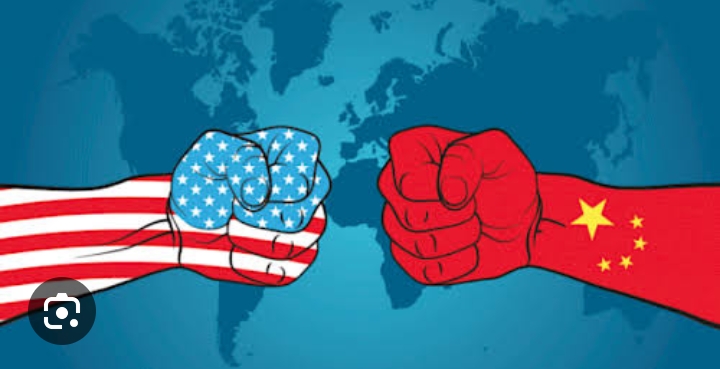
    • Tensions and distrust between the US-led camp and China/Russia-led camp pose a threat of global conflict.
    • China is on a major diplomatic-cum-strategic offensive across Asia, particularly in West Asia, and is flexing its naval and military muscle in the East and Southeast Asian seas.
    • India is facing challenges due to China’s offensive and its efforts to widen the arc of conflict with India.
    • The situation in Ukraine is fraught, with the US and its allies providing advanced weaponry and training to Ukrainian troops, while Russia is receiving support from its allies.
    • India’s ties with Russia are not necessarily anchored in defense cooperation, and India is looking more to the West, especially the US, for state-of-the-art weaponry.
    • India needs to proceed with caution while holding the presidency of the G-20 and the SCO and balance the contradictory demands of the two institutions and the Global South.

    Reasons for the distrust between the two camps; United States and China/Russia

    • Economic competition: The US and China are in a race for economic and technological supremacy, with both countries vying for dominance in fields such as artificial intelligence, 5G networks, and cybersecurity. This has led to tensions between the two countries.
    • Military competition: The US and China are also in a race for military supremacy, with both countries investing heavily in their armed forces and developing advanced weapons systems. This has led to concerns about a potential arms race between the two countries.
    • Territorial disputes: China has territorial disputes with several countries in the region, including India, Japan, Vietnam, and the Philippines. This has led to tensions and concerns about China’s expansionist policies.
    • Human rights issues: The US and other Western countries have criticized China and Russia for their human rights records, including issues such as the treatment of Uighur Muslims in China and the treatment of political dissidents in Russia. This has led to tensions between these countries and the West.
    • Political influence: The US has accused China and Russia of attempting to interfere in its political processes, including the 2016 US presidential election. This has led to concerns about the countries’ intentions and their influence in other countries.
    • Strategic competition: The US and China/Russia have differing visions for the international order, which has led to strategic competition and tensions between them. The US seeks to uphold the current order, while China and Russia seek to challenge it and establish a new order that reflects their interests and values.
    • COVID-19 pandemic: The COVID-19 pandemic has further exacerbated tensions between the US and China, with both countries blaming each other for the outbreak and its spread.

    Issues for India specifically with China

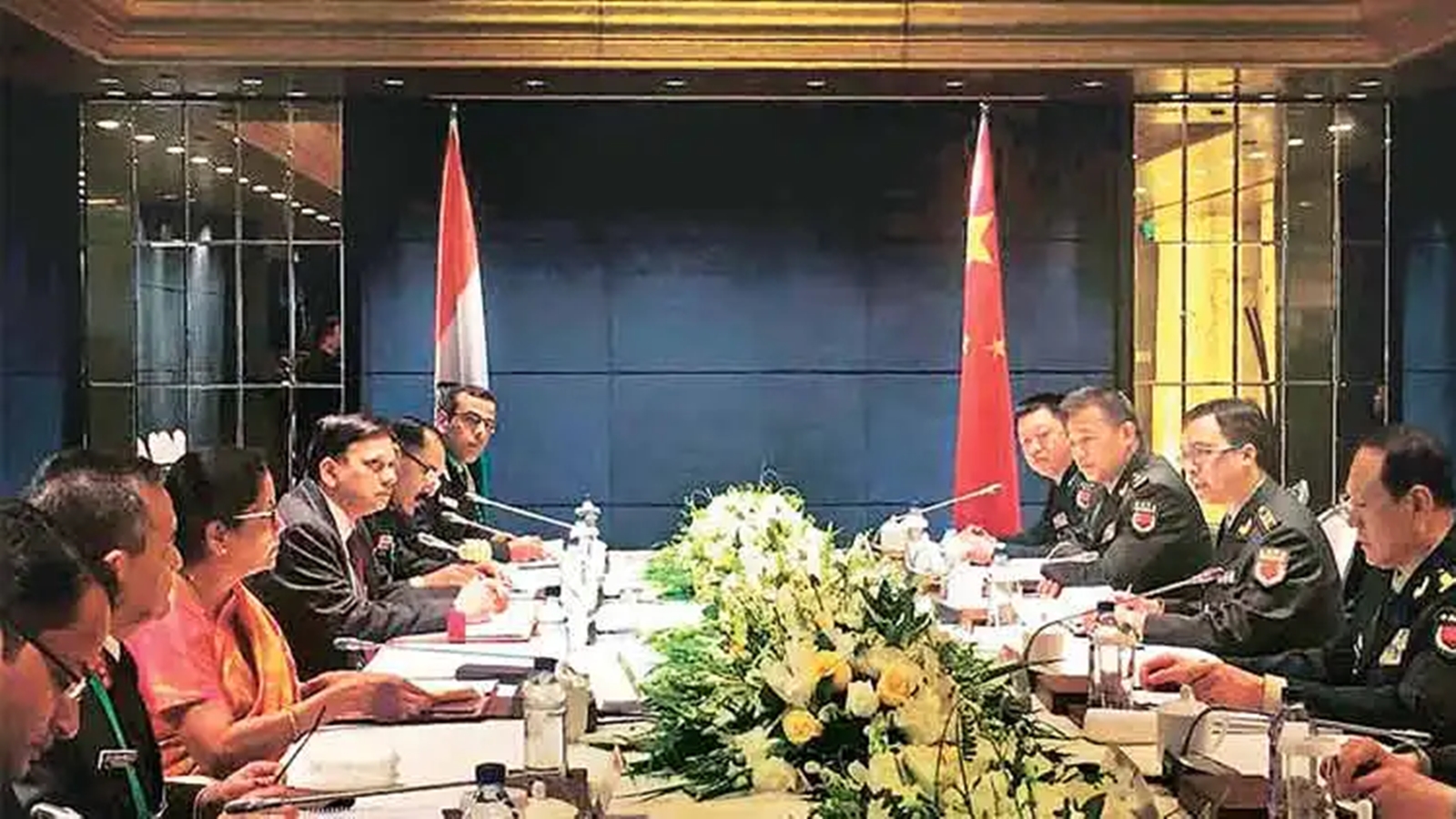
    • Border disputes: India and China have long-standing border disputes, which have led to multiple conflicts over the years. The recent clashes in the Galwan Valley in June 2020 resulted in the deaths of Indian and Chinese soldiers and have further escalated tensions between the two countries.
    • China’s aggressive behavior: China’s assertive stance and expansionist policies in the South and East China Seas, as well as its attempts to limit India’s influence in the Indian Ocean Region, have led to tensions between the two countries.
    • China’s regional initiatives: China’s regional initiatives such as the China-Pakistan Economic Corridor (CPEC) and the China-Indian Ocean Region Forum are of concern to India as they may limit India’s strategic and economic interests in the region.
    • The Quad: China sees India’s partnership in the Quad (an informal strategic grouping of India, Australia, Japan, and the US) as a threat to its regional ambitions, and has openly criticized the grouping.
    • Cyber warfare and hybrid tactics: India is also concerned about China’s ability to engage in cyber warfare and hybrid tactics, including the adoption of cyber tactics and the ‘politics of water’ by re-directing the Himalayan rivers.

    Other turmoil’s in India’s immediate neighborhood

    • Afghanistan: The situation in Afghanistan appears to be steadily worsening and is now beginning to affect nations on its periphery. India has lost all traction with the Taliban in Afghanistan.
    • Pakistan: The relations between India and Pakistan are strained due to various reasons, including cross-border terrorism.
    • Sri Lanka: The political situation in Sri Lanka has been unstable in recent years, and it has caused concerns for India.
    • Nepal: The political situation in Nepal has been unstable in recent years, with frequent changes in government and disagreements over the new constitution. India has also had strained relations with Nepal over various issues, including border disputes.
    • Myanmar: The military coup in Myanmar in February 2021 has led to widespread protests and violence, causing concerns for India’s security in its Northeast region as well as affecting India’s strategic interests in the region.

    Way ahead

    • Identifying commonalities: India should focus on identifying areas of commonality between the G-20, the SCO, and the Global South, such as sustainable development, climate change, and economic cooperation, and work towards promoting these goals in each forum.
    • Prioritizing issues: India should prioritize the issues that are most important to its national interests, such as regional security and economic development, and work towards finding solutions that are mutually acceptable to all parties.
    • Engaging with all parties: India should engage with all parties in each forum, including the major powers, to ensure that its voice is heard and its interests are taken into account.
    • Building coalitions: India should work towards building coalitions with like-minded countries within each forum, such as other developing countries, to promote its interests and priorities.
    • Developing strategic partnerships: India should develop strategic partnerships with key players in each forum, such as China and Russia in the SCO, to promote regional stability and cooperation.

    Conclusion

    • India needs to be aware of the persisting challenges it faces, tone down the high expectations being generated of reaping a rich dividend from helming the G-20 and the SCO, and proceed with caution. It must chart a course that balances the contradictory demands of the G-20 and the SCO and even more so that of the Global South. India should not claim to have attained its goal of being a global power, as there are many obstacles that have to be overcome before India can achieve its predetermined goal.

    Mains Question

    Q. The current geopolitical climate is characterized by a high level of distrust and tensions running high and the threat of conflict looming large. In light of this discuss the issues for India specifically with China and how other turmoil’s in immediate neighborhood compounding the problems for India.

    Get an IAS/IPS ranker as your personal mentor for UPSC 2024 | Schedule your FREE session and get the Prelims prep Toolkit!

    Also Read:

    India could lead the G20 agenda in a unique way
  • Covid is no longer an Emergency: what changes?

    Central Idea: The World Health Organisation (WHO) has declared an end to the global emergency status for COVID-19. It had in 2020 declared the disease as Public Health Emergency of International Concern (PHEIC).

    Practical effects of WHO declaration

    • The classification of COVID-19 as a global emergency is meant to warn political authorities of an extraordinary event that could constitute a health threat to other countries and requires a coordinated response to contain it.
    • For the average person, the decision to end the global emergency classification will have no practical effect.
    • WHO’s emergency declarations are typically used as an international SOS for countries who need help or to spur countries to introduce special measures to combat disease or release extra funds.

    What is PHEIC?

    Definition: Under the International Health Regulations (IHR), a public health emergency is defined as “an extraordinary event which is determined, as provided in these Regulations: to constitute a public health risk to other States through the international spread of disease; and to potentially require a coordinated international response”.

    Emergencies declared so far

    • WHO has previously declared global emergencies for outbreaks of swine flu, Zika, Ebola, polio, and monkeypox.
    • Polio was declared nearly nine years ago, and its emergency status has persisted even as officials work to wipe out the disease from a shrinking number of countries.
    • MPOX was declared a global emergency last July but technically remains a global emergency.

    What criteria does the WHO follow to declare PHEIC?

    • PHEIC is declared in the event of some “serious public health events” that may endanger international public health.
    • The responsibility of declaring an event as an emergency lies with the Director-General of the WHO and requires the convening of a committee of members.

    Implications of a PHEIC being declared

    • There are some implications of declaring a PHEIC for the host country, which in the case of the coronavirus is China.
    • Declaring a PHEIC may lead to restrictions on travel and trade.
    • However, several countries have already issued advisories to their citizens to avoid travelling to China, while others are airlifting their citizens from it.

    Is COVID-19 still a pandemic?

    • Yes, COVID-19 is still a pandemic, as the virus is here to stay and thousands of people continue to die every week.
    • WHO chief Tedros warned that the risk remains of new variants emerging that cause new surges in cases and deaths.
    • Countries need to transition from emergency mode to managing COVID-19 alongside other infectious diseases.

    When will the COVID-19 pandemic end?

    • It is unclear when the COVID-19 pandemic will end, as the virus is still a public health threat and its continued evolution could cause future problems.
    • Pandemics only truly end when the next pandemic begins.
    • COVID-19 will continue to spread among people for a very long time but at a much lower level of threat that does not require extraordinary measures taken to try to curb the virus’ spread.


    Get an IAS/IPS ranker as your personal mentor for UPSC 2024 | Schedule your FREE session and get the Prelims prep Toolkit!

  • CEPA is the Growth Engine For India-UAE Bilateral Trade

    CEPA

    Central Idea

    • The India-UAE Comprehensive Economic Partnership Agreement (CEPA) signifies a deep, fraternal, and strategically important relationship between the two countries that goes beyond just economic cooperation. The success of the agreement in stimulating economic growth and providing investment opportunities has unlocked new possibilities for multi-sectoral collaboration and partnerships

    Background: India-UAE relationship

    • Historical ties: The India-UAE relationship has been shaped by centuries of cultural and economic engagement on the Indian Ocean’s network of exchange. The two countries share historical ties that go back to pre-modern times, with Arab traders having visited the west coast of India since the fourth century AD.
    • India’s third-largest trading partner: The UAE emerged as India’s third-largest trading partner, highlighting the two countries’ positive outlook towards economic cooperation.
    • Trade partnership strengthened with oil: The India-UAE partnership was forged first on the trade of traditional items, and then strengthened with oil. It found a formal dimension after the creation of the UAE Federation in 1971, and then accelerated in the 1990s when a liberalised India embraced the opportunity to export to the UAE and markets beyond.
    • Relationship is today more than an economic partnership: It speaks to the Emirates’s deep, fraternal, and strategically important relationship with India, reinforcing the UAE’s position as a key partner in India’s foreign policy. The two countries share strong cultural and people-to-people ties, with a significant Indian diaspora in the UAE.
    • key partner in India’s development agenda: The UAE has been a key partner in India’s development agenda, including investments in the oil and gas sector, renewable energy, and infrastructure. The UAE has also been supportive of India’s efforts in combating terrorism and enhancing security cooperation.

    India- UAE Comprehensive Economic Partnership Agreement (CEPA)

    • The India-UAE Comprehensive Economic Partnership Agreement (CEPA) is a bilateral trade agreement that aims to strengthen economic ties between the two countries.
    • The CEPA covers a wide range of subjects, including trade in goods, trade in services, investment, intellectual property rights, and competition policy.
    • The CEPA has been in the making for several years, with negotiations starting in 2017 and the agreement finally coming into force on May 1, 2022. The agreement builds on the decades of mutual enterprise between the two countries, with the UAE emerging as India’s third-largest trading partner.

    How India- UAE CEPA benefits both the countries?

    • Increased trade: The CEPA is expected to significantly increase trade volumes between India and the UAE, with the potential to create new investment opportunities and increase business partnerships. This will help both countries to diversify their trade relationships beyond their traditional trading partners.
    • Diversified trade: The CEPA covers a wide range of subjects, including trade in goods, trade in services, investment, intellectual property rights, and competition policy, allowing for a more diversified trade relationship between the two countries.
    • Access to new markets: The CEPA is inspiring innovators and investors, catalysing SMEs, startups, and India Inc to make decisive inroads into new markets, particularly the Emirati market, and from there to the Middle East, Africa, and Europe. This will benefit both countries in terms of access to new markets and opportunities.
    • Support for entrepreneurship: The CEPA provides support for startups in both India and the UAE, enabling them to explore growth and diversification into each other’s markets, as well as other markets in the region and beyond. The India-UAE Startup Bridge will also enable them to attract investment from venture capitalists and angel investors.
    • Addressing developmental challenges: The CEPA provides a trade lens to tackle issues such as energy and food security, agriculture, and sustainability, making it a strategic catalyst in addressing vital developmental challenges.

    CEPA

    Facts for prelims: UPI in UAE

    • Indian travelers can now seamlessly make payments in the UAE using the UPI-based apps.
    • National Payments Corporation of India (NPCI) has partnered with the Mashreq Bank’s NEOPAY to enable UPI-based payments in the Gulf Nation.
    • UPI payments will only be possible in UAE shops that have NEOPAY terminals. The user should have a bank account with an Indian bank account along with a mobile app like BHIM that supports UPI payments.
    • Currently, UPI payments are accepted in Bhutan and Nepal. It is likely to go live in Singapore by the end of this year.
    • Back in 2021, the UPI services were launched in Bhutan in collaboration with its central bank, the Royal Monetary Authority.

    Way ahead?

    • Looking ahead, the India-UAE CEPA presents a unique opportunity to further deepen economic and strategic ties between the two countries. Some of the key steps that can be taken to build on the success of the CEPA include:
    • Strengthening infrastructure: India and the UAE can collaborate to strengthen infrastructure, including ports, airports, and logistics networks, to facilitate the movement of goods and people between the two countries.
    • Enhancing cooperation in emerging sectors: The two countries can explore cooperation in emerging sectors such as renewable energy, artificial intelligence, and fintech, among others, to promote innovation and economic growth.
    • Promoting investment: Both India and the UAE can take steps to promote investment in each other’s markets, including through the creation of investment promotion agencies, bilateral investment treaties, and other measures.
    • Strengthening cultural ties: Cultural exchanges and people-to-people contacts can be further enhanced to deepen the historical and cultural ties between the two countries.
    • Addressing developmental challenges: The CEPA provides a platform for addressing key developmental challenges faced by both countries, such as energy and food security, sustainability, and agriculture. Further efforts can be made to leverage this platform to achieve meaningful progress in these areas.

    Conclusion

    • The UAE-India CEPA has unlocked new possibilities for multi-sectoral collaboration and partnerships, leading the nations to build competitive, resilient, sustainable, and vibrant economies.

    Mains Question

    Q. India-UAE completed its one year of Comprehensive Economic Partnership Agreement (CEPA) implementation. In this background discuss impact on the Bilateral Trade.

    Get an IAS/IPS ranker as your personal mentor for UPSC 2024 | Schedule your FREE session and get the Prelims prep Toolkit!

    Also read:

    India-UAE Food Security Partnership Stands to Benefit From Multiple Points of Convergence
  • What is the Washington Declaration?

    washington

    Central Idea: The context is the recent visit of the South Korean President to the US to commemorate the 70th anniversary of US-South Korea bilateral relations. During the visit, the two countries signed the “Washington Declaration” as a nuclear deterrence strategy against North Korea’s regional aggression.

    Washington Declaration: Key Terms

    • Nuke deployment by US: According to the declaration, an American nuclear ballistic submarine would be deployed in the Korean peninsula.
    • Intel mechanism: A nuclear consultative group would be formed to formulate principles of joint response tactics, and South Korea would receive Intel from the US regarding nuclear advancements.
    • Joint training: The US will strengthen South Korea’s nuclear deterrence capabilities through joint military training programs and an annual intergovernmental simulation.
    • Deterrence creation: The declaration reaffirmed the Non-Proliferation Treaty implying that South Korea would not venture into the creation of its own independent nuclear capabilities and would instead focus on deterrence measures through an alliance-based approach.

    Implications of the treaty

    • Big power politics: While the existence of the agreement is based on the security needs of South Korea, the policy reflects big power politics where the interests of the larger power (US) takes precedence.
    • US proprietorship over the nukes: The US is the only ‘sole authority’ to use the nuclear arsenal of the US in the event of a nuclear confrontation.
    • Maintaining stability: The assurance that the US and its nuclear weapons would protect its allies by being responsible for maintaining stability in the region aligns with the larger goal of non-proliferation.

    US Stance on South Korea’s Nuclear Capabilities

    • Fouled the SK nuclear program: South Korea’s nuclear development programme supported by former president Park Chung Hee was hindered due to US pressure.
    • Strategic arms reduction: The US withdrew one hundred nuclear weapons from South Korea in the 1990s as part of their “Strategic Arms Reduction Treaty” to make North Korea unarm itself.
    • Renewed interest after North Korea’s Rise: The Nuclear Posture Review 2022 reflects a shift in the US narrative where it is now concerned about the progressing nuclear capacities of North Korea.

    Regional and domestic responses

    • China: It said it undermines the nuclear non-proliferation regime and the strategic interests of other countries.
    • North Korea: Kim Jong-Un’s sister warned that the declaration would only result in making peace and security of North-East Asia and the world be exposed to more serious danger.

    Conclusion

    • Overall, the Declaration is an important step in the direction of creating a more overt and close coordination among the US allies in the Indo-Pacific.
    • It seeks to deal with not only North Korea but also moves of China and Russia.

    Back2Basics: Non-Proliferation Treaty (NPT)

    The NPT is an international treaty signed in 1968 that aims to prevent the spread of nuclear weapons and to promote the peaceful use of nuclear energy.

    Key facts about the NPT include:

    • Members: There are currently 191 parties to the treaty, including the five recognized nuclear-weapon states (the US, Russia, China, France, and the UK).
    • Three main pillars: Non-proliferation, Disarmament and Peaceful use of nuclear energy.
    • Non-nuclear-weapon states: They are parties to the treaty agree not to acquire nuclear weapons and to accept International Atomic Energy Agency (IAEA) safeguards on their nuclear activities.
    • Nuclear-weapon states: They are the parties to the treaty agree not to transfer nuclear weapons or technology to non-nuclear-weapon states.
    • 5 year review: The treaty is reviewed every five years at a conference of parties, with the most recent review conference taking place in 2015.
    • Criticisms: NPT has been criticized for not doing enough to promote disarmament, and for perpetuating a system of haves and have-nots in which certain states have nuclear weapons while others do not. However, proponents argue that the treaty has helped to prevent the spread of nuclear weapons and to promote peaceful use of nuclear energy.


    Get an IAS/IPS ranker as your personal mentor for UPSC 2024 | Schedule your FREE session and get the Prelims prep Toolkit!

  • EU’s Artificial Intelligence (AI) Act

    eu ai

    Central idea: The European Parliament has recently reached a preliminary deal on a new draft of the European Union’s Artificial Intelligence Act, after two years of drafting and negotiations.

    Regulating AI

    • The need for regulation of AI technologies has been highlighted worldwide.
    • EU lawmakers have urged world leaders to hold a summit to brainstorm ways to control the development of advanced AI systems.

    EU’s Artificial Intelligence Act

    • The aim of the AI Act is to bring transparency, trust, and accountability to AI technologies and to mitigate risks to the safety, health, fundamental rights, and democratic values of the EU.
    • The legislation seeks to address ethical questions and implementation challenges in various sectors, from healthcare and education to finance and energy.
    • It seeks to strike a balance between promoting the uptake of AI while mitigating or preventing harms associated with certain uses of the technology.
    • It aims to strengthen Europe’s position as a global hub of excellence in AI from the lab to the market and ensure that AI in Europe respects the 27-country bloc’s values and rules.
    • The Act delegates the process of standardization or creation of precise technical requirements for AI technologies to the EU’s expert standard-setting bodies in specific sectors.

    Details of the Act

    • Defining AI: AI is broadly defined as “software that is developed with one or more of the techniques that can, for a given set of human-defined objectives, generate outputs such as content, predictions, recommendations, or decisions influencing the environments they interact with.”
    • Four risk-category: The Act outlines four risk categories:
    1. Unacceptable: The use of technologies in the unacceptable risk category is prohibited with little exception, including real-time facial and biometric identification systems in public spaces, China-like systems of social scoring, subliminal techniques to distort behavior, and technologies that exploit vulnerabilities of certain populations.
    2. High: The focus is on AI in the high-risk category, prescribing pre-and post-market requirements for developers and users of such systems and establishing an EU-wide database of high-risk AI systems. The requirements for conformity assessments for high-risk AI systems must be met before they can make it to the market.
    3. Limited and minimal: AI systems in the limited and minimal risk category can be used with a few requirements like transparency obligations.

    Recent proposal on General Purpose AI

    • Recent updates to EU rules to regulate generative AI, including language model-based chatbots like OpenAI’s ChatGPT, are discussed.
    • Lawmakers are debating whether all forms of general-purpose AI will be designated high-risk.
    • Companies deploying generative AI tools are required to disclose any copyrighted material used to develop their systems.

    Reaction from the AI Industry

    • Some industry players have welcomed the legislation, while others have expressed concerns about the potential impact on innovation and competitiveness.
    • Companies are worried about transparency requirements, fearing that they may have to divulge trade secrets.
    • Lawmakers and consumer groups have criticized the legislation for not fully addressing the risks associated with AI systems.

    Global governance of AI

    • The US currently lacks comprehensive AI regulation and has taken a hands-off approach.
    • The Biden administration released a Blueprint for an AI Bill of Rights (AIBoR) that outlines the harms of AI and five principles for mitigating them.
    • China has come out with some of the world’s first nationally binding regulations targeting specific types of algorithms and AI.
    • China enacted a law to regulate recommendation algorithms, with a focus on how they disseminate information.
    • While India is still stuck with the Personal Data Protection Bill.


    Get an IAS/IPS ranker as your personal mentor for UPSC 2024 | Schedule your FREE session and get the Prelims prep Toolkit!

  • Pacific Island Countries (PICs): India’s Development Diplomacy

    Pacific

    Central Idea

    • Indian Prime Minister Narendra Modi’s visit to Papua New Guinea (PNG) has strategic importance as it marks the Third Forum for India-Pacific Islands Cooperation (FIPIC), which India is co-hosting along with PNG in Port Moresby. India’s involvement with the region is crucial from a geostrategic perspective as it is viewed by the US as a means to counter China in the Indo-Pacific. In this context, India is gradually tuning itself towards the Pacific Island Countries (PICs) by building development partnerships on critical issues.

    Pacific

    Forum for India-Pacific Islands Cooperation (FIPIC)

    • The Forum for India-Pacific Islands Cooperation (FIPIC) is a multilateral grouping that aims to enhance India’s relations with the Pacific Islands region. It was launched in November 2014 during Indian Prime Minister Narendra Modi’s visit to Fiji.
    • The FIPIC includes 14 Pacific Island countries, namely Cook Islands, Fiji, Kiribati, Marshall Islands, Micronesia, Nauru, Niue, Palau, Papua New Guinea, Samoa, Solomon Islands, Tonga, Tuvalu, and Vanuatu.
    • The forum serves as a platform for India to engage with the Pacific Island countries on issues such as climate change, renewable energy, disaster management, health, and education, among others.
    • The forum also provides an opportunity for India to strengthen its strategic presence in the Indo-Pacific region and counter China’s growing influence in the region.

    Why should India focus on Pacific Island Countries (PICs)?

    • Strategic location: The PICs are strategically located in the South Pacific and inhabit almost one-sixth of the world’s population. These islands have occupied common spheres of influence and interest for major superpowers like the US, France, Japan, Australia, and the United Kingdom (UK).
    • Resource-rich region: The PICs are inherently resource-rich in natural minerals and hydrocarbons. They are known for massive biodiversity, diverse ocean life, and extensive mangroves.
    • Countering China: China’s foray into the region in the form of resource extraction, increasing naval presence in the South China Sea, and investments under the Belt and Road Initiative (BRI) has unnerved the neighbourhood. India’s engagement with the Pacific nations is viewed by the US as a means to counter China in the Indo-Pacific.
    • Diplomatic importance: India’s engagement with the PICs is significant for diplomatic reasons, as it can increase India’s influence in the Indo-Pacific region. India’s foreign policy considerations are progressively being structured around the notion of diplomacy for development. This India Way of foreign policy fits well for the larger Global South.
    • Development partnerships: India can build development partnerships with PICs on critical issues including climate resilience, digital health, renewable energy, and disaster risk reduction.
    • Economic opportunities: The PICs offer economic opportunities for India, especially in the areas of green transition and climate change, technology transfer, capacity building, encouraging trade and commerce, etc.

    Pacific

    Facts for prelims: PIC’s

    Region Countries Resources Strategic Importance Physical Location
    Melanesia Fiji, Papua New Guinea, Solomon Islands, Vanuatu Minerals, timber, fish, gold, copper, oil, gas Natural resources, biodiversity, proximity to shipping lanes 1°N to 14°S, 124°E to 168°E
    Micronesia Federated States of Micronesia, Kiribati, Marshall Islands, Nauru, Palau Fish, phosphate, coconut products Strategic military location, control of the Pacific Ocean, climate change impacts 1°N to 11°N, 130°E to 176°E
    Polynesia American Samoa, Cook Islands, French Polynesia, Niue, Samoa, Tonga, Tuvalu, Wallis and Futuna Fish, forestry, agriculture, tourism Tourism, cultural significance, strategic military location 14°S to 27°S, 123°W to 162°E

    What is Development Diplomacy?

    • Development diplomacy is a foreign policy approach that emphasizes cooperation and partnership on development issues with other countries as a means of achieving shared goals and promoting mutual interests.
    • The focus is on building relationships with other nations based on shared values and common objectives, rather than on traditional notions of power and influence.
    • Development diplomacy recognizes the interdependence of nations in an increasingly globalized world, and seeks to create win-win partnerships that benefit all parties involved.

    key initiatives taken by India under Development diplomacy in Papua New Guinea (PNG)

    • Line of Credit: India has offered a $100 million Line of Credit (LoC) to Papua New Guinea for infrastructure development.
    • Climate resilience: India has partnered with PNG for a project aimed at developing climate-resilient agriculture. Under this project, Indian experts are sharing their expertise on climate-resilient agriculture practices and technology transfer.
    • Healthcare: India has offered training for healthcare professionals in PNG, and has also provided medical equipment and supplies.
    • Education: India has offered scholarships to students from PNG to study in India, as well as providing vocational training for PNG youth.
    • Renewable energy: India has partnered with PNG to promote the use of renewable energy sources such as solar and wind power.
    • Capacity building: India has provided training for PNG government officials in areas such as public administration, governance, and disaster management.
    • Trade and commerce: India have sought to enhance trade and investment relations with PNG, including through the promotion of Indian businesses and the facilitation of PNG investment in India.

    Conclusion

    • India’s involvement with the Pacific Island Countries (PICs) is crucial from a geostrategic perspective, as it is viewed by the US as a means to counter China in the Indo-Pacific. India’s unique approach to development cooperation fits well for the larger Global South, and it can be a possible pathway for advancing Southern-driven partnerships in the PICs. With the G20 Presidency giving India leverage as an important economy in world politics, the FIPIC can be viewed as a suitable opportunity for New Delhi to realign itself in the emerging world order.

    Mains Question

    Q. What do you understand by mean Development diplomacy? Why India should increase its focus on pacific island countries?

    Get an IAS/IPS ranker as your personal mentor for UPSC 2024 | Schedule your FREE session and get the Prelims prep Toolkit!

    Also read:

    The Small Island Developing States (SIDS) in Indian Ocean region (IOR)