💥Join UPSC 2027,2028 Mentorship (July Batch) + XFactor Notes & Microthemes PDF

Subject: International Relations

  • [29th January 2025] The Hindu Op-ed: The Budget pipeline and India’s foreign policy ambitions

    PYQ Relevance:

    Q) At the international level, the bilateral relations between most nations are governed on the policy of promoting one’s own national interest without any regard for the interest of other nations. This leads to conflicts and tensions between the nations. How can ethical consideration help resolve such tensions? Discuss with specific examples (UPSC CSE 2015)

    Mentor’s Comment: UPSC mains have always focused on ‘Scope of Fundamental Rights’ (2017) and Influence of Foreign Policy (2015).


    Today’s editorial discusses the recent budgetary developments concerning India’s Ministry of External Affairs (MEA) and their implications for the country’s foreign policy. This content can be used in your Mains Answer for presenting the challenges particularly regarding.

    _

    Let’s learn!

    Why in the News?

    The budget for India’s Ministry of External Affairs (MEA) deserves closer scrutiny because last year, the MEA budget saw a rare 23% spike, up from the modest 4% annual increase between 2017 and 2023.

    • The MEA’s allocation not only reflects the government’s foreign policy priorities but also its capacity to deliver on its global ambitions and commitments particularly in light of India’s vision for a ‘Viksit Bharat’ by 2047.

    How does the Indian budget reflect the country’s foreign policy priorities and ambitions?

    • Increased Allocation for the MEA: The significant 23% increase in the budget for the Ministry of External Affairs (MEA) signals a commitment to enhancing India’s diplomatic capabilities and reflects the government’s recognition of the importance of foreign policy.
    • Focus on Neighbourhood Policy: With approximately 50% of India’s foreign aid directed towards neighboring countries, particularly Bhutan, the budget emphasizes the “Neighbourhood First” policy, highlighting regional cooperation and stability as key priorities.
    • Shift to Lines of Credit: The transition from outright grants to lines of credit (LoCs) indicates a strategic approach to financing sustainable infrastructure projects in recipient countries, enhancing India’s influence while ensuring accountability in project implementation.
    • Investment in Diplomatic Infrastructure: A substantial portion of the MEA’s budget is allocated to embassies and missions, reflecting India’s intent to strengthen its global presence and engage more effectively in international diplomacy.

    What role does it play in shaping India’s economic and geopolitical landscape?

    • Attracting Foreign Investment: The budget prioritizes foreign investment by reducing corporate tax rates for foreign firms and easing regulations on foreign direct investment.
      • This aims to position India as a favorable destination for international capital, enhancing its economic growth prospects and global competitiveness.
    • Strengthening Manufacturing and Infrastructure: By supporting initiatives like ‘Make in India’ and allocating substantial funds for infrastructure development, the budget aims to boost domestic manufacturing capabilities.
      • This not only fosters economic growth but also enhances India’s geopolitical standing by enabling it to become a manufacturing hub, particularly as companies seek to diversify away from China.
    • Enhancing Regional Influence: The budget reflects a commitment to regional partnerships by directing a significant portion of foreign aid toward neighboring countries.
      • This strategy strengthens India’s influence in South Asia and promotes stability, aligning with its broader foreign policy objectives.
    • Fiscal Discipline and Economic Stability: The budget emphasizes fiscal responsibility, targeting a reduction in the fiscal deficit to 4.9% of GDP.
      • Maintaining fiscal discipline is critical for sustaining investor confidence and ensuring long-term economic stability, which is essential for India’s ambitions on the global stage.

    What challenges does India face?

    • Geopolitical Tensions with China: India continues to navigate complex relations with China, particularly concerning border disputes and military tensions along the Line of Actual Control. The need for strategic dialogue and trust-building measures remains critical.
    • Strained Relations with Neighbors: Political changes in neighboring countries, such as Bangladesh and Myanmar, and ongoing tensions with Pakistan complicate India’s regional diplomacy. The challenge lies in managing these relationships while promoting stability and cooperation.
    • Impact of U.S.-China Rivalry: The evolving dynamics of U.S.-China relations, especially with the return of Donald Trump to the U.S. presidency, present both opportunities and challenges for India. Balancing ties with both powers while maintaining strategic autonomy is essential.
    • Domestic Political Factors: Internal political developments, including public sentiment and government policies, can influence India’s foreign policy decisions. Ensuring that foreign policy aligns with domestic priorities is crucial for maintaining credibility and effectiveness on the global stage.

    Foreign aid and shifts

    • India’s foreign aid to other countries decreased by 10% for the fiscal year 2024-25, while loans to foreign governments increased by 29%.
    • About 50% of India’s grants are directed towards neighboring countries, with Bhutan remaining the largest recipient due to historical ties and energy projects.
    • There is a notable shift from outright grants to lines of credit (LoCs), with Bangladesh receiving the largest share at $7.86 billion. While LoCs support sustainable infrastructure, they require effective oversight.
    • The Ministry of External Affairs (MEA) requires more resources to enhance its institutional capacity, including strengthening the Indian Foreign Service (IFS) and research capabilities.
    • The MEA’s training budget increased by 30% for 2024-25, but overall capacity-building funds remain inadequate, and the IFS continues to be understaffed.
    • The MEA’s budget for foreign missions and cultural diplomacy grew only by 7%, while significant academic institutions faced budget cuts of 20% to 22%.
    • Despite investments in international dialogues to enhance India’s global image, there is a pressing need for more budgetary resources to support policy-relevant research at Indian universities and think tanks.

    Way Forward: India will host the Quad Leaders’ Summit in 2025, marking an important opportunity to showcase India’s leadership and commitment to regional cooperation among the Quad nations—Australia, Japan, and the United States.

    • India can reinforce its relationships with Quad partners, focusing on shared goals such as promoting a free, open, and inclusive Indo-Pacific.
    • This aligns with India’s broader foreign policy objectives of enhancing regional stability and security.
  • Places in News: Sudan’s Darfur Region

    Why in the News?

    At least 70 people were killed in a drone strike on the last working hospital in Sudan’s North Darfur capital.

    About the Darfur Region

    Details
    • Conflict-prone region in western Sudan, affected by ethnic violence and resource conflicts since 2003.
    • Site of one of the world’s worst humanitarian crises, with mass killings and displacement.
    • Home to multiple ethnic groups, with tensions between Arab pastoralists and non-Arab farming communities.
    • Janjaweed militias, backed by the Sudanese government, accused of genocide and mass atrocities.
    • Rapid Support Forces (RSF), formerly Janjaweed, play a key role in ongoing instability.
    • Renewed violence in 2023, worsening the humanitarian situation.
    Geographical Location
    • Located in western Sudan, bordering Chad, Libya, and the Central African Republic.
    • Covers an area of about 493,180 sq. km, nearly the size of France.
    • Predominantly arid and semi-arid, with desert in the north and more fertile land in the south.
    • Climate-driven water and grazing conflicts, worsened by desertification and climate change.
    • Composed of five states: North, South, West, Central, and East Darfur.
    • El Fasher is the capital and largest city, serving as an administrative and humanitarian hub.
    Impact of Conflict
    • Politically marginalized for decades, leading to armed uprisings against Sudan’s government.
    • Conflict escalated in 2003 with rebel groups like the Sudan Liberation Movement (SLM) and Justice and Equality Movement (JEM) demanding greater autonomy.
    • Remains a stronghold of rebel activity, contributing to Sudan’s broader instability.
    • Ongoing violence impacts regional security, affecting neighboring countries like Chad and the Central African Republic.


    PYQ:

    [2024] Consider the following statements :

    Statement-I: There is instability and worsening security situation in the Sahel region.

    Statement-II: There have been military takeovers/coups d’état in several countries of the Sahel region in the recent past.

    Which one of the following is correct in respect of the above statement?

    a) Both Statement-I and Statement-II are correct and Statement-II explains Statement-I

    b) Bothe Statement-I and Statement-II are correct, but Statement-II does not explain Statement-I

    c) Statement-I is correct, but Statement-II is incorrect

    d) Statement-I is incorrect, but Statement-II is correct

  • Mapping: Lao PDR

    Why in the News?

    The Indian Embassy in Lao PDR has successfully rescued 67 Indian nationals who were trafficked and forced to work in cyber scam centres in the Golden Triangle Special Economic Zone (GTSEZ).

    Golden Triangle Special Economic Zone (GTSEZ)

    • It is a semi-autonomous economic zone located in Bokeo Province, Lao PDR (Laos), near the borders of Thailand and Myanmar.
    • It is situated within the infamous Golden Triangle region, historically known for opium production and drug trafficking.
    • It was established to promote tourism, trade, and investment but has been widely criticized for illegal activities, including human trafficking, cyber fraud, and illicit gambling.

    About Lao PDR (Laos)

    Details
    • Officially known as the Lao People’s Democratic Republic (Lao PDR).
    • Gained independence from France in 1953.
    • Experienced a civil war (1959–1975), leading to the communist Pathet Lao taking control and abolishing the monarchy in 1975.
    • One-party communist state under the Lao People’s Revolutionary Party (LPRP).
    • Economic growth driven by hydropower, mining, and agriculture, but remains one of ASEAN’s least developed nations.
    • 2023 economic distress due to high debt and inflation, linked to China-backed infrastructure projects like the China-Laos Railway.
    Geographical Location
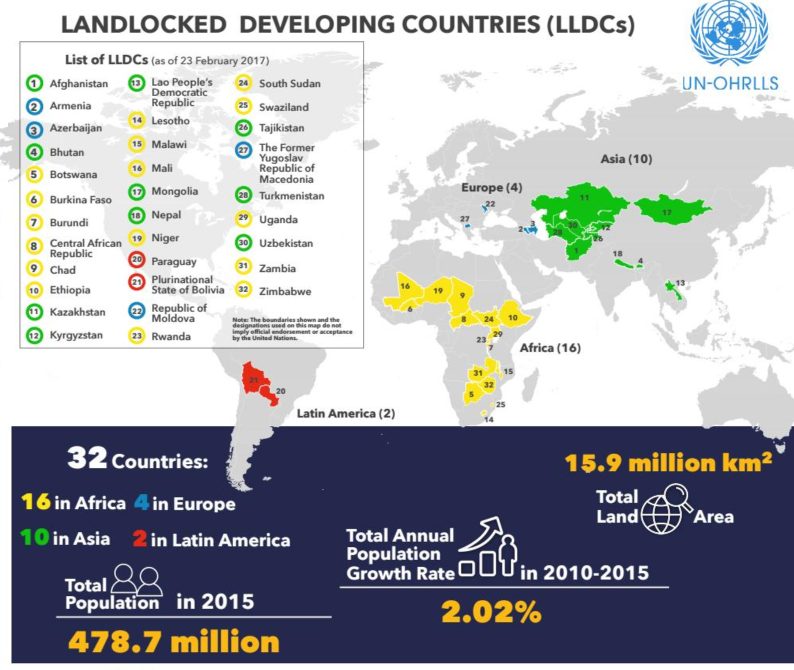
    • Landlocked country in Southeast Asia, bordered by China (north), Vietnam (east), Cambodia (south), Thailand (west), and Myanmar (northwest).
    • Capital city: Vientiane, located along the Mekong River near Thailand.
    • Total area: 236,800 sq. km, with a mountainous landscape and dense forests.
    • The Mekong River flows through Laos, supporting trade, agriculture, and hydropower projects.
    • Tropical monsoon climate with a wet season (May-Oct) and a dry season (Nov-Apr).
    Political Aspects
    • One-party communist state, ruled by the Lao People’s Revolutionary Party (LPRP) since 1975.
    • The most heavily bombed country per capita in history due to the US Secret War (1964–1973).
    • Acts as a buffer state between China, Vietnam, and Thailand, playing a role in Mekong River trade and energy exports.
    • ASEAN Membership: Joined ASEAN in 1997, contributing to regional diplomacy and economic cooperation.

    Challenges:

    • Major recipient of Chinese investment under the Belt and Road Initiative (BRI), with concerns over debt sustainability.
  • [27th January 2025] The Hindu Op-ed: Genocide and the world’s averted gaze

    PYQ Relevance:

    Q) To what extend can Germany be held responsible for causing the two World Wars? Discuss critically. (UPSC CSE 2015)


    Mentor’s Comment: UPSC Mains has always focused on World Wars (2015) and India’s relations with Israel (2018).

    On January 27, 1945, Soviet soldiers liberated Auschwitz-Birkenau (network of Nazi concentration and extermination camps), finding 8,000 starving prisoners and remnants of the 1.1 million, mostly Jewish, who perished there. With Nazi records destroyed, exact figures are uncertain. On this anniversary, survivors and world leaders gather to honor the victims and renew the commitment to prevent genocide.

    Today’s editorial  talks about Genocide in the world and laws related to Genocide. It will help in GS Paper 2 Internqtional relation and GS Paper 1 World History.

    _

    Let’s learn!

    Why in the News?

    World leaders will gather in Poland to commemorate Holocaust Memorial Day and the 80th anniversary of the liberation of Auschwitz-Birkenau, a Nazi concentration camp.

    What is Holocaust?

    • The Holocaust, known in Hebrew as the Shoah , refers to the systematic, state-sponsored genocide of approximately six million Jews by Nazi Germany and its collaborators during World War II, primarily between 1941 and 1945.
    • This atrocity was characterized by mass murders carried out through various means, including mass shootings and the use of extermination camps, such as Auschwitz-Birkenau and Treblinka.

    What is Constitutes Genocide?

    • Genocide is defined under international law as a series of acts committed with the intent to destroy, in whole or in part, a national, ethnical, racial, or religious group. This definition is codified in Article II of the 1948 United Nations Convention on the Prevention and Punishment of the Crime of Genocide (Genocide Convention). 

    How is it Recognized Internationally?

    • Legal Frameworks: The 1948 Genocide Convention defines genocide and obligates signatory states to prevent and punish the crime. This convention has been incorporated into the statutes of various international tribunals, including the International Criminal Court (ICC), establishing a legal basis for prosecution and accountability for genocidal acts.
    • International Courts and Tribunals: The International Court of Justice (ICJ) and other tribunals have jurisdiction to adjudicate cases related to genocide.
      • They interpret and enforce the provisions of the Genocide Convention, allowing for legal proceedings against individuals or states accused of committing genocide.
    • Recognition by States and Organizations: Various countries and international organizations have formally recognized specific events as genocides, which can influence diplomatic relations and international responses.
      • For example, numerous nations have acknowledged the Armenian Genocide, while the European Parliament has recognized the actions of ISIS against Yazidis as genocide.

    Why do global powers often remain silent or inactive in the face of genocidal acts?

    • Geopolitical and Strategic Interests: Global powers often prioritize alliances and regional influence over humanitarian intervention. For example: Rwanda Genocide (1994): Despite clear warnings, the UN and major powers failed to act decisively as Rwanda was not strategically significant to their interests, leading to the massacre of over 800,000 Tutsis and moderate Hutus.
    • Economic Dependencies and Trade Priorities: Economic ties, such as energy or trade partnerships, often deter powers from addressing genocidal acts. For example: China’s Treatment of Uyghur Muslims: Countries like the U.S. and EU hesitate to impose strong measures against China due to its role as a major trading partner, despite widespread reports of atrocities in Xinjiang.
    • International Bureaucratic Deadlock: Global institutions like the UN are often hindered by vetoes and a lack of consensus among major powers. For example: Syrian Civil War: Allegations of genocide and mass atrocities in Syria were met with inaction, as Russia and China vetoed resolutions in the UN Security Council, paralyzing international intervention.

    What responsibilities do nations have to prevent and respond to genocide?

    • Primary Responsibility to Protect: States have the primary obligation to protect their own populations from genocide, war crimes, ethnic cleansing, and crimes against humanity.
      • This responsibility is affirmed by the 2005 United Nations World Summit Outcome, which emphasizes that national governments must take proactive measures to prevent such atrocities within their territories.
    • International Cooperation and Support: The international community is obligated to assist states in fulfilling their protective responsibilities. This includes providing diplomatic, humanitarian, and other peaceful means to help protect populations at risk of genocide. If a state is manifestly failing to protect its citizens, the international community must be prepared to take collective action, including potential military intervention, in accordance with the UN Charter.
    • Early Warning Systems and Preventive Measures: Nations and international organizations should establish early warning systems to identify signs of potential genocidal acts. This involves gathering information, promoting human rights, addressing root causes of conflict, and implementing strategies that foster social cohesion and prevent discrimination.

    Way forward: 

    • Strengthen International Accountability Mechanisms: Nations must collaborate to reinforce the effectiveness of international courts and tribunals to ensure swift and impartial prosecution of genocidal acts. This includes reforming veto power in the UN Security Council to prevent deadlocks in responding to atrocities.
    • Invest in Prevention and Early Intervention: Establish robust early warning systems and prioritize diplomacy, economic aid, and social cohesion initiatives to address the root causes of conflicts, reducing the risk of genocidal acts before they escalate.
  • India with Indonesia

    Why in the News?

    Indonesian President Prabowo Subianto’s visit to India as the chief guest at the Republic Day parade highlighted the strong and historic relationship between the two countries.

    Evolution of the bilateral relationship between India and Indonesia

    • Historical Foundations and Early Cooperation: India and Indonesia established diplomatic relations in 1949, following India’s recognition of Indonesia’s independence in 1946.
      • The early years were marked by a strong partnership against colonialism, highlighted by President Sukarno’s participation as the chief guest at India’s first Republic Day in 1950 and their collaboration during the Bandung Conference in 1955, which laid the groundwork for the Non-Aligned Movement.
    • Revitalization in the 1990s: The relationship saw a significant revival with India’s ‘Look East Policy’ initiated in the 1990s, aimed at strengthening ties with Southeast Asian nations.
      • This period marked increased political engagement and economic cooperation, culminating in the establishment of a strategic partnership during President Susilo Bambang Yudhoyono’s visit to India in 2005.
    • Contemporary Engagement and Strategic Partnership: Recent years have seen a deepening of bilateral relations through comprehensive agreements on defence, maritime security, and economic collaboration.
      • The signing of the “Shared Vision of Maritime Cooperation” in 2018 and ongoing joint military exercises reflect a commitment to enhancing security cooperation amid regional challenges, particularly concerning China’s assertiveness in the South China Sea.

    What are the implications of India-Indonesia bilateral relations?

    • Strengthened Strategic Partnership: The agreement to position an Indonesian liaison officer at India’s Information Fusion Centre highlights a commitment to enhance maritime cooperation and information sharing, which is crucial for regional security amidst rising tensions in the South China Sea.
    • Collective Security Efforts: Both nations have emphasized the importance of combating terrorism and have agreed to enhance anti-terror cooperation. This reflects a mutual understanding of shared security challenges and the need for collaborative responses.
    • Maritime Dialogue: The establishment of early dialogues on maritime security and cyber security indicates a proactive approach to address emerging threats and maintain stability in the Indo-Pacific region.

    How will the agreements reached during this visit impact regional security dynamics?

    • Promotion of Peaceful Resolutions: By advocating for a “full and effective” Code of Conduct (COC) in the South China Sea, India and Indonesia are positioning themselves as key players in promoting a rules-based order in the region, countering China’s assertive claims.
    • Support for International Law: Their joint statement reinforces adherence to international laws, including the 1982 UNCLOS, which could serve as a counterbalance to unilateral actions by China in the South China Sea.
    • Enhanced Cooperation with ASEAN: Both countries are likely to strengthen ties with ASEAN nations that share similar concerns about China’s maritime ambitions, fostering a united front in regional diplomacy.

    What economic benefits are anticipated from enhanced collaboration?

    • Local Currency Transactions: The emphasis on using local currencies for bilateral trade is expected to reduce transaction costs and enhance trade volumes between India and Indonesia, thereby boosting economic ties.
    • Increased Trade Opportunities: Enhanced cooperation in sectors such as hydrography and defense could open new avenues for economic collaboration, potentially leading to increased investments and joint ventures.
    • Maritime Commerce: By advocating for unimpeded lawful maritime commerce, both nations aim to secure vital trade routes that are crucial for their economies, particularly in light of the South China Sea’s significance as a global trade corridor.

    Way forward: 

    • Strengthen Multilateral Diplomacy: India and Indonesia should continue to collaborate with ASEAN and other regional stakeholders to promote a unified stance on maritime security, focusing on the full implementation of the South China Sea Code of Conduct and adherence to international law.
    • Enhance Economic Integration: Both nations should prioritize deepening economic ties through initiatives like local currency transactions and joint ventures in defence and maritime sectors, fostering sustainable growth and bolstering regional economic stability.

    Mains PYQ:

    Q Mention the significance of straits and isthmus in international trade. (UPSC IAS/2022)

  • Why Neutral Expert’s decision on Indus Water Treaty is a win for India?

    Why in the News?

    A neutral expert appointed by the World Bank has supported India’s stance on how to resolve disputes with Pakistan over the Kishanganga and Ratle hydroelectric projects.

    What are the key features of the Indus Water Treaty?

    The IWT was signed on September 19, 1960, by Indian Prime Minister Jawaharlal Nehru and Pakistani President Ayub Khan, with the aim of regulating the use of water from the Indus River and its tributaries between India and Pakistan after extensive negotiations facilitated by the World Bank.

    • Permanent Sharing of Water: The IWT ensures a clear division of water resources, allowing peaceful coexistence of water usage.
    • Run-of-the-River Projects: India is allowed to build hydroelectric power projects on the Western Rivers, provided they do not obstruct natural river flows.
    • Role of the World Bank: As a mediator, the World Bank facilitates the appointment of experts or arbitral bodies in case of disputes.
    • Modification Provisions: Article XII (3) allows amendments to the Treaty through mutual consent.

    What are the Disputes around the Indus Water Treaty?

    • Run-of-the-River Projects: India’s construction of run-of-the-river hydroelectric projects, such as Kishanganga (a tributary of Jhelum) and Ratle (on the Chenab) has faced objections from Pakistan. Pakistan claims these projects could disrupt downstream water flow and utilisation, while India asserts they comply with the provisions of the Indus Waters Treaty (IWT).
    • Dispute Resolution Mechanism: Pakistan sought arbitration at the Permanent Court of Arbitration (PCA), but India contested its jurisdiction and emphasised using the Neutral Expert process as outlined in the treaty. India views this process as a treaty-compliant method for resolving technical differences:
      • Whether the pondage capacity of the two dams follows the limits set by the Indus Waters Treaty (IWT).
      • Whether the turbine intakes in the design comply with the rules of the IWT.
      • Whether the outlets below the dead storage level meet the IWT guidelines.
      • Whether the gated spillway designs of each plant align with the IWT provisions.
    • Trust Deficit: The lack of trust and strained relations between India and Pakistan undermines effective cooperation under the IWT. This atmosphere of distrust restricts constructive dialogue and hinders the timely resolution of disputes, affecting the treaty’s overall effectiveness.
    • Climate Change Impacts: Changing precipitation patterns and altered runoff due to climate change challenge the treaty’s assumption of fixed water availability. The IWT does not account for these uncertainties, increasing the risk to water-sharing agreements.
    • Evolving Needs: The treaty’s framework does not address the rising industrial and agricultural demands of both countries. Growing population and economic activities highlight the need for flexible mechanisms to ensure equitable and sustainable resource sharing in the future.

    How does the present decision highlight favourable implications on the Indian part?

    • Vindication of India’s Position: The Neutral Expert, Michel Lino, upheld India’s stand that the disputes over the Kishenganga and Ratle HEPs fall under his jurisdiction, as per Annexure F, Part I of the IWT. This challenges Pakistan’s attempt to bypass the Neutral Expert process and proceed directly to the PCA.
    • Preservation of Treaty Provisions: India’s participation in the Neutral Expert proceedings demonstrates its adherence to “Treaty-consistent mechanisms” while boycotting PCA proceedings that it considers beyond the IWT framework.
    • Recognition of India’s Hydroelectric Rights: The ruling supports India’s right to construct run-of-the-river projects within the provisions of the Treaty, boosting its ability to harness renewable energy from the Western Rivers.
    • Strengthening India’s Diplomatic Stance: The decision highlights Pakistan’s lack of adherence to the Treaty’s dispute resolution process, strengthening India’s argument for Treaty modification.
    • Potential for Treaty Revision: India’s formal notices in 2023 and 2024 to review and modify the Treaty gain momentum, emphasising the need to address demographic changes, clean energy goals, environmental concerns, and the impact of cross-border terrorism.

    Way forward: 

    • Revise the Indus Waters Treaty Framework: Advocate for Treaty modifications to address evolving needs like climate change impacts, rising industrial and agricultural demands, and demographic shifts, ensuring equitable and sustainable water-sharing mechanisms.
    • Strengthen Dispute Resolution Mechanisms: Promote adherence to Treaty-sanctioned processes like the Neutral Expert mechanism, fostering trust, cooperation, and timely resolution of technical disagreements while upholding India’s hydroelectric and clean energy rights.

    Mains PYQ:

    Q Present an account of the Indus Water Treaty and examine its ecological, economic and political implications in the context of changing bilateral relations. (UPSC IAS/2016)

  • [22nd January 2025] The Hindu Op-ed: Trump 2.0 as disruptor of the global legal order

    PYQ Relevance:

    Q) The broader aims and objectives of WTO are to manage and promote international trade in the era of globalization. But the Doha round of negotiations seem doomed due to differences between the developed and the developing countries.” Discuss in the Indian perspective. (UPSC CSE 2016)

    Mentor’s Comment: UPSC mains have always focused on various international fora in the context of geopolitics (2022), and Stability in the Indo-Pacific region (2020).

    While Trump’s bombastic style may be aimed at negotiating better deals, his administration’s approach could undermine established global alliances and institutions, raising concerns about the future of international cooperation. This approach may also embolden countries like China and Russia to pursue more aggressive territorial ambitions.

    Today’s editorial discusses the potential consequences of Donald Trump’s second term on international relations and global governance. This content can be used to present tussle between developed and developing countries in your mains answers based on the issues related to the global governance and multilateral stage.

    _

    Let’s learn!

    Why in the News?

    US President Donald Trump has warned that BRICS countries will face 100% tariffs if they attempt to reduce their reliance on the US dollar for trade. He stated that any such efforts would not be tolerated and emphasized that this is a firm position, not just a threat.

    What are the main points of Trump’s warning to BRICS nations?

    • 100% Tariffs: Trump threatened to impose 100% tariffs on BRICS countries (including India), if they attempt to reduce the use of the US dollar in international trade. He emphasized that even contemplating such actions would trigger these tariffs.
    • Economic Leverage: Trump asserted that the United States holds significant leverage over BRICS nations and dismissed claims that they have the upper hand. He stated, “We have them over a barrel,” indicating that the US would not tolerate any moves towards de-dollarization”.
    • Commitment Against New Currency: Trump has previously demanded a commitment from BRICS countries not to create or support a new currency that could replace the US dollar. He has warned that failure to comply would result in severe economic consequences, including exclusion from the US market.
      • The warning is a direct response to ongoing discussions among BRICS nations about reducing dollar dependence, particularly led by countries like Russia and China.

    What is de-dollarization and why is it significant?

    De-dollarization is the process of reducing reliance on the US dollar for international trade and finance. Countries aim to use other currencies instead of the dollar for transactions and reserves.

    Why is it Significant?

    • Economic Independence: Countries want to avoid risks from US economic policies and sanctions.
    • New Trade Opportunities: It allows nations to trade more freely with each other without using the dollar.
    • Response to Geopolitical Tensions: Many countries are looking for alternatives due to conflicts with the US.
    • Emerging Financial Systems: This shift could lead to new global financial systems that lessen the dollar’s dominance.
    USA Scenario under the Trump 1.0 Period:

    • Although the U.S. has influenced areas like climate change, human rights, and trade law, it faces criticism for violating the very norms it helped create. This duality has led to a decline in U.S. influence and credibility in international affairs. 
    • During his first term, Donald Trump adopted a “sovereigntist” approach to international law, prioritizing American sovereignty over multilateral agreements. This led to significant withdrawals from key treaties and organizations, such as the Paris Agreement on climate change and the Trans-Pacific Partnership, as well as blocking appointments to the WTO’s dispute resolution body.
    • The U.S. has also withdrawn from several international institutions such as UNESCO, and attempted to withdraw from the WHO.
    • Critics argue that this undermines both U.S. global standing and the effectiveness of international law itself, calling for greater engagement with these legal frameworks to restore U.S. leadership on the world stage.

    Present Onslaught:

    Potential Withdrawal from Multilateral Institutions: Trump’s return to the White House may lead to renewed disengagement from multilateral organizations, similar to his first term, with immediate plans to withdraw from the WHO and the Paris Agreement.
    Unilateral Trade Policies: Trump has proposed a 25% tariff on imports from Canada and Mexico, indicating a continuation of protectionist measures that could violate WTO rules and escalate trade wars.
    Revival of Conquest Mentality: Donald Trump has expressed intentions to annex Greenland, reclaim the Panama Canal, and potentially include Canada as the 51st state, suggesting he may use coercive methods to achieve these goals.  These ambitions reflect a historical approach to territorial acquisition reminiscent of earlier eras of conquest, which could encourage other nations like China and Russia to pursue similar territorial claims.

    How will Trump’s 2.0 approach redefine U.S. foreign policy and its impact on BRICS?

    • Shift to Expansionism: Trump’s “America First” philosophy is evolving from isolationism to expansionism, which may lead to more aggressive U.S. actions on the global stage, including potential territorial ambitions and unilateral policies that challenge existing international norms.
    • Increased Trade Tensions: His administration plans to impose substantial tariffs on key trading partners which could escalate trade wars and disrupt global trade dynamics, affecting BRICS countries that engage with the U.S.
    • Diminished Multilateral Engagement: Trump is expected to withdraw from or disengage from various multilateral institutions and agreements, undermining the normative authority of these bodies and potentially leading to a less cooperative international environment.
    • Impact on Global Alliances: The shift in U.S. foreign policy may embolden countries like China and Russia within the BRICS framework, as they could exploit the perceived vacuum left by U.S. disengagement from traditional alliances.

    What are the implications of Trump’s domestic policies on civil liberties and social issues?

    • Increased Executive Power: Trump may limit First Amendment Rights (these rights are fundamental to American democracy and are designed to ensure individual liberties), using executive power to surveil citizens and suppress protests.
    • Targeting Immigrants: His administration could aggressively target immigrant communities, leading to racial profiling and violations of constitutional protections.
    • Justice Department Focus: Appointments may shift the Justice Department’s focus away from civil rights, potentially reversing progress in voting rights and police accountability.
    • Crackdown on Advocacy: There could be increased government scrutiny of advocacy groups and individuals opposing his policies, threatening free speech.

    What should India watch out for?

    • Strengthen Multilateral Cooperation: Countries like India should enhance collaboration through existing international institutions and treaties to collectively uphold the international legal order and counter unilateral actions.
    • Promote Norm Setting: India with other nations can work together to establish and promote norms that reinforce a rules-based international system, ensuring that their interests are represented and protected.
    • Engage in Strategic Partnerships: Forming alliances with like-minded states can amplify their influence in global governance and provide a united front against any erosion of international law.

    https://www.thehindu.com/opinion/op-ed/trump-20-as-disruptor-of-the-global-legal-order/article69124466.ece

  • Under Trump, US withdraws from WHO: Impact, what this means for India

    Why in the News?

    On his first day in office, U.S. President Donald Trump signed an order to pull the country out of the World Health Organization (WHO).

    What will be the Impact of USA’s withdrawal from WHO?

    • Funding Shortfall for WHO: The USA accounted for 22.5% of WHO’s assessed contributions and approximately 13% of voluntary contributions in 2023.
      • The funding gap may affect WHO’s ability to implement health programs globally.
    • Disruption of Global Health Programs: WHO’s work in areas such as pandemics, neglected tropical diseases, antimicrobial resistance, and vaccination programs could face setbacks.
      • Loss of technical collaboration between the US CDC and WHO may weaken disease surveillance and pandemic preparedness.
    • Increased Influence of China: The vacuum left by the US could amplify China’s role within WHO, leading to concerns over political influence and transparency.
    • Undermining Global Health Equity: Withdrawal may hinder equitable access to healthcare resources, including vaccines and medicines, in developing nations.
    • Undermining Pandemic Treaty: The US will cease negotiations on the WHO pandemic treaty, affecting the framework for global cooperation on future pandemics.

    What are the Major Global Institutions and Challenges Faced by them?

    • United Nations (UN): Political divisions among member states, limited enforcement power, and funding constraints. The UN’s peacekeeping missions and humanitarian efforts often face resource shortages and geopolitical interference.
    • World Health Organization (WHO): Criticism for its pandemic response, reliance on voluntary funding, and political influence from member states. The WHO struggles to maintain independence and effectiveness in global health governance.
    • World Trade Organization (WTO): Increasing protectionism, trade disputes among major economies, and calls for reform to address inequities in global trade rules. The WTO faces difficulties in resolving conflicts like U.S.-China trade tensions.
    • International Monetary Fund (IMF) and World Bank: Criticism of conditional lending practices, perceived bias favoring wealthier nations, and inefficiencies in addressing poverty and economic disparities. Both institutions face calls for governance reforms to better represent developing countries.
    • Regional Organizations (e.g., EU, African Union): Economic disparities among members, political instability, and resource limitations. For example, the EU faces challenges like migration issues and the aftermath of Brexit, while the African Union struggles with conflict resolution and development goals.

    What would be the Impact on India?

    • Funding Shortfalls for WHO Programs: The U.S. contributes approximately 15-20% of WHO’s budget, amounting to around $600 million annually.
      • This withdrawal could lead to significant funding gaps for various health programs like India’s immunisation programs that India benefits from, such as those addressing neglected tropical diseases, HIV, malaria, and tuberculosis.
    • Loss of Technical Expertise: The departure of U.S. experts from WHO committees could limit the organization’s ability to provide comprehensive guidelines and support for health policies in India.

    What are the reforms needed in Global Institutions?

    • Enhanced Representation and Inclusivity: Need to expand the UN Security Council and restructure voting power in organizations like the IMF and World Bank to ensure equitable decision-making.
    • Increased Transparency and Accountability: There is a pressing need for improved transparency in decision-making processes within global institutions. This includes establishing clear accountability mechanisms to address concerns about corruption, inefficiency, and lack of responsiveness to member states’ needs.

    Mains PYQ:

    Q Critically examine the role of WHO in providing global health security during the Covid-19 pandemic. (UPSC IAS/2020)

  • India outlines 6-board principles to boost economic ties with EU

    Why in the News?

    Recently, Commerce and Industry Minister Piyush Goyal highlighted six key principles to strengthen the partnership between India and the European Union during a meeting with Maros Sefcovic, the EU Commissioner for Trade and Economic Security.

    What are the Six Broad Principles between the EU and India?

    • Common Values: Establish a partnership based on shared values of democracy, rule of law, and an independent judiciary.
    • Fair Trade Agenda: Develop a commercially meaningful trade agenda that addresses tariff and non-tariff barriers, ensuring benefits for small and medium enterprises, farmers, and fishermen.
    • High-Quality Production: Engage in the exchange of best practices and harmonization of standards to achieve “zero defect” and “zero effect” production capabilities.
    • Technological Collaboration: Work together to develop cutting-edge technologies and secure critical raw material supply chains, enhancing resilience against non-market economies.
    • Sustainable Development: Cooperate on trade and sustainable development while respecting differing levels of development among nations, adhering to the principle of common but differentiated responsibility.
    • Mutual Growth: Leverage India’s young talent pool to act as a bridge for mutual growth and development with the EU.

    What is the Significance of the EU for India?

    • Largest Trading Partner: The EU is India’s largest regional trading partner, accounting for approximately 12.2% of India’s total trade in goods as of 2023. This relationship facilitates substantial trade flows, with trade in goods reaching around €124 billion and trade in services amounting to €50.8 billion in 2023.
    • Major Source of Investment: The EU is a leading source of foreign direct investment (FDI) in India, with an investment stock of approximately €108.3 billion in 2022. This investment supports job creation and economic development across various sectors in India.
    • Technology Transfer and Innovation: The EU serves as a primary source of technology transfer to India, aiding in the development of critical sectors such as infrastructure, green technology, and digital solutions. This collaboration is vital for India’s aspirations to modernize its economy and enhance its global competitiveness.
    • Strategic Partnership: The EU-India relationship is built on shared values such as democracy and human rights. It has evolved into a strategic partnership that addresses global challenges, including climate change, security threats, and sustainable development. This partnership is crucial for both entities to enhance their roles in global governance.
    • Geopolitical Considerations: With the rise of assertive powers like China and shifting U.S. policies, the EU recognizes the importance of a robust partnership with India as a counterbalance in the region. Strengthening ties with India aligns with the EU’s goals of promoting multilateralism and addressing common security interests.

    Evolution of India-EU Relations:

    • Foundational Agreements and Strategic Partnership: India-EU relations date back to the early 1960s, with India being one of the first countries to establish diplomatic ties with the European Economic Community.
      • The relationship was formalized through the Joint Political Statement in 1993 and the Cooperation Agreement in 1994, which expanded cooperation beyond trade.
      • In 2004, at the 5th India-EU Summit, the relationship was upgraded to a Strategic Partnership, marking a significant milestone in bilateral ties.
    • Joint Action Plan and Enhanced Cooperation: Following the strategic partnership, a Joint Action Plan was adopted in 2005 and reviewed in 2008, focusing on strengthening dialogue and cooperation across various sectors including trade, investment, and cultural exchanges.
    • Recent Developments and Future Prospects: In 2022, India and the EU celebrated 60 years of bilateral relations by relaunching negotiations for a Broad-based Trade and Investment Agreement (BTIA), which had stalled since 2013.

    What are the challenges between India and the EU? 

    • Trade Barriers and Market Access: Indian companies face increasing non-tariff barriers when trying to access EU markets, including stringent technical regulations, phytosanitary measures, and compliance standards. These barriers hinder the export of Indian goods and services, complicating efforts to establish a comprehensive Free Trade Agreement (FTA) between India and the EU.
      • Also, India is cautious about reducing high tariffs on sensitive sectors like automobiles and agricultural products, which the EU seeks to liberalize.
    • Mobility of Professionals and Services Liberalization: The lack of a common working visa system in the EU restricts the free movement of Indian professionals across member states. India seeks greater access for its skilled workers in the EU, while the EU demands liberalization of India’s professional services sector, particularly in accountancy and legal services.

    Way forward: 

    • Balanced Trade Agreement: Prioritize resolving key differences in tariff reductions and non-tariff barriers, especially in sensitive sectors like automobiles, agriculture, and professional services, while ensuring fair market access for both sides to boost mutual economic growth.
    • Enhanced Mobility and Collaboration: Establish frameworks for the free movement of professionals and expand cooperation in technology transfer, sustainable development, and resilient supply chains, leveraging India’s skilled workforce and the EU’s technological advancements.

    Mains PYQ:

    Q ‘Indian diaspora has a decisive role to play in the politics and economy of America and European Countries’. Comment with examples. (UPSC IAS/2020)

  • [20th January 2025] The Hindu Op-ed: A surge in radical governments, the hope of democracy

    PYQ Relevance:

    Q) Religious indoctrination via social media has resulted in Indian youth joining ISIS. What is ISIS and its mission? How can ISIS be dangerous to the internal security of our country?  (UPSC CSE 2015)

    Mentor’s Comment: UPSC mains have always focused on Religious indoctrination (2015), and tolerance, assimilation and pluralism ’ (2022).

    When the Taliban seized power on August 15, 2021, despite an Islamic State attack killing 13 U.S. troops and $7.1 billion in U.S. weaponry left behind, global powers like the U.S., China, and Russia engaged with the Taliban. The West rationalized this as a move to curb terrorism and support women’s and minorities’ rights, prioritizing pragmatism over democracy.

    Today’s editorial talks about radicalism around the world and its impact on democratic values. This content will be helpful in substantiation the answer in GS Mains paper 2 the impact of radicalism around the world.

    _

    Let’s learn!

    Why in the News?

    The recent surge in radical governments worldwide is a notable trend, reflecting a broader discontent with traditional political systems and a shift towards populism and far-right ideologies.

    What factors are contributing to the rise of radical and populist governments globally?

    • Political Vacuum and Instability: The collapse of established governments, as seen in Afghanistan and Syria, creates a power vacuum that radical groups exploit. The Taliban’s takeover in Afghanistan and the recent rise of Hayat Tahrir Al-Sham (HTS) in Syria illustrate how instability can lead to the emergence of radical leadership.
    • International Legitimization: Once radical groups seize power, there is often a tendency among global powers to engage with them, legitimizing their authority despite their past actions. The U.S., China, and Russia’s willingness to work with the Taliban post-2021 exemplifies this trend, as they justified engagement as a means to promote stability and human rights.
    • Economic Factors: Economic hardship and lack of opportunities can fuel support for radical ideologies. In regions where traditional governance structures fail to provide for citizens, extremist groups may present themselves as viable alternatives.
    • Religious and Ethnic Polarization: The rise of religious hate and ethnic divisions contributes to the appeal of radical movements. In Bangladesh, for instance, the resurgence of Islamic radicalism is linked to a backdrop of rising religiophobia against non-Abrahamic religions.

    How did the radical governments impact democratic institutions in Syria and Bangladesh?

    • Erosion of Democratic Norms: In both Syria and Bangladesh, the rise of radical groups has led to the dismantling of democratic institutions. The HTS’s control over Syria has resulted in authoritarian governance reminiscent of previous regimes, while the military-led government in Bangladesh threatens to undermine democratic processes established since 2008.
    • Suppression of Civil Liberties: Radical governments often impose restrictions on freedoms, particularly targeting women and minority rights. The Taliban’s denial of girls’ education and restrictions on women’s rights post-takeover reflect this pattern, while similar threats loom in Bangladesh under military rule.
    • Manipulation of Political Discourse: Radical groups often use anti-establishment rhetoric to galvanize support, leading to increased polarization within society. In Bangladesh, extremist factions are attempting to regain influence by attacking minority communities and framing their actions in opposition to India, which complicates national unity.

    Way forward: 

    • Strengthening Democratic Institutions: For countries like Bangladesh, reinforcing democratic norms and institutions is crucial. International support should focus on promoting inclusive governance that respects minority rights and prevents the resurgence of extremist ideologies1.
    • Engagement with Civil Society: Encouraging dialogue with civil society organizations can help build resilience against radicalization. Empowering grassroots movements that advocate for democracy and human rights can counteract extremist narratives.
    • International Cooperation: A coordinated international approach is necessary to address the root causes of radicalization. This includes economic support for development, promoting education, and fostering political stability without legitimizing extremist groups through engagement that overlooks their past actions.

    https://www.thehindu.com/opinion/lead/incidents-on-loop-but-its-escape-for-regulator-airlines/article69040616.ece