Non-communicable diseases (NCDs) like heart disease, stroke, diabetes, and cancer are rising sharply in India which causing a heavy financial burden. In 2022, NCDs accounted for 65% of all deaths.
Why should India shift its focus from curative to preventive healthcare?
Improved Health Outcomes: Preventive healthcare allows for early detection and management of health issues, which can lead to better overall health, a higher quality of life, and potentially increased lifespan.
Early diagnosis helps mitigate serious complications associated with chronic diseases like diabetes, heart disease, and cancer.
Cost Savings: Investing in preventive care can significantly reduce healthcare costs. By preventing illnesses or catching them early, individuals can avoid expensive treatments and hospitalizations.
Reduced Burden on Healthcare Systems: With a proactive approach to health, the pressure on India’s already strained healthcare infrastructure can be alleviated. Preventive care can help manage the rising incidence of non-communicable diseases (NCDs), which accounted for about 65% of deaths in 2022.
Economic Productivity: A healthier population contributes to increased productivity. Chronic illnesses often lead to absenteeism and reduced work capacity, which can negatively impact economic growth.
Addressing Rising Disease Burden: The growing prevalence of NCDs in India necessitates a shift toward preventive measures. With many individuals facing disease burdens earlier in life, focusing on prevention can help manage these conditions more effectively and sustainably.
How can India effectively shift its focus from curative to preventive healthcare?
Strengthening Early Intervention: Enhancing the capabilities of Ayushman Health and Wellness Centres to facilitate targeted screenings and early interventions is crucial. This can involve using data analytics to identify high-risk populations and provide tailored preventive care services.
Encouraging Regular Screenings: Promoting regular health screenings, especially for individuals aged 40-60, can help identify conditions early. Collaborating with private health providers and insurers to offer subsidized screening programs can make preventive care more accessible.
Policy Incentives: Revising tax deductions for preventive health checks can incentivize individuals to prioritize their health. Increasing the limit from ₹5,000 to ₹15,000 under Section 80D of the Income Tax Act can encourage more people to undergo comprehensive health assessments.
What role do technology and innovation play in enhancing preventive healthcare accessibility?
AI and Digital Health Solutions: The integration of AI-enabled imaging modalities and telemedicine can enhance the accessibility of preventive healthcare services. These technologies can facilitate lower-cost screenings and improve diagnostic accuracy, especially in underserved areas.
Health Data Management: The National Digital Health Mission (NDHM) can play a pivotal role in managing health data effectively, enabling better tracking of health trends and facilitating targeted interventions based on population health analytics.
Wearable Health Devices: The use of wearable devices for monitoring vital signs and health metrics can empower individuals to take proactive steps in managing their health, leading to earlier detection of potential health issues.
What are the expected economic and health outcomes of prioritizing preventive care?
Reduced Healthcare Costs: By prioritizing preventive care, India could significantly lower the overall financial burden on individuals and the healthcare system.
Early diagnosis and intervention can prevent the escalation of diseases that require expensive treatments.
Improved Health Outcomes: A focus on preventive healthcare is likely to lead to better health outcomes, including reduced morbidity and mortality rates associated with non-communicable diseases (NCDs). This shift can enhance the quality of life for many individuals.
Economic Resilience: Investing in preventive healthcare can contribute to economic stability by reducing productivity losses associated with chronic diseases. A healthier population is more productive, which can drive economic growth and reduce the financial strain on households.
Way forward:
Expand Preventive Care Infrastructure: Strengthen health centers with early screening capabilities, utilize data analytics to identify high-risk groups, and collaborate with private providers to offer affordable preventive services.
Incentivize Preventive Health Practices: Revise tax benefits for health check-ups and promote the use of technology, such as wearable devices and telemedicine, to increase accessibility and awareness of preventive healthcare.
Mains PYQ:
Q The increase in life expectancy in the country has led to newer health challenges in the community. What are those challenges and what steps need to be taken to meet them? (UPSC IAS/2022)
December 3, International Day of Persons with Disabilities, promotes awareness of their rights, inclusion, and needs, emphasizing support for one of the world’s most marginalized and underrepresented communities.
What are the barriers faced by individuals with disabilities in accessing nutrition services?
Physical Accessibility: Many individuals with disabilities face challenges in accessing physical locations where nutrition services are provided, such as grocery stores or health clinics. This includes barriers like lack of ramps, inaccessible transportation, and inadequate facilities.
Lack of Knowledge and Skills: Individuals with disabilities may have limited knowledge about nutrition and cooking skills, which can hinder their ability to prepare healthy meals. This is often compounded by the need for assistance from caregivers who may not be well-informed about nutritional needs.
Financial Constraints: Economic factors play a significant role; many individuals with disabilities experience financial instability, limiting their ability to purchase nutritious food. This is particularly true in low-income households where resources are scarce.
Social Isolation and Stigma: People with disabilities often face social isolation and stigma, which can affect their access to community resources and support networks that provide nutritional assistance or education.
Complex Health Needs: Many individuals with disabilities have specific dietary requirements or face challenges related to feeding, swallowing, or digestion, making it difficult to meet their nutritional needs without tailored support.
Inadequate Public Health Support: In many regions, public health systems fail to provide adequate nutritional support for individuals with disabilities, particularly in low- and middle-income countries (LMICs) where resources may be limited.
How can nutrition programs be adapted to ensure they are inclusive of individuals with disabilities?
Tailored Nutritional Education: Nutrition programs should include educational components that cater specifically to the needs of individuals with disabilities, focusing on accessible cooking methods and meal planning that accommodate various dietary restrictions.
Accessible Service Delivery: Programs should ensure that nutrition services are delivered in accessible locations and formats, including home visits for those unable to travel or online platforms for remote consultations.
Community Engagement: Involving individuals with disabilities in the design and implementation of nutrition programs can help ensure that their unique needs are met. This could include feedback mechanisms to adapt services based on community input.
Training for Caregivers: Providing training for caregivers on the specific nutritional needs of individuals with disabilities can enhance meal preparation and dietary management at home.
Financial Assistance Programs: Implementing subsidies or financial assistance programs can help alleviate the economic burden on families caring for individuals with disabilities, enabling them to purchase healthier food options.
Integration with Health Services: Nutrition programs should be integrated with broader health services to provide comprehensive support that addresses both nutritional needs and overall health outcomes.
What role do Anganwadi workers play in promoting disability inclusion in their communities?
Early Identification and Referral: Anganwadi workers play a crucial role in the early identification of disabilities among children through monitoring developmental milestones and referring families to appropriate health services.
Community Education: They engage communities through initiatives like podcasts (e.g., “Nanhe Farishtey”) to raise awareness about disabilities and promote inclusive practices within local settings.
Nutrition Service Delivery: As frontline community nutrition providers, Anganwadi workers deliver vital nutrition services tailored to the needs of children with disabilities, ensuring they receive adequate dietary support.
Collaboration with Other Health Workers: Anganwadi workers collaborate with Accredited Social Health Activist (ASHA) workers to create a network of support for families dealing with disabilities, facilitating access to medical care and government benefits.
Capacity Building: Ongoing training on disability inclusion through protocols like the ‘Anganwadi Protocol for Divyang Children’ equips workers with the knowledge necessary to support children with disabilities effectively.
Advocacy for Rights and Resources: They advocate for the rights of persons with disabilities within their communities, helping families navigate available resources such as disability certificates and pensions.
Way forward:
Strengthen Inclusive Infrastructure and Services: Develop accessible infrastructure, including Anganwadi centres and transportation, while integrating nutrition programs with health services to provide tailored support for individuals with disabilities.
Empower Community and Frontline Workers: Enhance training for Anganwadi workers and caregivers, promote community engagement to address stigma, and ensure financial support for families to improve access to nutritious food and essential services.
Mains PYQ:
Q The Rights of Persons with Disabilities Act, 2016 remains only a legal document without intense sensitisation of government functionaries and citizens regarding disability. Comment. (UPSC IAS/2022)
The recent cardiac arrest and subsequent death of a Bengaluru Metropolitan Transport Corporation (BMTC) bus driver while on duty has sparked conversations about worsening health outcomes in urban areas.
What are the primary risk factors contributing to the rising NCD burden in urban areas?
High-Stress Work Environments: Many urban workers, including bus drivers, face high levels of stress due to long hours, erratic schedules, and demanding job conditions.
The BMTC study indicated that over 40% of its employees aged 45-60 are at risk for cardiovascular diseases, exacerbated by factors like continuous driving and poor eating habits.
Poor Nutrition and Lifestyle: Workers often lack access to healthy food options and exercise opportunities, leading to increased rates of obesity, hypertension, and diabetes.
The BMTC workforce has shown alarming rates of these conditions, which are often linked to lifestyle choices made under stressful work conditions.
Lack of Health Insurance and Support: Many informal workers do not have health insurance or access to regular health screenings. This lack of support can lead to delayed diagnosis and treatment of NCDs, increasing the risk of severe health events like heart attacks.
Socioeconomic Marginalization: A significant portion of the urban population lives in slums or informal settlements, where access to healthcare is limited. This socioeconomic status contributes to poor health outcomes and a higher prevalence of NCDs.
How can urban health systems be strengthened to effectively manage NCDs?
Improving Access to Primary Healthcare: Urban health systems must focus on making primary healthcare services more accessible to marginalized communities. This includes expanding facilities in underserved areas and ensuring that services are affordable and culturally appropriate.
Implementing Regular Health Screenings: Regular health evaluations for high-risk populations, such as bus drivers and other transport workers, should be mandated. These screenings can help identify risk factors early on and facilitate timely interventions.
Integrating Health Services with Employment Policies: Employers should collaborate with health departments to create programs that promote employee wellness, including stress management workshops and nutrition education tailored for their workforce.
Community-Based Health Promotion: Local organizations can play a crucial role in educating communities about NCD risks and promoting healthy lifestyles through workshops and outreach programs that engage residents directly.
What role do public awareness and community engagement play in combating NCDs?
Raising Awareness About NCD Risks: Public campaigns can educate individuals about the importance of regular health screenings and lifestyle changes that reduce the risk of NCDs. Awareness initiatives can empower communities to take charge of their health.
Encouraging Community Participation: Engaging community members in health promotion activities fosters a sense of ownership over their health outcomes. Community-led initiatives can effectively address local health issues by tailoring solutions to specific needs.
Utilizing Technology for Monitoring Health: Digital tools can facilitate real-time monitoring of health metrics for at-risk populations, enabling proactive management of conditions like hypertension and diabetes.
Creating Support Networks: Building networks among workers can provide emotional support and share resources for managing health issues collectively, which is particularly beneficial for those facing similar challenges in high-stress jobs.
Way forward:
Strengthen Urban Primary Healthcare: Expand access to affordable and culturally relevant primary health services, implement regular screenings for high-risk groups, and integrate wellness programs with employment policies for vulnerable workers.
Promote Community-Led Health Initiatives: Engage local organizations and residents to raise awareness about NCD risks, encourage healthy lifestyles, and utilize digital tools for real-time health monitoring and proactive care.
Mains PYQ:
Q “Besides being a moral imperative of a Welfare State, primary health structure is a necessary precondition for sustainable development.” Analyse. (UPSC IAS/2021)
PYQ Relevance: Q) Appropriate local community-level healthcare intervention is a prerequisite to achieve ‘Health for All’ in India. Explain. (UPSC CSE 2018)
Mentor’s Comment: UPSC Mains have always focused on ‘Inclusive Healthcare Infrastructure’ (in 2020), ‘Effective Implementation of Healthcare Policies’ (in 2017), ‘Universal Health Coverage Programs’ (in 2015).
Corneal blindness is a significant public health issue in India, contributing to approximately 15% to 20% of total blindness cases. With an estimated 1.2 million people affected and 20,000 to 25,000 new cases emerging annually, the urgency for effective solutions is paramount.
Today’s editorial explores the current challenges and proposes a comprehensive approach to address corneal blindness in India. This content can be used to present ‘Public Health challenges’ and to suggest some ‘innovative solutions to address Public Health’ in India.
_
Let’s learn!
Why in the News?
The Report titled “India’s corneal blindness crisis” published by India Today, highlights the increasing incidence of corneal blindness, particularly in rural areas, and discusses the contributing factors such as limited access to healthcare and a shortage of donor corneas.
What are the key findings from these reports?
• Rising Incidence: Corneal blindness is increasing in India, with estimates of 20,000 to 25,000 new cases annually. This condition accounts for approximately 7.5% of total blindness cases in the country, significantly impacting rural populations where access to eye care is limited. • Demographics and Causes: The causes of corneal blindness have shifted from infectious diseases like keratitis to eye trauma and complications. Factors such as vitamin A deficiency, poor hygiene, and delayed medical interventions exacerbate the problem, particularly affecting children and working-age adults in rural areas. • Healthcare Disparities: Many individuals in rural regions lack access to quality eye care services, leading to irreversible corneal damage before they seek help. There is a notable gap in training and resources for healthcare providers, limiting their ability to effectively manage and treat corneal conditions. • Shortage of Donor Corneas: Despite a demand for around 100,000 corneal transplants each year, only about 25,000 to 30,000 corneas are donated annually. This shortage poses a significant barrier to treating those affected by corneal blindness. • Policy Considerations: Indian policymakers are considering implementing a ‘presumed consent’ model for organ donation to increase the availability of donor corneas. This approach aims to address the critical shortage and improve access to necessary treatments.
What are the primary causes and current statistics of corneal blindness in India?
Occupational Hazards: Injuries, particularly in industrial and agricultural settings, are increasingly recognized as a leading cause of corneal blindness. This shift highlights the impact of occupational hazards on eye health.
Historically, infectious diseases such as keratitis and trachoma have been significant contributors to corneal blindness.
However, the focus has shifted towards eye trauma and complications as major causes in recent years.
Nutritional Deficiencies: Widespread vitamin A deficiency is another critical factor exacerbating the incidence of corneal blindness, particularly among vulnerable populations such as children and working-age adults.
Healthcare Access Issues: Limited access to quality eye care services, especially in rural areas, leads to delayed treatment for conditions that could be managed effectively if addressed early.
Poor Hygiene and Delayed Interventions: Poor hygiene practices and delays in seeking medical help contribute to the worsening of corneal conditions, often resulting in irreversible damage.
Current Statistics
• Corneal blindness affects approximately 1.2 million people in India. • The country sees an estimated 20,000 to 25,000 new cases of corneal blindness each year. • Corneal blindness accounts for around 7.5% of the total blindness burden in India. • Children and working-age adults in rural areas are particularly susceptible due to malnutrition and frequent injuries, while elderly individuals face risks from degenerative eye conditions.
What are the barriers to effective treatment and prevention of corneal blindness?
Shortage of Donor Corneas: There is a significant gap between the demand for corneal transplants (estimated at 100,000 annually) and the actual number of donor corneas available (around 25,000 to 30,000). This shortage limits the ability to treat those suffering from corneal blindness effectively.
Healthcare Disparities: The distribution of specialized corneal services is uneven across India, with underserved regions lacking adequate facilities for the timely management of corneal diseases.
More trained corneal surgeons are needed to meet the annual transplant targets.
Although the Cornea Society of India has over 1,000 members, the exact number of surgeons performing keratoplasty regularly is unclear. This gap in training and availability affects surgical outcomes.
Data Gaps: Comprehensive data on the prevalence of corneal blindness and the number of individuals who could benefit from transplantation are lacking. Establishing a national registry for corneal blindness and transplants is essential.
Preventable Causes: Many cases of corneal blindness are avoidable through preventive measures such as addressing vitamin A deficiency, improving hygiene practices, and providing timely medical interventions for infections and injuries.
Public Awareness and Myths: Lack of awareness about eye health and misconceptions surrounding eye donation hinder corneal donation efforts. Myths about eye color change after donation or beliefs that only young people can donate deter potential donors.
What comprehensive strategies can be implemented?
Public Awareness and Education:Min of Health and Family Welfare (MoHFW) can lead nationwide awareness campaigns about eye health, corneal blindness, and the importance of eye donation.
Local health departments can conduct community outreach programs in schools and villages to educate people about eye care and the significance of corneal donation.
Enhancing Healthcare Access: The National Programme for Control of Blindness & Visual Impairment (NPCBVI) under the MoHFW, is responsible for improving eye care services across India, including establishing mobile eye care units.
District Blindness Control Societies (DBCS) that operate at the district level to implement eye care initiatives, can organize screening camps and facilitate access to surgical treatments for corneal blindness.
Training and Capacity Building: The Directorate General of Health Services (DGHS) and Regional Institutes of Ophthalmology (RIOs) can provide specialized training programs for eye surgeons and healthcare workers to enhance their skills in treating corneal conditions.
Policy and Research Initiatives: TheMinistry of Science and Technology can support research initiatives aimed at understanding the causes of corneal blindness and evaluating the effectiveness of interventions through funding and collaboration with research institutions.
For example, theNational Eye Bank Association of India can work on establishing guidelines for eye banks, promoting voluntary eye donations, and conducting research on best practices in eye banking
By implementing these strategies, India can make significant strides towards reducing the prevalence of corneal blindness and improving overall eye health across its population.
On International Diabetes Day (November 14), the Lancet shared a global study showing over 800 million adults have diabetes, and more than half aren’t receiving proper treatment.
What is the controversy over the numbers and the difference in Testing Methodology?
The Lancet study reported that diabetes was significantly higher in number than the Indian Council of Medical Research (ICMR) estimates (just over 100 million). This stark contrast raises questions about the accuracy and methodology used in both studies.
The primary reason for the discrepancy lies in the methodologies used to measure blood sugar levels:
The Lancet study utilized various methods including fasting glucose and HbA1C (a three-month glycated hemoglobin average) from data across 200 countries.
The ICMR study relied on fasting and two-hour post-prandial blood sugar tests using an Oral Glucose Tolerance Test (OGTT), which is considered the gold standard in India.
Experts argue that using HbA1C can lead to inflated numbers due to its sensitivity to factors like age and anemia.
For instance, a person without diabetes might still show elevated HbA1C levels based on their physiological characteristics, which can skew prevalence estimates.
What are the issues raised in the Lancet study?
Global Inequalities in Treatment: The study highlighted significant disparities in diabetes treatment access, particularly in low- and middle-income countries where treatment rates are stagnating despite rising diabetes cases. This raises concerns about long-term health complications for untreated individuals.
Rising Rates of Diabetes: The findings underscore that diabetes rates have increased dramatically, especially Type 2 diabetes, which poses a growing public health challenge. This trend is alarming given that many affected individuals are younger and at risk for severe complications.
Complications and Healthcare Burden: With a large number of individuals requiring treatment, there is a looming healthcare crisis regarding complications such as kidney failure, heart disease, and vision loss, which could overwhelm healthcare systems.
What steps need to be taken? (Way forward)
Enhanced Awareness and Education: There is a pressing need for widespread education on diabetes prevention through nutrition and physical activity. Public health campaigns should focus on promoting healthy lifestyles to mitigate risk factors associated with diabetes.
Policy Changes: Governments must implement policies that restrict unhealthy food options while making healthy foods more affordable. This includes subsidies for nutritious foods and initiatives to create safe spaces for physical activity.
Targeted Interventions for Vulnerable Populations: Special attention should be directed towards vulnerable groups, particularly women who may be at higher risk post-pregnancy or during menopause. Tailored interventions can help address specific risk factors prevalent in these populations.
Investment in Healthcare Infrastructure: To effectively manage the rising burden of diabetes, there must be significant investment in healthcare infrastructure, especially in low- and middle-income countries where resources are limited.
Long-Term Strategic Planning: A comprehensive long-term strategy is essential to combat the growing diabetes epidemic, requiring collaboration between governments, healthcare providers, and communities to ensure sustainable health outcomes.
Mains PYQ:
Q Appropriate local community-level healthcare intervention is a prerequisite to achieve ‘Health for All’ in India. Explain. (UPSC IAS/2018)
Within just three weeks of its launch, over 10 lakh senior citizens have enrolled for the Ayushman Vay Vandana Yojana.
Note: Pradhan Mantri Vaya Vandana Yojana (PM-VVY) is a pension scheme and insurance policy for senior citizens in India. One must not get confused with Ayushman-VVY.
AboutAyushman Vay Vandana Yojana:
Details
Features and Provisions
• Cashless health coverage up to ₹5 lakh per year for senior citizens aged 70and above. • Beneficiaries receive an Ayushman Vay Vandana Card, which grants them access to free treatment in empaneled hospitals across India.
• Coverage includes medical consultations, treatments, pre- and post-hospitalization expenses, and complex procedures such as angioplasty.
Structural Mandate
• Administered under the PM-JAY framework, ensuring structured implementation and integration with India’s health insurance network.
• Implemented across empaneled hospitals in both urban and rural areas, ensuring nationwide reach.
• Centralized digital system tracks treatments, patient details, and expenses for transparency and accountability.
• Specifically designed for senior citizens, addressing their unique healthcare needs.
Aims and Objectives
• Universal healthcare for senior citizens, ensuring access to essential medical treatments without financial strain.
• Seeks to reduce out-of-pocket expenditure for elderly citizens and their families.
• Encourages preventive care and early medical intervention to address age-related health conditions.
Eligibility Criteria
• Open to all Indian citizens aged 70 and above.
• There are NO income/ family size restrictions, making it accessible to all senior citizens, regardless of their economic status.
• Beneficiaries must be Indian citizens.
• Seniors need to register under PM-JAY to receive the AVV Card and avail of the benefits.
Q) Public health system has limitations in providing universal health coverage. Do you think that private sector can help in bridging the gap? What other viable alternatives do you suggest? (UPSC CSE 2015)
Q) The increase in life expectancy in the country has led to newer health challenges in the community. What are those challenges and what steps need to be taken to meet them? (UPSC CSE 2022)
India’s Public Health System needs to focus on preventing and controlling non-communicable diseases like hypertension, diabetes, cardiovascular diseases, stroke, and cancer. These diseases affect people of all income levels, but the poor and old aged population is the most vulnerable.
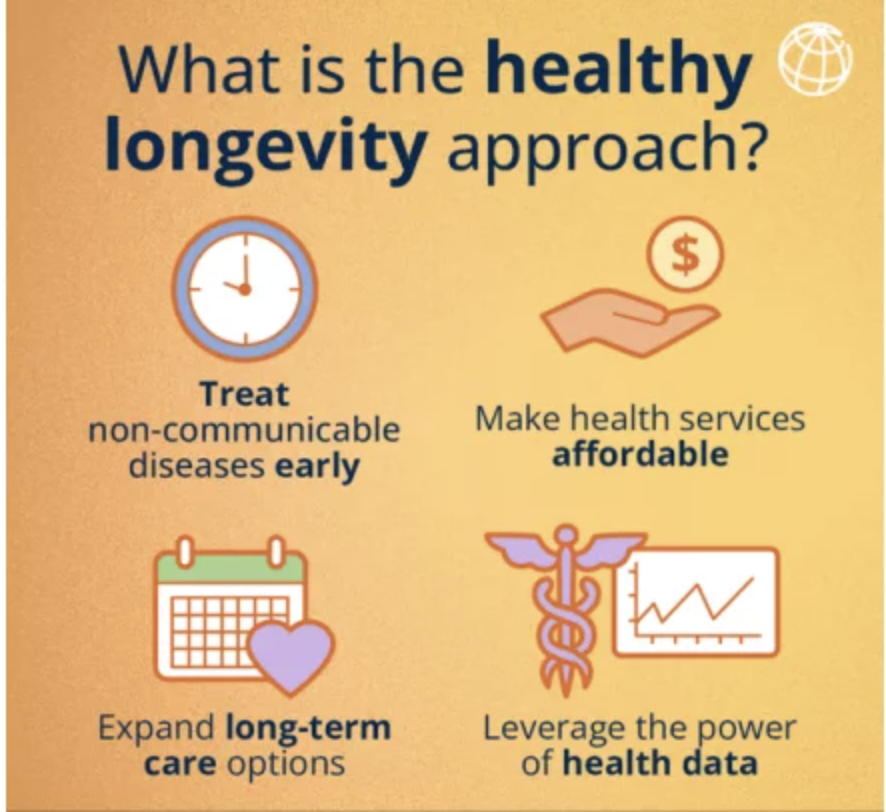
In this scenario, Health Longevity is an evidence-based approach to help countries define prioritized, costed interventions and policy changes to save and extend people’s lives. According to World Bank, investing in healthy longevity could save 150 million lives in low- and middle- income countries.
Today’s editorial emphasizes the issues related to the health sector in India especially with respect to Non-communicable diseases.
_
Let’s learn!
Why in the News?
The World Bank publishes an important and forward-thinking report on a key issue affecting people’s well-being. The report is Unlocking the Power of Healthy Longevity: Demographic Change, Non-communicable Diseases, and Human Capital, released in Washington D.C. in September 2024.
Key Findings of the Report:
● Aging and NCD Burden: Global aging is accelerating, with non-communicable diseases (NCDs) causing over 70% of deaths, especially in low- and middle-income countries. ● Potential Life Savings: Investing in healthy longevity could save 150 million lives and significantly improve productivity and economic growth by 2050. ● Life-Course Health Investments: Addressing health from maternal to elderly care, with a focus on NCD prevention, is essential for promoting healthier aging populations. ● Gender and Social Equity: Women, who often bear caregiving responsibilities and live longer with NCDs, require targeted health and social protections to ensure equity in aging.
Issues related to the Elderly Population in India:
Size of Elderly Population: India has the second-largest elderly population in the world, with approximately 140 million people aged 60 years and above.
Growth Rate: The elderly population is growing at a rate nearly three times higher than India’s overall population growth, indicating a significant demographic shift.
Aging Population Challenge: This rapidly aging population places considerable pressure on health services, social systems, and the economy.
What are the Disease Concerns in India?
Rise in Non-Communicable Diseases (NCDs): India is witnessing an increasing burden of NCDs, including heart disease, diabetes, cancer, and chronic respiratory diseases, which are now the leading causes of death.
Health Risks for the Elderly: As the elderly population grows, the prevalence of age-related diseases and NCDs is expected to surge, straining healthcare systems.
Impact on Public Health: The health challenges are compounded by the underdeveloped infrastructure for treating chronic diseases, particularly in rural areas.
Issues related to Hospital Expenses in India:
Rising Healthcare Costs: Medical expenses for elderly care, especially for chronic diseases and long-term care, are escalating. Private hospitals often charge exorbitantly, making healthcare unaffordable for many elderly individuals.
Inaccessibility of Healthcare: The elderly often face challenges in accessing healthcare facilities due to geographic and economic barriers, leading to delays in diagnosis and treatment.
Catastrophic Health Expenditure: Many elderly people, particularly in lower-income segments, face catastrophic health expenses that can push them into poverty. Even with government schemes, the out-of-pocket expenses remain high.
Steps taken by the Indian Government:
● National Programme for Health Care of the Elderly (NPHCE): This program aims to provide comprehensive healthcare services specifically tailored for older adults. ● National Social Assistance Programme (NSAP): Aimed at providing financial assistance to the elderly who are below the poverty line. ● Maintenance and Welfare of Senior Citizens Act, 2007: This act mandates maintenance and welfare provisions for senior citizens. ● Atal Vayo Abhyuday Yojana (AVYAY): A scheme focused on promoting the welfare of senior citizens through various support services. ● Elderline: A national helpline established to assist elderly individuals in accessing information and services related to their needs
Efficacy of Social Security Schemes:
Limited Coverage: India’s social security schemes, including pensions and health insurance, often do not adequately cover the elderly, especially those in lower income brackets or rural areas.
For example: Public health schemes like Ayushman Bharat aim to provide health insurance to underprivileged populations, but the coverage and access remain limited for the elderly.
Vulnerable Groups: The elderly in India, particularly those without formal employment or savings, remain highly vulnerable to financial distress from healthcare expenses and lack sufficient social security support.
Way forward:
Enhance and Expand Social Security Coverage: Strengthen existing social security schemes like Ayushman Bharat to ensure comprehensive health insurance and pension coverage for elderly populations, particularly in rural and low-income areas. This can help alleviate financial strain from healthcare costs.
Invest in Geriatric Healthcare Infrastructure: Improve healthcare facilities and services for the elderly, focusing on chronic disease management and accessible healthcare, especially in rural areas. This includes training healthcare workers in geriatric care and increasing the availability of affordable long-term care options.
Min. of Health and Family Welfare issued draft Guidelines for the withdrawal of life support in terminally ill Patients, aimed at implementing the Supreme Court’s 2018 and 2023 rulings that uphold the right to die with dignity for all Indians.
What is Passive euthanasia?
Passive euthanasia involves allowing a terminally ill patient to die naturally by withholding or withdrawing life-sustaining treatments, like ventilators when they no longer provide benefits.
What are the draft guidelines released by the Ministry of Health and Family Welfare?
The guidelines aim to operationalize the Supreme Court’s 2018 and 2023 orders, which recognize the right to die with dignity as part of Article 21 of the Indian Constitution.
Key Mechanisms Proposed:
Primary and Secondary Medical Boards: Hospitals are required to set up these boards to determine when further medical treatment for a terminally ill patient would no longer be beneficial.
Nomination of Doctors: District Chief Medical Officers will nominate doctors to serve on Secondary Medical Boards to confirm or reject the Primary Medical Board’s recommendations.
While India does not have dedicated legislation on withholding or withdrawing life-sustaining treatment, these guidelines and the Supreme Court’s judgments provide a defined legal framework to make these actions lawful.
What is meant by withholding/withdrawing life-sustaining treatment?
It refers to discontinuing medical interventions, such as ventilators or feeding tubes, when they no longer contribute to the patient’s recovery or only prolong suffering.
The intention is to allow the underlying illness to take its natural course while providing comfort care, focusing on symptomatic relief and palliative care.
The right to refuse medical treatment is recognized under common law and is considered part of India’s fundamental right to life and personal liberty (Article 21).
Is Withholding/Withdrawing treatment akin to giving up on the patient?
Withholding or withdrawing treatment does not mean the doctor is giving up on the patient. It is an acknowledgment that continued medical intervention may no longer be beneficial and could cause unnecessary suffering.
The process involves shifting the focus from life-sustaining measures to palliative care to manage pain and ensure the patient’s comfort.
Often, doctors practice “discharge against medical advice” because of misconceptions about the legality of withholding/withdrawing treatment. This practice leads to patients suffering without appropriate care.
What medical procedure is laid down by the SC and reaffirmed by the guidelines?
Primary Medical Board assessment: A hospital-level board, including the treating doctor and two experienced experts, evaluates the patient’s condition to recommend withholding/withdrawing treatment.
Secondary Medical Board review: A different board, nominated by the district Chief Medical Officer, reviews the Primary Board’s decision for an additional level of checks.
Consent and Judicial notification: Consent from the patient’s surrogate decision-makers or advance directive nominees is required, and the decision must be notified to the local judicial magistrate.
Way forward:
Public Awareness and Training: Educate the public and healthcare professionals about the legal framework for end-of-life care, emphasizing the distinction between withholding treatment and euthanasia, to reduce misconceptions.
Strengthen Palliative Care Services: Expand access to palliative care across hospitals and healthcare facilities, ensuring that terminally ill patients receive compassionate and effective pain management and comfort care.
October 24 is recognized as World Polio Day, a commemoration established by Rotary International to honor the birth of Jonas Salk, who spearheaded the development of the first vaccine against polio in the 1950s.
What key strategies contributed to the successful eradication of polio in India?
Comprehensive Vaccination Campaigns: India implemented large-scale vaccination drives starting in 1972, which expanded under the Universal Immunisation Programme (UIP) in 1985.
Community Engagement and Awareness: Targeted awareness campaigns were crucial, utilizing local health workers to administer oral polio drops, which made vaccination accessible.
Effective Messaging: The slogan “do boond zindagi ki” (two drops of life) resonated well with the public. Utilizing celebrities like Amitabh Bachchan and integrating health messages into popular media further amplified awareness.
Robust Surveillance System: A multilayered surveillance mechanism was developed to monitor acute flaccid paralysis (AFP) cases, enabling prompt immunisation of affected populations. This system involved local informers, including community health workers and doctors.
Targeted Interventions for High-Risk Areas: By 2009, efforts were concentrated in specific regions, particularly in Uttar Pradesh and Bihar, where most cases were reported. This targeted approach was critical in reducing transmission rates.
Collaboration with International Agencies: The eradication campaign was supported by various international bodies such as WHO, UNICEF, and the Bill and Melinda Gates Foundation, ensuring financial and logistical backing.
How did India address the challenges of vaccine hesitancy among specific communities?
Engagement with Community Leaders: To address religious concerns and misinformation, influential figures such as imams and local leaders were involved. Their endorsements played a significant role in countering myths about the vaccine.
Targeted Communication Strategies: Awareness efforts were tailored to specific communities, focusing on dispelling myths surrounding the vaccine, such as fears about impotence and cultural taboos against its ingredients.
Culturally Sensitive Messaging: Messaging was crafted in local languages and through community-specific narratives, ensuring that it resonated with the cultural context of various groups.
What lessons can be learned from India’s polio eradication efforts for future public health campaigns?
Importance of Community Involvement: Engaging local leaders and community members is vital for building trust and addressing vaccine hesitancy effectively.
Flexibility in Implementation: Tailoring vaccination drives to accommodate local cultural practices, work schedules, and geographic challenges can enhance participation rates.
Sustained Awareness Efforts: Continuous education and awareness campaigns are essential, especially in the face of evolving misinformation and cultural resistance.
Data-Driven Decision Making: The use of robust surveillance systems and data analytics to identify and target high-risk areas can help streamline public health interventions.
Collaboration with Multiple Stakeholders: Building partnerships between government agencies, international organizations, and local communities can strengthen public health responses and resource mobilization.
Conclusion: Need to establish sustainable platforms for continuous dialogue between healthcare providers and community leaders to address health concerns, build trust, and ensure community-specific health initiatives are effectively communicated and implemented.
After decades of steady increases in human life expectancy due to advancements in medicine and technology, recent trends suggest that these gains are starting to slow down, according to a new study.
The Key Findings of the Study:
Slowing of Life Expectancy Gains: After decades of rising life expectancy due to medical and technological advancements, the pace of these increases has slowed significantly. The study suggests that human life expectancy has nearly plateaued, with dramatic extensions unlikely without breakthroughs in anti-aging medicine.
Regional Analysis: The study analyzed life expectancy data between 1990 and 2019 from regions with the longest life spans, such as Australia, Japan, and Sweden.
Even in these regions, life expectancy increased by only 6.5 years on average over the 29-year period.
Challenges of Radical Life Extension: Researchers found that while people live longer due to improvements in healthcare, the human body’s aging process—marked by the declining function of internal organs—limits life span. Even if diseases like cancer and heart disease are eliminated, aging itself remains a barrier.
Low Probability of Reaching 100: The study estimates that girls born in the longest-living regions have only a 5.3% chance of reaching 100 years, while boys have a 1.8% chance. Thus, despite medical advancements, reaching 100 years remains rare without interventions to slow aging.
Aging as the Primary Barrier: Researchers argue that extending average life expectancy dramatically will require breakthroughs that slow the aging process rather than just better treatments for common diseases.
Some experimental drugs, like metformin, have shown potential in animal studies, but human trials are needed.
India’s Present Status:
Lower Life Expectancy: As of 2024, India’s average life expectancy is around 70 years, In contrast, countries like Japan and Switzerland boast life expectancies exceeding 83 years.
Healthcare Advancements: While India has made significant progress in combating infectious diseases and improving maternal and child health, chronic illnesses and lifestyle diseases (such as heart disease and diabetes) are emerging as leading causes of death.
What Needs to Be Done: (Way forward)
Focus on Anti-Aging Research: India must invest in research on aging and regenerative medicine, exploring ways to slow down the aging process rather than just treating diseases.
Strengthening Healthcare Systems: Expanding access to quality healthcare and preventive medicine to manage age-related diseases can enhance the quality of life in later years, even if life expectancy does not rise dramatically.
Policy Support for Longevity Research: There is a need for policies supporting medical research into life-extension technologies, including drug trials and clinical studies focused on aging.
Public Health Interventions: Improved public health measures targeting lifestyle diseases (obesity, diabetes) and better management of age-related conditions can enhance life span and overall well-being.
Mains PYQ:
Q The increase in life expectancy in the country has led to newer health challenges in the community. What are those challenges and what steps need to be taken to meet them? (UPSC IAS/2022)