Intense clashes between Sudan’s military and the country’s main paramilitary force have killed hundreds of people and sent thousands fleeing for safety. The burgeoning civil war threatens to destabilize the wider region also.
In this context, this edition of the Burning Issue will explain this war, its causes and implications.
About Sudan
Sudan is a country located in North Africa, bordered by Egypt to the north, Libya to the northwest, Chad to the west, the Central African Republic to the southwest, South Sudan to the south, Ethiopia to the southeast, and Eritrea to the east.
It is the third-largest country in Africa and has a diverse population of around 43 million people.
According to the World Bank, around 46% of the population lives below the poverty line, and many Sudanese people struggle to access basic services such as healthcare, education, and clean water.
Significance of Sudan
Borders seven countries: Sudan’s geographic location is crucial as it borders seven countries — Egypt, Ethiopia, Libya, Chad, the Central African Republic, Eritrea and South Sudan.
Strategic location on the Red Sea: Owing to its strategic location on the Red Sea and access to the Nile River.
Mineral and resources: With the vast swath of gold reserves and agriculture potential, the third largest African nation has long been coveted by outside powers, including its neighbors, the Gulf countries, Russia and the Western nations.
Rich oil potential: Sudan has underused potential of the rich soil that borders the Nile River.
About Sudan Crisis: Origin and Causes
Sudan is facing a crisis due to fighting between two rival military factions.
The underlying causes of conflict in Sudan is a result of the military generals’ overthrow of long-serving President Omar al-Bashir in April 2019, following widespread protests.
As a result, the military and protesters came to an agreement that established the Sovereignty Council, a power-sharing body that will lead Sudan to elections by the end of 2023.
Under the agreement, both the army and the RSF had to cede power, but two issues were contentious: the formal placing of the army under civilian oversight and the timetable for the RSF to be integrated into the regular armed forces.
However, in October 2021, the military toppled the transitional government led by Abdalla Hamdok. Lt Gen Abdel Fattah al-Burhan became the de facto leader of the country, and Gen Mohamed Hamdan Dagalo became his second-in-command (Lt Gen Abdel Fattah al-Burhan is the current army chief and Gen Mohamed Hamdan Dagalo, head of the Rapid Support Forces (RSF))
Following the coup of 2021, a power struggle between two generals from the military (SAF) and the paramilitary (RSF) broke up a plan to move to elections in July 2023.
Global Implications of the Conflict
The entire region could destabilize: The volatile region, which borders the Red Sea, the Sahel, and the Horn of Africa, could be destabilized if the fighting continues.
Refugee crisis: The conflict in Sudan has the potential to cause a refugee crisis, with people fleeing the country to escape the violence and instability.
The democratic transition of Sudan failed: The latest conflict has pushed hopes for the establishment of a peaceful democracy even further to the margins, casting a long shadow on the general election set to take place in July this year.
Spillover to neighbouring countries: Many analysts fear that the ongoing war between the military and RSF would spill over into neighbouring countries, which are already mired in their internal conflicts, causing destabilization of the entire region.
Ethiopia’s dam project may be affected: Egypt, too, is closely observing the latest development. The country shares a strong bond with Sudan’s military, which it sees as an “ally against Ethiopia”, AP stated. Ethiopia, a land-locked nation, has locked horns with both Egypt and Sudan over its ambitious hydroelectric dam, which could impact the Nile River’s flow.
For Russia, Sudan has a subject of interest. The Kremlin has wanted to construct a naval base for years, capable of hosting up to 300 troops and four ships in Port Sudan, located on one of the world’s busiest and most contested sea lanes.
India Sudan Relations
It had already implemented 49 bilateral projects through concessional lines of credit worth USD 612 million in areas such as energy, transport, and agribusiness industry in Sudan in 2021.
India supported Sudan’s efforts to establish a transitional government and the government’s signing of the Juba Peace Agreement in October 2020.
India also supported including outside armed movements in the negotiation process and a national plan for 1,200 personnel of civilian protection.
As part of its Indian Technical and Economic Cooperation (ITEC) program, India provided Sudan with 290 scholarships for capacity building. In addition, India had offered Sudan humanitarian assistance in 2020, including food supplies.
Between 2005-2006 and 2018-2019, trade between India and Sudan increased from USD 327.27 million to USD 1663.7 million.
India invested approximately USD 3 billion in Sudan and South Sudan, with USD 2.4 billion going to ONGC Videsh, a public sector organization, in the petroleum sector.
What Was India’s Response: Operation Kaveri
India has launched “Operation Kaveri” to evacuate its citizens from war-torn Sudan.
It is the recent series of evacuations held by India over the last few years to rescue its nationals in crisis-hit countries. India rescued its nationals last year from war-hit Ukraine and Afghanistan.
The operation was launched in response to the conflict and breakdown of essential services in Sudan that had brought the country to a standstill.
India has positioned two transport aircraft of the IAF in the Saudi Arabian city of Jeddah and a naval ship at a key port in Sudan as part of its contingency plans to evacuate its stranded nationals.
Way forward
The UN Security Council: will hold its first meeting on the crisis in Sudan soon. The council should try to end the crisis as soon as possible.
Regional major powers such as UAE, and Saudi Arabia should try to pacify the situation rather than becoming parties to the crisis.
Considering the current designs of Indo-Sudanese ties and Sudan’s location in the Horn of Africa, India needs to monitor its exchange, ventures, and interests in the district prior to making any hurried stride of perceiving the new system.
Conclusion
Where the fighting will end is unclear. Both sides claim control over key sites and fighting has been reported across the country in places far from the capital Khartoum.
India must safeguard its trade, investments, and other interests in the Horn of Africa. The Red Sea region is essential to India’s energy and maritime security.
What is the Cinematograph Act, 1952? : The Cinematograph Act of 1952, was enacted by the Parliament to ensure that films are shown in accordance with the limits of tolerance of society. The Act establishes the Central Board of Film Certification (CBFC, or the censor board) to certify films. Under the Act, the Board scrutinizes the films following the procedure laid down in the Act and can either reject or grant a certificate, valid for ten years. The Act authorizes the police to perform search and seizure actions if the film is being exhibited in contravention of any of the provisions of the Act.
The bill proposes to amend the Cinematograph Act, 1952
Harsher Penalty
The act has provisions for harsher penal provisions for film piracy
New Age Categories
It introduces new sub-age categories for films to bring about uniformity in categorisation across platforms
Perpetual Certification
The certification once given will be perpetual
New Sub-age based Certification
UA-7+’, ‘UA-13+’, and ‘UA-16+’ in place for 12 years
Alignment
The act will be aligned with Supreme Court judgments
Recertification
Recertification of the edited film for television broadcast
Public Exhibition
Only Unrestricted Public Exhibition category films can be shown on television
Uniformity
It will make the act provisions in line with the provisions of the Jammu and Kashmir Reorganisation Act, 2019 to maintain uniformity
Stringent Laws against Piracy
Details
Imprisonment and Penalty
It includes imprisonment for three years and a Rs 10 lakh penalty for those found involved in piracy
Legal Offence
The act of piracy will be a legal offense, and even transmitting pirated content will be punishable
Indian Cinema: A Backgrounder
The history of Indian cinema dates back to the late 19th century, with the screening of the Lumiere Brothers’ short films in Bombay (now Mumbai) in 1896.
Dadasaheb Phalke is considered to be the father of Indian cinema.
The first Indian-made film, Raja Harishchandra, was released by him in 1913 and marked the beginning of Indian cinema.
The first Indian talkie, Alam Ara, was released in 1931, marking a new era in Indian cinema.
Contribution of Indian Cinema to the Society
Entertainment: Indian cinema has been the biggest source of entertainment for people of all ages and backgrounds. From the early silent movies to the latest high-budget blockbusters, cinema has always been a popular form of entertainment in India.
National Integration: Indian cinema has played a crucial role in bringing people from different regions, cultures, and religions together. Hindi cinema, in particular, has become a unifying force for people all over the country.
Employment: The film industry provides employment opportunities to millions of people directly or indirectly, including actors, writers, directors, technicians, set designers, and more. This contributes to the overall economic growth of the country.
Education and Awareness: Movies can be a powerful tool for educating and raising awareness about various social issues. Many films have addressed social issues such as poverty, gender inequality, and corruption, among others.
Promotion of Culture: Indian cinema has helped promote and preserve Indian culture by showcasing traditional dances, music, and stories. Indian cinema also contributes to the country’s international image and soft power, with films and stars gaining popularity across the globe.
Technological advancements: Indian cinema has played a significant role in the development of new technologies in the entertainment industry. It has led to advancements in sound and visual effects, camera technology, and more.
Economic Impact
Revenue source: Indian cinema is a major contributor to the country’s economy, with a revenue of over Rs 180 billion in 2019. The govt earns significant revenue from taxes on film production, distribution, and exhibition.
Employment generation: It provides direct and indirect employment to millions of people across the country, including actors, producers, directors, and camera crew, technicians, and support staff.
Allied sectors: The film industry also provides a boost to related industries such as advertising, hospitality, tourism, and fashion.
Entertainment economy: Cinema houses and multiplexes generate revenue through ticket sales, concessions, and merchandise sales. Services such as music albums, merchandise, and tourism to filming locations.
Social impacts of Indian Cinema
Social cause: Many movies have addressed important social issues like poverty, gender inequality, caste discrimination, and communal violence, creating awareness and encouraging discussions about these topics.
Breaking gender stereotypes: The portrayal of strong female characters in movies has challenged traditional gender roles and has had a positive impact on the status of women in Indian society.
Accessible entertainment: Cinema has helped break down barriers between different social classes by providing affordable entertainment that is accessible to people from all walks of life.
Inspirational aspects: Movies have also served as a source of inspiration for many people, especially the youth, who look up to their favourite stars and aspire to emulate them.
Role in nation building
Promotion of Social Harmony: Indian cinema has played an essential role in promoting social harmony by creating content that showcases the diversity and cultural richness of India. For instance, the movie ‘Lagaan’ (2001) showcased the spirit of communal harmony and depicted how people from different religions and communities could come together to achieve a common goal.
Inculcation of Moral Values: Indian cinema has also played a crucial role in inculcating moral values among the masses. Movies like ‘Taare Zameen Par’ (2007) highlighted the importance of empathy, compassion, and understanding towards children with special needs, while ‘Swades’ (2004) showcased the significance of social responsibility and patriotism.
Creating Awareness about Social Issues: Indian cinema has also been successful in creating awareness about various social issues prevalent in the country. For instance, the movie ‘Padman’ (2018) aimed to raise awareness about menstrual hygiene and broke the taboo surrounding it. Similarly, the movie ‘Pink’ (2016) highlighted the issue of consent and the importance of women’s safety and empowerment.
Issues with Indian Cinema
Portrayal of violence and sexuality: Many films depict violent acts and sexual content, which can have a negative impact on viewers, particularly on younger audiences.
Reinforcement of stereotypes: Women are often portrayed as submissive and objectified, while members of certain castes and religions are portrayed in a negative light.
Promotion of materialism: Many films promote materialism, consumerism, and extravagance, which can encourage viewers to adopt unrealistic expectations and values.
Lack of diversity: Although Indian cinema has made progress in recent years, there is still a lack of diversity in terms of representation of different communities, especially in mainstream films.
Undue commercialization: The Indian film industry is heavily commercialized, which can lead to a focus on profit rather than on producing quality content.
Nepotism: The practice of giving preference to family members or friends in the industry, often at the expense of more deserving and talented individuals is more prevalent.
Way forward
Revising the certification process: The process should be more transparent and accountable, and filmmakers should be given a chance to appeal any decision.
Protecting artistic freedom: The government should ensure that the certification process does not infringe upon artistic freedom.
Encouraging regional cinema: The government should encourage and promote regional cinema by providing incentives, tax breaks, and subsidies to filmmakers.
Promoting cultural diversity: The government should encourage filmmakers to explore different cultures and promote intercultural dialogue through cinema.
Combating piracy: Piracy is a major issue in the film industry and it hurts the revenues of filmmakers and the government.
Developing film infrastructure: The government should invest in the development of film infrastructure such as studios, post-production facilities, and film schools.
The two-day Global Buddhist Summit 2023 concluded successfully in New Delhi with the adoption of the New Delhi Declaration. It saw the participation of delegates from nearly 30 countries, including Taiwan, Myanmar, Thailand, Vietnam, Sri Lanka, and Mongolia.
In this context, this edition of the Burning Issue will talk about this summit and its significance for India.
About International Buddhist Confederation (IBC)
IBC is the biggest religious Buddhist confederation in the world.
The body was formed in New Delhi in 2011 and is headquartered also here.
The goal of IBC is to create a role for Buddhism on the global stage so as to help to preserve heritage, share knowledge, and promote values.
It also aims to represent a united front for Buddhism to participate in the current global happenings.
About Global Buddhist Summit
It was the first-ever Global Buddhist Summit organized by the Ministry of Culture in collaboration with the International Buddhist Confederation (IBC).
Eminent scholars, Sangha leaders Dharma practitioners and Buddhist monks from all over the world attended the conference.
The focus of the Global Buddhist Summit was on modes of disseminating and internalizing universal values and finding ways to work together, to address the burning challenges both within and globally and offer a sustainable model for the future of the world.
THE MAIN THEME of the summit was Responses to Contemporary Challenges: Philosophy to Praxis.
Sub Themes of the summit were:
Buddha Dhamma Pilgrimage, Living Heritage and Buddha Relics: a resilient foundation to India’s centuries-old cultural links to countries in South, Southeast and East Asia.
Buddha Dhamma and Peace
Buddha Dhamma: Environmental Crisis, Health and Sustainability
Preservation of Nalanda Buddhist Tradition
Objectives of the summit
There has been general agreement that the basic fundamental which can provide inspiration and guidance in the light of Buddha’s message of Peace, Well-being, Harmony and Compassion for Universal Peace need to be highlighted and worked upon as follows:
Aim: The texts, doctrines and philosophy of Buddha Dhamma are the best guide for inter-faith dialogue, harmony and universal peace.
Peace: happiness and well-being, and conflicts and violence are significant threat to peace. We call upon all nations, organizations and individuals to work towards creating a world free from conflict, violence and war.
Environment Sustainability: We urge governments and individuals to take action to reduce carbon emissions, protect biodiversity, and preserve natural resources for future generations.
Wellbeing: We acknowledge that true happiness arises from inner peace and contentment. We encourage individuals to cultivate mindfulness, compassion, and wisdom, which are essential for promoting happiness and well-being.
Buddhist Pilgrimage as Living Heritage: We call upon governments to preserve and protect the sacred sites of Buddhism and promote their accessibility to people of all backgrounds.
Recommendations: Drawing upon the Teachings of the Buddha for the welfare of all sentient beings, Members of the Sangha, Buddhist leaders, Scholars, followers and institutions can play a significant and effective role in addressing this multi-faceted crisis. The continuation of the annual Global Buddhist Summit is one such important step in this direction.
Nalanda: one of the greatest seats of Dhamma education for nearly 700 years between the 5th and 12th centuries AD, precedes the modern system of university education. It was famous for value education and character building. These values need to be inculcated among youths to rejuvenate the society towards “Vasudeva Kuṭumbakam”.
Significance of Buddhism for India
Importance of India in Buddhism: in Buddhism: Because Buddhism was founded in India, this global summit will highlight the significance and importance of India in Buddhism.
Strengthening cultural and diplomatic ties: Additionally, this summit will serve as a vehicle for strengthening cultural and diplomatic ties with other nations, particularly those that adhere to the Buddhist ethos.
Cultural Significance: Buddhism is an integral part of India’s cultural heritage. It played a significant role in shaping India’s art, architecture, literature, and philosophy. Today, India’s rich heritage in Buddhism attracts millions of tourists from all over the world.
Social Significance: Buddhism’s emphasis on social justice, equality, and non-discrimination has relevance in India’s diverse and complex social context. Its teachings on the importance of community, interdependence, and mutual respect can help bridge social divides and promote social harmony.
Environmental Significance: Buddhism’s emphasis on compassion toward all living beings can inspire individuals to take responsible actions toward environmental protection.
How Buddhism can play a role in enhancing India’s Soft Power projection?
Through Cultural Diplomacy
Promoting Indian culture, which includes Buddhism, through festivals, art, music, literature, and other media.
For instance, the Indian Council for Cultural Relations (ICCR) has put on a number of cultural events in Buddhist nations like Sri Lanka, Myanmar, Thailand, and Bhutan to show off India’s cultural heritage and make cultural ties stronger.
Education and Capacity-Building:
To promote Buddhist studies and research, India has established a number of Buddhist institutions and centers of excellence, including Nalanda University and the Central Institute of Higher Tibetan Studies.
In 2022, the foundation stone for the Dhamma Dipa International Buddhist University (DDIBU) in Tripura was laid,
India also offers scholarships and training programs to Buddhist students and monks from other countries, such as Bhutan, Sri Lanka, Myanmar, and Nepal, to enhance their knowledge and skills.
Bilateral Exchanges and Initiatives:
Through a variety of initiatives, India has sought to strengthen its ties with Buddhist nations like Sri Lanka, Myanmar, Thailand, Cambodia, and Bhutan in terms of bilateral relations.
In order to strengthen economic cooperation, India and Sri Lanka have signed a number of agreements, including the Bilateral Investment Promotion and Protection Agreement (BIPA).
In addition, India has helped Buddhist nations restore and protect their cultural heritage sites, such as the Stupa in Nepal and the Bagan temples in Myanmar.
India and Mongolia also renewed the Cultural Exchange Program until 2023 under which 10 dedicated ICCR scholarships for studying ‘Tibetan Buddhism’ have been allocated for Mongolians to study in specialized institutes of CIBS, Leh and CUTS, Varanasi.
How Buddhism Is Significant For Indian Diplomacy?
Ties with East and Southeast Asia: India’s historical and cultural ties with East and Southeast Asia, where Buddhism is widely practiced, have helped to strengthen diplomatic relations with these countries. India has established several cultural and economic initiatives with these countries, such as the Look East Policy, which aims to enhance economic and strategic relations with Southeast Asia, and the Act East Policy, which seeks to expand India’s ties with East Asian countries.
Relationship with China: Buddhism has been a significant factor in India’s relationship with China. Buddhism originated in India but spread to China and became a major influence on Chinese culture and philosophy. India and China have established several cultural and religious exchanges, including the annual India-China Buddhist Dialogue and the China-India Yoga College, which promotes Indian culture and yoga in China.
Cultural Diplomacy: Buddhism has been an important tool of India’s cultural diplomacy. India has established several Buddhist study centers and universities in different parts of the world to promote Indian culture and Buddhism. India also hosts several international conferences and seminars on Buddhism and its philosophy to facilitate cultural exchanges and strengthen diplomatic ties with other countries.
International Cooperation: Buddhism’s emphasis on nonviolence, peace, and harmony has contributed to India’s active participation in international forums and organizations that promote these values. India has been a strong supporter of the United Nations International Day of Vesak, which celebrates the birth, enlightenment, and passing of the Buddha, and has hosted the event several times.
Why India And China Are Competing For Buddhist Legacies?
Soft Power: Buddhism is an important element of soft power, which refers to the ability of a country to influence other countries through its culture, ideology, and values. Both India and China are interested in promoting their cultural and religious heritage to enhance their soft power in the region and the world.
Tourism: Buddhism is a major tourist attraction, and both India and China are competing to attract Buddhist pilgrims and tourists to their respective countries. India’s Buddhist tourism industry is estimated to be worth billions of dollars, and China has also invested heavily in developing its Buddhist tourism industry.
India also held a first-of-its-kind conference of SCO on “Shared Buddhist Heritage”.
Conclusion
The summit could be seen as an attempt by India to flex its soft power in the region. While it’s definitely not the first time a country has used Buddhism to this end, events like the Global Buddhist Summit do offer India “political mileage”.
PM flagged off India’s 15th Vande Bharat express train running between Ajmer and Delhi Cantonment.
The first Vande Bharat Express train was flagged off on February 15, 2019 on the New Delhi Kanpur-Allahabad-Varanasi route.
Why discuss this?
The discussion on the growth and transformation of Indian Railways highlights progress made in this sector over time and ongoing efforts for a modern, efficient, and sustainable railway system.
The National Rail Plan and Vision 2024 provide a roadmap for achieving this goal.
The focus is on increasing the modal share of railways in freight transportation, electrification of railways, and multi-tracking of congested routes.
The significant allocation of funds in the recent budget shows the government’s commitment to railway development
About Vande Bharat Express
Vande Bharat Express, also known as Train 18, is a semi-high-speed, fully air-conditioned train in India that runs on electric traction. It is named after the country’s national slogan “Vande Mataram” and was designed and manufactured by the Integral Coach Factory in Chennai, India. The train is equipped with modern amenities such as Wi-Fi, an infotainment system, and a GPS-based passenger information system, among others. It has a maximum speed of 180 km/h and is considered to be one of the fastest trains in India. It is designed to be an energy-efficient and eco-friendly train, and is expected to provide a comfortable and safe travel experience to passengers.
Why Vande Bharati Express is a success?
The Vande Bharat is considered a success for several reasons:
Fastest train in India: The Vande Bharat Express is currently the fastest train in India, with a top speed of 180 kmph. This results in reduced travel time between the cities connected by the train, making it an attractive option for travellers.
State-of-the-art features: The train comes with features such as Wi-Fi, information and infotainment screens, and the KAVACH (Train Collision Avoidance System), which is a state-of-the-art safety feature. These features provide passengers with a comfortable and safe travel experience.
Modern ergonomic design: The train’s modern and angular design, with a dual colour scheme of white and blue, and a protruded nose of the engine, is eye-catching and unique compared to other trains in India. The train reaches 0-100 kmph in just 52 seconds, making it one of the fastest-accelerating trains in the world.
Covers important routes: The train covers important routes in India, including Delhi-Varanasi, Mumbai-Shirdi, and Chennai-Mysuru, making it a convenient and efficient mode of transportation for passengers.
Environment-friendly: The Vande Bharat Express is an energy-efficient and eco-friendly train, with ACs that are 1 percent more energy efficient compared to the previous version. This makes it a more sustainable option for rail travel.
Issues with the train
Technical glitches: There have been instances of technical glitches and breakdowns on some of the Vande Bharat Express trains, leading to delays and inconvenience to passengers.
High fares: The fares for the Vande Bharat Express are generally higher than those of other trains on the same routes, making it less accessible to some passengers.
Limited routes: While the Vande Bharat Express covers important routes in India, it is currently limited to only a few routes, and there are plans to expand its network.
Safety concerns: There have been concerns about the safety of the Vande Bharat Express, particularly with regards to the Train Collision Avoidance System (TCAS), which has not been fully implemented on all trains.
Maintenance issues: Due to the train’s modern design and advanced features, maintenance and repair of the Vande Bharat Express can be more complex and expensive than that of other trains.
Indian Railways: Quick stats
Statistics
Figures
India’s railway network ranking
Fourth largest
Number of operating trains in India
Over 22,593
Daily passenger count in India’s railway network
24 million passengers
Total freight transported in India’s railway network
203.88 million tonnes
Indian Railways’ revenue in the 2022-23 financial year
Rs 2.40 lakh crore
Increase in Indian Railways’ revenue from previous year
Nearly Rs 49,000 crore
Indian Railways’ passenger revenue growth in 2022-23
All-time high growth of 61% to reach Rs 63,300 crore
India’s projected global share of rail activity by 2050
40%
Issues with Indian Railways
(1) Services
Safety: India has witnessed a series of rail accidents over the years.
Quality: Poor quality in services delivered, especially in meals served on board and management of linen used in the trains.
(2) Administration
Monopoly: The government is the sole player in the rail transportation system in India, resulting in poor quality service delivery and inefficient management of the system.
Highly centralised: Railway Board has the powers of policy making, operations, and regulation, while zones have very limited powers.
Non-core functions: Railways is engaged in several un-remunerative peripheral activities, imposing a huge financial burden.
Political involvement: Indian Railways has often been used as a tool for political patronage.
Dilemma of identity: Indian Railways suffers from a dilemma of identity as a commercial entity or a government department.
(3) Finances
Cross-subsidy: Driving away freight business by subsidizing passenger fares has affected the internal revenue generation of the Railways.
Operating inefficiency: Large number of delayed and stranded projects adds to the stress of operating the railways.
High revenue expenditure: Railway meets salary and pension obligations out of its own earnings, bound to strain finances further.
Heavy reliance on budgetary support: Dependence on budgetary support for capital expenditure has been on the rise.
Self-sufficiency vs. social obligation: Caught up between making it a self-sufficient organization and serving its social obligation as a poor man’s mode of transport.
Various modernization projects
High Speed Rail Corridors: Mumbai-Ahmedabad High Speed Rail project is a work in progress.
Induction of semi-high speed trains: Intention to introduce 400 Vande Bharat trains during the next five years.
Tejas Rajdhani trains: Ultra-modern Tejas trains introduced on LHB platform with sleeper coaches.
LHB coaches: Large scale proliferation of Linke Hofmann Busch (LHB) coaches which are technologically superior.
‘KAVACH’ System: Automatic train protection system to avoid train collisions.
Automatic Signalling (ABS): To increase line capacity to run more trains on existing High Density Routes.
Theme-Based ‘Bharat Gaurav’ Tourist Circuit Trains: To showcase India’s rich cultural heritage and magnificent historical places.
Station Redevelopment: Station development as the main focus area to enhance customer satisfaction.
Way forward
Split the three roles: The policy-making function should remain within government control, while an independent body can handle regulation to ensure a level playing field for all entities.
Encourage private entry: The Railways can encourage private entities to run both freight and passenger trains, introducing competition that can improve the quality of services.
Establish Railway Regulatory Authority of India (RRAI): An independent regulator can ensure fair and open access, establish tariffs, and adjudicate disputes.
Focus on core activities: The Railways should focus on its core activities and distance itself from non-core activities that impose a financial burden on the sector.
Investment Advisory Committee: The Railways can set up an Investment Advisory Committee consisting of experts, investment bankers, and representatives of institutions to recommend raising new resources.
Refinement in accounting and HR processes: Indian Railways can improve the way it prepares and maintains accounts, costs, activities, and services, recruitment, and HR processes.
Decentralization of Railways: The Railways can decentralize its operations and give more autonomy to zones, enabling them to contribute more effectively to the sector’s revenue.
With 142.86 crore people, India has surpassed China to become the world’s most populous nation, according to the latest United Nations data. China, with a population of 142.57 crore, is the now second most populous country.
In this context, this edition of the Burning Issue will talk about India’s growing population and associated issues which is the part of GS1 Mains syllabus.
Some Statistics about Indian Population
142.86 crore Indians now: According to the latest United Nations Population Fund data, India’s population in 2023 stands at 142.86 crore.
The top five countries: in terms of population in decreasing order are-India, China, US, Indonesia and Pakistan.
The data from UN agency UNFP shows that 25 per cent of India’s population is in the 0-14 age bracket and 18 per cent in the 10-19 age group.
Mostly Young population: Twenty-six per cent of India’s population is in the 10-24 age bracket and 68 per cent in the 15-64 age bracket. Seven per cent of the country’s population is above 65 years of age. People under the age of 25 accounts for more than 40% of India’s population.
Spatial Divergences in Population: Kerala and Punjab have an ageing population, while Uttar Pradesh and Bihar have a younger population, say experts.
Population to increase for next three decades: Several studies have shown that India’s population is expected to increase for nearly three decades before it peaks at 165 crore. It will then start to decline.
Reasons for India’s high population
Historically high population: India has always had a historically high population, especially in its fertile northern plains. There, due to climatic reasons, it is possible to grow both wheat, a winter grain, and rice, a summer grain, yielding twice as much food as many other parts of the world.
Higher birth rates and fertility rates: We have been successful in declining the death rates but the same cannot be said for birth rates. Also, the fertility rate (number of children a woman bear during her fertility rate) remained high for many decades.
Early Marriage and Universal Marriage System: Getting married at a young age prolongs the childbearing age. Also, in India, marriage is a sacred obligation and a universal practice, where almost every woman is married at reproductive age.
Poverty and Illiteracy: Impoverished families have this notion that more the members in the family, the more will be the numbers to earn income. Some feel that more children are needed to look after them in their old age.
Age-old cultural norm: Sons are the bread earners of families in India. This age-old thought puts considerable pressure on the parents to produce children till a male child or the required number of male children are born (This is called Son Meta preference).
Illegal migration: Last but not the least, we cannot ignore the fact that illegal migration is continuously taking place from Bangladesh and Nepal is leading to increased population density.
Lack of awareness: about family planning and its benefits, government schemes related to family welfare like free birth control measures leading to unwanted pregnancies and ultimately population growth.
Implications of high population
Negative outcomes:
Poor achievement of SDGs: Sustained high fertility and rapid population growth present challenges to the achievement of sustainable development. The necessity of educating growing numbers of children and young people, for example, draws resources away from efforts to improve the quality of education.
Unemployment: Generating employment for a huge population in a country like India is very difficult. The number of illiterate persons increases every year. The unemployment rate is thus showing an increasing trend.
Pressure on infrastructure: The development of infrastructural facilities is unfortunately not keeping pace with the growth of the population. The result is a lack of transportation, communication, housing, education, healthcare etc. There has been an increase in the number of slums, overcrowded houses, traffic congestion etc.
Manpower utilization: The number of jobless people is on the rise in India due to economic depression and slow business development and expansion activities. It has also caused India to be the home of the largest force of Gig Workers in the world and a large informal economy. This ultimately leads to poor or stagnant living standards and slow progress in Human Capital Development and Social Mobility for a large section of society.
Faster and inefficient resource utilization: Land areas, water resources, and forests are over-exploited. There is also the scarcity of resources.
Decreased production and increased costs: Food production and distribution have not been able to catch up with the increasing population and hence the costs of production have increased. Inflation is the major consequence of overpopulation.
Inequitable income distribution: In the face of an increasing population, unequal distribution of income and inequalities within the country widen.
Increasing divergence in the representation of different states in the Parliament of India: higher population growth in north Indian states as compared to southern states has led to the freezing of the number of seats in parliament till 2026. This has caused a political tussle between less-developed northern and largely developed southern Indian states.
Positive outcomes:
Largest pool of consumers: an increase in population means an increase in consumers and expansion of the demand for raw materials as well as finished products leading to high consumption and thus higher economic activities. Thus, India has become the largest market in the world for companies around the world.
Population growth is correlated to technological advancement: According to the neo-classical growth model, the population is beneficial to an economy because population growth is correlated to technological advancement. The rising population promotes the need for some sort of technological change to meet the rising demands for certain goods and services.
Demographic dividend in India: India’s unique population structure with around 66% population in the working age group (15-59 years) has brought her to the cusp of a major transition for the next two decades. This has made it one of the youngest countries in the world which may put India on the path of high development as happened in China between 1991 and 2011.
Steps taken for population control in India
Population Policy Committee: was created in 1952 which suggested the appointment of a Family Planning Research and Programmes Committee in 1953.
Central Family Planning Board was created in 1956 which emphasized sterilization. Up till the 1960s a rigid policy was not adopted to arrest the fast growth of the population. The policy framed in 1951-52 was ad hoc in nature, flexible, and based on a trial-and-error approach.
The New Population Policy, 1977: The Government of India introduced first National Population Policy in 1976, which focussed on reducing birth rate, lowering the infant mortality rate and improving the standard of life.
The National Population Policy 2000: provided a comprehensive framework to provide the reproductive and health needs of the people of India for the next ten years.
Mission Parivar Vikas (MPV), 2016: Under the scheme, innovative strategies like the distribution of Nayi Pehel kits, Saas Bahu Sammelan, and Saarthi vans are helping in reaching out to the community and initiating dialogues on family planning and healthy birth spacing, and the importance of small families.
Raising the marriage age for girls: Recently, the Government proposed the Prohibition of Child Marriage (Amendment) Bill, 2021, which seeks to raise the age of legal marriage for women from 18 to 21, which would further help in reducing fertility rates.
Some green shoots
Declining TFR: SRS report estimated the Total Fertility Rate (TFR), the number of children a mother would have at the current pattern of fertility during her lifetime, as 2.2 in the year 2018. The recently released 5th National Family Health Survey report has shown that India’s TFR has currently reached below the replacement level of fertility of 2.1 children per woman. As fertility declines, so does the population growth rate.
Population control measures that can be taken
Social Measure: Population outburst is considered to be a social problem and it is intensely rooted in civilization. It is, therefore, necessary to make efforts to eliminate the social iniquities in the country.
Minimum age of Marriage: As fertility depends on the age of marriage therefore the minimum age of marriage should be raised. In India, the minimum age for marriage is 21 years for men and 18 years for women fixed by law. This law should be strongly implemented and people should also be made aware of this through promotion.
Raising the Status of Women: There are prevalent biases against women. They are restricted to houses. They are still confined to rearing and bearing children. So women should be given opportunities to develop socially and economically. Free education should be given to them.
Spread education: The spread of education changes the views of people. Educated men take mature decisions and prefer to delay marriage and adopt small family customs. Educated women are health mindful and avoid frequent pregnancies and thus help to lower the birth rate.
Adoption: is also an effective way to curb population. Some parents do not have any children, despite expensive medical treatment. It is recommended that they should adopt orphan children. It will be helpful to orphan children and children to couples.
Economic Measures: It is necessary to raise employment opportunities in rural as well as urban areas. Another economic measure for population control is the development of Agriculture and Industry. If agriculture and industry are correctly developed, a huge number of people will get employment. When their income is increased they would enhance their standard of living and accept small family norms.
Urbanization: process can reduce population increase. It is reported that people in urban areas have low birth rate than those living in rural areas. Urbanization should be encouraged.
Strict birth control measures: are needed such as China has adopted a strategy to decrease the birth rate. But it is not possible to reduce technological advancements to decrease the death rate in India. To reduce the birth rate, several government-funded agencies like the Family Planning Association of India spend excessive funds to promote family planning as a basic human right and the norm of a two-child family voluntarily.
Creating awareness about family planning: The family planning methods provided by the family planning program are vasectomy, tubectomy, IUD, conventional contraceptives (that is condoms, diaphragms, jelly/cream tubes, foam tables) and oral pills.
Conclusion
India’s 1.4 billion people must be seen as 1.4 billion opportunities. The country with the largest youth cohort can be a source of innovation, new thinking and lasting solutions.
The trajectory can leapfrog forward if women and girls, in particular, are equipped with equal educational and skill-building opportunities, access to technology and digital innovations, and most importantly information and power to fully exercise their reproductive rights and choices.
Ensuring gender equality, empowerment and advancing greater bodily autonomy for women and girls are the key determinants for a sustainable future.
The Prime Minister has called for people’s participation and collective efforts in combating climate change at a World Bank event.
A Global call for Mission LiFE (Lifestyle for Environment) was given by PM Modi, at CoP26, held at Glasgow in October-November, 2021.
Subsequently, Mission LiFE was launched by PM Modi on 20 October 2022.
What is Mission LiFE?
PM Modi introduced the concept of Lifestyle for Environment (LiFE) at UNFCCC-COP26 in 2021.
Mission LiFE is an international mass movement aimed at protecting and preserving the environment.
It envisions a shift from a ‘use-and-dispose’ economy to a circular economy, which promotes mindful and deliberate utilization.
Approach of Mission LiFE
Emphasize Individual Behaviours: Make Life a Jan Andolan (mass movement) by targeting the attitudes and behaviours of individuals and communities.
Global Co-creation: Utilize the expertise of the world’s leading universities, think tanks, and international organizations to crowdsource empirical and scalable ideas.
Harness Local Cultures: Utilize climate-friendly social norms, beliefs, and daily household practices of different cultures worldwide to drive the campaign.
Key Strategy: Pro-Planet People
LiFE aims to utilize the power of social networks to influence climate-related social norms.
To achieve this, the Mission plans to establish and foster a global network of individuals called ‘Pro-Planet People’ (P3).
The Mission aims to encourage people to undertake simple daily actions that can significantly contribute to addressing climate change.
P3 members will have a shared commitment to adopting and promoting environmentally friendly lifestyles.
Through the P3 community, the Mission intends to establish an ecosystem that enables and reinforces sustainable environmentally friendly behaviours.
Significance of the LiFE Mission
Efforts Refinement: It will aid in converging with measures such as the establishment of solar power plants, installation of solar panels on canals, and water conservation in drought-prone areas.
Disaster Management: It will facilitate efforts to combat environmental disasters and set global trends for sustainable development.
Global Initiative: It serves as India’s global initiative to combat climate change and promote sustainable living to achieve the UN sustainable development goals by 2030.
Pro Planet People: It embodies the P3 model’s spirit, promoting a ‘Lifestyle of the planet, for the planet, and by the planet’.
India-UN Partnership: Both entities have joined forces in this new initiative that is expected to be a global success.
Nature Harmony: It encompasses every lifestyle adopted by our ancestors related to nature and environment conservation, which has become part of our present-day lifestyle.
Climate Change Battle: Combating climate change goes beyond policy-making and requires wider support from individuals, families, and communities to protect the earth and humanity against climate-related disasters and extreme weather events.
Circular Economy: The mission promotes the adoption of the ‘Reduce, Reuse, and Recycle’ concept, which helps strike a balance between development, economic growth, and sustainability.
Net Zero Target: It aids India and many other countries in achieving their net zero carbon footprint goals.
Indian efforts to mitigate Climate Change
International Solar Alliance: India, along with France, launched the International Solar Alliance (ISA) in 2015, aimed at promoting the use of solar energy worldwide.
National Clean Energy Fund: The Government of India established the NCEF to promote research, development, and deployment of clean energy technologies.
National Adaptation Fund for Climate Change: The NAFCC was set up to support climate adaptation efforts in India, particularly in sectors such as agriculture, water, and forestry.
National Action Plan on Climate Change: The National Action Plan on Climate Change (NAPCC) outlines India’s strategy to combat climate change, with specific goals for energy efficiency, renewable energy, and sustainable agriculture.
National Solar Mission: The National Solar Mission aims to achieve 100 GW of solar energy capacity by 2022, making India a global leader in solar energy.
Ujjwala Yojana: The scheme aims to provide free LPG connections to below-poverty-line households, reducing the use of traditional fuels like wood and charcoal, which contribute to indoor air pollution and carbon emissions.
Smart Cities Mission: It aims to promote sustainable urban development and reduce greenhouse gas emissions through the use of technology and innovation in cities.
Way Forward
Collaboration: LiFE should work with civil society, government, private sector, academia, and international organizations for effective strategy implementation.
Communication: Effective communication is crucial for making LiFE a mass movement. The campaign should leverage social media, community radio, and other tools to spread awareness.
Behaviour Change: LiFE should promote behaviour change by providing information, incentives, and tools for sustainable lifestyles.
Innovation: LiFE should support innovations like green technologies, circular economy models, and sustainable agriculture practices.
Capacity Building: Capacity building is essential for creating a self-sustaining ecosystem of sustainable behaviours. LiFE should focus on building the capacity of individuals, communities, and organizations.
Monitoring and Evaluation: LiFE should regularly monitor and evaluate the impact of its strategies. It should collect data on the adoption of sustainable practices, carbon emissions reduction, and improvement in the quality of life.
Global Cooperation: LiFE should encourage global cooperation to address climate change. It should collaborate with other countries, international organizations, and initiatives to work towards global sustainable development goals.
Prime Minister visited Assam and inaugurated AIIMS Guwahati the first AIIMS in the northeastern states.
He also inaugurated three new medical colleges and laid the foundation stones for a bridge, the beautification of Rang Ghar, and the Assam Advanced Health Care Innovation Institute.
He witnessed a Mega Bihu dance performance attempting to create a new Guinness World Record.
North East India: A Backgrounder
The Northeast region of India comprises eight states- Assam, Nagaland, Manipur, Arunachal Pradesh, Mizoram, Tripura and Sikkim.
According to 2011 census this 3.78% of country’s population resides in this region.
It also comprises approx. 7.98% of country’s area including 5,483 Km of India’s international borders.
These eight states also constitute 3.37% of country’s total agriculture land holding and 34.5% of the total bamboo bearing area in the country.
Various associated issues
[A] Security
(i) Leftist insurgency
The Maoist rebellion in Northeast India is at present in its ‘latent phase’. It basically involves arms dumps and identification of local militant elements.
However, these days, militancy and extortion has become an organised activity in the region and is one of the major sources of funds for the militants.
(ii) Drug smuggling
Golden Triangle comprises of the regions of Thailand, Laos, and Myanmar it has been one of the largest opium-producing areas of the world since the 1950s.
Drugs produced there enters into India through Mizoram, Manipur, and Nagaland from Bhamo, Lashio, and Mandalay in Myanmar.
Moreh (Manipur), Champai (Mizoram), Dimapur (Nagaland), and Guwahati (Assam) have become the nucleus of drug trafficking industry in India’s northeast.
[B] Developmental issue: Connectivity with mainland
The NER is connected to mainland India only through a narrow stretch of land (about 22 km wide) in West Bengal called the ‘Siliguri Corridor’, sometimes known as the “Chicken’s Neck”.
Except for this narrow Siliguri Corridor, the entire northeastern part of the country is bound by international borders.
[C] Sovereignty threats
Neighbouring countries like China and Myanmar are accused of promoting insurgency in the region.
China’s claim on Arunachal Pradesh and its water diversion plans on the Yarlung Tsangpo in Tibet are creating a public perception in the northeast that China is a threat to India.
This has created positive influences on the minds of the insurgents.
[D] Sub-national aspirations
The region is populated by a number of different communities, with diverse cultures, languages and customs.
It is also marked by difficult terrain, backward areas, and limited connectivity. This area was known for the active presence of a number of militant groups.
Key issues:
1. Demands for autonomy: This demand arose in Tripura and Manipur which compromised the state of Assam. This majorly arose when the non-Assamese political leaders felt that the Assamese was forcibly imposed upon them.
2. Secessionist Movement: The Mizo hills area in Mizoram never felt that they were under the British therefore after independence they did not consider themselves as part of India. Several campaigns started to be independent states.
3. Movements against outsiders: This issue has taken place in several states of the Northeast. The Assam movement was such a movement against outsiders because they suspected that there were huge numbers of illegal migrants from Bangladesh.
Root causes of turmoil in NE
Colonial past: The connection between the NER and the rest of India is relatively recent, dating back to 1826 with the signing the Treaty of Yandaboo.
No historical ties: It was when Burma ceded Assam, Manipur, Jaintia hills, Tripura and Cachar to the British at the end of the First Anglo-Burmese War.
Heavy militarization and AFSPA: Even under the British, the region was mostly seen as providing a ‘buffer zone’ from Burma and China. This perspective continued after independence leading to heavy militarization.
Abrupt integration: The integration of NER into the rest of the country was ‘abrupt’, with no prior history. The states were integrated and demarcated into ad hoc units for administrative convenience.
Political disconnect: The participation of the northeastern state governments in any development activity is nearly non-existent. Politics for them has merely left to Tribal Affairs.
Local aspirations: The region’s own politics or the political aspirations of fragmented tribes were marginalised within the larger political discourse.
Others: Inflation is another fuel to the turmoil. Distribution is mostly road-based and disruptions in movement, particularly during the six-month-long rainy season, causes sporadic fuel scarcity in the hill States.
Opportunities in the NER
[A] Tourism
NE Region of India has immense resource potential to develop tourism.
Assam is the leading state in terms of overall inflow of tourists’ in the region while Sikkim proves to be preferred destination of foreign tourists.
The region offers enchanting visits for tourists interested in wild life, religious, cultural and ethnic tourism, river cruises, golf and a host of others.
[B] Emerging market
The North East is a fast-growing market with untapped opportunities for investment, trade and tourism.
It has the potential to become a nodal point of India’s growth story.
It is abundantly endowed with natural resources, mineral and forest wealth, diverse flora and fauna and fertile land for cultivation of exotic fruits and vegetables.
[C] Agricultural Potential
Traditionally, the North East is known for tea, but it could also offer plantation and export opportunities for a wide range of crops including oil palm.
Similarly, the region has about 50 species of bamboo, 14 varieties of bananas and 17 varieties of citrus fruits.
North-Eastern states also have a huge production of fruits such as pineapples and oranges.
[D] Rich mineral resources
The Northeast region of India has an abundant mineral comprising chiefly of limestone, coal, natural oil and gas, uranium, feldspar, and others.
The total hydrocarbon deposits (oil and gas) accounts for 20% of the total India.
[E] Gateway to the East
The NE region is a vantage entry point to south-eastern Asian markets.
Given its location, the Northeast assumes the role of bridging the space between mainland India and other Southeast Asian nations.
Taking this idea forward, the government decided to focus more on improving its relation with ASEAN and the East Asian countries.
It was also aimed at eliminating the insurgency problem in the NE once and for all by way of opening up the region to Southeast Asia.
Connectivity in the region
(A) Road
Under Bharatmala Pariyojana (BMP) roads stretches aggregating to about 5301 km in NER have been approved for improvement.
Out of this, 3246 km road length has been approved for development of Economic Corridors in the North East.
Under Pradhan Mantri Gram Sadak Yojana, road length of 20,708 km has been already constructed.
Other major development include construction of bridges of over the Brahmaputra to narrow down distances.
(B) Railway
There are plans to provide a railway link for the NE states through 20 major railway projects, encompassing 13 new lines with a length of nearly 2,624 kms.
The Murkongselek (Assam) and Pasighat rail project is already under implementation.
The most important of them is 378-km Bhalukpong (West Kameng, Arunachal)-Tenga (Arunachal)-Tawang (Arunachal) rail connectivity that will reach a height of 10,000 ft to the Tibet border.
(C) Air connectivity
The Pakyong Airport in Sikkim is the first greenfield airport in Northeast India. It is situated around 30 kilometers from Gangtok.
The launch of the UDAN regional air connectivity scheme (2016) saw a number of new air links in the region.
The most important of them is Pasighat (2018), the first-ever commercial air link to Arunachal.
(D) Digital connectivity
Telecom Commission has approved a comprehensive strategy to implement BharatNet in North East Region (NER).
Under this strategy, 4240 Gram Panchayats (GPs) in the North-East are to be connected by broadband and by satellite connectivity.
Way forward
(i) Infrastructure and connectivity
These are two basic requirements essential for economic development of a region.
The need for infrastructure becomes more acute for hilly and mountainous areas that are on one hand difficult to traverse and on the other hand tend to be sparsely populated.
Thus, there is a need for heavy investments in infrastructure development.
(ii) Timely completion of projects
Most North Eastern States are resource-starved and it is vital that funds are properly accounted for.
In addition, projects that are retained and put on priority lists raise the expectations of the people.
This further contributes towards deficits in confidence of the people upon the Central Government.
(iii) Single nodal agency
Another challenge is that there are multiple bodies and agencies like the NEC, DoNER and the recently created North East Forum.
There is a need for clarity on the roles between these bodies and budgets need to be allocated to the States.
Flexibility should be allowed for the State governments for utilization of these allocations.
(iv) Tourism
Tourism is one of the alternatives that can play a pivotal role in the socio-economic development of the NER.
The challenge lies in making the region accessible to the tourists from mainland India and other countries.
Sense of integration can be imbibed through various projects such as Dekho Apna Desh etc. among the NE youth.
Conclusion
It is evident fact that, for a long time, the North East was a neglected and forgotten part of the country.
The region has great potential to develop not just as a self, sustaining economic unit of India but also contribute to the success story of the country.
The Uttar Pradesh Special Task Force has recently encountered two persons who were wanted in connection with a murder case.
The incident has again highlighted the issue of extra-judicial killings or encounters by security forces.
In this context, this edition of the Burning Issue will deal with the issue of extra-judicial killings.
What Are Extra-Judicial Killings?
Extra-judicial killing occurs when a person is killed by governmental authorities without a judicial decision or hearing on the case. In India, it is also known as extra-legal killing or encounter killing.
History of Extra-Judicial Killings in India
In the past, the Indian subcontinent has seen a lot of things that led to the current situation of encountering killing.
Ancient: Manusmriti and other ancient Hindu texts provide insight into the Indian criminal law system of the past. The Manu-Smriti says that torture is necessary to stop crimes and keep society peaceful. The Indian kings used torture to uncover the truth and solve crimes, adhering to the previous system.
Medieval: The rule of “eye for an eye” was upheld when Mughal rulers were present. The British rulers in India accepted torture as a method of questioning the accused after the Mughals.
Present: Despite the fact that the Indian judiciary is founded on the principle of “innocent until proven guilty,” the Indian police still employ torture and humiliation as methods of interrogation today.
Encounter Law in India
No specific law: There is no specific encounter law in India. But there are certain situations described by the Indian Penal Code in which a civilian or a government entity can take another person’s life.
Only in self-defence: The law allows the state authorities to kill another person during an investigation only when it’s a matter of self-defence. There are provisions in the Indian Penal Code citing the same.
IPC Section 100: states that a person can take another person’s life only in the following situations:
If the assault leads to another death otherwise or a very serious injury as a consequence.
If the assault is carried out with the intent of rape, satisfying unnatural lust, or kidnapping.
If the assault is carried out with the intent of wrongfully trapping a person, where he cannot seek the help of public authorities for his liberation.
What is the legislative status in India?
No Legislation – No law in India exclusively defines encounter killings.
Indian Penal Code – Sections 96-106 of the Indian Penal Code, 1860 deal with the Right to Private Defence. Under these sections, death in an encounter will not amount to a criminal offence, when it is done in self-defence.
CrPC – Section 46 of the Criminal Procedure Code (CrPC), 1973 allows police officers to use any degree of force which is required to arrest the accused or prevent the accused from escaping.
Supreme Court judgment: The Supreme Court in Om Prakash Vs the State of Jharkhand (2012) stated that extra-judicial killings are not recognized as legal by our criminal justice administration system and amount to State-sponsored terrorism.
Constitutionality of Extra-Judicial Killings
Extra-judicial killings also serve as an attack on the fundamental rights of the citizens. The fundamental rights which are violated because of these unlawful killings are:
Article 21– the right to life and personal liberty except according to procedure established by law.
Article 22– the right to be protected against arrest and detention.
The Reason for Extra-judicial Killings
Support from politicians: Indian political leaders occasionally tout the accomplishments of their state police in keeping the region’s peace, such as the number of encounters they have recorded.
Support from the masses: People in general once in a while upholds these experience killings since they feel that the legal executive cannot make an opportune judgment.
Work stress: When wrongdoing is perpetrated, the police need to pursue settling it. Because there are approximately 150 police officers for every one million people in India, the police are frequently understaffed.
Weak human rights organizations: When it comes to criticizing the killings, the State Human Rights Commission (SHRC) and the National Human Rights Commission (NHRC) are not as effective as they should be.
Rewards for encounters: The experience encounter executioners are compensated with monetary rewards, grants and motivators to lead the kills.
Glorification of extra-judicial killings: The encounter killers are sometimes viewed by the general public as heroes who are punishing criminals. In Bollywood films, extrajudicial killings are glorified by having the hero engage in a confrontation and claim it to be justice.
What is the status of extra-judicial killings in India?
5-fold increase: A report states that the number of encounter killings has nearly multiplied by five over the past six years.
In the six years between 2016-17 and 2021-22, India’s registration of encounter-killing cases decreased by 15%.
From 2016 to 2021, India recorded 813 encounter killings. Between 2021 and 2022, the number of cases increased by 69.5 per cent.
While there was a critical drop in these cases during the pinnacle of the Coronavirus pandemic – from 112 of 2019-’20 to 82 in 2020-’21 – there was a 69.5% spike the following year with 139 cases.
State-wise analysis:
In their unofficial “Operation Langda” mission, the Uttar Pradesh Police shot and wounded more than 3,300 criminals in 8,472 encounters.
Chhattisgarh had the most extrajudicial killings with 259 in the six years since April 2016, followed by Uttar Pradesh with 110 and Assam with 79.
In the past six years, the number of extrajudicial killings in Uttar Pradesh has more than doubled.
Why do encounter killings receive the support of the masses?
The common man in India is very unsatisfied with the long and tiring police investigations and judicial procedures. Sometimes, the accused are not punished because of the absence of proof or are given less severe than they deserve.
In such a situation, many believe that encountering killings are a way to speedy justice.
A negative outcome of these killings
Loss of life: The most obvious negative outcome of a fake encounter is the loss of life of an innocent person. If the police use excessive force or fake evidence, they can end up killing an innocent person.
Violation of human rights: A fake encounter by the police is a violation of the fundamental human right to life. It is also a violation of the right to a fair trial and due process of law.
Damage to public trust: When the police are found to have been involved in a fake encounter, it can damage public trust in law enforcement. This can lead to increased mistrust and hostility towards the police.
Increase in crime: If the public loses trust in the police, they may be less likely to cooperate with law enforcement in investigations. This can lead to an increase in crime and a decrease in public safety.
Rise of a retributive society: such incidents lead to the rise of revenge feelings against society, government and police leading to rise of new criminals.
How to control extra-judicial killings?
NHRC Guidelines
In March 1997, Justice M. N. Venkatachaliah (the then chairperson of the NHRC), asked all states and UTs to ensure that police follow the following set of guidelines in cases of encounter killings:
Launching an FIR: At the point when the responsible for a Police headquarters gets data about the passings in an experience, he will keep that data in the proper register.
Proper Investigation: The information that is received shall be deemed sufficient to constitute a suspicion, and immediate action must be taken to investigate the relevant facts and circumstances that led to the death in order to determine, if any, the nature and perpetrator of the offense.
Compensation if found innocent: It tends to be allowed to the wards of the departed when the cops are indicted based on the after-effects of the examination.
Independent Organization: It is appropriate to refer the cases for investigation to some other independent investigation agency, such as State CID, whenever the encounter party consists of police officers from the same police station. These guidelines were extended in 2010 by the NHRC to include:
Authoritative Test: An authoritative inquiry should be held in all instances of death which happen throughout police activity, as quickly as could be expected (ideally in three months or less).
Making a Commission Report: Within 48 hours of death, the Senior Superintendent of Police/Superintendent of Police of the District is required to report any police-related deaths to the Commission.
Within three months, a second report containing information such as a post-mortem report and findings must be submitted to the Commission in all instances.
Supreme Court 16-point guidelines
In 2014, the Supreme Court in the PUCL Vs State of Maharashtra case formulated 16-point guidelines on extra-judicial killings. Some of the guidelines include prompt action, FIR registration, independent investigation etc. The National Human Rights Commission (NHRC) has also laid down strict guidelines that government officials must follow in the case of extra-judicial killing.
Way Forward
For the credibility of the rule of law to be maintained, encounter killings must be thoroughly investigated.
The state government is responsible for upholding the rule of law and instructing police officers on how to handle unforeseen circumstances and safeguard those in custody.
In addition, the criminal justice system must be completely overhauled and necessary police reforms must be implemented.
Respect for human rights must be instilled in officers involved in the increasing number of encounter killings.
UN Convention against Torture – India should take immediate measures to ratify UN Convention against Torture and the enactment of the Prevention of Torture Bill, 2017.
Strict Implementation – Ensure the strict implementation and monitoring of the Supreme Court and the NHRC guidelines on fake encounter deaths.
Conclusion
‘The rule by gun’ should not be preferred to ‘the rule of law’. The fundamental premise of the rule of law is that every human being, including the worst criminal, is entitled to basic human rights and due process.
Unless it is for self-defense, all extra-judicial killings are otherwise unacceptable in a society of law.
The need of the hour is to rebuild the lost trust in the justice delivery mechanism in the country and fast-track the process.
We must recall what the Supreme Court said in the Salwa Judum case (2011):
The primordial value is that it is the responsibility of every organ of the State to function within the four corners of constitutional responsibility. That is the ultimate rule of law.
Reiterating that addressing the growing sovereign debt distress globally was a priority for India’s G20 presidency.
Globally, at least 21 countries are in default or seeking restructuring.
G20 discussion on Sovereign Debt
At the 2023 Spring Meetings of the IMF and the WB Group, the Global Sovereign Debt Roundtable (GSDR) has agreed on urgently improving information sharing on macroeconomic projections, at an early stage of debt restructuring processes.
About GSDR
A platform established in Feb 2023, co-chaired by IMF, World Bank, and India (G20 Presidency).
Comprises official bilateral creditors, private creditors, and borrowing countries.
Aims to build common understanding among stakeholders involved in debt restructuring and address shortcomings in the process.
Focuses on process and standards, not meant to discuss country cases or replace existing restructuring mechanisms.
Global Debt Distress: Key Stats
Last week, IMF said that 15% of low-income countries are already in debt distress; another 45% are vulnerable; and a quarter of emerging economies are at high-risk.A report by UN conference on trade and development says that high interest rates combined with soaring debt levels will add to the crushing effect on developing countries.This crisis is up to the tune of at least $800 billion.According to World Bank data, in 2022, the world’s poorest countries owed $35 billion as debt-service payments to official and private-sector creditors, with China alone accounting for over 40% of the total dues.The Russia-Ukraine war has only aggravated their debt sustainability problem by setting off an energy-and-food crisis.
General factors responsible for Debt Distress
High Public Spending: When governments spend beyond their means, they must borrow to finance their spending. This can lead to the accumulation of debt over time, especially if the government’s spending is not matched by a corresponding increase in revenue.
Decline in Exports: When a country’s exports decrease, it can lead to a decline in foreign currency earnings, making it more difficult for the country to service its foreign currency-denominated debts. This situation can be especially challenging for countries that rely heavily on exports for their economic growth.
Weak Institutions: When institutions are weak, it can be difficult to implement effective policies and reforms that can address debt issues. This can make it challenging for countries to improve their debt situation, leading to a cycle of economic decline and further debt accumulation.
Dependence on Commodities: Commodity prices can be volatile, and when they decline, it can lead to a decline in government revenue, making it more challenging to service debt obligations. This situation can be exacerbated when countries borrow heavily to invest in their commodity sectors, leading to a further accumulation of debt.
Demographic Changes: Aging populations and declining birth rates, can also contribute to debt distress. These changes can lead to declining economic growth, increased public spending on pensions and healthcare, and declining tax revenues. This situation can be challenging for countries that have high levels of debt and limited resources to address these demographic challenges.
Immediate triggers
Slow recovery from COVID-19: Pandemic has had a severe impact on the global economy, leading to a significant decline in economic activity, and causing many countries to accumulate high levels of debt as they try to support their economies and people.
High food and energy prices: Another factor contributing to debt distress is high food and energy prices. These prices have been rising in recent years, putting a strain on the budgets of many countries, particularly those that are heavily dependent on food and energy imports.
Russia’s war in Ukraine: This has also contributed to debt distress in some countries. The geopolitical instability and economic sanctions that have resulted from the conflict have had a severe impact on the economies of many neighboring countries, leading to a build-up of debt.
Escalating Climate impacts: The increasing frequency and severity of natural disasters such as floods, hurricanes, and droughts have led to significant economic and social costs for many countries. These costs have contributed to the accumulation of debt as countries try to rebuild and recover from these events.
Depreciating domestic Currencies: As the US dollar strengthens, it becomes more expensive for EMDEs to service their dollar-denominated debts, leading to higher debt burdens. This makes it more expensive for them to import goods, leading to higher inflation and increasing debt burdens.
Implications of the looming Debt Crisis
Developmental damage: With so many countries reeling under food scarcity, energy shortages, and high inflation, among other problems, a looming debt spiral presents a complex developmental challenge.
Misery of masses: Debt distress has real socio-economic consequences. When countries accumulate high levels of debt, it can lead to heightened inequality, increased levels of poverty, and inadequate economic growth.
Humanitarian damage: As the government tries to deal with the debt burden, it may have to cut back on essential social programs and infrastructure projects, leading to a decline in the standard of living for the population.
Food insecurity: Due to the swelling import bills for wheat, rice, and maize, these countries (ex. Pakistan) may not have sufficient foreign currency to purchase enough food to feed their populations.
Possible solutions
The G20 report calls for a reform of the Common Framework, which is a debt restructuring mechanism that was established by the G20 in 2020 to help countries address their debt burdens.
The report proposes three pillars to address the issue:
Credible public creditors: The first pillar involves public creditors granting significant cuts in debts to bring a distressed country back to debt sustainability and help it achieve its development and climate goals. This means that public creditors, such as multilateral development banks, should provide debt relief to the most debt-distressed countries.
Private and commercial creditors: It implies that private creditors, such as bondholders and banks, should also provide debt relief to the most debt-distressed countries. For the remaining debt, the government should issue new bonds for private creditors, backed by a guaranteed fund.
International financial institutions: It can provide credit enhancement. This means that countries that are not at risk of debt distress can receive support from international financial institutions to improve their credit ratings and access financing at more favorable rates.
Roadmap for India
Utilizing G20 residency: India has assumed the G20 presidency at a time when the global economy is facing uncertainty, making it a challenging task to address debt distress, initiate action, and devise a coordinated relief framework.
Role as a global rescuer: As a major creditor of Sri Lanka and some heavily-indebted countries in Africa, India has provided $4 billion in assistance to Sri Lanka.
Negotiate debt relief: Under the G20’s leadership, India should provide guidance and help negotiate commitments to debt relief before the crisis worsens global economic conditions.
Promoting inclusive trade: To achieve this, India can facilitate debt suspension and debt relief and by granting unhindered market access to these countries for inclusive trade and shared prosperity.
Emphasis on tradable sectors: To promote shared prosperity, an emphasis should be laid on the development of tradable sectors, with priority given to the informal sector, lower-income groups, and conflict-affected regions.
Conclusion
Overall, India’s leadership in the G20 is crucial for addressing debt distress, negotiating commitments to debt relief, and promoting inclusive and sustainable development in heavily-indebted countries.
By facilitating debt relief and promoting tradable sectors, India can help these countries achieve their development goals and reduce the impact of the debt crisis on their populations.
In a surprise move, the Indian central bank decided to pause its consecutive rate hikes and keep the benchmark repo rate at 6.50%.
The decision taken by the monetary policy committee (MPC) is a unanimous one despite inflation still beyond tolerance levels and downside risks from global economic activity.
Thus, this edition of the burning issue will talk about this hike pause and the mechanism of inflation targeting.
Background: Evolution of Inflation Targeting Framework
Phase One: Non-Statutory Inflation Control By RBI
Non-statutory: This Phase was marked by a Non-statutory inflation mechanism by RBI which included changes in several policy rates such as cash reserve ratio, and statutory liquidity ratio to maintain inflation.
Limitation: The mechanism lacked in several points such as lack of transparency in decision-making, uncertainty in the market about rates and inflation etc. Thus, the government shifted to Inflation targeting.
Phase Two- The MPC and The Beginning of the Inflation Targeting Era
What is the Monetary policy committee (MPC)?
Monetary policy refers to the policy of the central bank with regard to the use of monetary instruments under its control to achieve the goals specified in the Act.
Six-member committee: Under Section 45ZB of the amended (in 2016) RBI Act, 1934, the central government is empowered to constitute a six-member Monetary Policy Committee (MPC).
The primary objective: Section 45ZB of RBI Act, 1934 sets the objective of the RBI’s monetary policy to maintain price stability while keeping in mind the objective of growth.
A Monetary policy committee was formed to decide the Key policy rates.
Objective: Further, Section 45ZB lays down that “the Monetary Policy Committee shall determine the Policy Rate required to achieve the inflation target”.
Flexible Inflation Targeting Framework
Now, there is a flexible inflation-targeting framework in India (after the 2016 amendment to the Reserve Bank of India (RBI) Act, 1934).
What is Inflation Targeting?
Inflation targeting is a central banking policy that revolves around adjusting monetary policy to achieve a specified annual rate of inflation.
Inflation targeting was first adopted in New Zealand and subsequently by 33 other countries. India adopted it in 2016.
The amended RBI Act, 1934 provided for the INFLATION TARGET (4% +-2%) to be set by the Government of India, in consultation with the Reserve Bank, once in every five years.
3 Stances of RBI under Inflation Targeting
1.‘Accommodative’
An accommodative stance means the central bank is prepared to expand the money supply to boost economic growth. The central bank, during an accommodative policy period, is willing to cut interest rates. A rate hike is ruled out.
2. ‘Neutral’
A ‘neutral stance’ suggests that the central bank can either cut rate or increase rate. This stance is typically adopted when the policy priority is equal on both inflation and growth.
3. ‘Hawkish’
A hawkish stance indicates that the central bank’s top priority is to keep inflation low. During such a phase, the central bank is willing to hike interest rates to curb the money supply and thus reduce the demand.
How inflation and rate hikes are linked?
When there is a shortage of funds, commercial banks borrow money from the central bank which is repaid according to the repo rate applicable.
The central bank provides these short terms loans against securities such as treasury bills or government bonds.
This monetary policy is used by the central bank to control inflation or increase the liquidity of banks.
The government increases the repo rate when they need to control prices and restrict borrowing.
An increase in repo rate means commercial banks have to pay more interest for the money lent to them and therefore, a change in repo rate eventually affects public borrowings such as home loans, EMIs, etc.
From interest charged by commercial banks on loans to the returns from deposits, various financial and investment instruments are indirectly dependent on the repo rate.
Why RBI hiked rates previously?
Global economic volatility due to the Ukraine war since March 2022 supply chain disruptions for a number of items.
Record high inflation throughout a major period during 2022 has prompted the RBI to make multiple policy rate hikes.
Impact:
The RBI has raised the repo rate by 250 basis points (bps) since May 2022, thereby increasing the External Benchmark Linked Interest Rates, EBLR by 250 bps.
Banks have also raised the lending rate linked to the marginal cost of funds-based lending rate (MCLR) in the past 11 months.
Last year, the Consumer price index (CPI) hit its highest of 7.79% in Apr, and the wholesale price index (WPI) reached 15.88% in May 2022.
Why RBI has now paused hikes?
Decreasing inflation: The country’s retail inflation, which is measured by the consumer price index (CPI), slipped 16-month low of 5.66% in Mar. 2023.
Inflation data on the Wholesale Price Index (WPI), which calculates the overall prices of goods before selling at retail prices, was at 3.85% in Feb. 2023.
May slow down growth and consumption: Concerns over slowing consumption and tepid private investment have been emerging in policy quarters, with many seeing high-interest rates as a crucial factor in dampening demand.
Decrease in crude prices: Also, there has been a decrease in global crude prices and food inflation.
Still risks are there: The RBI underlined risks from protracted geopolitical tensions, tight global financial conditions and global financial market volatility to its monetary policy outlook.
Will this pause be helpful or not?
(1) Yes
The pause by the RBI will help favor the growth-inflation tradeoff towards the former.
An increase in EMIs for different types of loans will also halt helping the middle class to cope with inflation.
(3) No
Rates to remain high: In the backdrop of many global agencies lowering India’s growth forecasts for this financial year amid expectations of global economic slowdown and monetary tightening by other countries.
No relief on debts: The interest rates of debts are already high and a pause on a hike will not bring down these interest rates and thus keep the debt costlier.
Effectiveness of Inflation Targeting
Successes
Average inflation has declined: The average inflation rate measured through the GDP deflator has declined significantly in the inflation targeting regime.
The average inflation, which was 5.69 per cent five years in the pre-inflation targeting period, has declined to 3.47 per cent in the last five years.
CPI declined: Consumer Price Index inflation declined from 8.26 per cent during the 2011-2015 period to 4.99 per cent in 2016-2019, a 3.27 percentage point fall.
This is highest among both inflation-targeting countries as well as those that did not adopt it.
Enhanced transparency: Monetary policy transparency in India has improved after the adoption of the inflation-targeting framework.
Failures
Sole focus of inflation: However, some critics of inflation targeting feel that its sole focus on price stability ignores growth imperatives.
Not much effective in India: In India, the agricultural sector and informal economy have a large share, which is not directly impacted by such rate hikes, thus rendering the hikes less effective.
Way forward
The review committee should try to find out areas of further improvement in the monetary policy framework which will strengthen the MPC to achieve the inflation target.
In the present framework, it is not clear which model the RBI uses to forecast inflation and GDP figures, so it should disclose the models used in forecasting as other inflation-targeting countries do.
Further, the RBI may include a forecast of core inflation in the minutes.
Conclusion
Central banks including the RBI are often accused of falling behind the curve. However, these are challenging times for central banks. Rate hikes operate with a lag. They also lead to a growth slowdown.
Thus, RBI has to walk a tightrope to balance growth-inflation dynamics. The accountability measures incorporated in the inflation targeting framework ensure that the focus on inflation management is not lost.
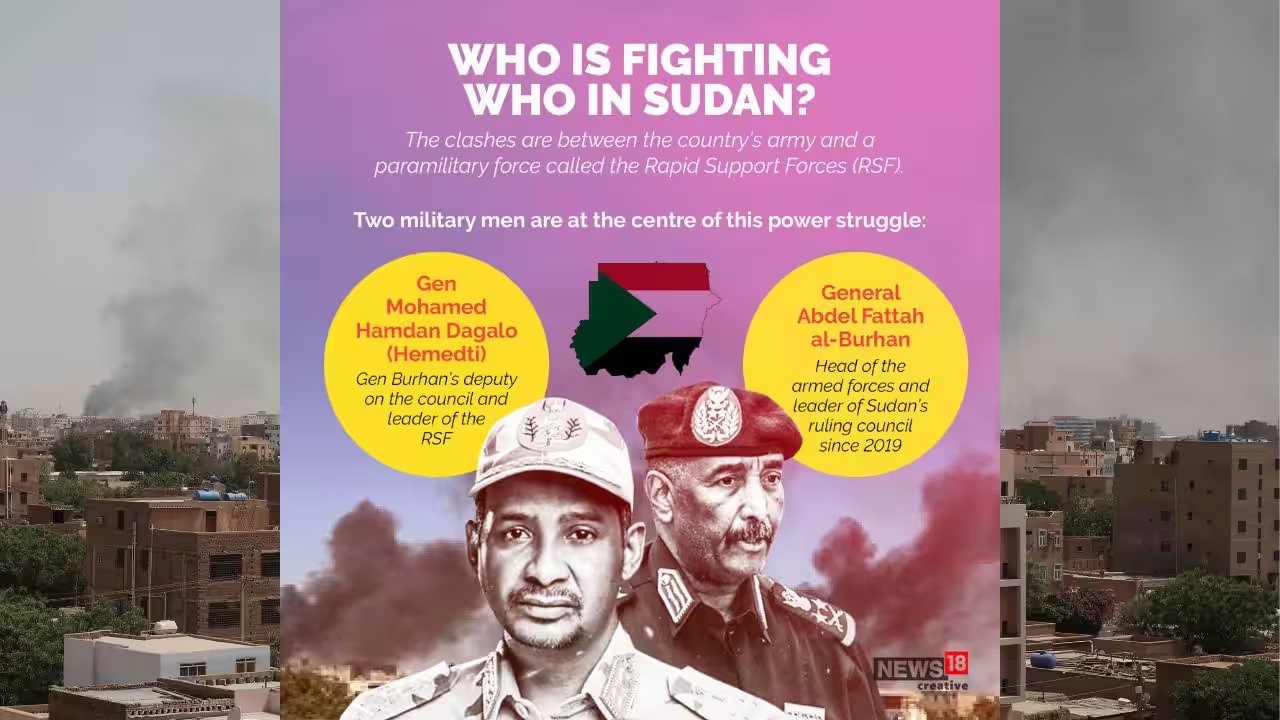

![[Sansad TV] In Focus: Cinematograph (Amendment) Bill 2023](https://d18x2uyjeekruj.cloudfront.net/wp-content/uploads/2022/12/sansad.jpg)


