💥Join UPSC 2027,2028 Mentorship (July Batch) + XFactor Notes & Microthemes PDF

Author: CD Staff

  • [Burning Issue] Return of Indian Cultural Property

    [Burning Issue] Return of Indian Cultural Property

    india

    Context

    • Recently, The Indian government has denied that it is seeking wholesale repatriation of cultural property extracted by Britain from India during colonial times.
    • In this context, this edition of the Burning Issue will discuss about the Indian cultural properties aboard and their repatriation.

    Background

    • The Indian government was reacting to a story published in the U.K.’s Telegraph newspaper and said the headline and story were “unfortunately misleading”.
    • Government sources said that while it was seeking the restitution of artifacts taken from India, the story was a “significant overstatement” in terms of how it portrays the government and its approach to the U.K.
    • It further added that its approach was to retrieve antiquities via “cooperation and partnership” and in a manner consistent with international agreements.

    Issue of Cultural Property Trafficking

    • According to the Indian Ministry of Culture, 101 antiquities have been stolen from the subcontinent’s Centrally Protected Monuments between 2000 and 2016.
    • The U.S.-based alliance charted reported cultural property seizures since 2014 and found that nearly $65 million worth of illegal artifacts had been seized between 2014 and 2019.
    • Like any other illicit trade, the grey market of artifacts arguably seeds the ground for terrorism.
    • Among the world’s largest cut diamonds, the infamous Koh-i-Noor was taken by Queen Victoria after the annexation of the subcontinent.

    Procedure of return

    International organizations such as UNESCO and the United Nations Office on Drugs and Crime UNODC have been at the forefront of the fight against cultural heritage crimes.  Their combined expertise and global partnerships have led to the establishment of standard-setting instruments that enhance responses to and the protection against cultural theft. The process involves the following steps:

    • Identification: Identify cultural properties that may have been wrongfully acquired or removed.
    • Legal and Ethical Considerations: Consider international conventions, national laws, and ethical guidelines pertaining to repatriation.
    • Collaboration and Negotiation: Collaborate and negotiate with the country of origin and the current possessor to reach an agreement.
    • Evidence and Documentation: Gather evidence and documentation supporting the claim for repatriation, such as historical records and provenance research.
    • Public Awareness and Advocacy: Raise public awareness and advocate for repatriation through campaigns and outreach efforts.
    • Restitution and Return: Arrange for the safe return of the cultural property to its country of origin, considering logistics and storage.
    • Future Preservation and Collaboration: Ensure the proper care, conservation, and display of the repatriated cultural property, and foster ongoing collaboration between the country of origin and international institutions.

    International agreements

    • The 1970 UNESCO Convention: on the Means of Prohibiting and Preventing the Illicit Import, Export and Transfer of Ownership of Cultural Property (hereafter, the 1970 Convention) mandate in the prevention of organised crime and cultural trafficking, and offer systematic tools to strengthen national capacity.
    • UN resolution 2347: Condemns the unlawful destruction of cultural heritage, including the destruction of religious sites and artefacts, and the looting and smuggling of cultural property from archaeological sites, museums, libraries, archives, and other sites, notably by terrorist groups.

    Significance of return of cultural properties

    • Preserving Heritage: Cultural property acts as a bridge between the past, present, and future generations, preserving a nation’s heritage. The cultural property of a country is a testament to its history and heritage and should belong to the nation. Illicit trade and smuggling of artifacts have plagued the art and culture market of the world. 
    • National Identity and Pride: Cultural property plays a vital role in defining a nation’s identity and fostering a sense of pride among its citizens. It symbolizes the unique values, beliefs, and customs that distinguish one nation from another. It gives people a sense of belonging and collective memory, strengthening social cohesion and unity.
    • Tourism and Economic Benefits: Cultural property often attracts tourists from around the world, contributing to the nation’s economy. Heritage sites, museums, cultural festivals, and artistic traditions draw visitors who spend money on accommodation, transportation, food, and souvenirs. The preservation and promotion of cultural property can generate employment opportunities and sustainable economic development. The preservation and protection of the Indian artifacts and cultural heritage are an integral component of India’s foreign policy.
    • Education and Research: Cultural property serves as an educational resource, offering insights into different historical periods, social structures, artistic styles, and technological advancements. It provides researchers, scholars, and students with valuable primary sources for studying various disciplines, including archaeology, anthropology, history, art, and linguistics.
    • Cultural Diplomacy: Cultural property represents a nation’s soft power, allowing for cultural exchange and diplomacy. Exhibitions, collaborations, and cultural exchange programs enhance mutual understanding and promote positive relations between nations. Sharing cultural heritage can foster peace, tolerance, and cooperation among diverse communities globally.

    Issues involved

    • Unlike other countries’ sources of this trade, like China, India doesn’t have heritage protection laws.
    • International conventions and laws are not legally binding making them toothless.
    • The treatment of its cultural heritage by Indian institutions as well as the religious belief of the larger part of the society brings another dimension to the narrative.

    Some Previous Returns

    • Aiming to return antiquities allegedly stolen from their motherland, the volunteer-run India Pride Project (IPP) uses social media to identify artefacts worldwide and investigates cases coordinating authorities, global agencies, museums and a small tightly-knit curator community.
    • The Network found a 12th-century bronze statue of Buddha at a trade fair. Ransacked from the Archaeological Museum in Nalanda (in eastern India) in 1961 along with 14 other sculptures, the figure was later returned to India following its identification by the Association for Research into Crimes Against Art (ARCA), an organization working to preserve cultural legacies.
    • The Art Gallery of South Australia in Adelaide to recognize its illicit possession of a stolen 16th-century statue of Siva Nataraja and to return it following an official request from India.
    • In 2022, the Australian Government repatriated 29 antiquities to India. These artifacts are broadly categorized into the following themes – Shiva and his disciples, Lord Vishnu and his forms, portraits, worshipping Shakti, Jain tradition and decorative objects.
    • India was successful in bringing back 157 antiquities from the United States of America in 2021.
    • An 18th-century idol of Maa Annapurna stolen from Varanasi in 1913 was returned by Canada in November 2021.
    india
    Jagdamba Sword used by Chh. Shivaji Maharaj

    Way forward

    • Social media, coupled with informed journalism and inclusive decision-making across governance levels, can also offer an encouraging step forward.
    • A key measure is the development of digital inventories and professional documentation of cultural property. Local and regional museums may benefit from augmenting their digitization capacities.
    • Digital imaging, which could nowadays be done via smartphone applications in numerous regional languages, can optimize the recognition of the stolen object, prevent its movement and intercept it.
    • The objects must also be well-documented, cataloged, and digitized to create a permanent database of the nation’s heritage. Another crucial step towards eliminating the problem is preventing the formation and expansion of illegitimate groups that harbor this trade.

    Conclusion

    • As pointed out by UNESCO, this has also underlined the fact that illicit trade of cultural properties is not an individual problem of a country but an issue at the global level. The 1970 Convention solely will not tackle this issue, it should be the collective efforts of the governments, societies, communities, and the people to spread awareness regarding the importance of national and cultural heritage and how to safeguard them.
    • Preventing the expansion of illicit networks would not only prevent the exploitation of humanity’s shared heritage but also safeguard community identity.

    Get an IAS/IPS ranker as your personal mentor for UPSC 2024 | Schedule your FREE session and get the Prelims prep Toolkit!

  • [EPW] Pakistan’s Extraordinary Turmoil

    [EPW] Pakistan’s Extraordinary Turmoil

    pakistan

    Central Idea: Oustered PM Imran Khan’s arrest has led to unprecedented attacks on army establishments in Pakistan. The transformation of Pakistan, once considered a rising star in the 1950s, into a troubled state raises questions about the reasons behind its decline.

    Various challenges paralyzing Pakistan

    (1) Economic Decline

    • Pakistan has struggled with economic instability, including issues such as high inflation, low GDP growth, fiscal deficits, and a reliance on external loans and aid.
    • These economic challenges have hindered development and affected the standard of living for many Pakistanis.

    (2) Corruption

    • Corruption is a pervasive issue in Pakistan, with allegations of embezzlement, bribery, and nepotism prevalent in various sectors, including politics, government institutions, and the judiciary.
    • This has undermined governance, eroded public trust, and hindered economic progress.

    (3) Governance Issues

    • Pakistan has grappled with governance challenges, including weak institutions, ineffective public administration, and inadequate service delivery.
    • The inefficiency and lack of transparency in governance have hindered development initiatives and undermined public confidence.

    (4) Security Concerns

    • Pakistan has faced significant security challenges inculcated in its own backyard including terrorism, insurgency, and sectarian violence.
    • Militant groups and extremist ideologies have posed threats to internal stability and external security, leading to loss of lives, displacement of populations, and disruptions to economic activities.

    (5) Political Instability

    • Pakistan has experienced periods of political instability, characterized by frequent changes in governments, weak democratic institutions, and power struggles between civilian and military establishments.
    • Political polarization, lack of consensus-building, and a history of military interventions have hindered the establishment of stable governance structures.

    (6) Social Issues

    • Pakistan faces various social issues, such as poverty, illiteracy, gender inequality, and inadequate access to healthcare and education. False charges of blasphemy is one of the most danger miscreant.
    • These challenges have hindered human development, perpetuated social disparities, and hindered progress towards achieving social justice and inclusivity.

    Indian observations

    • Prefers to remain silent: New Delhi has chosen to remain silent and observe the unfolding situation.
    • Outbursts of extremist factions: There are concerns about extremist forces spilling over from Pakistan due to the absence of stable authority.
    • Possible military takeover: Despite the concerns, there is a widespread belief that the establishment will ultimately prevail, albeit in a weakened state.

    India’s Silence in current context

    • It is unlikely that the Indian government will make substantial comments on the situation in Pakistan.
    • India is closely monitoring the developments but is unlikely to issue any public statements.

    External implications of Pakistan’s crisis

    • Takeover by radicalists: Actions of extremist forces are typically regulated by a strong authority, and a weakening of authority could lead to less control over these groups.
    • Immediate threat to India: The instability in Pakistan, coupled with terrorism and religious extremism, is a concern for neighboring countries like India.

    Reasons for Pakistan’s grim situation

    • Constitutional grey zone: Pakistan has been in a constitutional grey zone with elections not being held as scheduled and the dissolution of provincial assemblies.
    • Polarized Polity: The deeply polarized polity complicates the search for a solution, with institutions aligned in favor of either the military establishment or Imran Khan.
    • Apathy for Army: This situation is unusual. Historically, all branches of the state were largely perceived to align with the interests of the Pakistan army.

    Lessons for India

    • Religion isn’t the saviour: Pakistan’s formation as an artificial construct based solely on religious identity has led to its current challenges and potential disintegration.
    • Inequality and Infinite divisions: The diverse sects within Islam, with their hostilities and takfirism (labelling others as non-believers), have contributed to internal divisions and conflicts in Pakistan.
    • Rationality over anything: Indian society is becoming more aware of these realities, embracing reform, rationality, progress, education, and moving away from politics of appeasement.

    Should India worry?

    • Potential influx of refugees: Activists have indicated that residents of Pakistan-Occupied-Kashmir (POK) are expressing readiness to join India due to various grievances, including rising prices of essential commodities. If a significant influx occurs, it could lead to law and order issues in India.
    • Increase Chinese influence: Given the recent tensions between India and China at the Line of Actual Control (LAC), increased Chinese influence in Pakistan could potentially complicate the regional dynamics.

    Conclusion

    • India should prioritize national integration, territorial integrity, and national interests over divisive identity politics.
    • The trajectory of Pakistan’s history since its establishment in 1947 as an Islamist state serves as a lesson for India to learn from.

    Get an IAS/IPS ranker as your personal mentor for UPSC 2024 | Schedule your FREE session and get the Prelims prep Toolkit!

  • [Burning Issue] SC’s Judgment on Delhi Government Vs LG Case

    delhi

    Context

    • The Supreme Court in a recent judgment held that the Delhi Government has legislative and executive powers over administrative services in the National Capital, excluding matters relating to public order, police and land.
    • It also reiterated its stand The Lieutenant Governor shall be bound by the decision of Delhi government over services, apart from public order, police and land.
    • In this context, this edition of the Burning Issue will expand this judgment in detail and the overall background of the issue.

    Key Highlights of the Judgment

    (1) Disagreement with Justice Bhushan’s Judgment

    • The Supreme Court stated that it does not agree with Justice Ashok Bhushan’s judgment that the Delhi government has no power over services.

    (2) Article 239A and Legislative Assembly for NCT

    • The Supreme Court highlighted that Article 239A establishes a legislative assembly for the National Capital Territory of Delhi.
    • The members of the legislative assembly are elected by the electorate of Delhi, and the interpretation of Article 239A should support representative democracy.

    (3) Limits of Power

    • The court clarified that the control over services does not extend to areas related to public order, police, and land.
    • “The ideal conclusion would be that GNCTD ought to have control over services, subject to exclusion of subjects which are out of its legislative domain related to public order, police and land. However, legislative and executive power over services such as Indian Administrative Services or Joint Cadre Services which are relevant for the implementation of policies and the vision of NCTD in terms of day-to-day administration of the region, SHALL LIE WITH THE GNCTD”

    – Supreme Court of India

    (4) Delhi Government Represents Representative Form of Government

    • According to the Supreme Court, the Delhi government, like other states, represents the representative form of government.
    • Any expansion of the central government’s power would contradict the Constitutional scheme.

    (5) Impact on Ministers’ Control

    • The court noted that if administrative services are excluded from the legislative and executive domains, ministers would be excluded from controlling civil servants responsible for implementing executive decisions.

    (6) Executive Power and Existing Law

    • The court clarified that the executive power of the state is subject to existing union laws.

    (7) Principle of Collective Responsibility

    • The Supreme Court emphasized that if officers do not report to ministers or fail to follow their instructions, the principle of collective responsibility will be affected.

    (8) Triple Chain of Accountability

    • “If a democratically elected government is not given the power to control the officers, the principle of triple chain of accountability will be redundant. If the officers stop reporting to the Ministers or do not abide by their directions, the principle of collective responsibility is affected” — SC
    • Chief Justice of India DY Chandrachud highlighted that denying democratically elected governments the power to control officers would render the principle of the triple chain of accountability redundant.

    Background: Special Status for New Delhi-Article 239AA

    • Article 239AA of the Constitution of India granted Special Status to Delhi among Union Territories (UTs) in the year 1991 through the 69th constitutional amendment. It provided a Legislative Assembly and a Council of Ministers responsible to such Assembly with appropriate powers.
    • That’s when Delhi was named as the National Capital Region/territory (NCT) of Delhi.
    • As per this article – Public Order, Police & Land in NCT of Delhi fall within the domain and control of Central Government which shall have the power to make laws on these matters.
    • For remaining matters of State List or Concurrent List, in so far as any such matter is applicable to UTs, the Legislative Assembly shall have the power to make laws for NCT of Delhi.

    The Centre-State Dispute

    • Delhi was given a fully elected legislative assembly and a responsible government through an amendment in the constitution in 1991. Since 1991, Delhi had been made a UT with an assembly with “limited legislative powers”.
    • Cordial relations have prevailed between the Central and Delhi governments since 1996 and all differences have been resolved through discussions and also because of the fact that both Centre and State had same political party rule.
    • However, since 2015, delhi has been witnessing power struggle as Centre and State are under rule of different political parties.
    • The disagreement arose when then L-G Najeeb Jung appointed officers as the acting chief secretary. CM Kejriwal objected to this action, deeming it unconstitutional.
    • In May 2015, the Ministry of Home Affairs issued a notification stating that the Department of Services, responsible for the transfer and posting of Delhi government officers, fell under the jurisdiction of the Centre through the L-G.
    • The Delhi government challenged this decision in the Delhi High Court, but the court ruled against them. Subsequently, the state approached the Supreme Court, which determined that the L-G must follow the advice of the cabinet of ministers.
    • Despite the resolution of the previous issue, the matter of services remained unresolved. It was later referred to a two-judge bench of the Supreme Court, which reached a split verdict in 2019.
    • A three-judge bench then forwarded the case to a five-judge bench in 2022 for further consideration.

    Lt. Governor at the Centre stage

    • The Article 239AA while conferring on the assembly the power to legislate on all matters in the state list as well as the concurrent list except land, police and public order – contained one sore point.
    • It said that in case of a difference between the L-G and the council of ministers, the matter shall be referred to the president by the LG for his decision and pending such decision the LG can take any action on the matter as he thinks fit.
    • It is this issue that the constitution bench of the Supreme Court resolved in 2018, when it said that the government does not have to seek the concurrence of the L-G on its decisions.
    • Any differences between them should be resolved to keep in view the constitutional primacy of representative government and co-operative federalism. It is after this judgement, the Centre brought up NCT of Delhi (Amendment) Bill, 2021 Bill

    NCT of Delhi (Amendment) Bill, 2021

    • Among the major proposed amendments, one makes it explicitly clear that the term “government” in any law made by the Legislative Assembly shall mean the L-G.
    • This, essentially, gives effect to the former L-G 2015 assertion that “Government means the Lieutenant Governor of the NCT of Delhi appointed by the President under Article 239 and designated as such under Article 239 AA of the Constitution”.
    • The Bill adds that the L-G’s opinion shall be obtained before the government takes any executive action based on decisions taken by the Cabinet or any individual minister.

    What was the 2018 Supreme Court Verdict?

    • In its 2018 verdict, the five-judge Bench had held that the LG’s concurrence is not required on issues other than police, public order and land.
    • It had added that decisions of the Council of Ministers will, however, have to be communicated to the LG.
    • The L-G was bound by the aid and advice if the council of ministers, it had said.
    • The Bench of then CJI status of the LG of Delhi is not that of a Governor of a State, rather he remains an Administrator, in a limited sense, working with the designation of Lieutenant Governor”.
    • It had also pointed out that the elected government must keep in mind that Delhi is not a state.

    Is the L-G left with no discretionary power?

    • The L-G does have the power to refer any matter, over which there is a disagreement with the elected government, to the President under Article 239AA (4).
    • The Delhi Law Secretary had in 2019 written in an internal memo that the elected government cannot use the SC verdict to keep the L-G in the dark about its decisions.
    • But the SC had also categorically pointed out that the L-G should not act in a mechanical manner without due application of mind so as to refer every decision of the CM to the President.

    Way forward

    Delhi’s governance needs a new re-imagination. Learning from international examples, and conceptualizing a new structure, can be a way forward.

    Delhi cannot be unitary

    • What distinguishes Delhi from other federal districts is sheer size. Its population would subsume the populations of the above-mentioned cities.
    • Its closest peer is Mexico City. In a significant development, Mexico City was upgraded from federal district to the country’s 32nd state in 2016.
    • This was driven by the desire to provide more responsive government for residents.

    Decentralisation of decision-making is important

    • There are alternative ways in which both the central government as well as state authorities can partake jointly in the management of the city.
    • This might be achieved by a two-tier metropolitan authority.

    Control over police

    • Control over policing has been a major point of contention in Delhi.
    • With the lone exception of Abuja, in other federal districts, the local governments have jurisdiction over at least some aspects of policing.

    Conclusion

    • The apex court should intervene now and advantage of the current controversy to permanently settle the jurisdiction. India will only prosper if all of its states do as well.
    • The solid foundations of federalism and democracy on which our country has thrived will begin to crumble if there is strife between the Centre and the states.

    Get an IAS/IPS ranker as your personal mentor for UPSC 2024 | Schedule your FREE session and get the Prelims prep Toolkit!

  • [EPW] Ladakhi Politics since the Formation of Union Territory

    [EPW] Ladakhi Politics since the Formation of Union Territory

    ladakh

    Central Idea

    • Ladakh’s political class has transformed its identity politics in just three and a half years.
    • The region has shifted from being fragmented along subregional and sectarian lines to a more inclusive approach representing the entire Ladakh.
    • The demands made by Ladakh-based bodies include full statehood, constitutional safeguards under the Sixth Schedule and increased representation in Parliament.

    About Ladakh

    • Ladakh is a region in the northernmost part of India, bordering China and Pakistan.
    • The region is home to several ethnic groups, including the Ladakhi people, who are predominantly Buddhist.

    Current administration in Ladakh

    • Ladakh was granted Union Territory status in 2019, following the bifurcation of the state of Jammu and Kashmir into two separate Union Territories.
    • The administration of Ladakh is currently governed by the Lieutenant Governor of Ladakh and an elected Ladakh Autonomous Hill Development Council (LAHDC).

    Why are such demands rising in Ladakh?

    • Changes in Ladakhi Identity Politics: Ladakh’s identity politics was divided along religious and subregional lines, with Leh and Kargil representing Buddhist and Muslim identities respectively, causing sectarian tensions. Now, Ladakhi identity politics has become inclusive, representing the entire region with a consensus on shared aspirations and demands.
    • Ladakhi Sense of Marginalization and Empowerment: Ladakh’s politics has transitioned to prioritize empowerment within a federal framework. Unlike the previous focus on separating from Kashmir, Ladakh’s politics now addresses specific issues like ecology, heritage, culture, and local needs, demonstrating a more comprehensive approach.
    • Broader considerations about Climate Vulnerability: Ladakh’s politics now emphasizes its fragile ecology. The pristine environment, including the high-altitude desert, Himalayan landscapes, and diverse flora and fauna, is highly valued. Ladakh’s political discourse centers on environmental sustainability, conservation, and preserving natural resources.

    Ladakhi Identity Politics Before 2019

    (1) Political Fragmentation

    • Based on religion: Ladakh’s identity politics was internally fragmented along religious and subregional lines.
    • Isolation from larger Kashmir: The demand for union territory status was rooted in the desire for separation from Kashmir, rather than empowerment.
    • Few voices for autonomy: Leh-based political parties strongly advocated for regional autonomy and union territory status.

    (2) Response to UT Declaration and After

    • Mixed response: The response to the formation of the union territory was divergent between Leh and Kargil.
    • Initial disperse: Leh’s political class welcomed the development, while Kargil (mostly non-buddhists) expressed despondency and opposed the decision.
    • Unified movement: Kargil’s leadership initially identified with Kashmir-based leadership but later focused on its future equation with Leh and Kargil’s empowerment.

    Ladakhi Concerns after the Formation of UT

    • Insecurity on lines with Kashmiri populations: After becoming a union territory, Ladakh faced concerns related to the protection of rights enjoyed as part of Jammu and Kashmir State.
    • New residential criteria: Insecurity arose regarding jobs and land rights due to the obsolescence of the Permanent Residence Certificate (PRC).
    • No representation at local level: Concerns about lack of political representation and the centralization of power in the new administrative system also emerged.

    Benefits of Sixth Schedule in Ladakh

    • Meeting tribal aspiration: The Parliamentary standing committee recommended including of Ladakh in the Sixth Schedule because its tribal communities account for 79.61% of its total population.
    • Autonomy and self-governance: The extension of the Sixth Schedule to Ladakh could provide greater autonomy and self-governance to the local tribal communities.
    • Cultural preservation: It could also help to protect the unique cultural identity of the local communities and preserve their traditional practices and customs.

    Reasons for such demands

    There are several reasons why Ladakh seeks inclusion in the Sixth Schedule of the Indian Constitution:

    • Protection of Identity and Culture: It would enable the preservation of local customs, languages, and traditional practices that are integral to the region’s socio-cultural fabric.
    • Autonomy and Self-Governance: It would empower the local communities to make decisions regarding their socio-economic development, land use, resource management, and governance, thus ensuring greater control over their own affairs.
    • Preservation of Land and Resources: It would enable Ladakh to have a say in the management and utilization of its natural resources, protecting them from unsustainable practices and ensuring their sustainable use for the benefit of present and future generations.
    • Empowerment of Indigenous Communities: Inclusion would provide a framework for the empowerment of Ladakhi indigenous communities, allowing them to participate in decision-making processes and shape policies that affect their lives, culture, and well-being.
    • Strengthening Local Governance: It would promote grassroots democracy, enhance community participation, and strengthen institutions responsible for local administration and development.
    • Balancing Development with Cultural Preservation: Inclusion in the Sixth Schedule would facilitate a balanced approach to development that respects Ladakh’s unique cultural and ecological characteristics.

    Challenges

    • No further fragmentation: The demand to extend the Sixth Schedule to Ladakh has faced some opposition from certain quarters, who argue that it could lead to further fragmentation of the region and create new administrative challenges.
    • Losing political capital: There are also concerns over the potential impact of the demand on the political and administrative structure of the region.

    Why Ladakh deserves its said autonomy?

    • Talks for inclusiveness: Ladakh’s identity politics has transformed from being exclusive and divisive to more inclusive and focused on common Ladakhi issues.
    • Imbibes plurality: The strategy now emphasizes overcoming traditional differences and accommodating each other’s viewpoints.

    Way forward

    • Strengthening Political Collaboration: Foster a spirit of inclusivity and shared purpose among Ladakh’s political class, transcending historical divisions and working towards a common agenda.
    • Addressing Regional Disparities: Implement targeted programs and projects aimed at reducing inequalities, particularly in remote and marginalized areas of the region.
    • Constructive Dialogue with Central Government: Forge strong partnerships and channels of communication to effectively convey Ladakh’s concerns, aspirations, and development priorities to the central authorities.
    • Promoting Cultural Exchange and Tourism: Encourage cultural exchange programs and initiatives to foster understanding, appreciation, and respect for Ladakh’s diverse heritage among residents and visitors alike.
    • Harnessing Renewable Energy Sources: Capitalize on Ladakh’s abundant solar and wind resources to promote renewable energy generation and reduce dependency on fossil fuels.
    • Strengthening Local Governance Structures: Empower local governance bodies, such as the Autonomous Hill Development Councils, by enhancing their decision-making authority, financial resources, and administrative capabilities.
    • Preserving Traditional Knowledge and Practices: Recognize and preserve Ladakh’s traditional knowledge systems, indigenous practices, and local wisdom, integrating them into contemporary policies and strategies.
    • Strengthening Connectivity and Infrastructure: Invest in infrastructure projects that support economic growth, enhance access to essential services, and facilitate the movement of goods and people, while ensuring minimal ecological disruption.

    Get an IAS/IPS ranker as your personal mentor for UPSC 2024 | Schedule your FREE session and get the Prelims prep Toolkit!

  • [Burning Issue] Western Media’s Bias Against India

    india

    Context

    • Recently, A federal U.S. commission, Commission on International Religious Freedom (USCIRF) has urged the Biden administration to impose targeted sanctions on Indian Government agencies and officials responsible for “severe violations” of religious freedom in the country by freezing their assets.
    • In this context, this edition of Burning Issue will talk about this issue and the overall propaganda of West against India.

    About USCIRF and its report

    • The United States Commission on International Religious Freedom (USCIRF) is an independent U.S. federal government agency created by the 1998 International Religious Freedom Act (IRFA).
    • USCIRF monitors the universal right to freedom of religion or belief (FoRB) abroad; makes policy recommendations to the President, Secretary of State, and US Congress; and tracks the implementation of these recommendations. 
    • The USCIRF report assesses the status of religious freedom around the world.
    • It provides a comprehensive analysis of the state of religious freedom in countries across the globe, highlighting issues of concern and making recommendations for action by the US government.
    • Its report is an important tool for raising awareness of violations of religious freedom and advocating for greater protection of this fundamental human right.

    More on the recent report

    • In its annual report on religious freedom, the USCIRF asked the U.S State Department to designate India as a “country of particular concern” on the status of religious freedom along with several other nations.
    • The USCIRF also recommended to Congress to raise the issue of religious freedom during U.S.-India bilateral meetings and hold hearings on it.
    • The USCIRF has been making similar recommendations to the State Department since 2020, which have not been accepted. The recommendations of USCIRF are not mandatory for the State Department.

    What is religious freedom?

    • Freedom of religion or belief is an expansive right that includes the freedoms of thought, conscience, expression, association, and assembly. 
    • Inherent in religious freedom is the right to believe or not believe as one’s conscience leads, and live out one’s beliefs openly, peacefully, and without fear. 

    Religious Freedom in India

    Article 25: Freedom of Religion

    • Article 25 guarantees the right to freedom of religion to all citizens of India. It ensures that every person is free to practice, profess, and propagate the religion of their choice. However, this right is subject to certain restrictions, such as public order, morality, and health. The government also has the power to regulate economic, financial, political, or other activities that are associated with religious practices.

    Article 26: Freedom to Manage Religious Affairs

    • Article 26 guarantees every religious denomination the right to manage its own affairs in matters of religion. This includes the right to establish and maintain institutions for religious purposes, and the right to manage its own property. However, this right is subject to public order, morality, and health, as well as to other provisions of the Constitution.

    Article 27: Freedom from Taxation for Religious Purposes

    • Article 27 prohibits the state from compelling any person to pay taxes for the promotion or maintenance of any particular religion or religious institution. This means that the state cannot use public funds to support or promote any particular religion, nor can it force individuals to financially support religious institutions.

    Article 28: Freedom from Religious Instruction in Educational Institutions

    • Article 28 guarantees the right of all religious denominations to establish and maintain their own educational institutions. It also prohibits the state from providing any religious instruction in public educational institutions funded by the state. However, students attending such institutions are free to receive religious instruction from outside sources, as long as it does not interfere with the educational activities of the institution.

    Reports’ Allegations against India

    Policies

    • It is alleged that the Indian government at the national, state, and local levels promoted and enforced religiously discriminatory policies, including: Laws targeting religious conversion, Interfaith relationships, Ban over wearing of hijabs and cow slaughter
    • This has negatively impacted Muslims, Christians, Sikhs, Dalits, and Adivasis citizens of the country.

    Laws of so-called ‘Suppression

    • The report also alleges that the national government continued to suppress critical voices, particularly of religious minorities and those advocating on their behalf through Surveillance, Accusations of Sedition, Demolition of Property, Detention under the Unlawful Activities Prevention Act (UAPA), Targeted banning of NGOs ex. Missionaries of Charity under the Foreign Contribution Regulation Act (FCRA).
    • The continued enforcement of discriminatory laws facilitated a culture of impunity for widespread campaigns of threats and violence by mobs and vigilante groups.

    India’s response

    • India has slammed USCIRF for “misrepresenting” facts and described it as an “organisation of particular concern”.
    • The Indian government rejected the biased and inaccurate comments.
    • Foundation of Indian and Indian Diaspora Studies (FIIDS) slammed USCIRF for its biased report and failure to acknowledge the cultural and economic significance of cows to Indians.

    History

    • Ever since India gained independence, the Western media have painted a negative picture of the country. Indeed, many did not expect India to last long as a nation. There are countries that are failed states and countries which are engulfed in civil wars, but they do not get much of a mention from British and other Western media. 

    Previous cases of such allegations

    • In February 2020, a major daily national declared the North Delhi riots were called the riots a “Hindu nationalist rampage”
    • Also, India is being frequently labelled as ‘Intolerant Democracy’ or depicted as a poor nation. Recent example is the Cartoon from a German newspaper mocking Indian Railway’s infrastructure developments.
    • The BBC Documentary on PM Modi and 2002 Gujarat riots was also a part of this targeting by western media.

    Why such reports often falsely target India?

    • Sensationalized news: Negative news stories tend to receive more attention because they can be more emotionally engaging and impactful. For example, a study found that negative news stories receive significantly more engagement on social media than positive news stories.
    • Political biases: Media outlets may have different political affiliations or biases that shape their coverage of certain countries or events. For example, some media outlets may have a pro-Western bias and view India as a less developed or “exotic” country. Additionally, some outlets may have a negative view of Indian government policies or leadership, which can influence their reporting.
    • Complex challenges: India is a large and diverse country with many challenges, including poverty, inequality, and political instability, which can be difficult to report on accurately and without bias.For example, India has one of the highest rates of income inequality in the world, with the top 1% of the population holding nearly 60% of the country’s wealth. Additionally, India has a history of caste discrimination and violence, which can be challenging to report on accurately and sensitively.
    • Differing perspectives: Different media outlets may have different perspectives on issues related to India, which can lead to differing coverage.For example, some outlets may focus on India’s economic growth and potential as a major player in the global economy, while others may highlight the country’s challenges and inequalities.Additionally, media outlets from different countries may have different cultural or historical perspectives on India that influence their reporting.
    • Lack of objectivity: There have been instances in the past where these reports have been criticized for being one-sided and lacking objectivity.
    • US lobby against everyone: It is important to note that reports like USCIRF’s are based on the organization’s own assessments.
    • Inherent bias against India: Such allegations are prevalent ever since India attained its Freedom.
    • Self-proclaimed father of democracy: US has infamous for selectively promoting democracy and human rights, and for supporting authoritarian regimes that align with its strategic interests.
    • Anti-regime: Such reports often overlook the efforts made by the present regime in India towards promoting religious tolerance and communal harmony.

    Way forward

    • Urgent action: India needs to take prompt and necessary steps to address religious freedom issues and take everyone’s faith in the government and democratic process.
    • Nuanced understanding: International organizations and foreign governments must make a conscious effort to understand the complexities of India’s social, political, and economic landscape before making any recommendations or issuing reports.
    • Avoid sweeping generalizations: It is important to avoid sweeping generalizations and presenting a one-sided view of the situation, which can be detrimental to India’s reputation and lead to misunderstandings.
    • Self-reflection by the US: The US must address its own issues related to religious freedom and human rights violations, and not just sermon other countries.

    Countering western media’s allegations

    • India’s historical diversity and pluralism: India has a long history of diversity, pluralism, and peaceful coexistence among different communities.
    • Constitutional guarantees: The Constitution guarantees fundamental rights to all citizens, regardless of their religion, caste, or creed.
    • Media as a strong pillar: The country has a vibrant democracy and a free and independent media that regularly scrutinizes the government and its policies. This eliminates the scope for anyone’s oppression.
    • Nation-building: All communities have contributed significantly to the country’s cultural and social fabric. Success of India is often unwelcomed by the US. People should not fall prey to foreign propaganda.

    Conclusion

    • It’s important to approach news coverage critically and evaluate the sources and biases behind the stories. This can involve reading articles from a variety of sources, fact-checking claims, and considering the cultural and historical context of the news.
    • EAM S Jaishankar has rightly summarized west’s biasness, “Problem of Europe is world’s problem but problem of world is not problem of Europe”.

    Get an IAS/IPS ranker as your personal mentor for UPSC 2024 | Schedule your FREE session and get the Prelims prep Toolkit!

  • [EPW] India’s Toy Industry

    [EPW] India’s Toy Industry

    toy

    Central Idea

    • India has turned into a net toy exporter lately—claimed as evidence of the success of “Make in India” and related promotional policies.
    • Between 2018–19 and 2021–22, toy exports reportedly rose from $109 million (`812 crore) to $177 million (`1,237 crore); the imports declined from $371 million (`2,593 crore) to $110 million (`819 crore).
    • The call to raise toy production and exports is in line with Make in India—the government’s flagship initiative launched in October 2014.

    Toy Industry in India

    • Presently, the Indian toy industry is only 5% of the global industry size indicating a large potential growth opportunity.
    • The domestic toy demand forecasted to grow at 10-15% against the global average of 5%.
    • The report ‘State of play: India’s toy story- Unboxing fun and beyond’ said India could also target a 2% share of global exports by 2025.
    • There is high growth potential for India in exports of plastic toys and board games in the US, EU, and the Middle East among other markets.

    Factors driving growth of India’s Toy Industry

    • Huge consumer base: India’s population stands at around 1.4 billion, with approximately 26.62% of the population falling into the 0-14 age category.
    • Rising disposable income: India has experienced strong GDP growth rates for the last several years, and the middle-class population has experienced strong growth.
    • Rise in online purchases: Online sales channels have witnessed a boom in India with the evolution of smartphones and other digital media.
    • Shifting preferences: According to the Toy Association report in 2018, parents believe in STEM-focussed toys as their primary way to encourage science and math development in young children.
    • Disincentivising imported toys: The Indian government has increased the basic customs duty on toys from 20% to 60%, reduced availability of imported toys and enhanced demand for the domestic toy industry.

    Significance of Toy Industries

    • Child development: Toys are not just a source of entertainment but also play a critical role in the cognitive, emotional, and physical development of children.
    • Cultural preservation: Toys can be an important way to preserve cultural traditions and heritage.
    • Women centric: India’s toy industry employs 3 million workers, of which 70% are women. This indicates the significant role of women in the industry.
    • Lesser skill intensive: Employment in the toy manufacturing sector offers avenues for socio-economic empowerment, financial security, and skill development for women.
    • Promotes gender equality at workplace: Toy manufacturing promotes equal task division and partnerships between men and women artisans, promoting gender equality in the industry.
    • Import potential: The toy industry has the potential to reduce imports and fulfill domestic demand, contributing to India’s economic growth.
    • Local branding: The promotion of indigenous toy manufacturing can preserve local cultural forms and traditions.
    • Allied industries: The industry can contribute to the growth of related sectors such as plastics, textiles, and packaging.
    • Environmental impact: The industry can also provide opportunities for social and environmental impact, such as creating sustainable and eco-friendly toys that contribute to the overall sustainability agenda.

    Toy Industries & Women Empowerment

    • Employment in the toy manufacturing sector offers its female-majority workforce avenues for socio-economic empowerment, financial security, and skill development.
    • It also offers opportunities for women to act as agents of change by preserving local toy forms, intrinsic to their regions.
    • Toy manufacturing also creates possibilities for men and women artisans to work together, thereby promoting equal task division and partnerships.
    • For instance, in Tamil Nadu, the manufacturing processes of ‘Vilachary’ clay toys are divided between men and women.

    Various Challenges to this sector

    • Unorganized and fragmented: It continues to be significantly fragmented, with 90 per cent of the market being unorganized.
    • Small scale: 75 percent of domestic manufacturing originates in micro-industries, while 22 percent comes from MSMEs. Less than 3 percent of the domestic toy manufacturing processes come from large units.
    • Less competitive: The retail value of the Indian toy market is INR 16, 000 crores of which close to three-fourths are Chinese imports.
    • Foreign dependence for sourcing raw materials: Indian manufacturers specialize in board games, soft and plastic toys, and puzzles, etc. Companies have to import materials from South Korea and Japan to manufacture these toys.
    • Cheap Chinese alternatives: Consumers are habituated for long to cheap Chinese toys.

    Govt initiatives

    • Toycathon: In January 2021, it launched ‘Toycathon’, a hackathon to develop toys and games based on Indian culture and ethos.
    • Atmanirbhar Bharat: To promote the indigenous toy manufacturing industry, this multi-Ministerial effort sought to create an ‘Aatmanirbhar’ eco-system for local manufacturers by exploring their untapped potential.
    • Formal recognition in years: Toy manufacturing clusters across the country have come to be formally recognized and supported by the govt.
    • Cluster-based production: State govt. are in the process of allocating spaces for toy parks. For instance, Koppal District in Karnataka has recently been recognized as the country’s first toy manufacturing cluster.
    • Tax incentives: Basic Custom Duty (BCD) on Toys-HS Code-9503 has been increased from 20% to 60% in February 2020.
    • GI tags: The Toys bearing GI tags such as Chennapatna, Varanasi, etc. are also being exported. 

    Other policy initiatives

    • Start-ups push: The government has called upon start-up entrepreneurs to explore the toy sector.
    • Import dis-incentivization: The government has increased basic customs duty from 20% to 60%. It is likely to result in toy importing brands to explore manufacturing in India.
    • Quality assurance: The government has made toy quality certification mandatory to revive the indigenous industry.
    • Incubation centres: The government has chalked out a plan to promote traditional toys manufactured in the country by creating Toy Labs. A plan to establish networks of toy labs such as Atal Tinkering Labs is also in loop.
    • Make in India: The government is gradually introducing a new norm in the minds of consumers to purchase safe and good-quality ‘Made in India’ toys as against cheap and poor-quality imported toys.

    Way forward

    • Develop an India-centric toy line: The government can encourage the development of a distinct Indian toy line that reflects Indian culture and values.
    • Dedicated legislation: The government can provide incentives to encourage local manufacturing of toys and promote the use of locally-sourced raw materials.
    • Promote skill development and training: The government can focus on providing skill development and training programs to support the growth of the toy industry.
    • Enhance export competitiveness: The government can support the growth of toy exports by promoting and facilitating the development of export infrastructure, such as logistics and distribution networks.
    • Foster collaboration between industry and academia: The government can encourage collaboration between the toy industry and academic institutions to promote research and development in the industry.
    • Strengthen quality standards and certification: The government can work with industry stakeholders to strengthen quality standards and certification for toys.

    Conclusion

    • In order to take the benefits to these segments, we need to be vocal for local toys.
    • There is a need for new ideas to be incubated, new start-ups promoted, taking new technology to traditional toy makers and creating new market demand.
    • The 75th anniversary of India’s Independence is a huge opportunity for the innovators and creators of the toy industry.

    Get an IAS/IPS ranker as your personal mentor for UPSC 2024 | Schedule your FREE session and get the Prelims prep Toolkit!

  • [Burning Issue] Manipur Ethnic Violence

    manipur

    Context

    • The Northeastern state of Manipur has been witnessing violent clashes between different ethnic groups since February 2023.
    • The latest round of unrest erupted on May 3, when a tribal student union organized a march to protest against the demand of the non-tribal Meitei community to be included in the Scheduled Tribe (ST) list. The march turned violent and the police imposed a curfew and shoot-at-sight orders to control the situation.
    • In this context, this edition of the Burning Issue will elaborate on these clashes and the fundamentals involved in this issue.

    Cause of the current violence

    • The tensions started brewing when the state government launched an anti-drug drive that targeted poppy cultivation in the hill districts. The tribals alleged that the drive was a pretext to evict them from their lands and accused the government of favouring the Meiteis.
    • Also in April 2023, The Manipur High Court’s order to expedite the recommendation for granting ST status to the Meiteis further inflamed the tribal sentiments and led to the massive protest on May 3.

    Manipur High Court’s Ruling

    • The court directed the government to consider the inclusion of the Meitei community in the tribe list of Manipur.
    • It observed that the petitioners and other groups have been fighting for a long time for this inclusion, suggesting that it is an important issue for the community.
    • The court has directed the government to submit its recommendation after considering the case of the petitioners, preferably within four weeks of receipt of the order.

    Merger of Manipur with the Union of India:

    • Pre-1947: Manipur was a princely state under British colonial rule. The Maharaja of Manipur, Bodhachandra Singh, was the ruler of the state.
    • August 1947: The Maharaja of Manipur signed the Instrument of Accession, agreeing to accede to the Indian Union.
    • 1972: Manipur, along with Meghalaya and Tripura, became a full-fledged state under the North Eastern Region (Reorganisation) Act, 1971.

    Who are the Meiteis?

    • Largest community: The Meiteis are the largest community in Manipur.
    • Community’s Language: They speak the Meitei language (officially called Manipuri), one of the 22 official languages of India and the sole official language of Manipur State.
    • Geographical Distribution: Manipur is geographically divided into the Imphal Valley and the surrounding hills. The Imphal Valley is dominated by the Meitei community, which accounts for more than 64% of the population. The hills, which comprise 90% of Manipur’s geographical area, are inhabited by more than 35% recognized tribes, which are largely Christians.
    • Major Festivals: festivals of meiteis are Lai Haraoba, Cheiraoba, Yaosang among others. Also, The Manipuri martial art Thang-ta had its origin in the Meitei knights during the king’s rule.

    Tribal groups’ opposition to the ST Status

    • Advantaged community: Many tribal groups say the Meiteis have a demographic and political advantage besides being more advanced than them academically and in other aspects.
    • Benefits at others’ cost: They feel the ST status to the Meiteis would lead to loss of job opportunities and allow them to acquire land in the hills and push the tribals out.
    • Already benefited: The language of the Meitei people is included in the Eighth Schedule of the Constitution, and many of them have access to benefits associated with the SC, OBC, or EWS status.
    • Political vendetta: The demand for ST status is a ploy to attenuate the fervent political demands of the Kukis and Nagas, as well as a tacit strategy of the dominant valley dwellers to make inroads into the hill areas of the State.

    Arguments in Favour

    • “Prior Recognition as Tribe: The petitioners contended before the High Court that the Meitei community held the status of a tribe before the integration of the princely state of Manipur with the Union of India in 1949. They also claimed that the community’s recognition as a tribe was lost after the integration.
    • Cultural Preservation: The Meiteis’ demand for ST status was based on the need to protect and preserve their culture, ancestral land, tradition, and language. The petitioners argued that granting ST status would aid in safeguarding the community’s cultural identity.
    • Advocacy for Constitutional Safeguards: The Scheduled Tribes Demand Committee of Manipur (STDCM) has been actively advocating for ST status for the Meitei community since 2012. They claimed that the community has been deprived of constitutional safeguards due to their exclusion from the ST list.
    • Population Decline: The STDCM argued that the Meitei community has been gradually marginalized in their ancestral land, resulting in a decline in their population. According to the 2011 Census data, the Meitei population, which was 59% of the total population of Manipur in 1951, has now reduced to 44%.
    • Contempt Proceedings Against HAC: Meitei community members have filed contempt proceedings against the Hill Areas Committee (HAC) of the Manipur Assembly for opposing their inclusion under the Scheduled Tribe (ST) category.

    Current situation

    • In view of the prevailing unprecedented burning situation, the Centre has imposed Article 355 in the state, in an effort to control the situation, according to reliable sources.

    What is Article 355?

    • Article 355 of the Indian Constitution is a provision that empowers the Union government to protect every state in India against external aggression and internal disturbances.
    • It is based on the principle of “duty to protect” enshrined in the Constitution, which makes it mandatory for the Union government to protect every state from external and internal threats.

    Restrictions under Article 355

    • Under Article 355, the Union government has the power to issue directions to any state to ensure compliance with the Union’s laws and regulations. However, there are certain restrictions on this power:
    • The directions can only be given when there is a failure of the state machinery to comply with or give effect to any Union law or regulation.
    • The directions should be of an urgent nature and may not extend beyond the necessary period for remedying the failure of the state machinery.The state government should be given an opportunity to submit its views before the issuance of such directions.The Union government cannot use this power to intervene in the internal affairs of a state unless there is a failure of the state machinery.The duration of the assistance provided under Article 355 is not specified in the Constitution.
    • The duration of the assistance provided under Article 355 is subject to judicial review and can be challenged in court if it violates any fundamental rights or constitutional provisions.

    Moving Forward

    • Encouraging dialogue: The ongoing conflict in Manipur reflects a deep-seated ethnic divide and lack of trust between various communities. Both the state and central governments must engage in a transparent and fair dialogue with all stakeholders to address their concerns.
    • Maintaining law and order is crucial to prevent any innocent lives from being affected or lost during the unrest.
    • Avoiding misinformation spread: Civil society and media should promote harmony among different groups and refrain from spreading misinformation and rumors.
    • Embracing each other: The people of Manipur must understand that violence is not the answer to any problem and that peaceful coexistence, mutual respect, and tolerance are necessary for a sustainable future.

    Conclusion

    • The conflict between the Meiteis and tribals in Manipur stems from long-standing political, economic, and cultural grievances. The Meiteis, who dominate the valley region, seek Scheduled Tribe status to protect their identity and rights from outsiders, while the tribals from various ethnic groups in the hills oppose this demand, fearing a loss of their privileges and autonomy.
    • The lack of development in Manipur is also a reason for the rumbling suspicion between the hill and valley areas. Both the Union and the state governments must rectify this at once to help develop better relations between the hill and valley. This is essential for peaceful co-existence.

    Get an IAS/IPS ranker as your personal mentor for UPSC 2024 | Schedule your FREE session and get the Prelims prep Toolkit!

  • [Sansad TV] Mudda Aapka: India’s Logistics Sector

    [Sansad TV] Mudda Aapka: India’s Logistics Sector

    Central Idea: India’s Logistics Progress

    • India improves in the logistics ranking of the World Bank by jumping 6 places to Rank 38 out of 139 countries in the 7th edition of Logistics Performance Index (LPI 2023).
    • This is a strong indicator of India’s global positioning, with this development being powered by our Government’s laser focus on reforms for improving logistics infrastructure.

    Reasons behind

    • GatiShakti: In October 2021, the Government of India launched the PM GatiShakti National Master Plan (PMGS-NMP) towards a coordinated approach, leveraging technology, for infrastructure planning and development.
    • National Logistics Policy (NLP): In September 2022, the Prime Minister launched the National Logistics Policy (NLP) which acts as a guiding document for States / UTs seeking to formulate logistics policy (19 States / UTs have notified their logistics policy).

    India’s logistics sector: A backgrounder

    (1) Road Transport

    • The country faces a skewed logistic modal mix with nearly 71% of all freight transport being done by roads.
    • Highways only account for 2.2 % of the entire road network but carry 40% of all freight traffic, thereby putting immense strain on the highway network of the nation.

    (2) Railways 

    • The Railways’ share in freight transport has dropped from 89% in 1950-51 to only 18%in 2020.
    • The average speed of a freight train in India is only 25 km/hour with a permitted axle load (freight capacity of wagons) of around 20 tonnes.
    • The US, which has a vast rail network like India, runs its freight trains at an average speed of 38 mph (60 kmph) and permits an axle load of nearly 30 tonnes.

    (3) Air Cargo 

    • The picture is similar in terms of the air cargo handled.
    • According to the Ministry of Civil Aviation’s Annual report 2019-20, India has 23 domestic cargo terminals and 20 international cargo terminals which handled a total of 3.56 million tonne (mt) of cargo in 2018-19.
    • In contrast, the Shanghai Pudong International Airport in China alone handled 3.63 mt of cargo in 2019.

     What is NLP?

    • First introduced in 2020 during Finance Minister’s Budget speech, the policy will bring in an integrated and tech-enabled approach to logistics operations to bridge the efficiency gap.
    • A comprehensive action plan is proposed under the policy, with major features including:
    • Integrated digital logistics systems;
    • Unified logistics interface platform;
    • Ease of logistics and standardisation of physical assets and
    • Benchmarking service quality standards, state engagement,
    • Human resource development and capacity building,
    • Export-import logistics
    • Sectoral plans for efficient logistics, and facilitation of the development of logistics parks.

    Need for such a policy

    • Organizing and consolidating the sector: India’s logistics sector is largely unorganized and fragmented. As per estimates, the worth of Indian logistics market is over $200 billion.
    • Reducing logistics cost: This is why the country’s logistics costs are as high as 14-15% of the GDP, against 7-8% in developed nations such as Singapore and the US, who leverage it to boost exports. The NLP aims to bring down India’s logistics cost to 8% in the next five years.
    • Preventing waste of perishable items: As per some estimates in India, about 16% of agri-production is wasted at different stages of the supply chain.
    • Warehousing development: Moreover, due to factors such as limited capacity and availability of warehouses, the cost of transaction increases.
    • Multi-modal integration: The new policy is going about simplification, technology and will have a multimodal approach that will combine rail, water, and air — all modes of transport.
    • Reducing operational complexities: The sector is complex with more than 20 government agencies, 40 PGAs (Partner Government Agencies), 37 export promotion councils, 500 certifications, over 10,000 commodities.
    • Employment generation: The sector provides livelihood to more than 22 million people and improving it will facilitate 10 per cent decrease in indirect logistics cost leading to the growth of 5 to 8 per cent in exports.

    What are the focus areas?

    According to several reports, the policy is expected to touch upon four main steps:

    • Integration of Digital System (IDS): This system will look forward to integrating 30 different systems of seven different departments, which are road transport, railway, customs, aviation, foreign trade, and commerce ministries.   
    • Unified Logistics Interface Platform (ULIP): This system will monitor smooth cargo movement.
    • Ease of Logistics (ELOG): Under this, the new policy will simplify the rules, which is expected to simplify basic business.
    • System Improvement Group (SIG): This system will be used to monitor all logistics-related projects regularly and will facilitate the removal of any hurdle. An empowered group of secretaries (EGoS), constituted under the PM Gati Shakti, would monitor and review the implementation of the policy.  

    How will the NLP increase the participation of state governments?

    • Under the policy, every state in India will have to set up a State Logistics Coordination Committee/Cell.
    • The policy will also annually review the performance of every state through the Logistics Ease Across Different States (LEADS) index.
    • The central government will also let states develop their logistics ecosystems and provide a roadmap for improving logistics efficiency.
    • The SIG will also carry out the annual LEADS performance index of states and union territories in India.
    • The agency will work closely with the states and prepare a comprehensive annual State Engagement Report covering the above-mentioned aspects.

    Policy measures till now

    • Mission Gati-Shakti: This mission has been launched as a national master plan for multi-modal connectivity.
    • Bharatmala Pariyojana: The 34,000 km of road infrastructure works would be undertaken, of which, 11,000 km have been targeted to be completed by March 2022. (Also read about Sagarmala, Parvatmala etc.)
    • High budgetary allocation: Government allocated Rs5.54 trillion towards capital expenditure across various ministries in the Union Budget 2021-22, a 34.5% jump from the previous year.
    • Dedicated freight corridor: There is Eastern and Western Dedicated Freight Corridors commissioned which can be a game-changer for boosting railway freight share
    • National Air Cargo Policy: This has also been formulated that seeks to build air transport shipment hubs in all major airports by 2025.

    Various challenges

    • Skewed modal mix: Nearly 71% of all freight transport is done by roads, while other modes such as railways, air cargo, and waterways remain underutilized.
    • Congestion on highways: Highways carry 40% of all freight traffic, despite accounting for only 2.2% of the entire road network, putting immense strain on the highway network of the nation.
    • Decline in railways’ share: The Railways’ share in freight transport has dropped from 89% in 1950-51 to only 18% in 2020. The average speed of a freight train in India is only 25 km/hour with a permitted axle load of around 20 tonnes, which is significantly lower than that of other countries like the US.
    • Limited air cargo infrastructure: India has only 23 domestic cargo terminals and 20 international cargo terminals, which handled a total of 3.56 million tonnes of cargo in 2018-19. This is much lower than other countries like China.
    • Fragmented sector: India’s logistics sector is largely unorganized and fragmented, with more than 20 government agencies, 40 PGAs (Partner Government Agencies), 37 export promotion councils, 500 certifications, and over 10,000 commodities, making it complex and challenging to navigate.
    • High logistics costs: India’s logistics costs are as high as 14-15% of GDP, against 7-8% in developed nations such as Singapore and the US, which affects its competitiveness and reduces its ability to boost exports.
    • Wastage of perishable items: About 16% of agri-production is wasted at different stages of the supply chain, leading to significant economic losses.
    • Limited warehousing capacity: The availability and capacity of warehouses are limited, increasing the cost of transactions.

    Way forward

    • Use of blockchain technology: The use of blockchain technology can improve transparency, efficiency and traceability in the logistics sector. It can also help reduce fraud and errors, and increase security.
    • Promote inland waterways: The government can promote the use of inland waterways for freight transport by building more ports and terminals, improving infrastructure and providing incentives to transporters.
    • Use of UAV: The use of drones can help improve last-mile delivery and reduce delivery times. They can be used for delivering packages in remote areas and for monitoring the movement of goods in real-time.
    • Encourage multi-modal transportation: Multi-modal transportation involves using more than one mode of transport for freight movement.  
    • Collaboration between private and public sector: The government can collaborate with private players to develop a robust logistics infrastructure.  
    • Development of logistics parks: The government can develop logistics parks that provide warehousing, cold storage, and other facilities required for efficient logistics operations.  
    • Green logistics: The government can promote green logistics by encouraging the use of electric vehicles, promoting the use of renewable energy and adopting sustainable logistics practices.  

    Get an IAS/IPS ranker as your personal mentor for UPSC 2024 | Schedule your FREE session and get the Prelims prep Toolkit!

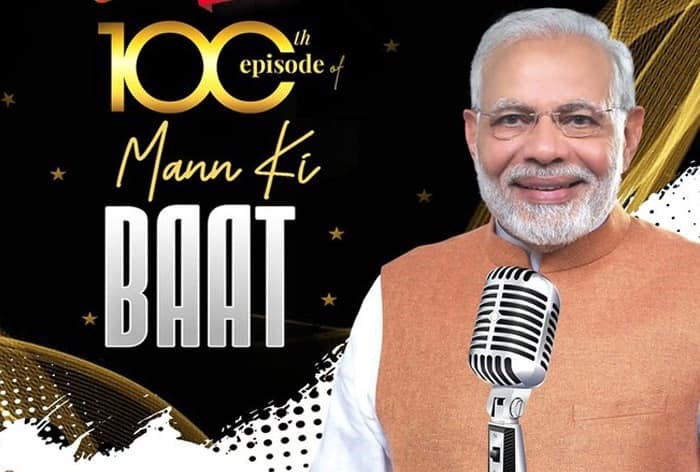
  • [Burning Issue] 100 Episodes of Mann ki Baat’

    mann ki baat

    Context

    • Mann Ki Baat, Prime Minister Narendra Modi’s popular radio program, completed 100 episodes this Sunday.
    • In this context, this edition of the Burning Issue will talk about this program and its significance.

    About Mann Ki Baat

    • Mann Ki Baat is an Indian radio program hosted by Prime Minister Narendra Modi in which he addresses the people of the nation on All India Radio, DD National and DD News.
    • The main purpose of the program is to “establish a dialogue with the citizens on issues of day-to-day governance”, according to a statement by the Information and Broadcasting Minister in the Rajya Sabha in July 2021.
    • The program is India’s “first visually enriched radio program”.

    Highlights of the 100th episode

    • Highlighted achievements: The PM highlighted the achievements of this program. He also mentioned the timeline of the program in the last nine years.
    • Telecasted in multiple regional languages: The program was telecasted in multiple regional languages to have a wider reach of the program. It was also this time, that the program was telecasted globally.
    • 100 days of action: The Tourism Ministry announced “100 days of action” to mark the 100th episode of Mann Ki Baat. The activities include a design challenge for entrepreneurs to develop substitutes for single-use plastic items.
    • Highlighted countrymen’s dedication: PM said Every time, the countrymen’s dedication to duty and skill has motivated others. Every countryman in this program serves as an example to other countrymen.
    • DG UNESCO part of the episode: he thanked PM Modi on behalf of UNESCO for the opportunity to be part of the 100th episode of the ‘Mann Ki Baat’ Radio broadcast.

    Major achievements of the program

    • As PM Modi’s ‘Mann Ki Baat’ approaches its 100th episode on April 30, 2023, a survey conducted by the Indian Institute of Management, Rohtak shows that at least twenty-three crore people have ‘listened to or viewed’ Prime Minister Narendra Modi’s monthly radio broadcast regularly and over 100 crore people have listened to it at least once.
    • In the first fifteen addresses of Mann ki Baat broadcast, more than 61,000 ideas were received on the website and 1.43 lakh audio recordings by listeners have been received. Each month, some selected calls become a part of the broadcast.
    • From 2 June 2017, Mann Ki Baat became available in regional dialects. The aim is to expand the reach of the program as far as possible.

    Significance of the podcast

    • Apolitical character: the program has remained apolitical throughout its journey. Political and sensitive issues were not discussed in the program. It mainly focused on highlighting the achievements of ordinary Indians and generating awareness about social issues.
    • Catalyst in igniting mass movements: The campaigns mentioned by PM Modi which had the most impact on listeners were Selfie with Daughter, Incredible India, Fit India and Sandesh to Soldiers. The most remembered topics were the promotion of Khadi, Drug Free India and Team Tarini.
    • Highlighted success stories of Indians: Mann Ki Baat has showcased stories of talented individuals across diverse fields, from promoting Aatmanirbhar Bharat to Make in India and space startups.
    • Interactive Nature:  “Mann Ki Baat” is an interactive program that allows people from all walks of life to participate. Citizens can share their views, experiences, and stories. It encourages people to share their ideas and suggestions with the Prime Minister.
    • Wide Range of Topics: The program addresses a range of topics, including social issues, education, healthcare, and the environment. It promotes social initiatives such as the Swachh Bharat Abhiyan, Beti Bachao Beti Padhao, and Digital India. The program has been particularly effective in promoting social initiatives
    • Led to Positive Impact in society: “Mann Ki Baat” has become a significant platform for the Prime Minister to engage with the people of India. It has helped to create a sense of unity and shared purpose among citizens. It encourages people to work together towards a better future for India.

    Criticism

    • Lack of Opposition Voices: One of the main criticisms of “Mann Ki Baat” is that it is a one-sided conversation, with no participation from opposition parties or critics of the government. This has led to accusations that the program is being used as a propaganda tool to promote the government’s agenda, rather than as a genuine platform for dialogue.
    • Still Limited Audience Reach: While the program is aired on multiple platforms, it still has limited reach in rural areas and among lower-income groups who may not have access to radios, televisions, or the internet. This raises questions about the program’s ability to truly represent the diverse perspectives of the Indian population.
    • Lack of Action: Critics have also argued that “Mann Ki Baat” has not resulted in concrete action on the issues discussed. While the program may raise awareness about certain social issues or initiatives, there is a perception that it has not led to significant policy changes or improvements on the ground.
    • Insufficient Time for Discussion: Another criticism of “Mann Ki Baat” is that it only allows for brief discussions on complex issues. This may not provide enough time for in-depth analysis or debate on topics that require nuanced perspectives.
    • Disregard for Questions Raised: Some participants have raised concerns that the government does not adequately address the questions and suggestions shared on the program. This has led to criticism that “Mann Ki Baat” is more of a PR exercise than a genuine dialogue between the government and citizens.

    Conclusion

    • Overall, “Mann Ki Baat” is a platform that has both supporters and critics. While it has been successful in promoting social initiatives and providing a platform for the Prime Minister to connect with citizens, it has also been criticized for its one-sided nature, limited audience reaches, and lack of concrete action on the issues discussed. Additionally, the program’s format may not allow for in-depth analysis or debate on complex topics.
    • Nevertheless, “Mann Ki Baat” remains a significant program that reflects the government’s efforts to engage with the public and promote its agenda. As with any public forum, the program needs to balance the voices and perspectives represented and ensure that it provides a platform for meaningful dialogue between the government and the people it serves.

    Get an IAS/IPS ranker as your personal mentor for UPSC 2024 | Schedule your FREE session and get the Prelims prep Toolkit!

  • [Sansad TV] Perspective: 5 Years of Khelo India

    [Sansad TV] Perspective: 5 Years of Khelo India

    Central Idea: 5 Years of Khelo India

    • The Khelo India Mission has completed 5 years. It is a GOI program aimed at providing international standard sports infrastructure and promoting fitness for citizens.
    • The ultimate goal is to make India a sporting nation, and the program has been running since 2018, supporting over 2500 athletes in different disciplines.
    • The success of Khelo India and its challenges will be discussed in this edition of the article.

    What is Khelo India Mission?

    • Khelo India is a national program launched by the Indian government in 2018 with the aim of promoting sports and fitness in India.
    • The program seeks to provide sports infrastructure of international standards to budding athletes, promote a holistic approach towards fitness for citizens, and ultimately make India a sporting nation.
    • It focuses on encouraging and promoting sports at the grassroots level and providing access to sporting facilities and infrastructure to all citizens, regardless of their economic background or geographical location.
    • It also aims to develop and train coaches who can provide high-quality coaching and training to athletes at the grassroots level, identify young talent and provide financial assistance.
    • The program also emphasizes the importance of teamwork, socialization, and the participation of girls in sports.

    Achievements of the program

    (1) Support to Young Athletes

    • 2500 young athletes are being supported with Rs. 6.28 lakhs annually under the scheme and are being identified to represent India at international competitions.
    • Successful athletes are further being inducted into Target Olympic Podium Scheme (TOPS) for higher levels of training. 110 Khelo India athletes are part of TOPS.

    (2) Organizing Competitions

    • To ensure competition opportunities for young athletes, 5 Khelo India Youth Games with 43K participants have been organized.
    • Khelo India Leagues are held throughout the year, with a special focus on girl athletes. More than 1.25 lakh girls have participated in it.

    (3) Sports Infrastructure Created

    • To ensure sports infrastructure availability in remote corners of India, 946 Khelo India Centers have been set up.
    • By August 15, 2023, 1000 KICs are expected to be operational, giving every district in India a sports facility for the training of grassroots-level athletes.

    (4) Indigenous Games Inducted

    • A special emphasis on indigenous games under Khelo India has ensured the popularity of India’s traditional sporting disciplines like Gatka, Thang-Ta, Mallakhamb, Kalaripayattu and Yoga.
    • These games have also been included in KIYG to give athletes an impetus to practice them.

    Significance of the Program

    • Promoting the importance of sports and fitness: The program promotes the importance of sports and fitness in one’s life, as playing sports inculcates team spirit, and develops strategic and analytical thinking, leadership skills, goal setting, and risk-taking.
    • Improving confidence and social skills: Participation in the program has helped athletes improve their confidence, teamwork, leadership skills, and socialization. The program emphasizes the importance of teamwork, providing opportunities for children to learn how to work with others and manage different personalities, find their way as leaders etc.
    • Encouraging the participation of girls in sports: The program emphasizes the participation of girls in sports, providing them with a great opportunity to showcase their talents.
    • Promoting diversity and inclusivity: The program’s emphasis on indigenous games and the participation of girls in sports is also a significant step in promoting diversity and inclusivity in sports.
    • Creating world-class sports infrastructure: The program aims to create world-class sports infrastructure in the country, including training facilities, stadiums, and sports complexes. This will help create a conducive environment for athletes to train and compete at the highest level.
    • Promoting sports for development and peace: The program aims to promote sports for development and peace by using sports, physical activity, and play to attain specific development and peace objectives.

    Various challenges

    • Lack of awareness and participation: One of the significant challenges of the Khelo India program is a lack of awareness among the masses. Despite the program’s efforts to promote sports and fitness at the grassroots level, many people are still not aware of the program’s existence, which affects participation.
    • Infrastructure challenges: Another challenge faced by the Khelo India program is infrastructure challenges. Despite the program’s efforts to create world-class sports infrastructure in the country, many areas still lack the necessary infrastructure, including training facilities, stadiums, and sports complexes.
    • Shortage of trained coaches: The program’s success is also dependent on the availability of trained coaches who can provide high-quality coaching and training to athletes at the grassroots level. However, there is a shortage of trained coaches, which affects the program’s effectiveness.
    • Funding issues: The program’s effectiveness is also dependent on funding. Despite the government’s efforts to provide financial assistance to promising athletes, more funding is needed to create world-class sports infrastructure and to support athletes in their training and development.
    • Lack of support for indigenous games: Although the program aims to promote indigenous games, there is still a lack of support and infrastructure for these games, which affects their popularity and development.
    • Gender bias and lack of opportunities: Despite the program’s efforts to promote the participation of girls in sports, there is still a gender bias in many areas, and girls often face a lack of opportunities and support, affecting their ability to participate and excel in sports.

    Other initiatives for sports promotion

    The Ministry of Youth Affairs & Sports has formulated the following schemes to promote sports in the country, including in rural, tribal and backward areas:

    • Assistance to National Sports Federations
    • Special Awards to Winners in International sports events and their Coaches
    • National Sports Awards, Pension to Meritorious Sports Persons
    • Pandit Deendayal Upadhyay National Sports Welfare Fund
    • National Sports Development Fund; and
    • Running Sports Training Centres through Sports Authority of India

    Benefits of Augmenting Sports

    • Alternative career development: For those for whom opportunities are few, and jobs are scarce, sport becomes a powerful mobility device. A strong sports sector encourages an average/ poor academic student to make a career in sports.   
    • Reaping demographic dividend: India is having a very young population and is soon going to become the world’s youngest country. In such a scenario, a robust sports sector can help in reaping the potential demographic dividend. 
    • Revenue generation: Developing robust sports infrastructure in the country will allow India to host a greater number of international events. Such hosting boosts tourism in the country and results in enhancing the revenue and employment in the region. Ex. IPL
    • Promotes the spirit of Unity in Diversity: People cheer for the Indian athletes and Indian teams at international events. An improvement in sports automatically fosters the spirit of brotherhood amongst the people of diverse nations. For instance, the Pan India support enjoyed by Indian cricket team enhances belongingness between India’s north and south. 

    Way forward

    • Increasing awareness and outreach: The government can increase awareness and outreach efforts to promote the program and encourage more people to participate in sports and fitness activities.
    • Promoting indigenous games: The government can promote indigenous games by providing the necessary infrastructure, support, and funding for these games to increase their popularity and development.
    • Ensuring gender equality: The government can ensure gender equality by promoting the participation of girls in sports and providing equal opportunities and support for both male and female athletes.
    • Collaboration with private sector: The government can collaborate with the private sector to increase funding and support for sports and fitness activities.
    • Uniformity in sports activities: Sports being a state subject, uniformity in sports activities across various states in India is essential to provide equal sporting opportunities to all citizens of the country.
    • Collective action for talent development: To develop a talent pipeline, it is necessary to take collective action to create a system and environment where young talent is spotted and nurtured.
    • Integration of sports with education: To introduce a sports culture in India, there is a need to integrate sports with education, making it a mandatory part of the curriculum.
    • Increase allocation of funds: The allocation of funds to sports, as a percentage of the budget, can be increased to broad-base sports in the country and provide adequate funding for sports development.
    • Spreading awareness in society: There is also a need to develop a sports culture in the whole country by spreading awareness in society and educating people about the benefits of sports in life.

    Get an IAS/IPS ranker as your personal mentor for UPSC 2024 | Schedule your FREE session and get the Prelims prep Toolkit!