💥Join UPSC 2027,2028 Mentorship (July Batch) + XFactor Notes & Microthemes PDF

Distribution: yearly

  • Why is India rethinking its Anaemia Policy?

    Central Idea

    • Anaemia questions are excluded from National Family Health Survey (NFHS-6) due to concerns about accuracy, emphasizing the need for precise estimates to address India’s growing anaemia burden.
    • NFHS-5 data reveals a significant increase in anaemia prevalence in India, underscoring the urgency of accurate estimates to effectively tackle this public health challenge.

    National Family Health Survey (NFHS)

    • NFHS is a large-scale, multi-round survey conducted in a representative sample of households throughout India.
    • Three rounds of the survey have been conducted since the first survey in 1992-93.
    • The International Institute for Population Sciences (IIPS) Mumbai, is the nodal agency, responsible for providing coordination and technical guidance for the survey.
    • IIPS collaborates with a number of Field Organizations (FO) for survey implementation.
    • The survey provides state and national information for India on fertility, infant and child mortality, the practice of family planning, maternal and child health, reproductive health etc.

    Each successive round of the NFHS has had two specific goals:

    1.      To provide essential data on health and family welfare needed by the Ministry of Health and Family Welfare and other agencies for policy and programme purposes, and

    2.      To provide information on important emerging health and family welfare issues.

     Anaemia: A bigger menace

    • Anaemia is characterized by low red blood cells or haemoglobin levels, leading to symptoms like fatigue and weakness.
    • Iron deficiency is the primary cause, but deficiencies in folate, vitamins B12, and A also contribute.
    • Addressing nutritional deficiencies is crucial for prevention and treatment.

    Shift to DABS-I for Anaemia Assessment

    • The Health Ministry shifted anaemia assessment to Diet and Biomarkers Survey in India (DABS-I) for more accurate prevalence estimates.
    • DABS-I is a comprehensive dietary survey collecting individual data to assess food and nutrient adequacy nationwide.

    Reasons for Methodology Change

    • Concerns of Over-Diagnosis: Using WHO cut-offs may not suit the Indian population due to various factors that influence anaemia.
    • Inadequacy of WHO Cut-Offs: Country-specific cut-offs are needed as the WHO’s haemoglobin cut-offs may not reflect the Indian anaemia situation accurately.
    • Differences in Blood Sampling Methods: Venous blood sampling is more accurate than the capillary blood sampling used in previous surveys.

    Role of DABS-I Dietary Survey

    • DABS-I collects detailed dietary intake data to understand nutritional patterns and deficiencies contributing to anaemia.
    • It provides information on nutrient composition in foods from different regions, aiding targeted interventions.

    Prevalence of Anaemia in India

    • High Burden: Anaemia is a significant public health concern in India, with a high prevalence across different population groups.
    • Anaemia among Women: Data from national surveys indicate that a considerable percentage of women in India, particularly those in the reproductive age group, are affected by anaemia.
    • Anaemia among Children: Anaemia is also prevalent among children in India, with a substantial proportion experiencing this condition at a young age.

    Causes and Risk Factors

    • Nutritional Deficiencies: Iron deficiency is the primary cause of anaemia in India. Inadequate intake and absorption of iron, along with deficiencies in other key nutrients, contribute to the problem.
    • Socioeconomic Factors: Factors such as poverty, limited access to nutritious food, and inadequate healthcare contribute to the high prevalence of anaemia in certain socioeconomically disadvantaged populations.
    • Infections and Diseases: Certain infections, such as malaria and helminthiasis, and chronic diseases like kidney disease and cancer, can increase the risk of developing anaemia.

    Impact on Health and Well-being

    • Physical Symptoms: Anaemia can cause a range of physical symptoms, including fatigue, weakness, shortness of breath, and impaired cognitive function.
    • Maternal and Child Health: Anaemia in pregnant women increases the risk of complications during pregnancy and childbirth. It can also lead to low birth weight and developmental issues in infants.
    • Impaired Growth and Development: Anaemia among children can hinder their growth, development, and overall well-being. It may affect cognitive function, school performance, and future productivity.

    Government Initiatives and interventions

    • National Nutrition Programs: The Government of India has implemented various programs, such as the National Iron+ Initiative and the Pradhan Mantri Matru Vandana Yojana, to address anaemia and improve maternal and child health.
    • Supplementation and Fortification: Iron and other micronutrient supplementation programs, along with food fortification initiatives, aim to enhance iron intake and combat anaemia.
    • Awareness and Education: Public awareness campaigns and educational programs focus on promoting nutrition, especially among vulnerable groups, and raising awareness about the importance of addressing anaemia.

    Challenges and Future Directions

    • Access to Healthcare and Nutritious Food: Improving access to quality healthcare services, affordable nutritious food, and clean drinking water is crucial in addressing anaemia in India.
    • Multisectoral Collaboration: Addressing anaemia requires collaboration across various sectors, including healthcare, nutrition, education, and social welfare, to develop comprehensive strategies and interventions.
    • Monitoring and Evaluation: Regular monitoring and evaluation of anaemia prevalence, intervention effectiveness, and progress towards targets are essential to track improvements and identify areas that require further attention.
  • OPEC+ decision on Oil Supply cut

    opec

    Central Idea

    • Saudi Arabia has decided to decrease its oil supply to the global economy.
    • This unilateral action aims to stabilize the declining crude oil prices.
    • Previous efforts by major oil-producing countries within the OPEC+ alliance to cut supply did not yield desired price increases.

    What is OPEC+?

    • The non-OPEC countries which export crude oil along with the 14 OPECs are termed as OPEC plus countries.
    • OPEC plus countries include Azerbaijan, Bahrain, Brunei, Kazakhstan, Malaysia, Mexico, Oman, Russia, South Sudan, and Sudan.
    • Saudi and Russia, both have been at the heart of a three-year alliance of oil producers known as OPEC Plus — which now includes 11 OPEC members and 10 non-OPEC nations — that aims to shore up oil prices with production cuts.

    Reasons for OPEC+ Production Cuts

    • Russian war: Oil prices rose significantly following Russia’s invasion of Ukraine.
    • Previous major cut: The recent production cut is the largest since 2020 when OPEC+ members reduced outputs by 10 million barrels per day (bpd) during the Covid-19 pandemic.
    • Benefit to Middle Eastern states: The cuts are expected to boost prices, benefiting Middle Eastern OPEC+ members who have become significant oil suppliers to Europe after sanctions were imposed on Russia.

    Concerns for India

    • Fuel price hike: Despite importing cheap Russian oil, India has not seen a decrease in fuel prices.
    • Fiscal challenges: Rising oil prices pose fiscal challenges for India, where heavily-taxed retail fuel prices have reached record highs, threatening the demand-driven economic recovery.
    • Reliance on West Asian supplies: India imports about 84% of its oil and depends on West Asian countries for over three-fifths of its oil demand.
    • Potential impact on consumption-led recovery: India, as one of the largest crude-consuming countries, is concerned that production cuts by OPEC+ nations could undermine the country’s consumption-led economic recovery and negatively affect price-sensitive consumers.

    Back2Basics: Organization of the Petroleum Exporting Countries (OPEC)

    Description
    Founding September 14, 1960
    Member Countries Algeria, Angola, Congo, Equatorial Guinea, Gabon, Iran, Iraq, Kuwait, Libya, Nigeria, Saudi Arabia, United Arab Emirates, Venezuela
    Goal Coordinate and unify petroleum policies among member countries, ensure stability and predictability in oil markets, secure fair returns on investment for member countries’ petroleum resources
    Production Quotas Set production limits for member countries to manage oil supply and stabilize prices
    Market Monitoring Monitor global oil market conditions, supply, demand, inventories, and prices
    OPEC Meetings Regular meetings held every six months for member countries to discuss and negotiate oil production and pricing policies
    Pricing Policy Historically used the “OPEC basket” concept – a weighted average price of crude oil blends produced by member countries
    Influence on Prices OPEC’s decisions and actions can impact global oil prices by increasing or decreasing production levels
    Diminished Influence OPEC’s influence on oil prices has reduced due to factors like the rise of non-OPEC oil production, changes in global energy markets, and geopolitical developments
    Non-OPEC Cooperation OPEC cooperates with non-OPEC countries, notably through the “OPEC+” group, which includes Russia, to collectively manage oil supply levels and enhance market stability
  • Role of Evapotranspiration in Earth’s Dynamic Processes


    evapotranspiration

    Central Idea:  Evapotranspiration is a key process in Earth’s dynamic systems, impacting the movement of water and nutrients, influencing the water cycle, and providing crucial information for farmers to manage irrigation and water resources effectively.

    Understanding Evapotranspiration

    • Definition: Evapotranspiration refers to the movement of water from terrestrial surfaces into the atmosphere and is a crucial part of the planet-wide water cycle.
    • Water cycle and its connection to evapotranspiration: Evapotranspiration is an amalgamation of evaporation (water loss from soil) and transpiration (water movement and loss by plants), both of which contribute to the overall movement of water in the water cycle.
    • Breakdown of the term: Evapotranspiration encompasses the movement of water upward through plants and its subsequent loss into the air from exposed plant parts.

    Factors affecting Evapotranspiration

    • Rate of evapotranspiration: Several factors impact the rate of evapotranspiration, including solar radiation, day length, soil moisture levels, ambient temperature, wind conditions, and the amount of water vapour already present in the air.
    • Insolation and its effect: The intensity of solar radiation directly affects the rate of evapotranspiration, as it provides the energy needed to evaporate water from terrestrial surfaces.
    • Role of day length: The length of the day, soil moisture content, ambient temperature, wind patterns, and the moisture content of the air all contribute to the rate at which evapotranspiration occurs.

    Historical significance of evapotranspiration

    • Origin and age of the term: The term “evapotranspiration” has been in use for at least 86 years and was initially published with a hyphenated form.
    • Contribution of Charles Warren Thornthwaite in 1944: Thornthwaite, an American climatologist, defined and popularized the term “evapotranspiration” in 1944.
    • Relevance for farmers in estimating water needs for crops: Even today, evapotranspiration remains significant for farmers who utilize it to estimate the amount of water required to irrigate their crops effectively.

    Back2Basics: Water Cycle

    • The water cycle, also known as the hydrological cycle, is the continuous movement and circulation of water on, above, and below the Earth’s surface.
    • Stages of the Water Cycle include:
    1. Evaporation: The process by which water changes from a liquid state to a gaseous state, rising into the atmosphere.
    2. Condensation: The cooling of water vapor in the atmosphere, causing it to change from a gaseous state back to a liquid state, forming clouds.
    3. Precipitation: When condensed water droplets combine and fall from the atmosphere as rain, snow, sleet, or hail.
    4. Runoff: The movement of water on the Earth’s surface, flowing into streams, rivers, lakes, and eventually into the oceans.
    5. Infiltration: The process by which water seeps into the ground and becomes groundwater.
    6. Transpiration: The release of water vapor from plant surfaces into the atmosphere.


  • In news: Telangana Statehood Day

    telangana

    Central Idea

    • With assembly elections just months away, political parties across the board are celebrating the 9th anniversary of Telangana’s statehood today (June 2).

    Formation of Telangana

    • The article discusses the historical background and the struggle for statehood that led to the formation of Telangana, the newest state in India.
    • It provides a chronological account of the significant events and factors that shaped Telangana’s journey towards becoming an independent state.

    Why was Telangana separated from Andhra Pradesh?

    Telangana was separated from Andhra Pradesh primarily due to historical, cultural, and developmental reasons, as well as demands from the people of the region. Here are the key reasons behind the separation:

    • Historical and Cultural Differences: Telangana and Andhra Pradesh have distinct historical and cultural identities. Telangana had its own language, Telugu, but with a distinct dialect and cultural practices. The people of Telangana felt that their unique identity was not adequately recognized or represented within the larger Andhra Pradesh state.
    • Socio-economic Disparities: Telangana region, despite its rich natural resources, had been relatively underdeveloped compared to the coastal Andhra region. People in Telangana felt that their region’s development needs were neglected, resulting in socio-economic disparities and unequal distribution of resources and opportunities.
    • Demand for Local Control: The demand for separate statehood gained momentum due to the belief that local control and governance would be more effective in addressing the specific needs and aspirations of Telangana. The people of Telangana sought greater autonomy and decision-making power over their own affairs.
    • Political Representation: Some leaders and groups within Telangana felt marginalized in the political landscape of united Andhra Pradesh. They believed that a separate state would provide better opportunities for political representation and participation.
    • Water and Resource Sharing: Disputes over the sharing of water resources, particularly the Krishna and Godavari rivers, further strained the relationship between Telangana and Andhra Pradesh. The perceived inequitable distribution of water resources added to the demand for a separate state.

    These factors, along with sustained movements and protests led by various political and social groups, culminated in the bifurcation of Andhra Pradesh and the formation of the separate state of Telangana on June 2, 2014.

    Here is a complete timeline of the formation of the modern Telangana State

    PART I: Pre-Independence and Formation of Andhra Pradesh

    • Post-independence Hyderabad State (1948-1951): Hyderabad’s significance as a part of the Princely State and its dominance by the Urdu-speaking Muslim elite.
    • Brutalities under Nizam’s rule and the Razakars (1945-1948): The communist-supported rebellion and the violent response of the Nizam’s local militia, the Razakars, leading to atrocities on Telangana’s population.
    • Standstill Agreement and its violation (1947-1948): The signing of the Standstill Agreement with Hyderabad, the subsequent violation of its terms by the Nizam, and the intervention of India through “Operation Polo.”
    • Hyderabad’s status as a Part-B state (1951-1956): The inclusion of Hyderabad as a Part-B state with an elected chief minister after India’s independence and the end of Nizam’s rule.

    PART II: Linguistic Reorganisation and Creation of AP

    • Potti Sriramalu’s demand for a separate Telugu state (1952): The fasting protest by Potti Sriramalu, leading to unrest and eventually the formation of Andhra State.
    • Formation of Andhra State out of Madras state (1953): The division of the Madras state and the creation of Andhra State, comprising the north and north-eastern regions, in response to the demand for a separate Telugu state.
    • Formation of the States Reorganisation Committee (1953-1955): The establishment of the committee to address the issue of linguistic reorganisation and its subsequent recommendations.
    • Status of Telangana region in linguistic reorganisation (1955-1956): The debate over the merging of Telangana with Andhra or having it as a separate state, conflicting with the SRC’s recommendations.
    • Merging of Andhra State and Telangana (1956): The decision to merge Andhra State and Telangana against the SRC’s recommendation, resulting in the formation of Andhra Pradesh with Hyderabad as its capital.

    PART III: Struggle for Telangana and Creation of Telangana State

    • Pre-Independence protests for Mulki Rules (1952-1947): The protests demanding the enforcement of Mulki Rules, which ensured job reservations for Telangana domiciles, even before India’s independence.
    • Protests and birth of Telangana Praja Samiti in 1969: The widespread protests in 1969, leading to the establishment of the TPS and the call for a separate Telangana state.
    • Repeal of Mulki Rules Act in 1973: The introduction of the 32nd Amendment to the Constitution by Indira Gandhi, repealing the Mulki Rules Act and impacting the Telangana movement.
    • Revival of the Telangana movement by KCR in 2001: KCR’s resignation from the Telugu Desam Party and the formation of the Telangana Rashtra Samithi, rejuvenating the demand for a separate Telangana state.
    • KCR’s fast-unto-death and the promise of Telangana statehood (2009): KCR’s fast-unto-death in 2009 following the death of Andhra Pradesh’s Chief Minister, Y S Rajsekhara Reddy, leading to the Congress party’s promise of creating Telangana.
    • Formation of Telangana state in 2014: The culmination of the struggle with the formation of Telangana as a separate state in 2014, with Hyderabad serving as the capital for a period of ten years.

    Back2Basics: States Reorganization in India


    Explanation

    Background and Introduction The States Reorganisation Act, 1956 reformed India’s state boundaries based on linguistic lines.

    It is the most extensive change in state boundaries after India’s independence.

    The act came into effect along with the Constitution (Seventh Amendment) Act, 1956.

    Pre-Independence Political Integration British India was divided into Provinces of British India and Indian States.

    Princely states were encouraged to accede to either India or Pakistan after independence.

    Bhutan remained independent, Hyderabad was annexed by India, and Kashmir became a subject of conflict between India and Pakistan.

    Integration of Princely States Between 1947 and 1950, the princely states were politically integrated into the Indian Union.

    Some states were merged into existing provinces, while others formed unions or remained separate states.

    Government of India Act 1935 served as the constitutional law until the adoption of a new Constitution.

    Classification of States and Territories The Constitution of India, effective from 1950, classified states and territories into Part A, Part B, Part C, and Part D categories.

    Part A states were former governors’ provinces, Part B states were former princely states, and Part C states included chief commissioners’ provinces and some princely states.

    Part D consisted of the Andaman and Nicobar Islands.

    Linguistic Movements and Demands The demand for linguistic states began before independence, with the first movement in Odisha in 1895.

    Political movements for linguistic states gained momentum after independence.

    Creation of Andhra Pradesh in 1953 marked a significant development in organizing states based on language.

    States Reorganisation Commission Linguistic Provinces Commission was set up in 1948 but rejected language as a basis for dividing states.

    States Reorganisation Commission was established in 1953 to reorganize Indian states.

    Headed by Fazal Ali and had recommendations overseen by Govind Ballabh Pant.

    Enactment and Changes States Reorganisation Act was enacted on 31 August 1956.

    Constitution underwent an amendment, and the terminology of Part A and Part B states was changed to simply “states.”

    Also introduced the classification of Union Territories.

    Effects and Reorganization States Reorganisation Act of 1956 resulted in the reorganization of states and territories.

    Took effect on 1 November 1956.

    Had a significant impact on dividing India into states and Union Territories.

  • Revised Guidelines for Deemed University Status

    university

    Central Idea

    • The University Grants Commission (UGC) has released revised guidelines allowing higher education institutions to apply for deemed university status.
    • The new guidelines aim to establish more quality-focused deemed universities by simplifying the eligibility criteria.

    University Grants Commission (UGC)

    • UGC is a statutory body under the University Grants Commission Act, of 1956.
    • It is charged with the task of coordinating and maintaining standards of higher education in India.
    • It provides recognition to universities and also allocates funds to universities and colleges.
    • It is headquartered are in New Delhi, and it also has 6 regional centres.
    • All grants to universities and higher learning institutions are handled by the UGC.
    • In 2015-16, the Union government initiated a National Institutional Ranking Framework (NIRF) under UGC to rank all educational institutes.


    Why in the news?

    • Light but tight regulatory framework: The guidelines are based on the principle of a “light but tight” regulatory framework envisioned in the National Education Policy 2020.

    What is Deemed University?

    A Deemed University is a status granted to higher educational institutions in India by the Department of Higher Education (DHE) under the Ministry of Education based on the recommendation of the University Grants Commission (UGC).

    State University Deemed University
    Establishment Created by state government through legislative assembly act Granted autonomy by the UGC based on academic and research merits
    Funding Fully funded by the state government Self-funded
    Fee Structure Regulated and streamlined according to government guidelines Freedom to set their own fee structure
    Curriculum Regulated and aligned with UGC guidelines Autonomy to design their own courses and curriculum
    Research Research programs and activities aligned with government norms Emphasis on research with credible research output
    Infrastructure Facilities and infrastructure as per government provisions State-of-the-art infrastructure
    Affiliated Institutes Can have affiliated colleges and institutes Generally have a single institution
    Admission Process Follows state government guidelines for admissions Can set their own admission policies and criteria
    Degree Granting Authorized to award degrees and diplomas Authorized to award degrees and diplomas
    Flexibility Governed by UGC regulations and guidelines Autonomy in decision-making and flexibility in operations


    New changes introduced-

    Eligibility Criteria and Changes

    • Previous eligibility criteria: Under the 2019 guidelines, institutions with an existence of at least 20 years were eligible to apply for deemed university status.
    • Revised eligibility criteria: The revised guidelines replace the previous criteria with requirements such as multi-disciplinarity, NAAC grading, NIRF ranking, and NBA grading.
    • Criteria for application: Institutions with valid accreditation by NAAC, NBA accreditation for eligible programs, or ranking in the top 50 of specific categories in NIRF for the last three years can apply for deemed university status.

    Cluster of Institutions and Distinct Institution Category

    • Cluster of institutions: A cluster of institutions managed by multiple sponsoring bodies or a society can also apply for deemed university status.
    • Distinct Institution category: The guidelines introduce the “Distinct Institution” category, exempting institutions focusing on unique disciplines, addressing strategic needs, preserving Indian cultural heritage or the environment, dedicated to skill development, sports, languages, or other disciplines determined by the Expert Committee.

    Changes in Faculty Strength and Corpus Fund

    • Increased faculty strength: The revised guidelines increase the required faculty strength from 100 to 150.
    • Increased corpus fund for private institutions: The corpus fund requirement for private institutions has been increased from Rs 10 crore to Rs 25 crore.

    Executive Councils and Academic Bank of Credits

    • Creation of executive councils: Private universities seeking deemed university status will be required to create executive councils, similar to central universities.
    • Mandatory registration on Academic Bank of Credits: Deemed universities must register on the Academic Bank of Credits (ABC) and can offer twinning programs, joint degree programs, and dual degree programs.

    Off-Campus Centers and Future Plans

    • Off-campus centers eligibility: Deemed universities with a minimum ‘A’ grade or ranked from 1 to 100 in the “universities” category of NIRF rankings are eligible to establish off-campus centers.
    • Future removal of “deemed to be university” term: The UGC chairperson stated that the term “deemed to be university” will be removed once the Higher Education Commission of India is established through an act of Parliament.
    • Current number of deemed institutions: Currently, there are around 170 deemed institutions in the country.

    Back2Basics:

    NAAC NIRF NBA
    Full Form National Assessment and Accreditation Council National Institutional Ranking Framework National Board of Accreditation
    Governing Body University Grants Commission (UGC) Ministry of Education, Government of India All India Council for Technical Education (AICTE)
    Purpose Assessing and accrediting higher education Ranking higher education institutions Accrediting technical education programs in engineering
    Assessment Criteria Quality parameters and predefined criteria Teaching, learning, research, graduation outcomes, etc. Criteria and standards for quality technical education
    Accreditation Grades A, A+, B, B+, C
    Focus Evaluating institution’s quality and performance Ranking institutions based on various parameters Accrediting engineering programs for quality technical education
    Scope All higher education institutions in India All higher education institutions in India Technical education programs in the field of engineering
  • Oil Reserves in Salt Caverns: The Potential in India

    salt cavern oil reserve india

    Central Idea

    • Engineers India (EIL) is conducting a feasibility study for developing salt cavern-based strategic oil reserves in Rajasthan, India, to increase the country’s storage capacity.
    • If successful, it would be India’s first oil storage facility using salt caverns, different from the existing rock cavern-based strategic storage facilities.

    Cavern-based Oil Storage

    • Cavern-based strategic oil storage facilities are storage facilities for crude oil or petroleum products that utilize naturally occurring underground caverns for storage purposes.
    • These caverns are typically formed in salt formations or other geological formations through processes such as solution mining or excavation.
    • In the case of salt cavern-based storage facilities, the storage space is created by dissolving salt deposits with water.
    • The process involves pumping water into the geological formations with large salt deposits, which dissolves the salt and creates caverns.
    • Once the brine (water with dissolved salt) is pumped out, the space can be used to store crude oil or other petroleum products.

    Advantages offered

    • Secure and safe: They are naturally well-sealed, providing a secure and impermeable barrier against liquid and gaseous hydrocarbons.
    • Impermeable: This inherent sealing property makes them suitable for long-term storage of oil, minimizing the risk of leaks or environmental contamination.
    • Efficient pumping: Furthermore, cavern-based storage facilities often have high injection and extraction rates, allowing for rapid and efficient operations.
    • Huge capacity: The large volume capacity of caverns enables significant storage capacity, making them ideal for strategic oil reserves intended to address supply disruptions or emergencies.
    • Strategic asset: Countries build strategic crude oil reserves to mitigate supply disruptions and ensure energy security during global supply shocks and emergencies.

    India’s Current Strategic Oil Reserves

    spr

    • Existing strategic oil storage facilities: India’s three current strategic oil storage facilities are located in Mangaluru, Padur, and Visakhapatnam, consisting of excavated rock caverns.
    • Current capacity and days of demand met: India’s current strategic oil reserves have a capacity of 5.33 million tonnes, equivalent to around 39 million barrels, meeting approximately 9.5 days of demand.
    • Expansion plans: India is in the process of expanding its strategic oil reserves by 6.5 million tonnes at Chandikhol in Odisha and Padur.

    Salt Cavern-Based Reserves vs. Rock Cavern-Based Reserves

    Salt Cavern Rock Cavern
    Development Process
    • Developed through solution mining
    • Dissolving salt deposits with water to create storage space
    • Excavated from solid rock formations
    Advantages
    • Naturally well-sealed
    • Rapid injection and extraction of oil
    • Less labour-intensive and cost-intensive compared to rock caverns
    • Excavation process
    • Suitable for certain geological formations
    Suitability for Oil Storage
    • Low oil absorbency
    • Impermeable barrier
    • Suitable for storing crude oil
    • Depends on specific geological formations
    • May have varying degrees of oil absorbency and permeability


    Examples of Salt Cavern-Based Storage

    • US Strategic Petroleum Reserve: The US has the world’s largest emergency oil storage, with storage caverns created in salt domes along the Gulf of Mexico coast. It has a capacity of around 727 million barrels.
    • Salt caverns for other purposes: Salt caverns are also used for storing liquid fuels, natural gas, compressed air, and hydrogen in various parts of the world.

    Potential for such storage in Rajasthan

    • Rajasthan’s conducive conditions: Rajasthan, with abundant salt formations, is seen as a favorable location for developing salt cavern-based strategic storage facilities.
    • Previous plans and current renewal: Earlier plans for a strategic oil reserve in Bikaner did not materialize, but the exploration of salt cavern-based storage in Rajasthan can be seen as a renewed proposal.
    • Infrastructure suitability: The presence of a refinery in Barmer and existing crude pipelines in Rajasthan make the infrastructure conducive for building strategic oil reserves.
    • Importance of technology access: Previously, no Indian company possessed the necessary technical expertise for building salt cavern-based strategic hydrocarbon storage.

    Future plans in India

    • Emergency stockpiles: India’s strategic oil reserves are intended to provide emergency stockpiles and are managed by the Indian Strategic Petroleum Reserve (ISPRL).
    • Import protection: The International Energy Agency (IEA) suggests that countries should hold oil stockpiles sufficient for 90 days of import protection.
    • Commercialization plans and partnerships: India plans to commercialize its strategic petroleum reserves through public-private partnerships, reducing government spending and leveraging the commercial potential of the reserves.
    • Recent actions and releases: India took advantage of low crude oil prices to fill its reserves, leading to cost savings. It also released oil from its strategic reserves as part of coordinated actions with other major oil-consuming countries.

    Conclusion

    • Compared to rock cavern-based reserves, salt caverns offer unique benefits that align with India’s goals of increasing storage capacity and ensuring energy security.
  • In news: Helmand Water Conflict

    helmand

    Central Idea

    • Iran and Afghanistan have been engaged in a prolonged disagreement over the sharing of water from the Helmand River.
    • Violent confrontations have occurred in the border region between the two countries in the recent past.

    About Helmand River

    • The Helmand River is the longest river in Afghanistan, spanning approximately 1,150 kilometers (715 miles) in length.
    • It originates near Kabul in the western Hindu Kush mountain range.
    • The river flows in a south-westerly direction through desert areas before emptying into Lake Hamun, which straddles the Afghanistan-Iran border.
    • Lake Hamun, fed by the Helmand River, is the largest freshwater lake in Iran.
    • The Helmand River is a vital water source for both Afghanistan and Iran, supporting agriculture, livelihoods, and ecosystems in the region.

    Row over Helmand River and Lake Hamun

    • Afghanistan’s longest river: The Helmand River holds great importance for Afghanistan as it is the country’s longest river, originating near Kabul and flowing through desert areas.
    • Iran’s largest freshwater lake: Lake Hamun, located on the Afghanistan-Iran border, is Iran’s largest freshwater lake and has been historically sustained by the Helmand River.
    • Drying up due to drought: The Lake has experienced a drastic decline in water levels and has largely dried up, attributed to factors such as drought and the construction of dams and water control infrastructure.
    • Economic Importance: Lake Hamun plays a vital role in the regional ecosystem and supports agricultural activities, livelihoods, and economic sectors in the surrounding areas.

    Disagreements between Iran and Afghanistan (Taliban)

    • Fouling of the 1973 Helmand River Treaty: The agreement signed in 1973 between Iran and Afghanistan to regulate the allocation of river water has not been fully ratified or effectively put into practice.
    • Iran accuses Afghanistan of violating water rights: Iran has consistently accused Afghanistan of infringing upon its water rights, claiming that it receives significantly less water than agreed upon in the 1973 treaty.
    • Afghanistan blames climatic factors for reduced water flow: Afghanistan has refuted Iran’s allegations, citing climatic factors such as reduced rainfall and diminished river water volumes as the primary causes of the current situation.
    • Concerns over Afghanistan’s dam and irrigation projects: Tehran expresses concerns over Afghanistan’s construction of dams, reservoirs, and irrigation systems along the Helmand River, fearing that these initiatives negatively impact water flow into Iran.

    Tehran-Taliban Relations: A recent recap

    • Previous ties between Iran and the Taliban: Prior to the Taliban’s capture of Kabul, Iran maintained diplomatic relations with the group, driven by shared opposition to the presence of US forces in the region.
    • Lack of formal recognition of the Taliban government: Despite refraining from formally recognizing the Taliban government, Iran has pragmatically engaged with the ruling group in Afghanistan to protect its interests, including the preservation of Lake Hamun.
    • Border clashes since the Taliban’s takeover: Following the Taliban’s rise to power, there have been repeated incidents and clashes along the Iran-Afghanistan border.

    Why is Taliban furious this time?

    • Taliban’s interest in promoting agriculture: The Taliban seeks to prioritize agricultural development, which influences their approach to water management and distribution.
    • Tehran’s sudden attention to Sistan-Baluchistan after protests: Following nationwide protests, including Sistan-Baluchistan, Iran’s government has shown increased attention to the region due to its disadvantaged status and reliance on water resources from Lake Hamun.

    Major hurdles in the resolution

    • Lack of interest: Both Iran and the Taliban show little interest in addressing the mismanagement of water resources and environmental challenges in the region.
    • Short-term focus on internal problems: Both Iran and the Taliban prioritize short-term solutions and focus on internal issues rather than actively resolving the water dispute.

    Current situation in Sistan-Baluchistan

    • Mounting public anger: The region of Sistan-Baluchistan in eastern Iran experiences growing public anger and frustration, largely driven by water shortages and other economic and social challenges.
    • Water shortages and other problems: Sistan-Baluchistan faces severe water shortages, contributing to economic and social difficulties in one of Iran’s poorest areas.
    • Setting up an inquiry commission: In an effort to address the recent border clash, Iran and Afghanistan have agreed to establish a commission of inquiry to investigate the incident.


    Get an IAS/IPS ranker as your personal mentor for UPSC 2024 | Schedule your FREE session and get the Prelims prep Toolkit!

  • RBI issues draft on Cybersafety for PSOs

    pso  payment

    The Reserve Bank of India has released the draft Master Directions on Cyber Resilience and Digital Payment Security Controls for Payment System Operators (PSOs).

    What are Payment System Operators (PSOs)?

    • A payment system operator means a legal entity responsible for operating a payment system.
    • The PSO provides services by operating on certain models.
    • They largely outsource their payment and settlement-related activities to various other entities.
    • Examples of PSOs include: Google Pay (and other apps), Clearing Corporation of India, National Payments Corporation of India, Cards Payment Networks, Cross border Money Transfer, ATM networks, Prepaid Payment Instruments, White Label ATM Operators, Instant Money Transfer, and Trade Receivables Discounting System, Bharat Bill Payment System etc.

    Key points from the draft

    (1) Governance Mechanisms:

    • The draft emphasizes the need for robust governance mechanisms to manage cybersecurity risks effectively.
    • It covers information security risks and vulnerabilities that PSOs should address.
    • PSOs are expected to establish and maintain a comprehensive cybersecurity framework.

    (2) Baseline Security Measures:

    • The draft specifies baseline security measures to be implemented by PSOs.
    • These measures are designed to protect digital payment systems from cybersecurity threats.
    • PSOs must implement controls related to data security, access controls, incident response, and business continuity planning.

    (3) Resilience to Cybersecurity Risks:

    • The directions aim to ensure that PSOs are resilient to both traditional and emerging information systems and cybersecurity risks.
    • PSOs are required to conduct periodic risk assessments and implement appropriate controls to mitigate identified risks.
    • The draft emphasizes the importance of continuous monitoring and review of cybersecurity measures.

    (4) Safeguarding Digital Payment Transactions:

    • The focus of the directions is to enhance the security of digital payment transactions.
    • PSOs must implement strong authentication mechanisms, encryption standards, and secure communication protocols.
    • The draft highlights the need for robust fraud monitoring and reporting mechanisms.


    Get an IAS/IPS ranker as your personal mentor for UPSC 2024  

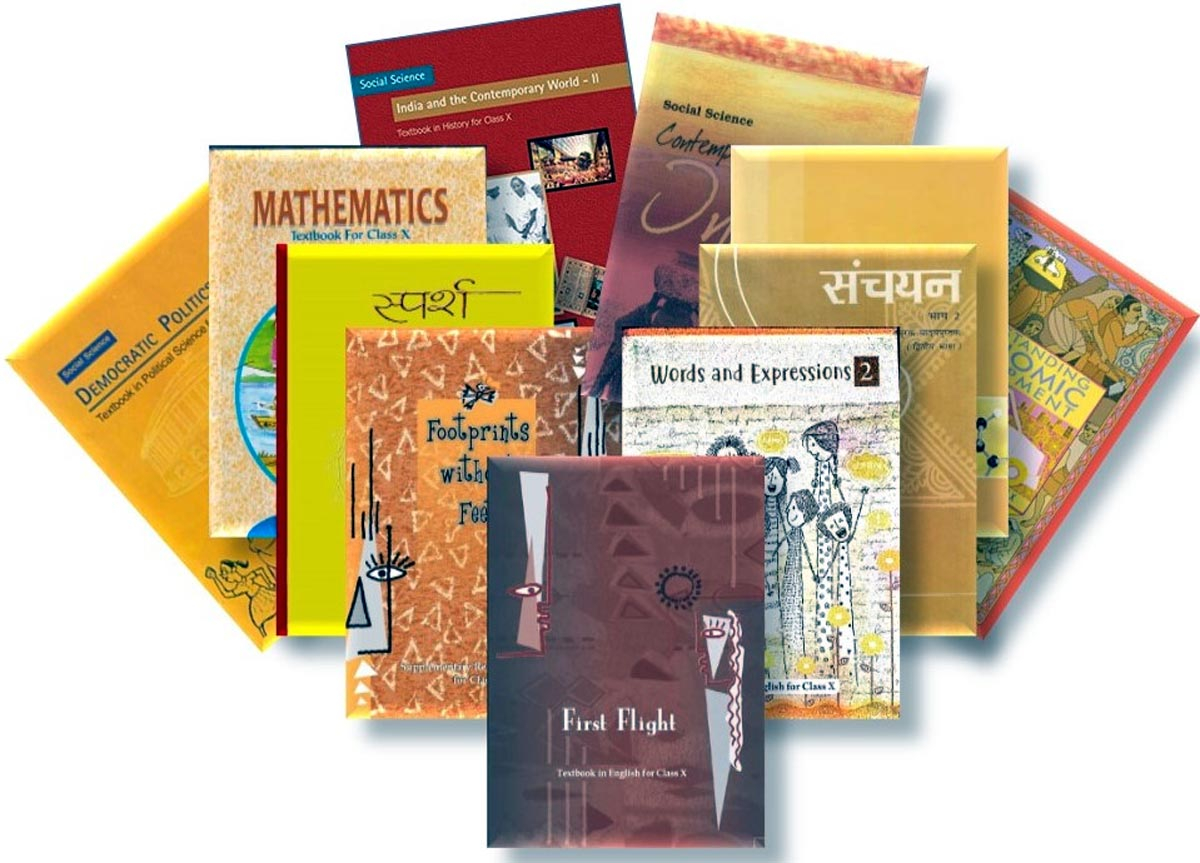
  • NCERT drops Periodic Table from Class X book

    ncert curriculum periodic table

    Central Idea

    • Changes notified by NCERT: The NCERT notified changes in its June 2022 circular, omitted the Periodic Table from 10th class books. This has been widely debated in academic circles.
    • New textbooks hit the market: The textbooks with the deletions and changes have now been released in the market.

    What is Periodic Table?

    Description
    History Developed by Dmitri Mendeleev in 1869. He arranged elements based on their atomic masses and predicted the existence of undiscovered elements.
    Organization Elements are arranged based on their atomic numbers, electron configurations, and properties.
    Periods There are seven periods (rows) in the table, representing different principal energy levels.
    Groups The table has 18 groups (columns), with elements in the same group sharing similar properties.
    Main Groups Elements in groups 1, 2, and 13 to 18 are referred to as main group elements.
    Transition Metals Groups 3 to 12 consist of transition metals, known for their variable oxidation states.
    Lanthanides The first row of the f-block contains the 15 lanthanide elements.
    Actinides The second row of the f-block contains the 15 actinide elements.
    Periodic Trends Various trends exist across the table, such as atomic radius, ionization energy, and electronegativity.
    Periodic Law The chemical and physical properties of elements repeat in a periodic manner based on their atomic numbers.
    Modern Versions Modern versions incorporate atomic numbers and reflect our understanding of atomic structure.
    International Union of Pure and Applied Chemistry (IUPAC) IUPAC is the international organization responsible for the standardization of chemical nomenclature, symbols, and the Periodic Table.
    Database Management Several organizations and databases manage and maintain comprehensive information about the elements, their properties, and the Periodic Table. Examples include the IUPAC, the National Institute of Standards and Technology (NIST), and the Royal Society of Chemistry (RSC).


    Why this matters?

    • NCERT textbooks as a cornerstone: NCERT textbooks are considered a cornerstone for guiding the publication of State board textbooks, affecting nearly 60 State boards.
    • Concerns for non-science stream students: With a significant number of students opting for Arts and Commerce streams, they may lose the opportunity to learn crucial basic Chemistry concepts now only accessible in Class XI.

    Controversial Deletions and Omissions by NCERT

    • Fundamental knowledge of chemistry: Experts argue that leaving out the periodic table and logical organization of elements from the textbooks hinders students’ understanding of fundamental chemistry concepts.
    • Rationalization of contents due to the pandemic: The NCERT claims that the exercise of reducing the content load on students is carried out across all classes in response to the COVID-19 pandemic.
    • Previous controversial deletions: Earlier, NCERT dropped Darwin’s theory of evolution from Class X textbooks and deleted chapters from Political Science textbooks, including Democracy and Diversity, Popular Struggles and Movements, Political Parties, and Challenges to Democracy.

    Additional controversial omissions

    • Exclusion of Maulana Abul Kalam Azad: Any mention of Maulana Abul Kalam Azad, a freedom fighter and India’s first Education Minister, has been deleted from the textbooks.
    • Omission of J&K’s accession to India: The fact that Jammu and Kashmir acceded to India on the basis of autonomy has been removed from the revised Class XI textbook.
    • Further omissions in the CBSE syllabus: The history of Mughal courts, references to the 2002 communal riots in Gujarat, the Naxalite movement, and mention of Dalit writers were also omitted from the CBSE syllabus.

    Reasons cited for curriculum revamp

    • Multiple sets of authors: Textbooks have undergone changes over the years, written by different sets of historians. There have been no controversies regarding these changes.
    • Celebration of diversity and assimilation: Exclusively holding on to one set of textbooks is contrary to the spirit of a civilization that celebrates diversity and assimilation.
    • NCF’s efforts for inclusive representations: The National Curriculum Framework (NCF) aims to bring a plurality of voices and more inclusive representations of marginalized and previously excluded history.

    Allegations of Distortions in history textbooks

    • Deliberate distortions: Some sections of the media allege that the corrections and improvements made in the NCERT history textbooks are deliberate distortions or rewriting of history.
    • Sense of entitlement: The charge of rewriting history under a specific ideology betrays a sense of entitlement, suggesting that only one set of historians had the knowledge to determine what should be taught.
    • Autonomy breach: While autonomy in academic and intellectual activities is crucial, the notion that institutional autonomy has been undermined and academic freedom is under stress is a one-sided and pointless exercise.

    Way forward

    • Logical revision: There is an urgent need for a comprehensive revision of NCERT textbooks, not only in history but in all subjects, to incorporate new knowledge and discoveries.
    • Prudent use of existing textbooks: Until a detailed plan and advice for a comprehensive revision of books and syllabi is formulated, NCERT has chosen to use the existing textbooks.
    • Presenting facts lucidly: Textbooks should present facts lucidly, allowing students to acquire the knowledge they seek.
    • Avoid politicizing: Academics and politicians should refrain from politicizing school textbooks and instead focus on telling students the stories of the past without weaving in half-truths or erasing vast chunks of history.
    • Addressing gaps and inclusivity: Continuous revision of the curriculum is necessary to address gaps, make textbooks relevant, and ensure inclusivity.


    Get an IAS/IPS ranker as your personal mentor for UPSC 2024 | Schedule your FREE session and get the Prelims prep Toolkit!

  • BRICS FM meeting in South Africa

    brics

    Central Idea

    • External Affairs Minister S Jaishankar is in Cape Town, South Africa, to participate in a meeting of foreign ministers from the BRICS countries.
    • The foreign ministers’ meeting aims to finalize the agenda for the upcoming BRICS summit, scheduled to be held in South Africa in August.

    What is BRICS?

    Explanation
    About BRICS is a grouping of the world’s leading emerging economies: Brazil, Russia, India, China, and South Africa.
    History The term BRIC was coined in 2001 by British Economist Jim O’Neill to describe the four emerging economies of Brazil, Russia, India, and China. The grouping was formalized in 2006, and South Africa joined in 2010.
    Composition BRICS comprises the four emerging economies of Brazil, Russia, India, and China, with South Africa joining later.
    Footprints BRICS represents 41% of the global population, 24% of global GDP, and 16% of global trade.
    Chairmanship Rotates annually among the members, with India holding the chair in 2021.
    Initiatives
    1. New Development Bank: NDB funds infrastructure and sustainable development projects.
    2. Contingent Reserve Arrangement: CRA provides mutual support and strengthens financial stability among BRICS nations.
    3. BRICS Payment System: Aims to create an alternative payment system to SWIFT.
    4. Customs agreements: BRICS signed agreements to coordinate and ease trade transport.
    5. Satellite: A constellation of remote sensing satellites has been launched in collaboration with BRICS nations.


    Key agenda of this meet

    • Geopolitical consolidation and potential expansion: Two key items on the agenda attracting attention are the plan to expand the membership of BRICS and the discussion of a common currency.
    • Friends of BRICS meet: South Africa, as the chair this year, is hosting a Friends of BRICS meeting with foreign ministers from Africa and the Global South.

    Potential Expansion of BRICS

    • Countries in queue for BRICS membership: Around 19 countries are reportedly seeking to join BRICS, including Argentina, Nicaragua, Mexico, Uruguay, Venezuela, Nigeria, Algeria, Egypt, Senegal, Morocco, Saudi Arabia, the UAE, Turkey, Syria, Iran, Kazakhstan, Bangladesh, Afghanistan, Indonesia, and Thailand.
    • Inclusion of big oil producers: The list of potential new members includes major oil-producing countries like Saudi Arabia, Iran, the UAE, Nigeria, and Venezuela.

    China’s Role in BRICS

    • China driving expansion: China is leading the effort to expand its membership of BRICS and is promoting the idea of creating a bigger space for the Global South.
    • Focus on multilateralism: China emphasizes multilateralism as it criticizes US hegemony, using the theme of “multilateralism” rather than “multipolarity” in discussions about BRICS.
    • Challenging the Western geopolitical view: The conflict in Ukraine has strengthened the China-Russia partnership and transformed BRICS into an aspiring bloc that challenges the western geopolitical narrative.

    India’s Position in BRICS

    • India’s participation in BRICS and the G7: India’s involvement in both BRICS and the G7 demonstrates its engagement with multiple groupings and does not indicate alignment with an anti-Western coalition.
    • Non-Western group: India views BRICS as a non-western group and believes it should remain so, focusing on its role as a platform for Global South countries to express solidarity.
    • New challenges for India: Some analysts argue that as BRICS expands and more members join, it could sidelines India’s influence within the group.

    What about BRICS Common Currency?

    • Proposal for a common currency: Russia proposed the idea of a common currency at the BRICS summit in Beijing last year. Leaders established a committee to study its feasibility.
    • Cautious reception and challenges: The proposal for a common currency received cautious feedback, with concerns about its viability and complexities such as different economic and political systems among member countries.
    • Insulation from the dollar: The idea of a common currency presents an opportunity to reduce reliance on the US dollar, but not all members are convinced it is the right time.
    • Difficulties in currency trade: Negotiations between India and Russia for trading in their respective currencies have encountered difficulties, with Moscow preferring dollar payments due to limited imports from India.

    China’s stance on the US dollar

    • Retreating US dollar hegemony: China has expressed discontent with the “hegemony of the US dollar” and aims to promote the use of the Yuan as a trading currency in Central Asia.
    • No open voices abandoning the dollar: Despite its criticisms, there is no evidence to suggest that China is ready to completely abandon the US dollar at present.


    Get an IAS/IPS ranker as your personal mentor for UPSC 2024 | Schedule your FREE session and get the Prelims prep Toolkit!