💥Join UPSC 2027,2028 Mentorship (July Batch) + XFactor Notes & Microthemes PDF

Distribution: yearly

  • Young Bengal Movement and Henry Derozio 

    Why in the News?

    This newscard is an excerpt from the article originally published in The Hindu.

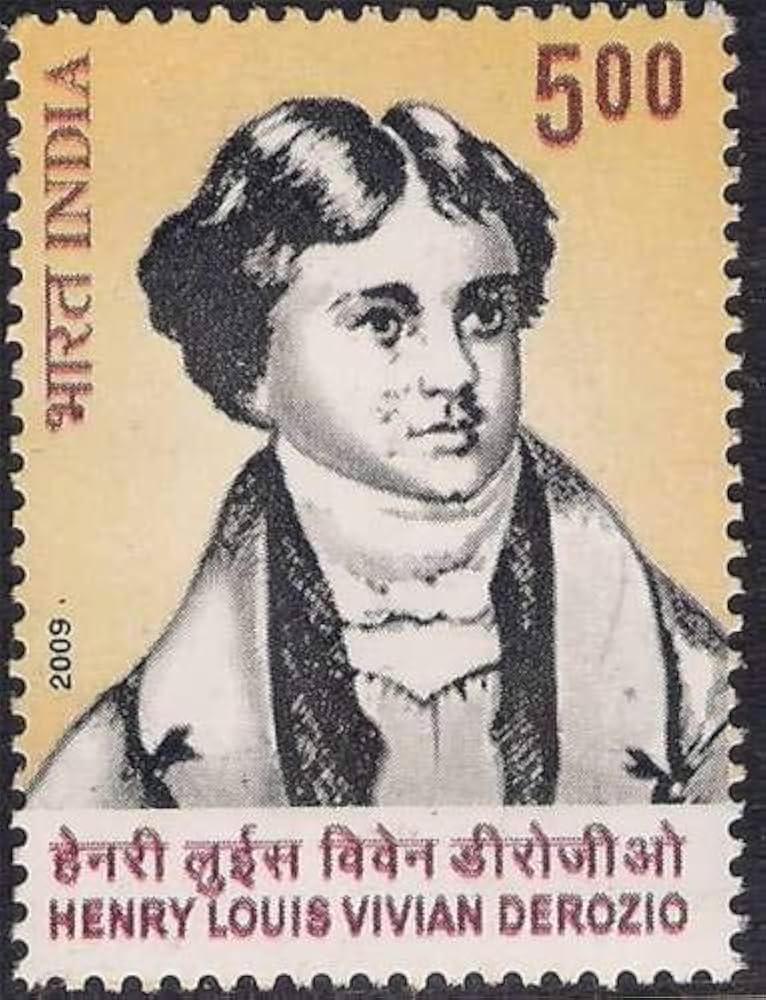
    Young Bengal Movement and Henry Derozio 

    Who was Henry Vivian Louis Derozio?

    • Birth–Death: Born 1809, died- 22 in 1831; Indo-Portuguese origin.
    • Identity: Radical thinker, poet, and educator in British India.
    • Recognition: Called the first national poet of modern India; pioneer of Anglo-Indian poetry.
    • Influences: Inspired by Enlightenment ideals and the French Revolution.
    • Career: Became lecturer at Hindu College, Calcutta in 1826 at just 17.
    • Role: Inspired students with rationalism, liberty, and free thought.
    • Writings: Poems (1827), The Fakeer of Jungheera (1828), and To India – My Native Land (first modern patriotic poem in English).
    • Themes: Expressed India’s decline with images of a caged eagle and a broken instrument; advocated freedom and abolition of slavery.
    • Dismissal: Removed from Hindu College in 1831 on charges of spreading atheism.

    The Young Bengal Movement: 

    • Formation: Radical group of his students, also called Derozians.
    • Association: Founded the Academic Association, debating social and political reform.
    • Ideals: Advocated rationalism, women’s rights, freedom of thought; opposed caste, superstition, idolatry.
    • Political Role: In 1843, with George Thompson, formed India’s first political partyBengal British India Society.
    • Notable Member: Radhanath Sikdar, mathematician who first calculated Mount Everest’s height and openly resisted colonial injustices.
    • Perception: Described by missionary Alexander Duff as a “new race of men”; historian Rosinka Chaudhuri called them India’s “first radicals.”
    • Legacy and Intellectual Impact:
      • Awakening: Though short-lived, the movement sparked Bengal’s intellectual revolution.
      • Seeds of Reform: Laid foundation for later reformist and nationalist currents.
      • Independence of Mind: Marked a sharp break from Macaulay’s vision of Anglicised Indians — Derozians were assertive and original.
    [UPSC 2021] Who among the following was associated as Secretary with Hindu Female School which later came to be known as Bethune Female School?

    Options: (a) Annie Besant (b) Debendranath Tagore (c) Ishwar Chandra Vidyasagar * (d) Sarojini Naidu


  • Saltwater Crocodile Population Survey in Sundarbans

    Why in the News?

    A 2025 survey by the West Bengal Forest Department shows an increase in saltwater crocodile population in the Sundarbans Biosphere Reserve (SBR).

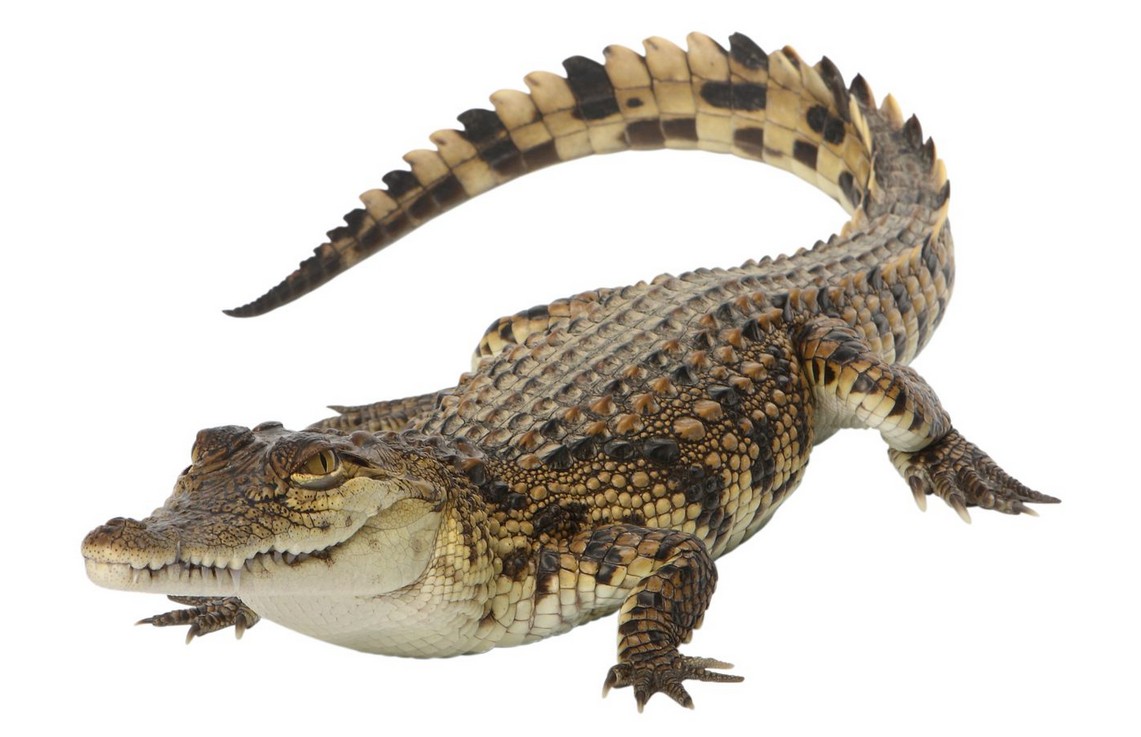
    Saltwater Crocodile Population Survey in Sundarbans

    About Saltwater Crocodile (Crocodylus porosus):

    • Largest living reptile and the largest of all crocodilians.
    • Males grow much larger than females; females usually 2.5–3 m in length.
    • Habitat: mangrove forests, swamps, rivers, and coastal waters; tolerant of varying salinity.
    • Distribution in India: Odisha, West Bengal (Sundarbans), Andaman & Nicobar Islands.
    • Behaviour: Apex predator, feeds on carcasses and diverse prey; communicates through barks, hisses, growls, chirps.
    • Conservation Status:
      • IUCN Red List: Least Concern.
      • CITES: Appendix I (except populations of Australia, Indonesia, PNG → Appendix II).
      • Wildlife Protection Act (1972): Schedule I.
    • Conservation Efforts: Bhagabatpur Crocodile Project (1976, West Bengal) – breeding and conservation programme; 577 crocodiles released till 2022.

    Other Crocodile Species in India:

    • Gharial: Critically Endangered; survives in only 2% of former range; Found in small stretches of Chambal and a few other rivers.
    • Mugger/Marsh Crocodile: Vulnerable; found in freshwater lakes, rivers, marshes.
  • The Constitution (130th Amendment) Bill, 2025

    Why in the News?

    The Union Home Minister is set to introduce three bills in the Lok Sabha to provide legal framework for removal of the Prime Minister, Union Ministers, Chief Ministers and Ministers in States and UTs who are “arrested and detained in custody on account of serious criminal charges.”

    Which are the three Bills?

    1. 130th Constitutional Amendment Bill, 2025 (discussed below)
    2. Jammu and Kashmir Reorganisation (Amendment) Bill, 2025 – Provides clarity on removal of CM and Ministers in J&K.
    3. Government of Union Territories (Amendment) Bill, 2025 – Defines similar provisions for Puducherry and other UTs.

    About the 130th Constitutional Amendment Bill, 2025:

    • Scope: Applies to Prime Minister, Chief Ministers, and Ministers at Union, State, and Union Territory levels.
    • Grounds for Removal: Arrest and detention for 30 consecutive days for an offense punishable by five years or more.
    • Reappointment: Possible after release from custody.
    • Objective: Prevent prolonged tenure of arrested leaders in office (e.g., recent case involving Delhi CM Arvind Kejriwal).

    Amendments proposed to the following Articles:

    Current Provision Limitation Changes Proposed
    Article 75 (Union – PM & Union Ministers) PM appointed by President; Ministers appointed on PM’s advice. They hold office during the pleasure of the President. Removal is political (loss of confidence, resignation, dismissal). No explicit mechanism to remove PM/Ministers if detained/arrested for long periods. New provision: If PM or any Union Minister is detained in custody for 30 consecutive days for a serious offense (≥5 years punishment), they must resign by 31st day or automatically cease to hold office. They may be reappointed after release.
    Article 164 (States – CM & State Ministers) CM appointed by Governor; Ministers appointed on CM’s advice. They hold office during the pleasure of the Governor. Council of Ministers collectively responsible to State Assembly. No clear rule for automatic removal if CM/Ministers remain in custody. Similar to Union level: If CM or Minister is detained in custody for 30 consecutive days under serious charges (≥5 years punishment), they automatically lose office. Reappointment allowed after release.
    Article 239AA (Union Territory of Delhi – CM & Ministers) Special status for Delhi (NCT). CM and Council of Ministers aid & advise LG. They hold office as per political responsibility to the Assembly. No explicit provision for automatic removal on detention. A new Section 5A to be inserted: CM/Ministers of NCT of Delhi cease office if detained for 30 days under serious charges (≥5 years). Reappointment possible after release.

    Rationale and Significance:

    • At present, the Constitution has no provision for automatic removal of ministers in custody.
    • Bill ensures that office bearers uphold public trust and do not undermine governance during detention.
    • The statement of objects emphasized that elected representatives must rise above political interests and maintain conduct beyond suspicion.
    • Promotes integrity of democracy by aligning ministerial positions with constitutional morality and accountability.
    [UPSC 2020] Consider the following statements:

    1. According to the Constitution of India, a person who is eligible to vote can be made a minister in a State for six months even if he/she is not a member of the Legislature of that State.

    2. According to the Representation of People Act, 1951, a person convicted of a criminal offence and sentenced to imprisonment for five years is permanently disqualified from contesting an election even after his release from prison.

    Options: (a) 1 only (b) 2 only (c) Both 1 and 2 (d) Neither 1 nor 2*


  • How does plastic pollution affect health?

    Introduction

    Plastic pollution represents one of the gravest environmental crises of our times. Despite decades of regulation and bans, plastics remain ubiquitous, cheap, and nearly indestructible. Talks in Geneva involving 180 countries failed to secure an internationally binding legal agreement to limit plastic pollution, reflecting deep divisions over whether the treaty should target waste alone or include production.

    Global Plastic Treaty Deadlock: Why It Matters

    • Global deadlock: 180 countries failed to agree on a binding treaty on plastic pollution in Geneva, despite a UNEP-backed resolution already in place.
    • First-time sharp focus on health: Unlike earlier discussions centred only on waste management, the health impact of plastics is now central.
    • Scale of problem: Plastics contain more than 16,000 chemicals, with little knowledge on 10,000+ of them. A Nature study showed 4,000 chemicals of concern are present across major plastic types.
    • Striking evidence: Microplastics detected in blood, breast milk, placenta, bone marrow, bringing urgency to the debate.

    The Persistence and Ubiquity of Plastics

    1. Symbol of consumption economy: Cheap and versatile, plastics reflect today’s global consumption.
    2. Persistence and flexibility: Synthetic, fossil-fuel-derived polymers are non-biodegradable and endure for decades.
    3. Waste mismanagement: Cheap production, ubiquity, and limited recycling capacity turn plastics into the prime source of litter.

    Plastics and Human Health: Emerging Evidence

    1. Chemicals of concern: Plastics use ethylene, propylene, styrene derivatives, along with bisphenols, phthalates, PCBs, PBDEs, and PFAS.
    2. Products of exposure: Found in food containers, bottles, teething toys, polyester, IV bags, cosmetics, paints, electronics, adhesives.
    3. Health links: Studies link plastic chemicals to thyroid dysfunction, hypertension, kidney/testicular cancer, gestational diabetes.
    4. Evidence base: Around 1,100 studies, involving 1.1 million individuals, compiled by Boston College & Minderoo Foundation dashboard.
    5. Nature of studies: Mostly associative; longitudinal studies (gold standard) are still underway.

    The Microplastic Menace

    1. Definition: Plastics smaller than 5 mm, found in additives or broken-down products.
    2. Recent discoveries: Detected in human blood, breast milk, placenta, bone marrow.
    3. Health uncertainty: Exact impacts still under study, but linked to multiple disorders.

    Policy Responses: Global and Indian Perspectives

    • Global scene: Negotiations divided on waste vs production; developing countries demand funding support.
    • India’s stance: 
      • Ban on single-use plastics in ~20 States
      • Administrative push for Extended Producer Responsibility (EPR)
      • Views plastics as a waste management issue, not a health issue.
      • Prefers health dimension to be dealt with at WHO, not in the plastics treaty.

    Conclusion

    The Geneva deadlock reflects not just a failure of diplomacy but the widening gap between scientific evidence and policy action. Plastics are no longer an invisible convenience; they are a pervasive health hazard. While India treats plastics as a waste issue, ignoring health risks leaves a blind spot in policy. A robust, binding treaty addressing both production and health impact is indispensable if the world is to prevent plastics from becoming the new tobacco of the 21st century.

    PYQ Relavance

    [UPSC 2023] What is oil pollution? What are its impacts on the marine ecosystem? In what way is oil pollution particularly harmful for a country like India?

    Linkage: Since UPSC has already asked about oil pollution (2023), it shows the exam’s focus on pollution and ecosystem impacts. Plastic pollution, like oil, originates from fossil fuels and has severe effects on marine life and human health. Hence, a direct question on plastic pollution and its health–environment nexus is highly probable.

    Practice Mains Question

    Plastics are no longer merely a waste management problem but a serious health hazard. Critically examine the health risks associated with plastic use and evaluate India’s stance in global plastic treaty negotiations.

    Mapping Microthemes

    • GS-1: Impact of industrialisation and consumerism on environment.
    • GS-2: International negotiations, India’s foreign policy stance in environmental treaties.
    • GS-3: Pollution, waste management, health-environment nexus.
    • GS-4: Ethics of sustainability, intergenerational justice, corporate responsibility.
  • When can Courts order a Recount of Votes?

    Why in the News?

    The Supreme Court for the very first time has recounted EVM votes on its premises and overturned a Haryana sarpanch election result.

    Legal Framework for Challenging Election Results:

    • Parliamentary, Assembly, State Council elections: Validity can be challenged by filing an election petition in the High Court of the state where the election was held.
    • Local government elections: Petitions must be filed at district-level civil courts.
    • Eligibility to file: Only a candidate or elector related to the election can file.
    • Timeframe: Petition must be filed within 45 days of result declaration.
    • Petition requirements:
      • Must contain concise statement of material facts.
      • Allegations of “corrupt practices” must include names of individuals, dates, and locations.
    • Judicial Approach:
      • SC considers corrupt practices as quasi-criminal, requiring high standard of proof.
      • Vague or ambiguous petitions are dismissed.
    • Legal Basis:
      • Representation of the People Act, 1951.
      • State Panchayat Raj Acts.

    Grounds for Invalidating an Election:

    Courts can void an election on:

    • Bribery or undue influence, e.g., hiding criminal antecedents or promoting enmity.
    • Candidate disqualified/unqualified on the election date.
    • Improper rejection of nomination paper.
    • Improper acceptance of nomination or improper reception/rejection of votes, if shown to materially affect results.
    • Non-compliance with Constitution or election laws/rules, if it materially impacted the outcome.

    When can Courts order Recount of Votes?

    • A recount is a possible judicial remedy but not granted lightly.
    • Seen as affecting vote secrecy, which is vital to free and fair elections.
    • Courts order recounts only if:
      • Petitioner presents specific material facts.
      • Evidence shows a prima facie case of probable counting error.
      • Recount is deemed necessary for justice.
    • Normally conducted at election location.
    • Exception: Panipat case, where SC recounted votes in its own premises.

    Can Courts declare a new Winner?

    • Rare, but courts can declare a new winner if:
      • Evidence shows petitioner (or another candidate) actually had majority of valid votes.
      • Or petitioner proves they would have won but for votes gained through corrupt practices.
    • Requires concrete, quantifiable evidence of tainted votes.
    • Example: In Feb 2024 Chandigarh mayoral election, SC declared a new winner after:
      • Presiding officer wrongly invalidated 8 paper ballots.
      • All votes had been cast for the losing candidate.
      • SC restored them as valid, making the losing candidate the winner.
    [UPSC 2004] Consider the following tasks:

    1. Superintendence, direction and conduct of free and fair elections.

    2. Preparation of electoral rolls for all elections to the Parliament, State Legislatures and the Office of the President and the Vice-President.

    3. Giving recognition to political parties and allotting election symbols to political parties and individuals contesting the election.

    4. Proclamation of final verdict in the case of election disputes.

    Which of the above are the functions of the Election Commission of India?

    Options: (a) 1, 2 and 3* (b) 2, 3 and 4 (c) 1 and 3 (d) 1, 2 and 4


  • 23% of PM Jan Dhan accounts inoperative

    Why in the news?

    The Government informed Parliament that 23% of the 56.04 crore PM Jan Dhan Yojana accounts are inoperative.

    About Pradhan Mantri Jan Dhan Yojana (PMJDY):

    • Launch: Introduced in 2014 as the world’s largest financial inclusion mission.
    • Objective: To provide banking to the unbanked, insurance to the unsecured, and credit to the unfunded.
    • Accounts: Basic Savings Bank Deposit (BSBD) accounts with zero balance, minimal paperwork, and e-KYC facility.
    • Benefits: RuPay debit card with accident insurance, overdraft, micro-insurance, and pension coverage.

    Key Features:

    • Access: Universal banking through branches and Business Correspondents.
    • Overdraft: Up to ₹10,000 for eligible account holders.
    • Insurance: Accident cover of ₹1 lakh (₹2 lakh for new accounts post-2018); life cover of ₹30,000 for accounts opened between August 2014–January 2015.
    • Interoperability: Enabled via RuPay cards and Aadhaar-linked platforms.
    • Post-2018 Expansion: Coverage extended to all unbanked adults, overdraft limit enhanced, and eligibility age increased from 60 to 65 years.
    • Direct Benefit Transfers: Strengthened subsidy delivery through the JAM Trinity (Jan Dhan–Aadhaar–Mobile).

    Do you know?

    As per the Reserve Bank of India (RBI) guidelines (2009), an account is considered dormant if no transaction occurs for over two years.


    [UPSC 2015] Pradhan Mantri Jan-Dhan Yojana’ has been launched for

    Options:

    (a) providing housing loan to poor people at cheaper interest rates

    (b) promoting women’s Self-Help Groups in backward areas

    (c) promoting financial inclusion in the country*

    (d) providing financial help to the marginalized communities


  • How are Soaps and Detergents manufactured?

    Why in the News?

    This newscard is an excerpt from the original article published in ‘The Hindu’.

    About Soap:

    • Composition: Soap is sodium (Na) or potassium (K) salt of fatty acids derived from vegetable oils or animal fats.
    • Formula: Solid soaps are RCOONa, liquid soaps are RCOOK.
    • Function: Cleansing agent due to dual hydrophilic (water-attracting) and hydrophobic (oil-attracting) nature.
    • History: Used since 2800 BC in Mesopotamia and ancient India (soap nuts, bark, flowers). Became mass-produced during the Industrial Revolution, initially a luxury.

    Soap-Making Process

    • Raw Materials: Oils such as coconut, olive, palm, sunflower provide triglycerides.
    • Hydrolysis: Oils hydrolysed with hot water under pressure → fatty acids + glycerin.
    • Saponification: Fatty acids react with sodium hydroxide (NaOH) → soap (RCOONa) + water.
    • Processing: Soap dried into noodles, blended with perfumes, colours, fillers, additives.
    • Shaping: Extruded, cut, and stamped into bars.
    • Quality: Total Fatty Matter (TFM) indicates quality; higher TFM = better cleansing.
    • Production Scale: Modern automated lines make 600–700 soaps per minute.

    Ecological Impact of Soap

    • Biodegradability: Traditional soaps are biodegradable and safer for the environment.
    • Detergents: Synthetic alternatives developed during World War I oil shortages; more efficient but harmful.
    • Pollution: Surfactants and phosphates in detergents cause nutrient pollution and persist in ecosystems.
    [UPSC 2002] Consider the following statements:

    Assertion (A) Synthetic detergents can lather well in hard water.

    Reason (R): Synthetic detergents form soluble calcium and magnesium salts with hard water.

    Which one of the following is correct in respect of the above statements?

    Options:

    (a) Both A and R are individually true and R is the correct explanation of A *

    (b) Both A and R are individually true but R is not a correct explanation of A

    (c) A is true but R is false

    (d) A is false but R is true


  • Primary Amoebic Meningoencephalitis (PAM)

    Why in the News?

    Kerala’s health department has issued an alert in Kozhikode district after three consecutive cases of the rare and highly fatal disease Primary Amoebic Meningoencephalitis (PAM) were reported.

    About Primary Amoebic Meningoencephalitis (PAM):

    • Cause: Rare and usually fatal infection caused by Naegleria fowleri, known as the “brain-eating amoeba.”
    • Habitat: Thrives in warm freshwater up to 46°C (115°F).
    • Entry: Enters through the nose during swimming or water activities, travels via olfactory nerve to the brain.
    • Impact: Destroys brain tissue and causes severe swelling.
    • Transmission: Not communicable from person to person.
    • Symptoms: Headache, fever, nausea, vomiting, stiff neck, confusion, seizures, hallucinations, coma, and death.
    • Progression: According to the Centers for Disease Control and Prevention (CDC), most cases result in death within 1–18 days of symptom onset.

    Diagnosis and Treatment:

    • Diagnosis:
    • Treatment:
      • No single therapy effectively established.
      • Managed per CDC guidelines using drug combinations such as: Medical interventions typically involve a combination of drugs, including amphotericin B, azithromycin, fluconazole, rifampin, miltefosine, and dexamethasone.
    [UPSC 2008] Consider the following statements:

    1. Femur is the longest bone in the human body.

    2. Cholera is a disease caused by bacteria.

    3. ‘Athlete’s foot’ is a disease caused by virus. Which of the statements given above are correct?

    Options: (a) 1 and 2 * (b) 2 and 3 (c) 1 and 3 (d) 1, 2 and 3


  • How does plastic pollution affect health?

    Introduction

    Plastic pollution represents one of the gravest environmental crises of our times. Despite decades of regulation and bans, plastics remain ubiquitous, cheap, and nearly indestructible. Talks in Geneva involving 180 countries failed to secure an internationally binding legal agreement to limit plastic pollution, reflecting deep divisions over whether the treaty should target waste alone or include production.

    Global Plastic Treaty Deadlock: Why It Matters

    • Global deadlock: 180 countries failed to agree on a binding treaty on plastic pollution in Geneva, despite a UNEP-backed resolution already in place.
    • First-time sharp focus on health: Unlike earlier discussions centred only on waste management, the health impact of plastics is now central.
    • Scale of problem: Plastics contain more than 16,000 chemicals, with little knowledge on 10,000+ of them. A Nature study showed 4,000 chemicals of concern are present across major plastic types.
    • Striking evidence: Microplastics detected in blood, breast milk, placenta, bone marrow, bringing urgency to the debate.

    The Persistence and Ubiquity of Plastics

    1. Symbol of consumption economy: Cheap and versatile, plastics reflect today’s global consumption.
    2. Persistence and flexibility: Synthetic, fossil-fuel-derived polymers are non-biodegradable and endure for decades.
    3. Waste mismanagement: Cheap production, ubiquity, and limited recycling capacity turn plastics into the prime source of litter.

    Plastics and Human Health: Emerging Evidence

    1. Chemicals of concern: Plastics use ethylene, propylene, styrene derivatives, along with bisphenols, phthalates, PCBs, PBDEs, and PFAS.
    2. Products of exposure: Found in food containers, bottles, teething toys, polyester, IV bags, cosmetics, paints, electronics, adhesives.
    3. Health links: Studies link plastic chemicals to thyroid dysfunction, hypertension, kidney/testicular cancer, gestational diabetes.
    4. Evidence base: Around 1,100 studies, involving 1.1 million individuals, compiled by Boston College & Minderoo Foundation dashboard.
    5. Nature of studies: Mostly associative; longitudinal studies (gold standard) are still underway.

    The Microplastic Menace

    1. Definition: Plastics smaller than 5 mm, found in additives or broken-down products.
    2. Recent discoveries: Detected in human blood, breast milk, placenta, bone marrow.
    3. Health uncertainty: Exact impacts still under study, but linked to multiple disorders.

    Policy Responses: Global and Indian Perspectives

    • Global scene: Negotiations divided on waste vs production; developing countries demand funding support.
    • India’s stance: 
      • Ban on single-use plastics in ~20 States
      • Administrative push for Extended Producer Responsibility (EPR)
      • Views plastics as a waste management issue, not a health issue.
      • Prefers health dimension to be dealt with at WHO, not in the plastics treaty.

    Conclusion

    The Geneva deadlock reflects not just a failure of diplomacy but the widening gap between scientific evidence and policy action. Plastics are no longer an invisible convenience; they are a pervasive health hazard. While India treats plastics as a waste issue, ignoring health risks leaves a blind spot in policy. A robust, binding treaty addressing both production and health impact is indispensable if the world is to prevent plastics from becoming the new tobacco of the 21st century.

    PYQ Relavance

    [UPSC 2023] What is oil pollution? What are its impacts on the marine ecosystem? In what way is oil pollution particularly harmful for a country like India?

    Linkage: Since UPSC has already asked about oil pollution (2023), it shows the exam’s focus on pollution and ecosystem impacts. Plastic pollution, like oil, originates from fossil fuels and has severe effects on marine life and human health. Hence, a direct question on plastic pollution and its health–environment nexus is highly probable.

    Practice Mains Question

    Plastics are no longer merely a waste management problem but a serious health hazard. Critically examine the health risks associated with plastic use and evaluate India’s stance in global plastic treaty negotiations.

    Mapping Microthemes

    • GS-1: Impact of industrialisation and consumerism on environment.
    • GS-2: International negotiations, India’s foreign policy stance in environmental treaties.
    • GS-3: Pollution, waste management, health-environment nexus.
    • GS-4: Ethics of sustainability, intergenerational justice, corporate responsibility.
  • New Palm Species ‘Phoenix roxburghii’ discovered

    Why in the News?

    A palm specie ‘Phoenix roxburghii’ first described in the 17th-century botanical treatise Hortus Malabaricus has been recently confirmed.

    About Phoenix roxburghii:

    • Origin: Named after William Roxburgh, regarded as the father of Indian Botany.
    • Distribution: Found along India’s eastern coast, Bangladesh, Gujarat, Rajasthan, and Pakistan.
    • Height: Grows up to 12–16 metres, taller than Phoenix sylvestris.
    • Distinct Features:
      • Solitary trunk
      • Larger leaves and leaflets
      • Musty-scented staminate flowers
      • Large, obovoid orange-yellow fruits

    Back2Basics: India’s Oil Palm Scenario

    • National Mission on Edible Oils – Oil Palm (NMEO-OP) (2021): Centrally sponsored, aims to boost domestic crude palm oil (CPO) production and reduce import dependence.
    • Targets:
      • Expand area to 10 lakh ha by 2025–26.
      • Raise production from 0.27 lakh tonnes (2019–20) to 11.2 lakh tonnes (2025–26), further to 28 lakh tonnes (2029–30).
    • Support Mechanisms: Viability Price (VP), Direct Benefit Transfer (DBT), planting subsidy (₹29,000/ha), and special aid for NE & Andaman regions.
    • Cultivation States: Andhra Pradesh, Telangana, and Kerala (98% of output); others include Karnataka, Tamil Nadu, Odisha, Gujarat, and NE states.
    • Potential vs Current: 28 lakh ha potential; only 3.7 lakh ha cultivated.
    • Imports: India is the world’s largest palm oil importer (9.2 million tonnes in 2023–24). Palm oil forms 60% of edible oil imports, sourced mainly from Indonesia, Malaysia, and Thailand.
    • Unique Advantage: Palm oil yields are 5× higher than traditional oilseeds.
    [UPSC 2021] With reference to ‘palm oil,’ consider the following statements:

    1. The palm oil tree is native to Southeast Asia.

    2. Palm oil is a raw material for some industries producing lipstick and perfumes.

    3. Palm oil can be used to produce biodiesel.

    Which of the statements given above are correct?

    Options: (a) 1 and 2 only (b) 2 and 3 only* (c) 1 and 3 only (d) 1, 2, and 3