💥Join UPSC 2027,2028 Mentorship (July Batch) + XFactor Notes & Microthemes PDF

GS Paper: GS2

  • [29th January 2025] The Hindu Op-ed: The Budget pipeline and India’s foreign policy ambitions

    PYQ Relevance:

    Q) At the international level, the bilateral relations between most nations are governed on the policy of promoting one’s own national interest without any regard for the interest of other nations. This leads to conflicts and tensions between the nations. How can ethical consideration help resolve such tensions? Discuss with specific examples (UPSC CSE 2015)

    Mentor’s Comment: UPSC mains have always focused on ‘Scope of Fundamental Rights’ (2017) and Influence of Foreign Policy (2015).


    Today’s editorial discusses the recent budgetary developments concerning India’s Ministry of External Affairs (MEA) and their implications for the country’s foreign policy. This content can be used in your Mains Answer for presenting the challenges particularly regarding.

    _

    Let’s learn!

    Why in the News?

    The budget for India’s Ministry of External Affairs (MEA) deserves closer scrutiny because last year, the MEA budget saw a rare 23% spike, up from the modest 4% annual increase between 2017 and 2023.

    • The MEA’s allocation not only reflects the government’s foreign policy priorities but also its capacity to deliver on its global ambitions and commitments particularly in light of India’s vision for a ‘Viksit Bharat’ by 2047.

    How does the Indian budget reflect the country’s foreign policy priorities and ambitions?

    • Increased Allocation for the MEA: The significant 23% increase in the budget for the Ministry of External Affairs (MEA) signals a commitment to enhancing India’s diplomatic capabilities and reflects the government’s recognition of the importance of foreign policy.
    • Focus on Neighbourhood Policy: With approximately 50% of India’s foreign aid directed towards neighboring countries, particularly Bhutan, the budget emphasizes the “Neighbourhood First” policy, highlighting regional cooperation and stability as key priorities.
    • Shift to Lines of Credit: The transition from outright grants to lines of credit (LoCs) indicates a strategic approach to financing sustainable infrastructure projects in recipient countries, enhancing India’s influence while ensuring accountability in project implementation.
    • Investment in Diplomatic Infrastructure: A substantial portion of the MEA’s budget is allocated to embassies and missions, reflecting India’s intent to strengthen its global presence and engage more effectively in international diplomacy.

    What role does it play in shaping India’s economic and geopolitical landscape?

    • Attracting Foreign Investment: The budget prioritizes foreign investment by reducing corporate tax rates for foreign firms and easing regulations on foreign direct investment.
      • This aims to position India as a favorable destination for international capital, enhancing its economic growth prospects and global competitiveness.
    • Strengthening Manufacturing and Infrastructure: By supporting initiatives like ‘Make in India’ and allocating substantial funds for infrastructure development, the budget aims to boost domestic manufacturing capabilities.
      • This not only fosters economic growth but also enhances India’s geopolitical standing by enabling it to become a manufacturing hub, particularly as companies seek to diversify away from China.
    • Enhancing Regional Influence: The budget reflects a commitment to regional partnerships by directing a significant portion of foreign aid toward neighboring countries.
      • This strategy strengthens India’s influence in South Asia and promotes stability, aligning with its broader foreign policy objectives.
    • Fiscal Discipline and Economic Stability: The budget emphasizes fiscal responsibility, targeting a reduction in the fiscal deficit to 4.9% of GDP.
      • Maintaining fiscal discipline is critical for sustaining investor confidence and ensuring long-term economic stability, which is essential for India’s ambitions on the global stage.

    What challenges does India face?

    • Geopolitical Tensions with China: India continues to navigate complex relations with China, particularly concerning border disputes and military tensions along the Line of Actual Control. The need for strategic dialogue and trust-building measures remains critical.
    • Strained Relations with Neighbors: Political changes in neighboring countries, such as Bangladesh and Myanmar, and ongoing tensions with Pakistan complicate India’s regional diplomacy. The challenge lies in managing these relationships while promoting stability and cooperation.
    • Impact of U.S.-China Rivalry: The evolving dynamics of U.S.-China relations, especially with the return of Donald Trump to the U.S. presidency, present both opportunities and challenges for India. Balancing ties with both powers while maintaining strategic autonomy is essential.
    • Domestic Political Factors: Internal political developments, including public sentiment and government policies, can influence India’s foreign policy decisions. Ensuring that foreign policy aligns with domestic priorities is crucial for maintaining credibility and effectiveness on the global stage.

    Foreign aid and shifts

    • India’s foreign aid to other countries decreased by 10% for the fiscal year 2024-25, while loans to foreign governments increased by 29%.
    • About 50% of India’s grants are directed towards neighboring countries, with Bhutan remaining the largest recipient due to historical ties and energy projects.
    • There is a notable shift from outright grants to lines of credit (LoCs), with Bangladesh receiving the largest share at $7.86 billion. While LoCs support sustainable infrastructure, they require effective oversight.
    • The Ministry of External Affairs (MEA) requires more resources to enhance its institutional capacity, including strengthening the Indian Foreign Service (IFS) and research capabilities.
    • The MEA’s training budget increased by 30% for 2024-25, but overall capacity-building funds remain inadequate, and the IFS continues to be understaffed.
    • The MEA’s budget for foreign missions and cultural diplomacy grew only by 7%, while significant academic institutions faced budget cuts of 20% to 22%.
    • Despite investments in international dialogues to enhance India’s global image, there is a pressing need for more budgetary resources to support policy-relevant research at Indian universities and think tanks.

    Way Forward: India will host the Quad Leaders’ Summit in 2025, marking an important opportunity to showcase India’s leadership and commitment to regional cooperation among the Quad nations—Australia, Japan, and the United States.

    • India can reinforce its relationships with Quad partners, focusing on shared goals such as promoting a free, open, and inclusive Indo-Pacific.
    • This aligns with India’s broader foreign policy objectives of enhancing regional stability and security.
  • Places in News: Sudan’s Darfur Region

    Why in the News?

    At least 70 people were killed in a drone strike on the last working hospital in Sudan’s North Darfur capital.

    About the Darfur Region

    Details
    • Conflict-prone region in western Sudan, affected by ethnic violence and resource conflicts since 2003.
    • Site of one of the world’s worst humanitarian crises, with mass killings and displacement.
    • Home to multiple ethnic groups, with tensions between Arab pastoralists and non-Arab farming communities.
    • Janjaweed militias, backed by the Sudanese government, accused of genocide and mass atrocities.
    • Rapid Support Forces (RSF), formerly Janjaweed, play a key role in ongoing instability.
    • Renewed violence in 2023, worsening the humanitarian situation.
    Geographical Location
    • Located in western Sudan, bordering Chad, Libya, and the Central African Republic.
    • Covers an area of about 493,180 sq. km, nearly the size of France.
    • Predominantly arid and semi-arid, with desert in the north and more fertile land in the south.
    • Climate-driven water and grazing conflicts, worsened by desertification and climate change.
    • Composed of five states: North, South, West, Central, and East Darfur.
    • El Fasher is the capital and largest city, serving as an administrative and humanitarian hub.
    Impact of Conflict
    • Politically marginalized for decades, leading to armed uprisings against Sudan’s government.
    • Conflict escalated in 2003 with rebel groups like the Sudan Liberation Movement (SLM) and Justice and Equality Movement (JEM) demanding greater autonomy.
    • Remains a stronghold of rebel activity, contributing to Sudan’s broader instability.
    • Ongoing violence impacts regional security, affecting neighboring countries like Chad and the Central African Republic.


    PYQ:

    [2024] Consider the following statements :

    Statement-I: There is instability and worsening security situation in the Sahel region.

    Statement-II: There have been military takeovers/coups d’état in several countries of the Sahel region in the recent past.

    Which one of the following is correct in respect of the above statement?

    a) Both Statement-I and Statement-II are correct and Statement-II explains Statement-I

    b) Bothe Statement-I and Statement-II are correct, but Statement-II does not explain Statement-I

    c) Statement-I is correct, but Statement-II is incorrect

    d) Statement-I is incorrect, but Statement-II is correct

  • Mapping: Lao PDR

    Why in the News?

    The Indian Embassy in Lao PDR has successfully rescued 67 Indian nationals who were trafficked and forced to work in cyber scam centres in the Golden Triangle Special Economic Zone (GTSEZ).

    Golden Triangle Special Economic Zone (GTSEZ)

    • It is a semi-autonomous economic zone located in Bokeo Province, Lao PDR (Laos), near the borders of Thailand and Myanmar.
    • It is situated within the infamous Golden Triangle region, historically known for opium production and drug trafficking.
    • It was established to promote tourism, trade, and investment but has been widely criticized for illegal activities, including human trafficking, cyber fraud, and illicit gambling.

    About Lao PDR (Laos)

    Details
    • Officially known as the Lao People’s Democratic Republic (Lao PDR).
    • Gained independence from France in 1953.
    • Experienced a civil war (1959–1975), leading to the communist Pathet Lao taking control and abolishing the monarchy in 1975.
    • One-party communist state under the Lao People’s Revolutionary Party (LPRP).
    • Economic growth driven by hydropower, mining, and agriculture, but remains one of ASEAN’s least developed nations.
    • 2023 economic distress due to high debt and inflation, linked to China-backed infrastructure projects like the China-Laos Railway.
    Geographical Location
    • Landlocked country in Southeast Asia, bordered by China (north), Vietnam (east), Cambodia (south), Thailand (west), and Myanmar (northwest).
    • Capital city: Vientiane, located along the Mekong River near Thailand.
    • Total area: 236,800 sq. km, with a mountainous landscape and dense forests.
    • The Mekong River flows through Laos, supporting trade, agriculture, and hydropower projects.
    • Tropical monsoon climate with a wet season (May-Oct) and a dry season (Nov-Apr).
    Political Aspects
    • One-party communist state, ruled by the Lao People’s Revolutionary Party (LPRP) since 1975.
    • The most heavily bombed country per capita in history due to the US Secret War (1964–1973).
    • Acts as a buffer state between China, Vietnam, and Thailand, playing a role in Mekong River trade and energy exports.
    • ASEAN Membership: Joined ASEAN in 1997, contributing to regional diplomacy and economic cooperation.

    Challenges:

    • Major recipient of Chinese investment under the Belt and Road Initiative (BRI), with concerns over debt sustainability.
  • Should Governors be Chancellors of State Universities?

    Why in the News?

    The Governor’s role as Chancellor of State universities has been a topic of significant debate. It is frequently misinterpreted as a post-independence mechanism designed to protect universities from political interference.

    What are the implications of having the Governor serve as Chancellor for university autonomy?

    • Reduced Autonomy: The role of the Governor as chancellor has historically restricted the autonomy of universities, as this model was inherited from colonial rule. The powers granted to Governors include appointing Vice-Chancellors and presiding over university bodies, which can lead to political interference rather than safeguarding academic independence.
    • Political Interference: Instead of insulating universities from politics, the involvement of Governors often exacerbates political influence, particularly when Governors act in alignment with the Central government’s agenda, compromising the universities’ operational independence and academic freedom.
    • Dual Authority System: The existence of both the Governor and State governments creates a dual authority that can lead to conflicting directives and administrative paralysis, particularly in Opposition-ruled states where disagreements may delay critical decisions such as Vice-Chancellor appointments.

    How does the role of Governors as Chancellors align with or contradict the principles of federalism?

    • Concurrent Legislative Powers in Education (Entry 25, List III, Seventh Schedule): Since education falls under the Concurrent List, the Governor’s role as Chancellor facilitates coordination between state and national education policies, promoting synergy.
    • Governor Acting Beyond State Government’s Advice (Article 163): When Governors act in their discretionary capacity as Chancellors bypassing the elected state government undermines democratic accountability and state autonomy.
    • State Authority over Universities (Entry 32, List II, Seventh Schedule): Control over universities is a state subject, and direct interference by Governors in university administration contradicts the federal principle of centralising authority.

    What is the role of the President vs Governors as Chancellors?

    • President: As the constitutional head, the functions are based on the aid and advice of the Council of Ministers at the Union level under Article 74 of the Constitution. The President does not directly act as a Chancellor for any educational institution.
    • Governor: The Governor, appointed by the President under Article 155, acts as the constitutional head of the state and also serves as the Chancellor of State universities as per state laws, often with discretionary powers. This dual role blurs the line between their constitutional duties and state governance.

    What alternative models for university governance could be considered?

    • Governor as Ceremonial Chancellor: This model would limit the Governor’s powers, requiring them to act on the advice of the State Council of Ministers in university matters. States like Gujarat, Karnataka, and Maharashtra have implemented variations of this approach.
    • Chief Minister as Chancellor: This model proposes that the Chief Minister take on a ceremonial role. While West Bengal and Punjab have passed bills for this system, they await Presidential assent.
    • State-Appointed Chancellor: Implemented in Telangana, this model allows state governments to appoint a ceremonial Chancellor who is an eminent academic or public figure, thus ensuring greater alignment with local governance and accountability.
    • Chancellor Elected by University Bodies: Similar to models in prestigious institutions like Oxford and Cambridge, this approach empowers university bodies and alumni to elect their Chancellor, promoting institutional self-governance and reducing political influence.
    • Chancellor Appointed by University’s Executive Council: This model involves universities appointing their Chancellors through transparent selection processes within their governing bodies, fostering independence from external political pressures.

    Way forward: 

    • Decentralize University Governance: Empower universities to elect or appoint Chancellors through their governing bodies, fostering institutional autonomy, and transparency to reduce external political interference.
    • Restrict the Governor’s Role to Ceremonial Functions: Limit the Governor’s powers in university matters to a ceremonial capacity, ensuring that academic decisions align with the principles of state autonomy and federalism.

    Mains PYQ:

    Q Discuss the essential conditions for the exercise of the legislative powers by the Governor. Discuss the legality of the re-promulgation of ordinances by the Governor without placing them before the Legislature. (UPSC IAS/2022)

  • Why Bombay HC said use of loudspeakers is not essential to religion?

    Why in the News?

    The High Court was hearing a petition from two residents’ groups in Mumbai’s Nehru Nagar, Kurla (East), and Chunabhatti areas, complaining about mosques and madrasas using loudspeakers too loudly and at forbidden times.

    What are the present directions by the Bombay High Court?

    • The Court directed the state to implement a mechanism for controlling decibel levels in loudspeakers and sound-emitting devices at religious places, suggesting the use of “calibration or auto-fixation” of decibel limits.
    • The Mumbai Police Commissioner is required to ensure police officers use mobile applications to measure decibel levels and identify violations.
    • A four-step graded penalty system was prescribed, including caution for first-time offenders, fines for repeat violations, seizure of loudspeakers and cancellation of licenses for continued violations, and initiation of complaints against the violators.

    Why did the Bombay High Court rule that the use of loudspeakers is not essential to religious practices (ERP)?

    • Non-Essential Practice: The court emphasized that using loudspeakers for prayers or religious discourses does not constitute an essential part of any religion. It clarified that such practices are not protected under Article 25 of the Constitution, which guarantees the freedom to practice religion.
    • Public Health Concerns: The court highlighted that noise pollution poses significant health hazards. It asserted that allowing the unrestricted use of loudspeakers could infringe on the rights of residents living nearby, thus prioritizing public interest and health over the claimed religious rights associated with loudspeaker use.
    • Legal Framework Compliance: The ruling reinforced that all religious institutions must comply with noise pollution regulations, specifically the Noise Pollution (Regulation and Control) Rules, 2000, which set permissible noise levels in residential areas. The court directed strict enforcement of these laws, indicating that violations should result in penalties rather than exemptions based on religion.

    What are the Supreme Court Judgements related to essential religious practices (ERP)?

    • Shirur Mutt Case (1954): This case established the foundation for the ERP doctrine, where the Supreme Court ruled that Article 25 protects not only religious beliefs but also the outward expressions of those beliefs through rituals and ceremonies. The court emphasized that what constitutes an essential part of religion should be determined based on the doctrines of that religion itself.
    • Durgah Committee Case (1961): In this ruling, the Supreme Court adopted a more restrictive approach, stating that only practices essential and integral to a religion are protected under Article 25. The court differentiated between superstitious practices and those that are essential, marking a shift to a narrower interpretation of protected religious practices.
    • Ismail Faruqui v. Union of India (1995): This case involved the Babri Masjid land acquisition issue. The Supreme Court held that while offering prayers is an essential Islamic practice, doing so in a mosque is not necessarily required unless the mosque has specific religious significance, highlighting an inconsistency in applying the ERP test.
    • Dr. Mahesh Vijay Bedekar v. Maharashtra (2016): The Supreme Court’s ruling emphasized that the use of loudspeakers is not an essential religious practice and cannot be claimed as a fundamental right under Article 25 (freedom of religion) or Article 19(1)(a) (freedom of speech and expression).
    • Sabarimala Temple Entry Case (2018): The Supreme Court ruled that barring women from entering the Sabarimala temple violated their rights to equality and non-discrimination.

    Way forward: 

    • Implementation of Strict Noise Regulations: Ensure effective enforcement of noise pollution laws, using technology like mobile apps to monitor decibel levels, and impose a clear and consistent penalty system for violations at religious places.
    • Public Awareness and Sensitization: Raise awareness about the non-essential nature of loudspeaker use in religious practices, while balancing religious freedom with public health and the rights of nearby residents. Encourage dialogue between religious institutions and local authorities to find peaceful solutions.

    Mains PYQ:

    Q What are the challenges to our cultural practices in the name of Secularism? (UPSC IAS/2019)

  • Centre notifies Unified Pension Scheme for Government Staff

    Why in the News?

    The Finance Ministry has announced the operationalization of the Unified Pension Scheme (UPS) for Central Government employees under the National Pension System (NPS), effective from April 1, 2025.

    Salient features of the Unified Pension Scheme (UPS)

    • Effective from April 1, 2025.
    • Eligibility: Applicable to Central Government employees with at least 10 years of service.
    • Assured Pension:
      • 50% of average basic pay over the last 12 months before retirement for employees with 25+ years of service.
      • Proportionate benefits for employees with 10–25 years of service.
    • Assured Minimum Pension: ₹10,000 per month for eligible employees.
    • Assured Family Pension: 60% of the pension drawn by the employee prior to their death.
    • Inflation Protection:
      • Pensions indexed to inflation.
      • Dearness Relief (DR) linked to the All India Consumer Price Index for Industrial Workers (AICPI-IW).
    • Government Contribution: Increased to 18.5% of basic pay and DA (up from 14% under NPS).
    • Employee Contribution: 10% of basic pay and DA (same as NPS).
    • Lump Sum Payment:
      • One-tenth of last drawn pay (including DA) for every six months of completed service, in addition to gratuity.
    • Choice of Scheme: Employees can choose between UPS and NPS starting from the upcoming financial year, with the choice being final once made.
    • Beneficiaries: Initially benefits 23 lakh Central Government employees, with potential extension to 90 lakh employees if adopted by state governments.

    Differences between UPS, NPS and OPS (Old Pension Scheme)

    Unified Pension Scheme (UPS) National Pension Scheme (NPS) Old Pension Scheme (OPS)
    Pension Amount 50% of average basic pay over last 12 months; proportional for service <25 years. Market-linked, dependent on contributions and market performance. 50% of last drawn salary, increases with DA hikes.
    Family Pension 60% of employee’s pension after their death. Based on accumulated corpus and annuity plans. Continued benefits to family after retiree’s death.
    Employee Contribution 10% of basic salary. 10% of basic salary. None; entirely government-funded.
    Government Contribution 18.5% of basic salary. 14% of basic salary. Entire cost borne by the government.
    Inflation Indexation Linked to AICPI-IW. Not applicable (market-linked returns). Indexed; pension increases with DA hikes.


    PYQ:

    [2017] Who among the following can join the National Pension System (NPS)?

    (a) Resident Indian citizens only

    (b) Persons of age from 21 to 55 only

    (c) All State Government employees joining the services after the date of notification by the respective State Governments

    (d) All Central Government employees including those of Armed Forces joining the services on or after 1st April, 2004

  • [27th January 2025] The Hindu Op-ed: Genocide and the world’s averted gaze

    PYQ Relevance:

    Q) To what extend can Germany be held responsible for causing the two World Wars? Discuss critically. (UPSC CSE 2015)


    Mentor’s Comment: UPSC Mains has always focused on World Wars (2015) and India’s relations with Israel (2018).

    On January 27, 1945, Soviet soldiers liberated Auschwitz-Birkenau (network of Nazi concentration and extermination camps), finding 8,000 starving prisoners and remnants of the 1.1 million, mostly Jewish, who perished there. With Nazi records destroyed, exact figures are uncertain. On this anniversary, survivors and world leaders gather to honor the victims and renew the commitment to prevent genocide.

    Today’s editorial  talks about Genocide in the world and laws related to Genocide. It will help in GS Paper 2 Internqtional relation and GS Paper 1 World History.

    _

    Let’s learn!

    Why in the News?

    World leaders will gather in Poland to commemorate Holocaust Memorial Day and the 80th anniversary of the liberation of Auschwitz-Birkenau, a Nazi concentration camp.

    What is Holocaust?

    • The Holocaust, known in Hebrew as the Shoah , refers to the systematic, state-sponsored genocide of approximately six million Jews by Nazi Germany and its collaborators during World War II, primarily between 1941 and 1945.
    • This atrocity was characterized by mass murders carried out through various means, including mass shootings and the use of extermination camps, such as Auschwitz-Birkenau and Treblinka.

    What is Constitutes Genocide?

    • Genocide is defined under international law as a series of acts committed with the intent to destroy, in whole or in part, a national, ethnical, racial, or religious group. This definition is codified in Article II of the 1948 United Nations Convention on the Prevention and Punishment of the Crime of Genocide (Genocide Convention). 

    How is it Recognized Internationally?

    • Legal Frameworks: The 1948 Genocide Convention defines genocide and obligates signatory states to prevent and punish the crime. This convention has been incorporated into the statutes of various international tribunals, including the International Criminal Court (ICC), establishing a legal basis for prosecution and accountability for genocidal acts.
    • International Courts and Tribunals: The International Court of Justice (ICJ) and other tribunals have jurisdiction to adjudicate cases related to genocide.
      • They interpret and enforce the provisions of the Genocide Convention, allowing for legal proceedings against individuals or states accused of committing genocide.
    • Recognition by States and Organizations: Various countries and international organizations have formally recognized specific events as genocides, which can influence diplomatic relations and international responses.
      • For example, numerous nations have acknowledged the Armenian Genocide, while the European Parliament has recognized the actions of ISIS against Yazidis as genocide.

    Why do global powers often remain silent or inactive in the face of genocidal acts?

    • Geopolitical and Strategic Interests: Global powers often prioritize alliances and regional influence over humanitarian intervention. For example: Rwanda Genocide (1994): Despite clear warnings, the UN and major powers failed to act decisively as Rwanda was not strategically significant to their interests, leading to the massacre of over 800,000 Tutsis and moderate Hutus.
    • Economic Dependencies and Trade Priorities: Economic ties, such as energy or trade partnerships, often deter powers from addressing genocidal acts. For example: China’s Treatment of Uyghur Muslims: Countries like the U.S. and EU hesitate to impose strong measures against China due to its role as a major trading partner, despite widespread reports of atrocities in Xinjiang.
    • International Bureaucratic Deadlock: Global institutions like the UN are often hindered by vetoes and a lack of consensus among major powers. For example: Syrian Civil War: Allegations of genocide and mass atrocities in Syria were met with inaction, as Russia and China vetoed resolutions in the UN Security Council, paralyzing international intervention.

    What responsibilities do nations have to prevent and respond to genocide?

    • Primary Responsibility to Protect: States have the primary obligation to protect their own populations from genocide, war crimes, ethnic cleansing, and crimes against humanity.
      • This responsibility is affirmed by the 2005 United Nations World Summit Outcome, which emphasizes that national governments must take proactive measures to prevent such atrocities within their territories.
    • International Cooperation and Support: The international community is obligated to assist states in fulfilling their protective responsibilities. This includes providing diplomatic, humanitarian, and other peaceful means to help protect populations at risk of genocide. If a state is manifestly failing to protect its citizens, the international community must be prepared to take collective action, including potential military intervention, in accordance with the UN Charter.
    • Early Warning Systems and Preventive Measures: Nations and international organizations should establish early warning systems to identify signs of potential genocidal acts. This involves gathering information, promoting human rights, addressing root causes of conflict, and implementing strategies that foster social cohesion and prevent discrimination.

    Way forward: 

    • Strengthen International Accountability Mechanisms: Nations must collaborate to reinforce the effectiveness of international courts and tribunals to ensure swift and impartial prosecution of genocidal acts. This includes reforming veto power in the UN Security Council to prevent deadlocks in responding to atrocities.
    • Invest in Prevention and Early Intervention: Establish robust early warning systems and prioritize diplomacy, economic aid, and social cohesion initiatives to address the root causes of conflicts, reducing the risk of genocidal acts before they escalate.
  • How has India revised obesity parameters?

    Why in the News?

    A report by the Lancet Diabetes and Endocrinology Commission emphasized body fat distribution, beyond Body Mass Index (BMI), as a vital health and disease risk indicator. In this response, India has revised its obesity guidelines after 15 years.

    What is the present status of Obesity?

    • Rising Obesity Rates: The obesity rate in India has significantly increased, with approximately 9.8% of women and 5.4% of men classified as obese as of 2022, compared to just 1.2% for women and 0.5% for men in 1990. This translates to around eight crore individuals being classified as obese, including one crore children aged 5 to 19 years.
    • Economic Impact and Healthcare Costs: It is projected that India will spend about $13 million annually on treating obesity-related illnesses by 2025 as per the World Obesity Federation. The rising prevalence of obesity is associated with various non-communicable diseases, including diabetes and cardiovascular issues.
    • Changing Demographics: The prevalence of obesity is expected to continue rising, with forecasts suggesting that by 2040, around 30.5% of men and 27.4% of women will be either overweight or obese.

    What are the initiatives taken by the government? 

    • National Programme for Prevention and Control of Cancer, Diabetes, Cardiovascular Diseases, and Stroke (NPCDCS): This program aims to screen individuals for obesity-related risk factors and ensure early intervention to prevent complications associated with obesity. It is part of the broader National Health Mission.
    • Eat Right India Movement: Launched by the Food Safety and Standards Authority of India (FSSAI), this initiative focuses on transforming the food system to promote safe, healthy, and sustainable food for all citizens. It includes awareness campaigns about nutrition and healthy eating habits.
    • Ayushman Bharat Health Wellness Centres: These centres strengthen preventive healthcare by promoting wellness activities and targeted communication at the community level, addressing non-communicable diseases (NCDs) including obesity.
    • Regulatory Measures: The FSSAI has set guidelines to limit trans fats in food products to no more than 2% by weight and has introduced labelling regulations that require nutritional information on food packaging, helping consumers make informed dietary choices.

    What are the new guidelines?  

    • Terminology Update: The term “overweight” has been removed, categorizing obesity into Grade I (BMI >23 kg/m² without health issues) and Grade II (BMI >23 kg/m² with associated health limitations) to emphasize nuanced stages of obesity.
    • Focus on Abdominal Obesity: Waist circumference (>90 cm for men, >80 cm for women) and waist-to-height ratio are prioritized as critical measures for assessing health risks in Asian Indians

    Why has it been revised after 15 years?

    • Rising Prevalence of Obesity: The prevalence of obesity in India has doubled over the past two decades, with significant increases observed in both adults and children. This alarming trend necessitated a reevaluation of existing guidelines to address the growing public health crisis effectively.
    • Limitations of Previous Guidelines: The previous guidelines, established in 2009, relied solely on Body Mass Index (BMI) for diagnosing obesity.
      • This approach was found inadequate as it did not consider critical factors such as abdominal fat distribution and the unique metabolic responses of Asian Indians, who tend to develop obesity-related health issues at lower BMI thresholds compared to Western populations.
    • Global Framework Alignment: The revised guidelines align with global recommendations from the Lancet Diabetes & Endocrinology Commission, which advocates for a broader understanding of obesity as a chronic disease rather than merely excess weight.

    What are the health issues that can develop due to obesity?

    • Cardiovascular Diseases: Obesity significantly increases the risk of developing heart disease and stroke. It contributes to high blood pressure and unhealthy cholesterol levels, which are critical risk factors for cardiovascular conditions.
    • Type 2 Diabetes: Excess body weight can disrupt the body’s ability to use insulin effectively, leading to insulin resistance and a higher likelihood of developing type 2 diabetes. This chronic condition is closely linked to obesity and can result in severe health complications if not managed properly.
    • Certain Cancers: Obesity is associated with an elevated risk of various cancers, including breast, colon, endometrial, and liver cancers. The increased body fat may influence hormone levels and inflammation, contributing to cancer development.

    Way forward: 

    • Comprehensive Public Health Strategies: Strengthen preventive measures through awareness campaigns, promote healthy lifestyles, regulate unhealthy food products, and expand screening programs under initiatives like NPCDCS and Ayushman Bharat.
    • Collaborative Policy Reforms: Enhance inter-sectoral collaboration to address urbanization, sedentary lifestyles, and dietary patterns while aligning with global obesity management frameworks for effective, long-term solutions.

    Mains PYQ:

    Public health system has limitations in providing universal health coverage. Do you think that private sector can help in bridging the gap? What other viable alternatives do you suggest? (UPSC IAS/2015)

  • India with Indonesia

    Why in the News?

    Indonesian President Prabowo Subianto’s visit to India as the chief guest at the Republic Day parade highlighted the strong and historic relationship between the two countries.

    Evolution of the bilateral relationship between India and Indonesia

    • Historical Foundations and Early Cooperation: India and Indonesia established diplomatic relations in 1949, following India’s recognition of Indonesia’s independence in 1946.
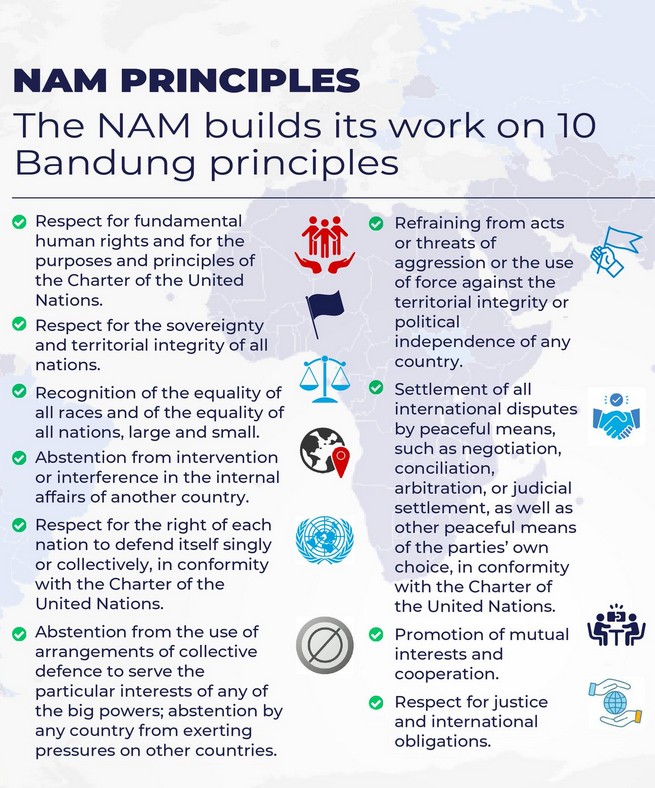
      • The early years were marked by a strong partnership against colonialism, highlighted by President Sukarno’s participation as the chief guest at India’s first Republic Day in 1950 and their collaboration during the Bandung Conference in 1955, which laid the groundwork for the Non-Aligned Movement.
    • Revitalization in the 1990s: The relationship saw a significant revival with India’s ‘Look East Policy’ initiated in the 1990s, aimed at strengthening ties with Southeast Asian nations.
      • This period marked increased political engagement and economic cooperation, culminating in the establishment of a strategic partnership during President Susilo Bambang Yudhoyono’s visit to India in 2005.
    • Contemporary Engagement and Strategic Partnership: Recent years have seen a deepening of bilateral relations through comprehensive agreements on defence, maritime security, and economic collaboration.
      • The signing of the “Shared Vision of Maritime Cooperation” in 2018 and ongoing joint military exercises reflect a commitment to enhancing security cooperation amid regional challenges, particularly concerning China’s assertiveness in the South China Sea.

    What are the implications of India-Indonesia bilateral relations?

    • Strengthened Strategic Partnership: The agreement to position an Indonesian liaison officer at India’s Information Fusion Centre highlights a commitment to enhance maritime cooperation and information sharing, which is crucial for regional security amidst rising tensions in the South China Sea.
    • Collective Security Efforts: Both nations have emphasized the importance of combating terrorism and have agreed to enhance anti-terror cooperation. This reflects a mutual understanding of shared security challenges and the need for collaborative responses.
    • Maritime Dialogue: The establishment of early dialogues on maritime security and cyber security indicates a proactive approach to address emerging threats and maintain stability in the Indo-Pacific region.

    How will the agreements reached during this visit impact regional security dynamics?

    • Promotion of Peaceful Resolutions: By advocating for a “full and effective” Code of Conduct (COC) in the South China Sea, India and Indonesia are positioning themselves as key players in promoting a rules-based order in the region, countering China’s assertive claims.
    • Support for International Law: Their joint statement reinforces adherence to international laws, including the 1982 UNCLOS, which could serve as a counterbalance to unilateral actions by China in the South China Sea.
    • Enhanced Cooperation with ASEAN: Both countries are likely to strengthen ties with ASEAN nations that share similar concerns about China’s maritime ambitions, fostering a united front in regional diplomacy.

    What economic benefits are anticipated from enhanced collaboration?

    • Local Currency Transactions: The emphasis on using local currencies for bilateral trade is expected to reduce transaction costs and enhance trade volumes between India and Indonesia, thereby boosting economic ties.
    • Increased Trade Opportunities: Enhanced cooperation in sectors such as hydrography and defense could open new avenues for economic collaboration, potentially leading to increased investments and joint ventures.
    • Maritime Commerce: By advocating for unimpeded lawful maritime commerce, both nations aim to secure vital trade routes that are crucial for their economies, particularly in light of the South China Sea’s significance as a global trade corridor.

    Way forward: 

    • Strengthen Multilateral Diplomacy: India and Indonesia should continue to collaborate with ASEAN and other regional stakeholders to promote a unified stance on maritime security, focusing on the full implementation of the South China Sea Code of Conduct and adherence to international law.
    • Enhance Economic Integration: Both nations should prioritize deepening economic ties through initiatives like local currency transactions and joint ventures in defence and maritime sectors, fostering sustainable growth and bolstering regional economic stability.

    Mains PYQ:

    Q Mention the significance of straits and isthmus in international trade. (UPSC IAS/2022)

  • [25th January 2025] The Hindu Op-ed: At 75, constitutional justice and personal liberty

    PYQ Relevance:
    Q) ‘Constitutional Morality’ is rooted in the Constitution itself and is founded on its essential facets. Explain the doctrine of ‘Constitutional Morality’ with the help of relevant judicial decisions. (UPSC CSE 2021)

    Mentor’s Comment: UPSC mains have always focused on ‘Scope of Fundamental Rights’ (2017) and Components of Constitutional Morality (2021).

    The interpretation of personal liberty under Article 21 has continuously adapted to address emerging issues like environmental rights, gender equality, and the rights of marginalized communities. 

    Today’s editorial emphasizes the need to critically examine how core constitutional values are facing an ethical and moral crisis. This content can be used in your Mains Answer for presenting the challenges particularly regarding personal liberty and the Judicial efforts for its dissent implementation.

    _

    Let’s learn!

    Why in the News?

    As India celebrates 75 years of its Constitution, there is a call to reflect on the ethical and moral challenges that undermine its core values.

    On account of these celebrations, it is crucial to critically examine the Right to Personal Liberty as an essential element of justice.

    What has been the evolution of personal liberty under Article 21 of the Indian Constitution over the past 75 years?

    Over the past 75 years, the interpretation and application of personal liberty under Article 21 of the Indian Constitution have undergone significant evolution, reflecting changing societal values and judicial perspectives.

    Initial Interpretation: When the Constitution came into effect in 1950, Article 21 was interpreted narrowly, focusing primarily on the physical aspect of personal liberty. 
    • The landmark case of A.K. Gopalan vs. State of Madras (1950) established that personal liberty was limited to the physical body, without broader implications for rights such as freedom of movement.

    Landmark Judgments:

    Maneka Gandhi Case (1978): This pivotal ruling expanded the scope of Article 21, asserting that the right to life includes the right to live with dignity and lead a meaningful life. The Supreme Court held that personal liberty encompasses various rights, including the right to travel abroad and the right to livelihood.
    Olga Tellis Case (1985): This case further broadened the interpretation by recognizing the right to livelihood as an integral part of the right to life. The court ruled that deprivation of livelihood without due process violates Article 21.

    Inclusion of Additional Rights: Over time, Article 21 has been interpreted to include rights such as privacy, health, and a clean environment, reflecting a more comprehensive understanding of personal liberty. The Supreme Court has emphasized that these rights are essential for ensuring individual dignity and a meaningful existence.

    Judicial Activism: The judiciary’s proactive stance has positioned Article 21 as a cornerstone of fundamental rights in India. It has led to increased scrutiny over state actions that infringe upon individual liberties, particularly in cases involving preventive detention and arbitrary arrests.
    Despite these advancements, issues such as preventive detention under anti-terror laws and prolonged custody without trial continue to pose challenges to personal liberty. 

    The evolving interpretation of Article 21 remains crucial in addressing these contemporary issues while safeguarding individual rights.

    How effective has the judiciary been in upholding Constitutional justice and protecting personal liberties?

    • The Supreme Court has actively protected individual rights, especially through the Puttaswamy case, which recognized privacy as a fundamental right under Article 21.
    • In Association for Democratic Reforms v. Union of India (2024), the Supreme Court unanimously struck down the Union’s 2018 Electoral Bond Scheme, ruling it unconstitutional for violating voters’ right to information under Article 19(1)(a) of the Constitution. It also safeguarded individuals from arbitrary actions by the state.
    • Despite these advancements, the judiciary grapples with a significant backlog of approximately 82,000 cases. This inefficiency undermines public trust and access to justice, costing the economy around 1.5% of GDP annually due to delays in legal proceedings.
    • Since Chief Justice Sanjiv Khanna took over in November 2024, there has been a focus on reducing the number of pending cases, leading to a 16% increase in case resolutions shortly after his appointment. This shows a commitment to improving judicial efficiency.
    • While judicial activism has led to important protections for fundamental rights, critics argue that it sometimes encroaches on legislative authority. Recent rulings have sparked debates about the separation of powers and whether the judiciary is overstepping its bounds in policymaking.

    What contemporary threats to personal liberty exist and what measures can be taken to address them?

    • Preventive Detention Laws: The misuse of preventive detention laws allows authorities to detain individuals without trial, often based on vague justifications. Recent Supreme Court rulings in Jaseela Shaji vs. Union of India (2024) emphasizes that preventive detention laws must be applied sparingly and only in exceptional circumstances, yet their routine use persists, raising concerns about arbitrary detention.
    • Arbitrary Arrests: Law enforcement agencies frequently arrest individuals under stringent laws like the Prevention of Money Laundering Act and the Unlawful Activities Prevention Act, often without sufficient evidence. This practice undermines the presumption of innocence and leads to prolonged custody.
    • Censorship and Freedom of Expression: The government has increased censorship of media and online platforms, blocking websites and social media accounts that criticize it or document hate speech against minorities. This curtails freedom of expression and restricts right to information.
    • Targeting Activists and Civil Society: Human rights activists and civil society organizations face harassment, including raids and cancellation of licenses under foreign funding laws. This stifles dissent and reduces accountability.
      • Further, India has the highest number of internet shutdowns globally, which disproportionately affects marginalized communities by denying them access to essential services.

    What measures are needed to address these threats?

    • Reforming Preventive Detention Laws: Stricter guidelines should be established for the application of preventive detention, ensuring that it is used only in genuine emergencies.
    • Strengthening Judicial Oversight: Courts should rigorously scrutinize arrests made under stringent laws to protect individuals’ rights and ensure fair trials.
    • Protecting Freedom of Expression: Legislative measures should be enacted to safeguard media freedom and prevent arbitrary censorship, ensuring that journalists can operate without fear of reprisals.
    • Supporting Civil Society: The government should foster an environment where civil society organizations can operate freely without undue interference or harassment.
    • Ensuring Internet Access: Policies should be implemented to prevent unjustified internet shutdowns, ensuring that all citizens have access to information and essential services.

    https://www.thehindu.com/opinion/lead/at-75-constitutional-justice-and-personal-liberty/article69137125.ece