💥UPSC 2026, 2027, 2028 UAP Mentorship (March Batch) + Access XFactor Notes & Microthemes PDF

Search results for: “”

  • [20th June 2024] The Hindu Op-ed: Blueprints beyond borders, for solace and shelter

    [20th June 2024] The Hindu Op-ed: Blueprints beyond borders, for solace and shelter

    PYQ Relevance: 

    Q Refugees should not be turned back to the country where they would face persecution or human rights violation”. Examine the statement with reference to the ethical dimension being violated by the nation claiming to be democratic with an open society. (UPSC IAS/2021)

    How far are India’s internal security challenges linked with border management, particularly in view of the long porous borders with most countries of South Asia and Myanmar? (UPSC IAS/2013)

    Mentors comment: India, commemorating World Refugee Day (June 20), boasts a millennia-old legacy of asylum, from ancient Jews and fleeing Zoroastrians to modern refugees like East Bengalis, Tibetans, Sri Lankan Tamils, Nepalis, Afghans, and Rohingyas. Having faced a significant refugee crisis at independence, India empathetically supports refugees, acknowledging their plight and affirming its commitment to aiding their resettlement and recovery.

    Let’s learn!

    Why in the News?

    The global refugee crisis continues to escalate, with over 43.4 million refugees worldwide driven by ongoing conflicts.

    About World Refugee Day
    • After the UN (United Nations) defined refugee rights in 1951, Africa established a day to honour them in 1970.
    • Later, acknowledging the worldwide refugee crisis, the UN General Assembly took a global approach in 2000, designating June 20th as World Refugee Day.
    • The Refugee Convention, 1951 defines who is a refugee, their rights, and the legal obligations of states towards them.
    • This day has become a powerful tool to raise awareness, build support, and celebrate the contributions of refugees everywhere.

    India’s Historical Role in Refugee Protection

    • Long-standing Asylum Tradition: India has a long history of providing asylum, from ancient times with Jewish and Zoroastrian refugees to more recent instances involving East Bengalis, Tibetans, Sri Lankan Tamils, Nepalis, Afghans, and Rohingyas.
    • Partition Legacy: The partition of India in 1947, which caused one of the largest refugee crises in history, has ingrained a deep awareness of the plight of refugees in the national consciousness.

    Issues related to Rohingya Sufferings

    • Trauma and Mental Health: Rohingya refugees in Delhi experience severe trauma, including anxiety, dissociative episodes, and depression, often due to past experiences in Myanmar and ongoing re-traumatization from living conditions and violence in India.
    • Living Conditions: Rohingya refugees live in shanty-like huts prone to accidental and intentionally set fires, leading to constant fear and re-traumatization.
    • Discrimination and Legal Status: Officially labelled as “illegal immigrants,” Rohingya refugees face severe discrimination in India. They are denied full access to education, healthcare, legal services, and formal employment opportunities.
    • Detention and Deportation: Fear of arbitrary detention and deportation is widespread, despite many having UNHCR refugee cards. At least 500 Rohingya, including women and children, are detained in centres across India without criminal charges, some for decades.
    • Civil Society and Funding: Civil society organizations working with Rohingya refugees face funding challenges due to cancelled FCRA licenses. Many support programs have shut down or reduced operations, leaving few UNHCR-supported organizations to cautiously continue their work.

    About unsolved Tibetan issue

    The Tibetan issue in India is a complex and contentious topic with historical, cultural, and political implications. 

    Ongoing Challenges

    • Tibetan Independence Movement: The Tibetan independence movement continues to push for greater autonomy and recognition of Tibet as a sovereign nation.
    • Chinese Censorship and Suppression: The Chinese government maintains strict control over information and suppresses any dissent or opposition to its rule in Tibet.

     Current Situation of Tibetans

    • Declining Refugee Numbers: Over the last seven years, the Tibetan refugee community in India has dropped by 44 percent, from around 150,000 in 2011 to 85,000, according to Indian government data.
    • Economic Uncertainty: Many Tibetans face economic uncertainty due to limited job opportunities and restrictions on property ownership and bank credit.
    • Lack of Recognition: Tibetans are not officially recognized as refugees in India, instead being designated as “foreigners” under Indian law.
    • No National Refugee Law: India has no national refugee law, and its policies are not in accordance with international standards.
    Indian Migrants’ Rights in GCC countries:
    Vulnerabilities of Migrant Workers: Migrant workers in GCC countries face systemic vulnerabilities due to the Kafala system, tying their legal status to employers who control their accommodation, wages, and freedom of movement. Lack of independent legal status and dependency on employers make them susceptible to exploitation, poor living conditions, and arbitrary deportations.
    Living Conditions and Safety: Many migrants live in crowded and substandard accommodations, which exacerbate risks during emergencies such as fires, as seen in the Mangaf tragedy. Safety standards in workplaces and living spaces often fall short, posing significant risks to migrants’ health and well-being.
    Legal Protections and Access to Justice: Legal protections for migrant workers vary, with some categories like domestic workers often excluded from labor laws and protections. Limited access to justice and the ability to organise or unionise further restrict their ability to advocate for improved rights and conditions.

    Need for Legislation

    • Lack of Formal Framework: Despite its history, India has not signed the UN Refugee Convention or its 1967 Protocol and lacks a domestic asylum framework.
    • Private Member’s Bill: In February 2022, a Private Member’s Bill was introduced in the Lok Sabha to establish a comprehensive Refugee and Asylum law, addressing these gaps. This Bill aimed to formalize the recognition and rights of asylum seekers and refugees, in line with international principles such as non-refoulement.

    Current Legislative Landscape

    • General Foreigner-related Laws: Without a dedicated refugee law, refugees in India are subject to various general foreigner-related laws, leading to inconsistent and ad hoc management.
    • Need for Comprehensive Law: A comprehensive National Asylum Law is needed to provide clear guidelines for asylum seekers, ensure access to essential services, and enable refugees to rebuild their lives.

    Judicial Support and International Responsibility

    • Supreme Court Affirmation: The Supreme Court of India has affirmed the rights of all individuals in India, including refugees, under Articles 14, 20, and 21 of the Constitution.
    • Landmark Cases: Landmark cases, such as the “National Human Rights Commission vs. the State Of Arunachal Pradesh & Anr” have highlighted the need for proper asylum procedures and protection against forcible eviction.
    • Framework for Refugee Rights: A formal refugee rights framework would reduce reliance on inconsistent judicial rulings and arbitrary decisions by government officials.

    Way Forward

    • International Cooperation: Addressing the global refugee crisis requires international cooperation, and India must play its part domestically and on the world stage.
    • Enacting a National Asylum Law: Enacting a National Asylum Law would reinforce India’s commitment to humanitarian values and democratic principles, positioning the country as a leader in refugee protection.
    • Alignment with Vision of Vishwaguru: Upholding these values aligns with India’s vision of being a Vishwaguru, contributing to global humanitarian efforts and embodying the ideals articulated by leaders like Jawaharlal Nehru.
    https://www.thehindu.com/opinion/lead/blueprints-beyond-borders-for-solace-and-shelter/article68308819.ece

  • Critical Minerals under iCET

    Why in the News?

    What are Critical Minerals?

    • Critical minerals are elements that are crucial to modern-day technologies and are at risk of supply chain disruptions.
    • These minerals are mostly used in making electronic equipment such as mobile phones, computers, batteries, electric vehicles, and green technologies like solar panels and wind turbines.
    • Many of these are required to meet the manufacturing needs of green technologies, high-tech equipment, aviation, and national defence.

    List of critical minerals includes:

    The centre has released a list of 30 critical minerals for India in 2023:

    1. Identified Minerals: Antimony, Beryllium, Bismuth, Cobalt, Copper, Gallium, Germanium, Graphite, Hafnium, Indium, Lithium, Molybdenum, Niobium, Nickel, Platinum Group elements (PGE), Phosphorous, Potash, Rare Earth Elements (REE), Rhenium, Silicon, Strontium, Tantalum, Tellurium, Tin, Titanium, Tungsten, Vanadium, Zirconium, Selenium and Cadmium.
    2. Fertilizer Minerals: Two minerals critical for fertilizer production, phosphorous and potash, are also included in the above list.

    Critical Mineral Blocks in India

    • Distribution: There are 20 blocks spread across eight states, including Tamil Nadu, Odisha, Bihar, Uttar Pradesh, Gujarat, Jharkhand, Chhattisgarh, and Jammu & Kashmir.
    • Types of Licenses: Four blocks are for a Mining License (ML), allowing immediate mining post-clearance. The remaining 16 blocks are for a Composite License (CL), permitting further exploration before potentially converting to an ML.
    • Approvals Required: Licensees must obtain various approvals, including forest clearance and environmental clearance.
    • Forest Land: Approximately 17% of the total concession area, or 1,234 hectares, is forest land.

    India’s Critical Mineral Imports

    • Lithium Imports: In FY23, India imported 2,145 tonnes of lithium carbonate and lithium oxide, costing Rs 732 crore.
    • Nickel and Copper Imports: The country imported 32,000 tonnes of unwrought nickel and 1.2 million tonnes of copper ore, costing Rs 6,549 crore and Rs 27,374 crore, respectively.
    • Import Dependence: India relies entirely on imports for lithium and nickel, and 93% for copper.

    Country-wise dependence:

    1. China: India heavily relies on China for the import of critical minerals like lithium, cobalt, nickel, and graphite.
    2. Australia: India is actively engaged with Australia for acquiring mineral assets, particularly lithium and cobalt, to secure its supply chain for critical minerals.
    3. Argentina, Bolivia, and Chile: India is engaging with these countries, known for their reserves of battery metals like lithium and cobalt, to diversify its sources for critical minerals.

    India’s Strategic Mineral Initiatives

    • Amendments to the Mines and Minerals (Development and Regulation) Act, 1957 support expanded exploration.
    • Establishment of Khanij Bidesh India Ltd. (KABIL) with equity from National Aluminium Company Ltd, Hindustan Copper Ltd, and Mineral Exploration and Consultancy Ltd for global mineral asset acquisition.

    International Collaborations and Partnerships

    • India joined the U.S.-led mineral security partnership to secure critical mineral supply chains.
    • Creation of an India-U.S. advanced materials research forum to foster collaboration in universities, laboratories, and private sectors.
    • Bilateral technology collaboration on neodymium-iron-boron and studies on minerals like lithium, titanium, gallium, and vanadium.

    Back2Basics: Indo-US Comprehensive Economic and Trade Agreement (iCET)

    Details
    Initiation Announced in May 2022, officially launched in January 2023
    Management Overseen by the National Security Councils of India and the US
    Objectives Enhance bilateral cooperation in critical and emerging technologies
    Focus Areas of the Initiative
    1. AI Research Agency Partnership
    2. Defense Industrial and Technological Cooperation
    3. Innovation Ecosystems
    4. Semiconductor Ecosystem Development
    5. Cooperation on Human Spaceflight
    6. Advancement in 5G and 6G Technologies
    Key Achievements
    • Quantum Coordination Mechanism
    • Public-private dialogues on telecommunications and AI
    • MoU on semiconductor supply chain
    • Defense industrial cooperation roadmap
    Upcoming Initiatives
    • Finalization of major jet engine deal
    • Launch of India-US Defence Acceleration Ecosystem (INDUS-X)
    • Strategic Trade Dialogue establishment


    PYQ:

    [2019] With reference to the management of minor minerals in India, consider the following statements:

    1. Sand is a ‘minor mineral’ according to the prevailing law in the country.
    2. State governments have the power to grant mining leases of minor minerals, but the powers regarding the formation of rules related to the grant of minor minerals lie with the Central Government.
    3. State Governments have the power to frame rules to prevent illegal mining of minor minerals.

    Which of the statements given above is/are correct?

    (a) 1 and 3

    (b) 2 and 3

    (c) 3 only

    (d) 1, 2 and 3

  • How will AlphaFold 3 change life sciences research?

    Why in the News?

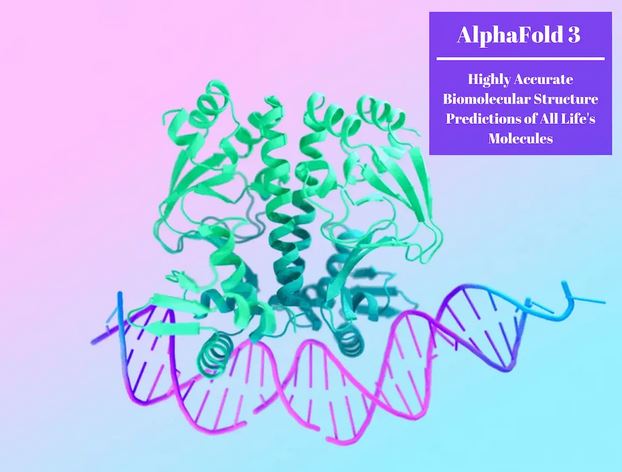
    AlphaFold 3, and AI System introduced in a May 2024 Nature paper, extends capabilities to predict protein-protein interactions, DNA, RNA structures, and their interactions.

    Importance of Proteins

    • Proteins are crucial molecules regulating nearly every biological function.
    • They are composed of amino acids, which determine their structure and function.
    • Understanding protein folding is essential for comprehending cellular and organismal functions.

    The Protein-Folding Problem

    • The process of protein folding is complex and not fully understood, known as the protein-folding problem.
    • It is vital for deciphering how cells, organisms, and life itself operate.
    • Frank Uhlmann emphasizes the significance of understanding protein structure for molecular biology.

    What is AlphaFold?

    • Google DeepMind’s AlphaFold debuted in 2020, employs AI and machine learning to predict protein structures.
    • AlphaFold 2, released in 2021, significantly improved accuracy in protein structure prediction.
    • Derek Lowe acknowledges AlphaFold’s achievement in predicting structures effectively, although the deeper biological principles remain less explored.
    • AlphaFold 3’s Advancements:
      • It democratizes research by offering accessible structure prediction tools, even for non-experts.

    Technology behind AlphaFold 3

    • Unlike its predecessors, AlphaFold 3 utilizes a diffusion model akin to image-generating software.
    • This approach involves training on noisy data and de-noising to predict accurate protein structures.
    • Working:
      • Given an input list of molecules, AlphaFold 3 generates their joint 3D structure, revealing how they all fit together.
      • It models large biomolecules such as proteins, DNA and RNA, as well as small molecules, also known as ligands — a category encompassing many drugs.

    Applications of AlphaFold 3

    • AlphaFold 3 excels in predicting protein structures and interactions, aiding drug discovery efforts.
    • DeepMind’s spin-off, Isomorphic Labs, utilizes AlphaFold 3 for drug candidate identification.

    Challenges

    • The model’s code restriction has sparked criticism among researchers for hindering scientific collaboration and transparency.
    • DeepMind initially withheld AlphaFold 3’s full code, prompting calls for open access from the scientific community.
    • Responding to backlash, DeepMind plans to release the complete code within six months.

    PYQ:

    [2020] With the present state of development, Artificial Intelligence can effectively do which of the following?

    1. Bring down electricity consumption in industrial units
    2. Create meaningful short stories and songs
    3. Disease diagnosis
    4. Text-to-Speech Conversion
    5. Wireless transmission of electrical energy

    Select the correct answer using the code given below:

    (a) 1, 2, 3 and 5 only

    (b) 1, 3 and 4 only

    (c) 2, 4 and 5 only

    (d) 1, 2, 3, 4 and 5

  • The high cost of a Global Economic Decoupling

    Why in the News?

    The announcement by United States President Joe Biden in May to impose a new set of tariffs on various Chinese imports has reignited concerns about a new phase of economic decoupling globally.

    • According to the World Economic Forum, Economic Decoupling is a policy change that raises barriers to trade in goods and services where firms respond to these changes. If policy decoupling occurs despite the efforts of economic agents, the global economy is negatively affected.

    Latest Tariff on Chinese Electric Vehicles (EV) by USA:

    • Reason for Tariff: The U.S. imports few EVs from China, and the decision to impose high tariffs on them reinforces President Biden’s pro-union stance and support for the United Auto Workers (UAW) efforts to increase domestic EV manufacturing.
    • Tariff Increase: The tariffs on Chinese EVs have been quadrupled from 25%.
    • Pre-emptive Measure: This tariff acts as a pre-emptive measure to protect the American auto industry from the fast-growing Chinese car and battery industry. The tariff aims to support traditional domestic automakers and the American auto union against competition from China.

    Significant Observations of these decisions made by the USA on Global Geo-politics:

    • Firstly, the latest tariffs imposed by the USA which include steep increases for several other products, ranging from semiconductors to needles and syringes are the final nail in the coffin of US-China trade cooperation. The US and China are now in a full-blown economic war which will have far-reaching geopolitical consequences.
    • Secondly, the tariffs signal defeat. Biden and his political party feel obliged to join the anti-China, anti-trade fervor that has emerged as one of the very few unifying issues in a polarized country. Moreover, the tariffs, combined with US complaints that China is producing too much and putting pressure on the global economic system, speak to a deep-seated anxiety about America’s international competitiveness.

    Long-term Effects

    • Protectionism: Continued tariffs may lead to a vicious cycle of tit-for-tat measures, exacerbating protectionism worldwide.
    • Global Green Transition: New import restrictions on Chinese clean energy products could delay global green transition targets and the expansion of renewables.
    • Economic Impact on Multinationals: Western multinationals dependent on China’s consumer market may see a dip in earnings due to China’s slowing growth and rising household debts.
    • Impact on Resource-rich Countries: Countries like Australia and Brazil, heavily reliant on exports to China, may face economic challenges due to a slowing Chinese economy and falling commodity prices.
    • Supply Chain Risks: The European Union’s de-risking strategy might lead to China tightening its control over critical raw mineral supply chains, complicating the global value chain of rare earths.
    • Southeast Asia’s Challenges: Despite potential benefits from shifting production and investment from China, Southeast Asia remains highly dependent on Chinese technology and investment.
    • India’s Manufacturing Struggles: India’s prospects of benefiting from decoupling dynamics are uncertain due to competition from neighboring countries and deep economic ties with China.

    Potential Crisis

    • Psychological Impact on Investors: The cycle of escalation in tariffs and decoupling creates significant psychological effects on global investors.
    • Distance from WTO: The U.S. strategy involves deliberate distancing from the World Trade Organization (WTO), evidenced by blocking the appointment of judges to the WTO Appellate Body.
    • Geopolitical Rivalry: The intensifying geopolitical rivalry and fragmentation of the global economy pose a high risk to the liberal international order.
    • Risk to Global Stability: The ongoing decoupling strategy is likely to benefit neither the U.S., China, nor the rest of the world, leading to potential global instability.

    Conclusion: The new tariffs and decoupling strategies, while aiming to protect domestic interests, risk escalating global protectionism and instability, highlighting the need for balanced, multilateral trade policies.

    Mains PYQ:

    Q What are the key areas of reform if the WTO has to survive in the present context of ‘Trade War’, especially keeping in mind the interest of India? (15M) (UPSC IAS/2018)

  • 10 Controversial Questions in UPSC Prelims 2024 with Solutions

    10 Controversial Questions in UPSC Prelims 2024 with Solutions

    To get PDF of all recurring micro themes, get in touch

    Dear students, 

    Q1,Q2,Q3 are controversial questions in UPSC prelims and UPSC can use its own logic to decide the answer. We have taken our stand based on our knowledge. 

    We are all aware that prelims is becoming very unpredictable. It requires a very targeted approach. 

    First, you need to be aware of all the recurring micro themes from which UPSC repeatedly asks questions year after year. You must develop a solid command of these themes and ensure you don’t miss a question. Questions on these themes are on the tougher side. Next, you need to master adjacent themes and CA themes that are prominent in the same year. 

    Finally, the art of attempting the paper, taking guesses based on previous year patterns.  

    https://wa.aisensy.com/vF6bRr

    Q1. Consider the following:

    1. Carabid beetles
    2. Centipedes
    3. Flies
    4. Termites
    5. Wasps

    Parasitoid species are found in how many of the above kind of organisms?

    a) only two

    b)only three*

    c) only four

    d) all five 

    ====

    Answer: (b)

    Explanation:

    Parasitoids are small insects whose immature stages develop either within or attached to the outside of other insects, referred to as hosts, eventually killing it. Parasitoids have characteristics of both predators and parasites.

    Various resources only list Beetles, Wasps and flies. 

    https://australian.museum/learn/animals/insects/predators-parasites-and-parasitoids/

    https://extension.umd.edu/resource/parasitoids

    Termites and Centipedes dont seem to exhibit this mechanism. 

    Ichneumonidae, Phoridae, Calliphoridae, Coptoterms and others have been mentioned. We dont feel these are apt in this setting. 

    ——————————————

    Prepare with Civilsdaily. Connect with our Mentors Now.
    Reach out here- https://wa.aisensy.com/vF6bRr

    Q2. Consider the following statements:

    Statement-I:

    If the United States of America (USA) were to default on its debt, holders of US Treasury Bonds will not be able to exercise their claims to receive payment.

    Statement-II:

    The USA Government debt is not backed by any hard assets, but only by the faith of the Government.

    Which one of the following is correct in respect of the above statements?” 

    a) Both Statement-I and Statement-II are correct and Statement-II explains Statement-I

    b) Both Statement-I and Statement-II are correct, but Statement-II does not explain Statement-I

    c) Statement-I is correct, but Statement-II is incorrect

    d) Statement-I is incorrect, but Statement-II is correct

    ====

    Answer: (d)

    Explanation:
    Statement-I: Is incorrect because you can always exercise claims. You will not get it is a separate issue. 


    Statement-II: This statement is correct. US Government debt, such as Treasury Bonds, is backed by the full faith and credit of the US Government rather than any specific physical assets.

    ——————————————

    3. Consider the following activities:

    1. Identification of narcotics on passengers at airports or in aircraft

    2. Monitoring of precipitation

    3. Tracking the migration of animals

    In how many of the above activities can the radars be used?

    a) Only one

    b) Only two

    c) All three

    d) None

    ====

    Answer B

    Explanation

    1. Identification of narcotics on passengers at airports or in aircraft: This is typically done using X-ray scanners or advanced imaging technologies like millimetre wave scanners. Radars are unheard of in this context. Hence, statement 1 is incorrect.

    A distinction between IDENTIFICATION and DETECTION is needed. Even if some RADAR system is being developed for the detection of potential narcotics, it cannot identify on its own whether it is narcotics or some other hard substance. Thats more nuanced information. 

    2. Monitoring of precipitation: Radars, specifically weather radars, are commonly used to monitor precipitation. They can detect rain, snow, and other weather conditions by bouncing radio waves off precipitation particles. Hence, statement 2 is correct

    3. Tracking the migration of animals: Radars can be used to track the migration of birds and other animals. They are often used in ornithological studies to monitor bird migration patterns. Hence, Statement 3 is correct 

    ——————————————

    4. Consider the following statements:

    Statement-I:

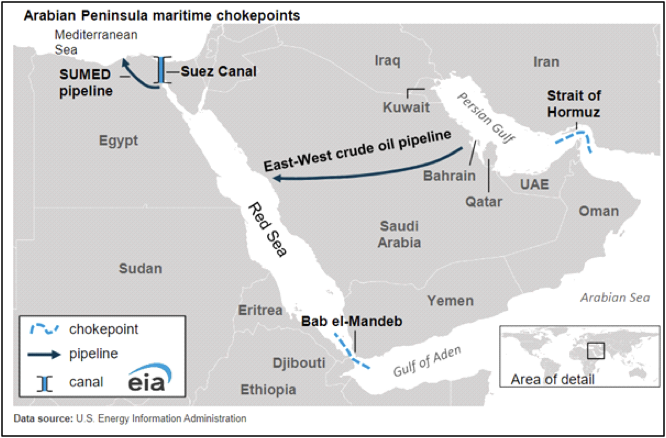
    Sumed pipeline is a strategic route for Persian Gulf oil and natural gas shipments to Europe.

    Statement-II:

    Sumed pipeline connects the Red Sea with the Mediterranean Sea.

    Which one of the following is correct in respect of the above statements?

    a) Both Statement-I and Statement-II are correct and Statement-II explains Statement-I.

    b) Both Statement-I and Statement-II are correct, but Statement-II does explain Statement-I.

    c) Statement-I is correct, but Statement-II is incorrect.

    d) Statement-I is incorrect, but Statement-II is correct.

    ====

    Answer: (a)

    Explanation:

    Statement I: The SUMED pipeline transports crude oil north through Egypt and has a capacity of 2.5 million barrels per day. 

    Total oil shipments via these routes accounted for about 12% of total seaborne-traded oil in the first half of 2023, and liquefied natural gas (LNG) shipments accounted for about 8% of worldwide LNG trade.

    The Bab el-Mandeb Strait is between the Horn of Africa and the Middle East, connecting the Red Sea to the Gulf of Aden and Arabian Sea. Most exports of petroleum and natural gas from the Persian Gulf to Europe and North America pass through multiple chokepoints, including the SUMED pipeline and both the Bab el-Mandeb and the Strait of Hormuz. Therefore, statement I is correct.

    Fig: Data is given by U.S. Energy Information Administration

    Statement II: The Suez Canal and SUMED pipeline are located in Egypt and connect the Red Sea with the Mediterranean Sea. The Sumed pipeline connects the Red Sea with the Mediterranean Sea. Therefore, statement II is also correct.

    ——————————————

    5. Consider the following statements:

    Statement-I:

    The European Parliament approved the Net-Zero Industry Act recently.

    Statement-II:

    The European Union intends to achieve carbon neutrality by 2040 and therefore aims to develop all of its own clean technology by that time.

    Which one of the following is correct in respect of the above statements?

    a) Both Statement I and Statement II are correct and Statement II explains Statement I

    b) Both Statement I and Statement II are correct, but Statement II does not explain Statement I

    c) Statement I is correct, but Statement II is incorrect

    d) Statement I is incorrect, but Statement II is correct

    ====

    Answer: (c)

    Explanation:

    • Statement I: The European Parliament has approved the Net-Zero Industry Act to enhance net-zero technology production within the European Union. Therefore, statement I is correct.
    • Statement II: The Act targets Europe to produce 40% of its net-zero technology needs by 2030 and capture 15% of the global market for these technologies. Therefore, statement II is incorrect.

    ——————————————

    6. Consider the following statements:

        1. The Red Sea receives very little precipitation in any form.

        2. No water enters the Red Sea from rivers.

        Which of the statements given above is/are correct?

       a) 1 only

       b) 2 only

       c) Both 1 and 2

       d) Neither 1 nor 2

    ====

    Answer (A)

    Explanation

    Statement 1:The Red Sea is located in a desert region with very high temperatures and low humidity. This leads to very little rainfall or any form of precipitation.Hence statement 1 is correct.

    Statement 2: Due to its location, there are no major rivers flowing into the Red Sea. The water in the Red Sea comes primarily from the inflow of saltier water from the Gulf of Aden through the Bab el-Mandeb Strait. 

    Many links claim the same- 

    https://en.wikipedia.org/wiki/List_of_rivers_of_Eritrea

    Hence statement 2 is incorrect.

    ——————————————

    7. Consider the following information:

    Waterfall          Region                River

    1. Dhuandhar  Malwa                 Narmada

    2. Hundru        Chota Nagpur     Subarnarekha

    3. Gersoppa    Western Ghats   Netravati

    In how many of the above rows is the given information correctly matched?

    a) Only one

    b) Only two

    c) All three

    d) None

    ====

    Answer: (A)

    Explanation

    ● Dhuandhar: This waterfall is located on the Narmada River, but the region is not Malwa. It is in Madhya Pradesh Mahakoshal region. Hence, pair 1 is incorrectly matched.

    The map is attached-

    ● Hundru: This waterfall is indeed located on the Subarnarekha River within the Chota Nagpur Plateau. Hence, pair 2 is correctly matched.

    ● Gersoppa (also known as Jog Falls): This waterfall is on the Sharavati River in the Western Ghats, not the Netravati River. Hence, pair 3 is incorrectly matched.

    Therefore, Option A is correct

    ——————————————

    Q8. With reference to the ‘Pradhan Mantri Surakshit Matritva Abhiyan’, consider the following statements:

    1. This scheme guarantees a minimum package of antenatal care services to women in their second and third trimesters of pregnancy and six months post-delivery health care service in any government health facility.

    2. Under this scheme, private sector health care providers of certain specialities can volunteer to provide services at nearby government health facilities.

    Which of the statements given above is/are correct? 

    a) 1 only

    b) 2 only

    c) Both 1 and 2

    d) Neither 1 nor 2

    ====

    Answer B

    Explanation

    No provisions for post-delivery care. There is a separate program for that.

    The program aims to provide assured, comprehensive and quality antenatal care, free of cost, universally to all pregnant women on the 9th of every month.

    ➔ PMSMA guarantees a minimum package of antenatal care services to women in their 2nd / 3rd trimesters of pregnancy at designated government health facilities. There is no mention of Post pregnancy health care services. Hence, statement 1 is incorrect.

    ➔ The programme follows a systematic approach for engagement with the private sector which includes motivating private practitioners to volunteer for the campaign developing strategies for generating awareness and appealing to the private sector to participate in the Abhiyan at government health facilities. Hence, statement 2 is correct.

    ——————————————

    Q9. The North Eastern Council (NEC) was established by the North Eastern Council Act, 1971. Subsequent to the amendment of NEC Act in 2002, the Council comprises which of the following members:

    1. Governor of the Constituent State

    2. Chief Minister of the Constituent State

    3. Three Members to be nominated by the President of India

    4. The Home Minister of India

    Select the correct answer using the code given below:

    Select the correct answer using the code given below:

    a) 1, 2 and 3 only

    b) 1, 3 and 4 only

    c) 2 and 4 only

    d) 1, 2, 3 and 4

    ====

    Answer: A

    Explanation

    It is only a matter of chance that the Home Minister is appointed by the President to be the Chairman time and again. But the Act doesnt have a provision stating the Home Minister. 

    The NEC Act was amended by the Parliament in 2002 (Act No. 68 of 2002). The ‘North Eastern Areas’ now means the area comprising the States of Assam, Manipur, Meghalaya, Nagaland, Tripura, Arunachal Pradesh, Sikkim and Mizoram. 

    The Council now has as its members the Governors of the States mentioned above, the Chief Ministers of the said States and three Members nominated by the President. The President will nominate the Chairman of the Council and he need not be nominated from amongst the other Members. 

    ——————————————

    Q10. With reference to the Government of India Act, 1935, consider the following statements:

    1. It provided for the establishment of an All India Federation based on the union of the British Indian Provinces and Princely States.

    2. Defence and Foreign Affairs were kept under the control of the federal legislature.

    Which of the statements given above is/are correct?

    (a) 1 only

    (b) 2 only

    (c) Both 1 and 2

    (d) Neither 1 nor 2

    ====

    Answer: (a)

    Explanation

    Statement I: Doesnt say ONLY. So it is true. 

    • The Act of 1935 provided for the establishment of an All India Federation consisting of Provinces and Princely States as units. Therefore, statement 1 is correct.
    • The Act also contains the provisions for Chief Commissioners’ Provinces of British Baluchistan, Delhi, Ajmer-Merwara, Coorg and the Andaman and Nicobar Islands. The area known as Panth Piploda, and such other Chief Commissioners’ Provinces as may be created under this Act.

    Statement II: Logically speaking, Defence and Foreign Affairs cant be given to federal units. They are too critical. 

    • The Act divided the powers between the Centre and units in terms of three lists, Federal List (for Centre containing 59 items), Provincial List (for provinces containing 54 items) and the Concurrent List (for both containing 36 items). The creation of a ‘Federation of India’ that consisted of two levels:
    • Central Executive and Parliament,
    • Provinces and Princely states.
    • It discarded the ‘dyarchy’ system at the provincial level and allowed for the emergence of popularly elected provincial legislatures. Dyarchy was introduced at the central level, key subjects like defence and foreign affairs were under the direct control of the Governor General.
    • A federal court was established.
    • The franchise was expanded to 14% of the population from 3%.
    • Separate electorates were provided for Muslims, Sikhs and others, but not to Depressed Classes.
    • Governor enjoyed critical emergency powers.
    • Residuary powers were given to the Viceroy. However, the federation never came into being as the princely states did not join it. But this has formed the basis of Schedule VII of the Constitution of India, 1950.Therefore, Statement 2 is Incorrect.

    To get PDF of all recurring micro themes, get in touch

  • Time for a Census, come what may

    Why in the news?

    Why has the 2021 Census been delayed for so long? One plausible explanation is that the Bharatiya Janata Party (BJP) is postponing the Census to expedite the “delimitation” process in preparation for the 2029 Lok Sabha elections.

    The 84th Amendment of the Constitution

    • Delimitation Based on Census: The 84th Amendment specifies that the next delimitation exercise must be based on the first census conducted after 2026.
    • Timing for Delimitation: If the next census occurs before 2026, delimitation would be delayed until after the subsequent census in the 2030s.
    • Impact on State Representation: Delimitation aims to adjust the shares of different states in Lok Sabha seats to match their population shares, and ensure similar population sizes across constituencies.
    • Shift in Seat Balance: The upcoming delimitation is expected to favour northern states with faster population growth since 1973, potentially at the expense of southern states.

    About the 106th Amendment

    • Women’s Reservation: Passed in September 2023, this amendment provides for one-third reservation of seats for women in the Lok Sabha and State Assemblies.
    • Implementation: The reservation is to come into effect “after an exercise of delimitation is undertaken for this purpose after the relevant figures for the first census taken after [2023] have been published.”
    • Separate Delimitation for Women: The phrase “for this purpose” suggests that women’s reservation could be implemented through its own delimitation exercise, separate from the broader delimitation mandated by the 84th Amendment.
    • Interpretation: This allows for the possibility of initiating women’s reservation based on an early census, without waiting for the larger delimitation exercise.

    Overall Implications

    Impact on the Southern States:

    • Seat Redistribution: Delimitation is expected to shift more Lok Sabha seats to northern states with higher population growth, potentially reducing the representation of southern states.
    • Political Backlash: Southern states may react negatively to losing representation, which could lead to increased regional tensions and opposition to the BJP in these areas.

    Women’s Reservation:

    • Implementation Delay: Postponing the census could delay the implementation of the 106th amendment, which mandates one-third reservation for women in the Lok Sabha and State Assemblies.
    • Separate Delimitation: There is a possibility of initiating women’s reservation through a separate delimitation exercise, independent of the broader delimitation mandated by the 84th Amendment.

    Welfare and Entitlements:

    • Updated Data Needs: Census data are crucial for implementing welfare schemes and ensuring that resources are allocated based on the most recent population figures.
    • Impact on Beneficiaries: Delaying the census deprives millions of people of updated entitlements, such as food rations under the National Food Security Act, affecting their access to essential services.

    Way forward: 

    • Timely Census Completion: Ensure the 2021 Census is conducted promptly to provide accurate data for welfare schemes and fair resource allocation, benefiting millions of citizens who rely on updated population figures for essential services.
    • Separate Delimitation for Women’s Reservation: Implement women’s reservation through a separate delimitation exercise as allowed by the 106th Amendment, enabling the reservation to take effect without waiting for the broader delimitation mandated by the 84th Amendment.

    Mains PYQ:

    Q Empowering women is the key to controlling the population growth.” Discuss. (UPSC IAS/2019)

  • Does H5N1 pose a threat for humans? | Explained

    Why in the news?

    The highly pathogenic avian influenza (HPAI) H5N1’s spread to cattle and first human cases in U.S. dairy workers heighten fears of wider human transmission.

    Can the highly pathogenic avian influenza H5N1 strain spread from cattle to humans?

    • Recent Infections: Three cases of human infection in dairy farm workers were reported in the U.S., indicating the potential for the virus to spread from cattle to humans.
    • Transmission: The virus appears to spread to humans who are in close interaction with infected birds or animals without adequate personal protection.
    • Current Risk Level: Scientists note that the virus currently lacks changes that would make it better adapted to human-to-human transmission, keeping the risk to human health low. However, the potential for the virus to rapidly evolve remains a concern.

    What is the strategy to identify and contain the spread of the virus?

    • Surveillance in Kerala: Kerala has implemented a community-based disease surveillance network involving 2.5 lakh volunteers trained in the ‘One Health’ concept across four districts: Alappuzha, Pathanamthitta, Kottayam, and Idukki.
    • Early Warning System: These volunteers report any unusual events or deaths of animals/birds in their locality, allowing for early warning and prompt preventive or control measures.
    • Global Coordination: There is a call for a robust and coordinated response to H5N1, as emphasized in a recent editorial by The Lancet.

    What is the concept of ‘One Health’ 

    • ‘One Health’ Concept: ‘One Health’ is an approach that recognizes the interconnection between people, animals, plants, and their shared environment, emphasizing the need for collaborative efforts across different sectors to achieve optimal health outcomes.

    How is Kerala using it to limit the spread of avian influenza?

    • Implementation of the ‘One Health’ concept in Kerala: Kerala has operationalized the ‘One Health’ concept through the World Bank-aided ‘Rebuild Kerala’ project. This involves a community-based disease surveillance network where volunteers are trained to monitor and report on animal and bird health, ensuring early detection and response to potential outbreaks.
    • Other Operational Measures: The state has taken proactive steps beyond the conceptual framework of ‘One Health’ by establishing an on-ground, volunteer-driven network for disease monitoring and control.

    Way forward:

    • Strengthen Global Surveillance and Collaboration: Enhance international cooperation for surveillance, data sharing, and rapid response mechanisms to monitor and control the spread of H5N1, leveraging the ‘One Health’ approach for coordinated action across human, animal, and environmental health sectors.
    • Implement Rigorous Biosecurity and Safety Protocols: Ensure strict biosecurity measures and personal protective equipment (PPE) for workers in close contact with animals, particularly in high-risk areas, to prevent zoonotic transmission and reduce the potential for human infections.

    Mains PYQ: 

    Q The public health system has limitations in providing universal health coverage. Do you think that the private sector can help in bridging the gap? What other viable alternatives do you suggest? (UPSC IAS/2015)

  • Why caste should inform debates on inequality in the country?

    Why in the News?

    A recent working paper from the World Inequality Lab has sparked renewed debate about the growing divide between the rich and the poor.

    Disparities in Consumption Patterns:

    • Population vs. Consumption Share: Scheduled Tribes (ST): Despite making up 9% of the population, their consumption share is only 7%. Scheduled Castes (SC): Represent 20% of the population but have a consumption share of 16%. Other Backward Classes (OBC): Align more closely with their population percentage, constituting 43% of the population and a 41% consumption share.General Category: Comprises 28% of the population but commands a significantly higher consumption share of 36%.
    • Reduction in Consumption Inequality: The overall Gini coefficient decreased from 0.359 in 2017-18 to 0.309 in 2022-23. Gini coefficients for ST, SC, OBC, and General categories also saw reductions, indicating a slight improvement in the equitable distribution of consumption within these communities.

    • Economic Disparities Among Social Groups: The bottom 20% decile experienced a decrease in consumption levels for ST, SC, and OBC groups, although marginally. The General category saw a more pronounced decrease in consumption levels among the poorest segment, highlighting a relative decline in consumption among this group.
    • Concentration of Wealth in Higher Deciles: Consumption has increased for all social groups in the top 20% decile. The General category experienced a significant 10% points surge in consumption between 2017-18 and 2022-23, implying a potential concentration of wealth among high-caste elites and persistent economic disparities.

    Efforts to Augment Income Generation Abilities:

    • Targeted Policies:
      • Reservation: Affirmative action programs to improve opportunities for SCs, STs, and OBCs.
      • Rural Development Initiatives: Policies aimed at enhancing infrastructure, education, and healthcare in rural areas.
      • Direct Benefit Transfers (DBT): Financial aid is directly transferred to beneficiaries to ensure they receive the intended benefits without middlemen.
    • Focus on Lower Deciles: Emphasis on increasing income generation and consumption abilities, particularly within the lower deciles of SC, ST, and OBC communities—the importance of fostering social harmony and economic stability through equitable income distribution.
    • Monitoring and Intervention: Continuous monitoring of consumption trends and economic disparities. They are implementing targeted interventions addressing the specific socio-economic challenges faced by different groups to ensure sustained progress towards economic equity.

    Way forward:

    • Strengthen and Expand Affirmative Action Programs: Enhance and rigorously implement affirmative action policies such as reservations in education and employment for SCs, STs, and OBCs. This should include increasing access to quality education, vocational training, and skill development programs to empower these communities economically and socially
    • Promote Inclusive Economic Development Initiatives: Implement comprehensive rural development initiatives that focus on improving infrastructure, healthcare, and education in marginalized areas.

    Mains PYQ: 

    Q What are the main factors responsible for gender inequality in India? Discuss the contribution of Savitribai Phule in this regard.(UPSC IAS/2020)

  • [19th June 2024] The Hindu Op-ed: The boomerang effect in this general election, and how

    [19th June 2024] The Hindu Op-ed: The boomerang effect in this general election, and how

    PYQ Relevance:

    Q. Discuss the role of the Election Commission of India in the light of the evolution of the Model Code of Conduct. (UPSC IAS/2022)

    Q. To enhance the quality of democracy in India the Election Commission of India has proposed electoral reforms in 2016. What are the suggested reforms and how far are they significant to make democracy successful? (UPSC IAS/2017)

    Mentors Comment: The 2024 general election verdict has various interpretations. Some believe it has expanded the space for dissent and democracy, while others see it as a check on Prime Minister Modi’s perceived authoritarianism. Philosophically, it signifies a civilisational response against the BJP’s Hindutva project, which has polarized Hindus rather than uniting them, proving counterproductive.

    Let’s Learn!

    Why in the News?

    • Interpreting the Outcome: The 2024 general election outcome has sparked diverse interpretations, portraying it either as a resurgence of dissent and democracy or as a check on what critics label as Prime Minister Narendra Modi’s authoritarian rule.
    • Deeper Philosophical Narrative: Beyond surface impacts, the election outcome reflects underlying philosophical shifts in Indian politics.

    Philosophical Underpinnings of the Verdict

    • Resurgence of Civilizational Ethos: The verdict can be interpreted as a revival of India’s civilizational ethos, countering the BJP’s Hindutva agenda.
    • Polarization within Hindu Society: Hindutva’s attempt to unite Hindus against perceived threats has instead deepened divisions within Hindu communities.

    Constitutional Significance

    • Central Theme of the Election: The Constitution emerged prominently in the election discourse amid concerns over potential amendments that could impact affirmative action for backward castes and tribes.
    • Critique by RSS and Allies: Historically, the RSS and its allies have critiqued the Constitution, seeking to undermine its provisions despite assertions of commitment to secularism.

    The Role of the Constitution

    • Symbol of Corrective Justice: The Constitution symbolizes corrective justice for historical injustices within Hindu society and stands against efforts to glorify a selective Hindu past that marginalizes minorities.
    • Hypocrisy of Right-Wing Rhetoric: While proponents claim secularism as inherent to Hindu ethos, their rhetoric often targets and demonizes minorities, undermining their claims of upholding constitutional values.

    Political Repercussions

    • BJP’s Electoral Setback: The BJP’s setback in the 2024 elections signals public rejection of attempts to manipulate the Constitution and exploit anti-minority sentiments.
    • Ayodhya Defeat: The electoral defeat in Ayodhya, where a Dalit candidate prevailed, underscores voters’ prioritization of social justice over religious symbolism, challenging BJP’s political strategies.

    Future Trajectory of Hindutva

    • Coalition Governance Dynamics: With a coalition government necessitating broader consensus, the focus on amending the Constitution may diminish temporarily.
    • Vigilance of the Opposition: The Opposition must remain vigilant against future attempts to amend the Constitution for partisan gains, ensuring its resilience against divisive agendas.

    Conclusion: The 2024 election marks a pivotal moment where the Constitution emerged as a safeguard against attempts to reshape India’s socio-political fabric. The BJP’s electoral setbacks underscore the enduring significance of constitutional values in upholding inclusive democracy. Upholding social justice and preventing the exploitation of marginalized communities should remain paramount, ensuring unity amidst India’s diversity.

    https://www.thehindu.com/opinion/lead/the-boomerang-effect-in-this-general-election-and-how/article68304575.ece

  • Who is the Pro-Tem Speaker of Lok Sabha and how is an MP chosen for the role?

    Why in the News?

    • The 18th Lok Sabha will convene its first session very soon. A new Speaker of the House will be elected during this session.
      • Until the election of the new Speaker, a pro-tem Speaker will be appointed to administer the oath to the new Members of Parliament.

    Who is a Pro-tem Speaker?

    • The Speaker of the Lok Sabha oversees the day-to-day proceedings of the House.
    • According to Article 94 of the Indian Constitution, the outgoing Speaker continues in office until the first meeting of the new Lok Sabha.
    • A pro-tem Speaker is appointed temporarily to manage certain duties until the new Speaker is elected.
    • The Constitution does NOT mention explicitly about the post.
      • However, the ‘Handbook on the Working of the Ministry of Parliamentary Affairs provides guidelines on the appointment and duties of the Speaker pro-tem.
    • Functions:
      • The primary duty of the pro-tem Speaker is to administer oaths to the new MPs, as mandated by Article 99 of the Constitution.

    Appointment of the Pro-tem Speaker

    • When the Speaker’s post is vacant before the new Lok Sabha convenes, the PRESIDENT appoints a Member of the House as the Speaker pro-tem.
      • The President administers the oath to the Speaker pro-tem at the Rashtrapati Bhawan.
    • Generally, three other elected members of the Lok Sabha are also appointed by the President to assist in the oath-taking process.
    • The SENIORMOST members, in terms of years of service, are usually chosen for this role, though there can be exceptions.

    Process of Administering Oaths

    • The Legislative I Section of the Government of India prepares a list of the seniormost Lok Sabha members after the formation of the new government.
    • This list is submitted to the Minister of Parliamentary Affairs or the Prime Minister, who identifies the Speaker pro-tem and the three other members for oath-taking.
    • After the Prime Minister’s approval, the consent of the selected members is obtained by the Minister of Parliamentary Affairs, usually over the telephone.
    • The Minister then submits a note to the President seeking approval for the appointments and the date and time for the swearing-in ceremony.
    • Upon the President’s approval, the Ministry informs the Speaker pro-tem and the other members about their appointments.
    • The Speaker pro-tem then administers the oath to the other three members in the Lok Sabha.

    PYQ:

    [2024] With reference to the Speaker of the Lok Sabha, consider the following statements :

    While any resolution for the removal of the Speaker of the Lok Sabha is under consideration

    1. He/She shall not preside.
    2. He/She shall not have the right to speak.
    3. He/She shall not be entitled to vote on the resolution in the first instance.

    Which of the statements given above is/are correct?

    (a) 1 only

    (b) 1 and 2 only

    (c) 2 and 3 only

    (d) 1, 2 and 3

  • [pib] INS Sunayna in Port Victoria, Seychelles

    Why in the News?

    • INS Sunayna, an Offshore Patrol Vessel based at Southern Naval Command, entered Port Victoria, Seychelles.
      • The ship will undertake joint EEZ surveillance with the Seychelles Coast Guard during the deployment.
      • The visit is aimed at further strengthening mutual cooperation in line with the vision of SAGAR (Security & Growth for All in the Region).

    About INS Sunayna

    • INS Sunayna is the second Saryu-class patrol vessel of the Indian Navy launched in 2009.
    • It was designed and constructed indigenously by the Goa Shipyard Limited.
    • It is designed to undertake fleet support operations, coastal and offshore patrolling, ocean surveillance and monitoring of sea lines of communications and offshore assets and escort duties.

    Key operations undertaken

    • In June 2018 she was deployed to Yemen’s Socotra Island as part of “Operation Nistar“, an HADR mission to evacuate around 38 stranded Indian nationals in/around Socotra after a cyclone hit the area.
    • INS Sunayna, along with INS Chennai, was sent to the Persian Gulf and Gulf of Oman in June 2019 to protect Indian shipping interests amid tensions in the Strait of Hormuz.

    Back2Basics: SAGAR Strategy

    • SAGAR stands for “Security and Growth for All in the Region.”
    • It is a strategic policy framework initiated by India in 2015, designed to enhance its engagement with countries in the Indian Ocean Region (IOR) and neighbouring islands.

    The primary objectives of SAGAR include:

    1. Security: Ensuring the safety and protection of India’s land and maritime territories, as well as its national interests in the IOR.
    2. Economic Growth: Promoting sustainable economic growth and development through collaborative efforts with IOR littoral states. This includes initiatives in marine biotechnology, ocean mineral resources, sustainable fishing practices, and ocean energy.
    3. Disaster Management: Facilitating collective action and providing assistance to IOR countries during natural disasters, thereby fostering regional cooperation and goodwill.
    4. Sustainable Development: Supporting initiatives for sustainable regional development, including marine research, eco-friendly industrial technologies, and the conservation of the maritime environment.


    PYQ:

    [2022] What are the maritime security challenges in India? Discuss the organisational, technical and procedural initiatives taken to improve maritime security.

    [2017] Consider the following in respect of the Indian Ocean Naval Symposium (IONS):

    1. Inaugural IONS was held in India in 2015 under the chairmanship of the Indian Navy.

    2. IONS is a voluntary initiative that seeks to increase maritime cooperation among navies of the littoral states of the Indian Ocean Region.

    Which of the statements given above is/are correct?

    (a) 1 only

    (b) 2 only

    (c) Both 1 and 2

    (d) Neither 1 nor 2

  • In news: G-7 Outreach Summit Apulia, Italy 

    Why in the News?

    • PM Modi was placed at centre stage for a group photograph at the G-7 Outreach Summit held in Italy.
      • This marks India’s 11th participation in the G7 Summit and PM Modi’s fifth consecutive attendance.

    About G-7 (Group of Seven)

    • The G7 is an informal bloc of industrialized democracies comprising the United States, Canada, France, Germany, Italy, Japan, and the United Kingdom (UK).
    • It convenes annually to address global economic governance, international security, and more recently, issues related to artificial intelligence (AI).
    • Formation and Expansion:
      • Originally formed as the Group of Six in 1975 by the United States, France, Italy, Japan, the UK, and West Germany, with Canada joining in 1976.
      • It was formed as a result of the oil crisis to stabilize global economic policies and international relations.
      • The group’s formation coincided with the challenges of the Cold War era, aiming to address economic concerns such as inflation and recession exacerbated by the OPEC oil embargo.
    • Key statistics about G7 countries:
      • Wealth: They control 60% of the global net wealth.
      • Growth: They drive 46% of the global GDP.
      • Population: They represent 10% of the world’s population.

    Russia’s Joining and Suspension

    • Russia joined in 1998, transforming it into the G8, aimed at enhancing its international prestige and fostering closer ties with Western nations.
    • Russia was suspended in 2014 following its annexation of Crimea, leading to ongoing tensions and challenges with both Russia and increasingly, China.

    Functioning of the G7

    • Unlike formal institutions like the United Nations or NATO, the G7 lacks a charter and secretariat.
    • Its presidency rotates annually (Canada in 2025), responsible for setting the agenda and logistical arrangements for the summit.
    • Policy initiatives are crafted by ministers and envoys known as Sherpas, who prepare discussions and agreements before the annual gathering.
    • Non-member countries are occasionally invited to participate in G7 meetings.

    Why G7 needs India?

    • Economic Significance and Democratic Stability: India’s regular participation in G7 meetings highlights its economic importance and stable democratic framework.
    • Rising Economic Power: With India poised to become the world’s fourth-largest economy, its involvement in global issues is increasingly crucial.
    • Leadership in the Global South: Modi’s initiatives, such as the Voice of the Global South Summit, have bolstered India’s global standing.
    • G20 Presidency: India’s recent presidency of the G20 demonstrated its ability to build consensus on contentious global issues.
    • Neutrality and Strategic Partnerships: India’s neutral stance on Western concerns over China’s actions in the South China Sea and its economic policies enhances its partnership with G7 nations.
    • Balancing with Russia and the West: As the West confronts Russia over Ukraine, India’s neutral stance positions it as a key ally while maintaining diplomatic balance.

    Divergence within G7

    • Geopolitical Tensions: The G7 nations often face disagreements and tensions over geopolitical matters, such as responses to Russian aggression, conflicts in regions like Ukraine, and strategic alliances with emerging economies.
    • Economic Policies: Economic policies and trade relations are frequent topics of debate within the G7. Issues include trade tariffs, market regulations, financial stability, and economic cooperation in the face of global economic challenges.
    • Climate Change: Addressing climate change and achieving environmental sustainability are critical concerns for the G7. Discussions typically focus on climate action commitments, renewable energy investments, and international cooperation on climate policies.
    • Security and Defense: Security and defence cooperation, including responses to global terrorism, cybersecurity threats, and military alliances, are important agenda items for the G7.
    • Technology and Innovation: Managing technological advancements, including AI regulation, digital governance, cybersecurity standards, and technological innovation policies, is another area of focus.
    • Social Issues: Social issues such as gender equality, human rights, immigration policies, and global development aid are also part of the G7 agenda, reflecting broader societal concerns and international commitments.

    PYQ:

    [2020] In which one of the following groups are all four countries members of G20?

    (a) Argentina, Mexico, South Africa and Turkey

    (b) Australia, Canada, Malaysia and New Zealand

    (c) Brazil, Iran, Saudi Arabia and Vietnam

    (d) Indonesia, Japan, Singapore and South Korea

  • Elephants have names for each other: New study

    Why in the News?

    • Recent studies utilizing Artificial Intelligence (AI) tools have revealed that elephants possess unique names used to address each other, placing them among the select animals with this ability.
      • Unlike animals such as parrots and dolphins, elephants do not imitate the calls of those they address, resembling humans in this communicative trait.

    Naming Behavior in Elephants

    • Unlike humans, elephants do not mimic the calls of the addressee, setting their communication apart from other animals.
    • Published in Nature, the study titled ‘African elephants address one another with individually specific name-like calls’ involved researchers from institutions like Colorado State University and Save The Elephants.

    Study Methodology

    • Communication Methods: Contrary to popular belief, elephants predominantly communicate through low-pitched rumbles rather than trumpets, which are primarily emotional expressions.
    • Data Analysis: Researchers analyzed recordings of wild female African savannah elephants and their offspring’s rumbles across various Kenyan national parks spanning from 1986 to 2022.
    • AI Application: Using AI technology, they scrutinized 469 recorded rumbles to detect patterns indicating specific recipients of the communication.
      • Success Rate: The AI model successfully identified the intended elephant recipient in 27.5% of cases, surpassing chance levels.

    Observations

    • Behavioural Observation: To validate their findings, researchers played back recorded rumbles to 17 elephants and noted heightened reactions when elephants heard their ‘names’, indicating recognition of individual names.
    • Unique Communication: Unlike animals that imitate others’ calls, elephants display no evidence of imitation, suggesting a unique communication strategy.

    Significance of the Study

    • Sophisticated Communication: The study underscores elephants’ advanced communication abilities, challenging previous assumptions about their cognitive prowess.
    • Human-Elephant Parallels: It draws parallels between human and elephant communication, fostering greater admiration for elephants and potentially mitigating human-elephant conflicts crucial for conservation efforts.
    • Future Research: Further investigation is warranted to pinpoint the exact location of elephant names within rumbles and explore whether elephants assign names to objects besides individuals.

    Back2Basics: Elephants in India

    Details
    Population Estimate
    • India hosts the largest population of wild Asian Elephants (Elephas maximus), with around 29,964 individuals,
    • Approximately 60% of the global population (2017 census).
    Leading States Karnataka holds the highest number of elephants, followed by Assam and Kerala.
    Conservation Status
    • IUCN Red List:  Endangered.
    • CMS: Appendix I.
    • Wildlife (Protection) Act, 1972: Listed under Schedule I,
    • CITES: Appendix I.
    Conservation Initiatives
    • ‘Project Elephant’ was launched in 1992, covering 23 states across India.
      • This project contributed to the increase in the wild elephant population from around 25,000 in 1992 to about 30,000 in 2021.
    • Establishment of Elephant Reserves. Total 33 in numbers covering approximately 80,777 Sq.km.


    PYQ:

    [2020] With reference to Indian elephants, consider the following statements:

    1. The leader of an elephant group is a female.
    2. The maximum gestation period can be 22 months.
    3. An elephant can normally go on calving till the age of 40 years only.
    4. Among the States in India, the highest elephant population is in Kerala.

    Which of the statements given above is/are correct?

    (a) 1 and 2 only

    (b) 2 and 4 only

    (c) 3 only

    (d) 1, 3 and 4 only

  • The last continent must remain a pristine wilderness

    Why in the news?

    The 46th Antarctic Treaty Consultative Meeting (ATCM-46), held in Kochi, Kerala last month, brought attention to the ongoing debate regarding Antarctic tourism.

    Highlights of the 46th Antarctic Treaty Consultative Meeting (ATCM-46) in Kerala

    • Focus on Developing a Regulatory Framework: ATCM-46 emphasized the need for a comprehensive, flexible, and dynamic framework for regulating tourism and non-governmental activities in Antarctica. A new working group was established to lead this effort over the next year, highlighting a renewed commitment to addressing tourism challenges in the region.
    • Recognition of Environmental Concerns: The meeting acknowledged the significant environmental impacts of increasing tourism, including disruptions to wildlife, ecosystem damage, and pollution. There was a consensus on the urgency of mitigating these impacts through stronger regulatory measures and enhanced monitoring programs.
    • India’s Proactive Stance: India played a crucial role in emphasizing the importance of monitoring tourism impacts on Antarctic research, conservation, and the environment. India supported measures against constructing tourism-related structures with significant environmental impacts and showcased its commitment by enacting its own Antarctic Law in 2022 to regulate activities and protect the Antarctic environment.

    Gaps in the Regulatory Framework

    • Lack of Specific Regulations: The current governance framework for Antarctic tourism is fragmented and lacks specific regulations. The Antarctic Treaty (1961) prioritises peaceful use and scientific research, while the Madrid Protocol offers broad environmental guidelines but lacks detailed tourism regulations.
    • Self-Regulation by IAATO: The International Association of Antarctica Tour Operators (IAATO), a self-regulatory industry body, is primarily responsible for the day-to-day management of tourism. Many believe that IAATO’s guidelines are inadequate to address the growing environmental pressures.
    • Consensus Rule Limitations: The requirement for unanimous agreement from all consultative parties often slows down decision-making and allows national interests to impede progress. This has resulted in non-binding guidelines rather than comprehensive regulation.
    • Failed to make consensus on tourism: Discussions on tourism regulation have been ongoing since the 1960s. A proposed tourism annexe in 1991 failed to gain consensus, leading to the current reliance on IAATO’s self-regulation. Despite the increasing frequency of discussions since a 2004 expert meeting, comprehensive regulation has remained elusive.

    India’s Stand on Tourism Issues

    • Emphasis on Monitoring: India has consistently emphasised the importance of monitoring the impacts of tourism on Antarctic research, conservation, and the environment. This was highlighted at ATCM 44 (2022) and reinforced at ATCM-46.
    • Opposition to Environmental Impact: India supported Resolution 5 (2022), which advised against building tourism-related structures with significant environmental impacts. This stance reflects India’s commitment to minimising the environmental footprint of tourism in Antarctica.
    • Call for Comprehensive Debate: Between ATCM 44 and ATCM 45, India continued to call for a comprehensive debate on Antarctic tourism, stressing the need for governance action.
    • Enactment of Antarctic Law: Despite the lack of international consensus, India took proactive steps by enacting its own Antarctic Law in 2022. This law aims to regulate activities and safeguard the Antarctic environment from the impacts of tourism.
    • Focus on Sustainable Future: At ATCM-46, India advocated for a multi-pronged approach to ensure a sustainable future for Antarctic tourism. This includes strengthening environmental protection, implementing robust monitoring programs, and fostering international cooperation to preserve Antarctica’s pristine wilderness.

    Conclusion: Countries need to work together to create a robust international regulatory framework that addresses the unique challenges of Antarctic tourism. This involves building on the efforts initiated at ATCM-46 and ensuring that the newly established working group develops comprehensive, binding regulations that all parties can agree upon and implement.

    Mains PYQ:

    Q The states of Jammu and Kashmir, Himachal Pradesh and Uttarakhand are reaching the limits of econological carrying capacity due to tourism. Critically evaluate.(UPSC IAS/2015)

  • World Crocodile Day 2024: In 50th year of India’s saurian conservation 

    Why in the news?

    The successful Crocodile Conservation Project in Bhitarkanika National Park is escalating the human-crocodile conflicts affecting local communities.

    About the Crocodile Conservation Project

    • Launch and Objective: The Crocodile Conservation Project was launched in 1975 in Bhitarkanika National Park, Odisha. The main objective was to protect the crocodiles’ natural habitat and revive the population through captive breeding due to the low survival rate of hatchlings in nature.
    • Historical Context: Initiated barely three years after the Wild Life (Protection) Act, 1972. The project was launched due to the threat of extinction from indiscriminate killing for commercial purposes and severe habitat loss.
    • Implementation and Success: Centers for breeding and rearing saltwater crocodiles, muggers, and gharials were started in 34 locations across various states in India under the guidance of HR Bustard. The project in Bhitarkanika, started by Sudhakar Kar and HR Bustard, has been the most successful, increasing the population from 95 in 1975 to 1,811 in the latest reptile census.
    • Ongoing Efforts: Sudhakar Kar continues to provide technical expertise and methodology for the annual census of saltwater crocodiles even after retirement. Conservation of crocodiles is described as a lifelong mission by Kar.

    IUCN Status of Crocodiles of India

    • The three crocodiles of India, the Saltwater Crocodile, Mugger Crocodile, and Gharial, are listed as Least Concern, Vulnerable, and Critically Endangered respectively on the IUCN Red List of Threatened Species.

    Bhitarkanika National Park 

    • Bhitarkanika National Park is a 145 km² (56 sq mi) protected area in Odisha, eastern India. It was designated as a national park in 1998 and obtained the status of a Ramsar site in 2002.
    • The park is known for its unique mangrove ecosystem, which is the second largest in India. It is home to a variety of flora and fauna, including the endangered saltwater crocodile, Indian python, king cobra, black ibis, and darters.

    About the Issues Faced by Bhitarkanika

    • Human-Crocodile Conflict: The increasing crocodile population has led to rising human-crocodile conflicts. Sudhakar Kar expressed concern over the conflicts, warning locals to avoid entering rivers, creeks, and waterbodies inhabited by estuarine crocodiles.
    • Impact on Local Communities: Conflicts have led to 50 deaths since 2014. Local villagers have criticized politicians for not addressing the safety issues adequately, affecting political outcomes.
    • Preventive Measures: Forest officials have erected barricades around 120 river ghats in and around Bhitarkanika to prevent crocodile attacks on humans.
    • Political Implications: The human-crocodile conflict has influenced local political dynamics, with villagers expressing dissatisfaction with incumbents over safety concerns related to crocodile attacks.

    Conclusion: Construct and maintain more robust protective barriers around water bodies, such as reinforced barricades and secure river ghats. Additionally, create safe, designated areas for water-related activities to minimize the risk of crocodile attacks.

    Mains PYQ:

    Q How does biodiversity vary in India? How is the Biological Diversity Act,2002 helpful in the conservation of flora and fauna? (UPSC IAS/2018)

  • An Ageing India: The Magnitude and the Multitude 

    Why in the News?

    The phenomenon of ageing stands out as one of the most significant developments of this century, characterized by notable advancements in human longevity alongside historically low reproduction rates.

    About the Magnitude and Multiplication of the aged population

    • The magnitude of Aging Population: The 21st century is witnessing a significant demographic shift marked by a notable increase in human longevity.
      • Improved healthcare and living conditions have contributed to a rise in life expectancy, leading to a larger elderly population. By mid-century, India is projected to have around 319 million elderly people, growing at a rate of approximately 3% annually.
    • Multiplication of Aging Phenomenon: Despite longevity gains, there is a simultaneous decline in fertility rates, leading to an ageing population with a lower proportion of younger generations.
      • This demographic shift poses challenges related to healthcare, social security, and economic sustainability. The elderly population is becoming increasingly feminized, with a higher prevalence of elderly women due to longer life expectancy and higher widowhood rates.

    Aged Population as per the 2011 Census:

    • According to the 2011 Census of India, the population of people aged 60 and older in India was 104 million, which is 8.6% of the total population. This is an increase from 5.6% in 1961.
    • The census also found that 53 million of the elderly population were female and 51 million were male, with a sex ratio of 1033. 71% of the elderly population lived in rural areas and 29% lived in urban areas. Additionally, 5.18% of the elderly population, or 53,76,619 people, had some disability

    Issues and Challenges

    • Vulnerabilities of the Elderly: Many elderly individuals in India face significant vulnerabilities, including limitations in activities of daily living (ADL), multi-morbidity, poverty, and lack of financial security.
      • A substantial proportion of the elderly report poor health conditions, with a high prevalence of chronic diseases such as diabetes and cancer.
      • Mental health issues, particularly depression, are also prevalent among the elderly population.
    • Social and Economic Insecurities: Food insecurity affects a notable percentage of the elderly, with reports of reduced portions or skipped meals due to economic constraints.
    • Lack of legal protection: Awareness and access to welfare measures and legal protections for the elderly are low, with limited knowledge about schemes like IGNOAPS, IGNWPS, and Annapurna.
    • Abuse and Neglect: Elder abuse is a significant concern, especially for elderly women in rural areas who often experience neglect and mistreatment within their families and communities.
      • Social exclusion and limited opportunities for productive engagement exacerbate feelings of insecurity and marginalization among the elderly.

    Way Forward:

    • Enhancing Social Support and Welfare Measures: Strengthening awareness and accessibility of welfare schemes and legal protections for the elderly. Implementing social security measures to ensure financial stability and improve quality of life for ageing populations.
    • Healthcare and Mental Well-being: Prioritizing healthcare interventions tailored to the needs of the elderly, including preventive measures against chronic diseases and mental health support. Promoting healthy ageing through lifestyle interventions and healthcare policies that address the unique challenges of an ageing population.
    • Empowerment and Social Inclusion: Fostering social inclusion through community engagement and initiatives that empower the elderly to contribute actively to society. Developing innovative institutional frameworks that value the elderly as assets and promote their participation in societal development.

    Mains PYQ:

    Q. Critically examine the effects of globalization on the aged population in India. (UPSC IAS/2013)

  • EU Environmental Council adopts nature restoration law in historic win for continent’s environment

    Why in the news?

    On June 17, 2024, the EU Environmental Council approved the Nature Restoration Law (NRL), marking a significant victory for environmental conservation across the continent.

    Nature Restoration Law (NRL):

    • Objective and Scope: The NRL aims to restore and preserve biodiversity and ecosystem health across Europe. It targets a wide range of habitats including terrestrial, coastal, freshwater, forest, agricultural, and urban areas. Specific ecosystems such as wetlands, grasslands, forests, rivers, lakes, and marine environments like seagrass beds and coral reefs are covered.
    • Targets and Timelines: Member states are required to restore at least 20% of the EU’s land and sea areas by 2030. This includes all ecosystems identified as in need of restoration. The law sets a longer-term goal for the complete restoration of all degraded ecosystems in Europe by 2050.

    About the EU Biodiversity Strategy for 2030

    Objective:

    • The EU Biodiversity Strategy for 2030 aims to halt biodiversity loss and restore ecosystems across Europe. It sets ambitious targets to ensure that biodiversity is conserved, valued, and restored for its intrinsic value and for the benefits it provides to people and the planet.

    Targets and Actions:

    • The strategy includes specific targets for 2030, such as protecting at least 30% of EU land and sea areas, with 10% under strict protection, restoring degraded ecosystems, and integrating biodiversity considerations into agriculture, forestry, fisheries, and urban planning.
    • It emphasizes the importance of promoting green infrastructure, sustainable land use, and enhancing ecosystem services to support biodiversity.

    Policy Instruments and Implementation:

    • The strategy integrates biodiversity considerations into key EU policies and sectors, including agriculture, fisheries, forestry, climate action, and regional development.
    • It encourages the use of innovative financing mechanisms, partnerships with stakeholders, and international cooperation to achieve its goals.

    Monitoring and Review:

    • The EU Biodiversity Strategy for 2030 includes a robust monitoring framework to track progress towards its targets and assess the effectiveness of actions taken.
    • Regular reviews and updates are planned to ensure that the strategy remains relevant and adaptive to new challenges and scientific knowledge..

    Challenges in Nature Restoration Law (NRL)

    • Implementation Complexity: One of the primary challenges is the complexity of implementing the NRL across diverse ecosystems and landscapes within EU member states. Each country may have varying capacities, resources, and existing environmental conditions, making uniform implementation challenging.
    • Cost and Funding Requirements: Restoring 20% of the EU’s land and sea areas by 2030 requires significant financial resources. The NRL involves costs related to restoration projects, monitoring, enforcement, and stakeholder engagement. Securing adequate funding and ensuring sustained financial support over the long term is crucial but challenging.

    Conclusion: Create dedicated funding mechanisms or expand existing EU funds specifically for biodiversity restoration under the NRL. This could include grants, subsidies, and low-interest loans tailored to support restoration projects across member states.

    Mains PYQ:

    Q Environmental Impact Assessment studies are increasingly undertaken before a project is cleared by the Government. Discuss the environmental impacts of coal-fired thermal plants located at coal pitheads. (UPSC IAS/2014)

  • [18th June 2024] The Hindu Op-ed: Constitutional respect should not be reduced to optics

    [18th June 2024] The Hindu Op-ed: Constitutional respect should not be reduced to optics

    PYQ Relevance:

    Q The size of the cabinet should be as big as governmental work justifies and as big as the Prime Minister can manage as a team. How far is the efficacy of a government then inversely related to the size of the cabinet? Discuss.(UPSC IAS/2014)

    Q To what extent, in your view, the Parliament is able to ensure accountability of the executive in India? (UPSC IAS/2021)

    Mentor comment: In a parliamentary democracy, the Prime Minister (PM) is the head of government, responsible for running the country and implementing policies. Chosen from the majority party in parliament, the PM leads the executive branch, oversees the cabinet, and represents the government domestically and internationally. The PM must maintain the confidence of the parliament to remain in power.

    Why in the News?

    • On June 7, 2024, Prime Minister Narendra Modi surprised the nation by paying his respects to the Constitution of India at the Alliance meeting.
    • This move was probably in response to the accusations by the opposition who alleged the threat of ‘changing’ the constitution.

    Role of the Prime Minister in a Parliamentary Democracy

    • Head of the Council of Ministers: The Prime Minister is the head of the Council of Ministers.
    • Constitutional Mandate: Article 74 of the Constitution mandates that the Prime Minister advises the President in their functions.
    • Choice of System: B.R. Ambedkar and the framers chose the parliamentary system over the presidential system to ensure greater responsibility of the executive to the Legislature and the electorate.

    Row over Immediate Actions

    • Oath of Office: On June 9, 2024, Mr Modi and his Cabinet Ministers took the oath of office administered by the President of India.
    • Pre-emptive Financial Sanction: On June 10, the Prime Minister pre-emptively cleared a significant financial sanction of PM-KISAN without the formal allocation of ministerial portfolios, raising questions about the constitutional validity of such actions.

    Optics over Procedure

    • Cabinet Meeting Decisions: The first cabinet meeting, without allocated portfolios, approved significant welfare measures like the Pradhan Mantri Awas Yojana.
    • Procedural Concerns: Questions arise about the initiation, circulation, and approval process of these decisions, suggesting a focus on optics rather than constitutional procedure.
    • Extended Tenures: Mr. Modi extended the tenures of key officials without reconstituting the Cabinet Committee, relying on the old Appointments Committee, raising further procedural concerns.

    Coalition Dharma and Constitutional Morality

    • Disregard for Norms: These actions reflect a disregard for coalition principles and constitutional norms.
    • Dr. Ambedkar’s Emphasis: B.R. Ambedkar emphasized the need for constitutional morality and the cultivation of democratic sentiments, which appear to be lacking in the current scenario.
    • Article 77: It provides for the President to make rules for government business transactions, ensuring ministerial accountability, which seems undermined by the centralization of power in the PMO.

    Current Government’s functioning

    • Shift in Power: There is a noticeable shift towards an extraordinary accumulation of power in the Prime Minister’s Office, contrary to the principles of collective responsibility.
    • Business Rules: The Government of India (Allocation of Business) Rules designate business to specific ministries and departments, not the PMO.
    • Cabinet Secretariat: The Cabinet Secretariat’s role is to provide secretarial assistance, but recent actions suggest a breakdown of this framework.

    Role of opposition in parliamentary democracy

    • Accountability and Oversight: The opposition scrutinizes government actions and policies, ensuring transparency and preventing abuses of power.
    • Alternative Policies: It offers constructive criticism and proposes alternative solutions to address national issues and improve legislation.
    • Representation of Diverse Interests: The opposition voices the concerns and interests of various segments of society, ensuring a balanced and inclusive democratic process.

    Way forward

    • Strengthen Institutional Checks: Implement stricter enforcement of constitutional mandates and parliamentary procedures to ensure balanced power distribution and prevent centralization in the PMO.
    • Enhance Opposition Collaboration: Foster a cooperative environment where the opposition can effectively scrutinize government actions, propose constructive alternatives, and represent diverse societal interests, promoting a more transparent and accountable government.

    https://www.thehindu.com/opinion/lead/constitutional-respect-should-not-be-reduced-to-optics/article68301227.ece

  • Valentina Tereshkova: The First Woman in Space

    Why in the News?

    On June 16, 1963, Valentina Tereshkova made history as the first woman to venture into space. Her achievement marked a significant milestone in the Space Race between the USA and the USSR during the Cold War.

    About Valentina Tereshkova’s Space Journey

    • In 1962, Tereshkova was selected among five women for the Soviet space program, aiming to achieve ‘gender equality’ in space exploration.
    • The USSR’s decision to send a woman into space was partly influenced by the success of Yuri Gagarin’s mission in 1961 and the desire to surpass the US in space achievements.
    • Tereshkova’s affiliation with the Communist Party and her skills as a parachutist were factors in her selection for the Vostok 6 mission.

    The Mission – Vostok 6

    • On June 16, 1963, Tereshkova piloted Vostok 6, becoming the first woman to orbit the Earth.
    • She spent 71 hours in space, completing 48 orbits around the Earth during her mission.

    Impact and Legacy

    • Tereshkova’s mission boosted Soviet prestige in the Space Race, following earlier successes like launching Sputnik-1 in 1957 and Yuri Gagarin’s historic flight in 1961.
    • Despite her pioneering role, the USA would later achieve milestones like the Apollo moon landings, surpassing Soviet achievements in manned space missions.
    • Tereshkova continued to advocate for women’s participation in space exploration and held prominent positions in Soviet politics and the Air Force.

    Indian Women in Space 

    Indian women have made significant contributions to space exploration, marking milestones and inspiring future generations. Here are notable Indian women who have ventured into space:

    • Kalpana Chawla: Born in Karnal, Haryana, Kalpana Chawla was the first woman of Indian origin in space. She flew on two Space Shuttle missions, including STS-87 in 1997. Tragically, she lost her life during the re-entry of the Space Shuttle Columbia in 2003.
    • Sunita Williams: An American astronaut of Indian-Slovenian descent, Sunita Williams has set records for spacewalks and served as a flight engineer on the International Space Station (ISS). She has logged over 322 days in space across multiple missions.
    • Sirisha Bandla: An aeronautical engineer and Vice President at Virgin Galactic, Sirisha Bandla became the second India-born woman to travel to space on the Virgin Galactic Unity 22 mission in 2021.

    Women Pioneers of ISRO:

    • Lalitha Ramachandran: Joined ISRO in 1969 as a technical assistant at Vikram Sarabhai Space Centre (VSSC), becoming one of the first female chemical engineers recruited by ISRO. She retired as associate project director of the Cryogenic Upper Stage Project.
    • J Geetha: Joined ISRO in 1972 after working at Bhabha Atomic Research Centre. She reminisces about the challenges of data gathering in the pre-internet era and the mentorship she received from stalwarts like Satish Dhawan and Vasant R Gowarikar.
    • Radhika Ramachandran: Joined ISRO in 1984 and served in various roles, including technical liaison officer at ISRO’s New Delhi office and director of the Space Physics Laboratory. She highlights the merit-based culture and the support for open discussions and suggestions.
    • T S Ramadevi: Joined ISRO in 1970 after completing her BTech from CET, Thiruvananthapuram. She was part of the communications unit and contributed to the growth of ISRO’s transmission technologies. She retired as deputy director of management systems.
    • Athula Devi: Joined ISRO in 1987 and retired in January, having been part of the team that developed base software systems for the Gaganyaan launch. She emphasizes ISRO’s growth through failures and the team’s dedication to projects above personal recognition.


    PYQ:

    [2017] India has achieved remarkable successes in unmanned space missions including the Chandrayaan and Mars Orbiter Mission, but has not ventured into manned space missions. What are the main obstacles to launching a manned space mission, both in terms of technology and logistics? Examine critically. (10)

  • Quantum Physics Behind Diapers: How they absorb so much Liquid?

    Why in the News?

    Understanding the absorbency of diapers through the Quantum physics of water absorption and contrasting materials that do or do not absorb water.

    Absorption in Diapers: How it works?

    • Absorption depends on Microscopic forces and Material properties. Water molecules are attracted to materials like cotton due to their structure.
    • Cotton, a network of polymers with ions, absorbs water effectively by attracting water molecules.
    • For large fluid absorption like in diapers, Super-Absorbent Polymers (SAP) are crucial.

    What are Super-Absorbent Polymers (SAP)?

    • SAPs are synthetic materials with the ability to absorb and retain large amounts of liquid relative to their own mass.
    • They are commonly used in products like diapers, sanitary napkins, and other absorbent hygiene products.
    • SAPs are typically cross-linked polymers, meaning their molecules are bonded in a way that creates a network capable of absorbing water molecules.

    Examples:

    1. Sodium Polyacrylate: This is one of the most common types of SAP used in diapers. It forms a gel-like substance when it absorbs liquid.
    2. Polyacrylamide: Another type of SAP used in various applications, including agriculture and wastewater treatment, due to its high water-absorbing capacity.

    Quantum Physics Insight of SAP

    Quantum physics plays a fundamental role in understanding the behaviour of super-absorbent polymers (SAPs), particularly in how they interact with water molecules at the atomic level:

    1. Electron Sharing: SAPs contain ions like sodium, which have a strong affinity for water molecules. This attraction is based on the principles of quantum physics, where atoms like sodium and oxygen prefer to share electrons to achieve stability. This shared electron arrangement allows water molecules to bond with the ions in SAPs, facilitating the absorption process.
    2. Quantum Mechanical Properties: At the quantum level, electrons behave as waves and can exist in shared states between atoms. This phenomenon allows for the formation of stable bonds between water molecules and SAP ions, enhancing the SAP’s ability to absorb large amounts of liquid.
    3. Energy States: Quantum physics explains how SAPs manage energy states during absorption. As water enters the SAP, energy is released due to changes in the electron configurations and bonding energies of the ions involved. This process is crucial for maintaining the gel-like structure of the SAP and preventing leakage.

    PYQ:

    [2022] Which one of the following is the context in which the term “qubit” is mentioned?

    (a) Cloud Services

    (b) Quantum Computing

    (c) Visible Light Communication Technologies

    (d) Wireless Communication Technologies

More posts