Union Minister of Commerce and Industry has launched the Foreign Trade Policy 2023.
Foreign Trade Policy, 2023
The policy is dynamic and open-ended to accommodate the emerging needs of the time.
It aims to promote India’s overall exports, which has already crossed US$ 750 Billion.
The key approach to the policy is based on these 4 pillars:
Incentive to Remission,
Export promotion through collaboration – Exporters, States, Districts, Indian Missions,
Ease of doing business, reduction in transaction cost and e-initiatives and
Emerging Areas – E-Commerce Developing Districts as Export Hubs and streamlining SCOMET (Special Chemicals, Organisms, Materials, Equipment, and Technologies) Policy
Overview of the FTP, 2023
FTP to provide the policy continuity and a responsive framework
Approach of FTP: From Incentive to Remission
Introduces scheme for remission of duties, taxes and govt levies on export goods
Digitisation of applications pertaining to FTP
Automatic system-based approval of FTP applications
Pilot introduced for cutting processing of applications related to advance authorisation to 1 day
Norms for recognition as Star Trading Houses eased
Promotes trade in Indian Rupee
Introduces provisions for merchanting trade
Dairy sector to be exempted from maintaining average export obligation * Battery electric vehicles; vertical farming equipment & green hydrogen eligible for reduced obligation under Export Promotion Capital Goods (EPCG) scheme
Special advance authorization scheme extended for apparel & clothing sector
Extends all FTP benefits to e-commerce exports
Value limit for exports through courier service increased from Rs 5 lakh to Rs 10 lakh per consignment
Focus on engaging with states & districts through Districts as Export Hubs initiative
Aims at streamlining export of dual use items under SCOMET policy
Introduces amnesty scheme for one-time settlement of default in export obligation by advance authorisation and EPCG authorisation holders
FTP to be dynamic and responsive to the emerging trade scenario
Restructuring of Department of Commerce on the anvil to make it future-ready
Key highlights
(1) Process Re-Engineering and Automation
The policy emphasizes export promotion and development, moving away from an incentive regime to a regime which is facilitating, based on technology interface and principles of collaboration.
Reduction in fee structures and IT-based schemes will make it easier for MSMEs and others to access export benefits.
Duty exemption schemes for export production will now be implemented through Regional Offices in a rule-based IT system environment, eliminating the need for manual interface.
(2) Towns of Export Excellence
Four new towns have been designated as Towns of Export Excellence (TEE) in addition to the existing 39 towns.
The TEEs will have priority access to export promotion funds under the Market Access Initiative (MAI) Scheme.
It will be able to avail Common Service Provider (CSP) benefits for export fulfilment under the EPCG Scheme.
(3) Recognition of Exporters
Exporter firms recognized with ‘status’ based on export performance will now be partners in capacity-building initiatives on a best-endeavour basis.
2-star and above status holders would be encouraged to provide trade-related training based on a model curriculum to interested individuals.
(4) Promoting Export from the Districts
The FTP aims at building partnerships with State governments and taking forward the Districts as Export Hubs (DEH) initiative.
This would promote exports at the district level and accelerate the development of grassroots trade ecosystem.
(5) Streamlining SCOMET Policy
India is placing more emphasis on the “export control” regime.
A robust export control system in India would provide access of dual-use High end goods and technologies to Indian exporters while facilitating exports of controlled items/technologies under SCOMET from India.
(6) Facilitating E-Commerce Exports
Various estimates suggest e-commerce export potential in the range of $200 to $300 billion by 2030.
FTP 2023 outlines the intent and roadmap for establishing e-commerce hubs and related elements such as payment reconciliation, book-keeping, returns policy, and export entitlements.
As a starting point, the consignment wise cap on E-Commerce exports through courier has been raised from ₹5Lakh to ₹10 Lakh in the FTP 2023.
(7) Facilitation under Export Promotion of Capital Goods (EPCG) Scheme
The government has made several changes to the Foreign Trade Policy, including:
Adding PM MITRA scheme for textile and apparel parks to EPCG’s Common Service Provider Scheme
Exempting dairy sector from maintaining Average Export Obligation
Adding green technologies such as BEVs, vertical farming equipment, and rainwater harvesting to EPCG’s reduced Export Obligation requirement.
(8) Facilitation under Advance authorization Scheme
DTA (Domestic Tariff Area) units can access the Advance Authorization Scheme for duty-free import of raw materials for manufacturing export items, and it can be used for domestic and export production.
The Special Advance Authorization Scheme has been extended to the Apparel and Clothing sector to facilitate prompt execution of export orders.
The Self-Ratification Scheme for fixation of Input-Output Norms has been extended to 2-star and above status holders.
(9) Merchanting trade
The FTP 2023 has introduced provisions for merchanting trade, which allows the shipment of goods from one foreign country to another foreign country without touching Indian ports, involving an Indian intermediary.
This will be subject to compliance with RBI guidelines, and it won’t be applicable for goods/items classified in the CITES and SCOMET list.
This is expected to allow Indian entrepreneurs to convert certain places into major merchanting hubs.
(10) Amnesty Scheme
The government is introducing a special one-time Amnesty Scheme under the FTP 2023 to address default on Export Obligations and provide relief to exporters who have been unable to meet their obligations under EPCG and Advance Authorizations.
All pending cases of default in meeting Export Obligation (EO) of authorizations can be regularized on payment of all customs duties that were exempted in proportion to unfulfilled Export Obligation.
The interest payable is capped at 100% of these exempted duties under this scheme, and no interest is payable on the portion of Additional Customs Duty and Special Additional Customs Duty.
UK has agreed to join the Comprehensive and Progressive Agreement for Trans-Pacific Partnership (CPTPP), a trade pact based around the Pacific Rim, as it seeks to build ties around the world after leaving the European Union.
Comprehensive and Progressive Agreement for Trans-Pacific Partnership (CPTPP)
CPTPP is a free trade agreement (FTA) that was agreed in 2018 between 11 countries – Australia, Brunei, Canada, Chile, Japan, Malaysia, Mexico, New Zealand, Peru, Singapore and Vietnam.
Britain will become the 12th member, and the first to join since the partnership since its inception.
The agreement was originally proposed as the Trans-Pacific Partnership (TPP) in 2005, with the goal of creating a free trade area that would cover 12 countries, including the US.
However, the US withdrew from the agreement in 2017, prompting the remaining 11 countries to renegotiate the deal and create the CPTPP.
Economic prospects
CPTPP countries approximately has a combined GDP of 11 trillion pounds ($13.6 trillion) once Britain joins, or 15% of global GDP with UK membership.
It does not have a single market for goods or services, and so regulatory harmonisation is not required, unlike the European Union, whose trading orbit Britain left at the end of 2020.
Key trade objectives of CPTPP
The CPTPP is designed to reduce tariffs and promote economic integration among its members.
It aims to eliminate tariffs on more than 95% of goods traded between member countries, and to provide greater market access for services and investment.
The agreement also includes provisions on intellectual property, labor, and environmental standards.
How much does Britain trade with CPTPP?
British exports to CPTPP countries were worth 60.5 billion pounds in the twelve months to end-Sept. 2022.
Membership of the grouping will add another 1.8 billion pounds each year in the long run, and possibly more if other countries join.
Key benefits to be reaped by UK
Exporters could benefit from CPTPP membership even when trading with countries where there is a bilateral FTA.
To benefit from preferential tariffs, exporters must demonstrate a product as a sufficient proportion of “locally” sourced parts.
Rules of origin under rolled-over post-Brexit free trade agreements with Japan, Mexico and Canada, for instance, allow exporters to count EU inputs as “local”.
However, under CPTPP, inputs from CPTPP members can usually be considered local, giving exporters another option if it is beneficial.
Geopolitical considerations: China Factor
While the long-term benefit for Britain’s economy is set to be modest, Britain has other reasons for joining the bloc.
UK will get a veto on whether China joins the treaty. Beijing had applied to become a member of the bloc in September 2021.
Rajasthan Day is celebrated on March 30, marking the day the state was created by unifying 22 princely states and chiefships. Rajasthan’s story of foundation is intriguing.
Formation of Rajasthan
At the time of Independence, Rajasthan was almost wholly contained in the Rajputana Agency, a political office of the British Indian Empire.
The Rajputana Agency consisted of 22 princely states and estates.
Less than 22 months after Independence, all 22 had assimilated to form what would become India’s largest state.
However, modifications were made to the boundaries after the State Reorganisation Act (1956), giving Rajasthan its present shape.
Challenges of Princely States
(1) Rajputana Agency
The Rajputana Agency spanned roughly 330,330 sq. km, with an agent under the Governor-General in charge, residing at Mount Abu.
All the princely states and estates in the agency (22 in total) were ruled by Hindu rulers with the exception of Tonk (which had a Muslim ruler).
(2) The Matsya Union
The States Ministry believed that four princely states – Alwar, Bharatpur, Dholpur, and Karauli – at the eastern edge of the erstwhile Rajputana Agency had “natural, racial and economic affinities” with each other.
Thus, the Matsya Union was inaugurated on March 18, 1948.
(3) Rajasthan Union in South-East Rajputana
Ten princely states, with Udaipur (also known as Mewar) being the largest, wanted to form a union.
An idea to merge these into Madhya Bharat was also floated but did not go through.
Another idea to merge these states into the much larger Udaipur was proposed by the Maharana of Udaipur, Bhupal Singh Bahadur.
However, this was not agreeable to the other princely states. Hence, on March 25, 1948, the nine other states came together to form the Rajasthan Union.
Within three days after its formation, Udaipur decided to join this union.
(4) Greater Rajasthan
The four largest princely states – Jaipur, Jodhpur, Bikaner, and Jaisalmer – still remained independent.
The alternative, backed by Patel, was to merge all four states into the newly formed Rajasthan Union.
Greater Rajasthan was officially inaugurated by Patel on March 30, 1949 – the date still celebrated as Rajasthan Day.
Modifications by the State Reorganisation Commission
The State Reorganisation Commission (SRC) was formed in 1953 to recommend new state boundaries to the government, in response to demands for states based on linguistic lines.
The SRC’s recommendations, with some modifications, were implemented in the State Reorganisation Act of November 1, 1956.
For Rajasthan, this brought some minor changes, including the integration of Ajmer as a district within Rajasthan, given its linguistic, cultural, and geographical links to the state.
Abu Road Taluk, a taluk of the Sirohi district of southern Rajasthan, was also integrated into Rajasthan after being sliced and included in the Bombay State.
The enclave of Sunel in Rajasthan’s southeastern edge was received from Madhya Pradesh in exchange for the enclave of Sironj, due to administrative reasons.
Conclusion
Overall, the state of Rajasthan was created through a complex process of merger and integration of various princely states and chiefships.
Today, Rajasthan is the largest state in India in terms of land area, covering 342,239 square kilometers, and is known for its rich cultural heritage, majestic forts and palaces, vibrant festivals, and diverse cuisine that attract visitors from all over the world.
The Lok Sabha passed the Competition (Amendment) Bill, 2023, which could pose new challenges for global technology companies.
About Competition Act, 2022
The Competition Act, 2002 was passed by the Parliament in the year 2002, to which the President accorded assent in January, 2003.
It was subsequently amended by the Competition (Amendment) Act, 2007.
In accordance with the provisions of the Amendment Act, the Competition Commission of India (CCI) and the Competition Appellate Tribunal (COMPAT) have been established.
The CCI is now fully functional with a Chairperson and six members.
Changes brought by the Amendment
(1) Penal powers to CCI
It grants the CCI the authority to penalize entities found engaging in anti-competitive behavior based on their global turnover, rather than just their annual domestic turnover, which was the case previously.
(2) Turnover Definition
The definition of “turnover” has been a widely debated subject in the competition law landscape.
The Supreme Court had previously fixed the criteria for determining turnover in competition law contraventions, holding that it should be the “relevant turnover,” i.e., turnover derived from the sales of goods or services.
(3) Mergers and acquisition
The CCI will have greater authority in mergers and acquisitions worth more than Rs 2,000 crore.
Additionally, the time limit for approval of mergers and acquisitions has been reduced from 210 days to 150 days.
Impact on Tech Companies
While the provision on global turnover will not be exclusively applicable to tech companies, they are likely to be the most affected by it, given the nature of their business that operates across geographies.
Typically, the revenue earned from these companies’ India operations is much smaller than their income in other regions, such as the US and Europe.
The UN General Assembly has asked the International Court of Justice to weigh in on whether countries can be sued under international law for failing to avert climate emergencies, reflecting the frustration of the international community with global climate agencies and the need for more effective climate action.
Background
Resolution by Vanuatu: The resolution, sponsored by the small Pacific island nation of Vanuatu, was adopted unanimously, indicating global consensus on the climate crisis.
Delay climate action: Frustration with the procedures of global climate agencies, particularly the United Nations Framework Convention on Climate Change (UNFCCC), stems from their deliberations often ending in compromises that delay climate action.
ICJ’s decision carries moral weight: The Hague-based court’s opinion will not be binding but carries moral weight, potentially setting the stage for countries to incorporate climate justice in their legal frameworks.
Contentious: Contentious jurisdiction refers to the ICJ’s authority to resolve legal disputes between consenting states. Decisions made under contentious jurisdiction are binding
Advisory:
Advisory jurisdiction allows the UN General Assembly (UNGA), the Security Council (SC), and other specialized bodies of the organization to request the ICJ’s opinion on a legal question.
The ICJ’s advisory opinions are non-binding. However, they hold significant normative weight and serve to clarify international law on relevant issues.
The ICJ’s advisory opinion on climate change can be useful in climate-related litigation at the national level.
Previous attempts to address climate change in non-environmental forums
Global warming on agenda: Global warming has been part of the UN Security Council’s agenda since 2007, with the UNSC attempting to frame the issue from a security standpoint, rather than solely from developmental or environmental perspectives.
Securitization of climate change: Developing countries, including India and China, have rightly resisted the securitization of climate change, arguing that it could lead to the imposition of sanctions and other coercive measures.
Rights and justice: The use of rights and justice vocabulary has given the Vanuatu-sponsored proposal more traction and global support.
Rights and justice vocabulary and recent developments
Climate justice: The Vanuatu-sponsored proposal emphasizes the importance of climate justice in addressing the issue.
Right to reparations: Countries have started asserting their right to reparations after climate emergencies, such as Pakistan after the devastating floods in 2020 and the recent discussions on loss and damage during the COP26 conference in Glasgow.
Rising climate litigation cases worldwide: The rise of climate litigation cases worldwide, where citizens and organizations sue governments and corporations for their failure to act on climate change, highlights the growing demand for climate justice.
Challenges in holding countries accountable
Holding individual accountable: Holding individual countries or governments accountable for their climate inaction has been a major stumbling block at several climate meets.
Compensation issue: The Paris Agreement contains a clause specifying that the pact does not involve or provide a basis for any liability or compensation, inserted under pressure from US diplomats.
Adamant stance: American support for the UNGA resolution was reportedly reluctant, indicating that powerful countries might resist being held accountable for their climate inaction.
Conclusion
The UNGA’s intervention should not detract from the task of reforming the UNFCCC. Institutions of the umbrella climate agency need to be more equity-sensitive and justice-oriented. Engaging with the ICJ could push it in that direction, but wealthier members of the UNFCCC must show more initiative. The growing demand for climate justice and the increasing number of climate litigation cases highlight the importance of addressing the issue in a just and equitable manner.
Vaikom is a town in Kerala, India, that became a symbol of social justice due to the temple entry movement launched in 1924, aiming to end the prohibition imposed on backward communities in using the roads around the Vaikom Mahadeva temple. The Kerala government has organized various cultural events to commemorate the movement and its significance in the state’s history. Tamil Nadu also observes the occasion, as announced by Chief Minister M.K. Stalin, recognizing the role of Tamil leaders like Periyar E.V. Ramasamy in the movement’s success.
All you need to know about Vaikom Satyagraha
Objective:
The primary goal was to end the prohibition on backward communities from using the roads surrounding the Vaikom Mahadeva temple, which symbolized the caste-based discrimination prevalent in society.
The movement sought to create a more inclusive society where people from all castes could access public spaces and religious sites without discrimination.
Leaders:
Kerala:K. Madhavan, K.P. Kesava Menon, and George Joseph were prominent leaders from Kerala who initiated and guided the movement.
Tamilnadu: Periyar E.V. Ramasamy, then president of the Tamil Nadu Congress, played a crucial role in sustaining the movement and leading it to success.
Mahatma Gandhi: Mahatma Gandhi advised the movement leaders and helped in negotiating between the government, protesters, and orthodox Hindus.
Significance:
Social equality and justice: The Vaikom Satyagraha was a groundbreaking non-violent protest that fought for social equality and justice, challenging the caste system in India.
Temple entry: The movement’s success paved the way for the temple entry proclamation of Kerala in 1936, which granted lower caste individuals the right to enter temples.
Fight against caste barriers: The Vaikom Satyagraha remains a symbol of the fight against caste barriers in India and the struggle for social justice.
Challenges and Hurdles:
The movement faced repressive action from the government and the administration, with many protesters and leaders arrested during the course of the protest.
Orthodox Hindu traditionalists organized counter rallies marked by violence, aiming to suppress the movement and maintain the status quo.
Outcome and Legacy:
The movement spanned 603 days, witnessing many significant events.
The Travancore princely state government eventually granted access to three of the four streets around the Vaikom temple, signaling the end of the protest.
The Vaikom Satyagraha continues to inspire the fight for equality and justice in India, serving as a reminder of the importance of challenging caste-based discrimination.
Periyar E.V. Ramasamy played a significant role in leading the protest, earning him the title Vaikom Veerar (Hero of Vaikom).
The movement was marked by day-to-day protests, arrests, inquiries, jail terms, and agitations.
People from various communities participated in the movement, including the Akalis from Punjab, who traveled to Vaikom to supply food to the protesters.
Facts for prelims: Vaikom Satyagraha
Aspect
Details
Time Period
March 30, 1924 – November 23, 1925
Objective
End caste-based discrimination; Allow backward communities access to roads around Vaikom Mahadeva temple
Paved the way for temple entry proclamation of Kerala in 1936; Symbol of fight against caste barriers
Challenges and Hurdles
Repressive action from government and administration; Opposition from orthodox Hindu traditionalists
Outcome and Legacy
Access granted to three of the four streets around the Vaikom temple; Inspired continued fight for equality
Commemoration
Cultural events organized by the Kerala government; Observations in Tamil Nadu to recognize Tamil leaders’ role
Conclusion
Vaikom is not just a name of a town but a symbol of social justice and the eradication of caste barriers. It is a significant part of the history of the social justice movement in India and continues to inspire the fight for equality and justice.
OpenAI’s GPT-4, the latest AI model, is creating shock waves around the world. It has incredible capabilities, but also raises ethical questions and concerns about its potential misuse.
Capabilities of GPT-4
Enhanced abilities: GPT-4 is a considerable improvement over its predecessor, GPT-3.5, with enhanced conversational and creative abilities that allow it to understand and produce more meaningful and engaging content.
Accept both text and image input: It can accept both text and image input simultaneously, which enables it to consider multiple inputs while generating responses, such as suggesting recipes based on an image of ingredients.
Diverse potential: GPT-4’s impressive performance in various tests designed for humans, such as simulated bar examinations and advanced courses in multiple subjects, demonstrates its potential applications in diverse fields.
Simple definition: ChatGPT is a chatbot built on a large-scale transformer-based language model that is trained on a diverse dataset of text and is capable of generating human-like responses to prompts.
A human like language model: It is based on GPT-3.5, a language model that uses deep learning to produce human-like text.
It is more engaging with details: However, while the older GPT-3 model only took text prompts and tried to continue on that with its own generated text, ChatGPT is more engaging. It’s much better at generating detailed text and can even come up with poems.
Keeps the memory of the conversations: Another unique characteristic is memory. The bot can remember earlier comments in a conversation and recount them to the user.
Human- like resemblance: A conversation with ChatGPT is like talking to a computer, a smart one, which appears to have some semblance of human-like intelligence.
Facts for Prelims: Other AI models
Model Name
Developer
Key Features/Description
BERT
Google
Transformer-based, bidirectional, excels in question-answering, sentiment analysis, and NER
XLNet
Google/CMU
Combines BERT and autoregressive language modeling, improved performance in NLP benchmarks
T5
Google
Transformer-based, multi-task learning framework, strong performance across NLP tasks
RoBERTa
Facebook AI
Optimized version of BERT, improved training strategies, top performance on NLP benchmarks
Megatron
NVIDIA
Designed for large-scale training, used for training GPT-like models with billions of parameters
CLIP
OpenAI
Learns from text and image data, bridges NLP and computer vision, zero-shot image classification
Limitations and Concerns of GPT-4
Factual inaccuracies: GPT-4, like its predecessor, is prone to factual inaccuracies, known as hallucinations, which can result in the generation of misleading or incorrect information.
Not transparent: OpenAI has not been transparent about GPT-4’s inner workings, including its architecture, hardware, and training methods, citing safety and competitive reasons, which prevents critical scrutiny of the model.
Biased data: The model has been trained on biased data from the internet, containing harmful biases and stereotypes, which may lead to harmful outputs that perpetuate these biases.
Potential Misuse
Undermining human skills and knowledge in education: GPT-4’s capabilities pose a threat to examination systems as students may use the AI-generated text to complete their essays and assignments, undermining the assessment of their skills and knowledge.
Potential to be misused as a propaganda and disinformation engine: The powerful language model has the potential to be misused as a propaganda and disinformation engine, spreading false or misleading information that can have far-reaching consequences.
Ethical and Environmental Implications
Ethical use: The development of large language models like GPT-4 raises concerns about the ethical implications of their use, especially with regard to biases and the potential for misuse.
Energy consumption: The environmental costs associated with training these models, such as energy consumption and carbon emissions, contribute to the ongoing debate about the sustainability of AI development.
Conclusion
GPT-4 offers incredible advancements in AI, but it also raises important questions about the ethical implications and potential misuse of such powerful technology. Society must carefully weigh the benefits and drawbacks of building models that test the limits of what is possible and prioritize the development of responsible AI systems.
This Spotlight is a part of our Mission Nikaalo Prelims-2023.
You can check the broad timetable of Nikaalo Prelims here
Session Details
YouTube LIVE with Parth sir – 1 PM – Prelims Spotlight Session
Evening 04 PM – Daily Mini Tests
Join our Official telegram channel for Study material and Daily Sessions Here
30th Mar 2023
Introduction
Nanotechnology is science, engineering, and technology conducted at the nanoscale, which is about 1 to 100 nanometers. Nanoscience and nanotechnology are the study and application of extremely small things and can be used across all the other science fields, such as chemistry, biology, physics, materials science, and engineering.
Nanotechnology proposes the construction of new nanoscale devices that possess extraordinary properties as they are lighter, smaller and less expensive, and more precise. Materials reduced to the nanoscale can show properties compared to what they exhibit on a macro-scale, enabling unique applications.
Two main approaches are used in nanotechnology:
Bottom-up approach – materials and devices are built from molecular components that assemble themselves chemically by principles of molecular recognition.
Top-down approach – nano-objects are constructed from larger entities without atomic-level control.
Why do we need it?
(1) Health sector
Nanomedicine: It has healthcare applications such as treatment and diagnostics of various diseases using nanoparticles in medical devices, as well as nanoelectronic biosensors and molecular nanotechnology.
Smart pills: Nano-level electronic devices that are shaped and designed like pharmaceutical pills but perform more advanced functions such as sensing, imaging, and drug delivery.
Cancer detection and treatment: Regular chemotherapy and radiation damages body’s healthy cells during the treatment. New nanomedicine approaches are being used in the treatment of skin cancer, which enables efficient delivery of drugs and other therapeutic treatments to specific tumor sites and target cells with low toxic side-effects.
Nanobots: Nanobots are micro-scale robots, which essentially serve as miniature surgeons. They can be inserted into the body to repair and replace intracellular structures. They can also replicate themselves to correct a deficiency in genetics or even eradicate diseases by replacing DNA molecules. Nanobots can also be used to clear artery blockages by drilling through them.
Nanofibers: Nanofibers are being used in wound dressings and surgical textiles, as well as in implants, tissue engineering, and artificial organ components.
Nanotech-based wearables: Such wearables have embedded nanosensors in the cloth that record medical data such as heartbeat, sweat components, and blood pressure. It helps save lives by alerting the wearer and medical professionals of any adverse changes faced by the body
(2) Food Industry
Nanotechnology provides the potential for safe and better quality food and improved texture and taste of the food.
A contamination sensor, using a flash of light can reveal the presence of E-coli.
Antimicrobial packaging made out of cinnamon or oregano oil or nanoparticles of zinc, calcium, etc., can kill bacteria.
The nano-enhanced barrier can keep oxygen-sensitive food fresh.
Nano-encapsulating can improve the solubility of vitamins, antioxidants, healthy omega, etc.
Nanobarcodes are used to tag individual products and trace outbreaks.
(3) Electronic components
Nanotechnology has greatly improved the capacity of electronic components by:
Reducing the size of the integrated circuits’ transistors
Improving the display screens of the electronic devices
Reducing power consumption, weight, and thickness of the electronic devices.
(4) Energy-efficient
This technology can improve the efficiency of the existing solar panels. It can also make the manufacturing process of solar panels cheaper and efficient.
It can improve the efficiency of fuel production and consumption of petroleum materials.
It is already being made use of in many batteries that are less-flammable, efficient, quicker-charging and are lightweight and higher power density.
(5) Textile industry
Nanotechnology has already made revolutionary changes in the textile industry and is estimated to make a market impact worth hundreds of billions of dollars.
Nanoscience has now produced stain and wrinkle resistant cloths and may further improve upon the existing innovations.
(6) Environment
It has the potential to address the current problem of pollution.
It can provide for affordable, clean drinking water through swift detection of impurities and purification of water.
The nanotechnology can be used to remove industrial water pollutants in the groundwater through chemical reactions at a cheaper rate.
Nanotechnology sensors and solutions also have the potential to detect, identify, filter and neutralise harmful chemical or biological agents in the air and soil.
(7) Transport
Nanotechnology contributes to manufacturing lighter, smarter, efficient and greener automobiles, aircraft and ships.
It also allows various means to improve transportation infrastructures like providing resilience and longevity of the highway and other infrastructure components.
The nanoscale sensors and devices can also provide for cheap and effective structural monitoring of the condition and performance of the bridges, rails, tunnels, etc. They can also enhance transportation infrastructure that makes the drivers avoid collisions and congestions, maintain lane position, etc.
(8) Space
Materials made of carbon nanotubes can reduce the weight of the spaceships while retaining or increasing the structural strength.
They can also be used to make cables that are needed for the space elevator. Space elevators can significantly reduce the cost of sending materials to the orbit.
The nanosensors can be used to monitor the chemicals in the spacecraft to look into the performance of the life support system.
(9) Agriculture
The nanocapsule can enable effective penetration of herbicides, chemical fertilizers, and genes into the targeted part of the plant. This ensures a slow and constant release of the necessary substance to the plants with minimized environmental pollution.
The nanosensors and delivery systems can allow for precision farming through the efficient use of natural resources like water, nutrients, chemicals etc.
The nanosensors can also detect the plant viruses and soil nutrient levels.
Nano-barcodes and nano-processing could also be used to monitor the quality of agriculture produce.
Carbon Nanotubes
Carbon nanotubes (CNTs) are cylindrical molecules that consist of rolled-up sheets of single-layer carbon atoms (graphene).
They can be single-walled (SWCNT) (dia<1nm) or multi-walled (MWCNT) (dia>100nm), consisting of several concentrically interlinked nanotubes. Their length can reach several micrometers or even millimeters.
Like their building block graphene, CNTs are chemically bonded with sp2 bonds, an extremely strong form of molecular interaction
Applications:
Used in electric wires to reduce losses
It can replace silicon made transistors as they are small and emit less heat and it can revolutionise electronics
Can be used in solar cell
Graphene
Graphene is a one-atom-thick sheet of carbon atoms arranged in a honeycomb-like pattern. Graphene is considered to be the world’s thinnest, strongest and most conductive material – of both electricity and heat.
All of these properties are exciting researchers and businesses around the world – as graphene has the potential to revolutionize entire industries – in the fields of electricity, conductivity, energy generation, batteries, sensors and more.
Issues in Nanotechnology
The nanotechnology may pose a potential risk to the environment, health and other safety issues.
Since this field is still at its nascent stage, the likely risks are contentious. As for whether or not this technology requires special government regulation, the issue is still debated.
The regulatory authorities like the US Environmental Protection Agency and the Health and Consumer Protection Directorate of the European Commission have started assessing the potential risks posed by the nanoparticles.
The organic food sector is the first to be regulated so that the engineered nanoparticles are excluded from the organic produce. It has been implemented in Australia, UK and Canada as well as all the food certified under the Demeter International Standards.
Nanotoxicology is the study of potential health risks of nanomaterials. The human body can easily take up the nanomaterials as they are small in size.
However, there is a need for detailed research on how it would behave inside an organism. The behaviour of nanoparticles based on their size, shape and surface reactivity must be thoroughly analysed before launching them into the market.
Nanopollution is the generic term that is used to describe the waste generated by the nanodevices or nanomaterials during the manufacturing process.
Nanowastes may be of risk due to their size and different properties and interactions. Since the man-made nanoparticles are not naturally made, living organisms may not have the appropriate means to deal with them.
The risk of nanotechnology on health, environment, society, economy, security, and trade is not yet fully assessed. This in itself is a threat.
Government Measures
Nanotechnology regulatory board to regulate industrial nano products
Nano technology institutes like Indian Institute of Nano sciences at Bangalore,Mumbai,kolkata
Nano technology initiatives program by Department of Information technology and for nano electronic products
Nano mission:1000 crore allotted for 5 years for development of nano technology
Department of Science and Tech-Nanomission (nano-biotechnology activities) through DBT, ICMR, and CoE in Nanoelectronics by MeitY support nanoscience, nanotechnology, nanobiotechnology, and nanoelectronics activities.
Eighteen sophisticated analytical instruments facilities (SAIFs) established by DST across India play a major role in the advanced characterization and synthesis of nanomaterials for various applications.
The Center of Excellence in Nanoscience and Nanotechnology established by DSTNanomission helps research and PG students in various thrust areas.
Thematic Units of Excellence (TUEs) for various areas of nanoscience and nanotechnology play a major role in product-based research to support nanotechnology.
Visveswaraya Ph.D. fellowships offered by MeitY supports various nanotechnology activities in the country.
INSPIRE scheme supports research fellows to work in interdisciplinary nanotechnology, nanoscience, and nano-biotechnology areas.
DST-Nanomission supports more than 20 PG teaching programs to create a baseline for nanoscience and nanotechnology in India, out of about 70 PG programs currently running in India.
Mission on Nano Science and Technology (Nano Mission)
Launched in 2007.
It is as an “umbrella capacity-building programme”.
The Mission’s programmes will target all scientists, institutions and industry in the country.
It will also strengthen activities in nano science and technology by promoting basic research, human resource development, research infrastructure development, international collaborations, among others.
It will be anchored in the Department of Science and Technology and steered by a Nano Mission Council chaired by an eminent scientist.
Outcomes and significance of the mission
As a result of the efforts led by the Nano Mission, today, India is amongst the top five nations in the world in terms of scientific publications in nano science and technology (moving from 4th to the 3rd position).
The Nano Mission itself has resulted in about 5000 research papers and about 900 Ph.Ds and also some useful products like nano hydrogel based eye drops, pesticide removal technology for drinking water, water filters for arsenic and fluoride removal, nanosilver based antimicrobial textile coating, etc.
The Nano Mission has thus helped establish a good eco-system in the country to pursue front-ranking basic research and also to seed and nurture application-oriented R&D, focused on useful technologies and products.
Conclusion
Nanotechnology provides a bright future for humankind. However, much is yet to be known about its impacts and risks. The government, before indulging in the promotion and launch of this new technology, must invest more in basic research to understand this field.
Central idea: 22.7 lakh adults from 10 states and union territories in India became qualified as literate adults in 2022-23 by passing an assessment test conducted under New India Literacy Program (NLIP).
What is New India Literacy Program (NLIP)?
The NLIP/ Nav Bharat Saksharta Abhiyan is aimed at providing literacy to non-literates in the age group of 15 years and above.
The scheme is implemented for a period of five years from FYs 2022-23 to 2026-27.
The scheme has five main components, which are as follows:
Foundational Literacy and Numeracy,
Critical Life Skills,
Vocational Skills Development,
Basic Education, and
Continuing Education
Beneficiaries of the scheme
The beneficiaries under the scheme are identified through a door-to-door survey on a mobile app by surveyors in the States/UTs.
Non-literates can also avail the benefits of the scheme through direct registration from any place through a mobile app.
The scheme is mainly based on volunteerism for teaching and learning.
Volunteers can also register through a mobile app for this purpose.
Implementation of the scheme
The scheme is based on technology and implemented predominantly through an online mode.
The teaching-learning material and resources have been made available on the DIKSHA platform of NCERT and can be accessed through mobile apps.
Furthermore, other modes like TV, Radio, Samajik Chetna Kendra, etc. are also to be used for the dissemination of Foundational Literacy and Numeracy.
Conclusion
The New India Literacy Programme (NILP) is a crucial step towards making India a literate country.
The scheme’s implementation through technology and the use of volunteers for teaching and learning will make it easier for non-literates to access education.
Quality Control Orders (QCO) have been issued for fibres like cotton, polyester, and viscose to control the import of sub-quality and cheaper items and to ensure that customers get quality products.
The QCOs are made mandatory for some and yet to be finalized for others.
What is the move?
The Bureau of Indian Standards (BIS) will issue certificate to manufacturers of viscose staple fibre (VSF) who comply with its standards (IS17266: 2019).
The hallmark is made mandatory.
Why are fibres covered under QCOs?
The Indian textile and clothing industry consumes both indigenous and imported fibres and filaments.
The imports are for different reasons, such as cost competitiveness, non-availability in the domestic market, or to meet a specified demand of the overseas buyer.
The main aim of the QCO is to control the import of sub-quality and cheaper items and to ensure that customers get quality products.
Reasons behind
India’s move to introduce a draft of Quality Control Orders (QCO) aims to curb a Chinese import surge and boost exports to western markets.
What challenges does the new mandate bring?
Supply chain disruption: India imports annually 50,000 – 60,000 tonnes of viscose fibre and its variants such as Modal and Tencel LF from nearly 20 countries. In the case of polyester, almost 90,000 tonnes of polyester fibre and 1.25 lakh tonnes of POY (Polyester Partially Oriented Yarn) are imported annually.
Unease of doing business: Getting the certificate from the BIS involves a cost and hence not all are interested in getting the certificate.
Value chain disruption: The Indian textile manufacturers who are dependent on these suppliers for the raw material will have to either look at other suppliers or lose orders.
Material shortage: Some varieties of fibres have special functional properties and separate HS (Harmonised Commodity Description and Coding System) code when imported. The textile industry imports just small quantities of such fibres, and restricting their availability will deny Indian consumers of niche products.
Prospected price rise: Several textile units use lower-grade fibres that are generated from rejects and wastes and these are not covered under the QCO.
Textile industry’s expectation
The industry is of the view that the import of speciality fibres that are used as blends with other fibres should be made available without restriction.
Any overseas applicant for the BIS certificate should get it without delay after inspection.
Way forward
Polyester-spun yarn mills in the MSME sector need capital support to set up labs to test products.
The QCO should be implemented only after the ambiguities are cleared and the anomalies set right, says the industry.
Central idea: Scientists have recently discovered evidence of the piezoelectric effect in liquids for the first time. This effect has only been observed in solids for the past 143 years. This new finding challenges the theory that describes this effect and opens doors to previously unanticipated applications in electronic and mechanical systems.
What is Piezoelectric Effect?
The piezoelectric effect occurs when a body develops an electric current when it is squeezed.
It has been observed in quartz crystals (SiO2), which are used in wristwatches, clocks, and various instruments that convert mechanical stress to a current.
Recent observation
The piezoelectric effect was found in pure 1-butyl-3-methyl imidazolium bis(trifluoromethyl-sulfonyl)imide and 1-hexyl-3-methyl imidazolium bis(trifluoromethylsulfonyl)imide.
Both of these liquids are ionic liquids, which means that they are made of ions instead of molecules, and were found at room temperature.
Why is the effect in liquids surprising?
Liquids do not have an organized structure like solids, which is why the piezoelectric effect has only been expected in solids until now.
However, the scientists found the effect in pure ionic liquids at room temperature, challenging the current understanding of the effect.
The magnitude of the piezoelectric effect in the first liquid was 16 millivolt per newton (mV/N) and in the second, 17 mV/N, in both cases within a margin of 1 mV/N.
What is the strength of the effect?
In the experiment, the scientists found that the strength of the piezoelectric effect in the two ionic liquids they tested was lower than that of quartz by a factor of 10.
However, this is still a significant discovery since it opens the door to new applications.
Possible applications
The discovery of the piezoelectric effect in liquids opens the door to previously inaccessible applications that have fewer environmental issues than many currently used piezoelectric materials.
Additionally, these liquids displayed the inverse piezoelectric effect, which could be used to control how the liquids bend light passing through them by passing different currents through them, creating lenses with dynamic focusing abilities.
Central idea: The Centre has exempted all drugs and food for special medical purposes, imported for personal use, for the treatment of rare diseases listed under the National Policy for Rare Diseases 2021 from basic customs duty.
What are Rare Diseases?
Rare diseases are those medical conditions that affect a small percentage of the population.
In India, a disease is considered rare if it affects less than 1 in 2,000 people.
These diseases are often genetic and are chronic, degenerative, and life-threatening.
There are over 7,000 known rare diseases, and it is estimated that about 70 million people in India are affected by them.
Many of these diseases do not have a cure, and the treatment can be expensive and difficult to access.
Need for duty exemption
This decision has been taken to help reduce the burden of the cost of treatment for patients and families.
The drugs and food required for the treatment of these rare diseases are often expensive and need to be imported.
This exemption will result in substantial cost savings and provide much-needed relief to patients with rare diseases.
Key medicines under this exemption
The central government has fully exempted Pembrolizumab (Keytruda), a drug used in the treatment of various types of cancer, from basic customs duty.
Previously, the GST rate for Keytruda was cut to 5 per cent from 12 per cent in a meeting held in September 2021 by the GST Council.
Life-saving drugs Zolgensma and Viltepso used in the treatment of spinal muscular atrophy were exempted from GST when imported for personal use.
How the new duty exemption works?
The exemption has been granted by the Central Board of Indirect Taxes and Customs (CBIC) by substituting “Drugs, Medicines or Food for Special Medical Purposes (FSMP)” instead of “drugs or medicines”.
To avail of this exemption, the individual importer has to produce a certificate from the central or state director health services or district medical officer/civil surgeon of the district.
How are life-saving medicines taxed?
Drugs/medicines generally attract basic customs duty of 10 per cent, while some categories of lifesaving drugs/vaccines attract a concessional rate of 5 per cent or nil.
In its meeting in September 2021, the GST Council had reduced tax rates for several life-saving drugs.
India’s National Food Security Act, 2013 (NFSA) governs the largest beneficiary-centric program, the Targeted Public Distribution System (TPDS), providing food security to 81.35 crore persons every month. The government is now implementing the Scheme for Modernisation and Reforms through Technology in Public Distribution System (SMART-PDS). This initiative generates vast amounts of data, which can be leveraged to improve the delivery of other central schemes and welfare programs.
Existing challenges for TPDS
Leakage and diversion of food grains: One of the most pressing issues in the TPDS is the leakage and diversion of food grains meant for beneficiaries, leading to corruption and losses in the system. This problem is primarily due to poor monitoring, lack of transparency, and weak enforcement mechanisms.
Inaccurate targeting of beneficiaries: The TPDS often suffers from errors in identifying eligible beneficiaries, resulting in the exclusion of deserving households and the inclusion of ineligible ones. This misidentification can be attributed to outdated data, lack of verification mechanisms, and manipulation of records.
Inefficient supply chain management: TPDS faces logistical challenges in transporting, storing, and distributing food grains across the vast country. Inadequate storage facilities, poor transportation infrastructure, and delays in procurement and distribution contribute to wastage and inefficiencies in the system.
Limited portability of benefits: Until recently, the TPDS lacked portability, which meant that beneficiaries could only access their food grains from designated Fair Price Shops (FPS) in their home states. This restriction made it difficult for migrant workers and their families to access their entitled benefits.
Lack of transparency and accountability: Corruption, fraud, and manipulation of records are pervasive issues in the TPDS, partly due to the lack of transparency and accountability in the system. The absence of real-time monitoring and the reliance on manual record-keeping exacerbate these problems.
Technological constraints: Many states and union territories in India face technological constraints in implementing IT-based solutions for TPDS operations. Limited access to IT hardware, software, and technical manpower can hinder the adoption of technology-driven reforms, such as electronic Point of Sale (ePoS) devices and biometric authentication systems
SMART-PDS (Scheme for Modernisation and Reforms through Technology in Public Distribution System) is an initiative by the Indian government aimed at improving the efficiency, transparency, and accountability of the country’s Targeted Public Distribution System (TPDS).
The key objectives of the SMART-PDS initiative
Preventing leakage of food grains: By leveraging technology, SMART-PDS aims to reduce diversion and pilferage of food grains, ensuring that the intended beneficiaries receive their due share of food subsidies.
Enhancing efficiency in the distribution chain: The initiative focuses on streamlining the supply chain from procurement to distribution by incorporating technology-driven solutions, such as electronic Point of Sale (ePoS) devices, real-time monitoring, and tracking systems.
Data-driven decision-making: Data Analytics on the TPDS ecosystem generates critical information about beneficiaries, food security needs, and migration patterns, addressing the long-standing challenge of credible and dynamic data for efficient delivery of central welfare schemes to vulnerable sections of society.
Convergence and integration with AI: The national leadership’s push for trans-ministerial convergence and AI integration can be a game-changer for both people and governments, bringing accountability across all programs.
Technology-led PDS reforms: The Centre plans to use data analytics, BI platforms, and ICT tools to standardize PDS operations through technology integration with FCI, CWC, transport supply chain, Ministry of Education, Women and Child Development, and UIDAI. This is expected to overcome state-level technological limitations in PDS operations and institutionalize an integrated central system for all PDS-related operations across states/UTs.
Aadhaar authentication and ePoS devices: With 100% digitization of ration cards and the installation of ePoS devices, nearly 93% of the total monthly allocated foodgrains are distributed through Aadhaar authentication mode.
Integrated Management of Public Distribution System (IM-PDS)
The government has launched the IM-PDS to implement One Nation One Ration Card (ONORC), create a national-level data repository, and integrate data infrastructure/systems across ration card management, foodgrain supply chain, and FPS automation.
The ONORC plan has recorded over 100 crore portability transactions since its inception in 2019.
SMART-PDS benefits beyond ration distribution
The data generated by SMART-PDS has become a tool for central ministries and state governments, benefiting initiatives like e-Shram Portal, Ayushman Bharat, and PM-SVANidhi Yojana.
The Ministry of Agriculture and Farmers’ Welfare (MoAFW) plans to use ONORC/ration card data to map beneficiaries, and seamless tracking of nutrition from ICDS centers to PM Poshan will become a reality with Aadhaar numbers for the newly born.
Conclusion
The transformative potential of SMART-PDS goes beyond food security, enabling data-driven decision-making, convergence, and integration with AI for improved delivery of central schemes and welfare programs across India.
Mains Question
Q. Despite several efforts taken by the government the Targeted Public Distribution System still faces various challenges. In this backdrop discuss the new initiative of SMART-PDS and its key features
This Spotlight is a part of our Mission Nikaalo Prelims-2023.
You can check the broad timetable of Nikaalo Prelims here
Session Details
YouTube LIVE with Parth sir – 1 PM – Prelims Spotlight Session
Evening 04 PM – Daily Mini Tests
Join our Official telegram channel for Study material and Daily Sessions Here
29th Mar 2023
Biotechnology
What is Biotechnology?
Biotechnology refers to the industrial use of micro-organism, living plant and animal cells to produce substances useful to the people. It includes the manufacture of antibiotics, vitamins, vaccines, toxic waste disposal systems using microbes etc.
Biotechnology sector in India
Indian biotechnology sector has crossed the $ 3 billion milestones and is growing at the rate of more than 30% over the last few years.
There is also a general perspective that India could even achieve the target of attaining $20 billion by 2020.
Applications of Biotechnology in India
Agriculture
Biotechnology revolutionized research activities in agriculture which include tissue culture in plants, the creation of new transgenic plants and animals which eventually used as bio-reactors to produce the drug from their milk, food etc.
Genetic engineering accelerates improvements in plants by increasing the diversity of the gene pool. It has also helped in the production of plants that have
a short maturing period
higher yield
potential to promote food production even in adverse conditions like drought, salinity etc.
Indian scientists have also come up with an inexpensive algal bio-fertilizer technology for rice.
Animal husbandry
Biotechnology is used in the production of the physiological system, embryos transfer, health and well-being of animals.
Indian scientists have developed a procedure for producing several identical buffalo by using the nuclear transfer technique.
Human health
Biotechnology has enabled the production of human insulin through microbes, human growth hormone etc.
Diagnostic kits to diagnose viral infections, hepatitis B etc.
Industry
In the Industrial sector biotechnology has been used for the production of high fructose corn syrup, sweetening agent for soft drinks, improving the production of alcohol, production of the chemical from agricultural waste etc.
Environment
Biotechnology applications have been successfully made in the treatment of wastes.
An important achievement was made when the Indian borne Anand Chakraborty designed a bacterium Pseudomonas putida that could feed on oil which is of great economic and environmental importance in the battle against oil slicks.
Measures taken
The Indian government has been very supportive to the Biotech sector and the National Biotechnology Development Strategy has been approved.
A new patent regime is in place and the regulatory system is being beefed up.
The public involvement in biotech investments has been strengthened through the small business innovation research initiative of the Department of Biotechnology.
The Department of Biotechnology has also committed to spending 30% of its budget on public-private partnership programmes in Biotechnology.
Biotechnology has also been promoted through emphasizing on higher education, establishing 16 new national level universities, 8 new Indian Institute of Technology and 4 new Indian Institutes of Science, Education and Research etc.
Several new interface programmes to connect academic with industry in order to bridge the knowledge to the market chain.
Challenges
Companies have not been able to launch new products at a significant pace because of bureaucratic red-tape and multiple regulatory bodies.
Innovative companies face funding constraints since the investors have shied away from early-stage ventures.
Another issue is the lack of trained manpower. While India has a considerable number of graduates and postgraduates in biotechnology and related fields, they are not employable. Thus companies have to invest heavily in their training before incorporating them into the business.
India also suffers from brain drain. Top global biotech companies are able to poach the brightest Indian minds with attractive job profiles and good remuneration.
Lack of manufacturing capacity. Several biotech parks (established through PPPs) are solely focused on providing biotech services and diagnostics rather than pure biotech manufacturing.
Way forward
India is already facing tough competition from China, Korea, Singapore, and Malaysia in terms of attracting investments. Therefore, it is high time that India should enable better technological and scientific competence, better infrastructure, tax and duty exemptions, better course structure, and easier regulatory procedures in order to remain competitive and spur growth in the industry.
The biotech industry should come up with a concrete action plan to effectively utilize the available infrastructure and resources and focus on strengthening innovation to take the biotech industry to new heights.
The government must promote the domestic biotech industry through steps like venture capital, industry-academia link, entrepreneurship incubation centres etc.
Central idea: India is rapidly expanding its solar photovoltaic (PV) sector, but effective waste management strategies for this sector are still lacking. This article explores the challenges and gaps in solar PV waste management in India.
Solar PV Waste in India
India has the world’s fourth-highest solar PV deployment, and the installed solar capacity was nearly 62 GW in November 2022.
A 2016 report by the International Renewable Energy Agency estimates that India could generate 50,000-3,25,000 tonnes of PV waste by 2030 and more than four million tonnes by 2050.
India’s solar PV installations are dominated by crystalline silicon (c-Si) technology, which mainly consists of a glass sheet, an aluminium frame, an encapsulant, a backsheet, copper wires, and silicon wafers.
A typical PV panel is made of c-Si modules (93%) and cadmium telluride thin-film modules (7%).
Hazards posed by PV waste
Some of the hazards of solar PV waste are:
Environmental pollution: The accumulation of solar PV waste in landfills can lead to environmental pollution, as the waste contains hazardous materials such as lead, cadmium, and other toxic chemicals. Incinerating the encapsulate also releases sulphur dioxide, hydrogen fluoride, and hydrogen cyanide into the atmosphere.
Health hazards: Improper handling and disposal of solar PV waste can lead to health hazards for workers and people living near the waste disposal sites. The toxic chemicals in the waste can cause respiratory problems, skin irritation, and other health issues.
Economy behind PV waste
Financial losses: Improper management of solar PV waste can lead to financial losses for the companies involved in waste collection and treatment. The lack of suitable incentives and schemes in which businesses can invest leads to a small market for repurposing or reusing recycled PV waste in India.
Resource depletion: The disposal of solar PV waste leads to the loss of valuable resources such as silicon, silver, and other critical materials, which can lead to resource depletion.
Recovery and Recycling of PV Waste
As PV panels near expiration, some portions of the frame are extracted and sold as scrap; junctions and cables are recycled according to e-waste guidelines; the glass laminate is partly recycled, and the rest is disposed of as general waste.
Silicon and silver can be extracted by burning the module in cement furnaces.
According to a 2021 report, approximately 50% of the total materials can be recovered.
Challenges particular to India
India faces challenges in the collection, storage, recycling, and repurposing of PV waste.
Only about 20% of the waste is recovered in general, and the rest is treated informally, leading to pollution of the surroundings.
Gaps in PV Waste Management-
Generalized as e-waste: The clubbing of PV waste with other e-waste could lead to confusion, and there is a need for specific provisions for PV waste treatment within the ambit of e-waste guidelines.
Hazards are ignored: PV waste is classified as hazardous waste in India, and there is a need for pan-India sensitisation drives and awareness programmes on PV waste management.
Why does India need to act now?
Considering the rate at which these panels are being installed around the country, India is expected to generate an enormous amount of waste over the next 20 years.
India is expected to become one of the top five leading photovoltaic waste producers worldwide by 2050.
Therefore, India needs to install clear policy directives, well-established recycling strategies, and greater collaboration, so that it doesn’t find itself caught unprepared against a new problem in the future.
Key recommendations
Policymakers should:
Introduce a ban on dumping of waste modules by different entities in the landfills.
Formulate a dedicated PV module waste management regulation.
Introduce incentives like green certificates to provide a level-playing field and encourage recycling and mineral recovery by the industry.
Industries should:
Improve the PV module design to minimise the waste at the disposal stage. This can include sustainable design with reduced use of toxic minerals or adopting a ‘design to disassemble’ approach.
Invest in the second-life use of sub-standard modules to delay waste creation.
Collaborate with research institutes to develop recycling techniques and support pilot demonstrations.
Conceptualise new business models to manage and finance the waste disposal.
Way forward
India needs to pay more attention to domestic R&D efforts as depending on a single module type will dis-uniformly deplete certain natural resources.
It is important to boost capacity for recycling and recover critical materials.
This can be achieved by-
Formulating specific provisions for PV waste treatment,
Pan-India sensitisation drives, and awareness programmes,
Promoting domestic R&D efforts, and
Providing appropriate infrastructure facilities and adequate funding.
In the last eight years, there has been a historic success in curbing Left Wing Extremism violence and the credit for this goes to the CRPF.
Union Home Minister has informed that there has been a 76 per cent decline in the incidents of LWE violence in the country and the fight against Naxalities is in the final stages.
In 2022, the number of deaths of civilians and security forces drastically reduced, with only 98 deaths as compared to 1005 deaths in 2010.
Left vs. Right: Behind the Political Dichotomy
In politics, left refers to people and groups that have liberal views.
That generally means they support progressive reforms, especially those seeking greater social and economic equality.
The far left is often used for what is considered more extreme, revolutionary views, such as communism and socialism.
Collectively, people and groups, as well as the positions they hold, are referred to as the Left or the left wing.
Being ‘Right’ means
The word right, in contrast, refers to people or groups that have conservative views.
It generally means they are disposed to preserve existing conditions and institutions.
They often want to restore traditional ones and limit change.
The far right is often used for more extreme, nationalistic viewpoints, including fascism and some oppressive ideologies.
People and groups, as well as their positions, are collectively referred to as the Right or the right wing.
Confused between Maoists and Naxalities?
Usually, people confuse themselves over Maoists and Naxalities and cannot exactly trace the difference between the two terminologies.
Media seems to be confused with the terms and uses Maoists and Naxalities quite inter-changeably.
This creates confusion in the readers’ minds over the actual meaning of individual terms.
The actual difference between the terms is as follows:
The difference between Maoists’ struggle and the Naxalite movement is that both trace their origin to the Naxalbari uprising of 1967.
But while the Naxalite movement thrives on the original spirit of Naxalbari; the Maoist struggle is an outcome of the 1967 uprising.
Maoists work with an agenda and use weapons to achieve their aims.
Naxalism focuses on mass organisations while the Maoism relies mainly on arms.
(1) Naxalism
Naxalism originated as a rebellion against the marginalisation of the poor forest dwellers and gradually against the lack of development and poverty at the local level in rural parts of eastern India.
It began in 1967 with an armed peasant uprising in Naxalbari village of Darjeeling district in West Bengal.
The term ‘Naxal’ came from the name of the village.
The origin of the Naxals was a result of the split that took place in the Communist Party of India (Marxist) in 1967.
It led to the formation of Communist Party of India (Marxist and Leninist).
(2) Maoism
Maoism originated in China as a form of communist theory derived from the teachings of Chinese political leader Mao Zedong.
Maoists were the loyal believers of the Chairman Mao’s philosophy that “Power flows from the barrel of the gun.”
When the Communist Party of India (Marxist-Leninist) was born out of the Naxalbari uprising, a section of communist rebels retained a distinct identity.
Along with Marxism and Leninism, a new concept, which is of Maoism, started emerging in India.
Around 1966, Maoist Communist Centre (MCC) was formed in West Bengal.
History and evolution
Russian Revolution: Naxalism in India, like any other leftist movement around the globe, draws its ideological basis from the Russian revolution.
Overthrowing Tsarist Regime: Lenin successfully fought against the Czarist Rule through a combination of the peasant movement and an armed struggle.
Marxian ideology of class struggle: The prime intent was to bestow power in the hands of the exploited and marginalized and enforce societal control over governance and nation building.
Neo-Marxism: After the success of the Lenin-led revolution in Russia, the intellectual class in many countries got inspired. Prominent amongst them were Fidel Castro and Mao Zedong.
Root cause of origin in India
Corporate exploitation: Since Eastern India is rich in natural resources including forests, minerals and mines, tribal face exploitation and harassment from government and corporate bodies targeting to extract those resources.
Tribal alienation: Tribal communities have been systematically alienated from their traditional rights over natural resources after independence.
Livelihood losses: Tribal livelihood is at stake due to depletion of natural resource base.
Forceful displacement: Forceful displacement from their homeland destroys their traditional governance system.
Absence of governance: In such exploited areas, the absence of governance becomes a self-fulfilling prophecy since the delivery systems are extinguished through killings and intimidation.
Foreign provocations: Many of LWE outfits are supported by external forces inimical to India and the Maoists consider such alliances as strategic assets.
Other factors:
Oppression and HR violations by Security Forces e.g. AFSPA
Violation of Constitutional Protections under PESA and FRA
Prevalence of Acute Poverty
Impact of LWE
Romanticism without a cause: Some sections of society, especially the younger generation, have romantic illusions about the Maoists, arising out of an incomplete understanding of their ideology of Class –Struggle.
Extreme violence: Their doctrine glorifies violence as the primary means to overwhelm the existing socio-economic and political structures.
Destruction of governance mechanism: LWEs aims at creating a vacuum at the grassroots level of the existing governance structures by killing lower-level government officials, police personnel of the local police stations and the people’s representatives of the PRIs.
Radicalization of youths: After creating a political and governance vacuum, they coerce the local population to join the movement.
Urban-Maoism: Many extremists have facilitated mass mobilization in semi-urban and urban areas through ostensibly democratic means often led by well-educated intellectuals.
Outcomes of perpetrating LWE
The Leftist organizations skilfully use state structures and legal processes to further the Maoist agenda and weaken the enforcement regime through:
Recruitment of ‘professional revolutionaries’
Raising funds for the insurgency
Creating urban shelters for underground cadres
Providing legal assistance to arrested cadres and
Mass- mobilization by agitating over issues of relevance/ convenience
Govt initiatives for LWE-affected areas
Aspirational Districts: The MHA has been tasked with the monitoring of the Aspirational district’s programme in 35 LWE affected districts.
HRD measures: Building of schools under the Eklavya model.
Road Connectivity Project for LWE affected areas (RRP-II): This aims for improving road connectivity in LWE affected States. Under this, 9279 km of roads and 392 bridges are sanctioned.
Naxal Surrender Policy: It aims to wean away misguided youth and hardcore naxalites who have strayed into the fold of the naxal movement and cannot find a way back.
National Policy Action Plan: To address Left Wing Extremism approved in 2015, has development as one of the most important component.
SAMADHAN doctrine: It encompasses the entire strategy of government from short-term policy to long-term policy formulated at different levels. SAMADHAN stands for-
S- Smart Leadership
A- Aggressive Strategy
M- Motivation and Training
A- Actionable Intelligence
D- Dashboard Based KPIs (Key Performance Indicators) and KRAs (Key Result Areas)
H- Harnessing Technology
A- Action plan for each Theatre
N- No access to Financing
Way forward
Indian counterinsurgency has to work with a dual objective of defeating the insurgents militarily and fully quell the insurgent impulses.
This will need institutional overhauls.
States must do more to synergize their efforts by launching coordinated operations, thereby denying Maoists any space for manoeuvrability.
On parallel grounds, it is also important to segregate the population from the insurgents both operationally and ideologically.
The conflict over the distribution of resources can be mended with economic development.
<h5 style="text-align: center;">Are you an IAS Worthy Aspirant? Get a reality check with the All India Smash <strong>UPSC Scholarship Test</strong></h5>
<h5 style="text-align: center;"><a href="http://www.bit.ly/cd_DI"><img class="alignnone wp-image-699674" src="https://d18x2uyjeekruj.cloudfront.net/wp-content/uploads/2023/02/click-here-2-300x86.png" alt="" width="130" height="37" /></a></h5>
<p style="text-align: center;">Get <strong>upto 100%</strong> Scholarship | 900 Registration till now | Only <strong><span style="color: #ff0000;">100 Slots Left</span></strong></p>
Saudi Arabia’s cabinet decided to join the Shanghai Cooperation Organization, as Riyadh builds a long-term partnership with China despite US security concerns.
What is SCO?
The SCO is primarily a geopolitical and security organisation with limited infrastructures to pursue economic integration.
The group accounts for about one-third of the world’s land and exports trillions of dollars annually.
It is governed by consensus, which limits the scope of major cooperation between its member states.
It also functions more as a venue for discussion and engagement where high-level dignitaries from across the region can gather to confer, rather than an alliance like the EU, whose members have a common currency, or NATO.
Its establishment
The SCO was founded in June 2001 by the leaders of Kazakhstan, Kyrgyzstan, Tajikistan, Uzbekistan, Russia and China.
The genesis of the grouping can be traced back to the post-soviet era in 1996 when these countries, termed ‘Shanghai Five’, came together
Earlier, it focused on regional security to work on regional security, reduction of border troops, and terrorism.
Its particular focus has been on “conflict resolution”, which provided early successes between China and Russia, and then within the Central Asian Republics.
Structure of SCO
The organisation has two permanent bodies —
SCO Secretariat based in Beijing and
Executive Committee of the Regional Anti-Terrorist Structure (RATS) based in Tashkent.
The SCO Secretary-General and the Director of the Executive Committee of the SCO RATS are appointed by the Council of Heads of State for a term of three years.
But the venue of the SCO council meetings shifts between the eight members (including India and Pakistan).
Members of SCO
Apart from the above-mentioned countries— Kazakhstan, Kyrgyzstan, Tajikistan, Uzbekistan, Russia and China.
India and Pakistan are also members of this organisation, both included in 2017.
The SCO also has four observer states — Afghanistan, Belarus , Iran and Mongolia — which may be inducted at a later date.
And “Dialogue Partners” —Armenia, Azerbaijan, Cambodia, Nepal, Sri Lanka, Turkey Egypt, Qatar as well as Saudi Arabia.
Main goals
The main goals of the SCO, as adopted in its Charter in St. Petersburg in 2002, is:
Strengthening mutual trust and neighbourliness among the member states;
Promoting their effective cooperation in politics, trade, economy, research and technology and culture, as well as in education, energy, transport, tourism, environmental protection, and other areas;
Making joint efforts to maintain and ensure peace, security and stability in the region; and
Moving towards the establishment of a democratic, fair and rational new international political and economic order.”
Why did Saudi Arabia join SCO?
Saudi Arabia could benefit in several ways, such as increased trade and economic cooperation with member states, particularly with China and Russia.
It could also gain a stronger voice in regional security issues and access to the SCO’s anti-terrorism framework.
Additionally, Saudi Arabia could help the organization expand its influence in the Middle East and increase its strategic weight in global affairs.
This is definitely a result of straining its ties with Washington.


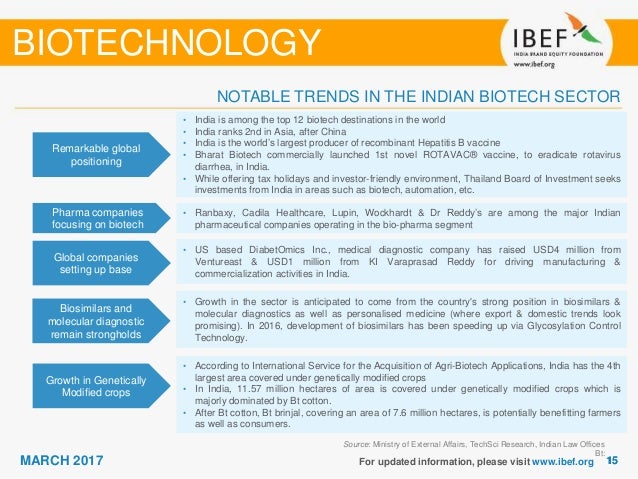


![[Sansad TV] Mudda Aapka: Victory over Left-Wing Extremism](https://d18x2uyjeekruj.cloudfront.net/wp-content/uploads/2022/12/sansad.jpg)


