The Central Zoo Authority has initiated the development of the National Wildlife Health Policy (NWHP) through a consultative workshop held in New Delhi.
About theNational Wildlife Health Policy (NWHP):
Details
An initiative launched by the Central Zoo Authority (CZA) to improve wildlife health and control zoonotic diseases.
CZA, established in 1992 under the Wildlife Protection Act, 1972, is a statutory autonomous body under the MoEFCCC.
Part of the National Wildlife Action Plan (2017-31) and follows the One Health approach, which integrates human, animal, and environmental health.
Aims and Objectives
Prevent and Control Zoonotic Diseases: Strengthen monitoring and control of diseases.
Improve Disease Surveillance: Develop systems for early epidemic detection.
Promote One Health Principles: Integrate human, animal, and environmental health.
Community Advocacy: Increase awareness on wildlife health and conservation.
Programs/Initiatives Under the Policy
Wildlife Health Management Unit (WHMU): A dedicated unit to implement wildlife health programs.
Disease Surveillance and Early Detection: Early detection of diseases, especially in protected areas.
Biosecurity Protocols: Strengthen measures to minimize disease risks.
Epidemic Preparedness and Response: Response strategies for wildlife disease outbreaks.
One Health Approach Integration: Coordination between health sectors for better management.
Structural Mandate and Implementation
Wildlife Health Management Unit (WHMU) (proposed) to oversee wildlife health programs.
Collaboration Across Agencies: Coordination with MoEF&CC, Wildlife Institutes, and state wildlife authorities.
Surveillance and Monitoring: Monitor and track wildlife diseases, with research support from Indian Veterinary Research Institute (IVRI).
Capacity Building: Training programs for wildlife health professionals.
Funding and Resources: Significant resources for surveillance, research, and capacity building.
The 11th plenary of the Intergovernmental Science-Policy Platform on Biodiversity and Ecosystem Services (IPBES) took place in Namibia to discuss key scientific findings and evidence addressing the global biodiversity crisis.
About IPBES
IPBES aims to improve the interface between science and policy on biodiversity and ecosystem services.
Membership: Comprises over 130 member governments.
Purpose: Provides scientific assessments to guide governments, the private sector, and civil society in decision-making on biodiversity and ecosystems.
Establishment:
Formally established in April 2012 when 90 countries signed its founding statement.
Originated from a 2010 UN General Assembly resolution urging the UN Environment Programme to convene a meeting for its formation.
Structural Mandate:
Led by a Plenary (main decision-making body) with representatives from member states.
Operates on a consensus principle, meeting annually to decide on work programs, budgets, and reports.
Key Functions:
Assessments: Develop global and regional assessments on biodiversity themes.
Policy Support: Provide tools and methodologies for policymakers.
Capacity Building: Enhance knowledge and capabilities among members.
Outreach: Ensure effective communication and impact.
Notable Achievements:
2019: Released the Global Assessment Report on biodiversity and ecosystem services.
2020: Preliminary report on international cooperation to reduce pandemic risks.
2021: Co-sponsored a biodiversity and climate change workshop report with IPCC.
2022: Awarded the Gulbenkian Prize for Humanity, shared with IPCC.
Unique Contributions:
Introduced the term “Nature’s Contributions to People” (NCPs) as an alternative to ecosystem services.
Compiles knowledge from diverse sources, including scientific literature, indigenous knowledge, and local expertise.
Key Highlights on the Global Environment:
Biodiversity Loss: 1 million species face extinction due to habitat destruction, climate change, and pollution.
Climate Change Impact: Global warming is significantly threatening ecosystems and species.
Deforestation: Large-scale deforestation disrupts ecosystems and contributes to carbon emissions.
Water Scarcity: Freshwater ecosystems are under threat from pollution and over-extraction.
Ecosystem Services: Decline in vital services like clean air, water, and food.
Global Cooperation: Urgent need for global action to address climate change, biodiversity loss, and sustainable development.
Biodiversity and Health: Emphasis on the One Health approach to link human, animal, and environmental health.
Key Highlights on the Asian Region:
Biodiversity: Asia hosts half the world’s biodiversity but faces major threats from habitat loss and climate change.
Pollution and Urbanization: Rapid urbanization is increasing pollution, affecting health and the environment.
Climate Change: Vulnerable to floods, droughts, and rising sea levels impacting agriculture and settlements.
Forest Loss: Deforestation, especially in Indonesia, India, and Malaysia, threatens ecosystems.
Marine Biodiversity: Marine life is under pressure from overfishing and pollution.
Sustainable Agriculture: Promoting sustainable farming to reduce environmental impact.
Protected Areas: Despite progress, conservation management remains a challenge.
PYQ:
[2012] The Millennium Ecosystem Assessment describes the following major categories of ecosystem services-provisioning, supporting, regulating, preserving and cultural. Which one of the following is supporting service?
Bitcoin surged to a record high of over $107,000 after President-elect Donald Trump reaffirmed plans to create a US bitcoin reserve, boosting investor excitement.
Do you know?
The legal status of cryptocurrency in India is uncertain.
RBI has warned against cryptocurrencies, citing risks to investors and confirming they are not legal tender.
In 2018, the Supreme Courtoverturned an RBI ban on financial institutions dealing with cryptocurrencies.
In the 2022-23 Union Budget, the Government of India announced a 30% tax on cryptocurrency transfers.
A strategic reserve is a stockpile of critical resources, used in times of crisis or disruptions in supply.
Examples:
US Strategic Petroleum Reserve: Largest global emergency oil stockpile, created in 1975 after the 1973-74 oil embargo.
Canada’s Maple Syrup Reserve: The only global strategic reserve for maple syrup.
China’s Reserves: Includes resources like metals, grains, and pork.
How Would a U.S. Strategic Bitcoin Reserve Work?
Establishing the Reserve: Unclear if it would require executive powers or Congress approval. Some suggest an executive order to manage bitcoin through the U.S. Treasury’s Exchange Stabilization Fund.
Content of the Reserve: Includes seized bitcoin (200,000 tokens, worth approx. $21 billion).
Additional Purchases: Possible purchase of more bitcoin from the open market.
Benefits and Risks of a Bitcoin Reserve
Benefits:
Global Market Dominance: Could enhance U.S. control over the global bitcoin market, especially against competitors like China.
Economic Advantages: Could reduce U.S. fiscal deficit and strengthen the U.S. dollar.
Risks:
Volatility: Bitcoin’s value is uncertain due to volatility and lack of intrinsic use.
Security: Vulnerability to cyber-attacks and market fluctuations.
The Arctic Tundra, a frozen treeless biome, has traditionally served as a carbon sink, storing vast amounts of carbon for thousands of years.
However, recent changes in this ecosystem are turning it into a source of greenhouse gases (GHGs), primarily carbon dioxide (CO2) and methane (CH4) according to National Oceanic and Atmospheric Administration (NOAA).
What is Arctic Tundra?
Arctic Tundra is cold, treeless biome located in the northernmost regions of Earth, primarily within the Arctic Circle.
Climate:
Experiences long, harsh winters and short, cool summers.
Temperatures range from -28°C in winter to 3°C in summer.
Ground is permanently frozen, restricting plant root growth and shaping the ecosystem.
Experiences 24-hour daylight in summer and long polar nights in winter.
Biodiversity and Vegetation:
Limited to low-growing vegetation like mosses, lichens, grasses, and small shrubs, adapted to short growing seasons.
Hosts animals like Arctic foxes, polar bears, caribou, and migratory birds, though overall biodiversity is low.
Adaptations:
Animals: Thick fur and fat layers in species like polar bears to survive extreme cold.
Plants: Shallow roots for quick nutrient absorption during short summers.
How does the Arctic Tundra store Carbon?
The Arctic tundra stores carbon primarily through a process where plants absorb carbon dioxide (CO2) from the atmosphere via photosynthesis.
This carbon gets trapped in the soil and organic matter (plants and animals) that accumulate over time.
The cold Arctic climate slows the decomposition of plant and animal remains, meaning that organic materials, including carbon, remain locked in the permafrost.
This permafrost acts as a natural storage system, preventing CO2 from being released back into the atmosphere.
Scientists estimate that the Arctic tundra holds about 1.6 trillion metric tonnes of carbon, which is roughly double the amount of carbon in the Earth’s atmosphere.
Why is the Arctic Tundra emitting more carbon than absorbing it?
Rising temperatures in the Arctic are causing the permafrost to thaw at an accelerated rate.
When permafrost thaws, microbes in the soil become active, breaking down the organic material trapped in the frozen ground, which results in the release of carbon dioxide (CO2) and methane (CH4), two potent greenhouse gases.
The Arctic has been warming at a rate four times faster than the global average.
2024 was the second-warmest year on record for the region, contributing significantly to the thawing of the permafrost.
Wildfires in the Arctic have become more frequent and intense, further accelerating the thawing of permafrost. Wildfire smoke also contributes to the release of greenhouse gases.
Between 2001 and 2020, the combination of rising temperatures and increased wildfires led to the Arctic tundra releasing more carbon than it absorbed, marking a significant shift in its role from a carbon sink to a carbon emitter.
PYQ:
[2012] Climate is extreme, rainfall is scanty and the people used to be nomadic herders. The above statement best describes which of the following regions?
Q) “Besides being a moral imperative of a Welfare State, primary health structure is a necessary precondition for sustainable development.” Analyse. (UPSC CSE 2021)
Mentor’s Comment: UPSC mains have always focused on major issues like the Conflict of interest in the public sector (2017) and Life Expectancy (2022).
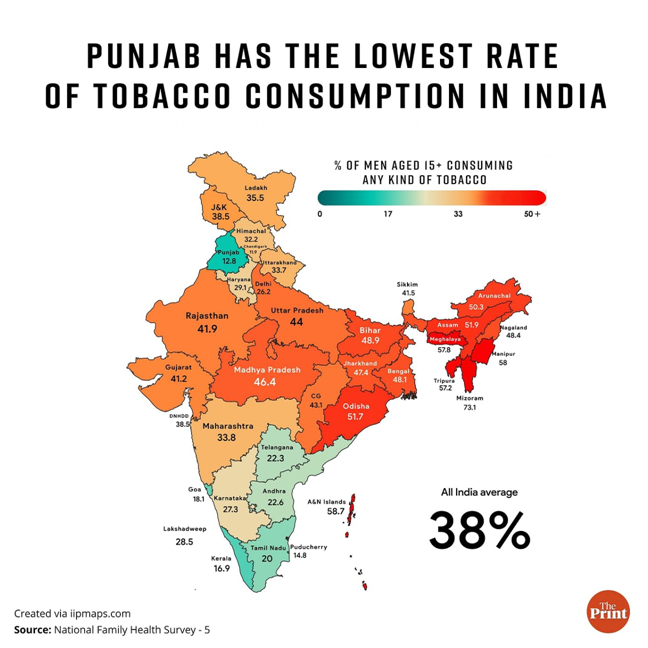
Tobacco is responsible for approximately 1 million deaths annually in India, accounting for about 17.8% of total deaths in the country. This includes deaths from both direct tobacco use and secondhand smoke exposure.
The proposal to levy a higher Goods and Services Tax (GST) rate on tobacco products and sugared beverages has sparked significant discussion in India. This editorial explores the implications of such a move, the current tax structure, and the anticipated outcomes of the proposed changes.
_
Let’s learn!
Why in the News?
The proposal to levy a higher Goods and Services Tax (GST) rate on tobacco products and sugared beverages has sparked significant discussion in India.
What is National Calamity Contingent Duty (NCCD)?
• It is a type of excise duty imposed by the Indian government on specific manufactured goods, particularly those considered harmful to public health, such as tobacco products and certain beverages. • Established under Section 136 of the Finance Act, 2001, NCCD is intended to generate revenue that can be utilized for disaster relief and other national calamity responses. • In the Union Budget for 2023-24, the government proposed increasing NCCD rates by approximately 16% for specified cigarettes, reflecting ongoing efforts to regulate tobacco consumption through higher taxation.
Background of the news:
Over the past seven years since the Goods and Services Tax (GST) was introduced in India, there have been a few significant increases in GST rates for harmful products like tobacco and sugar-sweetened beverages.
Apart from two small hikes in the National Calamity Contingent Duties (NCCD) on tobacco, the tax rates have largely remained unchanged. This lack of increase has made these products more affordable, which undermines efforts to reduce their consumption.
In this context, the recent proposal by the Group of Ministers (GoM) to raise the highest GST rate on tobacco and sugar-sweetened beverages from 28% to 35% is a positive development. This increase could help discourage the consumption of these harmful products.
However, it is important to note that additional tax reforms are necessary to effectively address the public health issues and fiscal challenges associated with tobacco and sugary drinks.
What is the current GST structure?
Under the existing GST framework, tobacco products and aerated beverages are taxed at a base rate of 28%, with additional cess rates that can range significantly.
For tobacco, these cesses can be as high as 290%, making it one of the most heavily taxed sectors in India.
Aerated beverages also face a 12% compensation cess on top of the standard GST rate, leading to a total tax burden that is among the highest globally.
What is the Rationale behind the recent Proposal?
Public Health Concerns: Higher taxes on tobacco and sugary drinks are often justified by their negative health impacts. Increasing GST rates could deter consumption and promote healthier choices among consumers.
Revenue Generation: The Indian government is looking for ways to bolster its revenue streams, especially in light of potential shortfalls from other sectors. By raising taxes on these “sin products,” it aims to offset losses from reductions in taxes on essential goods and services, such as health insurance premiums.
Alignment with Global Practices: Many countries impose high taxes on tobacco and sugary beverages as part of public health strategies. By following suit, India could align itself with global best practices aimed at reducing the consumption of harmful products.
What were the Market reactions to the potential GST Increase?
Stock Price Impact: Following the news, ITC’s shares fell by about 3%, while Varun Beverages dropped by 5%. This decline reflects investor concerns over how higher taxes might affect profitability.
Historical Performance: Both companies had previously enjoyed strong stock performance, with ITC’s stock rising 110% and Varun Beverages increasing by 424% in recent years.
However, the prospect of increased taxation has caused a correction, with both stocks down around 12% from their recent highs.
Analyst Insights: Analysts believe that while higher taxes could reduce sales volumes, they might also boost government revenues if managed well.
Way Forward:
Engage with Stakeholders: Regular consultations with industry stakeholders, including manufacturers and health experts, can provide valuable insights into the potential impacts of tax changes and help create balanced policies that consider both public health and economic factors.
Consider Broader Tax Reforms: The government could explore broader tax reforms that align with health objectives, such as revising tax structures for other products or services that impact public health, ensuring a comprehensive approach to taxation.
Implement the Proposed GST Increase: The government should proceed with the Group of Ministers (GoM) recommendation to raise the GST on tobacco and aerated beverages from 28% to 35%. This move aims to discourage the consumption of these harmful products while increasing government revenue.
Enhance Public Awareness Campaigns: Alongside tax increases, the government can launch public health campaigns to educate citizens about the dangers of tobacco and excessive sugar consumption. This could further support efforts to reduce demand for these products.
India’s Rural low wages pose a significant challenge, but adopting a ground-level perspective on employers’ daily realities highlights policy measures to increase the number of high-productivity employers.
What are the root causes of the current wage stagnation in India?
Economic Structure: The shift from agriculture to non-farm jobs has not been accompanied by a corresponding increase in productivity. Despite significant government spending, the flow of jobs since 1991 has not reduced farm employment, leading to wage stagnation in rural areas.
Skill Mismatch: There is a disparity between the skills available in the labour market and those demanded by employers. Many workers remain under-skilled for the higher-paying jobs that are available, perpetuating low wages.
Economic growth vs wage stagnation: Despite India’s GDP growing at a strong rate, averaging 7.8% in recent years, this growth has not led to substantial wage increases for rural workers. In fact, real wages, when adjusted for inflation, have either remained stagnant or decreased. This disparity underscores a crucial issue: the underlying nature of economic growth.
Shift to Capital-Intensive Growth: India’s recent economic growth is driven by capital-intensive sectors, which create fewer jobs, limiting the demand for rural labour and keeping wages low.
Inflation vs. Wage Growth: While nominal wages have risen, inflation has outpaced wage growth, reducing the real purchasing power of rural workers. For example, rural wages grew by 5.2% nominally, but real wage growth was negative at -0.4%.
Increased Labour Supply: Government schemes like Ujjwala and Har Ghar Jal have increased rural women’s workforce participation, intensifying competition for jobs and putting downward pressure on wages.
Agricultural Wage Stagnation: Despite steady agricultural growth (4.2% and 3.6% in recent years), wages in agriculture have not increased proportionally, limiting overall wage growth in rural areas.
How can India effectively implement a living wage system?
A living wage system ensures workers earn enough to meet basic needs like food, housing, healthcare, and education, enabling a decent standard of living beyond mere subsistence wages.
Policy Framework: Establishing a clear definition of what constitutes a living wage based on local cost of living metrics is essential. This framework should be adaptable to different regions and sectors.
Incentives for Employers: Providing tax breaks or subsidies for businesses that pay living wages can encourage compliance and support workers’ livelihoods.
Strengthening Labor Rights: Ensuring robust enforcement of labor laws that protect workers’ rights to fair wages and safe working conditions is crucial for implementing a living wage system effectively.
Public Awareness Campaigns: Educating both employers and employees about the benefits of a living wage can help shift perceptions and practices within the workforce.
What are the wage disparities in India?
Gender Wage Gap: According to the Global Gender Gap Index 2024, Indian women earn only ₹40 for every ₹100 earned by men, highlighting a significant gender pay disparity.
The economic gender parity level in India is recorded at 39.8%, indicating that while some progress has been made, substantial gaps remain in economic participation and remuneration between genders.
Regional Wage Disparities: The average daily wage for casual workers in rural areas is approximately ₹104, significantly lower than the national average of ₹247 per day for all workers.
Wage Inequality Metrics: The Gini coefficient for wages in India stands at 0.49, indicating a high level of wage inequality. The D9/D1 wage ratio, which compares the earnings of the top 10% to the bottom 10%, is 6.7, underscoring the stark contrast in earnings across different segments of the workforce.
Note: The D9/D1 wage ratio is a measure of income inequality that compares the earnings of the top 10% of wage earners (D9) to the earnings of the bottom 10% (D1) within a given population
What policy measures can be taken to address wage disparities and ensure fair compensation? (Way forward)
Rationalisation of Regulations: Streamlining regulatory frameworks to reduce bureaucratic hurdles can encourage entrepreneurship and job creation. This includes removing unnecessary jail provisions that deter business operations.
Investing in Human Capital: Prioritizing skill development programs aligned with market demands can boost employability and empower workers to secure higher-paying jobs.
Encouraging Non-Farm Employment: Policies should focus on fostering private, productive non-farm jobs through digitisation and formalization, paving the way for better wages.
Strengthening Redistribution Mechanisms: Adopting progressive taxation on higher profits can fund social programs designed to uplift wage levels across different sectors.
Fostering Long-Term Economic Planning: Crafting a comprehensive economic strategy aligned with labour market needs is essential for ensuring sustainable wage growth and effectively addressing disparities.
Mains PYQ:
Q Can the strategy of regional-resource-based manufacturing help in promoting employment in India? (UPSC IAS/2019)
The ‘Mission 100% Electrification’ project is like chasing an unrealistic dream of becoming a green railway, leading to many usable diesel locomotives becoming unnecessary.
What are the key points of the report?
Export of Repurposed Locomotives: RITES Ltd. is exporting six refurbished broad-gauge diesel locomotives to African railways after complex gauge conversion, marking a first in such re-engineering.
Idle Diesel Locomotives: Around 760 diesel locomotives, with over 60% still serviceable, are redundant due to the rapid electrification of the railway network.
Limited Environmental and Economic Gains: Electrification reduces only 2% of diesel consumption, while coal-powered electricity (50% of the total) negates environmental benefits, maintaining reliance on polluting sources.
Strategic Contradictions: Despite targeting 100% electrification, Indian Railways plans to retain 3,500 diesel locomotives for disaster management and traffic needs, undercutting “green” claims.
Policy and Financial Wastage: The rushed electrification drive has led to premature asset redundancy, wasting public funds without ensuring environmental or financial sustainability.
What constitutes greenwashing in the context of Indian Railways?
Misleading Claims of Environmental Benefits: The Indian Railways’ push for 100% electrification is framed as a move towards a “green railway.” However, this initiative overlooks the fact that a significant portion of the electricity generated in India comes from coal-fired power plants, which are environmentally harmful.
Thus, the transition from diesel to electric locomotives may merely shift pollution from one source to another without achieving genuine environmental benefits.
Redundancy of Serviceable Assets: The decision to electrify the railway network has led to the premature stabling of functional diesel locomotives, many of which have considerable residual life left.
This not only represents a waste of resources but also raises questions about the actual motivations behind electrification efforts.
Focus on Slogans Over Substance: The Mission 100% Electrification initiative appears to prioritize headline-grabbing goals over comprehensive and well-thought-out policies.
This approach can be seen as greenwashing, as it promotes an image of environmental responsibility while failing to address the underlying issues related to energy sourcing and pollution.
How do greenwashing practices impact public perception and trust?
Erosion of Credibility: When organizations like Indian Railways promote initiatives that are not genuinely sustainable, it can lead to public scepticism regarding their commitment to environmental issues.
Misallocation of Resources: Public perception may shift towards viewing government initiatives as wasteful or misguided, leading to decreased support for future projects that could have real environmental benefits.
Increased Public Scrutiny: Greenwashing practices often lead to increased scrutiny from activists, media, and the public.
As stakeholders demand transparency and accountability, organizations may face backlash for failing to deliver on their environmental promises.
What regulatory measures can be implemented to combat greenwashing in the transportation sector? (Way forward)
Clear Guidelines for Environmental Claims: Establishing stringent regulations that define what constitutes legitimate environmental benefits can help prevent misleading claims.
Organizations should be required to substantiate their claims with verifiable data and transparent reporting.
Mandatory Sustainability Reporting: Implementing requirements for regular sustainability audits and reporting can ensure that transportation entities disclose their actual environmental impact, including emissions data and energy sources used.
Public Accountability Mechanisms: Creating independent bodies to assess and review claims made by transportation sectors regarding sustainability initiatives can enhance accountability.
These bodies could provide certifications or ratings based on genuine environmental performance rather than promotional claims.
Incentives for Genuine Sustainability Efforts: Providing financial incentives or recognition for organizations that implement effective sustainability measures can encourage genuine efforts rather than superficial compliance with green initiatives.
Mains PYQ:
Q Why is Public Private Partnership (PPP) required in infrastructural projects? Examine the role of PPP model in the redevelopment of Railway Stations in India. (2022)
India aims to produce 5 million metric tonnes of green hydrogen annually by 2030 to lead in the sector and reduce emissions, but the high costs of financing may hinder this goal.
Hydrogen fuel comes in three types:
Grey hydrogen (produced from natural gas), Blue hydrogen (Grey hydrogen with carbon capture), and Green hydrogen (produced using renewable energy through electrolysis, with no emissions).
What are the key financial barriers to scaling green hydrogen production?
High Production Costs: The cost of producing green hydrogen is significantly higher ($5.30-$6.70 per kg) compared to traditional grey/blue hydrogen ($1.9-$2.4 per kg). This price disparity makes green hydrogen economically uncompetitive and deters investment and offtake.
High Weighted Average Cost of Capital (WACC): In emerging markets like India, higher perceived risks increase borrowing costs. This results in a high WACC, which heavily influences the Levelised Cost of Electricity (LCOE) and the overall cost of green hydrogen production.
High Electrolyzer Costs: The current costs of electrolyzers, ranging from $500-1,400/kW for alkaline and $1,100-1,800/kW for proton exchange membrane systems, further strain the financial viability of green hydrogen projects.
Scaling Challenge: Green hydrogen production costs can only decrease with scaled production, but scaling up requires financial viability. The market faces a catch-22 situation: without economies of scale, production remains expensive, and without lowering costs, scaling is unfeasible.
How can innovative financing mechanisms be developed?
Blended Finance Models: Combining public and private capital can help lower risks and make investments in green hydrogen more attractive. Government-backed financial instruments or concessional loans can reduce borrowing costs, lowering WACC.
Green Bonds and Climate Financing: The issuance of green bonds to raise capital for renewable energy projects can provide long-term funding at lower costs. These bonds can appeal to investors with an interest in sustainable investments.
Private-Public Partnerships (PPP): Collaborations between government and private sectors can help mitigate risks and ensure the financing of green hydrogen projects. To attract private investors, governments can provide financial support through incentives, subsidies, or tax breaks.
Carbon Credits and Offtake Agreements: Green hydrogen projects could leverage carbon credits or long-term offtake agreements to secure steady revenue streams, which would increase investor confidence and help finance production scale-up.
What role do policy frameworks play in facilitating investment in green hydrogen?
Incentives and Subsidies: Government policies offering subsidies, tax incentives, or feed-in tariffs can help offset the high initial costs of green hydrogen production and encourage private investment.
Long-Term Policy Clarity: Clear, stable, and long-term policy frameworks provide certainty to investors, reducing perceived risks and lowering the cost of capital. Such policies could include long-term targets for green hydrogen production, financing support, and infrastructure development.
Regulatory Support for Innovation: Governments can encourage innovation by providing regulatory frameworks that support new technologies, such as electrolyzers and advanced hydrogen storage solutions, ensuring the rapid scaling of green hydrogen.
Market Creation and Demand-Driven Initiatives: Policies that create demand for green hydrogen, such as mandatory usage targets for industries like steel, transportation, or chemicals, can drive off-take agreements and ensure market stability.
Mains PYQ:
Q Describe the major outcomes of the 26th session of the Conference of the Parties (COP) to the United Nations Framework Convention on Climate Change (UNFCCC). What are the commitments made by India in this conference? (2021)
Carcasses of Olive Ridley turtles have been found along the Visakhapatnam coast during their breeding season, raising concerns about their conservation.
AboutOlive Ridley Turtles:
Details
Olive Ridley turtles are sea turtles known for their olive-colored carapace.
They are carnivorous, primarily feeding on jellyfish, crustaceans, and mollusks.
Unique mass nesting behavior (Arribada), where thousands of females lay eggs in synchronized waves on the same beach.
Their Habitat and Protection Status
Found in the warm waters of the Pacific, Atlantic, and Indian Oceans.
Largest rookery (breeding colony) is at Gahirmatha Marine Sanctuary, Odisha, India.
Other major nesting sites include Devi River mouth (discovered in 1981) and Rushikulya river mouth (discovered in 1994).
Protection Status:
IUCN Status: Vulnerable
CITES: Appendix I (No international trade)
Wildlife Protection Act, 1972: Schedule I (Highest level of protection)
Conservation Efforts
Project Olivia by Indian Coastguard to protect the Olive Ridley turtles, especially after the Gahirmatha rookery recognition.
Legal protections and environmental regulations safeguard nesting sites and prevent poaching.
Olive Ridley Protection Program ensures the safety of nests and hatchlings.
PYQ:
[2015] Which one of the following is the national aquatic animal of India?
The Telecom Technology Development Fund (TTDF) has facilitated a collaboration between the Centre for Development of Telematics (C-DOT) and Trois Infotech on the development of “Face Recognition Using Drone” technology.
AboutTelecom Technology Development Fund (TTDF):
Details
Launched on October 1, 2022 under the Universal Service Obligation Fund (USOF), Ministry of Telecommunications.
Supports indigenous telecom technologies, especially for rural communication needs.
About USOF (Universal Service Obligation Fund)
USOF was established in April 2002 under the Indian Telegraph (Amendment) Act 2003.
Objective: To provide financial support for telecom services in rural and remote areas that are commercially unviable.
A non-lapsable fund, with the levy amount credited for continuous use.
Operates as an attached office of the Department of Telecom, headed by an administrator appointed by the Central Government.
Initially focused on providing basic telecom services in rural areas at affordable prices.
Expanded scope to include mobile services, broadband connectivity, and infrastructure development in rural and remote areas.
Aims and Objectives
Encourage Innovation: Create synergies across stakeholders (startups, R&D, academia) and focus on rural-specific telecom solutions.
Bridge the Digital Divide: Provide affordable telecom solutions for rural areas and enhance connectivity.
Intellectual Property Creation: Support R&D projects contributing to patentable technologies.
Key Features and Structural Mandate
Funding Mechanism:
Grants for Indian startups, research institutes, academia, and telecom companies for R&D on rural telecom solutions.
Managed by Department of Telecommunications (DoT) with USOF as the administering body.
Features:
Incentives for Startups: Provides financial incentives for telecom R&D projects from prototype to commercialization.
Collaborative Framework: Promotes collaboration between stakeholders such as startups, telecom companies, universities, and R&D centers.
PoC and Pilot Support: Encourages proof of concept testing and pilots to validate technological solutions.
PYQ:
[2019] In India, which of the following review the independent regulators in sectors like telecommunications, insurance, electricity, etc.?
Ad Hoc Committees set up by the Parliament
Parliamentary Department Related Standing Committees
Finance Commission
Financial Sector Legislative Reforms Commission
NITI Aayog
Select the correct answer using the code given below:
(a) 1 and 2
(b) 1, 3 and 4
(c) 3, 4 and 5
(d) 2 and 5