đŸ’„Join UPSC 2027,2028 Mentorship (July Batch) + XFactor Notes & Microthemes PDF

Subject: Art and Culture

  • Ho Tribes’ Manki-Munda System

    Why in the News?

    Members of the Ho tribe in Jharkhand’s West Singhbhum district staged a protest for alleged interference in their traditional Manki-Munda governance system by removing village heads (Mundas).

    About Ho Tribes:

    • Location: Major community of Jharkhand (Kolhan, West Singhbhum), with presence in Odisha and Chhattisgarh.
    • Language: Speak Ho language (Munda branch, Austroasiatic family), traditionally written in Warang Citi script.
    • Livelihoods: Primarily agriculturalists, with farming, hunting, and forest produce as traditional occupations.
    • Festivals: Mage Parab, Ba Parab, Sohrai, tied to agriculture, celebrated with dance, music, rituals.
    • Resistance: Historically fought outsiders; staged Ho Revolt (1821–22) and Kol Revolt (1831) against British.
    • Social Fabric: Clan-based, community-oriented, guided by customary law and collective decision-making.

    What is the Manki-Munda System?

    • Structure:
      • Munda: Village head (hereditary), resolves disputes, represents village.
      • Manki: Head of pidh (cluster of 8–15 villages), adjudicates inter-village disputes.
    • Pre-British: Purely internal self-rule, no taxation or external sovereign authority.
    • British Codification:
      • Wilkinson’s Rules (1833–37) codified system into 31 rules, formally recognising Mankis/Mundas as British agents.
      • Introduced private property; Ho became raiyats (tenants) instead of communal landholders.
      • Led to demographic influx of dikkus (outsiders), rising from ~1,500 (1867) to ~15,700 (1897).
    • Post-Independence: Kolhan Government Estate dissolved (1947) but Wilkinson’s Rules still operative; Kolhan largely exempt from civil laws.
    • Judicial View: In Mora Ho vs State of Bihar (2000), Patna HC treated Wilkinson’s Rules as customs, not law, but upheld their continuance.
    • Current Practice: System governs village disputes; ~200 vacant posts filled by Gram Sabhas.
    • Criticism: Hereditary leadership limits efficiency; many leaders lack education for modern administration.
    • Reform Debate: Youth demand limiting hereditary succession and inclusion of non-tribal raiyats.
    • Contemporary Role: Remains a symbol of tribal autonomy yet requires modernisation for democratic governance.
    [UPSC 2010] Which one of the following pairs of primitive tribes and places of their inhabitation is not correctly matched?

    (a) Buksa : Pauri-Garhwal

    (b) Kol : Jabalpur

    (c) Munda : Chhotanagpur

    (d) Korba : Kodagu*


  • Swami Vivekananda and Vedanta Philosophy

    Why in the News?

    On the 132nd anniversary of his 1893 Chicago address, Swami Vivekananda was remembered for introducing Indian spirituality and Vedanta to the world with a message of tolerance and unity.

    About Swami Vivekananda:

    • Early life: Born Narendranath Datta in 1863, Kolkata; Chief disciple of Sri Ramakrishna.
    • Role: Monk, reformer, and founder of the Ramakrishna Mission (1897).
    • Chicago Speech: Rose to global fame with his 1893 Parliament of Religions address in Chicago, calling for religious tolerance and universal brotherhood.
    • Teachings: Advocated social service, education, and spiritual sovereignty as means of national regeneration.
    • Legacy: Inspired the rise of Vedanta Societies worldwide, spread yoga and meditation in the West, and became a key figure in the Indian renaissance and freedom movement.

    What is Vedanta Philosophy?

    • Roots: Derived from the Upanishads, especially Advaita Vedanta (non-dualism).
    • Oneness of Existence: The universe is one absolute Brahman; all souls are divine.
    • Religious Pluralism: All religions are valid paths to the same truth; promotes harmony, not division.
    • Self-Realization: The aim of life is to realize and manifest one’s innate divinity.
    • Karma Yoga: Selfless service is a spiritual practice — “Jiva is Shiva” (service to man is service to God).
    • Practical Vedanta: Application of spiritual wisdom to daily life and social reform, bridging tradition and modernity.

    Back2Basics: Indian Classical Philosophy

    There are 6 classical schools of Indian philosophy in the orthodox (Astika) tradition, which accept the authority of the Vedas:

    1. Nyaya: School of logic and reasoning
    2. Vaisesika:  Atomism and categories of reality
    3. Sankhya: Dualism of consciousness (purusha) and matter (prakriti)
    4. Yoga: Practical discipline based on Patanjali’s Yoga Sutras
    5. Mimamsa (Purva Mimamsa): Ritual action and dharma
    6. Vedanta (Uttara Mimamsa): Philosophy of the Upanishads

    Apart from these, there are also heterodox (Nastika) schools, which do not accept Vedic authority, such as Buddhism, Jainism, and Charvaka (materialism).


  • [pib] Gyan Bharatam Mission

    Why in the News?

    The Ministry of Culture has launched the ‘Gyan Bharatam’, a landmark national initiative dedicated to preserving, digitising, and disseminating India’s manuscript heritage.

    About Gyan Bharatam Mission:

    • Launch: A national initiative by the Ministry of Culture to preserve, digitise, and disseminate India’s manuscript heritage.
    • Scheme Type: Approved as a Central Sector Scheme (2024–31) with an outlay of â‚č482.85 crore.
    • Background: Builds on the National Mission for Manuscripts (2003), which documented 44.07 lakh manuscripts in the Kriti Sampada repository.
    • Vision: Integrates tradition with modern technology (AI, cloud systems, digital archives) to safeguard manuscripts as living knowledge resources.
    • Philosophy: Linked to PM’s Viksit Bharat @2047 vision, positioning India as Vishwa Guru by combining heritage with innovation.

    Key Features:

    • Identification & Documentation: Establishment of Manuscript Resource Centres (MRCs) for systematic registration across India.
    • Conservation & Restoration: Strengthening Manuscript Conservation Centres (MCCs) for preventive and curative preservation using scientific techniques.
    • Digitisation & Repository: Large-scale digitisation with AI-based Handwritten Text Recognition (HTR), microfilming, and creation of a National Digital Repository accessible worldwide.
    • Youth & Public Engagement: Programs like Gyan-Setu AI Innovation Challenge to involve youth, start-ups, and researchers in heritage innovation.
    [UPSC 2008] Recently, the manuscripts of which one of the following have been included in UNESCO’s Memory of the World Register?

    Options: (a) Abhidhamma Pitaka (b) Mahabharata (c) Ramayana (d) Rig Veda*


  • [pib] Adi Sanskriti Digital Learning Platform

    Why in the News?

    The Ministry of Tribal Affairs has launched the beta version of “Adi Sanskriti”, a pioneering digital learning platform.

    About Adi Sanskriti:

    • What is it: A digital learning platform launched by the Ministry of Tribal Affairs.
    • Objective: To preserve tribal art forms, create livelihoods, and connect tribal communities with the world; scale into a Tribal Digital University with certifications, research opportunities, and transformative learning pathways.
    • Significance: Envisioned as the world’s first Digital University dedicated to tribal culture and traditional knowledge.
    • Developed by: MoTA collaboration with State Tribal Research Institutes (TRIs) to ensure authentic documentation and grassroots participation.
    • Integration with TRIs: Contributions from TRIs of 14 states including Andhra Pradesh, Assam, Bihar, Chhattisgarh, Gujarat, Kerala, Madhya Pradesh, Maharashtra, Odisha, Rajasthan, Tamil Nadu, Telangana, and Uttar Pradesh.

    Key Components of Adi Sanskriti:

    1. Adi Vishwavidyalaya (Digital Tribal Art Academy): Currently offering 45 immersive courses on tribal dance, painting, crafts, music, and folklore.
    2. Adi Sampada (Socio-Cultural Repository): Houses over 5,000 curated documents covering paintings, dance, clothing and textiles, artefacts, and livelihood practices.
    3. Adi Haat (Online Marketplace): Linked with TRIFED, designed to evolve into a dedicated e-marketplace for tribal artisans, ensuring sustainable livelihoods and direct consumer access.
    [UPSC 2016] SWAYAM’, an initiative of the Government of India, aims at:

    Options: (a) promoting the Self Help Groups in rural areas

    (b) providing financial and technical assistance to young start-up entrepreneurs

    (c) promoting the education and health of adolescent girls

    (d) providing affordable and quality education to the citizens for free*


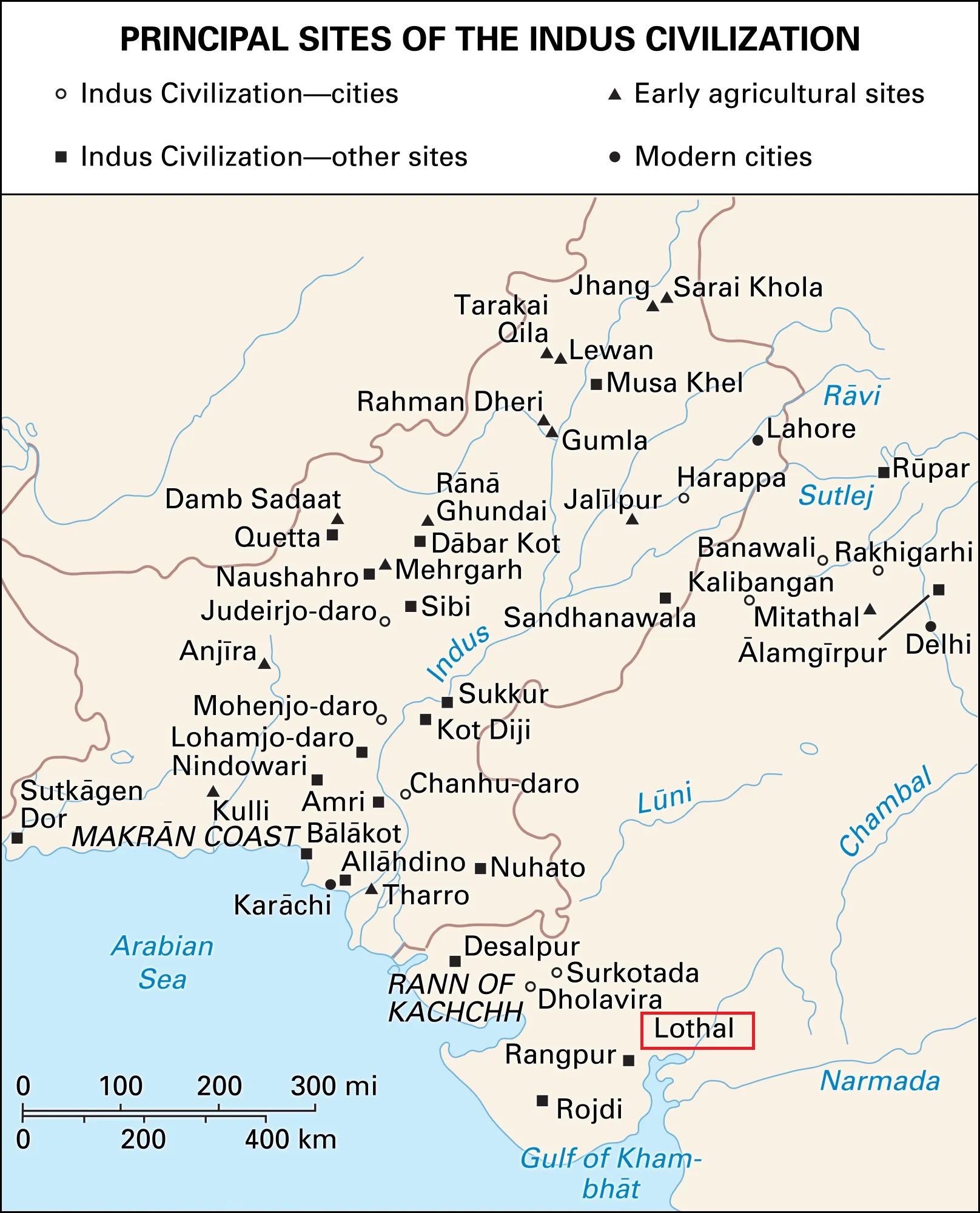
  • What was the Harappan Language?

    Why in the News?

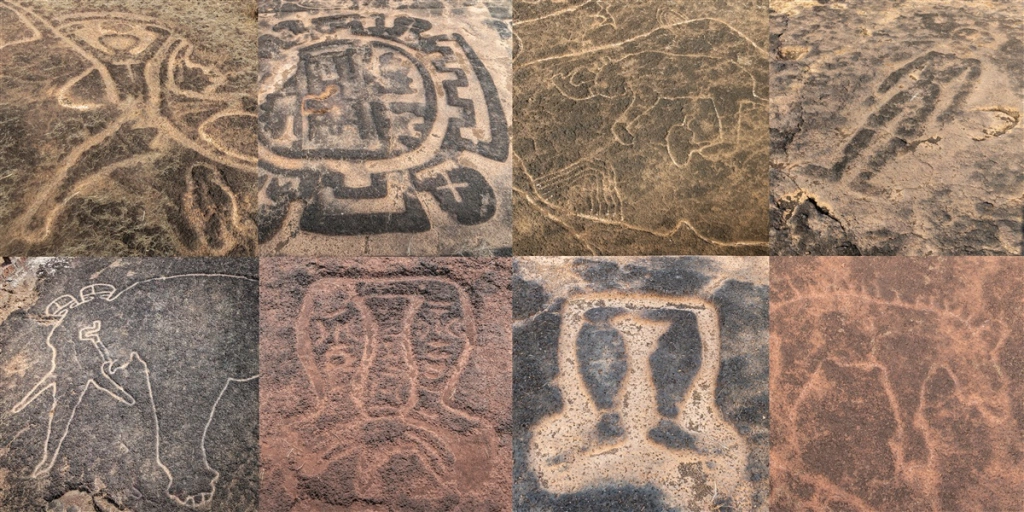
    The Union Culture Ministry has invited experts to present their research on deciphering the Indus Valley script, also known as the Harappan script.

    What was the Harappan Language?

    Recent Efforts and Theories on the Harappan Script:

    • Taxation & Commerce Theory: Bahata Ansumali Mukhopadhyay argues the script encodes rules of trade and taxation, not phonetic spellings.
    • Religious Hypothesis: Karuna Shankar Shukla claims Indus seals carried Rig Vedic mantras and Puranic references, used mainly for rituals.
    • Proto-Dravidian Claims:
      • Prakash N. Salame (Nagpur engineer) says 90% of symbols represent Proto-Dravidian Gondi, building on Dr. M. C. Kangali.
      • Asko Parpola (Finnish Indologist) supports the Dravidian hypothesis, suggesting a logo-syllabic system of pictograms and rebuses.
      • Bryan K. Wells also backs Proto-Dravidian links.
    • Santali Link: Prabhunath Hembrom connects the script to the Santali language, citing parallels with Parpola’s work.
    • Scholarly Caveats: H. P. Ray stresses need for bilingual objects, contextual clarity, and warns against assuming a single language for the entire civilization.

    Back2Basics: Indus Valley Civilization (IVC)

    • Timeline: Flourished 2600–1900 BCE, with roots back to Mehrgarh (7000 BCE).
    • Extent: Covered 1.5 million sq. km across modern India, Pakistan, Afghanistan.
    • Discovery: Excavations at Harappa (1921–22, Daya Ram Sahni) and Mohenjo-daro (1922, R. D. Banerji) confirmed as one civilization by John Marshall.
    • Urban Features: Grid-planned cities, fortified towns, granaries, warehouses, dockyards, drainage systems, advanced water management (wells, reservoirs, Great Bath).
    • Seals & Script: Steatite seals with animal motifs and undeciphered script point to complex administration.
    • Crafts & Finds: Pottery, bead-making, weaving, metallurgy, toys, ornaments, figurines; iconic Dancing Girl, Priest-King, Mother Goddess statues.


    [UPSC 2001] Which one of the following animals was NOT represented on the seals and terracotta art of the Harappan culture?

    Options: (a) Cow* (b) Elephant (c) Rhinoceros (d) Tiger


  • Langkhon Festival of Assam

    Why in the News?

    Tiwa tribesmen recently celebrated Langkhun festival in Umsowai village in Karbi Anglong district of Assam.

    Langkhon Festival of Assam

    About Langkhon Festival:

    • Overview: A pre-harvest thanks-giving festival of the Tiwa tribe of Assam.
    • Timing: Celebrated in October–November, just before the Rabi crop season.
    • Core Belief: Involves worship of bamboo, seen as a symbol of prosperity and sustenance in Tiwa culture.
    • Deities: Special prayers to Ramsa Devota and other local gods for crop protection, family welfare, and village prosperity.
    • Ritual Practices: Include offerings, sacrifices, and prayers to drive away pestilence and evil forces and ensure a good paddy harvest.
    • Duration: Celebrated for 2–4 days with active community participation.
    • Traditional Dances: Langkhon dance, Moinari Khanthi, and Yangli form the cultural highlights.
    • Folk Songs: Songs such as Lo Ho La Hai (naming, weddings, harvests) and Lali Hilali Lai (weddings) are integral to the festival.
    • Games & Sports: Local games like Plasele and Sam Kava are organised, strengthening community bonds.
    [UPSC 2018] Consider the following pairs: Tradition | State

    1. Chapchar Kut festival — Mizoram

    2. Khongjom Parba ballad — Manipur

    3. Thong-To dance — Sikkim

    Which of the pairs given above is/are correct?

    Options: (a) 1 only (b) 1 and 2* (c) 3 only (d) 2 and 3


  • [pib] Nuakhai Festival

    Why in the News?

    PM extended wishes to the Odia-speaking communities on the occasion of Nuakhai.

    About Nuakhai Festival:

    • Meaning: Derived from “Nua” (new) and “Khai” (food); literally “new food”, marking the first consumption of freshly harvested rice.
    • Region: Celebrated mainly in Western Odisha and also observed in parts of Chhattisgarh and Jharkhand by Odia-speaking communities.
    • Significance: Agrarian thanksgiving to deities, ancestors, and the earth; symbol of prosperity, good harvest, and family unity.
    • Date: Observed on Bhadraba Sukla Panchami (5th day after Ganesh Chaturthi).
    • Historical Roots: Traces to Vedic rituals of first grain offerings (Pralambana yajna); formalized in the 14th century by Raja Ramai Deo of Patna State, Sambalpur.
    • Social Role: Strengthens community bonds; people greet with “Nuakhai Juhar”, reconcile disputes, and seek elders’ blessings.

    Festivities and Cultural Elements:

    • Preparations: Begin 15 days in advance; involve nine ritual steps (Navaranga) such as fixing the date, cleaning homes, harvesting grain, offering puja, and sharing food.
    • Ritual Practice: Family head or priest performs puja, offering the first grain to the local deity, followed by distribution within the family.
    • Cultural Celebrations: Sambalpuri folk dances like Rasarkeli, Dalkhai, Maelajada, Sajani; folk songs praising harvest and community spirit.
    [UPSC 2018] Consider the following pairs: Tradition | State

    1. Chapchar Kut festival — Mizoram

    2. Khongjom Parba ballad — Manipur

    3. Thong-To dance — Sikkim

    Which of the pairs given above is/are correct?

    Options: (a) 1 only (b) 1 and 2* (c) 3 only (d) 2 and 3


  • NCERT textbooks introduce Indian Art Forms

    Why in the News?

    For the first time, the National Council of Educational Research and Training (NCERT) has introduced Indian classical music, dance, theatre, and visual arts into primary and middle school textbooks (Classes 3 to 8).

    About Classical Arts in School Textbooks

    • For the first time, NCERT has integrated Indian classical arts (music, dance, theatre, and visual arts) into textbooks for Classes 3 to 8.
    • The reform aligns with the National Education Policy (NEP) 2020, which mandates rooting education in India’s ethos and cultural heritage.
    • Music content includes swar, laya, shabd, Sanskrit shloka recitations, folk songs, ragas from Hindustani & Carnatic music.
    • Dance content covers 8 classical dance forms — Bharatnatyam, Kathak, Kathakali, Kuchipudi, Manipuri, Mohiniyattam, Odissi, and Sattriya.
    • Draws from ancient texts like Natyashastra, Brihaddeshi, Sangita Damodara, Abhinaya Darpanam.
    • Pedagogy: Emphasis on exposure, appreciation, and creativity rather than mastery. Includes storytelling, abhinaya (expressions), theatre, group performances.

    Classical Dance Forms Mentioned:

    Dance Form Details
    Bharatnatyam (Tamil Nadu) Oldest dance form; temple origins; fixed torso, bent legs, intricate footwork; emphasis on abhinaya and mudras; devotional themes (Bhakti rasa).
    Kathak (North India) Storytelling tradition (katha = story); features fast spins (chakkars) and rhythmic footwork; evolved in temples & Mughal courts; uses ghungroo.
    Kathakali (Kerala) Dance-drama with elaborate costumes, makeup, masks; based on Ramayana, Mahabharata, Puranas; strong gestures, expressions (navarasas).
    Kuchipudi (Andhra Pradesh) Blend of dance & drama with dialogue; famous Tarangam item (dance on brass plate); Vaishnav themes (Krishna stories); brisk, graceful movements.
    Manipuri (Manipur) Graceful, devotional form linked to Ras Lila of Krishna; lyrical movements, cylindrical skirt for women; avoids forceful footwork; spiritual style.
    Mohiniyattam (Kerala) “Dance of the enchantress”; soft, feminine style; gentle swaying movements; solo, mostly by women; white-golden costume; mood of lasya (grace).
    Odissi (Odisha) Temple dance linked to Jagannath worship; tribhangi posture and chauka stance; sculptural quality like temple carvings; strong Vaishnava themes.
    Sattriya (Assam) Introduced by Srimanta Sankardev in monasteries (sattras); devotional Vaishnava themes; combines dance, drama, music; recognised as classical in 2000.


    [UPSC 2012] How do you distinguish between Kuchipudi and Bharatanatyam dances?

    1. Dancers occasionally speaking dialogues is found in Kuchipudi dance but not in Bharatanatyam.

    2. Dancing on the brass plate by keeping the feet on its edges is a feature of Bharatanatyam but Kuchipudi dance does not have such a form of movements.

    Options:

    (a) 1 only*

    (b) 2 only

    (c) Both 1 and 2

    (d) Neither 1 nor 2


  • In news: Gugga Naumi Festival

    Why in the News?

    The Gugga Naumi festival was widely celebrated across northern states of India on 17th August.

    About Gugga Naumi Festival:

    • Festival: Folk religious celebration in Rajasthan, Haryana, Punjab, Jammu & Kashmir, Uttar Pradesh, and northern states.
    • Timing: Observed on the ninth day of Krishna Paksha in Bhadrapad month, usually after Janmashtami.
    • Deity: Dedicated to Gugga (Gugga Pir / Gugga Zahir Pir / Guaaji), a Chauhan Rajput prince believed to control snakes.
    • Tradition: Reflects syncretic worship by Hindus and Muslims, showcasing folk religiosity beyond formal religion.

    Key Features:

    • Duration: Begins on Rakhi and lasts nine days, with pilgrimages to Gugga Medi village in Hanumangarh, Rajasthan.
    • Rituals: Garudas (snake charmers and healers) carry Gugga Pir’s Chahad (standard).
    • Devotion: Pir ke Sole (songs) sung, fairs organised at shrines (Marhis).
    • Depiction: Gugga shown riding a blue horse, with blue and yellow flags.
    • Belief: Worshipped by mothers for children’s health, and by barren women for fertility blessings.
    [UPSC 2018] Consider the following pairs: Tradition State

    1. Chapchar Kut festival — Mizoram

    2. Khongjom Parba ballad — Manipur

    3. Thong-To dance — Sikkim

    Which of the pairs given above is/are correct?

    (a) 1 only (b) 1 and 2* (c) 3 only (d) 2 and 3


  • Dhiri Bull Fighting Festival of Goa

    Why in the News?

    Many legislators of the Goa Assembly across party lines demanded the legalisation of Dhiri Bull Fighting in Goa.

    About Dhiri Bull Fighting:

    • Overview: Goan sport where two bulls lock horns in paddy fields or grounds.
    • Cultural Link: Associated with post-harvest feasts and church celebrations.
    • Nature of Contest: Bulls push until one retreats; no matadors or killing involved.
    • Event: Bulls given unique names, treated like local icons.
    • Betting: High-stakes wagers involve locals and Goan diaspora.

    Recent Controversy:

    • Legal Ban: Banned in 1997 under Prevention of Cruelty to Animals Act after a fatality.
    • Judicial Position: Supreme Court upheld the ban; events continue secretly.
    • Political Push: Lawmakers (2024–25) seek legalisation for cultural/tourism value.
    • Proposed Model: Advocates want regulated events, citing Jallikattu’s example.