💥Join UPSC 2027,2028 Mentorship (August Batch) + XFactor Notes & Microthemes PDF

Subject: Biotech and Medical Sciences

  • Why you should care about Mapping of the Fruit Fly’s Brain?

    Why in the News?

    Researcher have successfully mapped the entire brain of an adult fruit fly, marking the first time researchers have created such a detailed map of an adult animal’s brain.

    How Was the Fruit Fly Brain Mapped?

    • The process of mapping Fruit Flies (Drosophila melanogaster) brain began in 2013.
    • Scientists dunked the brain of an adult fruit fly in a chemical bath, hardening it into a solid block.
    • This process involved 7,050 sections of the brain and produced 21 million photos to map the entire brain.
    • The first high-resolution image of the brain was created more than a decade after the work started.

    Key findings

    • Scientists identified more than 50 million connections between 139,000 neurons (brain nerve cells).
    • They classified the cells into 8,453 distinct types, making it the largest catalogue of cell types in any brain.
    • The research gave insights into how different types of cells function and how the fruit fly’s eyes process motion and color.
    • A group of “hub neurons” was discovered, which may help speed up information flow.

    Significance of the Work

    • Although the human brain is more complex, the logic of how neurons communicate is similar between fruit flies and humans.
    • Fruit flies are a valuable model system for neuroscience. Their brains solve many of the same problems that human brains do.
    • It could help in understanding and treat mental health conditions like Parkinson’s and depression.
    • The mapping of the fruit fly’s brain raises hopes that scientists will eventually be able to map the entire human brain.
  • What are Psychedelic Drugs?

    Why in the News?

    Researchers from the Tata Institute of Fundamental Research (TIFR) in collaboration with researchers from Cornell, Yale, and Columbia has uncovered how a psychedelic drug interacts with the brain to alleviate anxiety.

    About Psychedelic Drugs

    • Psychedelic drugs are a class of psychoactive substances that alter perception, mood, and cognitive processes. 
    • These drugs often induce hallucinations, altered states of consciousness, and enhanced sensory experiences.
    • They are typically associated with spiritual experiences and have historically been linked with counterculture movements, but they are now being studied for their potential in medical therapies.
    • Examples of Psychedelic Drugs:
      • LSD (Lysergic acid diethylamide): Known for causing intense visual hallucinations and altering thoughts, it is one of the most potent psychedelics.
      • Psilocybin: The active compound found in magic mushrooms, known for creating visual and auditory hallucinations, as well as a deep sense of connection to the environment.
      • MDMA (3,4-methylenedioxymethamphetamine): Often associated with recreational use, but is also being researched for its therapeutic potential, especially in treating PTSD.
      • DMT (Dimethyltryptamine): Produces powerful, short-lived hallucinatory experiences, sometimes referred to as the “spirit molecule.”
      • Mescaline: Found in the peyote cactus, mescaline induces hallucinations and altered states of reality.

    How do they work?

    Psychedelics primarily affect the brain by interacting with the serotonin system, a network of neurotransmitters involved in regulating mood, perception, and cognition.

    • Serotonin Receptors: Psychedelics like LSD and psilocybin bind to 5-HT2A receptors, a type of serotonin receptor. This interaction leads to altered perception, enhanced mood, and hallucinations.
    • Brain Connectivity: They increase communication between different regions of the brain, breaking down normal patterns of activity. This leads to heightened creativity, altered sensory experiences, and a sense of connectedness.

    How Psychedelics hold promise for treating Anxiety and Depression?

    • Resetting Neural Circuits: Psychedelics may “reset” dysfunctional brain circuits, helping treat mood disorders.
    • Reduced Anxiety: They reduce overthinking by dampening activity in the brain’s default mode network.
    • Emotional Release: Patients experience emotional breakthroughs during psychedelic therapy sessions.
    • Neuroplasticity: Psychedelics may promote adaptive brain connections, aiding in recovery from chronic stress and depression.
    PYQ:

    [2018] India’s proximity to two of the world’s biggest illicit opium-growing states has enhanced her internal security concerns. Explain the linkages between drug trafficking and other illicit activities such as gunrunning, money laundering and human trafficking. What countermeasures should be taken to prevent the same? (250 Words, 15 Marks)

  • BRCA Testing

    Why in the News?

    Angelina Jolie’s case highlighted hereditary breast and ovarian cancer (HBOC) after she underwent preventive surgeries due to a BRCA1 gene mutation.

    What is BRCA Testing?

    • BRCA testing is a genetic test that looks for mutations in the BRCA1 and BRCA2 genes.
    • These genes normally help repair DNA, but when they are mutated, they increase a person’s risk of developing certain cancers, particularly breast and ovarian cancers.
    • BRCA testing identifies whether a person has inherited these mutations, which can lead to Hereditary Breast and Ovarian Cancer (HBOC) and other cancers.
    • The test is done using a blood or saliva sample, which is collected and sent to a laboratory for analysis.
    • In the lab, next-generation DNA sequencing or other genetic analysis methods are used to examine the BRCA1 and BRCA2 genes for harmful mutations.
    • The test results can show whether a person has inherited a harmful mutation in these genes.
      • If the result is positive, it means they are at a higher risk for developing certain cancers.

    Issues with BRCA Testing

    • BRCA testing in India is expensive, costing between ₹15,000 to ₹30,000, which makes it unaffordable for many, particularly in lower-income populations.
    • Testing is often only offered to individuals with a family history of cancer, which misses about 50% of people who may have the mutations but no known family history.

    Significance for India

    • Breast cancer is the most common cancer among women in India, accounting for 27% of all cancer cases.
    • Women with BRCA mutations have up to a 72% risk of developing breast cancer.
      • Early identification allows for preventive measures, such as regular screenings or surgeries, which can reduce cancer incidence by up to 100%.
    • By increasing access to population-wide BRCA testing, India can improve early detection and reduce the burden of cancer on its healthcare system.
      • Early identification can also lower treatment costs and improve outcomes.

    PYQ:

    [2019] ‘RNA interference (RNAi)’ technology has gained popularity in the last few years. Why?

    1. It is used in developing gene silencing therapies.
    2. It can be used in developing therapies for the treatment of cancer.
    3. It can be used to develop hormone replacement therapies.
    4. It can be used to produce crop plants that are resistant to viral pathogens.

    Select the correct answer using the codes given below:

    (a) 1, 2 and 4

    (b) 2 and 3

    (c) 1 and 3

    (d) 1 and 4 only

  • Hepatitis E Virus (HEV)

    Why in the News?

    Recent research indicates that pigs may act as a transmission vehicle for a strain of the hepatitis E virus (HEV) commonly found in rats, known as Rocahepevirus ratti, or rat HEV.

    Role of Pigs in Transmission

    • HEV Reservoir: Pigs naturally carry hepatitis E virus (HEV), particularly strains that can infect humans.
    • Transmission via Pork: Humans can contract HEV by consuming raw or undercooked pork from infected pigs.
    • Environmental Contamination: Infected pigs shed HEV in faeces, contaminating the environment and water sources, potentially spreading the virus to humans.
      • Poor sanitation in pig farms facilitates HEV transmission between pigs and increases the risk of human infection through the food chain.
    • Cross-Species Transmission: Pigs may also act as intermediaries for rat HEV, transmitting the virus from rats to humans in farm environments.

    About Hepatitis E Virus (HEV):

    • Hepatitis E is caused by the Hepatitis E Virus (HEV), which is a positive-sense, single-stranded, non-enveloped RNA virus.
    • HEV is classified under the family Hepeviridae, genus Orthohepevirus.
    • It was first identified during an outbreak among Soviet soldiers in Afghanistan in 1983.
    • The earliest well-documented HEV epidemic occurred in New Delhi, India, in 1955, retrospectively identified as HEV.
    • Transmission:
      • The primary route of transmission is fecal-oral, especially through contaminated water and food.
      • Zoonotic transmission is possible with genotypes 3 and 4, commonly spread through undercooked meat or direct animal contact.
    • Symptoms:
      • Jaundice, nausea, fatigue, and elevated liver enzymes.
      • Severe cases can lead to liver failure, especially in pregnant women and immunocompromised individuals.
    • Prevention and Cure:
      • A vaccine, HEV 239, is approved for use in China, but no vaccine is widely available or approved in most countries, including the United States.
      • There is no specific antiviral treatment for acute HEV.
      • Prevention relies on improved sanitation, safe drinking water, and proper food handling.

    PYQ:

    [2019] Which one of the following statements is not correct?

    (a) Hepatitis B virus is transmitted much like HIV.

    (b) Hepatitis B, unlike Hepatitis C, does not have a vaccine.

    (c) Globally, the number of people infected with Hepatitis B and C viruses are several times more than those infected with HIV.

    (d) Some of those infected with Hepatitis B and C viruses do not show the symptoms for many years.

  • Amoebic Meningoencephalitis

    Why in the News?

      • This year, Kerala faced a sudden surge in Amoebic Meningoencephalitis cases, caused by free-living amoebae (FLA) found in freshwater ponds, lakes, and rivers.
    • Kerala also saw a diverse range of amoebic infections, caused by Naegleria fowleri, Vermamoeba vermiforis, and Acanthamoeba.

    What is Primary Amoebic Meningoencephalitis (PAM)?

    • PAM is caused by the Naegleria fowleri, often referred to as the “brain-eating amoeba“. It destroys brain tissue, causing severe swelling and is fatal in most cases.
      • An amoeba is a type of cell or unicellular organism with the ability to alter its shape, primarily by extending and retracting pseudopods.
      • Higher temperatures of up to 115°F (46°C) are conducive to its growth and it can survive for short periods in warm environments.
    • The amoeba enters the body through the nose, typically during activities like swimming, and travels to the brain, causing severe damage.
    • PAM is also non-communicable.
    • Symptoms: Headache, fever, nausea, vomiting, stiff neck, confusion, seizures, hallucinations, and coma.
      • According to the US Centers for Disease Control and Prevention (CDC), most people with PAM die within 1 to 18 days after symptoms begin. It usually leads to coma and death after 5 days.

    Diagnosis and Treatment:

    • Currently, there are no established effective treatments for PAM.
    • Diagnosis involves PCR tests of cerebrospinal fluid, though detection can be challenging due to the rarity of PAM.
    • Treatment follows CDC guidelines, including miltefosine, Azithromycin, and Amphotericin B, with miltefosine recently procured by the State Health Department from Germany.
      • Medical interventions typically involve a combination of drugs, including amphotericin B, azithromycin, fluconazole, rifampin, miltefosine, and dexamethasone.
  • India’s Sickle Cell Challenge  

    Why in the News?

    The Prime Minister has reaffirmed the government’s dedication to addressing sickle cell disease, a genetic blood disorder that alters the shape of red blood cells.

    About the National Sickle Cell Anaemia Elimination Mission:

    • The Union Budget 2023-24 announced a mission to eliminate sickle cell anemia by 2047. The mission focuses on awareness and screening programs for people ages 0 to 40.
    • The mission aims to reduce the burden of sickle cell disease, which primarily affects India’s tribal belt (Odisha, Jharkhand, Chhattisgarh, Madhya Pradesh, Maharashtra).
    • These include nationwide screening programs and the inclusion of vital medicines like hydroxyurea in the essential medicines list, improving access to treatment.

    Challenges faced by the Indian Government:

    • High Disease Burden: India has the world’s second-largest burden of sickle cell disease, with over a million affected individuals, primarily in tribal areas.
    • Low Treatment Coverage: Only 18% of those affected receive consistent treatment, with significant drop-offs in screening, diagnosis, and treatment adherence.
    • Stigma and Misinformation: Social stigma around the disease, myths such as “God’s curse” or “black magic,” and mistrust of public health systems, particularly in tribal areas, result in delayed diagnosis and treatment.
    • Treatment Adherence Issues: Challenges include inconsistent availability of medicines like hydroxyurea, long travel distances for treatment, and stock shortages at health centers.
    • Poor Vaccination Coverage: Vaccination, which reduces infection rates and improves quality of life, remains inadequate in many affected regions.
    • Research and Development: The lack of ongoing research into treatments and understanding of the disease in India, and the unaffordability of emerging therapies like gene therapy, hinder long-term progress.
    • Financial and Operational Gaps: Health systems in tribal areas require additional funding and operational strengthening to address region-specific health challenges effectively.

    What are the WHO recommendations?

    • Early Identification: Implement newborn screening programs to identify sickle cell disease at birth.
    • Integration into Health Systems: Sickle cell management should be integrated into national health services. This includes establishing specialized centers for comprehensive care and ensuring that primary healthcare providers are trained in managing sickle cell disease.
    • Public Education and Awareness: Conduct public education campaigns to raise awareness about sickle cell disease, reduce stigma, and inform communities about genetic risks and prevention strategies.
    • Genetic Counseling: Provide genetic counselling to families, especially in communities with high prevalence, to inform them about the risks of having children with sickle cell disease and the importance of carrier screening.

    Mains PYQ:

    Q Stem cell therapy is gaining popularity in India to treat a wide variety of medical conditions including leukaemia, Thalassemia, damaged cornea and several burns. Describe briefly what stem cell therapy is and what advantages it has over other treatments. (UPSC IAS/2017)

  • The grave threat from AMR

    Why in the News?

    Ahead of the UN General Assembly High-Level Meeting on antimicrobial resistance, WHO published its first-ever guidance on Antibiotic pollution from manufacturing.

    Common Pathogens Found in India

    The three most common pathogens associated with antimicrobial resistance (AMR) in India, as reported by the Indian Council of Medical Research (ICMR), are:

    • Escherichia coli (E. coli): Known for causing gut infections, E. coli has shown a significant decrease in susceptibility to antibiotics, particularly carbapenems, from 81.4% in 2017 to 62.7% in 2023.
    • Klebsiella pneumoniae: This pathogen can lead to pneumonia and urinary tract infections. Its susceptibility to carbapenem-class antibiotics has also declined, with rates dropping from 58.5% to 35.6% and from 48% to 37.6% between 2017 and 2023.
    • Acinetobacter baumannii: Primarily associated with hospital-acquired infections, this pathogen has a high resistance rate to carbapenems, standing at 88% in 2023.

    What is Antimicrobial Resistance (AMR) and Why is it a Cause for Concern?

    • Antimicrobial resistance (AMR) occurs when pathogens evolve to survive despite the presence of antimicrobial drugs, rendering standard treatments ineffective. This situation arises mainly due to the misuse and overuse of antibiotics, leading to the development of resistant strains or “superbugs.” 
    • According to the WHO, emergence and spread of AMR could significantly undermine the effectiveness of antibiotics globally, impacting healthcare outcomes, especially for patients with multiple diseases.

    Why is AMR Increasing?

    Several factors contribute to the increasing rates of AMR in India:

    • Self-medication: Many individuals self-prescribe antibiotics for conditions like fever without proper medical consultation, often for viral infections where antibiotics are ineffective.
    • Prescribing habits: A significant percentage of antibiotics are prescribed not for treating infections but for prevention. Doctors often resort to broad-spectrum antibiotics without conducting necessary diagnostic tests, leading to inappropriate usage.
    • Lack of regulation: The management of pharmaceutical waste from antibiotic manufacturing is largely unregulated, contributing to environmental pollution and the spread of resistant bacteria.

    What needs to be done?

    • Prevention of Infections: Implementing better hygiene practices, improving sanitation, and promoting vaccinations can help reduce the incidence of infections, thereby decreasing the reliance on antibiotics.
    • Education for Healthcare Providers: Train doctors to prescribe antibiotics judiciously, reserve stronger antibiotics for hospital patients, and emphasise the importance of diagnostic testing, which can help ensure appropriate antibiotic use.
    • Regulatory Improvements: Strengthening regulations around antibiotic manufacturing and waste management is crucial for controlling antibiotic pollution and preventing the emergence of resistant strains.

    Mains PYQ:

    Q Can overuse and free availability of antibiotics without Doctor’s prescription, be contributors to the emergence of drug-resistant diseases in India? What are the available mechanisms for monitoring and control? Critically discuss the various issues involved.  (UPSC IAS/2016)
  • Ovarian Cancer: Understanding the Silent Killer

    Why in the News?

    • In India, Ovarian Cancer ranks among top three cancers affecting women, accounting for 6.6% of all female cancer cases.
      • In 2022, India alone reported 47,333 new ovarian cancer cases and 32,978 deaths, emphasizing the critical need for awareness, early detection, and effective treatment.

    What is Ovarian Cancer?

    Details
    About Referred to as the “silent killer” due to its subtle symptoms like bloating, pelvic pain, loss of appetite, and frequent urination. Late diagnosis is common.
    Common Symptoms • Bloating
    • Pelvic/abdominal pain
    • Loss of appetite
    • Frequent urination
    • Indigestion, back pain, fatigue, and weight loss
    Cancer Subtypes Type I tumours: Less common, early diagnosis, better prognosis
    Type II tumours: More common, aggressive, diagnosed at advanced stages
    Screening • No effective screening tests available
    CA125 blood test used post-diagnosis but not recommended for routine screening due to limited specificity
    Genetic Risk Factors • Linked to mutations in BRCA1/BRCA2 genes, increasing risk by up to 50%
    Genetic testing aids in personalized risk management
    Endometriosis • Associated with a higher risk of certain ovarian cancers, though overall risk remains low
    Lifestyle Factors Mixed evidence regarding talcum powder usage and its potential link to ovarian cancer
    Hair products (dyes, straighteners) may increase risk, though further research is required
    HRT & Genetic Counselling Hormone replacement therapy (HRT) is linked to a higher risk of ovarian cancer
    Genetic counselling helps at-risk individuals with preventive measures
  • PresVu: India’s First Eye Drop for Presbyopia

    Why in the News?

    Mumbai-based Entod Pharmaceuticals has announced that the Drug Controller General of India (DCGI) has approved its new eye drop, PresVu, aimed at reducing the dependency on reading glasses for individuals with presbyopia.

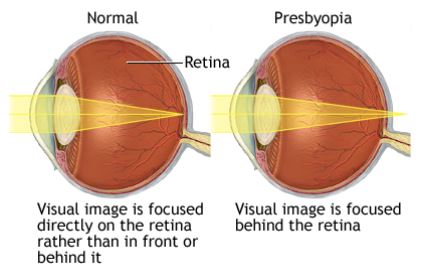
    What is Presbyopia?

    • Presbyopia is an age-related condition where the eyes gradually lose the ability to focus on nearby objects, typically developing after the age of 40.
    • Spectacles are one of the most commonly recommended solutions for managing presbyopia.

    How does PresVu work? 

    • The active ingredient in PresVu is pilocarpine, a compound that contracts the iris muscles, controlling the size of the pupil and helping individuals focus better on nearby objects.
    • PresVu also uses an advanced dynamic buffer technology to adapt to the pH levels of tears, ensuring consistent efficacy and safety for extended use over the years.
    • However, PresVu’s effects are temporary, typically lasting between four to six hours, and it is prescription-only.
    • PresVu should not be used by individuals with iris inflammation.
    • Regular use may lead to side effects such as:
      • Itching and redness
      • Eyebrow pain
      • Muscle spasms in the eyes

    Is this a Novel Therapy?

    • Although Entod claims PresVu is novel, the main compound, pilocarpine, has been available in India for decades and is commonly used as a first-line therapy for cataracts.
    • Pilocarpine’s ability to temporarily improve the depth of focus has been explored in other countries, including the United States, where the FDA approved a pilocarpine eye drop for presbyopia in 2021.
    • In India, the government regulates the ceiling price of pilocarpine in 4% and 2% concentrations, whereas PresVu contains 1.25%.

    PYQ:

    [2018] Appropriate local community-level healthcare intervention is a prerequisite to achieve ‘Health for All’ in India. Explain.

  • Yellow Food Dye can improve Cancer Treatment

    Why in the News?

    Recent research reveals that FD&C Yellow 5, a common food dye, can temporarily make tissue transparent, with potential implications for cancer treatment and medical procedures.

    About Yellow Food Dye 

    • FD&C Yellow 5, also known as Tartrazine, is a widely used synthetic food dye found in various snacks, drinks, and processed foods.
    • Approved by the FDA, it is commonly used to give products a vibrant yellow color.

    How does it work?

    • The dye has the ability to make tissue transparent is based on its interaction with light, specifically through the Kramers-Kronig relations, a principle in physics.
    • It absorbs blue light, leaving only the red-orange spectrum visible.
    • This alters the refractive index of water, causing it to match the refractive index of fats and proteins in tissue.
    • When the refractive indices match, light can pass through tissue with less scattering, creating the appearance of transparency.

    Potential Medical Applications of Yellow Food Dye

    • Cancer Treatment: By making tissues transparent, FD&C Yellow 5 could enhance photodynamic and photothermal therapies, allowing laser light to reach deeper tissues and target cancerous cells more effectively.
    • Vein Visibility: Transparent tissues could help make veins more visible, aiding in procedures like venepuncture for blood draws or injections, particularly in patients with hard-to-see veins.
    • Non-invasive Diagnostics: The dye could allow doctors to visualize internal organs and structures without the need for invasive procedures like biopsies or expensive imaging technologies like CT scans or MRIs.

    PYQ:

    [2018] Consider the following statements:

    1. The Food Safety and Standards Act, 2006 replaced the Prevention of Food Adulteration Act, 1954.

    2. The Food Safety and Standards Authority of India (FSSAI) is under the charge of Director General of Health Services in the Union Ministry of Health and Family Welfare.

    Which of the statements given above is/are correct?

    (a) 1 only

    (b) 2 only

    (c) Both 1 and 2

    (d) Neither 1 nor 2