💥Join UPSC 2027,2028 Mentorship (July Batch) + XFactor Notes & Microthemes PDF

Subject: Ethics

  • ‘India’s Got Latent’ Row

    Why in the News?

    The Maharashtra cyber police have denied YouTuber Samay Raina’s request for more time to join the investigation into a case against him, podcaster Ranveer Allahbadia, and others. The case was filed over an “obscene joke” made by Allahbadia on Raina’s show, India’s Got Latent.

    What is an “obscene joke”? 

    • An “obscene joke” is a joke that contains sexually explicit, vulgar, or offensive content that may be considered inappropriate, indecent, or immoral by societal standards.

    What are the Ethical Issues Surrounding Obscenity?

    • Freedom of Expression vs. Public Morality: Content creators often push boundaries in comedy, art, and media, but their work may conflict with societal norms and moral values. Example: A stand-up comedian making jokes about religious figures or sexual themes faces backlash from communities who find it offensive.
    • Cultural Sensitivities and Perception: What is considered obscene varies across cultures, making content regulation complex. Example: Nudity in Western films may be viewed as artistic, whereas in India, it often faces censorship under decency laws.
    • Impact on Vulnerable Audiences: Children and adolescents may be influenced by explicit content, shaping their attitudes toward relationships, gender roles, and social behaviour.Example: Music videos with sexually suggestive lyrics and visuals can promote unrealistic or unhealthy perceptions of relationships.
    • Exploitation and Objectification: Media and advertisements sometimes use sexually provocative imagery, reinforcing harmful gender stereotypes.Example: Advertisements that use hypersexualized images of women to sell products contribute to the objectification of women.
    • Accountability of Content Creators and Platforms: Digital platforms and influencers have a responsibility to regulate content while ensuring free speech is not misused. Example: A YouTube influencer posting explicit prank videos that go viral raises concerns about platform moderation and ethical responsibility.

    What are the legal provisions related to Obscenity?

    • Indian Penal Code (IPC), 1860
        • Section 292: Prohibits the sale, distribution, and public exhibition of obscene materials, including books, paintings, and electronic content.
        • Section 293: Increases punishment for selling obscene materials to minors.
        • Section 294: Penalizes obscene acts and songs in public places.
    • Information Technology (IT) Act, 2000
      • Section 67: Prohibits the publication, transmission, and distribution of obscene electronic content, including on social media and online platforms.
      • Section 67A: Imposes stricter penalties for publishing sexually explicit material in electronic form.
    • Indecent Representation of Women (Prohibition) Act, 1986: Restricts the depiction of women in an indecent or derogatory manner in advertisements, publications, and other media.

    What can be the Key Recommendations for Obscenity?

    • Clear Legal Definitions and Guidelines: Laws should define “obscenity” more precisely to avoid subjective interpretations and misuse. Example: Updating Section 292 of the IPC to distinguish between artistic expression and truly obscene content.
    • Stronger Content Moderation on Digital Platforms: Social media and streaming services should implement stricter policies to regulate obscene content. Example: YouTube and Instagram enforce AI-based content moderation to flag and remove explicit material.
    • Public Awareness and Media Literacy: Educating audiences, especially minors, about responsible content consumption and the impact of obscene materials. Example: Schools include media literacy programs to help students critically analyze digital content.
    • Balanced Regulation Without Censorship: Authorities should ensure that restrictions on obscenity do not infringe on creative freedom and free speech. Example: Allowing adult-rated films and stand-up comedy with proper disclaimers instead of outright bans.
    • Stronger Accountability for Content Creators and Influencers: Creators should adhere to ethical guidelines and be held accountable for promoting obscene or harmful content. Example: Social media influencers issue public apologies and remove controversial videos after backlash.

    Way forward: 

    • Strengthening Regulatory Mechanisms: Implement a balanced framework that ensures accountability without suppressing creative freedom. Example: Establishing independent review bodies to assess content complaints objectively.
    • Promoting Ethical Digital Responsibility: Encourage responsible content creation and consumption through self-regulation and industry guidelines.Example: Platforms introducing stricter age-restriction features and user awareness campaigns.

    Mains PYQ:

    Q State the three basic values, universal in nature, in the context of civil services and bring out their importance. (150 words) (UPSC IAS/2016)

  • What are the ‘Panch Pran’?

    Why in the News?

    Addressing NCC cadets in Delhi, Vice-President Jagdeep Dhankhar outlined a visionary roadmap for India’s development, rooted in five guiding principles known as PanchPran.

    What is Panch Pran (Five Pillars of National Transformation)?

    • The PanchPran, or five resolves, represent the core principles that aim to guide India’s progress toward becoming a globally admired nation.
    • This framework integrates personal responsibility, traditional values, environmental sustainability, cultural pride, unity, and self-reliance to shape a stronger and more resilient nation.
    • The 5 principles are:
      • Social Harmony: Strengthens national unity by transforming India’s diverse cultures and traditions into sources of collective strength.
      • Family Enlightenment: Emphasizes the role of families in nurturing patriotic and moral values, forming the foundation for a cohesive and enlightened society.
      • Environmental Consciousness: Advocates for sustainable development through the conservation and protection of natural resources.
      • Swadeshi: Promotes self-reliance and prioritization of indigenous products as part of the Atmanirbhar Bharat initiative.
      • Civic Duties: Encourages citizens to actively contribute to the nation’s progress by fulfilling their civic responsibilities.

    About National Cadet Corps (NCC)

    • The NCC is the youth wing of the Indian Armed Forces with its headquarters in New Delhi.
    • It is open to school and college students on voluntary basis as a Tri-Services Organisation, comprising the Army, the Navy and the Air Force.
    • Cadets are given basic military training in small arms and drill.
    • Officers and cadets have no liability for active military service once they complete their course.
    • The NCC was formed in 1948.
    • It can be traced back to the ‘University Corps’, which was created under the Indian Defence Act 1917, with the objective to make up for a shortage of personnel in the Army.
    • The NCC is headed by the Director General (DG), an officer of 3-star rank.
  • Public comments on the PM-CJI puja meet are based on a 1997 document on judicial values

    Why in the News?

    Concerns about Prime Minister Modi’s visit to CJI Chandrachud’s residence for the Ganapati puja stem from the 1997 ‘Restatement of Values of Judicial Life’ guidelines on judicial conduct.

    What does the ‘Restatement of values of judicial life’ state?  

    It is a 16-point code of conduct adopted by the Supreme Court of India in May 1997 to guide the ethical behaviour of judges of the Supreme Court and High Courts.

    • Impartiality and Credibility: The first tenet emphasizes that judges’ behaviour must reinforce public faith in the judiciary’s impartiality. Any actions that could undermine this perception should be avoided.
    • Aloofness: Judges are advised to maintain a degree of aloofness that is consistent with the dignity of their office, ensuring they do not engage in relationships that could compromise their neutrality.
    • Public Awareness: Judges must be conscious of their public image and avoid any conduct seen as unbecoming of their high office.
    • Political Neutrality: Judges should remain politically neutral and avoid public discussions on political matters or cases pending judicial determination.
    • Avoiding Conflicts of Interest: Judges must not allow family members of the Bar to appear before them, nor should they engage in speculative financial activities or accept gifts beyond those from close friends and family.
    • Public Trust: The document underscores the importance of maintaining public trust through ethical conduct and discourages close associations with advocates practising in the same court.

    Types of Integrity

    Integrity in the judicial context can be categorized into several types:

    • Personal Integrity: This relates to the character and ethical standards of individual judges, emphasizing honesty and adherence to moral principles.
    • Institutional Integrity: This refers to the judiciary as a whole, ensuring that the institution operates independently and maintains public confidence.
    • Procedural Integrity: This involves the adherence to legal processes and standards that uphold justice, ensuring that all actions taken by judges are fair and transparent.

    Significance of Maintaining Integrity and Public Confidence through Probity

    • Trust in the Judiciary: Upholding integrity is crucial for maintaining public confidence in the judiciary, as it reassures citizens that justice is administered fairly and without bias.
    • Separation of Powers: The judiciary’s integrity is essential for maintaining the constitutional balance between the judiciary and the executive. Any perceived compromise can lead to public skepticism about the independence of judicial decisions.
    • Ethical Standards: The Restatement serves as a guide for judges to navigate their professional responsibilities while adhering to ethical standards, which is vital for the credibility of the judicial system.
    • Public Perception: Actions that appear to blur the lines between the judiciary and executive can lead to gossip and speculation, undermining the institution’s integrity. Judges must be mindful of their public image to prevent any erosion of trust.

    Way forward: 

    • Strengthen Judicial Training: Implement continuous ethical training for judges, emphasizing the importance of maintaining impartiality, political neutrality, and avoiding conflicts of interest to uphold public confidence.
    • Establish Oversight Mechanisms: Create robust internal oversight frameworks to monitor and address potential breaches of judicial integrity, ensuring transparency and accountability in judicial conduct.
  • Corruption has risen over the past five years, say 55% of respondents

    Why in the news? 

    In the run-up to elections, political parties make allegations of corruption against their rivals to reach out to voters and influence voting patterns. So, let’s see about the corruption trend in India.

    What is Corruption? 

    Corruption refers to dishonest or unethical conduct by individuals or institutions, often involving the misuse of entrusted power or resources for personal gain. It can take various forms, including bribery, embezzlement, fraud, nepotism, cronyism, and favoritism. Corruption undermines the principles of fairness, integrity, and accountability in both public and private sectors.

    Corruption in India (Pre-poll survey of 2024 compared with 2019 Survey):

    • Increase in Corruption: According to a pre-poll survey, more than half (55%) of respondents believe that corruption has increased in the past five years.
      • The proportion of respondents believing that corruption has decreased has declined significantly, from 37% in 2019 to 19% in 2024.
    • Causes for Corruption in India: A majority of respondents (56%) hold both Union and State governments responsible for the increase in corruption, with a higher proportion blaming the Union government specifically.
    • Across Spatial Consistency: Regardless of whether respondents live in villages, towns, or cities, the perception of increased corruption is widespread.
    • Opinion of Respondents: Both rich and poor respondents largely agree that corruption has increased, though there is a slight increase in the perception of decreased corruption among richer respondents.

    What does the 2nd Administrative Reforms Commission (ARC) report say?

    • Lack of Transparency: The opacity of government processes and decision-making provides opportunities for corruption.
    • Regulatory Environment: Cumbersome and complex regulations create opportunities for rent-seeking behavior by officials and bureaucrats.
    • Political Interference: Politicization of administrative processes and appointments leads to patronage networks and favoritism, fostering corruption.
    • Lack of Whistleblower Protection: The absence of robust mechanisms to protect whistleblowers discourages individuals from reporting corruption. Fear of retaliation and inadequate legal safeguards inhibit the exposure of corrupt practices.
    • Weak Enforcement Mechanisms: Inadequate enforcement of laws and regulations allows corrupt practices to thrive.

    Conclusion: To combat rising corruption in India, comprehensive measures including enhancing transparency, simplifying regulations, strengthening enforcement, depoliticizing administration, and implementing robust whistleblower protection are imperative for fostering integrity and accountability in governance.


  • Is it ethical to use AI to clone voices for creative purposes?

    Is it ethical to use AI to clone voices for creative purposes? | The Hindu  parley podcast - The Hindu

    Central Idea:

    The article delves into the ethical considerations surrounding the use of Artificial Intelligence (AI) to clone voices for creative purposes in the music industry. Through a conversation with musicians Sai Shravanam and Haricharan Seshadri, moderated by Srinivasa Ramanujam, various viewpoints on the matter are explored.


    Key Highlights:

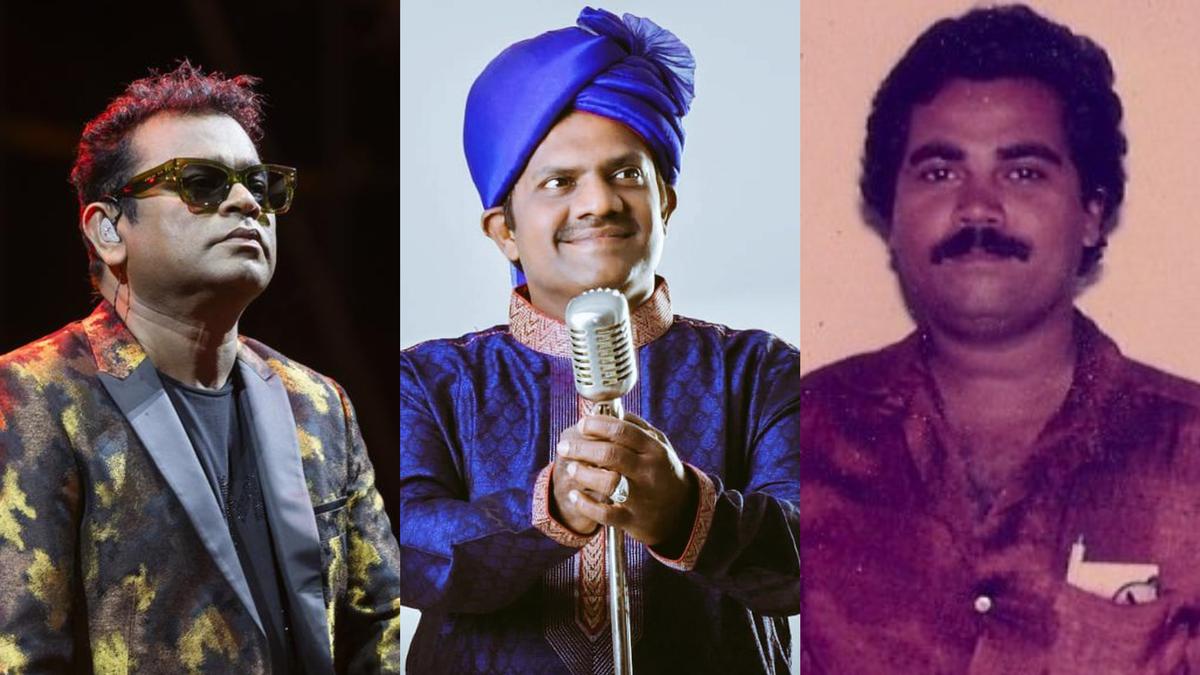
    • A.R. Rahman’s utilization of AI to recreate the voices of deceased singers Bamba Bakya and Shahul Hameed in the song “Thimiri Yezhuda” from the film Lal Salaam.
    • The emotional response from musicians and the broader debate sparked by this use of AI technology.
    • Insights into the ethical considerations surrounding AI-generated voices, including compensation for artists’ families and the need for proper permissions.
    • The role of AI tools in aiding musicians with tasks such as audio processing and mixing, saving time and enhancing efficiency.
    • Concerns regarding the potential disruption of creativity and the human element in music production due to the increasing reliance on AI technology.
    • Calls for the establishment of ethical guidelines and regulatory frameworks to govern the use of AI in the music industry and protect intellectual property rights.


    Key Challenges:

    • Balancing technological advancement with ethical considerations and preserving the authenticity and emotional depth of artistic expression.
    • Ensuring fair compensation and recognition for artists and their families when AI-generated voices are utilized.
    • Addressing concerns about the potential homogenization of music and the loss of individuality and creativity in the face of widespread AI adoption.
    • Establishing effective mechanisms for regulating the use of AI in music production to prevent misuse and protect against unauthorized replication of voices.


    Main Terms or key terms for answer writing:

    • Artificial Intelligence (AI)
    • Voice cloning
    • Ethical considerations
    • Compensation
    • Intellectual property rights
    • Auto-tuner
    • Creative process
    • Regulation
    • Deepfake videos


    Important Phrases for answer quality enhancement:

    • “Timeless Voices”
    • “Ethics is personal”
    • “AI can never replace human singers”
    • “Creativity is God’s gift”
    • “AI ethical usage board”
    • “Intellectual property needs to be registered”


    Quotes that you can use for essay and ethics:

    • “Ethics is personal.”
    • “AI can never replace human singers and the output that is the result of a creative process.”
    • “A real singer cannot be replaced with AI because we add bhaavam or feeling to a song.”
    • “The arts and music are not just products. They have unfortunately become products.”
    • “There needs to be an AI ethical usage board in every industry.”


    Anecdotes:

    • Mention of A.R. Rahman’s iconic contributions to Indian music, highlighting the significance of his latest venture into AI-generated voices.
    • Personal experiences of Sai Shravanam and Haricharan Seshadri in utilizing AI tools for music production, illustrating the practical applications and benefits of such technology.


    Useful Statements:

    • “AI as a tool has helped me greatly in areas that are not creative-driven; it has helped me in mundane activities.”
    • “Creativity is God’s gift. It doesn’t come from you but rather through you.”
    • “From a film industry perspective, a lot of mediocrity is glorified because of reels and social media views.”
    • “The human brain is about perception. What I hear today as a sound engineer will not be what I hear tomorrow.”


    Examples and References:

    • Mention of specific films and songs where AI-generated voices were utilized, such as “Thimiri Yezhuda” from Lal Salaam.
    • Reference to the ongoing debate around AI ethics and the broader implications of AI technology in various industries beyond music.
    • Instances of technological advancements like auto-tuner and dynamic processors aiding musicians in enhancing audio quality and efficiency.


    Facts and Data:

    • Bamba Bakya’s death in September 2022 at the age of 42.
    • Shahul Hameed’s extensive work in films like Gentleman and Kadhalan before his death in 1998.
    • The prevalence of AI tools in modern music production, including auto-tuner and dynamic processors.


    Critical Analysis:

    The article provides a balanced perspective on the ethical dilemmas surrounding AI-generated voices in music, acknowledging both the potential benefits and risks associated with such technology. It emphasizes the importance of preserving artistic integrity and ensuring fair treatment for artists while also recognizing the practical advantages that AI tools offer in streamlining music production processes.


    Way Forward:

    • Establishing clear ethical guidelines and regulatory frameworks for the responsible use of AI in music production.
    • Prioritizing transparency, consent, and fair compensation for artists and their families when AI-generated voices are utilized.
    • Promoting continued dialogue and collaboration between musicians, technologists, and policymakers to address emerging challenges and opportunities in the intersection of music and AI technology.
  • First Nitrogen Hypoxia Execution in the United States

    Introduction

    • Alabama’s recent execution of a prisoner by nitrogen hypoxia has stirred debate and controversy, marking a historic shift in execution methods after four decades.
    • While some argue for the method’s effectiveness, others condemn it as cruel and inhumane.

    Science behind Nitrogen Hypoxia

    • Nitrogen Inhalation: Smith, 58, underwent execution by inhaling pure nitrogen, depriving the body of oxygen needed for vital functions.
    • NIOSH-Approved Respirator: The state of Alabama used an industrial-grade respirator, specifically a “NIOSH-approved Type-C full facepiece supplied air respirator,” delivering nitrogen to the inmate.
    • Deprivation of Oxygen: While nitrogen is harmless in normal air composition, inhaling it exclusively leads to oxygen deprivation, causing eventual death.

    Execution Duration

    • Unexpected Prolongation: Despite claims that nitrogen gas would cause unconsciousness within seconds and death within minutes, Smith’s execution took approximately 22 minutes.
    • Witness Accounts: Onlookers reported distressing scenes of Smith writhing, convulsing, and gasping for air during the extended execution.

    Legal and Ethical Questions

    • Constitutional Concerns: Smith’s lawyers attempted to halt the execution, arguing it violated the constitutional ban on cruel and unusual punishment.
    • Experimental Execution Method: Critics contended that Smith was being used as a test subject for an untested method, highlighting the lack of adequate research and procedures.
    • Federal Court Rulings: Despite legal challenges, federal courts, including the US Supreme Court, rejected attempts to block the execution, raising concerns about the state’s approach.

    Death Penalty Landscape in the US

    • Highly Charged Issue: The death penalty remains a polarizing political topic in the United States, drawing contrasting views on its justice, deterrence, and ethical considerations.
    • Questionable Deterrence: Research indicates no conclusive evidence that capital punishment acts as a deterrent to crime, challenging one of its main justifications.
    • Execution Methods’ Challenges: Lethal injection, the most common method, faces controversies, from botched executions to reliability issues.
    • Racial and Economic Bias: Critics argue that capital punishment carries a risk of wrongful prosecution, with studies revealing racial and economic biases in its application.

    Conclusion

    • As the United States witnesses the first nitrogen hypoxia execution, the controversy surrounding the method raises broader questions about the ethics, constitutionality, and efficacy of capital punishment.
    • With legal battles ongoing and public opinion divided, the execution of Kenneth Smith serves as a focal point for re-evaluating the nation’s approach to the death penalty and the methods employed.
  • Supreme Court Labels Gujarat Police Actions as “Atrocity”

    Introduction

    • In a significant development, the Supreme Court of India, made oral observations condemning the 2022 incident involving four Gujarat Police officers.
    • These officers had publicly flogged some men, restraining them to a pole, under the allegation of disrupting a garba event in the Kheda district.

    Kheda Incident

    • Public Flogging and Video Documentation: The incident in question involved the public flogging of some men who were tied to a pole. Shockingly, videos of the brutal act were also recorded.
    • Lack of Legal Authority: Justice B.R. Gavai questioned whether the officers had any legal authority to restrain individuals in such a manner and subject them to physical abuse. Justice Sandeep Mehta expressed similar concerns.

    Ethical Dimensions Put to Question

    • Human Rights: Police misconduct and brutality violate citizens’ fundamental rights, including the right to life, liberty, dignity, equality, and justice. They also breach international human rights standards.
    • Rule of Law: Such actions undermine democratic societies based on the rule of law, diminishing law enforcement agencies’ legitimacy and fostering a culture of impunity where police act as judge, jury, and executioner.
    • Professionalism: Police misconduct erodes the professionalism, integrity, and morale of the police force. It negatively impacts training, discipline, supervision, and leadership, pressuring honest officers to conform to unethical practices.
    • Social Harmony: Police misconduct disrupts social cohesion, breeding resentment, fear, anger, and distrust, especially among marginalized groups. It contributes to social conflicts, violence, and extremism, threatening national peace and stability.

    Violation of D.K. Basu Judgment (1996)

    • Supreme Court’s Historical Verdict: The actions of the police officers were found to be in contempt of the Supreme Court’s landmark D.K. Basu judgment of 1996. This judgment emphasized the importance of protecting individuals from torture and abuse by the police and law-enforcing officers.
    • Prohibition of Third-Degree Methods: The D.K. Basu verdict explicitly prohibited the use of “third degree” methods or torture during interrogation and investigation.

    Supreme Court’s Response

    • Ignorance of Law: Justices Gavai and Mehta were not convinced by the argument put forth by senior advocate Siddharth Dave, representing the police officers, that there was no “willful disobedience” of the D.K. Basu verdict by his clients. The Bench questioned whether ignorance of the law could serve as a defence in this context.
    • Duty of Police Officers: The Bench emphasized that every police officer must be aware of the legal principles established in the D.K. Basu judgment.

    Conclusion

    • The Supreme Court’s strong stance against the actions of the Gujarat Police officers in this case underscores the importance of upholding the principles of justice, human rights, and the rule of law.
    • This incident serves as a reminder of the duty and responsibility that law enforcement agencies have in protecting the rights and dignity of individuals while performing their duties.
  • Beleaguered Indian media: Quo Vadis?

    History & Media in India | Media Ownership Monitor

    Central Idea:

    Shashi Tharoor, a prominent Indian politician and author, highlights the transformation of Indian media since liberalization in 1991. He expresses concern over the negative impact of the “breaking news” culture, sensationalism, and the lack of fact-checking, emphasizing the importance of a free and responsible press in a democracy.

    Key Highlights:

    • Media Transformation: Tharoor discusses how economic growth, government control relaxation, and the internet have transformed Indian media since 1991.
    • Issues with Breaking News Culture: The author criticizes the sensationalism-driven “breaking news” culture, where speed often prioritizes over accuracy, leading to a rush to judgment.
    • Impact of Social Media: Tharoor points out that social media exacerbates the problem, allowing unverified information to spread, and the print media is also affected due to the pressure to keep up with the 24/7 news cycle.
    • Media’s Role in Democracy: He emphasizes that the media’s role in democracy is to critically assess elected officials’ actions, holding them accountable, but the current focus on superficial and sensational news trivializes public discourse.

    Key Challenges:

    • Quality vs. Quantity: The explosion in the quantity of media offerings has not necessarily improved their quality, leading to concerns about the substance of news coverage.
    • Sensationalism Over Substance: The author criticizes the shift towards sensationalism, where the pursuit of breaking news takes precedence over accurate reporting.
    • Blurring of Journalism Basics: Distinctions among facts, opinions, and speculation have blurred in Indian media, raising concerns about journalistic standards and accountability.

    Key Terms/Phrases:

    • Breaking News Culture: The focus on immediate reporting at the expense of accuracy.
    • Trial by Media: The phenomenon where individuals face public judgment and scrutiny through media coverage.
    • Fourth Estate: The media’s role as an unofficial fourth branch of government, serving as a check on power.

    Key Quotes:

    • “Television news in India… has long given up any pretence of providing a public service…”
    • “Charges are reported uncritically, without editors asking even the most basic questions about their plausibility.”

    Key Statements:

    • “The rush to judgment on the basis of partial information must stop.”
    • “What democrats want is not less journalism, but better journalism.”

    Key Examples and References:

    • Tharoor mentions instances where the government has intimidated newspapers and blocked TV channels, raising concerns about press freedom.
    • Reference to The Hindu newspaper’s practice of having a Readers’ Editor to acknowledge mistakes and engage with readers.

    Key Facts/Data:

    • The author refers to the lack of restrictions on media ownership by affluent citizens in India.
    • Mention of the government’s role in introducing laws to limit control of multiple news organizations by a single entity.

    Critical Analysis:

    Tharoor critically examines the impact of sensationalism on media quality and the blurring of journalistic standards. He underscores the need for a free press while acknowledging the challenges posed by the current media landscape.

    Way Forward:

    • Fact-Verification Culture: Promote a culture of fact-verification and accuracy, discouraging the rush to break news at the expense of accuracy.
    • Journalistic Training: Enhance journalistic training to prioritize values of accuracy, integrity, and fairness, ensuring that media outlets issue retractions for false claims.
    • Diversity in Newsrooms: Encourage diverse perspectives in newsrooms to avoid becoming echo chambers and ensure fair representation of alternative views.
    • Public Engagement: Foster engagement between journalists and the public through feedback mechanisms, acknowledging mistakes, and building trust.
    • Government Regulations: Introduce laws and regulations to limit the control of news organizations by a single entity, promoting an independent and robust press.

    In conclusion, Shashi Tharoor calls for a responsible and accountable media, urging for improvements in journalistic practices, training, and regulations to ensure that the media continues to play a vital role in India’s democracy.

  • An ambitious push for values, ethics in higher education

    Welcome to UGC, New Delhi, India

    Central Idea:

    The article discusses the University Grants Commission’s (UGC) guideline, Mulya Pravah 2.0, aimed at instilling human values and ethics in higher education institutions. It emphasizes the need for transparency, accountability, and ethical conduct among administrators, teachers, and students.

    Key Highlights:

    • Mulya Pravah 2.0 addresses unethical practices in higher education, identified through a survey of human resource managers.
    • The guideline focuses on transparency, accountability, and fairness in decision-making processes.
    • It calls for the eradication of discriminatory privileges, punishment for corruption, and encourages a conducive culture for teaching, learning, and research.

    Key Challenges:

    • The article suggests that the guideline may be seen as a mere formality unless backed by sincere efforts to implement its provisions effectively.
    • The emphasis on confidentiality conflicts with the right to information, raising concerns about accountability.
    • The expectation for unions to support administration activities may limit their role in protecting the rights and interests of their members.

    Key Terms/Phrases:

    • Mulya Pravah 2.0
    • Unethical practices
    • Transparency and accountability
    • Discriminatory privileges
    • Conducive culture
    • Right to information
    • Staff and student unions

    Key Quotes:

    • “The UGC must get credit for notifying the guideline.”
    • “Higher education institutions must voluntarily disclose critical information and subject themselves to public scrutiny.”
    • “Teaching is a noble profession, and teachers play a crucial role in shaping the character, personality, and career of the students.”

    Key Statements:

    • The guideline emphasizes the importance of transparency in administration and urges punishment for corrupt practices.
    • Mulya Pravah 2.0 expects staff and student unions to support administration in development activities.

    Key Examples and References:

    • Survey findings on unethical practices in organizations.
    • Mention of the need for public disclosure of critical information by higher education institutions.

    Key Facts/Data:

    • Mulya Pravah 2.0 is a modified version of a guideline notified in 2019.
    • The guideline highlights various unethical practices prevalent in organizations.

    Critical Analysis:

    • The article suggests that the guideline, while commendable, may face challenges in implementation, especially regarding the conflicting emphasis on confidentiality and the role of unions in supporting administration activities.

    Way Forward:

    • Ensure sincere efforts to implement Mulya Pravah 2.0 effectively.
    • Address concerns related to confidentiality and right to information.
    • Encourage a collaborative approach between administration and unions for the betterment of higher education institutions.
  • Radioactive Chapatis: Concern over a 1969 experiment on South Asian women

    chapati

    Central Idea

    • A Member of Parliament in the UK demanded a statutory inquiry into medical research conducted on Indian-origin and South Asian women in Coventry.
    • Women of Indian origin were fed Chapatis containing a radioactive isotope of iron, Iron-59 to verify if it treats anaemia.

    The 1969 Chapati Study

    • The study took place in 1969 and involved approximately 21 Indian-origin women from Coventry.
    • These women were given chapatis containing a radioactive isotope of iron, Iron-59, as a part of an effort to combat widespread anaemia.
    • The UK’s Medical Research Council (MRC) concluded that the study demonstrated the necessity for increased iron intake among Asian women due to the insolubility of iron in flour.

    Ethical Considerations

    • The release of the documentary “Deadly Experiments” in 1995 drew attention to the administration of radioactive substances in research during the 1950s and 1960s in the UK and the US.
    • Women were unaware of the experiment and its purpose; chapatis were delivered without clear information about their content.
    • An independent Committee of Inquiry was established in response to public criticism following the documentary’s release.
    • Principles violated in the experiment:
    1. Informed consent
    2. Participant-centeredness and
    3. Transparent engagement

    Reflections on Past Practices

    • Researchers made judgments about benefits and costs without prioritizing participants’ well-being.
    • The study’s design aligned with the prevailing “paternalistic nature of science” and societal attitudes of the time.
    • The report suggested providing study materials in participants’ languages and addressing challenges with informed consent.
    • Determining informed consent many years later remains a significant challenge.
    • The MRC no longer possessed the participant list, and public appeals for participants yielded no results.

    Understanding Radioactive Isotopes

    • Radioactive isotopes are unstable forms of elements that emit radiation during their transformation into stable forms.
    • Unstable nuclei contain excess energy, which is released as radiation in the form of waves or particles.
    • The long-term health effects of radiation exposure vary depending on the type and amount of radiation.

    Current Repercussions

    • An MP emphasized the MRC’s unfulfilled recommendation to identify and engage the women participants.
    • Identifying participants would have enabled them to share experiences, receive support, and learn from the experiment.
    • The MRC reaffirmed its commitment to engagement, transparency, and upholding the highest research standards.

    Conclusion

    • The study underscores ethical concerns within historical medical research.
    • Reflecting on past practices informs present and future medical research endeavours.