💥Join UPSC 2027,2028 Mentorship (July Batch) + XFactor Notes & Microthemes PDF

Subject: Governance

Important aspects of Society

  • Scheme to support Minor Rape Victims

    Central Idea

    • The Centre has introduced a special scheme to provide medical, financial, and infrastructural support to minor rape victims who become pregnant as a result of sexual assault.

    Supporting Minor Rape Victims

    • The scheme, operating under the Nirbhaya Fund, aims to address the needs of minor victims and has been allocated ₹74.1 crore in funding.
    • The Ministry of Women and Child Development has collaborated with State governments and Child Care Institutions (CCIs) to implement this initiative.
    • It leverages the existing administrative structure of Mission Vatsalya, which focuses on child protection and welfare.

    Objectives of the Scheme

    • Integrated Support: The scheme aims to provide comprehensive assistance and support to girl child victims in a single framework.
    • Range of Services: Immediate and non-emergency services include access to education, police assistance, healthcare (including maternity, neo-natal, and infant care), psychological support, and legal aid.
    • Insurance Coverage: The scheme offers insurance coverage for the minor victim and her newborn,

    Eligibility and Coverage

    • Criteria: Victims eligible for support under the scheme are girls below 18 years of age who become pregnant due to rape under the provisions of the POCSO Act and are either orphans or abandoned by their families.
    • No Mandatory FIR Requirement: Victims do not need to possess a copy of the First Information Report (FIR) to avail benefits under the scheme.

    Other initiatives

    • Establishment of POCSO Fast-Track Courts: The government has set up 415 fast-track courts across the country to expedite the legal proceedings for minor victims of rape.
    • Additional Support: The new scheme complements the judicial measures by providing comprehensive support to minor victims.

    Need for Support

    • High Incidence of Cases: The National Crime Records Bureau reported 51,863 cases under the Protection of Children from Sexual Offences (POCSO) Act in 2021.
    • Predominantly Girls as Victims: Analysis reveals that 99% of the cases involved girls, many of whom experience physical and mental health concerns when they become pregnant as a result of the assault.
    • Vulnerable Situations: Some victims are disowned or abandoned by their families, while others are orphans, exacerbating their challenges.


  • Har Ghar Jal Initiative to miss 2024 target

    har ghar jal

    Central Idea

    • The Har Ghar Jal initiative, part of the Jal Jeevan Mission, aims to provide potable water connections to all rural households in India by 2024.
    • However, multiple sources and data analysis indicate that the initiative is likely to fall short of its target, with only 75% of village homes expected to have drinking water taps by April 2024.

    Har Ghar Jal Initiative: A quick recap

    • Har Ghar Jal (translation: Water to Every Household) is a scheme initiated by the Ministry of Jal Shakti under Jal Jeevan Mission in 2019.
    • It aimed to provide tap water to every rural household by 2024.
    • Finance Minister announced the scheme in 2019 Union budget.
    • In August 2022, Goa and Dadra and Nagar Haveli and Daman and Diu became the first ‘Har Ghar Jal’ certified State and UT respectively with 100% tap-water access.
    • As of January 2023, other states and UTs Gujarat, Puducherry and Telangana have also achieved 100% tap-water access.
    • Since its inception, the scheme has significantly improved household clean tap water availability in India.

    Challenges Faced by the Initiative

    • Delayed Progress: The COVID-19 pandemic and a lack of qualified manpower in states have contributed to the delayed implementation of the scheme.
    • Shortages of Essential Materials: The ongoing Russia-Ukraine war resulted in major shortages of steel and cement, crucial for manufacturing and connecting metal pipes, leading to delays and price revisions.
    • Manpower Shortage: Some states faced challenges in finding skilled workers to construct tanks, cisterns, and water connections of acceptable quality.
    • State-Specific Issues: Certain states, such as Rajasthan, face challenges in ensuring the availability of water, while West Bengal and Kerala struggle with water contamination issues.
    • Certification Gap: While the states report high coverage figures, there is a significant gap between reported and verified connections.

    Expectations and Progress

    • Revised Expectations: The officials now expect about 75% of households to be covered by March 2024 and 80% by December 2024.
    • Work Yet to Begin: Around one crore households (5% of the total) have not even begun work under the scheme.
    • Timeframe Challenges: Connecting all households in villages that already have access to water sources takes an average of eight months, making it unlikely to finish in some places before 2025-26.

    Political Factors and Connection Status

    • Political Angle: Some states, like Bihar and Telangana, did not rely on central funds and did not certify their connection status due to political considerations.
    • Significance of Certification: “Har Ghar Jal” villages certified as 100% compliant prominently display the images of the Prime Minister and Chief Minister, especially if Central funds were used.


  • Why women bureaucrats lose out on senior posts?

    Central Idea

    • In June 1991, P V Narasimha Rao, the 10th prime minister, initiated the liberalization of India’s economy by assembling a team of bureaucrats, technocrats, and politicians. However, a striking absence of women in this influential group raises questions about their representation in shaping India’s future.

    *Relevance of this topic*

    *Despite its economic growth, women’s participation in the country’s economy, polity and society has not kept pace.

    *As per IAS data and the central government’s employment census of 2011, less than 11 per cent of its total employees were women. In 2020, this reached 13 per cent only

    *In fact, out of a total of 11,569 IAS officers entering service between 1951 and 2020, only 1,527 were women. Further, only 14 per cent of Secretaries in the IAS were women in 2022, 13 out of 92 posts.

    *You can use the case studies mentioned below to support your answer

    Insufficient Representation of Women in the IAS

    • Recruitment rules favoring men: Historically, the recruitment rules for the Indian Administrative Services (IAS) were skewed in favor of men. For instance, only unmarried women were allowed to join the services, and they were required to resign if they got married. Such discriminatory rules limited the number of women entering the IAS.
    • Late removal of marriage disqualifier: It was only after the removal of the marriage disqualifier that the ratio of women to men in the IAS started to improve. However, this change came too late to address the systemic issues and challenges faced by women in the civil services by the time liberalization efforts began in 1991.
    • Lack of senior positions: Structural issues and systemic barriers prevented women officers from attaining senior positions in the IAS. By the time P V Narasimha Rao was forming his team for liberalization, women officers were either too junior in rank or faced ongoing obstacles that hindered their progress.
    • Mistrust in women’s abilities: Despite the removal of entry barriers, women in the civil services were often relegated to “soft” departments and not considered for key roles in crucial ministries such as finance, commerce, and industry. There was a prevalent bias that undermined trust in women’s abilities to handle challenging portfolios.
    • Absence of women in top leadership positions: India has yet to see a woman hold positions such as RBI governor, cabinet secretary, or chief economic advisor. This lack of representation at the highest levels of decision-making perpetuated the perception that women were not fit for leadership roles in core ministries.
    • Missed opportunities for deserving women: There have been instances where highly qualified and deserving women civil servants were overlooked for senior positions. Examples include Renuka Viswanathan, who faced resistance when seeking a role in the finance ministry despite her exceptional qualifications, and Sudha Pillai, who was denied the chance to become India’s first woman cabinet secretary.
    • Limited lateral hiring from diverse backgrounds: While Rao’s team included technocrats from academia and multilateral organizations, the lateral hiring process predominantly favored men. This led to missed opportunities for talented women, such as Padma Desai and Isher Judge Ahluwalia, who were not invited to join the team despite their significant contributions and qualifications.

    Cases of Exceptional Women and Missed Opportunities

    • Renuka Viswanathan: Renuka Viswanathan, the first woman district magistrate in Karnataka, held a doctorat d’etat (higher than a doctorate) in public finance from Paris Dauphine University. In the 1980s, when she sought a spot in the finance ministry, her appointment faced resistance. Her file was pushed to Rajiv Gandhi’s office, which had recently appointed Sarla Grewal as India’s first woman principal secretary to the prime minister. Ultimately, Viswanathan’s appointment was approved by Gandhi, highlighting her suitability for the finance ministry.
    • Sudha Pillai: Sudha Pillai, who could have become India’s first woman cabinet secretary, worked as a joint secretary in the industry ministry. She made notable contributions, including working on amending the anti-monopoly law. However, despite her qualifications and capabilities, she was not given the opportunity to reach the top leadership position of cabinet secretary.
    • Janaki Kathpalia: Janaki Kathpalia served as an additional secretary (budget) and worked closely with Manmohan Singh in preparing the union budgets from 1991 to 1995. Her role in shaping the budget was significant, but she also faced limitations in advancing to higher leadership positions.
    • Sindhushree Khullar: Sindhushree Khullar, who was the private secretary to the commerce minister P Chidambaram, oversaw significant changes in trade policy. Despite her contributions, she remained in a supporting role as a junior officer of the Indian Economic Service, which restricted her career progression.
    • Vandana Aggarwal: Vandana Aggarwal, another junior officer of the Indian Economic Service, played a crucial role in assisting Rakesh Mohan, the economic advisor to the industry ministry, in preparing the New Industrial Policy 1991. However, she also faced limitations in terms of recognition and upward mobility.

    What are the Systemic challenges?

    • Gender bias and stereotypes: Deep-rooted gender biases and stereotypes influence perceptions of women’s capabilities and roles within the bureaucracy. These biases often limit women to certain departments or positions considered traditionally suitable for them, reinforcing gendered expectations and hindering their access to senior roles.
    • Lack of mentorship and support: Women in the civil services often face a lack of mentorship and support systems necessary for career advancement. Limited access to guidance from senior officials and mentors, who are predominantly male, can impede women’s professional growth and opportunities.
    • Work-life balance challenges: Balancing professional responsibilities with familial and domestic obligations remains a significant challenge for women in the IAS. The demanding nature of administrative roles, long working hours, and limited support structures for childcare and family care can deter women from pursuing or advancing in their careers.
    • Glass ceiling and limited career progression: The glass ceiling phenomenon refers to the invisible barriers that prevent women from reaching top leadership positions within the bureaucracy. Despite having the necessary qualifications and capabilities, women often encounter obstacles in their career progression, leading to a significant underrepresentation of women in senior roles.
    • Gendered norms and cultural barriers: Societal norms and cultural expectations can create additional hurdles for women in the civil services. Traditional gender roles, biases against working women, and societal pressures can discourage women from pursuing careers in the bureaucracy or limit their opportunities for growth.
    • Lack of supportive policies and initiatives: The absence of robust policies and initiatives specifically aimed at promoting gender equality and empowering women in the civil services further exacerbates the systemic challenges. Limited maternity leave, inadequate childcare facilities, and a lack of gender-sensitive policies hinder women’s professional advancement and work-life balance

    Positive Shifts in recent times towards greater gender representation and inclusivity in civils services

    • Increased representation in civil service examinations: The latest round of the union civil service examinations saw a significant increase in the number of women candidates selected. Out of the 933 candidates selected, 320 were women, marking the highest-ever representation of women in these examinations.
    • Top ranks achieved by women: Women candidates secured six spots in the top 10 ranks, including the top four ranks, repeating the record set in the previous year. This achievement demonstrates the exceptional performance and capabilities of women in these competitive examinations.
    • Growing number of women entering the bureaucracy: The increasing number of women qualifying and entering the civil services indicates a positive trend towards greater gender diversity in the bureaucracy. More women, who are equally competent, are joining the civil services than before.

    Way Forward: Need for transformative change 

    • Policy Reforms: Introduce policy reforms that actively promote gender diversity and equal opportunities within the civil services. This includes reviewing and eliminating any discriminatory recruitment rules or practices that hinder women’s entry and advancement. Implementing gender-sensitive policies, such as extended maternity leave, flexible work arrangements, and support for work-life balance, can also foster a more inclusive work environment.
    • Mentoring and Leadership Development: Establish mentoring programs and leadership development initiatives specifically aimed at supporting women in the civil services. Encourage senior officials to mentor and guide aspiring women officers, providing them with opportunities to learn and grow within the bureaucracy. Leadership training programs should address gender biases, provide skill-building opportunities, and nurture women’s leadership potential.
    • Promoting Gender Sensitization: Conduct regular gender sensitization workshops and training sessions for all civil servants to raise awareness about gender biases, stereotypes, and the importance of gender equality. Create a work culture that values diversity, respects gender perspectives, and ensures a safe and inclusive environment for all employees.
    • Breaking the Glass Ceiling: Actively work towards breaking the glass ceiling that limits women’s progression to top leadership positions. Identify and address systemic barriers that impede women’s career advancement, such as biased promotion processes, lack of access to critical portfolios, and limited representation in decision-making bodies. Encourage transparent and merit-based selection processes for senior positions.
    • Encouraging Lateral Entry and Diverse Expertise: Promote lateral entry from diverse backgrounds, including academia, multilateral organizations, and the private sector, to bring in fresh perspectives and expertise. Ensure that women are equally considered for these lateral positions and given opportunities to contribute to policy formulation and implementation.
    • Institutional Support: Establish support mechanisms within the bureaucracy to address the unique challenges faced by women. This includes setting up internal committees to address gender-related grievances, providing mentorship networks, and creating avenues for women officers to voice their concerns and contribute to policy discussions.
    • Monitoring and Accountability: Regularly monitor and evaluate the progress made in achieving gender diversity goals within the civil services. Establish mechanisms for accountability and transparency to track the representation of women at different levels and ensure that policies and initiatives are effectively implemented.

    Conclusion

    • The journey towards gender equality in India’s civil services has witnessed progress but also encountered challenges. By nurturing and empowering talented women, India’s bureaucracy can harness their potential and pave the way for inclusive and diverse leadership at the highest levels. Achieving gender parity in the civil services will not only strengthen India’s governance but also promote social and economic progress for the nation as a whole.

    Also read:

    Women’s Political Representation in India: Moving Beyond Tokenism


  • Cabinet approves Bill for National Research Foundation (NRF)

    research

    Central Idea

    • The Union Cabinet’s approval of the National Research Foundation (NRF) Bill, 2023 marks a significant milestone in the field of scientific research in India.
    • With an estimated budget of ₹50,000 crore from 2023-28, the NRF will reshape the research landscape in the country.

    What is NRF?

    • Apex Body: The NRF will be established as the highest governing body for scientific research, in accordance with the recommendations of the National Education Policy (NEP).
    • Department of Science and Technology’s Role: The DST will serve as the administrative department of the NRF, with a Governing Board consisting of eminent researchers and professionals from various disciplines.
    • Leadership Structure: PM will be the ex-officio President of the Board, while the Union Minister of Science & Technology and the Union Minister of Education will be the ex-officio Vice-Presidents.
    • Functioning: The Principal Scientific Adviser will chair the Executive Council responsible for NRF’s functioning.

    Consolidation and Funding

    • Integration of Science and Engineering Research Board: The proposed Bill repeals the Science and Engineering Research Board (SERB) established in 2008 and subsumes it into the NRF.
    • Equitable Funding: The NRF aims to ensure equitable distribution of research funding, addressing the current disparity between eminent institutions like IITs and IISc and state universities. It seeks to allocate research funds more fairly, with an expected private sector investment of ₹36,000 crore.
    • Government Contribution: The government will contribute ₹10,000 crore over five years, while the DST will continue to receive its annual budget for funding autonomous research bodies, scholarships, and capacity-building programs.

    Collaboration and Policy Framework

    • Industry-Academia-Government Collaboration: The NRF will foster collaborations among industries, academia, government departments, and research institutions. It will establish an interface mechanism to facilitate participation and contributions from industries, state governments, scientific ministries, and line ministries.
    • Policy Framework and Regulatory Processes: NRF’s focus will include creating a policy framework and regulatory processes that encourage collaboration and increased industry spending on research and development (R&D).
    • Research in Social Sciences and Humanities: The NRF aims to promote research not only in natural sciences but also in humanities, social sciences, and arts. It recognizes the importance of integrating these disciplines in decision-making processes.

    Addressing National Priorities

    • Priority Areas: The NRF intends to identify priority areas aligned with national objectives, such as clean energy, climate change, sustainable infrastructure, improved transportation, and accessible healthcare.
    • Multidisciplinary Projects and Centers of Excellence: To address national priorities, the NRF will support large-scale, long-term, multidisciplinary, and multi-institutional projects. It also plans to establish Centers of Excellence focusing on crucial research areas for the country.
    • International Collaborations: The NRF will coordinate and support research in mega international projects, including LIGO and ITER, in which India is actively involved.

    Funding and Impact

    • Increased Funding: The NRF aims to significantly increase the funding available for scientific research in India from both government and private sources. Currently, India’s spending on research and development remains below 0.7% of its GDP.
    • Potential Impact: The NRF’s establishment has the potential to address the pressing issues in Indian science and enhance the country’s research output. Experts view it as a major landmark for science in India, with the allocated ₹50,000 crore as a starting point for future growth and impact.
  • KFON: Kerala’s internet connectivity scheme

    internet

    Central Idea

    • Digital poverty and exclusion persist despite the era of hyper-connectivity, leaving millions marginalized even in the wealthiest nations. In the United States, approximately 14.5 million people in rural areas lack access to broadband, exposing the stark reality of digital absence and leaving over 3 billion individuals on the fringes of the digital age. However, the state of Kerala in India has embarked on a pioneering initiative called the Kerala Fibre Optical Network (KFON) to bridge this digital divide.

    Relevance of this topic:

    *Although efforts are being made to bridge the gap, the digital divide in India remains a significant challenge. You can use the features of the KFON project as examples in your answer.

    Kerala’s Progressive Digital Initiative: Kerala Fibre Optical Network (KFON)

    • Recognizing Internet as a Citizen’s Right: In 2016, the communist-led state government of Kerala acknowledged internet access as a fundamental right, following the example of progressive nations like Finland, Costa Rica, and France.
    • Establishment of the KFON Project: The KFON project aims to provide affordable and reliable internet connectivity to every household, government institution, and business entity in Kerala through the deployment of a fiber-optic broadband network.
    • Targeting Economically Disadvantaged Households: The KFON project adopts a focused approach, starting with approximately 14,000 economically disadvantaged households in the state. These households will receive internet connectivity in the initial phase, addressing the digital divide from the grassroots level.
    • Extending Connectivity to Remote Areas: Kerala’s KFON project goes beyond urban centers, reaching even the most remote regions and tribal hamlets, such as those in Wayanad. This ensures that connectivity reaches marginalized communities that have historically faced barriers to digital access.
    • Free Internet Connections for Economically Disadvantaged: Over the course of the next 12 to 18 months, the KFON project aims to provide free internet connections to 2 million economically disadvantaged households, enabling them to access the benefits of digital connectivity without financial burden.
    • Affordable Data Packages: Apart from free connections, the KFON project offers a range of affordable data packages for the remaining 6 million households in Kerala. These packages cater to different affordability levels, starting from as low as 300 rupees (£2.86) per month for a 20 Mbps connection, making digital access more accessible to a broader population.
    • Infrastructure Development in Schools and Government Buildings: The KFON project includes the installation of necessary infrastructure in schools and government buildings. This ensures that educational institutions and public entities are equipped with the means to leverage digital connectivity effectively.
    • Digital Literacy Campaigns: To ensure the effective utilization of digital connectivity, the Kerala government has initiated digital literacy campaigns at the grassroots level. Collaborating with local bodies, the aim is to empower individuals from marginalized communities with the necessary skills to navigate the online world and leverage digital resources for personal and professional development.

    internet

    Impact of KFON project on Society

    • Enhanced Healthcare Services: The availability of reliable internet connectivity through KFON enables improved access to telemedicine and remote healthcare services. People in remote areas can connect with healthcare professionals, receive consultations, and access medical information without the need for physical travel, leading to better healthcare outcomes, especially in underserved regions.
    • Empowerment through Education: KFON’s connectivity in schools and educational institutions facilitates digital learning, e-learning platforms, and access to online educational resources. This empowers students with equal opportunities for quality education, regardless of their geographical location, and equips them with essential digital skills for the future.
    • Skill Development and Employment Opportunities: Access to the internet provided by KFON opens doors to online skill development programs, vocational training, and employment opportunities. It enables individuals, especially from marginalized communities, to enhance their skills, access job portals, and explore entrepreneurial ventures, contributing to economic growth and reducing unemployment.
    • Business and Entrepreneurship: KFON’s internet connectivity creates a conducive environment for businesses to thrive. Small and medium enterprises can expand their reach, engage in e-commerce, and access digital marketing channels. It also fosters entrepreneurship by providing a platform for aspiring entrepreneurs to launch and promote their startups.
    • Digital Governance and E-Government Services: KFON’s connectivity strengthens digital governance and e-government initiatives. Citizens can access online government services, submit applications, pay bills, and participate in e-governance processes conveniently. This streamlines administrative procedures, reduces bureaucracy, and enhances transparency and efficiency in service delivery.
    • Bridging Social and Economic Divides: By providing affordable and reliable internet connectivity to economically disadvantaged households, KFON plays a significant role in bridging social and economic divides. It ensures that individuals from marginalized communities have equal opportunities to access information, resources, and services, thus reducing inequality and promoting social inclusion.

    Prevalence of the digital divide in India

    • Limited Digital Literacy and Access: The Oxfam India report highlights that only about one-fifth of the Indian population can operate a computer or use the internet. This limited digital literacy and access contribute to the digital divide across different segments of society.
    • Rural-Urban Divide: There is a significant disparity in internet usage between rural and urban areas. The report mentions that around 31 percent of the rural population in India uses the internet compared to 67 percent of the urban population, indicating a notable urban-rural divide.
    • Educational Divide: The report points out the challenges faced by students in accessing digital resources for education. Only a small percentage of enrolled students have access to computers with internet connectivity, limiting their ability to leverage digital platforms for learning.
    • Financial Inclusion Disparities: The report highlights disparities in digital payment facility usage, indicating that the richest 60 percent of Indians are four times more likely to use digital payment services than the poorest 40 percent. Financial inclusion gaps exacerbate the digital divide, particularly among economically disadvantaged groups.
    • Household Disparities: The report highlights significant differences in computer and internet access between the poorest and richest households. The poorest 20 percent of households have limited access to computers and the internet, while the richest 20 percent enjoy higher rates of access.
    • Gender Divide: The gendered digital divide in India is prominent, with a wide gap of 40.4 percent between internet usage among men and women. This gender disparity limits digital access and opportunities for women, particularly in rural areas.

    internet

    How KFON project can contribute to address the digital divide in India?

    • Bridging the Connectivity Gap: The KFON project aims to provide affordable and reliable internet connectivity to every household, government institution, and business entity in Kerala. By ensuring widespread access to high-speed internet, KFON helps bridge the connectivity gap that exists between urban and rural areas, as well as economically disadvantaged communities.
    • Rural Outreach: The KFON project extends its network to even the most remote areas, including tribal hamlets in Kerala. By bringing internet connectivity to these underserved rural regions, KFON addresses the urban-rural digital divide and ensures that residents in these areas can access the same digital opportunities as their urban counterparts.
    • Affordability and Inclusion: KFON’s approach includes providing free internet connections to economically disadvantaged households and offering affordable data packages to others. This helps address the affordability barrier that often limits digital access for marginalized communities. By making internet services accessible and affordable, KFON ensures that more people can participate in the digital ecosystem.
    • Digital Literacy Initiatives: KFON complements its infrastructure development with digital literacy campaigns at the grassroots level. By addressing digital literacy gaps, KFON enables users to make the most of the connectivity provided and enhances their overall digital inclusion.
    • Multi-sector Impact: The KFON project’s extensive infrastructure and connectivity have a multiplier effect on various sectors, including education, healthcare, skill development, and business opportunities. By promoting digital inclusion in these sectors, KFON contributes to reducing the disparities caused by the digital divide. It helps ensure that individuals and communities have equal access to educational resources, healthcare services, employment opportunities, and digital tools for economic growth.
    • Role Model for Replication: The KFON project’s success and approach can serve as a role model for addressing the digital divide in other parts of India. By showcasing the benefits of bridging the digital divide, KFON encourages other entities to prioritize digital inclusion and work towards reducing disparities in digital access and opportunities.

    Conclusion

    • Digital poverty and exclusion persist worldwide, hindering access to crucial resources and opportunities. As discussions on digital public infrastructure gain momentum, Kerala’s achievements demonstrate the power of political will and innovative thinking in bridging the digital divide and fostering equitable development.

    Also read:

    Digital Public Infrastructure (DPI): New Backbone of India’s Economy


  • Centre planning new Bill on Stray Dog Issue

    dog

    Centre Idea:

    • The Centre will soon formulate a law on the issue of stray dogs, Union Minister Parshottam Rupala said.

    Stray Dog Menace in India

    • Cities have witnessed a sharp increase in the stray dog population, which as per the official 2019 livestock census stood at 1.5 crore.
    • However, independent estimates peg the number to be around 6.2 crore.
    • The number of dog bites has simultaneously doubled between 2012 and 2020.
    • Experts agree there may be a correlation between urbanisation and solid waste production, made visible due to the mismanagement of waste disposal.
    • Tepid animal birth control programmes and insufficient rescue centres, in conjunction with poor waste management, result in a proliferation of street animals in India.

    Reasons behind

    • Poor waste management: Inadequate waste disposal facilities and the mismanagement of solid waste often lead to the congregation of stray dogs around garbage dumps and landfills, where they scavenge for food.
    • Unplanned urbanization: The population boom in Indian cities has led to a sharp increase in the stray dog population. Rapid urbanization has led to the creation of slums and unmanaged solid waste, which attract dogs.
    • Lack of food and shelter: The availability of food and shelter determines the carrying capacity of a city. In the absence of these facilities, free-ranging dogs become scavengers that forage around for food, eventually gravitating towards exposed garbage dumping sites.
    • Territoriality: Stray dogs often become territorial and aggressive about public spaces where they are fed, leading to increased attacks on humans.
    • Improper sterilization and rescue centres: Tepid animal birth control programmes and insufficient rescue centres, in conjunction with poor waste management, result in a proliferation of street animals in India.

    Food wastage in India

    • A population boom in Indian cities has contributed to a staggering rise in solid waste production. Indian cities generate more than 150000 metric tonnes of urban solid waste every day.
    • According to a 2021 UNEP report, an estimated 931 million tonnes of food available to consumers ended up in households, restaurants, vendors and other food service retailers’ bins in 2019.
    • Indian homes on average also generated 50 kg of food waste per person.
    • The presence of free-roaming dogs in urban areas is determined by the “carrying capacity” of a city, which is the availability of food and shelter.

    Urban Stray Dogs and Waste Disposal

    • Food and shelter: The wastage food often serves as a source of food for hunger-stricken, free-roaming dogs that move towards densely-populated areas in cities, such as urban slums which are usually located next to dumping sites.
    • Sanitation assists food hunt: In the absence of proper sanitation and waste disposal facilities, stray dogs become scavengers that forage for food around exposed garbage dumping sites.

    Impact of Unplanned and Unregulated Urban Development

    • ABC Program: Under Animal Birth Control (ABC) program, municipal bodies trap, sterilize, and release dogs to slow down the dog population. This approach aims to control the number of strays while avoiding the inhumane practice of killing them.
    • Rabies Control Measures: Another anchor of India’s response is rabies control measures, including vaccination drives. Rabies is a fatal disease that can be transmitted to humans through dog bites. Thus, preventing rabies is essential in addressing the issue of stray dogs.
    • Informal Measures: These include mass killing of dogs in states like Kerala, which is a controversial practice as it is often inhumane and does not address the root causes of the issue. Other measures include imposing bans on the entry of stray dogs in colonies or feeding them in public.

    Why address stray dog attacks issue?

    • Adds Vulnerability to the poor: The disproportionate burden of dog bites may also fall on people in urban slums, which are usually located in close proximity to dumping sites.
    • Exposes harsher realities: The rise in such attacks speak to core issues of lack of serviced affordable urban housing for all, lack of safe livelihood options and improper solid waste management”.

    Empathizing the strays

    • Abandoned, not strayed: Stray dogs are sentient social beings capable of feeling pain, fear, and joy. Urban living patterns have largely impacted their abandonment.
    • Subjected to abuse: They are often victims of neglect, abuse, and abandonment, and are forced to survive in harsh conditions on the streets.
    • Neglected community guardians: Stray dogs can serve as community guardians by alerting us to potential dangers and can also provide emotional support to humans.

    Way forward

    • Improve waste management: Efficient management of solid waste can help reduce the availability of food for stray dogs and limit their population growth.
    • Increase vaccination and sterilization: ABC and vaccination programs should be implemented in a more organized and efficient manner to control the stray dog population and the spread of rabies.
    • Encourage responsible feeding practices: Regulating feeding around bakeries and restaurants and improving waste management in public spaces can reduce the carrying capacity of the environment for stray dogs and minimize the congregation of dogs in certain areas.
    • Develop national policy: There is a need for a comprehensive national policy that addresses the issue of stray dogs and their management in a more systematic and humane manner.
    • Stop gruesome brutality: Stopping brutality towards dogs is a crucial step towards creating a more compassionate and just management of stray dogs menace.


  • Digital India Bill: Combating misinformation without attacking free speech

    misinformation

    Central Idea

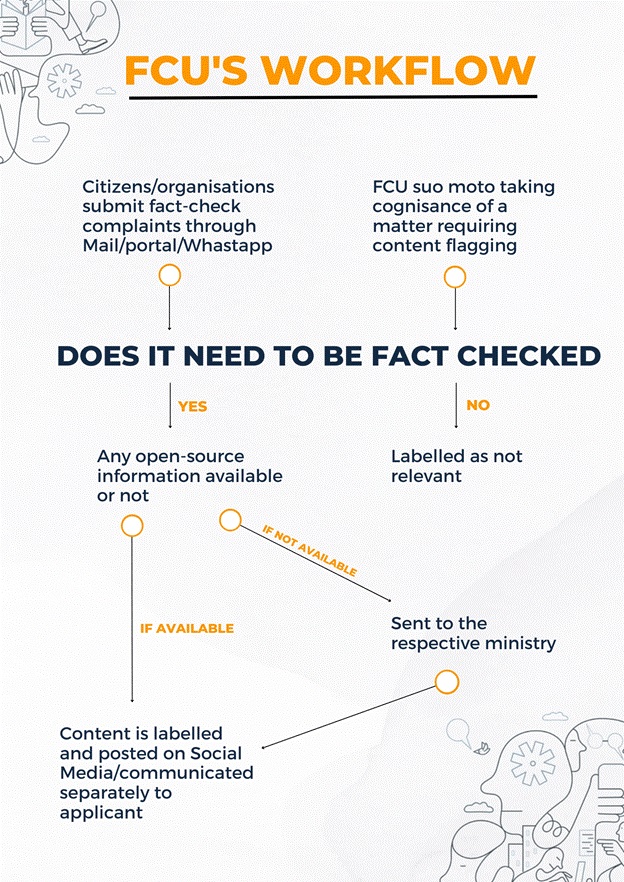
    • The proliferation of misinformation in the digital public square has raised concerns about the need for an effective fact-checking mechanism. However, recent reports suggesting the inclusion of a provision in the Digital India Bill mandating the registration of online fact-checkers have sparked valid apprehensions.

    The proliferation of misinformation in the digital public square

    • False News Articles: Misleading or fabricated news articles designed to deceive readers and create a false narrative.
    • Clickbait Headlines: Sensationalized or exaggerated headlines used to attract clicks and generate advertising revenue, often misleading readers about the actual content of the article.
    • Conspiracy Theories: Unsubstantiated claims or theories that propose secret plots, cover-ups, or hidden agendas by powerful entities or organizations.
    • Hoaxes and Urban Legends: False stories or rumors that circulate widely, often involving sensational or shocking elements, and are shared without verification.
    • Manipulated Images and Videos: Visual media that have been digitally altered or taken out of context to convey false information or deceive viewers.
    • False Statistics and Data: Deliberately misleading or misinterpreted data presented as factual information to support a particular narrative or agenda.
    • Satire or Parody Mistaken as Fact: Humorous or satirical content that is mistaken for real news and shared as factual information.
    • Bot-generated Content: Automated accounts, or bots, spreading misinformation by posting and sharing false information on social media platforms.
    • Echo Chambers and Filter Bubbles: Online environments where individuals are exposed only to information that aligns with their existing beliefs and biases, reinforcing misinformation and limiting exposure to diverse perspectives.
    • False Expertise and Impersonation: Individuals falsely claiming to be experts or impersonating credible sources to lend credibility to false information.

    misinformation

    Need for an effective fact-checking mechanism

    • Combatting Misinformation: Misinformation spreads rapidly and widely on digital platforms, leading to the distortion of facts and public understanding. An effective fact-checking mechanism helps identify and debunk false or misleading information, ensuring accurate and reliable information reaches the public.
    • Upholding Democratic Discourse: In a democratic society, informed citizens are crucial for meaningful discourse and decision-making. Fact-checking promotes the availability of accurate information, enabling individuals to make well-informed choices, engage in constructive debates, and hold public figures and institutions accountable.
    • Protecting Public Health and Safety: Misinformation related to health, safety, and emergencies can have severe consequences. Fact-checking plays a vital role in countering false claims about medical treatments, public health measures, and other critical information, ensuring people’s well-being and safety.
    • Preserving Trust and Credibility: Misinformation erodes public trust in institutions, media, and information sources. Fact-checking helps maintain credibility by providing evidence-based analysis and correcting false information, enhancing trust in reliable sources of information.
    • Safeguarding Social Cohesion: Misinformation can fuel social divisions, spread hate speech, and contribute to societal unrest. Fact-checking promotes responsible and ethical communication, discouraging the spread of false narratives that can harm social cohesion.
    • Empowering Media Literacy: Fact-checking initiatives raise awareness about the importance of media literacy and critical thinking skills. They provide resources and tools for individuals to evaluate information sources, detect misinformation, and become more discerning consumers of digital content.
    • Supporting Journalistic Integrity: Fact-checking enhances the integrity of journalism by verifying facts and holding media organizations accountable for accuracy. It reinforces journalistic ethics and promotes responsible reporting, contributing to a vibrant and reliable media ecosystem.
    • Countering Manipulation and Disinformation Campaigns: Fact-checking helps expose deliberate attempts to manipulate public opinion, identify disinformation campaigns, and protect democratic processes from undue influence or interference.
    • Strengthening Digital Resilience: By actively debunking misinformation, fact-checking initiatives contribute to building a resilient digital ecosystem. They empower individuals to recognize and resist the influence of false information, reducing the potential harm caused by viral falsehoods.
    • Promoting Evidence-Based Decision-Making: Fact-checking equips policymakers, researchers, and other stakeholders with accurate information to inform evidence-based decision-making processes. It contributes to the formulation of effective policies and interventions grounded in reliable data and analysis.

    misinformation

    Concerns around mandatory registration of online fact-checkers 

    • Chilling Effect on Speech: Mandatory registration could have a chilling effect on free speech. Online fact-checkers might be reluctant to fact-check content that favors the government due to fear of sanctions or implicit pressures. This reluctance undermines the goal of effectively combating misinformation, as a large portion of public discourse related to the government would be off-limits.
    • Impediment to Legitimate Fact-Checking: Compulsory registration may discourage legitimate speech and actions of online fact-checkers. The fear of consequences, such as loss of registration or other forms of restrictions, might hinder their ability to objectively fact-check and provide accurate information to the public.
    • Impact on Digital Platforms: If platforms are required to register with the government, it could lead to overcompliance with private fact-checking notices. Platforms might perceive these notices as having government backing or reflecting the will of the government, potentially limiting free speech.
    • Suppression of User Speech: Mandatory registration could result in the suppression of valid user speech. Users may self-censor their opinions or views for fear of consequences if they contradict the government’s position. This stifling effect on free expression undermines democratic discourse and inhibits the exchange of diverse opinions and ideas.
    • Criminalization of Deliberate Misinformation: Reports suggesting the Digital India Bill’s criminalization of deliberate misinformation raise concerns about the potential misuse of this provision. Vague definitions and broad interpretations may lead to the suppression of legitimate speech and dissenting voices, especially if the stance is against the government.
    • For example: Supreme Court’s ruling in the Shreya Singhal v Union of India (2015) case, which struck down section 66A of the Information Technology Act, highlighting the importance of protecting freedom of speech.
    • Disproportionate Impact on Marginalized Groups: Efforts to combat misinformation can unintentionally target the speech of marginalized and vulnerable groups. The digital public square provides these groups with a platform to amplify their voices and participate in democratic discourse.

    Way forward

    • Registration with International Fact-Checking Network (IFCN): As an alternative to mandatory registration, the government can direct online fact-checkers to register with internationally recognized fact-checking organizations like the International Fact-Checking Network (IFCN).
    • Public Consultations and White Paper: The government can conduct public consultations involving various stakeholders to gather insights and opinions on the establishment of an independent body for overseeing fact-checkers. The government can also issue a White Paper outlining the proposed structure and functions of this independent body, soliciting feedback from the public and stakeholders.
    • Iterative Approach and Feedback Mechanism: After issuing the White Paper, the government can encourage stakeholders to provide feedback on the proposed provisions. This feedback can be used to refine and improve the framework of the independent oversight body, ensuring it strikes a balance between combating misinformation and protecting free speech.
    • Safeguarding Free Speech: Any provisions or regulations related to fact-checking should prioritize the protection of free speech. It should be ensured that the oversight body and its functions do not infringe upon the rights of fact-checkers, digital platforms, and public personalities to express their opinions or dissenting views. Clear guidelines should be established to avoid the suppression of legitimate speech.
    • Inclusive Approach and Impact Assessment: Consider the potential impact on marginalized and vulnerable groups. Efforts to combat misinformation should not disproportionately target their speech or limit their access to the digital public square.

    Conclusion

    • In order to strike a balance between combatting misinformation and preserving free speech, the government should reconsider the proposal for mandatory registration of online fact-checkers. By opting for an independent oversight body, formulated through extensive public consultations, India can ensure an effective fact-checking ecosystem that upholds the principles of free speech while combating misinformation.

    Also read:

    What is Digital India Act, 2023?


  • World Drug Report 2023: Expanding Illicit Drug Markets

    Drug

    Central Idea

    • The United Nations Office on Drugs and Crime (UNODC) recently released the World Drug Report 2023, shedding light on the escalating issue of drug use and the insufficiency of treatment services and interventions. The report highlights the increasing number of people who inject drugs, surpassing previous estimates, and emphasizes the pressing need for action amidst intersecting global crises.

    “Relevance of this article: Prevalence of Drug trafficking in India, Public health and security concerns”

    Key findings of the report

    • Increased Number of People Who Inject Drugs: The report reveals that the global estimate of people who inject drugs in 2021 is 13.2 million, which is 18 percent higher than previously estimated. This significant increase highlights the growing prevalence of drug injection and the need for targeted interventions.
    • Escalation in Global Drug Use: The report indicates that over 296 million people used drugs in 2021, representing a 23 percent increase compared to the previous decade. This alarming rise in drug use calls for comprehensive measures to address the root causes and consequences of substance abuse.
    • Surge in Drug Use Disorders: The number of individuals suffering from drug use disorders has skyrocketed, reaching 39.5 million, a staggering 45 percent increase over the past ten years. This finding underscores the urgent need for accessible and effective treatment services to support those grappling with drug-related disorders.
    • Impact of Drug Trafficking on the Environment and Crime: The analysis highlights that drug trafficking not only poses health risks but also accelerates environmental devastation and crime, particularly in the Amazon Basin.
    • Treatment Disparities and Access Inequality: Access to treatment for drug use disorders remains highly unequal, with fewer than 20 percent of people receiving the necessary care. The report highlights the disparity in treatment access, particularly for women using amphetamine-type stimulants, with only 27 percent receiving treatment. Addressing these inequalities is crucial for providing equitable support to all individuals in need.
    • Vulnerability of Youth: The report underscores the vulnerability of youth populations to drug use and substance use disorders in various regions. In Africa, 70 percent of individuals in treatment are under the age of 35.

    Specific consequences of drug trafficking

    • Environmental Devastation: The drug trafficking is accelerating environmental devastation, particularly in the Amazon Basin. The production of illicit drugs contributes to deforestation, pollution, and the use of harmful chemicals, leading to ecological harm and the loss of biodiversity.
    • Crime and Violence: The drug trafficking contributes to increased crime rates and violence. The competition among drug trafficking networks for control over drug markets and routes can result in violent conflicts and endanger the safety of communities.
    • Exacerbation of Global Crises: The drug trafficking compounds intersecting global crises, including conflicts and environmental challenges. The illicit drug trade contributes to instability, violence, and environmental degradation, further complicating efforts to address these crises.

    Drug

    The prevalence of drug trafficking in India

    • Geographical Location: India is strategically located between the Golden Crescent (Afghanistan, Iran, and Pakistan) and the Golden Triangle (Myanmar, Thailand, Laos, and Vietnam), two major drug-producing regions in the world. This proximity makes India susceptible to the flow of drugs from these regions.
    • Sandwiched Between Drug-Producing Regions: India finds itself “sandwiched” between the Golden Crescent and the Golden Triangle, acting as a transit route for drug shipments. The movement of drugs across the country poses a significant challenge for law enforcement agencies.
    • Use of Innovative Techniques: Drug traffickers continually adapt to law enforcement measures by employing innovative techniques. The use of drones for drug and weapon supply, particularly in border areas like Punjab, has emerged as a new phenomenon in drug trafficking.
    • Involvement of International Cartels: India has seen an increase in the involvement of international drug cartels, particularly South American cartels controlling the cocaine trade. These cartels often have connections with local drug lords, gangsters, and Non-Resident Indians (NRIs) based in various countries.
    • Linkages with Terrorism and Organized Crime: Drug trafficking networks have been found to have connections with terrorist organizations such as Lashkar-e-Toiba and Hizbul Mujahideen. The illicit money generated from the narcotics trade is often used to finance terrorism and fund other disruptive activities.
    • Darknet Markets: The proliferation of darknet markets has disrupted traditional drug markets, making it more challenging to track and intercept drug shipments. Studies have indicated that a significant portion of the darknet is utilized for illicit drug trafficking.

    Steps taken by India to address the issue of drug trafficking

    • National Policy on Narcotic Drugs and Psychotropic Substances: India has a comprehensive policy framework to address the issue of narcotics trade. The National Policy on Narcotic Drugs and Psychotropic Substances provides a framework for controlling the illicit traffic in drugs, preventing drug abuse, and providing care and rehabilitation to drug addicts.
    • Narcotics Control Bureau: The Narcotics Control Bureau (NCB) is the nodal agency for combating drug trafficking in India. It works closely with other law enforcement agencies to prevent drug trafficking, intercept drug shipments, and prosecute drug traffickers.
    • International cooperation: India has been cooperating with other countries to combat the narcotics trade. It has signed several bilateral and multilateral agreements to strengthen cooperation on drug trafficking, including the SAARC Convention on Narcotic Drugs and Psychotropic Substances and the UN Convention against Illicit Traffic in Narcotic Drugs and Psychotropic Substances.
    • Seizure of drugs: Law enforcement agencies have been seizing large quantities of drugs in recent years. In 2020, the NCB seized over 9,500 kg of drugs and arrested over 5,000 people in drug-related cases.
    • Awareness campaigns: The government has been running awareness campaigns to educate people about the dangers of drug abuse. It has also been working with NGOs and civil society organizations to provide care and rehabilitation to drug addicts.
    • Use of technology: Law enforcement agencies are using technology to track drug trafficking. For example, the NCB has been using social media and the dark web to track drug trafficking.
    • Strengthening border security: India has been strengthening its border security to prevent the entry of drugs into the country. The government has been using modern technology, such as drones and sensors, to monitor the borders.
    • Use of financial intelligence: Law enforcement agencies are using financial intelligence to track the money trail of drug traffickers. They are working closely with banks and financial institutions to identify suspicious transactions and freeze the assets of drug traffickers.

    Drug

    Way forward: Bridging the disparities in access to drug-related disorder treatment services

    • Increase Funding and Resources: Governments and international organizations should allocate sufficient funding and resources to improve treatment services for drug-related disorders. This includes investment in infrastructure, trained healthcare professionals, and essential medications to ensure adequate and quality care.
    • Strengthen Healthcare Systems: Efforts should be made to strengthen healthcare systems, particularly in regions where access to treatment is limited. This can be achieved by improving the training and capacity of healthcare professionals, establishing specialized treatment centers, and integrating drug-related disorder treatment into existing primary healthcare services.
    • Enhance Prevention and Early Intervention: Emphasize the importance of prevention programs and early intervention strategies. Educate communities, schools, and families about the risks associated with drug use and promote healthy alternatives. Implement evidence-based prevention programs that target vulnerable populations, including youth, to reduce the demand for drugs and minimize the occurrence of drug-related disorders.
    • Address Gender Disparities: Develop gender-responsive treatment approaches that take into account the specific needs and challenges faced by women with drug-related disorders. Increase women’s access to treatment services, ensure gender-sensitive care, and combat the societal stigma that may deter women from seeking help.
    • Improve Data Collection and Monitoring: Enhance the monitoring of public health impacts and gather accurate and up-to-date data on drug use and treatment outcomes. This will enable policymakers and healthcare providers to make informed decisions and identify gaps in services, allowing for targeted interventions and resource allocation.
    • Strengthen International Cooperation: Foster international cooperation and collaboration to combat drug trafficking, as it plays a significant role in perpetuating drug-related disorders and hindering access to treatment
    • Promote Harm Reduction Strategies: Implement and expand harm reduction strategies such as needle and syringe programs, opioid substitution therapy, and overdose prevention initiatives. These strategies aim to minimize the negative consequences of drug use and provide support and care to individuals who are unable or unwilling to access treatment.
    • Address Social and Economic Inequalities: Recognize and address the underlying social and economic factors that contribute to drug challenges. Efforts should focus on reducing poverty, improving education, providing employment opportunities, and addressing social inequalities.

    Conclusion

    • The World Drug Report 2023 serves as a stark reminder of the escalating drug use crisis and the urgent need for robust interventions. The report’s findings highlight the increasing number of people who inject drugs, the rise in drug-related disorders, and the detrimental effects of drug trafficking on the environment and society. It is crucial that public health, prevention efforts, and accessible treatment services take center stage in global agendas to ensure that no one is left behind.

    Also read:

    [ORF] Narco-Terrorism in India


  • Assisted Reproductive Technology Regulations (ART), 2023

    Central Ideas

    • The Health Ministry of India introduced the Assisted Reproductive Technology Regulations (ART), 2023 earlier this year, aiming to improve medical care and security for donors and patients.
    • However, industry insiders report that the new provisions have led to increased medical costs and pose challenges for doctors and couples seeking ART due to limited availability of donors.

    Assisted Reproductive Technology (ART) in India

    • ART refers to a range of techniques used to achieve pregnancy by handling sperm or egg cells outside the human body and transferring embryos into the woman’s reproductive tract.
    • It is regulated by Assisted Reproductive Technology (Regulation) Act 2021 in India.
    • ART in India is regulated by the Indian Council of Medical Research (ICMR).
    • National Guidelines for Accreditation, Supervision, and Regulation of ART Clinics were established in 2005.

    Definition and Techniques of ART

    • ART encompasses various procedures, including sperm donation, in-vitro fertilization (IVF), and gestational surrogacy.
    • It involves handling sperm and egg cells in a laboratory setting to facilitate fertilization and embryo development.

    Types of ART Procedures permitted:

    1. In Vitro Fertilization (IVF): Eggs and sperm are fertilized in a laboratory dish, and resulting embryos are transferred to the uterus.
    2. Intracytoplasmic Sperm Injection (ICSI): A single sperm is directly injected into an egg.
    3. Intrauterine Insemination (IUI): Sperm is placed directly into the uterus during ovulation.
    4. Surrogacy: A surrogate mother carries and delivers a baby for another individual or couple.

    Salient Provisions of the ART (Regulation) Act 2021:

    [A] Regulation of ART Clinics and Banks:

    • Registration Requirement: ART clinics and banks must be registered under the National Registry of Banks and Clinics of India, maintaining a central database of these institutions.
    • Validity and Renewal: Registration is valid for five years and can be renewed for an additional five years.
    • Compliance and Penalties: Violation of the Act’s provisions may result in cancellation or suspension of the institution’s registration.

    [B] Conditions for Sperm Donation and ART Services:

    • Eligibility Criteria: Registered ART banks can screen, collect, and store semen from men aged between 21 and 55 years, as well as store eggs from women aged between 23 and 35 years.
    • Female Donor Requirements: Female donors must be married with at least one child of their own, aged at least three years.
    • Parental Rights: A child born through ART procedures is legally considered the couple’s biological child, and the donor does not retain any parental rights over the child.

    [C] Consent and Insurance Coverage:

    • Informed Consent: ART procedures require written informed consent from both the couple seeking the procedure and the donor.
    • Insurance Coverage: The couple must provide insurance coverage for the female donor, protecting against loss, damage, or death.

    [D] Regulation of ART Processes:

    • National and State Boards: The Surrogacy Act 2021 establishes National and State Boards responsible for regulating ART services.
    • Advisory Role: These boards advise the government on policy matters, review and monitor law implementation, and formulate a code of conduct for ART clinics and banks.

    [E] Offences and Penalties:

    • Offences defined: Child abandonment or exploitation, sale or trade of embryos, exploitation of couples or donors, and transfer of embryos into males or animals.
    • Penalties: Offenders may face imprisonment ranging from 8 to 12 years and fines up to Rs 10 to 20 lakhs.
    • Sex-Selective ART Prohibition: Clinics and banks are prohibited from advertising or offering sex-selective ART, with penalties of imprisonment ranging from 5 to 10 years and fines up to Rs 10 to 25 lakhs.

    New Provisions of the ART Regulations, 2023

    • Donation Frequency Restrictions: The regulations limit the number of times a donor (male or female) can donate sperm or oocytes in their lifetime.
    • Age Limits for Donors: The provisions specify age criteria for oocyte donors, requiring prior marriage and having at least one living child of their own.
    • Limitations on Gamete Distribution: ART banks are prohibited from supplying reproductive cells from a single donor to more than one commissioning couple.
    • Insurance Coverage Requirement: Parties seeking ART services must provide insurance coverage for oocyte donors against any loss, damage, or death.
    • Prohibition on Pre-Determined Sex Selection: Clinics are prohibited from offering to provide a child of pre-determined sex.
    • Genetic Disease Screening: Checking for genetic diseases before embryo implantation is mandated.

    Issues with these regulations

    [A] Impact on Availability of Suitable Donors

    • Restricted Opportunities: The new provisions significantly limit the opportunities for ART couples to find suitable donors, affecting their chances of successful treatment.
    • Increased Costs: The restrictions on donation attempts have the potential to increase costs for couples relying on assisted reproductive techniques.
    • Challenges for Couples: The limitations pose challenges for couples in need of ART services, as finding compatible donors becomes more difficult.

    [B] Implications for Fertility Rates:

    • Declining Fertility Rates: Like other parts of the world, India is experiencing a decline in fertility rates.
    • Increased Challenges: Further limiting the pool of available donors through the new regulations is likely to exacerbate the challenges faced by couples seeking ART.

    Conclusion

    • While the new ART regulations in India aim to enhance safety measures and transparency, they have inadvertently led to challenges in the availability of suitable donors.
    • With declining fertility rates, the restrictions imposed by the regulations pose additional difficulties.
    • Balancing the need for regulation and patient access to effective ART treatments will be crucial to ensure the well-being of couples and the continued progress of assisted reproductive technology in India.
  • Mental Health in India

    Mental Health

    Central Idea

    • India is grappling with a significant mental health crisis, with an estimated 6%-7% of the population affected by mental disorders. The COVID-19 pandemic further exacerbated the situation, leading to increased stress levels across social segments. Unfortunately, most cases of mental illness remain untreated due to ignorance and social stigma, leaving patients and their families to suffer in silence.

    The Prevalence of Mental Health Issues in India

    • National Mental Health Survey (2016): According to this survey conducted by the National Institute of Mental Health and Neurosciences (NIMHANS), approximately 13.7% of India’s population (around 150 million individuals) was estimated to be in need of active mental health interventions. This survey covered a wide range of mental health disorders, including depression, anxiety disorders, substance use disorders, and psychosis.
    • World Health Organization (WHO) Report (2017): The WHO reported that India has one of the highest rates of major depression in the world, with over 5% of the population affected by this disorder. The report also highlighted that the prevalence of anxiety disorders in India was around 3.8%.
    • Global Burden of Disease Study (2017): This study estimated that mental health disorders accounted for 9.9% of the total disease burden in India. It encompassed a broad range of mental disorders, including depression, anxiety, bipolar disorder, schizophrenia, and substance use disorders.
    • National Health Mission (NHM) Estimates: NHM estimates suggest that 6%-7% of India’s population suffers from mental disorders. This aligns with the prevalence rates reported in other studies.

    Causes for Caregiver Stress

    • Physical and Emotional Caregiving: Caregivers are responsible for providing physical and emotional support to individuals with mental health disorders. The demanding nature of caregiving tasks, such as managing medications, attending to personal care needs, and addressing emotional distress, can contribute to caregiver stress.
    • Social Isolation: Caregivers often experience social isolation as they may have limited time for social interactions and leisure activities. The focus on caregiving can lead to a decreased social support network and feelings of loneliness.
    • Financial Difficulties: Mental health disorders can place a financial burden on families. The cost of treatment, medications, therapy sessions, and other related expenses can be significant. Caregivers may face financial strain, which adds to their stress levels.
    • Troublesome Behavior of the Patient: Behavioral issues associated with mental health disorders, such as aggression, mood swings, and self-harm, can be challenging for caregivers to manage. Dealing with these behaviors on a daily basis can contribute to high levels of stress.
    • Non-Adherence to Treatment: Many individuals with mental health disorders may struggle with adhering to treatment plans, such as taking medication regularly or attending therapy sessions. Non-adherence to treatment can be frustrating for caregivers, as it hampers the progress and well-being of the patient, leading to increased caregiver stress.
    • Primary Caregiver Burden: In larger families, the responsibility of caregiving may be shared among family members. However, with reducing family sizes and changing social dynamics, the primary caregiver burden often falls on one individual, such as the spouse. This increased responsibility and lack of support can contribute to caregiver stress.
    • Balancing Multiple Roles: Women caregivers, in particular, may face challenges in balancing caregiving responsibilities with other roles such as careers, child-rearing, and household chores. The juggling of multiple roles without sufficient support can lead to increased stress levels.

    The Need for Structured Interventions

    • Education and Awareness: Structured interventions can provide caregivers with comprehensive education and awareness about mental health disorders. This includes understanding the nature of the illness, its symptoms, treatment options, and available resources. Education empowers caregivers with the knowledge needed to better support their loved ones and navigate the challenges associated with mental health disorders.
    • Role Clarity and Responsibilities: Structured interventions help caregivers clarify their roles and responsibilities in providing care for individuals with mental health disorders. This clarity reduces confusion and uncertainty, allowing caregivers to have a better sense of control and confidence in their caregiving abilities.
    • Coping Skills and Stress Management: Caregiving can be emotionally and physically demanding, leading to high levels of stress. Structured interventions can equip caregivers with coping skills and stress management techniques to better handle the challenges they face. This may include strategies for self-care, relaxation techniques, problem-solving skills, and setting boundaries to prevent burnout.
    • Peer Support and Networking: Structured interventions often incorporate peer support and networking opportunities. Caregivers can connect with others who are going through similar experiences, fostering a sense of belonging and reducing feelings of isolation. Sharing experiences, exchanging advice, and receiving support from peers can be invaluable in coping with caregiver stress.
    • Access to Counseling and Helplines: Structured interventions can provide caregivers with access to professional counseling services and helplines. These services offer a safe and confidential space for caregivers to express their concerns, seek guidance, and receive emotional support. Counseling can help caregivers process their emotions, manage caregiver stress, and develop effective coping strategies.
    • Psychoeducation and Skill Building: Structured interventions often include psychoeducational sessions and skill-building workshops for caregivers. These sessions cover various topics such as understanding the condition, recognizing early warning signs of relapse, learning about available therapies and their effectiveness, managing treatment-related expenses, and identifying and implementing effective coping mechanisms.
    • Family Counselling and Involvement: Involving the entire family in structured interventions can foster a supportive environment for the individual with a mental health disorder. Family counselling sessions can enhance communication, understanding, and cooperation within the family, leading to better overall outcomes for the individual’s mental health.

    Challenges and Gaps in Support Systems

    • Lack of Trained Specialists: One of the major challenges is the shortage of trained mental health specialists, such as psychiatrists and clinical psychologists. India has a low ratio of psychiatrists and psychologists per population, making it difficult to provide adequate support and interventions for caregivers.
    • Cost-Effective Intervention Implementation: Implementing cost-effective intervention models for caregiver support is hindered by the lack of trained specialists. The shortage of mental health professionals makes it challenging to scale up and deliver structured interventions that are accessible and affordable for caregivers.
    • Insufficient Budget Allocation: The are concerns about insufficient budget allocation for mental health patients. Inadequate funding for mental health services further exacerbates the challenges in developing and implementing interventions specifically designed to support caregivers.
    • Limited Insurance Coverage: Mental illnesses are often excluded from the list of ailments covered by leading medical insurers in India. While government schemes like Ayushman Bharat provide coverage for mental disorders, coverage by private insurers remains limited. This lack of comprehensive insurance coverage creates a gap in financial support for caregivers seeking mental health services.
    • Expensive Private Mental Health Institutions: Private mental health institutions may provide services, but their costs can be prohibitively expensive for many individuals and families. This restricts access to quality mental health care and support for caregivers who may not be able to afford the high costs associated with private institutions.
    • Inadequate Support for Caregivers: The current counselling services provided to caregivers upon request are not sufficient. Many caregivers may not be aware of their own emotional strain or may not proactively seek support due to various reasons, such as lack of awareness, stigma, or personal barriers.

    Mental Health

    Gaps in Insurance Coverage for Mental Health Disorders

    • Exclusion from Leading Medical Insurers: The mental illnesses are excluded from the list of ailments covered by leading medical insurers in India. This means that individuals seeking treatment for mental health conditions may not receive adequate insurance coverage or reimbursement for their expenses.
    • Mental Healthcare Act 2017: The Mental Healthcare Act 2017 aimed to rectify this issue by mandating that mental disorders should be treated on par with physical disorders for insurance coverage. However, it suggests that private insurers still have limited coverage for mental health disorders, indicating a gap between the mandate and its implementation.
    • Government Schemes and Public Sector Insurance: While government schemes like Ayushman Bharat provide coverage for mental disorders, the article mentions that coverage by private insurers remains limited. This implies that individuals relying on private insurance may face challenges in obtaining comprehensive coverage for mental health conditions.
    • Affordability and Accessibility: The private mental health institutions may provide services but at a higher cost, making them financially burdensome for many individuals and families. The lack of comprehensive insurance coverage further restricts access to affordable mental health care, exacerbating the affordability and accessibility challenges

    Way Forward

    • Structured Intervention Programs: Introducing structured intervention programs specifically aimed at educating and supporting caregivers are essential. These programs should provide information about mental health disorders, caregiver roles and responsibilities, coping mechanisms, and resources for assistance.
    • Comprehensive Treatment Approach: There is need of a comprehensive treatment approach that involves healthcare professionals, informal caregivers, and psychosocial interventions. This collaborative approach recognizes the crucial role of caregivers and their involvement in the treatment process.
    • Early Support for Caregivers: Studies in developed countries have shown that providing support to family caregivers at the onset of the psychiatric illness of their loved ones is crucial. Early intervention and support can enhance caregiver well-being and improve patient treatment participation.
    • Intervention Models: Successful intervention models include cognitive-behavioral therapy, psychoeducational skill building, family counseling, and peer support. These models focus on providing caregivers with practical skills, knowledge, and emotional support to effectively manage caregiver responsibilities and cope with the challenges they face.
    • Addressing Systemic Gaps: There are evident gaps in the healthcare system, including the shortage of trained specialists and insufficient budget allocation for mental health patients. Addressing these systemic gaps is crucial for developing and implementing effective caregiver support programs.
    • Insurance Coverage: Expanding insurance coverage for mental disorders, as mandated by the Mental Healthcare Act 2017, is essential. Private insurers should also be encouraged to provide comprehensive coverage for mental health conditions to ensure financial support for caregivers seeking mental health services.
    • Non-Governmental Organizations (NGOs) and Community Movements: There is need to acknowledge the work of NGOs and community movements engaged in community support for mental illness and caregivers. Scaling up their efforts and ensuring collaboration with healthcare professionals can help bridge the existing gaps in caregiver support

    Conclusion

    • Recognizing and addressing the caregiver burden is imperative in India’s mental health landscape. Structured interventions that educate and support caregivers are crucial for improving their well-being and promoting patient treatment participation. Moreover, bridging the gaps in healthcare infrastructure, sufficient trained specialists, and expanding insurance coverage for mental disorders are essential steps toward providing comprehensive care for psychiatric patients and their caregivers.

    Also read:

    Its high time to focus on Mental Health