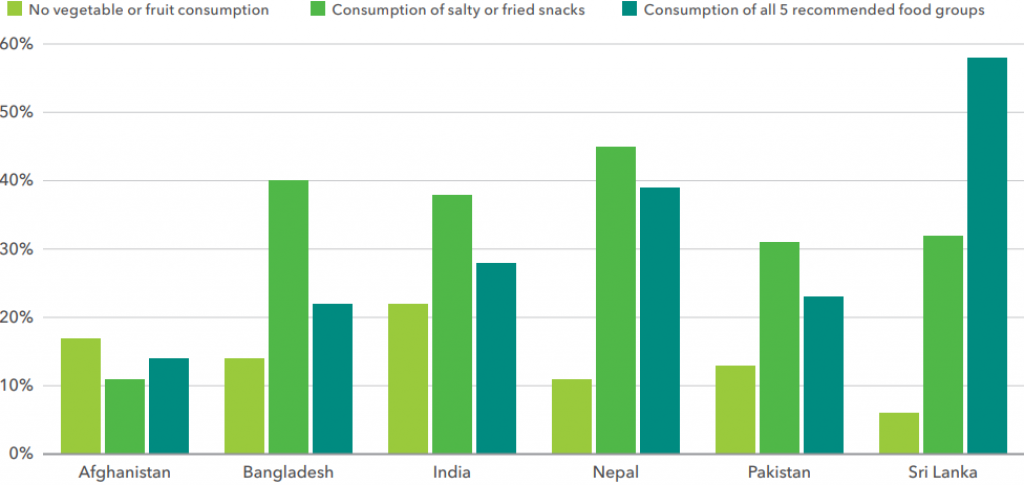
A global report highlights a significant rise in unhealthy food consumption in India, surpassing intake of vegetables, fruits, and other nutritious foods.
Global Food Policy Report 2024: Food Systems for Healthy Diets and Nutrition was released by “theInternational Food Policy Research Institute (IFPRI)”.
About CGIAR:
CGIAR (formerly the Consultative Group on International Agricultural Research) is a global partnership uniting organizations engaged in research for a food-secure future.
Focus: Its mission focuses on reducing poverty, enhancing food and nutrition security, and improving natural resources and ecosystem services.CGIAR conducts research and partners with other organizations to transform global food systems and ensure equitable access to sustainable, healthy diets.
Emerging Trends in India:
Increase in consumption of unhealthy food: There is a significant increase in the consumption of unhealthy foods such as salty or fried snacks compared to nutritious options like vegetables and fruits. About 38% of the population consumes unhealthy foods, while only 28% consume all five recommended food groups.
The consumption of processed foods and ready-made convenience foods is rising. From 2011 to 2021, malnutrition in India increased from 15.4% to 16.6%.The prevalence of overweight adults rose from 12.9% in 2006 to 16.4% in 2016.
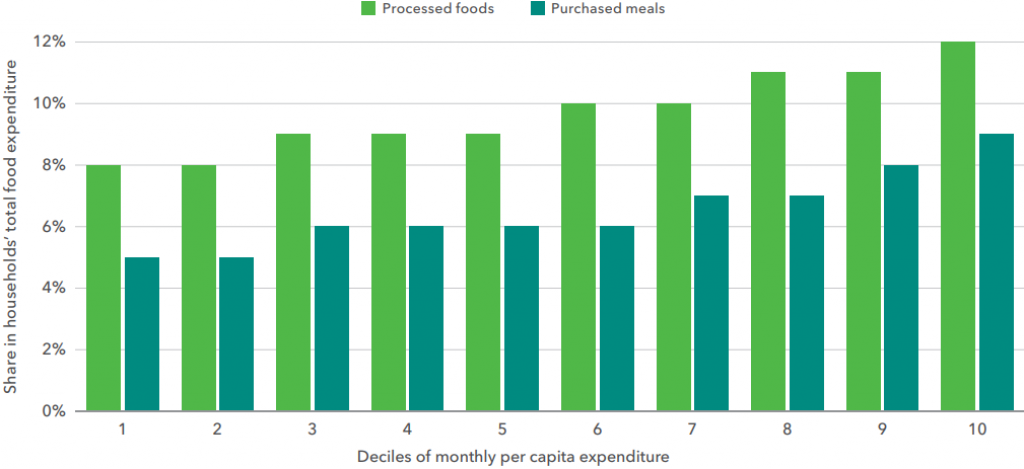
Processed food consumption is on the rise in India
South Asian Highlights
Processed Food Consumption: Increasing intake of processed foods like chocolates, salty snacks, beverages, and ready-made meals in India and other South Asian countries.
Malnutrition Rates: High levels of undernutrition and micronutrient deficiencies coexist with rising rates of overweight, obesity, and diet-related noncommunicable diseases (NCDs).
Food Budget Trends: Packaged food spending in India’s household food budgets nearly doubled from 6.5% to 12% between 2015 and 2019.
Issue of Double Malnutrition:
Double malnutrition refers to the coexistence of undernutrition and micronutrient deficiencies with overweight and obesity, or diet-related noncommunicable diseases (NCDs).
High levels of undernutrition (stunting and wasting) and micronutrient deficiencies persist even as overweight and obesity rates increase.
More than two billion people, especially in Africa and South Asia, cannot afford a healthy diet.
Dietary Guidelines by ICMR:
The Indian Council of Medical Research (ICMR) released 17 dietary guidelines to promote healthy eating.
Guidelines emphasize reading food labels to make informed choices and minimizing the consumption of high-fat, sugar, salt, and ultra-processed foods.
The guidelines highlight the importance of diverse diets over cereal-centric agriculture and food policies.
ICMR advises against the misleading information often presented on packaged foods.
Way forward:
Strengthen Nutritional Policies: Develop and enforce policies that promote the consumption of nutritious foods. Implement taxes on unhealthy foods and subsidies for fruits, vegetables, and other micronutrient-rich foods.
Regulate Processed Foods: Implement strict regulations on the marketing of unhealthy foods, especially targeting children.
Mains PYQ:
Q How far do you agree with the view that the focus on the lack of availability of food as the main cause of hunger takes the attention away from ineffective human development policies in India? (15) (UPSC IAS/2018)
The ECI’s election announcement lacked sign language interpreters, highlighting the everyday exclusion of Deaf and Hard of Hearing (DHH) citizens.
Present Issue:
India’s societal and structural framework often neglects the needs of Deaf and Hard of Hearing (DHH) citizens.
This exclusion is evident in various aspects of daily life, such as the absence of sign language interpreters during major public announcements and inadequate accessibility in public services.
Sign Language versus Oralism
The Indian education system predominantly employs “oralism,” which emphasizes teaching deaf individuals to use their voices and lip-read, rather than using sign language.
This approach has been criticized for perpetuating social isolation and failing to remove barriers that hinder the integration of DHH individuals.
In contrast, using sign language has been shown to aid cognitive development and prevent linguistic deprivation.
Over 70 countries recognize their national sign languages legally, promoting accessibility and inclusion for deaf citizens.
Present Scenario:
As per WHO estimates in India, there are approximately 63 million people, who are suffering from Significant Auditory Impairment; this places the estimated prevalence at 6.3% in the Indian population.
As per the NSSO survey, currently, 291 persons per one lakh population are suffering from severe to profound hearing loss (NSSO, 2001).
Of these, a large percentage are children between the ages of 0 to 14 years.
What Does the 2011 Census Say?
The 2011 Census reported five million hearing-impaired individuals in India, while the National Association of the Deaf estimates 18 million.
Despite these large numbers, DHH individuals are often excluded from educational and employment opportunities. Only 5% of deaf children attend school, and they face prolonged graduation timelines due to oralist-focused curricula.
Government initiatives for employing the deaf are often ineffective, and there is a lack of ISL recognition, despite repeated demands and protests.
The National Programme for Prevention and Control of Deafness
The program was initiated in the year 2007 in pilot mode in 25 districts of 11 States/UTs. It has been expanded to other districts too after the 12th five-year plan.
The Program was a 100% Centrally SponsoredScheme during the 11th Five-year plan. However, as per the 12th Five Year Plan, the Centre and the States will have to pool in resources financial norms of NHRM.
However, it falls short of addressing the quality of life for DHH individuals. This program has been expanded to 228 districts of 27 States / U.Ts in a phased manner.
Objectives of the program:
To prevent avoidable hearing loss on account of disease or injury.
Early identification, diagnosis, and treatment of ear problems responsible for hearing loss and deafness.
To medically rehabilitate persons of all age groups, suffering from deafness.
To develop institutional capacity for ear care services by providing support for equipment and material and training personnel.
Components of the Programme:
Manpower Training & Development to grassroots level workers.
Service Provision Including Rehabilitation – Screening camps for early detection of hearing impairment and deafness.
Awareness Generation for early identification of the hearing impaired.
Monitoring and Evaluation.
What Needs to be done?
Official Recognition of ISL: ISL should be recognized as an official language, and its use should be integrated into educational systems and public services. Teaching ISL in schools, colleges, and to the general public will promote inclusivity and fluency.
Inclusive Health Care: Health care systems need to be updated to ensure accessible communication for DHH patients. This includes training more ISL interpreters and reducing barriers for DHH individuals pursuing healthcare professions.
Media and Public Communication: Media channels should incorporate ISL interpretation and subtitles, especially in Hindi and regional languages. Government event announcements should have live ISL interpreters to ensure accessibility.
Employment Opportunities: Creating more employment opportunities for DHH individuals, beyond low-skilled jobs, is essential. This includes training and employing DHH individuals as ISL instructors and ensuring accessible workplaces.
Conclusion: To ensure inclusivity for DHH citizens, India must officially recognise ISL, integrate it into education and public services, improve healthcare accessibility, and expand employment opportunities and mental health support.
Mains PYQ:
Q How have digital initiatives in India contributed to the functioning of the education system in the country? Elaborate your answer. (UPSC IAS/2020)
Mains: Q What are the continued challenges for Women in India against time and space? (UPSC IAS/2019)
Q. Discuss the positive and negative effects of globalization on women in India. (UPSC IAS/2015)
Prelims:
Which of the following statements is/are correct regarding the Maternity Benefit (Amendment) Act, 2017? (UPSC IAS/2019)
1. Pregnant women are entitled for three months pre-delivery and three months post-delivery paid leave. 2. Enterprises with crèches must allow the mother minimum six crèche visits daily. 3. Women with two children get reduced entitlements.
Select the correct answer using the codes given below: (a) 1 and 2 only (b) 2 only (c) 3 only (d) 1, 2 and 3
Note4Students:
Prelims: POCSO Act; Medical Termination of Pregnancy (MTP);
Mains: Society; Women Issues;
Mentor comment: Did you know that there are around 1,49,404 total cases of crimes against children, with varying rates across states and union territories? Within this, Sexual crimes are prevalent with a high number of offenses against girls compared to boys. Hence, the Protection of Children from Sexual Offences Act (POCSO) was passed in 2012 to comprehensively deal with the issue of sexual offenses against children. POCSO not only spells out the punishments for offenses but also sets out a system for support of victims and improved methods for catching offenders. Recently, this issue has been contentious, citing the importance of maintaining consistency within the laws and legislation availed by the Indian Government.
Let’s learn.
–
Why in the News?
The “Scheme for Care and Support to Victims under Sections 4 & 6 of the Protection of Children from Sexual Offences (POCSO) Act, 2012” which was introduced by the Ministry of WCD has faced criticism for its lack of clarity, inconsistencies, and failure to align with existing legislation.
About the Scheme for Care and Support to Victims of the POCSO Act, 2012:
It is a centrally funded initiative from the NIRBHAYA fund of the Ministry of Women and Child Development.
The scheme seeks to address the challenges faced by minor pregnant girl victims and fill the gaps in existing support systems. It aims to provide integrated support services for emergency and long-term rehabilitation.
Sections 4 & 6: The services provided under this include a comprehensive range of support and assistance for minor pregnant girl victims who have experienced sexual assault or abuse.These services aim to address the challenges faced by these victims and ensure their well-being and rehabilitation.
What are the issues surrounding this Scheme?
Inconsistencies with Legislation:
Incorrect interpretation of Section 27 of the POCSO Act, 2012, regarding medical examination of minors. There is some misrepresentation of the Child Welfare Committee’s authority regarding sexual assault medical examination.
Delaying stipulation in the Medical Termination of Pregnancy (MTP) process contradicts the MTP Act. There are limited references to MTP options within the scheme.
Expanded Scope Without Corresponding Revisions: The scheme initially targeted abandoned or orphaned pregnant girls, and now includes all pregnant girl victims under the POCSO Act. This kind of lack of proper redrafting to reflect inclusiveness results in confusion.
Adolescent Sexual Health Education and Prevention: The scheme has failed to address adolescent sexual health needs and perpetuates a reactive approach to sexual violence. There is a need for proactive Sexual and Reproductive Health (SRH) information and services for youth.
Empirical data suggests cases of pregnancy due to consensual relationships, highlighting the importance of comprehensive SRH education.
Monetary Implications: Proposed financial support includes an initial payment of ₹6,000 and a monthly payment of ₹4,000 until age 21, extendable to 23. Hence, due to the high incidence of child marriages and teenage pregnancies, there is an increased financial burden.
Contrary to Rules and Regulations: The Pregnant victims under the POCSO Act are not automatically classified as Children in Need of Care and Protection (CNCP). The Scheme mandates treating all pregnant girls as CNCP, contrary to POCSO Rules and the Juvenile Justice Act.
Therefore, the unnecessary procedural burdens are imposed on victims due to misclassification
Way Forward:
Streamlined Procedures: Govt. needs to simplify the application and support process to make it more accessible to POCSO victims.
Enhanced Outreach: India needs to increase its awareness through targeted campaigns and partnerships with civil societies and community organizations.
Technology Integration: For timely delivery and efficient implementation, the utilization of technology is necessary to streamline services and provide easier access to support.
Training and Capacity Building: Invest in training for staff and volunteers to enhance service delivery.
[2022] The increase in life expectancy in the country has led to newer health challenges in the community. What are those challenges and what steps need to be taken to meet them?
[2020] Critically examine the role of WHO in providing global health security during the Covid-19 pandemic.
Note4Students:
Prelims: NA
Mains: Hypertension, WHO’s HEARTS Strategy, India’s Hypertension Control Initiative (IHCI)
Mentor’s Comment: Hypertension, a major but overlooked risk factor for heart attacks and strokes, causes 10.8 million preventable deaths annually, surpassing risks like tobacco use and high blood sugar. The WHO’s 2023 report reveals that 1.3 billion adults globally have hypertension, with 46% unaware of their condition. In India, 311 million adults suffer from hypertension, triple the number with diabetes.
Let’s learn___
Why in the News?
Over the past three years, the COVID-19 vaccine has attracted significant public attention as a potential risk factor for blood clot formation, leading to sudden cardiac arrest.
What is Hypertension?
Hypertension (high blood pressure) is when the pressure in your blood vessels is too high (140/90 mmHg or higher). It is common but can be serious if not treated. Eating a healthier diet with less salt, exercising regularly and taking medication can help lower blood pressure.
WHO Report on Hypertension
2023 WHO Report: In 2023, the World Health Organization (WHO) released its first-ever report on hypertension titled “Global Report on Hypertension: The Race against a Silent Killer.”
Silent Killer: Hypertension is often called a silent killer because people are usually unaware of their high blood pressure until they develop complications.
Leading Cause of Death: High blood pressure causes more deaths than other leading risk factors, such as tobacco use and high blood sugar.
Rising Numbers: The number of adults with hypertension nearly doubled since 1990 to reach 1.3 billion.
Awareness and Control: Globally, an estimated 46% of adults with hypertension are unaware of their condition, and less than half (42%) are diagnosed and treated. Only one in five adults (21%) with hypertension has it under control.
Hypertension in India
Prevalence in India: The Indian Council of Medical Research-INdia DIABetes (ICMR-INDIAB) study estimates that in India, 311 million people (or one in every three adults) have hypertension.
Comparison with Diabetes: In India, adults with hypertension are threefold of the estimated 101 million people living with diabetes.
Dietary Salt and Hypertension
Impact of Excess Salt: Excess dietary salt intake (five grams or more per day) is a key risk factor for hypertension and contributed to two million cardiovascular disease deaths in 2019.
Benefits of Reducing Salt Intake: Research shows that reducing salt intake can reduce cardiovascular disease risks by 30% and mortality by 20%.
Salt Consumption in India: Indian adults consume on average eight to 11 grams of salt per day, which is approximately twice the WHO-recommended daily intake.
Deaths Due to High Salt Intake: High salt intake is responsible for an estimated 175,000 deaths in India.
Hypertension across Socio-Economic Groups
Universal Impact: Hypertension affects all socio-economic groups.
Health Camps Findings: A Delhi-based NGO, Foundation for People-centric Health Systems, conducted 50 health camps in five localities of Delhi and Gurugram from October 2023 to March 2024, screening and treating around 12,000 people.
Detection in Low-Income Groups: Many were women, migrant workers, and rickshaws and taxi drivers from low-income groups. A large number were found to have diabetes and hypertension, with most cases detected for the first time in these camps, indicating gaps in awareness, detection, and treatment.
Back2Basics: India’s Hypertension Control Initiative (2021):
Objective: India aims to put 75 million people with hypertension and/or diabetes on standard care by 2025.
Initiation and Expansion: The IHCI, a collaborative project of ICMR, Ministry of Health and Family Welfare/Directorate General of Health Services, WHO India, and other partners, was initiated in November 2017 in 25 districts across five states and expanded to 140-plus districts of India in 2023.
Strategies: IHCI follows five simple and scalable strategies implemented through primary health care:
-Simplified drug and dose-specific treatment protocols for primary-care settings. -Strengthening the drug supply chain by including protocol-based drugs in the State essential drug list, forecasting drugs based on morbidity, and ensuring adequate budget allocation in annual plans. -Team-based and decentralized care. -Patient-centric measures such as dispensing 30 days of medicine during each patient visit. -Use of information systems for program monitoring.
Programmatic Learnings from IHCI
Access and Utilization: Nearly six years of IHCI implementation has resulted in two major learnings:
Simple treatment protocols with fewer drugs, reliable drug supply, linking patients to facilities closer to home for follow-up, and engaging teams increase access and utilization of health services from government facilities.
Simplified program monitoring makes performance assessment quantifiable and actionable.
Recognition: The IHCI won the 2022 UN Interagency Task Force and WHO Special Programme on Primary Health Care Award.
Future Goals and Prevention
Global Goals: Seventy-six million cardiovascular deaths and 450 million disability-adjusted life years (DALYs) could be avoided if countries achieve 50% population hypertension control by 2050.
India’s Targets: An estimated 4.6 million deaths can be prevented in India by 2040 if half the hypertensive population has its blood pressure under control, helping to achieve targets under the National Health Policy and global commitments like universal health coverage.
Way Forward
Raise Awareness: Educate the public about the risks and long-term adverse impacts of untreated hypertension. High blood pressure can affect multiple organs, including the heart, kidneys, brain, and eyes.
Scale Up Evidence-Based Interventions: Expand successful programs like IHCI. Use strategies and lessons from such experiences to design interventions for other lifestyle diseases like diabetes and chronic kidney diseases.
Focus on Non-Modifiable Risk Factors: Address non-modifiable risk factors such as family history, age over 65 years, and pre-existing comorbidities like diabetes and/or kidney disease. Focus on healthy adults with known non-modifiable risk factors.
Reduce Dietary Salt Consumption: Implement strategies like “SHAKE the salt habit” under WHO’s HEARTS strategy:
Surveillance to measure and monitor salt use.
Harness industry to promote and reformulate foods with less salt.
Adopt standard labelling and marketing.
Educate and communicate to empower individuals to eat less salt.
Support environments that promote healthy eating.
Conclusion: As hypertension continues to exact a heavy toll on global health, concerted efforts are needed to raise awareness, implement evidence-based interventions, and promote healthier lifestyles. By prioritizing hypertension control initiatives and fostering a culture of preventive healthcare, we can mitigate the devastating impact of this silent killer on communities worldwide.
Q Are tolerance, assimilation and pluralism the key elements in the making of an Indian form of secularism? Justify your answer. (UPSC IAS/2022)
Q How the Indian concept of secularism different from the western model of secularism? Discuss. (UPSC IAS/2018)
Q What are the challenges to our cultural practices in the name of Secularism? (UPSC IAS/2019)
Prelims:
Consider the following statements: (UPSC IAS/2020) 1. The Consititution of India defines its ‘basic structure’ in terms of federalism, secularism, fundamental rights and democracy. 2. The Constitution of India provides for ‘judical review to safeguard the citizens’ liberties and to preserve the ideals on which the Constitution is based. Which of the Statements given above is/are correct? (1) 1 only (b) 2 only (c) Both 1 and 2 (d) Neither 1 nor 2
Note4Students:
Prelims: Political Theories; Secularism
Mains: Society; Secularism;
Mentor comment: India since its Independence has been an observer of major democratic shifts, especially when it comes to the Political Parties. In the Indian kind of Parliamentary Democracy, the State is prohibited from patronizing any particular religion as the ‘State religion’ (positive secularism) and is enjoined to observe neutrality. The positive part of the Indian kind of Secularism is that it (the state) has been entrusted to regulate by Law (Procedure established by Law) or by an Executive order (head of govt.). In studies of Religion, the present modern democracies are generally recognized as secular. This is due to the near-complete freedom of religion (religious beliefs generally are not subject to legal or social sanctions), and the lack of authority of religious leaders over political decisions. However, in present Indian democratic politics, there exist two major binary contradictions – between the modern ‘secular subalterns’ (by R. Gandhi) vs. ‘Hindu subalterns’ (by PM Modi). This is for the first time that India is observing major shift in its Political Representation and the associated subalterns (subordinates).
Let’s learn
_
Why in the News?
The 2024 Indian General Election is being framed as a contest between “Subaltern Hindutva” and “Subaltern secularism”.
What is ‘Subaltern Secularism’?
The concept of “subaltern secularism” refers to the idea of secularism being embraced and practiced by marginalized or oppressed groups in society, often in contrast to the secularism associated with the elite classes or the classes that are in major power. Concerning ‘Secularism’, the “subaltern groups” are those who have been excluded from the dominant discourse on secularism, which has traditionally been associated with the English-speaking elite.
What is ‘Subaltern Hindutva’? : The “subaltern Hindutva” refers to a political strategy that mobilizes marginalized or subaltern Hindu groups by appealing to their sense of honor and identity within Hindu society. This concept emerged as a significant force in Indian politics, particularly since the 2014. Subaltern Hindutva gained traction by addressing the perceived contempt faced in the English-speaking elite circles, especially as more of them became educated.
Agenda of ‘Social Welfare’ set by‘Subaltern Secular’ Group:
On Reservation: They promised a dedicated ministry for the empowerment of the Other Backward Classes (OBC), the creation of a National Council for Social Justice, reservation in the higher judiciary for Scheduled Castes (SC), Scheduled Tribes (ST) and OBCs, and a Rohit Vemula Act for students of disadvantaged sections.
Political representation for weaker sections: Due to the lost regional subalterns in the post-Mandal era, they amended their constitution to reserve 50% of seats to the Congress Working Committee (CWC) for SCs, STs, OBCs, women, and minorities.
Legal guarantees for Minimum Income: They promised “Sampoorna Samajik Suraksha”, and a Nyuntam Aay Yojana (Nyay) as social security that will have legal guarantees for minimum income and social security for the poor.
Social and Health Security: Right to Health, pensions for Single Women, Elderly, and persons with disabilities, a Comprehensive Integrated Child Development Scheme in line with the National Food Security Act, and quality elementary schooling and maternity entitlements are promised.
How does the present ‘subaltern secularism’ differ from then ‘traditional secularism’?
By focusing on marginalized or oppressed groups: In ‘traditional secularism’, the discourse is often dominated by the elite, leading to a disconnect with the masses. On the other hand, ‘subaltern secularism’ challenges this top-down approach by advocating for the inclusion of marginalized voices in shaping secular narratives and practices
By practicing secular values: ‘Traditional secularism’ tends to be associated with the privileged classes and can sometimes overlook the perspectives of marginalized communities, ‘subaltern secularism’ seeks to empower these groups by providing them with a platform to express and practice their secular beliefs within their unique socio-political contexts.
What are the implications of ‘Subaltern secularism’ for Indian Democracy?
By focusing on marginalized or oppressed groups embracing and practicing secular values, subaltern secularism challenges the traditional elite-centric narrative of secularism in India.
Brings Inclusive Representation: It emphasizes the inclusion of diverse voices and perspectives in the secular discourse, ensuring that the concerns and experiences of marginalized communities are acknowledged and addressed within the democratic framework.
Empowering the Marginalized Groups: It can empower marginalized groups by providing them with a platform to express their secular beliefs and practices, enabling them to participate more actively in the democratic process and shaping the political landscape.
Counterbalancing the Dominant powers: By offering an alternative to dominant religious and social hierarchies, subaltern secularism can serve as a counterbalance to forces that seek to marginalize or oppress certain communities based on religious or social identities.
Challenges to Existing Power Structures: Subaltern secularism challenges existing power structures by advocating for a more inclusive and equitable society, where the rights and voices of all individuals, especially those from marginalized backgrounds, are respected and protected.
Political Strategy and Mobilization: Embracing subaltern secularism as a political strategy can help opposition parties like the Indian National Congress mobilize subaltern voters who have been historically marginalized, thereby reshaping electoral dynamics and promoting a more inclusive democracy.
Conclusion: For this strategy (social welfare) to succeed, the ‘secular subalterns’ will need to build robust political campaigns aligned to its new secular thinking, breaking away from its previous characteristic timidity.
On the occasion of World Immunisation Week observed from 24th to 30th April, the Indian Academy of Paediatricshas launched a campaign to focus on routine immunization as the ‘Birth Right’ of a Child.
About Measles Vaccination
This vaccine protects against 3 diseases: Measles, Mumps, and Rubella (MMR).
Centre for Disease Control and Prevention (CDC)recommends children get two doses of MMR vaccine, starting with the first dose at 12 -15 monthsof age, and the second dose at 4-6 years of age. Teens and adults should also be up to date on their MMR vaccination.
Indian Government Initiatives:
World Immunization Week: The Indian Academy of Paediatrics (IAP) launched a campaign during World Immunisation Week (April 24-30) focusing on routine immunization as a fundamental right of every child. IAP urged the government to expedite the introduction of the HPV vaccine and typhoid conjugate vaccine to address significant public health burdens.
Vaccination made within the country:
DTP Vaccine: 93% of surviving infants received the third dose of the DTP vaccine.
Measles Vaccine: 90% of infants received the second dose of the measles vaccine. The measles vaccine has been the most significant in reducing infant mortality, accounting for 60% of lives saved through immunisation since 1974.
Present issues include inequitable distribution of vaccines, inability to reach 90% coverage, human resource gaps, and financing problems. In 2022, 33 million children missed a measles vaccine dose, with 22 million missing the first dose and 11 million missing the second dose.
Impacts of Immunisation Globally:
Lives Saved: Immunisation efforts have saved an estimated 154 million lives globally over the past 50 years, equating to six lives every minute of every year.
Infant Mortality Reduction: 101 million of the lives saved were infants. Vaccination against 14 diseases has reduced infant deaths by 40% globally and by over 50% in Africa.
Diseases Targeted: Vaccines have contributed to reducing deaths from diseases like Diphtheria, Haemophilus Influenzae Type B, Hepatitis B, Japanese Encephalitis, Measles, Meningitis A, Pertussis, invasive Pneumococcal disease, Polio, Rotavirus, Rubella, Tetanus, Tuberculosis, and Yellow fever.
Conclusion: Immunisation saves lives, reduces infant mortality, and prevents outbreaks by protecting against infectious diseases, ensuring healthier communities, and securing a better future for children worldwide.
Mains PYQ:
Q What is the basic principle behind vaccine development? How do vaccines work? What approaches were adopted by the Indian vaccine manufacturers to produce COVID-19 vaccines? (UPSC IAS/2022)
Once again, the Muslim population has become a point of discussion. Last month, PM Narendra Modi referred Muslims in India, suggesting they have a higher birth rate.
Trends of Muslim Population as per Data Point (NFHS-5 2019-21) published on April 23:
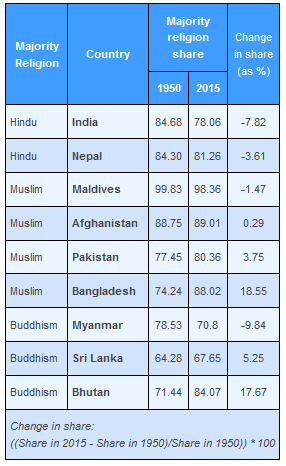
Population Trends: The Economic Advisory Council to the Prime Minister noted a Muslims in the total population increased by 43.15% between 1950 and 2015, the share of Hindus decreased by 7.82% between 1950 and 2015.
The fertility rate of Muslims was 2.36 in 2019-21, much closer to the replacement level. The fertility rate is the average number of children a woman is expected to have in her lifetime. A rate of 2.1 (the ‘replacement level’) means that the population is stable.
Factors behind the High Population Growth of Muslims:
Socio-economic Factors: Socio-economic factors, rather than religion, significantly influence fertility rates. Educating girls, delaying marriage, promoting family planning awareness, and ensuring access to family planning measures are crucial in reducing fertility levels.
Regional Variations: Fertility rates among Muslim women vary regionally, influenced by the social and economic development of states.
Early Marriage and Literacy: There’s a positive correlation between higher fertility rates and early marriage among women aged 20-24. Conversely, a negative correlation exists between literacy rates among women and fertility rates.
Lack of Awareness: Lack of awareness about family planning remains a concern, with a significant portion of women reporting never hearing or seeing family planning messages.
Unmet Demand for Family Planning: Many women, particularly Muslims in certain states, have an unmet demand for family planning due to various factors, including lack of access to contraceptive measures.
Government Intervention: Increasing awareness about contraceptives, improving access to family planning measures, educating girls, and preventing child marriages are essential government functions to reduce fertility rates across religious groups.
Need for Coercive Measures:
Comprehensive Education and Awareness Programs: Implement educational campaigns that promote family planning, gender equality, and reproductive health awareness, targeting both men and women in communities across the country.
Access to Family Planning Services: Ensure easy access to a wide range of family planning methods and contraceptives, including in remote and underserved areas, through government health facilities and community outreach programs.
Mains PYQ:
Q Critically examine whether growing population is the cause of poverty OR poverty is the mains cause of population increase in India. (UPSC IAS/2015)
Q Analyse the salience of ‘sect’ in Indian society vis-a-vis caste, region, and religion.(UPSC IAS/2022) Q Discuss the main objectives of Population Education and point out the measures to achieve them in India in detail. (UPSC IAS/2021) Q “Empowering women is the key to controlling the population growth.” Discuss. (UPSC IAS/2019)
Prelims: India is regarded as a country With a “Demographic Dividend” This is due to (UPSC IAS/2011) (a) Its high population in the age group below 15 years (b) Its high population in the age group of 15-64 years (c) Its high population in the age group above 65 years (d) Its high total population
Note4Students:
Prelims: Population Trends; Minorities;
Mains: Society; Minorities; Religious demography; Effects of Policies and Programs on Demographics;
Mentor comment: The recent report ‘Share of Religious Minorities: A Cross-Country Analysis (1950-2015)’ conducted by the Economic Advisory Council analyzes the demographic changes in the religious composition of Indian Society as well as across 167 countries from 1950 to 2015. It focuses on the shifting shares of majority and minority religious groups, highlighting trends such as the decline in the Hindu population and the growth of the Muslim population in India. The study emphasizes the importance of understanding these changes as indicators of relative well-being within a country. We need to study this analysis as it is based on the premise that any change in minority populations is influenced by policies related to defining and treating minorities in our country.
Let’s learn
_
Why in the News?
The recent working paper titled ‘Share of Religious Minorities: A Cross-Country Analysis (1950-2015)’ by the Economic Advisory Council to the Prime Minister (EAC-PM), has major observations on Indian religious demographics.
Key highlights made by EAC-PM Report:
The paper is based on the baseline year as 1950, because this was the time around when the International Human Rights Framework was introduced under the aegis of the newly created United Nations. Considering the global trends of declining majority, India too has witnessed a reduction in the share of the majority religious denomination by 7.82%. According to the Report, the Hindu population decreased by 7.82% (1950-2015), while that of Muslims increased by 43.15%, suggesting a conducive environment in the country to foster diversity. The share of the Christian population rose from 2.24% to 2.36% — an increase of 5.38% between 1950 and 2015. While the share of the Sikh population increased from 1.24% in 1950 to 1.85% in 2015 — a 6.58% rise in their share, the share of the Parsi population in India witnessed a stark 85% decline, reducing from 0.03% share in 1950 to 0.004% in 2015.
South Asian Trends:
Within the neighborhood, the share of the majority religious denomination has increased and minority populations have shrunk alarmingly across countries like Bangladesh, Pakistan, Sri Lanka, Bhutan, and Afghanistan. Minority populations from across the neighborhood come to India during times of duress.
The present controversy over the EAC-PM Report:
The PM-EAC report on religious minorities in India has sparked debate due to its timing, outdated data, and selective focus.
For example, firstly, it does not highlight the nearly 1,520% increase in share in the total population of Buddhists, for every one Muslim, five Hindus were born during this period.
Secondly, the Hindu population has tripled, and the Total Fertility Rate (TFR) of Muslim women saw a drop of 2.05 against Hindu women’s TFR by 1.36, making it controversial.
Despite concerns raised by some, the demographers do not see that the Hindus are losing their majority status, given the historical context and current demographic patterns.
For example, when Hindus could retain their majority status during the 800 years of so-called Mughal rule, they cannot be in danger today.
Present rhetoric and challenges:
Need to have a broader outlook: Focusing solely on Total Fertility Rates to assess a group’s status overlooks broader factors like education and socioeconomic conditions.
Need to survey Public Participation: The representation of a particular religious group in the state’s power structure is a crucial indicator of its well-being.
The Finance Minister recently highlighted the growth of the Muslim population as a positive sign, emphasizing that Indian Muslims enjoy more rights compared to minorities in some Muslim-majority countries.
India is set to become the country with the largest Hindu and Muslim populations by 2050, showcasing the diversity and coexistence within the nation.
What does the Population Data say?
Stabilizing of the Minorities: The data on the decline in Muslim women’s fertility rates, as seen in Census data, indicates a positive trend toward stabilization. (according to the United Nations Population Fund)
Demographers predict that by the end of the century, Muslims may constitute around 18.8% of India’s population, with Hindus maintaining a significant majority at 74.7%.
Regional Variations: Various states have already achieved fertility rates below replacement levels, signaling a broader trend of population stabilization.
Whilethe Population Regulation Bill in 2019or the Population (Control) Bill in 2021has been introduced, some demographers generally emphasize the importance of addressing population dynamics through education, healthcare, and socioeconomic development.
Lack of Data-evidences: Claims of alarming Muslim population growth in certain regions like Assam lack substantial evidence, with data showing different growth patterns across states.
Illegal Muslim infiltration from Bangladesh is generally said to be responsible for the demographic change since the 1970s in Assam.
Are Coercive Methods Counter-productive?
International Norms and the Indian Government stance: Being a signatory to international covenants such as the International Covenant on Civil and Political Rights (ICCPR), India has to abide by the international norms on population control.
The United Nations Human Rights Committee has categorically mandated that state parties to ICCPR cannot adopt policies that are compulsory, coercive, or discriminatory.
Even the National Population Policy, of 2000 focused on more relevant socio-cultural factors such as age at marriage, age at birth, girl education, maternal and child health, and voluntary and informed consent over coercive methods.
Conclusion: To address concerns about population growth, efforts should concentrate on improving education and economic opportunities for all communities, including Muslims, rather than resorting to coercive measures.
There’s a big argument between political parties about reservation. The BJP said some exaggerated things about the Congress wanting a caste census, suggesting it’s connected to religion.
Current debates on Reservation and Sub-categorization:
Constitutional Provisions: The Constituent Assembly opposed reservation solely based on religion, and the Constitution guarantees prohibition of discrimination based on religion under Articles 15 and 16.
History of Sub-categorization in Karnataka: In Karnataka, all Muslim communities are included within the OBC quota, forming the basis for the BJP’s current campaign.
Sub-categorization for Muslims within the OBC quota has existed in Karnataka since 1995.
The H. D. Deve Gowda-led government introduced it but was later removed by the Basavaraj Bommai-led government. However, the status quo continues after court observation.
Reservation for Muslim and Christian Communities: Socially and educationally backward Muslim and Christian communities are provided reservations under the OBC/MBC category in various states, including Karnataka, Kerala, Tamil Nadu, and Andhra Pradesh.
Constitutional Language and SC/ST Communities: The Constitution specifies that for SCs, the person should profess Hinduism, Sikhism, or Buddhism, but no such requirement exists for STs.
Congress Manifesto Promise: The Congress has promised in its manifesto to work towards removing the 50% cap placed on reservations, suggesting a potential shift in reservation policy if they come into power.
Affirmative action as per Constitution:
Constitutional Provisions: Articles 15 and 16 of the Constitution ensure equality to all citizens in actions by the state, including admissions to educational institutions and public employment.
They also enable the state to make special provisions for advancing socially and educationally backward classes, including OBC, SC, and ST.
Classification of Backward Classes: OBC is a collective term for socially and educationally backward castes, with some states also classifying certain castes as Most Backward Classes (MBC). Reservation percentages vary from state to state.
Indra Sawhney Case (1992): Supreme Court upheld 27% reservation for OBC. Caste is considered a determinant of class in the Indian context, and backwardness cannot be determined solely on economic criteria.
A cap of 50% was fixed for reservations unless there were exceptional circumstances.
Total reservation stood at 49.5% for OBC (27%), SC (15%), and ST (7.5%)—creamy layer exclusion from OBC reservation, with an income limit currently at ₹8 lakhs per annum.
Exclusion of children of certain government officials from the reservation.
Janhit Abhiyan Case (2022): The court upheld the constitutional validity of the reservation for Economically Weaker Sections (EWS). Economic criteria could be a reservation basis, according to the court’s majority opinion.
Affirmative Actions Globally:
In the U.S., there is ‘affirmative action’ that consists of government-approved and voluntary private programs granting special consideration to racial minorities like African Americans and Latin Americans.
In Fair Admissions vs Harvard case (2023), the U.S. Supreme Court, however, ruled that race-based affirmative action programs in college admissions violate the equal protection clause of the U.S. Constitution.
In the U.K., the law enables voluntary ‘positive action’ which allows employers to combat the under-representation of disadvantaged groups.
France does not have any affirmative action based on race or ethnicity. It provides educational measures designed to increase opportunities for low-income students.
Way Forward:
Need for Sub-categorization: The Rohini Commission was set up to provide recommendations on sub-categorization among OBC castes, as a significant portion of reserved jobs and seats have been garnered by a small percentage of OBC castes/sub-castes. Similar issues of concentration of benefits persist in the SC and ST categories.
Inclusion of Dalit Christians and Muslims: Dalit Christians and Muslims also suffer from discrimination and lack of opportunities. There is a need to extend reservation benefits to these communities and address their marginalization.
Mains PYQ:
Q Whether National Commission for Scheduled Castes (NCSC) can enforce the implementation of constitutional reservation for the Scheduled Castes in the religious minority institutions? Examine.(UPSC IAS/2018)
Ayushman Bharat insurance scheme reached 5.47 crore users, but cancer screening at Health and Wellness Centers (HWCs) faces significant gaps, reports NITI Aayog.
Objective of Ayushman Bharat Scheme:
Besides providing a Rs 5-lakh insurance cover, the scheme aimed to upgrade primary health centers to HWCs, offering annual screening for Non-Communicable Diseases (NCDs) including oral, breast, and cervical cancers for individuals aged 30 years or older.
Coverage of Ayushman Bharat Scheme:
Over 5.47 crore users have utilized the Ayushman Bharat insurance scheme, making it the world’s largest medical insurance scheme.
The ‘huge gap’ in cancer screening at Ayushman Bharat Health and Wellness Centres (HWCs):
NITI Aayog Report Findings: A report from NITI Aayog, based on visits to HWCs in 13 states, highlights a significant gap in cancer screening services.
Limited NCD Screening: Although NCD screening is underway in most HWCs, yearly screening is largely absent, with less than 10% of facilities completing a single round of NCD screening.
Reason behind the ‘huge gap’ in cancer screening at Ayushman Bharat Health and Wellness Centres (HWCs):
Methods of Screening: Official protocol mandates distinct screening methods for oral, cervical, and breast cancers. However, implementation of these methods faces challenges.
Lack of Awareness and Capacities: The gap in cancer screening is attributed to low awareness levels and lack of capacities among healthcare providers.
Implementation fell short: Auxiliary Nurse and Midwife (ANMs), medical officers, and staff nurses were supposed to be trained in cancer screening methods, but implementation fell short.
Suboptimal Screening Activities: Screening for breast cancer relies on beneficiary education for self-examination, while cervical cancer screening remains to be operationalized. Oral cancer screening is performed on a case-by-case basis.
Infrastructure and Basic Devices: HWCs generally adhere to infrastructure standards, with basic devices and medicines available free-of-cost. However, the focus remains on improving cancer screening services to align with the government’s prevention and early detection efforts.
Way forward:
Awareness Campaigns: Launch comprehensive awareness campaigns to educate the public about the importance of cancer screening and early detection. This can involve community outreach programs, workshops, and informational sessions.
Utilize Technology: Integrate technology solutions such as telemedicine and mobile applications to facilitate easier access to screening services, especially in remote areas. Digital platforms can also aid in data management and monitoring of screening activities.
Performance Monitoring: Implement robust monitoring and evaluation mechanisms to track the implementation of cancer screening programs at HWCs.
Mains PYQ:
Q Appropriate local community level healthcare intervention is a prerequisite to achieve ‘Health for All’ in India. Explain.