💥Join UPSC 2027,2028 Mentorship (July Batch) + XFactor Notes & Microthemes PDF

Subject: International Relations

  • [17th April 2025] The Hindu Op-ed: How China is fighting U.S. tariffs

    PYQ Relevance:

    [UPSC 2018] What are the key areas of reform if the WTO has to survive in the present context of ‘Trade War’, especially keeping in mind the interest of India?

    Linkage: A “trade war” means a situation where countries, like the U.S. and China, put extra taxes (tariffs) on each other’s products. In this article, we saw how Trump delayed these reciprocal tariffs for most countries but kept them in place for China.


    Mentor’s Comment:  In the three months since U.S. President Donald Trump introduced his “America First” trade policy—using trade measures to pressure other countries into giving concessions—there are signs it could seriously harm the global economy. A key part of this plan was the introduction of “reciprocal tariffs” to counter what Trump saw as unfair trade practices by other nations. However, on April 9, the day these tariffs were supposed to begin, Trump changed his mind and delayed their implementation by 90 days for all 57 target countries—except China.

    Today’s editorial discusses how Trump’s views on reciprocal tariffs have changed over time. This topic is useful for General Studies Paper 2 (International Relations) and Paper 3 (Indian Economy).

    _

    Let’s learn!

    Why in the News?

    Recently, China’s unexpected response to Trump’s trade war showed its smart long-term planning. By preparing for risks from aggressive trade partners, it managed to handle one of the worst trade tensions ever.

    What are the main features of Trump’s “America First” trade policy?

    • Imposition of Reciprocal Tariffs: The U.S. aimed to impose tariffs on imports from countries that had higher duties on American goods. Eg: A 34% tariff was imposed on Chinese goods, leading to retaliation from China.
    • Push for Bilateral Trade Deals: Trump preferred one-on-one negotiations over multilateral agreements to secure favorable terms. Eg: He delayed tariffs for 90 days to pressure 57 countries into bilateral deals.
    • Targeting Trade Deficits: The policy aimed to reduce U.S. trade deficits by demanding more access to foreign markets. Eg: The U.S. demanded that India open its agricultural market and relax patent laws.

    Why was the implementation of “reciprocal tariffs” postponed?

    • Facilitating U.S.-India Trade Negotiations: The U.S. paused the tariffs to create a conducive environment for bilateral trade discussions with India. Both nations aim to finalize the first phase of a trade agreement by autumn 2025, targeting a bilateral trade volume of $500 billion by 2030. Eg: India is contemplating significant tariff reductions on over half of its $23 billion worth of U.S. imports, marking its most substantial tariff cut in years.
    • Avoiding Economic Disruption for Indian Exporters: The tariff pause offers relief to Indian exporters, particularly in sectors like seafood, which would have been adversely affected by increased duties. Eg: Indian shrimp exporters, who rely heavily on the U.S. market, benefit from the temporary suspension, allowing continued access without additional tariffs.
    • Strategic Focus on U.S.-China Trade Tensions: By postponing tariffs on India and other countries, the U.S. can concentrate its trade enforcement efforts on China, where it has imposed tariffs as high as 125%. Eg: The U.S. maintains a 10% reciprocal tariff on Indian goods, contrasting with the significantly higher tariffs on Chinese imports.
    • Encouraging Indian Concessions in Trade Talks: The delay serves as an incentive for India to make concessions in ongoing trade negotiations, such as reducing tariffs and increasing imports of U.S. goods. Eg: India has agreed to lower tariffs on products like motorcycles and whiskey and to increase purchases of American defense and energy goods.
    •  Preventing Market Volatility and Economic Uncertainty: Immediate implementation of reciprocal tariffs could have led to market instability and economic uncertainty. The pause allows for a more measured approach to trade policy. Eg: Following the announcement of the tariff pause, Indian stock markets rebounded, with the Nifty 50 and BSE Sensex indices experiencing significant gains.

    What hurdles does the U.S. face in negotiating trade deals with countries like India?

    • Tariff and Regulatory Differences: India maintains higher tariffs on several U.S. goods, and there are strict regulations in sectors like agriculture, dairy, and e-commerce that clash with U.S. interests. Eg: The U.S. has long pushed for greater market access for its dairy products, but India restricts imports based on religious and cultural norms around animal feed.
    • Concerns Over Intellectual Property (IP) and Data Localization: The U.S. demands stronger IP protection and opposes India’s data localization rules that require storing data within Indian borders—citing it as a barrier to digital trade. Eg: U.S. tech giants like Amazon and Mastercard have raised concerns over India’s personal data protection policies impacting cross-border data flows.
    • Divergent Strategic and Economic Priorities: India prioritizes strategic autonomy and developmental needs, which often conflict with U.S. demands for liberalized trade and investment norms. Eg: India walked out of the RCEP partly due to fears of opening up markets too quickly, showing its cautious stance in trade liberalization.

    How can global economies respond to U.S. trade unilateralism?

    • Strengthening Regional Trade Blocs and Multilateral Agreements: Countries can reduce dependence on the U.S. by forming or deepening trade alliances within regions to maintain economic stability. Eg: The EU signed trade agreements with Japan and Mercosur to diversify away from U.S.-centric trade after tariff tensions.
    • Filing Disputes Through the WTO Framework: Nations can challenge unfair U.S. tariffs or trade actions at the World Trade Organization to uphold rules-based trade. Eg: The EU, China, and others filed WTO complaints against U.S. steel and aluminum tariffs imposed under national security grounds.
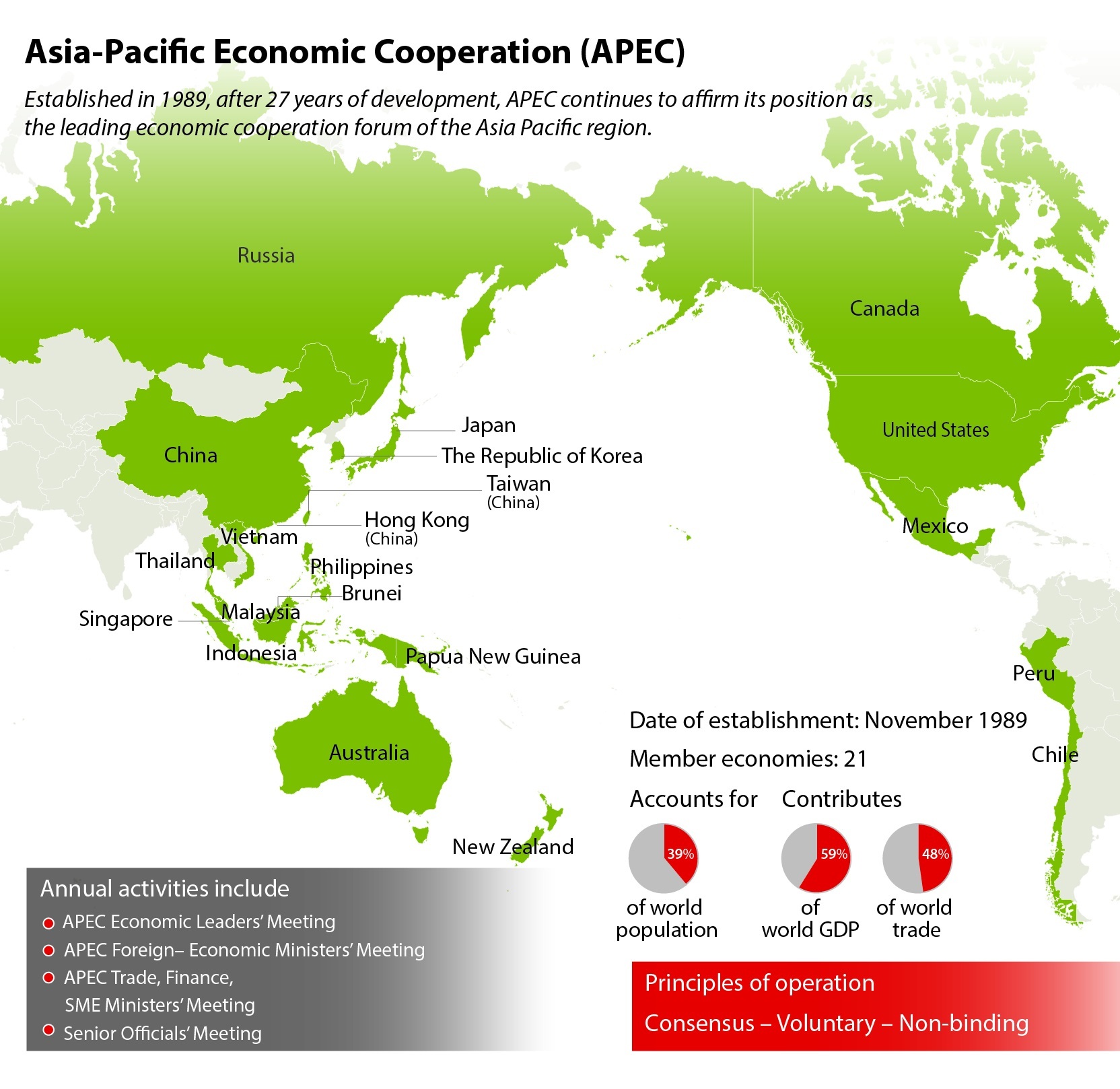
    • Promoting Strategic Bilateral Partnerships: Economies can build stronger bilateral trade ties with other major players to counterbalance U.S. influence and create alternative economic hubs. Eg: China and ASEAN deepened trade through the Regional Comprehensive Economic Partnership (RCEP), enhancing trade flows in Asia-Pacific.

    Way forward: 

    • Revitalise Multilateralism and WTO Reforms: Global economies should work together to strengthen the rules-based trading system and push for WTO reforms to address dispute resolution and emerging trade challenges.
    • Promote Inclusive and Balanced Trade Partnerships: Encourage fair, equitable trade agreements that consider development concerns of the Global South, ensuring that trade fosters mutual growth rather than unilateral advantage.
  • This Word Means: Semiconductor

    Why in the News?

    During the ongoing U.S.-China tariff war, the Trump administration announced that smartphones, computers, and some electronics would be excluded from the 125% tariffs, easing concerns for firms like Apple.

    What decision did the Trump administration make regarding smartphones and computers in the tariff war with China?

    • Exemption from High Tariff Slab: The Trump administration decided that smartphones, computers, and certain other electronics would not be subjected to the 125% reciprocal tariffs on China. Eg: Apple products like iPhones and MacBooks were spared from the highest tariff bracket.
    • Reclassification to Lower Tariff Bucket: These items were instead moved to a lower tariff category of 20%, which was presented as a strategic decision, not a full exemption. Eg: Laptops and other consumer electronics faced a reduced tariff rate instead of the originally proposed higher one.

    Why are semiconductors considered critical for the United States’ national security and economy?

    • Foundation of Modern Technology: Semiconductors power essential devices from smartphones and laptops to defense systems and AI tools, making them indispensable to both daily life and strategic operations. Eg: Military drones and radar systems rely on advanced microchips for data processing.
    • Supply Chain Vulnerability: Heavy reliance on a few countries, especially Taiwan, for chip manufacturing exposes the U.S. to supply disruptions and geopolitical risks. Eg: The COVID-19 pandemic highlighted global chip shortages, affecting car and electronics industries.
    • Need for Technological Sovereignty: Boosting domestic semiconductor production ensures technological leadership, economic resilience, and reduces dependence on potentially hostile nations. Eg: New tariffs and subsidies aim to encourage U.S.-based chip manufacturing to reduce reliance on China.

    Where is most of the world’s semiconductor manufacturing currently concentrated?

    • Taiwan: Taiwan leads global semiconductor manufacturing, especially in advanced chips, due to companies like TSMC (Taiwan Semiconductor Manufacturing Company). Eg: TSMC produces over 50% of the world’s advanced semiconductors.
    • South Korea: A major player in memory chip production, with giants like Samsung and SK Hynix dominating the market. Eg: Samsung is a global leader in DRAM and NAND flash memory chips.
    • China: Rapidly expanding its semiconductor industry through state support, though still dependent on foreign technology for advanced manufacturing. Eg: SMIC (Semiconductor Manufacturing International Corporation) is China’s largest chipmaker but faces U.S. export restrictions.

    When did the US’s share in global semiconductor manufacturing decline significantly? 

    • Since the 1990s: The U.S. share fell from 37% in 1990 to 12% by 2020, as production increasingly shifted to Asia due to lower costs and better infrastructure. Eg: Companies like TSMC (Taiwan) and Samsung (South Korea) became dominant players.
    • Post-globalization era: With the rise of global supply chains and outsourcing, the U.S. focused more on chip design than manufacturing, leading to a production gap. Eg: Firms like Intel design chips in the U.S. but get them manufactured overseas.

    Can India grab the semiconductor supply chain?

    India has strong potential to become a major player in the global semiconductor supply chain.

    • Government Push & Incentives: India has launched a ₹76,000 crore (US $10 billion) semiconductor incentive scheme to attract global chipmakers and boost domestic production. Eg: Micron is investing $2.75 billion in a chip assembly plant in Gujarat under this scheme.
    • Strategic Location & Talent Pool: India offers a large, skilled workforce in electronics and IT, and is strategically located between key markets like Southeast Asia and Europe. Eg: Tata Group is setting up a semiconductor assembly and testing unit in Assam to tap both local and export markets.
    • Global Diversification Needs: Countries and companies want to reduce reliance on Taiwan and China due to geopolitical tensions. India is being seen as a reliable alternative. Eg: U.S. firm Lam Research plans to train 60,000 Indian engineers and invest $1 billion to strengthen India’s semiconductor ecosystem.

    Way forward: 

    • Accelerate Ecosystem Development: Strengthen infrastructure for fabs, ensure reliable electricity and water supply, and support R&D and design capabilities to build a complete semiconductor ecosystem.
    • Foster Global Collaborations: Partner with global semiconductor leaders for technology transfer, workforce training, and joint ventures to fast-track domestic capability and integration into the global supply chain.

    Mains PYQ:

    [UPSC 2018] How would the recent phenomena of protectionism and currency manipulations in world trade affect macroeconomic stability of India?

    Linkage:  The basic idea behind a tariff war is protectionism, where countries impose taxes on imports to shield their own industries from foreign competition. In this case, India’s manufacturing sector could benefit from the trade war between the USA and China.

  • [14th April 2025] The Hindu Op-ed: Will Trump’s tariffs bring in a recession?

    PYQ Relevance:

    [UPSC 2018] How would the recent phenomena of protectionism and currency manipulations in world trade affect macroeconomic stability of India?

    Linkage:  Trump’s administration was known for implementing protectionist trade policies, primarily through tariffs, starting around that period as discussed in the article. The question asks about the impact of “protectionism” on “macroeconomic stability,” which is directly linked to concerns about a potential recession.


    Mentor’s Comment:  The U.S. has been a strong supporter of free trade and a key driver of globalization since the mid-20th century. However, in a surprising shift, President Donald Trump took drastic action on April 2, calling it “Liberation Day,” by drastically changing U.S. trade policy. Until 2024, the U.S. had a low tariff rate of 2 to 3% on imports for two decades. But on April 2, Trump announced that the U.S. would now charge a minimum of 10% tariff on all imports. For imports from around 60 countries, the tariffs would be much higher, called “reciprocal” tariffs. These include a 20% tariff on the European Union (EU), 27% on India, and 46% on Vietnam.

    Today’s editorial analyzes how the U.S. tariffs will affect India and the rest of the world. This topic is useful for GS Paper 2 and 3 in the UPSC Mains exam.

    _

    Let’s learn!

    Why in the News?

    On April 2, U.S. President Trump announced that the U.S. would start charging at least 10% tariffs on all imports.

    What change did Trump announce on April 2 regarding U.S. tariffs?

    • Introduction of a Minimum 10% Tariff on All Imports: Trump declared that the U.S. would levy a minimum 10% tariff on all imported goods, ending decades of low tariff policy. Eg: A previously tariff-free $100 imported item would now cost $110 with the new 10% tariff.
    • “Reciprocal” Tariffs for Select Countries: Tariffs would be significantly higher for around 60 countries, based on what the U.S. perceives as unfair trade practices. Eg: Imports from India now face a 27% tariff, Vietnam 46%, and China a staggering 145%.
    • Highest Tariffs Targeted at China: China, the largest source of U.S. imports, was hit hardest — facing 145% tariffs, as part of an aggressive move to reduce trade deficits and pressure China economically. Eg: A $100 Chinese product would now cost $245 after the new tariff.

    How did markets respond?

    • Stock Markets Nosedived: The announcement caused panic among investors, leading to sharp declines in stock markets around the world. Eg: The U.S. stock market dropped significantly, with major indices like the Dow Jones and S&P 500 seeing large declines as investors feared the impact of the tariffs.
    • Increased Economic Uncertainty: The abrupt tariff increases created a sense of economic uncertainty, particularly regarding trade relations and the global supply chain. Eg: The value of the U.S. dollar fluctuated, with the dollar weakening against several currencies as concerns about a trade war heightened.
    • Commodity Prices Rose: The market anticipated higher costs for goods, especially imported items, leading to a rise in the price of key commodities. Eg: Goods like electronics and consumer products became more expensive, reflecting the expected rise in tariffs and trade barriers.

    What could be the chance of recession after US tariffs? 

    • Reduced Consumer Spending Due to Higher Prices: Higher tariffs make imported goods more expensive, which can lead to inflation and reduced purchasing power among consumers. This slowdown in consumer spending—a key driver of the U.S. economy—can drag growth. Eg: A $1,000 smartphone imported from China may now cost $2,450 due to 145% tariffs, making consumers delay or avoid big purchases.
    • Strained Global Supply Chains and Business Uncertainty: Companies reliant on international supply chains may face higher input costs and uncertainty, leading to reduced investments, production delays, and job cuts.Eg: U.S. auto manufacturers sourcing parts from Asia may cut production or delay expansion due to rising costs and disrupted logistics.
    • Global Retaliation and Slowing Trade: Other countries may retaliate with their own tariffs, triggering a trade war that slows global trade and weakens demand for U.S. exports, increasing the risk of a global economic downturn. Eg: If the EU or China impose counter-tariffs on U.S. agricultural or tech exports, American farmers and companies may face losses, increasing joblessness and recession risk.

    Why is China better prepared for a trade war?

    Reason Why China Is Better Prepared Example
    Diversified Export Markets Reduced reliance on U.S. by expanding trade with Asia, Europe, and Africa. U.S. share in China’s exports dropped from 21% (2006) to 16.2% (2022).
    Lower Export Dependence on GDP Exports now form a smaller part of China’s economy, reducing vulnerability. Export-to-GDP fell from 35% (2012) to 19.7% (2023).
    Focus on Tech & Innovation Heavy investment in AI, EVs, and domestic tech industries to cut foreign dependence. Made in China 2025 boosted self-reliance in high-tech sectors.
    Manufacturing Shift to Neighbors Relocating production to East Asia (e.g., Vietnam) to bypass U.S. tariffs. Maintains supply chains while avoiding direct U.S. tariffs.
    Strong Forex Reserves & Bond Holdings Large reserves used to buy U.S. treasury bonds, ensuring financial strength. U.S. dollar assets reduce trade/finance risks and secure China’s position.

    How will higher U.S. tariffs impact India’s exports? 

    • Reduced Export Earnings: Higher U.S. tariffs could decrease India’s export earnings as Indian goods would become more expensive for U.S. consumers, potentially leading to lower demand. Eg: Products like textiles and gems & jewelry, which are major export items to the U.S., might see a drop in sales due to increased tariffs.
    • Impact on Key Sectors: India’s manufacturing sectors, such as automobiles and electrical machinery, might face stiffer competition due to higher tariffs, reducing their ability to compete in the U.S. market. Eg: Indian automobile exports, especially in segments like small cars, might struggle as U.S. tariffs raise the prices and reduce competitiveness.
    • Diversification of Export Markets: Since the U.S. accounts for 21.8% of India’s total exports, any tariff hike could push India to explore new markets outside the U.S., reducing the impact of the tariff increase. Eg: India might increase its focus on the European Union or Southeast Asian markets, where demand for Indian goods remains strong.
    • Pharmaceutical and Service Exports Unaffected: Higher tariffs on goods may not impact India’s pharmaceutical and services exports as significantly, as they are major contributors to India’s trade surplus with the U.S. Eg: Generic medicines and IT services, such as software development, will likely continue to thrive in the U.S. market despite higher tariffs on other goods.
    • Pressure on Domestic Industry: Increased tariffs could also drive higher production costs in India, as it may face higher input costs for raw materials imported from the U.S. This could hurt the competitiveness of India’s export products. Eg: Sectors like steel and chemicals, which rely on U.S. exports for raw materials, may see a rise in production costs, potentially reducing profit margins.

    When did the U.S. maintain low tariffs?

    • Post-World War II Period (1945–1970s): After World War II, the U.S. championed free trade and maintained low tariffs to encourage global economic recovery and integrate global markets. During this period, the U.S. was seen as the chief architect of globalization. Eg: The General Agreement on Tariffs and Trade (GATT), established in 1947, played a crucial role in reducing global tariffs, and the U.S. led many rounds of negotiations to lower its own import duties.
    • 1980s to Early 2000s: During this period, particularly under the Clinton administration, the U.S. kept tariffs low to support global trade liberalization and its dominant position in the world economy. This made the U.S. an attractive market for exports and facilitated the growth of international trade. Eg: The North American Free Trade Agreement (NAFTA) signed in 1994 between the U.S., Canada, and Mexico aimed to eliminate tariffs and increase trade between the countries, further reinforcing the U.S.’s low-tariff approach.

    Why was it seen as the chief architect of globalisation during that time?

    • Promotion of Free Trade Agreements: The U.S. led the establishment of various international trade agreements to reduce tariffs and promote open markets. It actively negotiated trade deals that facilitated the movement of goods, services, and capital across borders. Eg: The General Agreement on Tariffs and Trade (GATT), later replaced by the World Trade Organization (WTO) in 1995, was strongly influenced by the U.S. and aimed at creating a more liberalized global trade system.
    • Economic Influence and Dollar Dominance: The U.S. played a dominant role in global finance, with the dollar as the primary global reserve currency. This position helped facilitate international trade and investment, as countries around the world held U.S. dollars for foreign exchange and international transactions. Eg: Countries like China and Japan invested heavily in U.S. Treasury bonds, reinforcing the U.S.’s economic influence and fostering the expansion of global markets.
    • Technological and Industrial Leadership: The U.S. led technological innovation and industrial development, particularly in sectors like technology, finance, and manufacturing. This leadership helped drive global supply chains, with many countries relying on the U.S. for both innovation and as a key export market. Eg: U.S. tech giants such as Microsoft, Apple, and Google set the global stage for the digital economy, helping integrate economies worldwide into a globalized tech ecosystem.

    Way forward: 

    • Diversify Export Markets: India and other countries should explore new markets outside of the U.S., especially in emerging economies and regional trade agreements, to reduce dependency on the U.S. and mitigate the effects of tariff hikes. Eg: Strengthening ties with the European Union, Southeast Asia, and Africa could help reduce reliance on the U.S. market.
    • Enhance Domestic Innovation and Self-Sufficiency: Countries should focus on boosting domestic production, innovation, and technological advancements to reduce vulnerability to external trade barriers and tariffs. Eg: India could prioritize self-reliance in sectors like pharmaceuticals, electronics, and renewable energy to counter tariff pressures.
  • India-Middle-East-Europe-Economic Corridor (IMEEC)

    Why in the News?

    India and Italy have decided to enhance cooperation in trade, defence, clean energy, and high technology while working jointly on the India-Middle-East-Europe-Economic Corridor (IMEEC).

    imeec

    About IMEEC Project:

    • IMEEC is a key initiative under the Partnership for Global Infrastructure and Investment (PGII), aimed at infrastructure development in developing regions.
    • It was formally endorsed on September 10, 2023, during the 2023 G20 New Delhi summit.
    • Signatories include: India, United States, UAE, Saudi Arabia, France, Germany, Italy, and the European Union.
    • Objective: To integrate Asia, Europe, and the Middle East to boost economic cooperation, trade, and regional connectivity.
    • IMEEC consists of two main corridors:
      1. East Corridor: Connecting India to the Arabian Gulf.
      2. Northern Corridor: Connecting the Gulf region to Europe.
    • Key Ports to be Connected:
      • India: Mundra, Kandla, Jawaharlal Nehru Port Trust (Mumbai).
      • Middle East: Fujairah (UAE), Jebel Ali (Dubai), Dammam (Saudi Arabia).
      • Israel: Haifa Port.
      • Europe: Piraeus (Greece), Messina (Italy), Marseille (France).

    Significance of the Project:

    • IMEEC will create a cost-efficient ship-to-rail transit network, enhancing existing transport links.
    • The project will transform regional trade dynamics and foster sustainable economic growth.
    [UPSC 2023] With reference to India’s projects on connectivity, consider the following statements:

    1. East-West Corridor under Golden Quadrilateral Project connects Dibrugarh and Surat.

    2. Trilateral Highway connects Moreh in Manipur and Chiang Mai in Thailand via Myanmar.

    3. Bangladesh-China -India -Myanmar Economic Corridor connects Varanasi in Uttar Pradesh with Kunming in China.

    Which of the statements given above is/are correct?

    (a) 1 only (b) 2 only (c) Both 1 and 2 (d) Neither 1 nor 2


  • SAARC Development Fund (SDF)

    Why in the News?

    With recent cuts in USAID funding the South Asian Association for Regional Cooperation (SAARC) Development Fund (SDF), with a capital base of $672 million and $1.5 billion in authorized funds, is gaining attention.

    About the SAARC Development Fund (SDF):

    • The SDF was established in 2010 by SAARC member countries: Afghanistan, Bangladesh, Bhutan, India, Maldives, Nepal, Pakistan, and Sri Lanka.
    • It focuses on social, economic, and infrastructure development across SAARC countries.
    • It has evolved from SAARC Fund for Regional Projects (SFRP) and SAARC Regional Fund (SRF) proposed in 1990.
    • In 2005, the SDF was reconstituted as the umbrella financial mechanism for all SAARC projects.
    • Finally, it was endorsed in 2006; Charter signed in 2008 during the 15th SAARC Summit in Colombo.
    • Its permanent Secretariat opened in Thimphu, Bhutan, in 2010.

    Funding Mechanism:

    • The SDF has authorized funds of $1.5 billion, with a capital base of $672 million.
    • It aims to expand its credit portfolio to $300 million in the coming years.
    • Member countries contribute to the SDF’s capital, and the funds are allocated for regional projects based on proposals from member states.
    • It operates on a collaborative funding model, with contributions from both the government and development partners.
    [UPSC 2016] The term ‘Regional Comprehensive Economic Partnership’ often appears in the news in the context of the affairs of a group of countries known as:

    (a) G20 (b) ASEAN (c) SCO (d) SAARC


  • 150th Assembly of the Inter-Parliamentary Union (IPU)

    Why in the News?

    On April 8, 2025, Lok Sabha Speaker Om Birla delivered the keynote address at the 150th Assembly of the Inter-Parliamentary Union (IPU) in Tashkent, Uzbekistan.

    About the Inter-Parliamentary Union (IPU):

    • The IPU is the global organization that connects national parliaments, promoting democracy and cooperation among countries.
    • Moto: “For democracy. For everyone.”
    • It is based in Geneva, Switzerland.
    • Establishment:
      • It was established in 1889 as the first multilateral political organization aimed at fostering international cooperation and dialogue.
      • It was founded by Englishman William Randal Cremer and Frenchman Frederic Passy, two visionaries who believed in resolving international disputes through peaceful arbitration.
      • Both went on to win the Nobel Peace Prize in 1901.
    • Structure and Mandate:
      • It comprises 181 national Member Parliaments and 15 Associate Members (mostly regional parliamentary bodies).
      • It is funded by its members out of public funds.
      • The Governing Council is made up of 3 MPs from each Member Parliament.
    • Core Functions:
      • It advocates for stronger, more inclusive, and diverse parliaments.
      • It defends the human rights of parliamentarians and organizes biennial assemblies to bring together parliamentary delegates and partners from around the world.
      • It works on issues like global governance, the United Nations, and the implementation of the 2030 Agenda for Sustainable Development.

    Key Milestones Achieved:

    • The first IPU conference was held in 1889 in Paris, with participation from MPs across Europe and beyond.
    • The IPU played a key role in establishing the Permanent Court of Arbitration in 1899.
    • It laid the groundwork for the creation of the League of Nations in 1919 and the United Nations in 1945.

    India’s Participation in the IPU:

    • India’s membership in the IPU is facilitated through the Indian Parliamentary Group, which serves as the National Group of the IPU.
    • The IPG was established in 1949 following a motion adopted by the Constituent Assembly of India.
    • The Speaker of the Lok Sabha serves as the ex-officio President of the IPG, while the Deputy Speaker of the Lok Sabha and the Deputy Chairman of the Rajya Sabha serve as Vice Presidents.
    [UPSC 2005] Consider the following statements:

    1. The Charter of the United Nations Organization was adopted at Geneva, Switzerland in June 1945; 2. India was admitted to the United Nations Organization in the year 1945; 3. The Trusteeship Council of the United Nations Organization was established to manage the affairs of territories detached from Japan and Italy after WWII.

    Which of the statements given above is/are correct?

    (a) 1 and 2 (b) 2 and 3 (c) 1 and 3 (d) 1, 2 and 3


  • Understanding India’s China conundrum

    Why in the News?

    Today’s China is clearly very different from the time of Deng Xiaoping. Since Xi Jinping took power in 2013, China has changed even more, and there’s little sign that it plans to go back to its earlier approach.

    Why is China’s reference to its past and civilisational wrongs worrying for neighbours like India?

    • Revival of Imperial Borders: China increasingly invokes the idea of restoring historical boundaries, particularly from the Qing Dynasty era, as part of its national rejuvenation narrative. This fuels aggressive territorial claims along its borders, including the Himalayas. Eg: Galwan Valley clash (2020) and Doklam standoff (2017) stemmed from China’s assertion of areas it considers historically part of its territory.
    • Narrative of Victimhood and Justification for Aggression: By portraying itself as a wronged civilisation that suffered during the “Century of Humiliation,” China seeks to justify its assertive and sometimes aggressive policies. This historical grievance can be weaponised to rationalise border incursions or political pressure. Eg: China’s repeated provocations in Ladakh are often accompanied by narratives about safeguarding sovereignty and correcting past “injustices”.
    • Undermining Trust and Stability in the Region: Civilisational rhetoric makes China appear unpredictable and ideologically rigid, reducing the room for compromise or pragmatic dialogue. Diplomatic efforts may be overshadowed by a deep-seated belief in historical entitlement, affecting long-term peace and confidence-building. Eg: Despite de-escalation talks, China maintains over a lakh soldiers with heavy weaponry in Ladakh, showing the mismatch between words and actions.

    What do incidents reveal about China’s border ambitions?

    • Assertion of Historical Claims: China seeks to enforce its version of historical borders, often disregarding settled agreements or established boundaries. Eg: In Doklam (2017), China attempted to build a road near the India-Bhutan-China tri-junction, claiming it as part of “historical Chinese territory”.
    • Testing India’s Military and Diplomatic Response: Provocations are used to gauge India’s preparedness, resolve, and red lines in high-altitude and remote border regions. Eg: The Galwan clash (2020) tested India’s military presence in Eastern Ladakh, where both sides suffered casualties.
    • Salami Slicing Strategy: China advances its territorial ambitions incrementally—occupying small patches of disputed land to gradually shift the Line of Actual Control (LAC). Eg: Reports of Chinese infrastructure buildup in Depsang Plains and Demchok indicate creeping occupation tactics.

    How does China’s military and tech build-up affect India’s defence readiness?

    • Late 2024 – Signs of De-escalation: A thaw began in late 2024, marked by steps to ease tensions at border friction points. Eg: De-escalation started just before the BRICS Summit in Kazan, Russia (October 2024).
    • Border Patrolling Agreement Announced: An India-China Border Patrolling Agreement was informally referenced as a framework to manage patrolling in the Himalayas. Eg: Though details remained sketchy, the agreement was viewed as a tentative breakthrough in restoring order along the LAC.
    • Chinese Defence Ministry’s Statement (November 2024): China officially acknowledged progress in implementing the disengagement and patrolling settlement. Eg: A Chinese Defence Ministry spokesperson stated the hope for a “harmonious dance between the Chinese Dragon and the Indian Elephant.”
    • India’s PM Statement in the U.S. (February 2025): Indian PM, during a visit to the U.S., declared that normalcy had returned to the border. Eg: He emphasized cooperation with China as essential for global peace and prosperity.

    Which regional moves call for a foreign policy rethink by India?

    • China’s Outreach to Bangladesh: After the political transition in Bangladesh, China deepened ties with the new leadership. Eg: Visit of Bangladesh’s Chief Adviser Mohammed Yunus to China in March 2025, after Sheikh Hasina’s eclipse.
    • China’s Inroads in India’s Neighbourhood: China actively seeks new alliances in South Asia, undermining India’s traditional influence. Eg: Countries like Nepal, Sri Lanka, and now Bangladesh are being courted by China with investments and diplomatic engagement.
    • Neglect of West Asia and North Africa: India’s recent foreign focus has tilted towards the U.S., while West Asia and North Africa have seen less engagement. Example: China’s growing presence in energy partnerships and infrastructure in the Middle East and Africa poses strategic challenges.
    • China’s Advance in African Nuclear Sector: China is gaining access to nuclear energy resources in Africa, positioning itself as a key energy partner.Eg: China’s strategic energy investments in Africa give it leverage over future global energy security, where India lags behind.
    • Great Power Competition and China’s Strategic Penetration: China’s rapid expansion through initiatives like the Belt and Road Initiative (BRI) creates a web of influence around India. Eg: Strategic infrastructure in Myanmar, Maldives, and the Indian Ocean region reshapes regional geopolitics in China’s favour.

    What are the steps taken by the Indian government?

    • Act East Policy Revamp: Strengthening ties with Southeast Asian nations like Vietnam, Philippines, and Indonesia. Eg: India’s maritime cooperation and defence agreements with ASEAN countries.
    • Neighbourhood First Policy: Renewed focus on diplomatic and developmental engagement with South Asian neighbours.Eg: Infrastructure and energy projects in Nepal, Bhutan, and Sri Lanka, including India-funded railways and power grids.
    • Deepening Quad and Indo-Pacific Strategy: Enhanced coordination with USA, Japan, and Australia under the Quad framework. Eg: Joint naval exercises like Malabar, and focus on free and open Indo-Pacific.
    • Strategic Infrastructure Development: Accelerated development of border infrastructure in sensitive regions to counter Chinese encroachments. Eg: Fast-tracking roads, tunnels, and airstrips in Arunachal Pradesh, Ladakh, and Sikkim.
    • Enhanced Defence Diplomacy: Upgrading military-to-military engagements and arms exports to friendly nations. Eg: Supplying Tejas fighter jets to Argentina and BrahMos missiles to the Philippines.

    Way forward: 

    • Build a Multi-Domain Deterrence Framework: India must develop coordinated military, cyber, space, and maritime capabilities to counter China’s growing influence across all strategic domains. Eg: Strengthening the Defence Cyber Agency, expanding India’s space surveillance, and enhancing undersea monitoring in the Indian Ocean to deter any surprise escalation.
    • Expand Strategic Partnerships Beyond the Quad: India should diversify its strategic alignments by engaging European powers (like France and Germany), Middle East partners (like UAE, Israel), and Africa through trade, defence, and technological cooperation. Eg: India-France Indo-Pacific cooperation and India-UAE-France trilateral initiatives can counterbalance China’s BRI-led influence.

    Mains PYQ:

    [UPSC 2020] What is the significance of Indo-US defence deals over Indo-Russian defence deals? Discuss with reference to stability in the Indo-Pacific region.

    Linkage: India’s strategic partnerships play an important role in maintaining peace in the region, especially as China grows stronger militarily, acts aggressively like in Galwan, and expands its influence in the Indo-Pacific.

  •  A regional revival: On the BIMSTEC summit    

    Why in the news?

    The sixth BIMSTEC summit was held last week in Bangkok, where leaders from seven neighbouring countries came together. At a time when the world is facing many challenges, the summit gave a chance to restart and strengthen the BIMSTEC group, which had been inactive for a long time.

    What is the BIMSTEC?

    • BIMSTEC was established in the year 1997. It is a group of 7 countries around the Bay of Bengal that work together to boost regional cooperation in areas like trade, transport, energy, security, and disaster management.
    • It connects South Asia (like India, Bangladesh, Nepal) with Southeast Asia (like Myanmar, Thailand), helping in regional development and integration, especially where SAARC has been inactive.

    What was the significance of the sixth BIMSTEC summit held in Bangkok amidst global turbulence?

    • Revitalisation of BIMSTEC Platform: The summit marked a renewed push to activate BIMSTEC after years of stagnation. Eg: Despite challenges like the Myanmar-Thailand earthquake, the summit was successfully held.
    • Advancement in Connectivity Projects: It accelerated infrastructure and connectivity plans across the region. Eg: The India-Myanmar-Thailand Trilateral Highway was highlighted as a key BIMSTEC initiative.
    • Strengthening Economic Cooperation: Economic integration was prioritised through trade and commerce mechanisms. Eg: A BIMSTEC Chamber of Commerce and plans for a Free Trade Agreement (FTA) were discussed.
    • Focus on Disaster Management: The region’s vulnerability to natural disasters was acknowledged with steps toward collective preparedness. Eg: The summit called for a joint disaster management mechanism for BIMSTEC countries.
    • Platform for Crucial Bilateral Engagements: It provided leaders a forum to address bilateral tensions diplomatically. Eg: PM of India met Bangladesh and Nepal leaders to discuss border issues and political concerns.

    Why has BIMSTEC gained importance over SAARC and other regional groupings in recent years?

    • Exclusion of Pakistan: BIMSTEC avoids the India-Pakistan rivalry that has long paralyzed SAARC. Eg: The 19th SAARC summit (2016) was cancelled after India pulled out due to the Uri attack; BIMSTEC continues to function without such deadlocks.
    • Regional Connectivity: BIMSTEC focuses on tangible infrastructure and economic integration projects across member states. Eg: The India-Myanmar-Thailand Trilateral Highway enhances trade and links India’s Northeast with Southeast Asia.
    • Act East Policy Alignment: BIMSTEC aligns with India’s strategic aim of connecting South Asia with Southeast Asia. Eg: Inclusion of Thailand and Myanmar allows India to implement its Act East Policy, which SAARC cannot facilitate.
    • Multi-sectoral Functional Cooperation: BIMSTEC has a broader and more practical agenda covering trade, security, energy, and disaster management. Eg: The 2024 BIMSTEC summit advanced plans for a joint disaster management mechanism and free trade agreements.
    • India’s Strategic Diplomatic Shift: India has redirected its focus from SAARC to BIMSTEC as a preferred platform for regional cooperation. Eg: India hosted the BIMSTEC outreach summit during BRICS 2016, signaling its priority shift away from SAARC.

    What is the importance of the India-Myanmar-Thailand Trilateral Highway? 

    • Enhances Regional Connectivity: The highway links India’s North-East with Southeast Asia, boosting physical and economic integration. Eg: It connects Moreh (India) to Mae Sot (Thailand) via Myanmar.
    • Promotes Trade and Commerce: It facilitates smoother movement of goods and services, reducing transport costs and time. Eg: Indian exporters can access new markets in Thailand and beyond with greater ease.
    • Boosts Tourism and Cultural Exchange: Improved road connectivity encourages people-to-people contact and tourism flows. Eg: Tourists from India can travel by road to explore Myanmar and Thailand’s heritage sites.
    • Strategic and Geopolitical Value: Strengthens India’s Act East Policy and counters the influence of China in the region. Eg: The highway gives India a direct land route to ASEAN, reducing dependence on maritime routes.
    • Development of India’s North-East: Integrates the North-Eastern states into regional value chains and boosts local economies. Eg: States like Manipur and Assam benefit from increased trade and infrastructure development.

    What was outlined in the ‘Vision 2030’ document?

    • Negotiation of a Free Trade Agreement (FTA): Plans to push forward a comprehensive BIMSTEC Free Trade Agreement to enhance regional economic integration and trade cooperation.
    • Customs Cooperation: Emphasis on Customs agreements to facilitate smoother and faster movement of goods across borders within the region.
    • Disaster Management Mechanism: Given the region’s vulnerability to natural disasters, the document stresses the importance of building a joint disaster management system.
    • Connectivity Infrastructure: Support for ongoing projects like the India-Myanmar-Thailand Trilateral Highway, aimed at improving physical connectivity, particularly with India’s North-East as a BIMSTEC “hub”.
    • Institutional Strengthening: Proposals to establish a BIMSTEC Chamber of Commerce to enhance business-to-business ties and private sector collaboration across the member states.

    What are the challenges of all regional groups with India?

    • Political Tensions: Regional groupings often get stalled due to bilateral political disputes involving India. Eg: SAARC remains non-functional due to India-Pakistan tensions, especially post-Uri attack (2016).
    • Asymmetry in Size and Power: India’s economic and geopolitical dominance leads to perceptions of hegemony by smaller neighbours. Eg: In BBIN, Bhutan’s Parliament rejected the Motor Vehicles Agreement over concerns of being overwhelmed by Indian traffic and influence.
    • Slow Implementation of Projects: Despite grand plans, execution of connectivity and trade projects is slow due to bureaucratic delays and lack of coordination. Eg: The India-Myanmar-Thailand Trilateral Highway has faced repeated delays due to funding and infrastructure gaps.
    • Security and Border Issues: Unresolved border disputes and cross-border issues hinder trust-building and cooperation. Eg: India-Nepal tensions over the Kalapani-Limpiyadhura border issue affected ties and stalled broader regional engagement.
    • Divergent National Interests: Different domestic priorities and political transitions often reduce commitment to collective goals. Eg: In BIMSTEC, Myanmar’s internal conflict and military rule have made coordination on democratic and humanitarian issues more complex.

    Way forward: 

    • Institutional Strengthening and Timely Implementation: Regional groupings must develop stronger institutional frameworks to ensure accountability, faster execution of projects, and reduced dependence on political goodwill. Eg: Establishing a BIMSTEC Secretariat with enhanced powers and resources can streamline coordination, monitor progress, and push for timely completion of initiatives like the Trilateral Highway and FTA.
    • Mutual Trust and Inclusive Diplomacy: India should promote inclusive dialogue, address concerns of smaller neighbours, and adopt a consultative rather than prescriptive approach to regional leadership Eg: Reviving BBIN talks with Bhutan through confidence-building measures or sustained bilateral dialogues with Nepal and Bangladesh can reduce friction and enhance collaboration.

    Mains PYQ: 

    [UPSC 2022] Do you think that BIMSTEC is a parallel organisation like the SAARC? What are the similarities and dissimilarities between the two? How are Indian foreign policy objectives realized by forming this new organisation?

    Linkage: BIMSTEC and its relationship with SAARC, which is central to the context of article about BIMSTEC being conceived as a bridge and gaining importance due to SAARC’s inactivity.

  • Ottawa Convention

    Why in the News?

    NATO members including Poland, Finland, and the three Baltic states (Estonia, Latvia, and Lithuania) have recently expressed intentions to withdraw from the Ottawa Convention.

    About the Ottawa Convention

    • The Ottawa Convention is an international treaty adopted in 1997 aimed at banning the use, production, stockpiling, and transfer of anti-personnel mines.
    • It is also known as the ‘Anti-Personnel Mine Ban Treaty.’
    • It specifically targets anti-personnel mines and EXCLUDES anti-vehicle mines, remote-controlled mines, and other types of munitions.
    • Signatories: 165 countries had joined by March 2025.
      • But major powers like the United States, China, Russia, India, and Israel have not signed.
    • Key Features: Signatories must destroy all stockpiled anti-personnel mines within 4 years of ratification, with some allowances for mines retained for training.

    Objectives of the Treaty

    • End Human Suffering: The primary goal is to end the human suffering caused by landmines.
    • Prevent Civilian Casualties: It seeks to prevent civilian casualties, especially long after conflicts have ended.
    • Rehabilitation and Restoration: The treaty also aims to assist in the rehabilitation of victims and the restoration of land previously mined for civilian use.

    Significance of the Convention

    • Victims’ Profile: According to the International Committee of the Red Cross (ICRC), more than 80% of mine victims are civilians.
    • Convention Provisions: The convention includes provisions to assist victims, many of whom suffer permanent disabilities such as loss of limbs.
    [UPSC 2015] Which among the following are Nuclear Weapons States as recognized by the Treaty on the Non-Proliferation of nuclear weapons, commonly known as Nuclear Non-Proliferation Treaty (NPT)?

    1. China 2. France 3. India 4. Israel 5. Pakistan

    (a) 1 and 2 only (b) 1, 3, 4 and 5 only (c) 2, 4 and 5 only (d) 1, 2, 3, 4 and 5


  • [5th April 2025] The Hindu Op-ed: A case for the Global South in securing Ukraine peace

    PYQ Relevance:

    [UPSC 2019] The long-sustained image of India as a leader of the oppressed and marginalised Nations has disappeared on account of its new found role in the emerging global order”. Elaborate.

    Linkage:  India’s historical role as a voice for the “Global South” and how its current global positioning might be perceived differently. This article argues for the Global South to take a leading role, which resonates with India’s past image.


    Mentor’s Comment:  As the Ukraine war moves toward a fragile ceasefire, the big question is who will ensure lasting peace. Western countries suggest a European-led peacekeeping force, but Russia rejects NATO troops. Instead, nations from the Global South—Africa, Asia, and Latin America—could lead a neutral UN mission, showing they can help maintain global peace and stability.

    Today’s editorial looks at how countries from the Global South could lead a peacekeeping mission in the Ukraine war. This topic is useful for General Studies Paper 2 in the UPSC mains exam.

    _

    Let’s learn!

    Why in the News?

    The war in Ukraine gives the Global South a chance to show it can be a fair and trusted force in bringing peace and stability to the world.

    Why is a Global South-led peacekeeping mission preferred over a European-led one in Ukraine?

    • Neutrality and Trustworthiness: Global South countries are not directly involved in the Ukraine war and have largely remained neutral, making them more acceptable to both parties Example: India maintains diplomatic ties with both Russia and Ukraine — PM Modi met both leaders within weeks, signalling impartiality.
    • Avoiding NATO-Russia Tensions: European-led missions are viewed by Russia as NATO extensions, which could escalate rather than resolve the conflict. Example: Russian Foreign Minister Lavrov warned that European troops would “fuel the conflict,” not ease it.
    • Strong UN Peacekeeping Experience: Global South nations have a proven record in UN peacekeeping across various conflict zones. Example: The African Union has led missions in Somalia and Sudan; India has contributed over 2,90,000 peacekeepers to UN missions.
    • Public Opposition in Europe: European populations are reluctant to support troop deployments in Ukraine, limiting the viability of a European-led mission. Example: French citizens largely opposed Macron’s suggestion to send French troops for peacekeeping earlier this year.
    • Symbol of Multipolar Global Order: A Global South-led mission would demonstrate their growing role in global governance and diplomacy. Example: Countries like Brazil, Indonesia, and South Africa are part of BRICS and actively engage in UN initiatives, signalling rising influence.

    Why does Russia oppose European or NATO-led peacekeeping forces in Ukraine?

    • Perceived NATO Expansion: Russia sees any European-led force as a cover for NATO expansion, violating its red lines on NATO’s eastward movement. Example: Moscow described a European-led mission as a “NATO Trojan horse” — a disguised attempt to increase NATO’s footprint in Ukraine.
    • Threat to Russian Security: A European or NATO presence near Russian borders is seen as a direct security threat, escalating tensions. Example: Russia strongly reacted when NATO troops were deployed in Eastern Europe after 2014, citing encirclement fears.
    • Lack of Impartiality: Russia considers NATO countries partial and hostile, incapable of mediating fairly between Ukraine and Russia. Example: NATO nations have supplied Ukraine with weapons and intelligence, eroding their neutrality in Russia’s view.
    • Potential for Escalation: Deploying NATO-aligned forces could turn peacekeepers into targets, risking direct confrontation between Russia and NATO. Example: Russian Foreign Minister Sergei Lavrov warned that NATO troops in Ukraine would “further fuel the conflict.”
    • Undermining Diplomatic Efforts: Russia believes a NATO role in peacekeeping would delegitimize any ceasefire, making negotiations harder. Example: Russia has supported talks in neutral venues like Riyadh, avoiding NATO-influenced settings for peace discussions.

    Which Global South countries are suited for peacekeeping in Ukraine, and what proves their capability?

    • India has vast experience in UN peacekeeping, having contributed over 2,90,000 troops to 50+ UN missions. Example: In 2007, India deployed the first all-women peacekeeping contingent to Liberia, showcasing professionalism and inclusivity.
    •  Brazil has led several UN missions, especially in Latin America and Africa, and is known for diplomatic balance. Example: Brazil commanded the UN Stabilization Mission in Haiti (MINUSTAH) from 2004 to 2017, showing leadership in volatile environments.
    •  South Africa: With deep regional peacekeeping experience via the African Union and UN, South Africa balances diplomacy with force. Example: South Africa has contributed troops to peacekeeping missions in the Democratic Republic of Congo (MONUSCO) under challenging conditions.
    • Indonesia has a consistent record of contributing troops and police to UN missions, emphasizing neutrality and professionalism. Example: It currently contributes forces to UN missions in Lebanon (UNIFIL) and the Central African Republic (MINUSCA).
    • Chile specializes in demining and post-conflict reconstruction, vital for Ukraine’s recovery. Example: Chilean experts have worked with UN missions on landmine removal in post-war zones, a skill urgently needed in Ukraine.

    How can India’s peacekeeping legacy support a UN mission in Ukraine?  

    • Reputation for Neutrality: India maintains balanced diplomatic relations with Russia, Ukraine, and the West, making it a credible and neutral peacekeeping leader. Example: PM Modi’s meetings with both President Putin and President Zelenskyy within weeks reflect India’s impartial diplomatic posture.
    • Extensive Peacekeeping Experience: India is one of the largest contributors to UN peacekeeping, with over 2,90,000 troops having served in 50+ missions worldwide. Example: India’s leadership in UN missions in South Sudan (UNMISS) and Congo (MONUSCO) shows operational effectiveness in complex conflict zones.
    • Pioneering Gender-Inclusive Peacekeeping: India was the first country to deploy an all-women police contingent in a UN mission. Example: In 2007, Indian women peacekeepers served in Liberia, enhancing community trust and addressing gender-based issues in post-conflict societies.

    Way forward:

    • Leverage India’s Neutral Diplomatic Standing: India can lead or coordinate a Global South-led mission due to its balanced ties with Russia, Ukraine, and the West — ensuring credibility and acceptance by all parties. e.g. India’s PM meetings with both Putin and Zelenskyy show diplomatic neutrality.
    • Utilize India’s Peacekeeping Expertise:
      India should offer experienced troops, including women contingents, to promote trust, inclusivity, and effectiveness in conflict zones. e.g. India’s success in UNMISS and the all-women unit in Liberia reflect its capability.