💥Mains Ready By December. Smash Mains & Smash PYQ Admissions Open

Subject: International Stories of Key Importance

  • The Flaring Conflict in Eastern Congo | Explained

    Why in the news? 

    • Renewed clashes in eastern DRC between the Congolese army and Rwandan-backed M23 rebels have raised global concerns.

    Context:

    • The conflict exacerbates the humanitarian crisis in the region, with increased fatalities, displacements, and food security risks.
    • The United Nations and several Western countries denounce the attacks and urge the M23 rebels to halt their offensive

    What is the conflict?

    • Origin: Conflict in the eastern region of the Democratic Republic of the Congo (DRC) stems from the aftermath of the Rwandan genocide in 1994, where extremist Hutus killed hundreds of thousands of minority ethnic Tutsis and Hutu moderates.
    • Refugee Crisis: Following the genocide, around two million Rwandan refugees fled to eastern Congo, leading to tensions between local Congolese and Rwandan emigrants.
    • First Congo War: Ethnic tensions escalated into the First Congo War, pitting Zairean soldiers against Tutsi militias and the Alliance of Democratic Forces for the Liberation of Congo (AFDL), supported by Rwanda and Uganda.
    • Political Changes: The AFDL captured Kinshasa, leading to the renaming of Zaire as the Democratic Republic of the Congo (DRC) in 1997.
    • Africa’s World War: The Second Congo War erupted in 1998, characterized as “Africa’s world war,” involving various armed groups, including the Rwanda-backed rebel group, the Rally for Congolese Democracy (RCD).
      • Despite multiple peace agreements, violence persists in the region, making it one of the deadliest conflicts since World War II.

    Who are the M23 rebels?

    • Formation of  M23 rebels: The March 23 Movement (M23) was formed in 2012 to defend Tutsi interests against Hutu militias, stemming from a 2009 ceasefire agreement. It broke away from the Congolese army, accusing the government of failing to integrate Tutsis.
    • Recent Resurgence: M23 resurged in 2022, citing attacks by Hutu militias. Recent attacks near Goma have exacerbated the humanitarian crisis, leading to protests urging Rwanda’s withdrawal of support.
    • Escalating Tensions: Violence has strained relations between the DRC and Rwanda, with the DRC accusing Rwanda of backing M23 rebels. Rwanda denies these allegations and attributes the escalation to Congo’s decision to send back regional peacekeepers.
    • Potential Regional Escalation: The worsening violence raises concerns about regional tensions and the involvement of more countries. Attacks on civilian settlements have caused significant casualties and forced health and aid workers to withdraw.

    Measures to resolve these issues- 

    • Regional Cooperation: Foster cooperation among neighboring countries to address cross-border security challenges and prevent the spread of violence. Establishing joint patrols and intelligence-sharing mechanisms can enhance security along shared borders.
    • Peacekeeping Missions: Increased peacekeeping efforts can help stabilize conflict-affected areas and create conducive conditions for peace talks.
    • Socio-Economic Development: Invest in socio-economic development initiatives in conflict-affected areas to address underlying drivers of instability and marginalization. Providing livelihood opportunities, access to education, healthcare, and infrastructure can help alleviate poverty and promote social cohesion.
    • Disarmament and Reintegration: Implement effective disarmament, demobilization, and reintegration (DDR) programs which should include vocational training, psychosocial support, and community-based reconciliation efforts.
    • International Support: Mobilize international support and Regional organizations, donor countries, and civil society actors to provide timely and coordinated assistance to affected populations.

    Conclusion:

    The conflict in eastern DRC, fueled by historical grievances and ethnic tensions, requires diplomatic engagement, regional cooperation, peacekeeping missions, comprehensive peace agreements, socio-economic development, disarmament, international support to achieve lasting peace and stability.

    Mains PYQ-

    The anti-colonial struggles in West Africa were led by the new elite of Western-educated Africans. Examine. (UPSC IAS/2016)

  • Mapping: Darien Gap

    darien gap

    Why in the news:

    • Much of the discussion over illegal immigration to the US has in recent weeks moved its focus south to the Darien Gap.

    What is Darien Gap?

    • The Darien Gap spans northern Colombia and Southern Panama, covering approximately 97 km of dense jungle terrain.
    • It is situated in the narrowest part of the Isthmus of Panama, connecting North America to South America.
    • It covers an area of approximately 41,440 square km.
    • The landscape is characterized by dense rainforests, swamps, rivers, and rugged mountains.
    • It is one of the most biologically diverse regions on Earth, home to a wide array of plant and animal species, including jaguars, pumas, tapirs, and numerous bird species.

    Why in the news?

    Ans. Surge in Illegal Crossings

    • Escalating Numbers: In 2021, the Panamanian government recorded a staggering 133,000 crossings, with over half a million individuals transiting through the region in 2023.
    • Root Causes: Violence, insecurity, and limited legal immigration options in home countries propel individuals, including Venezuelans, Haitians, and Afghans, to undertake the perilous journey.

    Try this PYQ from CSE Prelims 2015:

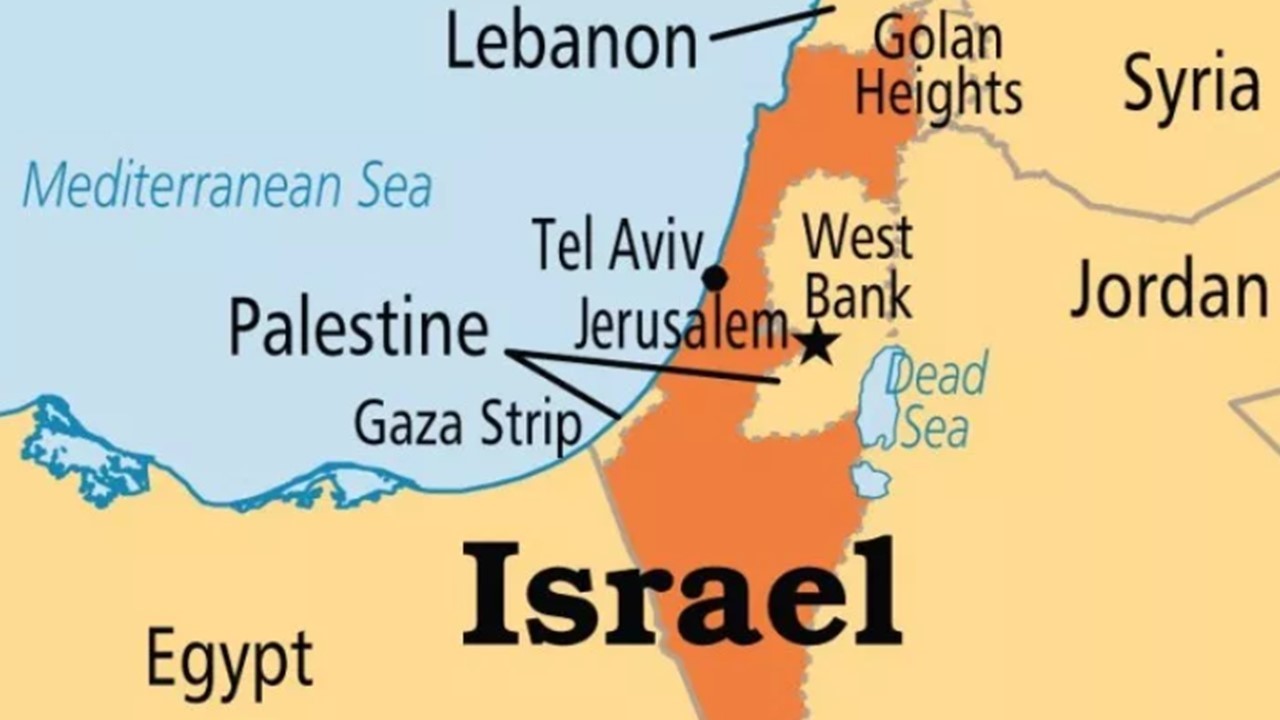
    The area known as ‘Golan Heights’ sometimes appears in the news in the context of the events is related to:

    (a) Central Asia

    (b) Middle East

    (c) South-East Asia

    (d) Central Africa

  • 11 African countries sign ‘Yaounde Declaration’

    In the news

    • Health ministers from 11 African nations grappling with the heaviest malaria burdens have recently signed the Yaounde Declaration.

    What is Yaounde Declaration?

    Details
    Signed at Yaoundé conference, hosted by WHO and the Government of Cameroon in Yaoundé, Cameroon (capital).
    Participants Ministers of Health, global malaria partners, funding agencies, scientists, civil society organizations, and other malaria stakeholders.
    Signatory countries
    • Burkina Faso, Cameroon, the Democratic Republic of the Congo, Ghana, Mali, Mozambique, Niger, Nigeria, Sudan, Uganda, and Tanzania.
    • These countries collectively account for over 70% of the global malaria burden.
    Pledges
    • Effective tackling of malaria threat in Africa, leading better and investing more money in fighting malaria, using new technology for data, etc.
    • Investing more in health infrastructure, personnel, and programs, collaborating across sectors, forming partnerships for funding, research, and innovation.
    • Showing strong commitment to quickly reducing malaria deaths and holding each other and their countries accountable for the commitments.
  • Places in news: Second Thomas Shoal

    In the news

    • Recently Philippines and China Coast Guard collided with each other near the Second Thomas Shoal of the Spratly Islands in South China Sea.

    About Second Thomas Shoal

    • It is located approximately 105 nautical miles (195 km) west of Palawan, Philippines.
    • It lies within the Philippines’ EEZ (exclusive economic zone).
    • The shoal is part of the Spratly Islands, which are subject to overlapping territorial claims by multiple countries, including China, the Philippines, Vietnam, Malaysia, and Taiwan.
    • It is strategically significant due to its location in the South China Sea, a major maritime trade route rich in natural resources.
    Note: An Exclusive Economic Zone (EEZ) is an area of the ocean, generally extending 200 nautical miles (230 miles/370.15 km) beyond a nation’s territorial sea, within which a coastal nation has jurisdiction over both living and non-living resources.

     What is the South China Sea Dispute?

    • It is a dispute over territory and sovereignty over ocean areas, and the Paracels and the Spratlys – two island chains claimed in whole or in part by a number of countries.
    • China, Vietnam, the Philippines, Taiwan, Malaysia, and Brunei all have competing claims.
    • Alongside the fully-fledged islands, there are dozens of rocky outcrops, atolls, sandbanks, and reefs, such as the Scarborough Shoal.
    • China claims by far the largest portion of territory – an area defined by the “nine-dash line” which stretches hundreds of miles south and east from its most southerly province of Hainan.
    • Beijing says its right to the area goes hundreds of centuries to when the Paracel and Spratly island chains were regarded as integral parts of the Chinese nation.
    • It showed the two island groups falling entirely within its territory. Those claims are mirrored by Taiwan.

    Spat over Chinese claims

    • China has backed its expansive claims with island-building and naval patrols.
    • The US says it does not take sides in territorial disputes but has sent military ships and planes near disputed islands, calling them “freedom of navigation” operations to ensure access to key shipping and air routes.
    • Both sides have accused each other of “militarizing” the South China Sea.
    • There are fears that the area is becoming a flashpoint, with potentially serious global consequences.

    Try this PYQ from CSE Prelims 2011:

    Q.Southeast Asia has captivated the attention of global community’ over space and time as a geostrategically significant region. Which among the following is the most convincing explanation for this global perspective?

    (a) It was the hot theatre during the Second World War

    (b) Its location between the Asian powers of China and India

    (c) It was the arena of superpower confrontation during the Cold War period

    (d) Its location between the Pacific and Indian oceans and its pre-eminent maritime character


    [wpdiscuz-feedback id=”mjythkywde” question=”Please leave a feedback on this” opened=”1″]Post your answers here.[/wpdiscuz-feedback]

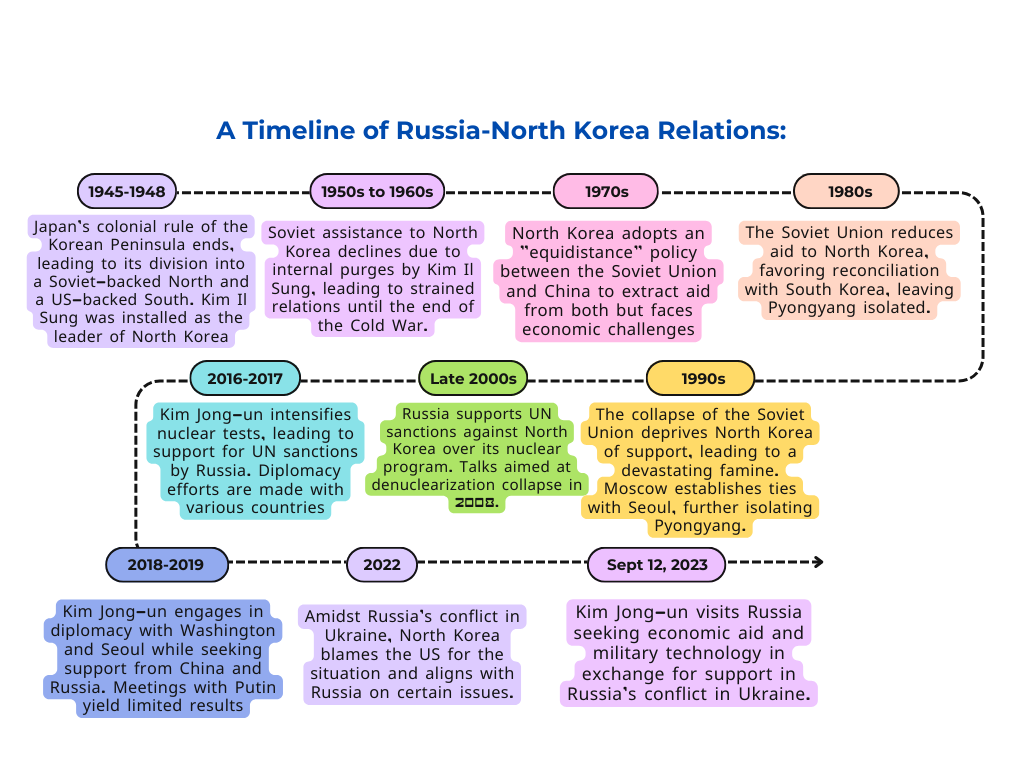
  • [5 March 2024] The Hindu Op-ed: The quick transformation of Russia-North Korea ties

    [5 March 2024] The Hindu Op-ed: The quick transformation of Russia-North Korea ties

    PYQ Relevance:

    Prelims:
    With reference to the ‘Trans-Pacific Partnership’, consider the following statements:
    1. It is an agreement among all the Pacific Rim countries except China and Russia.
    2. It is a strategic alliance for the purpose of maritime security only.
    Which of the statements given above is/are correct? (UPSC CSE 2016)
    a) 1 only
    b) 2 only
    c) Both 1 and 2
    d) Neither 1 nor 2

    Mains:
    1. “The USA is facing an existential threat in the form of China, which is much more challenging than the erstwhile Soviet Union.” Explain. (UPSC CSE 2021)

    2. What is the significance of Indo-US defense deals over Indo-Russian defense deals? Discuss with reference to stability in the Indo-Pacific region. (UPSC CSE 2020)

    Note4Students:

    Mains: Geopolitical and challenges over the Globe;

    Prelims: International Relations; Major Powers;

    Mentor comments: Russia and North Korea relationship has been strengthening since Russia’s invasion of Ukraine in 2022, with both countries preparing for a summit between their leaders in 2024. Both countries share common challenges and strategic objectives. With Indian perspective, we need to be aware as these recent changes can lead to the beginning of a trio, Russia-North Korea-China, in the Asian continent.

    Let’s learn.

    Why in the News?

    Recently, the strengthening of Russia and North Korea ties can be a challenging geo-political factor through Global security.

    Context:

    • Recently, since the Russia-Ukraine war, North Korea and Russia have been discussing cooperation in sensitive areas.
    • They are exploring energy collaboration and have been engaged in infrastructure projects. The partnership has far-reaching implications for regional stability and global geopolitics.

    Common Challenges and shared strategic objectives between both Countries:

    • Energy collaboration: Energy collaboration has also formed another crucial aspect of the partnership. Russia has been a key supplier of fuel to North Korea.
      • Moscow needs arms, artillery, rockets, and missiles to sustain its invasion of Ukraine while Pyongyang is in dire need of commodities and food.  Therefore the mainstay of bilateral cooperation is the food-for-arms agreement.
      • This has raised concerns about the potential for increased belligerence on the part of Pyongyang, which could destabilize the Korean Peninsula and East Asia.
    • Resource cooperation: Russia has emerged as a potential savior for North Korean development in sectors such as energy and transportation, and even in addressing Pyongyang’s chronic food shortages.
    • Infrastructure cooperation: Infrastructure projects such as the Rajin-Khasan railway linking Russia to North Korea’s Rajin port, have bolstered economic cooperation.

    How does this relationship have far-reaching Implications for Regional Stability and Geopolitics?

    • The American factor: The strain in relations with Western countries has led Russia and North Korea to adjust their foreign policy priorities. Russia sees engagement with North Korea as a way to influence security dynamics in Northeast Asia, particularly concerning the US and its allies.
      • For example, The North Korean Foreign Minister in October 2023 observed that powerful ties between Moscow and Pyongyang could potentially offset the US-led efforts of a strong alliance between Washington (US), Tokyo (Japan), and Seoul (S. Korea).
    • The China factor: Russia, often in diplomatic collaboration with China, underscores a desire to shape regional security architecture independently of Western influence.
      • In Feb 2024, the US imposed sanctions on the producer of the car against Russia. The sanctions and trade restrictions also targeted Chinese firms that the U.S. said were assisting Russia’s war.

    What does it mean for the world? (Way Forward)

    • Need for Western strategy: The West’s strategic goals in the Ukraine war involve rationalizing with Russia, supporting democracy, and reconstructing Ukraine post-war.
    • Need for Trans-Atlantic alliance: While Russia has endured casualties and the long-term effects of sanctions, China has remained relatively unscathed. The war in Ukraine has highlighted the need for broader support beyond the trans-Atlantic alliance, including major economies like India.
    • Abiding by the Global South: Involving the Global South in Ukraine’s reconstruction and sanctions against Russia is seen as crucial for shaping postwar geopolitics.
    Practice Question:
    Russia- North Korea’s deepening ties are based on common challenges and shared strategic objectives. In the light of the above statement, discuss its far-reaching implication on global geo-politics.

    Approach for the Answer:

    1. Introduction: 
    Theme:  Russia-North korea Deepening ties

    2. Body:
    Demand 1: Common challenges and shared objectives of their deepening ties
    Demand 2: Implication on global geopolitics of their deepening ties

    3. Way Forward:
    Give suggestions to address the negative implications of their ties on global geo-politics.

    References:

    https://www.thehindu.com/opinion/op-ed/the-quick-transformation-of-russia-north-korea-ties/article67914078.ece

    https://www.thehindu.com/news/international/a-timeline-of-the-complicated-relations-between-russia-and-north-korea/article67298589.ece

    https://www.iiss.org/publications/strategic-comments/2023/the-surge-of-activity-in-relations-between-north-korea-and-russia/

    https://www.thehindu.com/news/international/russia-ukraine-war-change-in-global-power-dynamics/article67882861.ece

    https://www.voanews.com/a/us-china-discuss-russia-north-korea-cooperation-says-state-department/7500184.html

  • Rediscovering Palestinian statehood

    Israel-Palestine: No Simple Answers

    Why in the News?

    Recently, there are evolving dynamics surrounding Palestinian statehood, including global perspectives, Israeli leadership positions, and the potential implications for the region w.r.t two-state solution.

    What are the Global Dynamics and Israeli Opposition towards Palestinian Statehood?

    • Global Expectations: Western nations and Arab States are hopeful for Israel to act sensibly amidst the challenging situation in Gaza. The UK and France express readiness to recognize a Palestinian state independently of an agreement with Israel, prompting speculation about US involvement.
    • Israeli stance: Israeli PM Benjamin Netanyahu openly opposes a two-state solution and advocates for Israeli control over the entire area west of the Jordan River.
      • Netanyahu rejects international pressure and warns against unilateral recognition, citing concerns about terrorism and his political standing.
      • Netanyahu’s opposition to a Palestinian state without negotiations reflects his political strategy and the challenges within his ruling coalition.
      • Netanyahu’s plan echoes sentiments previously condemned when expressed by Hamas, raising concerns about Israel’s intentions.

    Global Response to the Israeli-Palestinian Conflict

    • UN Secretary-General’s Call: UN emphasizes the importance of acknowledging Palestinian statehood and condemns the loss of life in Gaza.
    • Hearings at ICJ: The International Court of Justice began hearing arguments concerning the legal status of a Palestinian state.
    • Mixed Signals: The U.S.’s support for Israel’s security contradicts its calls for a two-state solution, as demonstrated by voting against a UN resolution regarding Israeli settlements. World leaders previously have largely neglected the Palestinian cause during the tenure of former Israeli PM Netanyahu and post-Abraham Accords era.
    • Sudden Interest from various Nations: Recently, there has been renewed interest in a two-state solution following Israel’s military actions in Gaza and increasing pressure from international bodies. The U.S. too have imposed sanctions on individual settlers rather than addressing broader issues related to settlements and violence.
    • Domestic Pressures: King Abdullah II of Jordan, along with Egypt, France, and Germany, issued a joint statement opposing Israel’s annexation plans. The U.S., EU, and Arab States face mounting pressure to address the crisis, hoping for positive changes within Israel’s leadership.
      • Saudi Demand: Saudi Arabia demands an immediate peace process for a Palestinian state before resuming normalization talks with Israel.
      • Threatening Proposal: Israel’s latest plan suggests dissolving the UN Relief and Works Agency for Palestine Refugees in the Near East (UNRWA), which would compromise the two-state solution
    BEYOND EDITORIAL: 

    What are Abraham Accords?

    • The Abraham Accords, established in September 2020, represent a series of bilateral agreements aimed at normalizing relations between Israel and several Arab nations: the United Arab Emirates (UAE), Bahrain, Sudan, and Morocco
    • These agreements marked a departure from traditional Arab League policies, which historically required resolution of the Israeli-Palestinian conflict before establishing formal ties with Israel.

    How Abraham Accords have influenced the Israeli-Palestinian conflict?

    Despite not directly involving parties in active conflict, the Abraham Accords have influenced the broader context in several ways:

    • Normalization without Resolution: The Accords sidestepped the Palestinian issue, allowing Arab states to establish normalized relationships with Israel without addressing core issues like Palestinian self-determination and statehood
    • Domestic Repercussions: The Accords led to internal conflicts within Arab societies, as some citizens felt betrayed by their leadership’s decision to prioritize normalization over Palestinian rights
    • Regional Stability: While the Accords were promoted as increasing stability, critics argue that they have done little to address underlying causes of instability, including the Israeli-Palestinian conflict itself

    Critical Analysis of Accords towards the dynamics of the Israeli-Palestinian conflict:

    • Critics argue that the Accords have failed to bring lasting peace or stability, instead serving as a means of authoritarian conflict management that ignores the root causes of the conflict
    • Supporters contend that the Accords offer opportunities for cooperation and economic growth, although these benefits may come at the expense of Palestinian rights.
    • The Abraham Accords have altered the dynamics of the Israeli-Palestinian conflict by shifting focus away from the centrality of Palestinian rights and towards normalization between Israel and select Arab states. Despite initial optimism, the Accords have faced challenges in achieving sustainable peace and stability, and their success remains a subject of debate.

    What is the feasibility of a Single-State Solution?

    If the two-state solution fails given recent developments and Israeli leadership positions, then:

    • Equal Rights: In a single-state scenario, Israel must provide equal rights to Palestinians in the West Bank and Gaza to remain a democracy. Providing equal rights would reduce the percentage of Jews below 50%, challenging Israel’s identity as a Jewish state.
    • Apartheid or Ethnic Cleansing: Without equal rights, Palestinians risk becoming second-class citizens, resulting in either apartheid or ethnic cleansing.
    • Preservation of Status Quo: Continuing the present conditions would perpetuate the occupation and deny Palestinians self-determination.
    • Driving Out Palestinians: An alternative to providing equal rights might involve expelling Palestinians from the West Bank, Gaza, and East Jerusalem.
    • Decline of Support: Increasingly, Israelis have distanced themselves from developments in the Occupied Territories, reducing support for a two-state solution.
    • Rise of Right Wing: The growth of right-wing parties in Israel has led to the demise of groups supporting the Oslo Accords.
    • Shifting Attitudes: Following attacks by Hamas, support for a two-state solution has dwindled, leaving Israelis questioning whether Palestinians truly desire peace.
    • Recognition of Two-State Solution: Even Hamas once acknowledged a two-state solution based on 1967 borders, although this position has weakened over time.

    How can be the ‘Afghan Model’ solution towards this issue?

    The Afghan model refers to the acceptance of the Taliban’s return to power despite reservations. As the world grapples with the Israeli-Palestinian conflict, comparisons have emerged between the Taliban’s ascension in Afghanistan and potential shifts in Hamas’ role in Palestine. 

    • Similarity between both cases: Both sides require transformative leadership changes. Israel needs to embrace a two-state solution, and Palestine requires an inclusive and representative leadership encompassing Gaza and the West Bank. 

    What are the Challenges and Implications if Afghan model is applied?

    • Political stance: Centrist Israeli politicians have lost popularity due to their perceived inaction on the Palestinian issue. In short, replacing them as champions of a two-state solution is challenging.
    • Hamas’ inclusion in Palestinian governance structures would necessitate significant ideological shifts and concessions, which may prove difficult.
    • The international community’s reluctant approach to the two-state solution raises questions about their commitment to promoting meaningful change in the Middle East.

    Conclusion: 

    The ‘Afghan model,’ while imperfect, offers insights into the possibilities and limitations of accommodating hard-line forces within mainstream political processes. Ultimately, the success of such efforts depends upon the ability of all stakeholders—including Israel, Palestine, and the international community to overcome deeply ingrained mistrust and pursue genuine reconciliation.

    Prelims PYQs:

    1. The term “two-state solution” is sometimes mentioned in the news in the context of the affairs of (UPSC CSE 2018)
    1. China
    2. Israel
    3. Iraq
    4. Yemen

    Mains PYQs:

    Too little cash, too much politics, leaves UNESCO fighting for life.’ Discuss the statement in the light of US’ withdrawal and its accusation of the cultural body as being ‘anti-Israel bias’ (UPSC CSE 2019)

  • EU Sanctions Indian Tech Firm over Dual-Use Items

    In the news

    • The EU has sanctioned Si2 Microsystems, an Indian tech company for its connections with Russia.
    • It has faced previous sanctions, including being banned by the US from transferring “dual-use” technology.

    What are Dual-Use Items?

    • Definition: Dual-use items refer to commodities that possess the potential for application in both civilian and military contexts.
    • Regulatory Scrutiny: These items are subject to stringent regulation due to their capability to be initially designed for civilian purposes but later repurposed for military or even terrorist activities.
    • Examples: Examples of dual-use items include global positioning satellites, missiles, nuclear technology, chemical and biological weapons, night vision technology, drones, precision-engineered aluminium pipes, and specific types of ball bearings.

    Global Control Mechanisms for Dual-Use Items

    (1) Missile Technology Control Regime (MTCR):

    • Established: In 1987 by G-7 countries.
    • Purpose: To limit the proliferation of missiles capable of delivering weapons of mass destruction.
    • Membership: Consists of 35 member countries.
    • Guidelines: Members coordinate national export controls to prevent missile proliferation.
    • India’s Membership: India became the 35th member in 2016.

    (2) Wassenaar Arrangement (WA):

    • Established: In 1996 with 42 participating states.
    • Purpose: Prevent destabilizing accumulations of conventional arms and dual-use goods and technologies.
    • Export Controls: Member countries apply controls on listed items to avoid enhancing military capabilities.
    • India is not a member: It it has expressed interest in joining to strengthen its export controls and enhance its non-proliferation efforts.

    (3) Australia Group (AG):

    • Formation: Prompted by Iraq’s use of chemical weapons in 1985.
    • Focus: Initially on chemical weapons precursor chemicals, expanded to include biological weapons prevention.
    • Membership: Composed of 42 member countries. India is NOT a member.
    • Objective: Harmonization of international export controls on chemical and biological technologies.

    (4) Nuclear Suppliers Group (NSG):

    • Established: In 1974 in response to India’s nuclear tests.
    • Purpose: Control nuclear and nuclear-related technology to prevent proliferation.
    • Membership: Consists of 48 participating governments.
    • Guidelines: Aim to prevent the spread of nuclear weapons through control measures.

    [Note: India is also party to key conventions such as the Chemical Weapons Convention (CWC) and Biological and Toxic Weapons Convention (BWC).]

    India’s in-house mechanisms against Dual-Use Items

    • Role of DGFT: The Director General of Foreign Trade (DGFT) in India oversees the regulation of dual-use items through the SCOMET list (Specialty Chemicals, Organisms, Materials, Equipment, and Technologies).
    • SCOMET List: SCOMET items encompass special chemicals, organisms, materials, equipment, and technologies with dual-use potential.
    • Regulatory Framework: Exporting SCOMET items is subject to strict regulations, either requiring a license or being prohibited altogether.
    • Alignment with International Controls: The SCOMET control list aligns with the control lists of various multilateral export control regimes and conventions.

    Try this PYQ from CSP 2015:

    Q.Consider the following countries

    1. China
    2. France
    3. India
    4. Israel
    5. Pakistan

    Which among the countries given above are Nuclear Weapons States as recognized by the Treaty on the Non-proliferation of Nuclear Weapons, commonly known as Nuclear Non-Proliferation Treaty (NPT)?

    1. 1 and 2 only
    2. 1, 3, 4 and 5 only
    3. 2, 4 and 5 only
    4. 1, 2, 3, 4 and 5

    [wpdiscuz-feedback id=”nyim5it425″ question=”Please leave a feedback on this” opened=”1″]Post your answers here.[/wpdiscuz-feedback]

  • ICJ’s Interim Ruling on Gaza Genocide Case

    gaza icj

    Introduction

    • The recent interim ruling by the International Court of Justice (ICJ) regarding South Africa’s case against Israel has sparked global attention.
    • While the court did not pass judgment on the core issue of whether Israel is committing genocide in Gaza, it did issue six provisional measures.

    ICJ’s Interim Ruling: Six Provisional Measures Ordered

    • Prevention of Genocidal Acts: A 15:2 majority mandated that Israel take all necessary steps to prevent acts defined under Article 2 of the Genocide Convention, encompassing actions with the intent to destroy a national, ethnic, racial, or religious group.
    • Immediate Military Restraint: Israel was directed to prevent its military from committing any genocidal acts “with immediate effect.”
    • Incitement to Genocide: Sixteen out of 17 judges ruled that Israel must prevent and punish direct and public incitement to commit genocide against Palestinians in the Gaza Strip.
    • Humanitarian Assistance: The court instructed Israel to provide humanitarian aid and basic services to Palestinians in Gaza, recognizing them as a protected group under the Genocide Convention.
    • Preservation of Evidence: Israel was entrusted with preserving evidence related to alleged acts under the Genocide Convention in Gaza.
    • Reporting Requirement: By a 15:2 majority, Israel was asked to submit a report on measures taken to implement the ruling within one month.

    Decision on Jurisdiction

    • Jurisdiction Confirmed: The World Court clarified its jurisdiction, stating that there exists a prima facie dispute between the parties concerning the application of the Genocide Convention.
    • Article 9 of Genocide Convention: Referring to Article 9, the court emphasized that South Africa’s concerns and Israel’s dismissal indicated a genuine dispute.

    Comments on Israel’s Actions in Gaza

    • Genocidal Acts: The court suggested that “at least some” of Israel’s acts and omissions may fall within the contours of the Genocide Convention.
    • Impact of Military Operation: Israel’s large-scale military operation in Gaza, causing civilian casualties and displacement, was highlighted.
    • Statements by Israeli Officials: The court pointed to concerning statements by senior Israeli officials, including orders for a “complete siege” of Gaza and dehumanizing remarks about troops.
    • Humanitarian Concerns: Expressing deep concern, the court warned of a potential deterioration in the humanitarian situation before the final judgment.

    No Call for Ceasefire

    • Court’s Limitations: The ICJ refrained from ordering a ceasefire, with legal experts explaining that such an order could render Israel defenseless and fall outside the court’s purview.
    • International Impact: While the court’s rulings are legally binding, enforcement is lacking. However, its opinions carry weight with the UN and other international institutions.

    Also read:

    ICJ: Doing Justice without power

  • Funding Pause for UNRWA: Allegations and Implications

    unrwa

    Introduction

    • Britain, Italy, and Finland have recently halted funding for the United Nations Relief and Works Agency for Palestinian Refugees (UNRWA) amid allegations of its staff’s involvement in the October 7 Hamas attacks on Israel.

    About UNRWA

    • UNRWA was established to aid Palestinian refugees displaced during the 1948 war surrounding Israel’s creation.
    • It provides education, health, and aid services to Palestinians in Gaza, the West Bank, Jordan, Syria, and Lebanon.
    • It operates schools, health clinics, and infrastructure projects for millions of Palestinians across the Middle East.

    Israel’s Criticisms

    • Israel accuses UNRWA of tolerating or collaborating with Hamas and perpetuating the Palestinian refugee crisis.
    • It alleges misuse of aid by militant groups and teaching anti-Israel sentiments in UNRWA schools.

    UNRWA’s Response

    • It denied allegations, takes swift action against accused employees, and asserts no links to militant groups.
    • It sought to undertake an external review to address accusations and determine political motivations.

    Impact of Funding Cuts

    • The U.S., UK, Canada, Australia, Germany, Italy, Netherlands, Switzerland, and Finland suspend aid.
    • These nations contribute nearly 60% of UNRWA’s budget in 2022, impacting day-to-day operations.
    • Humanitarian crisis deepens in Gaza, with one in four facing starvation, and aid operations hampered by the ongoing conflict.

    Conclusion

    • The pause in funding for UNRWA raises concerns about the humanitarian crisis in Gaza and the potential long-term impact on the region’s stability.
    • The accusations against UNRWA and the subsequent funding cuts underscore the complex challenges faced in delivering aid amid geopolitical tensions.
  • The issue of genocide and the world court

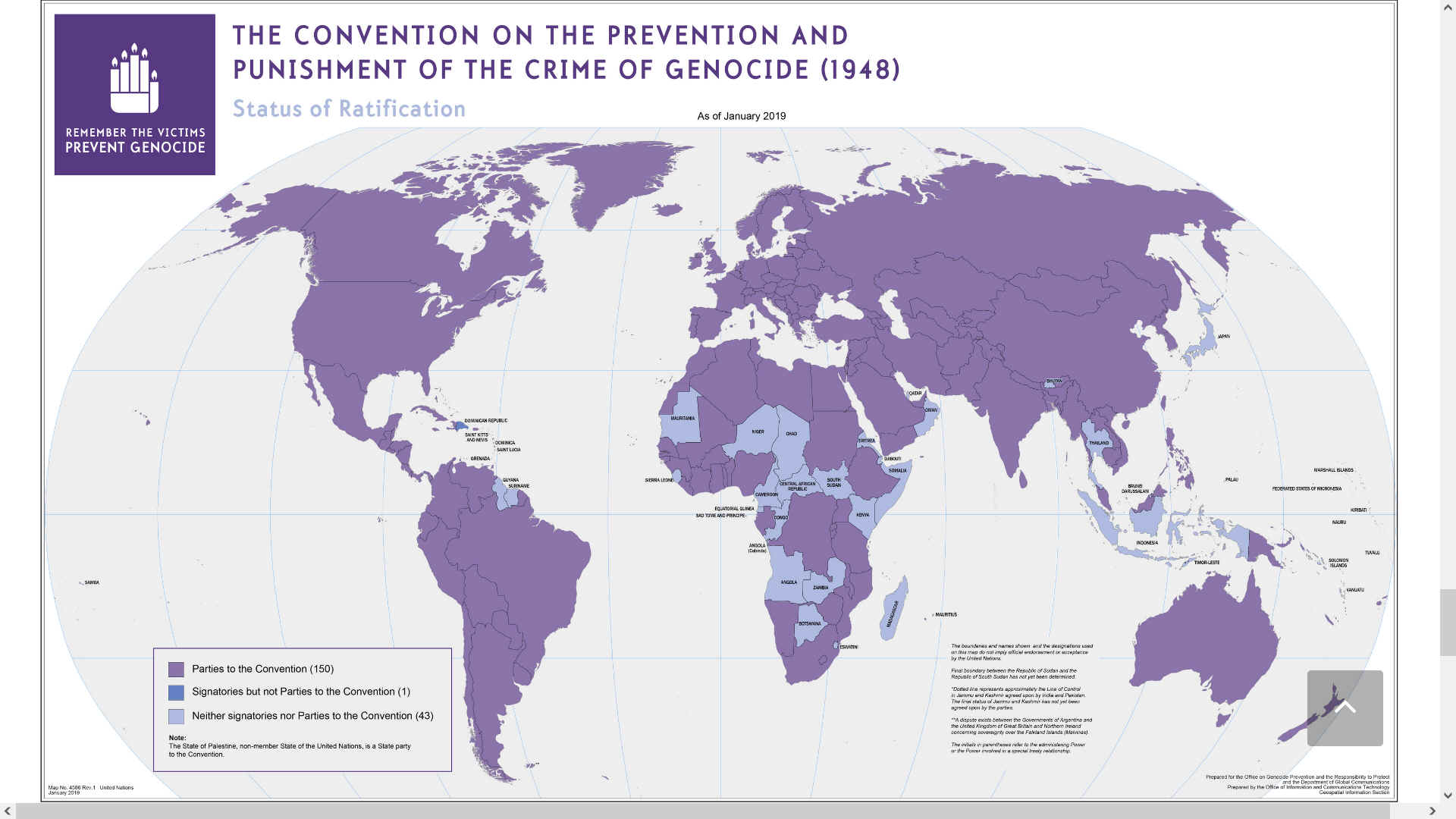
    GENOCIDE CONVENTION ON THE PREVENTION OF THE CRIME OF 1948

    Central Idea:

    The article discusses the legal proceedings at the International Court of Justice (ICJ) initiated by South Africa against Israel, alleging violations of the Genocide Convention in the conduct of military operations in Gaza. The international legal context, arguments presented by both sides, and potential provisional measures are highlighted.

    Key Highlights:

    • South Africa’s legal action against Israel based on the Genocide Convention.
    • Debate and international reactions to the case, with Bangladesh and Jordan supporting South Africa, and Germany supporting Israel.
    • The significance of provisional measures in protecting rights before a final determination.
    • Challenges in proving the specific intent for genocide and contrasting arguments from South Africa and Israel.
    • Potential outcomes and the broader context of international law legitimacy.

    Key Challenges:

    • Demonstrating specific intent for genocide.
    • Varying international reactions and political divisions.
    • Crafting effective provisional measures acceptable to both parties.
    • Addressing the split between formerly colonial powers and others in international law opinions.

    Key Terms:

    • Genocide Convention: An international treaty prohibiting acts committed with the intent to destroy, in whole or in part, a national, ethnical, racial, or religious group.
    • Provisional Measures: Interim orders issued by a court to protect rights pending a final determination of a case.
    • Erga Omnes Obligation: The obligation of states to take action to prevent genocide, a duty owed to the international community as a whole.
    • Dolus Specialis: Specific intent required to establish the crime of genocide.
    • International Criminal Court (ICC): An international tribunal that prosecutes individuals for the international crimes of genocide, crimes against humanity, and war crimes.
    • Rules-Based International Order: A system where international relations are governed by agreed-upon rules and principles.

    Key Phrases:

    • “Provisional measures” as interim orders.
    • “Erga omnes obligation” for states to prevent genocide.
    • “Dolus specialis” indicating specific intent for genocide.
    • “Rules-based international order” questioned by the proceedings.

    Key Quotes:

    • “Provisional measures are issued pending the final determination of a case.”
    • “The split seems to track the divide between formerly colonial or imperial powers and others.”
    • “The legitimacy of international law itself is at stake.”

    Key Statements:

    • South Africa’s claim based on being unrelated to the conflict but having an obligation to prevent genocide.
    • Israel’s defense focused on the absence of a dispute and the multiple interpretations of statements.
    • International law viewed as invented by the imperial “West.”

    Key Examples and References:

    • The Gambia versus Myanmar case.
    • Germany’s contrasting positions in different legal cases.
    • Alleged genocidal statements by Israeli politicians echoed by soldiers on TikTok.

    Key Facts:

    • December 29, 2023: South Africa initiates ICJ proceedings against Israel.
    • January 11-12, 2024: ICJ hearing on provisional measures.
    • 24,000-plus deaths in Gaza during the present war.
    • Destruction of civilian infrastructure in Gaza.
    • Germany’s intervention in The Gambia versus Myanmar case.

    Key Data:

    • Data includes 24,000-plus deaths in Gaza during the present war and destruction of civilian infrastructure in Gaza.

    Critical Analysis:

    The article critically examines the challenges of proving genocide, the international split in opinions, and questions the legitimacy of the “rules-based international order.” It underscores the broader implications of the ICJ’s decision on the perception of international law.

    Way Forward:

    • Await the ICJ’s ruling on provisional measures.
    • Consider potential alternatives for provisional measures, such as a humanitarian ceasefire or facilitating resource entry into Gaza.
    • Observe how nation-states respond to the ICJ’s decision and its impact on international law legitimacy.