💥Mains Ready By December. Smash Mains & Smash PYQ Admissions Open

Subject: International Stories of Key Importance

  • Why are Conflicts spreading in West Asia?

    west asia

    Introduction

    • What initially began as a localized conflict between Israel and Hamas has rapidly spiralled into a regional security crisis, casting a shadow of uncertainty and instability over West Asia.
    • This evolving crisis involves a complex web of state and non-state actors, each with its own objectives and strategies, making it a highly volatile and unpredictable situation.

    Escalation beyond Borders

    As Israel launched its military campaign in Gaza in response to Hamas’s cross-border attacks, concerns grew that the conflict could spill over beyond the borders of Palestine. The involvement of various actors has further complicated the situation:

    • Hezbollah’s Solidarity: Hezbollah, the Lebanese Shia group backed by Iran, fired rockets at Israeli forces in solidarity with the Palestinians. This action marked an extension of the conflict beyond the immediate theatre of operations.
    • Exchange of Fire: Israel and Hezbollah engaged in multiple exchanges of fire, with both sides exercising restraint to prevent a full-scale war. Nevertheless, these incidents escalated regional tensions.
    • Iran-Backed Militias: Iran, a key supporter of non-state actors in the region, provided backing to groups such as Hamas, the Islamic Jihad, Hezbollah, Houthis, and Shia militias in Iraq and Syria. This support has contributed to the widening of the crisis.
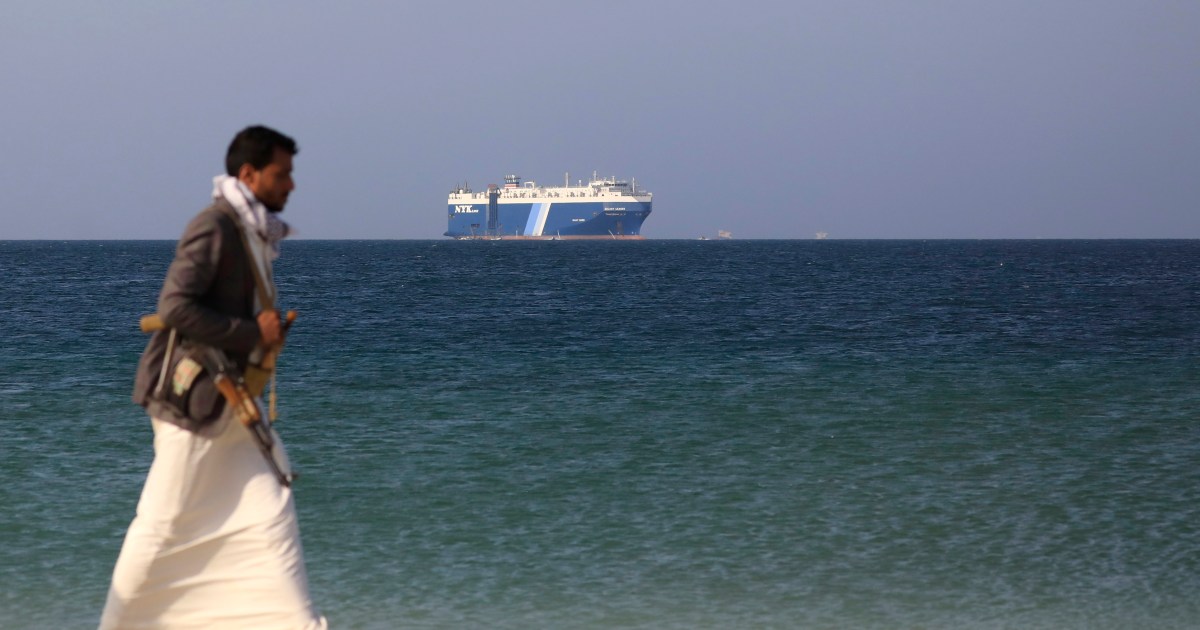
    • Houthi Disruptions: In a bid to express solidarity with the Palestinians, Houthi rebels in Yemen began targeting commercial vessels in the Red Sea. Controlling significant portions of Yemen, including the Red Sea coast, the Houthis disrupted maritime traffic in a crucial international waterway.

    Global Ramifications

    The crisis in West Asia has not remained confined to the region; it has global implications:

    • U.S. Airstrikes in Yemen: The United States, in support of Israel’s actions, conducted airstrikes in Yemen, directly involving itself in the regional conflict. These airstrikes added a new dimension to the crisis.
    • Hashad al-Shabi’s Escalation: The Shia Mobilisation Forces of Iraq and Syria, backed by Iran, launched over a hundred attacks against U.S. troops stationed in these countries. These attacks were seen as retaliation against U.S. support for Israel.
    • Spread of Instability: As instability spread across the region, extremist groups, including the Islamic State, sought to exploit the situation. Iraq and Syria, in particular, remained vulnerable to internal and external challenges.
    • Cross-Border Retaliation: In response to Iran’s actions, Pakistan carried out airstrikes in Iranian territory, further escalating tensions in the region.

    Key Players and Their Objectives

    Understanding the crisis requires an examination of the key players and their objectives:

    • Israel’s Aims: Israel’s primary objectives include dismantling Hamas and securing the release of hostages held by the group. Israel enjoys unwavering support from the United States in pursuing these goals.
    • Iran’s Backing: Iran plays a central role as the primary supporter of various anti-Israel non-state actors in West Asia, offering support to groups such as Hamas, the Islamic Jihad, Hezbollah, Houthis, and Shia militias.
    • U.S. Interests: The United States, with a significant military presence in the region, seeks to ensure Israel’s security, protect American troops and assets, and maintain the U.S.-led order in West Asia.

    Implications for Regional Security

    The crisis in West Asia has ushered in a period of heightened insecurity and instability:

    • Widespread Security Crisis: Unlike previous conflicts that often involved nation-states or specific non-state actors, this crisis encompasses a broader range of powerful states and non-state actors, creating a highly volatile environment.
    • Disruption of the Old Order: The crisis has exposed the fragility of the old U.S.-led order in the region. Iran-backed proxies directly target Israeli and American positions, while Iran flexes its military muscle through cross-border attacks.

    Looking Ahead

    As the crisis continues to unfold, several key factors warrant consideration:

    • No Clear Resolution: With more than 100 days of conflict, Israel’s objectives in Gaza remain unfulfilled, and there is no apparent path to a resolution. The ongoing war fuels retaliatory attacks by Hezbollah and Houthis.
    • Effectiveness of U.S. Airstrikes: U.S. airstrikes against various groups have not proven effective in deterring them from launching new attacks. The region remains volatile.
    • Potential for Further Instability: The ongoing instability in West Asia creates opportunities for extremist groups, including the Islamic State, to exploit the situation. Iraq and Syria remain particularly susceptible to internal and external challenges.
    • Changing U.S. Role: Historically, the United States played a dominant role in the region, but it now appears more as a disruptor than a guarantor of peace and stability. Restoring stability and ending the war present significant challenges.
    • A Glimmer of Hope: Amid the ongoing crisis, a positive development is the maintenance of the Saudi-Iran détente and the Saudi-Houthi peace, providing a ray of hope amidst the turmoil.

    Conclusion

    • The escalating regional crisis in West Asia underscores the intricate interplay of state and non-state actors in a highly volatile environment.
    • As the situation continues to evolve, its implications for regional stability and global security remain a subject of concern and vigilance.
  • Complex China-Taiwan Relations: A Historical Perspective

    taiwan

    Introduction

    • Taiwan’s presidential election on January 13, which saw the victory of the ruling party candidate Lai Ching-te, carries significant implications not only for the island but also for global geopolitics.
    • To understand the dynamics at play, it’s crucial to delve into the complex history and evolving relationship between China and Taiwan.

    Taiwan Tension: A Historical Background

    • Early Settlement: Taiwan’s first known settlers were Austronesian tribal people, believed to have migrated from southern China.
    • Chinese Records: Chinese records from AD 239 mention Taiwan, forming part of China’s territorial claim.
    • Qing Dynasty and Japan: Taiwan was administered by China’s Qing dynasty and later ceded to Japan after the First Sino-Japanese War.
    • Post-World War II: After World War II, Taiwan was officially considered occupied by the Republic of China (ROC), with the consent of the US and UK.

    Civil War and Exile

    • Civil War: A civil war broke out in China, leading Chiang Kai-shek and his Kuomintang (KMT) government, along with supporters, to flee to Taiwan in 1949.
    • Dictatorship Era: Chiang established a dictatorship that ruled Taiwan until the 1980s.
    • Transition to Democracy: After Chiang’s death, Taiwan embarked on a transition to democracy, holding its first elections in 1996.

    Status of Taiwan

    • Disagreement: There is disagreement regarding Taiwan’s status.
    • Independent Governance: Taiwan has its own constitution, democratically-elected leaders, and an armed forces.
    • Decline in Recognition: Over time, the number of countries recognizing Taiwan as the ROC government has dwindled, largely due to diplomatic pressure from China.

    Evolving Relations with China

    • 1980s Improvement: Relations started improving in the 1980s as Taiwan relaxed rules on visits and investments in China.
    • One Country, Two Systems: China proposed the “one country, two systems” option, which Taiwan rejected.
    • Political Shift: The election of Chen Shui-bian in 2000 marked a shift, as he openly backed Taiwan “independence.”
    • Anti-Secession Law: China passed an anti-secession law in 2005, threatening non-peaceful means against Taiwan.
    • Cross-Strait Relations: Cross-strait relations soured under President Tsai Ing-wen, with China cutting off official communications due to her refusal to endorse a single Chinese nation concept.

    US Involvement

    • US-Taiwan Relations: The US officially recognizes Beijing but remains Taiwan’s significant international supporter.
    • Defensive Commitment: The US is bound by law to provide Taiwan with defensive weapons, and President Joe Biden has stated a commitment to defending Taiwan militarily.
    • Contested Issue: Taiwan remains a contentious issue in US-China relations, with Beijing condemning perceived US support for Taipei.
    • Increased Tensions: China has intensified its “grey zone warfare” around Taiwan, sending fighter jets and conducting military drills in response to US-Taiwan exchanges.

    Conclusion

    • The results of Taiwan’s presidential election and the evolving China-Taiwan relationship have far-reaching implications for global politics.
    • Balancing diplomatic recognition, territorial disputes, and US involvement, the delicate equilibrium in the Taiwan Strait will continue to shape the course of international relations in the Asia-Pacific region.
  • ICJ: Doing Justice without power

    Introduction

    About the International Court of Justice (ICJ)

    Details
    Role Principal judicial organ of the United Nations (UN).
    Establishment Established in June 1945 by the Charter of the United Nations, began work in April 1946.
    Predecessor Successor to the Permanent Court of International Justice (PCIJ) established by the League of Nations.
    Inaugural Sitting Held its first sitting at the Peace Palace in The Hague, Netherlands, in February 1922.
    Seat Located at the Peace Palace in The Hague, Netherlands.
    Jurisdiction ICJ’s jurisdiction requires consent from both parties involved in a dispute. Its judgment is final and binding.
    Judges Comprises 15 judges elected to nine-year terms by the UN General Assembly and Security Council.
    Official Languages  English and French.
    India’s Representation Four Indians have been members of the ICJ, including Justice Dalveer Bhandari, R S Pathak, Nagendra Singh, and Sir Benegal Rau.
    Notable Indian Cases at ICJ
    • Trial of Veer Savarkar (1910) for extradition to Britain from France at the Permanent Court of Arbitration (PCA)
    • Right of Passage over Indian Territory (Portugal v. India, culminated 1960).
    • Appeal Relating to the Jurisdiction of the ICAO Council (India v. Pakistan, culminated 1972).
    • Trial of Pakistani Prisoners of War (Pakistan v. India, culminated 1973).
    • Aerial Incident of 10 August 1999 (Pakistan v. India, culminated 2000).
    • Obligations concerning Negotiations relating to Cessation of the Nuclear Arms Race and to Nuclear Disarmament (Marshall Islands v. India, culminated 2016).
    • Kulbhushan Jadhav (India v. Pakistan, culminated 2019).

    Enforcement Challenges

    • Binding Rulings: ICJ decisions are legally binding, but they lack enforcement mechanisms, relying on the UN Security Council (UNSC) to enforce judgments.
    • Political Influence: Enforcement often falls victim to the politics of UNSC’s permanent members, as seen in potential vetoes by the US, Israel’s strong ally.

    Challenges to Efficacy

    • Non-Participation: Powerful states may refuse to participate in ICJ proceedings, making compliance difficult. For instance, Russia declined to submit to the court’s jurisdiction during Ukraine-Russia conflict hearings.
    • Bureaucratic Delays: The ICJ’s slow bureaucratic process leads to years-long trials and judgments, making justice delayed justice denied.

    ICJ’s Relevance

    • Expanding Jurisdiction: The ICJ now handles diverse international law areas, including human rights and environmental violations, furthering the participation of states through dispute settlement clauses.
    • Successful Reparations: The court’s rulings on reparations, such as Uganda’s payment to the Democratic Republic of the Congo, demonstrate its impact.
    • Advisory Role: The ICJ’s advisory opinions contribute to peaceful conflict resolution, as seen in its opinions on nuclear weapons and the Israeli-Palestinian wall.

    Niche Position

    • Amid New Courts: Despite the emergence of new international courts and tribunals, the ICJ maintains a unique place in international judicial adjudication.
    • Fragmentation Concerns: Coexisting courts raise concerns about potential contradictions in rulings and the fragmentation of international law.
    • Guardian of World Order: The ICJ serves as a last resort when diplomacy fails, safeguarding the interests of the World Court.

    Conclusion

    • The ICJ, with its rich history and evolving role in international law, faces challenges in enforcing its rulings and ensuring swift justice.
    • However, its expanding jurisdiction, successful reparations, and advisory role in peaceful conflict resolution demonstrate its continued relevance.
    • Striking a balance between centralization and decentralization in international judicial adjudication will be crucial to upholding the integrity of the World Court.
  • Houthi Rebels and Regional Dynamics

    Houthi Rebels

    Introduction

    • The United States and the United Kingdom have initiated military strikes against Houthi groups in Yemen on January 11.
    • This action is a response to the Houthis’ continued aggression towards maritime vessels in the Red Sea, a crucial global trade route.

    Background of the Conflict

    • Houthi Attacks on Shipping: Since November 2023, Houthi forces have targeted ships in the Red Sea and Gulf of Aden, disrupting one of the world’s busiest maritime trade routes.
    • Israeli-Hamas Conflict: The Houthis’ actions are in response to the Israeli military’s bombardment of Gaza following an attack by Hamas on October 7, which resulted in significant casualties.

    Houthi Group and Regional Dynamics

    • Who Are the Houthis?: The Houthis are a Shia militant group engaged in the civil war in Yemen, controlling significant parts of the country, including the capital Sana’a.
    • Regional Rivalries: The conflict reflects long-standing regional rivalries, with Iran backing the Houthis and Saudi Arabia supporting the Yemeni government. The Houthis’ involvement in the Israel-Hamas war is also seen as part of these broader regional dynamics.

    Concerns for Global Trade

    • Impact on World Trade: Approximately 12% of global trade passes through the Red Sea and Suez Canal, making the security of this route critical.
    • Alternative Routes: Due to safety concerns, some ships have been rerouted around the Cape of Good Hope, leading to increased transit times and fuel costs.

    Implications for the Region

    • Operation Prosperity Guardian: Launched by the US, this coalition aims to ensure maritime security in the region, but partner countries have shown reluctance to contribute significantly.
    • Risks of Wider Conflict: There are concerns about the conflict spreading beyond Israel and Gaza, with the potential for unpredictable outcomes in the Middle East.
    • Impact on Yemeni Peace Negotiations: The strikes may affect ongoing peace negotiations in Yemen, mediated by Oman and the United Nations.
  • Arun Prakash writes: Indian Navy in a threatening Red Sea

    Greece to join US-led coalition to protect Red Sea shipping from Houthis | Houthis News | Al Jazeera

    Central idea 

    The central idea focuses on the Houthi threat to Red Sea shipping, emphasizing the importance of navies and diplomatic efforts to maintain stability in the Indian Ocean. Historical trade warfare context and the need to address challenges like drone warfare underscore the urgency in safeguarding international trade routes. India’s proactive role and diplomatic leverage play a crucial role in ensuring regional stability.

    Key Highlights:

    • Houthi rebels, post the October 7 Hamas attack on Israel, pose a threat to Red Sea merchant-shipping traffic.
    • Alfred Mahan’s emphasis on navies as a means to protect foreign trade and commerce for national prosperity.
    • Indian Ocean’s vital role in global economy with 1,00,000 annual merchantmen, carrying 80% of the world’s oil.
    • Indian Navy’s proactive role as a “preferred security partner” in maintaining good order at sea.

    Key Challenges:

    • Rising threat to Red Sea shipping by Houthi rebels affecting global trade.
    • Historical instances of trade warfare impacting security and prosperity.
    • Critical choke points in the Indian Ocean vulnerable to interdiction by states, pirates, and terrorists.

    Key Terms and Phrases:

    • Choke points: Narrow passages in the Indian Ocean constricting shipping traffic.
    • Tanker war: Strategy targeting merchant ships to impact trade, as seen in the Iran-Iraq conflict.
    • Flag state: State in which a ship is registered, exercising exclusive jurisdiction over vessels.

    For Djibouti, It's All About Location

    Key Quotes:

    • “The necessity of a navy… springs from the existence of peaceful shipping…”
    • “The Indian Navy’s self-assigned role of ‘preferred security partner’ in the region.”

    Anecdotes:

    • Eight-year-long Iran-Iraq conflict saw a “tanker war” impacting merchant ships in the Persian Gulf.
    • Houthi rebels launching attacks on US Navy units and merchant shipping in the Bab al Mandab Strait.

    Key Statements:

    • Indian Navy’s commendable alacrity in responding to emergent situations in the Red Sea.
    • US launching operation “Prosperity Guardian” to safeguard Red Sea shipping.

    Key Examples and References:

    • Germany targeting Allied merchant shipping in 20th-century global conflicts.
    • Houthi attacks in the Bab al Mandab Strait affecting merchant ships seeking safe passage.

    Critical Analysis:

    • Importance of maintaining good order at sea for India’s own interest and international commitment.
    • Challenges posed by ongoing Yemeni civil war affecting shipping in the Red Sea.
    • Complexity of the conflict involving Saudi Arabia-Iran proxy clash and multilateral dimensions.

    Way Forward:

    • India leveraging its good standing with Iran and Israel to urge moderation and restraint.
    • Addressing the challenges posed by drone warfare and evolving effective counter-measures.
    • Ensuring diplomatic efforts to prevent the west Asian conflagration from spreading to the Indian Ocean.
  • In news: Mediterranean Sea

    Central Idea

    • Iranian Revolutionary Guards has warned that the Mediterranean Sea could be closed if the US and its allies continued to commit “crimes” in Gaza.

    About Mediterranean Sea

    Details
    Location Between Europe, Africa, and Asia
    Size Approximately 2.5 million square kilometers
    Depth Average depth 1,500 meters ; Calypso Deep in the Ionian Sea, over 5,000 meters deep
    Climate Predominantly Mediterranean climate with hot, dry summers and mild, wet winters
    Bordering Countries Europe: Spain, France, Monaco, Italy, Malta, Slovenia, Croatia, Bosnia and Herzegovina, Montenegro, Albania, Greece, Cyprus, Turkey

    Asia: Turkey, Cyprus, Syria, Lebanon, Israel

    Africa: Egypt, Libya, Tunisia, Algeria, Morocco

    Major Water Bodies Connected Connected to the Atlantic Ocean by the Strait of Gibraltar; links to the Black Sea via the Dardanelles Strait
    Islands and Archipelagos Includes several islands and archipelagos like Sicily, Sardinia, Corsica, Cyprus, and the Balearic Islands


  • Bab El-Mandeb: A Strategic Choke Point

    Bab El-Mandeb

    Central Idea

    • The war between Israel and Hamas in October raised concerns about Hezbollah’s involvement, but the focus shifted when the Houthis in Yemen expanded the conflict to the Red Sea.
    • Despite tensions, Hezbollah and Israel avoided full-scale war, with Israel concentrating on Gaza.

    Houthi Involvement and Shift in Tactics

    • Initial Actions: The Houthis, aligned with Iran, initially targeted Israel in solidarity with Palestinians, using drones and missiles, which were intercepted.
    • Change in Strategy: Later, they shifted focus to attacking commercial ships in the Red Sea, threatening global shipping routes.

    Understanding the Houthis

    • Background: The Houthis, known formally as Ansar Allah, are a Shia militia group in Yemen, named after their late leaders Badr al-Din al-Houthi and Hussein al-Houthi.
    • Iranian Support: They receive direct support from Iran and have significant military capabilities, including drones and ballistic missiles.

    Strategic Importance of Bab el-Mandeb Strait

    • Geographical Significance: The Strait of Bab el-Mandeb is a crucial maritime chokepoint, connecting the Red Sea with the Gulf of Aden and the Indian Ocean.
    • Impact on Global Shipping: Houthi actions near the strait have led to a significant decrease in Red Sea traffic and increased shipping costs.

    Global and Regional Consequences

    • Effect on Israel: Israel’s southern port traffic, particularly in Eilat, has been severely impacted.
    • Broader Trade Implications: Approximately 12% of global maritime trade passes through the strait. Disruptions here could exacerbate inflationary pressures worldwide.
    • Alternative Routes: Shipping companies are rerouting around Africa, significantly increasing travel time and costs.

    International Response

    • US Naval Task Force: The U.S. has established a naval force to counter the Houthi threat.
    • Arab World’s Stance: Many Red Sea countries, including Egypt, have not joined the U.S. task force, reflecting regional discontent with U.S. policies.
    • Potential Offensive Measures: The U.S. has not ruled out bombing Houthi targets in response to continued attacks on shipping lanes.

    Conclusion

    • Continued Houthi Threat: The Houthis vow to persist in their actions as long as Israel’s conflict with Gaza continues.
    • Challenges for Global Trade: The situation underscores the fragility of global shipping routes and the potential for regional conflicts to have far-reaching economic impacts.
    • Need for Diplomatic Solutions: This complex scenario highlights the importance of diplomatic efforts to resolve regional tensions and protect vital maritime trade routes.
  • US launches ‘Operation Prosperity Guardian’ to secure Red Sea

    red sea

    Central Idea

    • US Defense Secretary Lloyd Austin announced the creation of Operation Prosperity Guardian to protect Red Sea commerce.
    • This follows missile and drone attacks by Yemen’s Iran-aligned Houthis.

    Operation Prosperity Guardian

    • Countries Involved: The U.K., Bahrain, Canada, France, Italy, Netherlands, Norway, Seychelles, and Spain are participating.
    • Joint Patrols: These nations will conduct joint patrols in the southern Red Sea and the Gulf of Aden.

    Houthi Rebels’ Stance

    • Continued Aggression: Houthi rebels declared their intention to persist with attacks on Red Sea shipping.
    • Rebels’ Claims: They claim the US-led coalition aims to protect Israel and militarize the sea.
    • Attacks Beyond Yemen: Houthis have targeted vessels in key shipping lanes and launched attacks towards Israel.
    • Recent Drone Attack: Prior to Austin’s announcement, Houthis claimed a drone attack on cargo vessels in the region.

    Significance of the Operation

    • Impact on Suez Canal Traffic: About 12% of global shipping traffic through the Suez Canal is affected by the unrest.
    • Rerouting and Economic Consequences: Shipping firms are diverting routes, leading to increased costs and delays.

    About Red Sea

    Details
    Location Between Africa (Egypt, Sudan, Eritrea, Djibouti) and Asia (Saudi Arabia, Yemen).
    Connection Connects to the Indian Ocean via the Bab el Mandeb strait and the Gulf of Aden.
    Length Approximately 2,250 km long.
    Width Varies from 355 km at its widest point to 20 km at the Strait of Tiran.
    Maximum Depth About 7,254 feet (2,211 m) in the central median trench.
    Unique Features – One of the world’s saltiest bodies of water.

    – Notable for its rich ecosystem, including extensive coral reefs.

    Climate Generally hot and arid; surrounding desert and high evaporation rates contribute to its high salinity.
    Economic Importance Major shipping route; oil-rich region with significant petroleum deposits on the sea’s borders.
  • 2024: Celebrating the International Year of Camelids

    camelids

    Central Idea

    • The United Nations has declared 2024 as the International Year of Camelids. This declaration aims to highlight the crucial role of Camelids in the lives of people globally.

    About Camelids

    • FAO’s Statement: According to the Food and Agricultural Organization (FAO), Camelids significantly impact millions of households in over 90 countries.
    • Species Included: Camelids encompass alpacas, Bactrian camels, dromedaries, guanacos, llamas, and vicuñas.
    • Role in Food Security and Economy: These animals contribute to food security, nutrition, and economic growth, particularly benefiting Indigenous Peoples and local communities.

    Importance of Camelids

    • Contribution to Sustainable Development Goals: Camelids play a vital role in achieving the Sustainable Development Goals (SDGs) set by the United Nations.
    • Source of Nutrition: They provide milk and meat, essential in combating hunger.
    • Fibre Production: Camelids produce fibre used for clothing and shelter.
    • Transportation and Agriculture: They serve as a means of transportation and produce organic fertilizer for agriculture.
    • Adaptability: Known for their ability to survive in harsh conditions, Camelids are significant in regions like the Andes and arid lands of Africa and Asia.
    • Climate Change Awareness: Camelids symbolize resilience and can help raise awareness about climate change.

    Goals of the International Year of Camelids 2024

    • Awareness and Investment: The year aims to increase awareness of Camelids’ untapped potential and advocate for more investment in this sector.
    • Advocacy for Research and Innovation: The initiative calls for enhanced research, capacity development, and the adoption of innovative practices and technologies in the Camelids sector.
  • Is Russia winning the Ukraine War?

    ukraine war russia

    Central Idea

    • It has been six months since Ukraine launched its counteroffensive against Russian forces.
    • Despite initial expectations, Ukraine has failed to achieve significant advancements on the battlefield.
    • President Zelensky is actively touring Western capitals, including Washington, to secure ongoing military assistance.

    Ukraine’s Counteroffensive: Progress and Challenges

    • Initial Strategy and Targets: The counteroffensive focused on three fronts, aiming to disrupt Russia’s land bridge to Crimea and make gains in the south and east.
    • Challenges in Advancement: Despite receiving advanced weaponry and training from Western allies, Ukrainian forces struggled against Russia’s fortified defenses, particularly in the south.
    • Setbacks and Losses: Ukrainian advances were hindered by minefields, electronic warfare, and lack of air power, leading to significant losses and little change in the frontline.

    Russia’s Current Position in the War

    • Recovery and Defense Building: After initial retreats, Russia has fortified its defensive positions and is on the offensive in certain areas like Avdiivka.
    • Mobilization and Military Production: Russia has mobilized additional troops and ramped up its military production, countering Western sanctions and supply challenges.
    • Economic Stability Despite Sanctions: Despite Western sanctions, Russia has managed to maintain economic stability by diversifying its energy trade, particularly with China and India.

    Waning Western Support for Ukraine

    • Shift in U.S. and EU Stance: There are indications that the U.S. and EU might be encouraging Ukraine to initiate talks with Russia.
    • Political and Financial Challenges: In the U.S., Republican opposition and declining public support are affecting aid to Ukraine, with potential implications for the 2024 presidential elections.
    • Uncertainty Over Continued Aid: The future of Western support is uncertain, especially if Ukraine fails to achieve significant military successes.

    Future Outlook: No End to the Conflict in Sight

    • Putin’s Stance on Peace Talks: Russian President Vladimir Putin has expressed no urgency in peace talks, focusing instead on achieving Russia’s objectives.
    • Ukraine’s Position on Negotiations: Ukraine, similarly, is not considering negotiations at the moment.
    • Potential Strategies and Challenges Ahead: As winter sets in, the conflict is expected to see a temporary freeze in frontline movements, with both sides possibly preparing for future offensives and counteroffensives.

    Conclusion

    • Continued Dependence on Western Aid: Ukraine’s prospects in the conflict remain heavily reliant on sustained Western military and financial support.
    • Uncertain Future for Ukraine: The ongoing war, coupled with geopolitical and economic dynamics, leaves Ukraine in a precarious position as it navigates a complex and evolving conflict landscape.