It is a 14-digit id employed to uniquely identify individuals, verify their identity, and connect their health records (with their consent) across various systems and stakeholders.
Features of ABHA
Cashless Transactions: ABHA enables cashless transactions for eligible beneficiaries, reducing the financial burden during medical emergencies.
Electronic Health Records (EHR): It integrates electronic health records, facilitating storage, and retrieval of patient information for streamlined healthcare delivery.
Portability: ABHA accounts are portable across various healthcare providers under the Ayushman Bharat scheme, ensuring seamless access to services.
Real-time Monitoring: Incorporating real-time monitoring mechanisms to track fund utilization, ABHA ensures efficient allocation and prevents misuse.
Various Components
Beneficiary Identification: ABHA involves the identification and registration of eligible beneficiaries under the Ayushman Bharat scheme, assigning a unique health identification number (UHID).
Funds Management: It manages the allocation and disbursement of funds for healthcare services, ensuring prompt and secure transfers.
Claim Settlement: ABHA processes and settles claims submitted by healthcare providers, verifying authenticity, and disbursing payments.
Audit and Oversight: Incorporating audit mechanisms to monitor fund utilization, ABHA ensures compliance with regulations and maintains system integrity.
Back2Basics: Ayushman Bharat Pradhan Mantri Jan Arogya Yojana (AB-PMJAY)
Details
Umbrella Scheme
Ayushman Bharat
Incepted in National Health Policy 2017, to achieve the vision of Universal Health Coverage (UHC)
Launch Year
2018
Components
Health and Wellness Centres (HWCs)
Pradhan Mantri Jan Arogya Yojana (PM-JAY)
Pradhan Mantri Jan Arogya Yojana (PM-JAY)
Offers a sum insured of Rs. 5 lakh per family for secondary and tertiary care
Provides cashless and paperless access to services at any empanelled hospital across India
Portable scheme, allowing beneficiaries to avail treatment at any PM-JAY empanelled hospital
Coverage
3 days pre-hospitalisation and 15 days post-hospitalisation
Includes diagnostic care and expenses on medicines
No restriction on family size, age, or gender
Covers all pre-existing conditions from day one
Beneficiaries
Identified through Socio-Economic Caste Census (SECC) data
Funding
Shared funding: 60:40 for states and UTs with legislature, 90:10 in Northeast states and J&K,
Himachal Pradesh, and Uttarakhand, 100% central funding for UTs without legislature
Nodal Agency
National Health Authority (NHA)
Autonomous entity under the Society Registration Act, 1860
Responsible for effective implementation of PM-JAY in alliance with state governments
State Health Agency (SHA)
Apex body of the State Government responsible for the implementation of AB PM-JAY in the State
PYQ:
2021:
“Besides being a moral imperative of a Welfare State, primary health structure is a necessary precondition for sustainable development.” Analyse.
Practice MCQ:
Consider the following statements about the Ayushman Bharat Pradhan Mantri Jan Arogya Yojana (AB-PMJAY):
1. 3 days pre-hospitalisation and 15 days post-hospitalisation.
2. Includes diagnostic care and expenses on medicines.
3. No restriction on family size, age, or gender.
4. Beneficiaries are identified from national family health survey.
How many of the above discussed features is/are correct?
The study released by IIT Madras highlights the concerns related to high rates of C-section deliveries among women in Tamil Nadu, particularly in private hospitals.
This indicates the necessity for corrective measures to address the situation.
What is a Caesarean section?
It is also known as C-section or cesarean delivery, which is the surgical procedure by which one or more babies are delivered through an incision in the mother’s abdomen.
It is often performed because vaginal delivery would put the mother or child at risk.
Changes in the share of births delivered by C-sections in public and private sector hospitals in India, Tamil Nadu, and Chhattisgarh between 2015-16 and 2019-21.
High C-section Rate in Public Hospitals: In public sector hospitals in Tamil Nadu, nearly 40% of women underwent C-sections during 2019-21.
High C-section Rate in Private Hospitals: Close to 64% of women underwent C-sections in private sector hospitals in Tamil Nadu during 2019-21, which is significantly higher than both the national average of around 50% and Chhattisgarh’s rate of 59%.
Higher than the National Average: The rate of C-section deliveries in Tamil Nadu’s public sector hospitals is substantially higher than the national average, which is approximately 16%. Additionally, it surpasses the rate in Chhattisgarh, where it stands at 10%.
Reasons behind the increase in C-section rates despite a decrease in pregnancy complications:
Regional Disparities: In Chhattisgarh, the likelihood of a woman undergoing a C-section in a private hospital is ten times higher than in a public hospital. This suggests potential disparities in access to high-quality healthcare services between public and private sectors, with implications for maternal health outcomes.
Socioeconomic Factors: The study assumes that poorer households opt for public hospitals while richer households prefer private ones for deliveries. This socioeconomic divide may contribute to inequitable access to healthcare services at the national level.
Higher Likelihood in Private Health Facilities: Women delivering in private health facilities are more likely to undergo C-sections compared to those in public facilities, with a notable disparity observed in Chhattisgarh.
Maternal Age and Weight Status: Factors such as maternal age (35-49) and overweight status increase the likelihood of C-section delivery.
High gap between Poor and Rich: In India, the gap in C-section prevalence between the poor and non-poor narrowed in private facilities, but Tamil Nadu exhibited a concerning trend where a higher percentage of the poor underwent C-sections compared to the non-poor.
Recommendations by the World Health Organization (WHO): Cesarean delivery rates should ideally not exceed 10-15% to achieve the lowest maternal and neonatal mortality rates. When C-section rates go beyond 10%, there is no significant decrease in maternal mortality. In 2021, global C-section rates surpassed 20%, and they are projected to increase to 30% by 2030.
Conclusion: Access to C-sections in Tamil Nadu shows disparities, with high rates in both public and private hospitals. Addressing regional, and socioeconomic factors and adhering to WHO recommendations are crucial for equitable maternal healthcare.
PYQ Mains
Q Appropriate local community level healthcare intervention is a prerequisite to achieve ‘Health for All’ in India. Explain. (UPSC IAS/2018)
Q) The public health system has limitations in providing universal health coverage. Do you think that the private sector can help in bridging the gap? What other viable alternatives do you suggest? (2015)
Q) The increase in life expectancy in the country has led to newer health challenges in the community. What are those challenges and what steps need to be taken to meet them? (2022)
Prelims:
Which of the following are the reasons for the occurrence of multi-drug resistance in microbial pathogens in India? (2019) 1. Genetic predisposition of some people 2. Taking incorrect doses of antibiotics to cure diseases 3. Using antibiotics in livestock farming 4. Multiple chronic diseases in some people
Select the correct answer using the codes given below: a) 1 and 2 only b) 2 and 3 only c) 1, 3 and 4 d) 2, 3 and 4
Note4Students:
Mains: Health Care System in India and Major Challenges;
Mentor comments: “United we stand divided we Fall”. Recently, there has a significant progress made in eradicating guinea worm disease, with a reduction from 3.5 million cases in 1986 to just 13 cases in five countries by 2023. This success underscores the importance of focusing on disease elimination as a crucial step towards eradication, aligning with the Sustainable Development Goals of ending epidemics like malaria, tuberculosis, and Neglected Tropical Diseases by 2030. There is a need for adopting effective solutions at the local level is more effective for disease elimination.
Let’s learn.
—
Why in the News?
Multisectoral collaboration, encouraging innovation and adopting locally effective solutions that facilitate disease elimination, is more effective at the regional level.
Context:
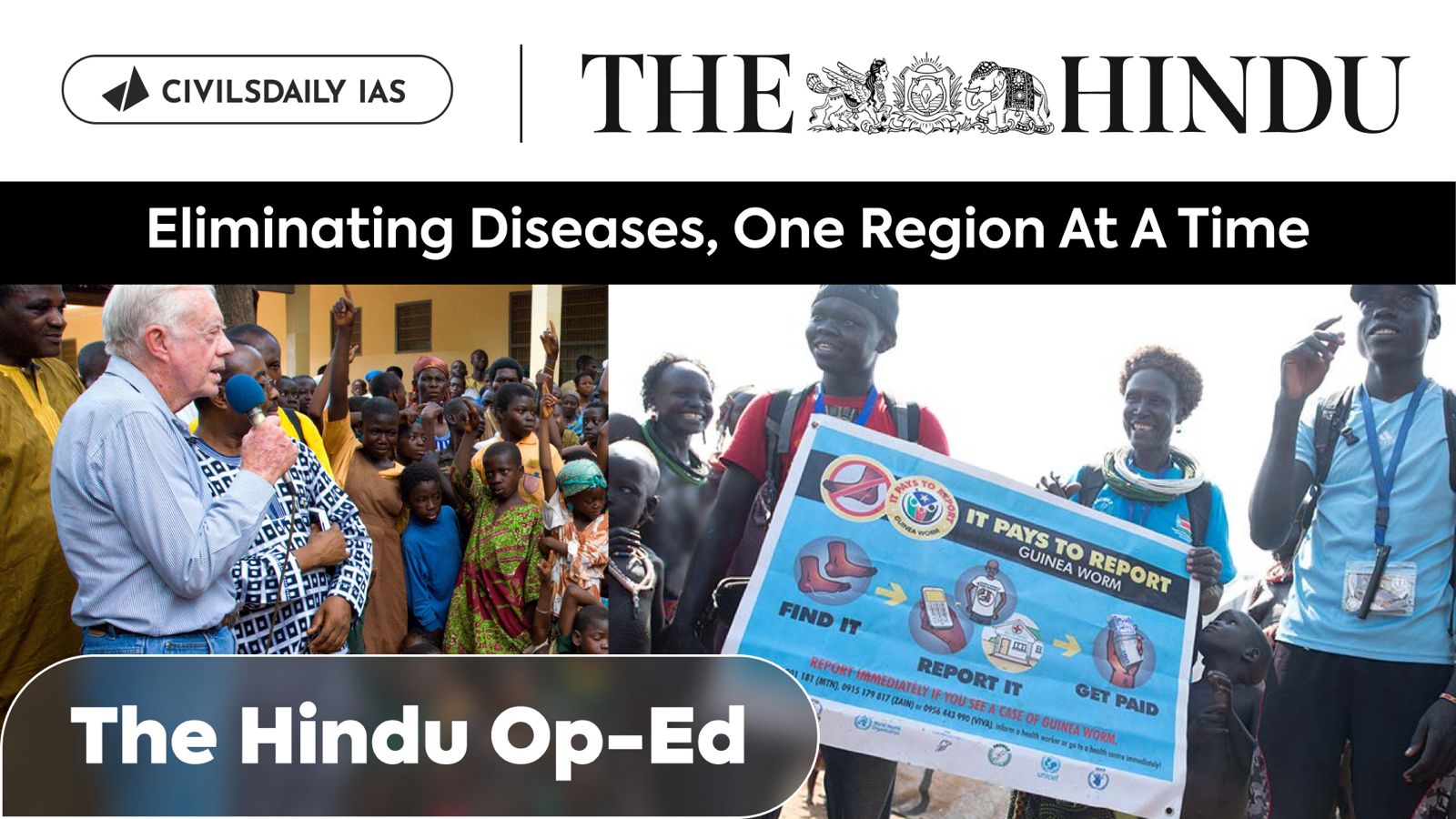
The Carter Center, a leader in the global elimination and eradication of diseases, recently reported that guinea worm disease was close to eradication.
From 3.5 million cases a year in 21 countries in 1986, the number had come down to 13 in five countries in 2023, a reduction of 99.99%. This would be the second disease after smallpox to be eradicated and the first one with no known medicines or vaccines.
This has created increased attention to disease elimination, the first step in eradication. Ending the epidemics of malaria, tuberculosis, and Neglected Tropical Diseases by 2030 is one of the Sustainable Development Goals set by the United Nations.
What are the Current requirements for the Public Health System?
1) Collaborative efforts:
Rigorous Certification Requirements: International agencies impose stringent criteria for certification, necessitating thorough preparation. Preparation for certification drives improvements in primary healthcare, diagnostics, and surveillance systems.
Increased Involvement of Field Staff and Community Health Workers: The pursuit of certification encourages greater engagement from field staff and community health workers, motivated by the clearly defined goal.
Attraction of International Support: Certification efforts attract international support, bolstering resources and expertise.
Political and Bureaucratic Commitment: The pursuit of certification fosters high levels of commitment from political and bureaucratic entities.
2) Feasibility of Elimination in India:
Strategic Focus: Recommend focusing on pathogens with high population impact and low enough numbers to make elimination possible.
Gradual Approach: The initial aim should be to reduce disease numbers to a practical level through disease control before pursuing elimination.
Understanding Processes and Costs: Reduction in disease numbers enables understanding of elimination processes and associated costs.
Strengthening Health Systems: Provides an opportunity to strengthen existing health systems to effectively implement elimination strategies.
3) Need for surveillance systems
Comprehensive Data Collection: Surveillance systems are crucial for capturing every instance of the disease within a population, providing accurate and real-time data for decision-making.
Monitoring Progress: Surveillance systems allow for monitoring the progress of disease elimination efforts, assessing the effectiveness of interventions, and identifying areas that require additional support or resources.
Confirmation and Diagnosis: Strengthening laboratories for screening and confirmation ensures accurate diagnosis of cases, facilitating appropriate treatment and management.
Ensuring Availability of Resources: Surveillance helps in identifying gaps in resources such as medicines and consumables, enabling authorities to ensure their availability to support elimination efforts.
Training and Capacity Building: Surveillance systems facilitate training of healthcare workers on the requirements of elimination strategies, ensuring a skilled workforce capable of implementing surveillance protocols effectively.
What are the Challenges of the Healthcare System?
Resource Strain: Eliminating the transmission of diseases is difficult and requires significant resources. The process places a heavy burden on the healthcare system, potentially diverting attention from other essential health functions.
Potential Neglect of Health Functions: Focusing on disease elimination may divert attention and resources away from other critical health priorities, especially in weaker health systems.
High Prevalence of Diseases: Diseases with high prevalence and significant impact on populations pose greater challenges for elimination, requiring comprehensive strategies and interventions.
Cost-Benefit Analysis: Careful analysis of the costs and benefits is crucial to ensure that the resources invested in disease elimination yield optimal outcomes and minimize adverse impacts on healthcare systems and communities.
Measures that need to be taken at Regional level (Way Forward)
Regional Effectiveness: Multisectoral collaboration and innovation are more effective at the regional level for disease elimination. Smaller units allow for better resource management without neglecting essential tasks.
Ownership by Governments: While elimination efforts can proceed regionally, both national and state governments must take ownership of the process.
Phased Approach: Regional elimination efforts should be phased to culminate at the national level. Planning from a national perspective is essential to ensure coordinated progress across the country.
Technical and Material Support: Regional implementation requires technical and material support. Progress in regional elimination efforts needs to be closely monitored.
National Control: The Union government plays a crucial role in dealing with diseases spreading across states and at ports of entry to prevent reintroduction.
Conclusion: Enhancing surveillance systems, fostering multisectoral collaboration, and adopting a phased regional approach under government ownership is crucial for successful disease elimination. Scaling up efforts gradually across India is imperative for national elimination goals.
Recently, there are some findings from a nationwide private haemodialysis network’, the Lancet Regional Health-Southeast Asia, on the survival of patients receiving haemodialysis in India
Context:
India has amongst the highest number of patients receiving chronic dialysis, globally estimated at around 1,75,000 people in 2018. Daily, the number of patients on dialysis has been increasing.
The launch of the National Dialysis Service in 2016 to improve access, and ongoing efforts to develop affordable dialysis systems, are all underlined by the rising incidence of end-stage renal disease in the country.
What is Hemodialysis?
A machine filters wastes, salts and fluid from your blood when your kidneys are no longer healthy enough to do this work adequately.
Key Highlights as per study:
Survival with Centre- and Patient-Level: The study found that both centre- and patient-level characteristics are associated with survival rates among patients undergoing haemodialysis.
Unexplained Variation Between Centres: Despite considering various centre-based characteristics, there remained unexplained variations in survival rates between dialysis centres across India. This suggests that factors beyond those accounted for in the study may influence patient outcomes.
Large Sample Size: The study included a substantial sample size of over 23,600 patients undergoing haemodialysis at any centre in the NephroPlus network between April 2014 and June 2019. This large sample size enhances the robustness of the study’s findings.
Primary Outcome: The primary outcome of the study was all-cause mortality, measured from 90 days after patients joined a center. This outcome measure provides valuable insights into patient survival rates over time following the initiation of haemodialysis treatment.
Consideration of Individual-Level Variables: The study accounted for various individual-level variables such as sex, smoking status, medical history (e.g., diabetes, heart disease, hypertension, hepatitis B, hepatitis C), education level, monthly household income, dialysis frequency, and vascular access. These variables offer comprehensive insights into patient characteristics and their impact on survival rates.
Evaluation of Centre-Level Variables: Centre-level variables, including the frequency of nephrologist visits, number of beds, number of staff, and number of patients, were also considered. These variables help assess the influence of center resources and practices on patient outcomes.
What were the measuring differences?
Limited Data: The only significant study conducted previously in Andhra Pradesh used claims data from a publicly-funded insurance scheme between 2008 and 2012. It included 13,118 beneficiaries and reported a 10.2% mortality rate within six months of starting hemodialysis.
Absence of Centre-Level Effects: The previous study did not consider center-level effects on survival, limiting the understanding of differences in survival rates between dialysis centers, as observed in other countries.
Gaps in Understanding: Major gaps existed in understanding dialysis outcome patterns in India due to the absence of comprehensive studies, hindering efforts to improve patient care.
Lack of National Benchmark: There was no established national benchmark for survival rates among patients undergoing dialysis in India at the time of the study.
Need for Further Research: The study highlighted the importance of conducting more extensive research to fill the gaps in knowledge and establish benchmarks for dialysis outcomes in India.
What is the recent issue related to the Mortality rate?
Administrative challenges associated with Mortality:
Impact of Centre-Level Factors: Including center-level factors such as staffing, care processes, and patient volume in the analysis reduced the variability in survival rates across dialysis centers by 31%. This suggests that center-level characteristics play a significant role in influencing patient outcomes and survival rates.
Survival Range: After adjusting for multi-level factors, the estimated 180-day survival among patients undergoing hemodialysis ranged between 83% and 97%. This variability indicates differences in survival outcomes across dialysis centers in India.
Urban-Rural Divide: Patients attending rural dialysis centers experienced a 32% higher mortality rate compared to those at urban centers. This disparity underscores the unique challenges faced by rural healthcare facilities in providing hemodialysis services.
Patient Characteristics Associated with Mortality:
Catheter-Based Vascular Access: Patients using catheter-based vascular access had a higher mortality rate compared to those using arteriovenous fistula or graft access.
Financial Support: Patients receiving financial support for dialysis treatment through government panel schemes or private insurance had a lower mortality rate compared to those paying out-of-pocket.
Dialysis Vintage: There was an inverse relationship between mortality rate and dialysis vintage, with patients receiving dialysis for at least a year before joining a center experiencing a 17% lower mortality rate than those starting dialysis less than 30 days before joining.
Presence of Diabetes: The presence of diabetes was associated with a higher mortality rate among hemodialysis patients.
Way Forward:
Establishment of National Benchmark: The study proposes the first national benchmark for survival among dialysis patients in India. This benchmark will serve as a reference point for evaluating the quality of care and outcomes across dialysis centres in the country.
Ongoing Quality Improvement Programs: As dialysis access continues to expand in India, ongoing quality improvement programs are crucial for ensuring that patients receive the best possible care and experience optimal outcomes at the point of care.
Collaborative Quality Improvement System: The authors emphasize the need for a collaborative quality improvement system across the country to address the increasing demand for dialysis services. This system should involve stakeholders at various levels of healthcare delivery to enhance standards of care and patient outcomes.
Understanding Multilevel Effects: It is essential to understand the multilevel effects of both centre- and patient-level characteristics on dialysis outcomes. Establishing national standards for dialysis outcomes in India requires comprehensive insights into these factors to drive improvements in care delivery.
Comparison and Monitoring: Establishing national benchmarks enables comparison and monitoring of dialysis centres’ performances over time. This approach facilitates the identification of variations in practice patterns and outcomes, paving the way for targeted interventions and improvements in healthcare delivery.
Conclusion: The nationwide study on haemodialysis outcomes in India highlights disparities and the need for standardized care. Establishing national benchmarks, ongoing quality improvement, and collaborative efforts are essential for enhancing dialysis care and patient outcomes.
Mains PYQ-
Q- Public health system has limitations in providing universal health coverage. Do you think that private sector can help in bridging the gap? What other viable alternatives do you suggest? (UPSC IAS/2015)
Prelims: ‘Mission Indradhanush’ launched by the Government of India pertains to (UPSC CSE 2016) a) Immunization of children and pregnant women b) Construction of smart cities across the country c) India’s own search for the Earth-like planets in outer space d) New Educational Policy
Mains: 1. What are the research and developmental achievements in applied biotechnology? How will these achievements help to uplift the poorer sections of the society? (UPSC CSE 2021)
2. Women empowerment in India needs gender budgeting. What are requirements and status of gender budgeting in the Indian context? (UPSC CSE 2016)
3. In order toenhance the prospects of social development, sound and adequate health care policies are needed particularly in the fields of geriatric and maternal health care. Discuss. (UPSC CSE 2020)
Note4Students:
Mains: Social Issues and Justice; Health issues;Women empowerment;
Prelims: InterimUnion Budget 2024-25;
Mentor comments: Cervical cancer is a major cause of cancer mortality in women and more than a quarter of its global burden is contributed by developing countries. In India, in spite of alarmingly high figures, there is no nationwide government-sponsored screening program. Wide-scale implementation and awareness is necessary in India. Hence, on an account of International Women’s Day we need to rethink our Primary Health Policies at grass root levels.
Let’s learn.
—
Why in the News?
On account of International Women’s Day (8th March), India’s interim Union Budget 2024-25 is reviewed as a beacon of hope, particularly in the realm of women’s health.
The encouragement and support for the vaccination of girls (from 9 to 14 years) against cervical cancer stands out as a pivotal move towards safeguarding women’s well-being.
What does the Data say?
According to the NCBI report, cervical cancer in India contributes to approximately 6–29% of all cancers in women. The age-adjusted incidence rate of cervical cancer varies widely among registries; highest is 23.07/100,000 in Mizoram state and the lowest is 4.91/100,000 in Dibrugarh district.
Context:
Firstly, India’s Interim Union Budget 2024-25 has taken a significant step towards a cervical cancer-free future by prioritizing women’s health, particularly through the encouragement of HPV vaccination for girls aged 9 to 14 years.
Secondly, the World Health Organization is also aiming for high vaccination coverage, increased screening rates, and improved treatment for cervical cancer.
What are major Challenges in India w.r.t Cervical Cancer?
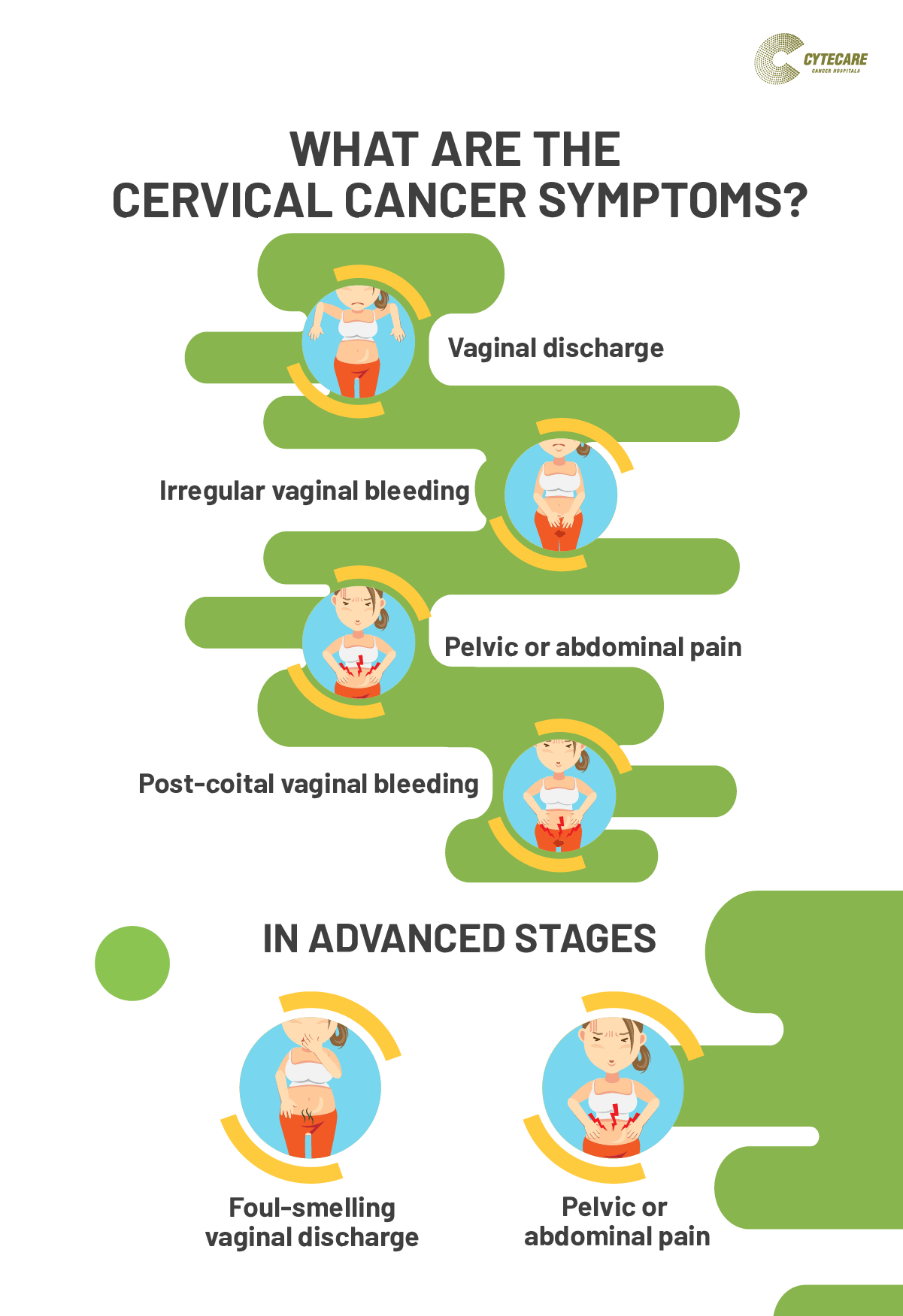
High Mortality: Despite advances in health care, cervical cancer remains the second most common cancer among women in India, with 1.27 lakh cases and around 80,000 deaths being reported annually.
Human papillomavirus (HPV) is a primary reason in the development of cervical cancer.
Supply Side Challenges: Access to vaccination services in underserved populations is imperative. Awareness campaigns are essential to improve demand.
Vaccine hesitancy and equitable access: Addressing vaccine hesitancy remains a challenge. Ensuring equitable access to HPV vaccination is crucial. Efforts needed to engage communities and dispel misinformation.
Initiatives like U-WIN aim to enhance vaccination tracking and responsiveness nationwide.
Initiatives taken for a comprehensive strategy of disease prevention and health promotion:
At Global level
World Health Organization: The WHO has outlined the ‘90-70-90’ targets by 2030 for 90% of girls to be fully vaccinated with the HPV vaccine by age 15, for 70% of women to undergo cervical cancer screening tests by the age of 35 and 45, and for 90% of women with cervical cancer to be treated.
These targets represent milestones in the global effort to eradicate cervical cancer and highlight the pivotal role of India’s call for HPV vaccination in achieving this goal.
Other countries: The success stories from countries like Scotland, Australia, and Rwanda highlight the effectiveness of HPV vaccination in reducing cervical cancer incidence. Bhutan is also one of the only low-middle income countries (LMIC) to have begun vaccinating boys as well (in 2021).
At National level:
Sikkim Model: Sikkim’s successful HPV vaccination campaign in 2018, with a 97% vaccination coverage, exemplifies an effective public health strategy. By educating teachers, parents, girls, healthcare workers, and the media about the benefits of the HPV vaccine, Sikkim demonstrated a targeted and impactful approach.
Indigenous vaccine: Developed by the Serum Institute of India – ‘Cervavac’, marks a significant stride towards ensuring accessibility and affordability.
Interim Union Budget 2024-25: India’s inclusion of HPV vaccination in the interim Budget 2024-25 marks a significant step towards safeguarding women’s health against cervical cancer.
Way Forward:
Enhancing Vaccine Acceptance: Improving awareness and tailoring messages to diverse communities are essential for successful HPV vaccination programs.
Networking on Vaccine Acceptance: Leveraging various communication channels and integrating HPV education in schools are key strategies. Collaborations between stakeholders are crucial for program success.
Promoting of Public-Private Partnerships: Public-private partnerships are vital for ensuring equitable access to vaccination services and safeguarding women’s health against cervical cancer.
Conclusion
Due to the lack of necessary infrastructure and quality control, high-quality cytology screening may not be feasible for wide-scale implementation. Hence, cervical cancer screening programs such as VIA/VILI should be adopted as an integral part of primary health-care.
Practice Question: According to the recent survey, India contributes to a significant rate of cervical cancer in women. In this light, critically analyze the need for appropriate interventions in Primary Health Policies.
Approach for the Answer:
Introduction: Theme: Try to give some recent Reports/Statistics on Cervical Cancer.
Body: Demand 1: Major Challenges; Demand 2: Initiatives taken by the Government; Demand 3: Suggest some Way Forward;
Way Forward: Summarize along with value addition. Give overall summarization and provide some innovative solutions.
The intersection of gender norms, economic instability, and homelessness presents unique challenges in accessing tuberculosis (TB) care for women like Reshma.
Amidst systemic inequities and societal biases, their journey through diagnosis, treatment, and recovery is often fraught with obstacles.
A recent study sheds light on the nuanced experiences of homeless women grappling with TB, urging a reevaluation of existing healthcare frameworks.
Gendered Lens on TB Care
Reshma’s Story: Reshma, a homeless woman from Jaipur, embodies the complex narratives surrounding TB care. Her journey, marked by societal abandonment and inadequate healthcare, epitomizes the challenges faced by homeless women battling TB.
Gender Norms and Diagnosis: Patriarchal norms influence the accuracy and timeliness of TB diagnosis for women, impacting their access to healthcare facilities and adherence to treatment regimens.
Impact of Economic Precarity: Economic instability exacerbates the vulnerability of homeless women, hindering their ability to navigate TB care pathways effectively.
Data Insights and Inequities
Study Findings: A recent survey in Jaipur highlighted the prevalence of TB among the homeless population, underscoring the dire conditions that facilitate TB transmission.
Gender Disparities: Homeless women, like Reshma, bear a disproportionate burden of TB infections, revealing systemic gender inequities within TB care systems.
Barriers to Access and Treatment
Documentation Challenges: Lack of identity proof and access to banking services impedes homeless women’s eligibility for government-sponsoredTB care Initiatives, such as the Nikshay Poshan Yojana and Nikshay Mitra.
Stigma and Social Dynamics: Societal stigma surrounding TB, coupled with patriarchal control over finances, further marginalizes homeless women, hindering their access to nutritional support and treatment adherence.
Navigating Diagnosis and Care
Diagnostic Delays: Vague symptoms and logistical barriers contribute to delayed TB diagnosis among homeless women, prolonging their suffering and increasing the risk of disease progression.
Treatment Adherence: Mobility constraints and medication shortages undermine treatment adherence among homeless women, necessitating tailored interventions to address their unique needs.
Way Forward
Inclusive Healthcare Policies: Recognizing the intersectionality of homelessness and gender within TB care, policymakers must prioritize the rights and well-being of homeless women in national TB eradication initiatives.
Investment in Care Ecosystems: A comprehensive approach to TB care for homeless women requires increased investment in counselling, tracking, and support services, acknowledging the heightened challenges they face in accessing and adhering to treatment protocols.
Conclusion
Addressing the multifaceted challenges faced by homeless women in accessing TB care demands a concerted effort to dismantle gender biases, mitigate economic disparities, and foster inclusive healthcare ecosystems.
By prioritizing equity and empowerment, policymakers can pave the way for a more just and effective TB care paradigm for all individuals, regardless of their socioeconomic status or gender identity.
With the increasing trend of children’s interest in skincare products, concerns have been raised regarding their safety and long-term impact on children’s health.
Influenced by social media and marketing, parents are seeking skincare routines for their children, often overlooking potential risks.
In this article, we explore the implications of early skincare practices on children and the necessity for regulatory measures to ensure their well-being.
Risks Associated with Children’s Skincare Products
Vulnerability to Harm: Children’s skin is thinner, more delicate, and less developed than adults, making them more susceptible to adverse reactions from skincare products.
Exposure to Toxicants: Behavioral patterns like hand-to-mouth activity increase the risk of ingesting harmful chemicals present in skincare products, posing health hazards.
Biological Susceptibility: Rapid growth rate, developing tissues, and immature immune systems make children biologically more vulnerable to the toxicants present in skincare products.
Insights from Research
Usage Patterns: Research indicates that up to 70% of children in the U.S. have used children’s makeup and body products, highlighting the widespread exposure to skincare products among children.
Health Risks: Studies suggest that children’s prolonged exposure to makeup and body products may lead to adverse health effects due to their developing physiology and behavioural tendencies.
Toxins in skincare products can pose risks to health due to their potential adverse effects. Some common toxic ingredients found in cosmetics include:
Polyacrylamide: Possible acrylamide contamination.
PTFE: Possible PFOA contamination.
Petrolatum: Possible PAH contamination.
Formaldehyde: A known carcinogen.
Paraformaldehyde: A type of formaldehyde.
Methylene glycol: A form of formaldehyde
Regulatory Imperatives
Medical Concerns: Dermatologists express concern over the unsupervised use of cosmeceuticals by children, emphasizing the potential harm caused by substances like steroids and hydroquinone present in skincare products.
Need for Regulation: Regulatory measures are deemed essential to restrict the sale of skincare products containing harmful ingredients and protect children from inappropriate products.
Psychological Impact
Unrealistic Standards: The promotion of flawless complexion as an ideal standard perpetuates unrealistic beauty standards among children, impacting their self-esteem and body image.
Ethical Considerations: The ethical implications of targeting young consumers with skincare products, without adequate consideration of their long-term effects, warrant scrutiny and regulation.
Way Forward
Prioritizing Safety: Parents are advised to prioritize safety, simplicity, and skin health when selecting skincare products for their children.
Return to Basics: Dermatologists advocate for a return to basic skincare practices, including a healthy diet, proper cleansing, and moisturizing, to maintain children’s skin health.
Functional Necessity: For child performers and those exposed to heavy makeup, gentle cleansing and hydration are recommended to counteract the effects of makeup and protect the skin’s integrity.
Conclusion
As the children’s cosmetics market continues to grow, it is imperative to address the risks associated with early skincare practices and implement regulatory measures to safeguard children’s health and well-being.
By prioritizing safety, simplicity, and skin health, parents can navigate the skincare maze for their children and foster a healthy relationship with skincare that values function over appearance.
Public health centres in India have long been shrouded in infamy, perceived as symbols of systemic failure.
The effectiveness of primary healthcare in India has always been a topic of discussion, with calls for strengthening these services through government commitment to accessibility, affordability, and quality care.
PYQ from CSE Mains 2021:
Q. “Besides being a moral imperative of a Welfare State, primary health structure is a necessary precondition for sustainable development.” Analyse.
Health Centres in India
Primary Health Centres (PHCs) also known as Public HCs play a crucial role in providing comprehensive healthcare services to the population.
The first PHC in India was established following the proposal of the PHC concept in a paper submitted to the Executive Board of the World Health Organization (WHO) in January 1975.
The establishment of PHCs gained further momentum with the International Conference on PHC held in Alma Ata, Kazakhstan in 1978.
They are a fundamental component of the healthcare system, with Medical Officers at these centers required to hold an MBBS degree.
India boasts a vast public health infrastructure with 23,391 PHCs and 145,894 sub-centers, serving a substantial percentage of the population.
PHCs cover a significant portion of outpatient care, including services for non-communicable diseases, maternal health, and child health.
Importance of Health Centres
Foundational Role: Health centres form the backbone of India’s public health system, providing primary care to millions.
Access and Affordability: With nearly two lakh centres across the country, they aim to offer accessible and affordable healthcare, particularly in rural areas.
Impact on Equity: Effective health centres can mitigate social and health inequities, reducing reliance on costly private healthcare and preventing households from falling into poverty due to healthcare expenses.
Unveiling the Reality
Evidence of Progress: Surveys conducted across five states reveal a pattern of improving quality and utilization of health services over time, albeit at a slow pace.
In Himachal Pradesh, functional health centres serve 83% of the population.
Chhattisgarh has shown a radical expansion in the public provision of healthcare, with increased facilities, medicines, and staff presence.
Bihar lags behind, with dismal quality of health centres and some sub-centres being dormant or non-existent.
Policy Interventions: Increased health expenditure, initiatives like the National Rural Health Mission, and state-specific schemes have contributed to incremental improvements.
The share of health expenditure in the Union Budget increased drastically.
The National Health Mission’s share shrank from 69% to 44%, while allocations for the Ayushmann Bharat program and new AIIMS hospitals surged.
COVID-19 led to a sustained increase in patient utilization of public health facilities, indicating growing trust in the system.
Challenges and Gaps
Underutilization: Despite improvements, health centres still face challenges such as high staff absenteeism, limited services, and poor infrastructure.
Lacunas: Health workers report irregular flow of funds, lack of facilities like toilets and transport, and inadequate supply of drugs and testing equipment.
Social Discrimination: Caste and gender dynamics influence access to and quality of healthcare, perpetuating inequalities. Upper-caste doctors display disparaging attitudes towards marginalized communities, while upper-caste families disrespect Dalit ANMs.
Gender Disparities: Women, particularly frontline health workers, play a crucial role in rural health settings but often face neglect and discrimination.
Way forward
Holistic Investment: While progress has been made, it remains patchy, with allocations often prioritizing tertiary healthcare over primary care.
Designated allocations: The composition of the healthcare budget has remained stagnant, with minimal increases in the share allocated to primary healthcare.
Policy Reform: The paper advocates for substantial support from the central government to enable poorer states to replicate successful initiatives and enhance the role of health centres in public healthcare delivery.
Conclusion
India’s health centres, though fraught with challenges, embody resilience and potential.
By addressing systemic gaps and prioritizing primary healthcare, the nation can harness the transformative power of these centres to achieve equitable and accessible healthcare for all.
Stem cell therapy is gaining popularity in India to treat a wide variety of medical conditions including leukaemia, Thalassemia, damaged cornea and several burns. Describe briefly what stem cell therapy is and what advantages it has over other treatments? (10)
Pyq pre
Why is it in the News?
Cervical cancer prevention, particularly through HPV vaccination, has gained attention recently due to several factors. January was observed as Cervical Cancer Awareness Month, drawing focus to the importance of combating this disease. Additionally, March 4 marked International HPV Awareness Day, further highlighting the significance of addressing HPV-related health issues.
What is Cervical Cancer?
Cervical cancer is a type of cancer that affects the cervix, the lower part of the uterus. It is primarily caused by certain types of the Human Papillomavirus (HPV), which is transmitted through intimate contact.
If left untreated, cervical cancer can be life-threatening. It is a significant health concern worldwide, with a particularly high burden in lower- and middle-income countries. In India, cervical cancer is the second most common cancer among women, posing a substantial threat to public health.
What is Human Papillomavirus (HPV)?
Human Papillomavirus (HPV) is a group of viruses that infect the skin and mucous membranes. It’s the most common sexually transmitted infection (STI) worldwide. HPV can cause various health issues, including genital warts and certain types of cancers.
What Facts are explained in the article?
Prevalence and Impact: Cervical cancer claims the lives of over 300,000 women annually worldwide, with a disproportionate burden in lower-income countries.
Risk in India: With over 500 million women at risk, cervical cancer is a significant public health concern in India, second only to breast cancer.
Role of HPV Vaccination: HPV vaccination is identified as a crucial strategy for preventing cervical cancer. It targets the underlying cause of the disease by protecting against HPV infection.
Strategies for Prevention of Cervical cancer
HPV Vaccination: Implementing widespread HPV vaccination programs, particularly targeting adolescent girls, can significantly reduce the incidence of cervical cancer. Vaccination should ideally occur before the onset of sexual activity to maximize effectiveness.
Screening for Precancerous Lesions: Regular screening for precancerous lesions, such as Pap smears or HPV DNA tests, can detect abnormalities early and allow for timely intervention. This is crucial for reducing the incidence of advanced-stage cervical cancer.
Education and Awareness: Increasing education and awareness about cervical cancer, HPV infection, and the importance of vaccination and screening are essential. This includes targeting healthcare professionals, policymakers, parents, and adolescents to dispel myths and misconceptions and encourage uptake of preventive measures.
What are the Challenges?
Limited Access: HPV vaccination may not be widely accessible, particularly in lower-resourced communities, and is often available at a significant out-of-pocket cost.
Misconceptions Among Physicians: Some physicians underestimate the incidence and risk of cervical cancer, as well as the safety and effectiveness of HPV vaccines. This can lead to hesitancy in recommending vaccination to eligible individuals.
Parental Hesitancy: Misinformation and concerns about vaccine safety and efficacy among parents can contribute to hesitancy in vaccinating adolescents against HPV.
Pap Smears
Description: A screening procedure for cervical cancer involving collecting cells from the cervix to examine for abnormalities.
Purpose: To detect precancerous or cancerous changes in cervical cells early for timely intervention and prevention.
Procedure: Use of a speculum to visualize the cervix and collection of cells with a brush or spatula.
Timing: Typically performed during routine gynecological exams, starting at age 21 or within 3 years of becoming sexually active.
Facts about HPV Vaccination:
The HPV vaccine is safe and effective in preventing six HPV-related cancers, including cervical, vulvar, anal, vaginal, throat, and cervical cancers.
Vaccination is recommended for adolescents starting at age 9 years to maximize its effectiveness.
HPV vaccination is an essential component of the immunization schedule recommended by the Indian Academy of Pediatrics (IAP).
Best Practices for HPV Vaccination and Cervical Cancer Prevention:
Effective Communication:
Provide clear and accurate information to parents about HPV vaccination.
Address concerns and misconceptions to ensure informed decision-making.
Timely Vaccination:
Recommend HPV vaccination for adolescents starting at age 9.
Encourage vaccination before sexual activity begins for maximum effectiveness.
Integration into Immunization Programs:
Advocate for inclusion in national immunization programs for widespread access.
Collaborate with policymakers to ensure equitable vaccine coverage.
Promotion of Regular Screening:
Emphasize the importance of cervical cancer screening for women over 30.
Encourage routine Pap smears or HPV DNA tests for early detection.
Physician Education:
Provide comprehensive training on HPV vaccination and cervical cancer prevention.
Equip healthcare professionals with updated guidelines and communication skills.
In conclusion, the article emphasizes the importance of proactive measures to prevent cervical cancer, particularly through HPV vaccination and screening. It underscores the role of healthcare professionals, policymakers, and community stakeholders in addressing the challenges and ensuring equitable access to preventive interventions.
World Rare Diseases Day (February 29) was recently celebrated.
What are Rare Diseases?
Global Perspective: Rare diseases are defined by the World Health Organization (WHO) as often debilitating lifelong diseases or disorders with a prevalence of 1 or less, per 1,000 population.
National Context: While India lacks a standardized definition, the Organisation of Rare Diseases – India suggests defining a disease as rare if it affects 1 in 5,000 people or less.
Rare Diseases: Key Facts and Figures
India issued its first National Policy on Rare Diseases in March 2021, offering comprehensive strategies for prevention and management.
Less than 5% of rare diseases have therapies available in India, yet they affect nearly 1/5th of the population.
The Union Government allocated ₹50 lakh per patient for rare diseases treatment, but only approximately 49% of the allocated funds have been utilized.
There are approximately 7,000-8,000 rare diseases in India, with new diseases continually being identified and reported.
National Policy on Rare Diseases, 2021: Highlights
Comprehensive Approach: This Policy offers a holistic framework encompassing prevention, management, and treatment strategies tailored to the unique needs of patients.
Financial Support: Recognizing the financial burden on patients, the policy aims to lower the exorbitant costs of treatment through targeted interventions and support mechanisms.
Research Focus: Emphasizing indigenous research, the policy lays the foundation for bolstering research initiatives in the field of rare diseases, fostering innovation and discovery.
Other Initiatives in India
National Hospital-Based Registry: A pivotal component of the policy, the establishment of a national registry of rare diseases promises to provide invaluable epidemiological data, informing targeted interventions and resource allocation.
Early Screening and Prevention: The creation of Nidan Kendras aims to enhance early detection and prevention efforts, crucial for improving patient outcomes and reducing disease burden.
Capacity Building: Strengthening secondary and tertiary health facilities at Centres of Excellence underscores the commitment to enhancing healthcare infrastructure and service delivery.
Challenges and Imperatives
Defining Rare Diseases: Despite significant progress, India lacks a standardized definition of rare diseases, necessitating clarity to guide policy and resource allocation effectively.
Funding Utilization: Concerns arise over the underutilization of allocated funds, highlighting the urgency to streamline resource allocation and enhance accountability mechanisms.
Patient Advocacy: Rare diseases patient advocacy groups play a pivotal role in advocating for timely access to treatment and sustainable funding support, urging policymakers and healthcare providers to prioritize patient-centric initiatives.
Way Forward
Sustainable Funding: Ensuring sustainable funding support for rare diseases treatment is paramount to safeguarding patient well-being and fostering equitable access to care.
National Registry Implementation: Accelerating the establishment of a hospital-based national registry is imperative to harness the power of data-driven decision-making and advance rare diseases research.
Multidisciplinary Care: The creation of comprehensive care centers, coupled with initiatives to support caregivers, represents a crucial step towards enhancing patient outcomes and fostering a supportive healthcare ecosystem.
Conclusion
As India commemorates World Rare Diseases Day, it stands at a pivotal juncture in its journey towards rare diseases care and advocacy.
By embracing a collaborative and patient-centric approach, India can surmount existing challenges, paving the way for a future where every individual affected by a rare disease receives the care and support they deserve.
Try this PYQ from CSP 2014:
Consider the following diseases
Diphtheria
Chickenpox
Smallpox
Which of the above diseases has/have been eradicated in India?
(a) 1 and 2 only
(b) 3 only
(c) 1, 2 and 3
(d) None
[wpdiscuz-feedback id=”p3avfkfd93″ question=”Please leave a feedback on this” opened=”1″]Post your responses here.[/wpdiscuz-feedback]