💥Join UPSC 2027,2028 Mentorship (July Batch) + XFactor Notes & Microthemes PDF

Subject: Social Justice

  • Remission of diabetes, desirable, but not essential

    Preventing Diabetes Complications & Health Problems

    Central idea

    The article highlights the importance of using precise terms like “remission” rather than “reversal” in discussing diabetes. It introduces the ABCDE criteria for potential remission, emphasizing factors like A1c, BMI, and duration. The author advocates a disciplined approach (ABCD: A1c, Blood Pressure, Cholesterol, Discipline) for a healthy life, addressing India’s substantial diabetes challenges.

    Key Highlights:

    • Redefining ‘Reversal’: Dr. V. Mohan demystifies the trend of claiming ‘diabetes reversal,’ emphasizing the more accurate term ‘remission.’
      • Remission: Temporary relief or improvement from diabetes without a permanent cure.
    • ABCDE Criteria for Remission: Identification of crucial factors—A1c, BMI, C-Peptide, Duration, and Enthusiasm—that influence the likelihood of remission in type 2 diabetes.
      • A1c: Glycated hemoglobin, a measure of average blood sugar levels over the past three months.
      • BMI: Body Mass Index, a measure indicating body fat based on weight and height.
      • C-Peptide: A marker for insulin secretion, indicating the body’s ability to produce insulin.
      • Duration: Period of time since the onset of diabetes.
      • Enthusiasm: Eagerness and commitment towards achieving remission.
    • Legacy Effect: Recognizing the enduring benefits of achieving even short-term remission in diabetes and its role in preventing complications.
      • Legacy Effect: Long-lasting positive impact resulting from past actions or conditions.
    • Lifestyle Discipline: Advocating a disciplined lifestyle, with A1c below 7%, controlled blood pressure, and cholesterol as key components for a healthy life with diabetes.

    Challenges:

    • Deceptive Claims: Cautioning against misleading claims by commercial entities promoting diabetes reversal.
    • Individual Variations: Highlighting the diverse likelihoods of achieving remission among individuals with type 2 diabetes.
    • Post-Remission Severity: Noting the common occurrence of increased diabetes severity upon its recurrence post-remission.
      • Post-Remission Severity: Worsening of diabetes conditions after a period of temporary relief.
    • Long-term Remission Challenges: Acknowledging the difficulty for a majority in achieving and sustaining long-term remission.

    Key Phrases:

    • ABCDE Benchmark: Proposing the ABCDE criteria as a pivotal benchmark for assessing the potential for remission in type 2 diabetes.
    • Short-Term Remission Benefits: Underlining the lasting benefits, both physical and preventive, derived from short-term diabetes remission.
    • Disciplined Lifestyle Advocacy: Advocating for a disciplined lifestyle encompassing A1c control, blood pressure regulation, and cholesterol management.
    • Remission Duration Impact: Recognizing that even temporary remission contributes significantly to safeguarding against diabetes-related complications.

    Analysis:

    • Holistic Diabetes Management: Dr. Mohan stresses the importance of holistic diabetes management that extends beyond the pursuit of remission.
      • Holistic Management: Comprehensive and integrated approach addressing various aspects of diabetes care.
    • Remission Realities: Acknowledging the challenge for many individuals to achieve and sustain long-term remission in type 2 diabetes.
    • Guidelines Adherence: Reinforcing the significance of adhering to ABCD guidelines for a healthy life despite diabetes.
    • Balancing Expectations: Encouraging a balanced perspective on diabetes management, considering the varied responses to remission efforts.

    Key Data:

    • Diabetes Landscape: A snapshot of diabetes prevalence in India, with 101 million people diagnosed and 136 million in the prediabetes stage.
      • Diabetes Prevalence: The proportion of the population affected by diabetes.
    • Prediabetes Management: Recognizing the potential for delaying the onset of diabetes through lifestyle modifications in individuals with prediabetes.
      • Prediabetes: A condition preceding diabetes, indicating higher-than-normal blood sugar levels.

    Key Facts:

    • Complications Risk: Highlighting the risks of sub-optimal diabetes control, contributing to severe complications.
    • Expert Insight Impact: Dr. Mohan’s insights, drawn from extensive experience, underscore the potential for a healthy life despite diabetes.
    • National Health Objective: Reinforcing the national health objective of achieving a ‘diabetes complications-free India.

    Way Forward:

    • World Diabetes Day Pledge: Urging a renewed commitment on World Diabetes Day to prevent diabetes complications and promote overall well-being.
    • Dream of Complications-Free India: Aspiring toward realizing a ‘diabetes complications-free India’ by navigating existing challenges with determination and awareness.
  • Hypertension Care: Insights from India’s Healthcare Landscape

    hypertension

    Central Idea

    • An analysis of recent National Family Health Survey data, as published in the journal JAMA, has revealed substantial disparities in the prevalence, diagnosis, treatment, and control of hypertension within Indian states and districts.
    • These disparities underscore the need for targeted and decentralized solutions to address the complexities of hypertension care across the nation.

    What is Hypertension?

    • Hypertension, commonly known as high blood pressure, is a medical condition in which the force of blood against the walls of the arteries is consistently too high.
    • Blood pressure is measured in millimetres of mercury (mm Hg) and is expressed as two numbers: systolic pressure over diastolic pressure.
    • The systolic pressure represents the force when the heart contracts, while the diastolic pressure represents the force when the heart is at rest between beats.
    • Normal blood pressure is typically around 120/80 mm Hg. Hypertension is diagnosed when blood pressure consistently measures at or above 130/80 mm Hg.
    • However, different organizations may have slightly different guidelines for defining hypertension.

    Key Findings of the Study

    • National-Level Observations: The national-level data reveals a common trend – a significant proportion of individuals with hypertension remain undiagnosed, and even among those diagnosed, many do not initiate treatment. Moreover, among those who commence treatment, few achieve adequate blood pressure control.
    • Inter-State Variation: The study notes that while the prevalence of hypertension is comparable in southern states, it is notably higher than the national average, with 29.9% of the population in these states affected compared to 26.8% nationally.
    • District-Level Disparities: The study highlights substantial variations within states. For instance, in Meghalaya, the prevalence of hypertension differs significantly across Garo Hills, Jaintia Hills, and Khasi Hills districts, affecting the diagnosis rates. A similar scenario is observed in Karnataka’s Chikmagalur, Shimoga, Udupi, and Chitradurga districts.

    Impact of Demographics and Education

    • Gender and Age: Despite hypertension being more prevalent in men, the data surprisingly reveals that women are more likely to be diagnosed, receive treatment, and achieve blood pressure control.
    • Socio-Economic Status: Individuals in the wealthiest quintile demonstrate higher rates of prevalence, diagnosis, treatment initiation, and control.
    • Education Level: Completion of schooling correlates with better rates of diagnosis, treatment, and control compared to those with no schooling or up to Class 11.

    Significance of Inter-State and Inter-District Variability

    • Resource Allocation: District-level data can guide state governments in allocating resources efficiently. It helps identify districts with a high prevalence of hypertension that may require increased screening and diagnostic facilities or better accessibility to medicines.
    • Continuum of Care: Managing chronic conditions like hypertension requires a distinct healthcare approach. Ensuring regular availability of medicines, digitization of records for follow-ups, and the establishment of accessible treatment centers are critical components of an effective continuum of care.

    Controlling Hypertension in India

    • WHO’s Call to Action: The World Health Organization (WHO) emphasizes the potential to avert nearly 4.6 million deaths in India by 2040 if half of hypertensive individuals can control their blood pressure.
    • Government Initiative: India launched a comprehensive initiative in 2023 to treat 75 million people with hypertension or diabetes by 2025. This endeavor extends beyond infrastructure expansion to active screening, treatment initiation, medication accessibility, and follow-up mechanisms.

    Conclusion

    • India’s quest to bridge the gaps in hypertension care demands a multifaceted approach.
    • The district-level insights offered by this study can guide policymakers in crafting targeted solutions, ultimately enhancing the continuum of care for hypertension and contributing to better public health outcomes.
  • Meta lawsuits: Big Tech will always be bad for mental health

    mental health

    Central idea

    The article delves into the social media crisis, pointing fingers at Meta for exacerbating youth mental health issues through Instagram’s addictive features. Legal actions highlight the platforms’ intentional exploitation of young users’ vulnerabilities. To address this, a suggested solution is contemplating a shift from the current profit-driven business model to a subscription-based one.

    Key Highlights:

    • Social Media Crisis: Social media platforms, especially Meta (formerly Facebook), are facing a crisis due to concerns about their impact on mental health, particularly among youth.
    • Legal Action Against Meta: Forty-two US Attorney Generals have filed lawsuits against Meta, alleging that Instagram, a Meta-owned platform, actively contributes to a youth mental health crisis through addictive features.
    • Allegations Against Meta: The lawsuit claims that Meta knowingly designs algorithms to exploit young users’ dopamine responses, creating an addictive cycle of engagement for profit.
    • Dopamine and Addiction: Dopamine, associated with happiness, is triggered by likes on platforms like Facebook, leading to heightened activity in children’s brains, making them more susceptible to addictive behaviors.
    Prelims focus – Dopamine

    • Neurotransmitter: Dopamine is a neurotransmitter, a chemical messenger in the brain.
    • Feelings of Pleasure: It is associated with feelings of pleasure, reward, and satisfaction.
    • Reward System: Dopamine plays a crucial role in the brain’s reward system, reinforcing certain behaviors.
    • Motivation: It is linked to motivation, focus, and regulating mood.
    • Addiction and Habits: Dopamine is involved in the development of addictive behaviors and habits.
    • Social Media Impact: Activities on social media, like receiving likes or positive feedback, can lead to a release of dopamine.

    Key examples for mains value addition 

    • The Social Dilemma (2020): A Netflix show that revealed how social media, led by Meta, messes with our minds and influences our behavior, especially impacting the mental health of youngsters.
    • Frances Haugen’s Revelations: A whistleblower exposed internal Meta documents showing that Instagram worsened body image issues for teen girls, making social media’s impact on mental health a serious concern.
    • US Surgeon General’s Advisory: The government’s health expert issued a warning about the negative effects of social media on young minds, emphasizing its importance in President Biden’s State of the Union address.

    Challenges:

    • Addictive Business Model: The core issue with social media is its business model, focusing on user engagement and data monetization, potentially at the expense of user well-being.
    • Transformation from Networks to Media: Social networks, initially built for human connection, have transformed into media properties where users are treated as data for advertisers, impacting their habits and behaviors.
    • Global Regulatory Scrutiny: Meta faces regulatory challenges beyond the US, with UK, EU, and India considering legislative measures. India, having the largest Instagram user base, emphasizes accountability for content hosted on platforms.

    Analysis:

    • Business Model Critique: The article argues that the problem with social media lies in its business model, which prioritizes user engagement for data collection and monetization.
    • Regulatory Consequences: If the lawsuit succeeds, Meta could face significant penalties, potentially adding up to billions of dollars, and signaling a major setback for the company.
    • Global Impact: Regulatory scrutiny extends beyond the US, indicating a need for platforms to be more accountable and responsible for their content and user interactions on a global scale.

    Key Data:

    • Potential Penalties: Meta could face penalties of up to $5000 for each violation if the lawsuit succeeds, posing a significant financial threat considering Instagram’s large user base.
    • Regulatory Pressure in India: India, with 229 million Instagram users, emphasizes the end of a free pass for platforms, signaling a global shift towards increased accountability.

    Way Forward:

    • Shift to Subscription Model: The article suggests that social networks might consider adopting a subscription model, akin to OpenAI’s approach, to prioritize user well-being over advertising revenue.
    • Listen to Regulatory Signals: Platforms are urged to heed regulatory signals and work collaboratively to address issues rather than adopting a confrontational stance.
    • Long-term Survival: To ensure long-term survival, social media networks may need to reevaluate their business models, aligning them with user well-being rather than prioritizing engagement and data monetization.

    In essence, the article highlights the crisis in social media, legal challenges against Meta, the critique of the business model, global regulatory scrutiny, and suggests potential shifts in the industry’s approach for long-term survival.

  • Mother, child and the Poshan Tracker

    What is poshan tracker?

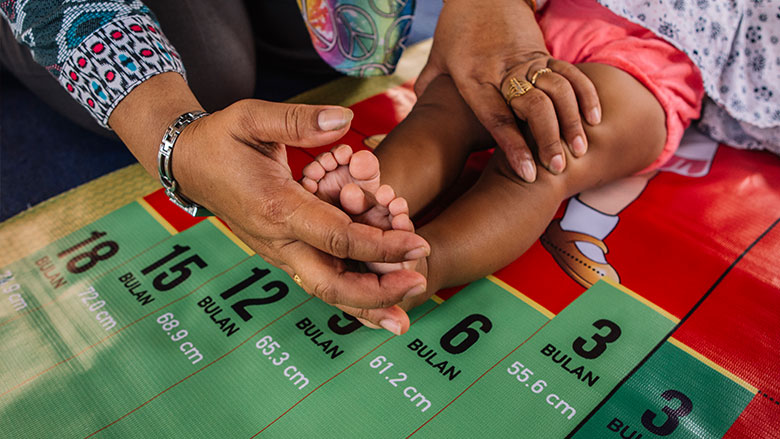
    Poshan Tracker is a centralized ICT-enabled platform developed by the Government of India, serving as the largest mobile nutrition monitoring system globally. Embraced by 1.3 million Anganwadi workers, it collects real-time data on the height and weight of 72 million children under five, aiming to address malnutrition challenges through transparency, accountability, and targeted interventions in the Integrated Child Development Services (ICDS) sector.

    Key Facts:

    • Poshan Tracker is the largest mobile nutrition monitoring system globally, adopted by 1.3 million Anganwadi workers in India within two years.
    • It collects height and weight data for 72 million children under five, representing over 50% of the population, with 94% Aadhar verification.
    • The system includes modules for beneficiary registration, growth monitoring, migration facility, dashboard for underperforming districts, and a portal for reporting community engagements.
    • Poshan Tracker serves as a real-time feedback loop for frontline workers, aiding in early identification of malnutrition and monitoring service delivery.
    • The data captured includes information on Anganwadi infrastructure, beneficiaries receiving rations and meals, and nutritional outcomes at national, state, and district levels.

    Key Terms:

    • Poshan Tracker: The centralized ICT-enabled platform developed by the Government of India for nutrition monitoring, promoting transparency and accountability in service delivery.
    • Anganwadi Workers (AWCs): Frontline workers in India responsible for implementing Integrated Child Development Services (ICDS) at the community level.
    • Aadhar Verification: The process of confirming the identity of beneficiaries using the Aadhar system, ensuring accuracy in data.
    • Feedback Loop: A continuous cycle of collecting, analyzing, and applying feedback to improve the user-friendliness and effectiveness of the monitoring system.
    • Granularity: The level of detail in data, addressing variability in malnutrition rates and providing localized, observed information.

    Key Data:

    • 72 Million Children: Height and weight data collected for this number, representing over 50% of children under five in India.
    • 94% Aadhar Verified: High percentage of beneficiaries whose identities are verified through Aadhar, ensuring data accuracy.
    • 1.3 Million Anganwadi Workers: Universal adoption of Poshan Tracker among these frontline workers.
    • Underperforming Districts: A dashboard monitors key performance indicators in selected underperforming districts.
    • 80% Accuracy Improvement: Similar mobile apps in Indonesia improved accuracy of growth monitoring, particularly for underweight children, by 80% on average.

    Key Highlights:

    • Unprecedented Scale: Poshan Tracker is the largest mobile nutrition monitoring system globally, with universal adoption by 1.3 million Anganwadi workers in India within two years.
    • Real-Time Monitoring: It collects height and weight data for 72 million children under five, representing over 50% of the population, providing real-time monitoring and 94% Aadhar verification.
    • Comprehensive Dashboard: Captures data on Anganwadi infrastructure, beneficiaries receiving rations and meals, and nutritional outcomes at national, state, and district levels.
    • Feedback Loop: Acts as a feedback loop for frontline workers, aiding in early identification of malnutrition, targeting at-risk beneficiaries, and monitoring service delivery.
    • Modules: Various modules include beneficiary registration, growth monitoring, migration facility, dashboard for underperforming districts, and a portal for reporting community engagements on nutrition.

    Challenges and Concerns:

    • Data Quality Doubts: Global experience raises concerns about the quality of monitoring data; the accuracy of Poshan Tracker data is a critical consideration.
    • Timeliness: Paper-based reporting is time-consuming, and while Poshan Tracker enables real-time transmission, the challenge lies in maintaining this speed and efficiency.
    • User Overburden: Anganwadi workers are overburdened; ensuring Poshan Tracker’s user-friendliness through feedback and ongoing training is crucial for sustainability.

    Analysis:

    • Accuracy Improvement: Studies show mobile apps improve accuracy; Poshan Tracker’s automatic calculations can reduce errors and provide more reliable data than manual methods.
    • Granularity: Poshan Tracker’s granularity addresses the variability in malnutrition rates, providing decision-makers with on-the-ground, observed data for timely action.
    • Timely Intervention: Real-time data transmission enables faster government response and quicker retrieval of information at the Anganwadi level, saving time for nutritional promotion activities.

    Way Forward:

    • Continuous Feedback: Regular updates based on Anganwadi workers’ feedback are essential to ensure the system’s user-friendliness.
    • Skill-Building: Ongoing skill-building and technical assistance are crucial for the sustainability of the monitoring system.
    • Actionable Outcomes: Recognizing data as a tool, investments should focus on delivering essential services promptly when malnutrition is detected.
  • Impacting a woman’s freedom to reproductive choices


    women

    Central idea

    The recent Supreme Court decision in X vs Union of India has sparked a debate on the delicate balance between a woman’s right to choose and the viability of the fetus. Grounded in the Medical Termination of Pregnancy (MTP) Act, the judgment has faced criticism for not explicitly addressing the moral and legal status of the fetus, potentially overshadowing a woman’s rights to privacy and dignity.

    Key Highlights:

    • Denial of Termination at 26 Weeks: The Supreme Court, in its decision, denied permission for the termination of a 26-week pregnancy, citing limitations within the MTP Act. The judgment centers on the viability of the fetus, limiting a woman’s right to choose when the fetus becomes capable of surviving outside the uterus.
    • Omission of Crucial Questions: Despite the ruling’s focus on viability, the Court did not address vital questions surrounding the autonomous moral status, legal standing, and constitutional rights of the fetus.
    • Petitioner’s Plight: The petitioner, a 27-year-old woman battling post-partum depression, emphasized her inability to care for a third child, underscoring the complex interplay of mental health and reproductive choices.

    Challenges

    • Ambiguity in MTP Act: The judgment fails to assess whether the MTP Act serves merely as an enabling legislation or if it confers fundamental rights, leading to uncertainties in interpreting the law.
    • Overlooking Fetal Rights: The absence of consideration for the rights and status of the fetus within the constitutional framework raises concerns about inadvertently favoring fetal rights over a woman’s autonomy.
    • Hierarchical Rights: The Court’s decision may unintentionally establish a hierarchy of rights, potentially elevating the fetus above a woman’s right to make autonomous reproductive choices.
    Prelims focus


    MTP Act of 1971: The Medical Termination of Pregnancy (MTP) Act of 1971 was the foundational legislation that regulated abortion in India. It permitted abortions up to 20 weeks of gestation under specific conditions, such as the risk to the life or physical or mental health of the pregnant woman.


    Amendment in 2021: In 2021, the MTP Act underwent significant amendments to modernize and liberalize India’s abortion laws.


    The key changes included:

    Extending the permissible gestational limit from 20 to 24 weeks.

    Expanding access to abortion services by allowing a broader range of healthcare providers to perform abortions, including mid-level providers.


    Concerns

    • Establishing Fetal Constitutional Rights: The ruling’s potential implications on establishing constitutional rights for fetuses contradict existing jurisprudence, stirring concerns about the broader legal landscape.
    • Impact on Reproductive Autonomy: The judgment’s impact on a woman’s freedom to make reproductive choices without undue interference becomes a focal point of concern.
    • Enabling Legislation vs. Fundamental Rights: Potential conflicts between enabling legislation like the MTP Act and fundamental rights necessitate a reexamination of legal frameworks.

    Analysis

    • Gap in Addressing Evolving Dynamics: The Court’s decision reveals a gap in addressing the evolving dynamics of reproductive rights, especially in the context of mental health and socioeconomic factors.
    • Contradiction in Privacy and Dignity: Contradictions emerge when comparing this judgment with the Court’s recent stance on privacy and dignity, as seen in X vs The Govt. of Delhi, where autonomy over reproductive choices was emphasized.

    Way Forward

    • Reevaluate MTP Act: A comprehensive reevaluation of the MTP Act is imperative to address evolving societal and medical considerations in the realm of reproductive rights.
    • Dialogue on Fetal Constitutional Status: Initiating a broad dialogue on the constitutional status of the fetus is crucial, considering the potential ramifications on reproductive rights.
    • Amendments and Supplementary Regulations: Considering amendments or supplementary regulations becomes essential to bridge gaps in existing legislation and ensure a more nuanced approach to reproductive choices.

    This structured approach aims to simplify complex legal and ethical discussions while highlighting the key elements of the Supreme Court’s decision and its broader implications.

  • Salt Consumption and Health: Striking a Delicate Balance

    Central Idea

    • Salt is an essential component of our diet, adding flavor to our food and serving vital bodily functions.
    • However, excessive salt intake can lead to health issues, including high blood pressure.

    Salt Intake in India

    • In India, a recent national survey revealed that men consume 8.9 grams, while women intake 7.1 grams of salt daily (Prashant Mathur et al., Scientific Reports, 2023).
    • While the World Health Organization recommends a daily salt intake of 5 grams, the global average is much higher at 10.8 grams.

    Salt and Health Implications

    • Diverse Health Effects: Extensive research in animals and human surveys consistently link high salt consumption to kidney, brain, vascular, and immune system diseases. Conditions such as kidney stones and osteoporosis are associated with excessive sodium intake.
    • Global Impact: Excessive salt intake contributes to approximately five million deaths worldwide annually, underscoring the global health impact of salt-related health issues.

    The Yanomami Example

    • The Yanomami people, living in the Amazon rainforest, follow a foraging lifestyle and consume a diet primarily composed of Cassava, plantains, fruit, fish, and occasionally tapir.
    • Interestingly, they use peppers for flavor but do not use salt.
    • Their daily salt intake is less than one gram, yet they maintain excellent health and fitness.

    Salt and Obesity Connection

    • Balancing Act: While our bodies require salt for essential functions, excessive salt consumption can lead to health problems, including obesity.
    • Metabolic Impact: High salt intake impairs metabolism and increases the size of adipocytes, the cells that store fat, contributing to obesity.
    • Dietary Preferences: There is a connection between a preference for high-fat and salty foods. Experiments with mice showed that those exposed to high-fat diets during gestation preferred salty water.

    Reducing Salt Intake and Blood Pressure

    • Population Studies: Reducing salt intake by five to eight grams daily can lead to a 4 mmHg drop in systolic blood pressure and a lower risk of cardiovascular disease, as demonstrated in population studies.
    • Clinical Trials: Antihypertensive drugs, which lower blood pressure, show similar results, with an average reduction of 5 mmHg.
    • Salt Alternatives: Replacing normal salt with a mixture of 75% sodium chloride and 25% potassium chloride reduced systolic blood pressure by 3.3 mmHg in a Chinese population study.
    • Caution for Elderly: Reducing salt intake may pose risks for elderly adults, particularly if they are taking blood pressure medication, as it could lead to hypotension and falls.
  • Supreme Court upholds Woman’s Right to Parenthood in Surrogacy Case

    surrogacy

    Central Idea

    • In a landmark decision, the Supreme Court of India has safeguarded a woman’s right to parenthood, particularly in cases of medical conditions, by suspending the enforcement of a law that jeopardized her aspiration to become a mother through surrogacy.
    • This significant ruling provides protection and empowerment for women facing unique medical challenges on their journey to parenthood.

    Case Details

    • Medical Condition: The woman suffers from the rare Mayer Rokitansky Kuster Hauser (MRKH) syndrome. Medical records confirm her condition, which includes “absent ovaries and absent uterus,” rendering her unable to produce her own eggs.
    • Hope through Gestational Surrogacy: She and her husband embarked on the path of gestational surrogacy using a donor’s eggs (a process where one person, who did not provide the egg used in conception, carries a fetus through pregnancy and gives birth to a baby for another person or couple.).

    Threatening Amendment

    • No donor gamete use: A government notification dated March 14 of the current year introduced an amendment to the law, prohibiting the use of donor gametes in surrogacy. It mandated that “intending couples” must employ their own gametes for the surrogacy process.
    • A Violation of Parenthood Rights: This amendment was challenged in the Supreme Court, alleging a violation of a woman’s fundamental right to parenthood. The court found that the amendment contradicted the core provisions of the Surrogacy Act, both in form and substance.

    Gametes Regulation and ART Act, 2021

    • Gametes are reproductive cells. In animals, the male gametes are sperms and female gamete is the ovum or egg cells.
    • On March 14, 2023, the Health Ministry published Rules that said:
    1. A couple undergoing surrogacy must have both gametes from the intending couple and donor gametes are not allowed;
    2. Single women (widow/divorcee) undergoing surrogacy must use self-eggs and donor sperms to avail surrogacy procedure.
    • Section 2(h) of the Assisted Reproductive Technology Regulation Act, 2021 defines a “gamete donor” as a person who provides sperm or oocyte with the objective of enabling an infertile couple or woman to have a child.

    Court’s Ruling: Allows Donor’s Gametes

    • Prima Facie Contradiction: The SC Bench issued a decisive order, stating that the amendment obstructed the intending couple from achieving parenthood through surrogacy and was prima facie contrary to the Surrogacy Act’s intentions.
    • Petitioner’s Argument: Senior advocate Sanjay Jain, representing the petitioner, argued that the amendment invalidated the possibility of gestational surrogacy, which the Surrogacy Act, 2021, recognized as a valid option for couples facing medical conditions.
    • Rule 14(a) Clarification: Jain referred to Rule 14(a) of the Surrogacy Rules, emphasizing that it explicitly listed medical or congenital conditions, such as the absence of a uterus, as valid reasons for gestational surrogacy. The rule affirmed that the choice was solely the woman’s.
    • Retrospective Implementation: The petitioner contended that the amendment could not be applied retrospectively to her case.

    Court’s Ruling and Interpretation

    • Woman-Centric Perspective: The court concurred with Mr. Jain’s argument that gestational surrogacy was “woman-centric.” It recognized that the decision to opt for surrogacy was driven by the woman’s inability to become a mother due to her medical or congenital condition.
    • Validation of Rule 14(a): The court asserted that the amendment could not contradict Rule 14(a), which explicitly acknowledged medical conditions, including the absence of a uterus, as valid reasons necessitating gestational surrogacy.
    • Genetic Relation Interpretation: Addressing the government’s contention that the surrogate child must be “genetically related” to the couple, the court clarified that this related to the husband when Rule 14(a) applied.

    Conclusion

    • The Supreme Court’s decision in favour of ‘Mrs. ABC’ not only upholds her right to parenthood but also reinforces the significance of gestational surrogacy as a woman-centric solution for individuals facing challenging medical conditions on their path to becoming parents.
    • This ruling sets a precedent for protecting the parenthood rights of women across India.
  • India seeks inclusion of Traditional Medicine on WHO’s ICD List

    Central Idea

    • The Centre seeks to include traditional Indian medicines in the 11th revision of the World Health Organisation’s International Classification of Diseases (ICD).
    • The traditional Indian medicine system is categorized into Ayurveda, Siddha, Unani and Yoga, Naturopathy, and Homoeopathy

    About International Classification of Diseases (ICD)

    Purpose Standardized system for classifying and coding diseases, health conditions, and related information.
    Established 1893, by International Statistical Institute (WHO’s predecessor)
    Authority Developed and maintained by the World Health Organization (WHO).
    Scope Covers a wide range of diseases, health conditions, injuries, and health-related factors.
    Coding System Assigns unique alphanumeric codes to each health condition for consistent recording and reporting.
    Global Applicability Internationally recognized and used for health data collection, analysis, and reporting.
    Updates Periodically updated to reflect advances in medical knowledge and changing health trends.
    Latest Version ICD-11 became effective in January 2022.
    Uses Clinical diagnosis, health record documentation, research, health policy, and resource allocation.

    India’s quest to update ICD-11

    • Universal Language: The ICD provides a universal language that enables healthcare professionals worldwide to share standardized information.
    • Traditional Medicine Module: The 11th revision includes a module dedicated to traditional medicine conditions, offering a standardized way to collect and report data on these conditions internationally.
    • Formal Recognition: Ayurveda and related Indian traditional healthcare systems are formally recognized and widely practised in India, making a strong case for their inclusion.
    • Chinese Medicine Inclusion: After a decade of consultations, ICD-11 included Module-1, covering traditional medicine conditions originating in ancient China.
  • Abortion Rights in India: Legal Complexities and Ethical Dilemmas

    abortion

    Central Idea

    • CJI DY Chandrachud said that India’s abortion law was liberal, pro-choice and far ahead of other countries.
    • SC is hearing the case of a married woman who wants to medically terminate her 26-week pregnancy.
    • This raises critical questions about a woman’s autonomy in deciding to abort and the existing legislative framework.

    Woman’s Perspective

    • Unplanned Pregnancy: A 27-year-old married woman, already a mother of two, contends that her pregnancy was unplanned.
    • Financial Strain: She argues that her family’s income is inadequate to support another child, and she is undergoing treatment for postpartum depression after her second child’s birth.

    Court Decisions and AIIMS Report

    • Initial Approval: A two-judge Bench initially allowed the termination, reasoning that an unplanned pregnancy due to contraceptive failure is akin to a forced pregnancy, permitting abortion up to 24 weeks.
    • AIIMS Concern: AIIMS, Delhi, raised questions about whether foeticide (stopping the foetal heart) could be performed before termination since the foetus is currently viable.
    • Three-Judge Bench: The case was transferred to a three-judge Bench, led by Chief Justice of India (CJI) D Y Chandrachud, which called for a fresh medical report to assess the foetus’s health and the woman’s medical condition.

    Understanding the Abortion Law

    • Medical Termination of Pregnancy Act (MTP Act): The MTP Act allows termination of pregnancy in three stages.
      1. Termination up to 20 weeks with the advice of one doctor.
      2. Pregnancy at 20-24 weeks requires the opinion of two registered medical practitioners, under specific conditions.
      3. After 24 weeks, a medical board in approved facilities assesses the termination based on substantial foetal abnormalities.

    Court’s History of Allowing Late-Term Abortion

    • Several Precedents: The court has previously permitted terminations beyond 26 weeks in various cases, often in cases of rape or consensual relationships.
    • Marital Status Factor: The current case distinguishes itself by the woman’s marital status, implying that the conception is consensual and not a forced pregnancy.

    Balancing Rights: Woman vs. Unborn Child

    • Ongoing Debate: The CJI-led Bench oscillates between prioritizing a woman’s rights over abortion and the need to balance the rights of the unborn child.
    • Liberal Approach: India’s law on abortion is considered liberal and pro-choice, with courts often favouring the woman’s autonomy.

    Comparisons with International Standards

    • Foetal Viability: The concept of “foetal viability” as a benchmark for abortion approval is relatively new in India. It aligns with international standards.
    • US Roe v Wade: The landmark 1973 US Supreme Court case, Roe v Wade, allowed abortion until foetal viability. In 1973, viability was at 28 weeks, now lower due to scientific advancements.
    • Criticism of Indian Law: Some critics argue that India’s law lacks clarity as the decision to terminate after 20 weeks falls on doctors rather than the women, leading to frequent court interventions.

    Autonomy vs. Unborn Child’s Rights

    • Legislative Gap: While the Indian legal framework supports a woman’s autonomy in reproductive decisions, gaps persist, especially concerning last-minute interventions.
    • Ethical Debate: The Indian law leans toward women’s autonomy, but ethical dilemmas arise regarding the rights of the unborn child.
    • Legal Precedents: Cases like Nand Kishore Sharma versus Union of India have debated the constitutionality of the MTP Act concerning the right to life of an unborn child.

    Conclusion

    • The ongoing Supreme Court case highlights the intricate legal and ethical considerations surrounding abortion in India.
    • While the law supports a woman’s right to choose, the challenge lies in finding a delicate balance between individual autonomy and the rights of the unborn child.
    • As the court grapples with this complex case, it underscores the need for continued legal discourse and potential legislative amendments to address evolving reproductive rights issues.
  • India ranks 111/125 in Global Hunger Index, 2023

    Central Idea

    • India has been ranked 111th out of 125 countries in the Global Hunger Index-2023, a stark decline from its 107th position in 2022.
    • The index highlights a concerning statistic – India reports the world’s highest child wasting rate at a staggering 18.7 percent.
    • Interestingly, India’s neighboring countries, including Pakistan (102nd), Bangladesh (81st), Nepal (69th), and Sri Lanka (60th), have performed comparatively better in the index.

    Global Hunger Index (GHI)

    Publication Jointly published annually by Concern Worldwide and Welthungerhilfe.
    Scale Measures hunger on a 100-point scale, with 0 as the best (no hunger) and 100 as the worst score.
    Purpose Comprehensively measures and tracks hunger globally, regionally, and at the country level. Aims to trigger action to reduce hunger worldwide.
    Indicators 4 key indicators for each country:

    1. Undernourishment (reflects inadequate food availability): Share of the population that is undernourished.

    2. Child Wasting (reflects acute undernutrition): Share of children under five with low weight for their height.

    3. Child Stunting (reflects chronic undernutrition): Share of children under five with low height for their age.

    4. Child Mortality (reflects inadequate nutrition and unhealthy environment): Mortality rate of children under five.


    Hunger in India: Fact Check

    • Serious Hunger Levels: India’s score of 28.7 in the Global Hunger Index-2023 places it in the “serious” category, according to the report.
    • Child Wasting: India’s child wasting rate, the proportion of undernourished children measured by weight relative to their height, stands at an alarming 18.7 percent, signaling acute undernutrition.
    • Undernourishment Rate: The rate of undernourishment in India is reported at 16.6 percent, further highlighting the gravity of the issue.
    • Child Mortality: Under-five mortality in India is recorded at 3.1 percent.
    • Anemia Among Women: The report underscores a significant concern, with 58.1 percent of women aged 15 to 24 in India being affected by anemia.

    A report to bully India

    • Disputed Ranking: The Indian government has rejected the GHI 2023 ranking, citing serious methodological concerns and suggesting a malicious intent behind the report (considering elections).
    • Methodological Issues: The WCD Ministry asserts that the GHI 2023 report suffers from significant methodological issues. It contends that 3 out of 4 indicators used for calculation pertain to child health, which does not represent the entire population.
    • Sample size issue: It is questionable that only small sample size of 3,000 is used for the “Proportion of Undernourished Population” indicator for crores population in India.
    • Child Wasting Discrepancy: The ministry highlights a significant disparity between the child wasting rate as per the Poshan Tracker (consistently below 7.2 percent) and the 18.7 percent reported in GHI 2023.
    • Undue link with Child mortality: It also challenges the notion that child mortality is solely an outcome of hunger.

    Conclusion

    • India’s ranking underscores the persistent challenges in addressing hunger and undernutrition.
    • The report serves as a stark reminder of the critical need to comprehensively tackle these issues, especially child wasting and undernourishment, to ensure the well-being of the nation’s population.